Middleton … An Evening with Claire Mooney … Times Gone By

News

Middleton

The Olde Boars Head

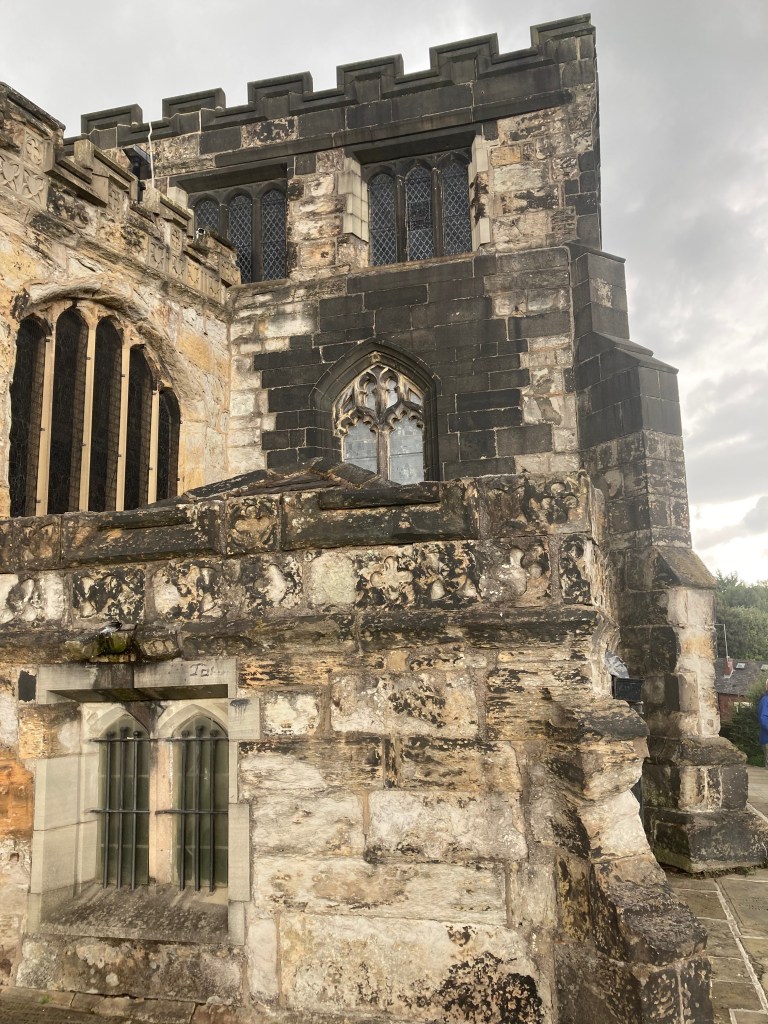
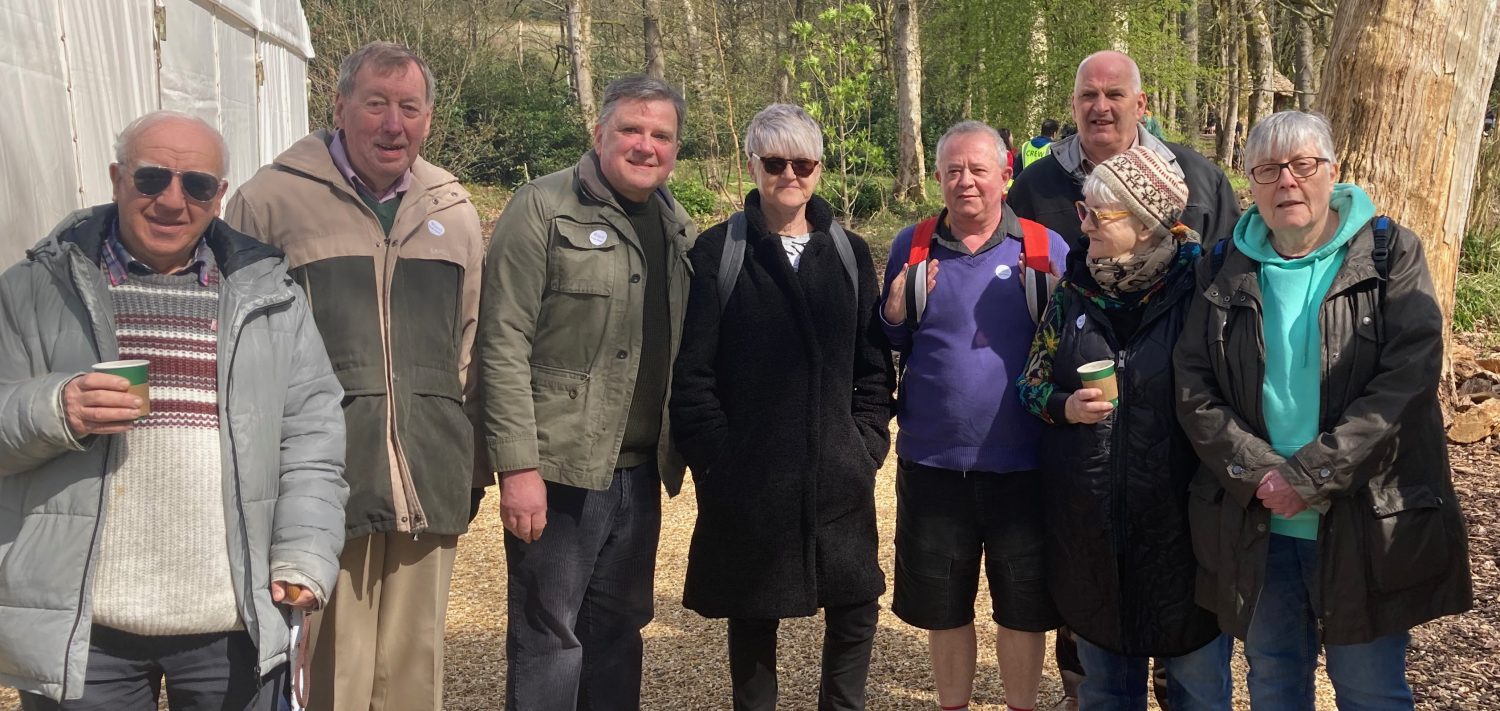
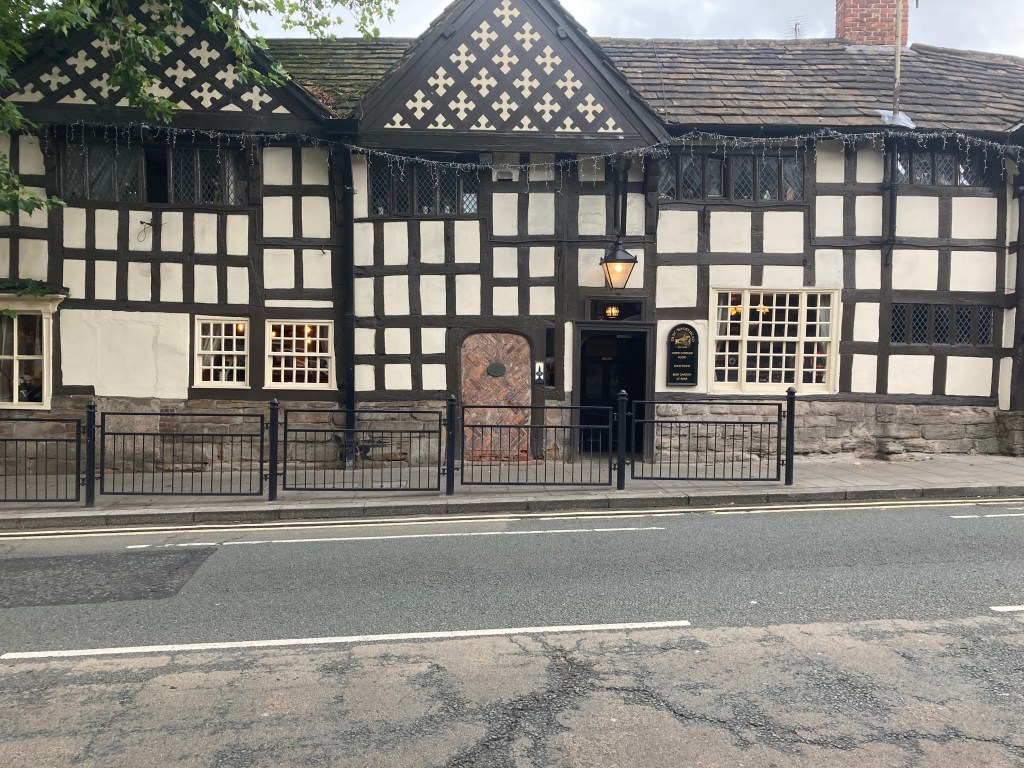
Our visit today was to the Parish Church of St Leonard, a Grade I Listed Building. The church is considered to be the oldest continually inhabited building in the Manchester area. But before our visit we had refreshments in the Olde Boars Head, a rare example of an early timber framed building, acknowledged by Historic England as outstanding. It claims the title of the oldest original public house in England.

We enjoyed good quality pub food – the homemade cheese and onion pie was great – and after an hour or so we walked up the hill to St Leonard’s. Unfortunately, we found out that the church was closed, so instead of seeing the spectacular stained glass:
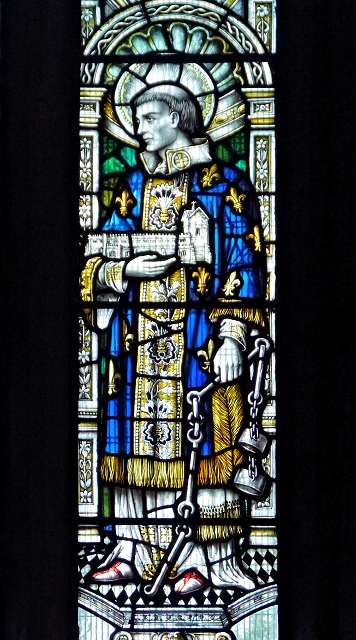
Saint Leonard, patron saint of Middleton Church

Saint Leonard, patron Saint of Middleton Church is depicted holding Middleton Church in his right hand and chains (he is patron saint of prisoners) in his left hand.
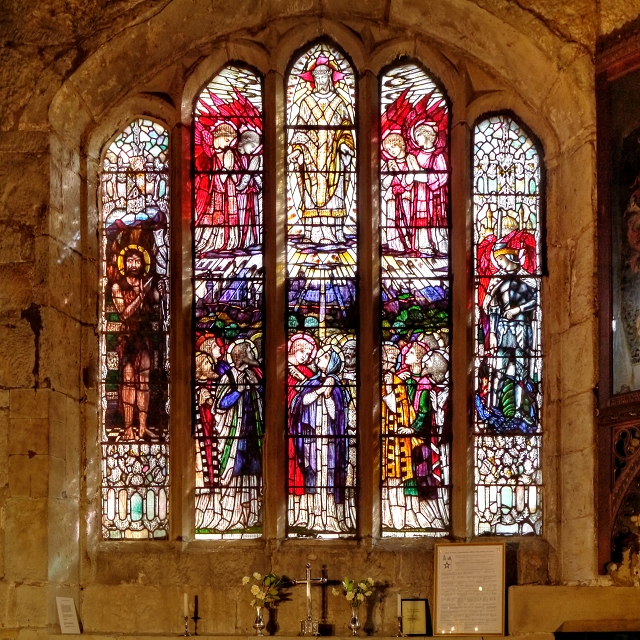
Stained glass window in the Assheton Chapel

We only saw the outside! We also missed out on the secret passage from the church to the Boars Head. In Henry VIII’s reign the priests used it to escape persecution.
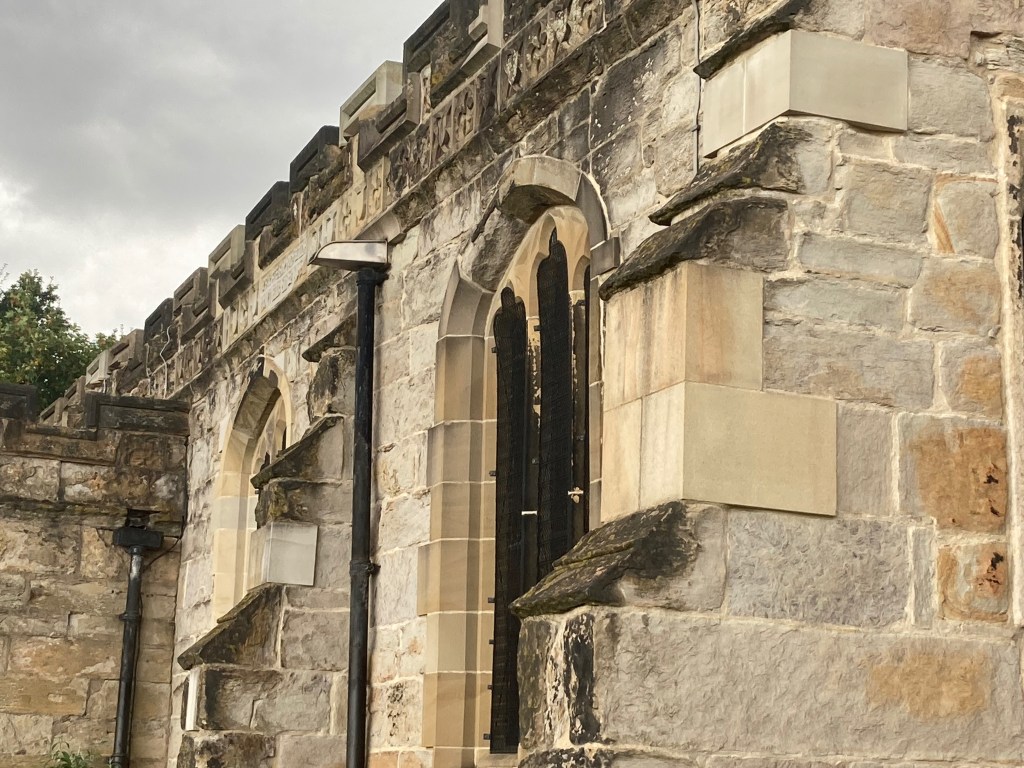
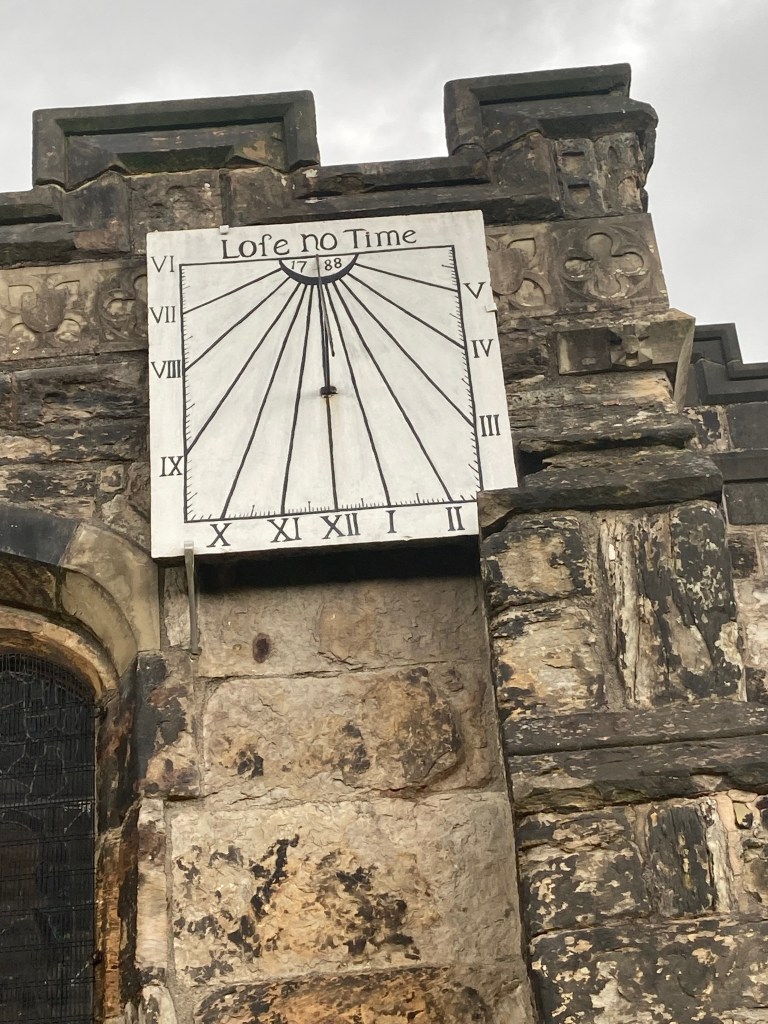
However, it was a good day out, and photos can be seen here.

Claire Mooney

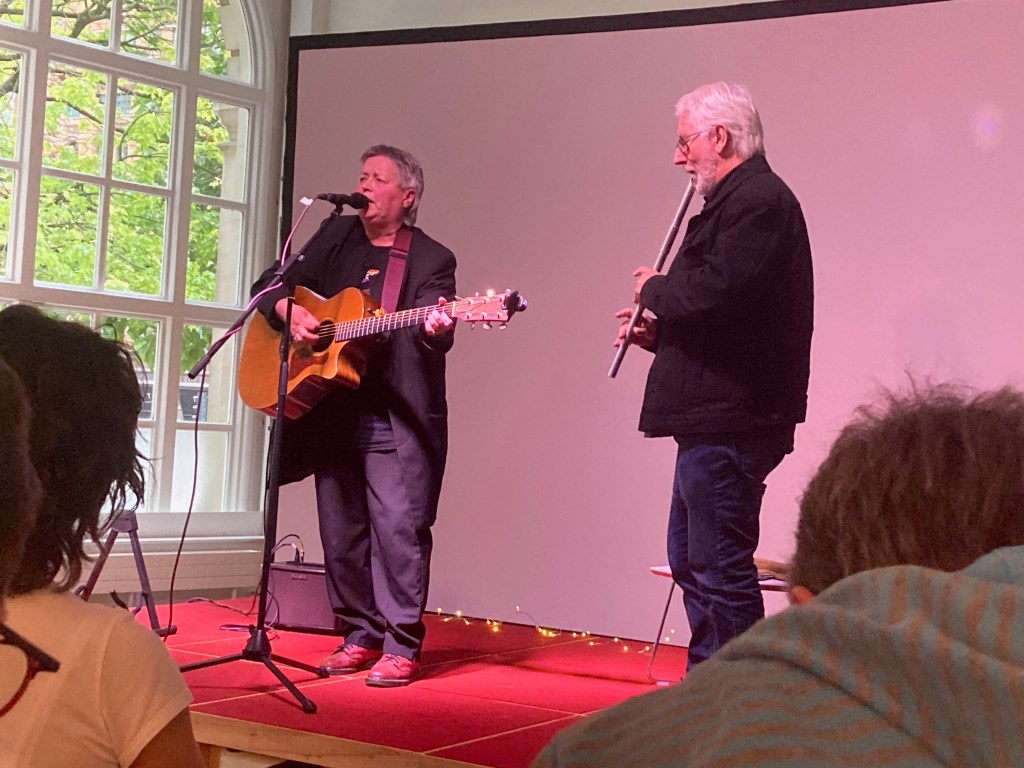
Claire has been a professional musician for over 30 years, and together with a couple of poets presented “An Evening with Claire Mooney and Special Guests” in the Performance Space at Manchester Central Library.

Ten of us were lucky enough to get tickets for the sold out gig to see the singer, songwriter, composer, compere, radio presenter (gosh! Is there anything she can’t do?) Her songs, accompanied by guitar, are varied bringing light and shade and she invites audience participation. Who could forget “The Fleece Song”? – “It’s the one that doesn’t crease. You’re never really fully dressed unless you wear a fleece”. For the last song I was invited on to the stage to shake a bun-shaped rattle! With five others on bells and rattles we rocked the place.
Time Gone By – LGBT+ History:
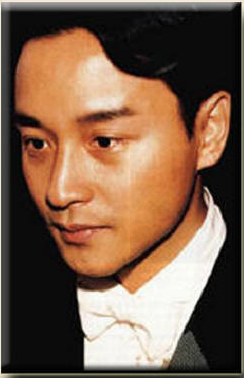
Leslie Cheung

Leslie Cheung – 12 September 1956 – 1 April 2003

Hong Kong heartthrob, pop music and film star Leslie Cheung first gained attention after capturing second place in the 1976 ATV Asian Music Contest. However, it was not until signing with Capital Artists in 1982 that he became a bona fide star with songs like “Monica”, which ushered in the Cantopop music craze.

In addition to a prolific output of hit music, Cheung began making films. His performance in John Woo’s “A Better Tomorrow” (1986) and its sequel made him an indisputable movie star. Other notable Cheung films of this era were “Days of Being Wild” and “A Chinese Ghost Story”. In the years that followed he won several top Hong Kong film Awards.

In 1989 Cheung announced his retirement from singing and held 33 continuous nights of concerts before moving to Canada. In 1993 he starred in “Farewell My Concubine” – the first Chinese film to win The Golden Palm Award at the Cannes Film Festival. In it he played a Beijing opera singer who finds fame playing female roles. In addition to his hot film career, he returned to making music in 1995.

This period marked a clear shift in his public stance on his sexuality. During promotion for a subsequent film, “Happy Together” (1997) – about two gay lovers in Argentina – Cheung came out as bisexual in TIME Magazine. That same year he revealed Daffy Tong Hok-Tak was his romantic partner. Balancing films and music he remained at the forefront of Hong Kong entertainers with hugely successful tours in 1999 and 2000.

In spite of his outward success Cheung, who had been battling clinical depression for several years, ended his life – stunning his nation. Tong – his “most beloved” – was listed as his surviving spouse in the full-page Hong Kong obituary. Over 10,000 attended his memorial service and his popularity remains undiminished
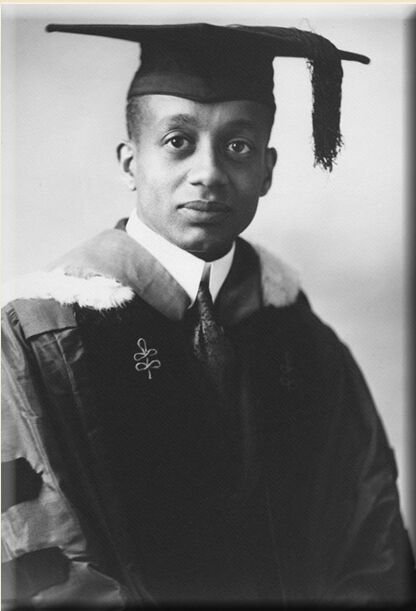
Alain Locke

Dr Alain LeRoy Locke – 13 September 1885 – 9 June 1954

Born into a family of teachers, Alain Locke completed Harvard’s four year program in three years, graduated second in his 1907 class, was elected into Phi Beta Kappa, and won the school’s most distinguished award, The Bowdoin Prize.

Afterwards, Locke became the first African-American to be named a Rhodes Scholar and received his scholarship to Oxford. After receiving his PhD in 1917, Locke became philosophy professor at Howard University, an African American School, where he remained until his retirement.
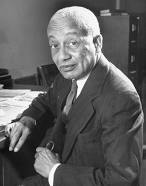
In 1925 Locke was actively promoting his theory of ‘cultural pluralism’ which maintained that a democratic society should value the uniqueness of the different styles within that culture, thus encouraging African-American artists to embrace their ancestral and folk traditions. A gay man himself, Locke also helped gay African-American artists like Countee Cullen, to whom he was romantically linked, and Richard Bruce Nugent find pride in their heritage.

In 1945 he became the first African American president of the American Association of Adult Education. In 1953 he secured a Phi Beta Kappa chapter at Howard University, a major milestone in the history of African American education. In 1954 he was still working on The Negro in American Culture, his definitive study of the contributions of African-Americans to American society, when he died of a heart ailment at age 68. 
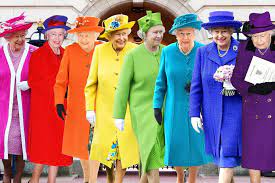
Rest In Peace – Queen Elizabeth II – 21 April 1926 – 8 September 2022

Demand Justice for Sareh … National Trust … Times Gone By … Mini Cini

News

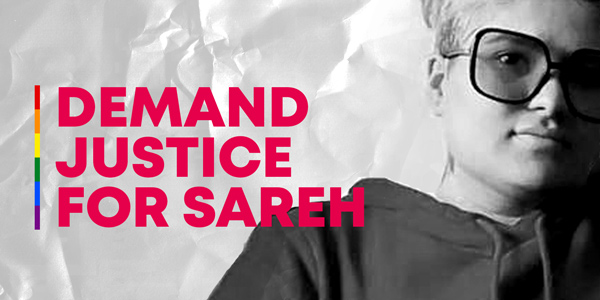
Demand Justice for Sareh – please sign the petition

Sareh lived and worked in Iraqi Kurdistan. Following an interview with BBC Persian about the situation of the LGBT+ community in Erbil in Iraqi Kurdistan, she was identified and detained for 21 days by the police.

On 27 October 2021 Zahra Sedighi-Hamadani (also known as Sareh), was arrested by the Islamic Revolutionary Guards Corps (IRGC) in the West Azerbaijan Province of Iran, while she was attempting to cross the border to seek asylum in Turkey.

She was charged with crossing the border illegally and accused of: “promoting homosexuality, gambling, fraud, and promoting illicit sexual relations and publishing them on the Internet.” No evidence has been offered by the IRGC to substantiate these baseless accusations. Sareh was coerced into confessing to these “crimes,” potentially through acts of torture, including solitary confinement and threats that the State will take custody of her two children.

These accusations can lead to capital punishment.

It is clear that what has taken place is not due process. 

On 1 September 2022 Sareh was sentenced to death by the dictatorship in Iran for “Corruption on Earth”. Her friend Elham Choubdar has also been sentenced to death for the same reason. Sometime after Sareh’s arrest, Elham was also arrested while in Iran and, similarly to Sareh, was charged with “encouraging corruption and prostitution.” The forced confessions of other detainees were used as evidence against her. Sareh is 31 years old and Elham is only 24! 

On 5 September 2022 following public outrage, Iranian authorities justified the ruling by claiming that Sareh and Elham have been involved in “trafficking women to a neighbouring country” and denied they were being sentenced to death because of their activism. 

We ask you not to ignore Sareh’s detention and sign this petition for her freedom.

This campaign is run by 6-Rang (the Iranian Lesbian and Transgender Network) and International Lesbian and Gay Association (ILGA) Asia.

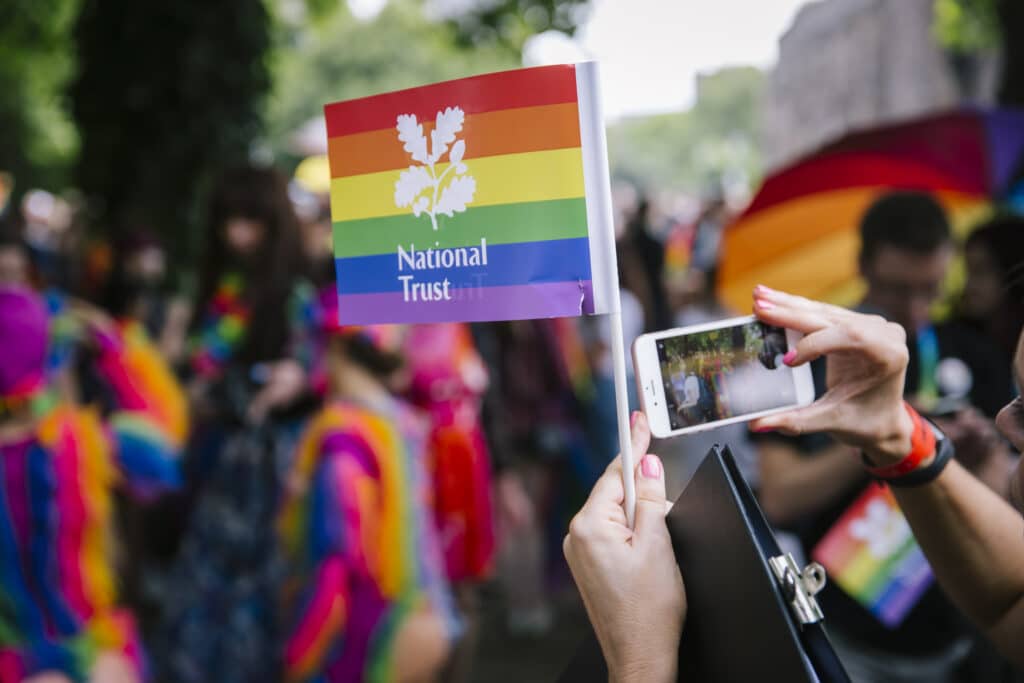
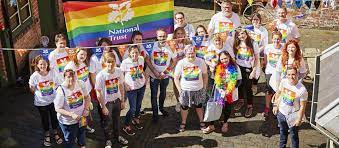
National Trust members to vote on banning ‘divisive’ and ‘woke’ Pride celebrations

(Twitter/ NationalTrust)

Anti-LGBT+ National Trust members are asking members to vote for the charity to ban “divisive” Pride events.

The National Trust is a charity and membership organisation for heritage conservation in England, Wales and Northern Ireland, which owns a huge variety of land and historic buildings.

Despite the organisation having almost six million members, resolutions for its Annual General Meeting (AGM), to be held on 5 November, can be put forward with the support of just 50 members.

This year, members will be asked to vote on a resolution calling for National Trust participation in “divisive” Pride events to be banned.

The resolution states: “Be it resolved that this AGM deplores participation by the National Trust in gay pride parades as divisive and an unaccountable waste of members’ subscriptions.”

The accompanying explanatory note reads: “The National Trust took part in the Birmingham Gay Pride event in 2019. In a letter to the proposer, the Director-General admitted no account was kept of the expenditure nor of any resulting subscription revenue.

“The participation was unaccountable, divisive and an exercise in virtue signalling. It was unbecoming in a body which should be dedicated to preserving the nation’s heritage for all and being a faithful steward of its members’ subscriptions.”

In its 2022 AGM handbook, the National Trust’s board of trustees lays out its own position against the resolution, but ultimately has no control over whether the resolution goes ahead.

“The National Trust’s role is to protect and promote everyone’s heritage, of which LGBTQ+ history is an important part,” the trustees said.

“We do not believe that taking part in any of the cultural celebrations we support is divisive, in fact we see these events as an opportunity to bring people together.”

Any and all members who joined the National Trust on or before 27 August 2022 are eligible to vote on resolutions, even if they do not attend the AGM in person or online, with a closing date of 28 October 2022.

A spokesperson for the National Trust said: “The National Trust was founded for the benefit of everyone.

We serve the whole of our wonderfully diverse society and we want to do that to the very best of our ability. This includes supporting our staff, volunteers and visitors to take part in cultural celebrations including Pride, which they have been doing for many years.

The AGM and resolutions process is a critical part of our governance and importantly, it allows our members to vote on issues that matter to them. This resolution does not align with our values and it runs counter to our ethos.

We urge our members to vote against this resolution and to help us keep the culture of understanding and respect that we are dedicated to fostering at the National Trust. We fully support our staff, volunteers and visitors being able to take part in celebrations of LGBT+ society and history, including Pride.”

Times Gone By – LGBT+ History:

Michaelangelo’s David unveiled – 8 September 1504

It was on this day in 1504 that Michelangelo unveiled his statue of the biblical hero David outside the Palazzo della Signoria in Florence, Italy. David is considered to be one of the masterpieces of Renaissance art, but did you know that Michelangelo’s statue almost never came to be?

The origins of the David are in the early 1400s, when the Santa Maria Del Fiore Cathedral commissioned 12 sculptures of Old Testament heroes for the cathedral’s roof. However, only one of these pieces, a statue of Joshua by Donatello, was actually completed. In 1464, Agostino di Duccio, one of Donatello’s pupils, was commissioned to carve a marble statue of David. Agostino only got as far as roughly shaping the legs and feet and starting to form a hole that would become the space between the legs. The project came to an abrupt halt in 1466 when Donatello died and Agostino quit the project. Ten years later, another sculptor would be hired to work on the David project but would be abruptly fired. So, the slightly formed marble block would sit unused and exposed to the elements for 25 years.

In 1501, the masters of the cathedral determined that something must be done with the marble block that was supposed to be a statue. Many experts and artists, including Leonardo da Vinci, were called to determine what could be done with the giant block. Eventually, the commission was given to the then 26 year old sculptor Michelangelo, who had already completed The Pietà two years earlier when he was just 24.

As the sculpture’s completion date neared, it became obvious that it would be impossible to lift the six ton statue onto the cathedral’s roof as originally planned. After much debate, a panel of 30 prominent Florentines, including da Vinci amusingly enough, decided to place David in the Piazza della Signoria next to the Palazzo Vecchio, the city’s town hall, where it was unveiled on 8 September 1504. In 1873 the statue was removed from the plaza and put on display in Florence’s Accademia Gallery. Since 1910, a replica of David has stood at the statue’s original site.

Since the statue’s unveiling, it has become a symbol of Florence. This particular interpretation of the biblical hero is interesting for two reasons: The first is that it’s done in the style of classical nudes, which was uncommon for religious statues of the time. The second is that unlike most depictions of David,

Michelangelo’s David, does not depict the hero holding the head of the defeated Goliath. Instead, David is depicted just before battle, preparing his slingshot. Some art historians have seen a political meaning in the sculpture, saying that David represents the Florentine Republic’s defence of civil liberties and constant threats to Florence from neighbouring Italian states. Along these same lines, it’s worth mentioning that when the statue of David was first installed, its glare was pointed in the direction of Rome and the Vatican.

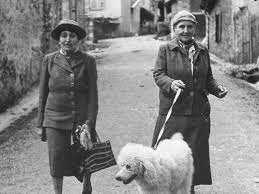
Gertrude Stein and Alice B Toklas

On 8 September 1907 writer Gertrude Stein first met the love of her life, Alice B Toklas, in Paris.

Stein and Toklas were American writers who spent most of their lives in France where they became extremely influential in the development of modern art and literature. Together they hosted a Paris salon that attracted well-known members of the avant-garde artistic and literary world. Among their numerous colleagues, friends and patrons were Henri Matisse, Pablo Picasso, Thornton Wilder, Ernest Hemingway, Georges Braque, André Derain, Max Jacob, Guillaume Apollinaire, Henri Rousseau, Sherwood Anderson and Ezra Pound. “Everybody brought somebody,” Stein wrote, “and they came at any time …   it was in this way that Saturday evenings began.”

Stein was an acclaimed modernist writer known for challenging conventional understandings of genre, narration and form. Toklas, a fierce advocate of Stein’s work, encouraged her to write The Autobiography of Alice B Toklas (1933), which brought the two women international recognition. Shifting between biography, autobiography and memoir Stein was able to obscure the exact nature of her relationship with Toklas while telling the colourful story of the life they shared. Two well-known lesbian Jews, Stein and Toklas remained in France and survived both World Wars. Stein died at the age of 72 from stomach cancer in 1946. Toklas, who penned the famous Alice B Toklas Cookbook (1954), spent the remainder of her life protecting and promoting Stein’s legacy until her own death in 1967. They are interred in Paris in the Père Lachaise cemetery where they share a grave and a headstone.

Mini Cini

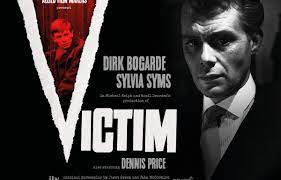
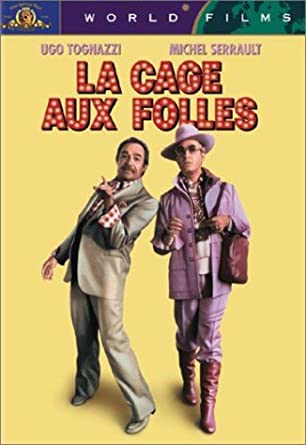
Last month we showed a programme of LGBT+ short films at the Mini Cini at Ducie Street Warehouse. For our next viewing (date to be confirmed), please vote here for Victim (1961) or La Cage Aux Folles (1978).

Didsbury Pride … Times Gone By

News

Didsbury Pride   

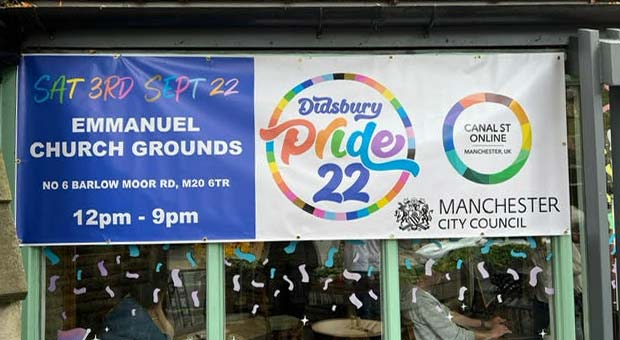
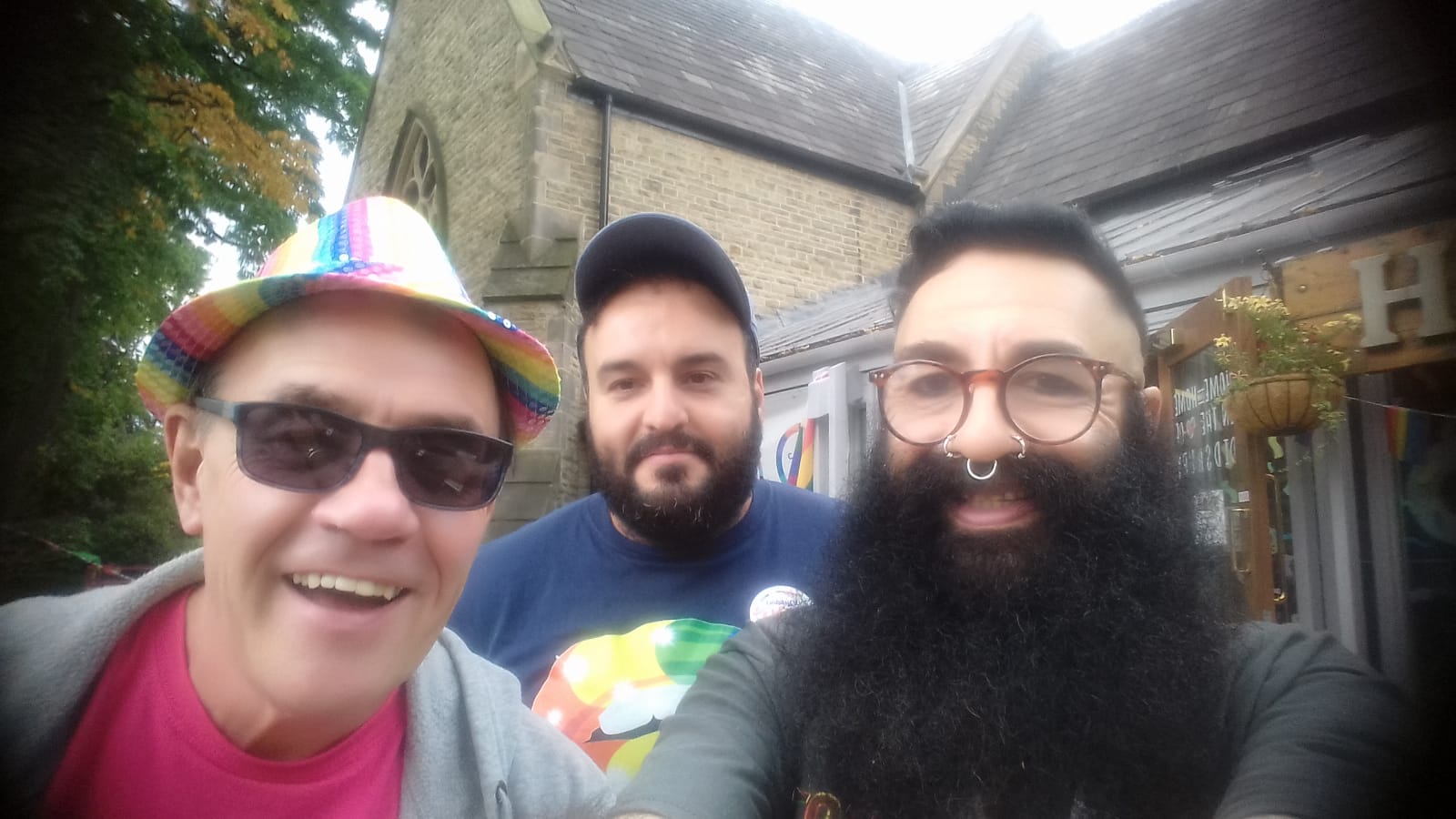
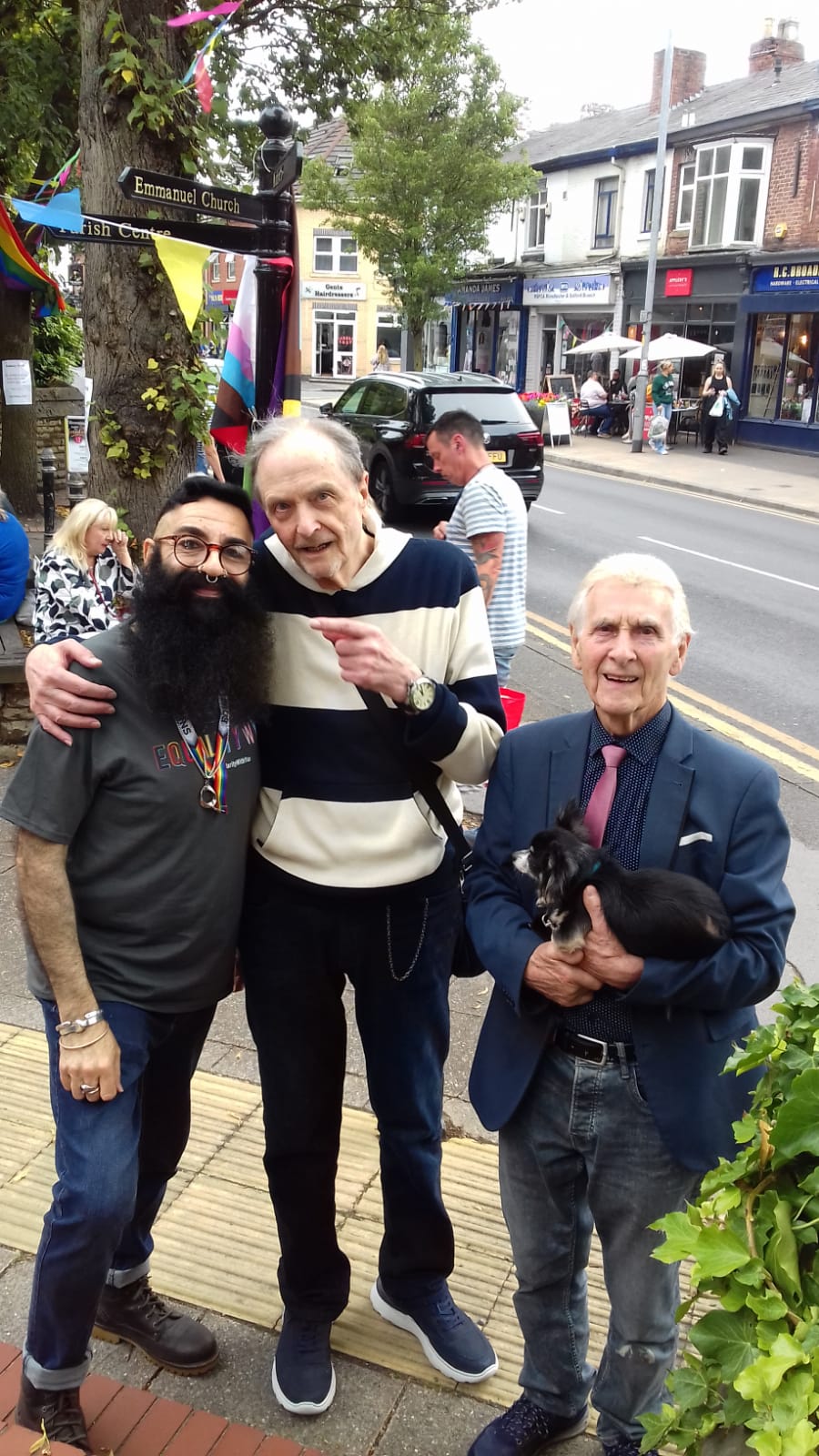
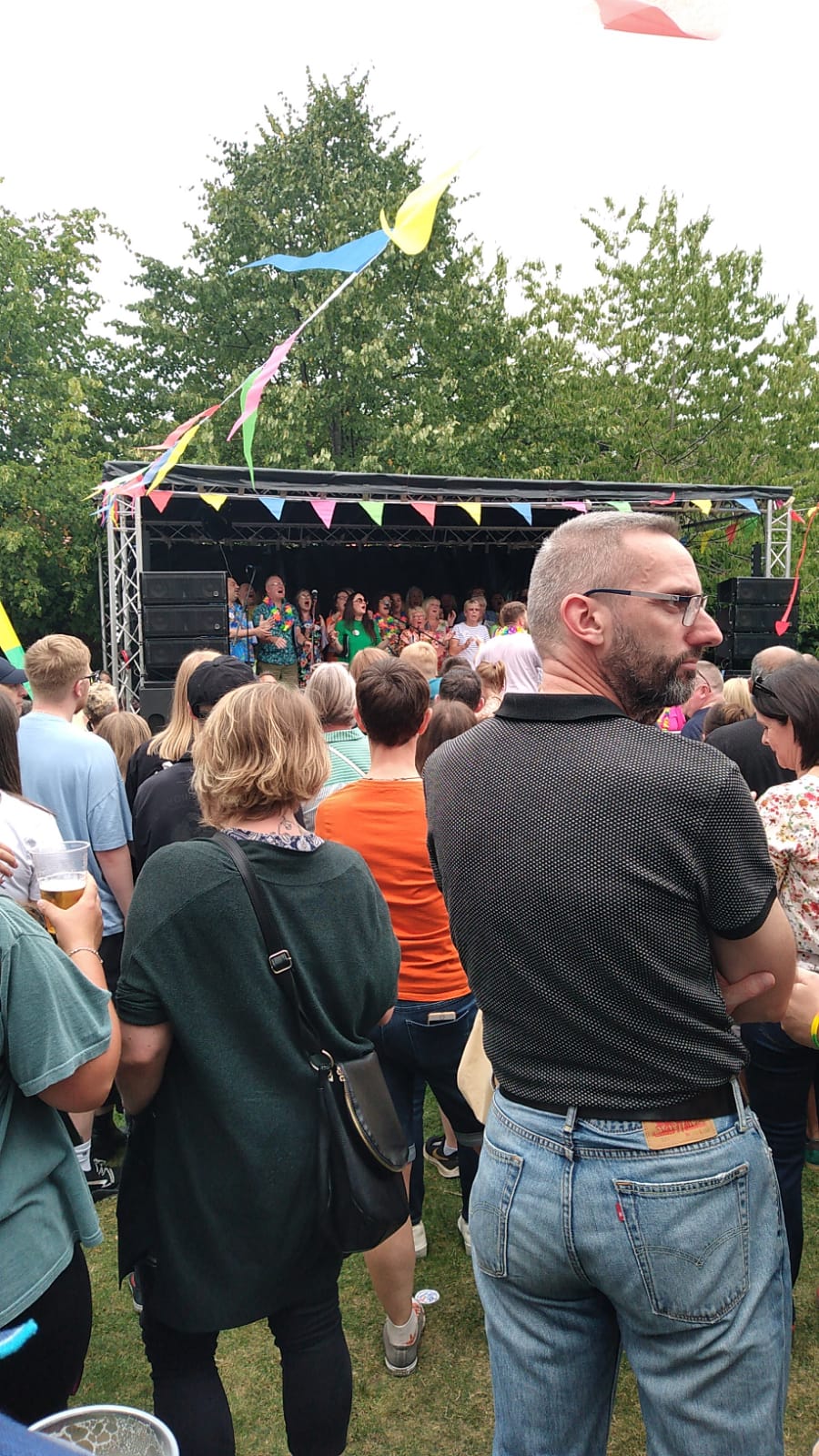
Nearly three thousand people came together on 3 September to celebrate diversity and community at this year’s Didsbury Pride.

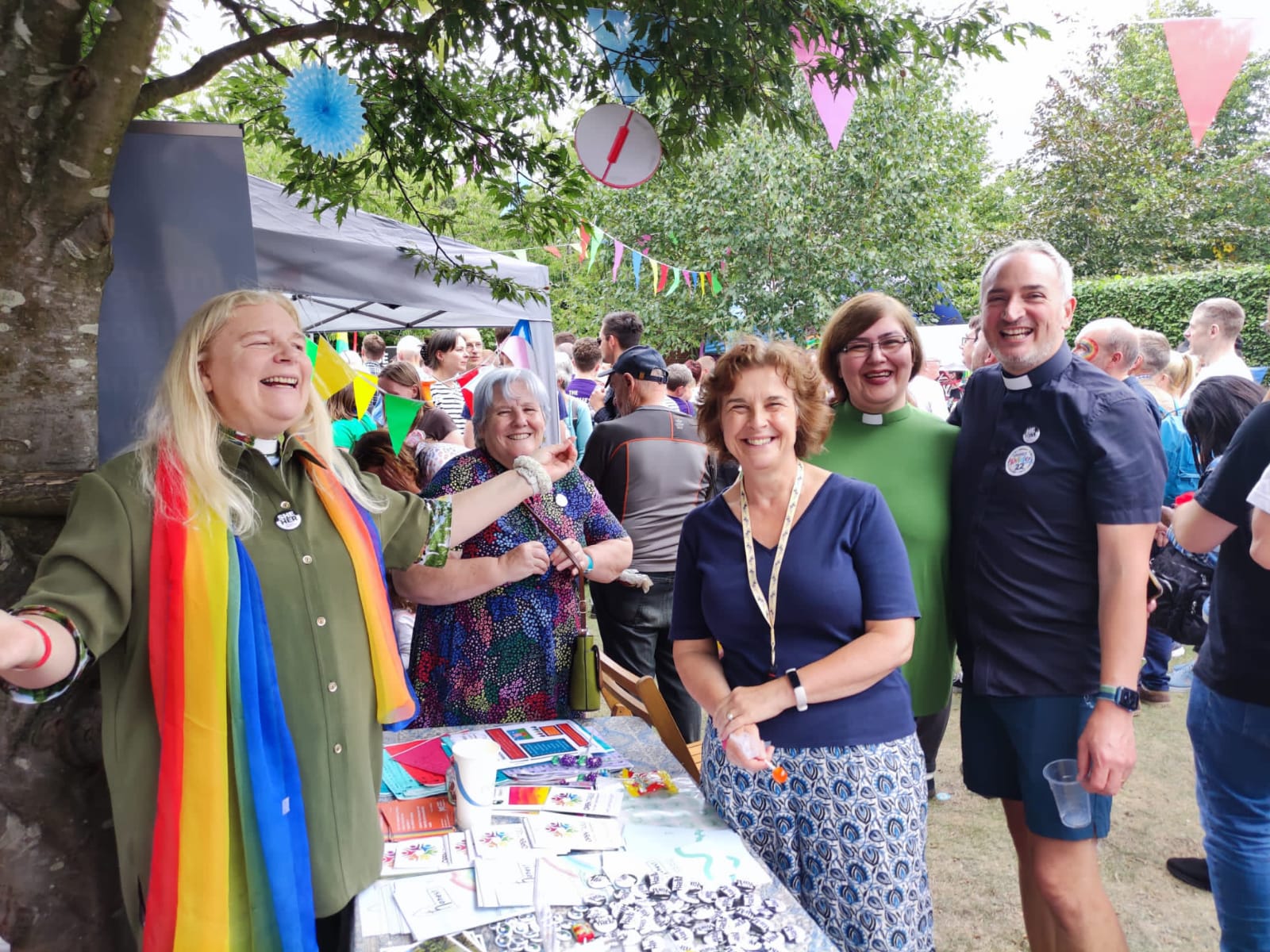
A host of live musical acts, market stalls and LGBT+ organisation stalls were on display at the Emmanuel Church grounds on Barlow Moor Road. There was also children’s entertainment.

The Pride event is unique for being hosted by a church community (although keep an eye out for Chorlton’s first Pride event on 17 September). Following a tragic event where a teenager killed herself, the church has adopted a policy of inclusion, welcoming everyone regardless of race, gender or sexuality. It has lost some members of the congregation, but it has also gained new members from the LGBT+ communities.

Augustine Tanner-Ihm, vicar curate at St James and Emmanuel Didsbury, said: “It brings together people from the community and the church to celebrate people’s lives – LGBT+ people all around Didsbury – to love and accept people, and just to celebrate. It’s so important because it shows that God loves everyone, despite what labels that people put on them, and it’s an amazing event.”

Times Gone By – LGBT+ History:

Freddie Mercury – 5 September 1946 – 24 November 1991

Born in 1946 to Bombay-born parents living in Zanzibar, Farrokh Bulsara’s musical talent first revealed itself during his early years as a pupil at an English-style boarding school in India. It was at St Peter’s School that he anglicised his name to Freddie. The violent Zanzibar Revolution of 1964, during which thousands were slaughtered, sent the family running for their lives to England, where relatives took them in.

Freddie studied Graphic Design and Illustration at Ealing College of Art, graduating in 1969 at the age of 23. His adoration of Jimi Hendrix led him to join a series of bands. The most promising, Smile, metamorphosed into Queen. It was then that he abandoned his family name for the surname ‘Mercury’. His distinctive baritone voice, his ability to extend his three-octave vocal range with a variety of vibrato and distortion techniques, his strutting, seductive showmanship and his ability to connect with his audience made him one of the most thrilling rock performers of all time.

Always private about his sexuality and personal relationships, Freddie never came out during his lifetime. Wishing to be remembered for his music alone, he chose not to announce his HIV diagnosis. He spent the final months of his life as a recluse, nursed by close friends. On 23 November 1991, he confirmed in a statement that he had AIDS, and died the next day, aged 45. The Great Pretender lives on in the hearts, minds and memories of millions.

Sylvester – 6 September 1947 – 16 December 1988

Sylvester James was born in Los Angeles, Californa. He was a flamboyant, fabulous, glittery, gender-non-conforming singer whose records form part of the soundtrack of LGBT+ History.

During the late 1970s, Sylvester gained the moniker of the “Queen of Disco” with disco-fuelled hits “You Make Me Feel (Mighty Real)”, “Dance (Disco Heat)”, and the Hi-NRG track “Do Ya Wanna Funk”. He was also an activist who campaigned against the spread of HIV/AIDS. He died from complications arising from the virus in 1988, leaving all future royalties from his work to San Francisco-based HIV/AIDS charities.

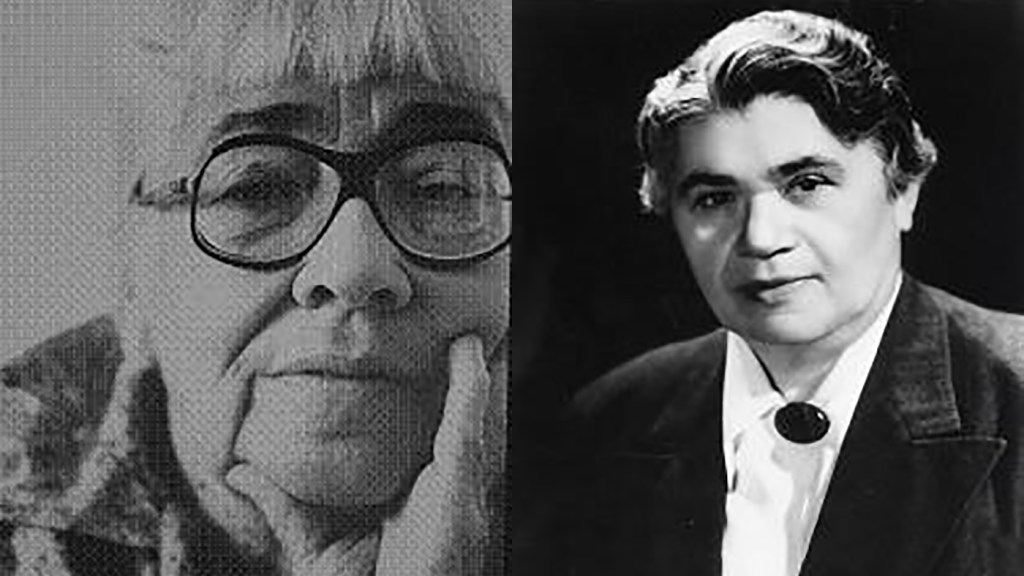
Valerie Taylor born 7 September 1913 – 22 October 1997

Velma Young was born in Aurora, Illinois. After college, she felt pressured to find a husband and, in 1939, married and eventually gave birth to three children. While employed as a teacher and operator, she managed to sell her writing to a number of magazines.

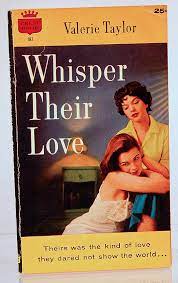
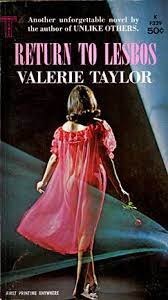
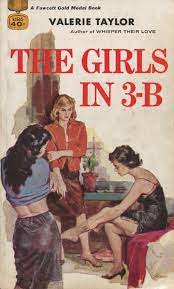
In 1953, using her most popular pen name – Valerie Taylor – she wrote her first novel, Hired Girl, which contained no lesbian subject matter. With the $500 earned from the book’s publication, Taylor got a pair of shoes, two dresses … and a divorce lawyer. She claimed that she didn’t realise the extent of her attraction to women until she was in her thirties. In the 1950s she had begun to see what came to be known as “classic lesbian pulp novels” in stores; but these had mostly been written by men as male fantasies. Taylor wanted to write stories that were centred on realistic characters. In 1957 she moved to Chicago and began a prolific career as the author of books with titles like Return to LesbosThe Girls in 3-BJourney to Fulfillment, and A World Without Men.

In addition to her writing, Taylor was active in LGBT and women’s rights, and the peace movement. She was a member of the early lesbian group the Daughters of Bilitis and contributed to that organisation’s groundbreaking magazine, “The Ladder”.

Valerie Taylor and Pearl Hart

During this period Taylor met lesbian activist / lawyer Pearl Hart. In 1965 the two women co-founded Mattachine Midwest, whose newsletter Taylor also edited. She and Hart remained together until Hart’s passing a decade later. Not being an immediate family member, Taylor was prevented from visiting Hart in the hospital while she was still conscious. By the time she was finally allowed into the room, Hart was in a coma; Taylor never got to say goodbye. In 1974 she co-founded the Lesbian Writers Conference. She retired to Tucson in 1979 where she became active in the Gray Panthers. She was inducted into the Chicago LGBT Hall of Fame in 1993. After suffering a fall Valerie Taylor died on 22 October 1997 at the age of 84.

Mini Cini … Ethel Waters … St Kitts and Nevis

News

Mini Cini

We hired the Mini Cini – a 36 seat luxury cinema – at Ducie Street Warehouse to show a programme of LGBT+ short films to members of Out In The City.

The programme was:

Stonewall Forever 

The Beauty President 

Back In The Closet – Lifesolation

Manchester Pride Parade: The Movie 

Albert’s Story

https://www.youtube.com/watch?v=vao-nZIoQv

We can repeat the experience, so if you have any suggestions for films to show (feature films or shorts) please let us know here.

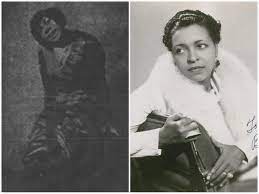
Ethel Waters

Ethel Waters, born in crushing poverty, escaped to Baltimore and began a new life as “Sweet Mama Stringbean,” a slender and glamorous blues singer on the southern vaudeville circuit. Her technical and emotional agility quickly made her one of the major stars of the Harlem Renaissance era.

She was also well-known for being “in the life” with dancer Ethel Williams. Although she married three times, during the 1920s Waters was involved in a romantic relationship with Ethel Williams. The two were dubbed “The Two Ethels” and lived together in Harlem.

She was the first singer to confront racism in a popular song (“Suppertime”) in 1933, the same year she introduced “Stormy Weather” at the Cotton Club. Waters was the first black woman to receive equal billing with white stars on Broadway.

The Two Ethels

In Hollywood she would also become the first black woman to establish herself as a major American dramatic actress and only the second African-American to be nominated for an Academy Award – for her supporting role in the film “Pinky” (1949).

In 1950 she won the New York Drama Critics’ Circle Award as Best Actress for her luminous performance on Broadway as the maid Berenice in Carson McCullers’s “Member of the Wedding,” a role she reprised on film to further acclaim two years later. In her later years Waters redefined herself as an evangelical Christian. She gave her last performances as a member of Billy Graham’s crusade. She died on 1 September 1977.

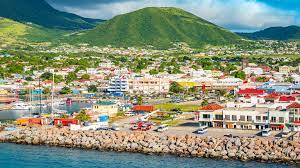
St Kitts and Nevis sodomy law struck down

A judge has ruled a law that criminalises consensual same-sex sexual relations in St Kitts and Nevis is unconstitutional.

A person convicted of the “abominable crime of buggery” was liable for imprisonment up to ten years with hard labour.

Justice Trevor M Ward of the High Court of Justice in St Kitts and Nevis struck down Sections 56 and 57 of the country’s Offenses Against the Person Act.

“Section 56 of the Offenses Against the Person Act, Cap. 4.21 contravenes Sections 3 and 12 of the Constitution of the Federation of Saint Christopher and Nevis, namely, the right to protection of personal privacy and the right to freedom of expression, and, as such, is null and void and of no force and effect to the extent that it criminalizes any acts of constituting consensual sexual conduct in private between adults,” said Ward in his decision.

Ward further said Section 57 of the law violates “the right to protection of personal privacy and the right to freedom of expression” in the country’s constitution.

Jamal Jeffers, a gay man, and the St Kitts and Nevis Alliance for Equality, a local LGBTQ and intersex rights group, challenged the law.

“This decision strongly establishes that a person’s sexuality should never be the basis for any discrimination,” said St Kitts and Nevis Alliance for Equality Executive Director Tynetta McKoy. “We welcome the recognition of this fact, one for which we have long advocated.” 

Last July a judge struck down Antigua and Barbuda’s colonial-era sodomy law. However, former British colonies Barbados, Dominica, Guyana, Grenada, Jamaica, St Lucia and St Vincent and the Grenadines still retain similar laws.

Theresa May, then Prime Minister, in 2018 said she “deeply” regrets colonial-era criminalisation laws the UK introduced. Nick Herbert, a member of the House of Lords said that his country has a “historic responsibility for these laws and their legacy.”

Manchester Pride Parade … Candlelit Vigil

News

Manchester Pride Parade

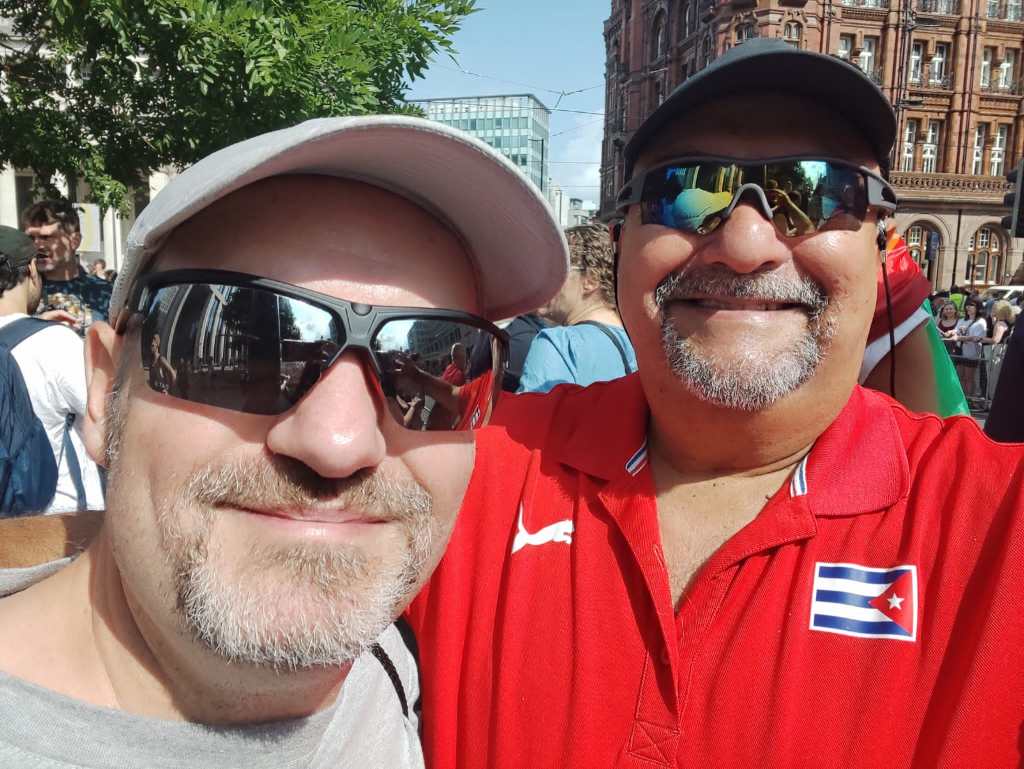
The famous Manchester Pride Parade is the city’s biggest parade, grinding traffic to a halt as tens of thousands of LGBTQ+ people and their allies march together for equality. Thousands more line the streets to watch the spectacular parade of colours.

Angel, a member of Out in The City, reviewed the event:

“On Saturday, 27 August was Manchester’s Gay Pride March. Over two and a half hours parade.

As always, the march was opened by the local authorities, because the event is sponsored by the public administration. Most of the floats are for publicity. Businesses expressing their support for diversity. They paraded all supermarkets, banks, service companies, airlines and travel companies, dealerships such as Mercedes and Tesla, restaurants, gyms, football and rugby teams and even Loreal Paris. Not surprising at all about the work of “marketing” in a city that was ultimately the cradle of capitalism.

They also paraded the town halls that make up “Greater Manchester”, Universities, political parties and all public services: the NHS (Health), Police, Firefighters and even Army veterans. Firefighters carried a sign: “Fire doesn’t discriminate, neither do we.”

Many NGOs (“Charities” in England) paraded, such as the George House Trust, fighting the stigma of HIV and Amnesty International, calling for respect for human rights in countries that still persecute the LGBT collective, such as Rwanda. Also Scottish in Manchester and a group promoting the upcoming Eurovision in the city.

Personally, I find it very remarkable that groups of believers from various religions participated in the parade: Christians from various churches, Muslims, Jews and Catholics. They call on their religious representatives to end discrimination because of their sexual status. Religious intolerance is one of the few pending subjects in a city where respect for sexual diversity is at its peak.”

A few photos can be seen here.

The Candlelit Vigil

The Candlelit Vigil (at 9.00pm, Monday 29 August) provides a moment of reflection to remember those we have lost to HIV/AIDS. The Vigil also presents an opportunity to stand together unified against the discrimination and stigma that LGBTQ+ people still face today.