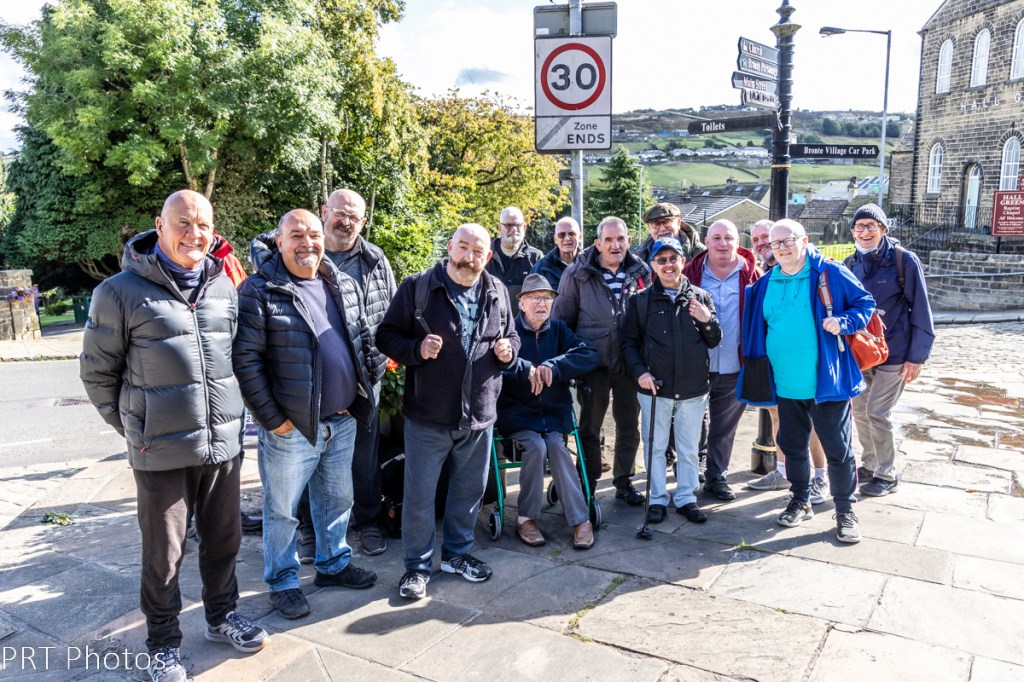
Although 14 or 15 people travelled to Howarth, I wasn’t one of them due to a heavy cold. So, I’m using Angel’s review:
“Today the seniors visited the Bronte family museum house in Haworth, West Yorkshire.
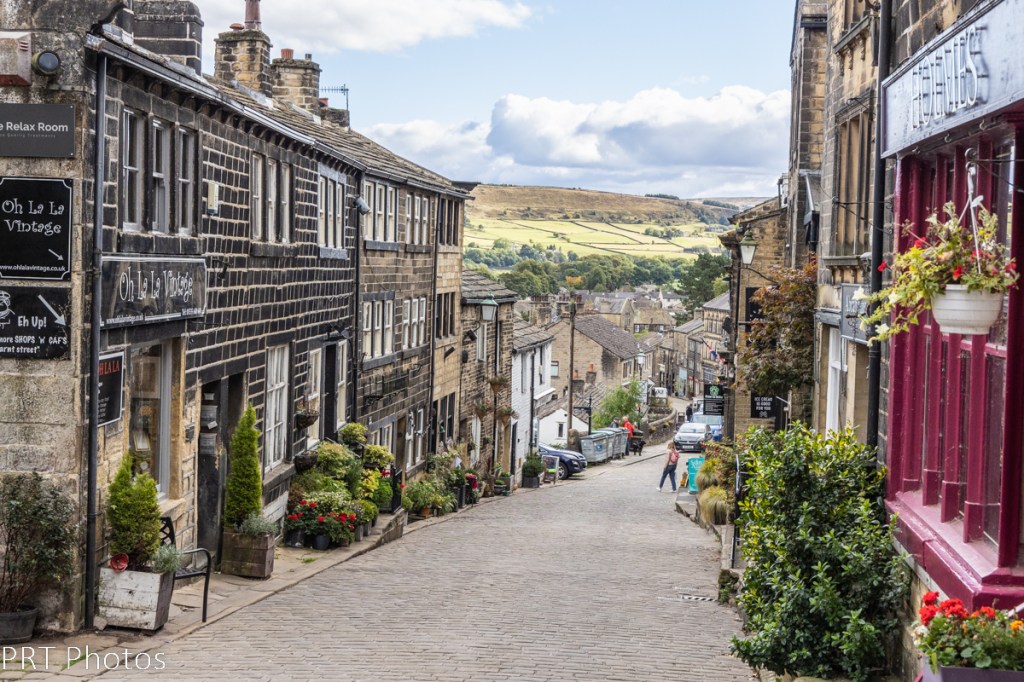
Getting to Haworth isn’t easy. We took a train from Manchester to Hebden Bridge and from there the Bronte Bus, going up steep hills and narrow winding roads for nearly 10 miles. The village is basically a main street, which goes up to the top of a hill, where the parish is. Even today it is a secluded site and difficult to access.
However, Haworth has the Bronte’s own special appeal and gets a lot of tourism. It’s full of cafes and shops of all kinds. It’s a charming little English town. We ate at Haworth. I got myself a Yorkshire pie, which is like an Argentinian or Galician empanada, big and tasty.
Patrick Bronte, the father of the famous Bronte sisters, had been born in Ireland. He married Maria Branwell in 1812, near Leeds, and the marriage bore six children. In 1820 he obtained the incumbency of the Haworth Parish House for life, where Emily and Charlotte Bronte lived most of their lives. In 1821 Maria died and Patrick Bronte remains a widow with six children and his demanding salary as a priest. Her sister-in-law took care of the education of the little ones. The family had a brief and disastrous stay at Cowan Bridge School from 1824 to 1825. Little Maria and Elizabeth returned sick and died in 1825. Patrick brought the other siblings to personally educate them in Haworth.
Many years later, Charlotte immortalised Cowan Bridge as the infamous Lowood School of “Jane Eyre”. The Bronte family recreated an imaginary world, amidst Haworth’s loneliness, that cultivated their creativity. In 1847 Charlotte published “Jane Eyre,” the same year her sister Emily published “Wuthering Heights” and in 1848 Anne Bronte published “The Tenant of Wildfell Hall.” They all used aliases and all three died young. Emily died in 1848, aged 30. Anne died the following year, aged 29, and Charlotte died in 1855, in the early stages of her pregnancy, aged 38. Patrick Bronte died in 1855. He outlived his wife and six children.
The Bronte sisters novels are categorised among the most relevant works of English literature with both Haworth and Yorkshire Peaks starring. The museum shows the house where the Bronte family lived, the bedrooms of each of them and their father, the kitchen and living room, as well as details of family life. An original manuscript of “Wuthering Heights” is on display in a room. It was a very interesting and instructive visit that left me wanting to reread “Jane Eyre” and “Wuthering Heights”. I read both as a teenager and remember very little.”
On 1 October 2022, a march has been organised in London:
to mark the 40th anniversary of the first case of HIV;
to remember those who have sadly been lost to the virus; and
to fight the stigma surrounding the virus.
George House Trust are partnering with 20+ HIV organisations.
They will be gathering with colleagues from 12.00 noon on Saturday 1 October on London’s Belvedere Road, opposite St Thomas’ Hospital, behind County Hall, to march to Trafalgar Square. Everyone wanting to fight HIV stigma is welcome – whether you have been on many demos or this is your first.
The International Day of Older People
The International Day of Older People is observed on 1 October each year. The United Nations General Assembly voted to establish the day, which was observed for the first time on 1 October 1991. This year’s theme is ‘The Resilience and Contributions of Older Women’.
Did you know?
The composition of the world population has changed dramatically in recent decades. Between 1950 and 2010, life expectancy worldwide rose from 46 to 68 years.
Over the next three decades, the number of older persons worldwide is projected to more than double, reaching more than 1.5 billion persons in 2050.
Prevalence figures based on a survey of 83,034 people in 57 countries found one in every two people held moderately or highly ageist attitudes (ie stereotypes and prejudice).
Black History Month
This year’s Black History Month is from 1 October to 31 October 2022. It’s celebrated annually across the globe, but originally stemmed from the United States of America.
The theme for Black History Month 2022 is “Time for Change: Action Not Words.”
To get to a better tomorrow, we can’t just focus on the past. The past is in the past. We can acknowledge and learn from it, but to improve the future, we need action, not words. We need to come together around a shared common goal to achieve a better world for everyone.
This year’s Black History Month in October is more important than ever. It’s not just a month to celebrate the continued achievements and contributions of Black people to the UK and around the world. It’s also a time for continued action to tackle racism, reclaim black history, and ensure black history is represented and celebrated all year round.
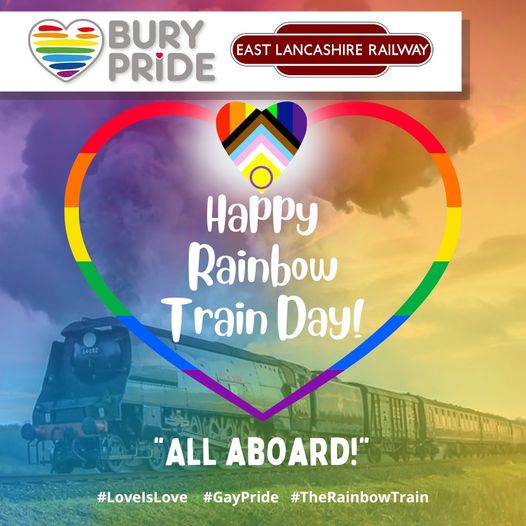
We were all excited to join the 3rd Annual Bury Pride Rainbow Train on Sunday, 25 September.
We arrived early at Bolton Street Station in Bury and were treated to a great performance by Kathy Sings, while we waited for the train.
We celebrated Pride by experiencing a trip on the East Lancashire Railway’s Heritage Steam Engine. Out In The City had our own carriage as we travelled through Ramsbottom to Rawtenstall. There we were greeted by Bloco Ashe Samba Band and, after a half an hour break, we returned to Bury.
Wolf (the oldest and heaviest boy band in the world!) were there to keep the party going with songs like “The Locomotion” and “Love Train”. They put in a fantastic performance as we danced along on the platform.
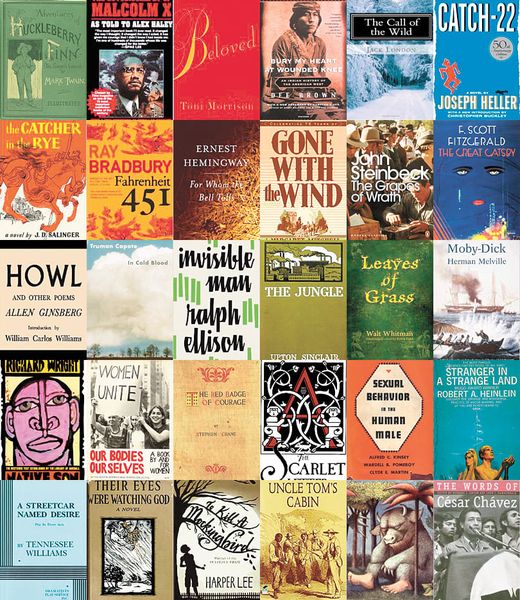
Banned Books Week took place from 18 – 24 September this year. It was launched in 1982 as a way to celebrate the freedom to read and in response to the surging number of books being challenged in bookstores, schools and libraries.
In the US in 2020, 273 books were targeted. In 2021, the number was 1597. So we’re not doing very well.
We live in a world where writers and journalists are routinely targeted by vindictive dictators and brutal warlords. Reporters Without Borders state that, so far this year, 35 journalists have been killed in connection with their work, with 480 of them in prison. In the west journalists don’t have targets painted on their backs, but just ask them about the hate emails and threats they regularly receive.
In 2021, six of the ten books most often challenged in the US were challenged because of LGBT+ content.
The freedom to seek and to express ideas, even those some consider unorthodox or unpopular, is a precious human right. It will slip away if we can’t protect it.
Wishing you and your loved ones a happy and healthy 5783!
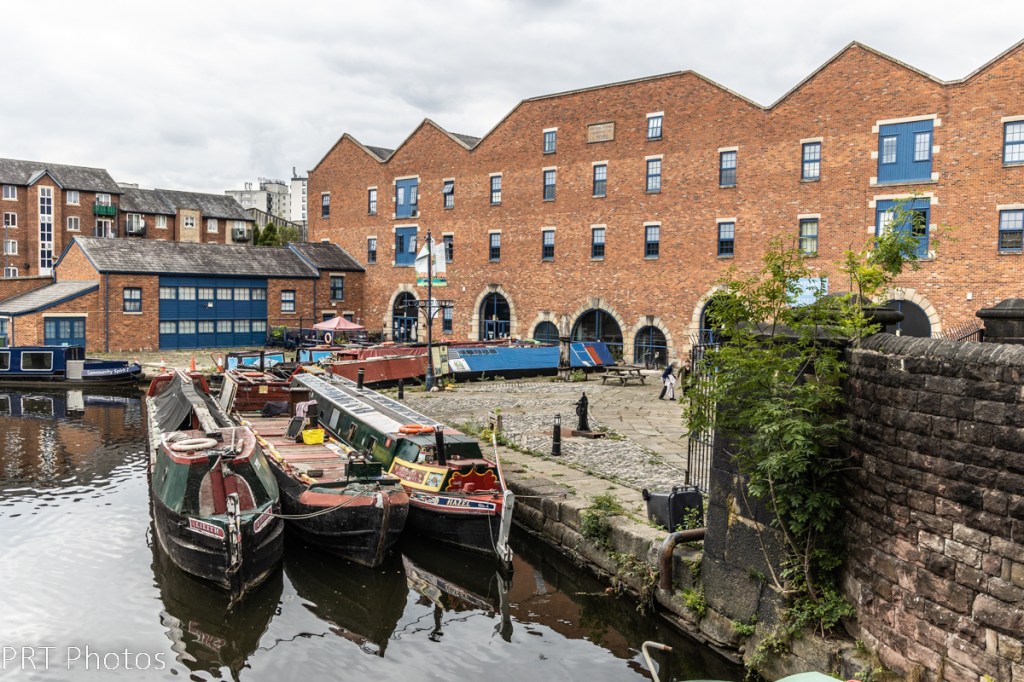
The Portland Basin Museum is housed within the restored nineteenth century Canal Warehouse in Ashton-under-Lyne. A group of us travelled from Manchester by tram. We walked from the tram stop (0.7 miles) but the museum was a little difficult to find.
When we arrived, our first thought was to visit the Bridge View Café. Unfortunately, it was closed due to staff shortages, but just round the corner was the Hill Street Café. We squeezed in and enjoyed sandwiches, toasties and full English breakfasts at very reasonable prices.
The museum itself combines a lively modern interior with a peaceful canal side setting.
One of the rooms is dedicated to the history of the area. The first human activity can be traced back almost ten thousand years. The Setantii Tribe were ancient hunter-gatherers and farmers but they left few clues about their lives. The first people to settle almost three thousand years ago were the Celts. They were followed by the Romans, Anglo-Saxons, Vikings and finally the Normans.
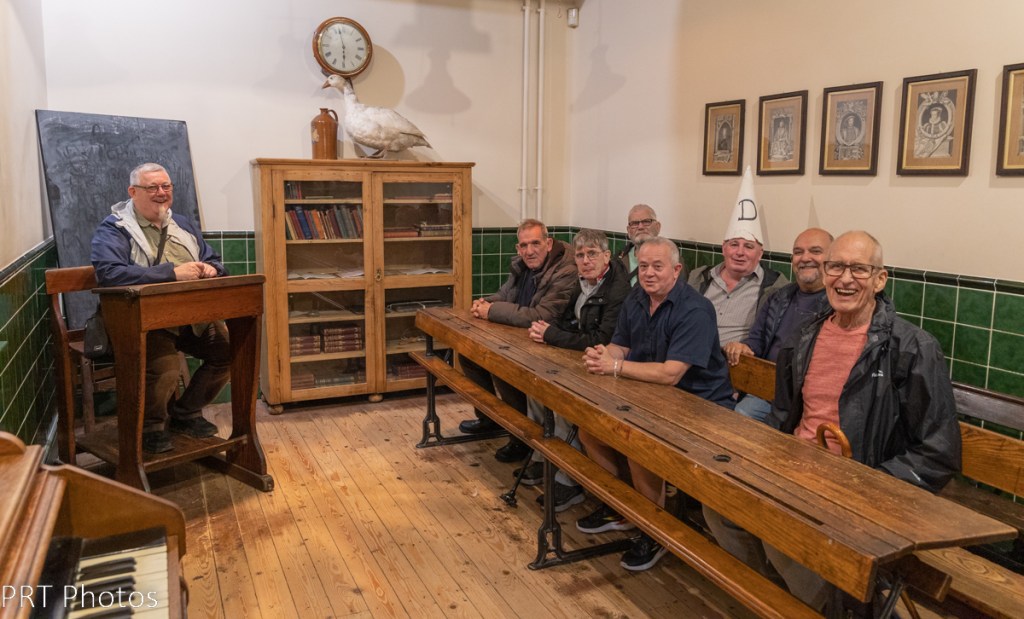
The main feature of the museum was a 1920s street, bringing to life the sights and sounds of bygone times. There is a complete house with pantry, living room, back yard and outside loo. There is also a school, with desks, maps and chalkboards, various shops including a bakery and fish and chip shop, a church and a pub from back in the day and even a doctor’s office. The museum is packed with local history.
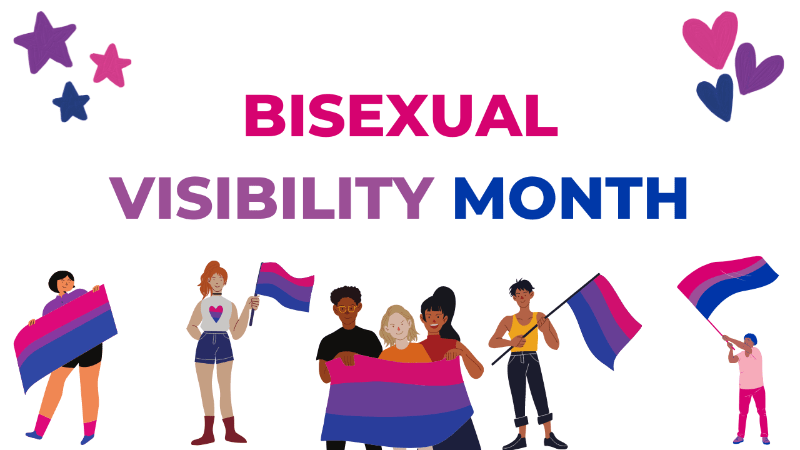
Bi Visibility Day is a day to recognise the bisexual community and celebrate bisexual people globally. It takes place on Friday, 23 September. The whole of September is Bisexual Visibility Month.
Why is there a Bi Visibility Day?
The bisexual community is frequently referred to as the “forgotten” part of the LGBTQ+ community, and they face a number of negative stereotypes and expectations.
Bisexual Visibility Day is an opportunity to celebrate bisexuals, learn about biromantic erasure, and discover the difficulties that many members of the bisexual community face.
The history of Bi Visibility Day
Bi Visibility Day began (and is still sometimes referred to) as “International Celebrate Bisexuality Day”.
Three bi activists from the United States, founded the day in 1999 and Michael Page designed the bisexual flag.
Jen Yockney started the day in the UK and coined it Bi Visibility Day, which has since spread worldwide.
The importance of Bi Visibility Day
It is important to recognise and celebrate Bi Visibility Day for a variety of reasons:
It helps tackle biphobia – It is an opportunity to combat biphobia by learning more about the community and celebrating their existence. Many people may be confused about what bisexuality is, but the day is an opportunity to raise awareness and share knowledge.
It gives visibility to the bisexual community – The bisexual community is frequently forgotten and feels invisible or excluded from the larger LGBTQ+ community. This day provides visibility to the bisexual community, raises bisexual awareness and allows them to celebrate who they are with others.
Opportunity for people to learn about bisexuality – Some people may be unaware of what it means to be bisexual. The day provides an opportunity for others to learn about and understand the community.
Call for change – The day is a call for change in the way many members of the bisexual community are treated. Some people feel they don’t fit in with any community because they are bisexual, which should not be the case. It’s an opportunity for everyone to speak up, share their stories, and encourage acceptance.
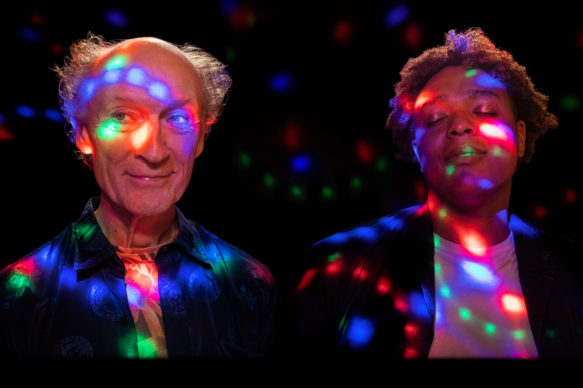
Thursday, 6 October – New Show “GROOVE” at Contact Theatre, Oxford Road, Manchester M15 6JA
7.30pm – 8.40pm, followed by after party – £10 concessions
The show is based on the real stories and testimonies of LGBTQIA+ people across generations and featuring a fierce and mighty intergenerational cast of dancers and actors, GROOVE explores the dance floor as a place of protest, identity, belonging and desire.
Please note, this production contains the kinds of lighting and special effects you would find in a nightclub; this may include roving, rhythmic flashing, scanning and haze.
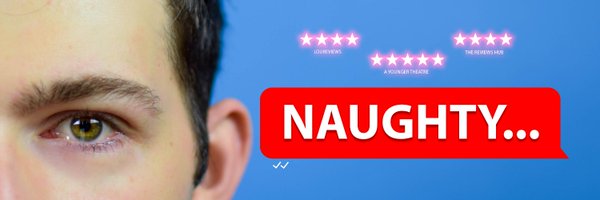
Also showing on 6 October is “Naughty”
Pink Milk is an upcoming theatre company with a focus on telling important and underrepresented queer stories.
They are currently preparing to tour their production of “Naughty”; a solo show written to examine grooming in the LGBTQ+ community and the common lack of safe mentorship for queer youth.
Pink Milk Theatre, following a 5-star OffFest-nominated run at Camden Fringe 2021, presents this darkly comic, queer coming-of-age tale.
Grooming is not an uncommon experience for young queer people and they particularly want to reach LGBTQ+ audiences with the production.
“Naughty” will be presented at The Kings Arms, 11 Bloom Street, Salford M3 6AN on 6 October at 7:30 pm. Concession price £7.00 / Full price £11.00. Buy tickets here.
They will also be hosting an optional Q+A following the performance, should you be interested in engaging with the piece further.
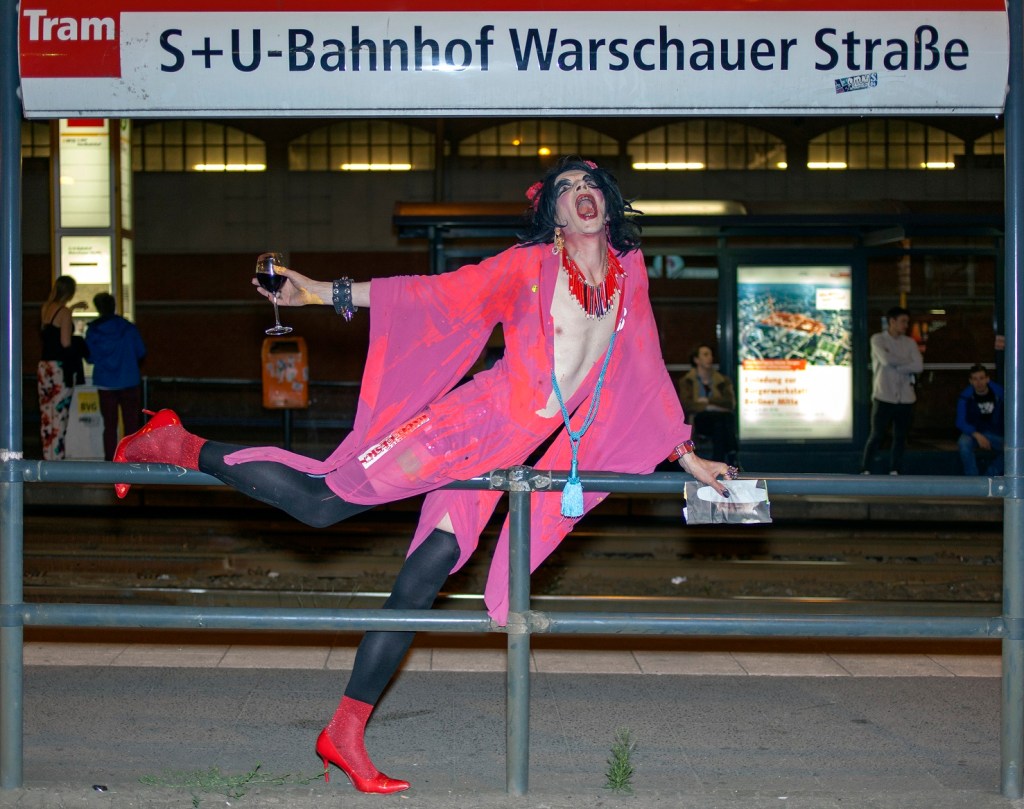
Happy Birthday David Hoyle! 60 Today – 19 September 2022
Paul Gallant, a Toronto-based journalist reports from Canadian website “xtramagazine” on David Hoyle, the performance artist:
Has British iconoclast David Hoyle unwittingly turned himself into an icon?
Underground performance artist David Hoyle has been booking gigs in London and across Europe these days. Credit: Lee Baxter
David Hoyle tells me he’s still fuelled by anger, but I’m not sure if I believe him.
Not because of how polite the legendary UK performance artist is during our conversation; good manners are an excellent mask for rage. And despite his graciousness (he apologises repeatedly for not knowing more Canadian queer artists), Hoyle can quickly turn on a rant. “Spiteful, nasty, peevish, judgmental and vile,” is how he describes his church-oriented upbringing in Blackpool. He never has to wrack his brain for phrases like “absolutely hopeless,” “toxic masculinity,” “suicide-inducing” or “downward spiral.”
He’s still throwing punches. It’s just that these days he’s less inclined to punch himself and those around him. Hoyle, after a lifetime as an underground drag-inflected performer and artist, seems to have a newfound confidence. After so many years as a struggling outsider, a welcoming space in the culture – in Britain and across Europe – has been opening up for him. He’s being treated like he’s got some wisdom, like he deserves some respect – and maybe it’s starting to sink in.
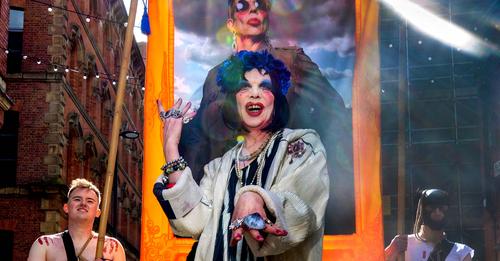
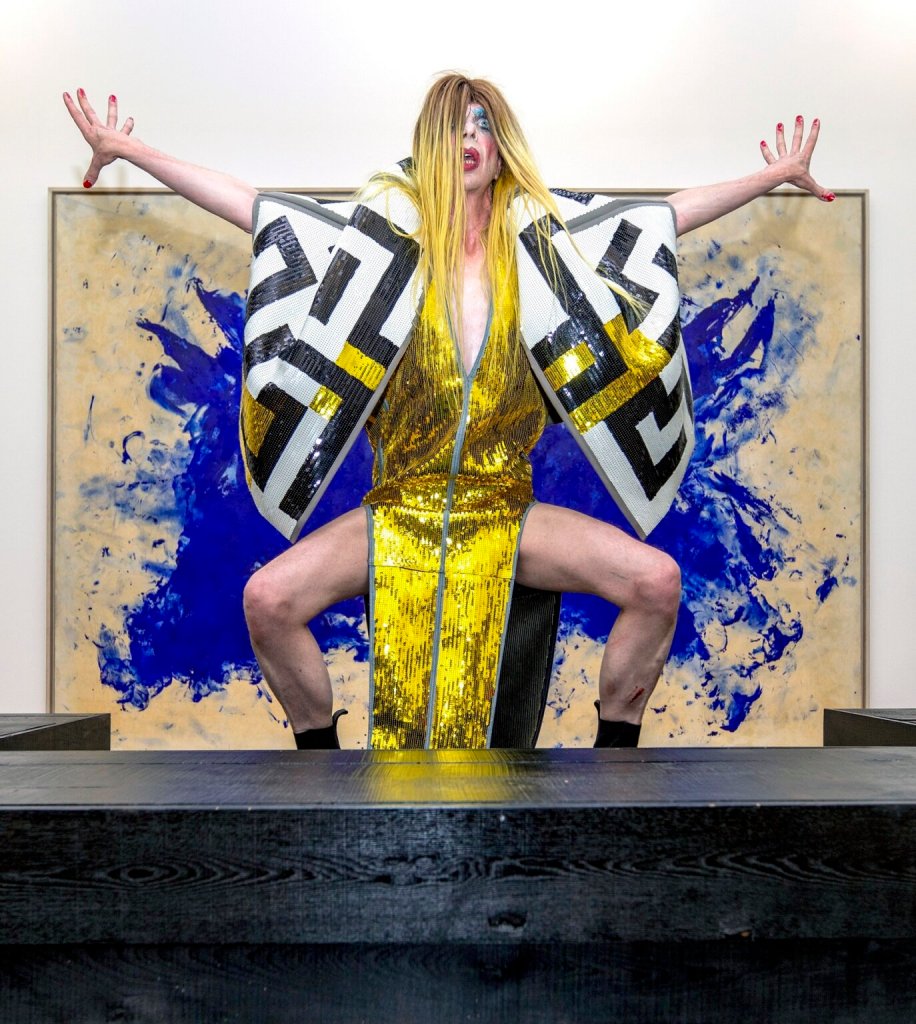
Of course, he’s built up a devoted fan base since he started out performing in the clubs and then gained a certain kind of niche national notoriety as Divine David on two seasons of The Divine David Presents on Channel 4 in 1998 and 2000. He’d appear in trademark messily applied makeup, hurricane-coiffed wigs and torn, dirty dresses, demonstrating how to decorate a Christmas tree with various pork products, musing about people being killed and mutilated by the side of a canal or tearing up a newspaper to make a theoretically fashion-forward waistcoat. Think Drew Droege’s Chloe, but on acid that’s been soaked in swamp water. Or a Rick Mercer rant, but as an apocalyptic fever dream in a lesser-known circle of hell. Hoyle’s look might employ wardrobe and makeup traditionally considered feminine, but he’s not impersonating any gender – or not least not any gender of this world.
Credit: Lee Baxter
When London’s new Queer Britain museum opened this spring, it was Hoyle’s portrait, painted by London artist Sadie Lee, that first greeted visitors at the inaugural exhibition. In March, in a ceremony at the Manchester Art Gallery, the Manchester Sisters of Perpetual Indulgence, a charity, protest and street-performance organisation whose members dress as nuns, canonised him as Saint David of the Avant-Garde, making him the first English saint canonised by the sisters since the late filmmaker Derek Jarman was anointed Saint Derek of Dungeness in 1991. Last year he played the drag mother in the film Everybody’s Talking About Jamie and over the last year or so, Hoyle’s appeared in a series of shows at London’s Royal Vauxhall Tavern and Salford’s The Lowry and Brighton’s Spiegeltent. In June, he performed as a special guest at Pride in Skopje, North Macedonia—his second appearance there – and performed this summer in Norway and France. There’s been increased interest in his visual artwork, which has the belligerent colours, politics and temperament of a protester in Margaret Thatcher’s ’80s-era UK The iconoclast has become, dare I say, an icon.
“I feel I’ve got a bit of a presence, and that’s very nice,” Hoyle tells me by phone from his home in Manchester. “I do feel very honoured at the moment.”
Needless to say, it hasn’t been easy. When Hoyle was 24, with his liver failing because of heavy drinking, he could have never imagined making it to 60. Performing as Divine David, he’d go on stage at clubs and inject himself with drugs, not knowing what they were, and let the audience watch as his high played out before their eyes. He pushed himself so hard that he needed to take six years out of the spotlight, starting around the year 2000. When Hoyle returned to performing, he was no longer Divine David, but David Hoyle. Just as much an edgy anti-capitalist and anti-establishment freedom fighter, but not so self-destructive.
“I didn’t think I’d live this long. It’s a bit of a surprise to me that this has happened. I must be a medical miracle,” Hoyle says.
“Having worked with a lot of young people, I’ve been very lucky. To be with these amazing artists, it gives me hope.”
The break did what it needed to do. He survived. But even over the last decade or so, long after abandoning Divine David, you can still see Hoyle maturing as a performer and as a person. In a 2009 performance at Royal Vauxhall Tavern, for example, his monologue riffs on self-entitled young people: “I was born and brought up and the rest of it, and abused, by very small-minded people who were more worried about what the neighbours thought than nurturing,” he tells his audience. “You 20-year-olds, from your middle-class backgrounds, where your parents are saying, ‘Look, if needs be, I’ll guide his cock up your ass,’ some of us from a certain generation never had that luxury, get me?… I love the fact that there are 20-year-old cunts out there in the world living their stupid, self-obsessed, superficial lives when people went through real hell and had to fight for you to be as complacent as you are.”
These days, though, Hoyle has nothing but good things to say about the young, and no longer believes in the generation gap he complained about in that monologue. “I think there’s quite a healthy intergenerational happening that’s going on. I think a lot of young people understand that without the freedom fighters of the past, they wouldn’t have some of the freedoms that they have now. I feel like I’m part of a continuum. I think of characters like Quentin Crisp, and then you think about the Gay Liberation Front, which was before my time. Now you’ve got wonderful young people—drag kings, wonderful trans artists – who are bringing new aspects of life to consciousness and making people think,” he says. “Having worked with a lot of young people, I’ve been very lucky. I’ve worked with people like [performance artist] Travis Alabanza and [choreographer / dancer] Joshua Hubbard. To be with them, these amazing artists, it gives me hope.”
One of David Hoyle’s recent paintings. Credit: Lee Baxter
In fact, younger people championing non-binary identities have helped Hoyle put his finger on his own identity as non-binary, something he had been struggling with since he was a child. “I’ve never felt like a boy. I had no interest in traditional boy things like football and sports. I’ve always been more artistic,” he says. “But we didn’t have the words when I was younger. I’m very proud of all the different phrases people are now using. And it’s not just members of the LGBTQ+ community who are using these new ideas to define who they are. It’s for everybody. You have people who would have fallen into the heteronormative – what’s the word? – demographic thinking how heteronormative are they really. That’s very interesting.”
This optimism about the next generation remains in tension with his ongoing frustrations with previous generations. On one hand, Hoyle sees no escape from so many of the distressing global political situations: the mendacious buffoonery of UK prime minister Boris Johnson’s Conservative government, Russia’s invasion of Ukraine, hateful reactionaries in the United States, the rise of authoritarian-minded leaders around the world. On the other, he believes that art, especially laughter, provides not only an escape, but a way of getting at our problems.
“When I was about eight years old, I remember my grandma asking me, ‘What do you want to do when you grow up?’ I said, ‘I’d like to be a comedian.’ And she said, ‘Why?’ And I said, ‘Well, I just like it, you know, I just want to make people laugh.’”
Hoyle’s idealism and philosophical bent have perhaps prevented him from becoming a conventional comedian and finding mainstream success. “To make it in our society, that’s really the world of Tuscan villas and infinity pools,” he says. “That is not my reality. I live in a housing-association flat that’s very neglected and not particularly inspiring.”
Instead, he puts his comic impulse to use as a vessel for shaking up society, to make the powerful, not the downtrodden, the butt of the joke. To this day, his shows are mostly improvisational. On the train ride from Manchester, where he lives, to London, where most of his gigs are, he’ll think about what he’d like to say, but rarely locks anything down. “It’s spontaneous. What I do is just feed off the energy in the room. I will have certain topics and subjects that I want to talk about or express or acknowledge. I pepper the evening with those topics that concern all of us, but the majority of the show is improvised,” he says. “I’ve been doing it for so long, that all comes from experience.”
David Hoyle has been booking gigs beyond the U.K., despite his home country being a key target of his material. Credit: Lee Baxter
Though Hoyle has gone all-in on his life as an artist, he does wonder if art and comedy are enough to heal the world in its current state of agitation. “What I believe really what we need is a mass lifting of consciousness globally to mutual love and respect, to try and transcend all the nonsense that the media and our various so-called governments project on to us and go to another level,” he says. “I’ve always thought it might be nice if we all took a natural hallucinogen at exactly the same time globally. Then just see what happens. We need something that will bring us together, raise our consciousness and make us question all the things that are presented to us as being solid and organised and forever.”
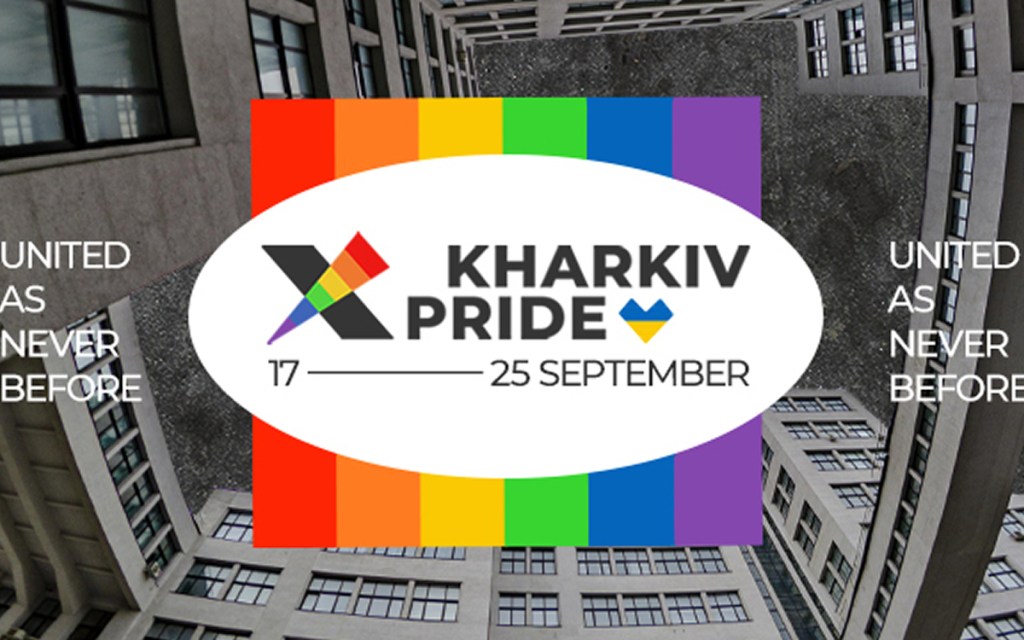
Activists in Ukraine to hold Pride events
(Photo courtesy of Kharkiv Pride)
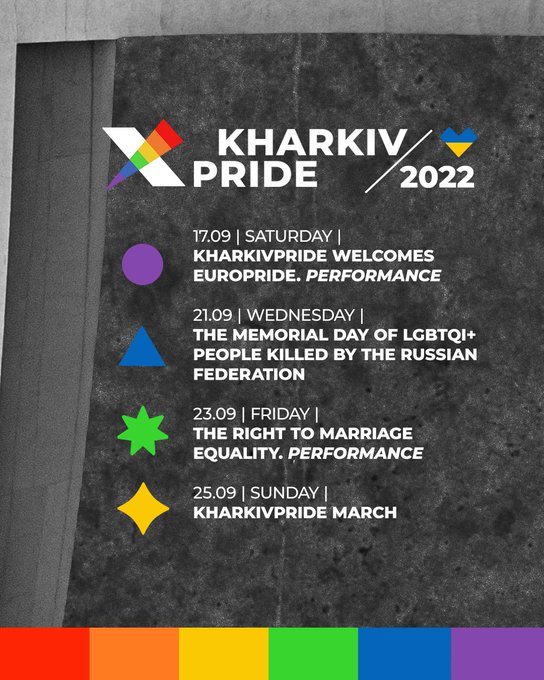
Activists in the Ukrainian city of Kharkiv will hold a series of Pride events in the coming days.
A press release from Kharkiv Pride notes events will take place from 17 to 25 September, including a march, a performance that highlights efforts to extend marriage rights to same-sex couples in Ukraine and a “Memorial Day” for “LGBTQI+ people killed by the Russian Federation.”
Kharkiv Pride will also hold “a crowdfunding campaign to collect money for the needs of women serving near Kharkiv.”
“Just as Kharkiv stands at the forefront of Ukraine’s struggle for freedom and democracy, Kharkiv Pride actively resists at the forefront of the battle for human rights,” said Kharkiv Pride. ” Because this is our principal position, and this is the difference between Ukraine and the totalitarian regime of the Russian Federation.”
Kharkiv, which is Ukraine’s second-largest city, is less than 30 miles from the Russian border in the eastern part of the country.
A Russian airstrike on 1 March 2022 killed Elvira Schemur, an LGBT+ activist who was a volunteer for Kharkiv Pride and Kyiv Pride. Ukrainian forces in recent weeks have recaptured large swaths of territory east of Kharkiv that had been under Russian control. Kharkiv Pride will also take place less than two months after Ukrainian President Volodymyr Zelenskky announced his support for a civil partnership law for same-sex couples.
Times Gone By – LGBT+ History:
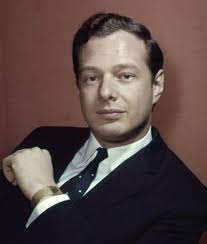
Brian Epstein
Brian Epstein – The Man Who Loved John Lennon – 19 September 1934 – 27 August 1967
Teased and bullied as a boy, Epstein dropped out of school at age 16. Drafted in 1952, he was discharged for “unspecific psychiatric reasons” and subsequently came out as a homosexual to a psychiatrist.
He then enrolled in the Royal Academy of Dramatic Arts but dropped out soon after. Moving back home, he became manager of the record department at his family’s store. While in Liverpool he saw John Lennon, Paul McCartney, George Harrison, and Pete Best perform at the Cavern Club. Though he lacked experience in entertainment industry he was tapped to manage the band.
Epstein has been credited with polishing the group’s image: replacing jeans and leather jackets with mohair suits, ending the on-stage drinking and swearing, having the band play actual sets, and making the young men bow at the close of the every show. His sheer enthusiasm caused EMI Parlophone to sign the Beatles to their first recording contract; and when they replaced Best with drummer Ringo Starr all the components were in place.
In 1965 Epstein booked the Beatles onto ‘The Ed Sullivan Show,’ a performance that catapulted them into the stratosphere. He then orchestrated their sold out concert at Shea Stadium – which was the first stadium concert in rock history. Though he also managed several other groups, including Gerry and the Pacemakers, it has been suggested Epstein’s particular devotion to the ‘Fab Four’ stemmed more from his love for John Lennon than any material interest. Insecure about himself and his position, Epstein’s drug and alcohol problems escalated as his importance to the Beatles receded. He died in August 1967 of an overdose. Given the nature of the music industry, without Brian Epstein’s guidance it is likely the world would never have heard of the four lads from Liverpool.
We hired a coach in order to visit Speedwell Cavern at the foot of Winnats Pass, near the village of Castleton in Derbyshire. A few people visited a café in Castleton, but fifteen of us donned our hard hats and fleeces and descended into the cave system.
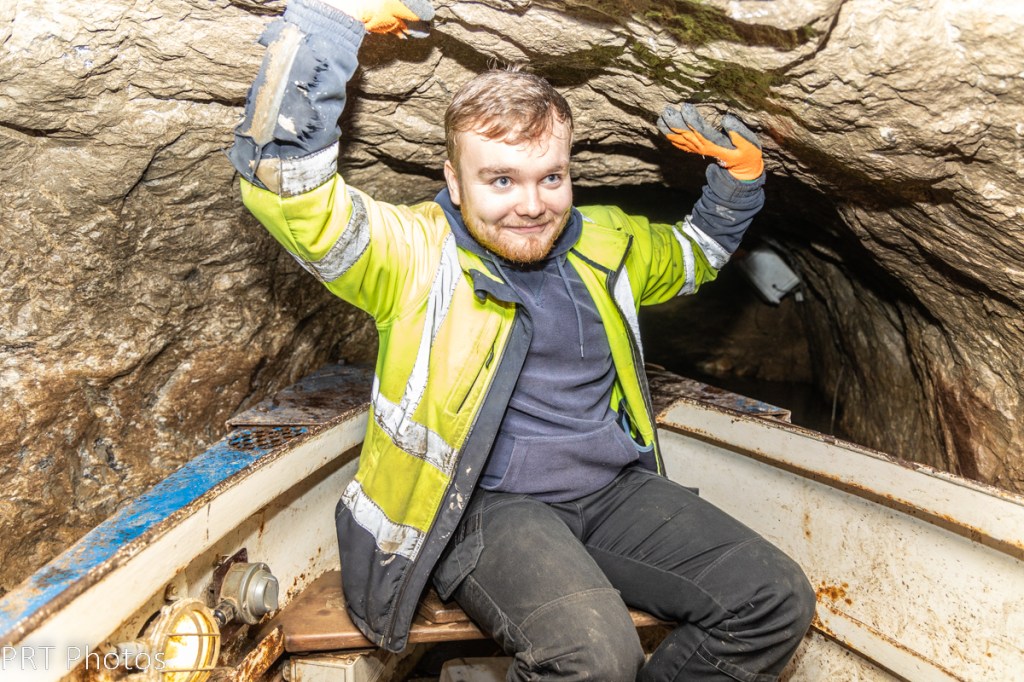
We tentatively walked down 106 wet and slippery steps to a narrow horizontal passage two hundred metres below ground. The passage, which is man-made, leads to the limestone cavern and is permanently flooded. Access is made by boat and it was an incredible underground boat journey.
Our guide, Josh, propelled the boat by pushing against the walls with his hands and demonstrated how the boat was legged through. Legging requires the guide to lie on their back with their feet against the tunnel roof, and was sometimes performed by women.
The mine was developed in the 1770s but the limited lead ore deposits meant that it was not profitable and it was closed down by 1790. It’s hard to imagine what it must have been like to carve out these tunnels using only the most primitive tools.
The “Bellows Hole” is where a small boy would work all day pumping on a pair of blacksmiths bellows circulating the air.
There is a “half way house” tunnel where boats can pass each other. At he end of the passage the cavern opens up and we disembarked. The cavern contains the “Bottomless Pit” – a huge subterranean lake.
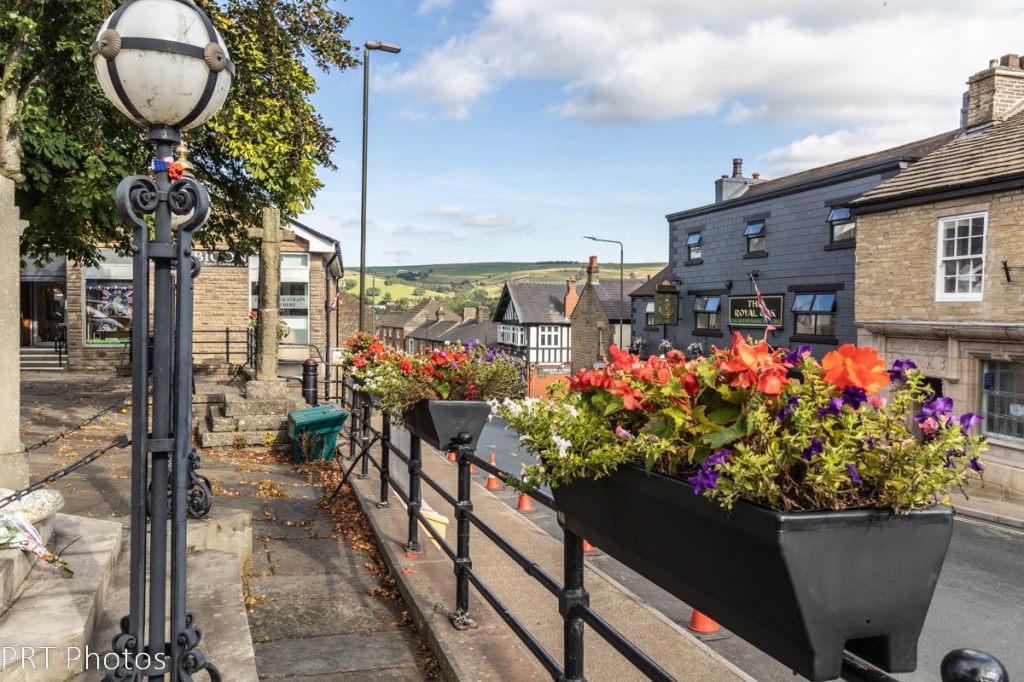
We then went on to the town of Chapel-en-le-Frith. The town was established by the Normans in the 12th century, which led to the French-derived name Chapel-en-le-Frith (“chapel in the forest”). We spent a pleasant couple of hours before returning to Manchester.
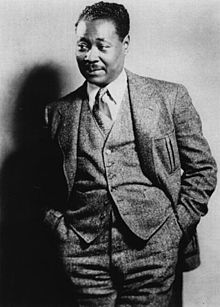
Festus Claudius “Claude” McKay was born in Clarendon, Jamaica, on 15 September 1890. As a young man he studied poetry and philosophy with Walter Jekyll, who encouraged him to write his poetry in his native Jamaican dialect. His first two books of verse were published in 1912.
That same year, inspired by Booker T Washington, McKay moved to the US to study agronomy. It was there that he encountered racism for the first time. In 1914, he moved to New York, settling in Harlem, where he delved into the clandestine gay scene. Enjoying a love life that included both male and female partners, he entered a brief, but unsuccessful, marriage.
In 1917 McKay published his next poems, including the radical “To the White Fiends,” a challenge to white oppressors and bigots. His work appeared in various periodicals, most notably in the leftist magazine The Liberator, which published his anthem of resistance “If We Must Die,” threatening retaliation for racial prejudice and abuse.
In 1922 McKay published “Harlem Shadows”, his fourth and most important collection. The volume assured McKay’s place as a key figure in the Harlem Renaissance. During this period he explored Communism and worked with the Universal Negro Improvement Association, writing several articles for that organisation’s publication. From 1923-1934 McKay travelled in Europe and North Africa, and wrote the novels “Banjo” and “Banana Bottom”. Most notably, during this period he also wrote “Home to Harlem”, a novel containing an openly gay character and detailed descriptions of Harlem’s gay and lesbian club scene in the 1920s, including drag and gender bending.
After this sojourn, McKay returned to Harlem and began working on “A Long Way from Home” (1937), a memoir describing his experiences as an oppressed minority, calling for an end to colonialism and segregation. In failing health, the lifelong agnostic embraced Catholicism and, in 1940, became a US citizen. In 1944 he left New York and relocated to Chicago to work for the Catholic Youth Organisation. McKay died of congestive heart failure there on 22 May 1948.
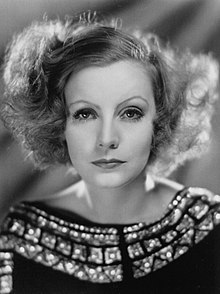
Greta Garbo
Greta Garbo – 18 September 1905 – 15 April 1990
The image of the mysterious and uncommunicative Greta Garbo (born Greta Lovisa Gustafsson) has drifted around the edges of human sexuality for nearly a century. She converted her enigmatic sexual status into power at the Box Office and profited from the curiosity and titillation it aroused.
Though Hollywood did not address lesbian audiences directly – it routinely pandered to male voyeuristic interests, which made Garbo a star of the highest magnitude. That she did not fulfill the social-sexual script the world had prepared for her was the world’s problem, not hers.
More significant than with whom Garbo slept was how sex and gender were integrated into her life and films because what the general public thought it knew, and what the gay subculture actually knew, about Garbo’s real life cannot be separated from her star image. She was romantically linked with Tallulah Bankhead, Lilyan Tashman, Billie Holiday, Louise Brooks, Mercedes de Acosta, and Marlene Dietrich.
Though she made relatively few major films in her career, the roles – Anna Christie, Mata Hari, Queen Christina, Anna Karenina, NinotchkaandCamille(for which she is most revered) – were iconic and unforgettable. Garbo’s enigmatic and ambivalent performances were an appealing departure from formulaic heterosexual images and made it possible for her to stand out from her contemporaries while identifying both as gay (to those who were aware) and with other gay people across the invisibility, disgrace and fear that characterised much of gay life during the era. Garbo effectively retired from Hollywood after World War II and lived out the remainder of her life in self-imposed seclusion. She died in 1990 at the age of 84 from natural causes.








 Out in the City