Infectious disease experts say more needs to be done to address rising sexually transmitted infections (STI) rates in older people. By 2030 1 in 6 individuals worldwide will be aged 60 and older.
The call to action will be presented at the European Congress of Clinical Microbiology and Infectious Disease in Barcelona, Spain to be held from 27 to 30 April 2024.
In advance of the conference, they explained what was happening … and suggested some reasons.
For example, STIs in Americans aged 55 to 64 years have more than doubled over the past decade. It’s even worse for gonorrhea, rising from 15 cases per 100,000 people in 2015 to 57 per 100,000 in 2019.
In England, the number of over 45s diagnosed with gonorrhea and syphilis doubled between 2015 and 2019. The majority of that rise has been in gay men.
Professor Justyna Kowalska from the Medical University of Warsaw, who leads the research offers some reasons. These include the rise of dating apps, and erectile dysfunction medication such as Viagra. An increasing number of people are having sex at a later stage in life.
“Rising divorce rates, foregoing condoms as there is no risk of pregnancy, the availability of drugs for sexual dysfunction, the large number of older adults living together in retirement communities, and the increased use of dating apps are likely to have contributed to the growing incidence of STIs in the over 50s”, says Professor Kowalska.
It’s known that some men are foregoing condoms due to advances in HIV treatment and prevention.
“These data likely underestimate the true extent of the problem as limited access to sexual health services for the over 50s, and trying to avoid the stigma and embarrassment both on the part of older people and healthcare professionals, is leading to this age group not seeking help for STIs,” continued Kowalska.
“People do not become asexual with age”
She says assumptions that people stop having sex as they age need to be challenged. For many people, sex remains an important part of their life into old age.
In a study in England, 50% of men aged 70 and over reported being sexually active. In a Swedish study, 10% of those aged 90 and over said they still had sex.
“People do not become asexual with age,” says Kowalska. “In fact, with preventive medicine and improved lifestyles people are enjoying a healthy life and sex life for longer. Older people often find greater satisfaction in their sex lives due to experience and known expectations.”
Kowalska says health professionals need to talk more to older people about sexual health.
“Sexual health campaigns are focused on young people and overlook the needs and experiences of those aged 50 and older,” she says.
“Health promotion messages give the impression that condoms and concerns about STIs only apply to young people. But the dangers of undiagnosed and untreated STIs such as HPV-related cancers and onwards transmission are very real, particularly in this age group who are more likely to have underlying conditions such as heart disease and stroke.”
Although the rates of STIs in older people are lower than those in younger age groups, health awareness material aimed at elders remains rare.
While the over 65-year-olds have caught the headlines for seeing the largest percentage increase in gonorrhea (68 percent increase) and chlamydia (40 percent increase), the absolute numbers in both cases pale in comparison to those of younger age brackets.
Amsterdam
Amsterdam in the Netherlands had dramatically reduced its HIV transmission rates. It recorded just nine new cases in 2022. Part of the approach was a multi-pronged awareness campaign that included older people.
RHS Garden Bridgewater
Sunday, 5 May – RHS Garden Bridgewater – LGBTQIA+ Groups Growing Session – 1.00pm – 4.00pm
Occupation Road, Worsley, Manchester M28 2LJ
Meet at the venue at 1.00pm. There is a large car park or you can catch Bus X50 Bee Network Bus Service from Piccadilly Gardens – Stand K (11.46am and every 30 minutes – free with concessionary pass or £2.00 single journey)
Have fun learning to grow some garden plants from seed and get advice on planning any growing this year, see RHS Garden Bridgewater and take away with you some seeds for home. All free, no cost to access the workshops and all materials provided.
Limited places available – please reserve a place by 15 April.
A Happy Easter greeting and April Fool’s joke in one!
Annual General Meeting
Out In The City’s Annual General Meeting was held on 28 March 2024. There were 52 people present (including four guests from Age UK) and we received 15 apologies.
Tony Openshaw presented the Annual Report 2023 highlighting the number of meetings and trips out, but also the media work and website statistics. We also won “Community Group of the Year” in the Forever Manchester Awards. He also presented the Annual Accounts. Both the Annual Report and Accounts were approved.
The following members were elected to the Committee: Tony Openshaw (Chair), Derek Sheasby (Treasurer), Peter Thirsk (Secretary) and Lizzie Gent, Lynn Oddy and Sarah Edwards (Members).
The legal status of the organisation needs to be considered, but we are waiting for professional advice.
Five Bizarre Things Bigots Said Equal Marriage Would Lead To
It’s been 10 years since the first same-sex weddings took place in England and Wales
Ten years ago, on 29 March 2014, the first same-sex weddings took place in England and Wales after the Marriage (Same Sex Couples) Act came into force, finally giving LGBT+ couples equal right to marriage.
In the run-up to the law being passed, homophobes told the nation countless times about the possible risks and consequences of allowing LGBT+ folks to tie the knot. We were warned that natural disasters would plague the land, people would start to marry animals and that the devil would appear from a gay man’s anus (no, really, that was a thing that was actually said).
To mark 10 years of same-sex marriage, which has seen thousands of LGBT+ couples get married in officially recognised unions, we look back at some of the most bizarre and bonkers claims made by homophobes.
Marrying your own sibling has not, of course, suddenly become legal
Norman Tebbit
When discussing the legislation in May 2013, former Conservative Party chairman Lord Norman Tebbit suggested if equal marriage was made law, then it would give precedent to him marrying his own son or brother.
He said: “It’s like one of my colleagues said: we’ve got to make these same-sex marriages available to all. It would lift my worries about inheritance tax because maybe I’d be allowed to marry my son. Why not?
Why shouldn’t a mother marry her daughter? Why shouldn’t two elderly sisters living together marry each other? I quite fancy my brother!”
In the same rant, he also questioned how same-sex marriage would impact succession in the royal family.
Lord Tebbit said: “When we have a queen who is a lesbian and she marries another lady and then decides she would like to have a child and someone donates sperm and she gives birth to a child, is that child heir to the throne?”
As of 2024, the Sexual Offences Act 2003 still stands, which states it is illegal for a person to knowingly have sex with a “parent, grandparent, child, grandchild, brother, sister, half-brother, half-sister, uncle, aunt, nephew or niece”.
Biblical storms have not washed away England and Wales
David Silvester
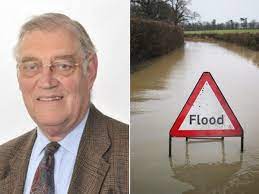
In an open letter to then Prime Minister David Cameron in 2014, UKIP councillor David Silvester said he previously warned the Prime Minister that if gay people were allowed to marry then the country would face biblical natural disasters.
In his letter, published in the Henley Standard, following flooding over Christmas and New Year, he wrote: ”The scriptures make it abundantly clear that a Christian nation that abandons its faith and acts contrary to the Gospel (and in naked breach of a coronation oath) will be beset by natural disasters such as storms, disease, pestilence and war.
I wrote to David Cameron in April 2012 to warn him that disasters would accompany the passage of his same-sex marriage Bill. But he went ahead despite a 600,000-signature petition by concerned Christians and more than half of his own parliamentary party saying that he should not do so.”
Silvester, who was subsequently suspended by UKIP, accused Cameron of shedding “crocodile tears on behalf of destitute flooded homeowners” even though it was “his fault” it happened, because he “arrogantly acted against the Gospel”.
Bestiality has not become the next civil rights frontier
Todd Starnes
One of the most common reasons homophobes used to push back against same-sex marriage is that it would allegedly lead to people marrying animals.
This deeply homophobic and vile argument was thrown about countless times in the run up to equal marriage coming into force in 2014.
For example, former Fox News host Todd Starnes claimed legalising equal marriage would lead to the legalisation of bestiality.
He said: ”You know it’s interesting because the passage of the Bible that people – that people talk about in regards to, you know, the act of homosexuality, it goes further to talk about that. That men should not lie with beasts. And the women should not do that either. All this kind of stuff.”
Similarly, a UKIP supporter in Newark told The Guardian that gay marriage was like marrying a pig.
The man said at the time: “Civil partnership is absolutely fine, but gay marriage is appalling nonsense. The next thing they will be saying is we should be marrying pigs.”
The devil has not come out of an anus (not yet, anyway)
Joseph Sciambra
In 2013, US gay porn star turned ‘ex-gay’ Christian fundamentalist Joseph Sciambra claimed anal sex causes gay men to give birth to the devil.
“I’m going to talk about the devil and why he loves anal sex. Anal sex releases into the world rare demonic entities and that even in the body could be conceived as the devil and that would be given birth to anally,” he said in a video.
Child marriage and abuse is not legal
Rush Limbaugh
Similar to likening gay marriage to bestiality and incest, swathes of bigots said allowing two consenting adults to marry each other would obviously open the floodgates to child marriage and the abuse of children.
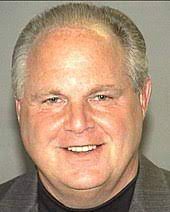
US conservative radio host Rush Limbaugh said he believed there was a movement to accept the sexual abuse of children as ‘normal’ and likened it to the fight for same-sex marriage.
The conservative political commentator said: “There is an effort underway to normalise paedophilia. Yep. And it has two aspects to it. One is that sex with children doesn’t hurt them. Kids like it, and so do adults, and there’s nothing wrong with it”.
Similarly, Free Church of Scotland minister James Gracie – a denomination that seeks to reflect “clear Biblical teaching” – said on a BBC Radio Scotland discussion show that “if the homosexuals, and these people, want to be treated equally, then what about paedophiles? What about polygamy?”
Funnily enough, none of these things ever happened.
This Trans Woman was Named ‘Woman of the Year’ in 1953
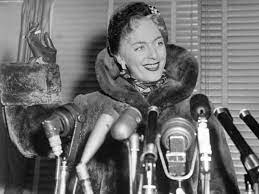
Christine Jorgensen was a truly trailblazing American trans woman. A former soldier, she was the first person to become widely known in the US for having gender-affirming surgery.
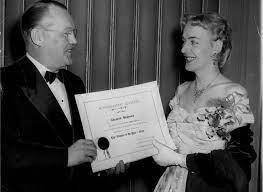
Her story is a fascinating one, and shows how – almost overnight – she became a pop culture icon. She was also treated more sensitively than you might expect for a trans person who was born in 1926, and in 1953 was named a ‘Woman of the Year’ by the Scandinavian Societies of Greater New York.
Christine was born and grew up in the Bronx, New York. She described herself as a “frail, blond, introverted little boy who ran from fistfights and rough-and-tumble games.”
After graduating, Christine was drafted into the US Army for World War II. Following her time in the army, she gained permission to move to Denmark, where she had gender-affirming care, which began in 1951.
“Everyone is both sexes in varying degrees. I am more of a woman than a man … Of course I can never have children but this does not mean that I cannot have natural sexual intercourse – I am very much in the position right now of a woman who has a hysterectomy” – Christine Jorgensen
In December 1952, when she returned to America, the New York Daily News splashed Jorgensen across their front page under the headline “Ex GI becomes blonde beauty,” making her instantly famous.
The article read: “… Son of a Bronx carpenter served in the Army for two years and was given honourable discharge in 1946.
After six operations, Jorgenson’s sex has been changed and today she is a striking woman, working as a photographer in Denmark.
Parents were informed of the big change in a letter Christine Jorgensen (that’s her new name) sent to them recently.”
Sex reassignment surgery
Christine began her transition by taking oestrogen in the form of ethinylestradiol while researching the surgery with the help of eminent Dr Joseph Angelo.
While visiting relatives in Copenhagen, Christine also met Dr Christian Hamburger – a Danish endocrinologist and specialist in rehabilitative hormone therapy.
She underwent hormone replacement therapy under Dr Hamburger’s direction, and chose the name Christine in honour of him.
Hamburger encouraged Jorgensen to take on a female identity and begin dressing as a woman in public.
As the hormones started to take effect, Hamburger noted the changes.
“The first sign was an increase in size of the mammary glands and then hair began to grow where the patient had a bald patch on the temple. Finally the whole body changed from a male to a female shape.”
After more than a year of hormone therapy, Jorgensen had the first in a series of operations that would attempt to change her genital organs from male to female.
Jorgensen was also assessed by a psychologist, Dr Georg Sturup, who accepted that she wanted to proceed with sex reassignment surgery.
“As you can see by the enclosed photos, taken just before the operation, I have changed a great deal. But it is the other changes that are so much more important. Remember the shy, miserable person who left America? Well, that person is no more and, as you can see, I’m in marvellous spirits” – Christine Jorgensen
As a result, Sturup successfully petitioned the Danish government to change the law to allow castration for the purposes of the operation.
“I was a bit nervous because there were too many people at that period who insisted I was crazy,” Jorgensen said in an interview. “But Dr Hamburger didn’t feel there was anything particularly strange about it.”
In 1951, Christine had an orchiectomy (a surgical procedure in which one or both testicles are removed), and in 1952, she had a penectomy (penis removal through surgery). Describing it, she said: “My second operation, as the previous one, was not such a major work of surgery as it may imply.”
After the procedure, Christine wrote to her parents in New York: “Nature made a mistake which I have had corrected, and now I am your daughter.”
Finally, in the US, she had a vaginoplasty, performed under the direction of Dr Angelo.
The first transgender celebrity
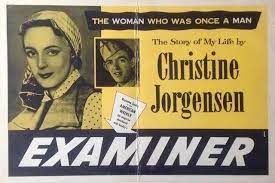
Following the New York Daily News story, Christine became a celebrity. She wrote about her own journey in a 1953 issue of The American Weekly, titled The Story of My Life.
When she returned to the US, she returned a star – and was greeted by a horde of journalists and admirers at Idlewild Airport (now JFK).
Christine used her publicity as a platform to advocate for transgender people, while Hollywood welcomed her. She was even crowned Women of the Year by the Scandinavian Society in New York.
“I guess they all want to take a peek,” she said.
She went on to make a living as an entertainer, actress and nightclub singer, and in one act performed ‘I Enjoy Being a Girl’ while wearing a Wonder Woman costume.
Christine Jorgensen’s personal life
Following her vaginoplasty, Jorgensen became engaged to a man named John Traub, but it was called off. In 1959, she got engaged to American medical doctor, Howard J Knox.
However, the pair were unable to get a marriage license because Christine was listed as male on her birth certificate.
In 1967, she moved to California and wrote her autobiography Christine Jorgensen: A Personal Autobiography. Three years later it was filmed as The Christine Jorgensen Story.
During the 1970s and 80s, she toured university campuses and other venues, speaking about her experiences as a transgender spokesperson and public figure.
Christine died in 1989, at the age of 62, of bladder and lung cancer. In the year of her death, she said:
“I am very proud now, looking back, that I was on that street corner 36 years ago when a movement started. It was the sexual revolution that was going to start with or without me. We may not have started it, but we gave it a good swift kick in the pants”.
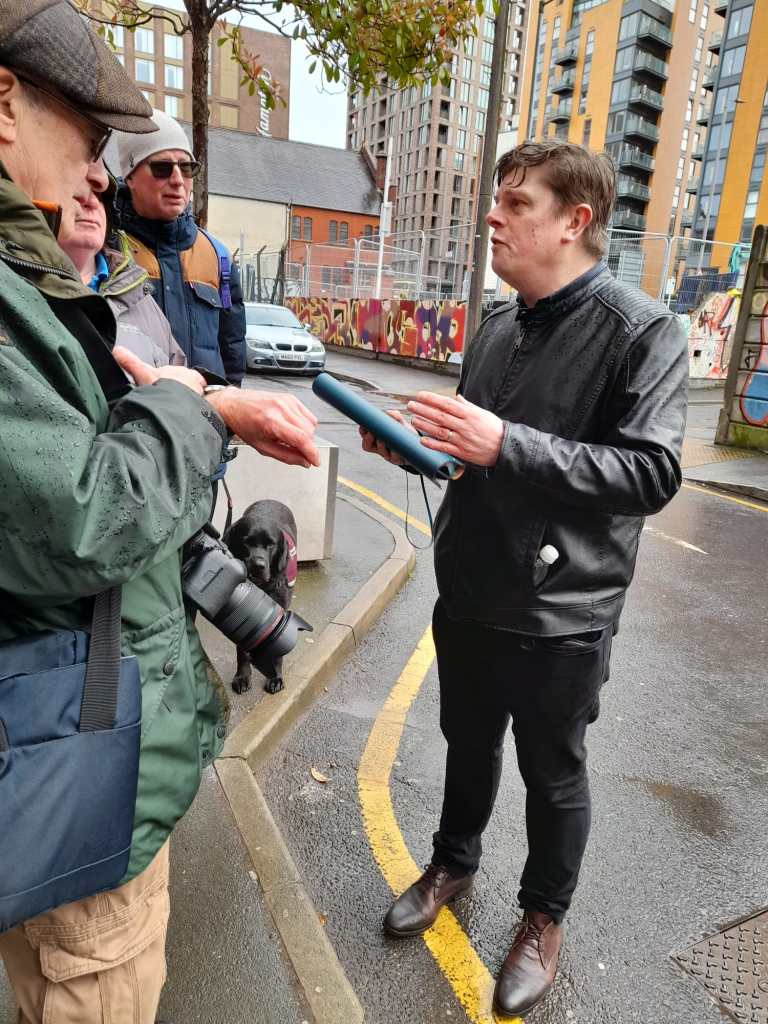
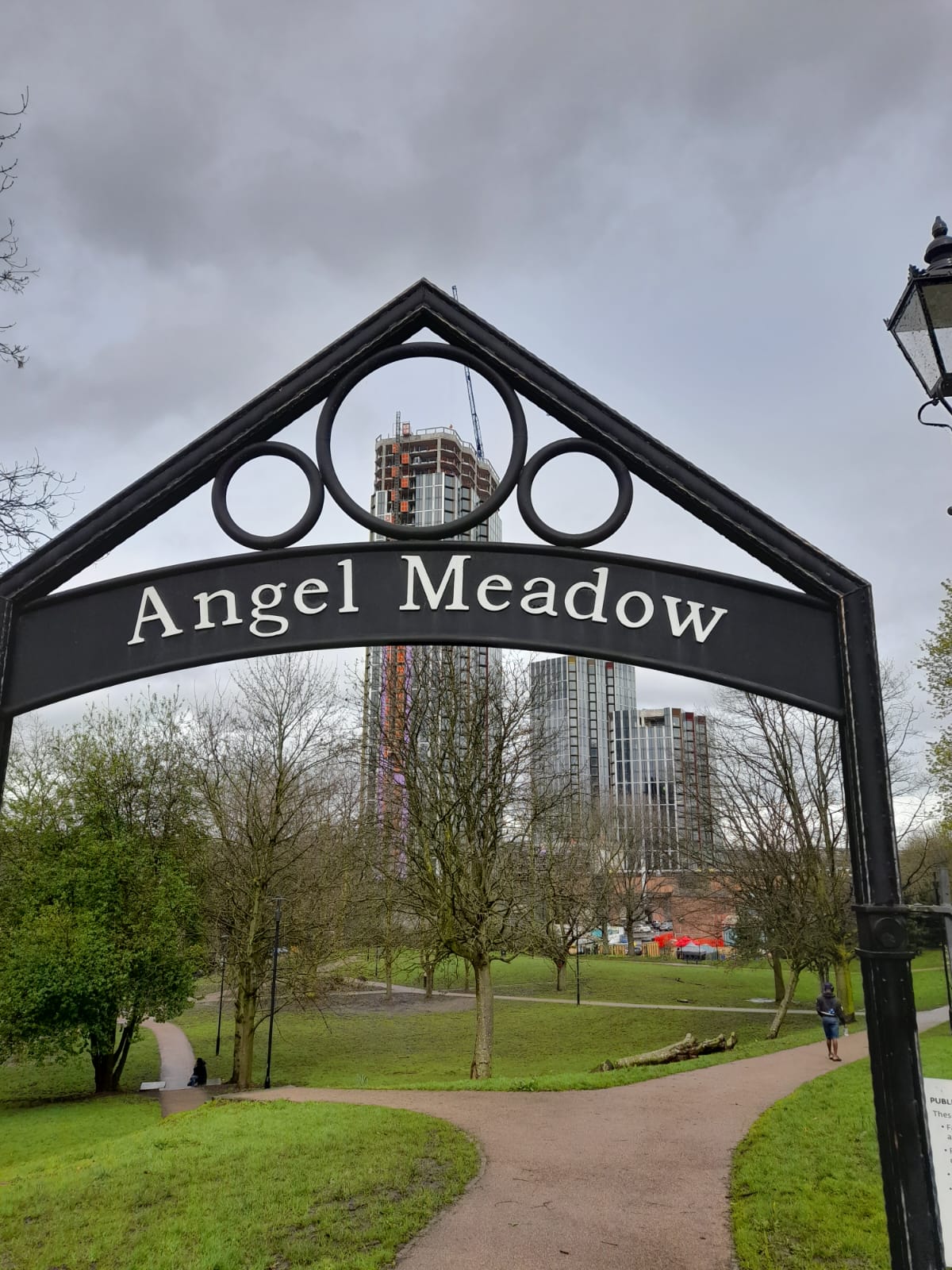
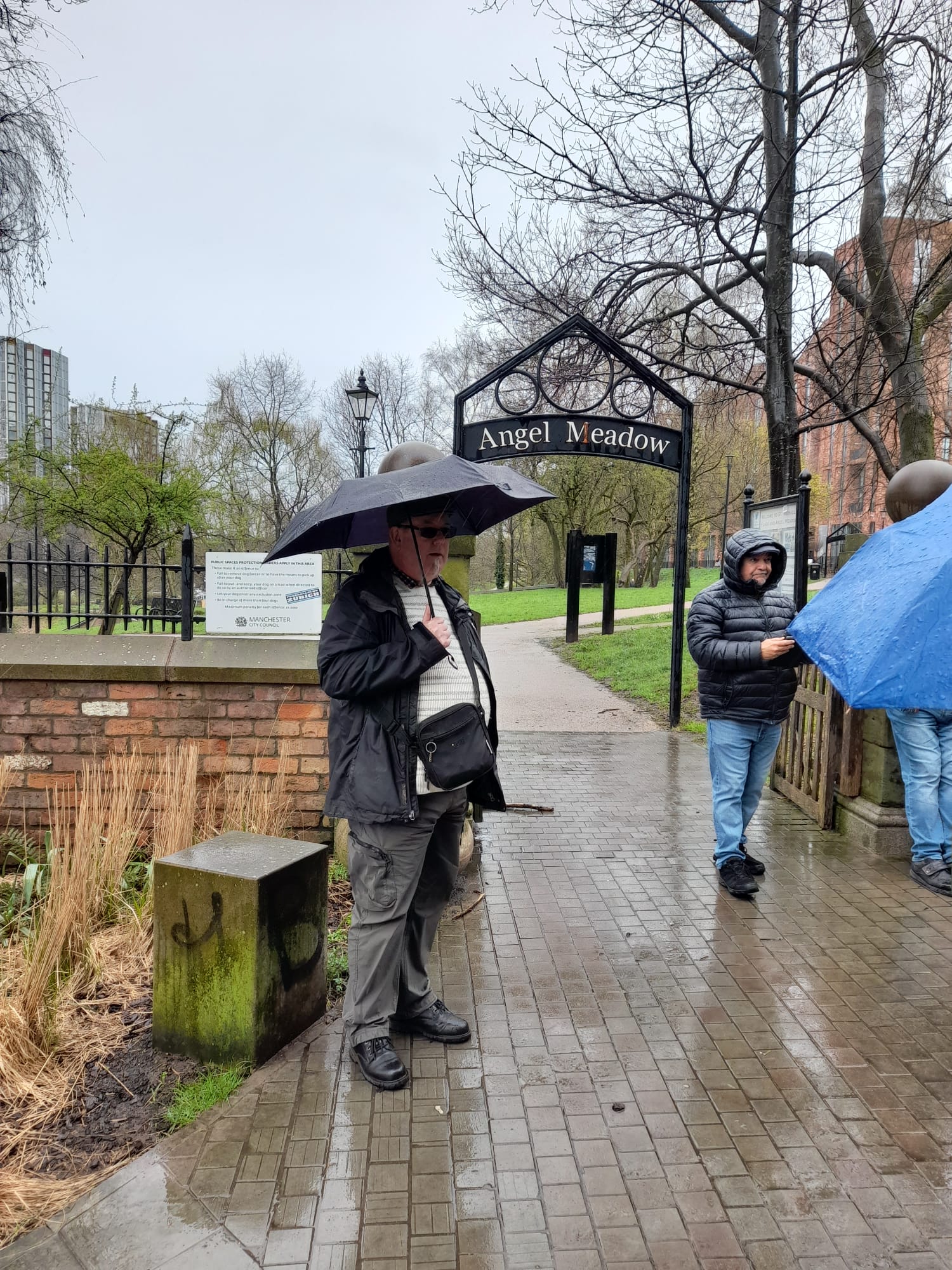
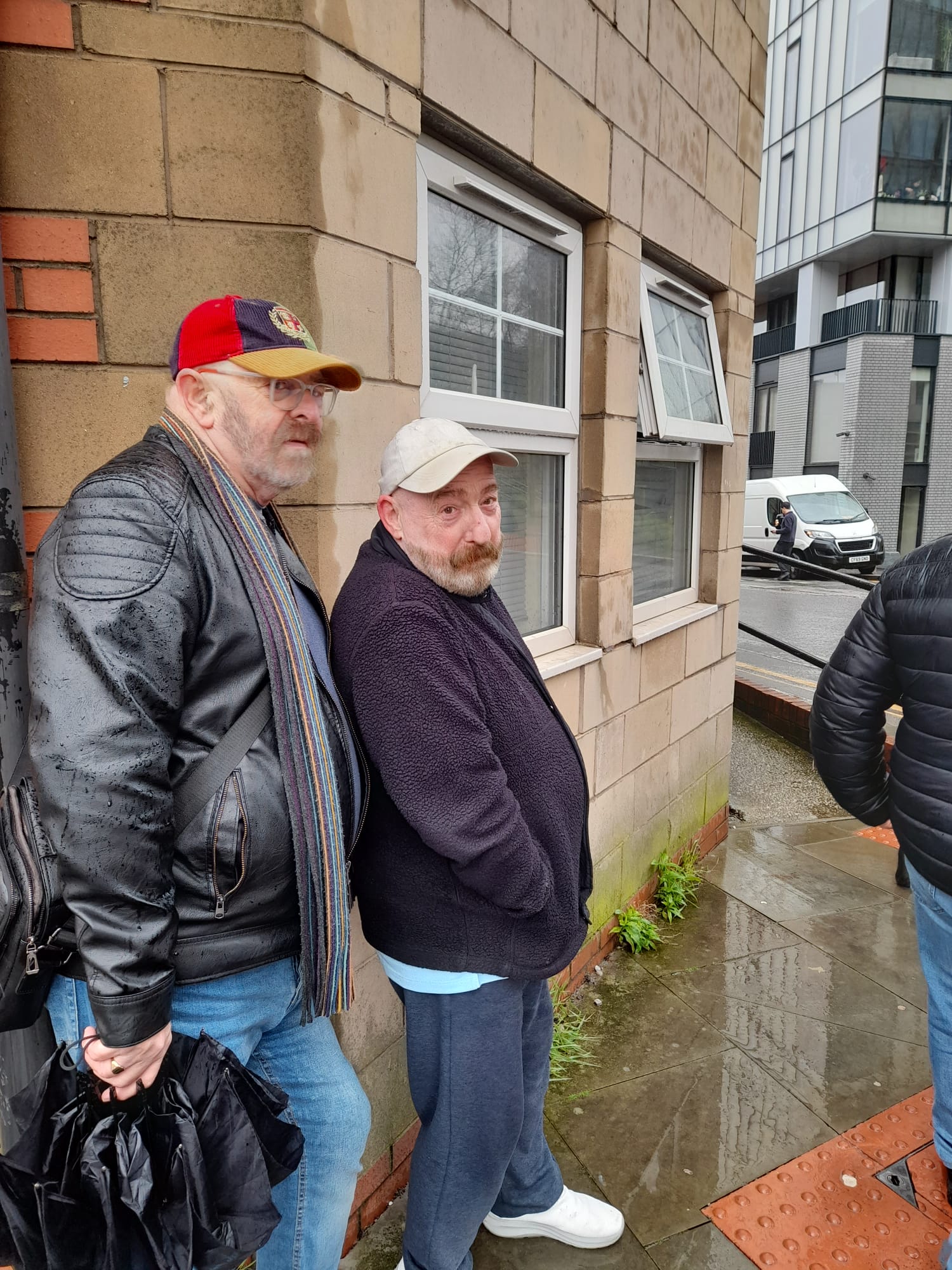
At 12.00 noon on a wet Wednesday, we met Dean Kirby, author of “Angel Meadow: Victorian Britain’s Most Savage Slum” for a walking tour. The rain however didn’t dampen our spirits and it soon brightened up.
Dean’s stories really brought to life the underworld of Angel Meadow, the vilest and most dangerous slum of the Industrial Revolution. In the shadow of the world’s first cotton mill, 30,000 souls trapped by poverty are fighting for survival as the British Empire is built upon their backs.
Thieves and prostitutes keep company with rats in overcrowded lodging houses and deep cellars on the banks of a black river, the Irk. Gangs of ‘scuttlers’ stalk the streets in pointed, brass-tipped clogs. Those who evade their clutches are hunted down by cholera, typhoid and tuberculosis. Lawless drinking dens and a cold slab in the dead house provide the only relief from this filthy and frightening world.
Dean took us on a hair-raising journey through the former gin palaces, alleyways and underground vaults of this nineteenth century Manchester slum considered so diabolical it was re-christened ‘hell upon earth’ by Friedrich Engels.
There are many historic characters associated with Angel Meadow and the surrounding area. Some of them were local people trying to make a difference. Others were national celebrities who were connected to the area in some way.
Friedrich Engels
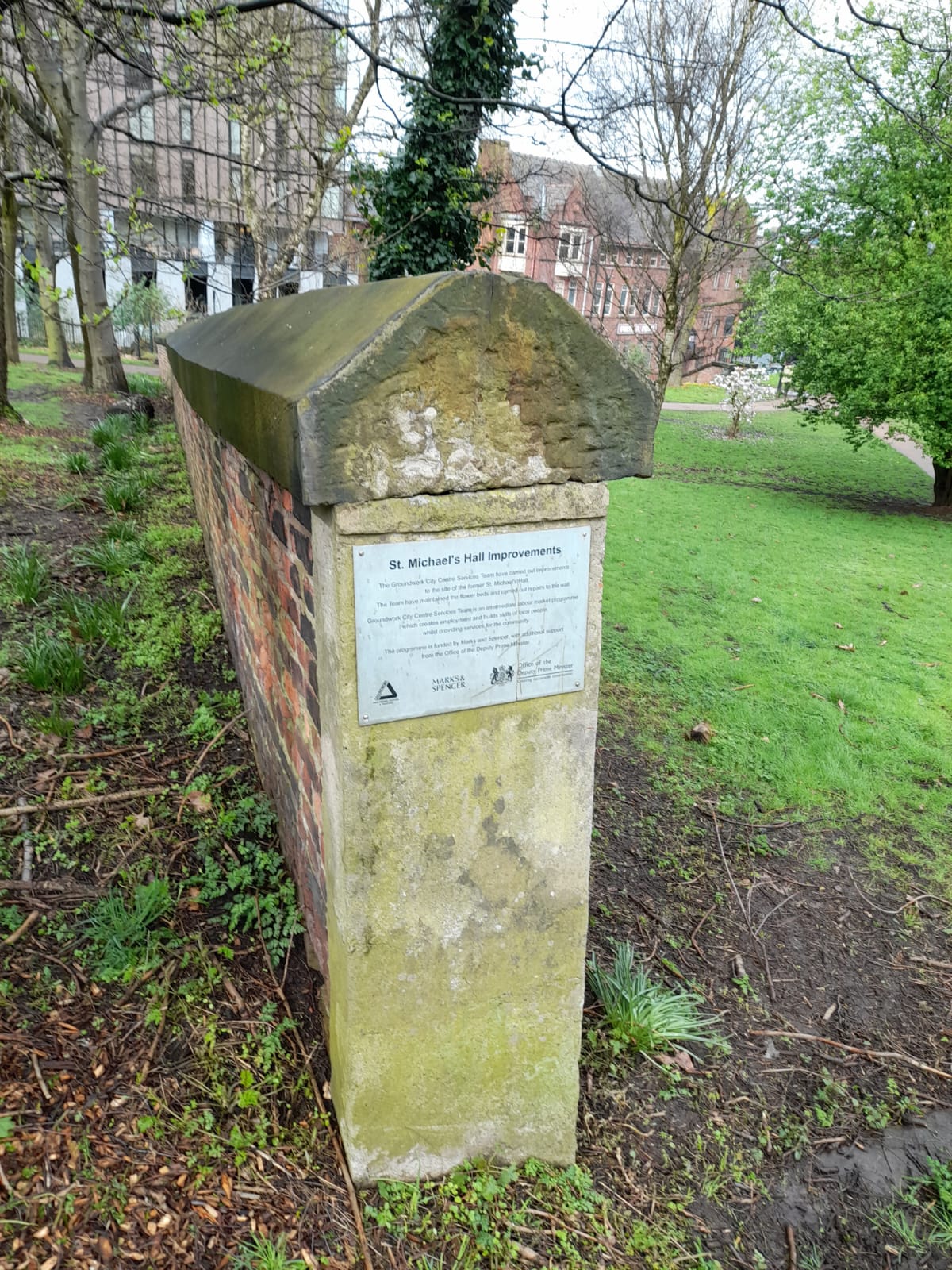
Friedrich Engels was born in 1820 as the son of a German industrialist. As a young man his father sent him to England to escape the troubles in Germany at the time. Engels was shocked by the poverty in the city and began writing an account that was published as the “Condition of the Working Classes in England” (1844). His account includes a graphic description of the pauper burial ground at St Michael’s Flags. Engels later collaborated with Karl Marx which famously resulted in the writing of the Communist Manifesto.
“Angel Meadow was in one of the most notoriously squalid districts; there is a certain black irony to its name … “
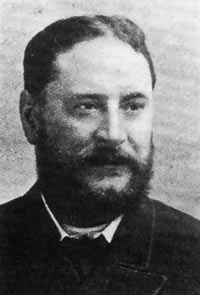
Reverend Mercer
Reverend Mercer was a minister at St Michael’s Church. He was deeply involved in the newly formed Prevention of Cruelty to Children Society (1884) – now known as the National Society for the Prevention of Cruelty to Children (NSPCC). He had an in-depth knowledge of the local area and its community.
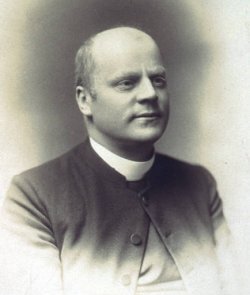
Reverend Jowitt Wilson
Reverend Wilson was minister of St Michael’s Church between 1913 and 1927. During this time he brought about numerous improvements to the church and its grounds, using money raised largely by his own efforts. His obituary in the Manchester City News described him as:
“the stalwart figure, with the big, kind genial face, so well known to every man, woman and child in St Michael’s parish”
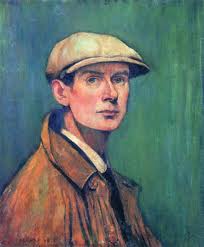
L S Lowry
Lawrence Stephen Lowry had links with the area long before sketching and then painting St Michael’s and All Angels, Angel Meadow. His maternal grandparents lived on Oldham Road, near to St Michael’s Flags (his grandfather was known locally as a “moderately prosperous” hatter).
Jerome Caminada
Jerome Caminada was Manchester’s very own Sherlock Holmes. Born of Irish-Italian descent, he was a great believer in law and order who became a high-ranking detective in the police force, patrolling both Deansgate and Ancoats.
Winston Churchill
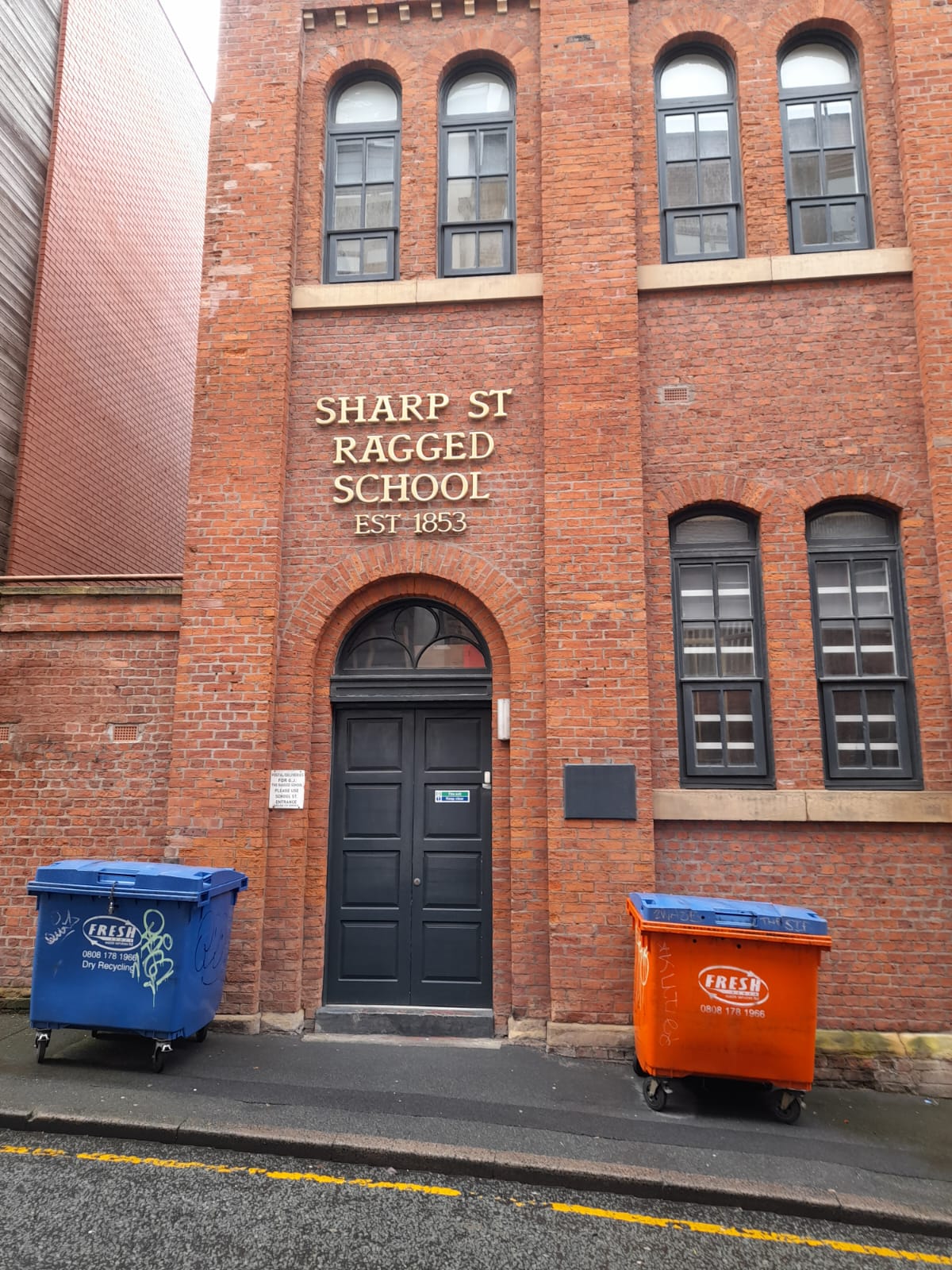
Winston Churchill was invited to visit the Charter Street Ragged School by its superintendent, Thomas “Saint Tommy” Johnson, in 1906. He was the first member of government ever to set foot within the school. Later, on hearing of Tommy’s death, Churchill wrote a moving letter about meeting him and visiting the area.
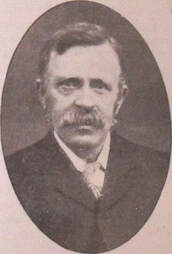
Thomas “Saint Tommy” Johnson
Thomas Johnson became Superintendent of Charter Street, Manchester’s largest Ragged School. He was born and bred in Angel Meadow, though he could remember neither his father nor his mother (both of whom presumably died in one of the many epidemics).
Duchess of Sutherland
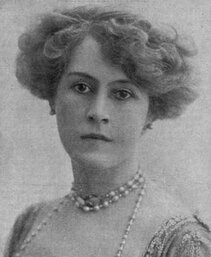
Lady Millicent Fanny St Clair-Erskine, The Duchess of Sutherland and wife of the 4th Duke, was a writer and editor, and served in the Red Cross during World War I. She opened the Girls’ Home, above the Charter Street Ragged School, on 26 July 1900.
Thomas Wright
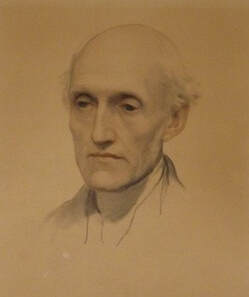
Thomas Wright played an active part in befriending the many homeless and destitute children of Manchester. He was a frequent visitor to the Charter Street Ragged School and was described by his friend, Lord Shaftsbury (the 7th Earl), as “saintly”.
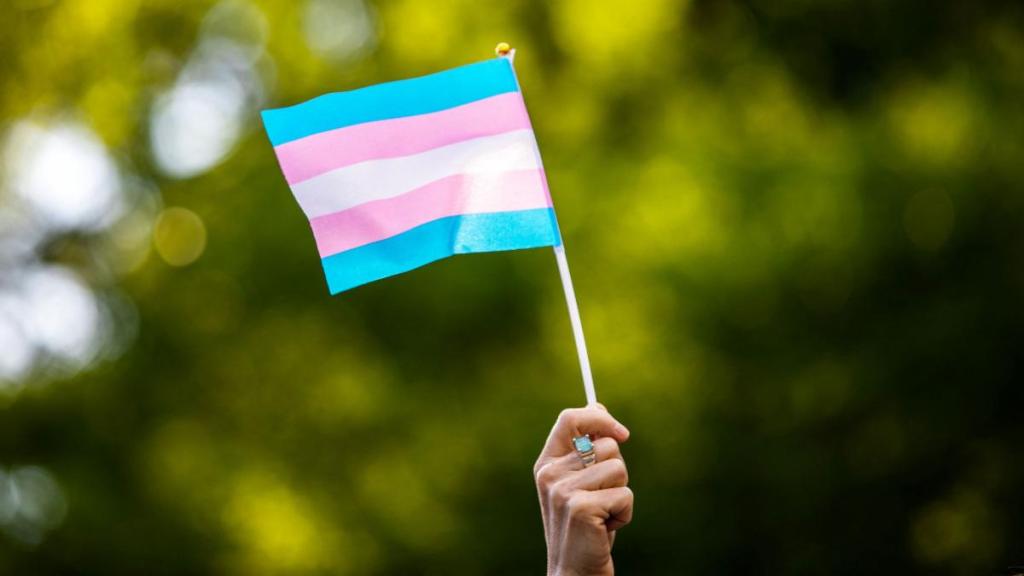
The first International Transgender Day of Visibility was held on 31 March 2009.
This is a day to elevate the voices of trans people and raise awareness about the challenges they face.
Let’s meet Dee Hawley:
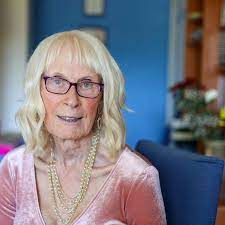
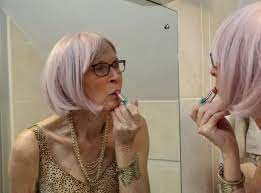
I’m a Trans Woman and I’ve Never Felt More Beautiful at 88
Dee Hawley at home in Birmingham
“I’m one of Britain’s oldest trans women aged 88 and I’ve never felt younger – I’m living my best life!” These are the words of Dee Hawley, who celebrated her 88th birthday on 18 March. She says she’s “never felt younger or more beautiful”.
Dee spent most of her life hiding her true identity before bravely deciding to come out when she was in her late 70s. She’s decided to embrace her femininity with a boost from breast implants, but the full change isn’t for her due to her age.
Before this vital transformation, Dee lived in Oxford with her wife for an impressive 62 years. They then relocated to Moseley. In early years, Dee had an adventure-packed life when she joined the army during the 1950s. She became a tank gunner in the Royal Engineers and was on standby for potential deployment to Suez during the tumultuous crisis of 1956.
After serving, Dee swapped the military life for one in local government. It was here that she met her wife, and they were blessed with three children during their marriage. Interestingly, it wasn’t until her 60s and early 70s that Dee developed a fascination and attraction towards feminine clothing, with no prior desire to transition into a woman.
It took a great deal of courage for her, but by the summer of 2011 Dee had shared her deep-seated secret with her wife. Despite the obvious shock, her wife continued to support her. Yet, their journey together ended amicably a year after.
Between her three children, she has been blessed with two grandchildren and has since claimed her female identity which she enjoys every day. Her wish now is that her story will become an inspiration to older transgender individuals who are contemplating coming out.
Reflecting on her own journey, she commented: “The interesting thing about me is that I had no inclination throughout my life until I was in my early 60’s.”
Triggering the curiosity of many, she went on to add: “Most people always have some inclination when they’re children, they often suppress it.”
“It starts in all sorts of ways. I’ve only ever met one other person that has been like me. It creeps up on you and takes hold of you.
When people say ‘why do you want to do a thing like that? ‘, well I didn’t want to. It comes on you so strong, you just want to be that all the time. At the beginning you’re hiding it. It was still terrifying that people would find out. It kind of started gradually.
I couldn’t stop myself. I must have been in my 60’s and it became an issue in my early 70s. I came out to my wife in 2011. I’ve been wanting to go out and do things for a couple years prior to that, up to then it had been building up.
You start to get bits of clothing and hide them away. When the wife’s gone out you start to dress out. By the end you want to go out, but that’s a really scary thing.
I think I was lucky because it was hard emotionally, but I was older and mature and I was confident in myself as a person. Unlike young people who are going through a string of emotions.
When I moved here I made an important decision, I decided that I was most definitely not doing anything wrong. I was going to be proud of myself as a person, I considered myself as a good person.
I didn’t get the feeling I wanted to be a woman until I was later in life. I want to live my life as a woman and look like a woman. It’s a spectrum. One end there’s a pure female and then there’s a pure male. Then there’s all the in between.”
Dee Hawley, 88, pictured at home in Birmingham
“We’re all individual and all in our own place. I was just going to be myself and live my life as anyone else.”
Dee spent £4,000 on breast implant surgery in 2016, but says she wouldn’t go further with operations or take hormones due to her age. Her family and friends have supported her, many of them joined her when she celebrated her 88th birthday on 18 March.
She added: “When I came out, which is the most difficult thing I’ve had to in my life, my wife tried to live with it, but she couldn’t, bless her. But we settled amicably. That was quite mature. I’ve got three children, two of them have embraced me so well.
And in that respect I’m incredibly lucky and in that respect I’m quite unusual. They go out with me without hesitation. I started giving myself little tasks to do to go forward, to go in the shop or the cafe or the ladies toilets.
Bit by bit, I built up my confidence quickly. The other thing that worries you is your male voice, but then I thought to hell with it. That’s what I did. I told my very best friend Michael who I have been since childhood, when I told him he said ‘never mind, we’re mates’.
There are some people who are older than me, but I don’t come across it much. I’m proud of what I’ve been able to achieve as a normal person. Going back, I got to accept gay people. When I was younger it was still illegal. You became aware of that and I became more liberal about it.
I didn’t know about trans at all moving through my life. I got a computer and was surprised to find there was a whole community out there like me. It was encouraging.”
Dee’s advice for anyone with similar feelings is to just go with it, no matter how old you are and to “believe in your right to live”.
She added: “I’m proud of it, how I look for my age. People do tell me how amazing I look for my age, I like to be glamorous. I like colourful things. I’m young in my head. I’ve had one or two rude remarks made in the street, more in the past than now. The worst thing is sometimes you get young men in cars who shout the most obscene things. It’s not nice to have that shouted at you.
I’d say believe in yourself, whatever age, and believe in your right to live your life like anyone else. It is your right to live it. They should not be put off by age. You’re embarrassed about it in a way, you’re a little bit ashamed. You have to get over that. When you realise that you can’t help doing that, it’s a strange period to go through. It’s an emotional rollercoaster.
If ever anyone had said this would happen 30 years ago, I would’ve said no way. That’s the most amazing thing about it. People say it’s not natural, but it is a natural thing to do. I am 88, but I’ve never felt more youthful and beautiful. I’ll never look back.”
Lorraine Kelly Hosted Gay Wedding Live on TV
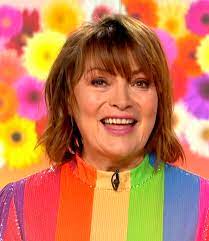
Lorraine Kelly married a gay couple on live TV. (X / Twitter / @Lorraine / Getty)
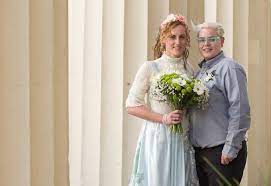
TV host Lorraine Kelly helped a gay couple get hitched on live television, to celebrate the 10th anniversary of the first same-sex marriages in England and Wales.
The host of ITV’s Lorraine wore a glittering rainbow dress to proclaim what she dubbed ‘Lorraine’s gay wedding’.
“You are cordially invited to a very special occasion,” she said on the set of Lorraine. “It’s been 10 years since the first same-sex marriage and to commemorate a decade of love and commitment, a happy couple will get married right here in this studio with a very special celebrant.”
The big day for the lucky couple was Wednesday, 27 March.
Tomorrow (29 March) marks 10 years since the first weddings took place in the UK, following the Royal Assent of the Marriage (Same Sex Couples) Act 2013 on 17 July 2013.
Social media users thanked Kelly for putting LGBT+ couples front and centre on her show, especially given the rising anti-LGBT+ sentiment in the UK.
“She gets a lot of flack and weddings are not the be all and end all of queer rights, but good on her,” one person wrote. “Especially in current times, it’s nice to see a little positivity on a mainstream platform.”
Another viewer said: “The anti-LGBT+ movement has, once again, pushed the rainbow flag to the top of their ‘it’s evil’ list, so seeing an ally go full in your face with it on day-time TV is quite the statement.”
Lorraine Kelly has proven herself to be a staunch LGBT+ ally in recent years, most notably by defending trans people during an interview with gender-critical professor Kathleen Stock in 2021.
On Monday, 25 March, the presenter was named as the recipient of this year’s BAFTA Special Award for services to TV.
Despite the televised wedding being little more than a bit of camp fun, the bigots have come out in full force, pledging to boycott Lorraine.
“Here’s an idea for you next week … show a straight wedding too, celebrate with the majority,” suggested one upset social media user.
Another wrote: “I’m heterosexual. Can I get married on your show? If not, why not?”
The anniversary of same-sex marriages is also being marked with a one-off BBC show, hosted by Tom Allen. Big Gay Wedding will follow Adam Johnson and Dan Mackey as they plan for their dream day, with support from the comedian and some of his famous friends.
Lorraine’s gay wedding special aired on ITV1 and ITVX from 9.00am on Wednesday, 27 March. Big Gay Wedding aired on BBC One at 9.00pm the same day, but is also available on BBC iPlayer.
How we are represented matters. Narrow, negative and stereotypical depictions of older people exclude and ‘other’ us and build an inaccurate picture of what we are capable of as we age.
Negative stereotypes become the cultural norm that feeds into ageism. As we are all ageing, this affects every single one of us. Ageism is prejudice against our future selves.
Members of Out In The City travelled to London to see the “Challenging Ageism: See and Be Seen” exhibition at Pop 1, The Now Building, next to Tottenham Court Road Station.
The exhibition features film and images from Centre for Ageing Better’s age-positive image library which focuses on celebrating the diversity that exists across older age groups.
The exhibition displays the hugely diverse experiences of ageing, alongside rich personal stories.
The photographs which can be seen here are not the highest quality as they were taken from the large screen.
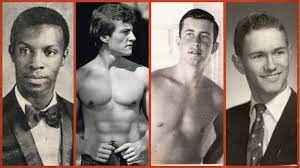
Do You Recognise The Handsome Gays From These Vintage Photographs?
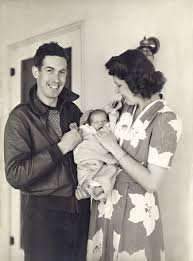
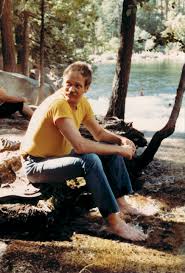
Photos courtesy of (left to right): Jesse L Martin, Michael Peterson, Bill Lyons, Robert E Reeves
Do the gorgeous guys in those black andwhite portraits above look familiar to you? Any guesses?
Maybe if you saw them in quirky outfits doing a synchronised TikTok dance they might ring a bell?
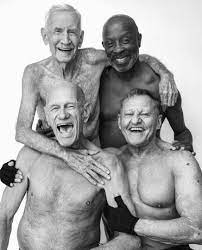
That’s right! *ding, ding, ding* From left to right, it’s Jesse L Martin, Michael “Mick” Peterson, Bill Lyons and Robert E Reeves – also known as the social media stars, authors, and all-around inspirations known as The Old Gays. Of course, The Old Gays weren’t always old.
Decades before they were winning our hearts with their hilarious viral videos and candid stories from yesteryear, they were surely capturing attention with their good looks and suave style.
Some of these throwback pics recently resurfaced thanks to a delightful “Then & Now” post from photographer and author Maxwell Poth, who also shared a series of previously unreleased portraits of The Old Gays.
Poth – who released his debut book Young Queer America: Real Stories and Faces Of LGBTQ+ Youth last year – reveals he first took the photographs while working on a project with The Old Gays this past April.
Now, he’s finally sharing the original images along with the Gays’ vintage shots in order to spread a beautiful message about our gay elders:
“I find joy in working with and capturing the essence of seasoned queens – those who paved the way for us,” Poth writes in his caption. “Every queer person who came before me holds a special place in my heart, shaping the person I am today, whether they realise it or not.”
The Old Gays | Photo Credit: Maxwell Poth
He continues: “It’s easy to overlook the entire generation missing from our gay culture, but those who are still with us carry countless stories within them. Taking the time to listen to their experiences is truly remarkable, and I am endlessly grateful for these moments.”
Amen to that! That’s why we can’t recommend The Old Gays’ book enough. The Old Gays’ Guide To The Good Life is filled with the wisdom – and, yes, the juiciest stories – that can only come from lives well lived.
Speaking of, the Guide To The Good Life came complete with even more throwback photos of The Old Gays, so, keeping with the spirit of Poth’s post, let’s take a few more trips down memory lane, shall we?
Scroll down below to see more way-back photographs – and way-way-back photographs – of each of The Old Gays that’ll warm your heart:
Jesse L Martin
Jesse in drag, circa ’97 | Courtesy of ‘The Old Gays Guide To The Good Life’Jesse, age 2 | Courtesy of ‘The Old Gays Guide To The Good Life’
Michael “Mick” Peterson
Mick modelling, circa 1994 | Courtesy of ‘The Old Gays Guide To The Good Life’Mick and his grandma | Courtesy of ‘The Old Gays Guide To The Good Life’
Bill Lyons
Bill in Hawaii | Courtesy of ‘The Old Gays Guide To The Good Life’Bill, 3 months old | Courtesy of ‘The Old Gays Guide To The Good Life’
Robert E Reeves
Robert at Golden Gate Park | Courtesy of ‘The Old Gays Guide To The Good Life’Robert, age 5 | Courtesy of ‘The Old Gays Guide To The Good Life’
And, if you haven’t seen it yet, check out this video with the Old Gays:
Trans Day of Visibility Archive Library Pop-Up
Thursday, 28March 11.00am – 1.00pm at Manchester Central Library
Immerse yourself in LGBTQ+ history at the pop-up exhibition to mark Trans Day of Visibility 2024, which will be acknowledged around the world on Sunday 31 March. Discover selected items from LGBT Foundation’s extensive archive collection, which illustrate the histories of trans communities in the region and beyond.
No booking needed, just come along to the library between 11.00am – 1.00pm. You can find us by the Glass Lifts on the Ground Floor.
This event has been produced by LGBT Foundation’s Pride in Ageing Programme. For any questions about this event please email prideinageing@lgbt.foundation. No ticket required.
Warrington is a town in Cheshire, 18 miles west of Manchester. We travelled from Manchester Piccadilly by train, changing at Oxford Road.
It was a short walk to the White Hart Pub where we had booked a table for sixteen people. The food was delicious, homemade and of superb quality. We would certainly recommend a visit.
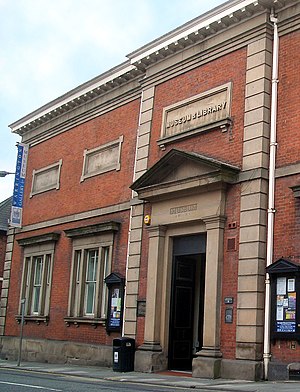
After lunch we made our way to the Warrington Museum & Art Gallery, in the Cultural Quarter of Warrington, housed in a Grade II listed building that it shares with the town’s Central Library. The Museum and the Library originally opened in 1848 as the first rate-supported library in the UK, before moving to their current premises in 1858.
We had planned to visit the Andie Airfix exhibition – a retrospective celebrating the work of the legendary graphic designer who grew up in Warrington. In a career lasting over 40 years, Andie designed a host of iconic album covers for the likes of Def Leppard, The Thompson Twins, Paul McCartney, The Rolling Stones, Metallica, Dead or Alive and Led Zeppelin.
The museum’s collection also includes a wide range of subjects such as ethnology, egyptology, geology, Roman Britain, pottery / ceramics, botany, fish, amphibians, reptiles, the Civil War, local industries, birds and mammals and glass. The building also houses a collection of around 1,000 paintings and the mummy of an Egyptian male teenager!
The Secret World War 2 Love Letters Between Two Men
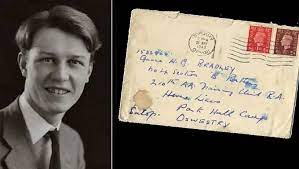
Gilbert Bradley and Gordon Bowsher fell in love shortly before the beginning of the Second World War; however when Gilbert joined the army their relationship survived through beautifully crafted letters.
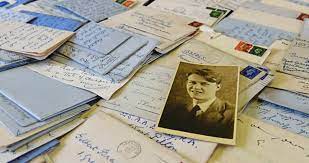
The letters came to light thanks to Mark Hignett, the Curator of Oswestry Museum. After coming across 600 of the letters in 2017 he began piecing the story together. Initially, he thought they were between a man and woman. It was only once he discovered the ‘G’ signing off the letters was a man that he realised their historical significance.
As wartime stories of homosexual relationships go, theirs is a happy one. It didn’t end in persecution, nor do their letters dwell on the difficulties they presumably faced. The content instead focuses on the things they enjoyed, including the small amount of time they spent with one another.
Nevertheless, the constraints of the time seep into the letters in heart-breaking ways. Where most happy wartime love stories end in the re-uniting of two lovers, theirs could not.
“I get panic-stricken when I think of the prospect of going back to civil life and still be unable to have you with me,” Gordon wrote.
The two men were taking a tremendous risk by exchanging letters. Homosexuality was illegal until 1957, and partaking in any homosexual act was punishable by 10 years in prison.
Gordon wrote hundreds of letters to Gilbert Bradley during the war
Luckily, neither suffered legal prosecution for their sexuality, but that didn’t mean they weren’t affected by the law of the time.
The two men clearly placed a lot of importance on how the world viewed their relationship, and felt it couldn’t be real without widespread approval.
“Wouldn’t it be wonderful if all our letters could be published in the future in a more enlightened time.”
Gordon Bowsher
Extract from letter to Gilbert Bradley
“To me, our love is so great that I feel it cannot exist without all the world being aware of it,” Gordon writes. “I feel that all our happiness and all our unhappiness should be shared”.
Gordon’s fixation on this ideal leads him to write that the letters “should be published one day when the world becomes wiser and more broad-minded”.
Incredibly, that day is upon us. “Gordon, we’re getting there,” Hignett says. “The time to publish yours and Gilbert’s story is now”.
Hignett’s own transformation is a part of the story too. He confesses that the letters have changed him profoundly. Speaking at the LGBT History Festival in Shrewsbury, he jokes that if his daughter had ever told him he’d be there, he’d have laughed at her.
The collection of letters are now on display at Oswestry Town Museum
Now, he’s seizing every opportunity he can to stress the lesson of the letters: how proud we should be to be living at a point in time where we can truly respect the love felt between Gordon and Gilbert.
‘Be Who You Want To Be’ area in Blackpool town centre is underway
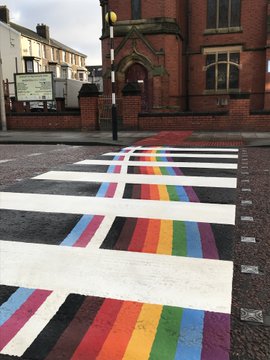
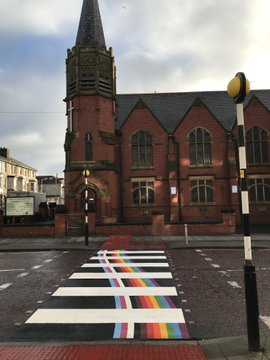
Residents were in for a surprise this week after zebra crossings on Dickson Road, Blackpool saw a colourful transformation!
Dickson Road had two zebra crossings upgraded to include a multi-coloured rainbow design graphic underneath the traditional white stripes.
The junction of Dickson Road and Springfield Road will also see a vibrant makeover, with rainbow crossings due to be installed on the road at the four-way junction.
The crossing areas on the road will be adorned with rainbow designs to help guide pedestrians safely across the busy road junction, along with the use of existing safety measures including tactile paving surfaces, crossing control push buttons and tactile cones on the crossing control boxes.
The colours in the crossings are those of the Progress Pride flag, which celebrates inclusivity for the LGBTQ+ community.
The new colourful road markings form part of the ‘Be Who You Want To Be’ Action Plan, which was created following many meetings, a number of focus groups, discussions and a survey.
The area is particularly important to the Council in relation to the Council Plan, in terms of supporting equality, inclusion and celebrating diversity. In particular, ensuring this area is safe for all to be who they want to be, to socialise and celebrate inclusion, difference and diversity without the risks of homophobic or other discriminatory abuse. It is hoped this along with other elements within the Action Plan will help catalyse the regeneration of the area and also build an inclusive culture in the wider town.
Rainbow wrap lighting has also recently been installed on lampposts in the area, shining bright the message of inclusivity over the streets.
Cllr Lynn Williams, Leader of the Council and ward councillor for Claremont said: “I am delighted to see the first steps of the ‘Be Who You Want To Be’ Action Plan being put into place so quickly in the Claremont area. The new rainbow crossings bring an injection of colour and are a celebration of the long established LGBTQ+ history and diversity of the area. The LGBTQ+ community and businesses are very important to the economy of our town and I want the improvements made through the Action Plan to make this area to feel vibrant, unique and safe for everyone. There is still more work to be done but I’m proud that we’re committed to developing the identity of this area of the town centre, making it an area of inclusivity for everyone to be who they want to be.”
Saree About It!
British Asian Drag Comedian Lady Bushra debuts with her edgy UK Tour … Saree About It!
Shortlisted for a BBC New Comedy Award, the internationally renowned, iconic character of Lady Bushra is played by Amir Dean who was born and raised in Bradford. A fast growing comedian, this drag queen has taken the scene by storm both online and in person. Often performing his self-produced, sold out ‘Drag Comedy Cabaret’, his online videos have been viewed over 20 million times globally whereas his live performances have been enjoyed as far as Europe and USA.
Lady Bushra’s drag persona is ‘Vicky Pollard goes to Bollywood’. Expect to see a well dressed, saree clad bearded beauty perform standup comedy but with a digital twist! Lady Bushra is razor sharp, quick witted and hilarious and does not disappoint his loyal audiences!
Sunday, 21 April at 7.00pm – 8.30pm (Last entry time: 6.50pm)
Frog and Bucket Comedy Club, 102 Oldham Street, Manchester M4 1LJ

























 Out in the City