Age Without Limits Campaign … Best Countries for LGBT+ Weddings … Armistead Maupin

News

Age Without Limits Campaign

The Centre for Ageing Better has organised an action day on 20 March 2024 with the theme “See and Be Seen”.

This is all about challenging the often narrow, negative and stereotypical way that older people and ageing is portrayed in our society. They have a fantastic image library which showcases the huge diversity that exists in ageing. 

After all, you cannot be what you cannot see. You can use this as inspiration, share these images or create your own. The possibilities are without limits.

On 20 March an exhibition will be held in London at Pop 1, The Now Building on Tottenham Court Road and a short film will be launched.
More than a quarter of people hold stereotypical views and may even discriminate on the basis of age without even realising it, according to new data from the Age Without Limits anti-ageism campaign. 

Out of almost 5,500 people who completed the campaign’s Are You Ageist? multiple-choice quiz within days of its launch, 28% of respondents submitted answers which indicated “accidentally ageist” views including outdated ideas and misconceptions about ageing. 

Accidentally ageist behaviour can include using phrases such as “you can’t teach an old dog new tricks” or “you look good, for your age” which more than half of people (55%) admitted to doing sometimes. 

In contrast, two in five people (38%) demonstrate an ageing without limits mentality with a mostly positive attitude towards ageing by saying they would never use such phrases. 

The Centre for Ageing Better believes the way we talk about age influences the way we feel about the ageing process and the way we act towards people in different age groups. Ageist language can underpin age discrimination and prejudice as well as cause the recipient of such language to think and talk about their own ageing in a negative and limiting way. 

One in five people (22%) who took the quiz demonstrated ageist views overall showing that they hold a bleak perspective on ageing and what it means to get older. 

Examples of ageist views include that older workers should retire to make way for younger people, or that they tend to be less able to learn new skills and are less productive – views that are held by almost one in ten people (8%) who took the quiz   

The quiz, which forms part of the first-ever national anti-ageism campaign launched by the Centre for Ageing Better this year, has been designed to get people to reflect and consider if they might inadvertently hold negative views to age and ageing.

Evidence shows that a significant proportion of the population unwittingly holds ageist views shaped by the ageist attitudes embedded in our society. The Age Without Limits campaign is looking to challenge harmful ageism for the benefit of all in society as we age. 

The campaign’s first-ever annual Action Day will take place on Wednesday 20 March with scores of events organised by community groups taking place the length and breadth of the country. 

As part of this Action Day, the Centre for Ageing Better, supported by Age UK, is hosting a free four-day photography exhibition in London, which will challenge people’s perceptions of what ageing looks like and showcase the myriad ways we are ageing. 

In 2021, the Centre for Ageing Better launched the country’s first free image library showcasing the wide range of experiences of people over 50 in a bid to challenge negative and stereotypical views of older age. Images from the library will be included in the Challenging Ageism: See and Be Seen exhibition, where attendees will also get the opportunity to take the  Are You Ageist? quiz for themselves. 

According to the charity, negative societal portrayals of ageing contribute to how people feel about getting older.  Older people with more negative self-perceptions of their own ageing are more likely to have depression and to have worse quality of life than those with more positive outlooks. 

One in seven people (14%) taking the  Are You Ageist? quiz said they feel really down about getting older and dread their milestone birthdays. A further one in five (20%) will try to keep an upcoming milestone birthday quiet, only mentioning it to a few friends on the condition their age is not discussed. 

While nearly half of those (49%) who took the quiz are ageing without limits, the results suggest more needs to be done to challenge ageism for the benefit of us all as we grow older.   
Best countries for LGBT+ weddings
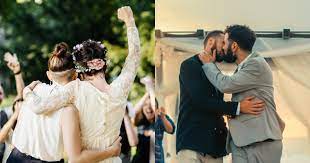
The best countries for LGBT+ couples to wed in has been revealed. (Stock image / Getty)

Wedding experts have discovered the best countries for LGBT+ couples to get married; unsurprisingly, the UK hasn’t even made the top 10 on the list.

Wedding experts at Hitched looked at the best LGBT+-friendly countries for LGBT+ couples to tie the knot, taking into account how long same-sex marriage has been legal, the average cost to get married there, and how safe the country is for those in the LGBT+ community.

After Greece became the first Christian Orthodox country to legalise same-sex marriage, experts analysed where different countries stand in terms of legal LGBT+ marriages. And in a less than surprising turn, it’s not great news for the UK.

Norway takes the top spot as the best place for LGBT+ couples to say “I do”, being one of the first five European countries to legalise gay marriage, as well as being one of the cheaper options with a high travel safety score, as per Asher Ferguson.

Same-sex marriage was legalised in the country in 2009, nine years after the Netherlands became the first country in the world to pass the legislation. The average cost of a wedding in Norway comes in at just over £6,300 – over three times cheaper than the average wedding in the UK, which the brand revealed to be £20,700.

The second spot goes to Sweden, where same-sex marriage was also legalised in 2009. The average cost of a wedding is slightly dearer at just over £8,000. Meanwhile Canada, often hailed as safe haven for travellers and residents, comes in at ninth place for LGBT+ couples to get married due to its high wedding cost average, sitting at over £110,000. 

The UK, however, has only landed at number 20 in the new index due to the late adoption of legal same-sex marriages.
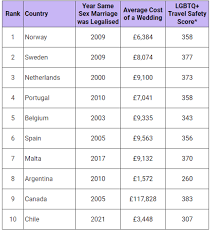
Wedding experts created a list for the best countries for LGBT+ weddings to take place (Handout / Hitched.co.uk)

“We have always been quite far behind the rest of Europe when it comes to acceptance of many things that are quite honestly, basic human rights,” said editor Zoe Burke. “To be at number 20 is devastating – we can and should do better.

While we continue to see great strides being made within the wedding industry here in the UK, there is obviously still a very long way to go to ensure that LGBTQI+ people are given the same opportunities, the same respect, and the same basic rights as cis-het couples.

Love is love, after all. It’s quite possibly the one thing that everyone on the planet should agree on.”

Same-sex marriage is legal in 36 countries across the globe, including Greece’s new addition, out of a total of 195 counties. Only 18.4 per cent of countries currently have marriage equality.
Armistead Maupin on trans rights and growing up gay in a homophobic household

Author Armistead Maupin is a pioneer – writing about AIDS and HIV for a mass audience and daring to include gay, lesbian, trans and queer lives when few others were.

His “Tales of the City” series, which started as a newspaper column in 1974, became worldwide best-selling novels and a Netflix series. It chronicles the lives of LGBT+ people in San Francisco and pokes fun at morality and social norms, touching millions of readers and viewers over 50 years. The beloved saga is now back for its 10th and final instalment, “Mona of the Manor”.

Now in his late 70s and living in London, the American writer opens up to Krishnan Guru-Murthy about growing up in the South in a “sexist, homophobic” conservative family, how he came to embrace the LGBT+ community, what life was like at the peak of the AIDS epidemic in the 80s.
St Helens World of Glass … The Rug of identity … Vaslav Nijinsky … Rainbow Lottery Super Draw!

News

St Helens World of Glass

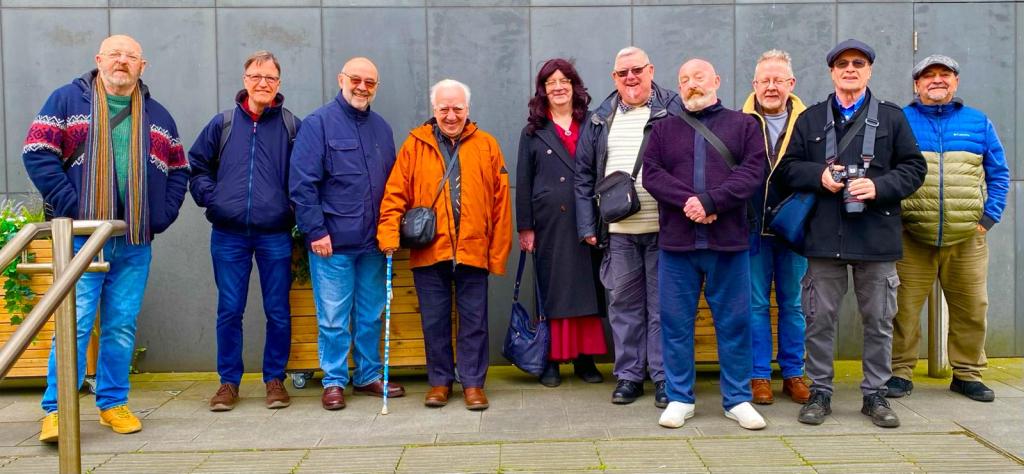
Our trip from Manchester Piccadilly Train Station to St Helens World of Glass was by train and bus with the last section on foot.

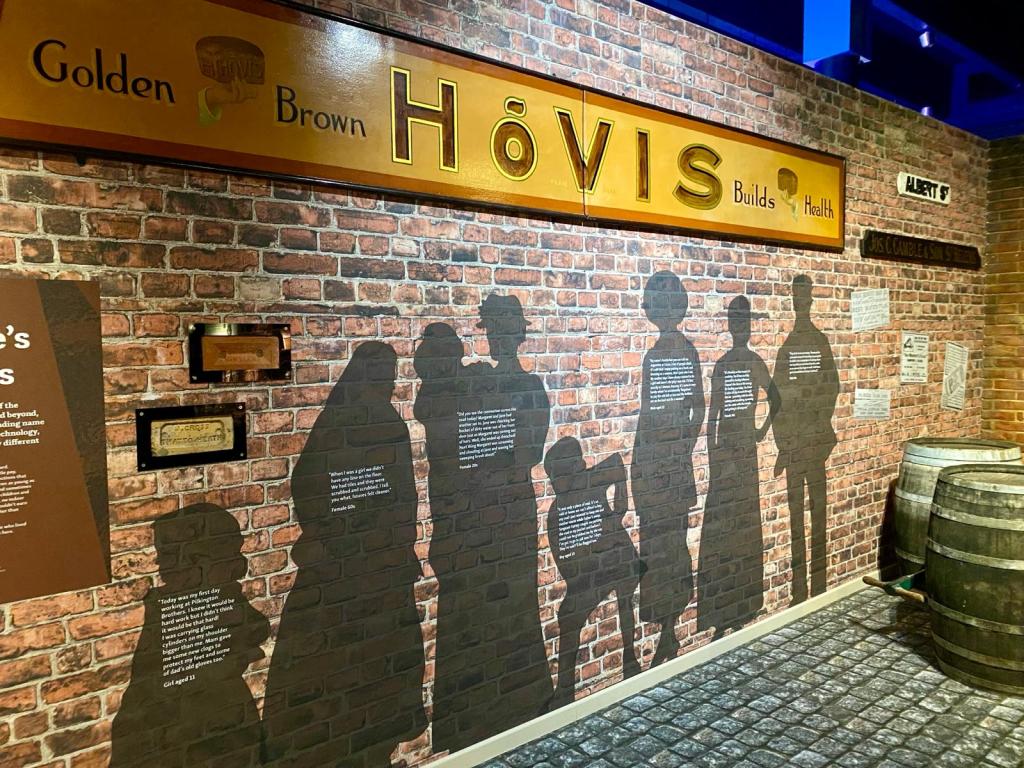
The World of Glass is a local museum and visitor centre dedicated to the local history of the town primarily through the lens of the glass industry.

We arrived around 12.00 noon and started with teas and coffees before viewing a glass blowing demonstration. We then had a guided tour around a couple of the galleries. In the Past Gallery we saw Victorian St Helens and witnessed the lives of those who lived there.

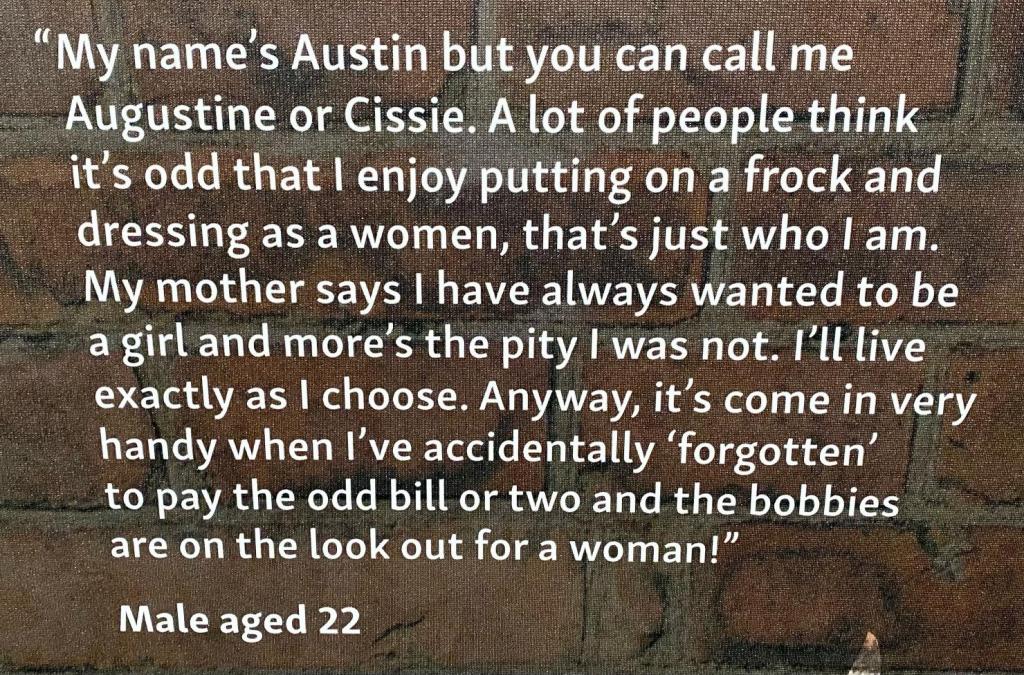
One of the stories was by Austin, a male aged 22:

We had lunch – sandwiches, wraps and salad – before another guided tour, this time around the tunnels.

All in all it was an informative and fascinating trip where we learnt about the manufacture of glass and how it can be moulded into different shapes such as bowls, vases and swans.

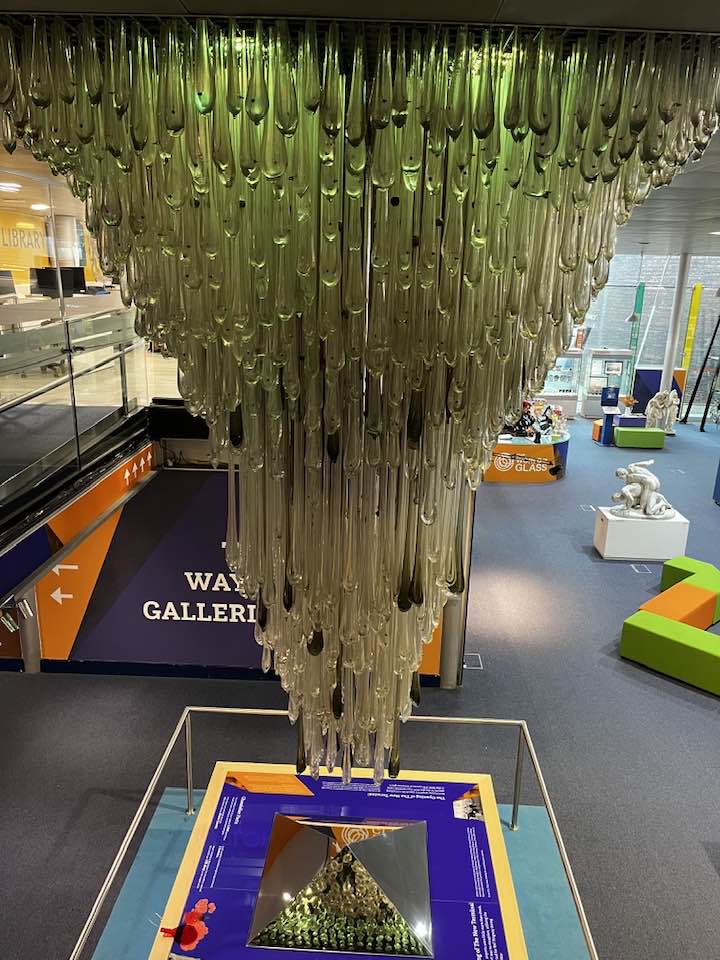
One of the five original chandeliers which once adorned the concourse at Manchester Ringway Airport. Each piece has been individually blown.

More photos can be seen here.

The Rug of Identity

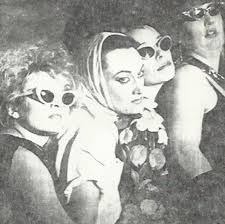
It is a tale as old as time … your assassin mother has a one-night stand in the Charing Cross Gent’s and you endeavour on a quest to find your father.

All that lies in the way is your lesbianism, a Scottish hot-dog seller, and a Mrs Gambell of Milton Keynes.

See told you it was a tale as old as time!

Jill Fleming’s The Rug of Identity which was originally performed in 1986 is being revived for the modern stage. A lesbian farce like no other (are there others?) The Rug of Identity is still as rib-tickling and preposterous as it was in the 80s and brings a great injection of queer joy to the modern day.

This show has an interval!

Monday 8 April, 7:30pm – 9:30pm

The Kings Arms, 11 Bloom St, Salford M3 6AN £8 – £10 (+ £1 Booking fee)

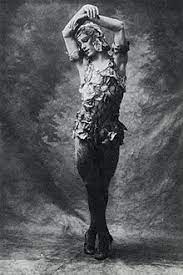
Vaslav Nijinsky

We are celebrating the birth of legendary dancer and choreographer Vaslav Nijinsky, born on 12 March 1889 in Kiev, Russia, to a family of celebrated dancers.

At age 9, he entered the pre-eminent ballet school in the world – the Imperial School of Dancing – where his extraordinary talent was soon apparent. Upon graduating in 1907, Nijinsky joined the Mariinsky Theatre as a soloist where, for the next three years, he danced all the male leads.

Audiences and critics alike were so thrilled by his talent that, in 1909, when impresario Sergei Diaghilev launched the Ballets Russes, he asked Nijinsky to join as a principal dancer. He accepted and the two soon became lovers. 

Often called the greatest male dancer of the early 20th century we are proud to honour the LGBT heroes that Russia works to erase.

Rainbow Lottery Super Draw!

Step into Spring, with our newest Super Draw prize: an amazing £1,000 Sainsbury’s eGift Card! Imagine the possibilities – a thousand pounds to spend on groceries, treats, household essentials, and more.

Use this amazing prize to reduce your groceries spend – or with £1,000 at your disposal, you could stock up on fresh produce, gourmet ingredients, and kitchen gadgets to elevate your cooking experience.

Beyond the kitchen, £1,000 opens up a world of possibilities for enhancing your home with Habitat – Spruce up your living space with stylish home accessories, luxurious bedding, and decorative accents that add a touch of elegance to every room.

Finally, for the fashion-forward, spring is the perfect time to freshen up your wardrobe with the latest styles from Tu clothing. With £1,000 to spend, you’ll have the freedom to revamp your look and step into the new season with confidence.

You’re already in with a chance to win big and enjoy a shopping spree at Sainsbury’s – but don’t forget, you can top-up your tickets just for the week of the Super Draw!

Play Now!

The Pride Parade Goes On Without Me … Hadrian’s Wall … First Gay Rock Song … Katie’s Pride … Research Project

News

The Pride Parade Goes On Without Me

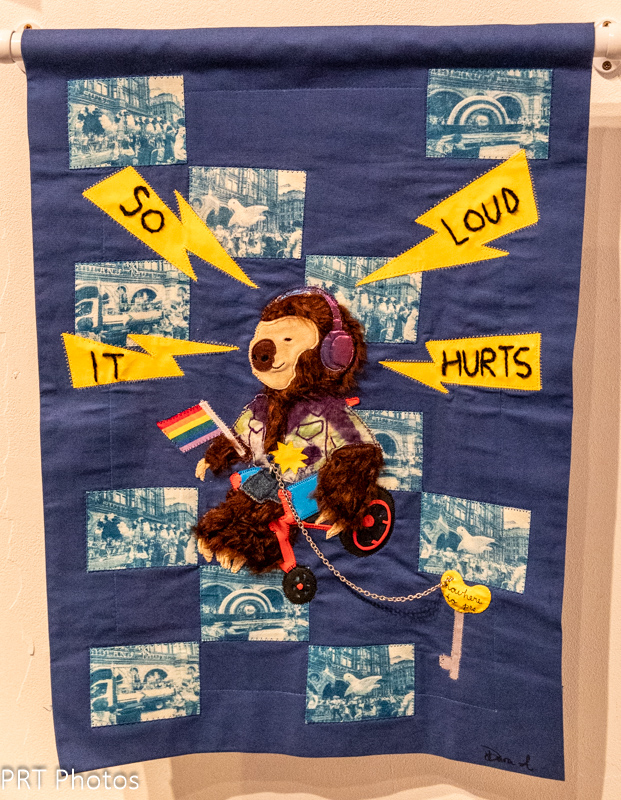
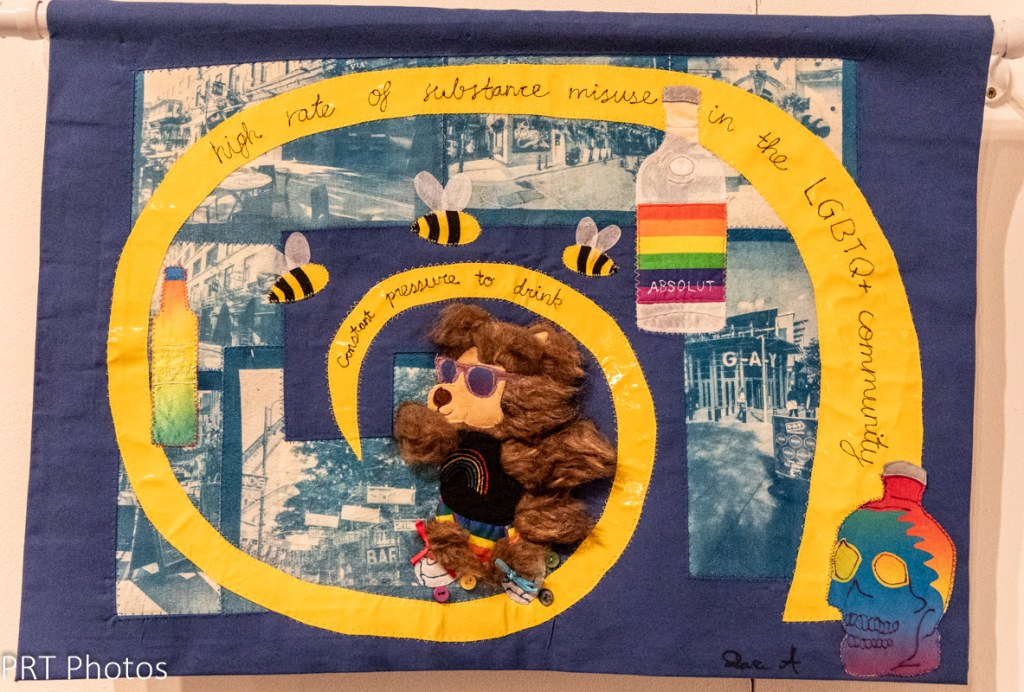
LGBT+ identity is a complicated maze to navigate particularly for those who belong to the disabled, neurodivergent and/or mentally ill communities.

LGBT+ nightlife is a huge part of the LGBT+ experience. In Manchester, our Gay Village is an important and historical LGBT+ space, but contains few accessible venues. Lack of step-free access and sensory overload are just two of the issues that disabled LGBT+ people can encounter along Canal Street, and these barriers extend to Pride events too.

Another element of LGBT+ community is our activism. Pride is a protest, and LGBT+ communities come together everywhere to advocate against unfair treatment. Yet activism often requires a physical presence, and any risk of arrest carries greater difficulties for those with intersectional identities.

The works displayed at the exhibition are all created by LGBT+ and disabled artists based in Greater Manchester, expressing their joys and frustrations around engaging with the LGBT+ community. This includes three textile pieces from lead artist Data SF Addams and Oliver Waite’s poem “The Schizophrenic Queer” from which the tile of the exhibition has been taken. The People’s History Museum hopes that platforming these voices will lead to a more in-depth understanding of accessibility and inclusion.

See more photos here.

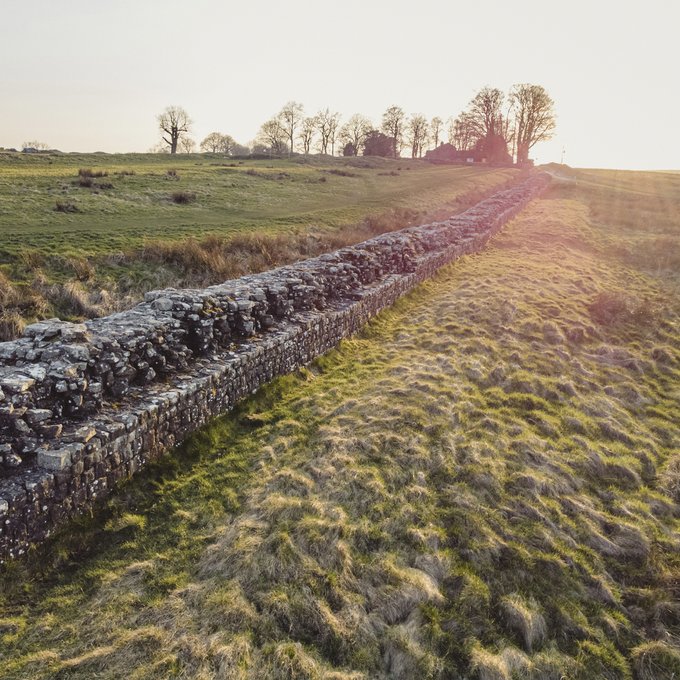
Hadrian’s Wall

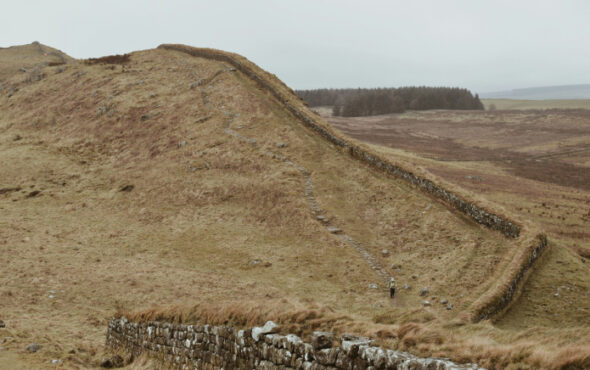
English Heritage has declared that Hadrian’s Wall is a symbol of LGBTQIA+ history.

Hadrian’s Wall spans 70 miles across Northern England – the relics of which remain 1,900 years after it was built.

The charity, which is responsible for managing over 400 historical monuments, buildings and places across England, recently listed seven locations that are “linked to England’s queer history”.

Other locations identified by the English Heritage as part LGBTQIA+ history include Chiswick House, Walmer Castle, Farleigh Hungerford Castle, Eltham Palace, Rievaulx Abbey and Ranger’s House.

On their website, English Heritage reflected on the “lasting mark” Emperor Hadrian “left on Britain” and his “intense adoration for his male lover Antinous”. They further explained: “To understand Hadrian’s Wall you have to understand the Roman emperor who built it – his career, his life and the times in which he lived.”

Whilst Hadrian may have been married to Trajan’s great-niece Sabina Augusta, he was known for his relationship with the young Bithynian male, a practice which was common for Roman men, according to their website.

A Roman man was at liberty to choose sexual partners as long as he remained the dominant one in any sexual encounter. Antinous joined the emperor and his wife on the tours of his empire, which he took control of in 117 AD. Tragically, Antinous drowned in the Nile in October 130 AD, at around 20 years old.

Hadrian was reported at the time to have “wept for him like a woman,” according to National Museums Liverpool.

In a state of adoration and despair for his young lover, Hadrian founded the city of Antinoöpolis close to the location of his tragic death to immortalise his memory. He went further to make Antinous out as a God-like status, and placed statues of his image across the empire, something that was considered highly abnormal for someone outside of the imperial family.

Images of Antinous were subsequently used in private homes as a discreet nod to homosexuality. After all, they have been referred to as “the most famous homosexual couple in Roman history.”

Declaring the wall a piece of LGBTQIA+ history caused quite a stir online with the non-LGBTQIA+ crowd – academics criticised the charity for their “totally misguided” link.

Professor Frank Ruerdi told The Daily Mail: “English Heritage appears to be in the business of reading history backwards and discovering LGBTQ culture in the most unlikely places.”

Jeremy Black, an emeritus professor of history at Exeter University, added: “The idea that Hadrian’s Wall is an exposition of what can be seen as queer history is totally misguided.” In contrast, human rights campaigner Peter Tatchell told the publication it is “important that this hidden history is revealed.”

The First Gay British Rock Song Offers a Peek at Cruising in The ’60s

“Do you come here often?”

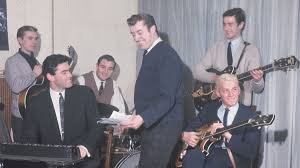
There’s no doubt well-to-do heterosexual couples in the late ’60s found themselves (and their respective supper parties) scandalised when they flipped over this old 45 from British instrumental group The Tornados.

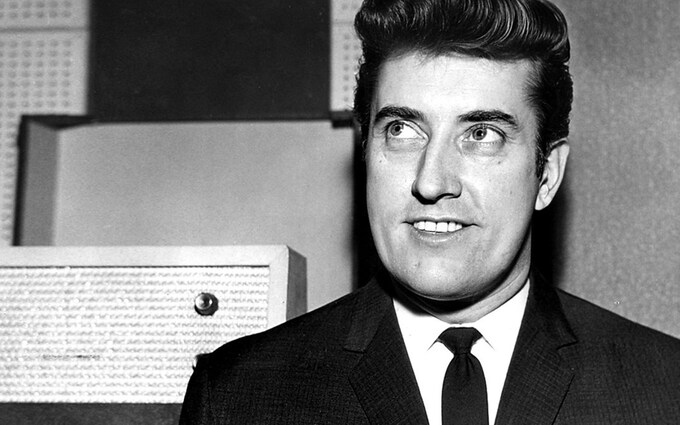
The band, led by gay producer Joe Meek, scored a No 1 hit in the US and UK with science fiction-inspired track “Telstar” in 1962. However by 1966, the crew had long been replaced and was past their prime. Their final single was the innocuous “Is That A Ship I Hear,” though its B-side featured quite the fruity surprise.

“Do You Come Here Often?” starts with two minutes of inoffensive instrumentation, led by a jazzy organ, until a conversation between two men begins. It doesn’t take long to understand why this throwaway track is remembered as Britain’s “first explicitly gay rock song.”

Listen below (starting around 2:20).

The dialogue sounds lifted from a discussion between two bitchy queens in the bathroom at any British gay spot from the era. There’s an air of horniness throughout the exchange, which takes place whilst cruising.

Though LGBTQ+ folks likely picked up on the context, the words were vague enough to confuse any heterosexual listener who made it that far. “Do you come here often,” one man starts. “Only when the pirate ships go off air,” the other replies.

Soon, they’re sh*t talking each other’s looks (“Well, I see pajama styled shirts are in, then.”) and making eyes with potential hookups. “Wow, these two coming now. What do you think,” one says. “Mmm … mine’s alright, but I don’t like the look of yours,” the other retorts.

Their farewell ends, of course, with a reference to Piccadilly Circus, known as the “centre of gay London” (and overall debauchery) in the ’50s and ’60s. “I’ll see you down the ‘Dilly,” the first man says. “Not if I see you first, you won’t,” his friend replies in a winking tone.
The voices in the track are presumably Tornados members Rob Huxley and Dave Watts, according to a YouTube comment from Watts. “We didn’t have a clue that it was something to do with gays,” he wrote, explaining that Meek directed the dialogue and “was giggling so much when [they] did the over dub.”

So, what was Joe Meek thinking when he slyly added this campy conversation to a major label release?

Perhaps it was an act of rebellion at a time when homosexuality was illegal in the UK. Parliament wouldn’t decriminalise “private homosexual acts between men aged over 21” until the next year.

Despite his success producing sleek and futuristic sounding records, Meek struggled with suppressing his sexuality. He feared his mother would learn he was gay, especially after his 1963 arrest for cruising (or “cottaging”).

Joe Meek

Unfortunately, we will never know for sure. Meek, who struggled with bipolar disorder, schizophrenia, and addiction to amphetamines and barbiturates, reportedly shot his landlady and took his own life months after the single’s release. His fascination with the occult and paranoia around being outed likely contributed to his disturbed mental state.

Still, “Do You Come Here Often?” remains a landmark piece of LGBTQ+ music history.

Most notably, The Tornados track provides a time capsule of what it was like being queer in the ’60s. When a gay man’s only calling card was stolen glances in the men’s room, it reminds us that we’ve always had campy conversations to bring us levity.

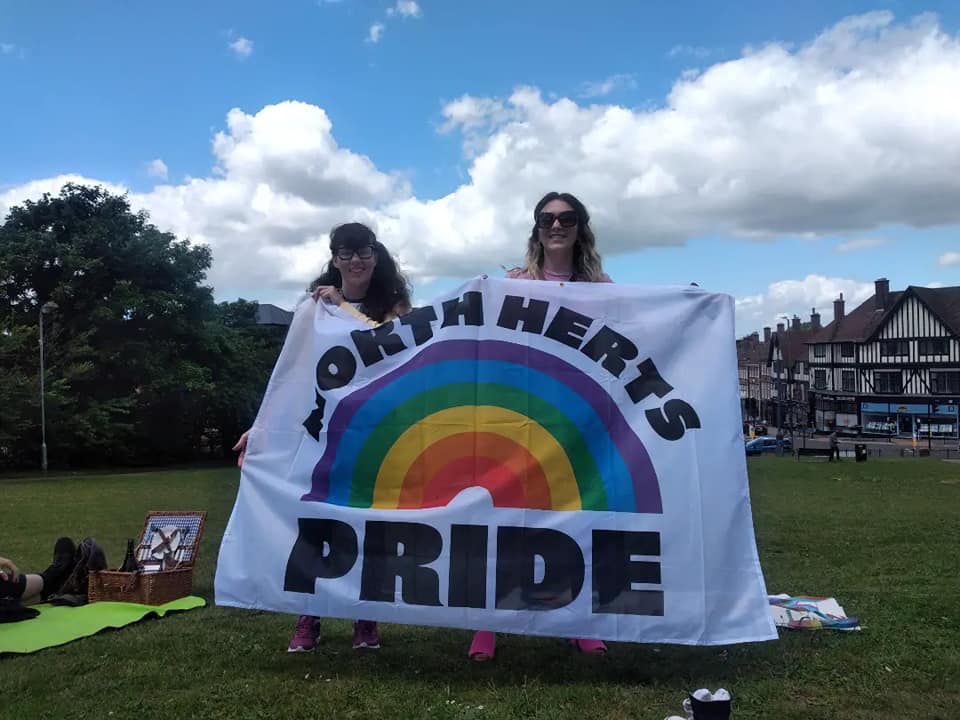
Katie’s Pride: Diversity and Inclusion in the Workplace

Katie, co-founder of North Herts Pride, has designed a booklet aimed at raising awareness and helping people to understand issues that LGBTQ+ people in the workplace face.

Research Project

Nina Rabbitt, a Trainee Clinical Psychologist from The University of Manchester is conducting a research project looking at the experiences of lesbian and gay older adults who have a diagnosis of bipolar disorder.

This research will take place over the next 2 years.

There is currently no research looking at LGBT+ older adults’ experiences of having a diagnosis of bipolar disorder and how their experiences might have changed over time.

The aim is to start this conversation. They are conducting interviews with individuals aged 50 years old and above with a diagnosis of bipolar disorder and who identify as cisgender and lesbian or gay.

Email bipolarstudy-lgoa@manchester.ac.uk or call 07971 331 537 to find out about participating in the study or for more information.

International Women’s Day … World Sleep Day … Free LGBTQIA Groups Growing Session at Royal Horticultural Society … A Day In The Life of George House Trust

News

International Women’s Day 2024

The campaign theme for International Women’s Day 2024 is Inspire Inclusion.

When we inspire others to understand and value women’s inclusion, we forge a better world.

And when women themselves are inspired to be included, there’s a sense of belonging, relevance, and empowerment.

Collectively, let’s forge a more inclusive world for women. With well over a century of history and change, the first International Women’s Day (IWD) was held in March 1911. IWD isn’t country, group or organisation specific. It’s a day of collective global activism and celebration that belongs to all those committed to forging women’s equality.

World Sleep Day

World Sleep Day will be observed on 15 March 2024. 

World Sleep Day is an annual observance held across the globe every year to highlight the significance of good quality sleep for the overall well-being of an individual.

It is observed on the Friday before the Spring Equinox every year and encourages us to prioritise rest and recognise the impact of sleep on our everyday lives. 

Quality sleep is important for the utmost physical, emotional, and mental well-being. It helps the body to rejuvenate and recover, enhancing cognitive function and strengthening the immune system. 

However, amidst the hustle and bustle of today’s world, many people forget the significance of rest, which leads to sleep disorders and health-related issues. 

The Community Engagement Team are providing a well being taster session on “Sleep Management” on Thursday, 14 March at our meeting at Cross Street Chapel from 2.00pm.

Free LGBTQIA+ Groups Growing Session

Invitation to Out In The City members:

Free to attend growing workshop at Royal Horticultural Society, RHS Garden, off Leigh Road, Worsley, Manchester, M28 2LJ on Sunday 17 March 2024 from 12.00 noon to 4.00pm.

You will also have free access to the garden, cake, refreshments and take away a goody bag of seeds.

If interested please email andrewsimpson@rhs.org.uk

A Day In The Life of George House Trust

We are excited to share this new video with you, featuring the real-life stories of people living with HIV and showcasing the support that George House Trust offers.

Every day, thousands of people living with HIV across the UK still face stigma, prejudice, and misunderstanding. This video shows what still needs to change – and what is possible when it does.

Manchester United Wins “Football v Homophobia” Award … Theatre Listings … Conversion Therapy Ban Debate

News

Manchester United celebrate their LGBTQ fans as club wins “Football v Homophobia” Award

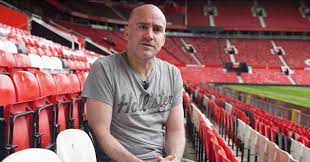
Eric Najib, the founder and chair of Rainbow Devils, shares his story in a new Manchester United FC documentary. ‘One Love: Rainbow Devils’ (MUTV)

When Eric Najib came out as gay to his fellow Manchester United fans on a coach trip in May 1999, he could never have imagined what his life would be like 25 years later.

Not only is he the founder and chair of Rainbow Devils – the Premier League giants’ official LGBTQ supporters group – but he is also the manager of the world’s most successful LGBTQ football club, Stonewall FC.

Najib decided to tell his friends about his sexuality to distract them, as emotions ran high after a 2-2 draw away to rivals Liverpool. That result threatened to derail their Treble ambitions in the 1998/9 season.

However, by the end of that month, United had lifted all three major trophies – and Najib’s personal news had been positively received.

He tells the story in “One Love: Rainbow Devils”, a new 20-minute documentary that is part of the MUTV Originals series. The film features other members of the fan group too, and it’s available to watch for free if you register with the Man Utd website.

Viewers also see Eric training at Stonewall FC. He joined the London-based club as a player in 2001 before becoming first-team manager five years later, and he recently guided them to a fifth Gay Games gold medal, in Guadalajara.

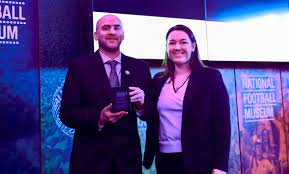
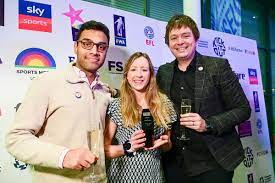
His many achievements saw him shortlisted in the “FvH Hero” category at the Football v Homophobia Awards, held at England’s National Football Museum in Manchester.

Meanwhile, United came away with a first-place trophy in their hometown, in the Professional Club category, in recognition of their community-building work, a major ‘One Love Live’ event held at Old Trafford, and impactful efforts made to tackle homophobic chanting.

Eric Najib with last year’s FvH Hero Award winner Charlotte Galloway, at the 2024 gala evening in Manchester

“Being nominated for the FvH Hero Award was a tremendous honour for me personally and fantastic recognition, not just for myself but for the great work that everyone at Stonewall FC and Rainbow Devils does,” Najib said.

“I’m immensely proud to be associated with both. I’m also delighted to see Manchester United win the Pro Club Award and it vindicates the fantastic relationship Rainbow Devils has with MUFC, with regard to driving inclusivity in football.

The awards gala night was a fantastic evening, and huge thanks to everyone at FvH for making it happen.”

Manchester United’s director of fan engagement Rick McGagh (right) celebrates with club colleagues at the FvH Awards. Gordon Marino

The documentary is particularly effective in conveying how the group helps new members who have previously been less confident about their sexual orientation or gender identity.

Ben Faulkner is shown attending his first meet-up. He once had dreams of making it as a pro footballer and went to the US on a soccer scholarship but found himself drifting away from the game when he realised that he is gay.

“I was adamant that I would never come out,” he explains. “I would live a lie for the rest of my life. I was hiding this thing from myself and everybody else which was obviously very difficult and it started to affect my football.”

However, he never wanted to give up on the game.

“Growing up, I’ve always wanted to equate the fact that I’m a gay man and I absolutely love Manchester United, and try and combine those facets together.”

He’s now a Rainbow Devils committee member, and he credits the fan group for helping to reawaken his passion for football. Recently he has been based at FC Malaga City Academy in Spain as a recruitment scout.

Attending his first social event back in Manchester, he meets other members of the fan group – of different ages and backgrounds, and from all parts of the LGBTQ community.

Sitting in the stands at Old Trafford, Najib contemplates his personal journey at the end of the documentary, reflecting on a quarter century of being a United fan who is out and proud.

“Without my experience of Manchester United, and the people I’ve met here, I don’t think I’d have had the confidence to set up the group or be as confident in myself, as a person,” he says.

“I have so much to be thankful for. Long may that continue.”

If any Blues are still reading at this point … hey, no rude comments from you City fans – you will probably beat us this afternoon anyway!

Theatre Listings

Friday, 1 March – Saturday, 23 March – 7.30pm – 9.45pm

(some shows at 2.00pm – 4.15pm)

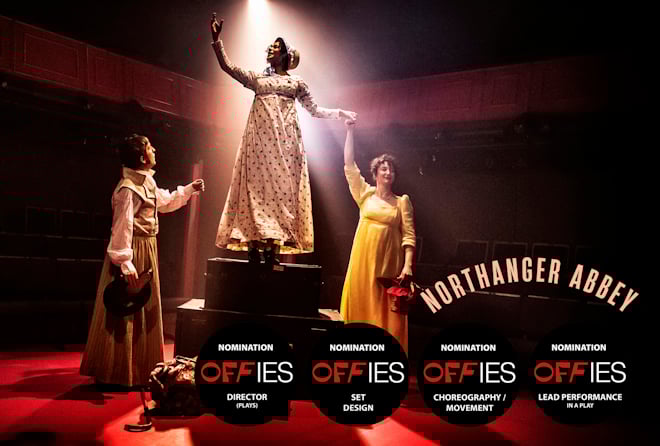
Northanger Abbey at Octagon Theatre, Howell Croft South, Bolton BL1 1SB

Queer re-telling of Jane Austen’s “Northanger Abbey”

Tickets from £15.00 here.

28 March – 30 March, 7.30pm – Price £12 Full

30 March, 5.00pm – Price £2 (unwaged / student) and £12 Full

Je Suis Charlie at 53two, Arch 19, Watson Street, Manchester M3 4LP

Je Suis Charlie is a play about a satirical cartoonist, called Charlie, who hooks up with a young guy, Mike, who he finds on Grindr, only to discover his hook-up is a Christian fundamentalist who wants justice for Charlie’s blasphemy.

Book here.

Thursday, 18 April 8.00pm – LOUD Cabaret – Bury Met, Market Street, Bury BL9 0BW

A new monthly queer cabaret night hosted at The Met!

We’re delighted to announce a new queer cabaret night where we will be showcasing the most fabulous of rising stars from across Bury and beyond.

Expect tantalising musicians, side-splitting comedians, captivating dancers and a line-up of talented additions for your delight on a monthly basis. Thursdays have never been so exciting!

Our first event will feature Hunter Millington, who will present his one-man musical exploration of gender and their transition through a western lens. Expect rootin’ tootin’ Cowboys and Cowgirls and everything in-between. Ye-ha!

Supported by The Greater Manchester LGBTQ+ Network and Dibby Theatre

£11 standard / £9 subsidised / £13 supporters (including fees)

Standard – What we need most people to pay.

Subsidised – For people currently unable to pay the standard price.

Supporters – The extra you pay goes directly towards the subsidised ticket option.

Doors open 7.00pm / first act on-stage 8.00pm

Book here.

The Laramie Project

The Laramie Project, created by Moisés Kaufman and the Tectonic Theater Project, presents a collage of accounts following the murder of a young gay man named Matthew Shepard in Laramie, Wyoming, in 1998.

The narrative draws from over 200 interviews with locals and people connected to the case recorded in the 18 months after Matthew’s death. The result is a moving piece of verbatim theatre that explores the dividing viewpoints of prejudice and intolerance and the potential for human compassion. The production serves as both a memorial to Matthew Shephard and a powerful commentary on hate crime and acceptance in society.

Content warnings

Descriptions of homophobia, violence, death and sexual violence.

Performances

Thursday 25 April (7.15pm)

Friday 26 April (2.00pm & 7.15pm)

Saturday 27 April (7.15pm)

Manchester School of Theatre, Cavendish Street, Manchester M15 6BG

Tickets available (from £5.00) for each performance can be purchased on the Fatsoma ticketing site using this link.

Howerd’s End

Frankie Howerd was one of Britain’s most loved comedians for half a century. But he had a secret. And the secret’s name was Dennis.

This hugely acclaimed play by Mark Farrelly (Quentin Crisp: Naked Hope, Jarman) takes you to the heart of Frankie and Dennis’ clandestine relationship, which lasted from the 1950s until Frankie’s death in 1992. It also affords a glorious opportunity to encounter Frankie in full-flight stand up mode.

Packed with laughter, but unafraid of truth, Howerd’s End portrays two humans’ journey through closeness, love, grief and all the other things that make life worth living. Come and say farewell to a legend … and learn the art of letting go.

Friday, 3 May, 7.30pm – Hope Mill Theatre, 113 Pollard Street, Manchester M4 7JA

Price £20 + £1.50 booking fee

Book here.

Wednesday, 29 May – Friday 31 May – 8.00pmBirthmarked at The Lowry, Pier, 8 The Quays, Salford, Manchester M50 3AZ

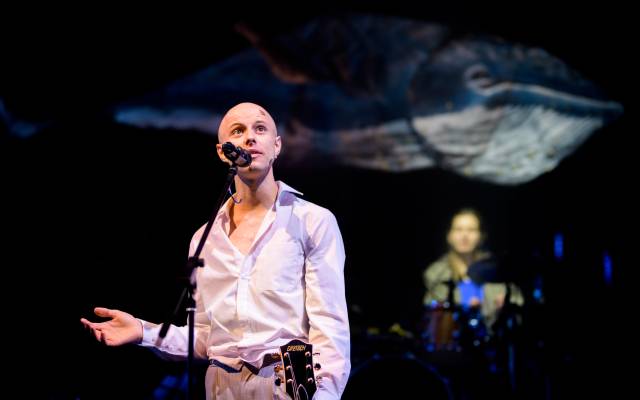
A young Jehovah’s Witness comes to terms with his sexuality and finds his feet (and high heels…) in a world he once believed would be destroyed at Armageddon. Birthmarked is a new concept gig written and performed by Brook Tate and his grand ol’ band of pals. With original music likened to Stevie Wonder and Joni Mitchell, alongside a whale, a paintbrush and a pair of tap shoes, he hopes to shine a light on what it means to be marked… at birth.

Price from £15.50. Book tickets here.

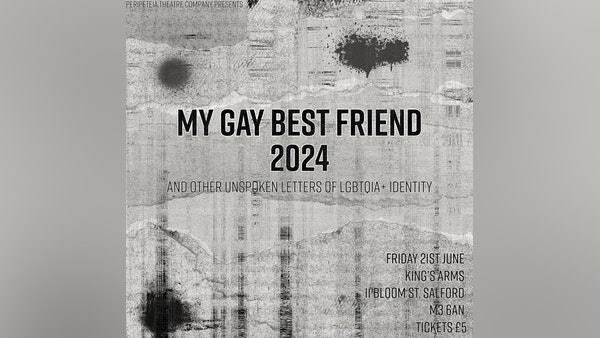
My Gay Best Friend (and other unspoken letters of LGBTQIA+ Identity) 2024

Friday, 21 June 7.30pm – 9.30pm
The Kings Arms, 11 Bloom Street, Salford M3 6AN
£5.00 + £1.00 booking fee

My Gay Best Friend (and other unspoken letters of LGBTQIA+ Identity) is returning for its second year!

It feels now more than ever, with the world so divided, we need an event to uplift and celebrate the LGBTQIA+ voices in a safe environment, whist also bringing awareness towards the daily struggles and battles members of the community face on a day-to-day basis.

What one thing that you’ve wanted to say to your straight mates but never had the chance to? How much of our struggles and joys do straight people really know about the LGBTQIA+ community?

‘My Gay Best Friend’ is the event that aims to be an annual anthology series in which we commission LGBTQIA+ identifying writers to express their personal and political opinions of something that are often left unspoken. Sometimes comical, sometimes emotional, sometimes political, but always honest and personal to the writer. These monologues / letters / speeches will be written and sealed, before being opened and read by the straight identifying actors live for the first time on the night in front of the audience.

For this year’s event, we will commission five new pieces of work spoken aloud for the very first time live on stage.

Get tickets here.

Conversion Therapy Ban Debate Turns into ‘Garbled Mess’

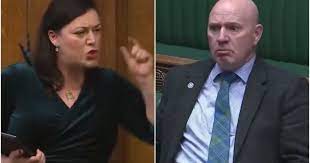
Tory MP Alicia Kearns (left) berates Alba MP Neale Hanvey (right) for dropping the “T” from “LGBT” (Parliamentlive.tv)

A bill aimed at banning conversion therapy failed to move through Parliament on Friday (1 March), after a debate on it ran out of time: with anti-conversion therapy ban MPs accused of ‘filibustering’ the bill.

The Conservative government first promised a conversion therapy ban in 2018 under Theresa May’s leadership, but despite her insistence on a trans-inclusive ban, Boris Johnson later opted to push forward with legislation that only protected gay, lesbian and bisexual people from the barbaric practice.

Because Friday’s Conversion Practices (Prohibition) Bill was a Private Member’s Bill put forward by Labour MP for Brighton Kemptown Lloyd Russell-Moyle, MPs were only given a set amount of time to debate it, and with that time now having run out it’s unlikely to be considered further.

In 2018, prime minister Theresa May promised to ban conversion therapy in the UK. It’s 2024, and such legislation has yet to be passed. (Getty)

Russell-Moyle’s bill had been intended to create new offences for a course of conduct whose “predetermined” purpose was to change a person’s sexual orientation, or to change a person to or from being transgender.


Fellow Labour MP Kate Osborne tweeted, “Disgusting and so upsetting to be sat in chamber listening to MPs filibuster and ensured that bill to #banconversiontherapy will not progress,” adding, “It’s a betrayal of #LGBTQ community & young people who will still face this abhorrent cruel practice. I will keep fighting for a full ban.”

Canterbury With The T, a Canterbury and Whitstable network, also took to X/Twitter to criticise Labour MP Rosie Duffield, saying, “If you needed any proof that the Gender Critical arguments against a full conversion ban are a garbled mess of fallacy and cry bullying, then do watch Rosie Duffield’s speech.”

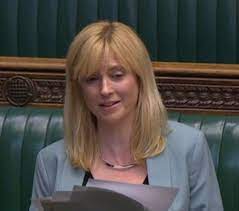
Duffield opened her speech by announcing, “Feminists believe that lesbians should be free to date only women, as they choose, however in today’s toxic climate they are pressurised into dating so-called ‘lesbians with a penis’, in other words, men,” a statement that was met with a hubbub of boos and catcalls.

She continued to repeat other familiar anti-trans dogwhistles, including, “(this bill) merely suggests that anyone trying to stop their daughter from cutting off her healthy breasts as a teenager … is breaking the law.”

Labour MP Rosie Duffield has been at the centre of controversy in recent years due to her comments about the trans community, with her views leading to some of her party peers calling for the whip to be removed.

Several residents in Labour MP Rosie Duffield’s constituency have written to the politician to urge her to stop attacking the trans community.

Duffield’s opposition to the Conversion Practices (Prohibition) Bill was at odds with fellow Labour MP Stella Creasy, who represents Walthamstow.

After the debate, she tweeted, “In Westminster today in vain to try to get (Lloyd Russell-Moyle’s) bill to finally ban conversion therapy. Gutted we couldn’t get it through to the next stage of parliamentary debate – to all those at risk of harm from these practices please know the problem today is politics and not you!”

Labour and Co-op MP for Oxford East Anneliese Dodds also lashed out on Twitter, criticising the Tory government for repeatedly failing to ban the controversial practice. She wrote, “The Conservatives promised a ban on conversion therapy six years ago. Today they refused to back one. This is a failure of leadership and a betrayal of the LGBT people at risk of these abusive practices. Labour supports a full ban on conversion practices.”

Meanwhile, Tory MP Alicia Kearns received widespread praise for holding an Alba MP to account after he dropped the “T” from a reference to the LGBTQ+ community.

The Alba Party is a Scottish nationalist and pro-independence political party, founded in February 2021 and led by former first minister of Scotland Alex Salmond. It is, essentially, a group of people who have defected from the Scottish National Party. No Alba Party candidate has been elected at any election.

In a passionate speech, Kearns addressed Alba MP Neale Hanvey, who looked visibly discomfited, saying, “You’re suggesting that transgender people do not exist … you are suggesting they are lesser than other LGB people. I will not stand for it because it was trans people who stood with gay people at Stonewall, it was trans people who fought alongside for LGB rights … When you remove the T you suggest they are lesser. I will happily discuss with you the intricacies of legislation but when you choose to eradicate, that is wrong.”

Glasgow-based journalist Tristan Stewart-Robertson was one of many people who shared the clip in praise of Kearns, tweeting, “Tory @AliciaKearns doing a better job standing up for LGBTQ+ than the entire Labour Party currently or indeed most of the media (who make money off transphobia and bigotry).”

Former Gender GP policy officer Adi Aliza DG also shared the clip, writing, “Worth noting that @UKLabour‘s @RosieDuffield1 also removed the T+ from LGB in her speech. As far as I’m aware Duffield is not a member of the LGBT+ community, however (she) seems to think she can define who we are and who we support.”

The Equality and Human Rights Commission called on the government to ban “harmful” conversion therapy practices as recently as October 2023. After Friday’s chaotic scenes, a full ban seems further away than ever.