Collage and Badge Making … Harvey Milk Day … Tip Toe … Trump Ends HIV Funding

News

Collage and Badge Making

This week we headed to Mayes Gardens in New Islington for a collage workshop and to make badges.

Our facilitator, Gone Rogue, provided plenty of magazines, postcards, card, paper, scissors and glue to enable us to make artworks. It was Norman’s birthday and unfortunately he was unable to attend, so most of us made cards to cheer him up.

There’s no right way or wrong way to make collages – it’s simply a technique of art creation by assembling different items to make a new whole.

Thanks to the LGBT Foundation for loaning us the badge making machine. Here are some examples of our work:

Harvey Milk Day

Harvey Milk Day is a California state holiday observed annually on 22 May (Milk’s birthday). The day serves as a reminder of Harvey Milk and his legacy advocating for civil rights and the LGBTQ+ community.

Harvey Milk (born 22 May 1930, Woodmere, Long Island, New York – died 27 November 1978, San Francisco, California) was an American politician and visionary gay-rights activist.

In 1977 he became one of the first openly gay elected officials in US history when he won a seat on San Francisco’s Board of Supervisors. The following year Milk was assassinated, and he subsequently became a gay rights icon. One of his inspirational quotes is: “Coming out is the most political thing you can do.”

US Navy and activism

After graduating from the New York State College for Teachers in Albany (1951), Milk served in the US Navy during the Korean War and received an “other than honourable” discharge in 1955 for having engaged in sexual acts with other enlisted men.

He held several jobs before becoming a financial analyst in New York. In 1972 he moved to San Francisco, where he opened a camera store and soon gained a following as a leader in the gay community. His popularity grew when he challenged the city’s gay leadership, which he thought was too conservative in its attempts to gain greater political rights for homosexuals.

Harvey Milk (left) meeting with San Francisco Mayor George Moscone for the signing of the city’s gay rights bill, April 1977

In 1973 Milk ran for a seat on the city’s Board of Supervisors but was defeated. After another unsuccessful bid in 1976, he was elected in 1977. The following year Milk and the city’s mayor, George Moscone, were shot and killed in City Hall by Dan White, a conservative former city supervisor.

At White’s murder trial, his attorneys successfully argued that his judgment had been impaired by a prolonged period of clinical depression, one symptom of which was the former health enthusiast’s consumption of junk food. The attorneys’ argument, mischaracterised as the claim that junk food had caused White’s diminished capacity, was derided as the “Twinkie defence” by the satirist Paul Krassner while reporting on the trial for the San Francisco Bay Guardian.

White’s conviction on the lesser charge of voluntary manslaughter sparked an uproar in the city that was subsequently termed the “White Night Riot.” White was sentence to seven years and eight months in prison, but he ultimately was released after about five years.

Impromptu memorial on the steps of San Francisco’s City Hall after the assassinations of Mayor George Moscone and Supervisor Harvey Milk, 28 November 1978

Legacy

Numerous books and films were made about Milk, including the 1984 documentary The Times of Harvey Milk, which earned an Academy Award; an opera, Harvey Milk (1995); and Milk (2008), a cinematic depiction of his political career that starred Sean Penn. In 2009 Milk was posthumously awarded the Presidential Medal of Freedom.

In November 2021 the US Navy launched the USNS Harvey Milk. It was the first US Navy vessel to be named for an openly gay person, and at the ship’s christening Secretary of the Navy Carlos Del Toro said, “For far too long, sailors like Lieutenant Junior Grade Milk were forced into the shadows or, worse yet, forced out of our beloved Navy.”

However, in June 2025, during Pride Month, US Defence Secretary Pete Hegseth ordered the ship to be renamed. In a statement explaining the move, the Pentagon referenced Hegseth’s goal of restoring “the warrior culture” in the US military.
Russell T Davies’s much-anticipated new drama “Tip Toe” finally gets air date confirmed

Channel 4 / Ben Blackall

The air date for Russell T Davies’s much-anticipated new drama “Tip Toe” has finally been confirmed … and it’s coming much sooner than you’d think.

Starring Alan Cumming and David Morrissey as warring neighbours, “Tip Toe” heralds Davies’s return to Channel 4, following 2021’s BAFTA-nominated It’s A Sin, and his first original work since returning to helm Doctor Who as showrunner in 2023.

Now, it’s been confirmed that the five-part series will officially launch in May 2026, and will broadcast on Channel 4 and be available to stream via Channel 4 on demand.

The first two episodes of “Tip Toe” will air Sunday 31 May and Monday 1 June at 9.00pm on Channel 4, and become available to stream on the night of 31 May.

The final three episodes will follow on Sunday 7, Monday 8 and Tuesday 9 June at the same time, and became available to stream on the night of 7 June.

Precise details for “Tip Toe’s” plot are unknown at present, but we do know that it will centre on Cumming’s character Leo, a bar owner in Manchester’s gay district of Canal Street, who gets embroiled in a feud with his long-standing neighbour Clive, played by David Morrissey. The two have lived next door to each for a decade, always getting along, but then something major shifts, changing their relationship forever.

The series has been written by Davies as an exploration of the rise of homophobic rhetoric in society in the last few years, and how easy it is for people’s opinions to be radicalised on issues such as homophobia and transphobia. Given how It’s A Sin explored the intricacies of how wide-spread homophobia in British society contributed to public and private opinions of the AIDs crisis, “Tip Toe” looks to give credence to how, even in 2026, this same type of homophobia hasn’t gone away, yet simply evolved into another form.

The synopsis for “Tip Toe” reads: “Just as life should be settling down, the world around them is growing more tense. Words become weapons, opinions become radicalised, and gradually, two neighbours become deadly enemies in a tense, suburban thriller which challenges everything we consider to be safe.

Alan Cumming as Leo in “Tip Toe”. Channel 4 / Ben Blackall

The series, populated with a cast of vibrant characters and underscored with Davies’s trademark wit and deft humour, is an urgent tale that brings a spotlight to bear on the prejudices which are creeping back into our lives.”

HIV experts horrified as Trump ends CDC support for PEPFAR programmes

A 3D medical illustration showing an HIV retrovirus targeting T-cells. | Shutterstock

The Trump administration plans to end support from the Centres for Disease Control and Prevention (CDC) for the President’s Emergency Plan for AIDS Relief (PEPFAR) programmes in most countries starting later this year.

Global health experts say the move represents the final blow in the administration’s efforts to effectively dismantle PEPFAR, which, since its launch in 2003 under President George W Bush, is estimated to have saved tens of millions of lives by funding HIV prevention and treatment in low-income countries.

Earlier this month, the State Department released new guidance as part of the administration’s America First Global Health Strategy (AFGHS), which includes a restructuring of the CDC’s role in distributing funding for and overseeing HIV treatment and prevention programmes in countries around the world.

Prior to the restructuring, the CDC received roughly half of PEPFAR’s annual funding through the State Department, which it used to fund and help run programmes in 46 countries. But as part of the AFGHS goals to phase out US assistance and let recipient countries “own” their epidemic responses, the State Department will distribute PEPFAR funding directly to countries through bilateral financial agreements after 30 September.

Recipient countries will be required to sign a memorandum of understanding, which in some cases may require countries to grant the US access to assets like mineral resources, in exchange for five years of financial assistance.

The new plan does away with what made the programme so effective: the CDC working with recipient countries’ ministries of health and community organisations to implement and improve HIV treatment and prevention programmes. 

The administration’s plan undermines decades of global health work and trusted partnerships with ministries of health.

Effectively dismantling the CDC’s role in PEPFAR will have consequences beyond the fight against HIV/AIDS. The agency will not be on the ground to track the rise and prevent the spread of other diseases, as it did with mpox.

It will not support ending the HIV epidemic and it also compromises the national public health security.

Mark Ashton … New Books … Prostate Cancer … Mann and Mann

News

Mark Ashton (19 May 1960 – 11 February 1987)

Mark Ashton was born in Oldham on 19 May 1960. He was a gay rights activist and co-founder (with Mike Jackson) of the Lesbians and Gays Support the Miners (LGSM) support group. He was a member of the Communist Party of Great Britain and general secretary of the Young Communist League.

Mark Ashton

Richard Coles, from the band Bronski Beat, wrote in his book Fathomless Riches: Or How I Went From Pop to Pulpit: “Mark also worked for a while as a barman at the Conservative Club in King’s Cross, or, rather, as a barmaid, in drag, with a blonde beehive wig. I was never sure if the patrons worked out that he was really a man”.

Diagnosed with HIV/AIDS, Mark was admitted to Guy’s Hospital on 30 January 1987 and died 12 days later of Pneumocystis pneumonia.

The Terrence Higgins Trust memorialised Ashton in May 2014 on a plaque at the entrance to its London headquarters.

Ashton is also remembered on a panel on the NAMES Project AIDS Memorial Quilt. 

In 2017, on what would have been Ashton’s 57th birthday, a blue plaque was unveiled in his honour above the Gay’s The Word bookshop in Marchmont Street, London, the site where LGSM met and held meetings during the miners’ strike.

The LGSM’s activities were dramatised in Pride, a film released in September 2014.

New Books

“Girlfriend Material” by Rosie Turner

In her new book podcaster Rosie Turner talks about the challenges and joys of embracing your true self later in life, the freedom of letting go of labels and why living authentically is the ultimate act of self-love

Rosie Turner is used to telling stories. For more than a decade, she worked behind the scenes as a BBC producer, shaping narratives for other people. Now, with millions of followers on TikTok and a debut book, she’s become the subject of her own one – a story that speaks directly to a growing number of women who are quietly, and sometimes painfully, re-examining who they are.

“I basically started doing terrible dating stories,” she says, laughing. What began as humorous accounts of failed dates with women quickly evolved into something more meaningful.

I started noticing that there were these comments (on my social media) and this need for advice for women, newly out women, like ‘Could you do some advice videos on how to kiss a woman?’ and ‘Who pays on a date?’”

What Turner tapped into wasn’t just curiosity – it was a gap. A space where women, often later in life, were trying to piece together identities they’d long set aside. Her new book, Girlfriend Material (Green Tree, £18.99), is her response: a candid, compassionate guide through what she calls the “chronological timeline” of coming out, from self-recognition to relationships, sex and the murky territory of situationships.

But beneath the humour and practical advice lies a deeper question – one that resonates far beyond sexuality alone: what happens when we don’t allow ourselves to fully know who we are?

John of John” by Douglas Stuart

From the Booker-winning author of Shuggie Bain and Young Mungo comes a vivid, moving and beautifully crafted novel following a young man returning to his Hebridean island home, a portrait of a close-knit community and a fraying family, of a father’s expectations and a son’s desires.

Out of money and with little to show for his art school education, John-Calum Macleod takes the ferry back home to the island of Harris to find that little has changed except for him. In the windswept croft where he grew up, Cal begrudgingly resumes his old life, stuck between the two poles of his childhood: his father John, a sheep farmer, tweed weaver and pillar of their local Presbyterian church, and his maternal grandmother Ella, a profanity-loving Glaswegian who has kept a faltering peace with her son-in-law for several decades. Cal wonders if any lonely men might be found on the barren hillsides of home, while John is dismayed by his son’s long hair and how he seems unwilling to be Saved. As lambing season turns to shearing season, everything seems poised to change as the threads holding together the fragile community become increasingly knotted.

John of John is a singular novel about duty and patience and the transformative power of the truth. It is a magnificent literary work that shows Douglas Stuart working at an even higher level of artistic creation.

What are 5 early signs of prostate cancer?

Early-stage prostate cancer often presents no symptoms at all. When symptoms do appear, they frequently mimic non-cancerous conditions like an enlarged prostate or urinary tract infections.

The 5 most commonly reported warning signs include:

  • Urinary Changes: Needing to urinate frequently (especially at night), a weak or interrupted urine flow, sudden urgency, or difficulty starting and stopping.
  • Painful Urination or Ejaculation: A distinct burning sensation or pain while passing urine or during ejaculation.
  • Blood in Urine or Semen: The presence of blood.
  • Erectile Dysfunction: Sudden difficulty in getting or maintaining an erection.
  • Pain or Discomfort in the Pelvic Area: A dull pain or stiffness in the lower back, hips, thighs or pelvic region. 

Other less common or advanced warning signs can include unexplained weight loss, persistent fatigue or swelling in the legs. 

Important note for men and trans women: Experiencing these symptoms does not automatically mean you have cancer, but they must be investigated by a medical professional. If you notice any of these changes, book an appointment with your GP immediately to discuss testing such as a Prostate-Specific Antigen (PSA) blood test or a physical examination. 

POEM: “Living with Mortality” by Pauline Smith

When we are younger

We think we could 

Or will live

Forever

As we go through our lives

Following many different 

Pathways

Trying to find happiness

And contentment

We have intricate

Complicated lives

Maybe children and grandchildren

As we get older

Now I am 78

Content and fulfilled 

With my current life

My family and friends

Proud to be who I am

Life continues to surprise me

With extra helpings of love and warmth

And even with all the pills 

I take … I thought

Maybe I could make it to my 90s

That is of course never ever 

A guarantee

Yet it remains a hope

As I know 

Ageing is a privilege

Not a right

Reaching 78 is in itself

An achievement

Last week I got the results

Of my recent kidney and bladder scan

And it was a shock

To be told that I have

An enlarged prostate

Is it cancer?

I don’t know yet

As I have a blood test

In 10 days to

Check if I have the Big C

Am I worried?

No 

I am staying positive

As it may not be cancerous

If it is I will stay positive

And fight it

If it isn’t I will ask what is next

And I think if it isn’t 

Then

More annual check-ups and tests

Am I frightened?

No

Worried?

No

I cannot change anything

At some stage we all die

And I have had such a rich full life

I am truly fortunate to have seen

And done so many rewarding things

Being selfish

I would like to see

My 2 year-old grandson 

Become a teenager

I am so lucky

Mann and Mann

Thomas Mann 1929

Thomas Mann was not only the winner of the 1929 Nobel Prize in Literature but was also a closeted gay guy. He had a life-long sexual attraction to men and teenage boys as revealed in his diaries. This was frequently reflected in his work, most prominently through the obsession of the elderly Aschenbach for the 14-year old Polish boy Tadzio in the novella Death in Venice. In his diaries he even admits to being sexually attracted to his own son Klaus (who he refers to as Essi) several times.

Thomas Mann’s son, Klaus, was a remarkable author in his own right. He published the first openly gay novel in the German language at the age of nineteen. His novel The Pious Dance, Adventure Book of a Youth (1926) is openly set in Berlin’s homosexual milieu. He went on to have a dazzling career in letters, publishing dozens of novels, plays, short stories and essays.

Erika Mann and Klaus Mann 1927
Photo: von Eduard Wasow

After Hitler came to power, Klaus fled Germany along with the rest of his family, became a committed antifascist, and eventually joined the US Army in World War II.

Ultimately, he was something of a tragic hero. After the war, he didn’t see a place for himself in a world that rejected homosexuality and ultimately rejected him. He killed himself on 21 May 1949, in a hotel room in Cannes.

Three Exhibitions at Sale, Waterside … 2026 Pride Season … Am I Too Bold? … Five Lesbians Eating a Quiche

News

Three Exhibitions at Sale, Waterside

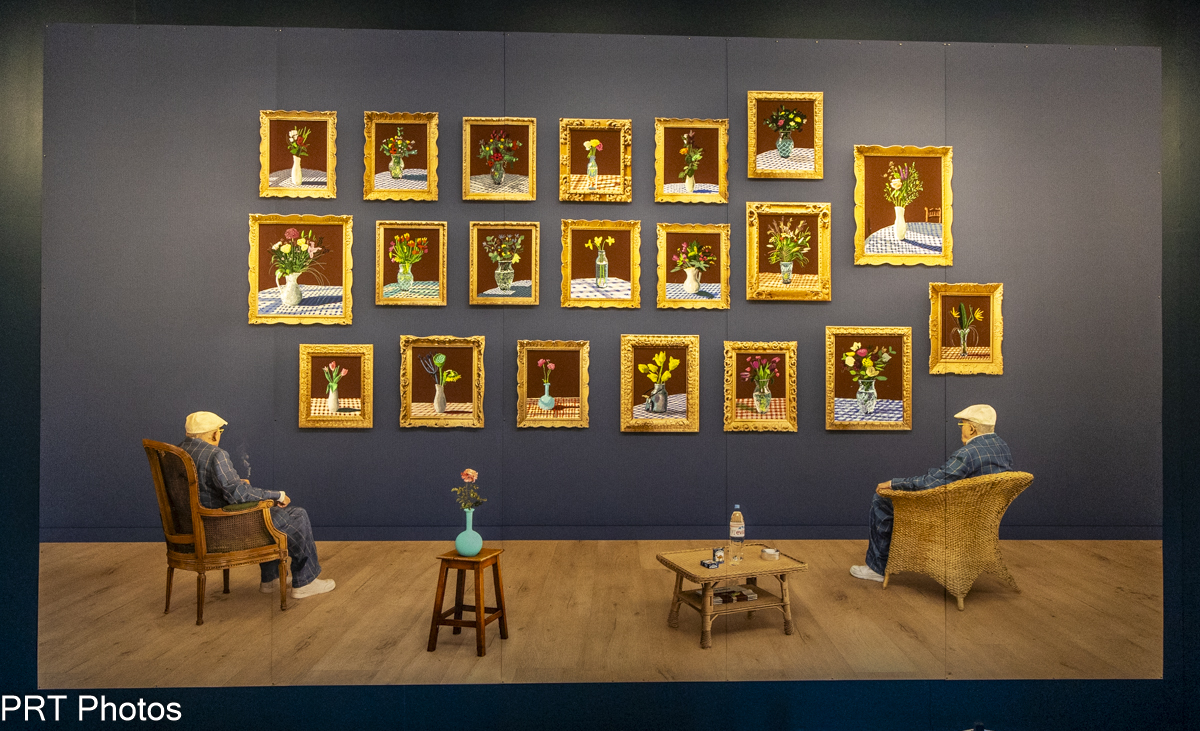
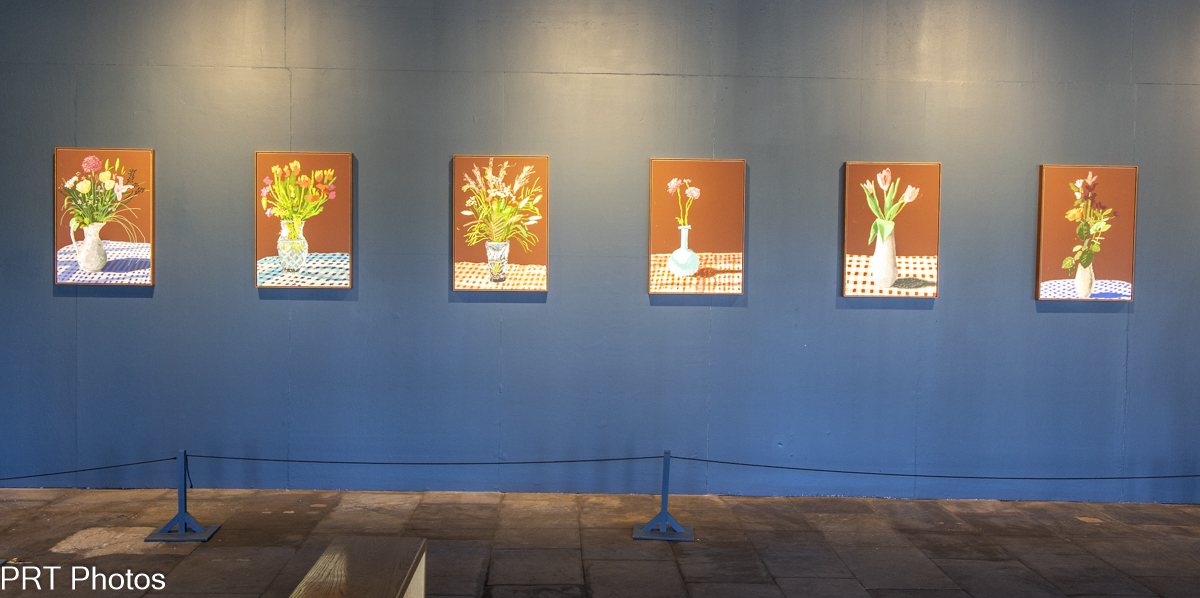
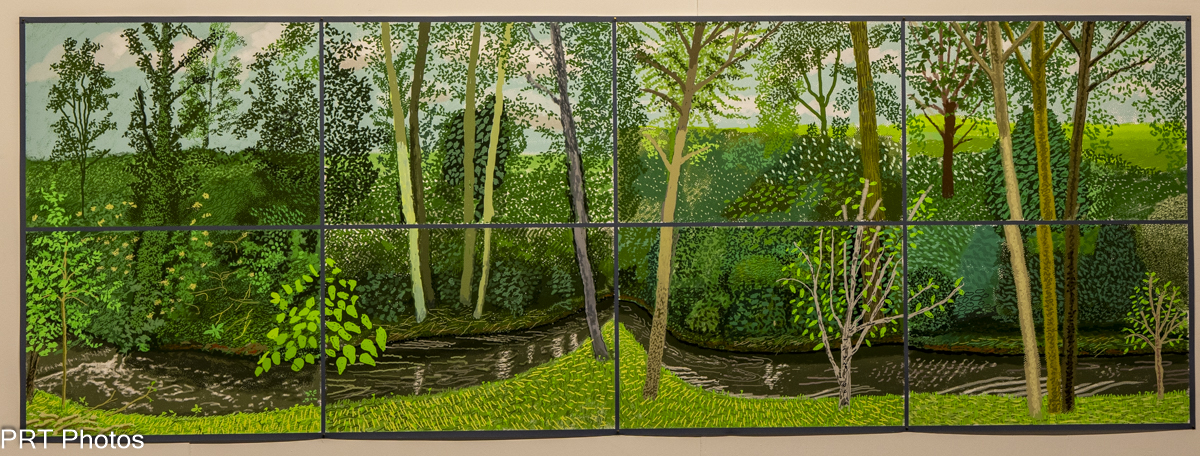
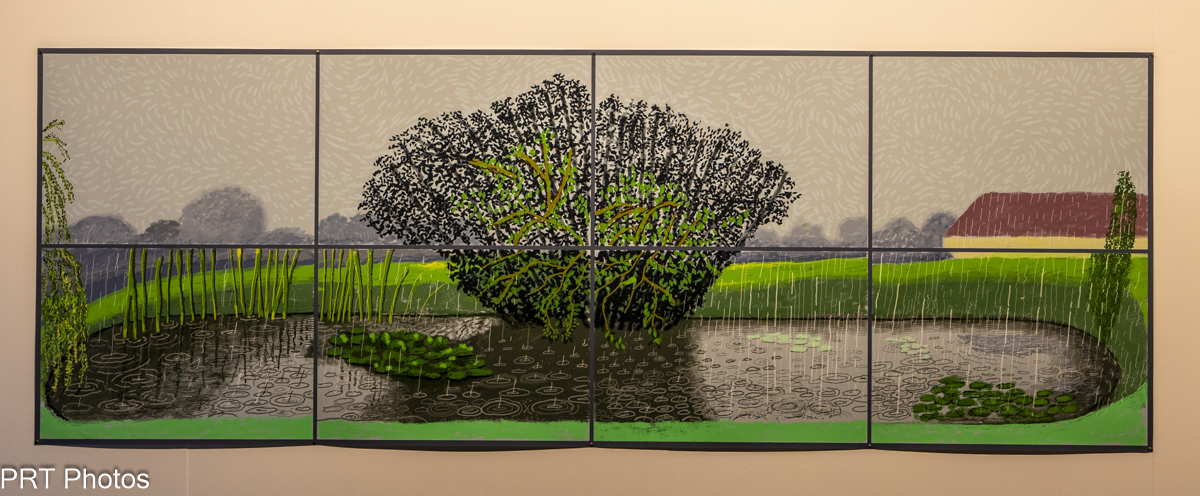
Twenty of us travelled to Sale in Trafford to visit the Waterside Arts Centre. There were three important exhibitions as part of Trafford Pride.

Thank you to Waterside Arts Centre for the complimentary teas and coffees.

Before We Were Proud

Before We Were Proud is an exhibition of portraits and interviews by photographer Steve Reeves, highlighting the personal histories of older members of the LGBTQ+ community with lived experience before the decriminalisation of homosexuality in 1967.

As a member of the LGBTQ+ community before this time, there was not only the risk of physical and verbal abuse, but there was also the risk of arrest and imprisonment. Every year, the Pride March has become a celebration of LGBTQ+ culture, but many people don’t realise that it started as a protest, and those brave enough to attend back in the 1970s took considerable risks. Before We Were Proud is an ongoing project aiming to tell the stories of the courageous people who lived through these times.

There are many common aspects within the lives of those who shared their stories for the project – many were unable to acknowledge their feelings, fearful of what they had to lose. Steve has been sensitive to the fact that the accounts do not solely belong to the people whose portraits are on display. The attitudes of society meant that many of the participants got married, some had children and grandchildren. It has been important to be mindful that these are their experiences too.

We hope that visitors will take time to read these stories – the project created a safe space for the participants to share their lived experiences.

Though Britain is slowly becoming a more open-minded country, members of the LGBTQ+ community still endure prejudice. These oral histories show the impact that societal attitudes had and continue to have – an important reminder to ensure that progress continues and history is never repeated.

The exhibition of photographs with interviews can be seen by following this link.

The Pansy Project

Three experiences of homophobia in one day were the catalyst for The Pansy Project. Although Paul had grown accustomed to this behaviour, he realised how shocking it remained to those around him; prompting him to consider the nature of these attacks and their effect on his life, exploring how he felt at these locations.

Paul noticed the significance of roadside floral memorials, but initially did not want to equate his experience of verbal abuse with a death or tragedy. Instead, he chose to plant a small, unmarked living plant at each site. A plant grows as he has through these experiences. The act felt positive: a quiet comment on the abuse, a potential remedy. With each planting the locations have shifted from sites of hatred to places of resistance.

Kneeling on pavements, in hedgerows, at the edges of roads draws attention. People pass, stare, ask questions, or depending on the location, ignore Paul entirely. Sometimes he is even mistaken for someone unwell. These moments of urban disruption have also become part of the performative nature of the work.

The species of plant was, of course, vitally important and the pansy instantly seemed perfect – a term historically used against effeminate or gay men, but also derived from the French verb “penser”, meaning “to think.” The pansy’s bowed head suggests reflection, and its subtle, elegiac quality suited the project’s intent.

Transitions in Thread

A solo exhibition of the work of artist weaver, Jenny Waterson, whose recent projects reflect her experience as the mother of a young adult changing their gender identity.

Throughout her distinct collections of work Jenny has created her own vocabulary of symbols in weave around themes of ambiguity, generational geographies and human experience. She weaves transitional pattern and colour sequences to explore an evolving narrative of identity, belonging and motherhood. Through weaving Jenny questions her assumptions and certainties about her child and her mothering, unpicking what she thought she knew and what she took for granted. She unlearns reflexes and slowly creates new neural pathways as a new narrative takes shape. Her weaving holds love and discovery and hope, side by side.

With her weaving Jenny is developing a supplementary weft technique, replacing traditional geometrics with her own figurative motifs. With this technique she can weave complex symbols on a hand loom, maximising placement and scale. She weaves layered meanings into her motifs with a complex use of colour, by creating her own composite yarns from blends of wool, rayon and metallic threads.

Jenny’s weaving explores the interplay of her woven symbols in a sampler format. For example, her Becoming series combines traditional Swedish folk motifs with iconography of identity politics, connecting both to her roots and to her child now. Her Transversing series brings together X marks, with multi-layered references to love, our chromosomes, the unknown, and treasure to be discovered; and loop motifs referencing unlimited potential, eternal bonds, endless love and protection.

Jenny is a member of the Textile Study Group of artists and tutors sharing ideas, imagination and skills. Alongside her weaving practice, she runs creative textile workshops in her studio in Altrincham. She also leads creative textile workshops for arts, community and heritage organisations.

More photos can be seen here.

The 2026 Pride Season starts!

It’s that time again, when UK pride events start. This year there are over 220 Prides across the whole of the UK. Here are the Pride events in the north west.

List of North West Prides

16 May – Trafford Pride (Sale)

23 May – Bolton Pride

23 May – Pride on the Range (Whalley Range)

30 May – Bury Pride

6 June – Blackpool Pride

13 June – Salford Pride (Pink Picnic)

26 – 28 June – Sparkle Weekend (Manchester)

11 July – Weaste Pride

25 July – Liverpool Pride

25 July – Oldham Pride

26 July – Stockport Pride

1 August – Trans Pride Manchester

8 August – Prestwich Pride

14 – 16 August – Levenshulme Pride

16 August – Wigan Pride

28 – 31 August – Manchester Village Pride

30 August – Didsbury Pride

“Am I too bold, Eve – tell me?”: This lesbian first lady’s steamy love letters were way too hot for 1890

Rose Cleveland was a brilliant and unusual first lady for a few reasons. Most notably, she wasn’t actually married to the president during her time as First Lady, for the very good reason that he was her brother. Also, she was a lesbian.

Grover Cleveland would go on to marry a woman who would take over the role of First Lady later on, but for the first year of Cleveland’s first term, he counted on his sister Rose, a sophisticated woman of letters, suffragette, and education advocate, to fill the post. And she did so, remarkably well.

As a First Lady, Cleveland advanced progressive causes and fought for women’s rights, managing to publish several highbrow works during her time assisting her brother in the Oval Office.

But was she … you know … a fan of George Eliot?

She sure was. Cleveland wrote an entire book on Eliot’s work during her residency in the White House. She also wrote some other things that were less fit for print during the buttoned-up climax of the Victorian era, namely love letters to a woman who shared her progressive views and academic passions.

“My Eve! Ah, how I love you! It paralyses me,” Cleveland wrote to her lady love Evangeline Marrs Whipple (later Simpson Whipple) during a period of separation in 1890. “Oh Eve, Eve, surely you cannot realise what you are to me. What you must be. Yes, I dare it, now, I will no longer fear to claim you. You are mine by every sign in Earth & Heaven, by every sign in soul & spirit & body – and you cannot escape me.”

This was a common sentiment between the women, with Rose later declaring: “You are mine, and I am yours, and we are one, and our lives are one henceforth, please God, who can alone separate us. I am bold to say this, to pray & to live by it. Am I too bold, Eve – tell me?”

Rose Cleveland (13 June 1846 – 22 November 1918) and Evangeline Marrs Simpson Whipple (15 January 1857 – 1 September 1930)

She was not too bold. Steamy as that sounds, Evangeline’s reply was even randier. “My Clevy, my Viking, My … Everything,” Whipple wrote, imploring Cleveland to “come to me this night.”

During another term of separation, Cleveland swore that: “whatever comes I know you love me and are true to me and will never be the cause of any sorrow to me, and oh, it is only this cruel outrageous time and distance – that is all!”

The communications between these women are as hot as it gets, and surprisingly, they’re not as anachronistic as they might seem at first. Just consider how raunchy Emily Dickinson’s own love letters were! There’s no doubt that “Clevy” and “Wingy”- sometimes “Granny”- were deeply in love, and for a time, didn’t care who knew it, even to the point of Evangeline’s mother meeting the loving pair early on in their courtship.

Long before Eleanor Roosevelt and Lorena Hickok, Rose Cleveland was romancing a woman passionately while using her powerful position to fight for the rights of less privileged women in America. The love between Cleveland and Whipple, like Hick and Eleanor, was longstanding. In 1901, Rose told Evangeline that “all the languages in the world, you darling, could not possibly express my sympathy – the perfect love which I feel for you.”

The women were also living through a surprising moment in American history, when “women loving women” relationships, if not accepted, were at least in evidence on college campuses and in elite Boston society. As Lizzie Ehrenhalt tells us in her introduction to Precious and Adored, the collected letters between Cleveland and Whipple, “the first uses of the word crush to mean a romantic infatuation come from this era, when female students openly courted one another and fused into couples.”

Women still had to be discreet, of course, and as Ehrenhalt notes, the letters between Clevy and Wingy, like other passionate communications between lesbians of the time, “draw their power from ambiguity.” If women couldn’t state their love openly, they could use their correspondence to say the quiet part … well … quietly.

Both Cleveland and Simpson Whipple were educated women of means. They met in the orange groves of Florida in 1889, and while their romance was cut short by the widowed Simpson Whipple’s decision to remarry, they spent a number of years living, working, and travelling together, seemingly without any interest in hiding their relationship.

It wasn’t uncommon for Boston marriages of this type to thrive in this era, but as scholar Lillian Faderman points out in her foreword to Precious and Adored, choosing not to remarry could mean being shut out of professional opportunities. This is most likely the reason why Evangeline chose to marry a man 30 years her senior despite a clearly passionate (and obviously sexual) relationship with Rose.

As you can imagine, the breakup, however temporary, didn’t sit well with Rose. She begged Evangeline to reconsider – but ultimately, the marriage went through.

But there’s a happy ending to this story: Evangeline’s new husband died only four years after the remarriage, and she reconnected with Rose that same year. Perhaps the romantic part of the relationship had expired, but a passionate friendship remained. The letters continued until Rose’s death in 1918. Considering how explicit many of them are, it’s a miracle they’ve survived in the first place. First donated in 1969 – the year of the Stonewall Riots – the full tranche of letters didn’t see publication until 2019, with the release of Precious and Adored.

When Evangeline died, her final request was to be laid next to Rose Cleveland. She got her wish: In a plot in Bagni di Luccam, Clevy and Wing still rest alongside each other.

Sunday, 14 June – 7.30pm – 10.00pm – Penny Magpie Theatre Company Presents: Five Lesbians Eating a Quiche – £18 + booking fee

Hebden Bridge Town Hall, St George’s Street, Hebden Bridge HX7 7BY

It’s 1956 and The Susan B Anthony Society for the Sisters of Gertrude Stein are having their annual quiche breakfast. As the assembled ‘widows’ await the announcement of the society’s prize-winning quiche, the atomic bomb sirens sound! Has the Communist threat come to pass? How will the ‘widows’ respond as their idyllic town and lifestyle faces attacks? 

Winner of a national ‘Best Amateur Production’ award after a sell-out run at Theatre@41 in York in 2024, The Penny Magpie Theatre Company bring ‘5 Lesbians Eating A Quiche’ to Hebden Bridge in a tasty recipe of hysterical laughs, sexual innuendoes, unsuccessful repressions, and delicious discoveries.

1853 Restaurant … Matt Cain … Billy Joel’s “Piano Man” … The Repair Shop … Section 28 Justice Coalition

News

1853 Restaurant

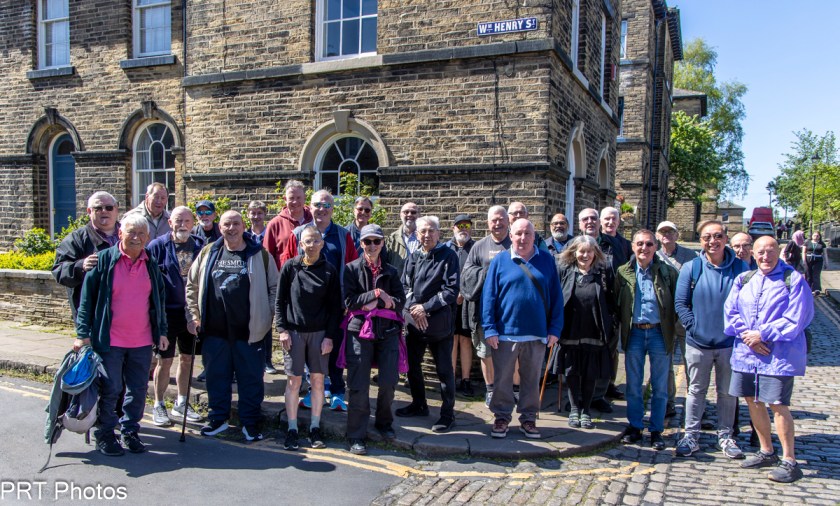
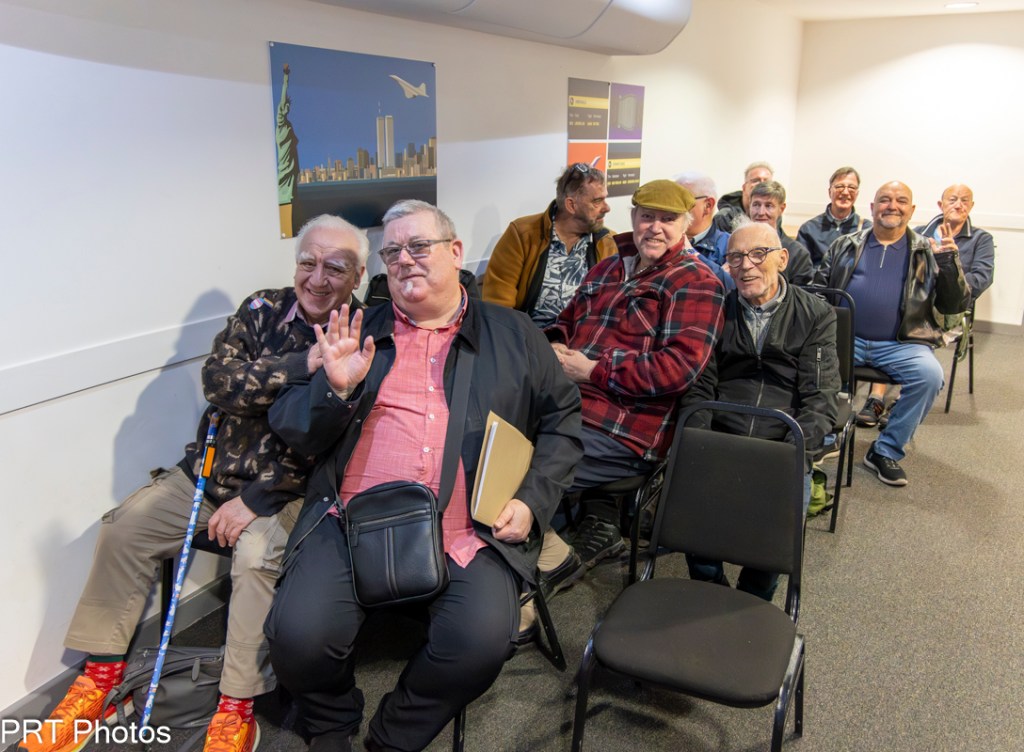
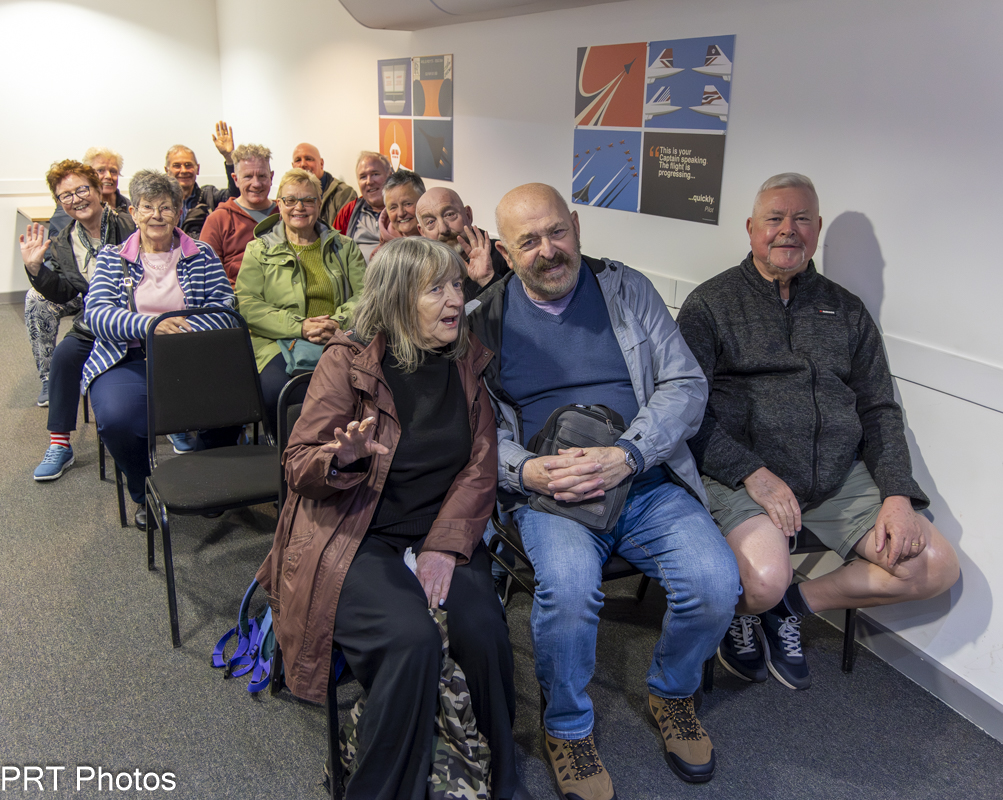
Thirty six of us enjoyed a lunch time meal at the 1853 Restaurant.

In a friendly and relaxed environment, the food is crafted and served by students from The Manchester College City Centre Campus. This is a hidden gem offering a delightful dining experience, where the quality of the food and service is exceptional.

More photos can be seen here.

Bigots hounded me out of Bolton as a young man. I won’t let it happen again.

Ahead of Tip Toe – a new Russell T Davies drama about rising homophobia – the author turned LGBTQ+ publisher Matt Cain explains why the fight against hatred never ends.

I couldn’t believe what I was reading: “They’ve been pushing this sick agenda for 100 years”, “More paedophiles in schools” and “Nobody is homophobic – we are homo-fatigued”. These are just some of the comments that appeared under a recent Bolton News article about me when it was posted on Facebook. The comments flung me back to a painful time in the past – and they threatened to disrupt my reconciliation with my hometown.

I’ve always had a fractious relationship with Bolton. Growing up in the 1980s as a sensitive and obviously gay child, I was the victim of savage homophobic bullying. At school, I was called “poof”, “queer” and “pansy”. Kids refused to sit next to me in case they caught AIDS, and I was punched in the face in the middle of a PE lesson. Outside school, I was spat at in the street and my effeminacy was mocked by the family milkman and by tradesmen working in our home. I fled Bolton to find my tribe among fellow creatives and outsiders, first in Manchester and then in London.

But I was drawn back to Bolton by family events, especially the births of nephews and nieces. As the children grew up, I saw the town through their eyes and realised there was a lot to love: the beautiful Lancashire moors, the warmth of the people and the strong sense of community.

When I started writing novels, I set them in Lancashire and Greater Manchester. I was influenced by the region’s tradition of storytelling with humour and heart, from the character-based comedy of Victoria Wood and Peter Kay to classic Coronation Street. I found it was the perfect setting for stories celebrating human connection. As my books featured gay characters and themes, when they became bestsellers it felt like acceptance.

In 2015, Bolton held its first ever Pride event and I went back to stand on the steps of the town hall – lit up in the colours of the Pride flag – and make an emotional speech about my reconciliation with my hometown. When I looked out at the crowd, I tried not to wonder if it included any of my school bullies. I tried to ignore the fact that the catalyst for the event was the 135% rise in reported hate crimes against LGBTQ+ people in the town. I told myself that, even if things weren’t perfect, they were moving in the right direction. “For the first time in my life,” I declared, “I’m not just proud to be gay but also proud to be from Bolton.”

But when an article about me, my latest novel and the LGBTQ+ publisher I’ve set up appeared in the Bolton News, its post on Facebook was greeted by insults that have jolted me back to the school playground. “Deviant perverts,” the Facebook comments read, “We don’t want queer stories” and “More paper for bonfire night”.

It’s a startling change. The Bolton News has always been supportive of my career, just last year running an article on the MBE I was awarded for services to LGBTQ+ culture – and that didn’t generate any online backlash. I can only assume it’s because I launched a queer publisher during a local election campaign, with Reform UK pledging to take down Pride flags and cancel initiatives aimed at diversity and inclusion. As one Facebook user commented: “He’s probably going to vote for the greens or labour.” The fact that Reform has made significant gains across the country – including in Bolton – I find truly chilling.

It does make me wonder if, more generally, homophobia is on the rise. This is the premise of Russell T Davies’s new drama Tip Toe, screening on Channel 4 and is about the feud between a gay bar-owner (played by Alan Cumming) and his neighbour (David Morrissey). Davies has described it as his “angriest and darkest” series yet. I certainly agree with him that, online, some media outlets (and I don’t include the Bolton News) deliberately post articles with clickbait headlines to stir up hatred and boost engagement, and although there are laws regarding hate speech on social media, there doesn’t seem to be any policing. But the threats are sometimes terrifying. Responding to a Facebook user who defended me, one person wrote: “You’d best never leave your home because we are everywhere.”

Although I was upset by this barrage of homophobia, I wasn’t entirely surprised. Throughout history, when the rights and visibility of minority groups have improved, there’s often been a backlash. There’s no giving up the fight: and that applies to any form of bigotry. 

But at the age of 51, I’m exhausted by the battle. It’s lucky, then, that I have a new weapon in my LGBTQ+ publisher. And what did we choose to call it? Pansy, to reappropriate a homophobic slur. And, despite the local election results, when I launch Pansy with my next book, I’ll be doing it from Bolton.

Billy Joel’s “Piano Man”

The biggest song in Billy Joel’s catalogue has been hiding a gay secret for 50 years – and even he had to admit it makes sense.

“Piano Man,” released in 1973, has long been a fan favourite among gay audiences who believe the song is set in a gay bar.

The theory goes that the narrator is a clueless straight man playing piano while the regulars around him – Paul who “never had time for a wife,” Davy who’s “probably in the Navy for life” – are closeted gay men finding refuge in the only place they felt safe. The line “Man, what are you doing here?” takes on a whole new meaning.

When Billy was asked about it directly in 2024, he didn’t dismiss it. “I see how that could be,” he said. “It’s a whole theory – it’s very funny, actually!” He even sang “In the Navy” at shows, clearly in on the joke by then.

Happy 77th Birthday, Billy Joel (born 9 May 1949)!

“I gave The Repair Shop a broken book – I got back a piece of history”

Lisa Power is a prominent LGBT+ activist who entered the Repair Shop with an unassuming book (Picture: Ricochet Ltd)

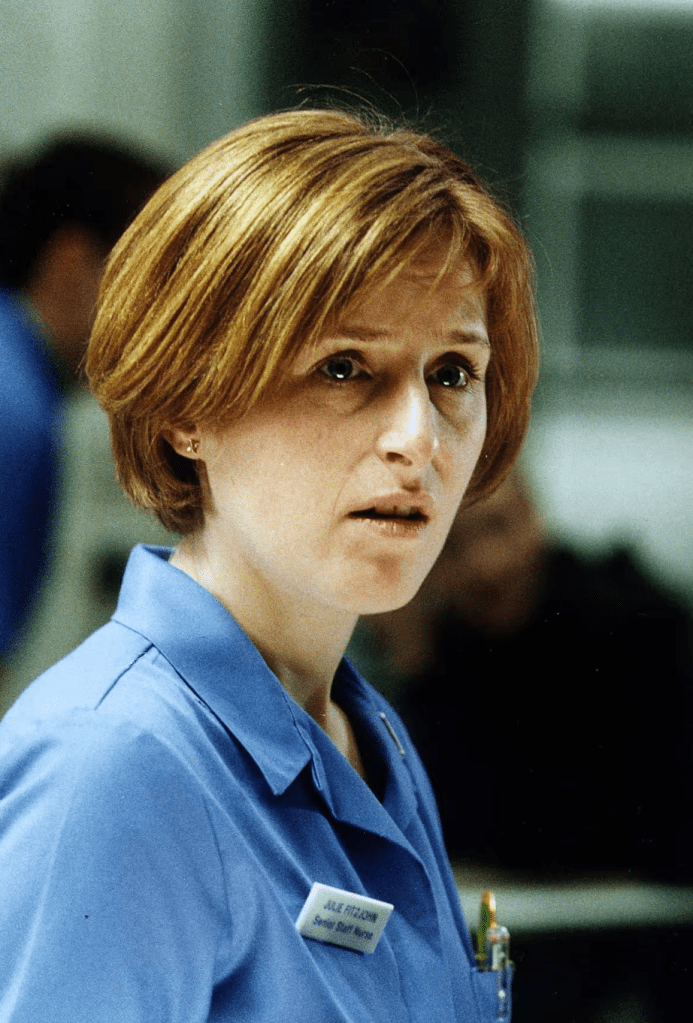
There are few episodes of The Repair Shop that could be more important than the one that aired last week.

Lisa Power is a prominent LGBT+ activist who, through volunteering at the first LGBT+ helpline, Gay Switchboard, has been at the centre of the most significant moments in queer history of the last 50 years.

Founded in 1974, Switchboard became an essential lifeline for LGBT+ people.

It was created when there were no legal protections for gay people and the world was actively fighting against them – they needed someone on the end of the line to tell them they are loved, they are wonderful, and most importantly, they are not alone.

There is next to no documentation of the LGBT+ experience before the 1980s, when the gay community was being obliterated by AIDS and demonised by politicians and the media.

Letters, books and documents were usually burned for discretion, making Switchboard’s early logbooks one of the only points of reference to provide an authentic understanding of what was really happening on the ground to LGBT+ people in the 1970s and beyond.

The books have become an essential part of modern queer culture. They were essential research materials for Russell T Davies when he created the blistering Channel 4 drama It’s A Sin, and have been used for several LGBT+ television shows and movies too.

Power brought the very first book to restorers Chris Shaw and Sonnaz Nooranvary to salvage what is one of the most important artefacts of modern British history, which has been neglected for decades.

The logbook was essential research material for Russell T Davies when he wrote ‘It’s a Sin’ – (Picture: Albert L Ortega / Shutterstock)

‘It was in a terrible state,’ Lisa said. ‘It wasn’t even a book at all – it became a collection of papers with a couple of pieces of cardboard bracketing it.’

This is the first time the books have been given some TLC since they were discovered gathering dust in an attic, when one of Lisa’s colleagues found them and realised their importance.

‘”The first one, this one, was in an appalling state, and of course it’s the one everyone wants to read. Until now, they’d been preserved in plastic, but it had become so delicate it couldn’t easily be handled anymore.”

‘The Repair Shop was a godsend.’

Watching Chris work his magic on the book is remarkable – the pages, alive with the stories of volunteers, the beginnings of ideas that became reality, sewn back together and then attached with a new spine.

“Working on the Switchboard logbook was an amazing thing to be a part of. I grew up in the 1970s, so for me it was a real social comment and an insight into what was really happening at the time. It was fascinating that they had discovered them, and the comments that were in them were enlightening to the situation at the time,” he stated.

“It was also fascinating to see whose hands had touched them and amazing to be a part of restoring social history at such a crucial time. To highlight an artefact that shows real people’s lives at such an important point in history.”

“Working on the Switchboard logbook was an amazing thing to be a part of” Chris said. (Picture: Ricochet Ltd)

“I was gobsmacked,” Lisa says, recalling the moment she saw the book restored in all its glory for the first time. “I can’t believe what Chris has managed to do with it, it was so different – it’s a brand new book.”

“We overuse the word iconic, but this book is iconic. It’s in Bishopsgate archives now, so people can take a look at it. I’m also a trustee of Queer Britain museum, and I very much hope that at some point it will go on display there, but that’s up to Switchboard and Queer Britain.”

After all these years, Switchboard LGBT is still such an integral part of keeping the LGBT+ community safe and heard. In 2024, it answered more than 14,000 calls from people who needed its vital help – from people living in the closet to those discreetly getting sexual health advice they’re too scared to seek elsewhere.

It’s not lost on Lisa quite how special a moment it is that they’ll now be displayed in front of millions on The Repair Shop, because so rarely does LGBT+ history get such a significant spotlight.

Rarely does LGBT+ history get such a significant spotlight (Picture: AP)

“We are starting to see a lot of people being emboldened to be unpleasant, particularly to trans people, but on a sliding scale to the rest of our community too,” she says.

“For us to keep having those really clear positive images of respect for our past and our current existence is really important.

I used to be the press officer for Switchboard, and we understood incredibly strongly that one mention on a soap opera or a family programme on TV was worth any amount of demonstrations or documentaries to show us as just part of everyday life with the same rights to exist and to celebrate as everybody else is. It’s as important now as it was then.

I’m just very grateful to The Repair Shop for celebrating our history, our existence and giving us back something that will be of immense use to researchers, but also just as an iconic object.

I’ve stood next to Oscar Wilde’s prison door and almost burst into tears, and this carries as much symbolic weight.

All of these items show that we exist, that we’ve been around and that we can fight for our rights and to be alongside everybody else.”

The Repair Shop is available to watch now on BBCiPlayer.

Section 28 Justice Coalition

Their petition for a public inquiry into the impact of Section 28 is continuing. They now have over 2,800 signatures but they desperately need your help to get more, and to reach the 10,000 threshold to get a response from the Government. The petition is a crucial part of their campaign to stop LGBT+ censorship and get justice for all those who lived through Section 28.

Sign the petition here.

We’ve Always Been Here (Trans+ History Week) … Out On The Radio … Live at Lunchtime

News

We’ve Always Been Here

Trans+ History Week is a trans+ led nonprofit, social enterprise that exists to popularise the global awareness week: Trans+ History Week from 4 – 10 May 2026.

It is a week-long reflective period to learn and celebrate the momentous and millennia-old history of transgender, non-binary, gender-diverse and Intersex people.

Costume party at the Institute for Sexual Research in Berlin, date and photographer unknown. Magnus Hirschfeld (in glasses) holds hands with his partner, Karl Giese (center). Magnus-Hirschfeld-Gesellschaft e.V., Berlin

Trans+ History Day is held on 6 May – the anniversary of the 1933 Nazi raid on the world’s first Trans+ clinic in Berlin, Germany.

Days later, the clinic’s library was raided, and over 20,000 books and much precious research were desecrated in what would become one of the first large public book burnings by the Nazi regime.

Book burnings are a historic image many of us recognise. But the connection to the transgender community is little known.

We are seeing increasing hostility toward the trans+ community in our media, politics and institutions. There are even campaigns to ban LGBT+ books. It’s all a terrifying echo of how past horrors began.

There was a 56% increase in anti-Trans+ hate crimes recorded last year.

In the last six years, there’s been a 348% rise in LGBT+ hate crimes.

Attacking the trans+ community leaves you on the wrong side of history. Change is possible but we need to continue to fight for inclusion and dignity for all.

Out On The Radio

Show 6 of Out On The Radio is now available to listen to here.

Tony and Norman play tunes and chat about the Manchester Pride Parade Theme, other Pride events in May and Alan Turing and Artificial Intelligence. They also mention a few famous LGBT+ people who have birthdays in May.

Hope you enjoy!

Live at Lunchtime

All the following events are in the Stalls Foyer, Bridgewater Hall, Lower Mosley Street, Manchester M2 3WS.

All the concerts are from 12.45pm to 1.30pm and are FREE – no ticket required.

Friday, 15 May – Coruja Jones

Dreamy Indie-folk. Beautiful songs with soaring high notes, combined with intricate, delicate guitar work into cavernous reverbs, which take aim at your heart. Join this Manchester-based songsmith for a special preview of songs from his upcoming album. This trio performance features Jake Stentiford on acoustic guitars, and Alex Pearson on bass and synth.

Friday, 22 May – Chetham’s School of Music

Chetham’s School of Music, in the heart of Manchester, is the largest specialist music school in the UK, and the only one in the north of England. It is made up of 330 students aged between 8 and 18 and the campus is a melting pot of different perspectives and ideas – but everyone is bonded by a passion for music. This makes Chetham’s a truly unique and inspirational place to live, learn and make connections.

Friday, 5 June – Zoe Gilby

Winner of Parliamentary Jazz Awards “Jazz Vocalist of the Year 2019” Zoe Gilby’s  “Aurora” album is out now. Inspired by the instrumental compositions of award winning, Grammy nominated US trumpeter Tom Harrell. This melodic, sharply conceived music has been augmented with lyrical interpretations written by Zoë.

Friday, 12 June – Milap – Kaviraj Singh & Kousic Sen

Take a perfect break from your busy day and relax to the soothing sounds of the one hundred stringed Indian Santoor along with the tabla, performed by Kaviraj Singh and Kousic Sen.

Friday, 19 June – KairosDuo

One of the UK’s leading young chamber duos KairosDuo, is a dynamic small ensemble for percussion and saxophone showcasing their vivacious performance style and artistry through modern classical and contemporary repertoire, as they strive to reimagine the traditional chamber music concert experience.

Friday, 3 July – Denise Morgan

Born and raised in Manchester, by Irish parents, Denise’s music was inspired by her Irish roots. Coupled with her love of 60’s Soul, these influences were soon heard in her songwriting and singing style which has became known as, Celtic Soul.

Friday, 10 July – Black Creative Trailblazers

Join Black Creative Trailblazers at Live at Lunchtime for a vibrant musical showcase celebrating Mancunian talent, connection and creativity.

This special lunchtime performance features three outstanding artists. Sinead D’Abreu-Hayling is a Trinidadian British soprano currently completing a Masters in Vocal Performance at the Royal Northern College of Music.

Also taking to the stage is Rumbi Tauro, a Zimbabwean-born R&B powerhouse known for her soulful melodies and captivating live performances.

Completing the lineup are The Divines, a Manchester-based soul duo blending playful harmonies and rich tones across neo-soul, R&B and 90s/2000s classics. 

Friday, 28 August – Neeve Zahra

Manchester born singer/songwriter, Neeve Zahra is captivating audiences with her unique voice and beautiful lyrics which are far beyond her years. Championed by the likes of Bob Harris on BBC Radio 2 and CountryLine Radio’s Tim Prottey-Jones, Neeve Zahra is already taking the UK country music scene by storm.

Friday, 4 September – Nirse Gonzalez (Instituto Cervantes)

Join us for an exceptional guitar recital by Nirse González, presenting a programme that explores the expressive breadth of the classical guitar. 

Friday, 18 September – Heard Storytelling – “It Happened Here”

A live true storytelling event to celebrate the start of The Bridgewater Hall’s 30th season. Enjoy a curated line up of people sharing their lived experience of the transformative impact of the Hall’s history, accompanied by live music. Heard Storytelling specialise in creating safe, fun and empowering opportunities to tell true stories out loud.

Friday, 25 September – So Many Beauties

Bridgewater Hall regulars So Many Beauties present a performance of new music shaped through creative collaboration across Greater Manchester. This award winning Collective brings together some of the region’s finest intercultural musicians, featuring instruments and musical traditions from around the world.