Lesbian Visibility Day
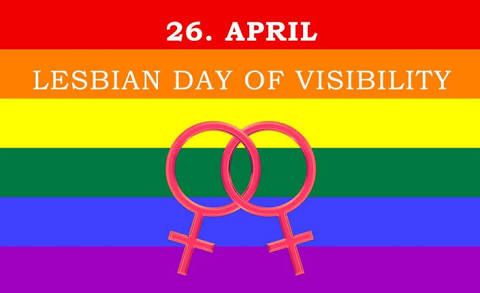
Lesbian Visibility Day is celebrated annually on 26 April to recognise, celebrate and elevate lesbian-identified members of the LGBT+ community, particularly highlighting those from marginalised backgrounds.
It is part of a broader Lesbian Visibility Week that combats the erasure of lesbian women, promotes solidarity and challenges misogyny and homophobia.
I kissed Anna Friel in Brookside’s first lesbian kiss
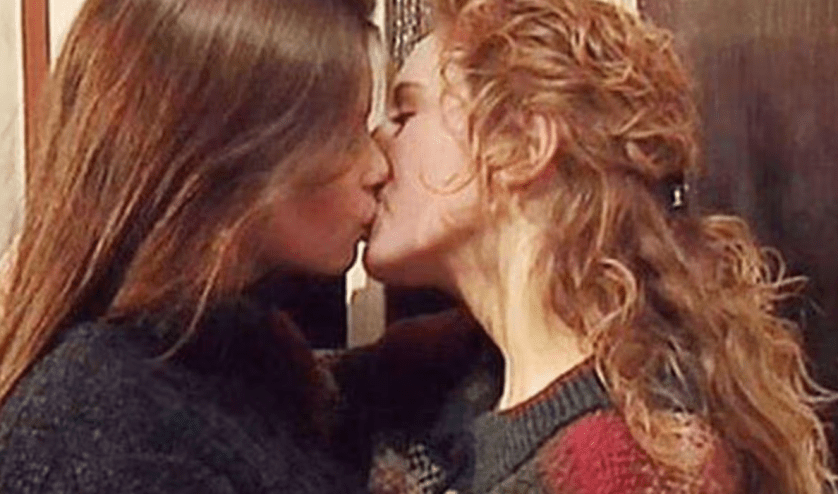
One of the actresses involved in British television’s first pre-watershed lesbian kiss has shared her experience of being part of such a significant cultural milestone decades on.
The Liverpool soap opera Brookside was a beloved drama which graced our screens from 1982 until 2003. Throughout its run, the programme broke new ground and sought to portray an authentic representation of ordinary people’s lives.
One groundbreaking moment created history when the show broadcast the first televised lesbian kiss before the watershed, featuring characters Beth Jordache and Margaret Clemence.
Nicola Stephenson, the actress portraying Margaret, has since reflected on what this landmark scene meant to her and her co-star when the episode transmitted in 1994.
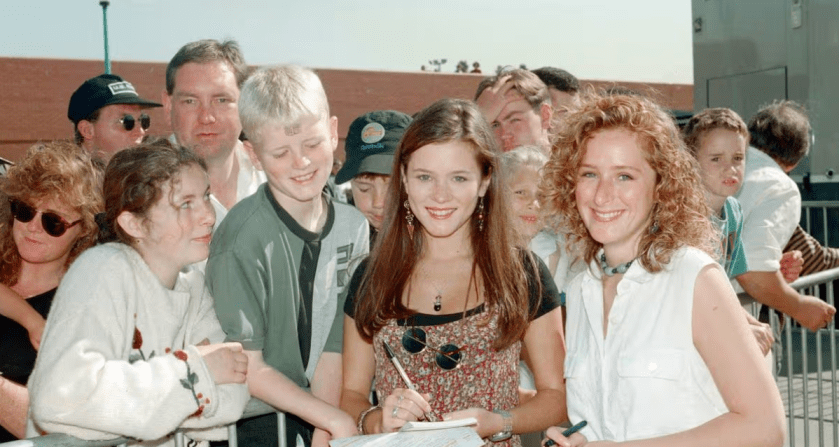
During that period, Section 28 remained in full effect throughout schools, and LGBT+ representation was scarce on television – Stephenson, however, existed firmly within that community.
She said in an article for The Guardian: “But in my world, as a 22-year-old actor, surrounded by gay people at work and often dancing in Manchester’s gay clubs at the weekends, I lived in a totally free and accepting bubble.”
The response this scene generated proved extraordinary, with the performers receiving an avalanche of correspondence and messages from viewers.
“The letters poured in, many from young people who felt seen and validated for the first time.” she shared. “People identified with Beth and Margaret. It was overwhelming and extremely rewarding. People still regularly approach me to thank me for that moment.”
Stephenson recounted a moving story about how, decades on, this remains a defining moment in her career that continues to astound her.
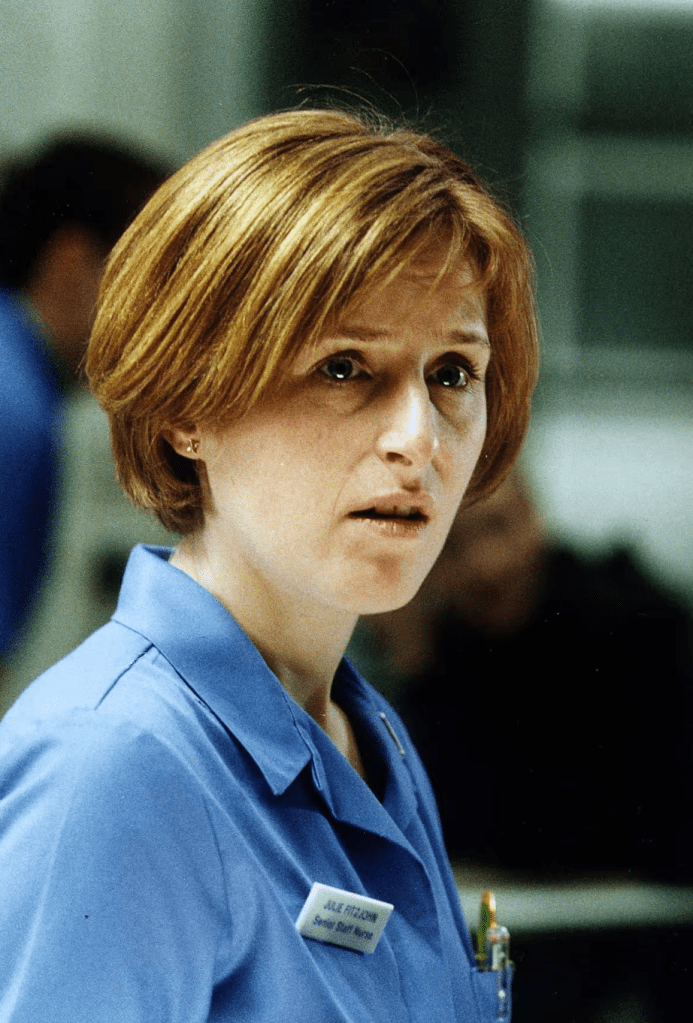
She met a woman waiting at the stage door while performing in the West End, who chose to share her personal experience with the actress.
The stranger explained she’d grown up in a rural village and had struggled to accept being gay, but witnessing the storyline unfold on television gave her the courage to come out. “It changed my life,” she told Stephenson.
Such encounters happen frequently for the actress, all stemming from something she did aged 22, and now at 54, it remains part of her enduring legacy.
Despite taking on countless other roles since, most notably Allie Westbrook in Waterloo Road and Tess Harris in Emmerdale, it’s this particular moment that continues to resonate.
Indeed, while the landmark TV moment happened in 1994, it took centre stage 18 years later when it featured in the London 2012 Olympic ceremony, directed by Danny Boyle.
That ceremony was broadcast, unedited, to 76 countries where homosexuality at the time remained criminalised. This meant the lesbian kiss shown during the ceremony became the first ever homosexual kiss to be televised in any of these nations.
Looking back on the moment, Stephenson wrote: “I remain blown away to this day by the impact this one short scene had.”

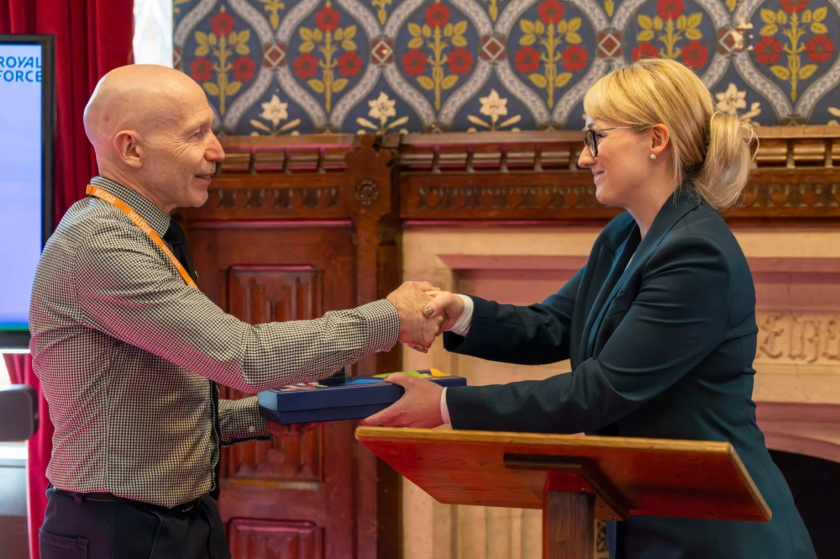
LGBT Salford RAF veteran dismissed for sexuality receives apology
Stewart Russell is one of thousands of service personnel found to be subjected to intrusive investigations, harassment, dismissal and the loss of careers, pensions and honours due to their LGBT sexual orientation between 1967 and 2000.
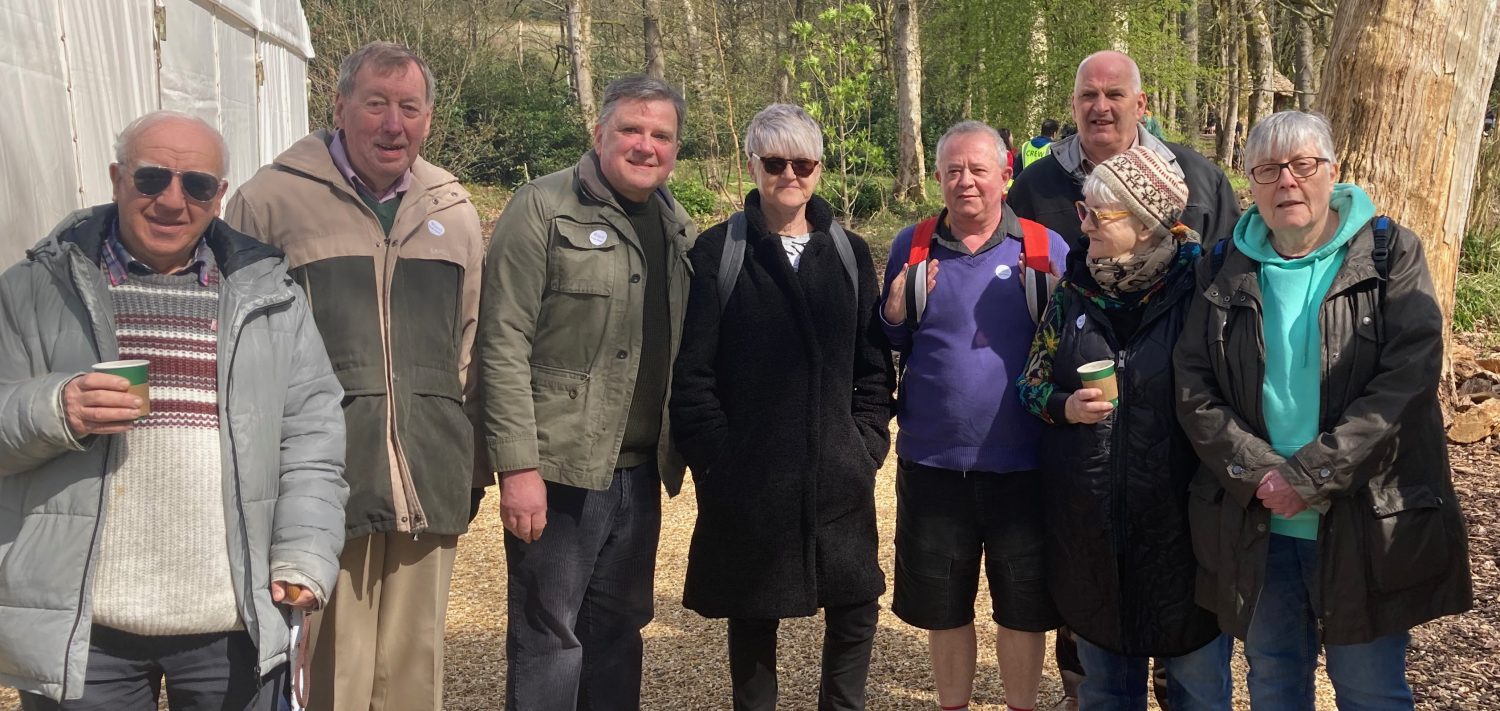
Stewart attended a presentation at Parliament and received a special Etherton Veterans Ribbon, which was introduced by the late Lord Etherton for those impacted by the ban on openly gay personnel until 2000.
Lord Etherton led the LGBT Veterans Independent Review, commissioned by the Ministry of Defence and the Office for Veterans Affairs and published in July 2023, which recommended that the veterans discriminated against should receive an “appropriate financial award.”
It concluded that their treatment was “wholly unacceptable” and recommended a programme of restorative measures, including financial recognition, formal apologies and the restoration of medals and records where appropriate.
The presentation in Parliament formed part of the Government’s LGBT Restorative Action measures, which seek to acknowledge and address the injustice faced by military personnel.
Attended by representatives from the Royal Air Force and invited guests, it provided an opportunity to formally recognise Stewart’s service and to reflect on the impact of past policies and served as a formal acknowledgement of the discrimination he faced by the government.
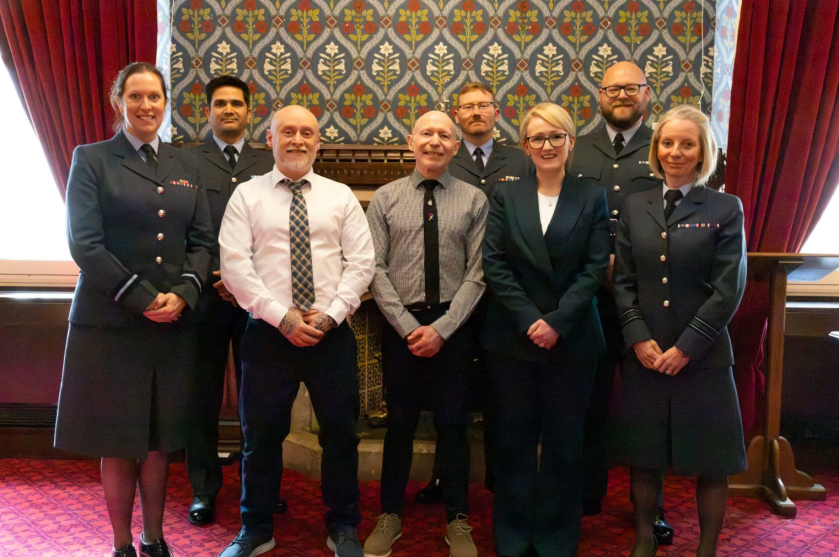
Salford MP Rebecca Long-Bailey was in attendance at the event to present Stewart with the Etherton Veterans Ribbon.
Speaking after the event, she said: “It was a real honour and privilege to welcome Stewart to Parliament and to present him with his LGBT Restorative Action recognition.
For far too long, LGBT personnel were treated unjustly and excluded from serving openly in our Armed Forces. What happened to Stewart and so many others was wrong, and it should never have happened.
This ceremony was a small but important step in recognising that injustice and offering a long-overdue apology. I was proud to stand alongside Stewart, RAF representatives and others as we marked that moment together.”
She added: “Stewart’s courage, dignity, and service deserve to be recognised and celebrated. It meant a great deal to be part of this with him.”
History of LGBT+ Media in the UK
The history of LGBT+ media in the UK has transitioned from coded underground language to mainstream visibility, often led by groundbreaking moments in public broadcasting and independent publishing.
Early 20th Century: Coded Language and Subtext
Before decriminalisation in 1967, LGBT+ individuals often used media through subtext or “hidden-in-plain-sight” tactics:
- Polari: A slang used particularly by gay men in the mid-20th century to communicate safely in public, famously featured in the 1960s BBC radio show Round the Horne through the characters Julian and Sandy.
- Literary Subversion: Writers like Radclyffe Hall faced censorship. Her 1928 novel – The Well of Loneliness – was banned in the UK for its lesbian themes and not available again until 1949.
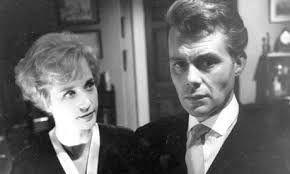
- Censored Representations: Early television plays like South (1959) were among the first to feature gay-themed drama, though they were often framed as “social problems” to be discussed by experts rather than lived experiences.
Mid-20th Century: The Path to Decriminalisation
As the 1960s approached, non-fiction media began to address homosexuality more directly, albeit often through a “medical” or “pitiful” lens:
- 1961: The film Victim became the first English-language film to use the word “homosexual”.
- 1964-1965: ITV’s This Week aired the first non-fiction programmes specifically about gay men (1964) and lesbians (1965).
- 1967: Just before the Sexual Offences Act passed, the BBC’s Man Alive dedicated two episodes to exploring the lives of gay men and women, with many interviewees showing their faces for the first time.
1970s–1980s: Activism and National Landmarks
Following decriminalisation, media became a tool for the growing Gay Liberation movement:
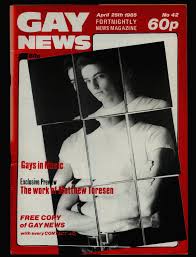
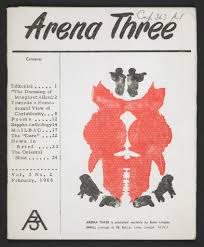
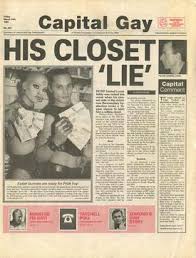
- Independent Publishing: Gay News, the UK’s first gay newspaper, was founded in 1972. Other notable publications included Arena Three (lesbian magazine, 1964–1971) and Capital Gay (1981–1995).
- Broadcasting “Firsts”:
- 1970: The first male same-sex kiss on British TV occurred in the BBC Two broadcast of Edward II
- 1974: The first lesbian kiss on TV aired in the BBC drama Girl.
- 1980: Gay Life premiered on London Weekend Television as the UK’s first TV series dedicated entirely to LGBT+ issues.
- Soap Operas:
- 1987: EastEnders featured the first same-sex “kiss” (a forehead peck) in a UK soap, which was met with significant tabloid backlash.
- 1994: Brookside featured first televised lesbian kiss before the watershed.
1990s–Present: Mainstream Integration
Recent decades have seen a shift towards authentic representation and storylines written by LGBT+ creators:
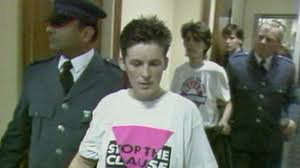
- Section 28 Protests: In 1988, lesbian activists famously stormed the Six O’Clock News live broadcast to protest Section 28 legislation.
- Transgender Visibility:
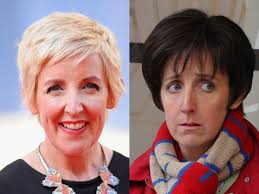
- 1998: Coronation Street introduced Hayley Cropper, the first transgender character in a British soap.
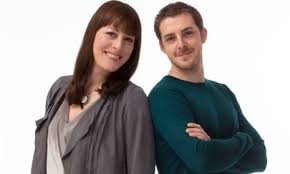
- 2015: Boy Meets Girl was the first BBC comedy to focus on trans storylines and star a trans actor (Rebecca Root).
- Modern Classics: Groundbreaking dramas like Russell T Davies’ Queer as Folk (1999) and It’s a Sin (2021) depicted unapologetic queer life and the AIDS crisis from a British perspective.
- Recent Milestones: Shows like Heartstopper (2022) have been praised for positive depictions of young LGBTQ+ relationships, while Strictly Come Dancing introduced its first same-gender pairings in 2020.
Whilst we can highlight the milestones above, there are still significant challenges faced by the LGBT+ community today. Continuing the conversation, fighting for equality and ensuring visibility are all still equally important today.
 Out in the City