Jackie Forster … Matt Cain … LGBT+ History Month Quiz … Out In The City Women’s Meeting

News

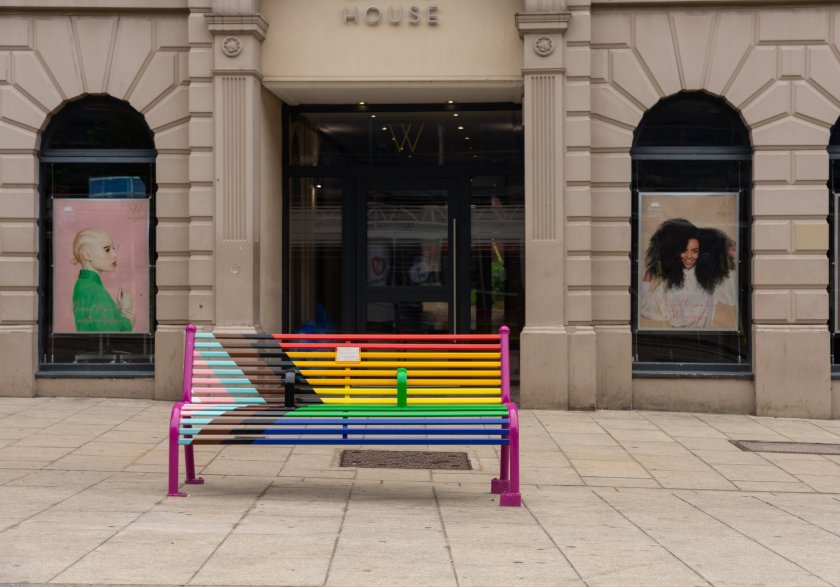
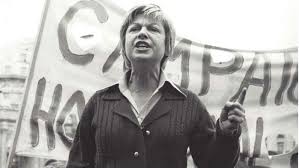
Trailblazing lesbian journalist and activist to be honoured with rainbow plaque

The plaque will honour lesbian journalist Jackie Forster

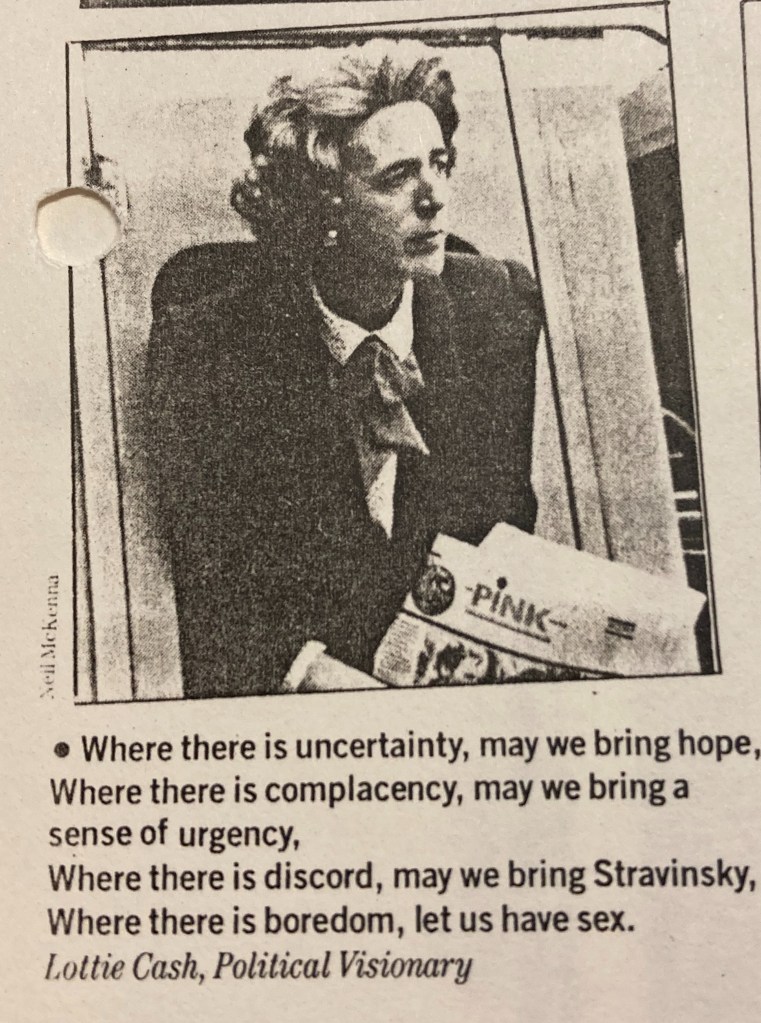
One of the few out lesbians in the public eye, Jackie Forster, who also worked under the name Jacqueline MacKenzie, was an actress before forging a successful career in journalism.

In the 1960s, she joined the Minorities Research Group and wrote for the UK’s first lesbian-specific publication, Arena Three, and set up the long-running magazine and social group, Sappho.

After coming out publicly, she joined the Campaign for Homosexual Equality and marched in the first London Pride parade in 1971. She went on to be a member of the Greater London Council’s women’s committee, a curator for the Lesbian Archive, and set up Daytime Dykes.

In 2017, she was celebrated in a Google Doodle on what would have been her 91st birthday.

After Forster died in 1998, aged 71, writer and academic Gillian Hanscombe told The Independent: “If she had served any cause other than lesbian rights, she’d have been festooned with honours.”
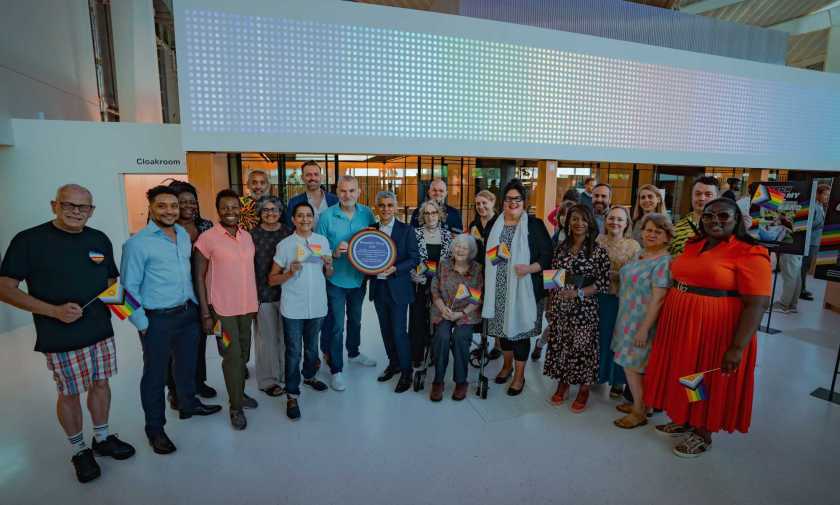
Forster’s plaque will be will be unveiled on 26 February.

Supported by the mayor of London, Sadiq Khan, the Rainbow Plaques scheme has sought to identify and make visible LGBT+ history in local communities up and down the country.

“It’s fantastic to see a new rainbow plaque unveiled in Warwick Avenue to celebrate the life of Jackie Forster,” Khan said. “These plaques honour the huge contribution that our LGBTQIA+ communities have made, and continue to make, to life in our capital. So it is fitting that we remember Jackie’s significant role in promoting and championing LGBTQIA+ rights.

“Our diversity is what makes London the greatest city in the world and we will continue to ensure that everyone feels represented in our public spaces, as we continue to build a fairer and safer London for everyone.” 

Anne Lacey, Forster’s partner, described the plaque as a “fitting tribute to a wonderful woman and a great character in the history of LGBTQIA+ rights”.

She went on to say: “Jackie spent the last half of her life working unceasingly for LGBTQIA+ rights and visibility. From the day she came out at Speakers’ Corner (in London’s Hyde Park) in 1969, she fought for the celebration of the word ‘lesbian’.”
If you’re raging that ‘Netflix made Alexander the Great gay’, it’s time to learn some LGBT+ history

Matt Cain, author of “One Love” wrote this article for The Guardian on 13 February 2024.

At the start of this LGBT+ History Month, Netflix unveiled its new series about Alexander the Great, only to see complaints that the streaming service had “turned him gay”. When these drew the response that Alexander is widely believed to have had same-sex relationships, a typical reply was that this was “unproven speculation”. As a patron of LGBT+ History Month, I see this as an opportunity to argue for the importance of knowing our queer history.

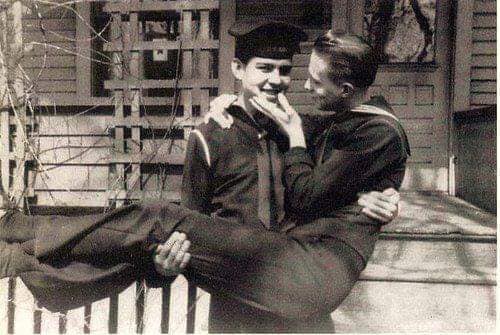
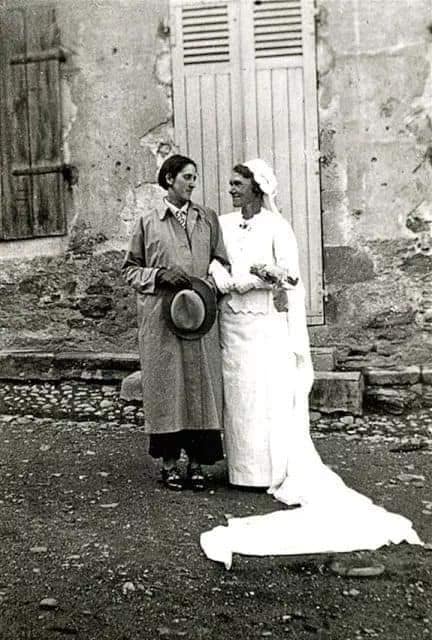
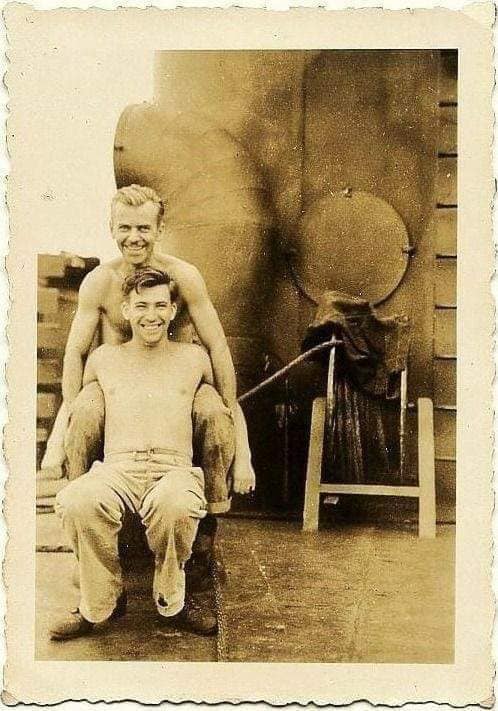
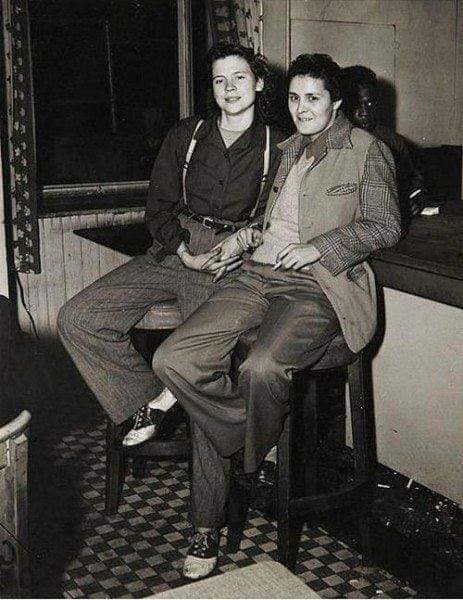
For centuries, LGBT+ history has been wiped from the record. Oppressors have found it all too easy to deny our existence because in most of the world – for most of history – our lives have had to be led in secret. Exposure could lead to familial rejection, social and professional ruin, imprisonment, torture and even execution. Any evidence of queer lives that did exist was often destroyed, sometimes by descendants keen to protect reputations.

The Renaissance artist Michelangelo, for example, was known to have had several relationships with men, but burned all his papers before he died. And in 1623 his great nephew published an edition of his poetry with many of the masculine pronouns changed to feminine ones (an act of cultural vandalism that wasn’t rectified until the 19th century).
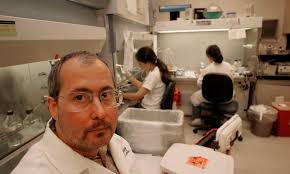
A transgender neurobiologist whose research revolutionised our understanding of brain cells. Ben Barres in 2006. Photograph: San Francisco Chronicle / Hearst Newspapers / Getty Images

Of course, labels such as lesbian, gay, bisexual and transgender didn’t exist for most of history, making it impossible to know definitively how any figure would have identified in their own time. But it would be ridiculous to use this as justification for erasing us from the past. The understanding of our sexuality contributing to any sense of identity (rather than just sexual activity) may be a relatively modern one, but we have always been here.

It doesn’t help that, as queer people, we’re one of the few minority communities who don’t often have parents from the same minority, so little understanding of our cultural heritage is passed down through the generations. All of this has allowed historians to straightwash the past, to write off our relationships as passionate or intimate friendships, or to declare we were married to our work.

Years of campaigning – not to mention a Hollywood film – means that most people now know the name Alan Turing. But the story of Bayard Rustin is only just coming to prominence, thanks to another film: he was one of the leading organisers of the black civil rights movement and a key adviser to Martin Luther King, but he was kept in the background to avoid his sexuality damaging the movement.

Sally Ride (1984) the first American woman in space, had a 27-year relationship with a woman. Photograph: AFP / Getty Images

And how many people have heard of Ben Barres, a transgender neurobiologist whose pioneering research at Stanford University revolutionised our understanding of brain cells?

Or that the astronaut Sally Ride, the first American woman in space, had a 27-year relationship with a woman?

And did you know that Florence Nightingale wrote in a letter in 1861: “I have lived and slept in the same beds with English countesses and Prussian farm women. No woman has excited passions among women more than I have”? Why historians ever believed she was celibate is beyond me.

In 19th-century Russia, Tchaikovsky lived life as a gay man with a degree of openness that was remarkable for the time, writing about his feelings in letters to friends and his brother, who was also gay. He even signed one of these using the female name he’d given himself, Petrolina.

But although he enjoyed close friendships with gay men (one, Petashenka, used to pop round to his place to ogle the cadet corps opposite), other letters show that he never stopped wanting to change his sexuality, lived in fear of being outed and disgraced, and struggled with alcoholism and depression.

Like many gay men of his time, he briefly married a woman to maintain a respectable front, but she later accused him of using her to hide his “shameful vice”. Tchaikovsky found release in his music, and this could be why his work has such a joyous quality. Likewise, the range of emotions he experienced in life could have given his ballet scores the depth necessary to tell dramatic, sweeping stories.

Today, Tchaikovsky is considered a national treasure in Russia, but official accounts of his life remove all mention of his sexuality, as does the Tchaikovsky State House-Museum near Moscow. Meanwhile, the widespread persecution of queer people continues in the country, as does anti-queer legislation and the state-sponsored spreading of shame.
When I visited Moscow in 2017, I met LGBT+ people and heard their shocking stories, visited queer venues and saw signs in shop windows announcing “No faggots allowed”. But if Tchaikovsky’s queerness was widely understood and acknowledged as part of his artistry, it would be more difficult for Putin and his government to continue their oppression – or at least to argue that queerness is a foreign import and somehow “un-Russian”.

For me, the response to Netflix’s series about Alexander the Great sums up why we need LGBT+ History Month, and the story of Tchaikovsky is a chilling illustration of the dangers of not knowing our queer history.

Understanding history is empowering, and for too long queer people have been disempowered. History can teach us – and others – that we’ve always made a contribution to society, help us understand our place in the modern world and give us pride in who we are.

LGBT+ History Month Coming to an End

Try this quiz to see what you have learnt. Don’t worry the answers are below.

Out In The City Women’s Meeting
Reminder that Out In The City Women’s meeting is on Thursday, 27 February 2025 from 2.00pm to 4.00pm. The meeting is at Cross Street Chapel, 29 Cross Street, Manchester M2 1NL and is a drop in. There is no need to book.
Skipton Castle … The History of Manchester Pride … Radio Opportunity … Rainbow Lottery

News

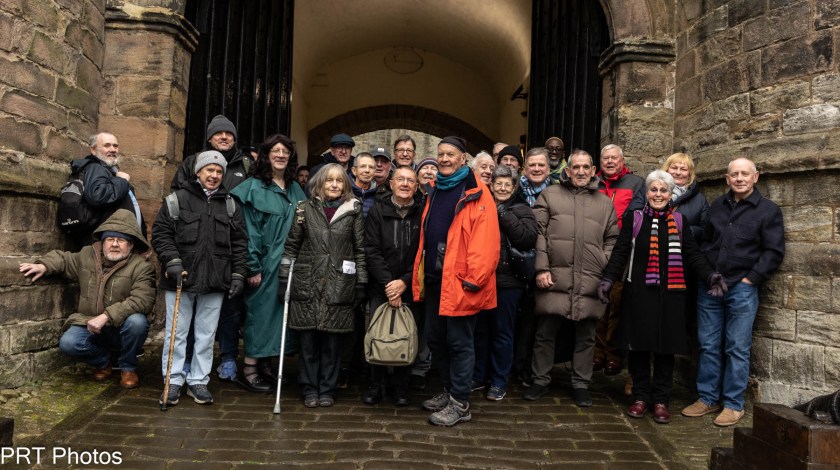
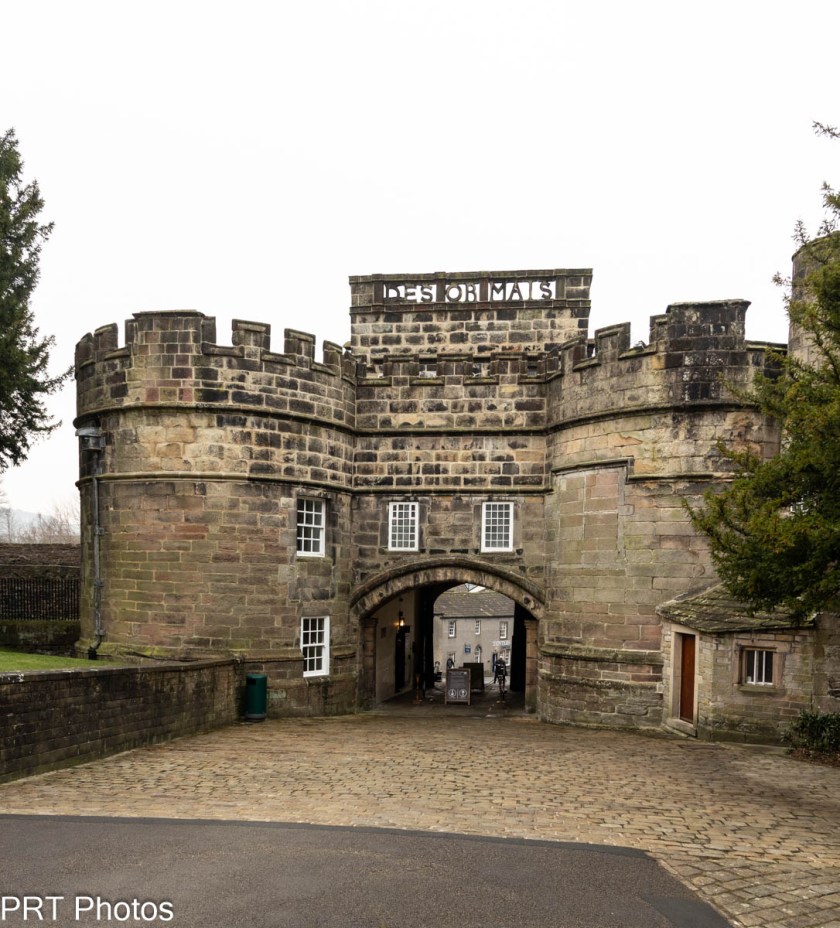
Skipton Castle

Skipton Castle is a Grade I listed medieval castle in Skipton, North Yorkshire. It was built in 1090 by Robert de Romille, a Norman baron, and has been preserved for over 931 years.

It is one of the best preserved and most complete castles in England. We followed the tour sheet on a self-guided tour, starting off at the main gate defended by its four strong towers. High above the battlements, in Norman French, the proud challenge DESORMAIS (Henceforth!) is cut in stone facing both north and south.

Skipton Castle was massively strengthened in 1310 by Robert, the first Clifford Lord of Skipton.

Born in Skipton Castle on 30 January 1590 Lady Anne Clifford made substantial restorations after the Civil War.

We ascended Lady Anne’s steps into the Conduit Court which has a yew tree growing in the middle. We visited the dungeon, the banqueting hall, the withdrawing room and many more rooms, often up or down narrow spiral staircases.

It was well worth a visit and another great day out.

More photos can be seen here.

The history of Manchester Pride: ‘It isn’t for anybody unless it’s for everybody

Article by Matt Horwood in Metro

Affectionately known to many as ‘Queer Christmas’, ​for its ability to bring chosen families together each year, Manchester Pride is one of the most anticipated and best-loved events in the LGBTQ+ calendar.

It’s a celebration that holds a special place in my heart. I have family from the North West and I spent many of my ‘formative’ years in the city after moving there at 18. But it’s not just memories of my former home that makes me think fondly of Manchester Pride. My first job was actually working on the big event itself, as a press officer. 

It’s hard to put into words what it’s like to be part of a team that creates such an epic and incredible occasion.

There’s moments I’ll never forget, such as first seeing Manchester’s Sackville Gardens become a sea of light at its Candlelit Vigil, held on the Monday of Pride each year in remembrance of all lives lost to HIV/AIDS.

Then there are the times that still make me smile, like Alexandra Burke sharing her birthday cake with the backstage team – and saying she liked my hair!

Or when I had to step in for a colleague and interview queer singer-songwriter Patrick Wolf after he’d performed at the event. I remember feeling jittery with nerves; not only did I adore his music, but he was also an early crush of mine. 

Since those days, my life and job may have moved on, but I’ve returned almost every year to Manchester Pride on the August bank holiday weekend. And I can still confirm, ‘Queer Christmas’ is exactly what it is.

Matt (both right) at Pride in 2011 as a member of the team, and as a party-goer in 2021 (Picture: Supplied)

Although there are stories that the event was first founded in 1985 when Manchester City Council awarded a £1,700 grant to put on a two-week celebration, other accounts refer to it being born in 1987.

It was said to be the brainchild of Peter Beswick – licensee of the ​long-standing Rembrandt Bar in Manchester’s Gay Village – along with his partner Duncan, after the pair organised a bring-and-buy sale and raffle outside the bar to raise money to support people living with HIV/AIDS.

Back then, many of the Gay Village bars had blacked out windows to protect their patrons and staff, and homophobic police raids were not uncommon. 

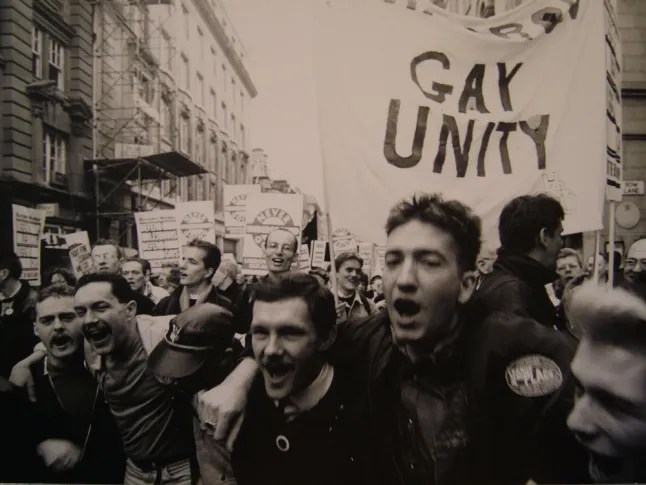
The following year, a series of marches and demonstrations for LGBTQ+ rights were held in Manchester, reflecting the way many of today’s Pride events have grown from the seeds of activism. The first was in 1988, to protest Thatcher’s homophobic Section 28 law, followed by marches for equalising the age of consent, in 1989 and 1991.

1988 Section 28 protest march – many of today’s Pride events have grown from the seeds of activism (Picture: Manchester Libraries)

‘My first Manchester Pride was a protest’ recalls Tim Sigsworth, CEO of LGBTQ+ youth homelessness charity akt. ‘I felt exhilarated and petrified. It was that moment that really sparked a deep, long-life need in me to fight queerphobia.’  

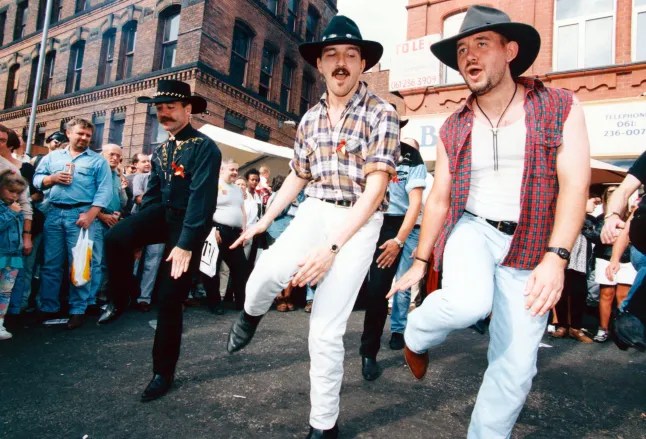
By the early nineties, the Village Charity had established a festival then known as Manchester Mardi Gras, ‘The Carnival of Fun’, making the city’s annual LGBTQ+ event louder and prouder than ever before.

‘We didn’t want the Gay Village to become a closed-off ghetto where it was just us,’ says Chris Payne, a founding member of the North West Campaign for Lesbian and Gay Equality (1987) and prominent LGBTQ+ activist in 80s and 90s Manchester. ‘We wanted to welcome everybody, as long as they respected us and our space.’

So in 1993, the event first went ‘public’ with the parade marching beyond the perimeter of the Gay Village and into the city centre. 

In the 90s Manchester Pride celebrations went from being held only in the Gay Village to reaching the city centre (Picture: Getty Images Source: Mirrorpix)

The response? A mixture of shock and humour, recalls Chris, explaining: ‘There was strong HIV/AIDS and LGBTQ+ messaging and controversial outfits. It was in your face but the public loved it.

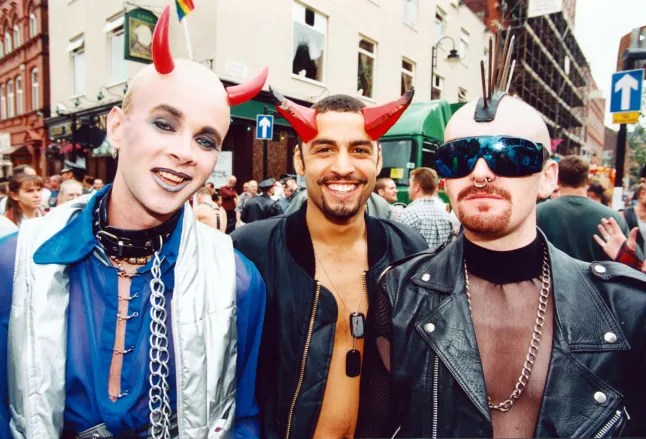
‘The parade changed people’s views and enticed them into our space, to see we weren’t all devils with two-heads’, he jokes. ‘Families coming in together, kids and big burly dads all covering themselves in rainbow and glitter.

‘They’d go back home, to work or to their local bars and people would say: “Been out with the gays, have you?” And they’d say: “Yes I have, and it was a laugh. Come and join us next time!”’

Chris partly attributes this attitudinal shift to the solidarity and support shown to the LGBTQ+ community by Manchester City Council and later the local media.

Revellers at Manchester Mardis Gras in 1995 (Picture: Getty Images Source: Mirrorpix)

‘Supportive councillors like [Labour MP] Pat Karney helped make stuff happen. They’d say, “This will be done. The roads will be closed and we’ll give you a small kickstart branch.” It wasn’t huge amounts, but was still a massive help. 

‘It sent a signal that said “this is OK now,” and was followed by support from BBC Radio Manchester, Piccadilly Radio, the late ‘Mr Manchester’ Tony Wilson and BBC North West.’

As Manchester Mardi Gras continued to grow, for the first time ever, in 1999, the Gay Village was fenced off for the weekend’s celebrations. The parade remained – and still remains – free to attend and allowed party-goers to roam the city centre.

Although the festival went on to be rebranded Gayfest in the early noughties, it was finally christened ‘Manchester Pride’ by the tourist board after the city was chosen to host the esteemed Euro Pride event in 2003.

As the scale of Manchester’s celebration of its LGBTQ+ people began to filter far beyond the city, it prompted other members of the community across the UK to sit up and take notice.

‘Manchester Pride was one of the reasons I moved there’, explains Toby Whitehouse, director and co-founder of national LGBTQ+ radio station Gaydio.

‘I visited and saw this really inclusive, welcoming environment and, as a young gay man, thought “I want a piece of that.”’

The scale of Manchester’s celebration of its LGBTQ+ people began to filter far beyond the city (Picture: Nathan Cox / Getty Images)

Alongside co-founder Ian Wallace, Toby created Gaydio as a pop-up station to complement Manchester Pride and similar events. He’s since worked alongside Pride for almost two decades, during which the Gaydio Dance Arena was introduced in 2013.

‘That was a peak moment for me,’ remembers Toby. ‘We’d covered Pride before, from an editorial perspective, but we’d never had a partnership. Things progressed and we ended up with a 2000-capacity, warehouse style club in a car park in the village.

‘Walking into that space, thinking back to being that young, gay man in the Midlands, I couldn’t have imagined this would be what it would all lead to.’

As Manchester Pride’s profile went from strength to strength, it soon attracted big name talent, with the likes of Alesha Dixon, Blue, Dannii Minogue and Texas all performing over the years.

Rowetta on stage in her famous rainbow feathered dress (Picture: Rowetta Satchell)

One long-time supporter of the event and wider LGBTQ+ community is much-loved Mancunian singer-songwriter Rowetta Satchell, who famously performed as a singer in the Happy Mondays. 

‘I loved performing at Manchester Pride,’ she recalls. ‘My first was in 2005 and Graham Norton introduced me, which was fabulous, and I did it for several years after.  

‘My favourite performance, which many will remember me for, is where I wore a rainbow feathered dress with twelve dancers and brought my mum up on stage to dance with me.

‘Manchester Pride is such an important space for all LGBTQ+ people to feel safe and supported,’ Rowetta continues. ‘I’m very much proud to have been part of that as an ally.’

These days, the event is recognised as not just one of the best Pride celebrations in the UK, but across the globe. 

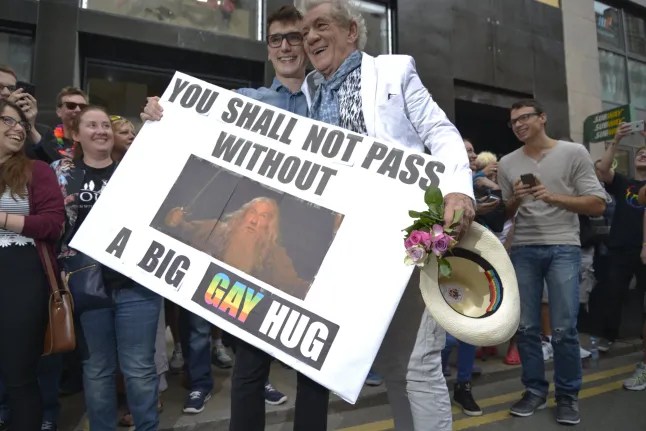
Sir Ian McKellen led the 25th annual Manchester Pride parade in 2015 (Picture: NurPhoto via Getty Images)

‘Over Manchester Pride weekend our hotels are full with visitors from around the world, our bars, restaurants and retailers all have great weekends, and the city and everybody in it always looks fabulous,’ says Victoria Braddock, Director of Marketing at Marketing Manchester.

‘Seeing people get off the train or out of taxis from the airport – wide-eyed, taking in the energy and vibrancy of a city draped in its very best colours always sticks with me. It’s a truly special weekend.’

While 2019 still offered festival-goers the community-focused celebrations with the Gay Village Party, the event also saw the introduction of Manchester Pride Live, a huge outdoor site in Mayfield Depot. ​

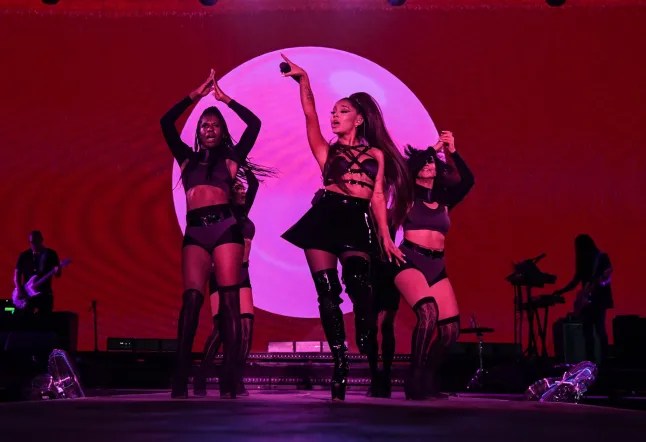
Headlining the event was pop sensation Ariana Grande. This was a particularly raw and emotional performance both for the singer and for the many audience members who had been impacted by the atrocities of 2017, when 22 lives were lost after the Manchester Arena attack during her tour.

Ariana Grande performing on stage during Manchester Pride Live 2019 at the Mayfield Depot (Picture: Kevin Mazur / Getty Images for AG)

Although the pandemic brought events to a standstill across the globe in 2020, the event returned with a bang the following year with performances from Zara Larsson and Katy B, as well as LGBTQ+ talent like Mykki Blanco and DJ Jodie Harsh.

But while many welcomed the return of Manchester Pride Live for a second year, as it brought the elements of a festival-life to a safe, queer space, others felt it detracted from the true meaning of Pride, and priced out many regular festival-goers who couldn’t afford its ticket prices. 

After an extensive consultation process with the local LGBTQ+ community about what form they felt the event should take, it was decided that Manchester Pride Live should be stripped from this year’s event taking place across this bank holiday weekend, with full emphasis placed on the Gay Village Party and its Alan Turing, Mancunity and Cabaret stages. 

‘Our consultation was about ensuring we welcomed people to have a voice, in particular those who might have less of a voice,’ explains Mark Fletcher, CEO of Manchester Pride.

‘We champion our diversity, we aren’t afraid of it. That’s embedded in the fabric of Manchester’ (Picture: Shirlaine Forrest / Getty Images)

‘There was no one clear view, but what was clear was about recognising priorities, and providing more empowerment and support for specific communities.’

Among its commitments, as well as focusing celebrations within the Gay Village, Manchester Pride will prioritise inclusion, safety and accessibility. This has been met with resounding support from the community.

‘Everyone I’ve spoken to is glad to see Pride back in the Gay Village and spotlighting the amazing artists who perform there all year round’ says Monopoly Phonic, a DJ, drag queen and recording artist from Manchester who’s performing at this year’s event.

‘Accessibility in an intersectional way needs to be the way going forward’, agrees Katie Craven, who works at the LGBT Foundation and has worked for the charity at numerous Manchester Pride events. 

‘All members of the LGBTQ+ community [should] feel safe to access events and spaces across the whole weekend.’

Despite Pride continuing to make strides to showcase and celebrate diverse talent, many LGBTQ+ people of colour still face racism within their own spaces.

‘I wish I could say it was shocking but it’s not,’ Mark admits. ‘I’m one of a few queer leaders of colour. I experience and have experienced racism in my life and in this job. For me, what we can do is tackle it and not be afraid.

‘Manchester is such a pioneering city and Greater Manchester communities are thought leaders. 

‘The level of “live and let live” has existed for a long, long time,’ he adds. ‘We champion our diversity. We aren’t afraid of it. That’s embedded in the fabric of Manchester.

‘Pride isn’t for anybody unless it’s for everybody.’

Radio Opportunity

All FM is in need of 8 people from our LGBTQ+ community across Manchester for our Tuesday afternoon project focusing on learning how to make radio shows and the experience of being LGBTQ+.

Anyone interested or know anyone who might be? It’s on Tuesdays from 1.30pm -3.30pm starting 25 February for 6 weeks, followed by a live show a month until September.

We are really in need of folks to join up, we have only a tiny representation on our airwaves. Participants will be trained radio broadcasters by the end – and the whole thing is free.

Can you help? If interested please contact Jane on jane@allfm.org

Rainbow Lottery Super Draw!

Please support Out In The City by buying a Rainbow Lottery ticket or two (or more!)

With each Rainbow Lottery ticket, you are not just entering to win exciting prizes, you are also supporting our mission to support older LGBT+ people.

It’s a vital part of our fundraising as we receive 50p for every £1 spent and you have the chance to win cash prizes each week from £25 for three numbers up to a jackpot of £25,000 for six numbers – while helping us to achieve more for the LGBT+ communities over 50 years.

Buy tickets here.

In this weekend’s Super Draw one lucky supporter will win an annual family membership for English Heritage, the National Trust, and a Merlin Pass too (or of course, £1,000 cash alternative)! 

Play Now!

Precarious Lives … LGBT+ Stories on BBC iPlayer … Bridgewater Hall: Live at Lunchtime … Free concerts at the Royal Northern College of Music and University of Manchester

News

Precarious Lives

It is becoming increasingly evident that many LGBT+ people face financial and material problems in later life. Despite this, there has been little research to date as to why these problems are so prevalent.

On 25 February Tonic Housing is publishing a major study, entitled Precarious Lives, that explores financial and material hardship among LGBT+ people in London aged 50 and above. There are four themes in their research:

Discrimination – They look at the long-term impact of discrimination on the financial wellbeing of older LGBT+ people, and at the intersectional nature of this problem.

Social isolation – They explore the high levels of social isolation, and the low expectations of institutional support, among older LGBT+ people, and how these affect financial wellbeing.

Long-term health conditions – They look at the high levels of disability among older LGBT+ people, how disability can increase social isolation, and how both impact financial health.

Financial stress – They show how living in London is a mixed blessing for older LGBT+ people, exploring factors such as the precarity of life in the private rental sector.

Launch / Webinar

Precarious Lives will be launched with a webinar. This 90-minute event will be on Tuesday, 25 February at 10.30am – 12.00 noon.

To register for the webinar please click here.

Participation is free. The event will be held on Zoom.

The webinar will be chaired by Baroness Barker (House of Lords). It will include short presentations by:

Report

The report will be published on Tuesday 25 February, and will be available from that date.

Credits

The first phase of Precarious Lives was organised by the charity Opening Doors, which sadly closed in February 2024, after which Tonic took on this important project. They would like to thank all of the older LGBT+ people who answered the survey and took part in the focus groups and interviews, as well as the panel of specialists in the Advisory Group. Precarious Lives has been funded by Trust for London.

LGBT+ Stories on BBC iPlayer

This LGBT+ History Month dive into comedies, dramas and documentaries celebrating the LGBT+ communities in all its fabulous forms.

There are lots of programmes on the BBC iPlayer including:

Gentleman Jack

Halifax, 1832. Anne Lister shakes up her shabby ancestral home, determined to restore its fortunes and find herself a wife.

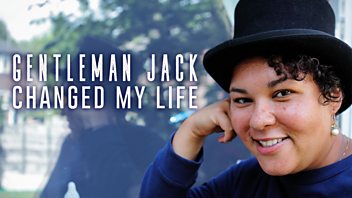
Gentleman Jack Changed My Life

Six British women rediscover their sexuality, come out to themselves and their families, and rekindle long-lost love after watching drama series Gentleman Jack.
Gateways Grind: London’s Secret Lesbian Club

Sandi Toksvig goes behind the iconic green door of one of the most famous lesbian venues in the world, The Gateways Club.

HIV, PrEP and Me

Dan Harry explores how a drug that has contributed to a steep decline in HIV rates among gay and bi men could help end new HIV infections across the UK. 

Olly Alexander: Growing up Gay

Documentary in which Years and Years frontman Olly Alexander explores the mental health issues faced by members of the LGBT+ community.

A Change of Sex

Groundbreaking BBC series that follows Julia Grant’s life as a transgender person, from her first year living as a woman to her gender reassignment surgery and beyond.


🎵 Season Just Announced! Live at Lunchtime 2025 🎵

All concerts are free, unticketed events in the Stalls Foyer – just turn up!

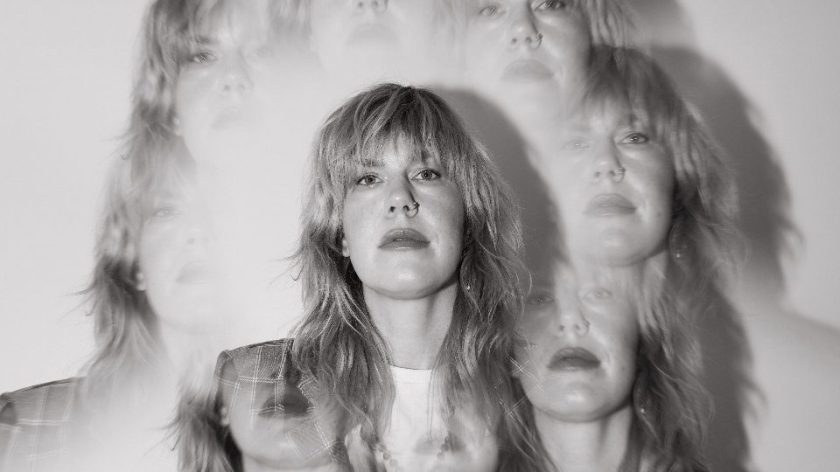
Run Remedy

Friday, 2 May 2025 – 12.45pm to 1.30pm

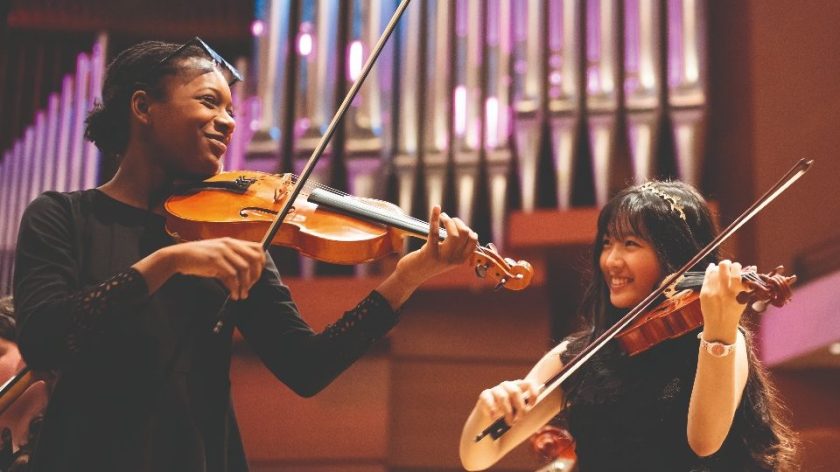
Chetham’s School of Music

Friday, 9 May 2025 – 12.45pm to 1.30pm

The Apple Sellers

Friday, 16 May 2025 – 12.45pm to 1.30pm

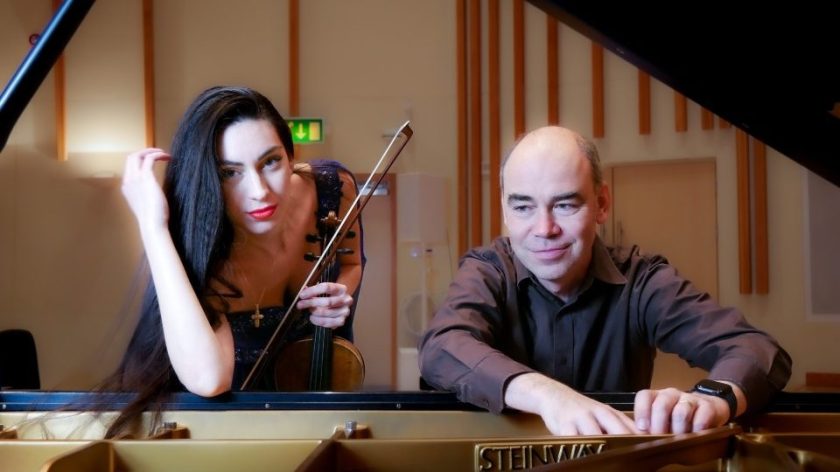
Lorena Paz Nieto & Helen Glaisher-Hernández

Friday, 23 May 2025 – 12.45pm to 1.30pm

Dimitra Ananiadou & Richard Whalley

Friday, 30 May 2025 – 12.45pm to 1.30pm

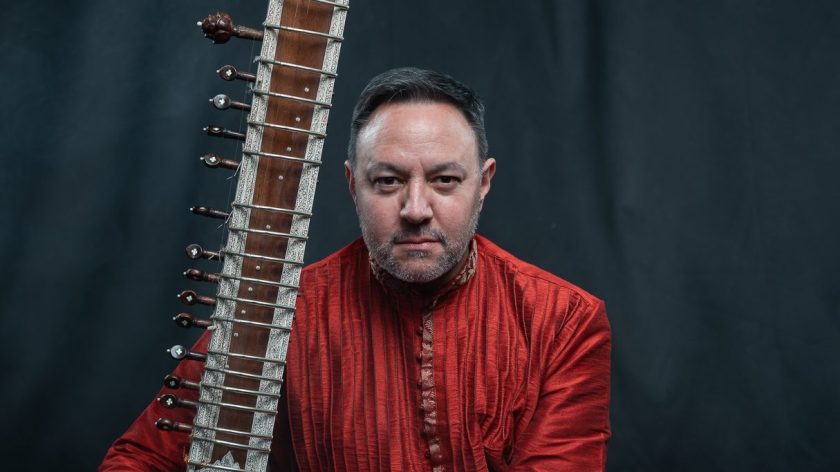
Music for the Mind and Soul: Jonathan Mayer & Kousic Sen

Friday, 20 June 2025 – 12.45pm to 1.30pm

Hannah Brine

Friday, 11 July 2025 – 12.45pm to 1.30pm

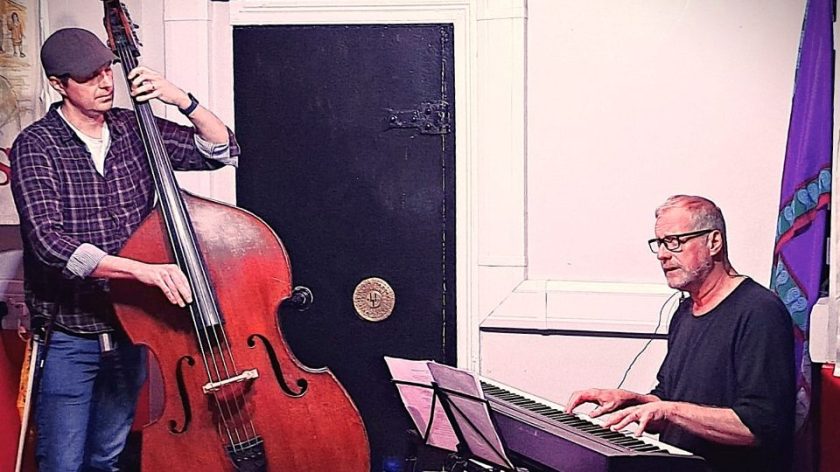
Union Chapel Jazz Band

Friday, 1 August 2025 – 12.45pm to 1.30pm

Canter Semper

Friday, 5 September 2025 – 12.45pm to 1.30pm

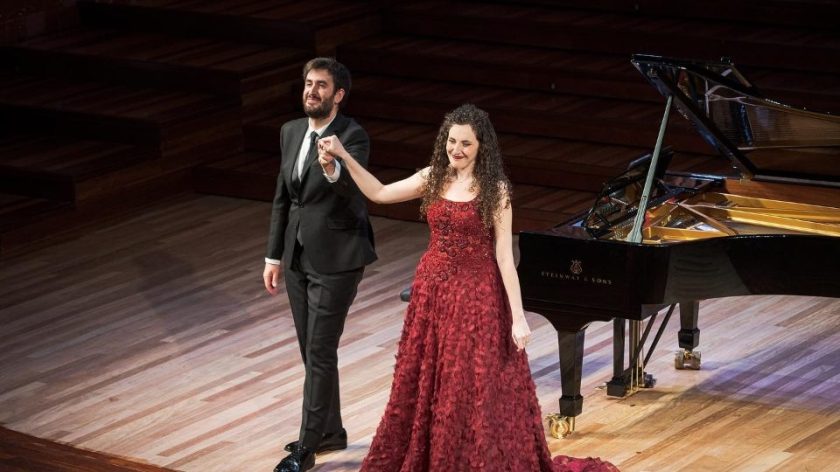
Duo Gimeno-Sanchís

Friday, 12 September 2025 – 12.45pm to 1.30pm

So Many Beauties Collective

Friday, 19 September 2025 – 12.45pm to 1.30pm

Tracey Browne

Friday, 26 September 2025 – 12.45pm to 1.30pm

In addition to the above there are free concerts (with a ticket) at the Royal Northern College of Music, 124 Oxford Road, Manchester M13 9RD.

Get tickets via box office 0161 907 5555 on Mondays and Thursdays from 2.00pm to 5.00pm or via the website rncm.ac.uk

The upcoming concerts are:

Monday, 24 February – 1.15pm – Violin and piano duos by Brahms and Wieniawski

Thursday, 27 February – 1.15pm – Kai Strobel directs the RNCM Percussion Ensemble

Monday, 3 March – 1.15pm – Piano music by Chopin and Beethoven

Thursday, 6 March – 1.15pm – RNCM Guitars with director Craig Ogden

Monday, 10 March – 1.15pm – Two duos from the Popular Music course

Wednesday, 12 March – 1.15pm – European Chamber Music Academy Recital

Thursday, 13 March – 1.15pm – Kleio Quartet performs Bach and Bartok

Monday, 17 March – 1.15pm – Duos by Mangani, Mellits and Bowen

Thursday, 20 March – 1.15pm – Harp students perform

Monday, 24 March – 1.15pm – Soprano and piano duos by Burleigh and Falla

Thursday, 27 March – 1.15pm – Chamber music from Silja Trio and Palmieri Piano Quartet

Monday, 31 March – 1.15pm – Sonatas by Schubert and Harberg

Thursday, 3 April – 1.15pm – Rob Buckland directs the RNCM Saxophones.

Also The Martin Harris Centre for Music and Drama at The University of Manchester have a dynamic arts programme. There are 20 music concerts, open to the general public, free of charge and no booking necessary. For details see: http://www.manchester.ac.uk/mhc

Happy Valentine’s Day! … Edmund White … Manchester’s Gay Village in 1995

News

Happy Valentine’s Day! from Out In The City to YOU!

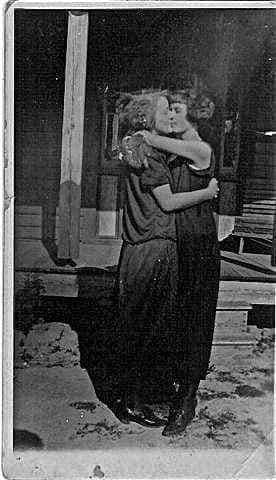
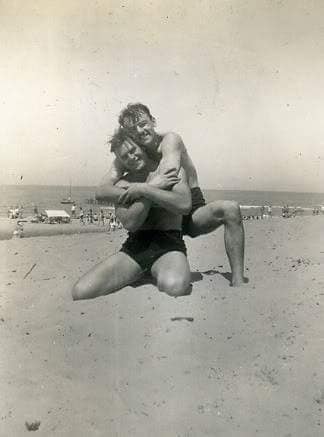
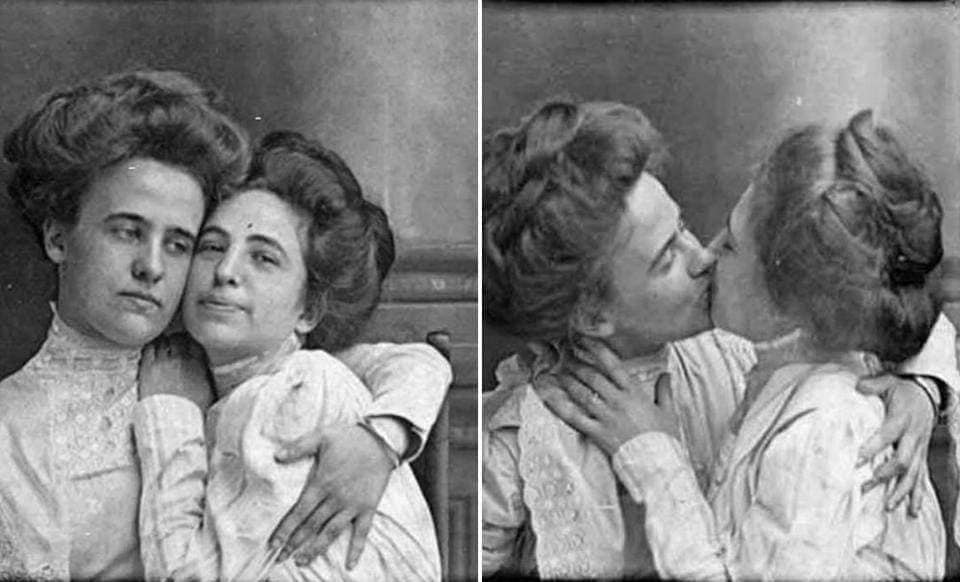
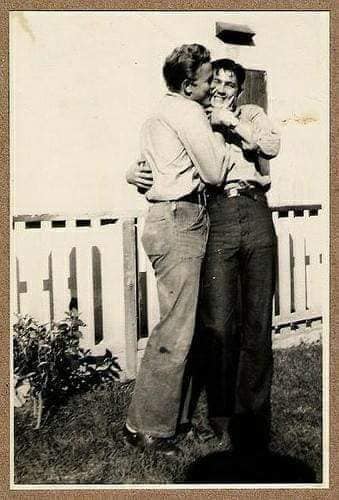
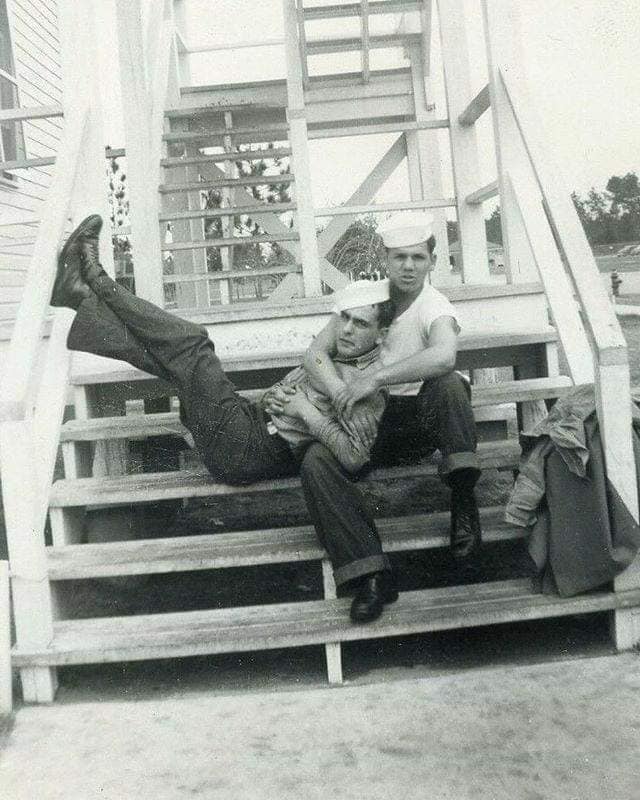
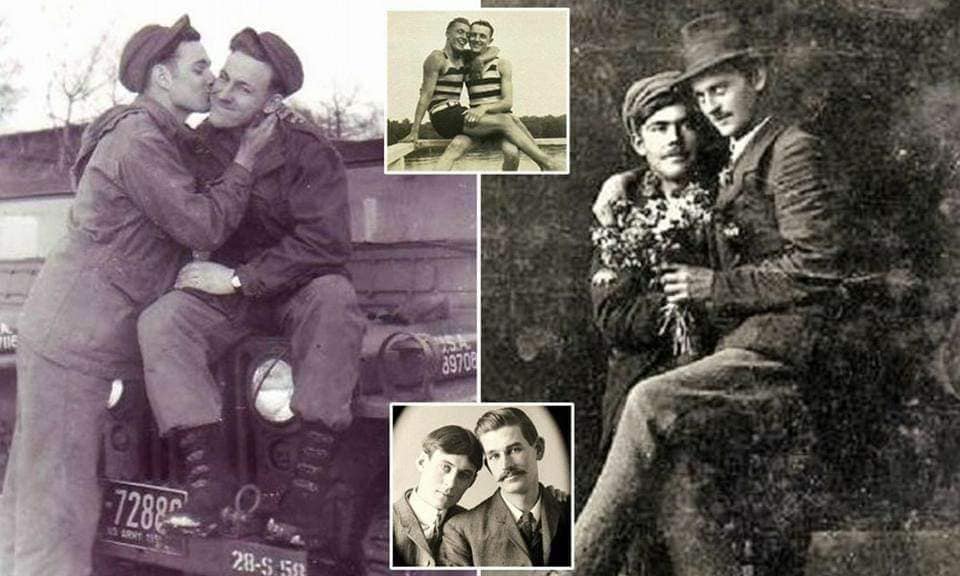
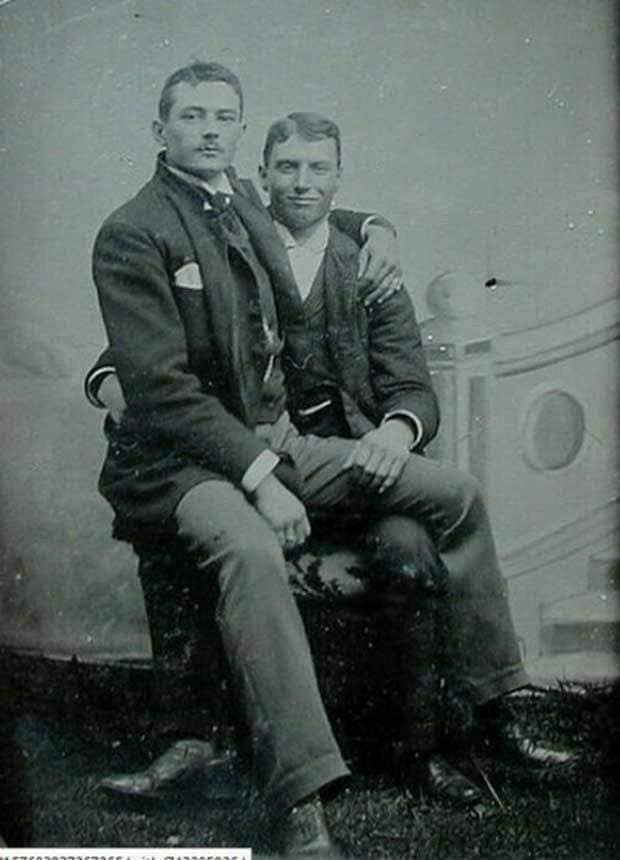
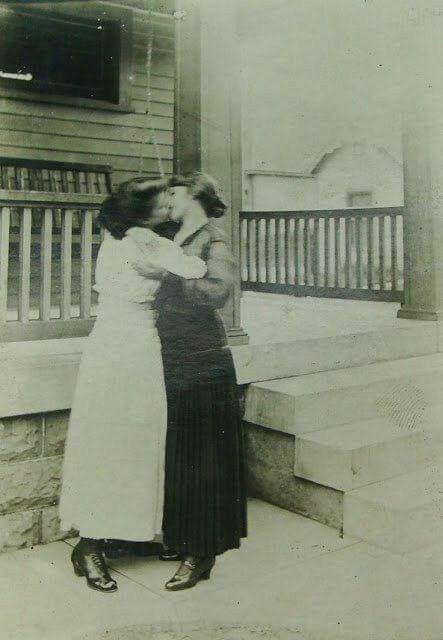
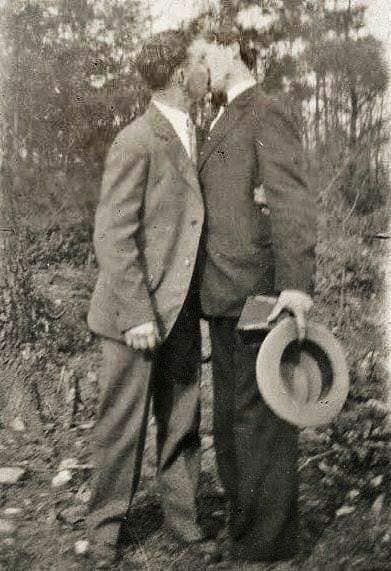
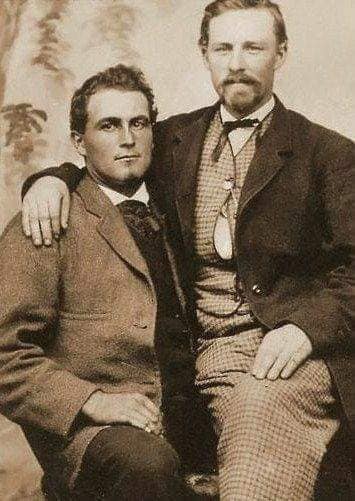
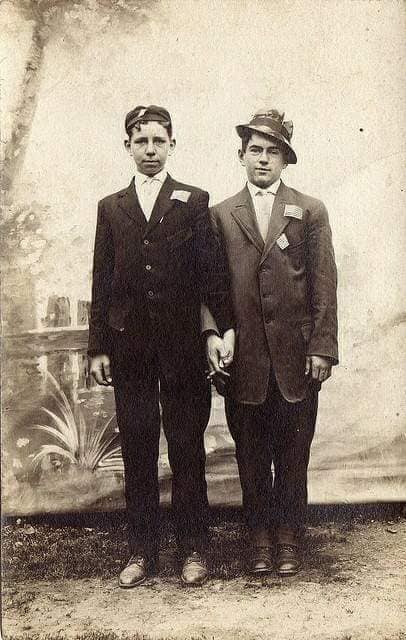
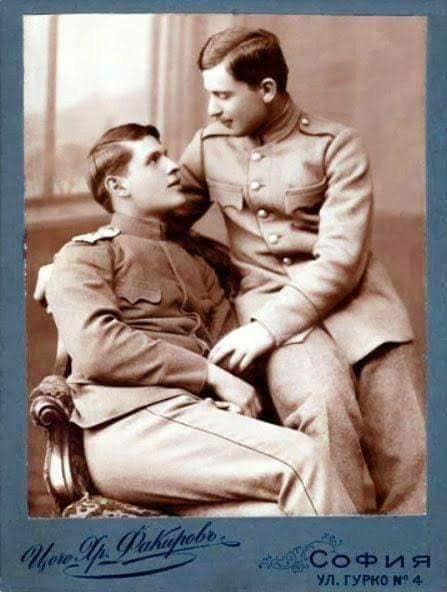
We’ve always been here!

Edmund White on lust, love and literature

‘I thought it was quite normal to take a break from writing and have sex with 20 men in a truck’ … American novelist Edmund White at home in Chelsea, New York, December 2024. Photograph: Amir Hamja / The Guardian

“I think the French are best in bed, because they’re the most perverted,” the great American author Edmund White divulges from his book-crammed apartment in Chelsea, New York. In France, he says: “All kinds of vices are allowed and encouraged. Although I’ve had wonderful sex with English people,” he adds, kindly.
Is there any sex act at which he would draw the line? “Um, no,” says the 85-year-old, barely pausing to consider the question.

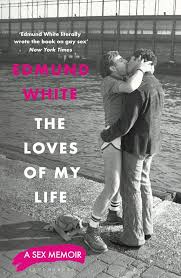
White is certainly an authority on the subject of sex. For a full 20 years, he reckons, he “tricked” with three different men each week. In fact, he has had so much action that this pivotal figure in gay literature – who has written more than 30 books and whose 80s trilogy of semi-autobiographical novels starting with A Boy’s Own Story is a key plank of the queer canon – has now devoted an entire memoir to his sexual exploits. It’s called The Loves of My Life. Why not The Shags of My Life? “Somewhere in the book I say that, like Jean Genet, I never experienced sex in a pure state,” he says. “I always had some affection for the person, or felt some love.”

‘I moved to France, partly because I wanted the party to go on’ … White by the Seine, Paris, 1986. Photograph: Rue des Archives / Louis Monier / Writer Pictures

There was certainly plenty of love to feel. In New York during the 70s, the author writes: “I thought it was quite normal to take a break from writing at two in the morning, saunter down to the piers, and have sex with 20 men in a truck. When I wrote that I’d had sex over the years with 3,000 men, one of my contemporaries asked pityingly: ‘Why so few?’”

The Loves of My Life tears down taboos on virtually every page and is frequently hilarious. “When I started the book I thought, this will never be published,” White says. “But I got a wonderful review in Harper’s magazine by a man who identified himself as heterosexual but said: ‘This book made me wish I were gay.’ That seems very funny to me. In the 70s, straight critics would greet my work with the words: ‘I, comma, a heterosexual …’”

Over the course of his long life, White has seen homosexuality go from a terrible secret whose disclosure could ruin lives, through gay liberation, AIDS, apps such as Grindr and the sexual fluidity of Gen Z. The Loves of My Life details White’s sex life, from his youth as a recklessly horny gay teenager in the repressive 50s to his current relationship with Rory, a younger man with whom he interacts mainly on Skype. “He keeps annoying me, wanting to have sex, but I don’t really want to do it,” White says, adding that age has now extinguished his libido. “Most people my age who want to remain sexually active take male hormones, but I can’t because I have a heart problem.”

“Rory was my student,” says White, who has been a professor of creative writing at Princeton University since 1998. But surely it’s an abuse of power to have sex with people you’re meant to be supervising? “Well, in all my years of teaching in maybe 10 different universities, I never had sex with a student while he was a student,” he replies.

Was there anything White didn’t put in the book because it was too shocking? “So many of my novels have been about sex or contained lots of lurid passages,” he says. “I didn’t want to repeat anecdotes from previous memoirs” – this is his fifth (the previous one, The Unpunished Vice, was about his life as a voracious reader) – “so I came up with new ones.”

Characters include Keith McDermott, the gorgeous star of the stage play Equus, who lies in bed beside him but doesn’t put out (“I was content to have that constant access to his beauty and company”); the alarming gerontophile Pedro, who beats him up in drunken rages; and the bearded “satyr” he meets in a 70s bathhouse who “impaled me as if he were a warrior-priest and I an unstoppable vampire” – their furious congress in the bushes on Fire Island leaves White with poison ivy welts all over his body.

Others in the book’s teeming cast include a meth-addicted Mormon hustler he takes to the Edinburgh books festival (“he enjoyed it thoroughly”); a heterosexual hippy who flees midway through the act; a Scottish sadist who sports a cock ring under his sporran; two women he gets engaged to in his 20s and whom he hopes might turn him straight; and stoned friends with benefits “feasting on hard cock” in 70s New York. There is a furtive encounter in a Spanish bullring during the Franco era (where he gets robbed at knifepoint by a man who knows that White can never report him to the fascist authorities without disclosing his then-illegal sexual behaviour), and alfresco frolics on Hampstead Heath during trips to London, where, he says: “I must have felt or been felt by hundreds of men.”

Michael Carroll, his husband and partner of almost 30 years, gets a passing mention or two, but White says he is loath to write about him in case he loses this precious relationship. Like Vladimir Nabokov, he says: “I’ve always thought that writing about someone is the kiss-off.” Sex during marriage isn’t something White’s otherwise comprehensive book covers, either. “Michael has a full-time lover who lives with us,” the author says. “We’re very, very close, but not sexually.”

‘I always felt the best gay bars in New York were the hustler bars’ … White in New York, 2000. Photograph: David Corio / Getty Images

While the book has plenty on sex as hedonism, there’s not much on sex as an expression of tenderness or intimacy. “Well, I hate cuddling,” White says. “I would rather die than cuddle with somebody. I just find it cloying and annoying, somebody who strokes your hair when you want to be left alone. I was fortunate that when I wrote The Joy of Gay Sex” – a pioneering sex manual published in 1977 – “I collaborated with Dr Charles Silverstein because I think if I wrote it alone it would have been called The Tragedy of Gay Sex. He brought in the warm, cuddly part.”

White adds that his interest in sex with someone tended to wane after the initial excitement, an exception being Aaron, the Mormon hustler. “I probably had more sex with him than anybody, even though I had to pay for it.”

White is unashamed about paying for sex and has done so since his teens. The first sex workers he hired were Kentucky “hillbillies” who charged $10 a time. In his 30s, by which time he was a writer, he would order a sex worker to come over to his place at 3.00am. “That would keep me at my desk until then. You’d call up the madam and say: ‘I want a six foot two blond,’ and he’d say: ‘Hold on, doll’, arrange it all and then the most exciting moment would be hearing the footsteps on the staircase.”

In the 80s, he would holiday in a Cretan village where “everyone was available for a price, even the mayor”. What does he say to the accusation that paying for sex is exploitative? “Well, who’s exploiting who, I wonder?” White says. “I always felt the best gay bars in New York were the hustler bars, because while everyone was giving each other the cold shoulder in normal gay bars, in the hustler bars everyone was jabbering away because they were either buying or selling. It was partly mercantile, but it was also a ‘we’re all in this together’ kind of feeling.”

White’s sexual obsession started when he was growing up in a well-to-do family in Chicago. “I would be horny all the time,” he says. “I would look up the word ‘homosexual’ in the dictionary and get very excited just by seeing it.” Queer representation was almost nonexistent: the first book he read that had any kind of gay theme was Thomas Mann’s Death in Venice, about an ailing writer’s obsession with an adolescent boy, “which isn’t very positive, but it is about desire. I read also Plato quite young, which was eye-opening about love between members of the same sex.”

He lost his virginity at 13 and the most alarming passages in The Loves of My Life are the ones in which White remembers encounters with much older men. He also describes seducing schoolmates, such as the “underwashed” youth of whom he writes: “I’d been telling him that gays gave better blowjobs than girls and, with scientific curiosity, he pulled out a musty boner. When we’d finished, he said with ruthless objectivity: ‘That wasn’t that much better.’”

‘I always had this rebellious streak’ … White in London, July 1983. Photograph: Graham Turner / The Guardian

 White found his tribe in 60s New York. One June evening in 1969, he and a friend came across a disturbance in Greenwich Village at a dodgy mafia-run gay bar, the Stonewall Inn. “We noticed there was a police wagon and all this brouhaha, and we stayed and watched the riots. I was such a middle-class twerp that I kept saying: ‘Come on, guys, relax! You know that you’re breaking the law?’ Before Stonewall, White writes in the book, gays had always fled from the cops for fear of being arrested and jailed, but “these Stonewall African Americans and Puerto Ricans and drag queens weren’t so easily intimidated. They were used to fighting the police.”

The Stonewall riots launched the gay liberation movement and, White writes, “inaugurated an epoch when partners of the same sex could claim, maybe for the first time in history, their common humanity, their dignity, their rights”. Gay culture went overground and the gay populations of New York and San Francisco boomed, along with several other cities White went on to explore for his riveting 1980 travelogue States of Desire: Travels in Gay America.

Then on 3 July 1981, the New York Times ran a piece with the headline: “Rare cancer seen in 41 homosexuals”. It was the first knell of AIDS, a pandemic that would lay waste to those nascent gay communities and go on to kill an estimated 42 million people. White was one of five co-founders of the Gay Men’s Health Crisis, the first organisation aimed at combating AIDS. “I knew I should take the whole thing seriously,” he says, “but I moved to France, partly because I wanted the party to go on, for myself at least, and then it caught up with me there too.”

White was diagnosed HIV positive in 1984. “I wasn’t surprised, but I was very gloomy,” he says. “I kind of pulled the covers over my head and thought: ‘Oh gee, I’ll be dead in a year or two.’ I did have a number of opportunistic diseases, like shingles, but it turned out that I was a slow progressor.” White’s T-cells, which fight infection, were declining, but much more gradually than those of other people with HIV, “and by the time they got dangerously low there were the new drugs, and so I survived. But I didn’t think I would.”

For White, sex and erudition have always gone hand in hand, so one final question. Are people better off reading lots of books, or having lots of sex? “Well, it depends on their age,” White replies. “If they’re as old as I am, then books are a bit better. But if they’re young, they should have lots of sex.”

The Loves of My Life was published on 28 January by Bloomsbury, £20. 

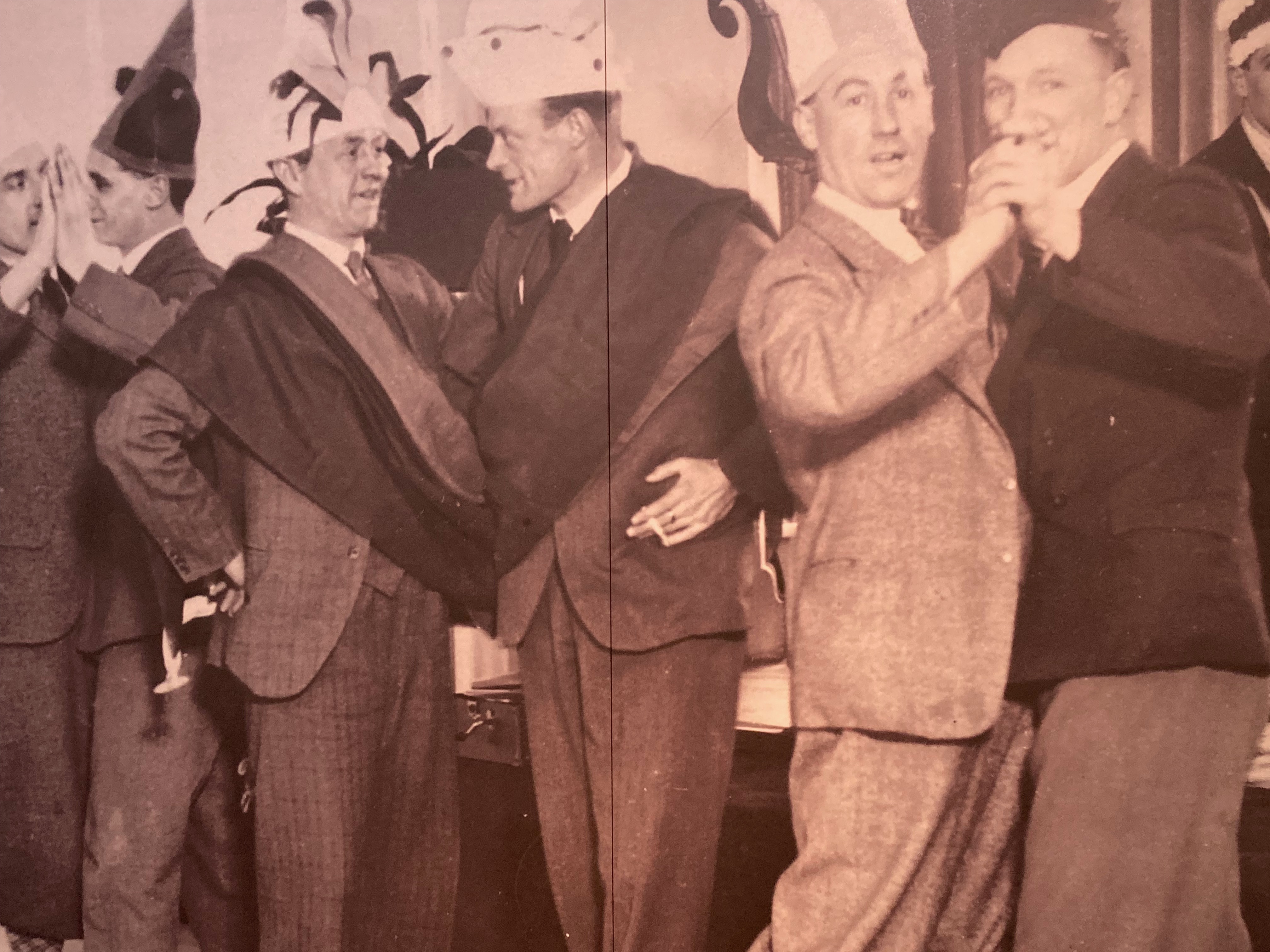
Manchester’s gay village in 1995, presented by David Hoyle for Granada TV:

LGBT+ History Month at People’s History Museum … Queer Treasures at Manchester Central Library … Keith Haring Biography

News

LGBT+ History Month Archive Exploration at People’s History Museum

We explored this year’s theme of “Activism and Social Change” by delving into the People’s History Museum’s incredible archive collections.

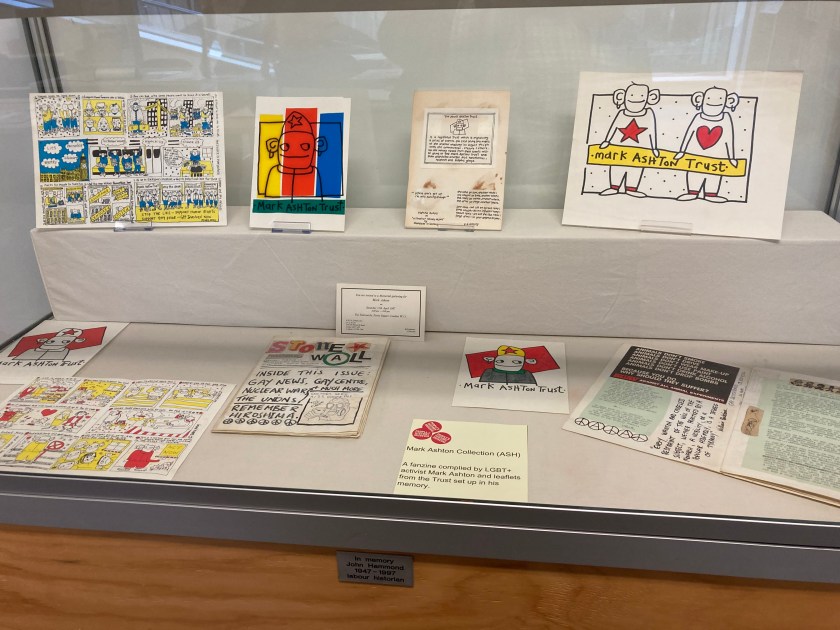
Collection of Mark Ashton

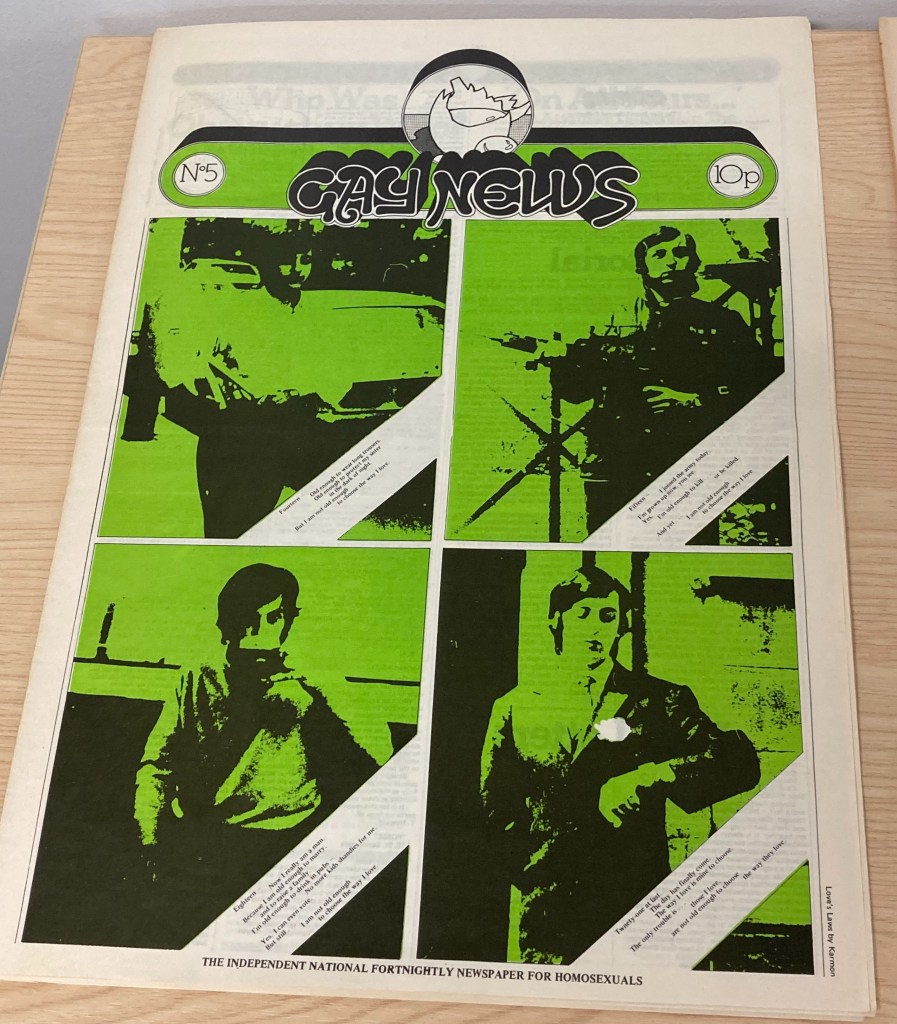
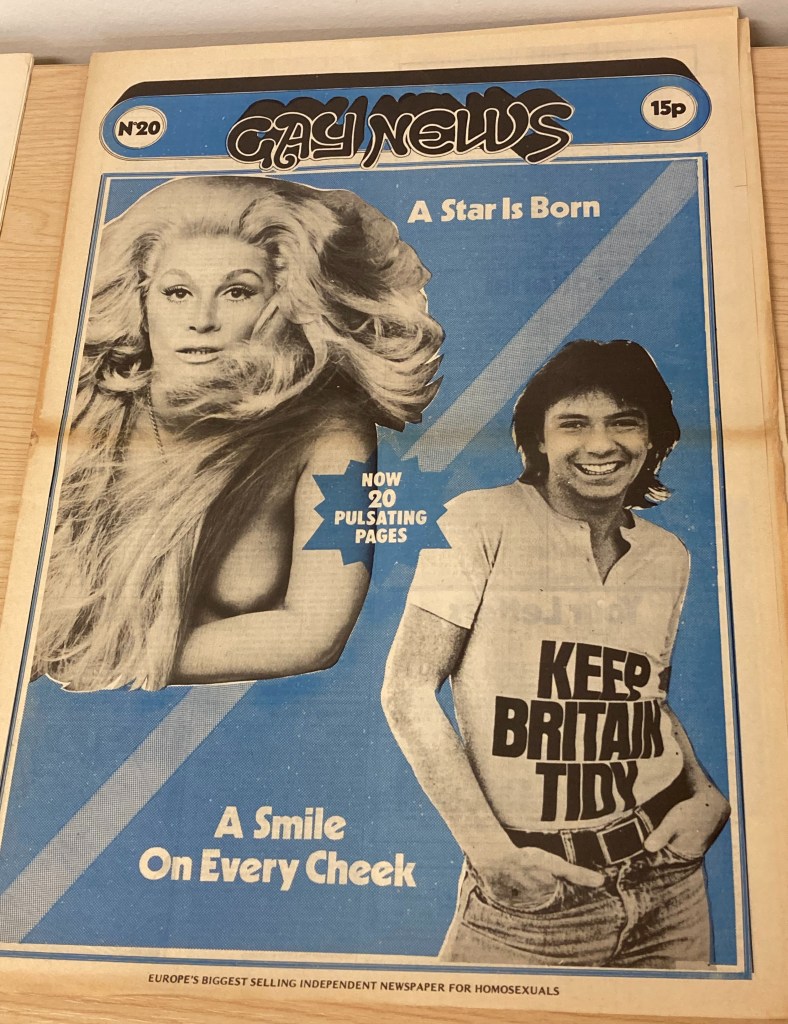
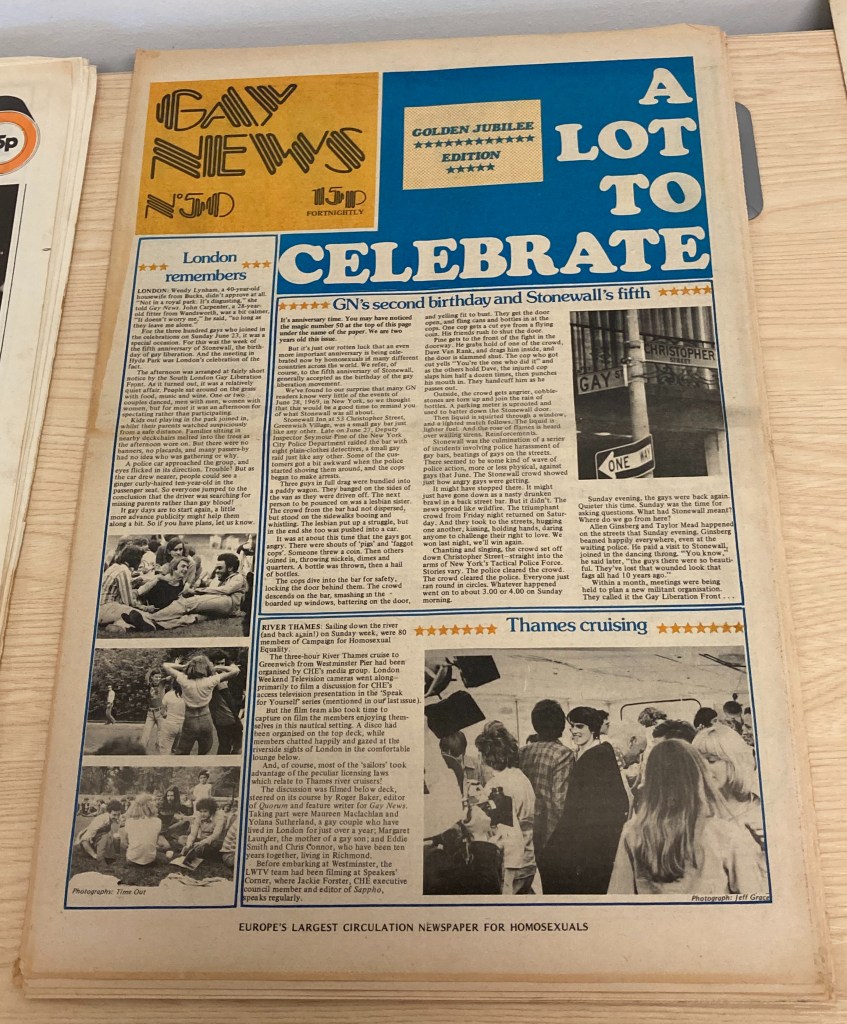
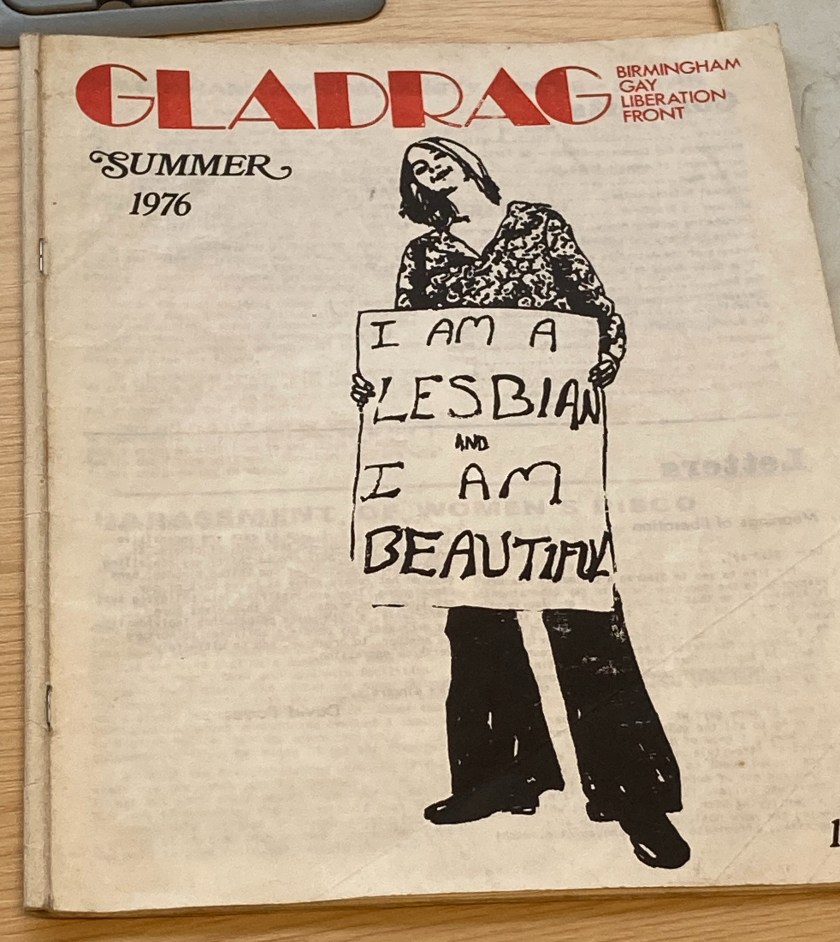
These included the archive of Lesbians and Gays Support the Miners (LGSM), collection of Mark Ashton, the co-founder of LGSM, papers of Michael Steed, former chairman of the Campaign for Homosexual Equality and papers of Hugh Fell, former secretary of the North West Campaign for Lesbian and Gay Equality. There were copies of Gay News – Europe’s Biggest Selling Independent Homosexual Newspaper.

The documents included the following article:

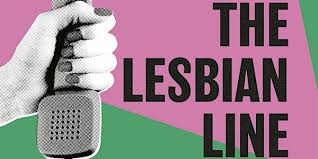
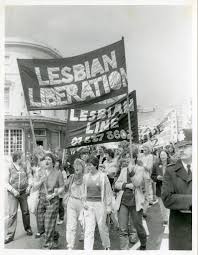
Lesbian Line (This article was written by G in 1979)

“A woman rings the line. As she talks it is like hearing a voice from the past. The same desperation. Isolation. Pain. Loneliness.

And before long … ‘perhaps it is just my cross to bear in life. I had just better get on with it.’

Stop. How can I make this woman understand? How to make her see her lesbianism in a positive light? It is beautiful. I am a lesbian, I know. Set yourself free. Come and see us, see for yourself … don’t hang up on yourself. The bonds break slowly. Words come more easily. The woman’s voice rises to a pitch and finally … she laughs. Good.

150 Calls

That is what Lesbian Line exists for. This is who it exists for. The first telephone service for women run by women.

We get 150 calls a week on average – most of them from first-time callers. The need is great and if only we had enough money, we could probably double or treble that number.

Lesbians are everywhere – from John O’Groats to Lands End. In launderettes surrounded by kids while hubby puts his feet up by the fire; 18-year-olds in the arms of incredible hulks trying to pretend they don’t have feelings; in colleges; on buses; in hospitals; on television in parliament – everywhere.

Perverted Notions

We are black, white, brown, yellow, fat, thin, Jewish, catholic, atheist, whatever.

I felt like that woman on the phone once too! Judging myself a freak because of other people’s perverted notions. Wasting my life and love away so that I could glide in white down some aisle to keep society happy.

Then at last I came out to myself – and that is the most important way of coming out. And I remember the beginnings …

‘We can cure you,’ the male psychiatrist said. ‘We can give you electric shock treatment if you want.’

I just stared blankly at him. A feeling of nausea gripped me. ‘Sick, sick’ I kept thinking.

Finally I asked him, academically: ‘And have you any idea who I would be afterwards?’

He did not answer. Any negative feelings I had about being a lesbian disappeared in that moment. Rage became my most dominant emotion.

‘I am a lesbian,’ I said clearly, ‘and I want to stay that way,’ – and I got up and left the room.

Four words, but those four words – ‘I am a lesbian’ said proudly and defiantly were enough. I was on my way.

It sounds corny, but the re-birth had started. My first real words as ME. Years of growing up in a world of heterosexuality fell away. A new world opened up.

Life begins here, whether you are 21 or 65!

Lesbian Line is itself only two years old. It was born when women working with men on other gay telephone lines broke away to form their own group. Only women are really equipped to talk to and help other women. Many men, gay or not, still view women negatively. Many lead very different life-styles to women.

It might become clearer if I tell you that that male psychiatrist was also gay (as I later discovered). Not, of course, that all gay men would act this way – but there is a difference.

Back to the phone. Eureka! The woman says she will come to one of our afternoon socials, perhaps even to a disco.

I can’t help feeling this is the start for her. Maybe it will be her, some time in the future, on this end of the line helping other women to do the same. Perhaps it will be her going out giving talks to groups about our work, writing articles, spreading knowledge.” 

We then joined a guided gallery tour, which included various banners and other items.

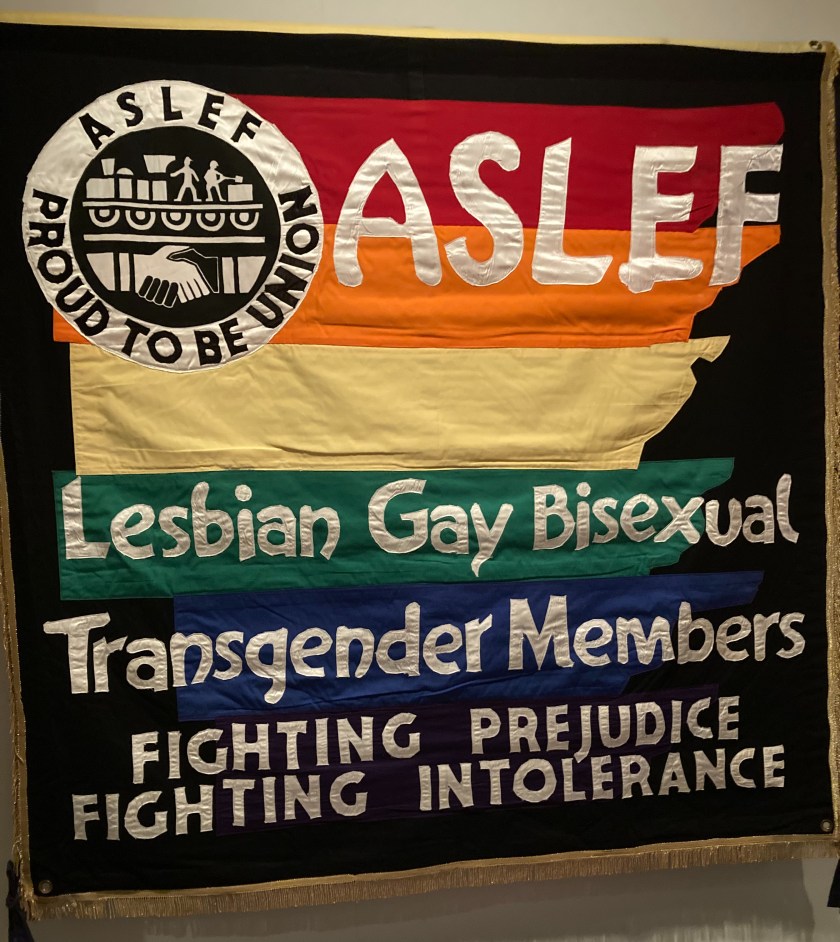
ASLEF Lesbian Gay Bisexual Transgender Members Banner 2005

The Associated Society of Locomotive Engineers and Firemen (ASLEF) is the train drivers’ union. In 2000 ASLEF established equalities committees for its members, to represent women, LGBT people and people of colour. The committees’ roles were to challenge ignorance and prejudice within the union.

In December 2001, the union’s LGBT Representative Committee distributed ‘Facing Points’, a newsletter for LGBT members. The title refers to members ‘facing up’ to their true identities, and being proud of who they are.

The newsletter highlighted the committee’s key aims to outlaw homophobic bullying in the workplace and to establish legal protections for trans people.

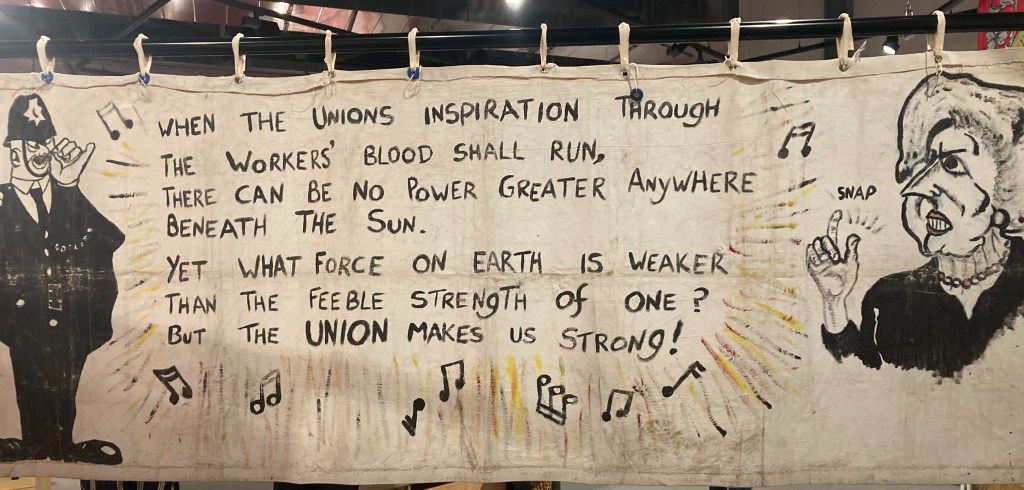
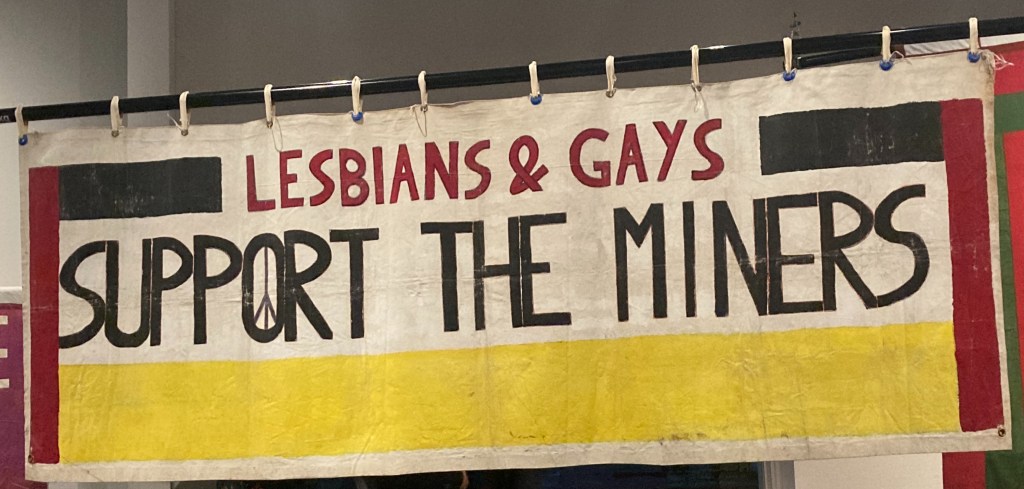
Lesbians & Gays Support The Miners Banner, 1984 (made by Mark Ashton)

Lesbians and Gays Support the Miners (LGSM) was formed during the Miner’s Strike in 1984. LGSM’s main aim was to raise money for the striking miners and their families.

The group raised about £20,000 with events such as the benefit concert ‘Pits and Perverts’. This money helped miner’s families survive the winter.

Although small, this campaign group was significant. A bond formed between miners and the LGBT+ community, which lasted long beyond the strike. Miner’s groups were outspoken supporters in the 1988 campaign against Section 28, government legislation which banned schools and local authorities from ‘promoting homosexuality’.

On the banner’s reverse is the first verse of ‘Solidarity Forever’, a song composed in 1915 by American Ralph Chaplin, inspired by a miners’ strike in West Virginia, featured alongside a caricature of the UK Prime Minister at the time of the 1984 to 1985 Miners’ Strike, Margaret Thatcher.

Queer Treasures at Manchester Central Library

This is the first of a short series of articles about queer treasures that are currently to be found in the Archives held at Manchester Central Library.

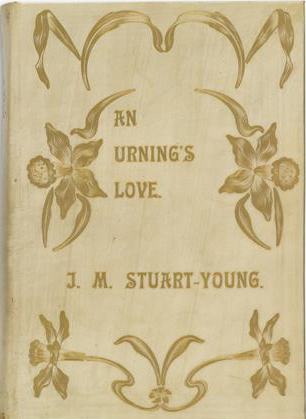
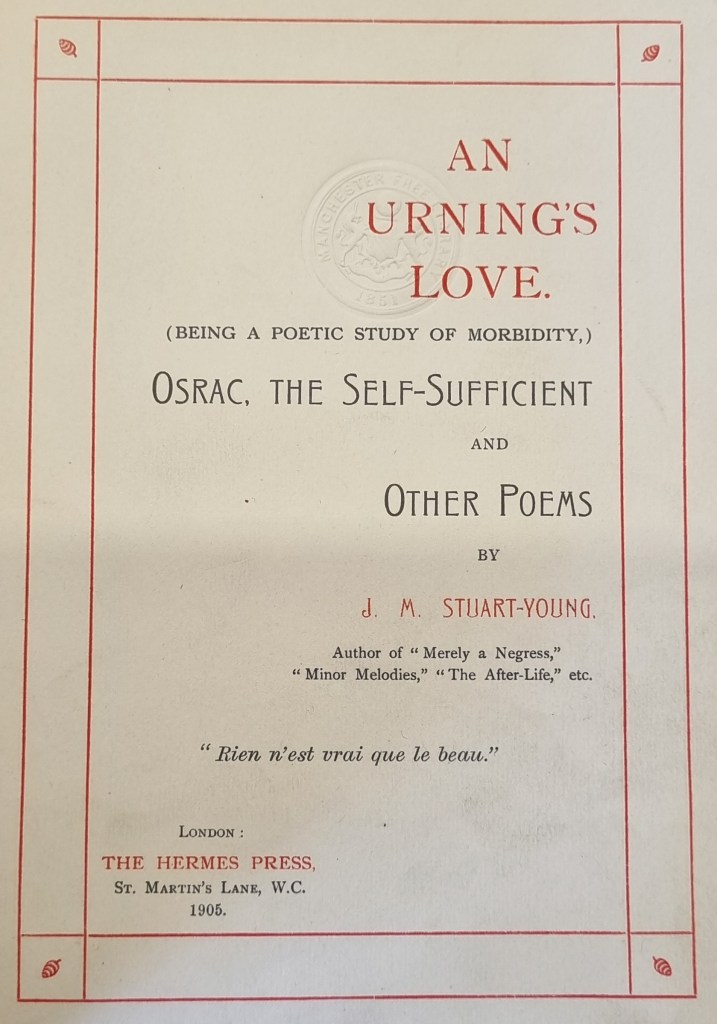
‘An Urning’s Love’ by John Moray Stuart-Young

In his seminal book on the Uranian Poets, Timothy D’Arch Smith highlighted the work of the Manchester-born writer, John Moray Stuart-Young. ‘Uranian’ was the name D’Arch Smith applied to a group of British poets who were active during the late 19th and early 20th centuries and whose work celebrated love between males. The name ‘Uranian’ was taken from Plato’s Symposium, where the male lovers of their own sex were regarded as devotees of ‘Aphrodite Urania’, who represented the purest, most devoted and selfless of lovers. It was also a word used by some of the poets that D’Arch Smith studied to refer covertly to male same-sex love. Ancient Greek models of male friendship inspired almost all of these writers, but many were also influenced by the work of those early German pioneers in the study of Sexology, such as Karl Heinrich Ulrich, Adolf Brand and Magnus Hirschfeld. And, in 1862, Ulrich coined the word ‘Urning’ to refer to a man who exclusively loved other males – hence the book’s title refers to those males loved by the poet. (*1)

Stuart-Young’s life story would warrant a series of articles in itself. However, briefly, he was born as plain ‘John James Young’ on 3 March 1881 in Ardwick into a poor working-class family; on leaving school he worked as a clerk until, in 1899, he was sentenced to six months hard labour at Strangeways, following his conviction for fraud. Throughout his life he claimed to have had an intimate friendship with Oscar Wilde, who was the subject of a number of his writings. Shortly after leaving prison he went to work as a palm oil trader in Nigeria and died at Port Harcourt on 28 May 1939 from throat cancer. Despite the ignominy of his early life in Britain, in Nigeria he lived successfully as a trader and as a poet, enjoying a number of personal relationships with other males. When he passed away he was lauded in the Nigerian press as a literary giant.

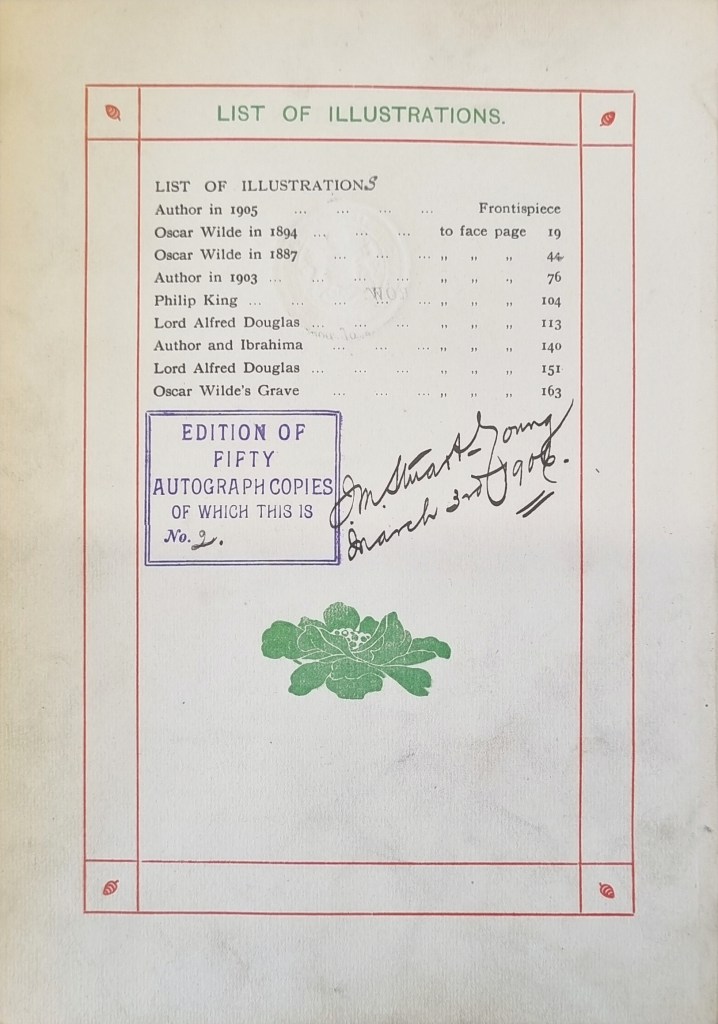
‘An Urning’s Love’ is a beautifully produced volume of homoerotic poetry, interspersed with essays. Printed in 1905 and bound expensively in vellum with gilt floral decorations, Stuart-Young produced the book whilst staying in Ardwick Green. The Central Library Archives holds copy no 2 (of a limited edition of 50 autographed copies), which was presented to the Library by Stuart-Young himself on 3 March 1906. The book has gilt-edged pages and is illustrated with coloured engravings, rubric page-framing and photographs. The title page bearing the motto in French, ‘Rien n’est vrai que le beau’ (Nothing is true but beauty), pays homage to Plato’s philosophical writings. Stuart-Young writes that the book was dedicated in particular to Daniel Derow ‘in memory of those wonderful days when we stood together on the threshold of manhood and chiefly because you remain my friend, loyal and tried’ (p7). Sadly, little is known now about Derow, though clearly he was hugely important to Stuart-Young. In his Introduction, Stuart-Young pays fulsome tribute to Oscar Wilde (whom he sometimes refers to by the anagram of ‘Osrac’), and to ‘those thousands of dreamers, to whom Nature has given a tender feminine soul encased in a masculine form’ (p7). He goes on to define ‘Urnings’ as ‘nature’s paradoxes, men who seem women, women who appear to be men, of whose company Sappho, Michelangelo and Shakespeare were members, and who will continue to appear so long as the world exists’, and lauds Oscar Wilde as ‘the veritable Urning of our times’ (p8).

His panegyric to Wilde reaches its zenith in his essay on him entitled ‘Osrac, the Self-Sufficient’ (*2) which details Oscar’s life and works and reproduces letters and an autographed picture he says he received from Wilde, which bears the inscription, ‘September 1894 Oscar Wilde to Johnnie’ (p18). A few of the poems in the volume are addressed to women, which conveniently acts as a cover for the many that are addressed to men. Also, the word ‘Urning’ was not understood by the general public, so publication would not readily receive public censure. But certainly it was familiar to a literate minority who knew much about that love that dare not speak its name. 

A few of his poems reference his early sojourn in Africa and, in particular, one of the later poems in the book, entitled ‘A Glimpse’, praises the beauty of his closest Nigerian friend, Ibrahim, and is addressed to him. The poem praises Ibrahim’s physical beauty and adds –

‘But rarer than these treasures superfine,

Thine eyes, indifferent to the girls, in sweet repose to mine’ (p140).

Thankfully, the days in which homosexual men were regularly sent to prison for expressing their love has now passed, but, especially during this LGBT History Month, it is good to look back and remember those who spoke out, however covertly, to articulate the beauty of our love and to celebrate it and, in doing so, gave others the courage to love.

(*1) Ulrich referred to women who loved other females by the word ‘Dioning’.

(*2) ‘Self-Sufficient’ also references the work of Adolf Brand, who, in 1896 in Germany, started a magazine called ‘Der Eigene’; originally an anarchist magazine, it soon because the world’s first magazine devoted almost entirely to homosexual love. ‘Eigene’ in Brand’s concept of the word, could also be translated into English as ‘self-sufficient’.

Arthur Martland © LGBT History Month 2025

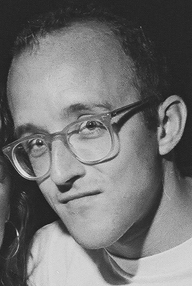
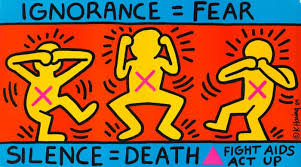
‘Radiant’ an illuminating biography of Keith Haring

“Radiant” is an illuminating biography of the talented artist Keith Haring, who made his indelible mark during the 1980s before dying of AIDS at age 31. Brad Gooch follows Haring from his childhood to his early days in New York City painting artistic graffiti, to his worldwide fame and friendships with Andy Warhol and Jean-Michel Basquiat.

The eldest of three children and the only boy, Haring learned to draw early on from his father. Art quickly became a lasting obsession, which he pursued fiercely. Growing up in a small, conservative town, he was drawn to countercultural movements like hippies and religious “Jesus freaks,” although he mostly found the imagery and symbols appealing.

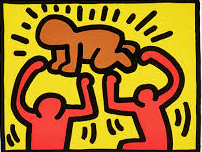
He studied commercial art in Pittsburgh but later dropped out, spending several years working and learning at the Pittsburgh Arts and Crafts Centre, before moving to New York City in 1978. Studying painting at the School for Visual Arts, he also learned about video and performance art, making interesting projects. He also began drawing images on subways and blank advertisement backboards. One of his most distinctive was the Radiant Baby, a crawling baby shooting rays of light. 

Gooch begins the biography with his own encounter with this public art, which felt colourful and “extremely urgent.” It had to be done guerilla-style, before the authorities could catch him, and they were frequently painted over. He was arrested a few times.

Ironically, a few years later Haring would be paid huge sums and flown around the world to create large-scale art on public property. People were amazed at how quickly he worked, even in terrible conditions. Sometimes at these events, while a crowd was gathered, he would draw and give away the artwork. Knowing that his art in galleries sold for incredible amounts, he enjoyed occasionally frustrating the art world’s commercial desires.

His Pop Shops also revealed Haring’s competing impulses. Opened in 1986, first in New York and later in Tokyo, they put his art on all sorts of merchandise, including T-shirts and posters. On the one hand, they allowed ordinary people to buy his work at reasonable prices. However, they also earned him more money and increased his public image.

He made art for everyone. His best-known pieces, featuring babies and dogs, are colourful and family friendly. Some even consider it “lightweight.” He eagerly created murals and artwork for elementary schools and neighbourhoods. But he also made art with social and political commentary and sexual explicitness. “Michael Stewart – USA for Africa” depicts a graffiti artist’s strangulation by New York City Transit Police officers. He painted “Once Upon a Time…” for the men’s bathroom of New York City’s Lesbian & Gay Community Centre.

Haring worked nearly right up to his death in 1990. The Keith Haring Foundation keeps his work in the public eye, while also funding non-profits working with disadvantaged youth and AIDS education. Gooch captures Haring’s complexities; he befriended graffiti artists of colour and dated working-class men, but was sometimes ignorant about how his wealth and fame affected these relationships. Well written and sympathetic, the book can sometimes overwhelm in detail about life in the 80’s and Haring’s celebrity friends.

‘Radiant: The Life and Line of Keith Haring’
By Brad Gooch
2024, Harper, 502 pages
£18.67 (Amazon Hardback)

Bet you sang along!