AIDS Then and Now … Meet the fearless lesbian couple … Mayoral hustings … Podcasts

News

AIDS Then and Now: Bereavement, Hope, Support, Love and Societal Change

1981 was the year that gave us Kim Wilde, Donkey Kong, the wedding of Prince Charles and Lady Diana, and the birth of MTV.

It was a golden age of popular culture – dance floors were full and hairspray was on the top of the shopping list.

But a dark cloud was looming.

In June 1981, the Centers for Disease Control (CDC) published the first official document on the disease that later became known as AIDS. The report had just made a connection, for the first time, between a ‘serious disorder of the immune system’ and homosexuals. The study was with five ‘previously healthy’ gay men, two of whom had died.

It is at that moment a dangerous perception formed of it being a ‘gay disease’ and is still a discrimination that is being fought against today.

Since the airing of the popular TV drama It’s A Sin, more people have been talking about what we can only imagine was a horrific time to be living as a gay man.

Here Tony shares his experiences:

It’s 1982. I’ve just got out of the shower. While I was there I checked under the soles of my feet, my armpits, and my groin for any purple bruises. There’s this new disease affecting young gay men. I’m a young gay man!

The purple bruises are lesions called Kaposi’s Sarcoma, which normally only affect very old people. I’ve read about it in The Pink Paper, but there’s no clear information. Nobody knows why or how, so you don’t know what being careful is about.

They were calling it “H” as it appeared to affect heroin users, homosexuals and (strangely) people from Haiti. Then it became known as “GRIDS” (Gay Related Immuno-Deficiency Syndrome).

In the mid-80s one of my close friends died. He was in his early 20s. I didn’t know he was ill. He was ashamed and didn’t tell anyone he had AIDS. I only found out when it was too late. I heard about more people who became ill, more people who died.
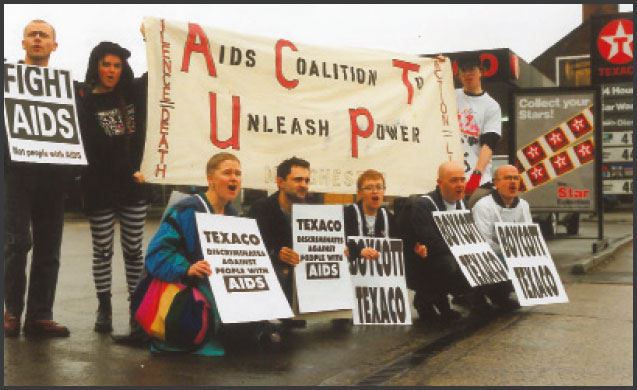
Manchester ACT UP boycott action against Texaco’s discriminatory HIV policies, 1991

I joined ACT-UP (AIDS Coalition to Unleash Power) – the organisation that originated in the United States. We were a non-violent direct action group: we dropped 40-foot banners from the Town Hall (Action = Life, Silence = Death); threw condoms over the walls at Strangeways Prison; and campaigned against the inaction of the government.

In the 90s I worked at George House Trust (HIV organisation for the northwest) for three years. During that time I knew about 75 people who died.

After that, I worked with asylum seekers. I visited people on the HIV wards in North Manchester General Hospital to assess their immigration status and refer them to solicitors where appropriate. On one occasion I wasn’t allowed in unless I wore full protective clothing. I argued it wasn’t necessary, but I had to comply. On another occasion, I visited a woman. She died 20 minutes after I had left. Her 8-year-old son was taken into the care of Social Services.

I have many memories of bereavement, hope, support, and love.

I wrote this poem at a HIV writing workshop: 

Olufe me

My darling, I love you with my heart,

My mind, my body, my soul.

Our bodies touching

Our legs entangling

Our lips pressing

Our tongues darting

Our arms caressing

Our hands holding

Our fingers entwining

But now I am HIV positive

Will I ever find those loving feelings again?

My legs tiring

My body sweating

My head aching

My heart hurting

My eyes crying

My mind slowing

My memories fading

Will my sweet feelings

Keep me going?

I will always love you,

My dearest darling.

Olufe me.
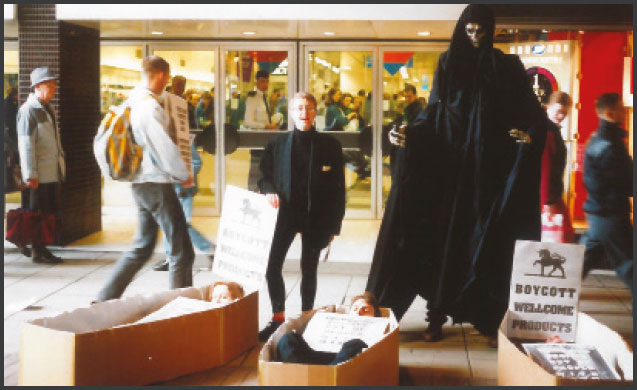
Machester ACT UP action against the high prices charged by Burroughs Wellcome for anti-retrorviral therapies, 1992

Much has changed over the last 40 years. Effective HIV medication means that a person can reach a point where the amount of the virus in their blood is so low as to be undetectable, after which they are not infectious and cannot pass it on. In the UK in 2019, the virus was undetectable in the blood of 89% of all those living with HIV, and they could not pass it on.

There are parallels between HIV and Covid-19: the government was slow to respond; there was a marked impact on minority communities, and victims are blamed by the government. I live in hope that the government will learn from the mistakes of the past – but I won’t hold my breath.
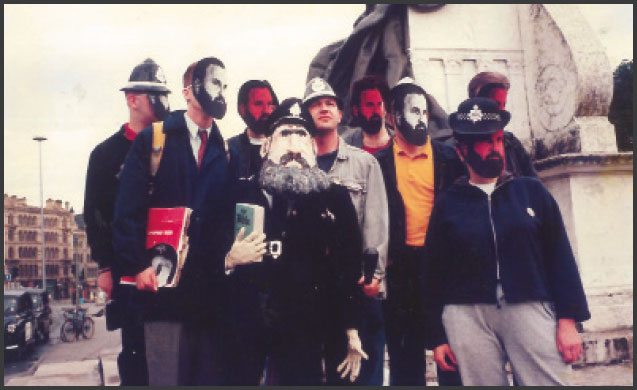
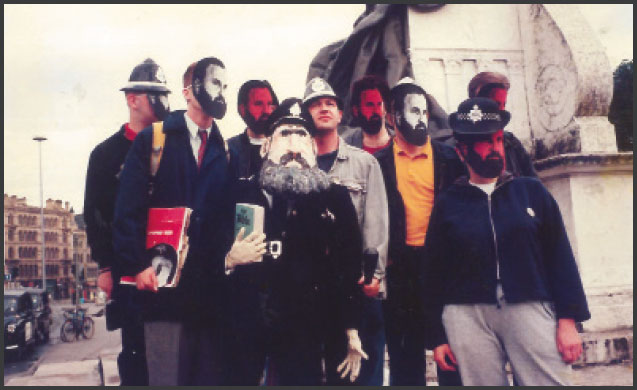
Manchester ACT UP action against GMP police Commissioner James Anderton CBE, who commented that ‘gays, drug addicts and prostitutes’ living with HIV were ‘swirling in a human cesspit of their own making,’ 1990


Meet the fearless lesbian couple

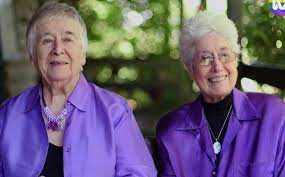
Francesca Curtis and Phyllis Papps pose with the Lifetime Achievement Award at the 2019 Australian LGBTI Awards at The Star on 1 March 2019 in Sydney, Australia. (Photo by Lisa Maree Williams/Getty Images for Australian LGBTI Awards)

Phyllis Papps and Francesca Curtis came out live on national TV 50 years ago, and their actions changed Australia forever.

The couple, who are still together, appeared together on ABC current affairs programme This Day Tonight in October 1970, becoming the first lesbian couple to come out on Australia TV.

The fearless women are now “coming out for the last time” in a new documentary titled Why Did She Have To Tell The World?

The documentary, screened on ABC’s Compass programme, details Curtis and Papps’ 50-year relationship and the wave of political change that came after the couple appeared on TV.

Papps said in the documentary that Australia in the 1970s was “very, very conservative” and that “gay women were invisible” because “people didn’t think lesbians existed”.

The pair struggled with their sexuality in this climate, and Curtis admitted in the documentary that she didn’t know “anything about homosexuality or lesbianism”.

She said: “Nobody talked about it in those days.”

Papps shared how she came from a traditional Greek family and was even briefly engaged to a man. She said that she opened up to a colleague about her sexuality, and the individual “gave me the names of three psychiatrists”.

Papps said she visited one of the psychiatrists and was given the drug “sodium pentothal, injected with it and then had to talk”.

The couple met through activist circles and became prominent members of the Daughters of Bilitis, Australia’s first homosexual political rights group. The organisation was later renamed the Australasian Lesbian Movement.

In July 1970, Papps and Curtis exchanged wedding rings, even though Australia did not legally recognise same-sex marriage until December 2017.

Just a few months later they appeared on ABC’s This Day Tonight to take part in a segment about lesbianism and to push for wider acceptance of the LGBT+ community in Australia.

“No one wanted to go on [the show], they were all in the closet, so Phyllis and I volunteered,” Curtis shared.

While on the show, she told the host that she “had three months approximately of guilt” about her sexuality, but then she got to a stage where she wanted to “tell the world” and “wanted the world to accept it”.

In the aftermath, Papps said her mother “took legal action” to prevent them “from making a claim on her inheritance”.

Beyond their personal lives, the interview signalled the beginning of Australia working towards LGBT+ equality. Papps said she believed the interview was “major in creating a force” towards LGBT+ progress.

“It has been a life of struggle … Not because we couldn’t cope with being ourselves [but because] we couldn’t get people to accept us,” she said.

Throughout the ups and downs, Papps and Curtis have always had each other, and now they live on Phillip Island in Victoria.
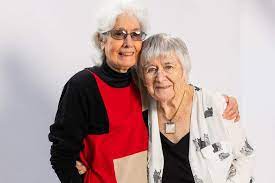
Papps visited her mother in her nursing home while same-sex marriage was still being debated in Australia. She said her mother had “voted yes” on the marriage equality postal survey in 2017.

“It’s taken a whole lifetime to get to that,” she said.
 

LGBT Mayoral Hustings

The LGBT Mayoral Hustings are coming up in mid-April, and ahead of this the LGBT Foundation is asking you to submit your questions to the mayoral candidates.

You can share your question directly via this google form:

Please see the form for tips on asking your question.

It would be fantastic to have the voices of over 50s represented as part of this event.


Podcasts – “Call Me Mother” & “Meet David Sedaris”

Trust me – these podcasts are amazing. Please do listen if you get the chance.
Call Me Mother is a podcast about older LGBT people. Shon Faye’s new podcast rails against the patronising image that reaching your 60s and 70s involves sitting under a blanket and knitting, by talking to older LGBT trailblazers.

First up is 73 year old Kate Bornstein, who talks about growing up wanting to be a girl, her relationship with Scientology, and finding her identity after she transitioned.

In the second edition Faye speaks with Brad Becker, a 60 year-old gay man whose life’s work has mirrored the tumultuous highs and lows that have rocked the LGBT community over the years.

There are further episodes with Marc Thompson and Caroline Paige.

Faye encourages her listeners to soak up all there is to be learned from the people who grew up in a pre-Stonewall era, as they share their warmth and wisdom.

Follow this link
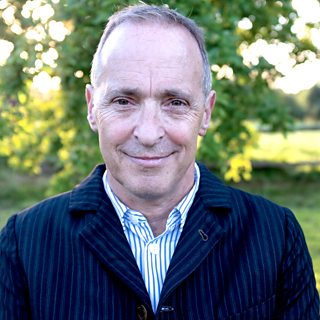
Meet David Sedaris

What with the whole world grinding to a viral halt and everything, this special series of essays and diary entries is recorded at the Sussex home of the world-renowned storyteller.

In this series of Meet David Sedaris, he continues to entertain with sardonic wit and incisive social critiques. David Sedaris has become one of America’s pre-eminent humour writers and, in 2019, was elected to the American Academy of Arts and Letters. The great skill with which he slices through cultural euphemisms and political correctness proves that he’s a master of satire and one of the most observant writers addressing the human condition today.

Follow this link
Queer Tales: Myths and Monsters … Manchester Pride Listening Groups … What do you see?

News

Queer Tales: Myths and Monsters

Manchester Museum is celebrating LGBTQ+ people in all their rich diversity with events and activities, which will continue all year round.

Storytelling is an important way in which we connect with each other, share information, traditions and ideas, and also a way that we can shape new possibilities, together. But whose stories do museums tell? And who is it that’s doing the telling?

Queer Tales: Myths and Monsters puts LGBTQ+ voices at the heart of some of the most imaginative storytelling.

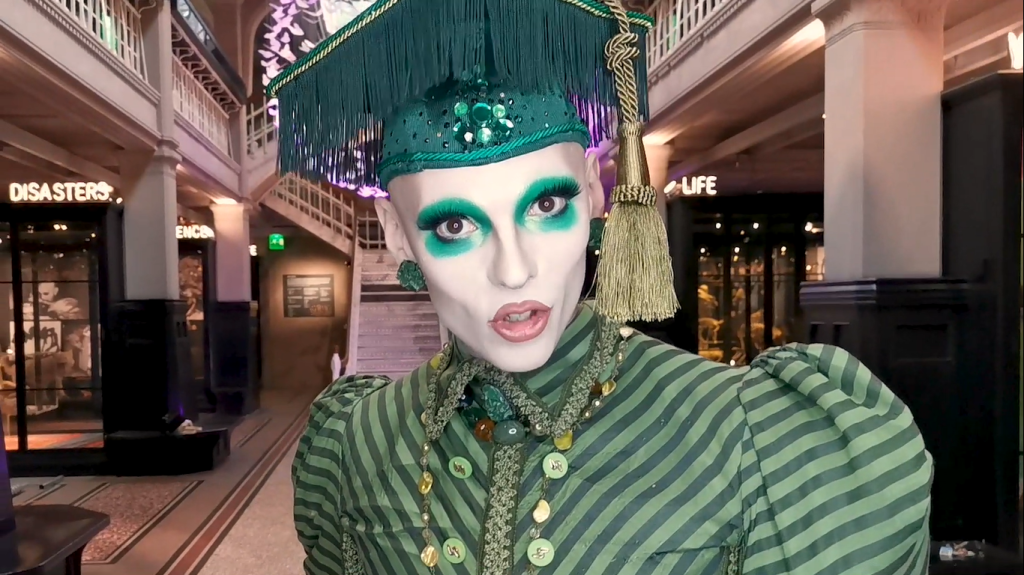
Cheddar Gorgeous

Cheddar Gorgeous advised “Oh yes, this will be a very different tour of the collection. A tour of stories less well trodden. Stories of monsters and magic. Stories often consigned to the mythical, the contested, and the imagined.”

Cheddar self-describes as a drag artist, academic and unicorn, and otherworldly mother of drag family, The Family Gorgeous. Cheddar founded the Manchester club night Cha Cha Boudoir, and in Channel 4’s Drag SOS, brought the transformational power of drag to communities across the UK.

Cheddar was determined to bring a bit of fabulousness to the museum and its collections, when we all needed it most!

In the deserted galleries, which would normally have been filled with the excited chatter of summer holiday visitors, for an audience of no one but echoes, Cheddar filmed a magical tour of the museum, introducing artistic responses to the collection.

Some stories you may know, some stories stand proudly adorning the cabinets around me, whilst others persist between the lines of the composed passages and sanctioned narratives of the institution.” 


Manchester Pride Listening Groups Report

The Manchester Pride Engagement Team have produced a report sharing the findings of their Listening Group 2020 project, which included LGBTQ+ 55+.

See the report here: listening-groups-2020-report.pdf


A poem by Norman G:

What do you see when you look at me?

What do you see when you look at me?

Laughter and fun, bubbly like the waves of the sea.

He’s happy and funny but his jokes are a gaffe

One aim in life is to make you laugh.


Take a closer look, as behind the face is a soul

When Norman met Marilyn it was an ultimate goal.

At home alone, the tears used to well and choke

Memories of years gone by bring a heart that’s broke.


Being bisexual but a yearning to be straight

An answer to a prayer had to be fate.

Introduced to a friendly group for LGBT but older

Opened a lot of new doors such as “Older & Bolder”.


Out In The City” is where I’m most content

I’m at home with great friends, which is heaven sent.

I’ll never forget the years with my wife

But yes, I’m so happy as I have a new life.

Young people’s responses … Manchester University … Mama Gloria … Manchester Village stories

News

LGBT+ History Month – Young People’s Responses

We have recently celebrated LGBT+ History Month. This year’s theme was Mind, Body and Soul: Claiming our past, celebrating our present and creating our future.

All month long, older LGBT+ people have been answering questions from the young people, and now we’ve turned the tables, and the Youth Pride group will be answering some questions in return.

We asked some of the 14-18 year olds to answer some questions posed to them from our older LGBT+ community.

If you think ahead to when you get a job and start your career, how do you expect being gay to impact your career choices? And how you think your future employers will react to you being gay.

Lots of big companies have intercompany LGBTQ+ networks so I’m hoping it won’t be an issue.

I’m hoping it won’t be a big deal, but I am a little scared about having to constantly be coming out to any colleagues or bosses throughout my life.

I would like to be a police officer in the future and I was originally scared to be gay and have this career path but now I am alright with it as today’s society is more accepting.

I’m very thankful for previous generations paving the way to create safe spaces in the workplace and being role models.

How do you find it growing up now as LGBT+, do you find acceptance in the family and community?

There’s a lot more acceptance / not caring I think, but there’s still people who say stupid stuff which make you scared. It’s still really scary to come out, I’m still scared about people not accepting me, but I think it is easier.

I live in a small village so there isn’t many queer people or groups which makes it harder to come out. And it’s not spoken about at school.

My family quickly came around and my friends were immediately accepting. Strangers in the community can be negative but I have strong support networks to turn to.

I think it’s so much easier now as many young people have access to things like GSA clubs at school and have more confidence in who they want to be.

My family is very accepting of everyone however I haven’t found the confidence to come out to them yet.

When young people hear these stories about the inequalities we faced, are you surprised or shocked by our stories? Is it something that you’re aware of?

I am shocked; it’s easy to just be in the present and consider what it’s like to be LGBTQ+ now, and forget what happened not so long ago. I’m also really shocked by how much I don’t know about it.

I was surprised but not surprised at the same time, if that makes sense. I expected injustice, but reading the stories made it more real.

It is upsetting to hear the struggles of others but I am not shocked by it because discrimination towards the LGBTQ+ community has always been present.

When I hear about the stories it does make me really sad and somewhat guilty as we have it so easy now compared to then.

It makes me very upset thinking what people had to go through for something they couldn’t help. There is (still) no education in school however, I had to do my own research.

Do you feel like it’s easier to come out now, does it feel like part of everyday life?

It is a lot easier to come out now compared to the past however I still haven’t come out as I worry about the people who are homophobic in my area and school.

Personally I found it harder to come out to myself than other people.

I feel that coming out is definitely easier now than it was in the past; however, there are still people who aren’t accepting. Overall, though, it’s much safer and easier to come out now.

Being gay was something I always tried to hide but then in high school I was surrounded by teachers who were such role models and made me confident in who I am.

Yeah I feel comfortable telling people about my sexuality, for gender it’s more difficult because I don’t fully understand it myself I suppose and it’s a hard concept to explain.

Have you identified for yourself who you want to be?

I roll with the punches; I haven’t yet planned out everything that I want my life to be. I think that with more self-discovery, I’ll be able to figure out who exactly I want to be!

I have identified I want to be happy in the future and love myself and if that’s in a career I want or being open as a part of the LGBTQ community then yay!

I’m just going with the flow really, I don’t want to restrict my view of myself, and my opportunities and possible life paths.

Not really, but I definitely feel a lot more at home in my skin than a few years ago, before coming out to myself and my important people. I know what I want to do with my life. That feels like enough for now, I’ll figure the rest out as I go.

How do you think your allies in the LGBT+ movement can help with broader activism?

I think that allies can help by learning more, spreading awareness, being supportive, and understanding how their perspective affects the LGBTQIA+ movement.

Thinking more about how different activist groups can help each other, there’s so much linking as minorities, or groups who have to fight so hard for what is right. Understanding and helping each other to make change, whether that’s in BLM movements, LGBTQ+ rights or fighting the climate crisis etc.

Make us feel loved.

Are you aware of the political struggles of the past which brought us the rights and freedoms we have today?

I am aware of the political issues and how brave people were fighting for rights.

Yes, although I think looking back you can miss how long it takes for change to come around, how much fighting is needed. I understand rights being taken away because of other countries not having the same rights we have. It makes me really sad about the freedoms being taken away, so much progress going backwards.

Yes but I’m always keen to learn more about our history and fights that we have won and their relation to how we must act today, the fragility of our rights is something which scares me and what pushes me towards a career in politics.


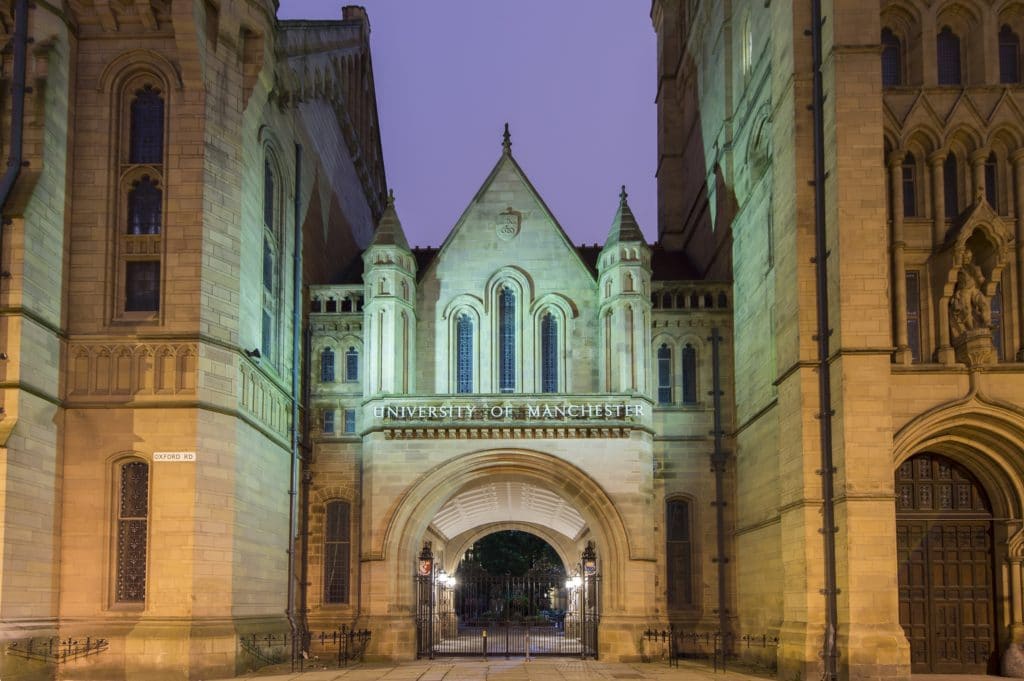
The University of Manchester (Loop/Universal Images Group/Getty)

Manchester University accused of ‘wokery gone mad’

The University of Manchester has been slammed for advising the use of gender-neutral language such as “parent or guardian” instead of mother and father.

The university’s guidance on inclusive language circulated to staff on 10 March now encourages gender-neutral terms rather than those that make sex distinction.

It suggest staff use “everyone / colleagues” as opposed to ladies and gentlemen or guys, “partner” rather than husband or wife, and “sibling” rather than brother or sister.

Other suggestions include “workforce” instead of manpower, “humankind” instead of mankind and “artificial or synthetic” rather than man-made.

The guidance follows feedback from colleagues who suggested they would like more advice on which terms and language to use, the university said. Many of the terms were well established and had already been in general use for years.

But the move was fiercely criticised on social media after misleading reports that the university was “sidelining” or “scrapping” the term mother – despite a university spokesperson insisting that it has not actually banned any words.

Jonathan Gullis, Conservative MP for Stoke-on-Trent North, Kidsgrove and Talke, said the guidance amounted to “wokery gone mad”.

Right-wing journalist Toby Young told the BBC: “Instead of focusing on educational standards, or supporting those students who’ve been short-changed during the pandemic, Manchester has wasted time and money on producing a guide on how to speak woke-ish.

Young people hate it when you call them snowflakes, but Manchester has done its students no favours by suggesting they might be offended by words like ‘mother’ and ‘father.’”

A University of Manchester spokesperson said it had “simply produced a guidance document for our staff that encourages the use of more inclusive language to avoid bias or assumptions. In that, we recommend the use of the term ‘parent / guardian’,” they added. “This is well established terminology and does not in any way mean that we are banning the words ‘mother’ or ‘father.’”


“LGBT elders are still here. I’m still here.”

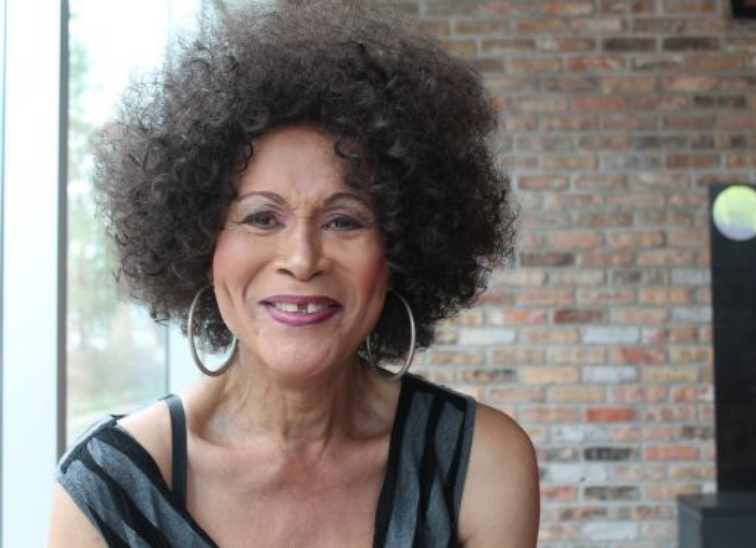
SAGE USA is a national advocacy and services organisation that’s been looking out for LGBT elders since 1978. They interviewed trans activist and icon Gloria Allen, affectionately known as Mama Gloria.

Mama Gloria is a Black trans woman and an elder. She is an inspiration and mentor to Chicago’s Black transgender community. Her experience of coming out in the 1960s and being immersed in Chicago’s South Side drag ball culture inspired her to become a proud leader, activist, and mentor in her community.

In her elder years, Mama Gloria founded and operated a charm school for homeless transgender youth at Chicago’s Centre on Halsted, offering lessons on love, makeup, and manners that she received from her mother and grandmother.

At 75 years old, Mama Gloria is a shining example of one of the countless vibrant and resilient LGBT pioneers who have been advocating since Stonewall – many who are also trans people of colour – and still passionately advocating for change.

Who is your LGBT role model and why?

“My LGBT role model is Wilbur ‘Hi-Fi’ White, who was an entertainer in Chicago when I was a teenager. He would host balls that I’d attend and he was so talented. He was in movies and TV, he told jokes, he sang, he acted. He was such an inspiration to me as someone who was part of the community, and who gave me and others the space to be who we are. I would love more people to know about him.”

What did it mean to you to see Kamala Harris become not only the first woman, but also the first Black woman Vice President?

“I was so glad that Biden chose a Black woman as his Vice President, and that the election went the way it did. The fact that Black women like Vice President Harris are getting the chance to step up and be recognised in this way is awesome. With Vice President Harris and the rest of the new administration, there are so many doors being opened for other leaders to be recognised, too. The fact that there is a transgender woman, Rachel Levine, nominated to be the assistant secretary of health is just so amazing. More and more, members of our community are getting recognised for our work and I’m so proud of that. We still have a long way to go, but these steps are wonderful.”

Lastly, what is something you are particularly passionate about as an advocate in the LGBT community?

“I’m an advocate for fighting against violence toward LGBT people, especially trans women. Black trans women are being murdered at an alarming rate and they don’t televise it on the news. We see coverage of other crimes, but not enough about what’s happening for LGBT people. The news needs to start doing a better job of fully exposing this pattern of hate and violence, and so do politicians.

Trans women need to be recognised – we need to be visible. There are too many instances of trans people being portrayed in media in ways that don’t accurately represent our community. We need to be more included in all media, not just special characters on TV shows. People need to see that trans people are much more than what they’ve seen on TV. We are so talented, and smart, and educated, and they need to see that – including us elders. The elders are still here. I’m still here.”


What is Manchester Village Stories?

Manchester Village Stories is a research project at The University of Manchester. They are interested in learning about:

  • Your experiences of Manchester’s Gay Village;
  • Why and how the Village is important for you as an LGBTQ+ space;
  • If and how your everyday experiences and feelings about the village have changed over time; and
  • How you think the Village should look in the future.

All are welcomed to participate, but we are particularly interested in hearing the stories and experiences of older LGBTQ+ people. This research will help to inform policy about urban development in Manchester.

Sharing your thoughts:

You may wish to share a memory from decades ago or even yesterday. Perhaps you would like to simply provide a word or reflection that springs to mind as you think about a particular part of the Village or surrounding area that is significant to you. You can share as many stories as you like. Here are some ideas for inspiration:

  • Which parts of the Village (or surrounding area) are important to you and why?
  • What is your most significant memory of the Village?
  • What three words would you use to describe your experience of the village now, and in the past?
  • Why and how do you use the Village now, and in the past?
  • How might recent developments in the area impact the Village, your use of the space, and its relationship to the wider Manchester area?

For more information visit the website:

https://mcrvillagestories.manchester.ac.uk

Make LGBT conversion therapy illegal … Census 2021

News

Make LGBT conversion therapy illegal

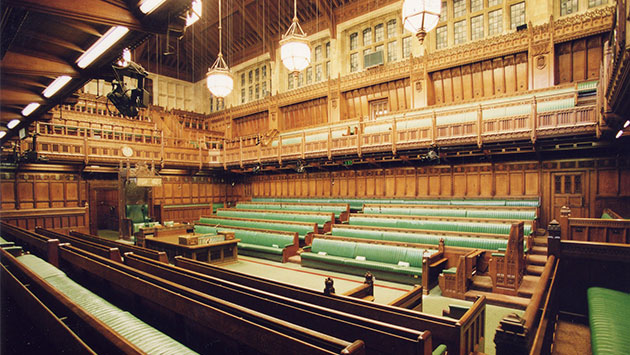
Parliament debated the petition “Make LGBT conversion therapy illegal in the UK” on 8 March 2021.

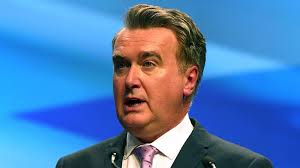
John Nicolson, Scottish National Party representing Ochil and South Perthshire made a contribution, which began:

John Nicolson, SNP

““Converting gays” – just wonder for a moment about how primitive that concept is. It is a cruel hangover from a darker time – a time when to be gay, lesbian or trans was to be flawed or inadequate.

I do not know why I am gay. I do not know why I have green eyes or curly hair, but I do know that no one made me gay; I was born gay. When I was younger, to borrow from Alfred Kinsey, I would have taken a magic pill to make myself straight, but I now know that that was not because I hated being gay, but because I did not want to be the victim of prejudice. Who does? We know that there is no magic pill, nor do we need one. We need love and acceptance.

LGBT conversion is the very antithesis of that. It promises a cure where none is available and none is needed. We look back in horror at the tortures endured by our LGBT brothers and sisters, even in recent history – electro-shock therapy, lobotomy and the chemical castration endured by Alan Turing at the hands of a vicious and ungrateful political class and legal system.

Changing people’s sexual orientation is, as we know, scientifically impossible, but that does not stop bigots from trying. “Pray away the gay,” cry some religious groups, who somehow see no contradiction with the command that thou shalt love thy neighbour. People who hold out the promise of conversion are cruelly targeting the most vulnerable. It is abuse.”

For more information you can:

Watch the debate: https://www.youtube.com/watch?v=vl38dzzn1wc

Read the transcript: https://hansard.parliament.uk/commons/2021-03-08/debates/552D6176-C4D5-47F1-A8C1-C900B58AEB7C/LGBTConversionTherapy

Read the research: https://commonslibrary.parliament.uk/research-briefings/cdp-2021-0030/

See the petition: https://petition.parliament.uk/petitions/300976

Census 2021 will provide a snapshot of modern society

Households are being asked to take part in the nationwide survey of housing and the population. It has been carried out every decade since 1801, with the exception of 1941.

Information from the digital-first census will help decide how services are planned and funded in your local area. This could mean things like doctors’ surgeries, schools, housing or new bus routes.

Households will receive a letter with a unique access code in the post, allowing them to complete their questionnaire online. Paper questionnaires will be available on request. Census day is 21 March.

The census will include questions about your sex, age, work, health, education, household size and ethnicity. For the first time, there will be voluntary questions for those aged 16 and over on sexual orientation and gender identity. This will provide true data on the LGBT+ communities, so that resources and services can be supplied where most needed. Private, individual forms can be requested.

While there are estimates of sexual orientation at a national and regional level, it is not possible to produce robust estimates for all local authorities – that’s what census data will give.

There is no robust data available on gender identity at all. These data are needed by local authorities and service providers to inform the provision of services. The sexual orientation and gender identity questions will be voluntary for people aged 16 and over.

Without robust data on the size of the LGBT+ population at a national and local level, decision-makers are operating in a vacuum, unaware of the extent and nature of disadvantage which LGBT+ people may be experiencing in terms of health, educational outcomes, employment and housing.

There is also a separate new question asking people whether they have served in the armed forces.

Anonymous results will be available within 12 months, although personal records will be locked away for 100 years, kept safe for future generations.

For more information, visit www.census.gov.uk

International Women’s Day … Covid 19 Q&A … Rainbow Death Cafe … Age UK report

News

International Women’s Day

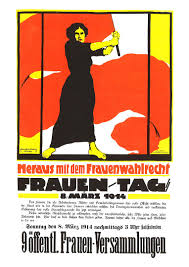
German poster for International Women’s Day, 8 March 1914. This poster was banned at the time.

International Women’s Day (IWD) is celebrated on 8 March around the world. It is a focal point in the movement for women’s rights.

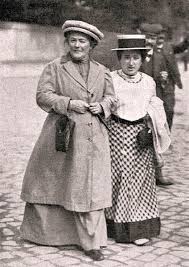
After the Socialist Party of America organised a Women’s Day in New York City on 28 February 1909, German delegates Clara Zetkin, Käte Duncker, Paula Thiede and others proposed at the 1910 International Socialist Woman’s Conference that “a special Women’s Day” be organised annually.

Clara Zetkin and Rosa Luxemburg in January 1910

After women gained suffrage in Soviet Russia in 1917, 8 March became a national holiday there. The day was then predominantly celebrated by the socialist movement and communist countries until it was adopted by the feminist movement in about 1967. The United Nations began celebrating the day in 1977.

Commemoration of International Women’s Day today ranges from being a public holiday in some countries to being largely ignored elsewhere. In some places, it is a day of protest; in others, it is a day that celebrates womanhood.

IWD 2021

The 2021 UN theme for International Women’s Day is “Women in leadership: Achieving an equal future in a COVID-19 world”, highlighting the impact that women worldwide had as health care workers, caregivers, innovators and community organisers during the COVID-19 pandemic.

Manchester has a long list of impressive women who have lived and worked in the region, including the formidable Emmeline Pankhurst.

Other remarkable Mancunian women include Victorian writer Elizabeth Gaskell, women’s health trailblazer Marie Stopes, and one of England’s first female doctors, Eleanor Sykes.

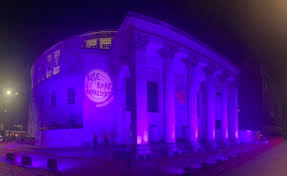
Manchester Central Library lit up to celebrate IWD

Covid-19 Vaccines

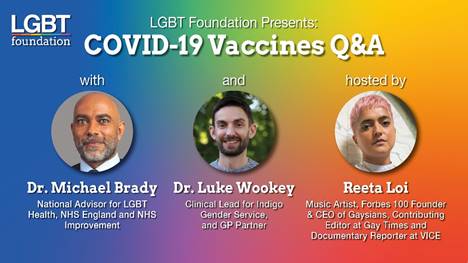
 As part of their COVID-19 vaccination campaigning, LGBT Foundation is holding a Q&A event on Thursday 11 March at 6.00pm so LGBT people can get answers to questions may they have. Two of the country’s leading LGBT doctors are joining the panel:

  • Dr. Michael Brady– National Advisor for LGBT Health, NHS England and NHS Improvement;
  • Dr. Luke Wookey– Clinical Lead for Indigo Gender Service, and GP Partner.

The event is being hosted by Reeta Loi, Music Artist, Forbes 100 Founder & CEO of Gaysians, Contributing Editor at Gay Times and Documentary Reporter at Vice.

Tickets are free and can be accessed here


Pride in Ageing’s Virtual Rainbow Death Café is back

Monday, 15 March from 4.00pm to 5.00pm

This event is a chance to talk openly about death and dying in a relaxed, LGBT-friendly group space. Free tickets can be booked here

Tickets are free and a link to access this event will be sent to you on the day. Spaces limited to 12 per session, please book early.

This event will be hosted on Zoom (video conferencing application). Please email lawrence.roberts@lgbt.foundation if you have any questions about connecting or additional access requirements for this session.

This event is presented by the Pride in Ageing programme at LGBT Foundation. Find out more about their other events here: https://lgbt.foundation/prideinageing


The health and care needs of older LGBT+ people

Age UK have published a new article on the health care needs of older LGBT people, which argues that more research and considerations need to be given to this area. 

Among its many effects, the outbreak of COVID-19 has brought healthcare requirements into sharper focus. Even before the emergence of the pandemic, however, Age UK was working to highlight the specific needs of groups within society, including older LGBT+ people and their experiences of care, and what can be done to improve those experiences.

Many older LGBT+ people have experienced lifetimes of persecution and prejudice. While the Equality Act of 2010 offers legislative protections for non-heterosexual and non-binary people, and progress has been made, experiences of discrimination, past and present, can directly impact health. It can exacerbate mental and physical health issues, making LGBT+ people more likely to engage in unhealthy behaviours and habits, such as excessive alcohol consumption and drug use. And as LGBT+ people grow older, there’s an extra level of complexity to the issues they face, an intersection between sexuality/gender identity and age.

I was comfort eating, and I ate to excess and that damaged me physically. My pancreas has practically packed in.” Norm

The healthcare needs of older LGBT+ people

There is limited evidence on the health and care needs and outcomes for older LGBT+ people, however analysis of evidence that does exist suggests that there are health inequalities between older LGBT+ people and the rest of the older population. For example, non-heterosexual men aged 50+ have lower life satisfaction and are more likely to have attempted suicide in their lifetime, and non-heterosexual women aged 50+ are more likely to smoke. Evidence also suggests that there is a higher prevalence of mental health in older LGBT+ people.

Furthermore, there is evidence that some older LGBT+ people have worse experiences of accessing healthcare than their peers. In a recent Government survey of LGBT+ people of all ages, 16% had a negative experience while accessing (or trying to access) public health services. Meanwhile, at least 38% had a negative experience because of their gender identity. Poor experiences of health services can lead to people delaying treatment and in turn lead to worse health outcomes.

Norm, 63, is bisexual. He came out in 2011, having kept his sexual orientation a secret from his family, who subsequently ostracised him, leading to a complicated series of issues. “The main problem I had when I came out was the mental health — depression,” explains Norm. “I was comfort eating, and I ate to excess and that damaged me physically. My pancreas has practically packed in.”

Norm continues: “Because of my diabetes… I lost my job. That made me even more depressed.”

Transphobia and healthcare

At present, there’s little UK research focusing on the health needs of older transgender adults. A US study, however, has found that transgender older people were at higher risk of poor physical health, disability and depression when compared to cisgender respondents (people whose personal identity and gender corresponds to their birth sex).

Pauline, 71, a trans woman from Manchester, has shared her experiences with us. “My perception of the LGBT community is that everybody in it, to some extent, has mental health issues,” she says. “Although society is more tolerant of us than they were, and gay people probably got the first look at that, everybody I know has either been discriminated against or treated badly in all kinds of different ways.”

There were two nurses… and they were saying some hideous things about me as a trans person.” Helen

Helen, from West Yorkshire, who describes herself as “very old”, has had direct experiences of transphobia, including within the NHS, having been misgendered and the subject of hate speech. “There were two nurses… and they were saying some hideous things about me as a trans person,” she explains. “I didn’t make a complaint. I didn’t want to get them into trouble.”

This has made Helen worry about the future. “I’m getting older and obviously think about long-term care and even though I’ve got a partner, how long is she going to be able to look after (me). Say I’d had (a) stroke or something, the fear of going into a care home or nursing home with staff like (those) I was telling you about fills me full of dread. And that is a really ongoing worry for me.”

Pauline has similar fears about needing care. “One of my fears is ending up in an old people’s home and having to be a man all the time. I hope that I die before I ever get into a care home.”

Concerns about care

Most of the older LGBT+ people Age UK has spoken to expressed confidence the NHS would meet their future needs — even those, like Helen, who have encountered discrimination while accessing healthcare. It’s complicated, though, by the fact that research shows that fear of discrimination and previous experiences of prejudice still remains an impediment to people seeking healthcare services.

This fear was much more significant when it comes to accessing social care services. People expressed a few reasons for this. First and foremost, with coverage of the underfunding and resourcing of the social care system in the press, many people will worry that the care system will be unable to meet their needs. This would be particularly problematic for those who would worry that a lack of care provision may result in the need for informal care from family members who have not accepted their sexuality or gender or without support completely from friends and family leaving people reliant on limited state support.

Additionally, there is an understanding that care services are potentially more frequent and have greater levels of intimacy than those provided by NHS and that this may interact more closely with their day to day lives and so their gender identities and sexual orientation. A professional working with LGBT+ older people has told us: “People hide their magazines, they take their pictures off the wall, because they don’t know who’s going to turn up.”

There were also high levels of concern about the people delivering these services, who may come from socially conservative countries and therefore hold homophobic and transphobic views.

The experiences of LGBT+ people with dementia

Everyone worries about what would happen to them if they were to be diagnosed with dementia. But what of LGBT+ people who fear their advocacy and identity will be neglected when they receive care? Dementia naturally results in distress and confusion, but this may be exacerbated in LGBT+ people with dementia who may struggle to deal with negative perceptions of their sexuality or gender while in residential care or face issues when they are not able to advocate for themselves. An older transgender person experiencing cognitive decline, for example, may forget who they have come out to, or indeed that they have transitioned.

David and Elmar, who live in London, have been together for 14 years. Elmar, who is 20 years older than David, has Alzheimer’s disease, and their experiences of healthcare have so far been positive, something they put down to London being a place of greater acceptance. The two men don’t access care services yet, though the possibility of it is something that David has some concerns about.

Thinking about care homes, it’s difficult because the people who are employed there may not be so tolerant.” David

I think we’re lucky that Elmar’s got me to look after him,” explains David. “Thinking about care homes, it’s difficult because the people who are employed there may not be so tolerant. For example, there may be people of different religions, who don’t accept gay people or people who don’t have the contact with gay people as well, so they just don’t understand their needs.”

These are worries that David, who found coming to terms with his sexual orientation challenging, considers when he thinks ahead to when he’s one day alone. “In care I’d prefer it to be specialist. You never know if you’re in a home which is mixed. You never know if you’ll get negative people.”

There’s more to be done

These insights help to build a picture of the health and care experiences and requirements of older LGBT+ people but are by no means the full picture. It’s also worth remembering that some of the stories we have shared have come from individuals confident enough to be interviewed and participate in research. But what of those whose experiences have been so unsettling and so damaging that individuals not only distrust health and social care services but are uncomfortable coming forward to discuss these issues?

It’s also important to note that it is not possible to generalise the needs of all older LGBT+ people, but understanding individuals needs and histories and what that might mean for their health and care needs will be key to delivering true personalised care and ensuring the reduction in health inequalities faced by older LGBT+ people.

Our research has also discovered good practice and examples from throughout the health and care sector to better support older LGBT+ people, but there is still room for further considerations and more research, and this is something Age UK will continue to advocate for.