World HIV Day Online Vigil … In Equal Parts … Superbia Spotlights … Focus Group

News

World HIV Day Online Vigil

Join us for a very special online World AIDS Day Vigil as we remember people lost to HIV, show our solidarity with people living with HIV around the world and commit ourselves to challenging HIV stigma and discrimination.

The Vigil will be broadcast at https://ght.org.uk/vigil at 7.00pm on Tuesday, 1 December.

The Vigil is organised by the Passionate about Sexual Health (PaSH) Partnership, a collaboration between BHA for Equality, George House Trust and LGBT Foundation.

In Equal Parts: World AIDS Day 2020

Straight after the vigil, at 8.00pm, join the GHT Positive Speakers from George House Trust along with HIV+ artists Jordan Roberts and Nathaniel Hall for this stigma-smashing event. Hear their remarkable stories and ask all the questions you always wanted (but were too scared) to ask about HIV.

A digital event hosted by Contact and presented in association with George House Trust and Superbia. The event is part of Manchester-based Dibby Theatre’s community-led creative outreach project tackling HIV stigma and shame.

The event is free and is online via zoom. You will need to book so find out more here.

In the second half of this event, there will be the premiere of a brand new film by Jordan Roberts: To Whom It May Concern … explores HIV past, present and future through music, drag, vogue-dance and textiles. It is funded by Superbia and GMCA.

Confirmed artists:

Singer – Adam O’Shea

Drag Artiste – Ana Phylactic

Vogue Dancer – Tyrone John

Textiles Artist – India Chetta-Roberts

Vogue House Mother – Darren Pritchard

The event will contain frank discussion of HIV, diagnosis, treatment and the impacts of stigma. There will be signposting support during the event for anyone who feels affected by the topics raised.


Superbia Spotlights

Superbia is Manchester Pride’s year-round programme of arts and culture, designed to support, curate, fund and promote LGBTQ+ events throughout Greater Manchester.

Superbia supports LGBTQ+ artists by promoting events through its events page and social media, funds LGBTQ+ events with Superbia Grants and by curating original events through collaboration with partners, venues, groups, curators, community members, artists and creatives.

Superbia Spotlights is their new partnership with Manchester’s Finest ( https://www.manchestersfinest.com/ ). Throughout 2020, they have shone a light on some of the incredible Superbia-supported arts and culture talent across Greater Manchester.

The Superbia Spotlights programme is a growing list of artwork, articles and interviews with LGBTQ artists in Manchester.

They have made a handy list here which links to each of the different pieces.

Day With(out) Art – World AIDS Day 2020

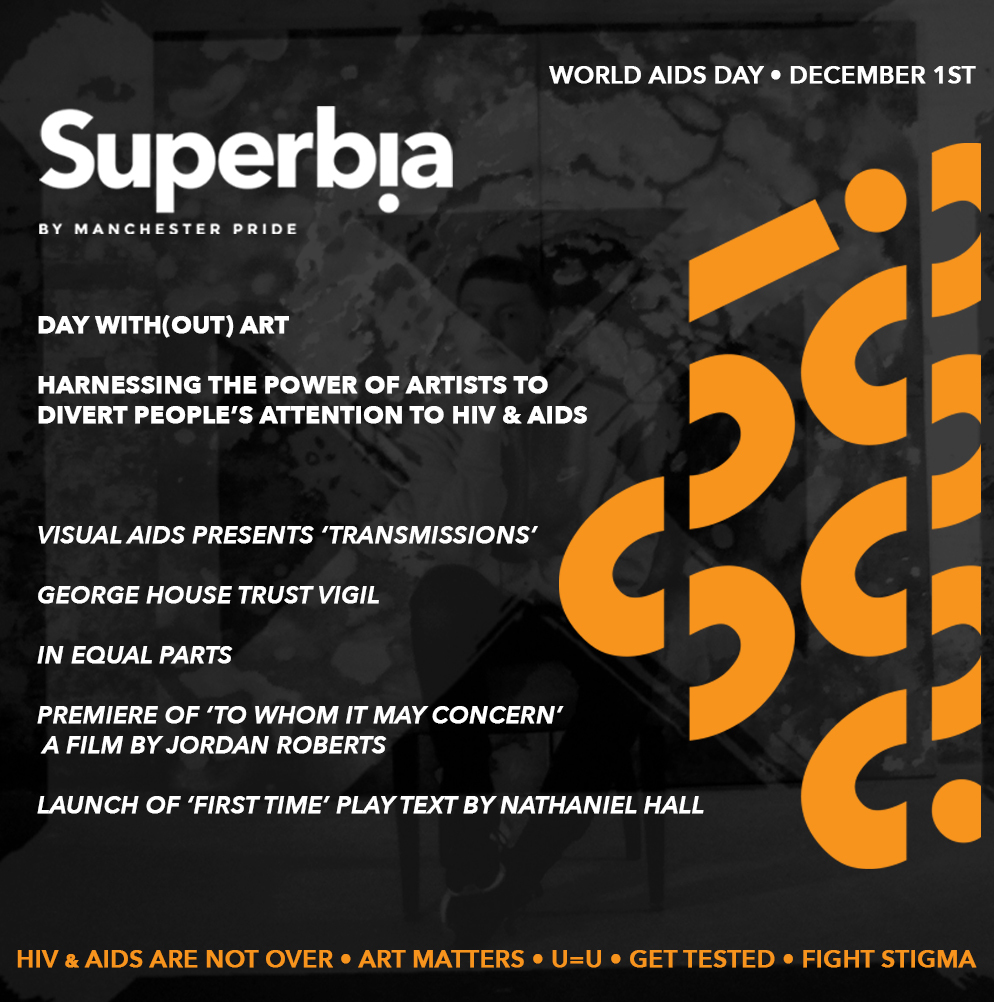
Each year on World AIDS Day (1 December) Superbia brings the creative tradition of Day With(out) Art to Manchester, harnessing the power of artists to divert people’s attention to HIV and AIDS.

They do so in tribute to the many people lost to illness, in a reaffirmation of the fight for access to treatment, and against stigma and discrimination, and to honour those who are living with HIV.

This year the programme of work will all take place online but the messages are as loud and clear as ever: HIV and AIDS are not over. Art matters. U equals U. Get tested. Fight stigma!

Check out the full programme of work for 2020 that Superbia is proud to curate, promote, fund or support.


Are you over 50, from Greater Manchester and living with HIV?

Would you like to take part in a focus group to shape the exciting development of the UK’s first LGBT Extra Care Scheme?

To give a bit of background to the project, in 2017, after discussions with LGBT Foundation, Manchester City Council announced their intention to develop the UK’s first purpose-built LGBT-affirmative Extra Care Scheme in the city and identified the site in Whalley Range the following year.

An extra care scheme is a type of ‘housing with care’ which means you retain independence while you’re assisted with tasks such as washing, dressing, going to the toilet or taking medication.

LGBT Foundation has set up a Community Steering Group to advise the development of the Extra Care Scheme and the group has recognised that we need to hear more from groups across our communities. The first group we want to learn from are people over 50 who are living with HIV. Your contribution will help to ensure that the Extra Care Scheme can best meet the needs of everyone in our communities.

The focus group will take place online via zoom, with an option to telephone in, at 4.00pm on Monday, 7 December 2020 and you will receive a £25 voucher as a thank you for your time.

If you would like to attend the focus group please email bob.green@lgbt.foundation who will send you further details about the focus group.

If you would like to share your views but cannot make the focus group, then please email Bob to arrange an individual interview.

All comments made in the focus group and interviews will be anonymous.

Older LGBT Health Inequalities Round Table … Man Made

News

Older LGBT People’s Health Inequalities Roundtable – 4 December, 10.30am – 1.00pm

NHS England’s LGBT Health Team is planning a virtual roundtable with the sector to discuss the issues affecting older LGBT people, including the current impacts of COVID-19. Presentations will include:

  • Dr Michael Brady, National Advisor for LGBT Health – introduction and overview of LGBT health inequalities
  • Age UK – lived experiences of older LGBT people and local initiatives
  • LGBT Foundation – dementia care and Pride in Ageing / Brew Buddies
  • Opening Doors London – new research report and the impacts of COVID 19 on older LGBT people
  • King’s College Hospital – recent survey of LGBT+ patients and results from the LGBT+ awareness training provided to healthcare staff in the Geriatric Department

The event will take place over Microsoft Teams on Friday, 4 December, 10:30am – 1:00pm (including a short break). If you would be interested in attending please email: england.lgbtadvisor@nhs.net for details.


Man Made: behind a powerful documentary about trans bodybuilders

Film-maker T Cooper has used the world’s only all-trans bodybuilding competition as the window into a kaleidoscope of trans male stories.

T Cooper, the director of Man Made. Photograph: Courtesy of Journeyman Pictures

In a locker room in Atlanta, a group of men – black, brown and spray-tanned, some carved like Hercules, others softer – flex their muscles. The camera lingers on their bodies, each hinting at larger stories – there are top surgery scars and bandages, chests with breast tissue. The gaze is direct and uncompromising, but not ogling – a scene of different presentations of masculinity literally presenting to judges, an audience and the camera of film-maker T Cooper.

A still from Man Made. Photograph: Courtesy of Journeyman Pictures

Cooper’s film, Man Made, centres on the 2016 Trans FitCon Bodybuilding Competition in Atlanta, the only all-transgender bodybuilding competition in the world, open to any trans person who self-identifies as male regardless of physical presentation. It follows four of these competitors in the year leading up to the event, as they navigate the vagaries of everyday life and the path back to the Trans FitCon stage. Cooper, a trans film-maker, novelist and TV writer (his credits include The Get Down and The Blacklist), first filmed the 2015 Trans FitCon after hearing about it “through the trans grapevine” in his adopted home of Atlanta. At the time, it was a small affair, around five guys, but Cooper saw a potential window in a particular slice of trans experience. “As a trans person, especially as a trans guy, I just don’t feel like our stories are out there,” Cooper said. “I don’t see my story. It’s a tiny corner of a tiny corner of the trans population and it just felt like, hey, this is a perfect opportunity … the metaphor of bodybuilding is so rich to tell these stories against.”

The sport of bodybuilding – the disciplined pursuit of a muscular aesthetic – offers an especially poignant lens into an experience grounded in physical transformation, and Cooper’s cast intentionally represents different perspectives on race, geography, financial stability, body shapes and gender expressions. “It was important for me to spread that out so that it felt like a cross-section of trans male life in our country at this moment,” said Cooper.

Man Made centres on the 2016 Trans FitCon Bodybuilding Competition in Atlanta, the only all-transgender bodybuilding competition in the world. Photograph: Courtesy of Journeyman Pictures

There’s Dominic Chilko, a swaggering 26-year-old aspiring rapper from Minnesota who, early in the film, undergoes long-awaited top surgery (in one of Man Made’s best and most moving moments, his partner Thea reveals pictures of his un-bandaged chest for the first time; Chilko breaks down, disbelieving. “That’s me?!” he cries). Mason Caminiti, a wizened forty-something from Cleveland, is a veteran of mainstream bodybuilding competitions and speaks directly to the insecurity of being the only trans competitor in the room. Rese Weaver, a Black Lives Matter activist and single parent to a young son who still calls him “Mommy”, struggles with homelessness and acceptance in his hometown of Atlanta. Kennie Story, a trainer in small-town Arkansas, continues his transition and bodybuilding training even as it poses challenges to his relationship with his partner, a self-identified lesbian.

Man Made thrives in intimate and casual moments, in locker rooms and family kitchens, moments of trust Cooper attributes to his sensibility as a fellow trans man. The film-maker-subject relationship is “this sacred space”, said Cooper, “and I really do think that that sacred space was allowed to exist and flourish and be so trusting because I’m trans”.

Caminiti agreed: “I don’t want to appear to seem ungrateful that trans stories are being told by non-trans storytellers – I think that’s really important,” he told the Guardian. “But I think it’s so rare to have it told by trans people.” Both Caminiti and Cooper acknowledged coverage of trans stories often make pain and struggle the defining storyline instead of just one of many. “Unfortunately, that’s what a lot of trans storytelling focuses on,” Cooper said. “I just wanted to make sure that, yes, there’s some shitty stuff that happens … but to me, ultimately it’s a triumphant, hopeful story.”

Not that Man Made doesn’t address struggle head-on; Cooper catches Weaver coolly reflecting on rejection from Atlanta shelters; no longer accepted at his mother’s house, Weaver floats in and out of homelessness. “There is no housing for trans people,” he said. So what do they tell you? Cooper asks. Weaver shrugs: “Here’s a granola bar, here’s an orange, best of luck.”

But Man Made weaves these difficult moments in with the easy-going, less self-conscious ones – Caminiti making hand shadows on the wall with his mother-in-law, or Weaver teaching his son to flex before a McDonald’s trip. And there are the moments of wonderment, too, ones outside the journey to Trans FitCon. In the middle of the film, Chilko, adopted by a white Minnesotan family as an infant, finally meets his birth mother. Buzzing with adrenaline as he pulls up, he invokes the rush and control of the gym, “I’ve gotta pump, pump, pump it up,” he reassures himself. The first hug with his mother “beats, like, every fuckin’ moment I’ve ever had, like, including my top surgery”, he says. “And everybody knows my top surgery was my shit.”

Telling those stories was in and of itself a journey, and Cooper is frank about the difficulty of bringing his film to the finish line. The four-year process snowballed slowly, made possible by grants, backing from producers such as the actor and executive producer Tea Leoni, and a critical Sundance Institute documentary film program grant. Still, “the indifference you encounter is heartbreaking”, said Cooper of the process. “I’m not trying to be bitter, just realistic – nobody gives a shit about these guys’ lives. And that’s why I’m insisting on telling their stories.”

The fight for visibility continues; first released in festivals in 2018, Man Made reaches its widest audience yet ahead of Trans Awareness Week, traditionally the second week of November, and pegged to Trans Day of Remembrance in honour of those lost to violence, which continues to disproportionately effect trans people, particularly trans women of colour. According to the Human Rights Campaign, at least 22 trans or gender non-conforming people have died violently in 2019; Man Made includes a social media call for peace from Weaver in the wake of his friend Crystal Edmond’s murder in Baltimore in 2016. Trans Remembrance Day recognises “a hostile world that’s literally trying to extinguish us and our lives, as far as the rates of violence of trans folk [go], especially trans women of colour”, said Cooper. “So for me that’s why it’s so important that these stories get out there.”

The film ends where it started, on stage at the Trans FitCon, this time with more participants, more varieties of bodies, camaraderie and cheers from loved ones in the audience. There are trophies for lightweight and heavyweight, and one winner to be named overall, but Caminiti tells the competitors that they’ve already beaten the odds by getting to the stage.

Cooper’s camera finds Caminiti’s wife and mother-in-law in the crowd, Chilko’s top surgery scars, Story’s unslumped shoulders – details in this competition that trace the long arc to the stage. They’re competitors, but also “fathers, brothers, husbands, sons, boyfriends”, said Cooper. “There’s just so much more to us than the shitty things that happen to us because of being trans that we mostly see in portrayals, and so much more to us than our transitions.”

The film’s kaleidoscope of experience is, at its core, a project of empathy and compassion – and a statement. “We’re here, we’re not going away, we exist, we’re beautiful,” said Cooper. “Our lives are as intricate and complex as anybody else and being trans is just one of those complexities.”

Man Made is available digitally in the US and UK now

Out In The City meetings … Alan Turing … Jan Morris dies at 94

News
Out In The City is meeting again!
Formally organised support groups are allowed to meet with up to a maximum of 15 participants. The exemptions under the national restrictions specifically include groups that support people facing issues relating to their sexuality or gender.
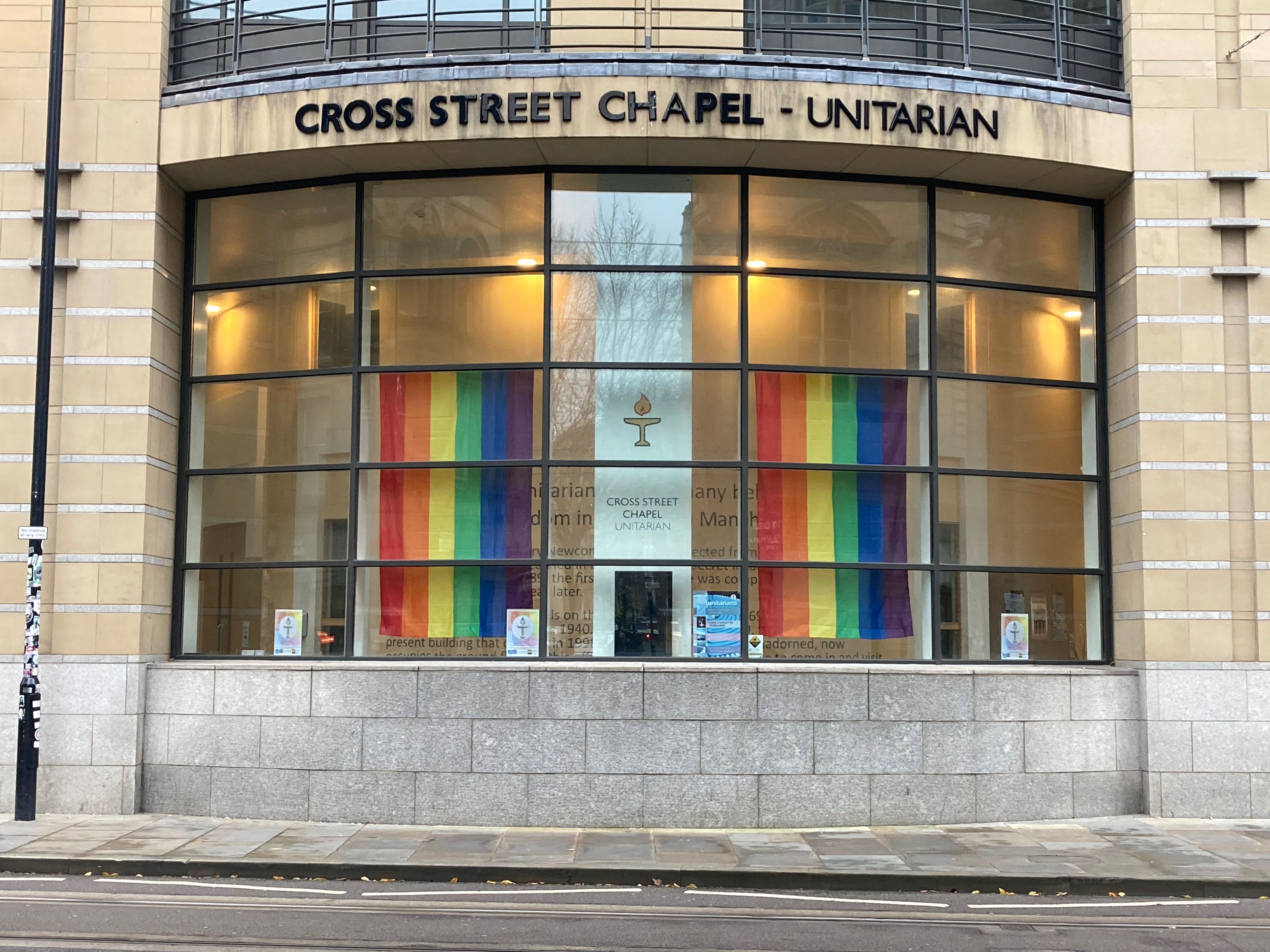
We met at Cross Street Chapel, Cross Street, Manchester M2 1NL on Wednesday, 18 November and Thursday, 19 November, and will be meeting weekly. Please note this is not a drop-in – booking is essential as we have to limit the numbers to maintain social distancing. If you are interested, please contact us.

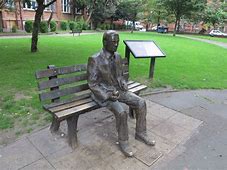
Alan Turing: Stolen items to be returned to UK from US after decades

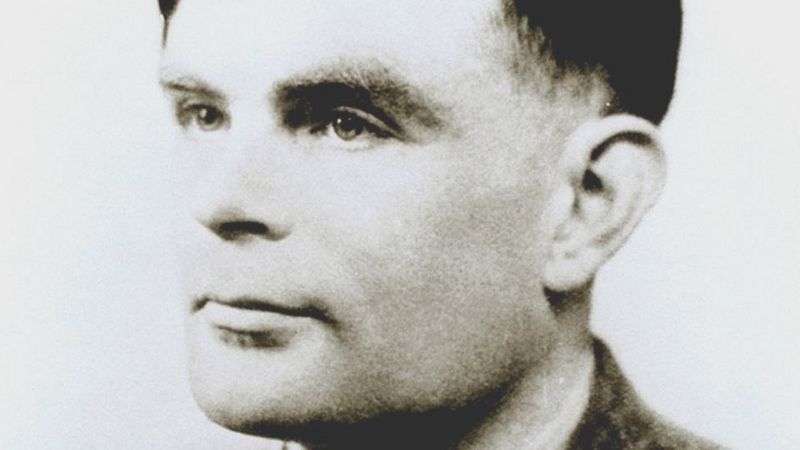
Items belonging to World War Two Bletchley Park code-breaker Alan Turing that were stolen from the UK decades ago are to be returned from the US.

Alan Turing was instrumental in helping to crack the Enigma code

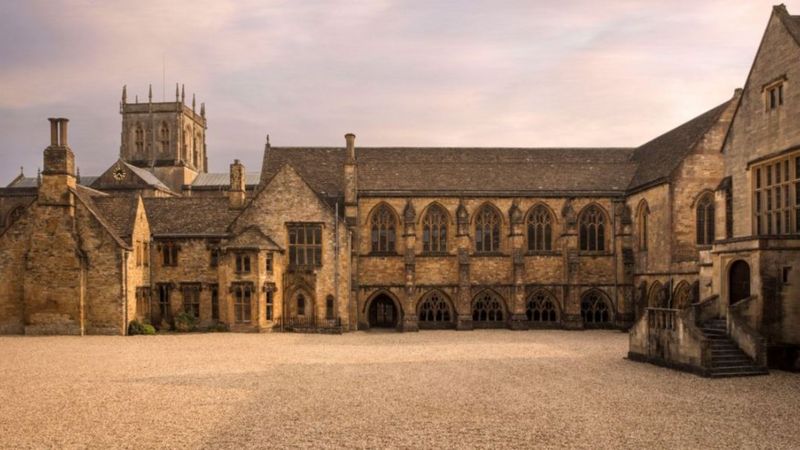
The mathematician’s miniature OBE medal is among 17 items that were taken from Dorset’s Sherborne School by Julia Turing, who is no relation, in 1984.

They were found at her home in Colorado in the US in 2018.

A US civil court case launched against her has been settled out of court and the items are due to be returned.

According to US court papers and Sherborne School, Ms Turing, who legally changed her name from Julie Schwinghamer in 1988, removed the items without permission from archives given to the school in 1965 by the Turing family, in memory of the time he spent there as a pupil.

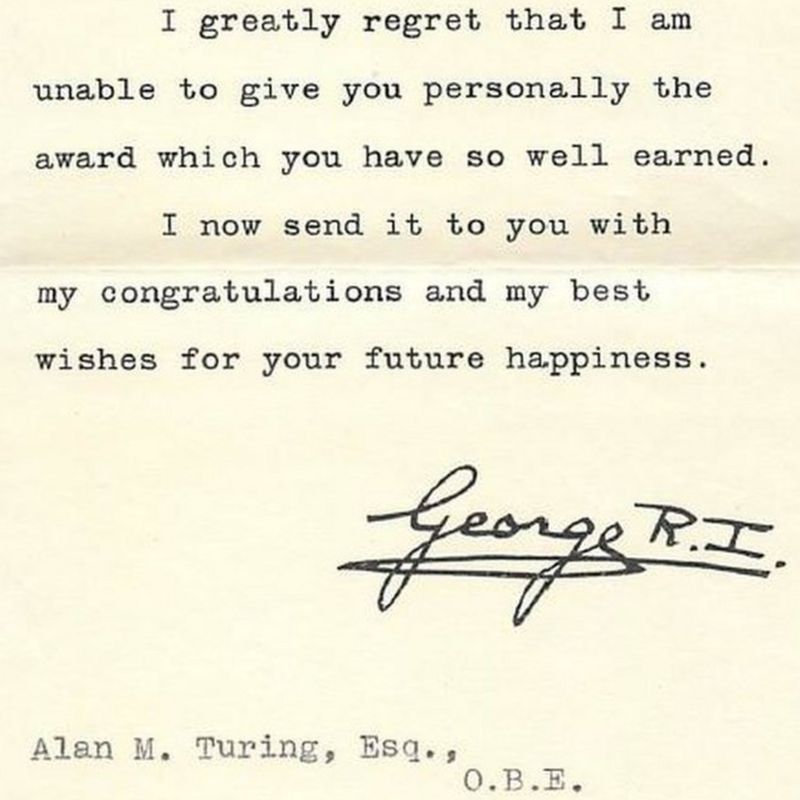
Among the items stolen was a letter sent to Turing by king George VI, presenting him with his OBE medal

A letter sent to Turing by King George VI, presenting him with his OBE honour, Turing’s Princeton University PhD certificate, school reports and photographs were among the items that were taken.

Ms Turing attempted to loan them to University of Colorado for display in 2018, claiming to be a relative of the mathematician.

After the alarm was raised, an investigation was carried out by police and the items were found at her home in Conifer.

Sherborne School archivist Rachel Hassall said although the boys’ boarding school had not been party to the settlement agreement with Ms Turing, it had been informed by Homeland Security Investigations that the items would “in due course” be returned to the school.

Sherborne School

“We are sorry that by removing the material from the school archives Ms Turing has denied generations of pupils and researchers the opportunity to consult it,” she said.

However, once the material was returned to the school she said it would be available to be viewed in person or via the school archives website.

During a court appearance in Colorado last month, Ms Turing described Turing as “a beautiful man of the finest order”, adding: “He lived brightly in my heart throughout my entire life beginning at the age of between eight and nine years old.”

She continued: “I am giving up my collection to be handed over to England because I do not want to keep anything from England against their will out of selfishness … I wish only the very best for the legacy of Alan Turing, that his belongings, I have had the privilege to be gifted and kept in my presence all these years and deeply cherished throughout my life with the very best of care that I could provide, may now … be handed over to the rest of the world to see and also admire as I did. That is my wish.”

Ms Hassall said: “Alan Turing is one of Sherborne School’s most distinguished alumni and there is no denying that he was a very individual boy, as he proved when, due to no trains running during the General Strike in May 1926, he cycled, aged 13, 65 miles from Southampton to Sherborne for his first day of term.

“In his last year at the school he was made a school prefect and won all the school prizes for science and mathematics.”

Headmaster Dominic Luckett described Turing as one of the school’s “most distinguished alumni”.

“His crucial work as a code-breaker at Bletchley Park and his enormous contribution to the subsequent development of computing have become more widely recognised in recent years and we as a school are keen to do all we can to preserve and promote his legacy,” he said.

Who was Alan Turing?

Born in Maida Vale, London, in 1912, Turing was not well known during his lifetime.

As well as attending Sherborne School, he gained a mathematics degree at King’s College, Cambridge, and PhD at Princeton University in New Jersey.

In 1936 he published a paper that is now recognised as the foundation of computer science.

Three years later he began working at Bletchley Park in Buckinghamshire, where he helped develop the Bombe machine, which was capable of breaking secret German military messages sent using the Enigma machine.

In 1952 he was arrested because he was gay – homosexual acts were illegal in Britain at the time.

Turing died in 1954, aged 41, in Wilmslow, Cheshire, from suicide by cyanide poisoning – though this was disputed by his mother who argued he accidentally ingested cyanide during a chemistry experiment.

He was posthumously pardoned in 2013, and in 2017 the government agreed to officially pardon all men who had criminal records for being homosexual. This pardoning has become known as the Alan Turing law.

Last year, Turing was named the most “iconic” figure of the 20th Century and he became the face of the new design of the Bank of England’s £50 note.

Turing’s nephew Sir Dermot Turing, who also attended Sherborne School, said there was “very, very little physical stuff in existence that has anything to do with Alan Turing”.

“To find out that items that were squirreled away in mysterious circumstances, by someone who had no right to them and kept them out of the public realm, and for them now to be returned is a really positive and good thing,” he said.

“They were donated to the school by my grandmother, it was intended they should form part of the ethos of the place. The return of the items will honour what my grandmother wanted.”

Turing’s research papers and theory work has been held at the National Archives. Apart from Sherborne School, the only other places believed to hold more personal belongings are Cambridge University’s King’s College and Bletchley Park.

Prolific travel writer, journalist, soldier and novelist Jan Morris has died aged 94.

Jan Morris, who has died at the age of 94, was one the finest writers the UK has produced in the post-war era.

Her life story was crammed with romance, discovery and adventure. She was a soldier, an award-winning journalist, a novelist and – as a travel writer – became a poet of time and place.

She was known also a pioneer in her personal life, as one of the first high-profile figures to change gender.

Morris wrote more than 40 books including a notable trilogy about Britain’s empire, Pax Britannica, during the 1960s and 70s.

In 1972, she transitioned from male to female, undergoing gender reassignment surgery and changing her name to Jan.

Obituary: Jan Morris, a poet of time, place and self

Her son Twm announced her death: “This morning (20 November 2020) at 11.40 at Ysbyty Bryn Beryl, on the Llyn, the author and traveller Jan Morris began her greatest journey. She leaves behind on the shore her life-long partner, Elizabeth,” he said.

Elizabeth was Morris’s wife before Morris transitioned – they had five children together and stayed together, later entering a civil partnership. One of their children died in infancy.

Morris told Michael Palin in 2016: “I’ve enjoyed my life very much, and I admire it. I think it has been a very good and interesting life and I’ve made a whole of it, quite deliberately.

“I’ve done all of my books to make one big, long autobiography. My life has been one whole self-centred exercise in self-satisfaction!”

She is arguably most famous for her widely admired travel writing, and Palin said: “She’s kind of a non-fiction novelist. She creates an image and a feeling of a place that stays in your mind.”

Author Kate Mosse, whose books include Labyrinth, paid tribute to an “extraordinary woman”. Fellow writer Sathnam Sanghera tweeted: “What a life, and what a writer.”

Journalist Katherine O’Donnell added her “public visibility and account of her transition … let others like me know they were not alone”.

Labour MP for Cardiff North Anna McMorrin added that Morris was “an incredible writer, pioneer and historian”.

Morris’s book Venice, about the Italian city, is considered to be a classic by The Guardian. Palin said it was “one of the most influential books of my life”.

“Her description of the city transcended any conventional travel writing I’ve come across. Morris’s heart and soul was in the book. It was like a love affair,” he said.

“Her book started my own love affair with the city, which has lasted all my life. And as a writer she taught me the importance of curiosity and observation.”

The author also wrote fiction, however, and her book Last Letters from Hav made the Booker Prize shortlist in 1985. It was a novel written in the form of travel literature.

Morris was particularly renowned as a journalist for announcing the ascent of Everest, in an exclusive scoop for The Times in 1953.

‘Powerful and beautifully written’

She accompanied Edmund Hillary as far as the base camp on the mountain, to witness the historic attempt on the summit.

The news was announced on the same day as the Queen Elizabeth’s coronation. Later, in 1999, she accepted a CBE from the Queen, but said it was out of politeness.

Morris wrote about her transition in her 1974 book Conundrum, which was hugely successful.

She wrote in the book about having surgery in a clinic in Casablanca. The Guardian described it as a “powerful and beautifully written document”.

The writer told the Financial Times in 2018 she did not think her gender reassignment had changed her writing, saying: “Not in the slightest. It changed me far less than I thought it had.”

She added that she did not think she would have achieved more as a man.

When not abroad, her home was in Gwynedd in Wales, where she held staunchly nationalist views and was honoured by the Eisteddfod for her contribution to Welsh life.

Transgender Day of Remembrance … “Glamour Boys” … Mind Yer ‘Ed

News

Trans Day of Remembrance

Transgender Day of Remembrance (TDOR) is an annual observance on 20 November that honours the memory of the transgender people whose lives were lost in acts of anti-transgender violence.

Transgender Day of Remembrance was started in 1999 by transgender advocate Gwendolyn Ann Smith as a vigil to honour the memory of Rita Hester, a transgender woman who was killed in 1998. The vigil commemorated all the transgender people lost to violence since Rita Hester’s death, and began an important tradition that has become the annual Transgender Day of Remembrance.

Chester Pride have produced this information about trans voices:

‘Glamour Boys’: Book tells story of gay British MPs who foresaw Hitler’s threat

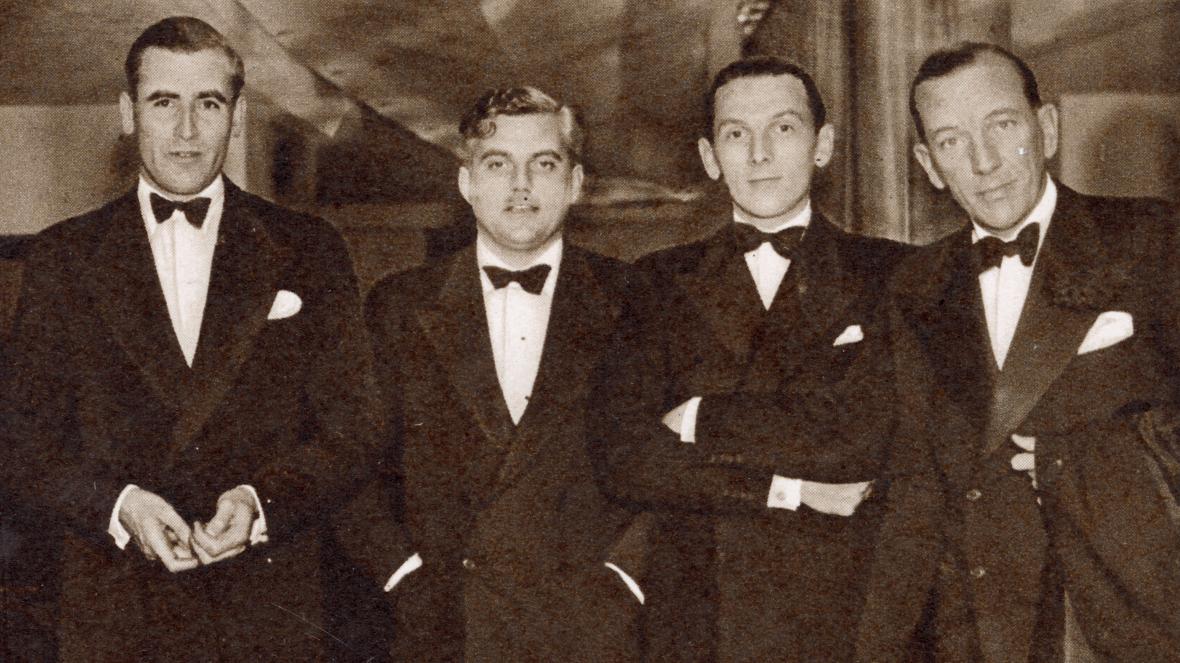
Gay or bisexual MPs Jim Thomas (Anthony Eden’s PPS), Bob Boothby and Ronnie Cartland with Noël Coward
Illustrated London News Ltd / Mary Evans

A group of gay and bisexual British MPs were among the first to sound the alarm about Adolf Hitler’s fascist threat, but – dismissed as “glamour boys” and warmongers – their warnings initially fell on deaf ears, according to a new book. Four of them later died in action.

Chris Bryant: ‘These men’s sexuality was an essential aspect of their bravery.’ Photograph: Phil Warren

Chris Bryant, Labour MP for Rhondda, has unearthed the extraordinary untold story of gay and bisexual British politicians and their bravery in the Second World War.

Without these parliamentary rebels sounding the alarm as early as 1932 and speaking and voting against Chamberlain’s policy of appeasement, Bryant argues, Britain “would never have gone to war with Hitler, Churchill would never have become prime minister and Nazism would never have been defeated”.

Using previously unseen documents, including diaries, private letters, photo albums and material found in the National Archives, Tate galleries and Eton College library, Bryant spent five years piecing together the stories of men whose sexuality and heroism has been excised from history until now.

At a time when gay sex was still illegal in Britain, their decision to break ranks with then prime minister Neville Chamberlain’s policy of appeasing Hitler in the 1930s was all the more courageous, said the book’s author Chris Bryant.

“Their sexuality … is part of their courage in this period,” said Bryant, an opposition Labour Party Member of Parliament (MP).

“The government whips knew how to destroy a person if they wanted to, so going against the tide was really a difficult thing to do”.

In “The Glamour Boys: The Secret Story of the Rebels who Fought for Britain to Defeat Hitler”, Bryant tells how the seven or eight gay and bi members of a group of rebels drew the Prime Minister’s ire.

It was Chamberlain who dubbed the group the “glamour boys”, in a dig at the sexuality of some of their members, and ordered security services to tap their phones.

But in an untold LGBT+ story of World War Two history, Bryant’s book suggests the fact that some of the rebels were gay and bisexual gave them a unique insight.

Before Hitler came to power in the early 1930s, the German capital was a haven for LGBT+ people with members of British high society – including MPs – making frequent trips to sample the sexually liberated nightlife.

A nightclub in Berlin, circa 1935. ‘These boys risked exposure, but they were made of stern stuff,’ says Chris Bryant MP, author of The Glamour Boys. Photograph: General Photographic Agency / Getty

Members of the group were also among the first to visit the Dachau concentration camp and “must have noticed the significant number of homosexual prisoners”, Bryant writes in the book.

That connection to the country and the German people gave the MPs a deeper understanding of 1930s Germany, he argues.

But it also gave their enemies an easy means to dismiss the rebels’ concerns at a time when homophobia was the norm.

“In a sense they put the glamour into the Glamour Boys and thereby gave their powerful political opponents a stick with which to beat the whole group,” writes Bryant, the first gay MP to hold his civil partnership in the Palace of Westminster.

PIVOTAL ROLE

In Britain, the political temperature shifted with Chamberlain’s resignation in May 1940 and the appointment of Winston Churchill as Prime Minister – at last vindicating the rebels.

Author of six other books, including a biography of actress and former Labour Minister Glenda Jackson, Bryant said he hoped his latest book would be adapted for TV, helping shine a spotlight on how LGBT+ people are often written out of history.

“For a bit of this story, you needed a queer eye for queer history,” Bryant said, citing a biography of one of the rebel MPs, Victor Cazalet, which “omitted any reference to his homosexuality”.

He said he hoped future historians would take greater note of the pivotal role played by the gay and bisexual MPs.

“I think it would be odd now, having revealed this bit of the story, if future historians writing about (former British Prime Ministers Anthony) Eden and Churchill don’t include this as part of the story.”

The lessons of the past should also guide policy on contemporary LGBT+ issues, he said, pointing to a recent rise of anti-LGBT+ sentiment in Poland, Hungary and Russia.

“Just because we’ve won these freedoms today doesn’t mean they’re there for eternity,” Bryant said.

“When you look into a nation’s past, you can see some of the ways we went wrong and avoid doing that again in the future.”

Info for this article is from the Thomson Reuters Foundation, the charitable arm of Thomson Reuters, that covers the lives of people around the world who struggle to live freely or fairly.

The Glamour Boys: The Secret Story of the Rebels who Fought for Britain to Defeat Hitler was published by Bloomsbury on 12 November.


Mind Yer ‘Ed

Talking About My Generation was started as a campaign so people aged 50 and over from across Greater Manchester could change the record on what it means to grow older in the region.

One of the projects is the Mind Yer ‘Ed series and here is another interview:

Helping other has given me a source of strength

As part of the Mind Yer ‘Ed series, Steve Sherry, chair of his local LGBT group in Bolton, shares his experience of the coronavirus pandemic.

Steve, aged 59, has been shielding since the first lockdown in March to protect his parents and has seen the pandemic completely change his life. Here he tells us what life has been like and how helping others has given him a source of strength and achievement.

“I’m was used to being out and about nearly every day. Before the pandemic, I would be here there and everywhere and I was in town nearly four or five times a week for meetings and focus groups. I was meeting people all the time and I’ve gone from that to virtually nothing.

My father is 80 and I’m also living with my mother but she’s not in good health either. She’s 70 but she’s not physically capable of looking after my dad.

When we got the shielding letter, the GP came to visit and advised us that we should avoid going out for a time unless absolutely necessary because the risk was so big and that’s what we did.

Mental health-wise, there’s no two ways about it, it has affected me. I’ve had a lot of days and periods where I’ve been extremely down but when people from the LGBT group contact me, I’ve got to pretend that I’m coping while I’m trying to help them with their issues.

Helping others does give me a sense of strength and achievement, though. The other week I was able to help a member of the group who contacted me about issues he’s been having with his housing.

This person was struggling with their mental health and in the end, we managed to sort everything out and that was quite empowering. It felt good to help him and I’ve done this probably about 20 or 30 times over the course of the pandemic.

As part of the LGBT group in Bolton, we’ve had weekly Zoom meetings. We can have about 10 or 15 people on there, but some days it might just be three of us. It’s a lot better than nothing at all but it’s just not the same as a normal face-to-face meeting.

I’m the LGBT advisor Greater Manchester Police and Bolton Council and I’ve been having about five or six zoom meetings a week. Just keeping yourself occupied does help.

But for a couple of weeks, I was very down and frustrated we couldn’t get a shielding letter and set up priority food deliveries and medication. It was really getting to me.

Once this was sorted out, I gradually started bringing things back into my life. Now I’m having more Zoom meetings than I had actual face-to-face meetings before the pandemic.

I also manage to get walks in a couple of times a week and they lift me. I live less than a mile from Lancashire and if I walk about five minutes, I’m in the countryside.

Before the pandemic, I didn’t have much time to go out for a walk and now that I have that time, I appreciate it a lot more. After the pandemic the walking won’t stop. It’s easy to do and you can commit to it whenever you’ve got time. I’ve found it extremely useful and way more calming and therapeutic than I ever thought it would be.

I think the pandemic has brought an awful lot of people together because we’re all in the same situation. A lot of people are looking out for each other and hopeful that will continue after it’s all over.”


Hear Us Out … Mind Yer ‘Ed

News

Since the beginning of 2019, New Writing South been collecting the stories of older LGBTQ+ people across the South East of England and they are now presenting an online programme, Hear Us Out, celebrating these stories through verbatim performance, film, creative writing and discussion.

Hear Us Out will take place between 26 – 29 November 2020, and the whole programme (below) is free to attend. Please book if you’d like to attend by email to hello@newwritingsouth.com to arrange your tickets.

READ US OUT

Digital performances of LGBTQ+ creative writing

Thursday 26 November, 6.00pm (FREE, BSL Interpreted)

Hear creative writing from local LGBTQ+ writers, written in response to the stories older LGBTQ+ people across the South East of England have shared with the Hear Us Out project.

Join us for this collection of funny, touching and rousing readings celebrating the stories, lives and experiences of our region’s older LGBTQ+ community. Curated by Hear Us Out Artistic Director Dinos Aristidou and created with filmmakers My Genderation and composer Angèle Veltmeijer, Read Us Out was performed and filmed by our LGBTQ+ community performers over lockdown.
SPACE / WALK

An online documentary series by Marlborough Productions celebrating Black queer elders’ stories

Friday 27 November, 6.00pm (FREE, BSL Interpreted)

Over three episodes, three Black queer elders and a young adult, meet to embark on an unpredictable journey into the space that surrounds their city by the sea. Weaving in unheard personal histories, Space / Walk is a joyfully honest exploration of surviving and thriving within an atmosphere that was never designed to support our existence.

This online documentary series by Marlborough Productions has been commissioned by New Writing South especially for Hear Us Out. Marlborough Productions is a leading UK producer of queer-led, intersectional performances, parties and radical community gatherings. Space / Walk has been made by artistic director Tarik Elmoutawakil (Brownton Abbey) with Carmen D’Cruz and Amina Yousif.

The following two episodes will be released early next year.

HEAR US OUT

A digital performance celebrating older LGBTQ+ people’s stories

Saturday 28 November, 6.00pm (FREE, BSL Interpreted)

“It’s a life’s work to find your own story, to find the right room to fly into”

Join Scarlet Tiger, a moth in search of stories, as they fly through the South East listening to the real-life tales of the region’s older LGBTQ+ community.

After hearing the stories of older LGBTQ+ people across the South East of England, New Writing South are thrilled to present Hear Us Out, a new digital performance written and directed by Dinos Aristidou using a mixture of new writing and our older LGBTQ+ storytellers’ verbatim speech.

In collaboration with filmmakers My Genderation and composer Angèle Veltmeijer, Hear Us Out will feature a company of LGBTQ+ community performers who all filmed themselves performing over lockdown.

In an authentic retelling of the stories, the performers will use the ‘Hear Us Out Technique’ where, listening to the original story recordings through headphones, they perform them to camera exactly as they hear them.

A celebration of all the trials and triumphs that make up older LGBTQ+ lives, will you hear us out?
HEARING YOU OUT

An online discussion for older LGBTQ+ people and their allies

Sunday 29 November, 3.00pm (FREE, BSL Interpreted)

Hosted by the award winning writer and director of stage and screen, Rikki Beadle-Blair, join us to toast being older and LGBTQ+ and to discuss the themes raised by the Hear Us Out project at this celebratory closing event. We look forward to welcoming you to this friendly gathering of older LGBTQ+ people and their allies and hearing you out.

For more info see http://hearusout.live/


Mind Yer ‘Ed

Talking About My Generation was started as a campaign so people aged 50 and over from across Greater Manchester could change the record on what it means to grow older in the region.

One of the projects is the Mind Yer ‘Ed series and members of Out in The City have been interviewed. Here are a couple more of the interviews:
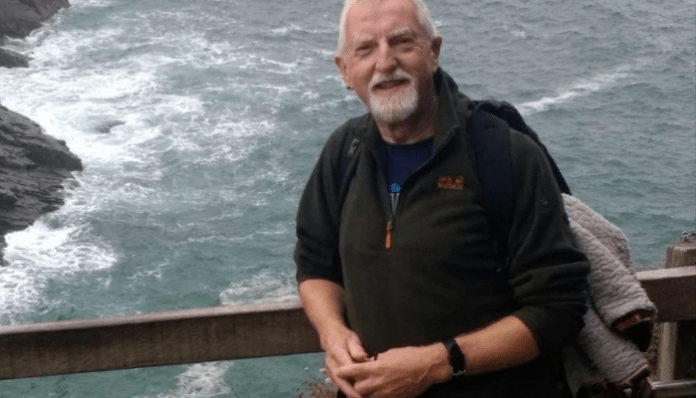
Line Dancing in my lounge and long walks have been liberating

As part of the Mind Yer ‘Ed series, Patrick Pope, from Bury, shares his experiences of the pandemic and how he had a letter waiting for him when he arrived back from holiday to say he had to shield in lockdown.

But the 70-year-old has used his love of being active to get through difficult patches – dancing in your lounge is recommended! 

“It was a hammer blow, physically and mentally getting the news about shielding the day I arrived home from holiday. I’d gone from being on a great holiday to receiving a letter stating I couldn’t go outside my apartment anymore for at least 12 weeks.

I’m active and sociable so suddenly having that in print, saying I couldn’t go outside my own domain for three months; I actually sat in my chair and burst into tears. I wept.

There was a period for the two first weeks where I got really down, I wasn’t really involved in anything and I got very inward and introvert, which isn’t me at all.

But being able to help other people as well as continuing with some of the groups I was part of over Zoom really took the weight off my mind.

I was asked to be a chat line respondent for the NHS and I was asked to get involved with a few schemes through Out in the City. One of these was a buddy-line scheme and I was linked up with people who were isolated, lonely or in need of a bit of company and I would ring them in the week. We kept that going for ten weeks and not only did it give me a purpose, it gave other people a link to the world as well.

I know a lot of people are a bit Zoomed out now but that was also a great benefit. I’m in a choir in Bury and we did Zoom sessions every Wednesday. I’m also part of a gay line dance class in Manchester. It sounds crazy, but we dance on Zoom. We’ll do that for about an hour and a half. They play music and we dance in our lounge. I’ll move the furniture out of the way, get Zoom up on my phone and put it in a position where I can see the teacher’s instructions and dance around to the music.

As soon as I was allowed to go outside again, I took off and did loads of walks on my own and with a couple with friends who were living close by. I’m also part of a walking group and I got back involved with that again.

Getting to do these things has liberated me, not only physically but mentally as well. It’s something to look forward to all the time.

We had a really good spell of weather in April and May and I’m a big fan of gardening so I worked on it endlessly. I get my green fingers from my late father. It’s so therapeutic.

I’m aware of the kindness people have shown me week in week out. When I was shielding, quite a few people rang me every week, one of them every day, to check I was alright and people volunteered to do my shopping. I won’t forget those acts of kindness.

My big hope is people don’t forget all the good things that have happened and the good things that people have done to help each other. May that long continue.”

Keeping Busy, being creative and optimistic woke me up

As part of the Mind Yer ‘Ed series, Stephen Cuddy, aged 60, shares his experience of the pandemic and how he’s used cooking and other activities to keep his mind occupied.

Without a shadow of a doubt, the pandemic has been harder for those aged 50+ who are members of the LGBTQ community, because many of us live alone.

There’s a lot of depression in the gay world anyway and there are a lot of people I know who feel completely down right now, and sometimes I don’t recognise them because they’re so down. I think it’s just leaving them feeling vulnerable.

I think it’s about the economic situation and the cultural situation as well. So many people in my circle of friends who are gay go to the theatre or the concert halls. It’s a big part of their life and they can’t do that anymore.

It’s so sad when you’re on the tram and you’re going down Mosley Street or you go past The Bridgewater concert hall all dark and closed. It brings it home to you how fragile life is in a way. It’s a bit of a wake-up call.

It’s not so much anxiety that I feel, but fear for the future more than anything. I just think we’re going to come out of it into a different world. I try to handle that feeling and I try to do little things to take my mind off it. I’m quite good at putting things to one side.

One article I read about being creative and optimistic as opposed to worrying all the time triggered me into doing something and accepting that nothing is perfect in life. You just have to deal with it the best you can. It woke me up.

That routine is beginning to kick in more and more each day. It’s about staying busy and not watching the telly or putting the news on all the time.

I’ve rediscovered the kitchen recently too. Normally I’d have been a bit lazy and bought a ready meal, but I’m roasting my own chicken and vegetables now.

For me it is all about the oven. I love slow-cooked food and I like the smell that fills the house and the warmth created in the kitchen. It’s very comforting during this time and it’s a bit like having a gin and tonic.

My favourite meal to cook is bacon, or chorizo, and cheese pasta bake. It’s easy to do, cheap and tastes good hot or cold. The leftovers will keep well in the fridge, too.

I’ve found walking a good coping mechanism as well, and I’ve also been out in the garden more. It’s never been so neat and I’ve never planted so many plants and shrubs in my entire life. I do think there’s a connection between the gardening and the walking that’s keeping me healthy, mentally and physically. I just love it.

Normally, I go to Gran Canaria at least once a year, and I actually bought a Gran Canaria palm. It’s only about four foot tall right now but it just makes me smile and keeps me balanced. It gives me happy memories.

It’s like a survival mechanism kicking in – the need to keep busy. Those are the three things I always look forward to doing.

When you’re in the garden, when your outside and when you’re cooking there’s an optimism about the whole thing and a sense of normality. I can’t believe I’d let something so simple and free and so good just lapse. I think it’s taken COVID to wake me up a bit to what I truly enjoy.

I’ve learnt there’s still a lot energy and strength inside me and that I am much happier being active and busy. When it’s over I’m definitely going to get a part-time job or volunteer. The most important thing is to face your fears and be happy.”