
UK AIDS Memorial Quilt
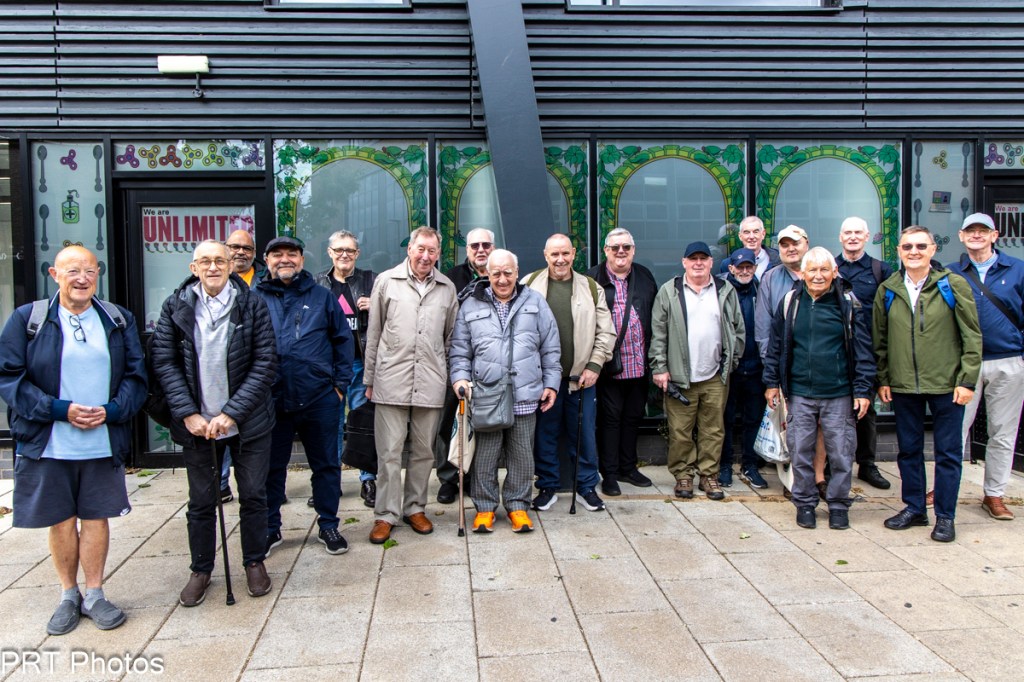
In partnership with UK AIDS Memorial Quilt Partnership, Wakefield is the first city to welcome the UK AIDS Memorial Quilt in its entirety, outside of London. The UK AIDS memorial Quilt consists of 43 quilts and 24 individual panels, representing more than 500 people lost to HIV and AIDS.
It is part of the world’s largest community art project, started in the USA in 1985 by activist Cleve Jones, commemorating friends, family and loved ones lost to AIDS.
Individual panels were stitched together to create larger quilts, which were then shown outdoors as a form of protest to raise awareness about HIV and AIDS.
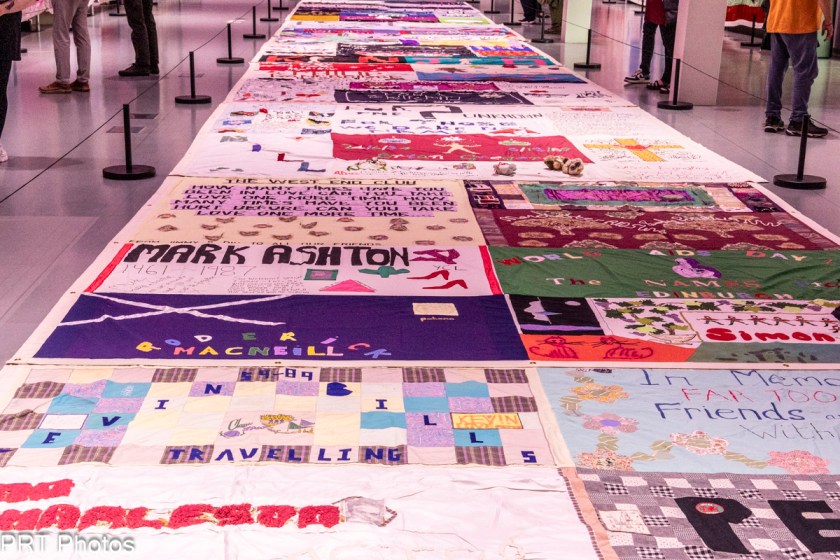
Seven UK HIV support charities formed the UK AIDS Memorial Quilt Partnership in 2014 to conserve and display the quilt. Today it stands as an important reminder of those who were lost and of the fact that HIV and AIDS continue to affect people and communities today.
More photos can be seen here.

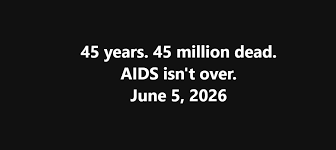
Forty five years since the first reported cases of HIV
On 5 June 1981, the Centers for Disease Control and Prevention (CDC) published a brief, clinical report in its Morbidity and Mortality Weekly Report about five young men – all “active homosexuals” – in Los Angeles who had developed pneumocystis pneumonia – a rare and deadly form of pneumonia.
The write-up, barely a page long, ran in between a report on dengue infections among US travellers and an assessment of measles cases. No one who read it could have known this was the opening chapter of the deadliest infectious disease epidemic since the 1918 flu – one that would kill an estimated 45 million people worldwide and reshape medicine, politics and culture in ways we’re still reckoning with.
The first UK cases were identified in December 1981. Then, the following year, Terry Higgins became one of the very first people to die in London in July 1982. The Terrence Higgins Trust was quickly established by his partner Rupert and friends to raise much needed awareness among affected communities, fund research to give hope and fight for the proper Government response required to stem the tide of lives lost.
Initially known as GRIDS – or Gay Related Immune Deficiency Syndrome – the CDC first used the term AIDS (Acquired Immune Deficiency Syndrome) in autumn 1982. While primarily affecting gay men in the early days, the virus spread rapidly and began affecting some of the world’s most marginalised communities.
It wasn’t until 1986 that HIV (Human Immuno-Deficiency Virus) was used as the name for the virus. In 1987, the UK Government took important but overdue action and launched its Don’t Die of Ignorance campaign to raise awareness of HIV and its spread. But, in the process, the TV advert and leaflet that was delivered to every house in the country, frightened a generation of people and deeply entrenched information about AIDS that is now outdated in the UK.
It took until 1996 – 15 years and millions of deaths after the CDC report – for effective treatment to be found to protect the immune systems of those who contracted HIV. This would go on to transform health outcomes for people with diagnosed HIV. But the preceding Government inaction, persecution and scaremongering in parts of the press (with reports of a ‘gay plague’) and the shame and stigma for affected communities, cast a long shadow that still impacts efforts to prevent HIV and destigmatise the virus today.
The story could have ended there: The virus had won while the world looked away. But it didn’t. What happened instead, through a combination of activist fury and scientific ingenuity is one of the great reversals in the history of medicine. It’s a narrative that provides hope not just that we might one day get to zero and eradicate HIV, but that the world can overcome what may seem like the most hopeless challenges. One of the biggest successes of modern medicine is transforming an HIV diagnosis from a virtual death sentence to a manageable long-term condition.
We now have highly effective ways of preventing, testing for and treating HIV. Access to those interventions is a privilege not afforded to many parts of the world still in 2026.
But HIV stigma and discrimination remain a huge barrier to further progress. Public perceptions – in the UK and internationally – have not kept pace with medical progress. Too few know that we can prevent HIV with a daily pill called PrEP, or that we can now say definitively that those taking effective HIV treatment can’t pass it on.
One of the best tools we have for tackling barriers to HIV testing and to improve the lives of those affected by HIV is through education. Through people living with HIV talking about their reality in 2026. Through sharing the facts about HIV. Through raising awareness of how much HIV has changed. Through tackling stigma and discrimination.
We’ve come far in the fight against HIV since the 1980s, but we still have a long way to go.
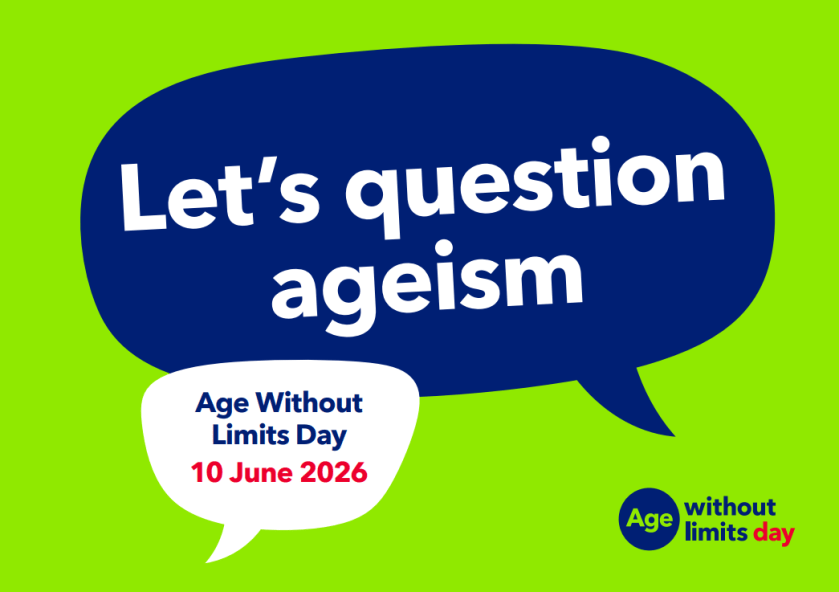
Thursday, 11 June – 2.00pm – 4.00pm – Age Without Limits Party
(with Wolf, Jennifer, Andi and Norman)
Cross Street Chapel, 29 Cross Street, Manchester M2 1NL
Buffet, raffle and great entertainment to celebrate ageing without limits and to challenge ageism.
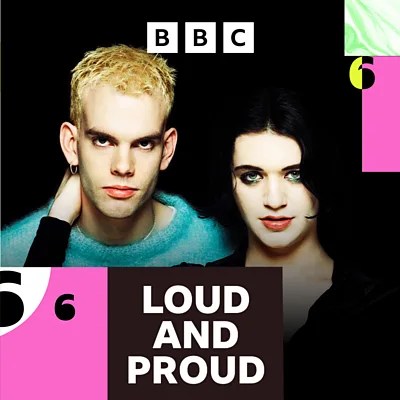
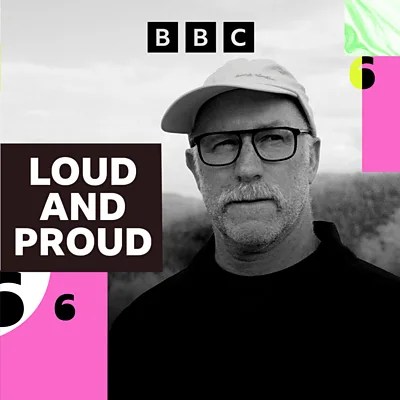
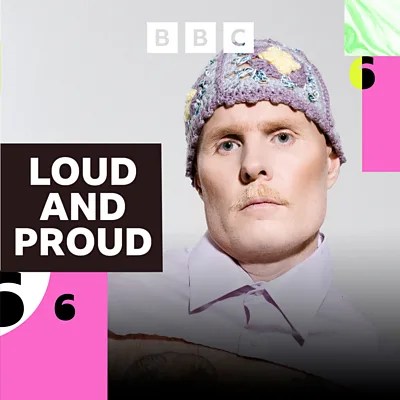
Loud and Proud
BBC Radio 6 Music have a series of mixes to celebrate LGBTQ+ voices – but they are only available until the end of June! Listen here
Loud and Proud Mix: Placebo
Loud and Proud Mix: Roddy Bottum
Loud and Proud Mix: Hercules and Love Affair
Loud and Proud Mix: Jinkx Monsoon
Joel Webbon
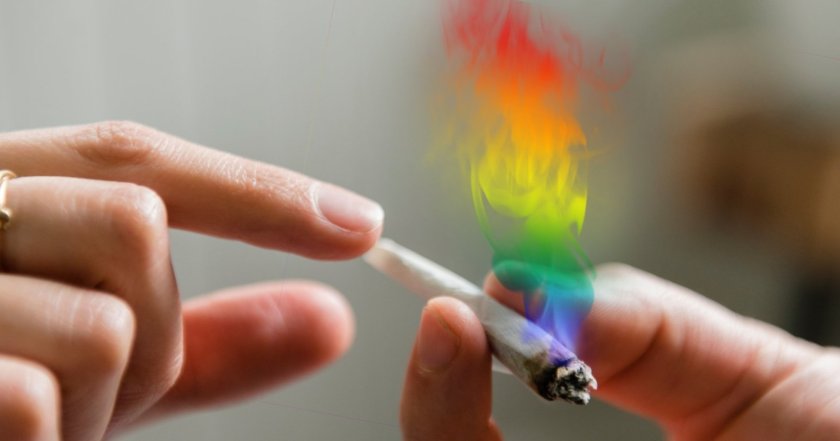
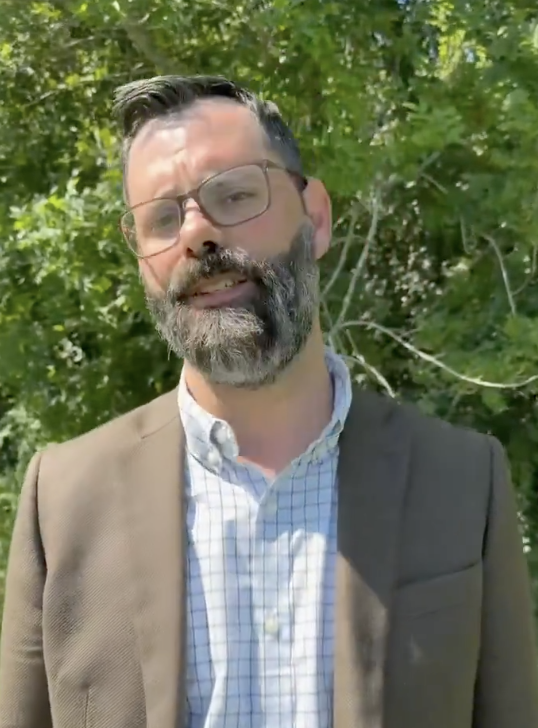
Joel Webbon, a US-based far-right Christian pastor, has sparked backlash after claiming that smoking marijuana makes men “gay”, urging Christian men to embrace tobacco and nicotine as a route back to “masculinity”.
Webbon links cannabis use to gender stereotypes and uses “gay” as a pejorative.
He says marijuana “makes you less masculine, more feminine, soft, gay, at least spiritually gay”, before arguing it leaves men unfocused and unambitious.
“Marijuana causes you not to focus, not to lock in, not to be ambitious. It makes you cloudy, fuzzy, lazy, unambitious.” Webbon also dismisses public health messaging around smoking, describing anti-smoking efforts as a conspiracy.
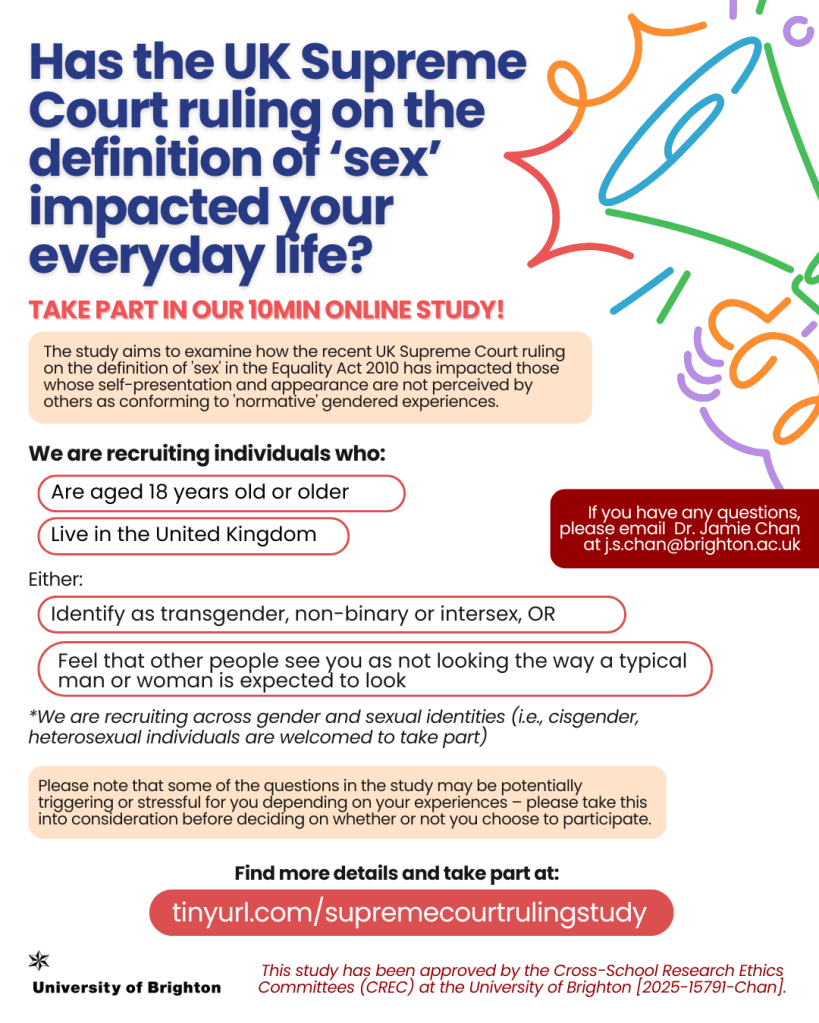
Research survey on UK Supreme Court ruling
A PhD student at the University of Bristol (Ambika Gupta, they/he) is conducting a research study that aims to provide evidence for how the UK Supreme Court ruling on the definition of “sex” in the Equality Act 2010 impacts people’s everyday lives, particularly those whose self-presentation might be perceived as falling outside the gender binary.
They are recruiting individuals who:
- Are aged 18 years old or older
- Live in the UK
- EITHER:
- Identify as transgender, non-binary or intersex, OR
- Consider themselves as having an appearance that other people view as not looking like a typical man or woman is expected to look.
They are recruiting across gender and sexual identities (ie cisgender, heterosexual individuals are welcomed to take part).
Please note that some of the questions in the study may be potentially triggering or stressful depending on people’s experiences – so, participants should take this into consideration before deciding on whether or not they choose to participate (which involves completing a 10 minute online anonymous survey).
Take the survey here.
 Out in the City
Sorry to miss the Aids Quilt visit
LikeLike