Photographs chart 50 years of change across Salford for city’s centenary year
A new exhibition at Irlams o’th’ Height library is marking Salford’s centenary year by exploring how everyday life has evolved over the past five decades.
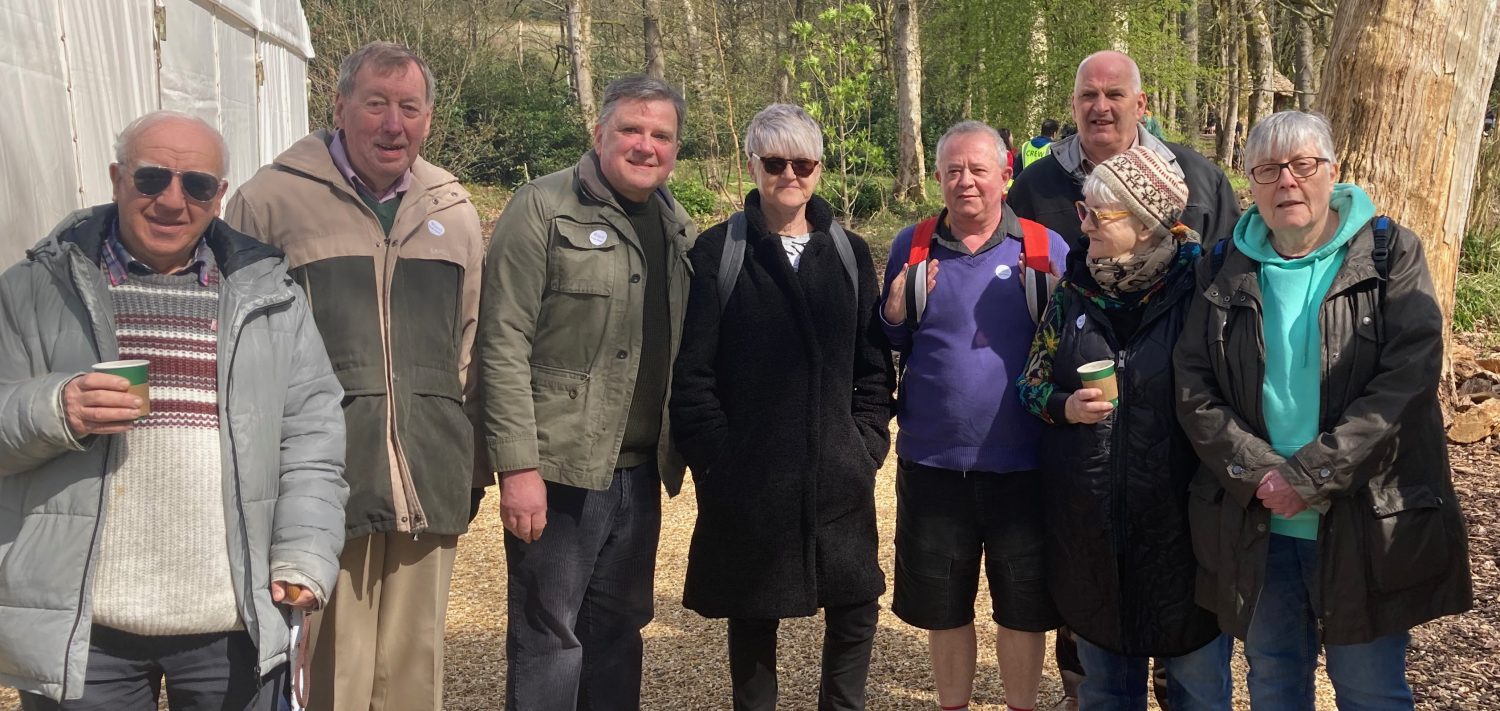
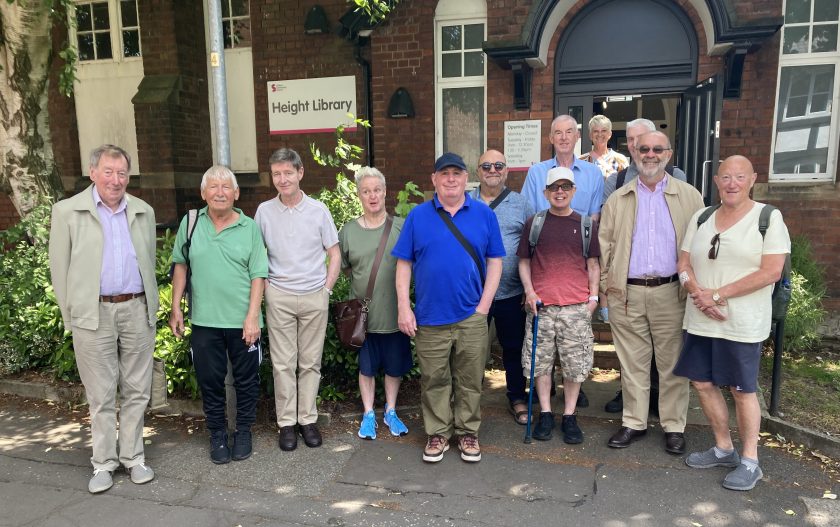
Steve Chapman and Phil Portus, in collaboration with A-level students Ella Fletcher and Reede Wallace, are exhibiting their work at Height Library, showcasing the evolution of Salford in the past 50 years.
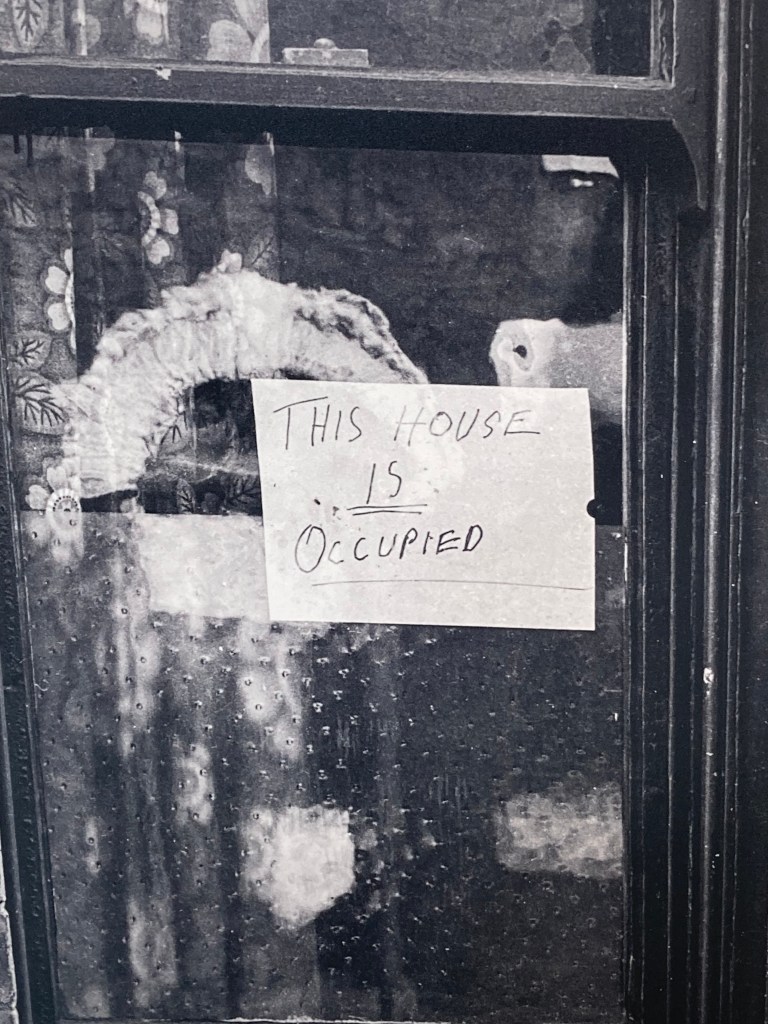
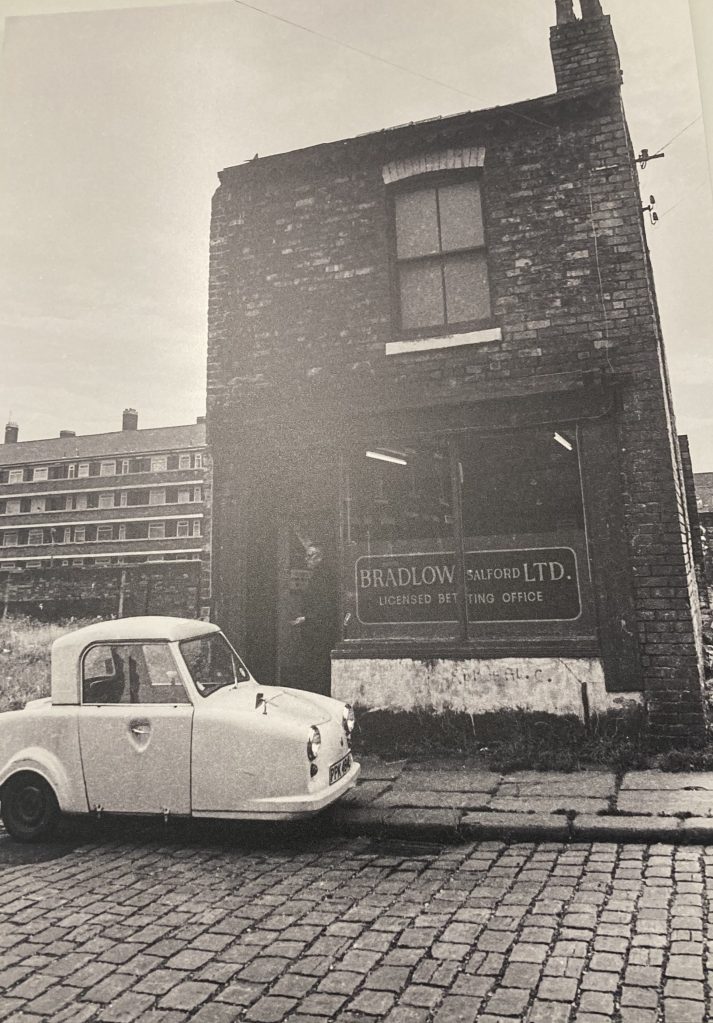
The historical photographs of Salford by Portus and Chapman illustrate the streets of the 100-year-old city during a time of upheaval in the late 1970s. The photographs in the exhibition are mainly focused on Langworthy, Weaste, Ordsall and Adelphi.
The work of Pendleton Sixth Form College students showcases their up-to-date images of Salford.
The exhibition wraps around the entrance and rear wall of the library and takes you through the daily life of Salfordians in the 1970s.
Portus and Chapman present images from elderly people enjoying Salford pubs, to young boys playing in the city’s old streets.
Phil and Steve have exhibited their work in Salford and Manchester in the past. But a lot of these works by the pair were unseen until their separate exhibitions in Cornerstone Langworthy Library in 2024 and 2025.
Many of the images can be recognised by Salford residents, particularly those who lived to see the evolution of the city over the past 50 years.
A great feature of the exhibition is the personal accounts of ‘Then & Now’, which compare people from the 1970s images, to more recent years in a side-by-side format.
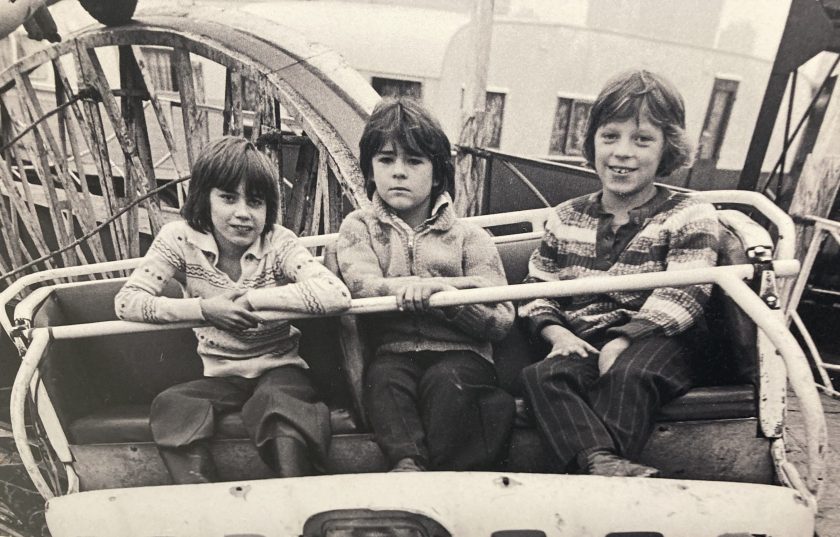
Neil Williams (in the middle) grew up in Alexandra Grove, Salford and was 11 years old in the photograph. After high school he started dj-ing when he was 16 years old. Neil went on to work in the film industry and was involved in producing many films such as “The King’s Speech”. Now he runs a holiday business with his husband in south west France.
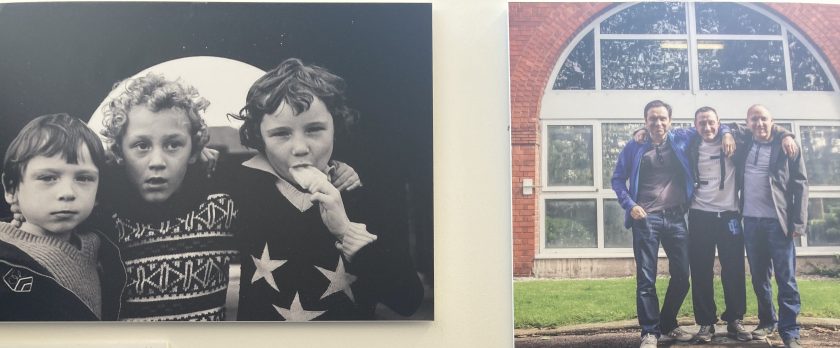
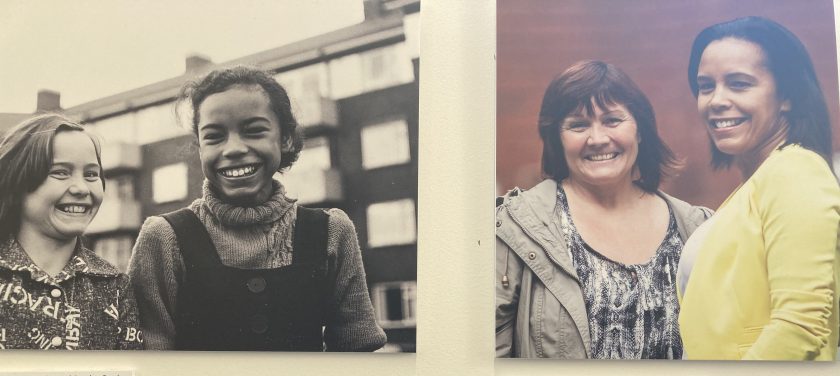
More photos can be seen here.

That time Vincent Price performed for the troops … in full drag
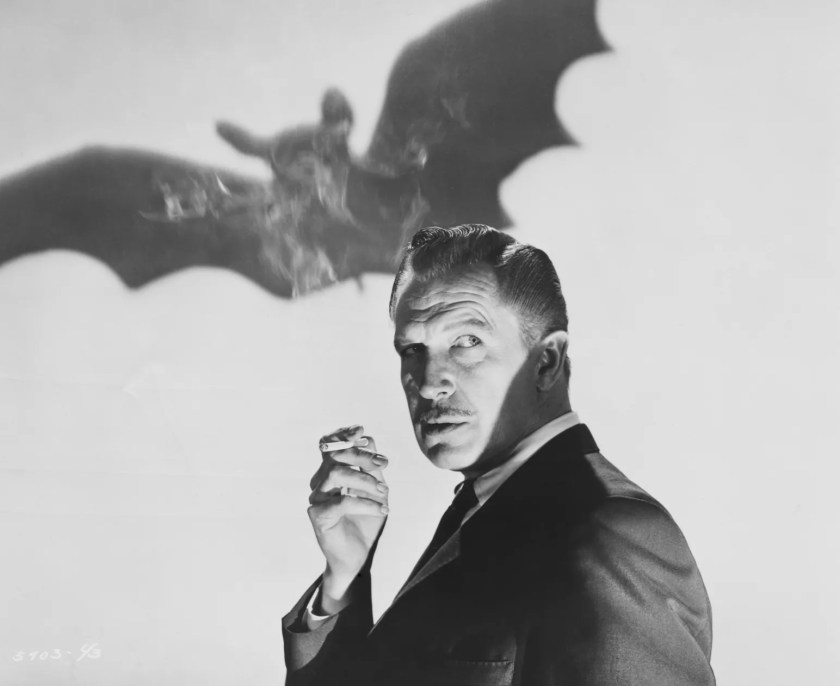
Vincent Price, the king of campy horror, was born on 27 May 1911.
During the 40s, it was common for Hollywood stars to go all out for the army and navy, even flying overseas to perform stage shows for the soldiers. Vincent Price also showed up for the troops during WWII, before his horror career took off … and he did it in drag.
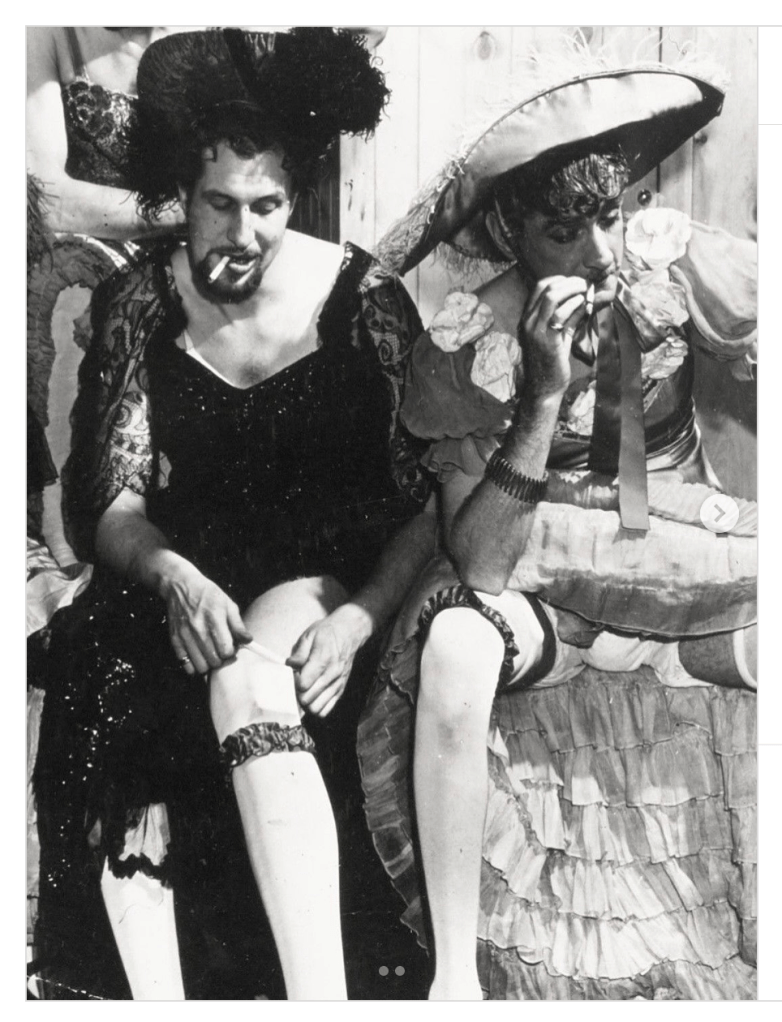
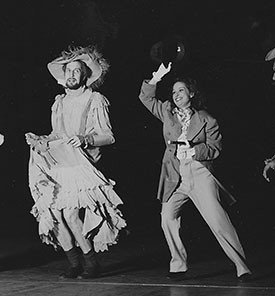
Price’s act was followed by a segment where Tallulah Bankhead, Gertrude Lawrence and others dressed up as men. Because in the past, drag wasn’t seen as an evil threat to gender values: it was seen as a fun time for everyone, including the guys fighting overseas.
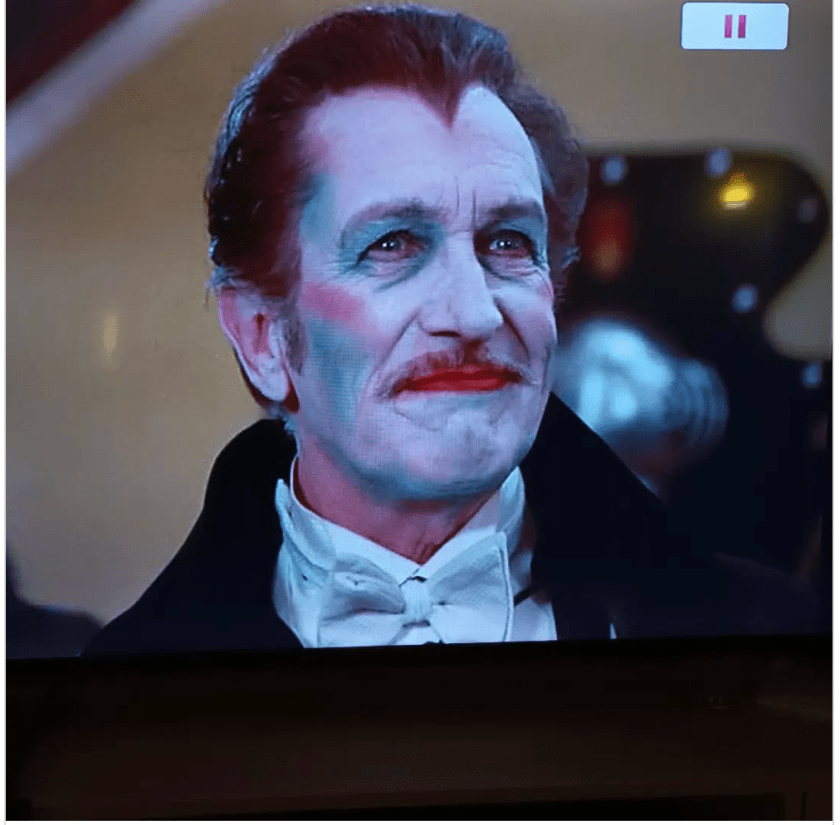
For an appearance in the 70s show “The Snoop Sisters,” Price rocked full vampire drag and wore the colours of the trans pride flag on his face – totally unintentionally, we’re sure.
Vincent Price’s daughter confirms her famous father was totally bisexual.
In her 1998 book Vincent Price: A Daughter’s Biography, Victoria Price explored the many facets of her famous father. While Victoria addressed the persistent rumours surrounding her father’s sexuality, she refrained from offering a definitive opinion on the matter.
She is well aware of America’s fixation with celebrity and the salacious, news-driven, “who had sex with who?” culture in which we live. But she also realises as a member of the lesbian, gay, bisexual and transgender community that there remains a deeply rooted yearning for history and heroes and a personal connection to the past.
“Since I didn’t hear it from his mouth, I think that everything I hear comes with a measure of hearsay, right?” she said.
“But I would like to say something here because I might as well,” she continued. “I am as close to certain as I can be that my dad had physically intimate relationships with men. I know for 100 percent fact that my dad was completely loving and supportive of LGBT people.”
Growing up in their Hollywood Hills mansion, Victoria recalls the constant presence of LGBT+ folks at family gatherings.
“Now, we lived across the street from Rock Hudson and we had a lot of gay friends growing up,” she recalled. “I mean, “Uncle Rupert and Uncle Frank” came to every dinner party and it was very clear that they were together. And while the word gay was never mentioned, it was very much the norm.
I remember at nine-years-old going to drop something off at Rock Hudson’s house – of course, I was super excited because I was a huge Rock Hudson fan,” she continued. “So this absolutely beautiful man came to the door and in my nine-year-old mind, I thought, oh, that’s – I don’t know if I had a word for it – but that’s his ‘Uncle Frank or Uncle Rupert’, right?”
Victoria recalls her father’s 1977 one-man-show where he played the openly gay Oscar Wilde to great acclaim and rebuffed the antigay Anita Bryant efforts of the day. In television interviews, Vincent Price said Wilde had already written a play about Ms Bryant: A Woman of No Importance.
She remembers her father as an early advocate who joined PFLAG as an honorary board member and was one of the first celebrities to do public service announcements quelling public fears of AIDS.
Amnesty International
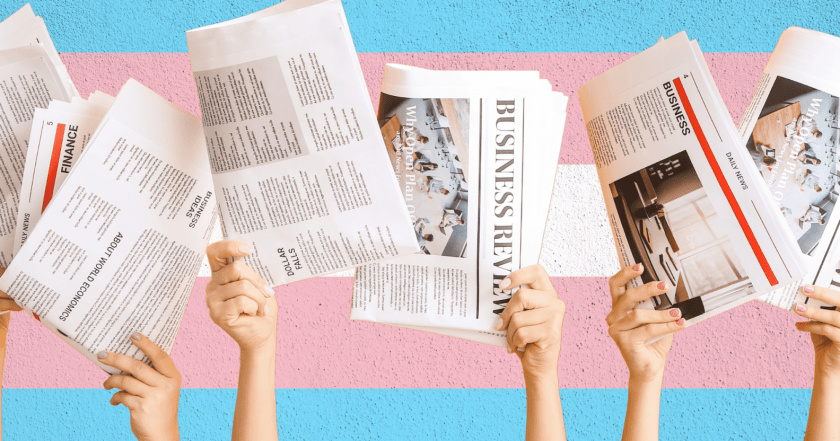
A major new report from Amnesty International has revealed the disproportionate scale of media coverage of trans people in the UK, despite trans communities representing just 0.5% of the population.
Analysing UK media coverage between January 2020 and April 2025, Amnesty found that four major UK news outlets produced almost 17,000 articles on trans-related issues, averaging 9 stories per day.
Researchers argue that the scale of reporting far outweighs both public interest and the actual influence trans people hold within British society.
Amnesty’s findings suggest that much of the coverage across the British press has been overwhelmingly negative, frequently framing trans people as controversial.
Researchers argue that this constant cycle of reporting has helped elevate debates around sex and gender into a defining political issue, despite evidence suggesting voters care far more about the cost of living, housing, and the NHS.
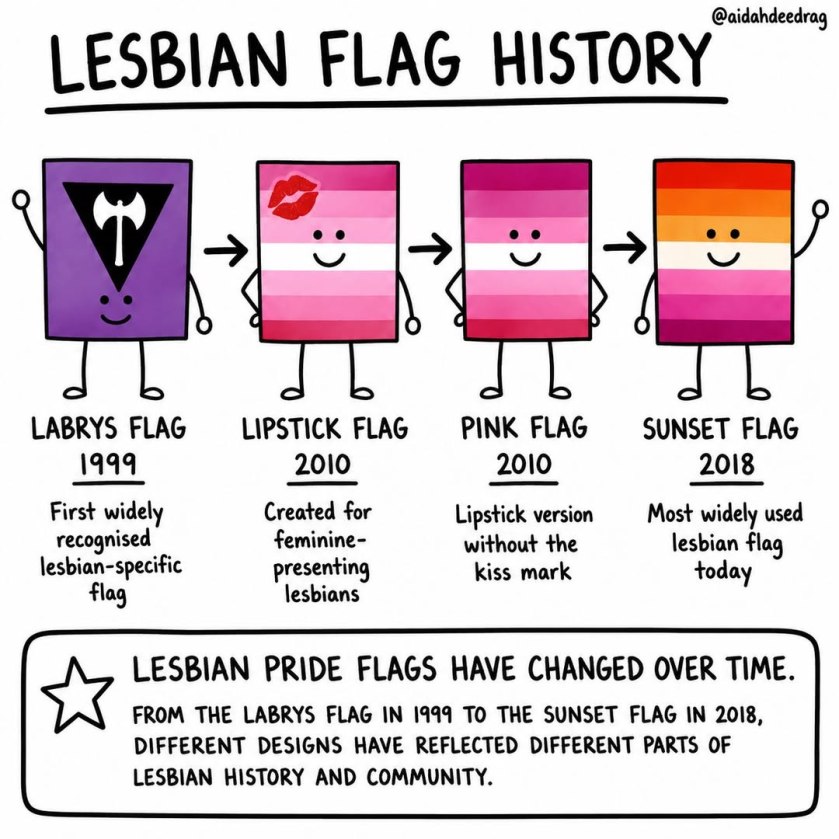
A Brief History of Lesbian Flags
The lesbian community has used several different pride flags over the years. While the orange-pink flag is the most widely recognised today, it was preceded by other designs that reflected different ideas about lesbian identity, visibility, and community.
1999: Labrys Lesbian Flag
The Labrys Lesbian Flag was introduced in 1999. It features a white labrys (double-headed axe) inside a black triangle on a purple background. The labrys had become a symbol of lesbian strength and empowerment. The black triangle references a symbol later reclaimed by some lesbians. Purple has long been associated with lesbian culture.
2010: Lipstick Lesbian Flag
The Lipstick Lesbian Flag was designed for feminine-presenting lesbians. It features shades of pink and red and included a lipstick kiss mark. The design became popular online in the early 2010s.
2010: Pink Lesbian Flag
A variation of the Lipstick Lesbian Flag.
The lipstick mark was removed while keeping the pink striped design. It continued to be used by some lesbians throughout the 2010s.
2018: Orange-Pink Lesbian Flag
The orange-pink lesbian flag was designed to represent a broader range of lesbian identities and experiences. The original seven-stripe version assigned meanings to each stripe:
• Dark orange: Gender non-conformity
• Orange: Independence
• Light orange: Community
• White: Unique relationships to womanhood
• Pink: Serenity and peace
• Dusty pink: Love and sex
• Dark rose: Femininity
This design became the most widely used lesbian pride flag during the late 2010s and 2020s.
It’s Pride Season: Play the Rainbow Lottery and support Out In The City
The Rainbow Lottery is the UK’s first and only lottery supporting LGBT+ good causes.
Welcome to the Rainbow Lottery, the exciting weekly lottery that raises money for over 200 LGBT+ good causes totally, openly and exclusively.
The hope is to make a difference to good causes so they can carry on their vital work – which helps us all. Play the lottery, support the community – it’s fun, it’s simple and everybody wins!
How the lottery works:
- £1 per ticket – that’s right, unlike many other lotteries, the lottery tickets are only £1 per week.
- For every ticket you play, 80% goes to good causes and prizes.
£25,000 jackpot prize
- Match all 6 numbers and you win the JACKPOT! There are also prizes of £2000, £250, £25 and 3 free tickets for following week.
- Every month there is a Super Draw. May’s Super Draw is a £1,000 IKEA Gift card (or £1,000 cash alternative or plant 1,000 trees).
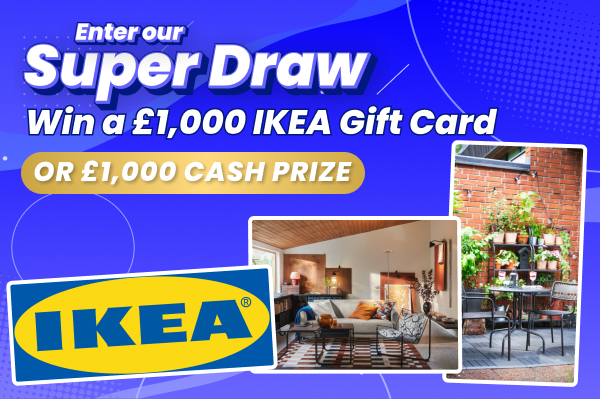
Buy tickets here.
 Out in the City
just a quick email to ask will the meeting still be on tomoz….with this horrible weather and the train’s being a bit iffy….just asking incase I wanna go….can’t quite make up my mind c how I feel….X X x
LikeLike