Legends Divas & Dreamers
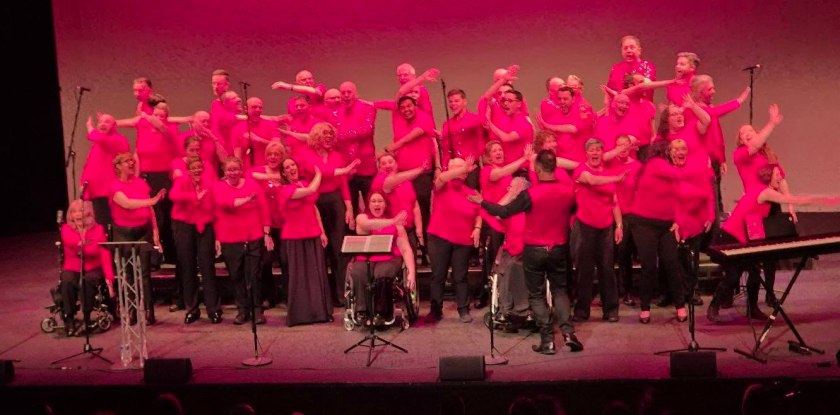
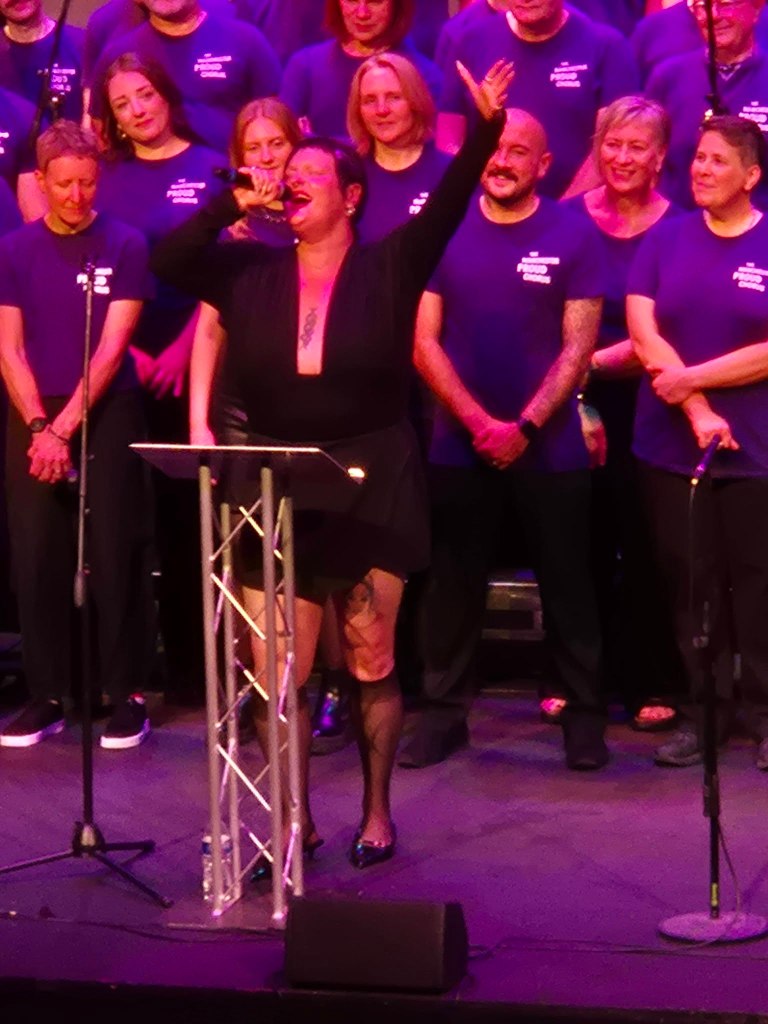
On Saturday, 23 May we attended a concert celebrating more than 25 years of the Manchester Proud Chorus at The Contact Theatre in Manchester!
The Manchester Proud Chorus is an inclusive non-audition community choir, where all are welcome, whatever their sexual orientation or gender identity. They sing acapella, without instrumental accompaniment, and in eight different voice types.
A packed house was treated to a range of wonderful songs, backed up by music from the Proud Marys LGBT+ choir from Chester and a solo performance by Sam Buttery.
Meanwhile, over in the US
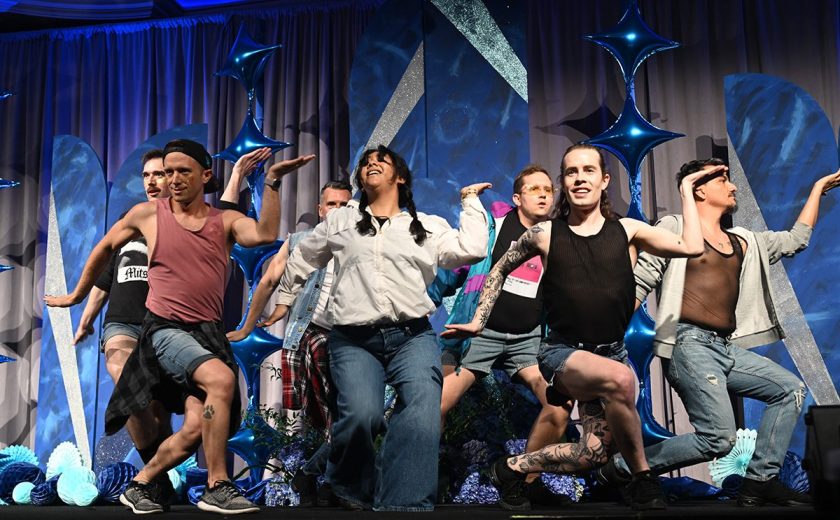
On Saturday, 16 May The Gay Men’s Chorus of Washington held the annual Spring Affair Gala at the Ritz Carlton in Washington DC. The theme for this year’s fete was “Sapphire & Sparkle” and the chorus celebrated 45 years in DC with musical performances, food, entertainment and an awards ceremony.

Monday, 25 May – Friday, 29 May – Sexuality Summer School 2026: On The Biological
The Sexuality Summer School (SSS) is a postgraduate summer school held annually in May at the University of Manchester. It explores current political and intellectual debates about how the ‘biological’ shapes current and historical understandings of sex, gender, sexuality and race.
During the same week the Summer School also hosts a series of public events including lectures, films and performances.
Public Events Programme:
Changes to the schedule may be unavoidable; please check the website for updates – https://sexualitysummerschool.wordpress.com/
Monday, 25 May, 4.30pm – 6.00pm
Plenary Lecture: Professor C Riley Snorton: ‘An Ambiguous Heterotopia, Or Some Informal Remarks on “Biology” After Samuel Delany, Judith Butler and Sylvia Wynter’
Venue: Anthony Burgess Centre, M1 5BY
No booking required, all welcome.
Tuesday, 26 May, 3.00pm – 4.30pm
Plenary Lecture: Professor Sarah Richardson: ‘A Sceptical Empiricist’s Guide to Sex Difference Science’
Venue: John Casken Lecture Theatre, Martin Harris Centre, M13 9PL
No booking required, all welcome.
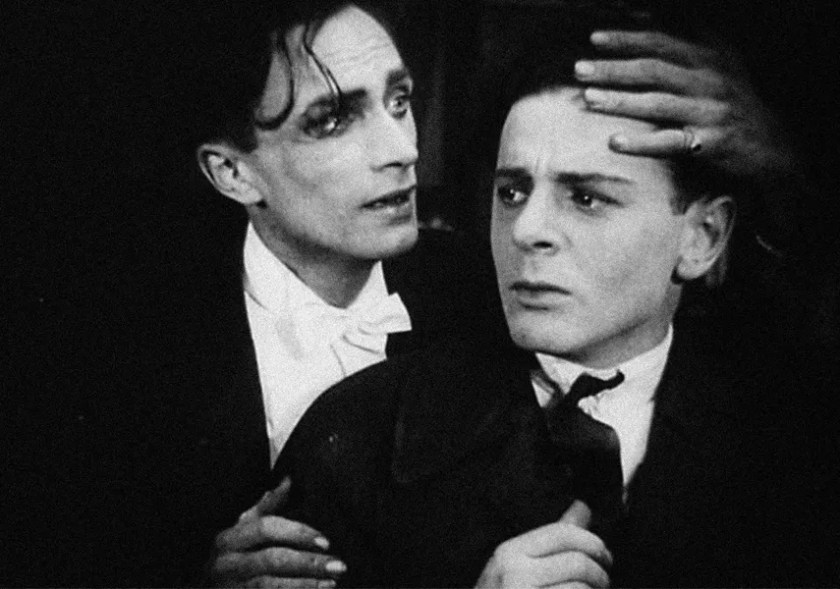
Tuesday, 26 May, 5.45pm – 8.30pm
Film Screenings programmed with Club Des Femmes and introduced by So Mayer:
Laws of Love / Gesetze de Liebe (Magnus Hirschfeld, 1927); Sanctus (Barbara Hammer, 1990)
Venue: HOME Cinema, M15 4FN
Tickets required (book here)
Wednesday, 27 May, 4.00pm – 5.30pm
Plenary Lecture: Professor Kane Race: ‘Hijacking Neuroscience: Psychoactive Performatives’
Venue: C1.18, Ellen Wilkinson Building, M15 6JA
No booking required, all welcome.
Wednesday, 27 May, 7.00pm – 9.00pm
Performance Reading: All the Devils (written by Jonathan Larkin; produced by Jayne Compton, Switchflicker; funded by The National Lottery Community Fund)
Venue: Anthony Burgess Centre, M1 5BY
No booking required, all welcome.
Thursday, 28 May, 5.00pm – 6.30pm
Public Plenary: ‘Experimenting with Hormones’: Professor Celia Roberts in conversation with Professor Jackie Stacey
Venue: John Rylands Library, M3 3EH
No booking required, all welcome.
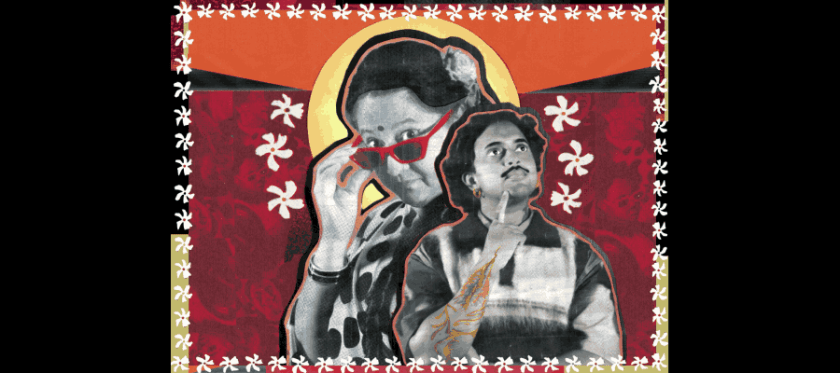
Thursday, 28 May, 8.00pm
Performance: Second Trimester by Krishna Istha
Venue: Aldridge Studio, The Lowry, M50 3AZ
Tickets required. Click here to book.
For any queries, please email sexualitysummerschool@gmail.com
Trans community responds to EHRC’s new code of practice
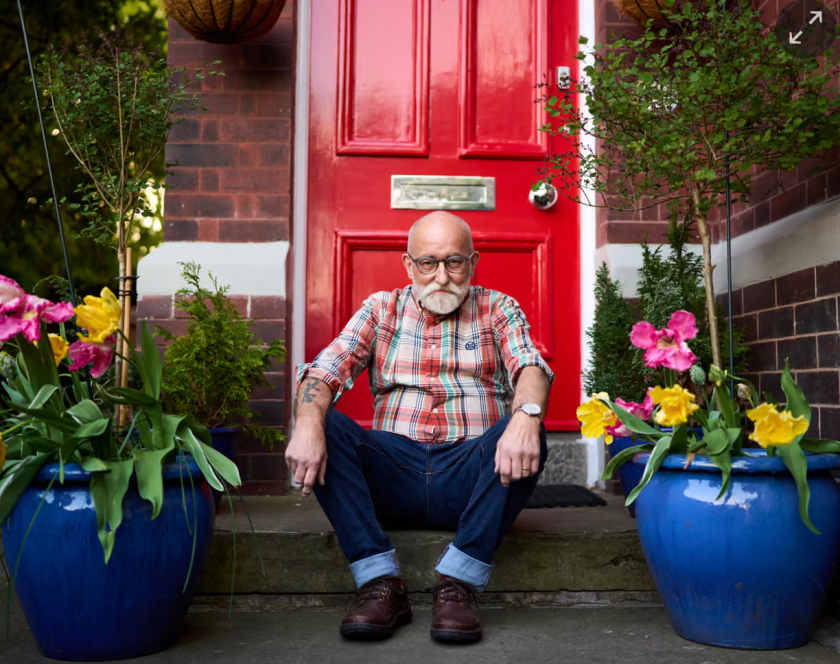
Stephen Whittle was visiting the Chelsea flower show as a birthday treat with his wife on Thursday afternoon. At around the same time, the updated code of practice from the Equality and Human Rights Commission was published. It confirmed, among myriad updates, that single-sex spaces such as toilets and changing rooms must be used on the basis of biological sex, and that transgender people may not access those that accord with their lived gender.
Among the floral displays, 70-year-old Whittle did not stray from habit. “Of course I used the male facilities, as I have done for the last 50 years. Can you imagine what the guy on security would have said if I’d gone to the ladies?”
Whittle, who spearheaded the campaign for gender recognition across the UK in the 1990s, has witnessed the significant advances, both legal and social, in the intervening years, and on Friday his focus was “trying to calm people down and say: ‘Stay cool; we’ll get through this’”.

Lush
The cosmetics brand Lush, which has been consistently pro-inclusion, said the guidance was “a significant setback for human rights in the UK”.
The brand’s campaign lead, Andrew Butler, said: “It puts frontline service providers, retail workers and many others in the position of policing people’s gender based on perception, with their organisations’ liability on the line for their judgment. The guidance is a mess because the legislation is a mess. Government needs to legislate to fix equalities law and include trans voices to do so equitably.”

Billy Bragg
With bitter irony, news that the Equality and Human Rights Commission had published it’s updated code of practice on trans rights began to filter through while I was playing a gig at the UK’s premiere venue for LGBTQ+ culture, the Royal Vauxhall Tavern in south London on Thursday night.
The new code confirmed that single-sex spaces such as toilets and changing rooms must be used on the basis of biological sex, and that transgender people may not access those that accord with their lived gender.
The gig at the Royal Vauxhall Tavern was a celebration of the life of Mark Ashton, founder of Lesbians and Gays Support the Miners, whose story is told in the movie Pride. Mark died of AIDS in 1987, so there were many references to the political struggles of that decade, with Margaret Thatcher’s name being loudly booed whenever it came up. Had we been aware of the new EHRC code, it surely would have merited comparison to the notorious Section 28 anti-gay legislation which was referenced by several artists and speakers.
Section 28 of Thatcher’s 1988 Local Government Act prohibited local authorities from “promoting homosexuality” or teaching the acceptability of same-sex relationships. Its aim was to prevent local councils from funding LGBTQ+ positive initiatives, but its effect was to further marginalise the gay community at a time when they were in desperate need of public support due to the AIDS epidemic.
In seeking to dismiss the idea that they could be as fulfilling as heterosexual relationships, the legislation described same-sex couples as perpetrating “pretended family relationships”. This notion that gay and lesbian families were pretending to have fulfilling relationships was a spiteful slur. Despite Thatcher’s best efforts, same-sex relationships came be accepted by the public at large, to the extent that gay marriage became legal in the UK in 2013.
Section 28 was a ridiculous policy, a collection of impractical initiatives whose true aim was to deny the LGBTQ+ community the same respect accorded to other citizens and, worryingly, the new EHRC code seems to be cut from the same cloth. In their on-going campaign to eradicate the trans community from public spaces, anti-trans activists have badgered the EHRC into creating conundrums that, like those of Section 28, will defy practical application.
Determined to keep men out of women’s toilets, the demands of anti-trans activists have been met in the new code which declares that an individual must use the toilet that corresponds to the gender to which they were assigned at birth. So trans men are now banned by law from using the men’s toilets while women’s toilets must now be used by assigned female at birth individuals who present as male. Thus male predators, who previously had to dress in women’s clothing to gain access to female toilets, can now stroll in wearing their everyday male clothes.
The new code seeks to address this threat by stating that “a trans man may be excluded from women-only services if it’s decided that women may object to his presence.” Never mind the issue of who is going to decide if this criterion has been met – where is the guy supposed to piss? Banned from the men’s loos by law, excluded from the ladies by an arbitrary opinion based rule, what provision does the new code make for this situation?
My sense is that this new code will not withstand scrutiny under the European Convention of Human Rights. Faced with having to provide toilets for the trans community or be sued for discrimination, business will lobby the government to get real and recognise that the threat to women and girls – and to trans women too – comes from heterosexual men. The argument that recognising trans women as women undermines what it means to be female will come to be seen as being as ridiculous as the Section 28 argument that “promoting homosexuality” in schools will turn our kids gay.
Section 28 was finally repealed in 2003. It took fifteen years for people to recognise that it was a discriminatory policy concocted by homophobes. Hopefully, the government will recognise the transphobia implicit in the new EHRC code sooner than that, but in the meantime, our trans and non-binary siblings are going to be even more marginalised that they have been over the past decade.
The mood at the bar of the Royal Vauxhall Tavern after the show was one of anger and dismay at the existential threat posed by the new code. The LGBTQ+ community and their cishet allies need to come together as we did in the 1980s to campaign against this pernicious code and express our solidarity with the trans and non-binary communities whose continued presence in our society has become a form of resistance.
Urgent Action
We have 40 days to persuade a simple majority of MPs to reject the Code
That will only happen if trans people and their cis allies write to their MPs.
We really owe it to ourselves to make the effort and give ourselves a chance of having this segregationist nonsense thrown out.
- Find your MP – go to https://members.parliament.uk/FindYourMP
- Send a personal email. If you are unsure what to write, please use or adapt the following letter:
Dear MP,
I am extremely concerned about the implications of the new EHRC guidance for trans people. I am not trans myself, but have many trans friends.
The issue concerns whether or not trans people can safely use ordinary public life; it is not an abstract legal issue. It means more trans people will be challenged in toilets and changing rooms. More people being outed in public. More women who do not look “feminine enough” being policed. More fear. More humiliation. More exclusion from ordinary life.
Cis women will also be caught by this. Any woman who is tall, broad, butch, visibly intersex, gender non-conforming, disabled, racialised, or just not someone else’s idea of “female enough” may find herself challenged in public.
Perhaps the most frightening part of this is how trans voices have been systematically ignored. Guidance is being written about them, without them – the people shaping it have treated trans people and trans advocacy groups as too “biased” to listen to, while giving influence to groups whose practical work is focused on excluding them.
That should horrify anyone who cares about fairness.
I therefore ask you to oppose this guidance., and demand that it is withdrawn and redrafted with proper consultation with trans people, trans advocacy groups, legal experts, women’s organisations, disabled people’s organisations, and service providers who actually understand inclusion.
This guidance will not protect women. It will normalise exclusion, increase public harassment, and make everyday life more dangerous for trans people. This is how rights are dismantled: first by making exceptions, then by normalising exclusion, then by punishing anyone who refuses to comply.
Thank you.
Yours sincerely,
 Out in the City