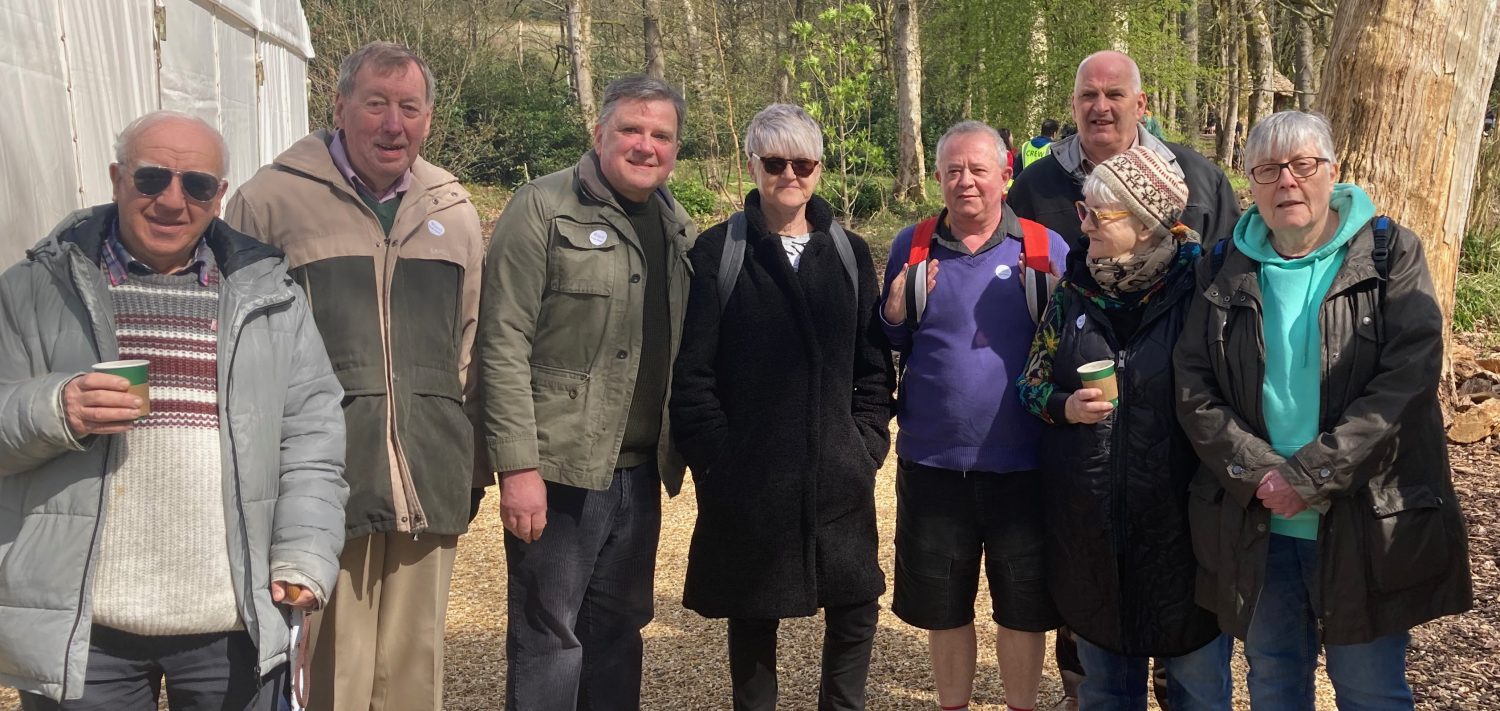
Saltaire
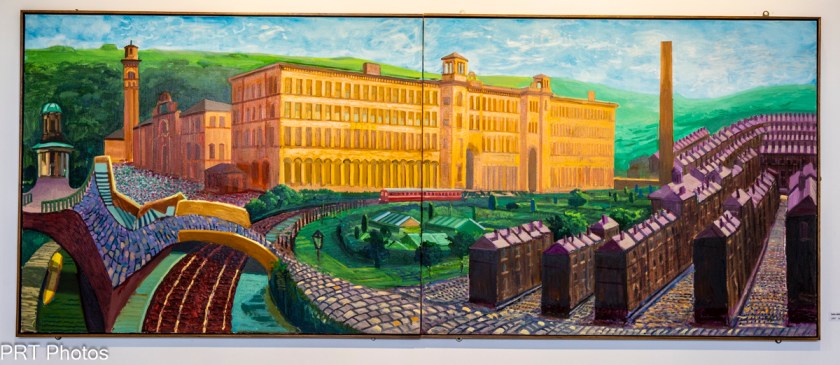
Saltaire is a remarkably preserved Victorian industrial village in West Yorkshire, not far from Bradford, and a UNESCO World Heritage Site.
We travelled from Manchester to Leeds and then changed trains to Saltaire. We had booked a table at The Boathouse Inn, before visiting Salts Mill.
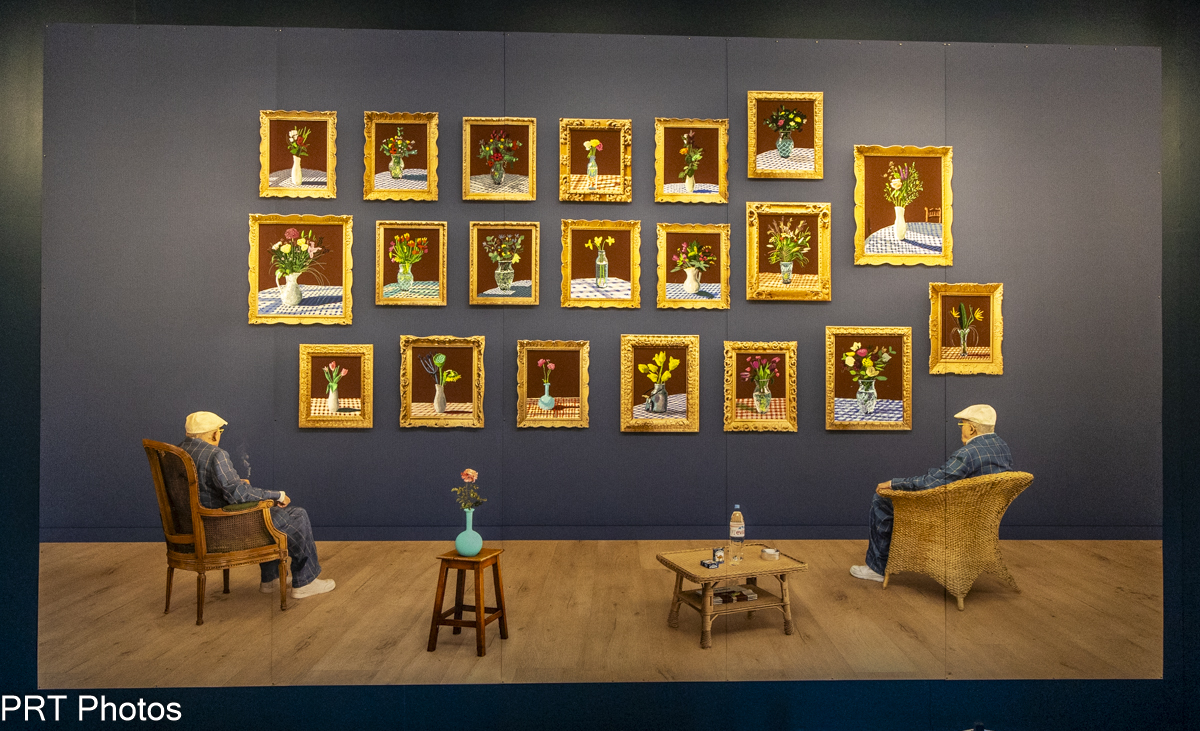
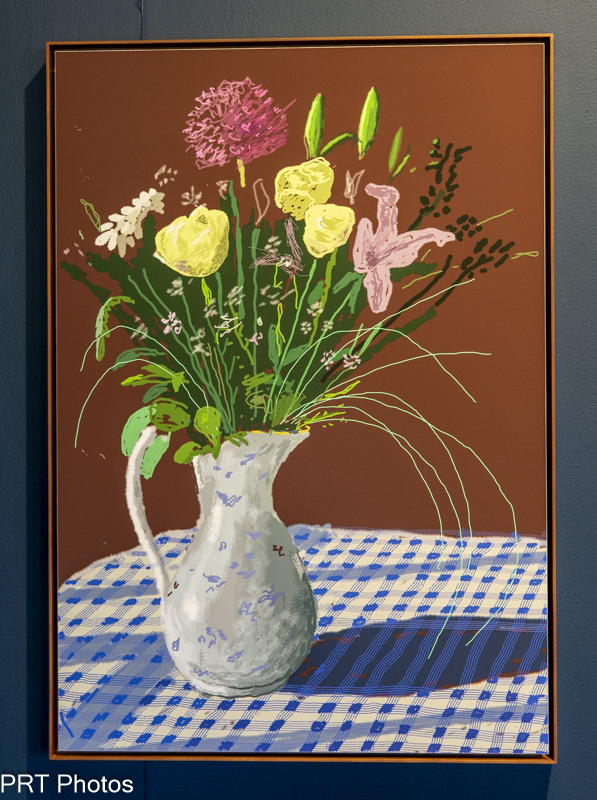
Salts Mill operated from 1853 until 1986 and gave employment to thousands of workers. The mill was converted into a multifunctional location with shops, places to eat and wonderful architecture. The main mill building features several large rooms given over to the works of the Bradford-born artist David Hockney.
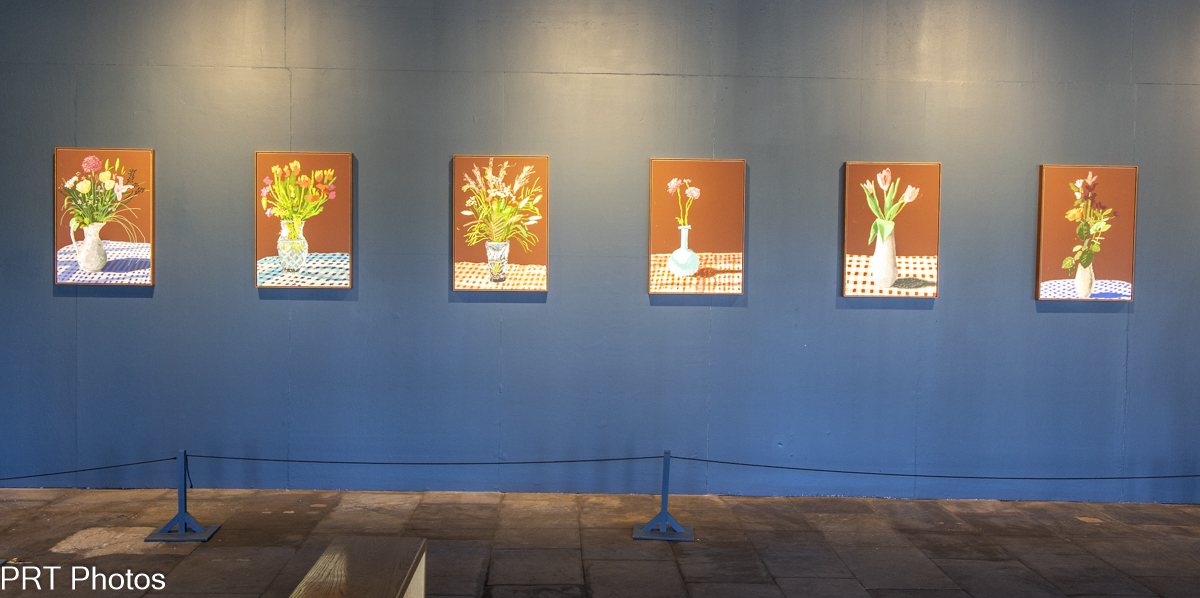
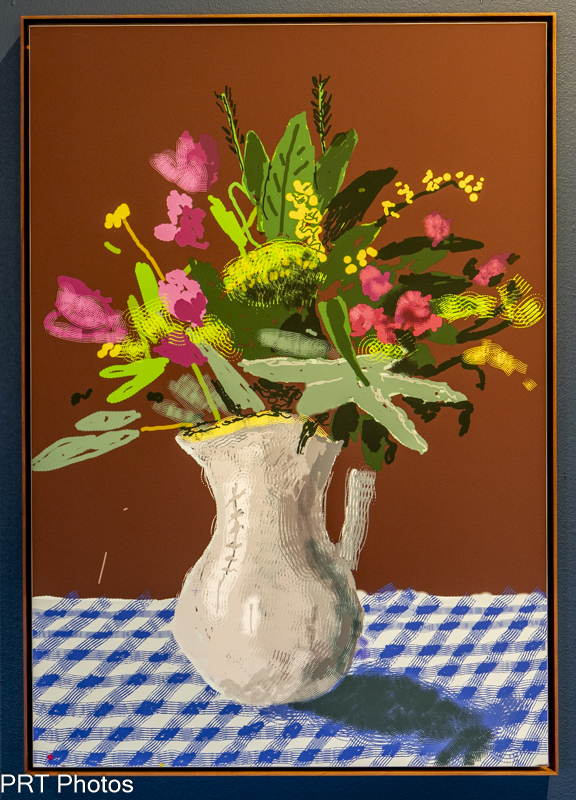
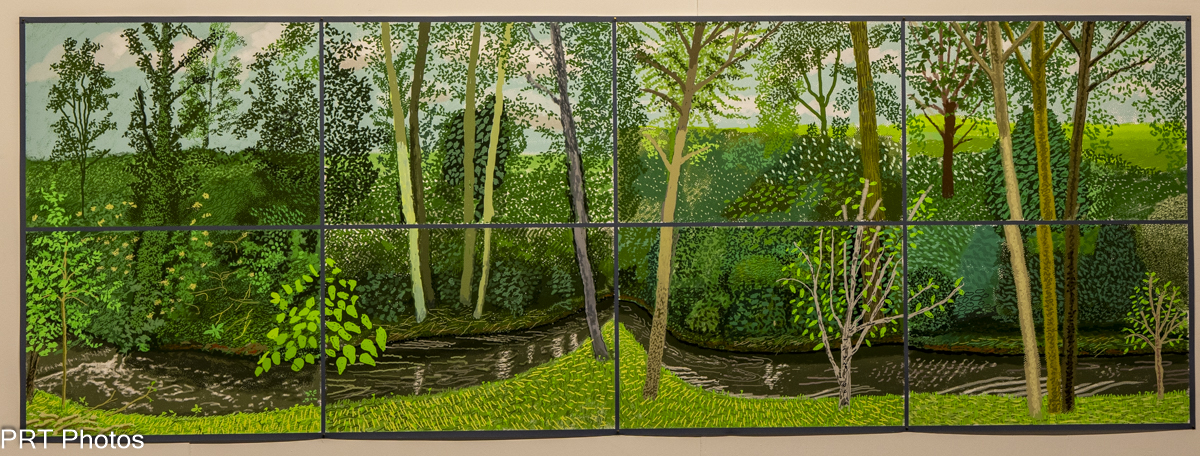
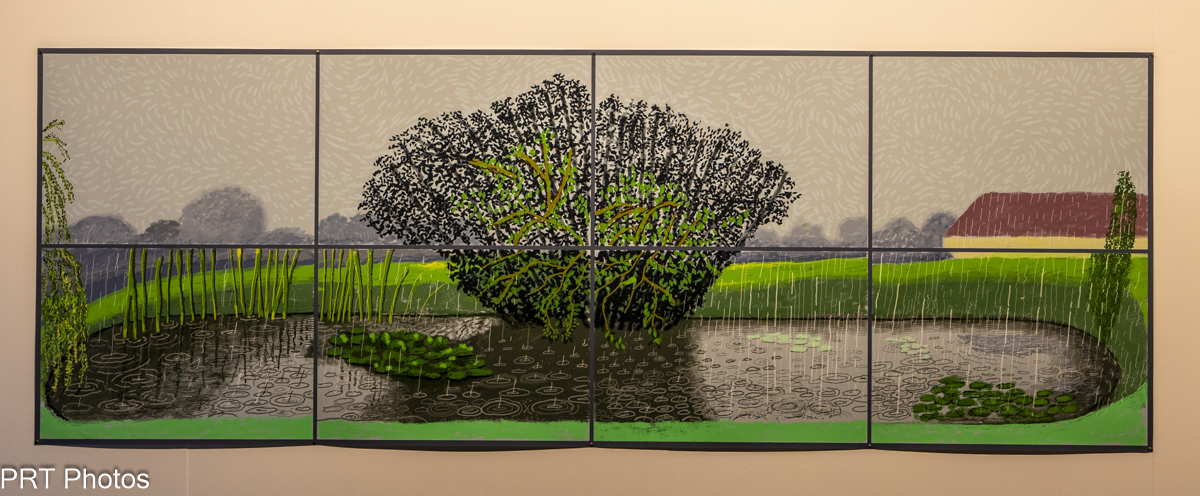
The village of Saltaire was founded in 1851 by Sir Titus Salt on the river Aire. It was designed as a model community to provide high-quality housing and amenities for textile workers, featuring the massive Salts Mill and, notably for the time, no public houses.
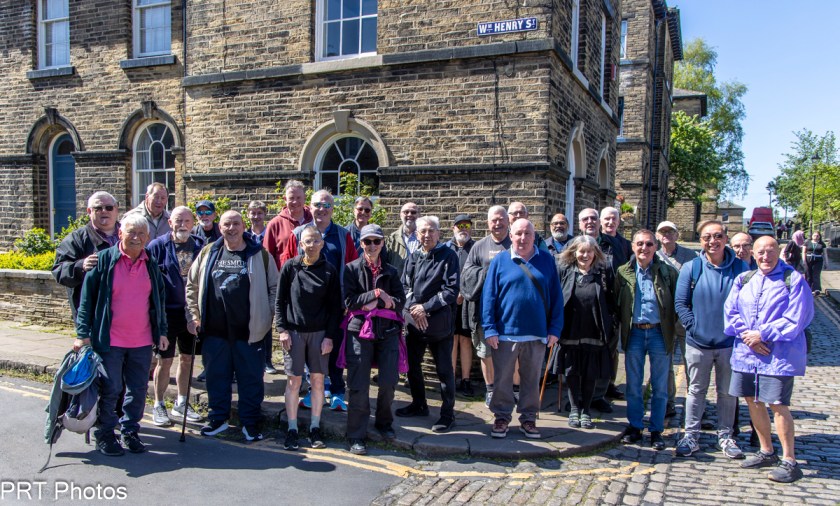
More photos can be seen here.

The evolution of LGBT+ media worldwide
For most of modern history, LGBT+ people have been either ignored by the mainstream press or portrayed through the lens of scandal, pathology and crime – enduring erasure and inaccurate depictions which created lasting stereotypes and stigmas that continue to impact the LGBT+ community.
In response, LGBT+ people learned to build their own media systems – with newsletters and pamphlets, then magazines and newspapers and now digital outlets that document real lives, challenge problematic narratives and fight for visibility.
Long before the acronym LGBT+ existed, pamphlets printed by and for LGBT+ people emerged as avenues for discreet communication and information sharing in Germany – a major hub for queer research in the mid-19th and early 20th centuries.
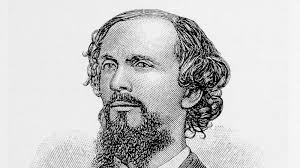
Karl Heinrich Ulrichs, who published booklets containing essays and ponderings about gay and bisexual love as well as gender variance in the 1860s, published Uranus, a more formal journal focused on the early queer rights movement – aimed at legalising gay relationships and challenging misinformation about LGBT+ experiences. He planned for the journal, which is named after a vintage term for gay men, to be a periodical but never published a second issue.
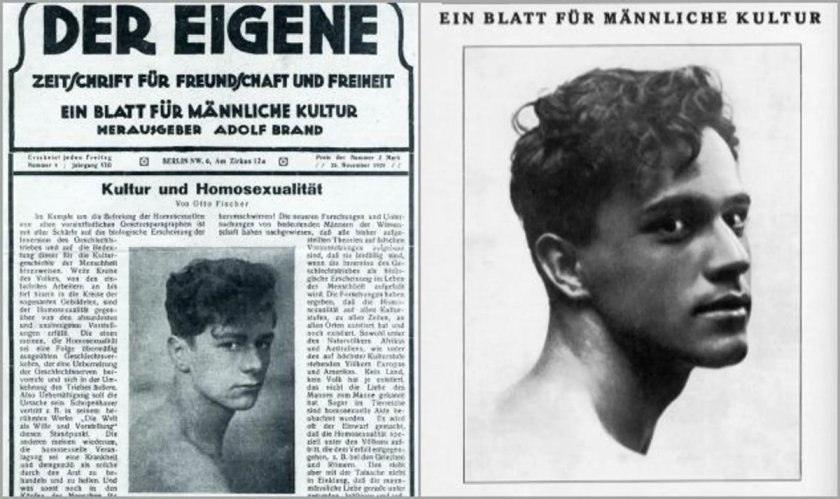
Another German, Adolf Brand, published Der Eigene, which ran from 1886 to 1932. The journal – which was estimated to reach about 1500 subscribers per issue – featured cultural, artistic and political commentary as well as poetry, fiction and photography. It existed quietly through a private readership until it was shut down by the Nazi regime.
Other writing from Germany and Europe – including various LGBT+ publications of scholarly and social intent – found great success but met a similar fate when fascists rose to power. This includes what is likely the world’s first lesbian magazine, Die Freundin, which published short stories and novellas, created buzz about nightlife hotspots and hosted discussions, readings and performances.
In the United States, postal laws and obscenity statutes imposed limitations for publishing.
Henry Gerber and the Society for Human Rights in Chicago borrowed the name of their publication, Friendship and Freedom, from another German publication. Friendship and Freedom, the first known American newsletter about gay topics, published just two issues in 1924 before police forced the operation to shut down.
The LGBT+ media landscape remained shrouded for the next few decades, with very few efforts to create and circulate publications surviving for today’s archives. But that changed with an explosion of resources during the mid-20th century.
The first known American periodical published specifically for lesbians was founded by Lisa Ben in 1947. Vice Versa produced nine issues but had a tiny following due to limited printing. It’s one of countless zines often circulated within individual communities.
In the early 1950s, a fitness and muscle magazine, Physique Pictorial, often avoided language that explicitly outed itself, but was developed for a gay male audience by Bob Mizer, a photographer who featured semi-nude portraits in the periodical with editorials about political topics and censorship.
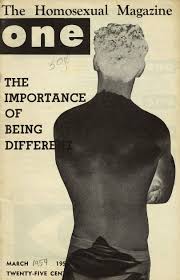
At the same time, explicitly gay and lesbian magazines emerged. ONE Magazine – founded in 1953 by members of the Mattachine Society – became the first nationally distributed LGBT+ publication in the United States. Its creators won a landmark obscenity case in 1958, and the Supreme Court victory set a new precedent for LGBT+ media.
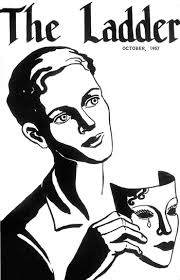
The Ladder, launched in 1956 by the Daughters of Bilitis, focused on sapphics. It initially had a conservative tone and emphasised respectability politics until editor Barbara Gittings pushed the content into feminist territory in the mid-60s. DRUM, a magazine launched by the Janus Society in 1964, centred on ideas of sexual liberation – a contrast to The Ladder.
Trans community members also created media hubs. Transvestic, founded in 1960 by Virginia Prince, is believed to be the first widely distributed resource for gender nonconforming people – but it quickly became one of many. Turnabout, He-She and New Trenns magazines catered specifically to trans and gender nonconforming audiences in the 1960s – and many thrived for decades. They not only raised visibility but helped trans and gender-nonconforming people find affirming places to shop, access health care and find emotional support.
The 1969 Stonewall uprising marked a turning point not only for activism but for LGBT+ journalism. Queer news outlets proliferated across cities and college campuses, often featuring activist-driven and locally focused content.
The Advocate – which evolved from a small, Los Angeles-focused newsletter that launched in 1967, shifted its focus to cover national protests, police harassment, culture and internal debates within the LGBT+ rights movement by 1968. It solidified its identity as a national magazine when it dropped “Los Angeles” from the name in 1970 and is now the oldest, continuously publishing LGBT+ news source in the United States. It is also the only surviving publication to have launched before the Stonewall rebellion.
The Washington Blade – previously The Gay Blade – was born as a community newsletter in 1969, four months after Stonewall. The Bay Area Reporter came to life in 1971. Philadelphia Gay News launched in 1976. All three still serve their local LGBT+ communities.
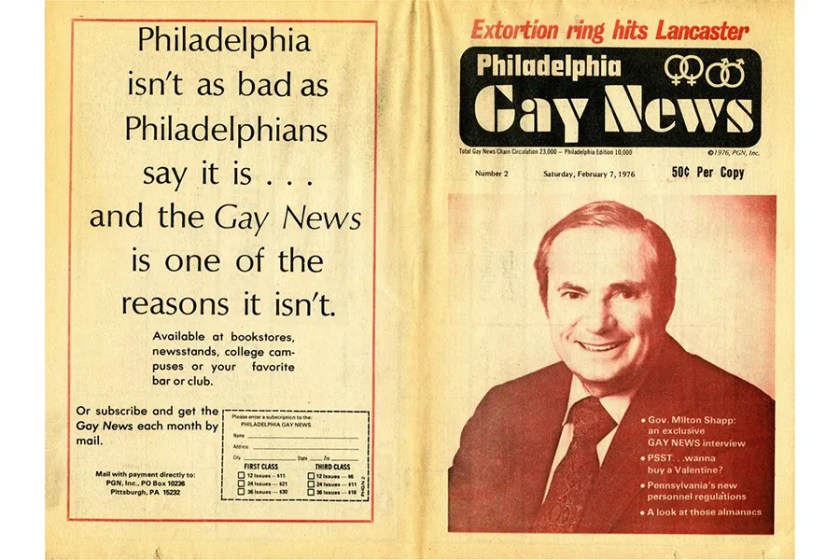
Since Stonewall a core principle of LGBT+ media was about telling stories ignored or distorted by mainstream outlets. These papers broke critical stories, including early reporting on HIV/AIDS and in-depth investigative pieces.
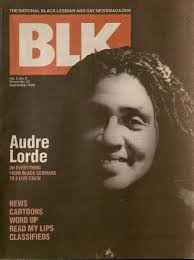
Celebrity profiles and lifestyle coverage took hold in the late 1980s and throughout the 1990s with monthly glossies. BLK became the first widely-circulated publication for the Black LGBT+ community in 1988. It closed in 1994. Curve came onto the scene (as Deneuve) in 1990, covering sapphic culture. Out – known for its Out 100, a list of influential and inspiring openly LGBT+ leaders – has shared the list since its inception in 1992.
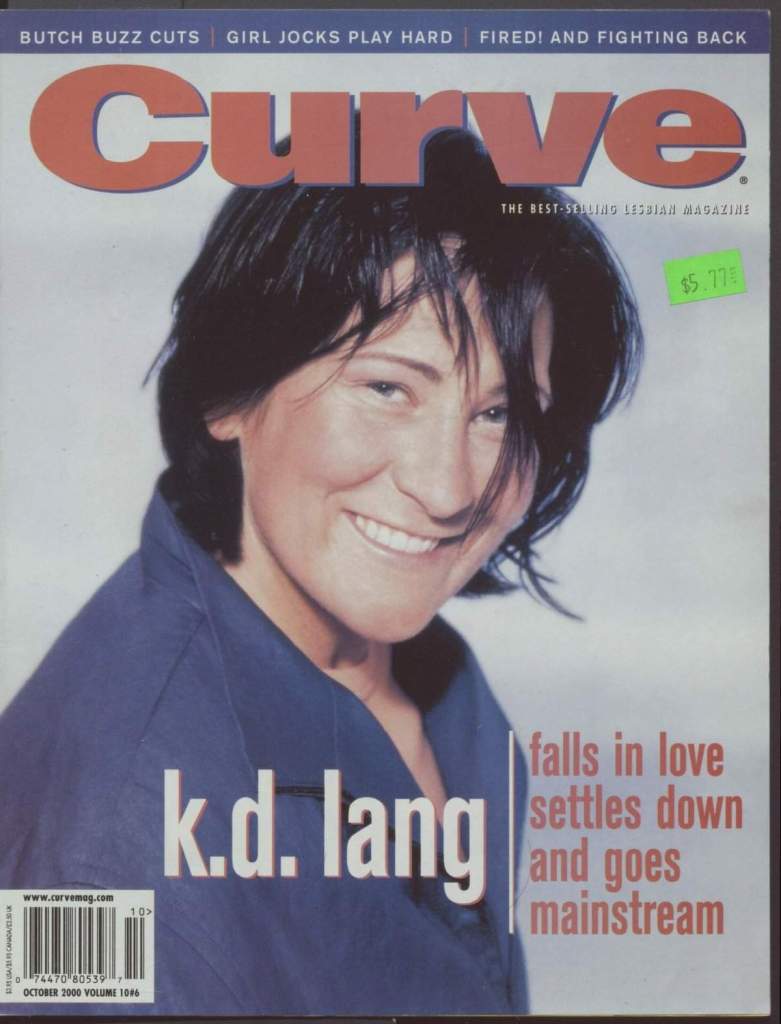
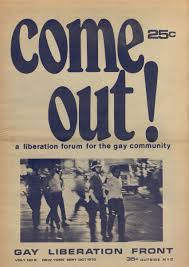
By the end of the decade, mainstream media began to cover stories about lesbian and gay people but tended to focus on more “palatable” presentations of LGBT+ life or focused on the community’s biggest tragedies. LGBT+ publications continued to push boundaries – ensuring that radical voices and marginalised perspectives were not erased, even if more commercial spaces weren’t amplifying them.
The digital market shifted approaches in the early and mid-2000s, with various online entertainment and lifestyle brands that still exist today emerging during this time. The digital world also made publishing news more accessible.
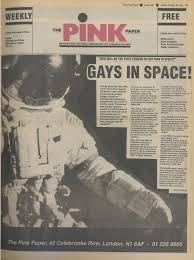
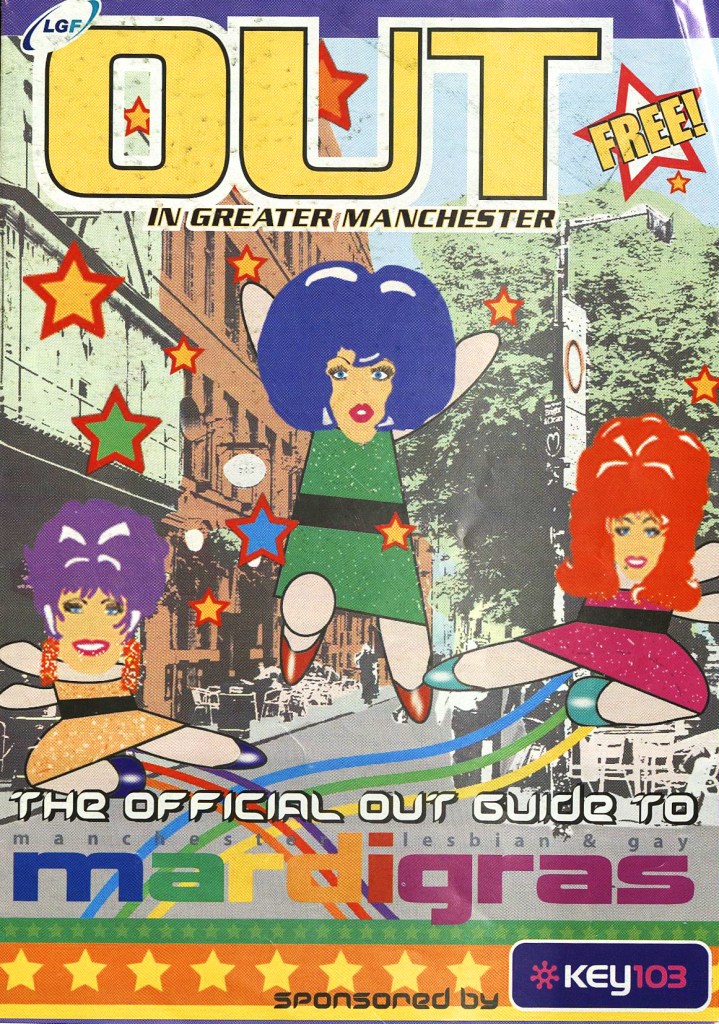
Today, independent websites are often the first place LGBT+ people turn to for up-to-date information because it’s produced by and for their own communities.
LGBT+ journalism still finds its way to the people who need it – often because followers help to amplify its reach. It’s powered by audiences who understand what’s at stake and actively help stories travel farther than platforms might allow on their own. Through reposts, screenshots, group chats, newsletters and old-fashioned word-of-mouth, followers become an informal distribution system – ensuring vital reporting circulates even when visibility is restricted.
 Out in the City
Another fascinating article! It might be interesting to try and identify fascists (eg Nazis) who were gay. Given the law of averages, there must have been some – probably those people most vociferous about stamping the movement out! I always relied on Gay Times for updates and the occasional contacts (!). Also Attitude, which maintained a very good list of gay hotels and guest houses.
LikeLike