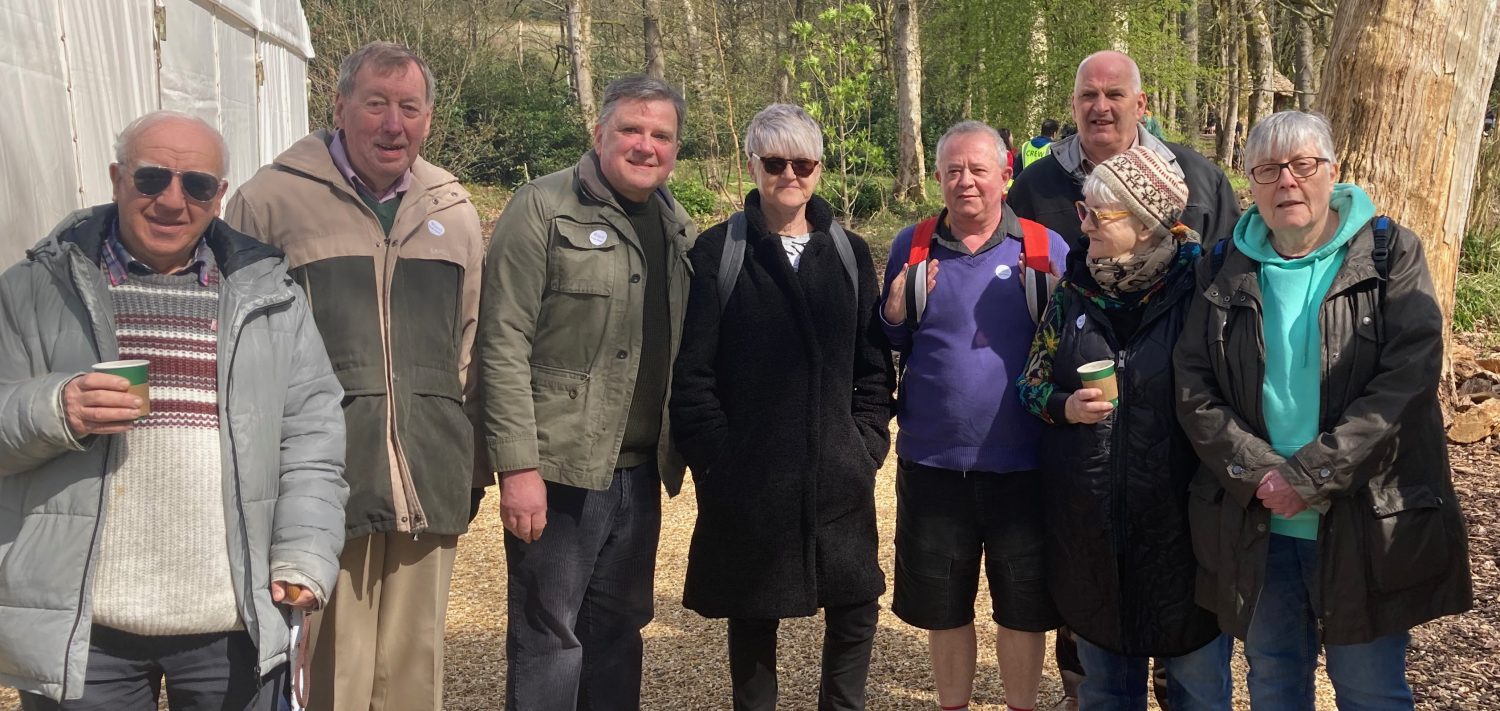
Stuart goes on an adventure … to the Granada studios

News

I was asked to join the diversity panel for the television programme “Granada Reports”.

Lise McNally who works on the programme sent me a message asking me if I would go the following day. So off to Media City I went.

After introductions to the other members of the panel we were taken to the studio control room to see the show go out live. I sat next to the director who had a console in front of him which was all alight with bright yellow buttons. I asked if he knew what they were all for but he said no.

Someone did a countdown and there was a reporter who did a live report from the front of Liverpool Lime Street station.

Of course there were numerous screens on which the various sections, recorded and live, were to be seen.

The two presenters, Lucy Meacock and Tony Morris were sat behind a glass wall behind us.

Behind them is a window through which the Imperial War Museum North can be seen.

After the live broadcast we went to another room where refreshments were provided and we were joined by Tony Morris and shown some films of reports already seen on the show. One was a report by Tony Morris from Preston railway station about the breakdown of the new Northern Rail timetable.

The two live presenters use an autocue. They also have foot pedals behind the desk which the viewer is unable to see. I have no idea what these pedals do and I don’t think we were told. It’s one of the mysteries of the magic of television!
Normski’s Birthday!

News

Trips & Adventures – 7 June 2018

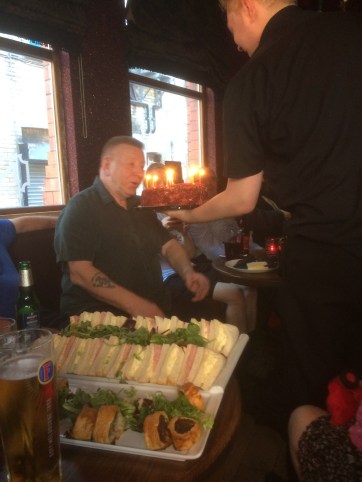
It was Norman’s birthday on 8 June. What year? Every year of course!

It has now become an annual event to celebrate Normski’s birthday at the New York, New York on Bloom Street, Manchester.

Sorry for the poor quality of the photos, but the lighting was not suitable for a camera phone. There were tons of sandwiches as usual to accompany the chicken wings and sausage rolls.

Norman’s birthday cake

Norman certainly knows how to throw a party as we all had an enjoyable afternoon.

Homophobic legacy of Section 28

News

30 years on: warnings over homophobic legacy of Section 28

On 24 May 1988 (30 years ago) a law was introduced in England which banned “the promotion of homosexuality”.

Section 28 of the Local Government Act impacted sex education in schools, and also caused confusion over the legality of funding initiatives for lesbian, gay or transgender people.

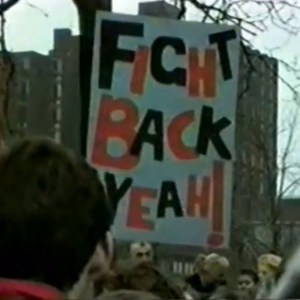
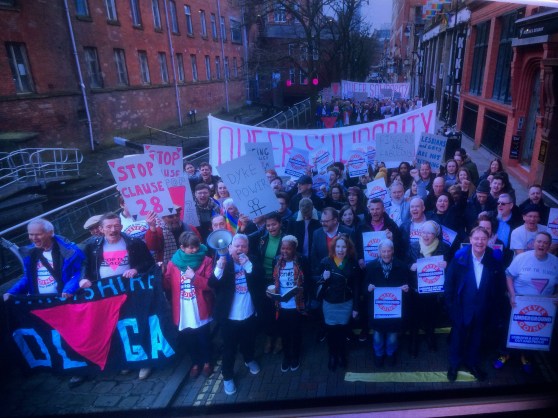
It was greeted by huge opposition protests across the country – with Manchester seeing around 25,000 people take to the streets.

Protests to Section 28 took place across the UK. More than 20,000 turned out in Manchester. Credit: Nick Lansley

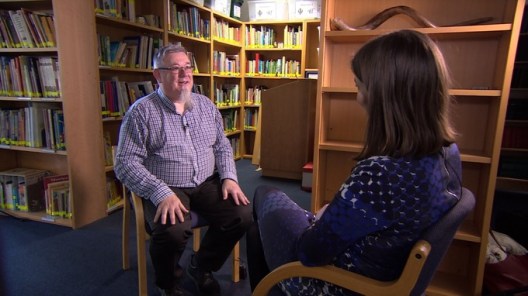
Tony Openshaw was one of those who spoke at a mass rally opposing Section 28 in Manchester in 1988.

He says the legislation felt “like a backwards step” – with the ostracism he and his partner faced being symptomatic of a homophobic turn in parts of society.

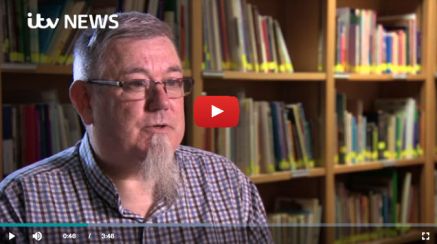
Tony is urging people over 55 to embrace their sexuality and seek support if they’re lonely. Credit: ITV News

My parents disowned me. I missed everything. I think they only talked to me two or three times in the last 35 years.

I didn’t get invited to my mother’s 90th birthday, at all. My partner who died 7 years ago, nobody attended his funeral from my family, so I’ve missed out on a lot of things.

– TONY OPENSHAW

There were serious concerns raised that Section 28 would stop council funding of initiatives for LGBT people. Credit: Nick Lansley

Section 28 was repealed in 2003, but a charity is warning that the hostile atmosphere towards the LGBT community which inspired such legislation left a whole generation of people more vulnerable to social isolation.

Research by Age UK shows that older LGBT people are especially vulnerable to loneliness as they are more likely to be single, live alone, and have lower levels of contact with relatives.

Older people generally are at greater risk of social isolation and loneliness, and in particular older LGBT people perhaps are more at risk of that.

Especially if they aren’t living as open a lifestyle as they wish that they could. Identify as LGBT today is a very different experience to say 30 years ago, when we were in the throes of section 28.

– TERRI TOREVELL, AGE UK MANCHESTER

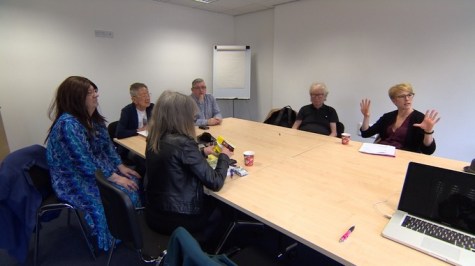
A support group for LGBT+ people over the age of 50 meets in Manchester. Credit: ITV News

Age UK Manchester runs a support group for people from the LGBT+ community in Manchester.

Part of their aim is to address the challenged which people growing up in certain generations faced when coming out to family or wider society.

The group means a lot to me in the sense that it’s the only group I can see in the town centre that deals more with our age people, the over 50s, and it takes me out of myself on a Wednesday and a Thursday.

– MICHAEL TEO, OUT IN THE CITY


It’s a lifesaver really, because otherwise you’re just sat at home, doing nothing, wondering what to do, where to go… and this is a place to go.

It’s like a family, I don’t know what I’d do without it. It’s to show people that you don’t have to be in the closet. Let yourself go.

– STUART SMITH, OUT IN THE CITY

Advice and support for LGBT+ people

You can watch the full report by Lise McNally below:

Click on this image and then scroll to bottom of new page to see video

Crosby beach

News

Trips & Adventures – 31 May 2018

Chris and I set off from Piccadilly and Peter joined us at Warrington heading off for Waterloo on the Wirral peninsula.

We dined at The Queen’s Picture House – a Wetherspoon’s pub located in a premises last occupied by Waterloo Furnishing Stores Ltd, the successor to Pearsons department store which opened in 1960. Until 22 August 1959, the premises had been the Queens cinema. Converted to show ‘talkies’ in 1930, the cinema was purpose built in 1913 as the Queens Picture House.

After a very nice meal it was just a short walk to the beach, where we headed towards Blundell Sands and Crosby.

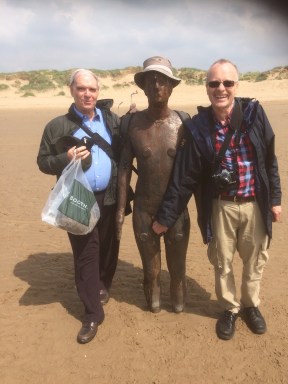
“Another Place” is an art installation on Crosby beach of 100 spectacular cast-iron, life-size figures by Anthony Gormley spread across three kilometres of the foreshore and stretch almost one kilometre out to sea.

Checking that the figures are realistic

The Another Place figures – each one weighing 650 kilos – are made from casts of the artist’s own body standing on the beach, all of them looking out to sea, staring at the horizon in silent expectation.

The weather was fantastic and we had another great day out.


Flower Festival / Imperial War Museum/ Temporary Monument, Permanent Protest

News

Trips & Adventures – 24 May 2018

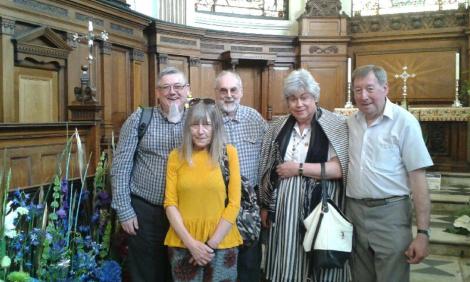
This week the blog is a bit of a catch-up: After the Wednesday meeting a few of us went to St Ann’s Church to view the “Spirit of Manchester” Flower Festival commemorating the 12 month anniversary since our city was rocked by the tragedy of the Manchester Arena bombing.

The Flower Festival sends a message to the victims’ families and those affected by the bombing, that we are thinking of them and we still care, and says ‘Thank You’ to all Mancunians for the way we came together in a defiant show of unity, solidarity, community and hope.

The floral displays in and outside the church look amazing. and form a great tribute.

On Thursday, 24 May we travelled to Media City and had lunch in the Food Hall at the Lowry Outlet – between us we sampled Deli-Fresh, Harry Ramsden’s and Tandoori Delights!

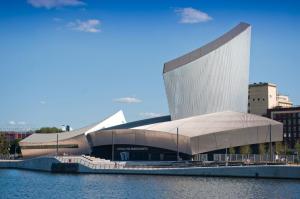
We then made our way to the Imperial War Museum, the first building in the UK designed by the internationally acclaimed architect, Daniel Libeskind. He was the second child of Polish Jewish parents who had survived the Holocaust.

Libeskind wanted the building to be a symbol of the effects of war, so he came up with the concept of a globe shattered into three pieces – and though it’s been put back together,  it will never be the same again. That’s why IWM North is made up of the Earth Shard, Water Shard and the Air Shard – a piece of the building representing conflict on land, sea and in the air. To be truthful, the exhibitions and the building itself make you feel the unsettling nature of war and can be a bit depressing.

Later that evening members of the group appeared on television, following the filming previously by Granada Reports, tying in with the 30th anniversary of the enactment of the Local Government Act 1986 which featured the controversial clause Section 28 banning local authorities from promoting homosexuality or educating people about its acceptability.

There was also an event at the Radisson Blu Hotel – Temporary Monument, Permanent Protest – the opening of an exhibition in response to the 30th anniversary of the Section 28 protests in Manchester, together with poetry performances and guest speakers.