Paris renamed streets for LGBT+ icons … and some LGBT+ icons

News

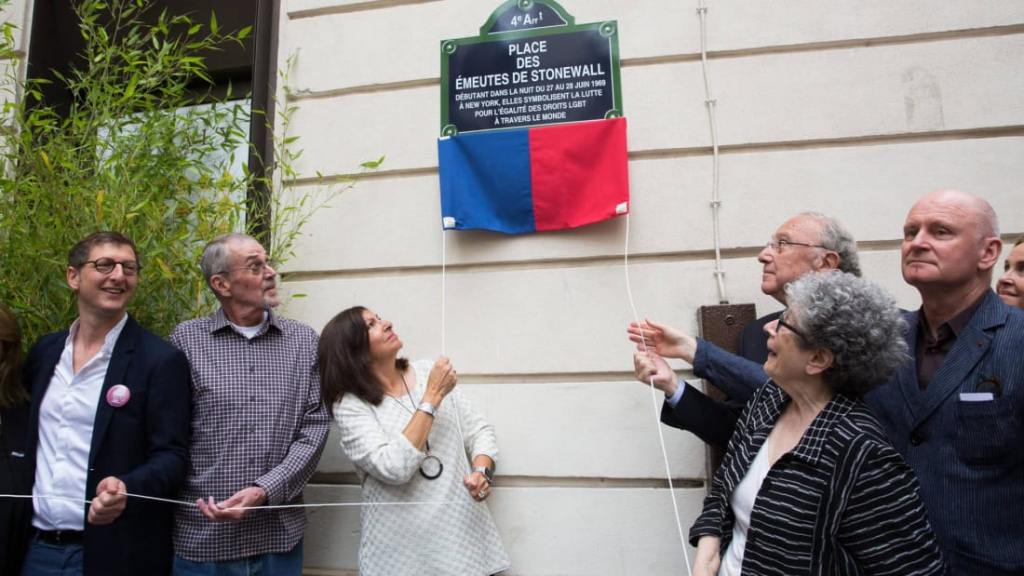
Paris has renamed three squares and one street, dedicating them to LGBT+ icons.

One square was named Place Des Emeutes De Stonewall (Stonewall Riots Square), in recognition of the uprising by New York’s LGBT+ community in response to a police raid at Greenwich Village’s Stonewall Inn.

A second square was dedicated to poet and Communist activist Ovida Delect, a French transgender woman who was deported to a German concentration camp during World War II for her work with the French Resistance.

Another was named after San Francisco Supervisor Harvey Milk, California’s first openly gay elected official, who was assassinated while in office.

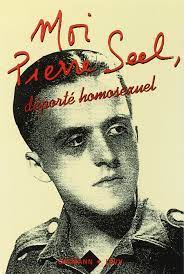
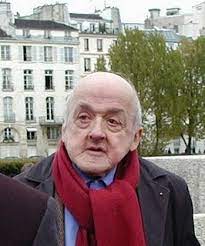
Paris also renamed a street for gay Holocaust survivor Pierre Seel, who was interned in a German concentration camp because of his sexuality. After the war ended, he was forced to hide his sexual orientation, his past and the reason for his deportation for 44 years, before putting his name to an anonymous testimony in 1982. He then published his memoir, I, Pierre Seel, Deported Homosexual, in 1994.

The move to rename key places was recommended “to turn Paris into the capital of LGBTIQ rights and LGBTIQ-friendly tourism in the world.”
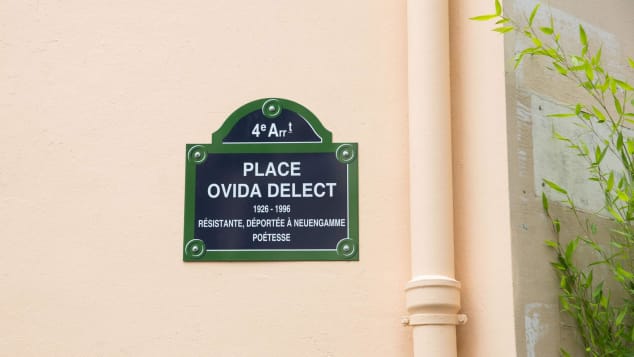
One square was named after poet Ovida Delect, a transgender woman who worked with the French Resistance

Plaques bearing the new names, in Paris’ 4th arrondissement, were unveiled, and in the renamed Stonewall Riots Square, a plaque commemorating Gilbert Baker, the American artist and LGBT+ activist who designed the rainbow flag, was installed.
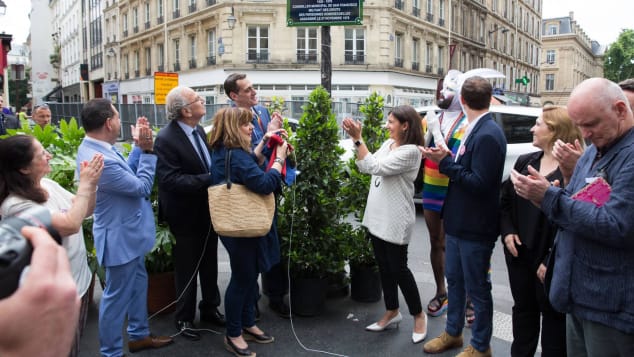
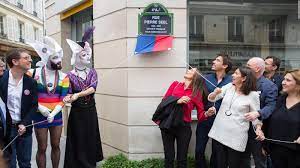
Harvey Milk, California’s first openly gay elected official, also had a square renamed in his honour

Pierre Seel was a gay Holocaust survivor, who became an activist after his release from a German concentration camp.

Anne Hidalgo, mayor of Paris, wrote on Instagram, “With the inauguration of Harvey Milk Square, Ovida Delect Square, Stonewall Riots Square and Pierre Seel Street, Paris celebrates all #LGBTQI+ activists. #ParisIsProud and always will be!”

LGBT icons

Behind many of our freedoms we take for granted today is someone who refused to take no for an answer.

Here are some of the most influential people who took that stand and helped bring about change. I’m sure you will have heard of most of them – but all have made an impact on society in their own way.

Marsha P Johnson
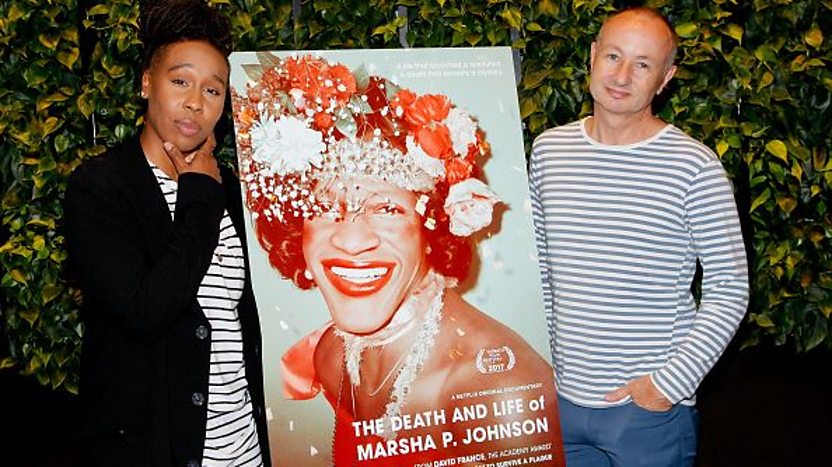
Marsha P Johnson’s legacy continues to be celebrated more than 25 years after her death.

RuPaul once said that Marsha P Johnson paved the way for all drag queens. It’s certainly a lot easier to ‘sashay away’ today thanks to her fighting spirit.

Marsha was a transgender activist and also a central figure in the Stonewall uprising of 1969, where members of the LGBT community rose up in protest against police raids on the bar of the same name in Christopher Street, New York. The protests ran for several nights and were the beginnings of the Gay Liberation Front, the protest group which organised the first Pride marches.

Johnson was also central to setting up a safe house for gay street kids in the early 1970s.

And the P in her name? Marsha always said it stood for ‘Pay it no mind’.

Sir Ian McKellen
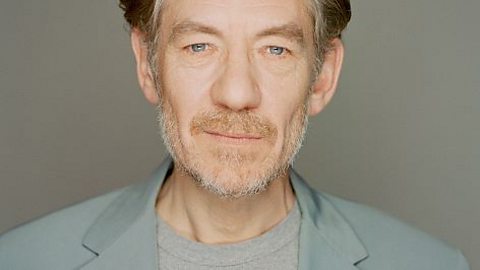
Sir Ian McKellen combines an acting career with campaigning for gay rights.

Years before his X-Men and Lord of the Rings fame, Ian McKellen was well known as a gay rights campaigner.

In Britain in 1988, the divisive Section 28 became part of the Local Government Act. It banned any promotion or discussion of the LGBT lifestyle by local authorities, including within schools.

This prompted McKellen to come out during a radio debate on the bill. He went on to co-found the charity Stonewall in 1989 in direct opposition to Section 28 which the charity described as ‘legalised homophobia’.

Stonewall still campaigns for LGBT equality, running a recent campaign to stop homophobic bullying in schools.

Martina Navratilova
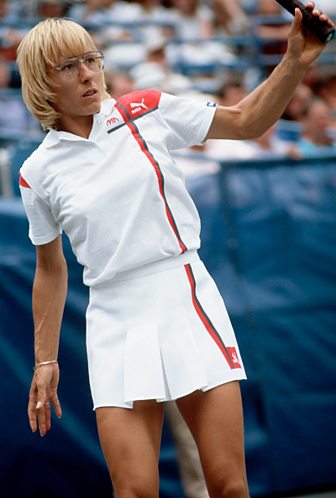
Martina Navaratilova came out as gay three years after winning her first Wimbledon title.

With a record nine Wimbledon singles’ titles to her name, openly gay tennis player Martina Navratilova did a lot for LGBT visibility simply by being at the top of her game.

But the Czech-born star wanted to do more than that. She has long been involved in activism regarding gay rights. Most recently, she spoke out after fellow champion Margaret Court publicly opposed same-sex marriage and the trans community and claimed ‘tennis is full of lesbians’.

In an open letter, Navratilova wrote:

“Her vitriol is not just an opinion. She is actively trying to keep LGBT people from getting equal rights (note to Court: we are human beings, too).”

Harvey Milk
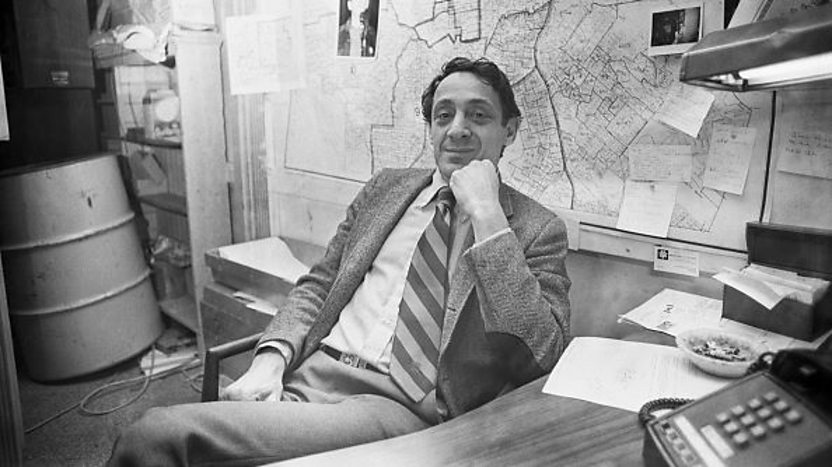
Harvey Milk was murdered in 1978 – less than a year after he took office.

This man’s achievements can’t be overstated. In 1977, he was the first openly gay man elected to public office in the US state of California, joining the San Francisco Board of Supervisors. His pride in simply being himself on a major civic platform was a turning point for the LGBT community.

Harvey Milk’s life was cut short just a year later when he was murdered by Dan White, one of his Town Hall colleagues.

Although he was in office for less than a year, he saw a law passed where gay people could not be discriminated against when applying for jobs or seeking employment. He also encouraged the San Francisco Police Department to recruit more LGBT officers. But his greatest achievement is considered to be successfully fighting Proposition 6, which attempted to ban gay teachers from working in California’s public schools, and fire staff who supported gay rights.

Barbara Gittings
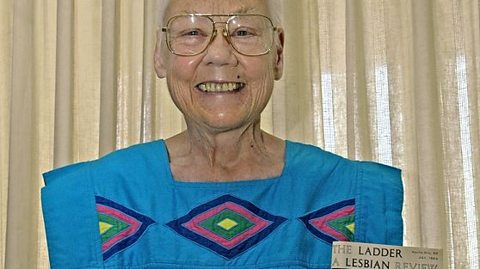
Barbara Gittings is seen as a pioneer in the gay rights movement.

She may not be a household name but Barbara Gittings has been described as the ‘mother of the LGBT civil rights movement’. Determined to create a space in 1950s America for gay women, she formed the Daughters of Bilitis in 1958, the country’s first organisation for lesbians.

Barbara didn’t stop there. As well as fighting discrimination against gay government employees, she was instrumental in amassing a collection of works related to LGBT life for the American Library Association.

Derek Jarman
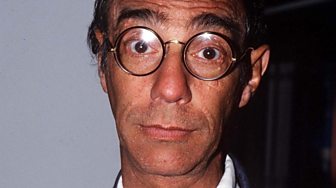
Derek Jarman revolutionised the portrayal of the gay community in cinema.

In the 1970s, portrayals of the LGBT community on screen were rarely sympathetic. English film director Derek Jarman changed all that.

His 1976 film Sebastiane was groundbreaking in the way it portrayed positive gay relationships. His best-known works are the punk film Jubilee and Caravaggio, based on the life of the Italian painter and, again, told with strong gay themes. He also directed music videos for the Pet Shop Boys and The Sex Pistols.

Jarman campaigned against Section 28 and openly discussed his HIV+ status after his diagnosis in 1986. He died from an AIDS-related illness in 1994. His solo exhibition Queer was held at Manchester Art Gallery in 1992 and the new exhibition Protest! will open on 1 December 2021.
Manchester and Bury Prides named best Prides … Everything You Need To Know About Manchester Pride

News

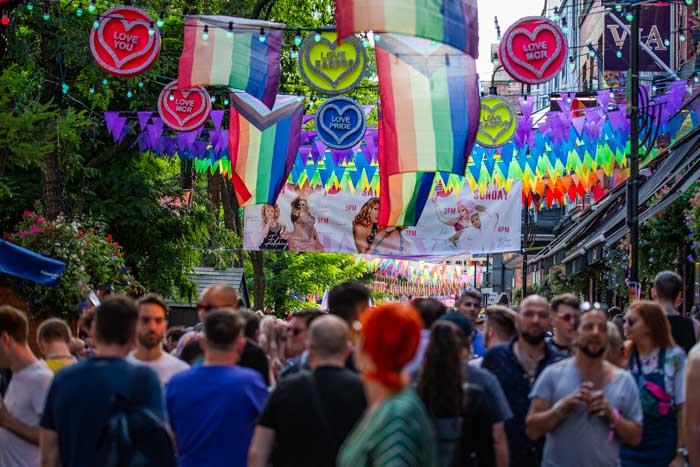
Manchester Pride has been named one of the best Pride events in the UK in the Pride Poll organised by Hits Radio Pride.

Manchester Pride received the most votes in an online poll asking fans and listeners of the radio station what their favourite Pride event was in the UK. 

Winning the ‘Large’ category, the event will receive a marketing campaign on the station.

Photo credit: Adam Pester

The poll, which was open for voting throughout June 2021, saw votes for over 150 different local and specialised events of all sizes across England, Scotland, Wales and Northern Ireland. 

Other winners included Bury and Belfast for ‘Small’ and ‘Medium’ respectively.

“Pride events are so important and give so many people a place of hope, safety and joy,” said Jordan Lee, presenter, Hits Radio Pride.

“It was amazing to see so many people vote for such an array of different local events in our Hits Radio Pride inaugural Pride Poll, showing that the love and pride is truly here in the UK.

My adopted home Manchester saw an incredible number of votes, and after experiencing the passion and euphoria first-hand over the last few years, I can see exactly why Manchester Pride won!”

Mark Fletcher, CEO, Manchester Pride said: “We’re so proud and pleased that Hits Radio listeners love what we do.”

The theme for the 2021 Manchester Pride Festival will be Garden Of Freedom, as the LGBT+ charity looks towards bringing LGBT+ people back together to stand together and to push forward in the fight for freedom. Manchester Pride Festival will run from Friday 27 August to Monday 30 August 2021.

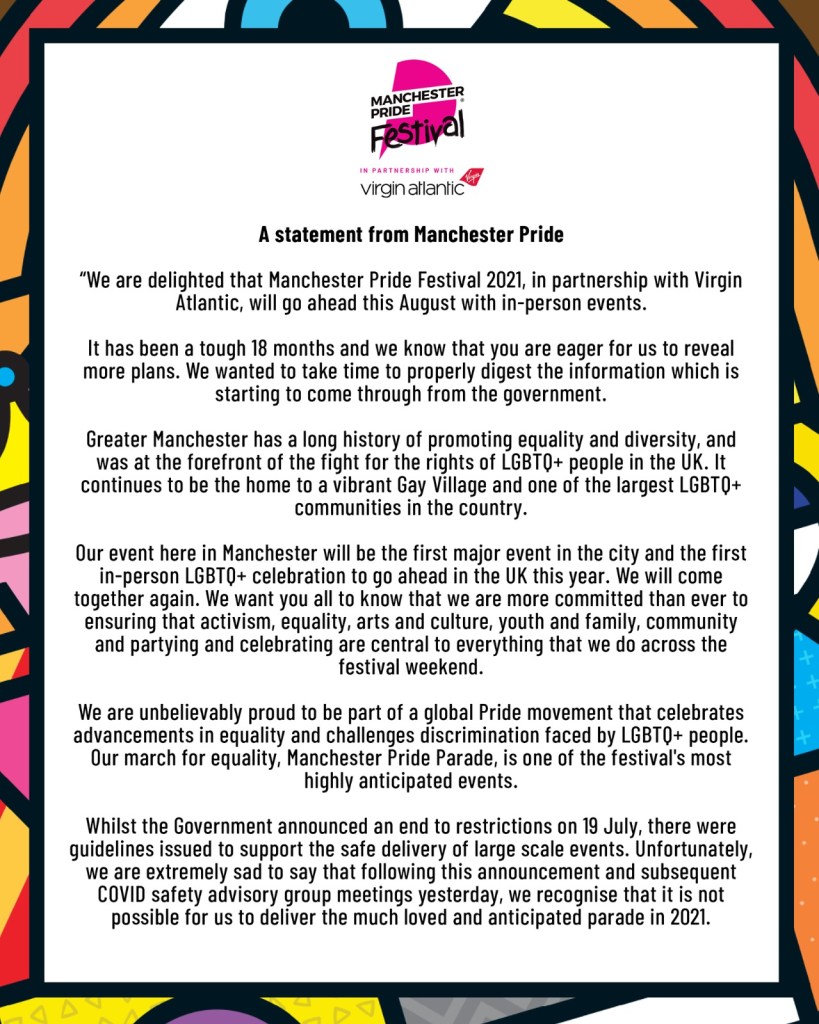
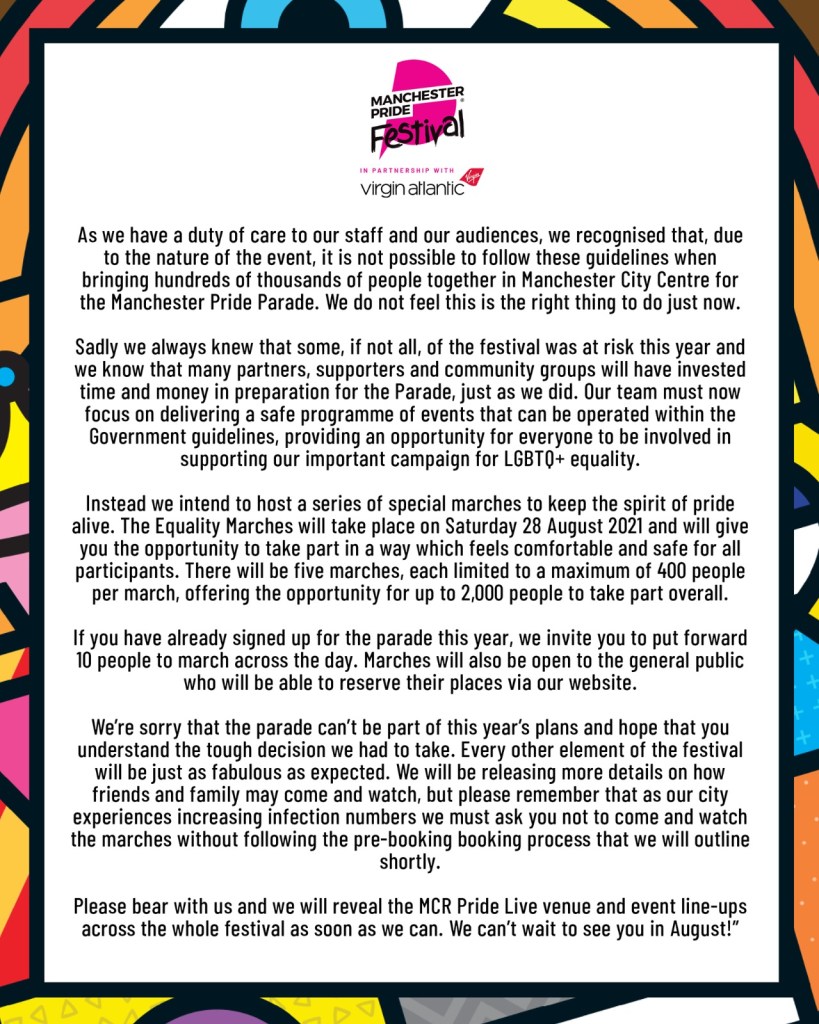
Please see statement below regarding the parade:

Everything You Need To Know About Manchester Pride

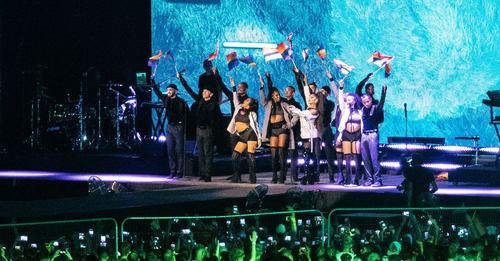
Ariana Grande at Depot Mayfield in 2019 (Image: Joel Goodman)

The venue for this year’s Manchester Pride Festival has finally been announced.

The live music portion of the huge LGBT+ celebration will move to one of the city’s newest outdoor event spaces, a short distance away from the Gay Village.

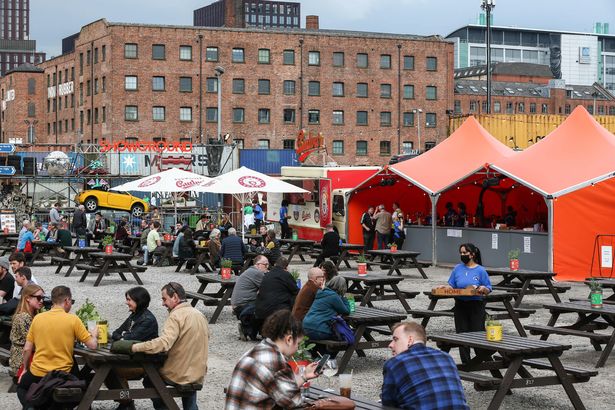
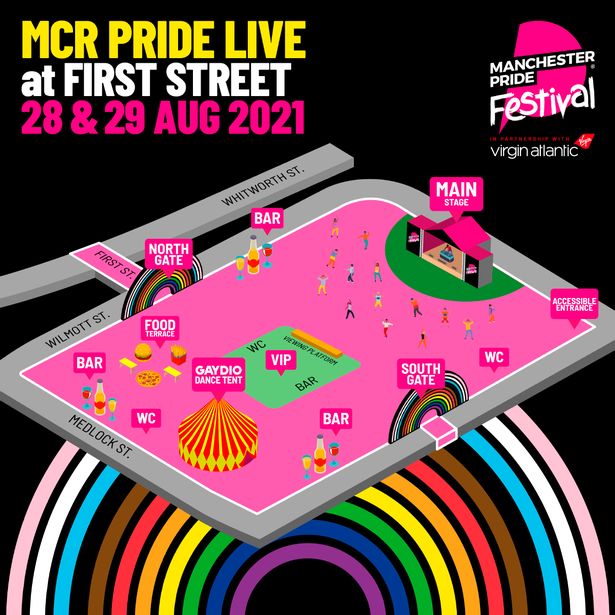
This year, Manchester Pride Live will take over the Homeground site at First Street, a huge 80,000 sq ft plot launched by local arts centre HOME.

The festival moved away from its usual site in a Gay Village car park and headed to Depot Mayfield in 2019.

Now its new location will host two live music stages – the main stage and the Gaydio dance tent – across Saturday 28 August and Sunday 29 August.

The Homeground site (Image: Adam Vaughan)

The news of its new location comes just days after the much-loved parade was cancelled, though smaller equality marches will still go ahead.

The Manchester Pride Festival itself will take place from Friday 27 August 27 until Monday 30 August, with the Gay Village Party in full swing for four days in the area around Canal Street.

The live music event over at Homeground will be headlined on the Sunday night by Zara Larsson, who will be joined by Ella Henderson, Gabrielle, Sophie Ellis-Bextor and Lucy Spraggan, Jason Andrew Gust and Shura.

The stage will be hosted by Danny Beard, Cheddar Gorgeous, Anna Phylactic, The Manchester Queens and House of Blaque.

On the Saturday, Sigala, Annie Mac, Katy B and Example will perform alongside a mystery special guest. Another headline performer has been secured, but Manchester Pride won’t reveal their identity until 27 August.

Saturday night’s performances will be hosted by La Discothèque and House of Ghetto.

Mark Fletcher, CEO of Manchester Pride, said: “It’s really exciting to be taking MCR Pride Live to First Street this year.

“The site is perfect for our event and is less than ten minutes walk from the Gay Village meaning that ticket holders will be able to move around our different sites in the city really easily and enjoy everything that Manchester Pride Festival has to offer.”

All ticket-holders aged 18 and over will need to demonstrate their Covid-19 status before attending any element of the festival this summer.

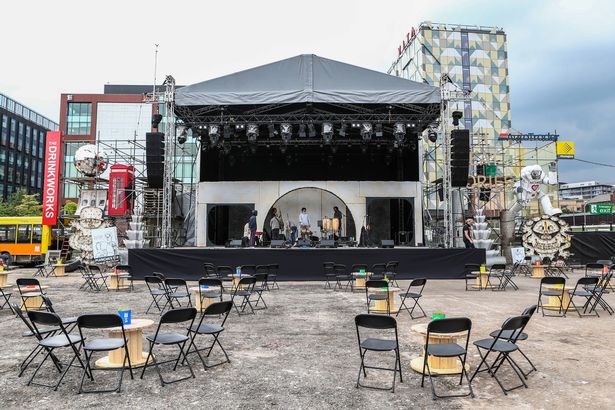
(Image: Adam Vaughan)

That means proof of either a negative lateral flow test taken on the day of arrival, proof of full vaccination, or proof of ‘natural immunity’ (based upon a positive PCR test within 180 days of the festival, including 10 days self-isolation following the result).

Further details of how this will be managed can be found on the Manchester Pride website.

Mark Fletcher continued: “Not being able to deliver the Manchester Pride Parade this year was heart-breaking but it really would be impossible to check the COVID-19 status of every single person that came to watch it.

“Hundreds of thousands of people head into the city to watch the procession go by and there would be no way of ensuring that those people were not transmitting this virus which has taken such a horrible toll on our lives over the last 18 months.

“The government is advising that all live event organisers put these processes in place and we are working together with the relevant safety groups and local authorities to follow this advice.

“By demonstrating their COVID-19 status our guests will be able to enjoy the weekend safely, enabling us all to come together and celebrate for the first time since 2019.”

Rainbow Passes, which allow access to MCR Pride Live Festival and four days at the Gay Village Party, start at £55 for a day or £84.50 for the weekend and Gay Village Party tickets are £17.50 for one day or £25.00 for all four days. Weekend Rainbow passes have sold out but a limited number of day passes are still available.

For more information about the festival visit Manchester Pride website

London holds first UK ‘Reclaim Pride’ as marchers demand return to Pride’s radical roots … Tough Talks

News

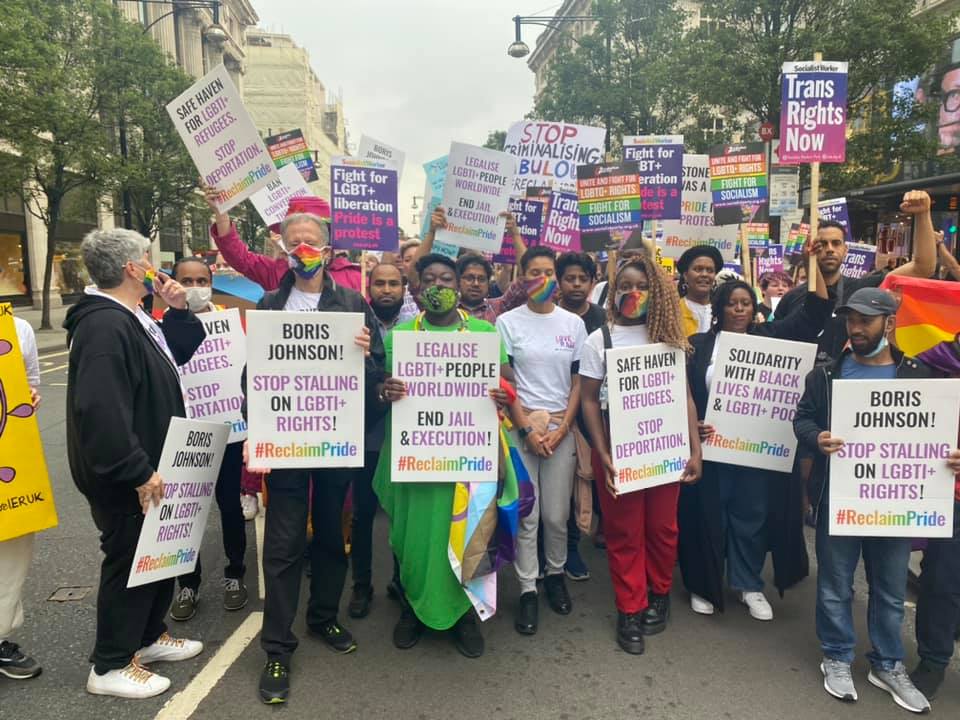
Holding banners and shouting slogans of defiance, thousands of LGBT+ people took to the streets of London on Saturday 24 July to protest against the perceived commercialisation of Britain’s official annual Pride march.

Reclaim Pride marched via Downing Street and the Ugandan High Commission in Trafalgar Square to respectively protest against the government’s stalling on LGBT+ rights and Uganda’s persecution of LGBT+ people.

Marchers said they had come to protest about the state of LGBT+ rights in the country, particularly for those within the transgender community.

“We are seeing … increased amounts of transphobic articles (in the media),” said Natalie June-Whitaker, a 22-year-old degree apprentice in IT consulting, as people milled in central London’s Parliament Square before the march began.

“They are attacking innocent trans people and increasing anti-trans rhetoric, which affects real people’s everyday lives,” June-Whitaker said.

Last year, the British government scrapped a proposed reform that would have let trans people legally change gender without a medical diagnosis.

Marchers also called for more diversity and efforts to tackle racism both within and outside the LGBT+ community.

“We’re here to say that Pride is about inclusion,” said Phyll Opoku-Gyimah, executive director of UK Black Pride, Europe’s largest LGBT+ celebration for people of colour, which attracted about 15,000 people in 2019.

“It’s about diversity, about speaking truth to power on a number of different issues for our trans non-binary siblings (and) for Black Lives Matter,” Opoku-Gyimah said amid the sound of whistles and cheering.

London’s official Pride march is to be held in September this year, after coronavirus restrictions forced the parade off the streets in 2020.

The Reclaim Pride march joins similar movements around the world expressing frustration that annual celebrations of LGBT+ rights have become over-commercialised parties rather than a chance to protest against inequality.

“We are not a trend for Pride month, we deserve visibility all year,” read one banner in London.

New York hosted its first Queer Liberation March in 2019, which organisers said was “a people’s political march”, held without corporate sponsorship and police barricades.

“We want to say that our human rights should be central,” said veteran human rights activist Peter Tatchell, one of the organisers of Saturday’s march. “As well as a celebration, Pride has to be a protest.”

Thousands of people attend the “Reclaim Pride” march in the streets of London, Britain. July 24 2021. Thomson Reuters Foundation / Shivani Dave

Historic Roots

The first ever Pride march was held in the wake of the 1969 Stonewall riots in the United States, when the LGBT+ community fought back against a police raid of the Stonewall Inn in New York, sparking the birth of the modern-day rights movement.

Last year saw a slew of LGBT+ events around the world cancelled in the wake of the coronavirus pandemic, from a gay Pride march in Romania to a Thai dance party.

Concerns remain about a third wave of infections, but this year many countries around the world have planned in-person events.

WorldPride, one of the world’s biggest parades, which drew an estimated 5 million people marching in New York in 2019, will hold a scaled-down event in Copenhagen in August.

Londoners said they were glad to be back on the streets, both celebrating and protesting.

“It’s good to be back again and good to be (back) with pride too,” said 86-year-old Maureen Marshall, who has been attending Pride for nearly three decades.

Thanks to Hugo Greenhalgh at Thomson Reuters Foundation for this report and thanks to Peter Tatchell Foundation for the photographs.

Tough Talks

Produced by Reform Radio for Hits Radio Pride, Tough Talks is a series of 20 short podcasts (each one is only five or six minutes long), which won Gold at the British Podcast Awards for Best Sex & Relationships Podcast!

You will hear people from the LGBT+ community revisit and reflect on a tough talk from their past.

In these intimate and revealing chats you’ll hear from them and the person they had the conversation with on topics such as gender, sexuality and identity. Hits Radio Pride is the UK’s first national LGBT+ radio station from a major broadcaster.

Listen here.

Choose love

Not our first pandemic … Ruth Coker Burks … A Guide to the word “Queer”

News

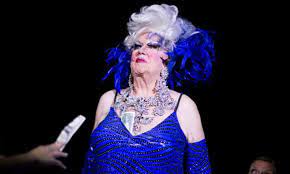
‘Not our first pandemic’: drag queen, 90, who stayed onstage during Covid

Darcelle XV, officially the world’s oldest drag queen at 90, is part of an LGBT generation that lived through HIV/Aids. David Raven, better known by the stage name Maisie Trollette, is the UK’s oldest drag queen – a mere 88 in August.

Darcelle XV, known as the ‘unofficial welcome wagon to Portland, Oregon’, will perform to a full audience for the first time in over a year. Photograph: PRESS

You haven’t lived until you’ve put a dollar bill into the G-string of a 90-year-old drag queen dressed as a cowboy in butt-less, leather chaps. That’s the motto of Darcelle XV, the world’s oldest working female impersonator, known as the “unofficial welcome wagon to Portland, Oregon”.

With her towering wigs, hand-sewn outfits and flamboyant persona modelled on “a B-list French actress from the 1950s”, thousands have flocked to her cabaret club for over 50 years.

Born in Portland in 1930, Walter Cole was a “slick-haired man with horn-rimmed glasses, married with children” before he put on a dress aged 39, sparking a career in the rainbow spotlight.

Walter ran a “rough’n’ready dyke bar in skid row” in the 1970s, where his earrings were stuck on with duct tape, and lost friends and staff to HIV/Aids in the 1980s and 90s. In 2016, Guinness named him a world record holder and a Darcelle documentary won a regional Emmy.

Despite the 2020 pandemic bringing high risks for the elderly, he still performs two shows a week. “When we reopened in July (last year) it was a nightmare,” he said.

“You could only have 20 people, and I stood behind screens, making it harder dealing with hecklers. The good news was I made 19 new costumes in lockdown … and have a rhinestone-covered walker.”

By 2030 it is estimated there will be 7 million LGBT+ people over 50 in the US. Photograph: Davids’ Adventures Photos / Getty Images

By 2030 there will be an estimated 7 million LGBT+ people aged 50+ in the US, up from 2.7 million in 2010, according to the National Gay and Lesbian Task Force. But Cole is part of a “vanishing generation” of seniors who have so far survived two pandemics, after more than 700,000 people died of HIV/Aids related illnesses in America since the 1980s.

“Covid hit this community hard,” said Dr Karen Fredriksen Goldsen, director of Aging with Pride, the first national US, longitudinal study of LGBT+ communities, started in 2010.

She added: “There’s a lot of unresolved historical trauma … and huge health disparities from decades of systemic discrimination, including poorer physical, mental and economic health than heterosexuals, with higher rates of depression and diabetes, and lower access to health insurance and pensions.

As they age, generations who didn’t think they would live to be old often struggle with care due to an increased likelihood of living alone and ostracism from relatives, being four times less likely to have children, and a reliance on friends or “chosen family”, who may be suffering too.”

Dr Fredriksen Goldsen added: “There’s also sometimes a reluctance, especially in transgender and communities of colour, to seek help because of healthcare discrimination.”

But there are rays of optimism.

Organisations like Sage, a senior LGBT+ programme in 22 states, and HealthyGen Center in Washington, sprang into action, setting up food drops, pairing isolated members with younger friends for phone calls, and distributing tablets to keep them connected.

There have also been individual victories demonstrating the group’s reputation for survival and grassroots activism.

Michael Adams, CEO of Sage, called LGBT+ seniors a “vanishing generation with tremendous resilience and generosity of spirit”, and urged younger members to fulfil their “profound moral obligation” to look after them.

He said: “If it wasn’t for their sacrifices we wouldn’t exist as people with legal rights. We owe them everything. They’re our heroes.”

Back in Portland, Cole counts his blessings as he performs to a full audience for the first time in over a year.

Is he nervous? “Darcelle isn’t scared of anything,” he said. “She saved my life. Years ago, I apologised to my children, if I hurt them (when I came out), but I had to, or I would have died. Now we are one big family. So, Covid won’t make me retire. I have a world title to defend … and 12 years of battery left in my pacemaker.”

Ruth Coker Burks

In 1984, when Burks was 25 and a young mother living in Arkansas, she would often visit a hospital to care for a friend who had cancer.

During one visit, she noticed the nurses would draw straws, afraid to go into one room, its door sealed by a big red bag. She asked why and the nurses told her the patient had Gay-Related Immune Deficiency (GRID), later known as AIDS.

On a repeat visit, and seeing the big red bag on the door, Burks decided to disregard the warnings and sneaked into the room. In the bed was a skeletal young man, who told her he wanted to see his mother before he died. She left the room and told the nurses, who said, “Honey, his mother’s not coming. He’s been here six weeks. Nobody’s coming”. Burks called his mother anyway, who refused to come visit her son, who she described as a “sinner” and already dead to her, and that she wouldn’t even claim his body when he died. “I went back in his room and when I walked in, he said, “Oh, momma. I knew you’d come”, and then he lifted his hand. And what was I going to do? So I took his hand. I said, “I’m here, honey. I’m here”, Burks later recounted. She pulled a chair to his bedside, talked to him, and held his hand until he died 13 hours later.

After finally finding a funeral home that would take his body, and paying for the cremation out of her own savings, Burks buried his ashes on her family’s large plot in Files Cemetery.

After this first encounter, Burks cared for other patients who needed her help. She would take them to appointments, obtain medications, apply for assistance, and even kept supplies of AIDS medications on hand, as some pharmacies would not carry them.

In addition to her work with AIDS patients, Burks also handed out safe sex kits in known cruising spots.

Due to her work, Burks and her daughter were shunned by their local community, and on two occasions crosses were burned in her yard by the Ku Klux Klan.

Burks work soon became well known in the city and she received financial assistance from gay bars, “They would twirl up a drag show on Saturday night and here’d come the money. That’s how we’d buy medicine, that’s how we’d pay rent. If it hadn’t been for the drag queens, I don’t know what we would have done”, she said.

Over the next 30 years (with assistance from her daughter) Burks cared for over 1,000 people and buried more than 40 on her family’s plot (most of whom were gay men whose families would not claim their ashes). For this, she has been nicknamed the ‘Cemetery Angel’.

“Someday, I’d love to get a monument that says: This is what happened. In 1984, it started. They just kept coming and coming. And they knew they would be remembered, loved, and taken care of, and that someone would say a kind word over them when they died”.

Listen here.

A Guide to the word “Queer”

There are many different labels and acronyms which are used to describe the wonderfully diverse LGBT+ communities. Some might choose to extend the acronym to LGBTQIA+, and there are other acronyms which are even longer.

Another word you might have heard used to describe the community, however, is the word queer.

Often, the ‘Q’ in LGBTQ+ stands for queer (however sometimes it can also mean ‘questioning’), and many younger members of the community identify with the term as a way of describing themselves. Others, however, remember the word’s history as a slur, and prefer not to use it.

Here’s a short history of the word, and how it came to be reclaimed …

The origins of the term

The Oxford English Dictionary first notes the use of the word as meaning ‘strange’ or ‘peculiar’ as early as 1513, and in some cases it is still used, removed from any reference to sexuality or gender, to mean this today.

But it wasn’t until the 1890s that the word became associated with homosexuality, with the first recorded use being from John Sholto Douglas, the Marquis of Queensbury, whose son Francis was rumoured to be having an affair with another man.

Douglas described the other man, Archibald Primrose, as a ‘snob queer’, and the word’s usage as a slur was born.

After the 1890s the term began to be used scornfully to describe gay or effeminate men, lesbian or manly women, and probably transgender people who didn’t neatly conform to expectations about who a woman or man should be.

Reclamation of the term

In the late 1960s, however, the Stonewall riots took place, and the Gay Rights movement began. Many participants in the movement started using the word, which was still being used as an insult, to describe themselves in a stark act of defiance.

The AIDs crisis in the 1980s and 90s provided more reason for activists to group together under the umbrella of the term, and even more recently, movements like the fight for marriage equality have kept its usage alive.

The word queer today

Today, many people in the LGBT+ community like the word because of its ambiguity and versatility. Whereas the acronym uses a ‘+’ symbol to define the identities of anyone who isn’t Lesbian, Gay, Bisexual or Transgender, the word queer doesn’t denote a specific identity.

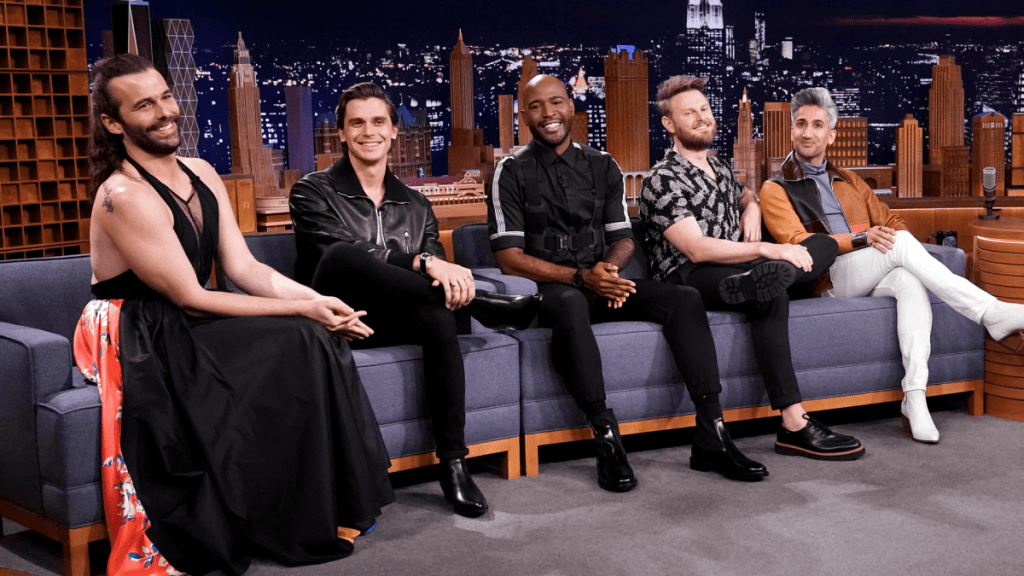
Queer Eye (Photo: NBC / Getty)

Online bookstore Queer Lit and television shows like Queer Eye have brought the term into the mainstream, and it is now seen by many as an effective way of describing their identity. When we see this term queer used by the community and for the community, it’s unambiguously positive usually; the context is clear and we know how people are using it and why they’re using it. On the other hand, when it’s used by members who are outside the community, it’s more difficult to tell.

However, as some people still view the term negatively, at Out In The City we have chosen to use LGBT+ as an all-encompassing ‘umbrella’ term.

What do you think?

Research project with Re-engage … The joy and challenges of coming out later in life … Film: Two of Us

News

Are you 70 or older? Re-engage has launched a research project to engage directly with older lesbian, gay, bisexual and transgender (LGBT+) people.

This important research will help them develop new services and activities that support this group to make meaningful connections in later life and alleviate loneliness. 

They are asking anyone aged 70 or older who identifies as LGBT+ and would like to take part in this research to complete the survey or participate in a telephone interview.  

Why the research is so important 

Existing research tells, as an older LGBT+ person, you are more likely to live alone, be single  and  less likely to see your  biological  family regularly.   

You  are  also less likely to have intergenerational relationships  and children, which can often lead to your ‘family of choice’ (often made up of people of a similar age), sadly dwindling or increasingly unable to support as you age together.    

The pandemic has increased feelings of loneliness  

More recent research has shown that the pandemic has exacerbated some of the social challenges faced by older LGBT+ people.  

Many have  reported feeling more lonely and socially isolated since the lockdown. For example, some say they’ve had no one locally to support with basic necessities because their friends and LGBT+ community  are geographically dispersed.    

All of these factors can lead to an increased risk of social isolation and loneliness.   

Organised groups and services can help 

However, research also shows that attending LGBT+ specific groups and services has been shown to help “alleviate isolation” and create valuable  social connections.    

Indeed, those older LGBT+ people who form social networks through these groups and services, particularly with other older LGBT+ people, are often “cushioned from feeling isolated and lonely”.  

The research focuses on the ‘older old’ 

While  the existing research is very insightful; it is largely focused on LGBT+ people aged 50 and above. As a result, there is a distinct lack of understanding about the specific needs and experiences of the ‘oldest old’.    

In response to this, the research will focus on LGBT+ people aged 70 and older. The findings will help them to develop new services and activities that help build social connections and companionship within this group.  

Help deliver life-changing services 

If you are aged 70 or older, identify as LGBT+ and wish to take part in this important piece of research, please do get in touch.   

You don’t need to have experience of loneliness or social isolation to take part; they want to hear from people with a wide range of needs and experiences.  

You can  support the research  in the following ways:  

The joy and challenges of coming out later in life

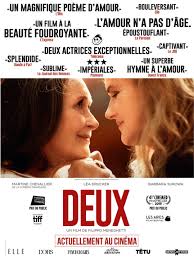
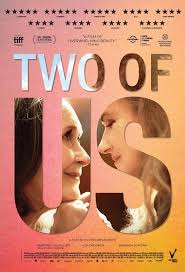
To celebrate the release of Two of Us (currently showing at HOME cinema, 2 Tony Wilson Place, Manchester M15 4FN) we talk to a couple about their story, their relationship and their experiences of coming out later in life.

Two of Us

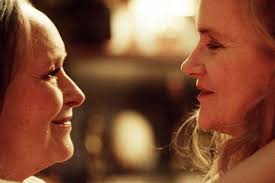
Two of Us is a French film that tells the story of Nina and Madeleine, two retired lesbians who have been secretly in love for decades. They share their lives and the top floor of their building together, and to everyone else, including Madeleine’s grown up children, they are simply neighbours who share a landing between their two apartments.

This powerful romance explores the struggles Madeleine experiences in coming out as gay later in life to her family and the weight she has to bear, having kept the secret of her relationship with another women and denying who she really is for so long.

After an unforeseen and heart-breaking event that leads to Nina being separated from Madeleine, the film’s narrative then delves into the consequences of hiding yourself and the conflict caused by bitter and unaccepting children who try to deny that the two women are in love and do their best to keep them apart.

While the film is emotionally harrowing at times, Nina’s devotion to reuniting with Madeleine and the lengths she goes to get them back together again is heart-warming and really brings home that love will endure regardless of the obstacles put in its way.

In cinemas and digital streaming from 16 July.

Jenny-Anne and Elen

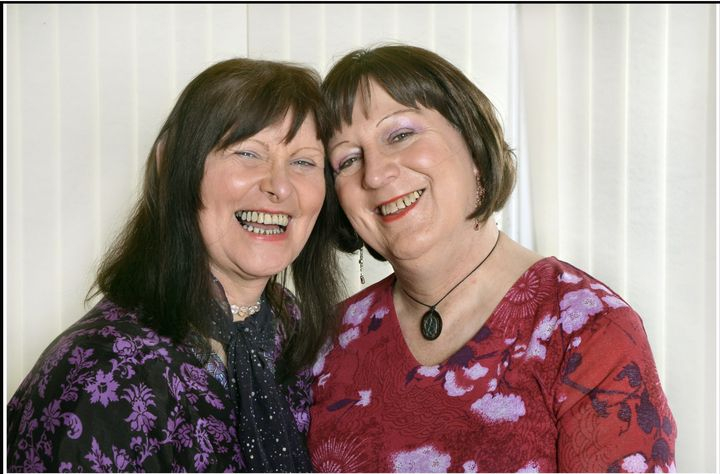
Jenny-Anne, 74 and Elen, 77 are a married transgender couple who live in Rhyl, North Wales.

They talk about their relationship, their life together, what life was like for them growing up, their sliding door moments and the challenges and experiences they faced in coming out later in life.

Photo by Sarra Davidmann

What was life like growing up?

Jenny-Anne: “I was born in Surrey into a traditional, roman catholic family. My Dad was an accountant and before that, in the RAF and my sister and I enjoyed a privileged upbringing.

I knew from an early age that something wasn’t quite right. When I was 6, I got caught wearing my mums’ clothes to school one day. In my mind I was simply practising being the person I knew I would grow up to be, but it didn’t go down well. I was sent to see the school psychologist and I was told by my parents, my church and the school that it was wrong. So I suppressed myself and only dressed as me when I knew no-one else was around.

At university I discovered there were lots of people like me, we were trans, we just didn’t have the word for it then. When I raised this, I was told, no, that’s not for you – go and find yourself a girlfriend, get married and have a family and all this will go away.”

Elen: “We grew up in the same area, but our upbringings were quite different. My parents were liberal for the time and could perhaps even be described as radical. My father was a staunch labour supporter, and neither were religious.

When I was a teenager, I got involved in designing quite risqué items of clothing for girls and my parents didn’t bat an eyelid. I’m sure if I had come out when I was younger it would have neither surprised nor bothered them.

Growing up I didn’t necessarily want to be female; I was very strongly attracted to women but soon realised that I wasn’t like other men and didn’t treat women the way many of my peers did.

I’ve always had quite a feminine personality; I didn’t realise that’s what it was at the time and these traits were very puzzling for me. I spent a big chunk of my life hiding behind my beard and searching for the ideal woman. It wasn’t until I had an eye-opening moment at 60 and saw that the woman I was looking for was actually inside of me! That’s when Elen was born, and life changed quite drastically!

What was life like before you came out?

Jenny Anne: “I got married and had children, but it made things worse for me. I wanted to be the woman in the house. I eventually explained to my wife how I felt, and she initially thought it meant I was a crossdresser – she went along with it – and even made clothes for me to wear. One day she asked me how I would like to be buried if I died. My response without thinking was “As Jenny-Anne, that’s who I am”. That changed things and I think she realised then that I would eventually transition at some point in the future. She became quite depressed and Jenny-Anne was moved out of the family house.

I was pulled over by the police once and they questioned why I was driving a company car dressed as Jenny-Anne. Unfortunately, the officer rang my company and asked if it was ok for a male employee to drive their car dressed as a woman. That led to me being side-lined at work and I was eventually forced out. Throughout the course of my life I have lost 5 jobs for being trans in my private life. It was only in my very last job that I transitioned to Jenny-Anne.

When I felt empowered enough to transition permanently, I was at the grand age of 59. And there is just sheer joy in being who I am now, finally.”

How have your family been?

Jenny-Anne: “Because I was suppressed as a youngster and at university, it caused a huge amount of collateral damage. My children were grown up when I came out, but they still don’t talk to me. Thankfully I am still close to my granddaughter and Elen and I also have a wonderful adopted daughter, Jasmin, who lives down the road from us with her partner Emily. Having Jasmin has helped me in many ways to cope with not being in contact with my own daughter.

All of Elen’s children, once they got over the initial shock, have also gradually come to a place of acceptance and are very nice to me, I’m simply Elen’s wife to them now. Elen’s brother and sister as well as her wider family are all supportive and accepting of our relationship too and will happily address her as Elen. We even have an in-family joke where our grandchildren call us Tran-ma and Tran-pa.”

Elen: “I’ve had numerous relationships throughout my adult life and on the whole, I am still friendly with most of my ex-partners. Although the mother of my children is not comfortable with the life that Jenny-Anne and I lead.

I have three children, one girl and two boys. My daughter struggles a bit with Elen, but we have agreed to disagree. The boys have been fine, particularly my youngest, who was totally happy to be out with me when I first became Elen. I feel very fortunate that my family and my wider community, in the most part, have been very supportive.”

Tell us your story

Jenny Anne and Elen

Elen: “We met at a New Year’s Eve party and were friends for a year or so before becoming a couple in late 2004. We started living together in 2008 when Jenny-Anne retired and moved to Rhyl to live with me. We married in 2011, the same year that Jenny-Anne received her gender recognition certificate. It was a celebration that spanned 3 days and took place in venues that hold great significance to us as a couple. It is our most cherished memory and all the people that took part in it hold important and meaningful roles in our life and our journey together.”

Jenny Anne: “We have often said it was our destiny to meet. There were so many times where our paths could have crossed. We grew up in the same area, I was even born at the same hospital as Elen’s brother. She was raised in Sutton and I was often there, either visiting my Dad’s office or for eye appointments. Later on, we worked in the buildings next to each other and Elen moved to the same area where my cousin lived. But the sliding doors of fate had other plans and we didn’t meet until later in life, perhaps rightly so, as we could be our true selves, at least with each other. Although we have frequently wondered what life would have been like had I transitioned as a youngster and we had met sooner.”

What do you love most about each other?

Elen: “Jenny-Anne accepts me so completely and to be accepted as you are, uncritically, is very freeing. We are very happy together, although the one good thing to come out of the pandemic is that it has slowed her down – we get to spend more time together – and have grown even closer as a result.”

Jenny-Anne: “I feel the same. Elen has always supported me. She understands my history and doesn’t get upset that I am interested in things that are not typically female. She spoils me and looks after me so well and is very supportive of the campaigning work I do. I now do all my work virtually, so I have more time at home with Elen.”

What do hope for the future?

Both: Our biggest hope is that we can change society through the work we do so that trans is just another ethnicity. We just want the same things as everyone else and we’re lucky to have a loving relationship and the respect of those that are close to us. Jenny-Anne and Elen are founding members of the Unique TG network and are coordinators for networking, outreach and equality & diversity training in North Wales and West Cheshire