Florida city sets up rainbow bike racks after being forced to remove Pride crossings
Rainbow bike racks (@stpetfl on Instagram)
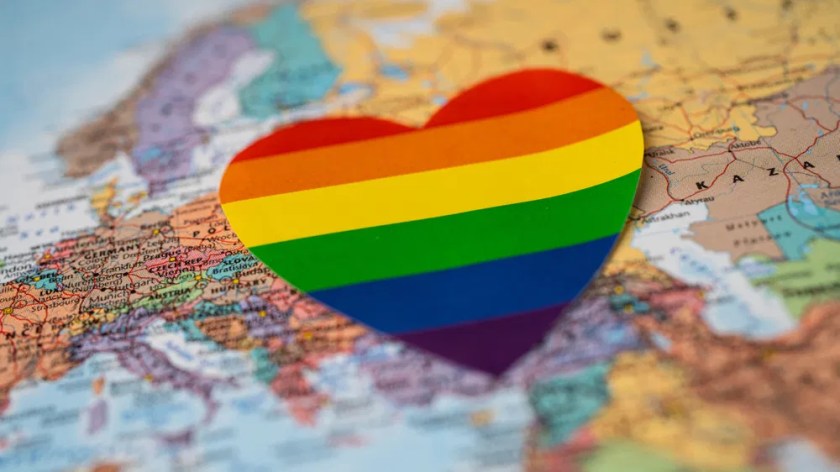
A city in the US state of Florida has installed rainbow-coloured bike racks after it was forced to remove Pride crossings.
In recent months, several cities across the Sunshine state have been forced to paint over Pride crossings under directives issued by the Trump administration and Republican governor – and failed US presidential candidate – Ron DeSantis.
DeSantis, who is well-known for enacting anti-LGBT+ policies, signed a law in July which directed the Florida Department of Transportation (FDOT) “to ensure compliance with FDOT’s uniform system for traffic control devices”, with the state’s transport department stating: “Non-standard surface markings, signage, and signals that do not directly contribute to traffic safety or control can lead to distractions or misunderstandings, jeopardising both driver and pedestrian safety.”
This came after the US’s transport secretary Sean Duffy penned a letter to all 50 US states alongside DC and Puerto Rico in which he claimed rainbow crossings “distract” drivers, saying in a statement: “Roads are for safety, not political messages or artwork.”
This included the removal of a rainbow crossing in Miami Beach and the memorial rainbow crossing outside the site of Pulse nightclub in Orlando, where 49 people were killed in an anti-LGBT+ mass shooting in 2016, being painted over.
Locals have protested the erasure of the Pride crossings by re-colouring them using chalk, which has led to arrests.
In response, city of St Petersburg, located in the Tampa Bay area, has installed Pride-inspired bike racks, with the city’s mayor Ken Welch writing in a joint Instagram post with the city’s official account: “Pride on the streets! We’ve just installed 11 Pride-inspired bike racks along Central Ave and 25th St – a vibrant way to honour the Pride street murals that were removed earlier this year due to state requirements.”
The racks were funded through the City’s long-standing public bike rack programme.
This small gesture of inclusion and celebration will be a symbol of our resolve to not be silenced.
Monday, 22 December 2025 – 5.00pm – 7.00pm – Manchester Proud Chorus – Free (but booking required)
The Social, Aviva Studios, Water Street, Manchester M3 4JQ
Get festive at Aviva Studios with free live music from Manchester’s favourite choirs.
Founded in 2000, the Manchester Proud Chorus is one of the largest LGBT+ choirs in the UK, welcoming LGBT+ people and allies, young and old, to sing together. The chorus has performed nationally and internationally, taking part in Pride events in Greater Manchester and beyond.
Saturday, 3 January 2026 – 12.00pm – 2.00pm – Digital Cafe – Free
LGBT Foundation, 72 Sackville Street, Manchester M1 3NJ
Meet new people, have fun and pick up new skills at the Manchester ‘Pride In Ageing’ over 50s social group.
This event is for LGBTQ+ people over the age of 50. If you have any further questions or access requirements, please email prideinageing@lgbt.foundation
Have a look at – https://outinthecity.org/next-outings/ – for future outings and meetings, Bridgewater Hall concerts and theatre trips. This page is updated on a regular basis.
If you wish to book a place on an outing, please contact us – https://outinthecity.org/contact-us/ . Some have a limited number of places and are available on a first come basis.
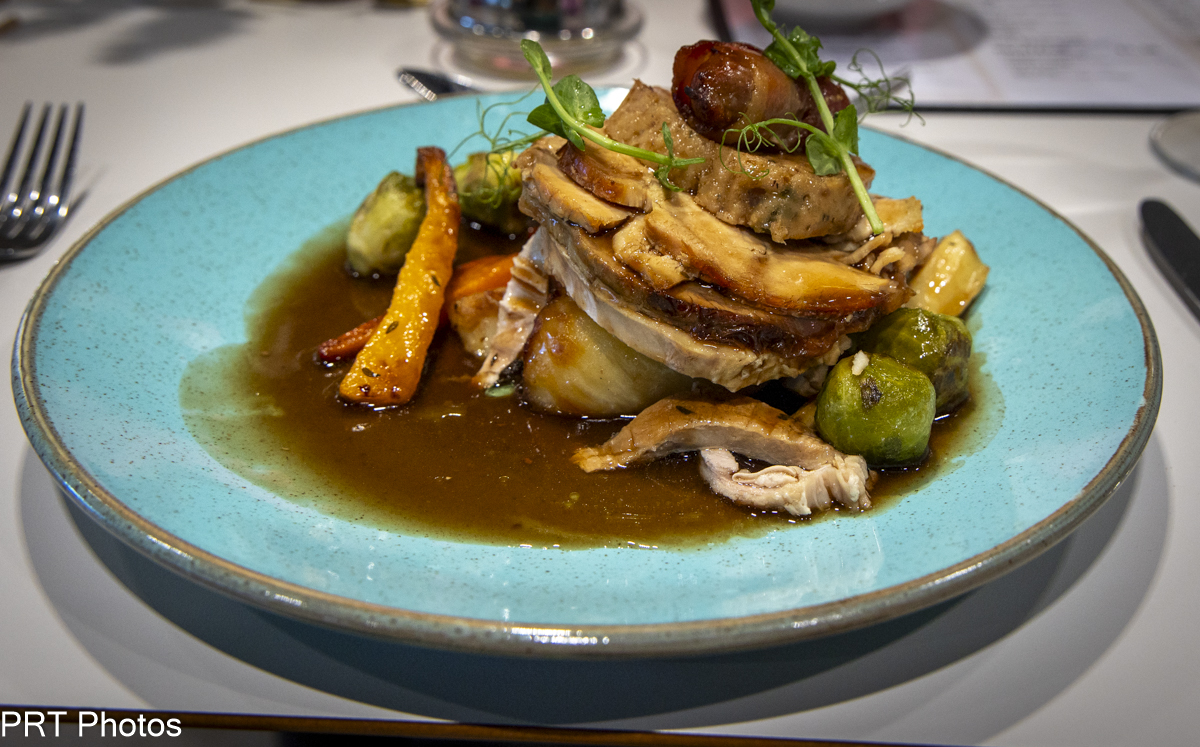
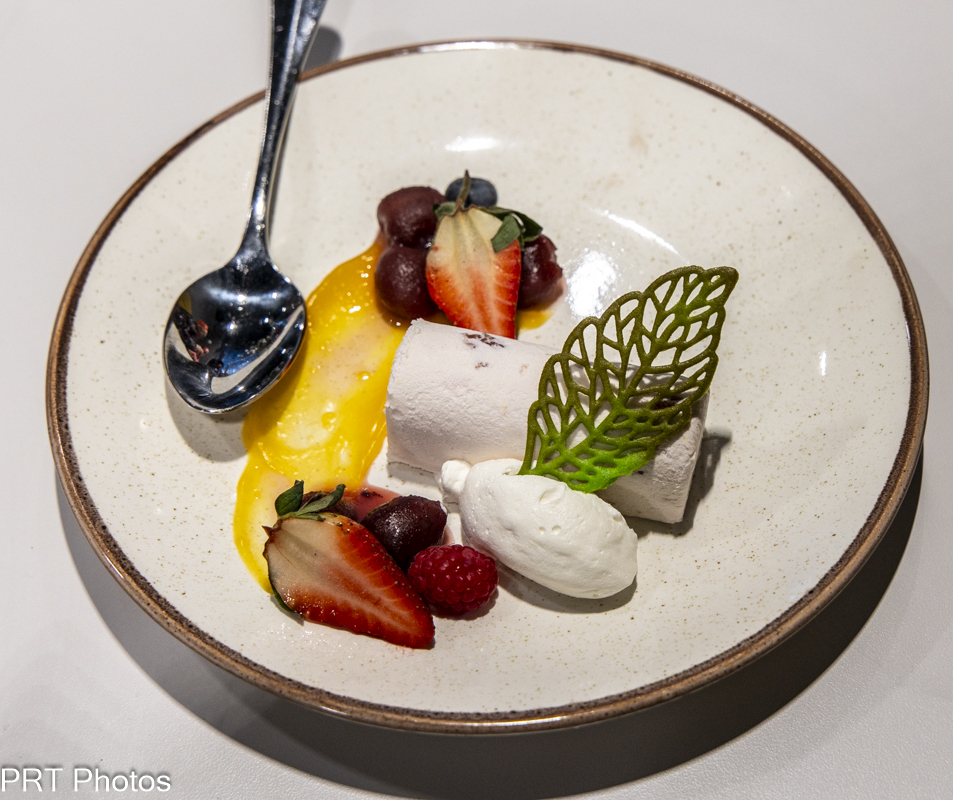
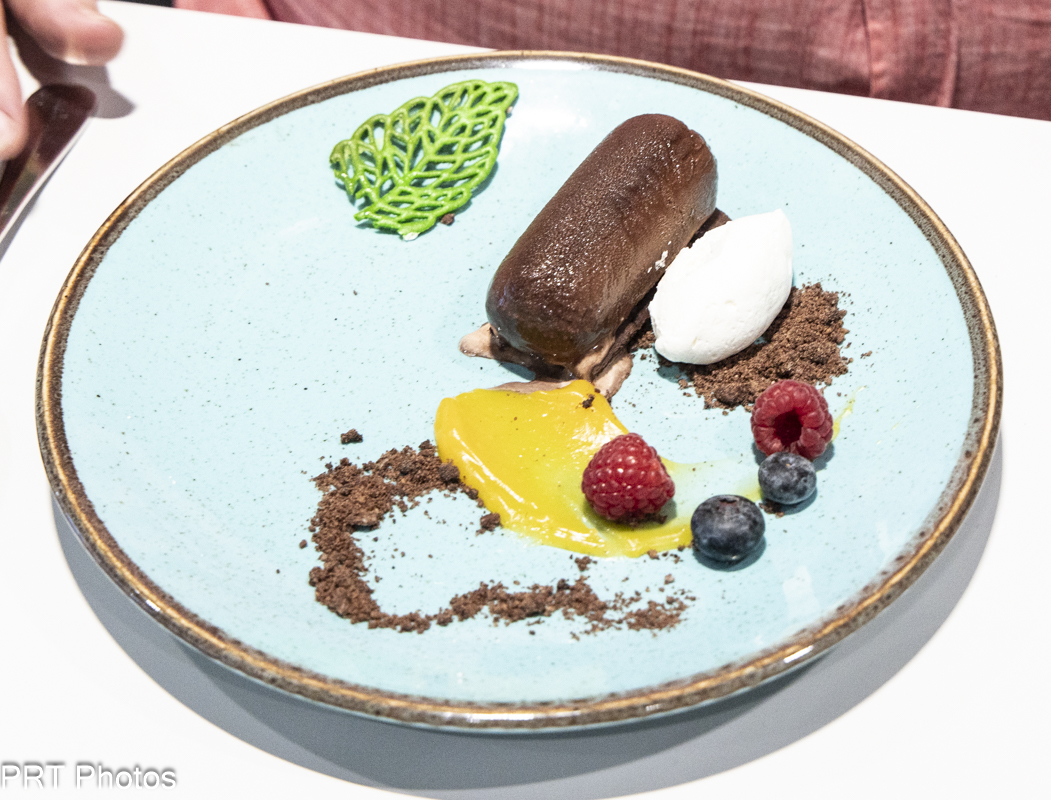
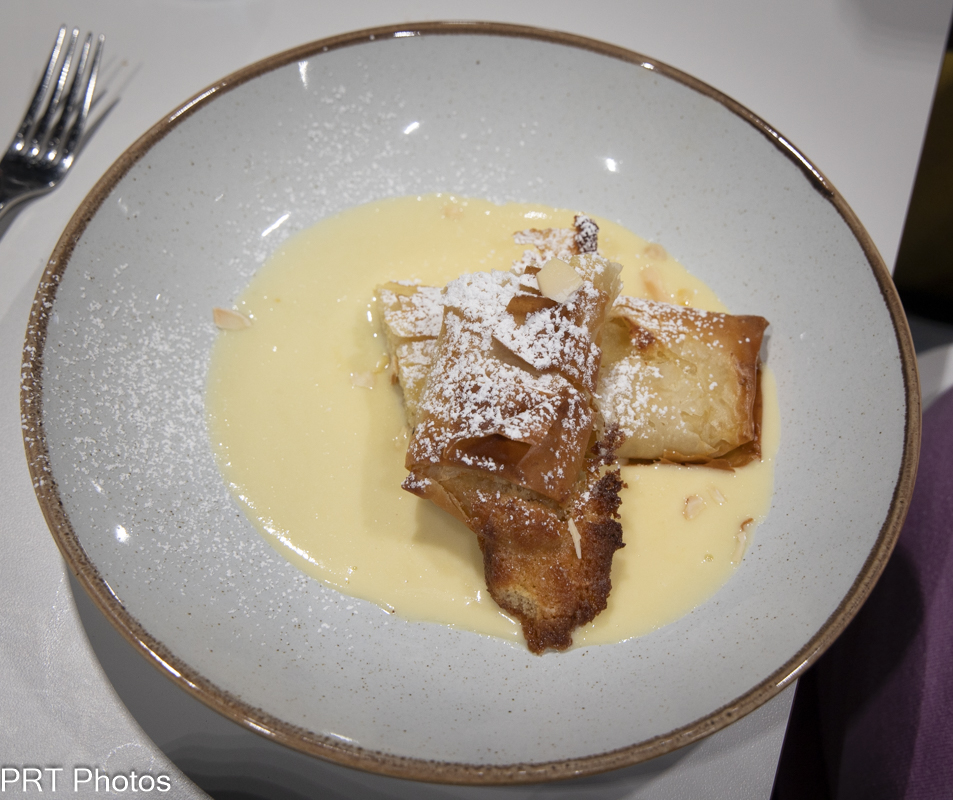
This year, the Christmas meal was held at the 1853 Restaurant, which is run by students studying Hospitality and Catering at Manchester College.
There were 74 of us, but the capacity of the restaurant is only 50, so we had two Christmas meals! Fifty of us attended on Thursday and twenty-four attended on Friday.
Guests enjoyed festive dining in a warm and welcoming atmosphere, with delicious seasonal dishes carefully prepared to celebrate the occasion.
Everyone was able to relax and savour the experience without feeling rushed, making it a perfect way to mark the holiday season.
A HUGE thanks to Auto Trader who sponsored 24 members of Out In The City to attend the Christmas Cracker Show on 12 December.
The Hallé added a little extra sparkle to our festive season with a selection box of our all-time favourite Christmas hits.
We decked the halls and got ready for the most wonderful time of the year with the Hallé’s Christmas Cracker – a festive extravaganza bursting with toe-tapping classics including Merry Christmas Everyone and All I Want for Christmas, the magical sounds of Polar Express, the sultry delights of Santa Baby and nostalgic hits like Last Christmas and Driving Home for Christmas.
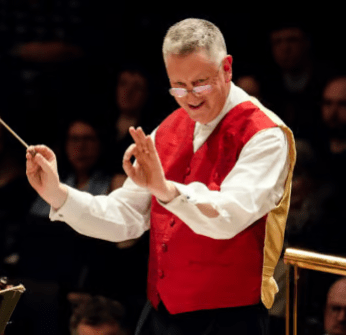
Stephen Bell, Associate Conductor Halle PopsKatie BirtillOliver Tompsett
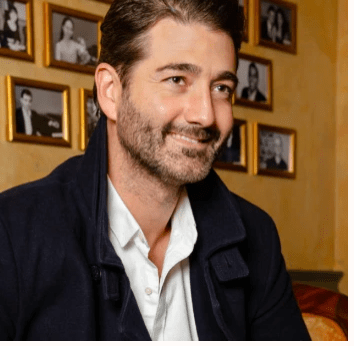
Incredible vocalists Katie Birtill and Oliver Tompsett joined conductor Stephen Bell, the Hallé Workplace Choirs and the Hallé Ancoats Community Choir, alongside the full force of the orchestra for this massive Christmas celebration.
Thanks again to Auto Trader who treated us to a free concert, a complimentary drink and a “goodie” bag.
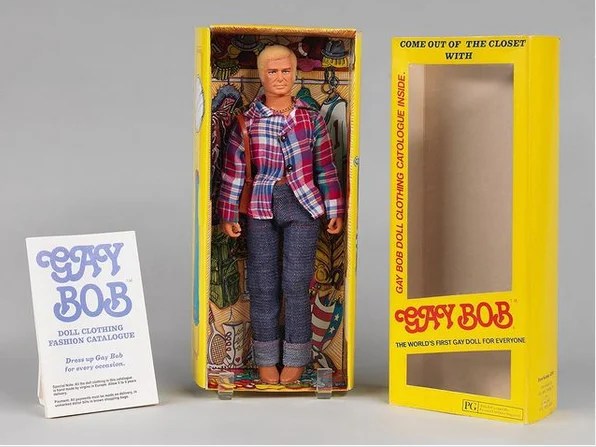
Meet Gay Bob
Do you know the story of Gay Bob?
He was the first out and proud gay doll in the United States, and his boast was that he was anatomically correct!
Gay Bob came out of his closet in 1977 and was available through mail-order catalogues and at select stores in San Francisco and New York City. He was priced at $14.50 and $19.50.
The 13-inch novelty toy was sold to adults and was risqué. He was designed to look like a cross between Paul Newman and Robert Redford.
The trailblazing toy wore a plaid flannel shirt, cuffed blue jeans, cowboy boots with a gold chain around his neck and a leather man bag on one arm. He had one ear pierced.
Gay Bob’s packaging and the advertising were risqué and campy as the box looked like a closet.
The box also suggested tips on “how to enjoy” Gay Bob: taking him to parties (he knew “all the latest dance breaks”) and introducing him to the family because “mom will love talking to” him.
Trailblazing toy
Gay Bob was Harvey Rosenberg’s idea. He was a straight advertising executive who invested $10,000 of his own money to kickstart the project.
“We had something to learn from the gay movement, just like we did from the black civil rights movement and the women’s movement,” Rosenberg said in an interview at the time, “and that is having the courage to stand up and say, ‘I have a right to be what I am.’ ”
But Gay Bob also had a message. Gay Bob’s packaging proudly explained how “coming out of the closet” related to courage, honesty and living authentically.
“Hi boys, girls and grownups, I’m Gay Bob, the world’s first gay doll. I bet you are wondering why I come packed in a closet. ‘Coming out of the closet’ is an expression which means that you admit the truth about yourself and are no longer ashamed of what you are … A lot of straight people should come out of their ‘straight closets’ and take the risk of being honest about what they are. People who are not ashamed of what they are, are more lovable, kind, and understanding. That is why everyone should come out of “their closet” so the world will be a more loving, understanding, and fulfilling place to live. Gay people are no different than straight people. If everyone came out of their closets, there wouldn’t be so many angry, frustrated, frightened people … It’s not easy to be honest about what you are; in fact it takes a great deal of courage. But remember, if Gay Bob has the courage to come out of his closet, so can you!”
Gay Bob came out of the closet at a pivotal moment in LGBT+ history. His arrival coincided with LGBT+ people seeing incremental advancement in treatment by society. For example, Harvey Milk was the first openly gay person elected in California, and Dade County Florida passed an equality ordinance for gays and lesbians.
Gay Bob backlash
But some people wished Gay Bob had stayed in the closet.
Singer, orange juice spokesperson, and anti-gay activist Anita Bryant founded Save Our Children, which opposed LGBT+ equality in Florida and elsewhere.
Her campaign was based on the lie that LGBT+ people were targeting and recruiting children.
Bryant’s fear-mongering rhetoric gained traction, and her anti-gay crusade gained widespread media attention and sparked campaigns in other states.
Bryant convinced voters to overturn Dade County’s gay rights ordinance and her vile comments lead to more gay rights protections being repealed across the county.
Protect America’s Children was an offshoot of Bryant’s business and ministries were led by Edward Rowe.
Rowe called the Gay Bob dolls, “evidence of the desperation of the homosexual campaign has reached in its effort to put the homosexual lifestyle, which is a deathstyle, across to the American people. I can only hope that the children who are given these Gay Bob dolls will not comprehend the meaning and intent of the campaign that is behind their manufacture and distribution.”
Gay Bob was initially popular with collectors who snatched up the first production run of 2,000 dolls.
Another 10,000 were produced, but Rosenberg didn’t produce the promised line of Gay Bob’s family and male friends or any of the clothing items that appeared in the clothing catalogue that was included in Gay Bob’s closet box.
Eventually, Gay Bob faded from public view.
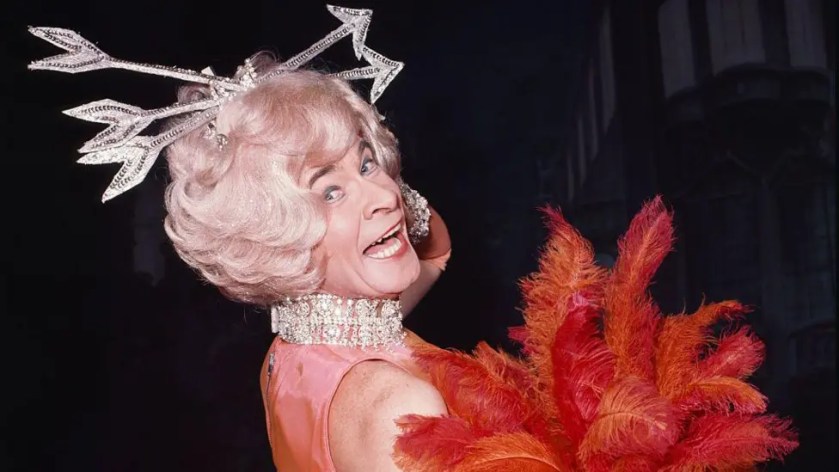
Stanley Baxter
Scottish actor and comedian Stanley Baxter died on 11 December 2025 at the age of 99.
He was one of the biggest stars on British television for several decades.
At the age of 94, he confirmed he had always been gay but said he had initially hidden the truth to avoid arrest in the years before decriminalisation.
He said his wife Moira had been fully aware of the situation. The couple, who married in 1951, had lived apart since the 1970s but remained close and never divorced.
Moira died in 1997 and Baxter’s long-term partner, Marcus, died in 2016.
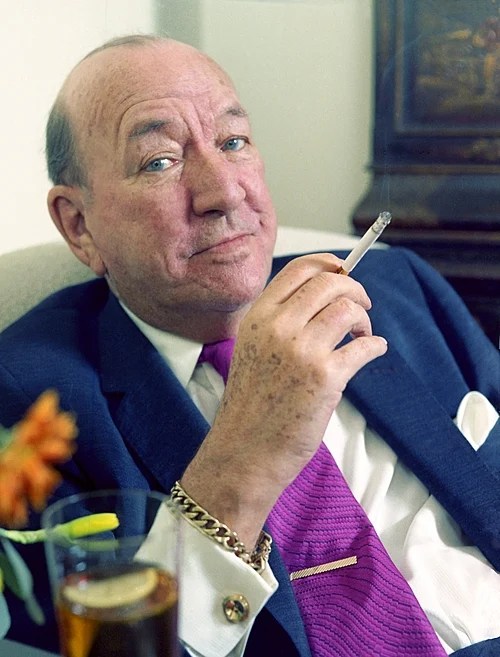
Noel Coward
Birthday
Noël Coward (born on 16 December 1899 -1973), English playwright, composer, actor and singer.
He was known for his wit, flamboyance and what Time called “a sense of personal style, a combination of cheek and chic, pose and poise”.
Play the Rainbow Lottery and support Out In The City
The Rainbow Lottery is the UK’s first and only lottery supporting LGBT+ good causes.
Welcome to the Rainbow Lottery, the exciting weekly lottery that raises money for over 200 LGBT+ good causes totally, openly and exclusively.
The hope is to make a difference to good causes so they can carry on their vital work – which helps us all. Play the lottery, support the community – it’s fun, it’s simple and everybody wins!
How the lottery works:
£1 per ticket – that’s right, unlike many other lotteries, the lottery tickets are only £1 per week.
For every ticket you play, 80% goes to good causes and prizes.
£25,000 jackpot prize
Match all 6 numbers and you win the JACKPOT! There are also prizes of £2000, £250, £25 and 3 free tickets for following week.
Every month there is a Super Draw.
Our ever-popular Christmas blockbuster Super Draw is BACK for another festive season, and we’re looking forward to spreading some holiday cheer!
Your The Rainbow Lottery tickets mean that, this December, you’re in with a chance to win a whopping £3,000 Christmas cash bonus! It’s our biggest prize of the year, and MUST be won this Christmas – and don’t forget, you can top up your tickets, for extra chances to win!
The possibilities for spending your prize are endless: you could hit the January sales in style, spread the joy by giving back to a cause that holds a special place in your heart, plan your dream holiday getaway, treat yourself to the latest tech and gadgets, spruce up your living space for the new year; the choice is yours!
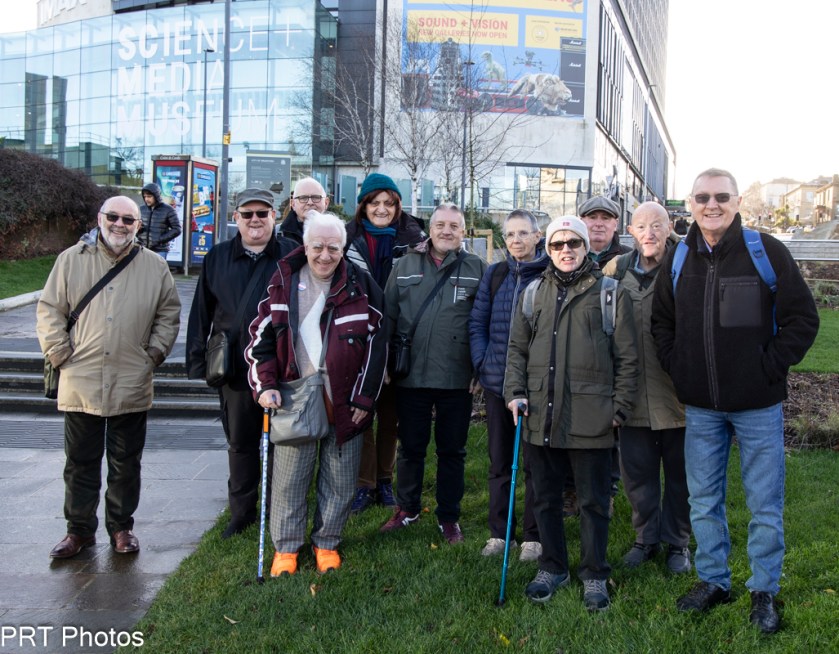
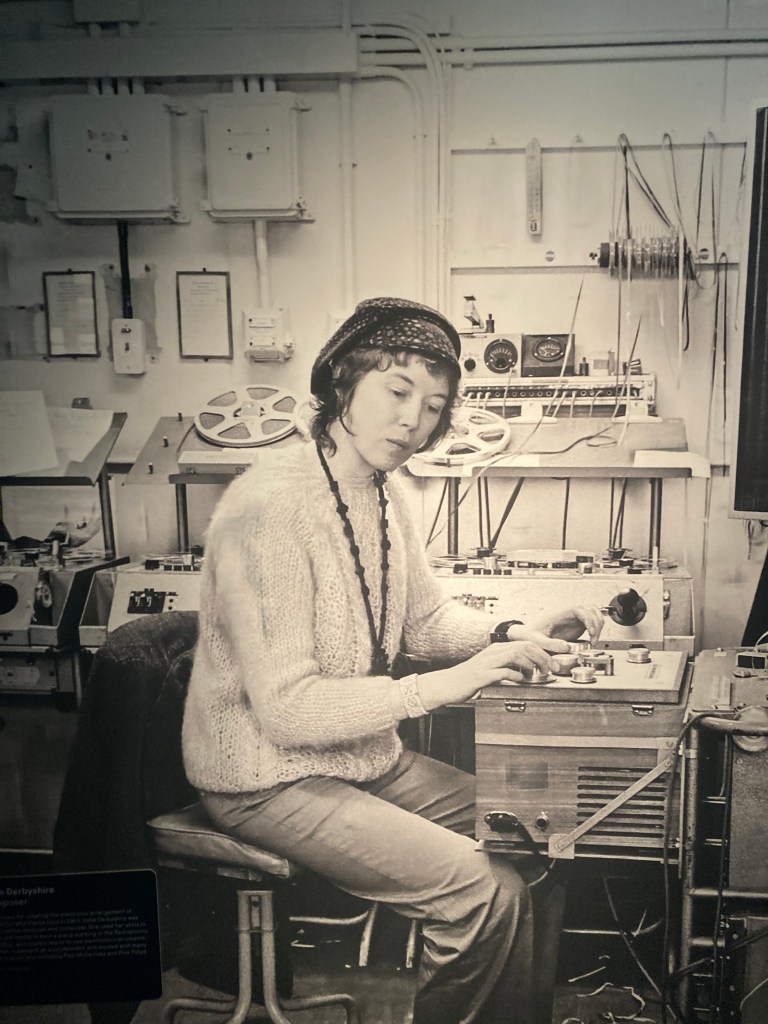
The National Science and Media Museum is a must-visit destination for anyone interested in the wonders of science, photography, film and television.
The Museum is centrally located in Bradford within a 10-minute walk of Bradford Interchange, but we stopped off for lunch on the way at The Turls Green pub in Centenary Square.
We explored fascinating permanent galleries such as Wonderlab, and enjoyed the interactive exhibits which were perfect to engage directly with the science and technology behind media. It was an inspiring and educational outing.
Delia Derbyshire: “In those days people were so cynical about electronic music and so Doctor Who was my private delight. It proved them all wrong”.
The museum café, located on the ground floor, offered a selection of hot drinks and cakes to round off our visit.
Next to Sappho, Emily Dickinson is one of the most famous sapphic poets ever to walk the Earth – and somehow there are still people who deny her sexuality.
Perhaps that’s the exact reason why Dickinson remains a figure of such passionate interest to us to this day. Have we got her story all wrong? Or have we allowed other peoples’ revisionist histories to get in the way of Dickinson’s true unabashed lesbianism?
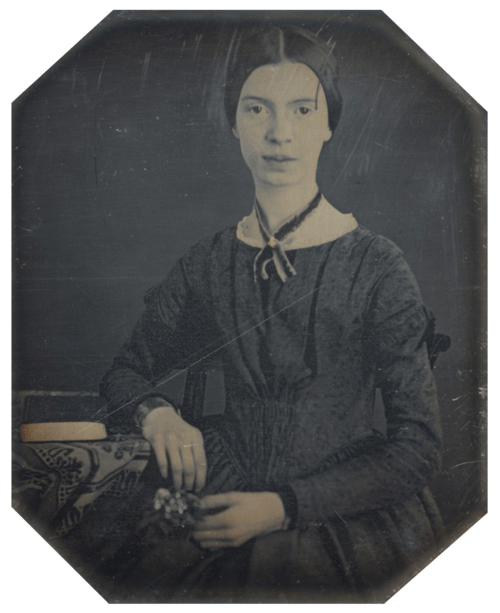
Daguerreotype taken at Mount Holyoke, December 1846 or early 1847; only authenticated portrait of Dickinson after early childhood.
On the anniversary of what would be the poet’s 195th birthday (born 10 December 1830), let’s take a minute to set the record straight.
If you know of Emily Dickinson at all, you will be aware of her as a poet who rarely left her Amherst home and most of her work wasn’t published until after she had died. And yes, that’s partly the truth. Dickinson was a reclusive figure in later life who kept her social circle small. But one woman in her life, whom she met in her 20s, remained hidden in plain sight from Dickinson scholars for decades.
We are referring to Susan Gilbert, who would end up marrying Dickinson’s brother Austin while carrying out a completely separate, but nonetheless passionate and real, Boston marriage with Dickinson. Dickinson lived next to Gilbert and her brother, and according to academic and Dickinson scholar Martha Nell Smith, “the 40-year relationship between Emily and Susan was of a committed lesbian character; that they lived together, if not in the same house, then side by side.”
When Smith wrote a book concerning this theory in the ’90s, it was seen as scandalous. But by the end of the decade, new information came to light that made Smith’s theory more than credible.
When Dickinson died, her brother Austin’s lover Mabel Loomis Todd managed to take up the mantle of Dickinson executor, despite having had no more than a passing acquaintance with the poet. It was Todd, scholars believe, who censored Dickinson’s work, crossing out any reference to Susan Gilbert and neutering many of the obvious love poems and letters that Dickinson wrote for her lover.
By 1998, scholars were able to use infrared technology to see exactly what had been crossed out, and a new story took hold. Not only were Gilbert and Dickinson obviously lovers, their letters to each other were just about as explicit as it gets. The collected letters can be read in “Open Me Carefully”, edited by Martha Nell Smith and Ellen Louise Hart.
And if you want further evidence of just how saucy those letters got, see one note Emily wrote to Susan in 1855 when the latter travelled to the West Coast. “I love you as dearly, Susie, as when love first began, on the step at the front door, and under the Evergreens, and it breaks my heart sometimes, because I do not hear from you,” she begins.
The note continues, “I wrote you many days ago – I won’t say many weeks, because it will look sadder so, and then I cannot write – but Susie, it troubles me. I miss you, mourn for you, and walk the Streets alone – often at night, beside, I fall asleep in tears, for your dear face, yet not one word comes back to me from that silent West. If it is finished, tell me, and I will raise the lid to my box of Phantoms, and lay one more love in; but if it lives and beats still, still lives and beats for me, then say me so, and I will strike the strings to one more strain of happiness before I die.”
After another short separation during one of Susan’s trips to Baltimore, Dickinson pined:
“Susie, forgive me Darling, for every word I say – my heart is full of you … yet when I seek to say to you something not for the world, words fail me … I shall grow more and more impatient until that dear day comes, for til now, I have only mourned for you; now I begin to hope for you.”
So essentially, Emily herself wasn’t worried about keeping her grand passion secret, but the keepers of her legacy – including Mabel Loomis Todd – certainly were.
Thankfully, we’re living in an era when Dickinson’s lesbian legacy cannot only be seen plainly, but appreciated for how romantic it was. The poet might not have experienced fame or renown in her lifetime, and she stayed close to home while she lived. But her wild, passionate yearnings on paper have given us some of the best sapphic representation this side of the 21st century.
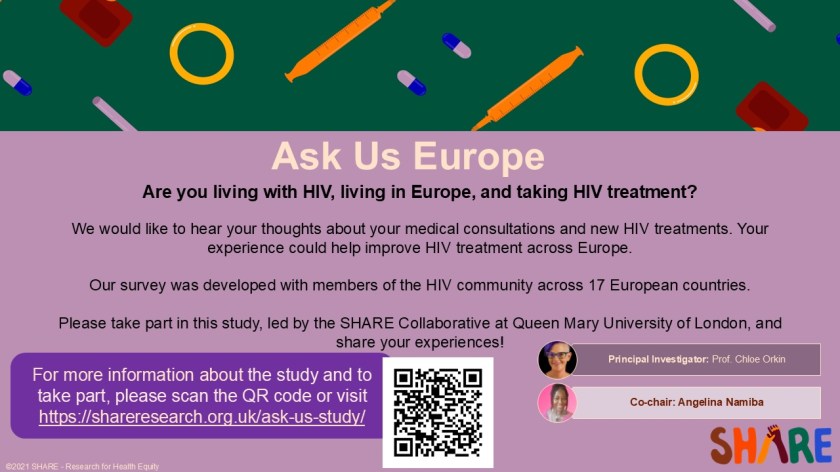
Survey on HIV and conversations with healthcare professionals
Queen Mary University of London are completing a Europe-wide study of people living with HIV and their conversations with healthcare professionals. They are looking for more respondents aged over 50.
The survey is open until 31 December 2025 and is open to anyone living with HIV and on antiretroviral therapies – please see the attached flyer. Please share or complete the survey here.
Student Research
We have received the following message:
“My name is Mae Murphy and I am currently a third year student at the University of Manchester. At the moment, I am researching for my dissertation which is exploring the relationship between class and gay liberation in Manchester from 1970-1990.
I am contacting you as I would like to speak with you about the experiences of Out in the City group members. Their insights will provide an invaluable dimension to my research. I’m currently looking at local groups based around Manchester. Alongside primary materials such as newspaper articles, magazines and posters, I am speaking to people such as yourself in order to provide my research with more personal views of the period in question.
I am still currently in the initial stages of my research, so I am not looking to speak to people about this for a couple of months yet. I am hoping to conduct all interviews in-person, in order to make it easier for participants to speak to me.
It would be great if you are willing to get involved, and any questions you may have if anyone should agree to participate are likely to be outlined in GDPR compliant forms that have been prepared for this project. We can have a call to chat through it if you would like, but I would love to speak to any interested Out in the City service users about this.
I am really looking forward to hearing from you.”
If you are interested in being interviewed, please contact us here and we will forward your contact details.
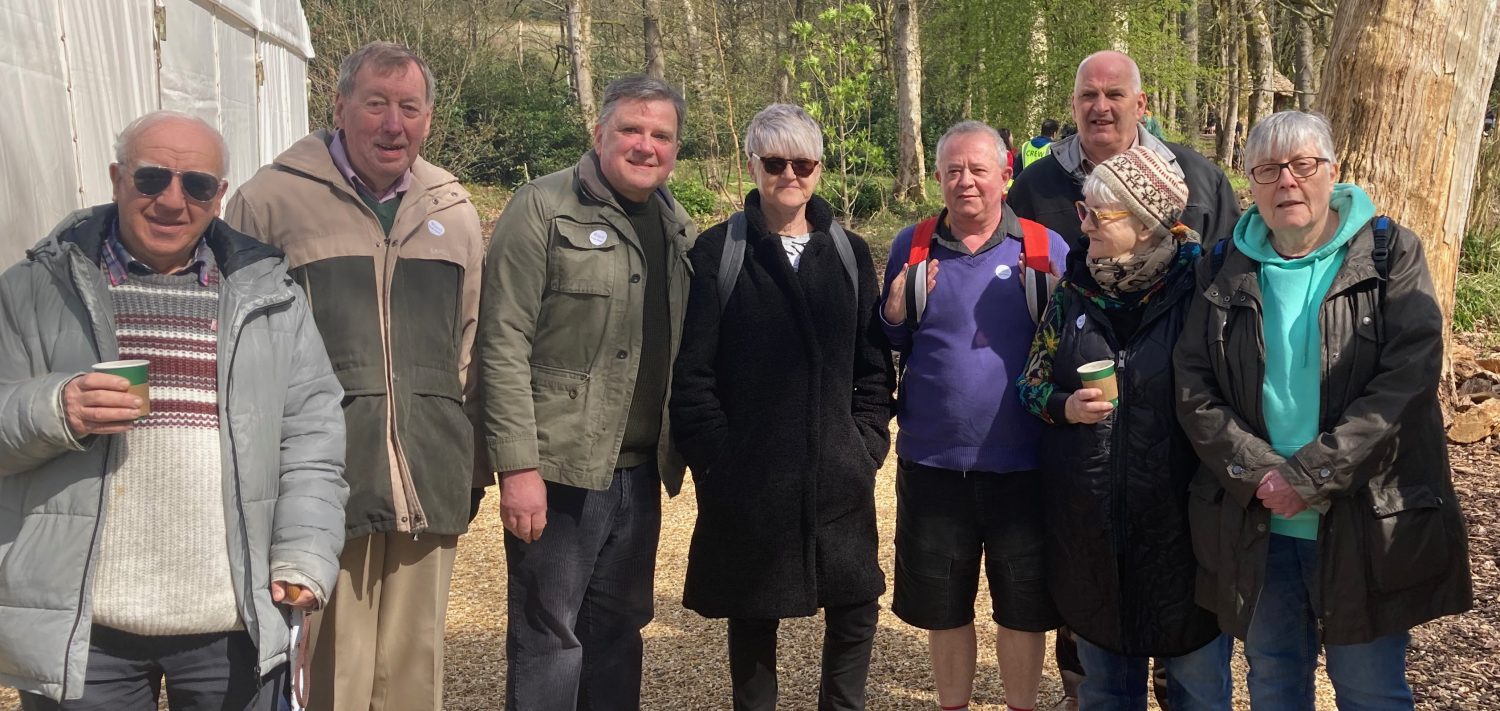
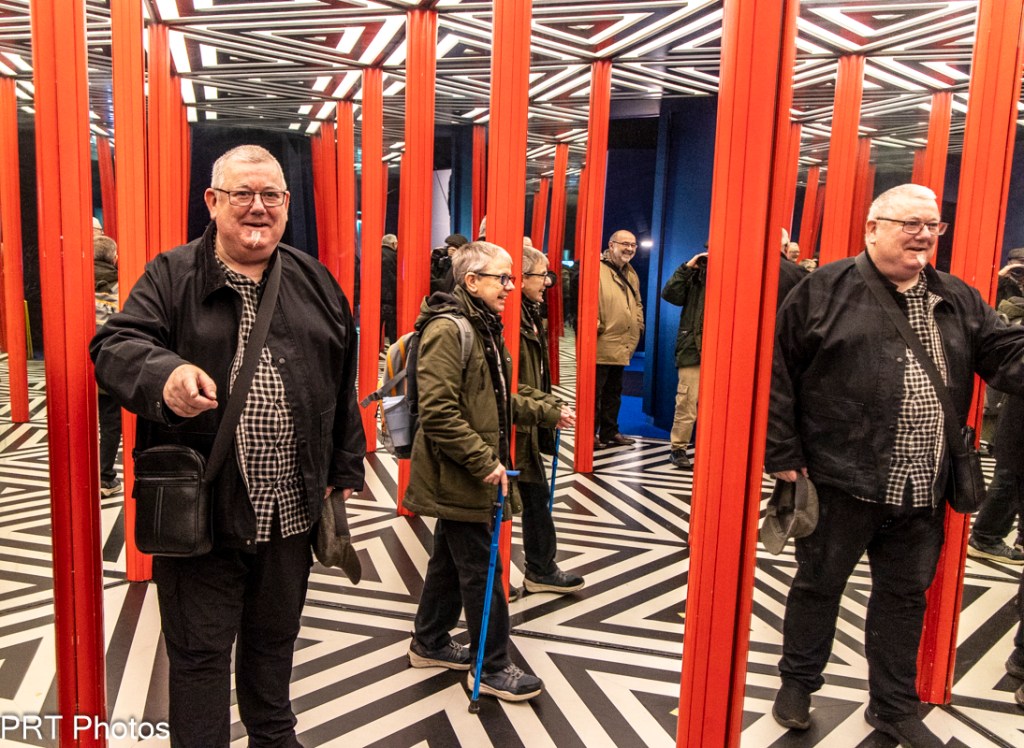
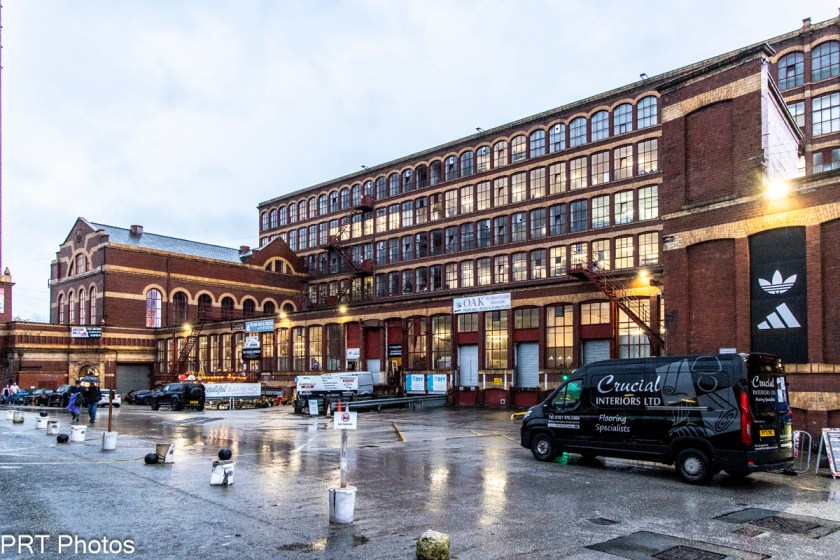
There were 28 of us from Out In the City and most visited the Calvert’s Court pub in Stockport for lunch. With a few mishaps on the way (lost wallet and bag – later recovered – and losing a telephone in a pool of rainwater), we made our way to the treasure trove of antiques and curiosities known as The Vintage Emporium.
Nestled within the historic walls of Pear Mill in Bredbury, the Vintage Emporium has established itself as a must-visit destination for antique enthusiasts, collectors and anyone searching for unique home décor. Housed in one of Greater Manchester’s iconic former textile mills, the Emporium offers an atmospheric shopping experience where history and nostalgia come alive.
Spread over an expansive floor, the Emporium boasts an eclectic selection of vintage furniture, retro clothing, records, books and a variety of curiosities from bygone eras. Each stall is individually curated by passionate traders, ensuring a diverse range of treasures to suit every taste and budget. Whether you’re on the hunt for Art Deco mirrors, mid-century ceramics or quirky collectables, you’re bound to find something special within its maze of stalls.
A visit to the Vintage Emporium isn’t complete without a stop at the on-site café, where visitors can pause for a cup of tea and a slice of homemade cake amidst the vintage décor. The relaxed, friendly atmosphere makes it a favourite spot for both locals and visitors from further afield.
Located just a short distance from Stockport town centre, Pear Mill is easily accessible by public transport. The Emporium is open throughout the week, with occasional special events, fairs and seasonal markets that attract a lively community of vintage lovers.
Whether you’re furnishing your home, searching for a unique gift or simply looking to enjoy a nostalgic trip down memory lane, the Vintage Emporium at Pear Mill, Bredbury, offers a delightful experience that captures the charm and character of yesteryear. With its ever-changing stock and friendly traders, every visit promises something new to discover.
Censors have targeted LGBT+ books for decades. Here are 7 to add to your holiday gift list
Over the last school year, 6,870 books were banned in the US (affecting nearly 4,000 unique titles) with Florida, Texas and Tennessee topping the list of states with the most book bans. While a majority of those books were targeted for their LGBT+ content, some were enduring titles that have been banned over and over again through the years, only to continually find their way back to library shelves.
More modern titles – like Gender Queer, Flamer and All Boys Aren’t Blue – have recently topped the lists of most banned books, becoming obvious choices for book-banning for their intersecting themes of sexual identity, gender and race. But many books taken off shelves are classics of LGBT+ literature that have been challenged before (some, even over centuries).
So, to celebrate free expression against anti-LGBT+ censorship, consider gifting your loved ones some of these influential classics:
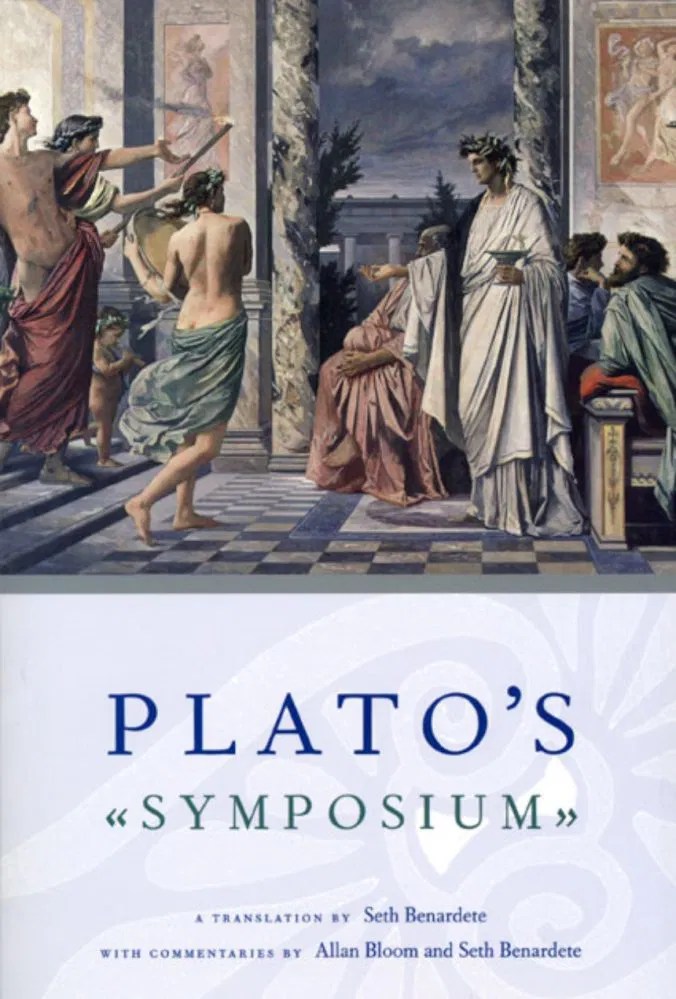
Symposium, Plato (c. 385 – 370 BCE)
The granddaddy of gay breakdowns is Symposium, Plato’s Greek classic featuring notable Athenian men – like the philosopher Socrates and the comic playwright Aristophanes – speaking at a banquet with dialogues in praise of Eros, the god of love and sex. Many of the personalities featured in this collection of competing “extemporaneous” speeches explore male love, revered in ancient Greece.
Fast forward to the early 20th century, and Plato’s dialogue played an important role in gay writer E M Forster’s coming-of-age novel Maurice. Symposium‘s inclusion in Forster’s book was suggested by influential and idiosyncratic out English writer Edward Carpenter, who promoted the ideal spiritual, “uranian” homoerotic love mentioned in Symposium.
Corydon, André Gide (1924)
French author Gide strips the “platonic” veneer off male-male relationships – layered for centuries over the work of writers and artists like Homer, Virgil, Titian, Shakespeare (and even Plato in his Symposium) – to celebrate homosexuality as it was intended.
Gide builds an argument, over four dialogues reminiscent of Plato, to say that homosexuality is a more fundamental and natural force than exclusive heterosexuality, which he depicts as a controlling imposition created by society.
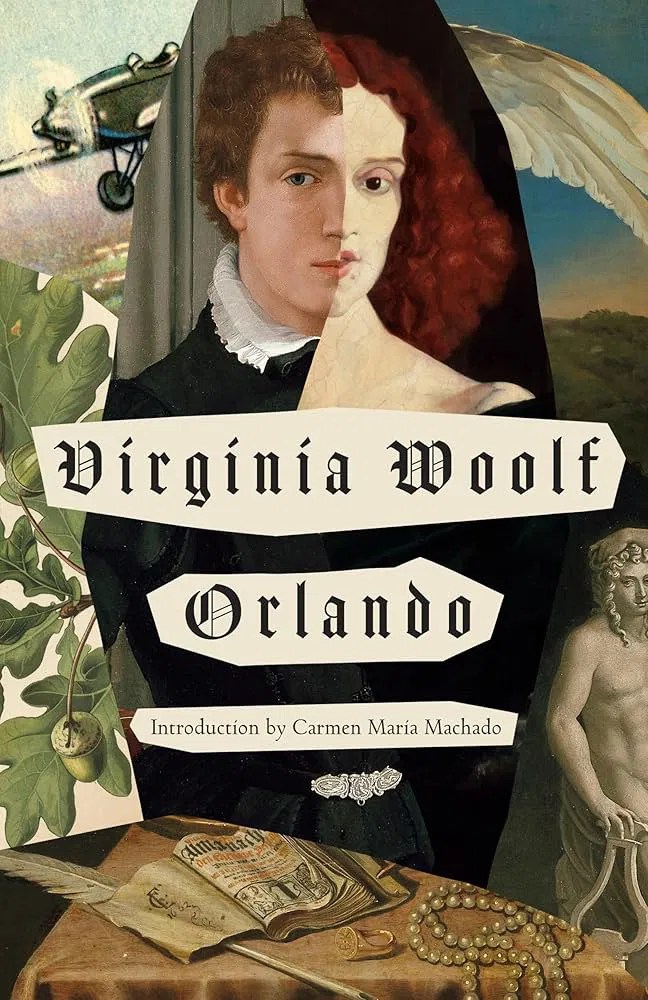
Orlando, Virginia Woolf (1928)
Orlando is an early and rare exploration of gender from well-known bisexual author and novelist Virgina Woolf. Inspired by the wild family history of her own aristocratic lover, Vita Sackville-West, the gender-bending feminist classic follows the poet Orlando from life as a pretty teenage boy in the court of Elizabeth I through the following centuries among key figures of English literary history.
At about age 100, Orlando magically changes sexes, leading to many eye-opening revelations and thrills. As such, Orlando has become a mainstay of transgender studies and scholarship.
The Autobiography of Alice B Toklas, Gertrude Stein (1933)
“Modern” defined the lives of lovers Alice B Toklas and Gertrude Stein, who lived in Paris together among artists and writers like Picasso and Hemingway in the years between the world wars.
Stein decided to tell the story of their relationship and the times through an “autobiography” that she penned in the name of Toklas, who served as her confidante, friend and lover (but who had no claim to being an artist like Stein and others in their circle). The book’s modernist form has earned it praise as one of the greatest English-language nonfiction works of the 20th century.
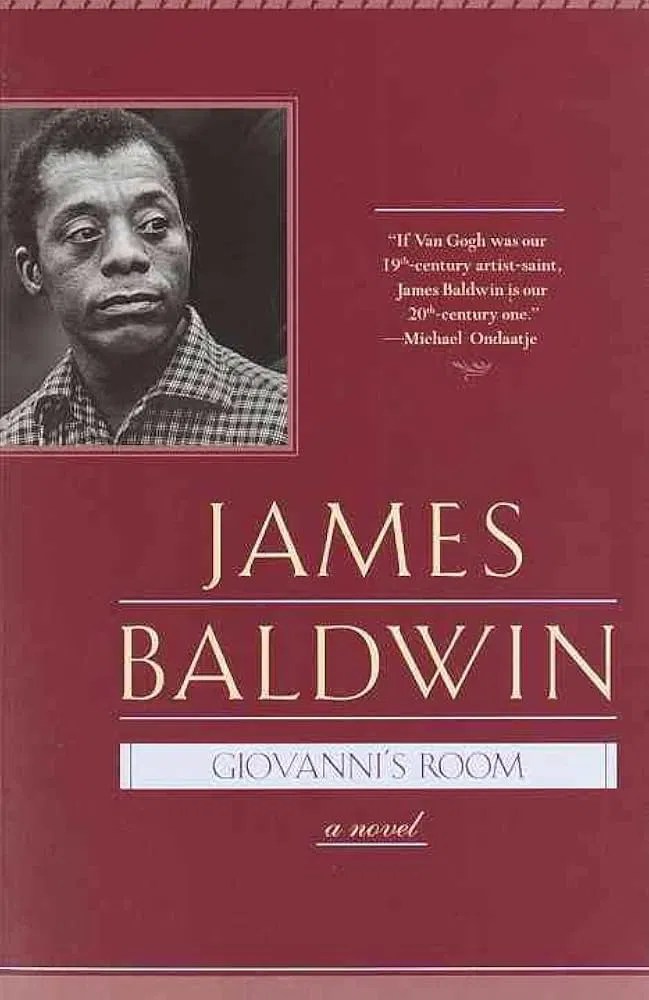
Giovanni’s Room, James Baldwin (1956)
Baldwin’s Giovanni’s Room holds a special place in the hearts of gay men in particular who read it at a young age.
While Baldwin is black, and wrote about race in his semi-autobiographical novel Go Tell It on the Mountain three years earlier, Giovanni’s Room concerns a closeted young white American man living in Paris and his feelings for other men, in particular an Italian bartender named Giovanni whom he meets at a Parisian bar.
The story surfaces self-loathing, internalised homophobia and social alienation for the protagonist and readers alike, as well as the joys of erotic love and longing.
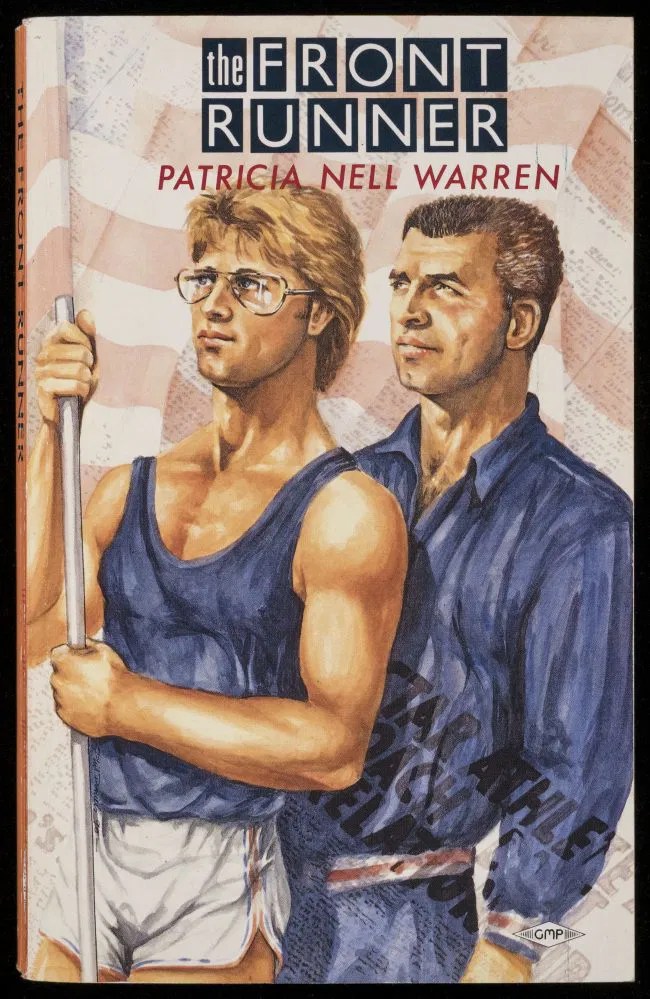
The Front Runner, Patricia Nell Warren (1974)
This novel, published five years after the 1969 Stonewall uprising, is notable for being the first contemporary gay novel to achieve mainstream commercial and critical success.
The soapy and page-turning love story chronicles an affair between a running coach and his star athlete, told with flashbacks to the coach’s time as a closeted Marine, an unfaithful husband, a Greenwich Village hustler, and (ultimately) a living-out-loud gay man living with his gold medal-winning Olympic athlete lover and partner.
Like its straight contemporary inspiration, Love Story, it ends in tragedy, but it endures as a modern gay classic.
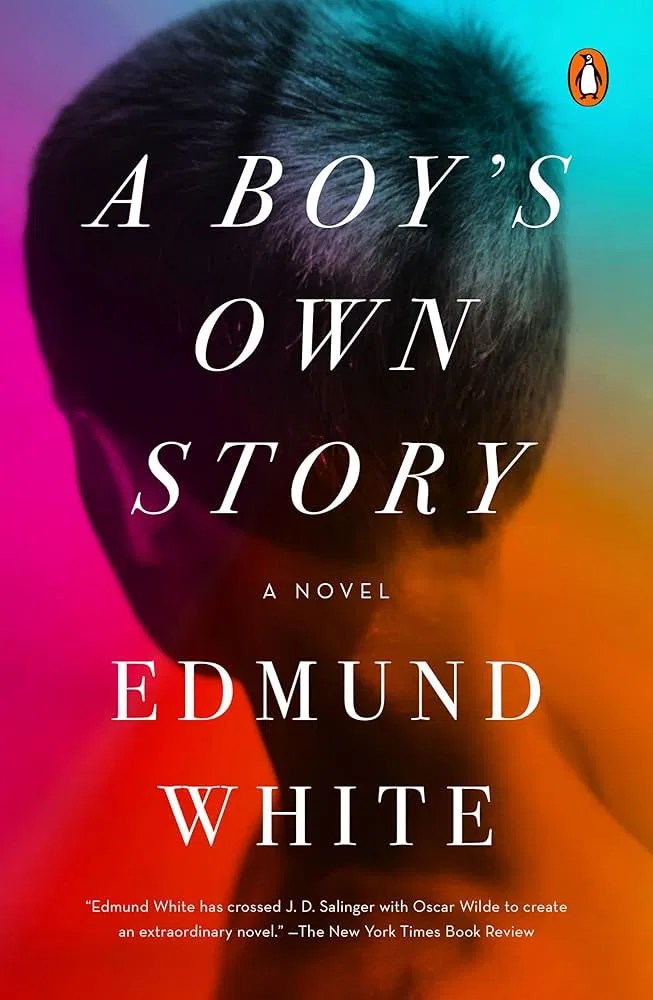
A Boy’s Own Story, Edmund White (1982)
This autobiographical novel comes from the towering gay literary figure Edmund White, who died earlier this year, documenting a boy’s coming of age in the American Midwest during the 1950s. It was the first in a trilogy of books exploring the author’s relationship to his sexuality, and it reigns as a classic among gay coming-of-age novels.
White was probably the best known among a group of authors in the literary group the Violet Quill, a collection of gay writers in New York in the late 1970s and ’80s who were instrumental in the development of contemporary LGBT+ literature.
Re-engage
As we get older, our social circles diminish, and we find ourselves with fewer and fewer people to turn to. Imagine realising one day that all your friends and family have gone from your life. Loneliness can be cruel, and it affects millions of people over 75 who live in social isolation.
Re-engage is making life less lonely for thousands of older people every year. Older people tell them that their volunteer-led activities make them happier and more able to trust others.
Rainbow call companions is their telephone befriending service ensuring older people stay connected to the outside world. Rainbow call companions is available to anyone aged 75 and over who’s socially isolated and would like a regular chat over the phone with a friendly volunteer.
This is a service specifically for lesbian, gay, bisexual, transgender plus people (LGBT+) aged 75+ who would like to speak to someone who’s also LGBT+.
Calls last for half an hour or so and you can chat about anything that interests you. What’s great is that the same volunteer phones you every time, so you can get to know each other and share stories and laughter – for as long as you both want.
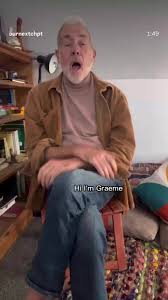
Graeme Urlwin has set up a new online service for gay men aged 55 and over – ‘Our Next Chapter’ – to combat loneliness and offer older gay men connection and a virtual space to come together to meet others in similar positions.
Graeme writes: “Becoming an older gay man myself has led me to this initiative as I feel my world shrinking a little. I used to love going into the village and there was a time when I lived in the clubs, and now? Not so much! My background has been in community development having run a charity for young men in the 00’s and more recently with The Proud Trust. I worked with young people and parents of their trans and non binary children. It was through this experience that I saw the power of bringing people together who share similar experiences. I am currently on Facebook and Instagram – Facebook group is ‘Our Next Chapter’ and Instagram is ‘Ournextchpt’ I’m currently developing the Facebook page so Insta is your best go to. Please take a look and let me know what you think.”
Fun Fact
“Merry Christmas” in the Filipino language is “Maligayang Pasko”.
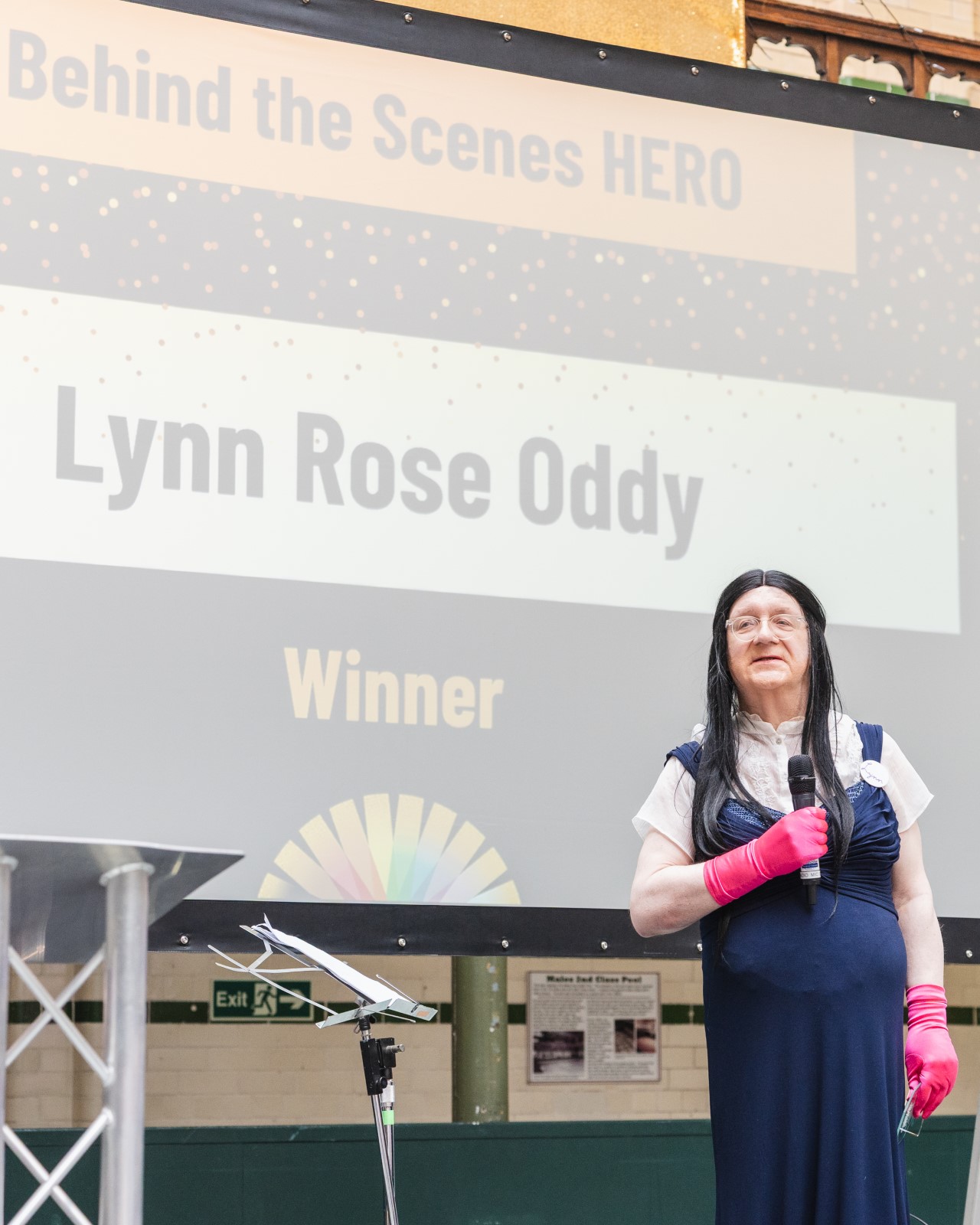
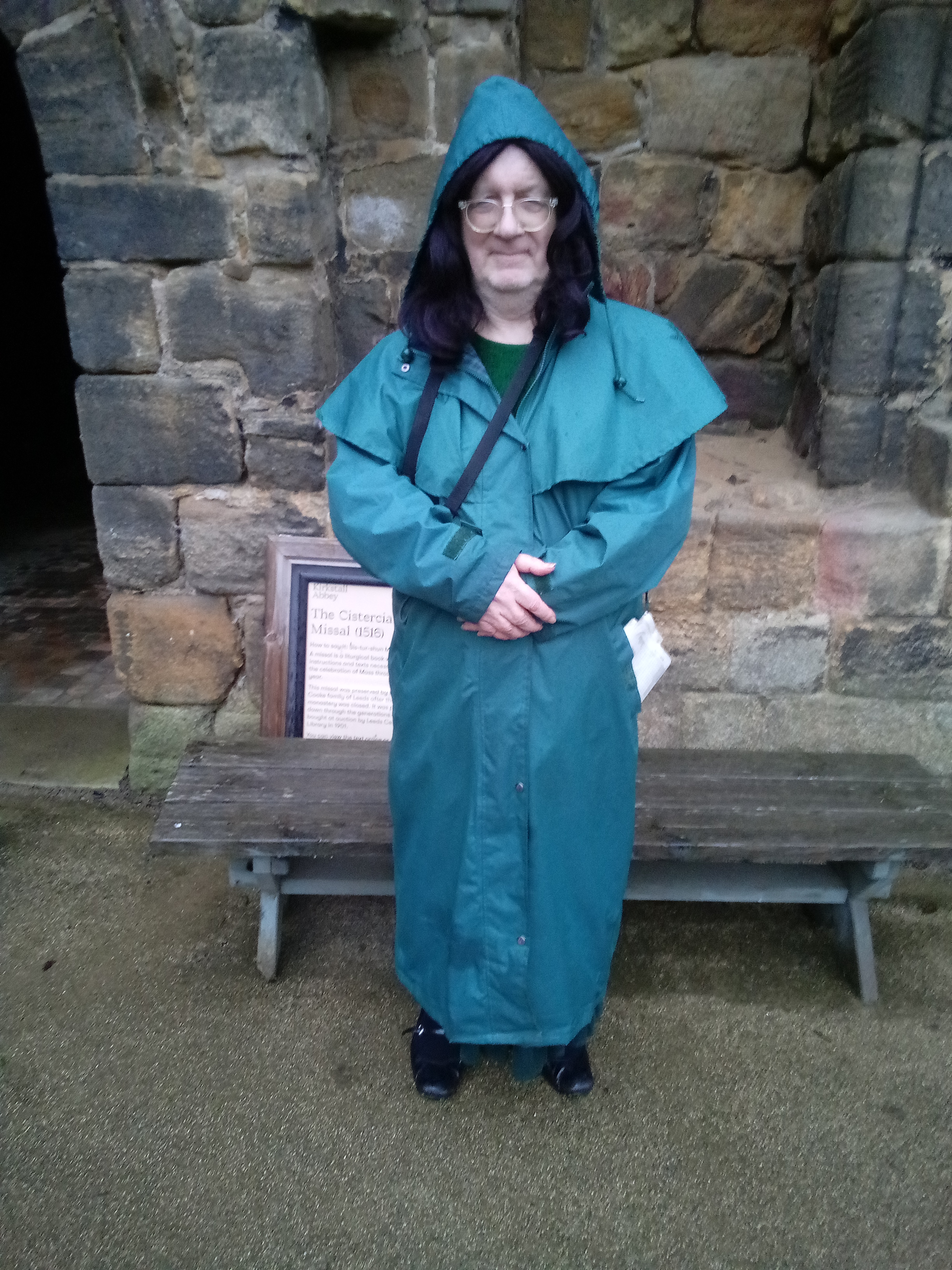
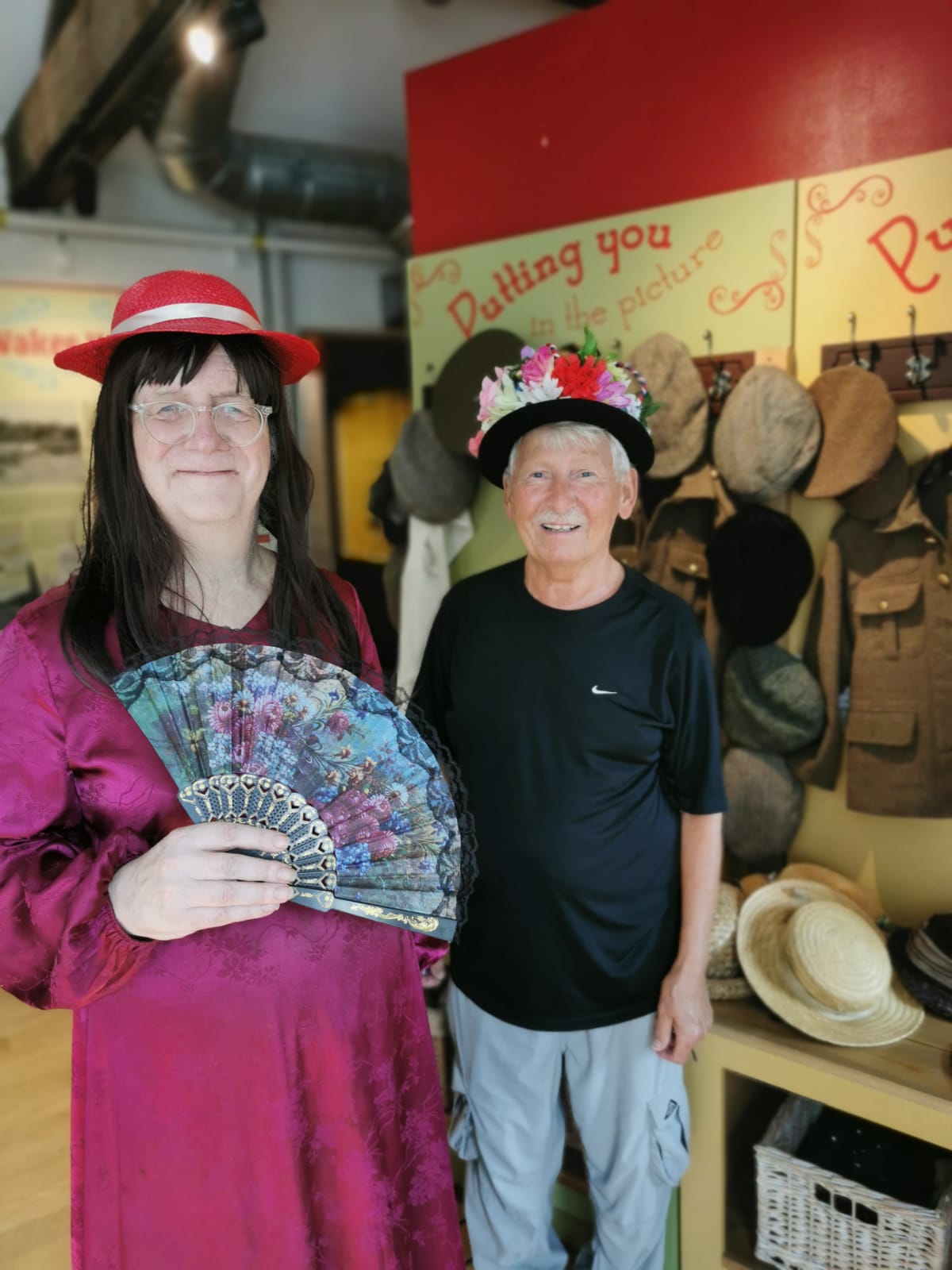
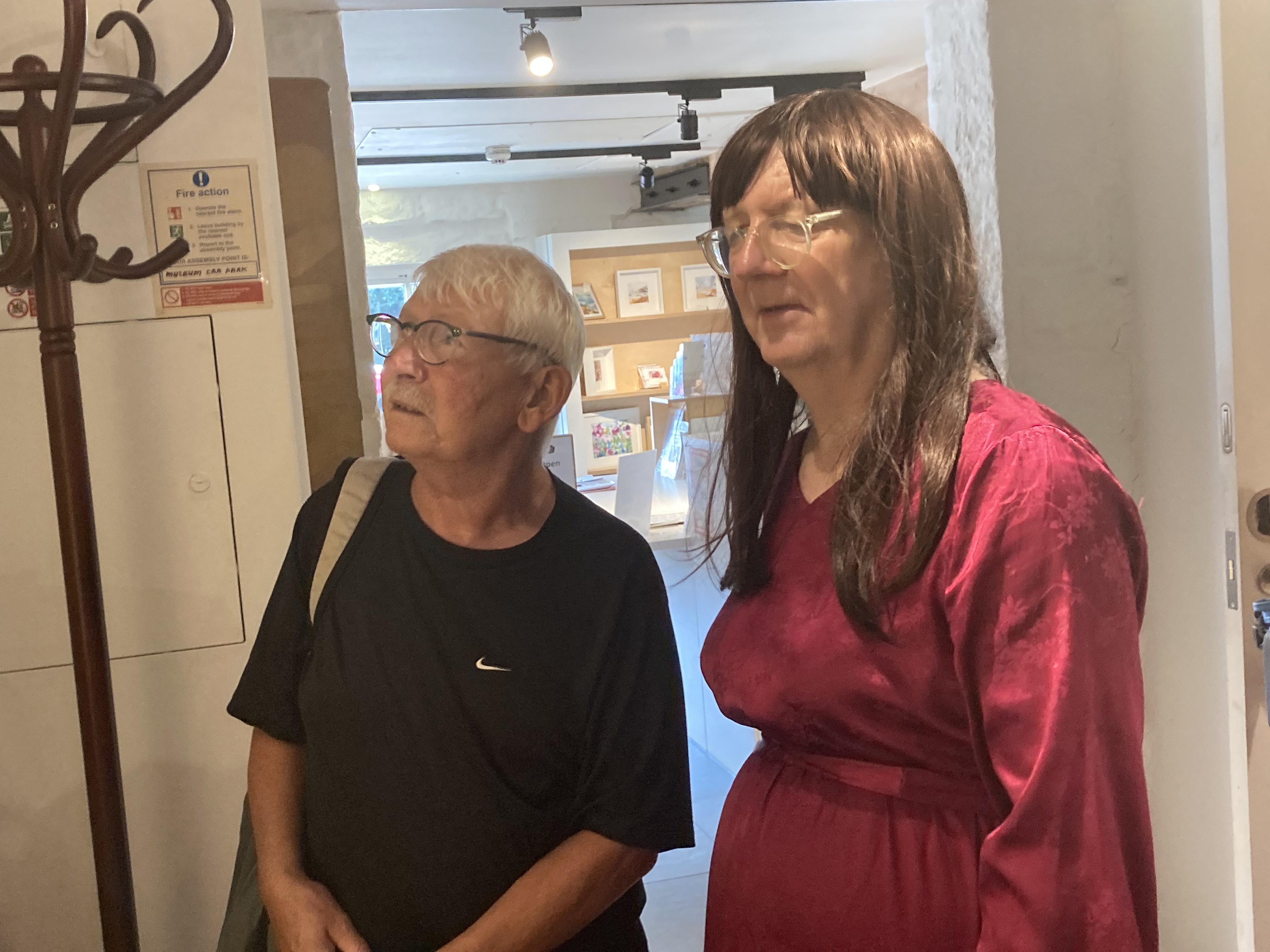
It is with great sadness that we have to report that Lynn Oddy has passed away. She was a member of Out In The City for more than ten years.
Lynn was a huge part of LGBT+ life in Manchester over many years, attending and helping to run social and support groups for trans communities meeting around Canal Street in the early 2000s. More recently she was a regular attendee at LGBT+ older people’s groups including Pride in Ageing events.
Lynn dedicated a lot of her time to help others – November 2025 marked 10 years of volunteering for LGBT Foundation. More recently she made an incredible contribution to the Russell Road Extra Care Scheme project, as a member of the Community Steering Group representing trans voices. She was recognised for her outstanding contribution to this project with a ‘Behind the Scenes Hero’ Award at the LGBT Foundation Volunteer Awards in June 2025.
White House Halts World AIDS Day Recognition Amid HIV Funding Cuts
HIV/AIDS activists attend a rally outside the White House on World AIDS Day. (Washington Blade photo by Michael Key)
World AIDS Day, first marked in 1988, has long served as an annual reminder of the ongoing effort to end an epidemic that has killed more than 44.1 million people worldwide and continues to disproportionately impact gay men and black men and women. Yet the Trump-Vance administration declined to acknowledge the day this year, severing a symbolic but consistent tradition upheld by every president since Ronald Reagan.
The move comes despite the scale of the epidemic today. Approximately 1.2 million people in the US are living with HIV and about 158,250 people do not know their status.
In the UK around 113,500 people are living with HIV and about 5,000 do not know their status.
Globally, the World Health Organisation reports 40.8 million people were living with HIV at the end of 2024.
Presidents of both parties have historically used World AIDS Day to highlight progress, remember lives lost, and recommit to reducing disparities in prevention and treatment. Past administrations have also commemorated the day through displays of the AIDS Memorial Quilt — first created in 1987 and later spread across the National Mall and White House lawn. Today, the quilt includes the names of more than 94,000 people lost to AIDS on more than 47,000 panels.
The AIDS Quilt on the White House lawn in 2024 under President Joe Biden. (Washington Blade photo by Michael Key)
This year’s silence from the White House follows several sweeping foreign aid rollbacks instituted by President Donald Trump after his 2024 inauguration. Cuts have created significant funding gaps for non-governmental organisations around the world — many of which work directly to prevent HIV transmission and expand access to lifesaving treatment.
HIV/AIDS Activists Block Intersection Near White House
HIV/AIDS activists block the intersection, near the White House on World AIDS Day. (Washington Blade photo by Michael Key)
Upwards of 100 HIV/AIDS activists on Monday blocked an intersection near the White House and demanded the Trump-Vance administration fully fund HIV programmes.
For the first time since the global observance began, the US government did not commemorate World AIDS Day on 1 December.
Court grants big victory for same-sex marriage rights in European Union
Shutterstock
The European Court of Justice has issued a ruling that all nations in the European Union (EU) must recognise lawful same-sex marriages that were performed in other EU countries. Previously, a country could refuse to recognise a marriage if it had taken place in another country and did not align with its own laws.
The court declared that EU citizens have a right to “a normal family life” regardless of borders. “When they create a family life in a host member state,” they said, “in particular by virtue of marriage, they must have the certainty to be able to pursue that family life upon returning to their member state of origin.”
Citizens of the European Union have the right to freedom of movement between the different nations within the union. The court suggested that this right, as well as the right to “respect for private and family life,” would be breached if one country could refuse to acknowledge a lawful marriage from another country.
The court added in a press release, “Member States are therefore required to recognise, for the purpose of the exercise of the rights conferred by EU law, the marital status lawfully acquired in another Member State.”
The case was brought to the Luxembourg-based court on behalf of a Polish couple who had been married in Berlin, Germany, where same-sex marriage is recognised. When, years later, they returned to their home country, they submitted their marriage certificate, which was in German, to the Polish government to be transcribed and recognised in the Polish civil register.
The Polish government denied their request, as the country does not recognise same-sex marriages. With this new ruling, they will no longer be able to refuse legally.
The decision does not require that same-sex marriage be legalised by all EU nations, only that the marriages conducted in other EU countries be recognised, regardless of the citizenship of the people involved.
LGBT+ rights have taken some big hits in Poland in recent years. The far-right Law and Justice Party held power from 2015 to 2023 and enacted a range of anti-LGBT+ policies during that time. It was only in April of this year that the last “LGBT-free” zone created by the party was finally repealed.
Poland is currently led by a coalition government. The prime minister, Donald Tusk, campaigned on introducing same-sex civil unions and has pushed for such legislation to be passed. However, Poland’s president, Karol Nawrocki of the Law and Justice Party, has said that he would veto any legislation that would legalise same-sex marriage.
Sixteen EU countries – Ireland, Portugal, Spain, France, Luxembourg, Belgium, the Netherlands, Germany, Denmark, Austria, Slovenia, Malta, Greece, Sweden, Finland, and Estonia – have extended full marriage rights to same-sex couples. Poland, Romania, Bulgaria, and Slovakia are the EU countries with no legal recognition of same-sex couples.
Out On The Radio
This new monthly radio show – Out On The Radio – aimed at older members of the LGBT+ communities went live on Tuesday, 2 December.
Don’t worry if you missed it, as it has been uploaded to Mixcloud here so you can listen at your leisure.
Next month’s show is on Tuesday, 6 January 2026 from 2.00pm to 3.00pm on ALL FM 96.9.




















 Out in the City