National Coming Out Day … Football Museum … Groove

News

National Coming Out Day
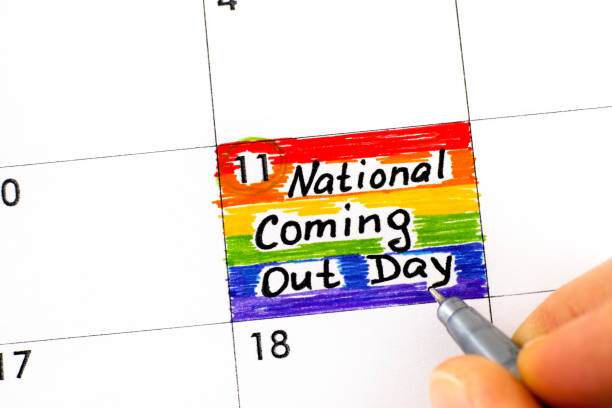
National Coming Out Day is an annual LGBT+ awareness day observed on 11 October to support lesbian, gay, bisexual and transgender people in “coming out of the closet”.

First celebrated in the United States in 1988, the initial idea was grounded in the feminist and gay liberation spirit of the personal being political, and the emphasis on the most basic form of activism being coming out to family, friends and colleagues, and living life as an openly LGBT+ person.

The foundational belief is that homophobia thrives in an atmosphere of silence and ignorance, and that once people know that they have loved ones who are LGBT+, they are far less likely to maintain homophobic or oppressive views. 

In the US Come Out! was the first periodical published by the Gay Liberation Front in November 1969.
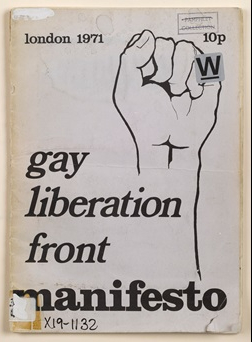
The UK Gay Liberation Front existed between 1970 to 1973.

Its first meeting was held in the basement of the London School of Economics on 13 October 1970. Bob Mellors and Aubrey Walter had seen the effect of the GLF in the United States and created a parallel movement based on revolutionary politics. Come Together, the organisation’s newspaper, came out of its Media Workshop the same year. The GLF challenged gay people to come out and be visible, while also exploring the means by which they were oppressed by society. For the GLF, gay liberation was not about law reform, it was about a revolutionary change in society.

National Football Museum

Last Thursday Out in the City visited the National Football Museum. It is based in the Urbis building in Manchester city centre, and preserves, conserves and displays important collections of football memorabilia. The museum was originally based in Deepdale, Preston in Lancashire, but moved to Manchester in 2012.

The first item we saw on display was the mini donated by George Best, but we soon discovered that there was a guided tour. Our fantastic guide, Veronica, was so knowledgeable and enthusiastic that she brought the displays of trophies and t-shirts to life even to those with little or no interest in the “glorious game”.
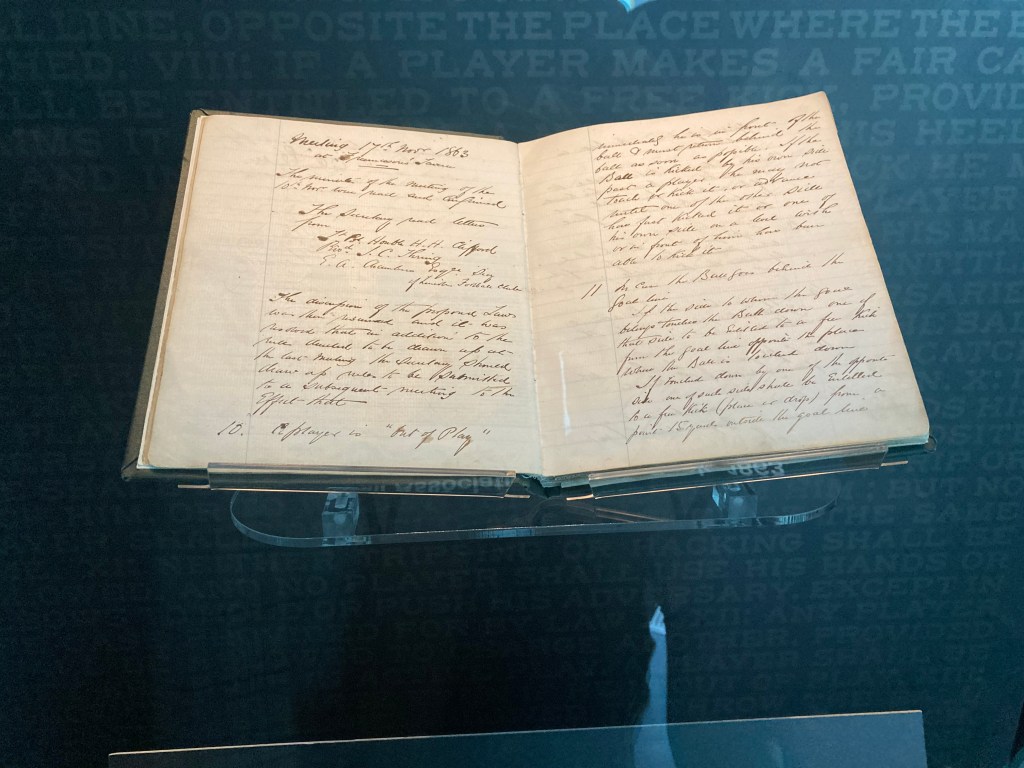
The Football Association Minute Book, 1863

In 1863, Ebenezer Cobb Morley, the visionary first secretary of The Football Association, helped devise the original thirteen laws of association football. While these laws have been revised many times, they helped to define the game, as we know it today.

The book also records the birth of the FA Cup and the planning of the first ever international match. It is the most significant document in football history, without which the world would never had played its most popular sport.

The laws were drafted in a London pub, and the wobbly writing shows the obvious effects of the beer drunk when drafting the rules.
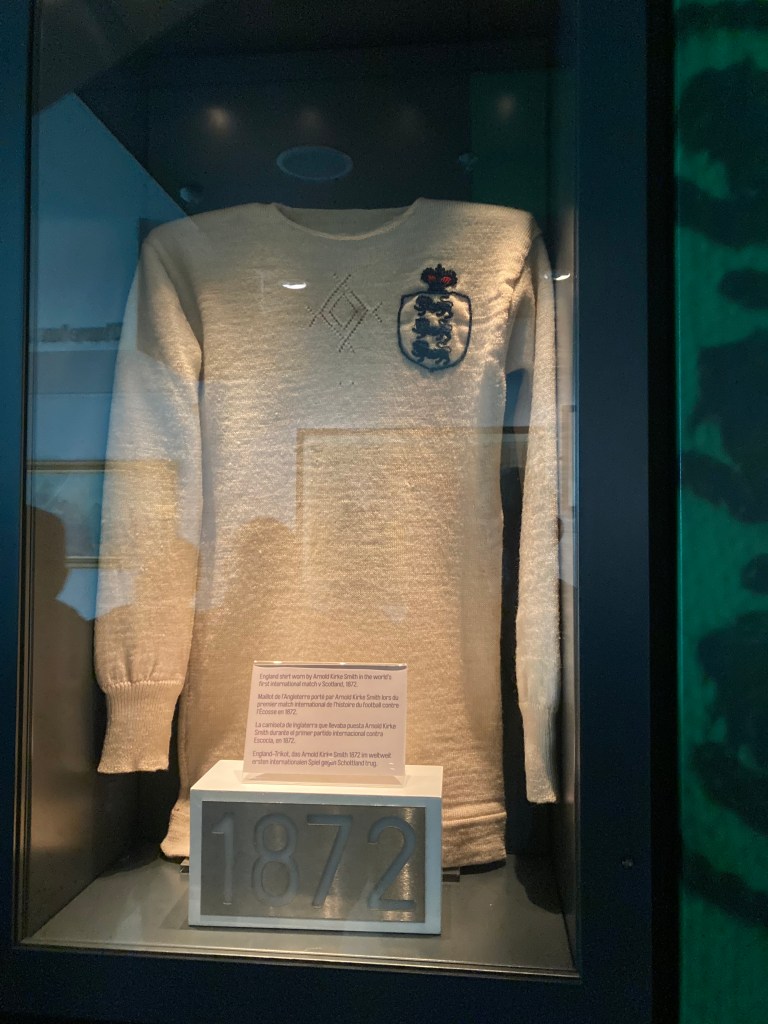
Also on display is the England shirt worn by Arnold Kirke Smith in the world’s first international match versus Scotland in 1872.

On 20 March 1966, the Jules Rimet trophy was stolen from a stamp exhibition in London. A ransom note was sent to the FA, along with a part of the trophy: “ Pay me £15,000 in £5 and £1 notes and you shall have your cup back … you will be satisfied and so will the rest of the world  … Do not inform press or police.”

On 27 March, Pickles the dog found the trophy in a garden near the home of his owner, David Corbett. The thief has never been caught, but Pickles became a national celebrity.

The museum also shows the “dark side” of football with racism and discrimination based on gender, religion and sexual orientation, as well as highlighting the positive roles of black people and women.
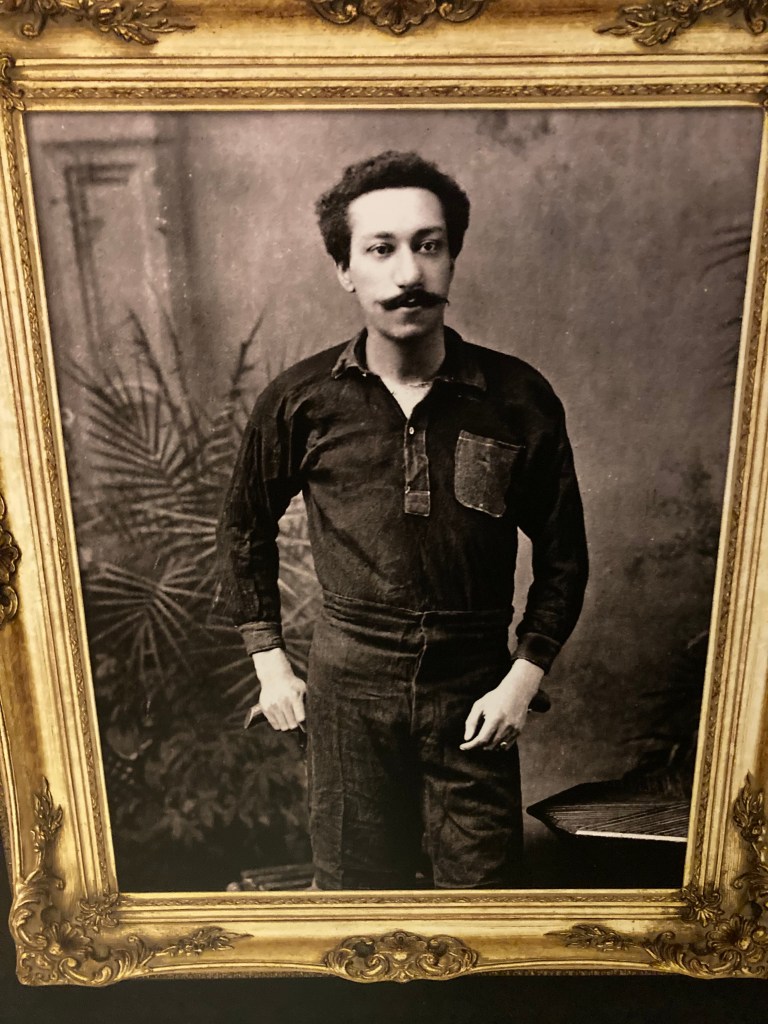
The Prince of Goalkeepers

Arthur Wharton was the first black professional player in English football. He was born in Ghana, the son of a missionary and an African princess.

Wharton broke records for sprinting and cycling but chose a career in football. He was a crowd pleaser and once pulled down the crossbar to stop a goal. He played for eight clubs in seventeen years.
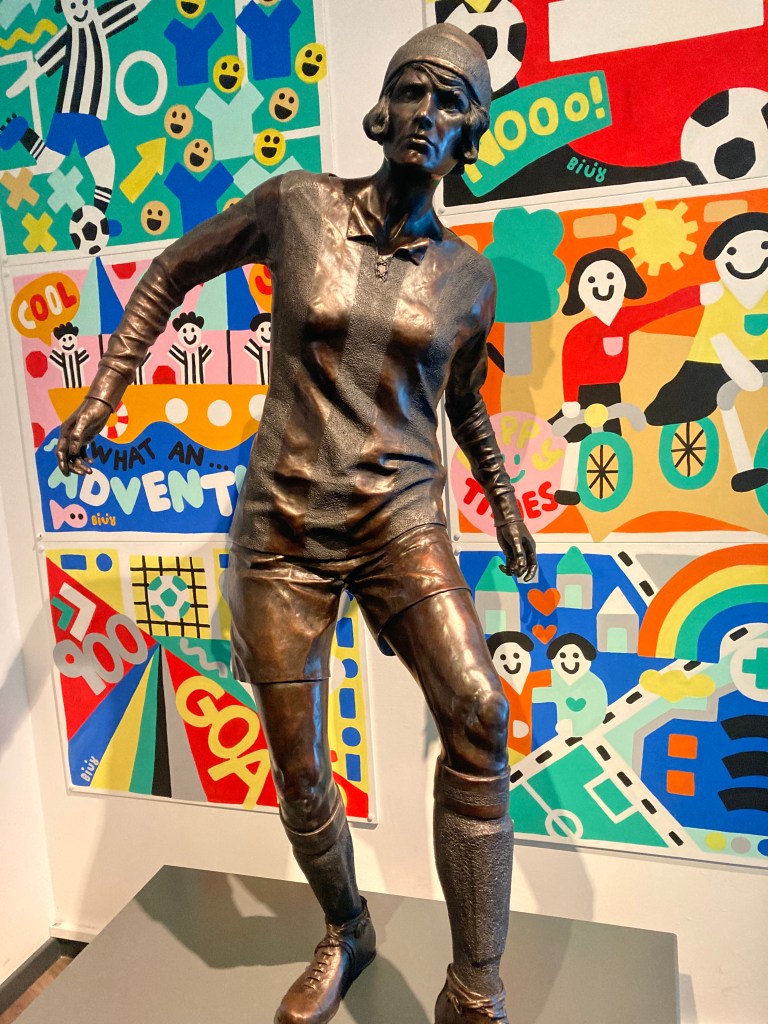
Lily Parr

Lily Parr was one of English football’s greatest ever players and its first female superstar. She played for the most successful women’s team of her time: Dick, Kerr’s Ladies.

As men fought during the First World War, Lily and other women worked in munitions factories where they seized the chance to play football. Between 1917 and 1921, the team played over 100 games and attracted huge crowds at major stadiums. In 1920, over 53,000 watched them play St Helens Ladies at Everton’s Goodison Park.

Lily lodged in Preston with one of her teammates, Alice Norris. She also had a romantic relationship with her teammate Alice Woods. While playing for the Dick, Kerr’s Ladies she was noted for her large appetite and almost constant smoking of Woodbine cigarettes.

The success of Lily and her teammates was not welcomed by everyone. In 1921, the FA banned its clubs from hosting women’s games. Despite this opposition, Lily and her teammates defiantly played on and encouraged others to do so. During her impressive 30-year career she played across the world, and scored around 1,000 goals.

It was an interesting experience, which I recommend to everyone visiting Manchester.

More photos can be seen here.

“Groove” at The Contact Theatre

“Groove” is a lively theatrical performance about the dance floor – a place where LGBT+ people can feel liberatory potential. For us, it can be our community centre, our church, our school and our family.

The theatre company Outbox brought the democracy of the dance floor to Studio One at the Contact. We felt the groove as the night

club atmosphere encouraged audience members to get up and dance and the performers moved into the audience on a number of occasions.

The pulse of the music brought back memories of stepping through those doors where magic happens. There were memories of everyone sweating from the music, communally recognising the songs, which inspired us and made us move our bodies and our minds. The dance floor was our safe haven from the outside world, where we could be ourselves at least for a few hours.

It was an enjoyable and emotional piece of theatre. We also enjoyed the after-party. Thanks to Lawrie from Pride-in-Ageing who organised our attendance at the event.


The “Groove” by Nazamba

Mid-day Concert at Bridgewater Hall … International Lesbian Day

News

Mid-day concert at The Bridgewater Hall

Twelve of us met at The Bridgewater Hall for a lunch time concert featuring Domonkos Csabay. He is a UK-based Hungarian concert pianist, chamber musician and accompanist.

The programme demonstrated his versatility with a vibrant selection of pieces from Haydn, Beethoven and Liszt. We enjoyed the concert and short encore before having light refreshments at Black Sheep Coffee.

International Lesbian Day

International Lesbian Day is an annual awareness day that celebrates the L in LGBTQ+. It is relatively unknown outside Australia and New Zealand.

International Lesbian Day is celebrated on 8 October and is a celebration of lesbian culture and identity. The origins of the day are unclear. According to some sources, it was first observed in New Zealand in 1980 with a Lesbian Day March on International Women’s Day (8 March). Other accounts claim that the day started about a decade later. Be that as it may, the observance has been around since at least the early 1990s.

International Lesbian Day is mostly marked with various community events, such as celebration dances and conferences. Brisbane, for example, hosts the annual International Lesbian Day conference that aims to celebrate and promote lesbian rights, as well as to highlight key well-being and health issues affecting same-sex attracted women (alongside lesbians, this includes women who identify as bisexual, pansexual and queer). In addition to International Lesbian Day there’s Lesbian Visibility Day observed on 26 April – another awareness day with an inconclusive origin. Lesbian Visibility Day celebrates lesbian culture, diversity and role models.

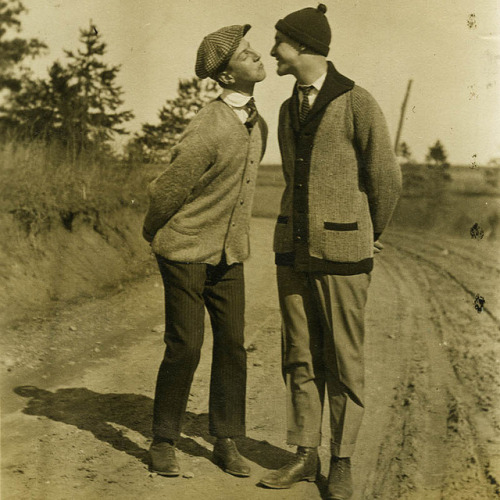
Give us a Kiss!

Survey … International Day of Older People … Times Gone By

News

Please complete survey

We Are Explorers is a youth group for LGBTQ+ 13-19 year olds based in Leigh.

The young people are writing an LGBTQ+ play which includes two characters aged over 50. They have written a survey to help them write the play because they want this to be a story based on real LGBTQ issues and people. It is anonymous and data is password protected and will be destroyed before December 2023.

Please go to survey here.

International Day of Older People

To celebrate International Day of Older People 2022, please see the video featuring the lives of the incredible older LGBTQ+ people  that the LGBT Foundation serves through the Pride in Ageing project.

Watch the full video here:

Times Gone By – LGBT History:

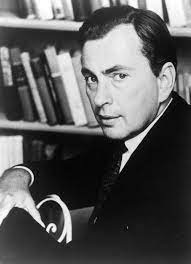
Gore Vidal – 3 October 1925 – 31 July 2012

Eugene Louis Vidal was born on 3 October 1925 in West Point, New York. He inherited his mother’s maiden name of “Gore” when he was baptised into the Episcopal faith at age 13. By age 14 he dropped his first two names because he “wanted a sharp, distinctive name, appropriate for an aspiring author, or a national political leader.”

After graduating in 1943, Vidal joined the US Army which influenced his first novel, Williwaw, published at age 19. His third novel, The City and the Pillar (1948), is the story of professional tennis player who never outgrows a boyhood crush on his best friend. The idea that gay men circulate in society largely undetected was an outrage to many readers. At the publisher’s insistence, the original book ended with a violent death. In 1968, with the change in social values, Vidal published a revised version. That book is often cited as the first mainstream coming-out novel.

Though he rejected being thought of as a ‘gay author’ and did not much embrace the gay community, most of his work featured more or less prominent gay characters, making him a huge influence in expanding gay visibility in mainstream fiction – even though, ironically, he believed public knowledge of his sexuality denied him full recognition from the literary community in the United States. Among his 22 novels were the fictional transgender opus Myra Breckinridge, and the plot-oriented historical fiction novels Burr, Julian, and Lincoln.

Vidal also wrote over 200 essays focusing mainly on sex, politics, and religion and the American character. Known for his sharp wit and biting commentary as well as his ‘quotability’ and insight, in 1993 he won a National Book Award for his collection United States: Essays, 1952-1992 and two years later his memoir, Palimpsest was met with great praise. Believing men and women were all potentially bisexual, Vidal rejected “homosexual” and “heterosexual” as identities. Nonetheless, he lived in Italy with his partner of fifty-three years, Howard Austen, until Austen’s death in 2003. Afterwards, Vidal sold their villa and moved to Los Angeles, where he died of complications from pneumonia on 31 July 2012.

Dr Alan L Hart – 4 October 1890 – 1 July 1962

As a child Alan L Hart, who was assigned female at birth, was allowed to dress and live as a boy with both parents freely supporting his gender expression. Attending Albany College and then Stanford, he received his PhD from The University of Oregon.

In 1918 he married Inez Stark, using the name Robert Bamford. Later that year he had a hysterectomy, changed his name to Alan L Hart, and started a medical practice. Eventually recognised by a classmate from medical school, the couple began a recurring pattern of relocation and job changes. The stress of the continual secrecy led to their divorce.

In 1925 Alan remarried and from 1935-1942 wrote four novels (including Doctor Mallory and In the Lives of Men) set in the Pacific Northwest dealing with social issues within the medical field. Professionally Hart began to focus more on research – receiving his Masters Degree in Radiology in 1930 and another in Public Health in 1948.

After years of trying to keep a low profile, in the late 1940s Hart began taking newly available synthetic male hormones, which enabled him to grow a beard and lowered his voice sufficiently to give him the confidence to begin lecturing.

He became a prominent figure in the study of Tuberculosis. Highly contagious, especially among close-quartered urban dwellers, with no available tests and no known treatment, Tuberculosis became one of the most virulent killers in US History. Hart was one of the first to document how the disease was spread and how the isolation of carriers from the general public was key to slowing it – if it could be detected in its earliest stages. Speaking nationwide on Tuberculosis care, Hart dedicated all his time to fundraising for medical research and to help support economically challenged TB patients. In a move to end the stigma of the disease, Hart spearheaded a massive, nationwide campaign to use X-Ray Technology to screen people. This extremely successful detection effort led to earlier diagnoses to isolate carriers in publicly supported sanatoriums so they could recover before infecting others. All of the groundbreaking, visionary work Hart championed took place 20 years before the epidemiological test for tuberculosis was developed. As a result, it is thought that millions of lives were saved because of this one man’s commitment.

Dr Hart lived his entire life with most people completely unaware he was transgender. Even those who have studied his research are still mostly unaware of it. In spite of his unparalleled impact on history, he passed away in obscurity from complications due to heart disease in 1962.

Haworth … Fighting HIV Stigma … International Day of Older Persons … Black History Month

News

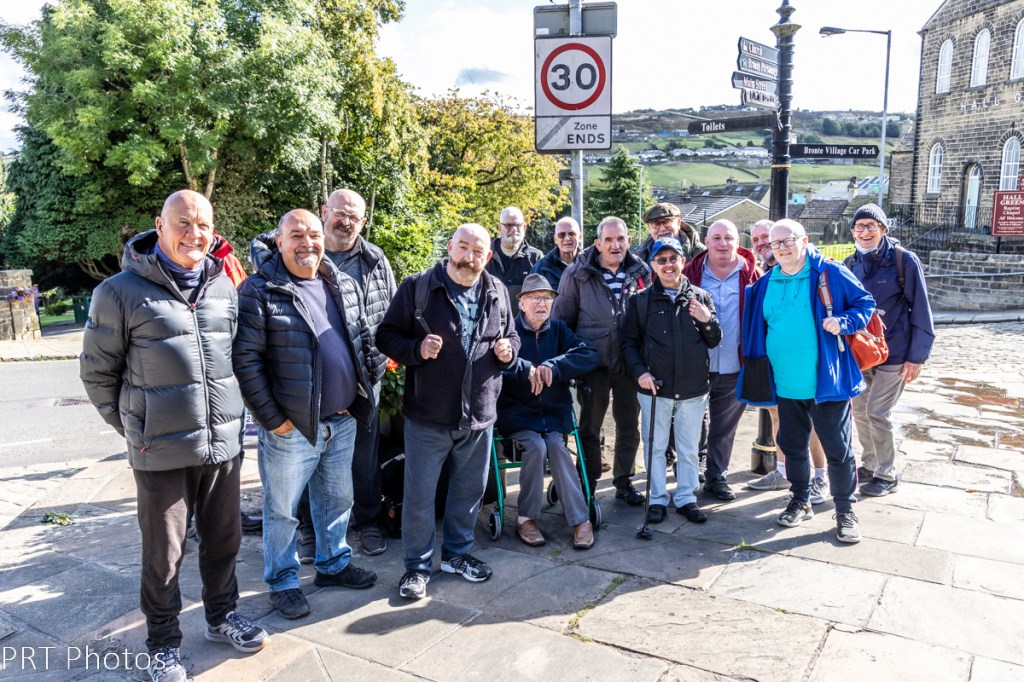
Although 14 or 15 people travelled to Howarth, I wasn’t one of them due to a heavy cold. So, I’m using Angel’s review:

“Today the seniors visited the Bronte family museum house in Haworth, West Yorkshire.

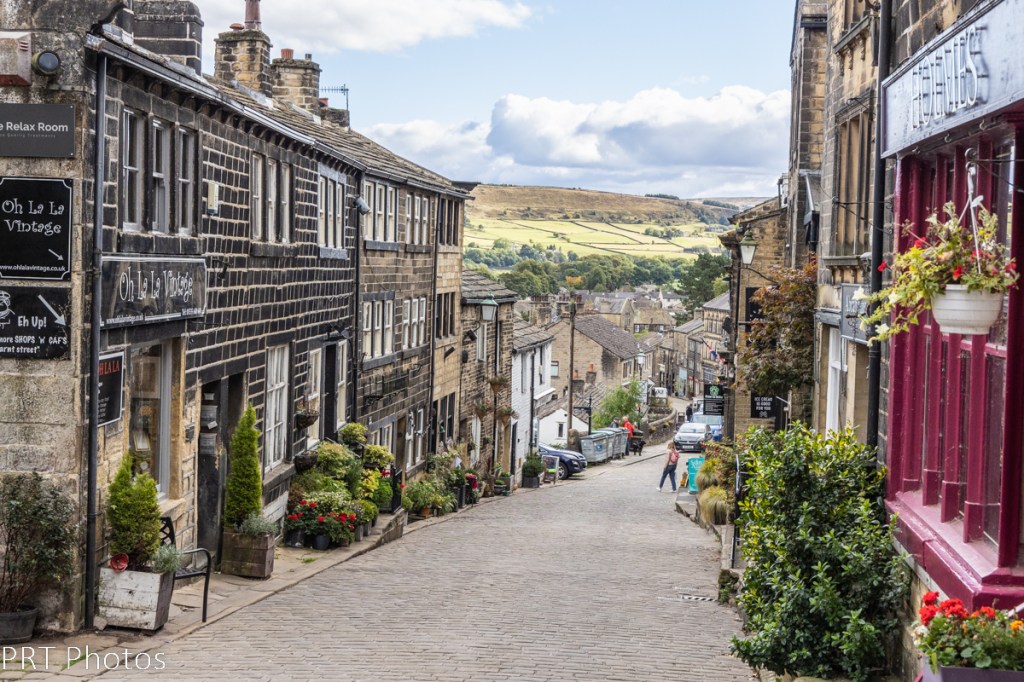
Getting to Haworth isn’t easy. We took a train from Manchester to Hebden Bridge and from there the Bronte Bus, going up steep hills and narrow winding roads for nearly 10 miles. The village is basically a main street, which goes up to the top of a hill, where the parish is. Even today it is a secluded site and difficult to access.

However, Haworth has the Bronte’s own special appeal and gets a lot of tourism. It’s full of cafes and shops of all kinds. It’s a charming little English town. We ate at Haworth. I got myself a Yorkshire pie, which is like an Argentinian or Galician empanada, big and tasty.

Patrick Bronte, the father of the famous Bronte sisters, had been born in Ireland. He married Maria Branwell in 1812, near Leeds, and the marriage bore six children. In 1820 he obtained the incumbency of the Haworth Parish House for life, where Emily and Charlotte Bronte lived most of their lives. In 1821 Maria died and Patrick Bronte remains a widow with six children and his demanding salary as a priest. Her sister-in-law took care of the education of the little ones. The family had a brief and disastrous stay at Cowan Bridge School from 1824 to 1825. Little Maria and Elizabeth returned sick and died in 1825. Patrick brought the other siblings to personally educate them in Haworth.

Many years later, Charlotte immortalised Cowan Bridge as the infamous Lowood School of “Jane Eyre”. The Bronte family recreated an imaginary world, amidst Haworth’s loneliness, that cultivated their creativity. In 1847 Charlotte published “Jane Eyre,” the same year her sister Emily published “Wuthering Heights” and in 1848 Anne Bronte published “The Tenant of Wildfell Hall.” They all used aliases and all three died young. Emily died in 1848, aged 30. Anne died the following year, aged 29, and Charlotte died in 1855, in the early stages of her pregnancy, aged 38. Patrick Bronte died in 1855. He outlived his wife and six children.

The Bronte sisters novels are categorised among the most relevant works of English literature with both Haworth and Yorkshire Peaks starring. The museum shows the house where the Bronte family lived, the bedrooms of each of them and their father, the kitchen and living room, as well as details of family life. An original manuscript of “Wuthering Heights” is on display in a room. It was a very interesting and instructive visit that left me wanting to reread “Jane Eyre” and “Wuthering Heights”. I read both as a teenager and remember very little.”

Photos from the day can be seen here.

Fighting HIV Stigma

On 1 October 2022, a march has been organised in London:

  • to mark the 40th anniversary of the first case of HIV;
  • to remember those who have sadly been lost to the virus; and
  • to fight the stigma surrounding the virus. 

George House Trust are partnering with 20+ HIV organisations.

They will be gathering with colleagues from 12.00 noon on Saturday 1 October on London’s Belvedere Road, opposite St Thomas’ Hospital, behind County Hall, to march to Trafalgar Square. Everyone wanting to fight HIV stigma is welcome – whether you have been on many demos or this is your first.

The International Day of Older People

The International Day of Older People is observed on 1 October each year. The United Nations General Assembly voted to establish the day, which was observed for the first time on 1 October 1991. This year’s theme is ‘The Resilience and Contributions of Older Women’. 

Did you know?

  • The composition of the world population has changed dramatically in recent decades. Between 1950 and 2010, life expectancy worldwide rose from 46 to 68 years.
  • Over the next three decades, the number of older persons worldwide is projected to more than double, reaching more than 1.5 billion persons in 2050. 
  • Prevalence figures based on a survey of 83,034 people in 57 countries found one in every two people held moderately or highly ageist attitudes (ie stereotypes and prejudice).

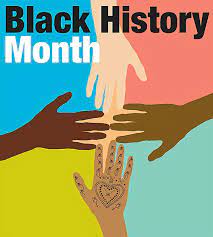
Black History Month

This year’s Black History Month is from 1 October to 31 October 2022. It’s celebrated annually across the globe, but originally stemmed from the United States of America.

The theme for Black History Month 2022 is “Time for Change: Action Not Words.”

To get to a better tomorrow, we can’t just focus on the past. The past is in the past. We can acknowledge and learn from it, but to improve the future, we need action, not words. We need to come together around a shared common goal to achieve a better world for everyone.

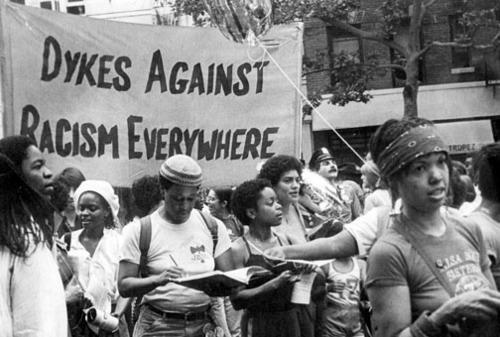
This year’s Black History Month in October is more important than ever. It’s not just a month to celebrate the continued achievements and contributions of Black people to the UK and around the world. It’s also a time for continued action to tackle racism, reclaim black history, and ensure black history is represented and celebrated all year round.

Bury Pride Rainbow Train … Banned Books … Rosh Hashanah

News

Bury Pride Rainbow Train

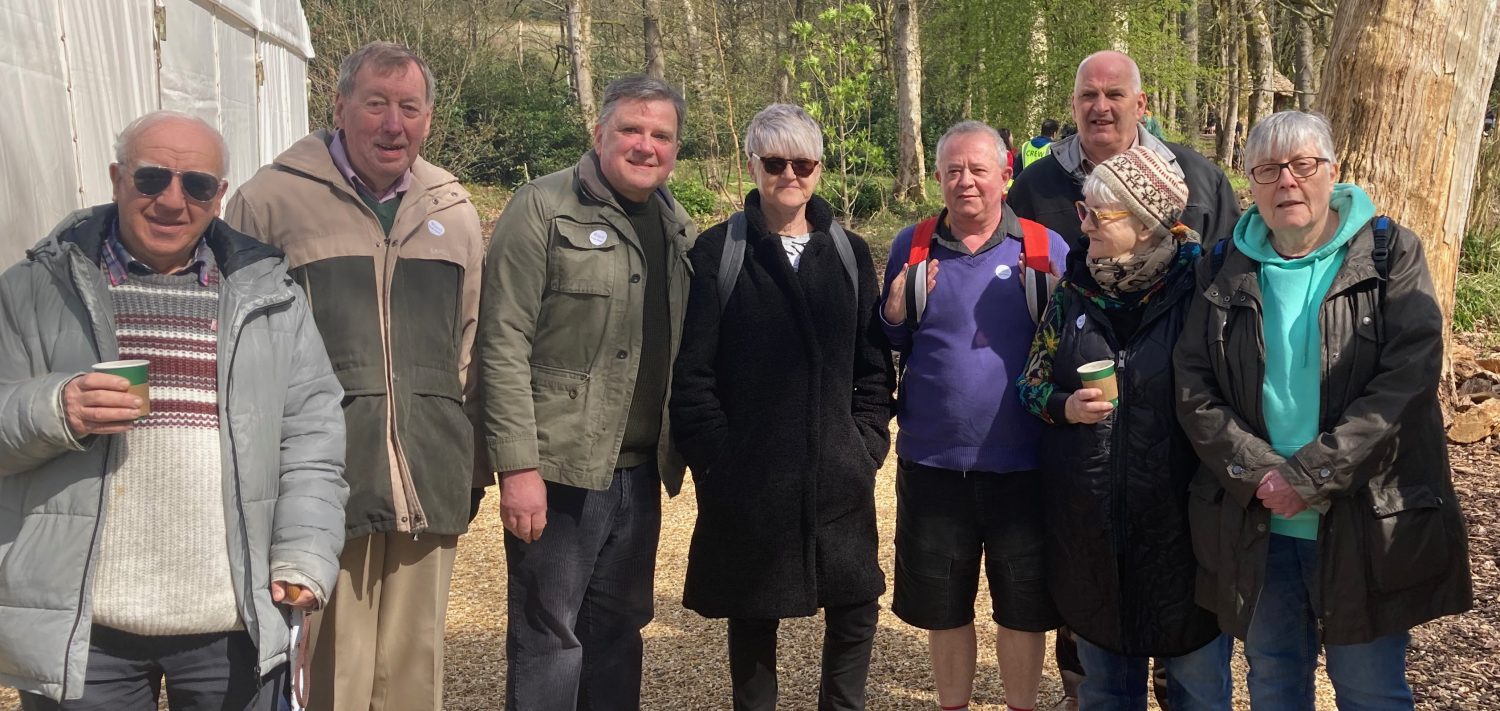
We were all excited to join the 3rd Annual Bury Pride Rainbow Train on Sunday, 25 September.

We arrived early at Bolton Street Station in Bury and were treated to a great performance by Kathy Sings, while we waited for the train.

We celebrated Pride by experiencing a trip on the East Lancashire Railway’s Heritage Steam Engine. Out In The City had our own carriage as we travelled through Ramsbottom to Rawtenstall. There we were greeted by Bloco Ashe Samba Band and, after a half an hour break, we returned to Bury.

Wolf (the oldest and heaviest boy band in the world!) were there to keep the party going with songs like “The Locomotion” and “Love Train”. They put in a fantastic performance as we danced along on the platform.

There are a lot of fantastic photos to see here.

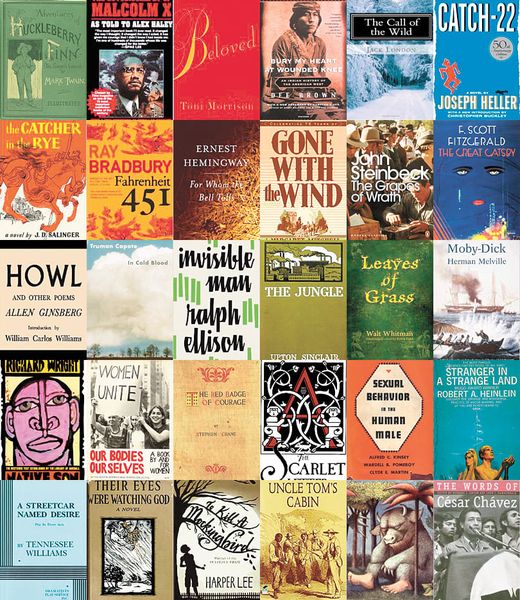
Happy Banned Books Week! – 40th Anniversary

Banned Books Week took place from 18 – 24 September this year. It was launched in 1982 as a way to celebrate the freedom to read and in response to the surging number of books being challenged in bookstores, schools and libraries.

In the US in 2020, 273 books were targeted. In 2021, the number was 1597. So we’re not doing very well.

We live in a world where writers and journalists are routinely targeted by vindictive dictators and brutal warlords. Reporters Without Borders state that, so far this year, 35 journalists have been killed in connection with their work, with 480 of them in prison. In the west journalists don’t have targets painted on their backs, but just ask them about the hate emails and threats they regularly receive.

In 2021, six of the ten books most often challenged in the US were challenged because of LGBT+ content.

The freedom to seek and to express ideas, even those some consider unorthodox or unpopular, is a precious human right. It will slip away if we can’t protect it.

Wishing you and your loved ones a happy and healthy 5783!

Happy Rosh Hashanah!