Queering The Portico … Fitzroy Square … New Support Programme for Older LGBT+ Veterans … Vintage Photos

News

Queering The Portico

Thursday, 3 August, 6:00pm – 7:00 pm (Sorry for the short notice)

The Portico Library, 57 Mosley Street, Manchester M2 3HY

Free – drop in and take part!

Ab Parcell will talk through her plans to queer the Portico’s collection during this discussion around poetry, auto fiction and identity. Take the opportunity to be a part of this transformative practice! Ab Parcell is a butch, queer autistic poet and writer from south Wales. She is currently completing a PhD at the University of Salford, through which she is writer in residence at the Portico Library.

Fitzroy Square

Fitzroy Square is a Georgian square in London. No 29 was the home of George Bernard Shaw from 1887 until his marriage in 1898; and later of Virginia Woolf from 1907 to 1911.

However, No 25 was the site of a police raid in 1927 on the basement flat, rented by the gay dancer Bobby Britt and his partner Bert.

In the photograph Bobby is wearing the long skirt and is bare-chested; Bert is wearing the swimming style costume.

In this basement flat Bobby and Bert would hold parties for a small group of their LGBT+ friends. Letters were often found where LGBT+ people gathered, and during the raid nine letters and a Christmas card were found which are now stored in the National Archives.

These letters don’t just tell us about love, but also about LGBT+ friendships and international networks. In one of the letters a friend describes his dear friend Bobby as “the campest thing between London and San Francisco”.

A stand out thing from these letters is the wonderfully flamboyant terms of address, such as “Lady of the Camellias”, “My dearest camping Bessie” and “old auntie Aggy”. An obvious campness and humour shines through.

Unfortunately, following the raid Bobby was convicted of keeping a disorderly house and was sentenced to 15 months’ hard labour.

The Caravan Club

The Caravan Club was a bohemian haven for gay men in 1930s London. Further letters were found here.

The first letter is a love letter from “Cyril” to “My darling Morris”. Cyril declares; “I only wish that I was going away with you, just you and I to eat sleep and make love together.”

During a raid on the Caravan Club this letter was found torn-up under the divan with a powder puff and was retyped for the police file.

Another letter was found in a connected raid weeks later, written by Cyril to his dear friend Billy, the owner of the Caravan Club. The letter describes how he has “only been queer since coming to London two years ago” – showing the importance of London to his sense of identity.

The letter also reveals he had a wife and a little girl, and is still interested in women occasionally. A rare insight into how some self-defined and an open declaration of bisexuality.

In each case, these letters survive because they were collected as evidence (although for some their use as evidence was dismissed in court). Their authors, or the people these letters were found in the possession of, all served prison sentences.

While the National Archives does have records about lesbian and trans lives, equivalent letters have not been found in the collections. This is likely to be because these identities did not historically face the same policing.

Despite the reason behind their survival, these wonderful letters can tell us huge amounts about the community and LGBT+ networks of the time.

They reflect many different emotions: reciprocated and unreciprocated love; romance and friendship between men; and the navigation of LGBT+ identities in an era that looked to criminalise this love. These letters highlight the risks gay men were willing to take as well as their bold defiance of the law; a true illustration of the spirit of Pride.

Age UK launches new support programme for older LGBT+ veterans

Age UK has partnered with the military charity, Fighting With Pride, to deliver a new project to support older LGBT+ veterans. The initiative, generously funded by the Armed Forces Covenant Fund Trust, will see Age UK use their specialist skills to provide extensive support and advice to older LGBT+ veterans through the Charity’s national Advice Line.

Many veterans who experienced severe discrimination due to the ban on LGBT+ people serving in the Armed Forces prior to the year 2000 are aged 50 and over, and this project aims to ensure they receive the support that they desperately need and deserve, on issues such as finances and benefit entitlement, housing, health, and care.

The launch of this new project coincides with the recent release of ground-breaking research from Fighting With Pride, which shines a spotlight on just how devastating the ban was for so many. A dishonourable discharge, which many of the LGBT+ veterans experienced, meant that many couldn’t claim their military pensions, impacting their finances and leading to poverty and homelessness, whilst also having a serious impact on people’s mental health, including feelings of loneliness and isolation having been left behind.

Key findings from Fighting With Pride’s survey show:

  • 86%of LGBT+ veterans felt dismissal for sexual orientation or gender identity from the Armed Forces affected their mental health
  • 74%of those dismissed said their finances have been affected
  • 65%of LGBT+ veterans surveyed said it affected their employment and careers
  • 56%said it had impacted having a place to live
  • 84%of survey respondents reported being lonely

Anne Myles, who was in the RAF from 1977 to 1984, was affected by the ban. Anne told researchers:

“It just took away my home, my livelihood, my future, career, pension. It doesn’t really get much worse than that, does it?”

In June 2023, the government launched an independent review which examined the experience of LGBT+ veterans affected by the pre-2000 ban, however this is yet to be published.

Fighting With Pride will be working in partnership with Age UK to refer older LGBT+ veterans to Age UK’s Advice Line. In addition, they will provide in-depth training to Age UK’s Advice Line team on how best to support these older people, so that they can tackle the daily challenges that they are facing, while healing from past trauma.

The Advice Line is a free, national telephone service for older people, who are given expert information and advice from Age UK advisors on a range of areas such as benefits, care, health, loneliness and housing. Age UK’s existing expertise, combined with Fighting With Pride’s knowledge in supporting the wellbeing of LGBT+ veterans, means that together the charities can provide high quality, joined up support to improve the circumstances and wellbeing of older LGBT+ veterans.

Hannorah Lee, Director of Partnerships at Age UK, said:

“A devastating injustice was served to LGBT+ people in the military before 2000. And now, as these people get older, the magnitude of the financial and emotional impact could make later life very difficult. It is vital that Age UK, in partnership with Fighting With Pride, addresses this inequality by helping those affected to get the compensation, support and validation they truly deserve. We urge anyone who has been impacted to get in touch today.”

Craig Jones MBE (former Naval officer), Executive Chair, and Caroline Paige (former RAF officer), Chief Executive of Fighting With Pride, said:

“This project with Age UK is a key opportunity for both of our organisations to find those LGBTQ+ veterans who need the help and support they are eligible for.

Due to the impact of the pre-2000 ban on LGBTQ+ people serving in the Armed Forces; this cohort was stripped of their career, military pension and their dignity and became isolated from the Armed Forces community. It is so important they are welcomed back and can re-claim a very important part of their lives.”
Older LGBT+ veterans looking for support can visit: http://www.ageuk.org.uk/operationsterling

Vintage photos

Bury Photos … Manchester Pioneered Gay Aversion Therapy … Gray Love: Dating After 60

News

Bury Photos

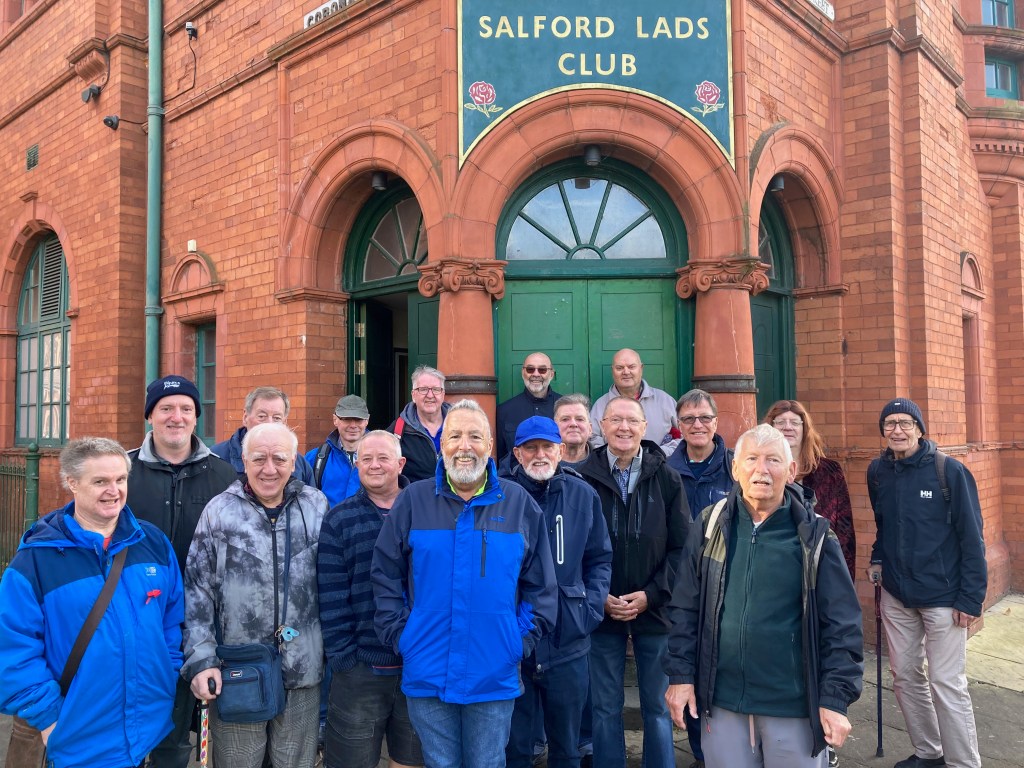
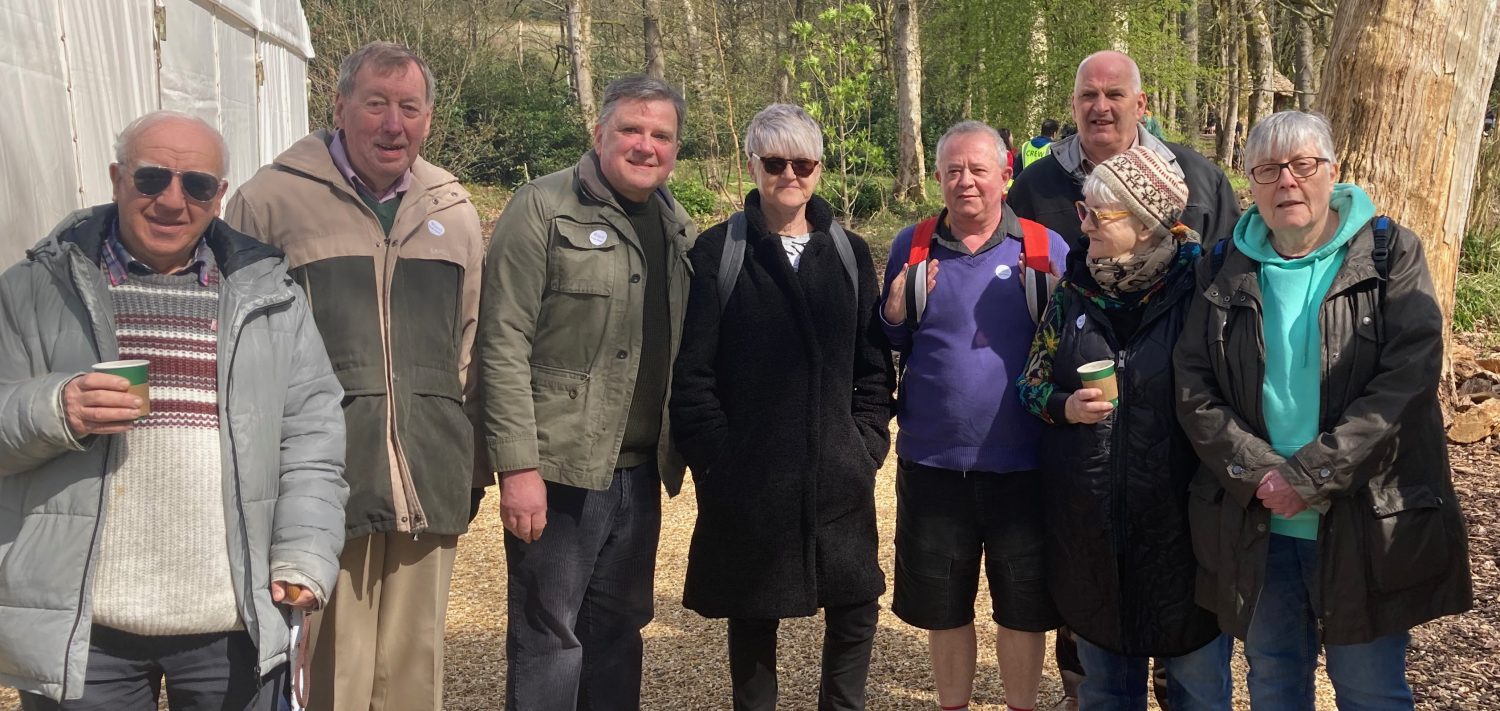
Last week members of Out In The City visited Bury – here are some more photos.

How our city pioneered gay ‘aversion therapy’ – but then fought for LGBT rights

Britain’s first research unit for the ‘treatment of homosexuality’ opened in Manchester in 1964 – but the city can now be rightly proud of its role in the fight for equality.

In 1964 an anonymous donation of £7,000 was received by Crumpsall Hospital. This sum is worth over £180,000 in today’s money.

The cash was intended for a specific purpose; Crumpsall was to establish a research department in a pioneering field. Thousands of people were desperate for a cure for what was then a shameful and hidden affliction, but Crumpsall could offer them hope.

And so, Britain’s first research unit for the ‘treatment of homosexuality’ came to be. ‘Treatment’ involved men being electrocuted and drugged with potent purgatives, while images of other men flickered at the ‘patient’.

Back then, homosexuality was lumped in with a number of other unwanted tendencies, from nail-biting to alcoholism, for which aversion therapy was supposed to be a panacea. It was gay men who experienced Crumpsall’s pseudo-scientific treatment.

In 1967 parliament decriminalised homosexual acts – in private, between consenting males over 21 – but gay life was still largely lived in the shadows, and still something people sought gruelling ‘treatment’ for.

Broadcaster Pete Price vividly recalls aversion therapy, and the hypocrisy surrounding it.

“It was 72 hours … I went through hell and back”, he says. “I then went to a gay club in Manchester called the Rockingham and there was the psychiatrist who put me through that torture. So the man who tortured me was a gay man! I tried to kill him. I actually tried to kill him and I’m not physically violent. The day after that I went ‘enough is enough’, that’s when I had acceptance. It did me a lot of damage what they did to me, but I have acceptance.”

More than 50 years on from decriminalisation and things are thankfully different, mostly.

Greater Manchester Police taking part in the Pride Parade

Where once the police sought to entrap, harass and criminalise gay people, now officers dance proudly on floats at Pride, and raise the trans flag from headquarters. Those things would once have been unthinkable.

Bringing about change involved years of struggle and bravery – it brought a community from enforced self-loathing and shame to solidarity and pride. And Greater Manchester, in keeping with its rich history of social justice has been the scene of many gay milestones.

In November 1999, a 90-year-man suffered a heart attack on the sofa of a friend’s house. An ambulance arrived at the property, at Claude Road, Chorlton, to take him to Manchester Royal Infirmary. But there was nothing doctors could do, and he was pronounced dead.

Quentin Crisp

Soon afterwards he was buried at Southern Cemetery. There were only six guests. So ended the fabulous, and often not-so-fabulous, life of author and raconteur Quentin Crisp, a man famous – and infamous – for refusing to hide who he was.

‘Quentin Crisp was no gay rights hero’, civil rights campaigner Peter Tatchell wrote in a 2009 piece for Pink News, which criticised Crisp for being a ‘homophobe and reactionary’.

Tatchell met the writer once in 1974, a time when the younger man was wearing a gay liberation badge, and recalls the writer telling him: “What do you want liberation from? What is there to be proud of? I don’t believe in rights for homosexuals.”
“He never spoke out for gay rights or supported any gay equality cause … the true icons and pioneers of the modern British gay community are heroes like Allan Horsfall and Antony Grey”, Tatchell wrote.

The late Allan Horsfall was not a flamboyant man. He spent much of his life living in Bolton with his partner, and looked rather like the clerk at Salford Education Committee, the bus enthusiast, that he actually was. But he was anything but quiet. He was a fearless campaigner, and a founding father of the British gay rights movement.

Allan Horsfall

The good burghers of Nelson must have got quite a shock when, while serving as a councillor in 1960, Horsfall called on the local Labour Party to support the decriminalisation of homosexuality. The motion he tabled never got passed, but Horsfall was resolute.

By 1964, while living in Atherton, he founded the North West Committee for Homosexual Law Reform. In time, the group would evolve into the Campaign for Homosexual Equality, which did a huge amount to change the nation’s mentality.

Wilmslow-born Antony Grey, the other activist venerated by Tatchell, began campaigning for gay rights in 1954, the year three prominent men – Lord Montagu, Michael Pitt-Rivers and Peter Wildeblood – were convicted and jailed for homosexual offences.

The resulting backlash led to the setting up of the Wolfenden Committee, comprised of 15 of the great and good, whose report would recommend, in 1957, that homosexual acts between consenting adults in private be decriminalised. The Homosexual Law Reform Society was founded by prominent heterosexual liberals, and with them, Grey would campaign tirelessly for the recommendations in the Wolfenden Report to become law. Ten years later they did.

Reform came too late for men like Alan Turing, who, two years before Grey penned his first letter to the Sunday Times, was compelled to undergo chemical castration.

Alan Turing

Months earlier, Turing – quiet heroic wartime codebreaker, father of modern computing – had met a younger man outside the Regal Cinema, now the Dancehouse Theatre at Oxford Road, and invited him back to his house in Wilmslow.

An investigation into a subsequent burglary at Turing’s home – with the young man being the culprit – led to Turing admitting having had a sexual relationship with him. Both men would be prosecuted for gross indecency and convicted. Turing was offered the choice between prison, or probation with ‘treatment’. After a course of oestrogen injections, which caused impotency and the growth of breast tissue, Turing took his own life with a poisoned apple.

Allan Horsfall knew the toll that social isolation took on the gay community, and sought to combat it by establishing gay social clubs across the country. He applied, unsuccessfully, to open one such ‘Esquire Club’ in Swinton precinct.

The Rockingham, the Queen Street club where Pete Price bumped into his psychiatrist after his ‘treatment’, was one of the gay venues where Allan Horsfall went to recruit activists. In an era before websites, telephone helplines and frank television dramas, there were few venues where gay people could learn they weren’t alone. Manchester’s gay pubs, bars and parties, hidden in plain sight, were seminal.

Even in the 19th century, gay men from across the north were coming to Manchester to associate; the bustly, smoky city offered a freedom, if you were discreet, that was impossible in smaller towns.

In 1880 the Temperance Hall in Hulme was rented for an event, ostensibly organised by the Manchester Pawnbrokers’ Association. To ensure the function’s discretion the hosts had hired an accordionist who was blind and covered the windows with black paper.

The cloak and dagger approach was necessary. The party that was going on behind the blacked-out windows was an affront to the codes of Victorian England. Being gay was not only a crime in law – it was a crime for which, some 74 years earlier, Manchester artisan Thomas Rix had been hung for, publicly, at Lancaster Castle.

It was also a crime that Manchester’s most famous detective, Jerome Caminada, was determined to avert. Having been tipped off that all was not as it seemed at Temperance Hall, he assembled a squad of constables and volunteers and climbed over a roof so he could see inside. One can imagine the detective’s moustaches twitching as he looked down on people dancing the can-can, as a couple dressed as Henry VIII and Anne Boleyn took in the scene. Everyone in the room was male.

Jerome Caminada

Caminada gained entry by giving the password ‘sister’ to a bouncer – who was dressed as a nun – before his team hauled 38 revellers off. The men, most of whom were from Sheffield and were largely from middle class backgrounds, would escape with the most minor of punishments – a bind-over – but the event made the papers. The sentencing magistrate had lamented that such ‘vice’ was ‘practiced and solicited’ not in ‘Turkey or Bulgaria’, but in Manchester.

Almost 100 years after the raid at Temperance Hall, police entered a gay bar at Bloom Street in the city centre, and warned the manager that he was allowing ‘licentious dancing’ on the premises. Activists believed the then Chief Constable James Anderton was trying to crack down on gay life in a moral crusade.

Napoleons

It wasn’t an unjustified suspicion – Anderton was known for his outspoken social conservatism, which extended to much condemned remarks about people with HIV and AIDS. But at Napoleons, the venue where his officers tried to stop the dancing in 1978, the music played on.

Once owned by legendary drag performer Frank ‘Foo Foo’ Lammar, it’s believed to be the oldest surviving gay nightclub in Manchester. It’s at the heart of the area, which, because of the quiet and anonymity offered by the canal and the backstreets, has been a gay area since at least the fifties, and finally became recognised as the Gay Village in the nineties, after Anderton’s retirement.

The transgender women and men, gay men, bisexuals, lesbians and straights who frequent Manchester’s Gay Village inherit an LGBT movement forged through the activism of people like Allan Horsfall, through the painful life histories of men like Alan Turing, and through the decisions of men and women, in more conservative times, to live as they were born.

And, apart from the bravery and defiance of Manchester’s ordinary gay men and women through the ages, the city can legitimately claim it played a role in the intellectual foundation of the modern LGBT movement, just as it played key roles in the development of the labour movement, the abolitionist movement, and in the fight for women’s suffrage.

Gay rights protest in Albert Square, Manchester

In 1896, Esther Roper, one of the first women to study at Owen’s College – now the University of Manchester, moved in with her partner, the aristocratic poet Eva Gore-Booth, to a terraced house at Heald Place in Rusholme.

After cutting their teeth with feminist causes in Manchester, they founded Urania, a privately-circulated journal which completely rejected conventional notions of gender, sexuality and marriage, and was edited by a transwoman called Irene Clyde.

In an ironic twist, given the history of the gay community’s relationship with the authorities, Manchester can legitimately claim that the first female police officer in the city was LGBT.

Henry Stokes, born Harriet, lived for 28 years as husband to Ann at Cumberland Street in the city, and worked as a bricklayer and volunteer copper. But the pair fell out over housekeeping money, a solicitor got involved, it emerged Ann had accused Henry of being a woman, and in 1838 an examination at the station confirmed Henry had indeed been born Harriet.

Such fascinating histories, some hidden for many years, show how people defied their times before the 1967 change in the law and the plural society it heralded. The law change did not, in the stroke of a pen, liberate gay people from fear of prosecution, persecution, and ostracisation. It took the efforts of many more – many of whom remain unsung, to bring British society to where it is.

The campaigners who opened the first gay centre at Waterloo Place in Chorlton-on-Medlock, the tens of thousands who protested against Section 28 in the city, the councillors and council workers who fought for Manchester to have a gay quarter and ensured funding for minorities, the volunteers and activists who set up switchboards and support groups, the actors, performers, writers and clubbers, the multitudes who defied their times, quietly, or at the top of their voices. They have had a long and hard journey, and it hasn’t ended yet.

But now, more than fifty years on from that totemic change in the law, Manchester can be rightly proud of all of them.

‘Gray Love’ looks at dating after 60

‘Gray Love: Stories About Dating and New Relationships After 60’
Edited by Nan Bauer-Maglin and Daniel E Hood
Published 30 January 2023 by Rutgers University Press (Price £20.74)

It was supposed to be a nice night out.

But you drove around and around looking for the restaurant and once you found it, you learned that you needed reservations. Practically before the evening started, you sensed that your food could be as cold as your date. As in “Gray Love,” edited by Nan Bauer-Maglin and Daniel E Hood, looking for love wasn’t like this when you were younger.

You thought you’d be happy alone.

After the divorce, the funeral, the last break-up, you didn’t think a little you-time was a bad idea. And it wasn’t – but love, someone to go to the movies with or dine with or snuggle with, seems more and more appealing now. Today, though, as the 42 essays in this book confirm and as you’ve learned, that’s easier said than done.

You want a partner, someone your age, but you fear becoming a caretaker. You like doing your own thing, but having someone around to do it with would be nice. You have company but you are “without intimacy.” Or you don’t want a full-time someone but it’s scary to think about “falling off a ladder alone.”
So you go online because, well, people don’t meet like they used to. That’s when you learn that dating sites are generally ripe with people who lie about their ages, who seem clingy or who want things you can’t give, “the Uncertain, the Angry … the Unattractive,” and – let’s be honest – jerks. Unlike real life circa 1973 or 1993, there’s nobody to vouch for singles online.

You wonder, “What would I wear?” You learn about scams the hard way, while tales of love at way-up-there-ages are inspirational. Experimenting with same sex, different sex, different race isn’t off the table, but nobody’s asked – or you did, and it was wonderful and why didn’t you do that before? Love is love. You date the wrong people, you date the right people, you’re exhausted and disappointed. And sometimes, even for awhile, you’re someone’s “‘sweetie.’”

Just know that this is not a how-to manual. Editors Nan Bauer-Maglin and Daniel E Hood don’t offer advice in their introduction. Instead, you’ll read tales of dating and mating gone happily right and very, very wrong, told in ways that will make you laugh, sigh, and know that you’re not alone in your late-life search for love. The mixture here is diverse and wide: if one tale makes you want to swear off dating forever, the next one offers Happily Ever After.

Be aware that a few of the tales inside “Gray Love” flirt with the explicit and others might ruffle a feather or two. Still, it could be great to share it with a millennial or older GenZ’er, If you see this book on a bookshelf, take it out.

Bury … Sexual Offences Act 1967 … Voice Study … Good News for People Living with HIV

News

Bury

We met up at Bury Tram Interchange and headed to Tina’s Tea Rooms located in Bury Art Museum. This is one of my favourite places – the staff are friendly, the food is gorgeous and it’s a lovely unusual setting.

We crossed over the road to the Fusilier’s Museum where in Olive’s Kitchen Café Bar upstairs there was a small exhibition of photos by Ian Hargreaves.

On display were a number of portraits and a few scenic photographs, but they were difficult to view due to the customers in the cafe. A number of us then visited the famous Bury Market where you can buy anything from ice cube trays to black puddings.

Sexual Offences Act 1967

The Sexual Offences Act 1967 is an Act of Parliament which legalised homosexual acts in England and Wales, on the condition that they were consensual, in private and between two men who had attained the age of 21. It became law 56 years ago.

Homosexual activity between men had been illegal for centuries. There was never an explicit ban on homosexual activity between women. In the 1950s, there was an increase of prosecutions against homosexual men and several well-known figures had been convicted. The government set up a committee led by John Wolfenden to consider the laws on homosexuality.

In 1957, the committee published the Wolfenden report, which recommended the decriminalisation of homosexual activity between men above the age of 21. The position was summarised by the committee as follows: “unless a deliberate attempt be made by society through the agency of the law to equate the sphere of crime with that of sin, there must remain a realm of private that is in brief, not the law’s business”. However, the government of Harold Macmillan did not act upon its recommendations, due to fears of public backlash.

In 1965, several politicians sponsored a Sexual Offences Bill, a private member’s bill which drew heavily upon the findings of the Wolfenden report. The key sponsors were Humphry Berkeley, a Conservative MP, Leo Abse, a Labour MP, and Lord Arran, a Conservative peer. By that year, public opinion had shifted in favour. A 1965 opinion poll commissioned by the Daily Mail found that 63% of respondents did not believe that homosexuality should be a crime while only 36% agreed it should, even though 93% agreed that homosexual men were “in need of medical or psychiatric treatment”.

The Sexual Offences (No 2) Bill received royal assent on 27 July 1967, becoming the Sexual Offences Act 1967.

Voice Study: Bisexual Men Sound The Most Masculine

Research published in the Journal of Sex Research aimed to determine whether listeners could detect if a man is bisexual from his voice alone. The findings indicate that people are not able to determine if a man identifies as bisexual based on his voice alone. Additionally, when people listened to the voices of gay, straight, and bisexual men, they perceived the bisexual men as the most masculine among all the speakers they heard.

Previous research has identified specific voice characteristics that are often associated with gay men. These characteristics include higher pitch, wider pitch range, longer vowels, expanded vowel space, and more precise pronunciation. The study’s results suggest that the perceptual voice and speech features that allow listeners to identify gay men’s voices may not be present in bisexual men’s voices.

Good news for people living with HIV & their sexual partners

A host of health organisations acknowledge that undetectable means untransmittable (U=U). This means if someone has HIV but is on treatment and undetectable, there is zero risk of them passing it on.

The World Health Organisation just reaffirmed this message … but goes even further.

WHO released a policy brief to coincide with the International AIDS Society Conference on HIV Science in Brisbane, Australia. The brief not only states there is zero risk of transmission if someone has an undetectable viral load. It goes on to say that people with a suppressed but detectable viral load “have almost zero or negligible risk” of sexual transmission.

What does “suppressed but detectable” mean?

The WHO policy brief states, “There are three key categories for HIV viral load measurements:

unsuppressed (more than 1,000 copies/mL);

suppressed (detected but less than 1,000 copies/mL); and

undetectable (viral load not detected by the test used).”

We know that those with an undetectable viral load cannot pass on the virus. The Lancet posted a systematic review about the risk of transmission in those with “low-level” viral loads. That’s a viral load under 1,000.

The studies analysed included 7,762 sero-discordant couples across 25 countries. They identified two cases of HIV transmission when the HIV-positive partner had a viral load between 200-1,000. Most cases of transmission occurred when the HIV-positive person had a viral load above 10,000.

In those two cases identified, 50 days or more had elapsed between the viral load test and the transmission. Therefore, their viral load may have been different at the time of transmission.

The authors concluded, “There is almost zero risk of sexual transmission of HIV with viral loads of less than 1,000 copies per mL. These data provide a powerful opportunity to destigmatise HIV and promote adherence to antiretroviral therapy.”

The World Health Organisation supports this message. It states, “People living with HIV who have an undetectable viral load … have zero risk of transmitting HIV to their sexual partner(s).” It continues, “People living with HIV who have a suppressed but detectable viral load and are taking medication as prescribed have almost zero or negligible risk of transmitting HIV to their sexual partner(s).”

That will be reassuring to many sero-discordant couples who might worry about small rises in viral load. Even if you’re not undetectable but have less than 1,000 viral copies per milliliter, the chance of transmission is “zero or negligible”.

HIV treatment is recognised as one of the main reasons why HIV transmission rates are falling around the world. UNAIDS is encouraging all countries to reduce HIV transmission by 90% by 2030 (compared to 2010 figures). Some countries in Western Europe, including the UK, are on course to hit this target.

Richmond Tea Rooms … Sixth Commandment … Commercial Casting Call … Pride Season Continues

News

Richmond Tea Rooms

The Richmond Tea Rooms is an “Alice in Wonderland” themed venue in the heart of Manchester’s Gay Village that serves afternoon tea, lunch and homemade cakes.

The Out In The City group visited last Wednesday … now you know that I’m not one to gossip, but … well, the photographs speak for themselves and can be seen here.

A Chilling New Drama

The Sixth Commandment is a new four-part drama on BBC 1. It’s a sinister real life story starring Timothy Spall and Anne Reid.

A meeting between an inspirational teacher and a charismatic student in Buckinghamshire ends up setting the stage for one of the most complex criminal cases in recent memory. 

This is a “must watch” drama and all episodes are available now on BBC iPlayer.

Pride Season continues

Happy Valley Pride celebrates LGBTQ+ life in Hebden Bridge and surrounding areas and features events from 24 July to 30 July.

Hebden Bridge is known as one of the most LGBTQ+ welcoming towns in the UK. However a piece of homophobic graffiti seen in the town was the catalyst for the first Pride in summer 2015.

Their mission is “To celebrate LGBTQ+ life in Hebden Bridge and surrounding areas. Promoting equality and diversity to eradicate discrimination, based on sexual orientation and gender identity, through arts, education and engagement.”

It’s not just for people from Todmorden, Heptonstall and Mytholmroyd.

Check out the huge number of events here and get involved.

Be Here, Be You, Be Proud.

Pride in Bolton is from 28 July to 30 July.

Also founded in 2015 under the slogan “Love Bolton, hate homophobia” the first Bolton pride welcomed Sir Ian McKellen as a proud guest of honour.

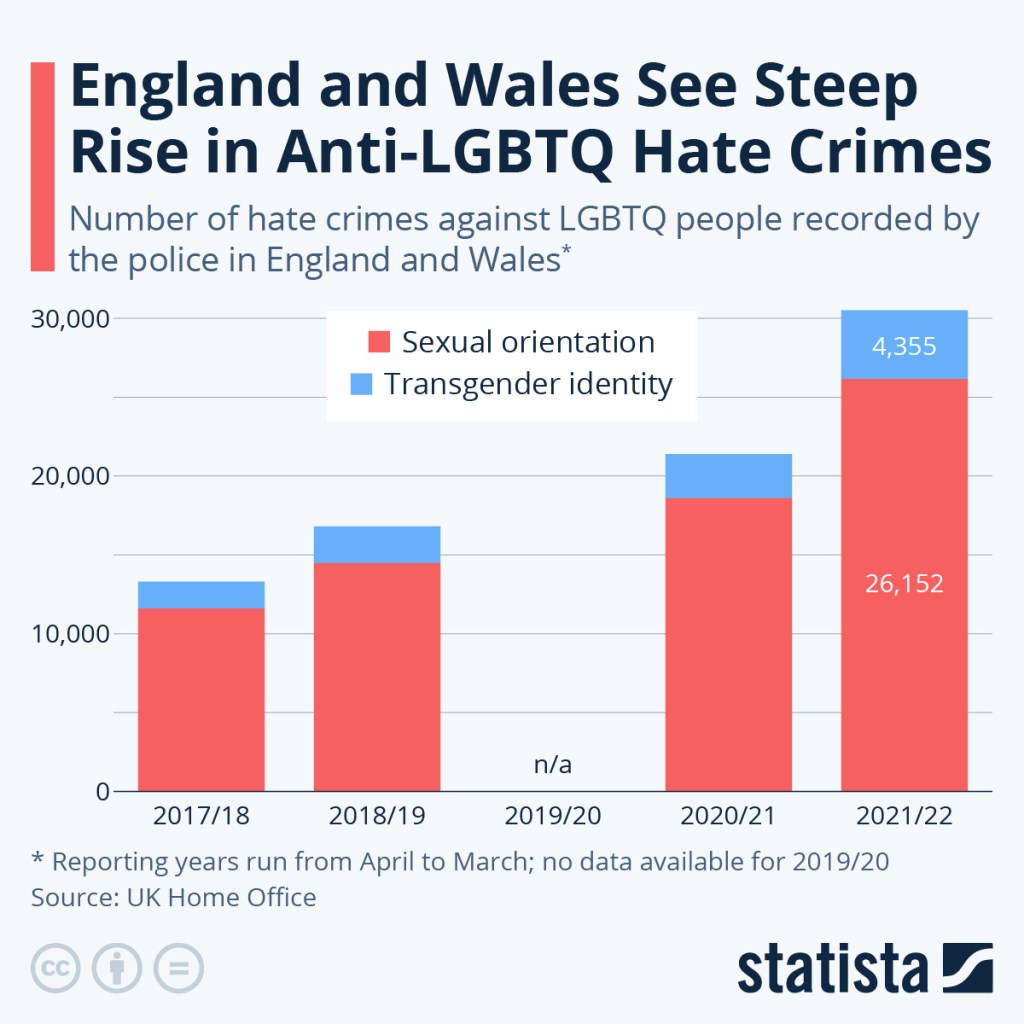
The creation of the event was partly a reaction to the release of statistics in early 2015 which showed that hate crime against LGBT people in Bolton had increased 135% in the previous year. Their aim was to encourage Bolton to become more LGBT friendly and promote overall acceptance of the LGBT+ community.

Full details can be seen here.

Stockport Pride on 30 July features a variety of performances from 11.00am to 6.00pm on the Martyn Hett Stage in Castle Yard within Stockport Market Place.

With drag queens, musicians, DJ and cabaret there’s a full day of entertainment. Word on the street is that you should not miss the Prairie Dogs at 1.10pm, Wolf at 2.15pm and the Gay Gordons at 2.55pm.

See more here.

Rainbow Lottery … Charlotte Saunders Cushman … Coming Out of Your Closet

News

Rainbow Lottery – Win a Summer Getaway

This July we’ve got another blockbuster prize to thank you for supporting Out In The City …

We’re extremely grateful for your continued support. Funds raised from the lottery tickets are so important in supporting us in order to make an impact on our community – so thank you for continuing to be a fundraising superhero!

If you’re in the draw on Saturday 29 July, you could win a £1,000 Airbnb voucher – a cabin in the Highlands or a cottage in the Lakes; a weekend in Paris or Rome, or a Mediterranean beach resort: make the summer your own with this fantastic prize!

The special prize draw will take place on Saturday 29 July. If you already have tickets, you don’t need to do anything extra – so why not take the opportunity to support Out In The City in another way too? By simply sharing this exciting offer on Facebook, you might find that some of your friends and family want to sign up too!

Thank you and good luck!

Buy tickets here.

Charlotte Saunders Cushman 

Charlotte Cushman

Charlotte Saunders Cushman (23 July 1816 – 18 February 1876) was an American stage actress. Her voice was noted for its full contralto register, and she was able to play both male and female parts. She lived intermittently in Rome, in an expatriate colony of prominent artists and sculptors, some of whom became part of her tempestuous private life.

By 1839, her younger sister Susan Webb Cushman became an actress, and at the age of 14 had married Nelson Merriman. Her husband abandoned her when she was pregnant and Charlotte cared for her sister. The two sisters became famous for playing Romeo and Juliet together, with Charlotte playing Romeo and Susan playing Juliet.

In 1843, Cushman became involved romantically with Rosalie Sully. By 1844, the romance had ended. She began travelling abroad, acting in theatre, and Sully died shortly thereafter. She was also very close to the writer Anne Hampton Brewster around 1844 but social pressure from Brewster’s brother meant that they had to part. Brewster reminisced about their idyllic time together in letters in 1849.

In 1848, Cushman met journalist, writer and part-time actress Matilda Hays. The two women became close friends, and after a short amount of time and some correspondence, they became involved in an affair. For the next ten years the two would be together almost constantly. They became known for dressing alike, and in Europe were publicly known as a couple.

Charlotte Cushman and Matilda Hays

In 1849, Cushman returned to the United States and by 1852 had decided to retire from the stage. She took up residence with Hays in Rome. They began living in an American expatriate community there, made up mostly of the many lesbian artists and sculptors of the time.

In 1854, Hays left Cushman for sculptor Harriet Hosmer, which launched a series of jealous interactions among the three women. Hays eventually returned to live with Cushman, but the tensions between her and Cushman would never be repaired. By late 1857, Cushman was secretly involved with sculptor Emma Stebbins. One night while Cushman was writing a note, Hays walked in on her. Suspecting that the note was to Stebbins, Hays demanded to see it. Although Cushman maintained that the note was not to Stebbins, she refused to show it to Hays. The altercation that followed was explosive. Hays became enraged and began chasing Cushman around the house, pounding her with her fists at every opportunity. The relationship ended immediately and Hays moved out. She then sued Cushman, stating in her claim that she had sacrificed her own career to support Cushman’s career and therefore was due a certain payment. Cushman paid her an unknown sum and the two women parted company forever.

Emma Stebbins moved in with Cushman shortly after the break-up. Cushman travelled to America for a short tour a couple of months later. Although Cushman maintained that she was devoted to Stebbins, she became involved with another woman not long after her relationship with Stebbins began. Cushman met an 18-year-old actress, Emma Crow, and fell for her. The two women began an affair, and Cushman often called her “my little lover”.

Coming Out of Your Closet

Ian McKellen said: “I’ve never met a gay person who regretted coming out – including myself. Life at last begins to make sense when you are open and honest.”

In an inspirational talk Ash Beckham discusses the current state of homophobia in our culture challenging even the word “homophobia” itself. There is no fear, just loathing. Hating things we don’t understand, people we don’t know or anything that is different than our day to day.

“Homophobic” people are not scared of anything. We all have a responsibility to live our lives as active activists not passive ones when it comes to protecting our fellow humans from hate of any kind.