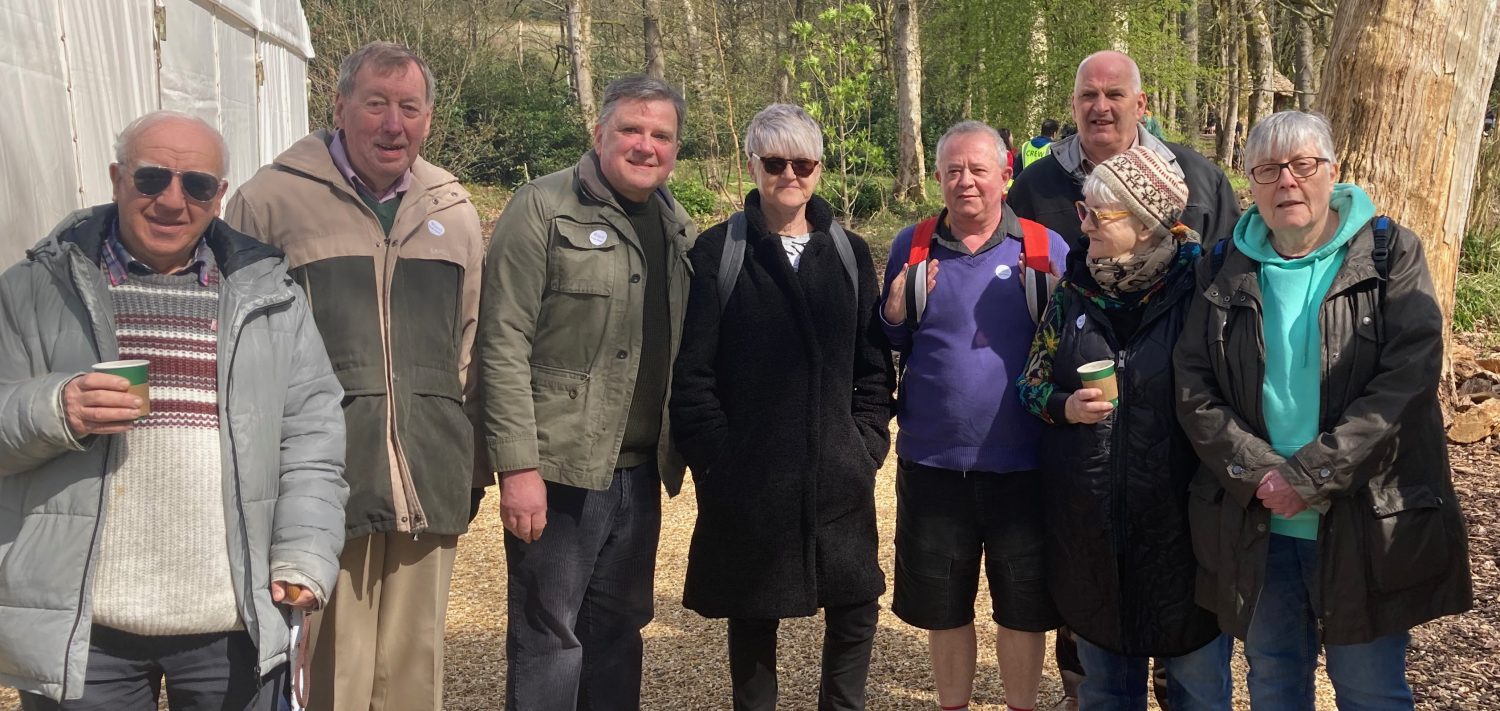
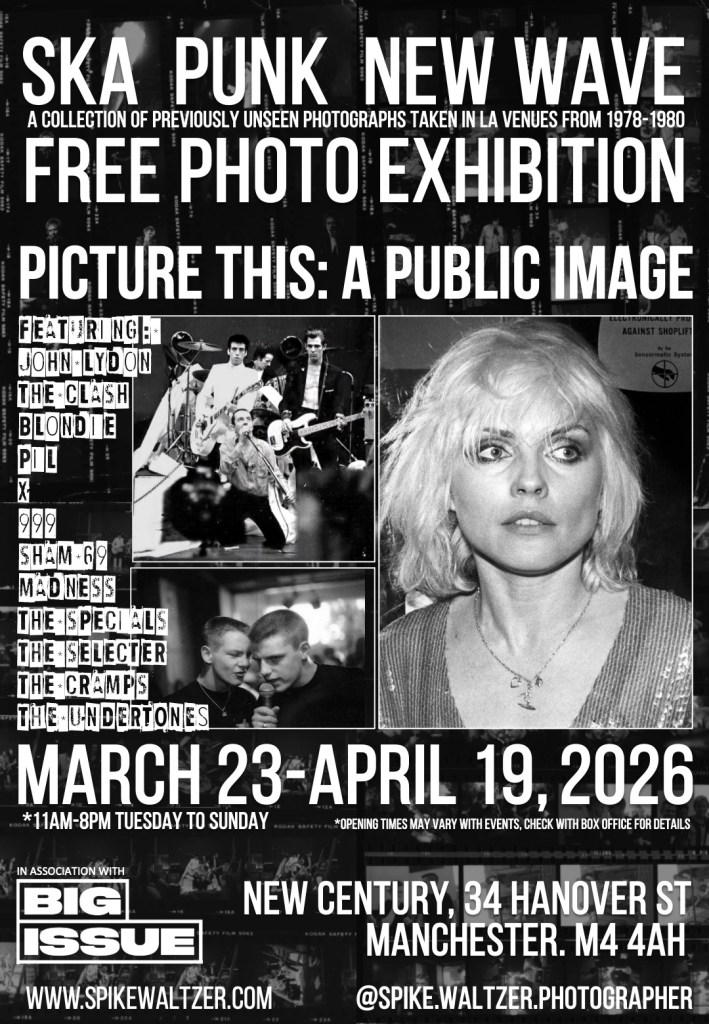
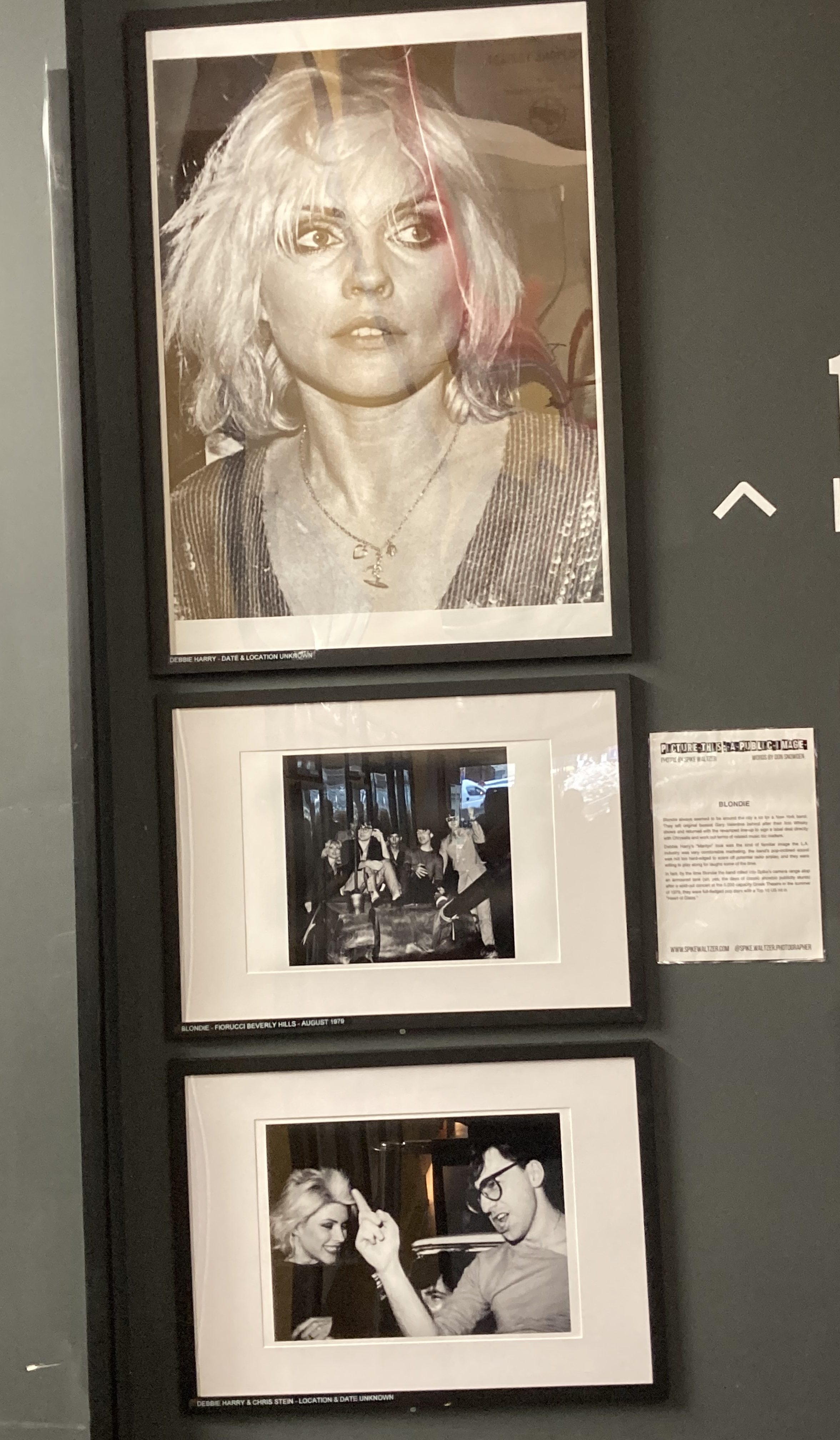
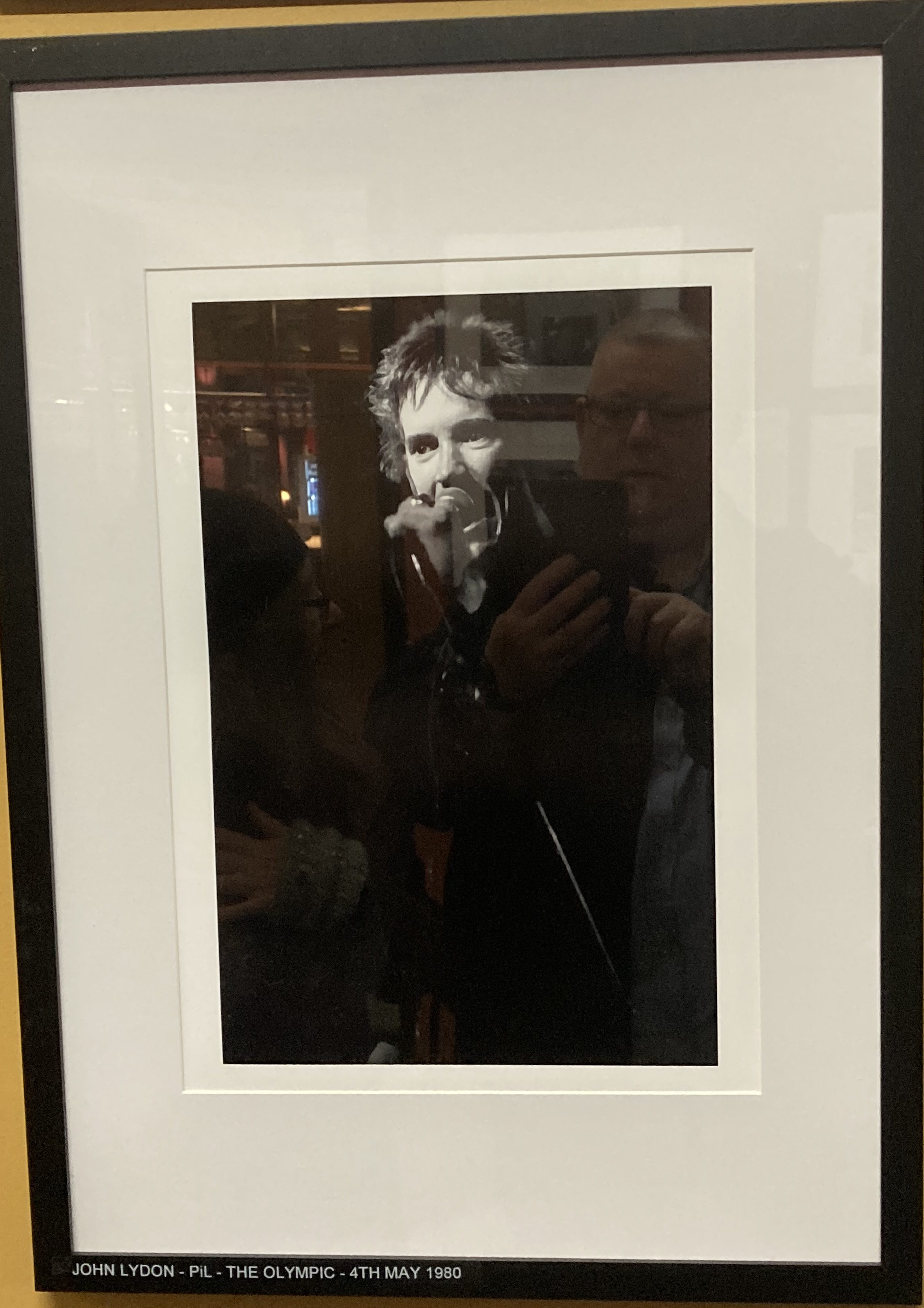
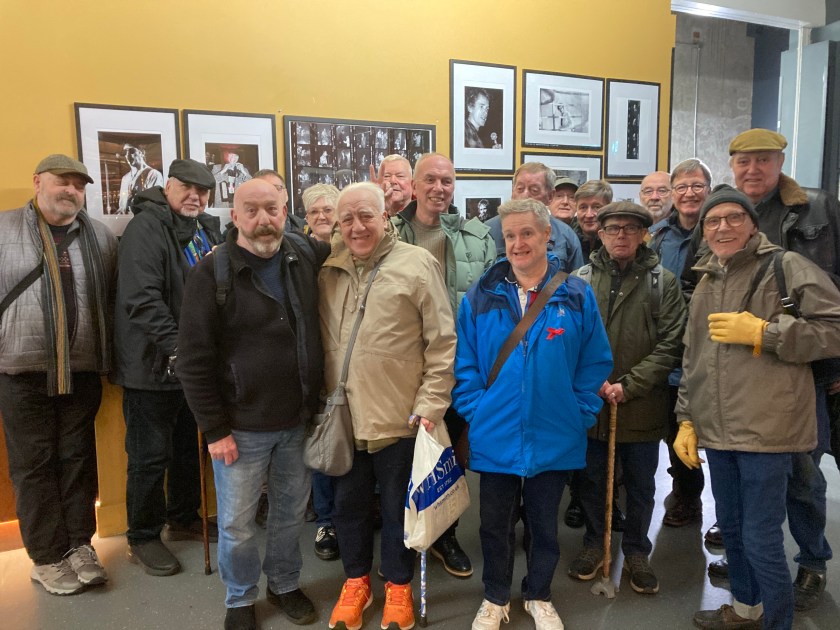
This week Out In The City members visited the New Century Hall to view a new photography exhibition: “Picture This: A Public Image” – a collection of previously unseen photographs from 1978 -1980.
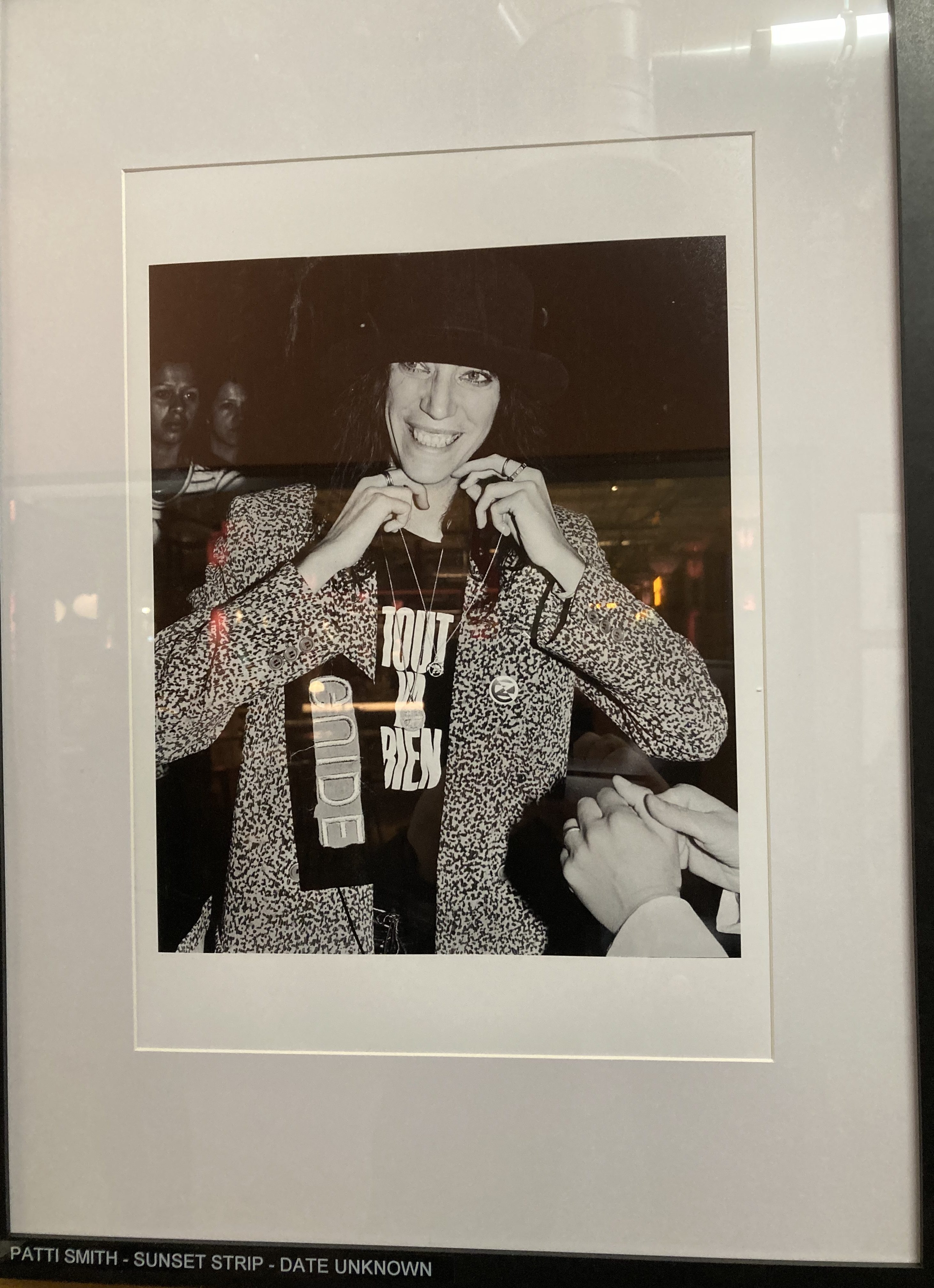
The images were the individuals and groups from the Ska, Punk and New Wave era and included The Clash, Sex Pistols, Madness, Blondie and Patti Smith.
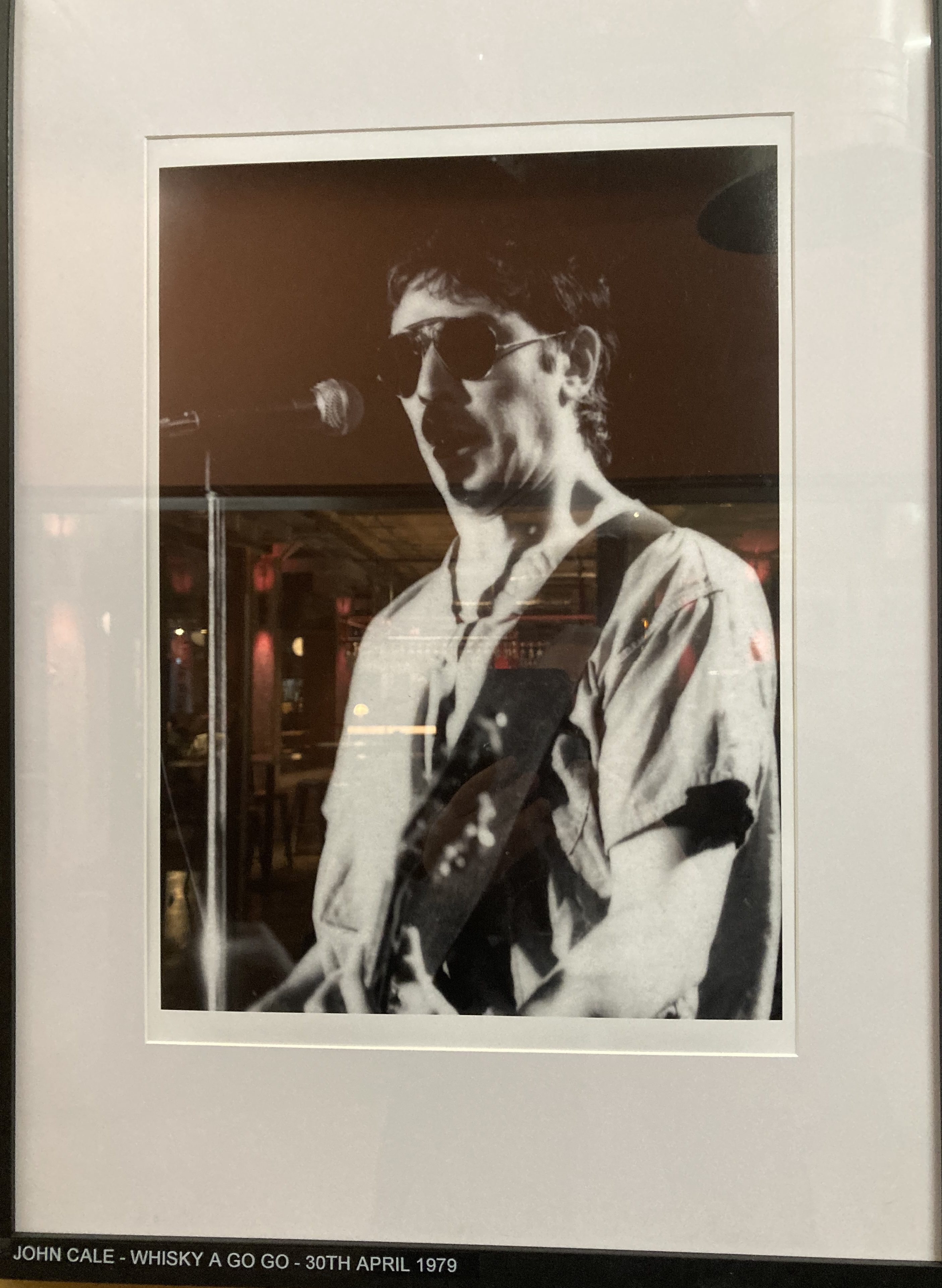
(Patti Smith at Sunset Strip, John Cale at Whisky A Go Go (30 April 1979), Blondie and John Lydon)
The New Century Hall has hosted iconic acts ranging from legends like Jimi Hendrix, The Rolling Stones, The Kinks, The Hollies, The Bee Gees and Tina Turner to Madchester bands like The Stone Roses and Happy Mondays.
The building has now been fully restored and is still a concert hall, but includes a food hall with independent food traders.
It was in 1944, while stationed at Bletchley Park in hushed secrecy, that Alan Turing first spoke of “building a brain”.
The man who brought Turing to Manchester in 1948 was called Max Newman. Newman was a mathematician who had taught Turing at Cambridge, then worked alongside him at Bletchley Park, and was now in Manchester where he had been given £30,000 by the government to build a computer.
While at Cambridge, Newman had posed his students a philosophical question about the limits of mathematics as a field. Turing (and this sort of behaviour was typical of Turing) produced in response a paper where he imagines a machine that works like a brain. It’s the first evidence we have of a theme that runs through Turing’s life – his fascination with the idea that a machine might be taught to think.
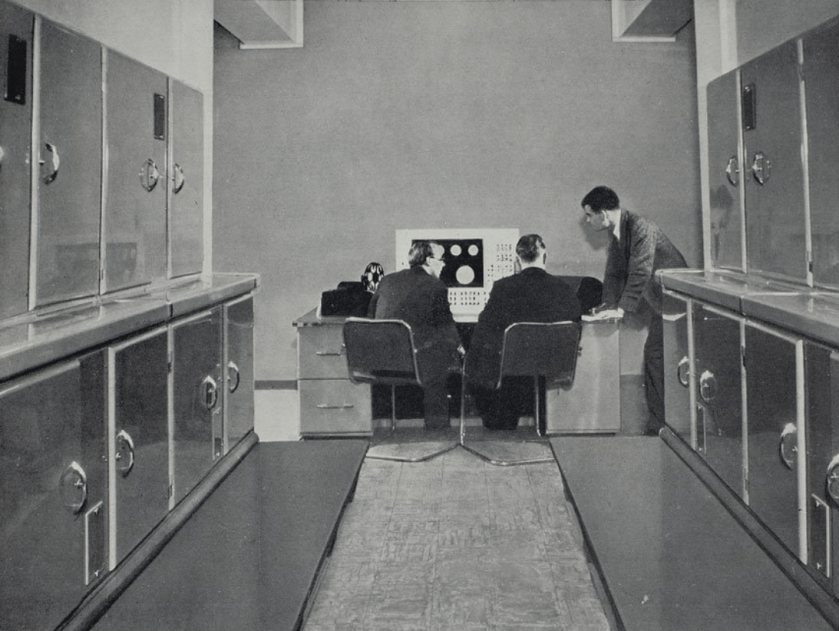
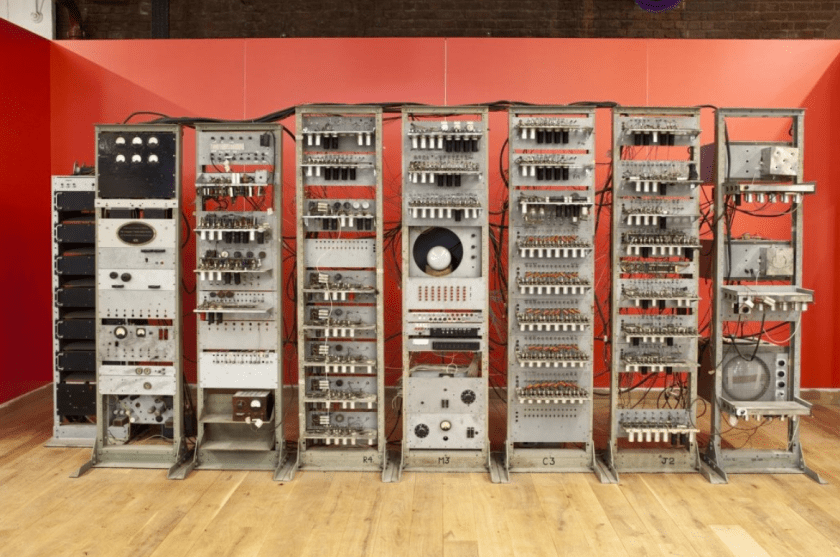
The other notable thing happening in Manchester at that time was that three men – Frederic C Williams, Tom Kilburn and Geoff Tootill – were in the process of “having a baby”. The Manchester Baby was the world’s first-ever “stored programme” computer. The Baby was freakishly large. It filled the entire laboratory room: a dusty, dirty room in the old Victoria University of Manchester on Cooper Street. The Baby was also largely what made Manchester attractive to Turing: a testbed for his ideas.
Replica of the Manchester Baby at the Museum of Science and Industry
Turing and Newman had a shared interest in the idea of a machine acting as a brain. Turing was more open about this, Newman less so (the latter weighed up the practical consideration of accessing grant funding, while the former did as he pleased) but a shared interest it was. In October 1949 the trailblazing female philosophy professor Dorothy Emmet hosted a seminar at the university, The Mind and the Computing Machine, which we can label, retrospectively, the first public intellectual debate on what came to be known as Artificial Intelligence (AI).
Also in 1951 an essay by Turing appeared in the philosophical journal Mind, with the opening line: “I propose to consider a question, can machines think?” A Manchester Guardian piece in 1951 talked about how Turing had “come to the conclusion that eventually digital computers would be able to do something akin to “thinking” and also discussed the possibilities of educating a ‘child-machine.’”
Free concerts at Manchester Cathedral
Take time out and enjoy free music in the beautiful surroundings of Manchester Cathedral – you might even discover the UK’s next big talent!
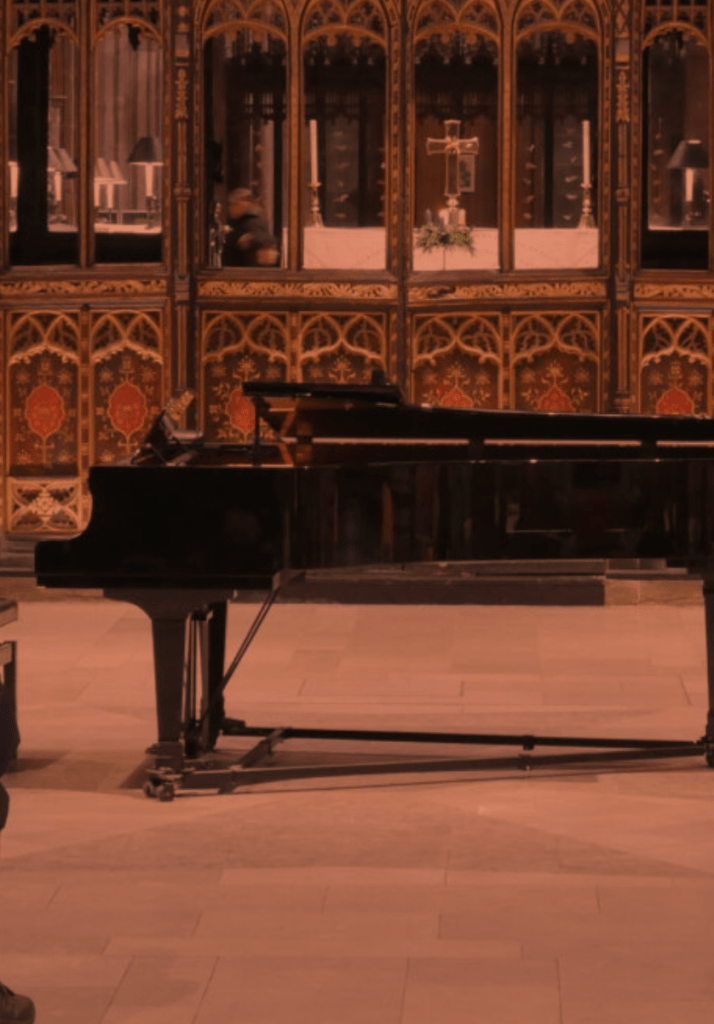
The cathedral, part of Manchester’s Medieval Quarter, has announced a new series of lunchtime recitals by students from Chetham’s School of Music. There are piano recitals and a programme called ‘Music for a While,’ which showcases the talent of individuals as they perform with accompanists. The music choices vary so there’s always something new to discover.
We believe that the true wonder of music is that it can bring people together and have a profound effect on quality of life. We aim to make music more accessible to more people so everyone can experience this, and the students are at the heart of this mission.
Concerts are free and no booking is required – just turn up, sit back and enjoy. You’ll also be supporting the next generation of musicians as they hone their skills.
Upcoming events: 20 April, midday – Piano Lunchtime Concert 18 May, midday – Piano Lunchtime Concert 11 June, midday – Music for a While
Rainbow Lottery
It’s time to put your feet up with a cuppa while the robots take care of your gardening and spring cleaning! One of our supporters could win this amazing Home Robot Bundle in our March Super Draw – and make spring cleaning a breeze!
You could be taking home a Roomba 405 Plus combo vacuum and mop for carpets and hard floors, and a Lawnmaster Ocumow to keep the garden under control – all while you focus on the important things! Of course there’s always the £1,000 cash alternative too – or our winner can choose to go green, and plant 1,000 trees!
Play the Rainbow Lottery and support Out In The City
The Rainbow Lottery is the UK’s first and only lottery supporting LGBT+ good causes.
Welcome to the Rainbow Lottery, the exciting weekly lottery that raises money for over 200 LGBT+ good causes totally, openly and exclusively.
The hope is to make a difference to good causes so they can carry on their vital work – which helps us all. Play the lottery, support the community – it’s fun, it’s simple and everybody wins!
How the lottery works:
£1 per ticket – that’s right, unlike many other lotteries, the lottery tickets are only £1 per week.
For every ticket you play, 80% goes to good causes and prizes.
£25,000 jackpot prize
Match all 6 numbers and you win the JACKPOT! There are also prizes of £2000, £250, £25 and 3 free tickets for following week.
Every month there is a Super Draw. March’s Super Draw is a Home Robot Bundle (or £1,000 cash alternative or plant 1,000 trees).
Lost BBC documentary on homosexuality brought back to life nearly 70 years on
A new short film from Loughborough University tells the story of a remarkable BBC radio documentary about homosexuality, broadcast nearly seven decades ago at a time when the subject was almost entirely absent from public life.
The Homosexual Condition aired on the BBC Home Service in July 1957, when male homosexuality was still illegal in Britain. The programme featured doctors, legal experts and a former prisoner discussing the causes of homosexuality, possible “treatments” and whether the law should be changed.
It was broadcast just weeks before the publication of the landmark Wolfenden Report, which recommended decriminalising homosexual acts between consenting adults, a recommendation that would not become law for another decade.
The transcripts were rediscovered in the BBC archives by Marcus Collins, Professor of Modern History at Loughborough University, whose research forms the basis of the new film.
Collins said the discovery offered a striking glimpse into a very different world. “What counted as a ‘liberal’ position in the 1950s was often the belief that homosexuality could be cured, rather than punished,” he said.
The film explores how the BBC navigated such a controversial subject at the time, and how profoundly attitudes to sexuality, science and the law have shifted since. Homosexuality was partially decriminalised in Britain in 1967, ten years after the broadcast.
Keith Haring: A New Retrospective of his Early Work 1980-1983 at the Brant Foundation, New York
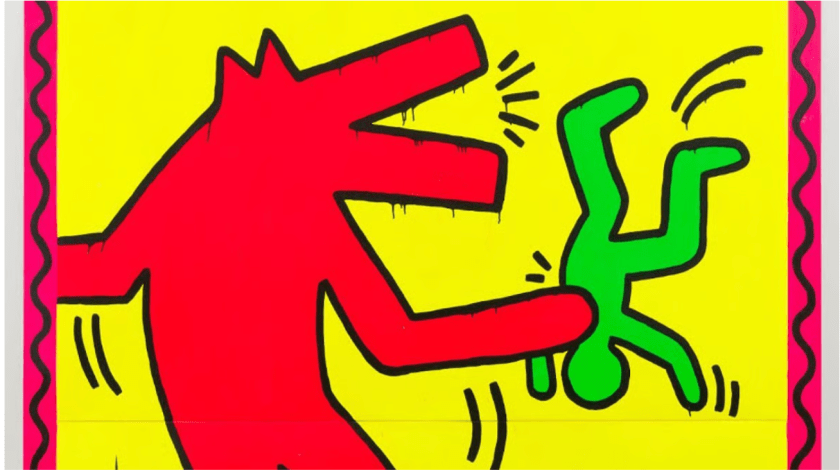
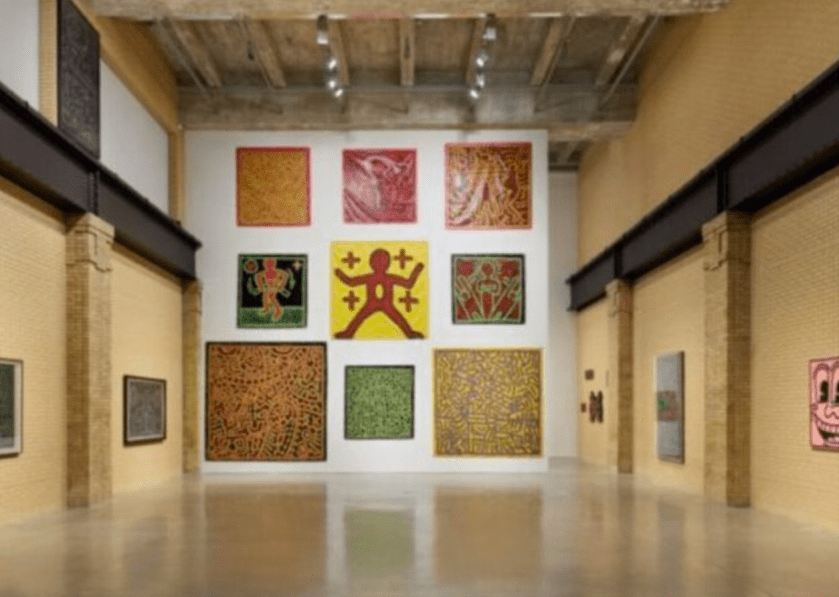
Keith Haring early painting featuring bold red and green figures in his signature graphic style Photo: Courtesy of Keith Haring
We still find it tough to believe that it’s 36 years since the world lost Keith Haring. Aged just 31, Haring died of AIDS related complications at the height of the epidemic. At his memorial service on 4 May 1990, at the Cathedral of St John the Divine in New York City, there were over 1,000 people in attendance. He will always remain the quintessential New York queer artist of the time, quite rightly, his whole body of work is just as powerful and memorable today as it ever was.
Now, the Brant Foundation in New York has mounted a new retrospective revisiting Haring’s formative years of 1980 – 1983, and the exhibition traces his meteoric rise from the subways of New York to international fame. Opening to the public on 11 March 2026, the exhibition will be on view at the Foundation’s East Village space in the bustling downtown neighbourhood where a young Haring began his career.
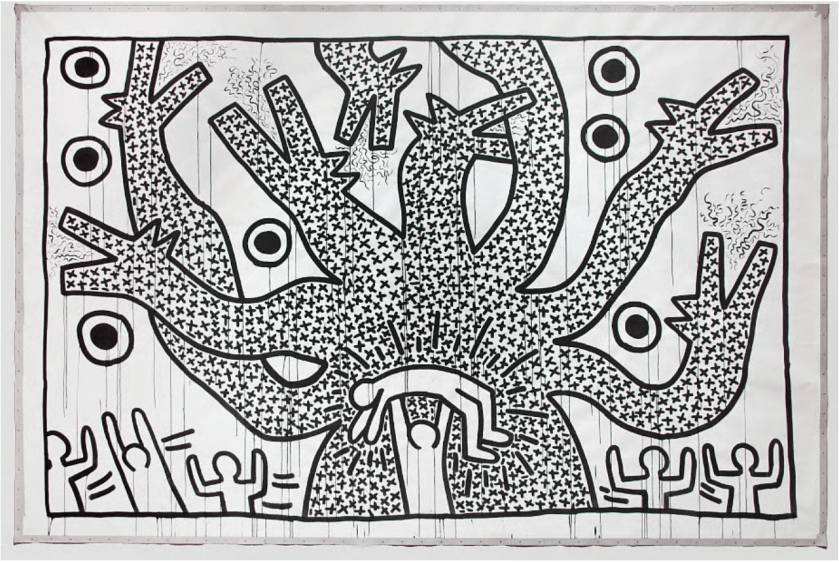
Keith Haring large-scale mural-style composition with radiating figures and signature graphic symbols Photo: Courtesy of Keith Haring
Haring took inspiration from the everyday urban spaces he inhabited. From his spontaneous, early-career chalk drawings in subway stations to his vibrant, pop-inspired works that addressed social issues ranging from the AIDS epidemic to the drug crisis, Haring shepherded a body of work that was both visually dynamic and socially engaged.
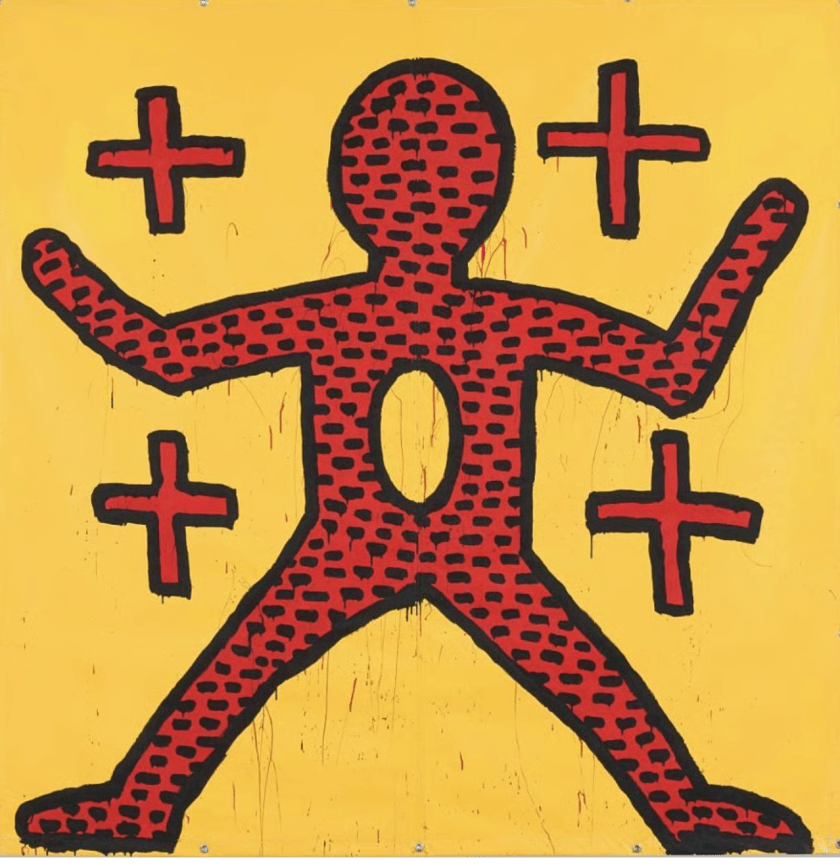
Keith Haring “Crack Is Wack” style figure with a red patterned body against a yellow field Photo: Courtesy of Keith Haring
The Brant Foundation’s founder, Peter M Brant said:
“Haring was a champion for important causes of his time, particularly the AIDS crisis. He used his art to support his tireless activism and he was an advocate for change, inspiring millions with his distinct style.”
Original Pride flag to come to Cork as first stop of world tour
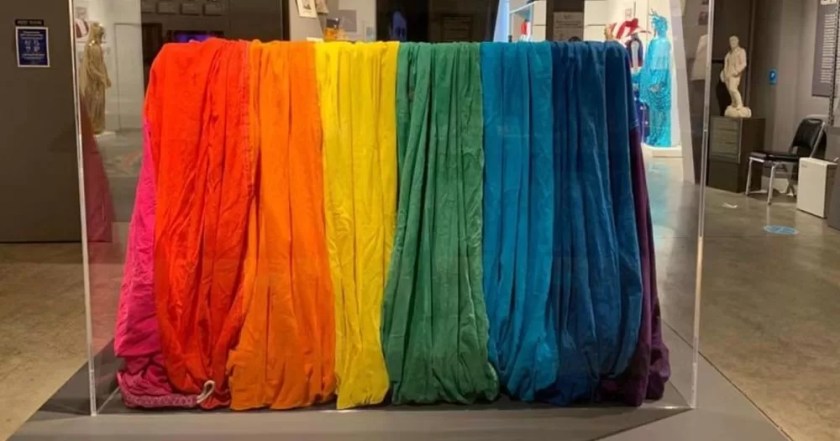
Original Pride Flag / Image: Andrew Shaffer via The Art Newspaper
The original Pride flag, which usually resides in San Francisco, is going on a world tour, and Cork is its first stop.
Cork may seem like a surprising stop on the world tour, certainly for the first stop, but San Francisco and Cork are actually sister cities. Twinning and sister cities aim to celebrate culture and build communities through international links.
Cllr John Maher, local representative of the Labour Party for Cork City North East, visited San Francisco and the flag in 2024. He is another reason for Cork being selected as the inaugural stop on tour. “I made the comment a bit flippantly, to be honest, when we met the curator of the museum where the flag is held. He had said that they were thinking of sending the flag on tour, and I just said ‘make sure Cork is first’.
The original Pride flag was designed in 1978 by LGBT+ rights activist Gilbert Baker. It is usually on display in the GLBT Historical Society in the Castro district of San Francisco. Baker was popular for his drag costumes and political banners. Harvey Milk encouraged Baker to create a symbol of Pride for the LGBT+ community, and Baker decided on a flag as a way to come out and attain visibility.
The dyed cotton muslin flag is a fragment of one of the two original eight-stripe rainbow flags raised at the San Francisco Gay Freedom Day Parade on 25 June 1978.
The original flag boasted eight colours, two more than the now-standard six-colour Pride flag. Pink and turquoise were cut by 1979 due to production issues and aesthetic choices, and indigo was replaced by blue. Baker made a mile-long version of the flag for the 25th anniversary of the Stonewall riots in 1994.
Cleve Jones, a friend of Baker, said, “I told him he’d better patent it, and he said, ‘No, it’s my gift to the world.’” Many flag versions have been created since, with the Progress flag and Intersex-inclusive ones being popular additions in recent years.
Cork LGBT Archive is to launch a permanent exhibition this year, and the original Pride flag is expected to be on display beside the exhibition in autumn, in the Cork Public Museum.
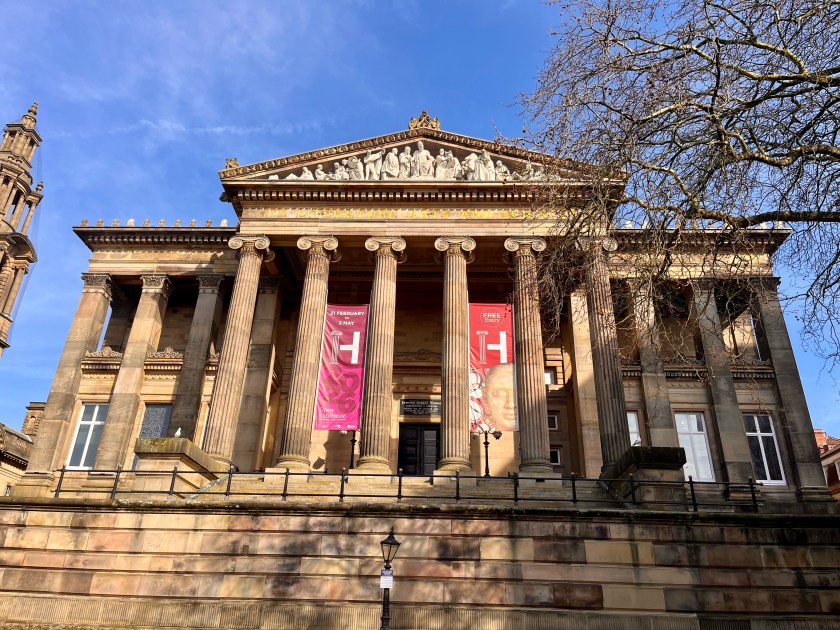
I’m finding it hard to describe this museum – there was so much to see, and it was certainly the best museum we have visited in a long time. I will let the photographs “do the talking” – there are more to see here.
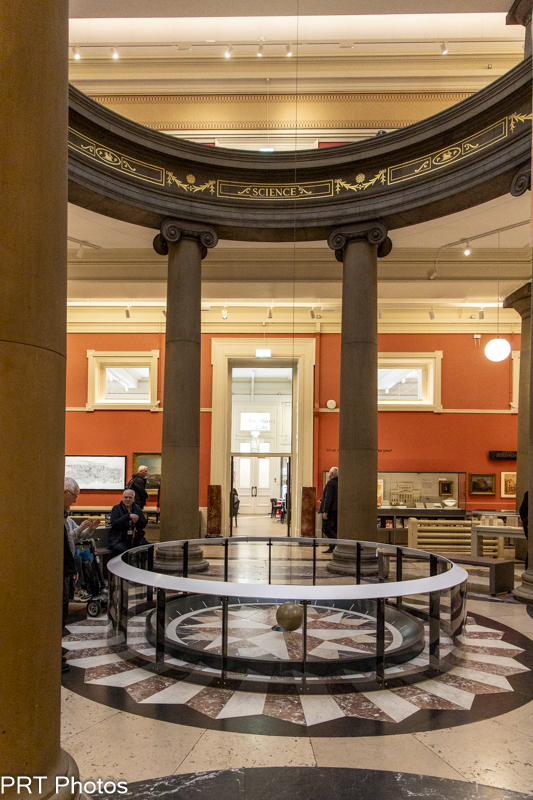
The Foucault pendulum was particularly impressive. At 35 metres, this is the longest Foucault pendulum in the UK.
Like any pendulum it swings from side to side, but in addition, the direction of the swing slowly rotates clockwise, due to the motion of the Earth. This is called precession. At the latitude in Preston (53 degrees north), the swing direction completes a full 360 degree turn in 30 hours.
The pendulum shows us the rotation of the Earth completely independently of the motion of the Sun or the stars. In history, some believed that Earth didn’t move, and the Sun and stars rotated around the Earth. In fact this became the official doctrine of the Catholic Church, and in 1600 Giordano Bruno was burned at the stake by the Inquisition for teaching that the Earth rotated and moved around the Sun.
Shortly after, in 1615, the scientist Galileo Galilei was also investigated by the Inquisition for the same Sun centred theory. Fortunately he decided to back down and admit that he might be wrong (he wasn’t) but he still had to spend the rest of his life under house arrest!
Finally, the matter was settled once and for all in 1851 when Leon Foucault constructed his pendulum in Paris.
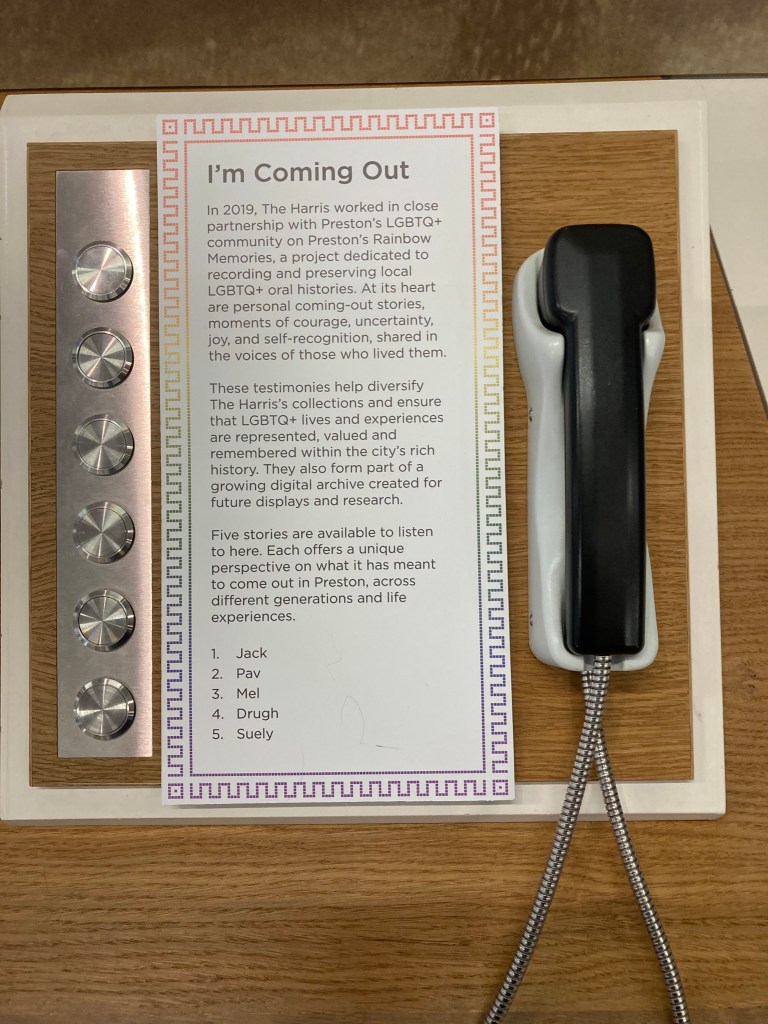
I also enjoyed listening to some “Coming Out” stories.
Remembering Candy Darling, a Trailblazing Trans Warhol Muse and Unlikely Star
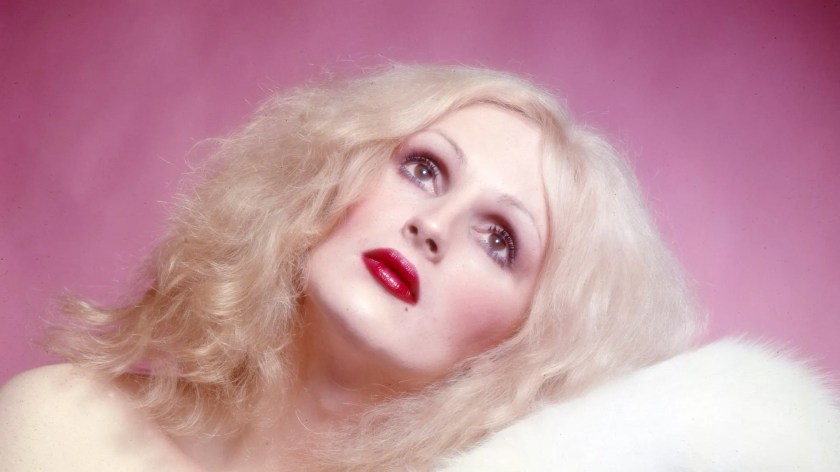
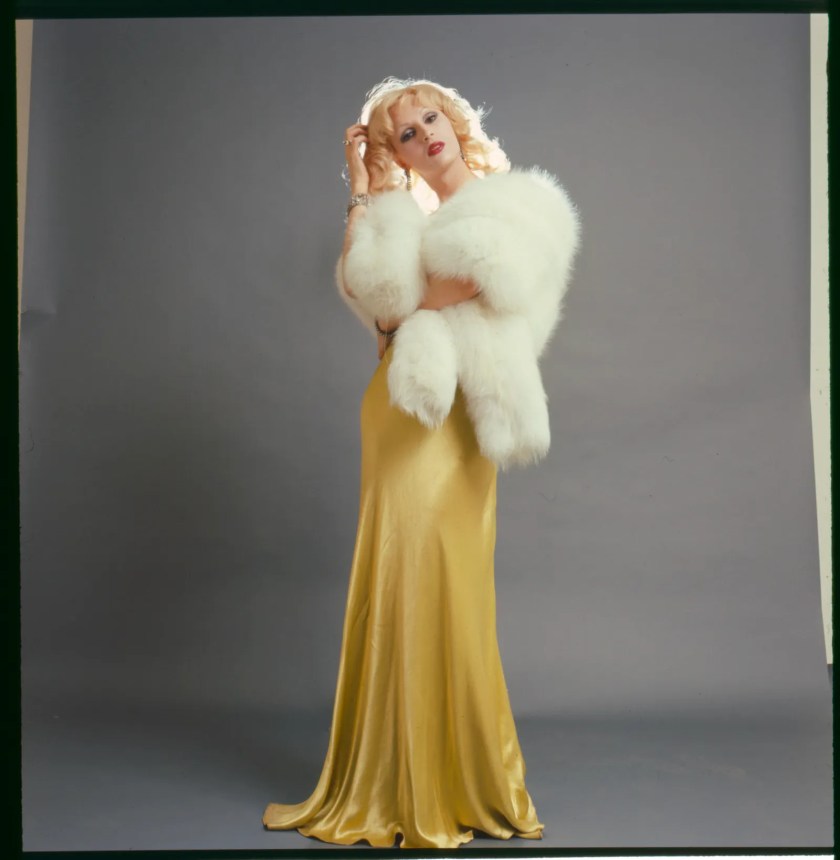
It’s hard to have one favourite photograph of Candy Darling, but mine lives in the New York Public Library’s Billy Rose Theatre Division. In this photo by Kenn Duncan, she’s wrapped in a white fur and a golden yellow dress, her signature blond curls falling loosely around dark eyes and red lips. She’s easily one of the most beautiful performers ever to grace analogue film.
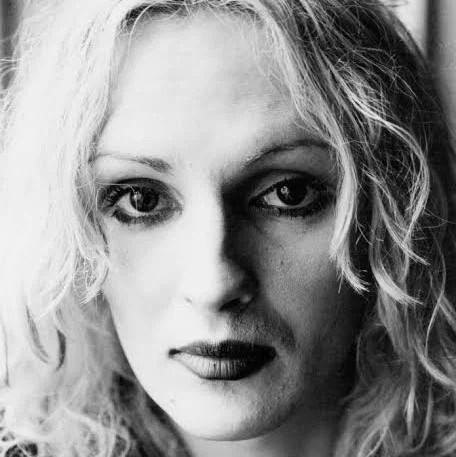
In her time, Candy Darling’s portrait was taken by some of the greatest photographers of their day, including Richard Avedon, Peter Hujar, and Cecil Beaton. As author Cynthia Carr shares in her biography Candy Darling: Dreamer, Icon, Superstar, Candy was apparently only more beautiful in person. But Carr’s biography, the first of its kind about the star, preserves her legacy as not just a great beauty, but as an actress, an artist and a trailblazer of contemporary transgender history.
Photo by Kenn Duncan, Billy Rose Theatre Division, The New York Public Library for the Performing Arts
Candy Darling is usually associated with Andy Warhol; she starred in two of the artist’s films, 1968’s Flesh and 1971’s Women in Revolt as one of his Superstars, as his coterie of on-screen performers were known. But she also appeared in theatre and film productions independently as a performer, though she never studied theatre. That Candy lived as a glamorous public persona at all, frequenting exclusive parties and appearing in cool downtown print publications like After Dark and Warhol’s Interview, is astounding for the time. The word “transgender” wasn’t even in use yet – the word “transsexual” was used then, though Candy only referred to herself as a woman and often wrestled with how to describe her gender identity. While she sought to embody a starlet persona on and off screen, she regularly faced discrimination and was often struggling to survive. Carr was initially spurred to write Candy’s biography in part because of these contradictions.
The thing I most admire about her is she seemed to figure out who she was when she was still a teenager and she made this statement: ‘I am me. Do not tell me what I’m supposed to be, accept me for what I am or stay away.’ It was a bold way to live at the time especially when there was so little trans visibility, aside from pioneering trans celebrity Christine Jorgensen. It’s still not that easy to be transgender as we know. In fact, it seems to be getting harder. In spite of the difficulties Candy faced, she sought to live in a world where she didn’t have to and wouldn’t apologise for being herself, something people still seek today.
There were people throughout Candy’s life who heeded her suggestions in both directions. In Manhattan, for example, Candy attended parties with Andy Warhol and high-end uptown socialites, but when visiting her mother’s home in Massapequa Park on Long Island, she was asked to arrive late at night and run into the house so nobody would see her.
Famed playwright Charles Ludlam loved her onstage and wanted her in his Ridiculous Theatrical Company, but thought it might be too difficult for her since he felt her life was so chaotic. While originally from Long Island, as immortalised in Lou Reed’s 1972 song “Walk on the Wild Side,” Candy rarely had a stable place to live. She lived a life of in-betweens, stunted by others’ social and artistic shortsightedness, fear, or what we’d call transphobia today. Where one person wanted to work with her because of her undeniable star power, like legendary playwright Tennessee Williams, for example, a potential producer or co-star might write her off as “a cheap drag queen”.
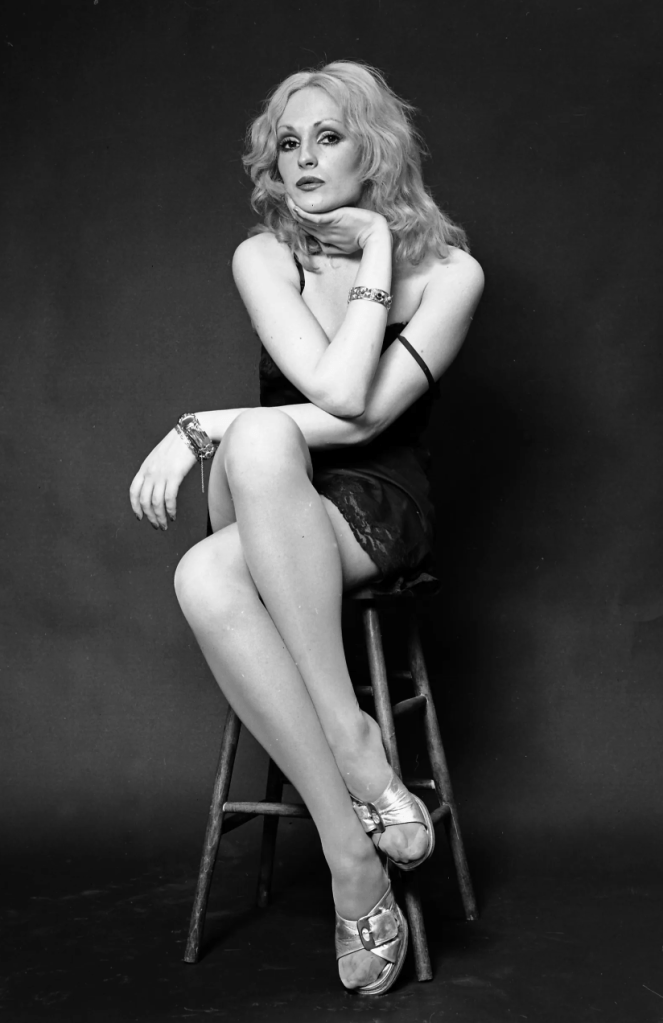
Jack Mitchell / Getty Images
She did eventually work with Williams, however, at one point starring alongside him in his 1972 play Small Craft Warnings. She also had a host of small parts in other films, and a larger supporting role in the 1971 film Some of My Best Friends Are … among the earlier films explicitly about being a queer person in New York. Even in the wake of others’ negativity, though, Candy imagined herself a beacon. “I’ve always felt my spirit was once a movie star,” she said. “I think I may have been Jean Harlow.”
Candy’s story appeared previously in the 2009 documentary Beautiful Darling by the actress’s longtime friend Jeremiah Newton, albeit in a more fragmented way. By Newton’s own admission, the story wasn’t as far reaching as he would have liked, mostly just chronicling their friendship. Newton approached Cynthia Carr to write the biography. She waded through all of the archival material Newton had compiled of Candy’s over the years to make it happen, and then some. Writing the biography took Carr 10 years, in part because Candy never had a long-term regular residence and her personal effects were scattered in so many different places, if they were kept at all.
This can be the nature of recording lives of some queer and transgender historical figures, those who may have faced homelessness and/or joblessness simply because of who they were, like Candy. This was also an era, as Carr writes, before we understood the personal as political. Another reason Candy is interesting is because she had no interest in politics. Candy just wanted to be Candy, to be glamorous and beautiful, to be a star like Jean Harlow or Kim Novak in the golden age of Hollywood, to be loved for who she was. In a life of juxtapositions, she’d succeed in some spheres – becoming a known downtown presence, for example – while also facing extreme challenges, like finding regular work and a place to live.
Carr’s biography sparkles with intricate details about the star’s life, but it’s also an unflinching portrait. Candy wasn’t a saint, as none of us are, and when some narratives about marginalised identities can lean toward exceptionalism, this is one that humanises its subject in all of her light and darkness, in all of her truths and fictions. Carr recognises queer figures from the margins may only get one shot at having their stories told, so it’s important to have all their layers in order to understand someone as a person and not a token.
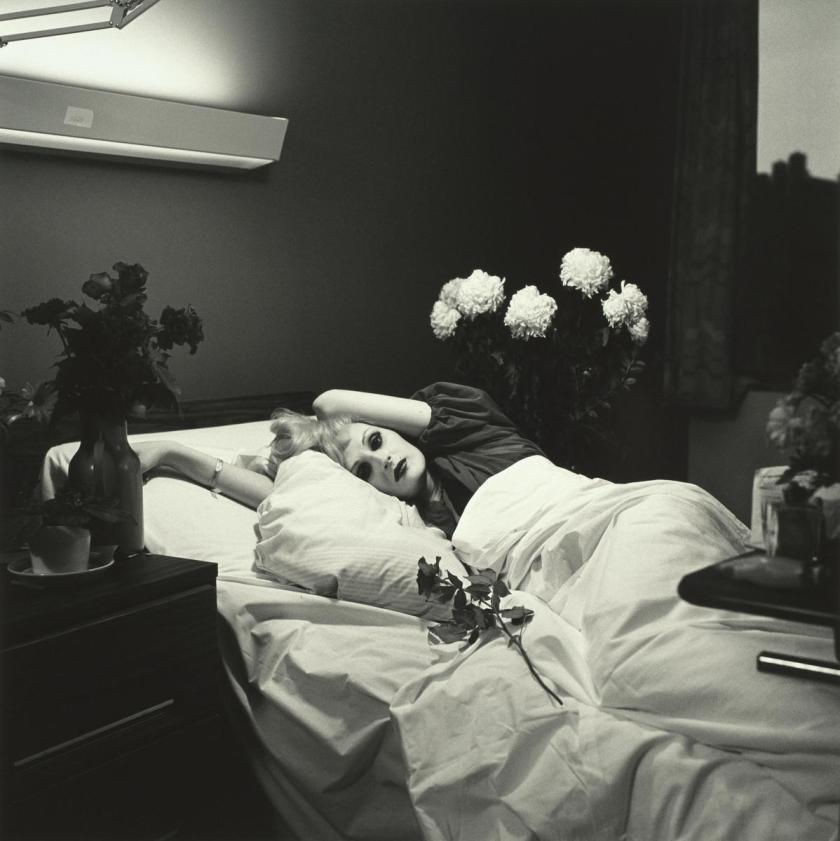
Candy created a fantasy world where she could be a starlet because that’s a place she could live happily and safely. It was also a place where she had a kind of control over her life and her narrative that she may not have had otherwise. She exercised this down to her last days, when she was in the hospital being treated for lymphoma. She asked Newton to find someone to photograph her, and the resultant image by Peter Hujar is now among the photographer’s most famous. At 29, Candy lies in the hospital surrounded by flowers, her makeup flawless. Hujar took the picture, but it was Candy who made herself immortal.
“She was the princess in the fairy tale, completely devoted to the fairy tale because that’s where she was allowed to be the woman she knew herself to be,” Carr writes. “It’s why she didn’t want an acting class. She wasn’t acting. She was living.”
Candy Darling died on 21 March 1974.
Ruth Coker Burks (born 19 March 1959)
She saw a red bag over a hospital door – and walked in anyway. What she found changed 1,000 lives.
1984. University Hospital, Little Rock, Arkansas.
Ruth Coker Burks, 25 years old, was visiting a friend when she noticed something that made the nurses turn away: a hospital room door marked with a big red biohazard bag.
She watched nurses draw straws to see who would have to go inside.
Ruth had a gay cousin. She understood what that red bag meant in 1984. AIDS. The disease that was killing young men by the thousands. The disease everyone feared touching, breathing near, even speaking about.
She didn’t draw straws. She walked in.
Inside was a skeletal young man, maybe 32 pounds, dying alone. He was terrified. He was in pain. And he kept asking for his mother.
Ruth told the nurses: “Call his mother.” They laughed. “Honey, his mother’s not coming. He’s been here six weeks. Nobody’s coming.”
Ruth convinced them to give her the mother’s phone number. She called one last time. The mother’s response was clear: her son was sinful, already dead to her, and she would not be coming to see him die.
So Ruth went back into that room. She took his hand. And she stayed.
For 13 hours, she held the hand of a stranger while he took his last breaths on Earth. When he died, his family refused to claim his body.
Ruth decided to bury him herself.
She owned hundreds of plots in her family’s cemetery – Files Cemetery – where her father and grandparents were buried. “No one wanted him,” she said, “and I told him in those long 13 hours that I would take him to my beautiful little cemetery, where my daddy and grandparents were buried, and they would watch out over him.”
The closest funeral home willing to cremate an AIDS patient was 70 miles away. Ruth paid out of her own savings. A friend at a local pottery gave her a chipped cookie jar to use as an urn.
She used posthole diggers – the kind you use to build fences – to dig the grave herself.
She buried him, and she said a few kind words, because no priest or preacher would come to speak over the grave of a man who died of AIDS. Ruth thought that would be the end of it.
It was only the beginning.
Word spread across Arkansas: there’s a woman in Hot Springs who isn’t afraid. There’s a woman who will sit with you when you’re dying. There’s a woman who will bury you when your family won’t. They started coming. From rural hospitals across the state. Dying young men, abandoned by the people who were supposed to love them most. Ruth became their hospice.
Over the next ten years, Ruth Coker Burks cared for more than 1,000 people dying of AIDS – most of them young gay men whose families had disowned them.
She buried 40 of them herself in Files Cemetery. Her young daughter would come with her, carrying a little spade while Ruth worked the posthole diggers. They’d have “do-it-yourself funerals” because still, no one would say anything over their graves.
Out of those 1,000 people, only a handful of families didn’t reject their dying children. Ruth would call parents. She’d beg them to come. To say goodbye. To claim their child’s body.
Most refused. “Who knew there’d come a time,” Ruth said, “when people didn’t want to bury their children?”
But while Ruth saw the worst in people – parents abandoning children, churches refusing burials, communities turning their backs – she also saw the best.
She watched gay men care for their dying partners with devotion that would break your heart. “I watched these men take care of their companions and watch them die,” she said. “Now, you tell me that’s not love and devotion.”
And she saw how the community (lesbians and gay men) supported each other – and her. “They would twirl up a drag show on Saturday night and here’d come the money. That’s how we’d buy medicine, that’s how we’d pay rent. If it hadn’t been for the drag queens, I don’t know what we would have done.”
The drag queens fundraised. The gay community rallied. Ruth kept digging graves and holding hands and making sure no one died alone.
By the mid-1990s, better treatments emerged. Education improved. Social acceptance – slowly, painfully – began to shift. Ruth’s work became less necessary. She stopped caring for patients personally.
And then, like so many heroes of the AIDS crisis, Ruth Coker Burks was largely forgotten.
Her story slipped into the background of history, known only to the community she’d served and the few who remembered what Arkansas was like in the 1980s, when dying of AIDS meant dying abandoned.
But Ruth never forgot the 40 people buried in Files Cemetery. The ones in cookie jars and ceramic urns. The ones whose families never came. The ones she’d promised would be remembered.
For years, she dreamed of a memorial. Something to say: this happened. These people existed. They were loved. They mattered. Thanks to a crowdfunding campaign, that memorial is finally being built.
Ruth hopes it will read, in part:
“This is what happened. In 1984, it started. They just kept coming and coming. And they knew they would be remembered, loved and taken care of, and that someone would say a kind word over them when they died.”
Ruth Coker Burks is in her 60s now. She wrote a memoir in 2020 called “All the Young Men” because she wanted people to know what happened in Arkansas in the 1980s. What happened across America. What happens when fear and prejudice convince people to abandon their own children.
What happens when one person decides to walk through the door everyone else is afraid to open.
She didn’t have medical training. She didn’t have institutional support. She didn’t have much money. She had compassion. She had courage. And she had posthole diggers and a family cemetery. That was enough to make sure 1,000 people didn’t die alone.
The next time someone tells you one person can’t make a difference, remember Ruth Coker Burks.
Remember the red bag on the door.
Remember the 13 hours she stayed.
Remember the 40 graves she dug herself.
Remember the drag queens who organised fundraisers on Saturday nights.
Remember that compassion is stronger than fear.
Remember that sometimes the most powerful thing you can do is simply refuse to let someone die alone.
Ruth saw a red bag over a hospital door in 1984.
She walked in anyway.
1,000 lives were changed because of it.
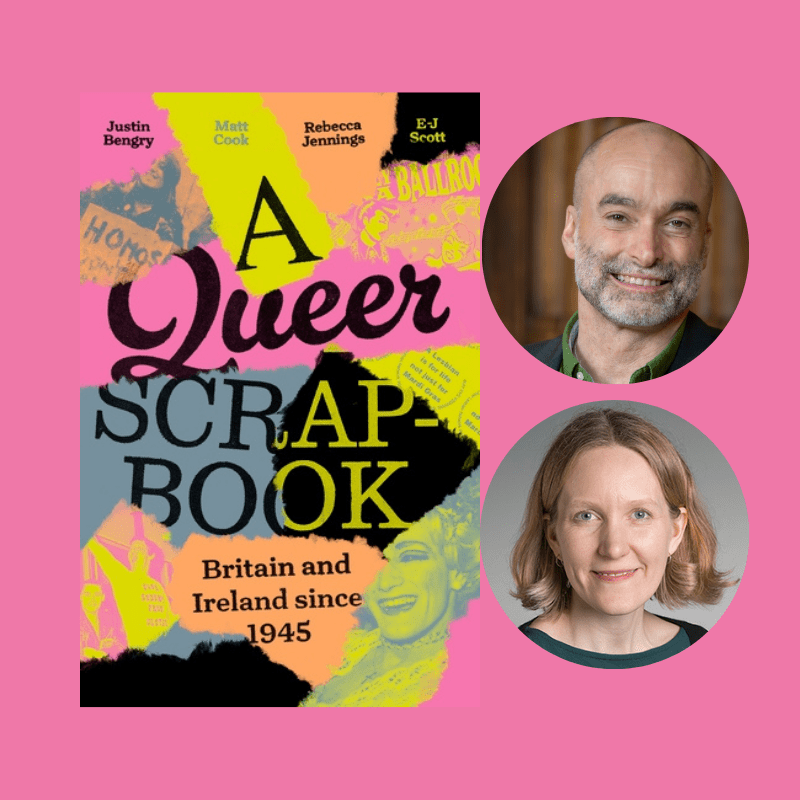
Thursday, 26 March – 6.00pm – 7.00pm – A Queer Scrapbook – Free
Join us for the second instalment of our Salon series, where we will be joined by book editors Rebecca Jennings and Matt Cook in discussion of their new release, A Queer Scrapbook.
A Queer Scrapbook offers a treasure trove of LGBTIQ+ histories from across Britain and Ireland. Packed with materials, from interviews and newspaper articles to photographs and flyers, the book explores urban, rural and regional queer life since 1945.
📅 Thursday, 26 March 2026 – 6.00pm – 7.00pm.
📍 Manchester Histories Hub, Lower Ground Floor, Manchester Central Library / Online.
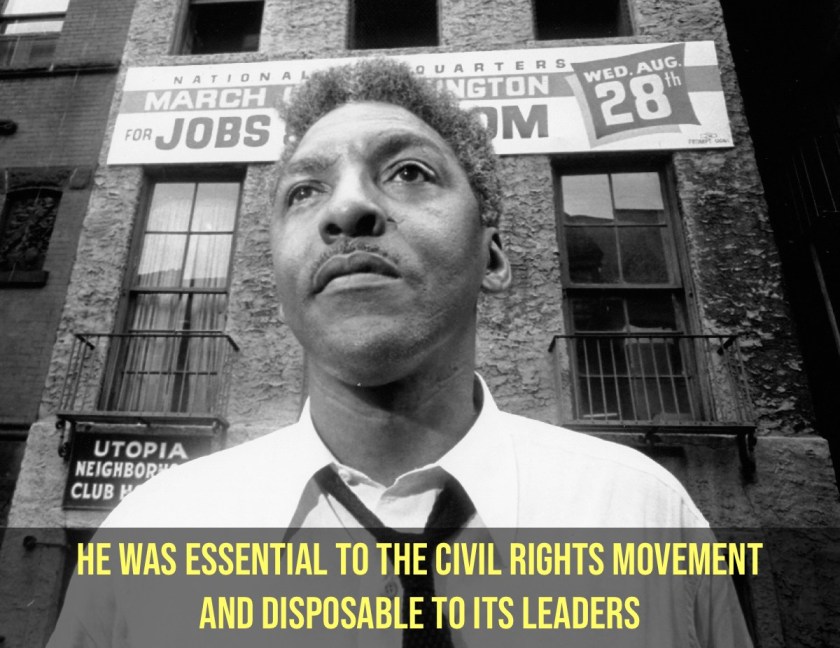
Bayard Rustin was born on 17 March 1912. He built the civil rights movement. But instead of being celebrated, he was hidden like a shameful secret.
He helped plan the 1963 March on Washington. He coached Dr Martin Luther King Jr on nonviolence. He also helped win the labour movement into the civil rights movement. But through it all, he was told to stand offstage, to stay out of sight, and to keep quiet about being gay.
He did the work anyway. Bayard Rustin was the chief architect of the 1963 March on Washington.
He believed mass protest only worked if workers were involved. He pushed civil rights leaders to see economic justice as non-negotiable, not a side issue. That belief came straight from labour organising.
Rustin helped build the first major Black labour union. He understood how organised workers could shut down injustice faster than speeches ever could. He argued that racism thrived where poverty was protected. If you wanted real freedom, you had to confront both.
That made him dangerous.
It also made him inconvenient to people who needed him but did not want to defend him. Rustin was arrested in 1953 for having sex with another man. Opponents waved that charge like a warning label. Allies treated it like a reason to sideline him.
After a congressman threatened to falsely accuse Rustin and Martin Luther King Jr of being “gay lovers,” MLK forced Rustin out of his inner circle and leadership roles.
Three years later, he asked Rustin to organise the March on Washington. Rustin planned it but had to stay in the background, ensuring everything ran smoothly.
Later in life, Rustin wore his sexuality more openly. He spent his final decade advocating for gay rights, insisting the movement belonged inside civil rights, not outside it.
In 1977, he met Walter Naegle, a younger man who became his partner and caregiver. The law did not recognise their relationship, and marriage was not an option. So they found a workaround that says everything about the era.
Rustin adopted Naegle. Not as a metaphor or a gesture, but as a legal act. It was the only way they could have a family protected by law, including access to each other in a hospital, inheritance and basic dignity. Love translated into paperwork. That was love under constraint.
Rustin died in 1987. He never saw marriage equality or federal labour protections catch up to his vision.
But his argument still holds: civil rights without economic justice is unfinished business. LGBT+ freedom without material security is fragile.
Manchester-produced queer film wins BAFTA award
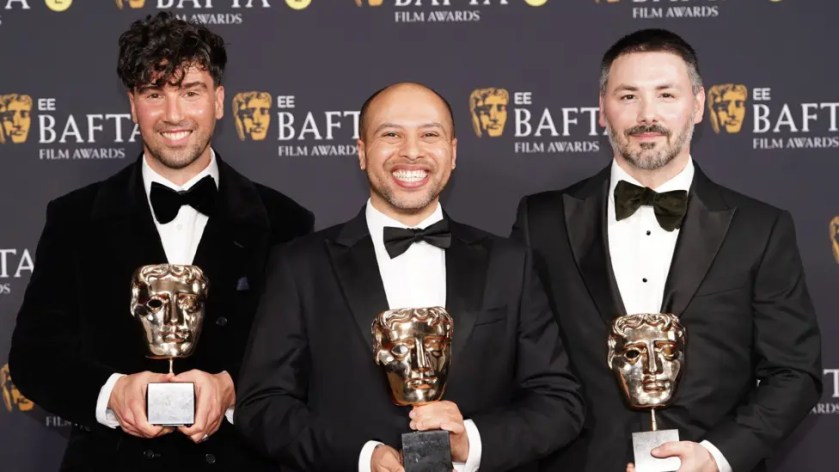
Two Black Boys in Paradise was written by Ben Jackson (left), Dean Atta (centre), and by Baz Sells (right)
An animated film produced in Manchester has won a BAFTA. Two Black Boys in Paradise picked up top honours at 19 festivals, including the Oscar-qualifying Woodstock Film Festival in New York and the BAFTA-qualifying festivals Thessaloniki Animation Festival and Encounters Film Festival.
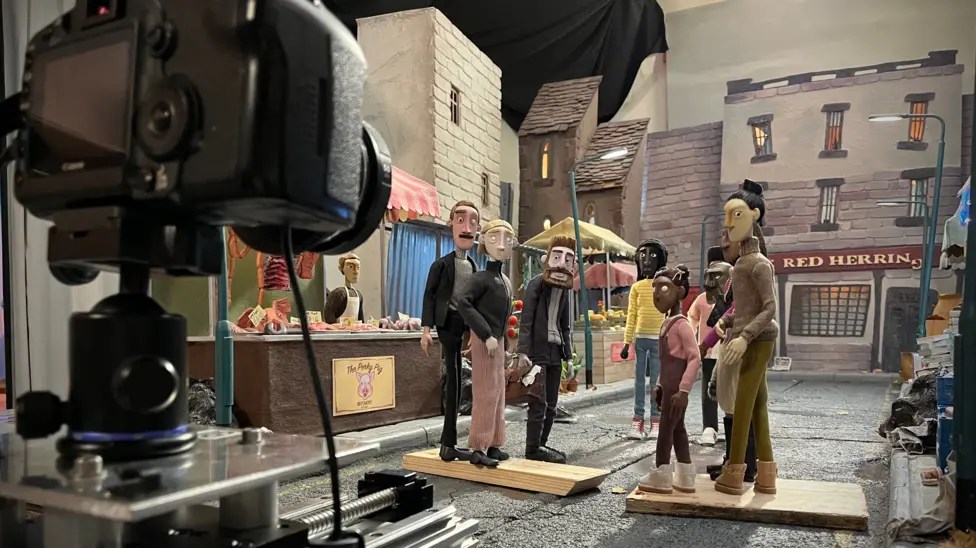
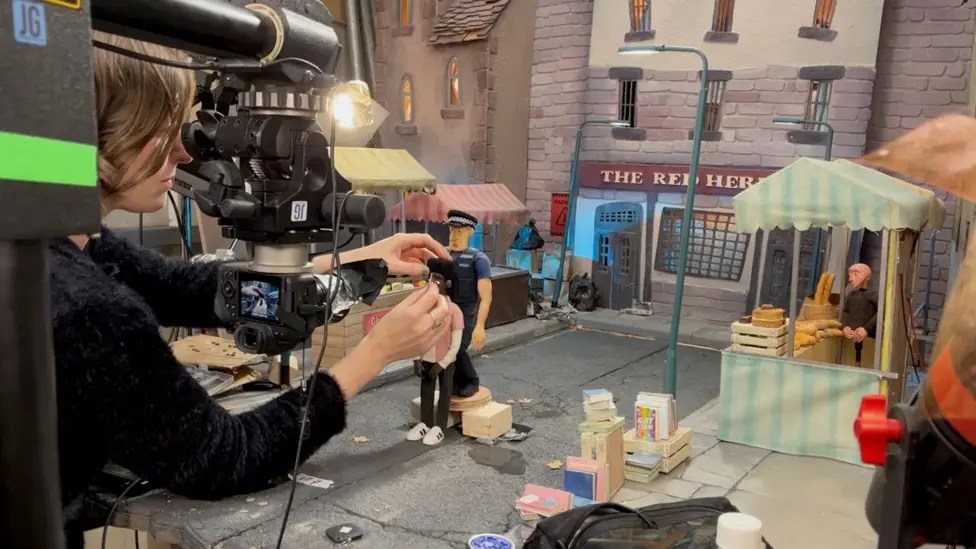
Two Black Boys in Paradise, which was filmed in a warehouse in the Cheetham Hill area, was awarded the 2026 BAFTA Film Award for British Short Animation.
Filmmakers Ben Jackson, Baz Sells and Dean Atta were presented with the BAFTA for the nine-minute film – based on a poem by award-winning writer Dean Atta – at the awards ceremony in London.
Producer Jackson said winning the award was “absolutely everything beyond his wildest dreams”. “So many people gave so much to it over five years,” he said. “So for everyone involved, I’m just really proud and really happy.”
Two Black Boys in Paradise has won multiple awards since its release
Two Black Boys in Paradise was produced by Manchester-based One6th Animation – a production company founded by Jackson and Sells in 2018.
Described by Jackson as a “genuine passion project” for both him and director Sells – the film took five years to complete and has won 22 international awards since its release in November 2025.
The stop-motion short follows Edan, 19, and Dula, 18 – two young black boys on a journey toward self-acceptance.
Inspired by Atta’s poem, There is (Still) Love Here, the film explores the themes of race, sexuality and identity – and tackles homophobia and racism through a tender, hopeful lens.
The plot follows the teens’ love for each other and their refusal to conceal it, following their journey to a “paradise free from shame and judgement”, as described by One6th Animation.
The film is a ‘celebration of queer love and queer black love’
Speaking of their win, poet and co-writer Dean Atta said he feels “incredibly proud of the whole team”.
He added: “I’m glad we could bring so many people with us today to celebrate this journey, which has been the ride of a lifetime and I’m really grateful to Baz and Ben for taking me on this journey with them.”
Film director Sells said: “The recognition is incredibly welcome because so many people worked so hard.
“There were a lot of tough challenges that were only overcome because we had such an extraordinary crew.
“I’m so proud of Ben and Dean for bringing their stories to the screen and allowing us collectively to share it with the world.”
Top EU court issues landmark transgender rights ruling
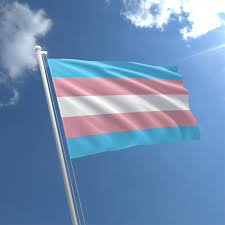
On 12 March 2026 the European Union’s highest court ruled that member states must allow transgender people to legally change their name and gender on ID documents.
The EU Court of Justice in Luxembourg issued the ruling in the case of “Shipova,” a trans woman from Bulgaria who moved to Italy.
“Shipova” had tried to change her gender and name on her Bulgarian ID documents, but courts denied her requests for nearly a decade.
A ruling the Bulgarian Supreme Court of Cassation issued in 2023 essentially banned trans people from legally changing their name and gender on ID documents. Two Bulgarian LGBT and intersex rights groups – the Bilitis Foundation and Deystvie – and ILGA-Europe and TGEU – Trans Europe and Central Asia supported the plaintiff and her lawyers.
“Because her life in Italy also depended on her Bulgarian documents, the lack of documents reflecting her lived gender creates an obstacle to her right to move and reside within EU member states,” said the groups in a press release. “This mismatch between her gender identity and expression and her gender marker in her official documents leads to discrimination in all areas of life where official documents are required. This includes everyday activities such as going to the doctor and paying for groceries by card, finding employment, enrolling in education, or obtaining housing.”
Denitsa Lyubenova, a lawyer with Desytvie, in the press release said the case “concerns the dignity, equality, and legal certainty of trans people in Bulgaria.”
TGEU Senior Policy Officer Richard Köhler also praised the ruling “Today, the EU Court of Justice has taken an important step towards a right to legal gender recognition in the EU,” said Köhler. “Member states must allow their nationals living in another member state to change their gender data in public registries and identity cards to ensure they can fully enjoy their freedom of movement. National laws or courts cannot stand in their way. Thousands of trans people in the EU are breathing a sigh of relief today.”
Lynn Oddy
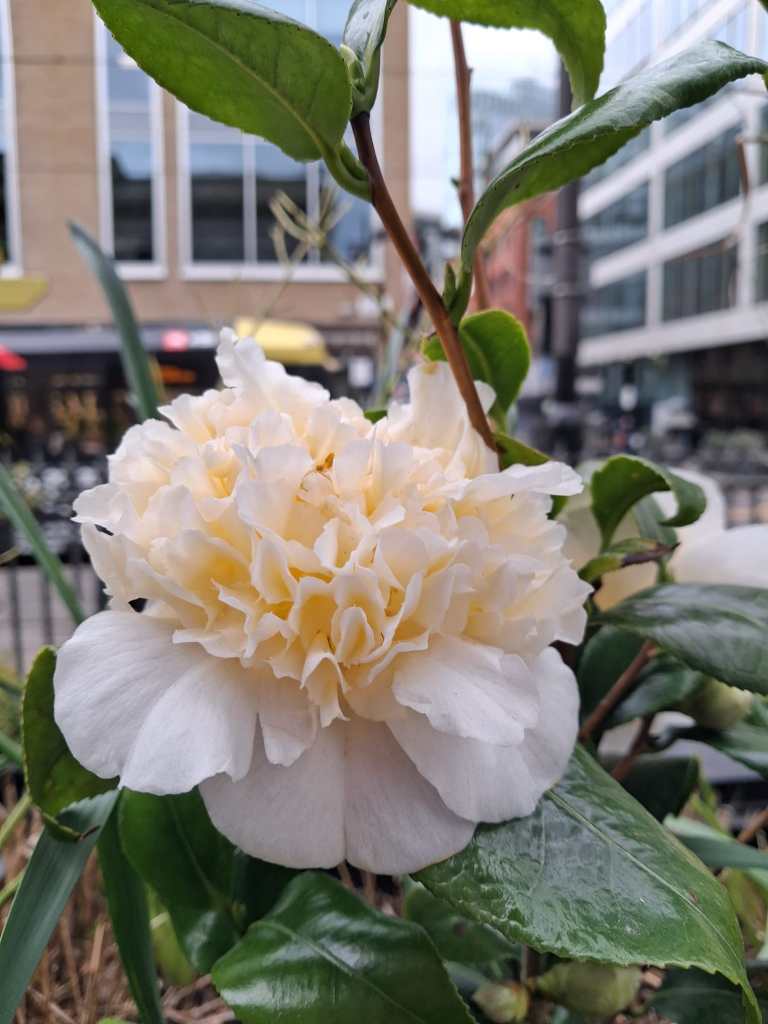
It would have been Lynn’s birthday on 13 March.
The Camelia we got in memory of Lynn is in flower now. It’s in the Jarman Garden at the front of Manchester Art Gallery on Mosley Street. The garden is maintained by six Pride in Ageing volunteers (all of whom are also Out In The City members).
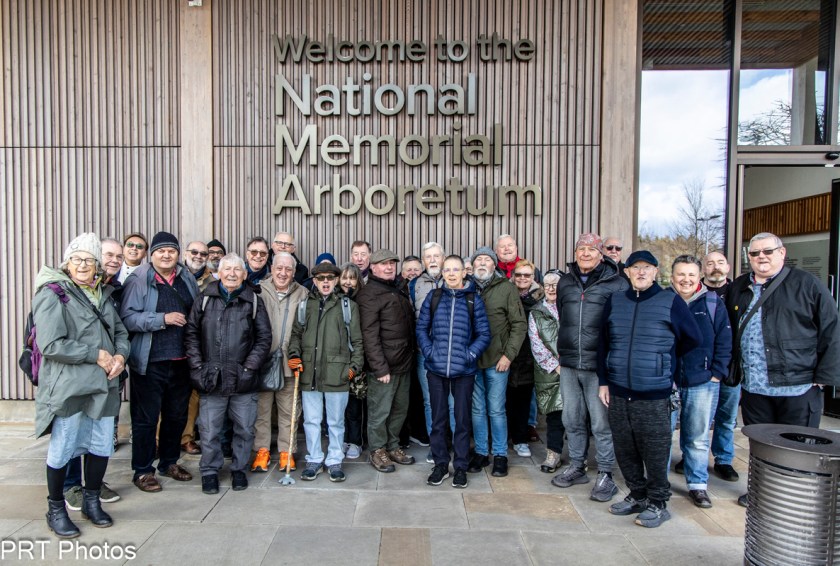
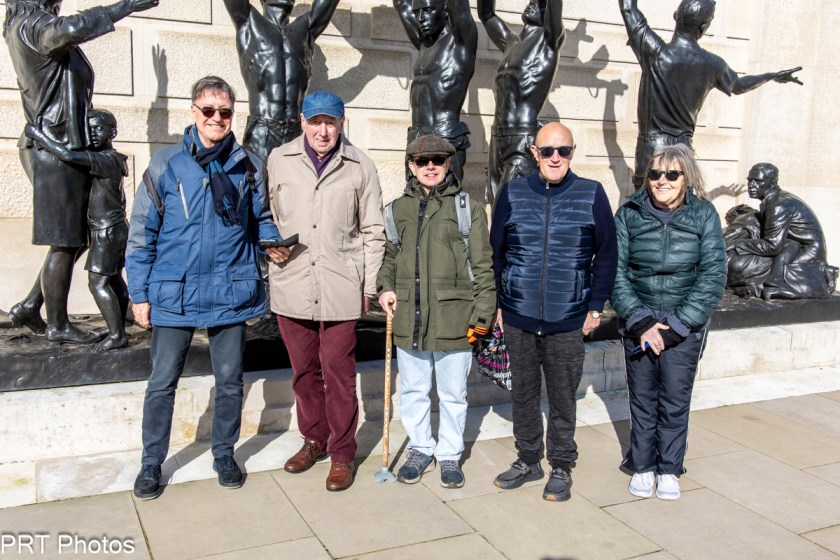
The National Memorial Arboretum is a British site of national remembrance at Alrewas, near Lichfield, Staffordshire.
The National Memorial Arboretum is a space where everyone can celebrate lives lived and remember lives lost.
A beautiful and inspiring place, the 150-acres of the Arboretum form a living landscape, a home for more than 400 memorials waiting to be discovered.
Tales of bravery shown in the most extraordinary of times, selfless service and sacrifice, camaraderie and care are represented by the memorials. From the Armed Forces and Emergency Services to civilian organisations that supported our Nation in times of need, people from all walks of life are represented by the memorials, with designs that are rich in symbolism reflecting those they remember.
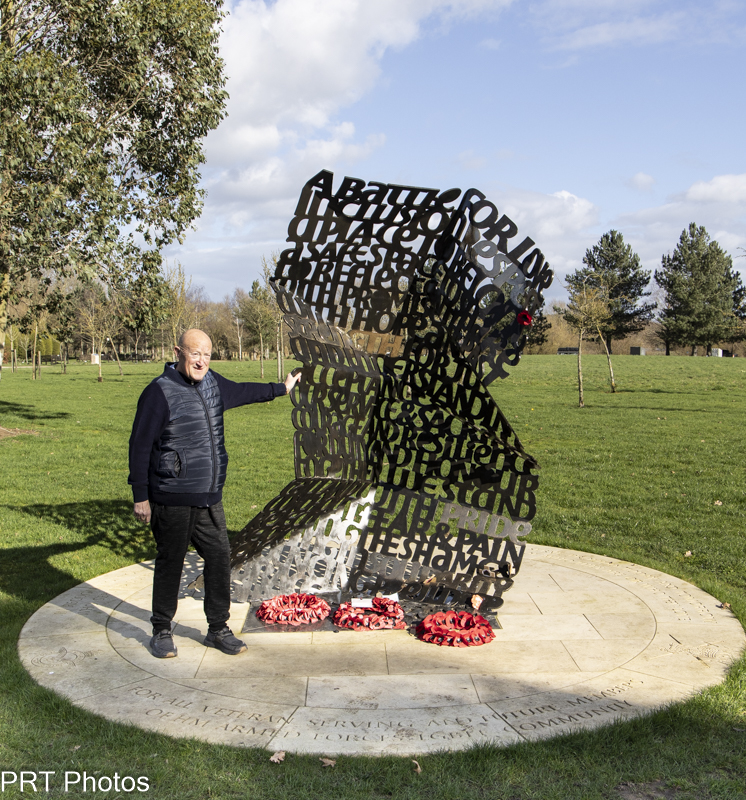
No More Shame
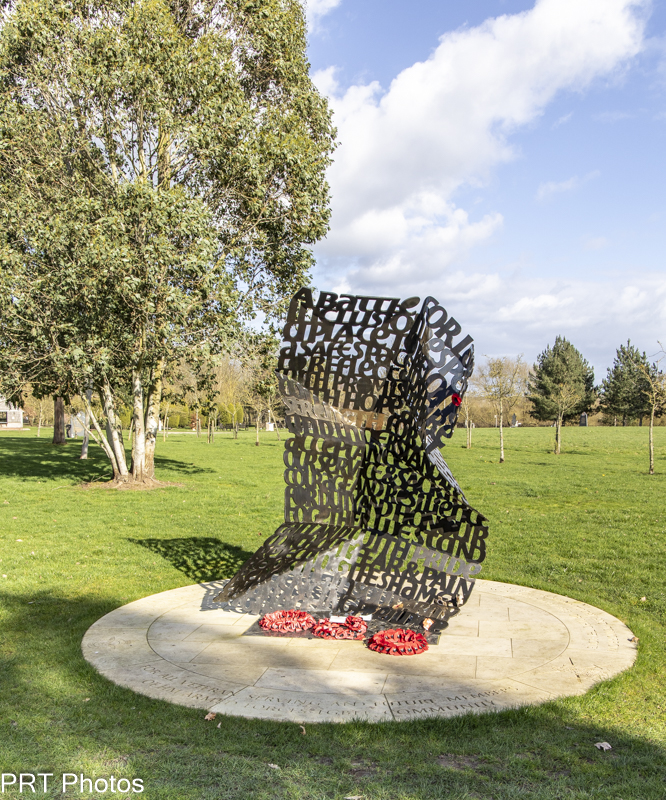
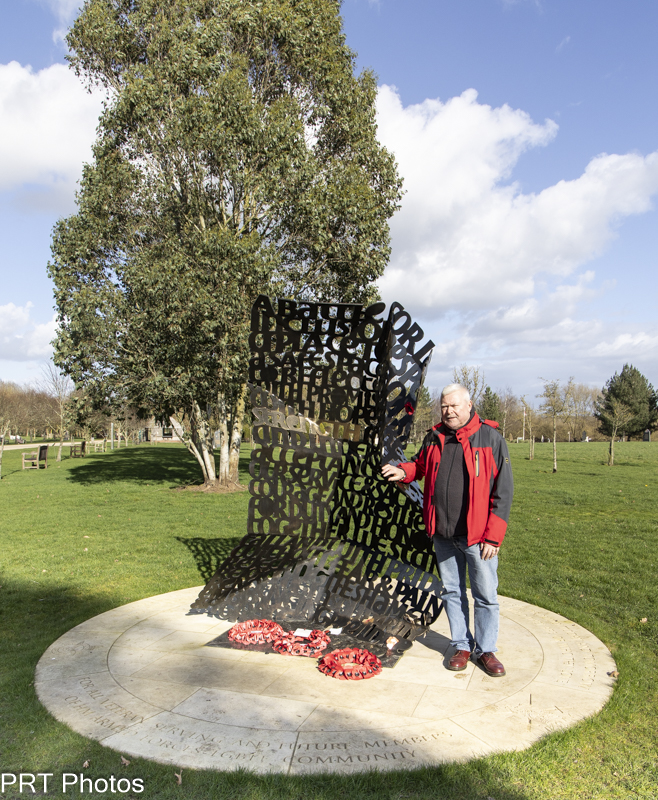
One of the Memorials is a sculpture, named An Opened Letter, which was unveiled by King Charles III to commemorate LGBT+ veterans affected by the ban of same-sex couples in the armed forces until 2000. It was his first official engagement in support of the LGBT+ community.
The sculpture resembles a crumpled piece of paper containing words from personal letters which were used as evidence to incriminate people.
During the time of the ban, those who were gay – or were perceived to be – faced intrusive investigations, dismissal and in some cases imprisonment.
In this episode of Chaps Out Culture, host Grant Philpott is joined again by guest Norman Goodman who recommends Bi Community News, a quarterly magazine dedicated to bisexual people across the UK and beyond.
Norman describes the publication as essential reading for anyone who is bisexual, especially those who are just coming out. With community listings, advice, personal stories, legal guidance, health awareness, adoption information, and features on bisexual lives, Bi Community News plays a vital role in increasing bisexual visibility and representation in a world where bi voices are often overlooked.
The episode explores why bisexual representation matters, how media can help people feel seen and understood, and why having dedicated bi spaces is so important for mental health, connection, and confidence. Norman also shares his wider LGBTQ+ cultural highlights, including film recommendations and reflections on the power of storytelling to change lives.
If you’re passionate about queer culture, LGBTQ+ history, meaningful conversations, or uncovering hidden cultural treasures, this episode is made for you.
Publishing Queer Berlin
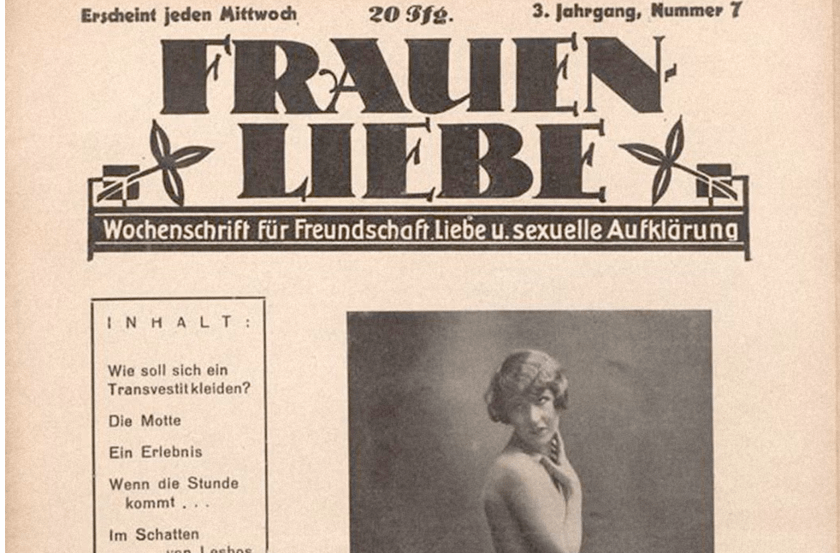
A cover of Frauen Liebe, 1928 via Wikimedia Commons
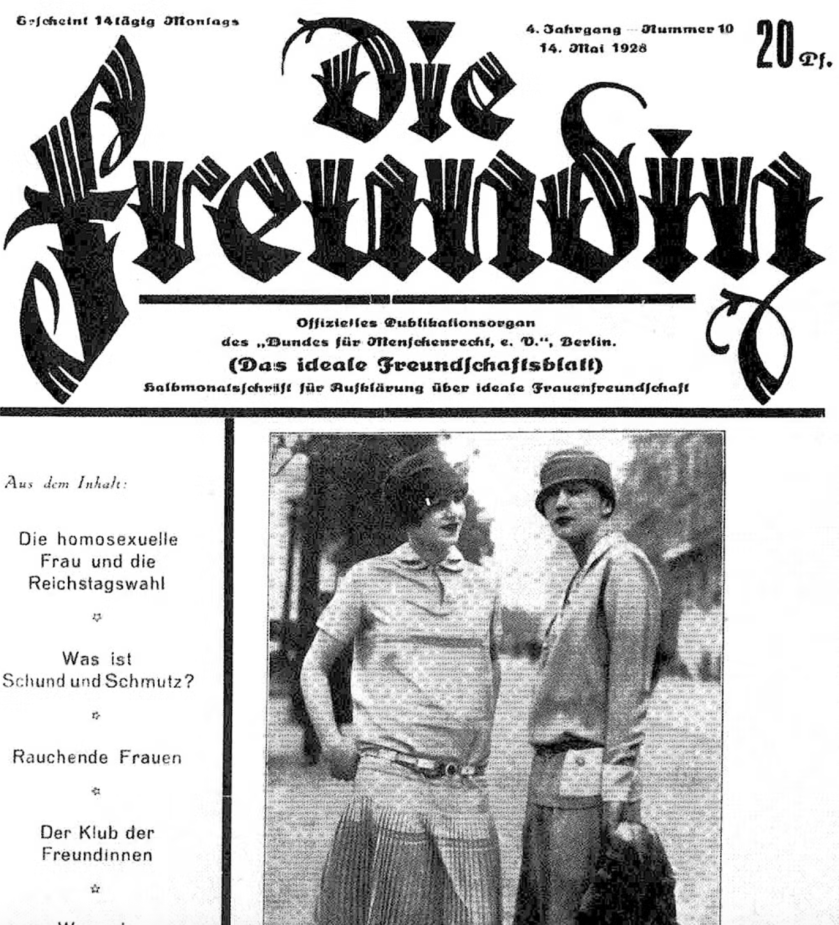
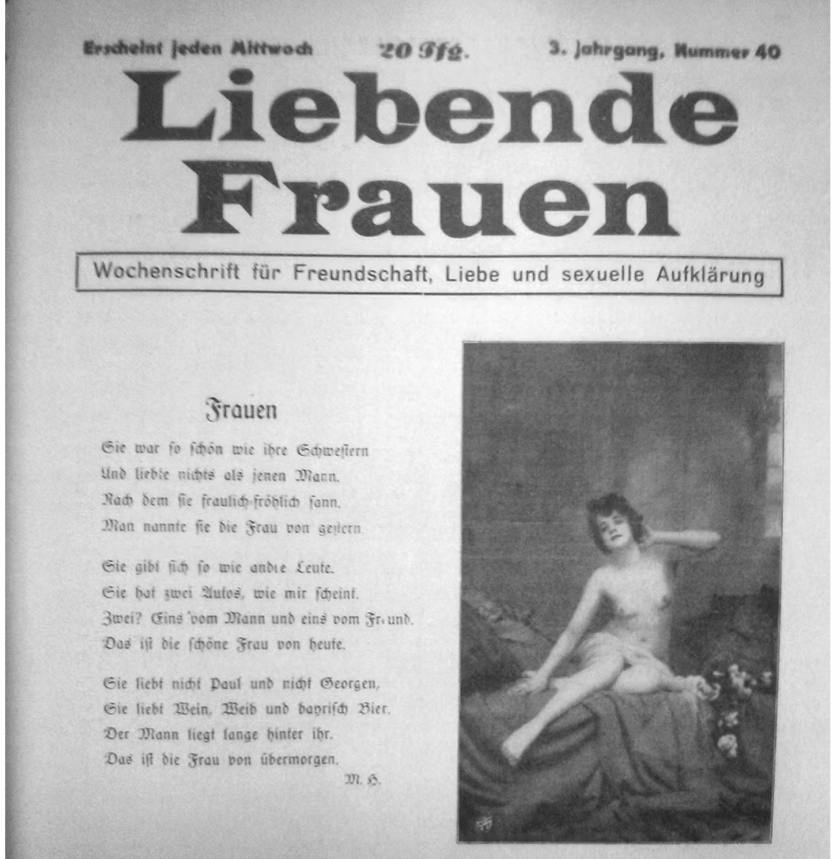
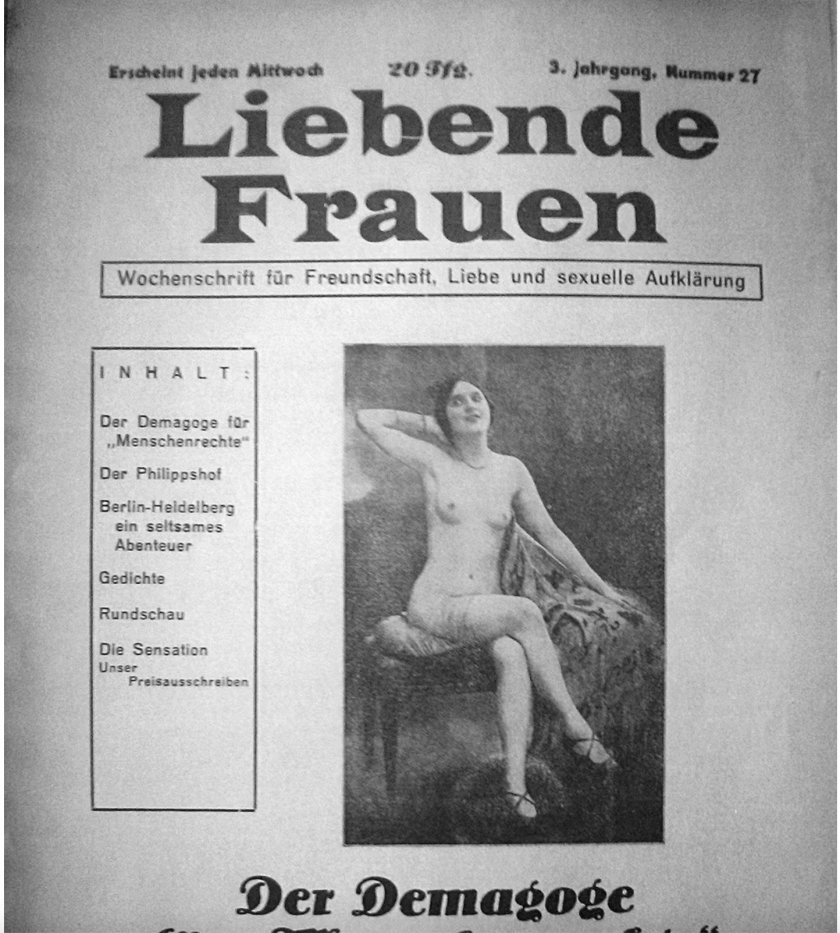
Berlin in the 1920s was ablaze with sexual and gender freedom. Magazines at newsstands boasted covers featuring people who were transgender and clad scantily. Their headlines touted stories on “Homosexual Women and the Upcoming Legislative Elections,” and offered, on occasion, homoerotic fiction inside its pages.
Publications like Die Freundin (The Girlfriend); Frauenliebe (Women Love, which later became Garçonne); and Das 3. Geschlecht (The Third Sex, which included writers who might identify as transgender today), found dedicated audiences who read their takes on culture and nightlife as well as the social and political issues of the day. The relaxed censorship rules under the Weimar Republic enabled gay women writers to establish themselves professionally while also giving them an opportunity to legitimise an identity that only a few years later would be under threat.
“Reading stories about other queer women was such a powerful way that women came to terms with their own queerness,” Laurie Marhoefer, a professor of history at the University of Washington, said. “That was super important for women more than for men because men would just have more opportunities to find other queer people.” Marhoefer, who first learned of these publications as a graduate student in Berlin in the 2000s, is part of a growing group of academics focusing on this oft-forgotten moment in German history.
The primary source documents that miraculously survived the period of the Third Reich and subsequent and repressive Cold War years provide a rich and complicated picture.
There were some twenty-five to thirty queer publications in Berlin between 1919 and 1933, most of which published around eight pages of articles on a bi-weekly basis. Of these, at least six were specifically oriented toward lesbians. What made them unique is the space they made for queer women, who had traditionally been marginalised on account of both gender and sexuality, to grapple with their role in a rapidly changing society.
An issue of German lesbian periodical Die Freundin, May 1928 via Wikimedia Commons
In these interwar years in Germany, queer and transgender identity became more accepted, in large part thanks to the work of Magnus Hirschfeld, a Jewish doctor whose Institut für Sexualwissenschaft focused on issues of gender, sex, and sexuality. At the same time, women in Germany were making strides toward greater independence and equity; they gained the right to vote in 1918, and feminist organisations like Bund Deutscher Frauenvereine cultivated space for women in public spheres, encouraging their advancement in politics. The German Communist Party created the Red Women and Girls’ League in 1925 to attract more women and working-class people, particularly through organising factory workers.
More generally, German women were becoming increasingly empowered. LGBT people – including women – rallied around the abolishment of contemporary sodomy laws. This struggle created a wider climate of publication, activism, and social organisation that was much more embracing of different types of queer and trans lives.
Magazine fiction of the time challenged some of the restrictions of class and race in its love stories. A 1932 issue of Die Freundin, for instance, includes a story about a relationship between the German Töpsdrill and the Moroccan Benorina. Exoticising of the “other” was common; In another piece of fiction published in Ledige Frauen (Single Women) in 1928 about Helga, a German coffee importer, who falls for Nuela, a servant from Java. Notwithstanding the white, sometimes racist perspectives of the narrators, such stories offered compelling renderings of women-centred utopias.
Outside of fantasy, these publications also created a space for readers to assert themselves in the real world through personal ads and event listings. These included cream puff eating contests, ladies and trans balls, and lake excursions on paddle steamers. In fact, aspects of lesbian culture also seeped into the mainstream, particularly when it came to fashion, with a rise in the popularity of short haircuts, straight skirts, and pantsuits. There was little difference between the imagery in mainstream fashion magazines and the masculinised aesthetic eroticised in the queer ones. The hint of queerness in the mainstream was sexy and fascinating, but also a bit scary and potentially off putting. A popular element in lesbian publications, the monocle was similarly charged, and a queerly coded, quite masculine symbol of owning the gaze.
Such sartorial choices were in keeping with debates in the lesbian magazines of the time around the extent that masculinity might be seen as hierarchically superior to that of the feminine lesbian women. Moreover, these debates foreshadowed the butch/femme debates of the 1980s and 1990s.
Style was particularly significant for trans women and men who in the Weimar Republic defined themselves with a variety of terms: both as transvestites and masculine women who wore men’s clothes but identified as women. Trans people were given space in both their own magazines and even in some of the lesbian ones, highlighting a sense of cross-identity camaraderie. Die Freundin had a regular trans supplement highlighting these voices.
In a 1929 issue, a writer named Elly R criticised the treatment of trans people in mainstream media, referencing sensational coverage of men wearing their wives’ wedding dresses. “Everywhere in nature we find transitional forms, in the physical and chemical bodies, in the plants and the animals,” she wrote. “Everywhere one form passes into another, and everywhere there is a connection. Nowhere in nature is there a delimited, fixed type. Is it only in man that this transition should be missing? As there is no fixed form in nature, a strict separation between the sexes is also impossible.”
From the lesbian magazine Liebende Frauen, Berlin, 1928 via Wikimedia Commons
These magazines were resilient, a testament to the strength of the communities they served. Still, they faced challenges. The 1926 Harmful Publications Act was intended to impose moral censorship on the widespread pulp literature sold at kiosks and newsstands, including the queer publications, which often featured nude photographs.
The Catholic and Protestant Churches as well as public morality organisations and conservative politicians led the fight against what they called “trash and filth literature.”
Despite their relative progressivism, these publications also represented a rather narrow, bourgeois segment of the German population. Even if women had greater access to education and publishing opportunities, the women who enjoyed this greater access were largely urban elites. The plight of sex workers was largely excluded from consideration.
These magazines gave precious little foresight into what was to come in Germany: the attempted extermination of all who did not fit the Aryan ideal. That, of course, included lesbians.
As feminist and queer activism grew in Germany in the 1970s, so too did interest in the Weimar period. In 1973, Homosexual Action West Berlin began to collect flyers, posters, and press releases in an effort to create a comprehensive archive of lesbian history. The group eventually morphed into Spinnboden, Europe’s largest and oldest lesbian archive, with more than 50 thousand items in its holdings, magazines among them.
Katja Koblitz, who runs the archive, says the existence of these lesbian periodicals is invaluable. “These magazines were in one part a sign of the blossoming and of the richness of the lesbian subculture in these days,” she said. “Reading these magazines was a form of reassurance: Here we are, we exist.”





 Out in the City