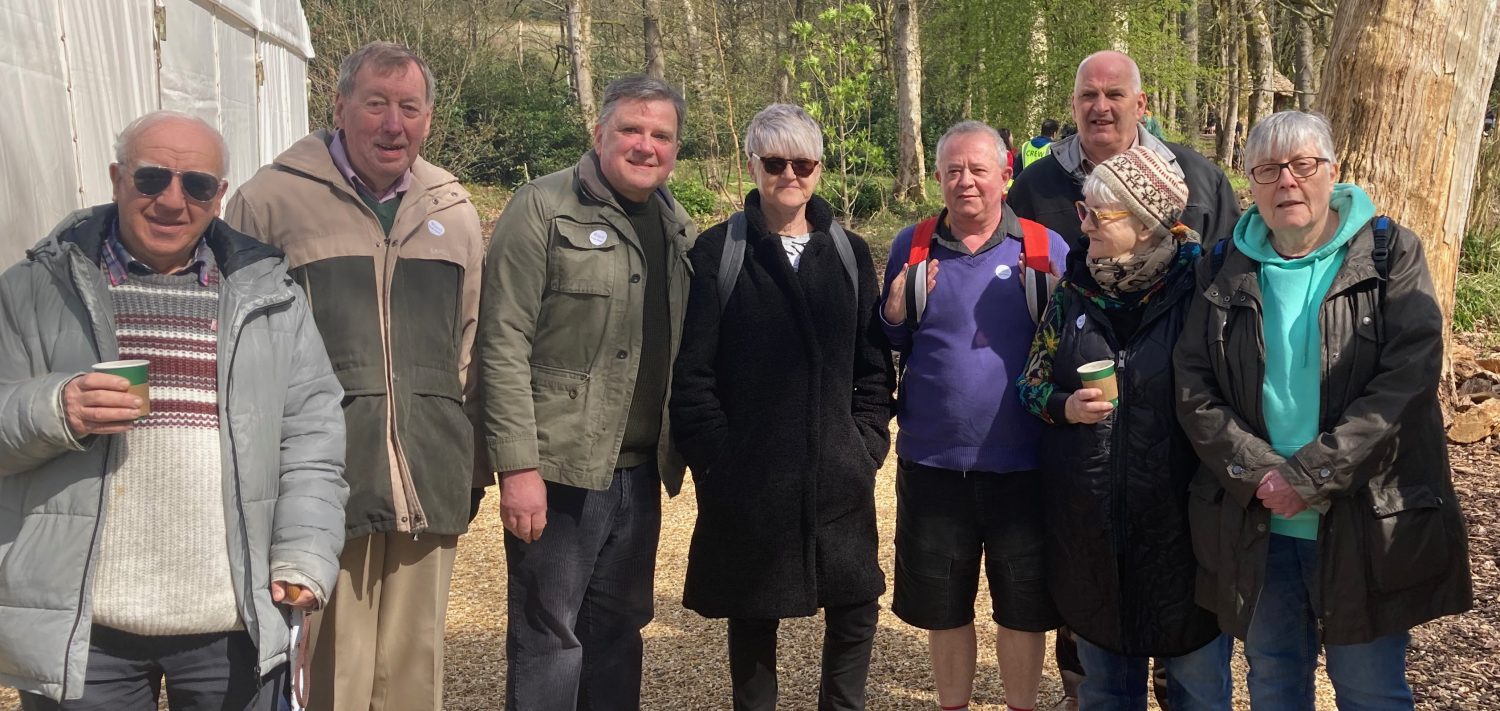
A small group of us travelled from Manchester to Longton, one of the six towns which amalgamated to form the county borough of Stoke-on-Trent.
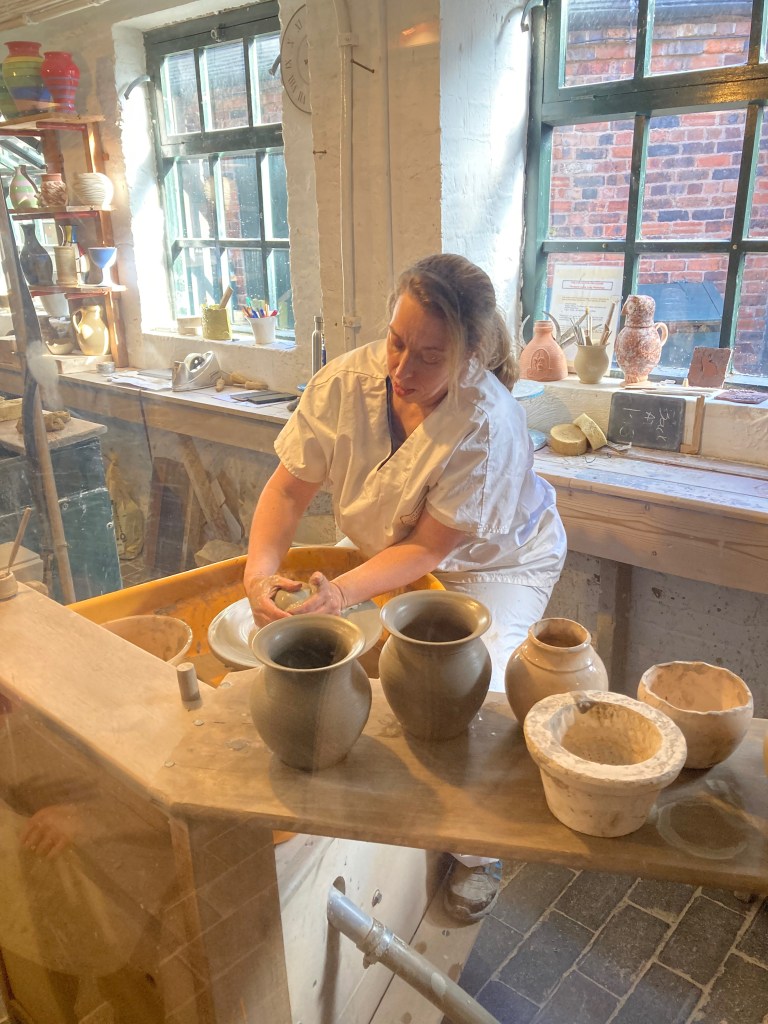
The district has a long history with the pottery industry and the Gladstone Pottery Museum features some of the few surviving bottle oven kilns in the UK.
Workers in the pottery industry had a particular job and a fixed place of work which was seldom left. They knew little of the people in other parts of the factory.
Most would get their first job by a relative “asking for them”. Once trained they could look for jobs posted at the lodge.
Men, women and children had different jobs in the factory. The average weekly wages in 1908 for a thrower was 27s 10d (£1.39) but this job was only available to men. The woman’s job of thrower’s attendant attracted a wage of only 12s 9d (64p). Children were attendants and mould runners. Boys were paid about 10s (50p) and girls 6s (30p).
Different jobs in the factory included: jiggers, jolleyers, throwers, turners, pressers, casters, felters and spongers. There was also a saggar maker and a saggar maker’s bottom knocker!
We had lunch in the Gladstone Café where we sampled the Staffordshire oatcakes – a flat savoury pancake served with a choice of fillings – as well as ham or cheese sandwiches.
The visit was very worthwhile and we particularly enjoyed the demonstration by the potter.
Around 900,000 older people will be eating alone on Christmas Day this year in the UK
Whilst many of us will sit down with family and friends to enjoy a Christmas meal together this December, it won’t be the case for everyone. With constant reminders of lost loved ones, and family gatherings of the past, Christmas can be an especially lonely and isolating time for older people, even more so than throughout the rest of the year.
Re-engage have developed a service dedicated to ensuring that older LGBT+ people (aged 75 and over) do not feel alone over the festive season.
Community Christmas Call Companions offers lonely and isolated older people the opportunity to join their dedicated telephone befriending service throughout December.
Older people are matched with a trained volunteer call companion who is also LGBT+ and who has the skills to deal with the often more challenging conversations that can develop at this time of year, and as a result, help avert people falling into crisis.
The older person and volunteer will decide between them the regularity and length of calls usually around half an hour once a week throughout December, but they may agree to more or fewer calls depending on their needs.
These weekly calls with a dedicated volunteer will connect older people to the outside world, bringing conversation and human contact back into their lives. Lack of transport, mobility, and the cost-of-living crisis, all combine to limit an older person’s ability to socialise which can be particularly felt at this time of year.
The service is free and available to anyone wherever they are in the UK, with no need to travel. This is particularly important for older people who struggle to leave their homes in the winter months, leaving them particularly vulnerable to loneliness and isolation.
Thankfully, the service can bring them some joy, and a reminder that they are cared for, not forgotten.
If you are interested please speak to Out In The City, so that we can refer you.
Every Body
FREE Special Preview Screening – Monday, 6 November – 6.00pm – HOME, 2 Tony Wilson Place, Manchester M15 4FN
Doors open 5.45pm for a 6.00pm start (run time 92 minutes).
Ahead of its release in cinemas, join us for a special preview screening of EVERY BODY, directed by Oscar nominated filmmaker Julie Cohen, followed by Q&A with key contributor Sean Saifa Wall.
EVERY BODY is a revelatory exploration of the lives of intersex people. The film tells the stories of three individuals who have moved from childhoods marked by shame, secrecy, and non- consensual surgeries to thriving adulthoods after each decided to set aside medical advice to keep their bodies a secret and instead came out as their authentic selves.
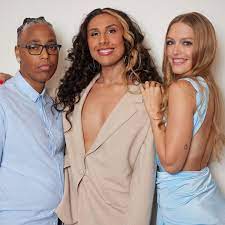
Actor and screenwriter River Gallo (they/them), political consultant Alicia Roth Weigel (she/they), and PhD student Sean Saifa Wall (he/him) are now leaders in a fast-growing global movement advocating for greater understanding of the intersex community and an end to unnecessary surgeries.
Woven into the story is a stranger-than-fiction case of medical abuse, featuring exclusive footage from the NBC News archives, which helps explain the modern-day treatment of intersex people.
At its core, the film’s main objective is to not only educate audiences on the long-standing issues and mistreatments faced by intersex people, but also highlight the joys and beauty of the intersex community as they continue their fight for equality.
If you want a ticket, please contact us here as soon as possible.
“Behind every great man, there is a great woman,” or so the saying goes. But, in some cases, great men in history have been supported – and loved – by members of the same sex. Similarly, over the centuries, women have not always played second fiddle to men, with numerous examples of two women of literature or science forming loving bonds.
Of course, people weren’t always as accepting of same-sex relationships as they tend to be today. In many cases, such unions might have been kept secret or covered up to protect an individual’s reputation. However, some loves were just too great to be lost in the passages of time. Thanks to the clues they left behind, including diaries and letters to the objects of their affection, we can be pretty certain that some of the most notable figures of times past gave their hearts to members of the same sex. Here are just a few of those men and women:
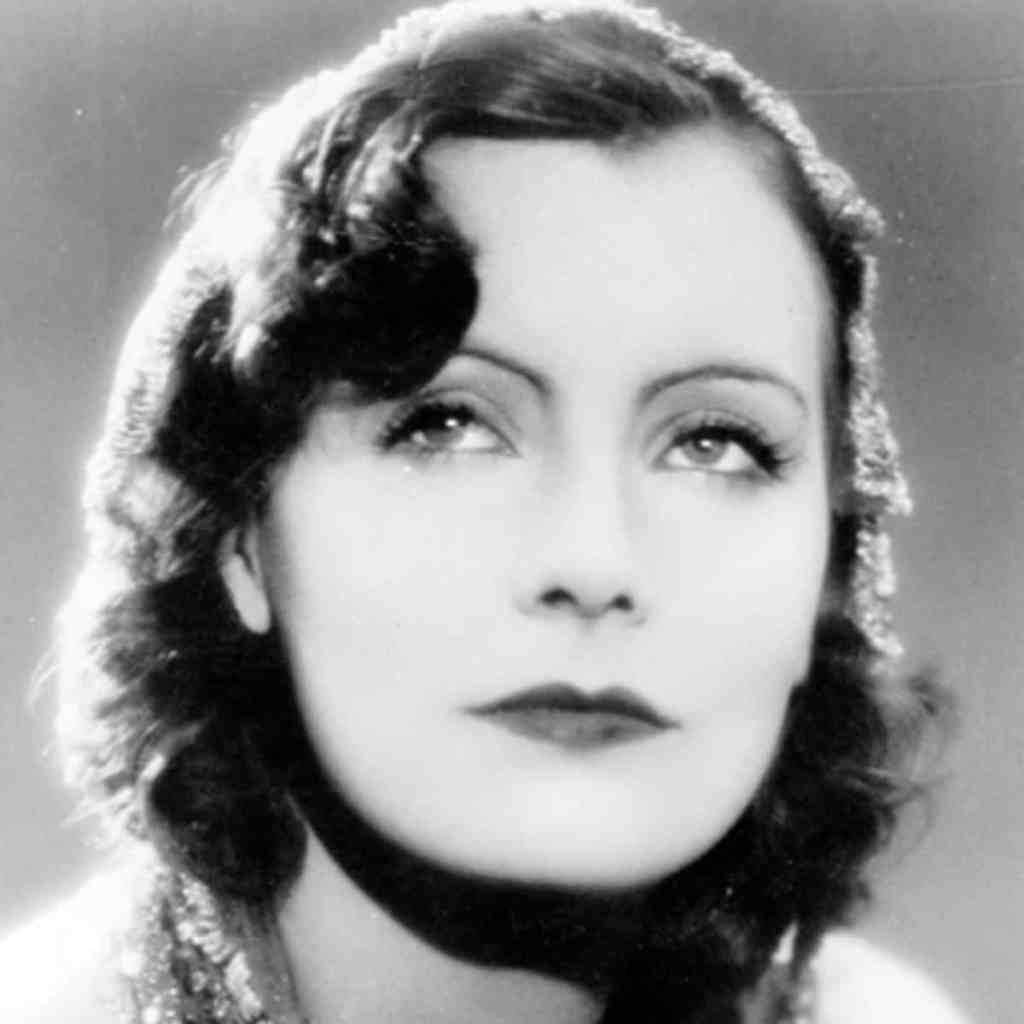
Screen icon Greta Garbo liked to keep her private life private. Biography.com
Greta Garbo and Mercedes de Acosta
Swedish-born Greta Garbo may have been one of Hollywood’s greatest ever stars, but she was notoriously reserved in her private life. She shied away from publicity and, while she was adored by millions, preferred to live on her own. Despite having been in several relationships with men, she remained unmarried and childless and her sexuality was and continues to be, the source of much speculation. Above all, her relationship with the writer Mercedes de Acosta, an out and proud lesbian, was almost certainly more than simply platonic.
The pair met in 1931, four years after the end of Garbo’s most famous romance, her relationship with actor and frequent co-star John Gilbert. Over the course of three decades, the two women enjoyed a romance that was volatile, to say the least. However, for every fight, there was a reconciliation. It’s possible one reason for such volatility was the colourful love life of Acosta. As well as Garbo, she counted numerous Hollywood leading ladies among her lovers and eventually became known more for her affairs of the heart than for her prose. Moreover, while Garbo and many other Hollywood stars of the time preferred to keep their private lives out of the newspapers, Acosta openly flaunted her sexuality.
Despite Acosta showing no sign of wanting to settle down, Garbo continued to be infatuated with her. In fact, she sent more than 180 cards, letters and telegrams to the writer over the years, many of them believed to be romantic or even raunchy in nature. However, while these items of correspondence have survived and are housed in a special archive, the families of both women have only made fewer than half of them available, further fueling speculation that Acosta was far more than a friend and occasional professional collaborator.
Mercedes De Acosta died in 1968, having endured several years of ill health and financial struggles. Tragically, her later work was widely shunned by the literary world due largely to its alleged promotion of homosexuality. Garbo was to survive her former partner by 22 years, dying fabulously wealthy but alone. More than a decade after the screen icon’s death, relatives of the Swedish actress and theatre director Mimi Pollark released correspondence she received from Garbo, letters which suggest that the two women also enjoyed a romantic relationship that lasted for several years. In one, Garbo lamented: “We cannot help our nature, as God has created it. But I have always thought you and I belonged together.”
Virginia Woolf and Vita Sackville-West enjoyed a long affair despite both being married. Vulture.com
Virginia Woolf and Vita Sackville-West
The Bloomsbury Group of writers and thinkers dominated the London cultural scene in the years between the wars. But despite their undoubted literary talents, at the time they were sometimes better known for their colourful private lives as they were for their novels, essays or poems. And few lives were as colourful as that of the author Virginia Woolf, widely acknowledged as one of the most important British writers of the twentieth century.
Born into an upper-class family and benefitting from an elite education, Virginia Stephen followed convention and married fellow writer Leonard Woolf, a key member of the Bloomsbury set, in 1912. By her own admission, the marriage was a happy one, though in true bohemian style, it was a relaxed union, with both free to pursue other romantic adventures. So, when Virginia met the gardener and aspiring writer Vita Sackville-West in 1922, she sensed they could be more than good friends.
While both women were married, they embarked on a sexual relationship. Interestingly, both of their husbands were aware of the affair but raised no objections. Indeed, the men even encouraged their partners to pursue their own happiness. As Sackville-West’s own letters testify, the relationship was only fully consummated on two occasions. However, the connection was more than merely sexual. At this time, Sackville-West was by far the better-known and more successful writer and she encouraged Woolf to believe in herself. She also offered emotional and practical support when Woolf suffered one of her many episodes of serious depression.
The romance came to an end at some point towards the end of the 1920s. However, the pair remained firm friends, with their bond only broken with the death by suicide of Woolf in 1941. After her death, Woolf was to receive the popular and critical acclaim many believed she deserved during her lifetime and is now regarded as a true literary pioneer. She is also held up as a pioneer in feminism. Sackville-West, meanwhile, died in 1962 at the age of 70. Their romance lives on, not just through the correspondence they shared, but also in the shape of theatre works and even movies telling the tale of their deep love.
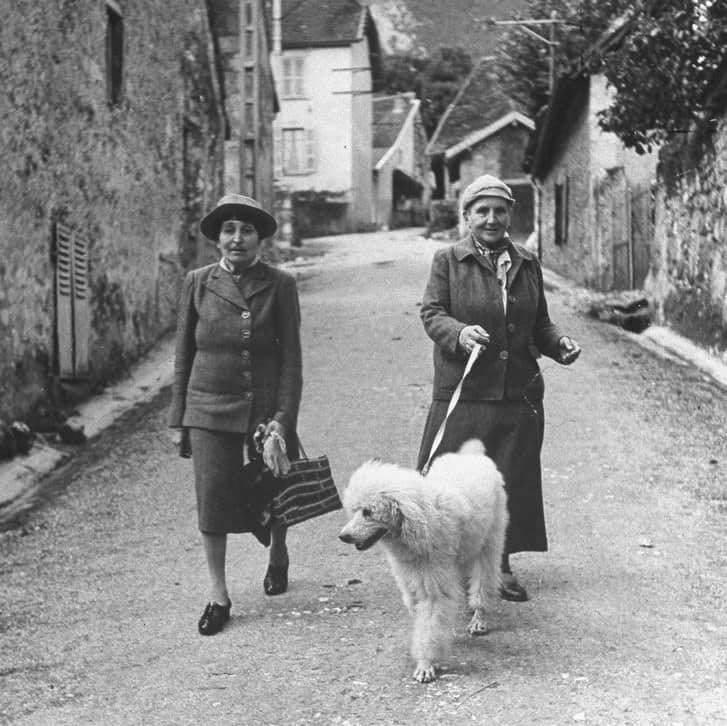
Gertrude Stein and Alice B. Toklas enjoyed one of literature’s great romances. NewYorker.com
Gertrude Stein and Alice B Toklas
Paris at the beginning of the twentieth century was the epitome of the bohemian good life. Among those American writers who made their home on the Left Bank was the novelist, poet and playwright Gertrude Stein. It was to the City of Light that Toklas, herself an aspiring artist, moved to in 1907. Just one day after arriving in the French capital, Toklas met Stein and one of the most celebrated romances in modern American literature was born.
The pair soon became a central part of the avant-garde movement. They hosted regular literary salons at the flat they occasionally shared, attracting such figures as Ernest Hemingway (who referred to Toklas as Stein’s ‘wife’) and the Spanish artist Pablo Picasso. After two years together, while they spent time back in the United States and summered in Italy, Toklas moved in with Stein, adding a new level of commitment to the relationship. Throughout the 1920s and 1930s, they were hardly ever apart, travelling Europe and the world together, as well as working side-by-side.
While for more than two decades Toklas was happy to remain in the background, serving as her lover’s cook and secretary as well as her muse and best critic, she was thrust into the limelight herself with the publication of her memoirs, The Autobiography of Alice B Toklas in 1933. From then on, the pair were both literary darlings and capitalised on their fame and fortune to travel extensively and lecture across America. With the outbreak of the Second World War, the pair were forced to relocate to a country house in the French mountains. While they were both Jewish, they escaped persecution thanks to the connections a mutual friend boasted in the Gestapo.
Toklas and Stein remained a committed couple right up until the latter’s death in 1946. Sadly, while Stein left the majority of her estate to her partner, their relationship was not recognised in French law, meaning Stein spent her remaining years struggling from financial troubles as well as from ill-health. In the 1980s, Yale University Library made public hundreds of love letters exchanged between the pair over the decades, revealing the true depth of their affection as well lots of smaller details, such as the cute nickname each had for the other.
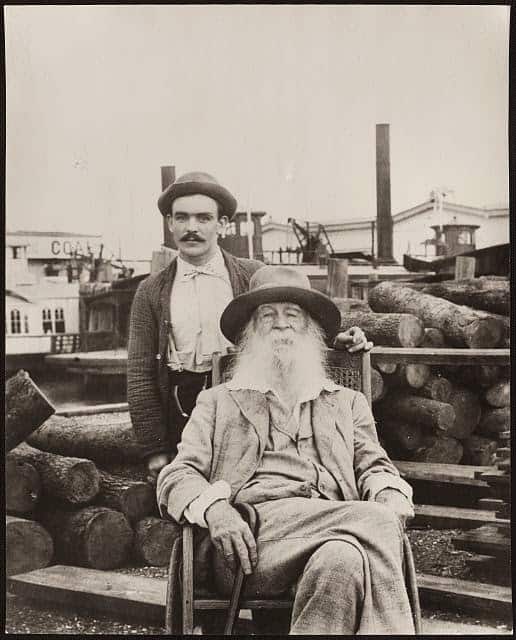
Despite the age difference, Whitman and Doyle shared a deep love. Pinterest.com
Walt Whitman and Peter Doyle
In 1865, Walt Whitman was 45 and making a name for himself as one of America’s finest wordsmiths. Irish-born Peter Doyle, meanwhile, was just 21 and worked as a streetcar conductor on the streets of Washington DC. But, while they may have been poles apart, when their paths crossed, there was an immediate spark. So much so, in fact, that Whitman didn’t get off at his stop but carried on riding the streetcar so he could spend more time with Doyle. The pair even spent that first night together in a Georgetown hotel.
While Whitman might have enjoyed numerous relationships with men during his colourful life, his connection with Doyle was altogether more intense. For a full eight years, after they first met, the pair were inseparable, walking the streets of the capital and spending the nights in the city’s hotels. Though for understandable reasons, Whitman declined to make the relationship public, or even acknowledge his homosexual tendencies, his contemporaries had little doubt of the lifestyle he secretly led. Oscar Wilde was reportedly among those who, having met Whitman in America in 1882, believed the great poet to be gay.
For Whitman and Doyle, the age difference eventually began taking its toll. After Whitman suffered a stroke, Doyle helped nurse him back to health. After a second stroke, however, Whitman left Washington to live with his brother in New Jersey. Despite regular, often steamy letters, the relationship slowly came to an end.
Doyle did manage to see Whitman before the writer’s death and their partnership has been preserved for posterity through his homoerotic verses and the letters the pair exchanged over the years. In his own writings, Whitman would describe the decade he spent in Washington DC as the happiest years of his life, almost certainly due to this being the time he spent with Doyle, the love of his life.
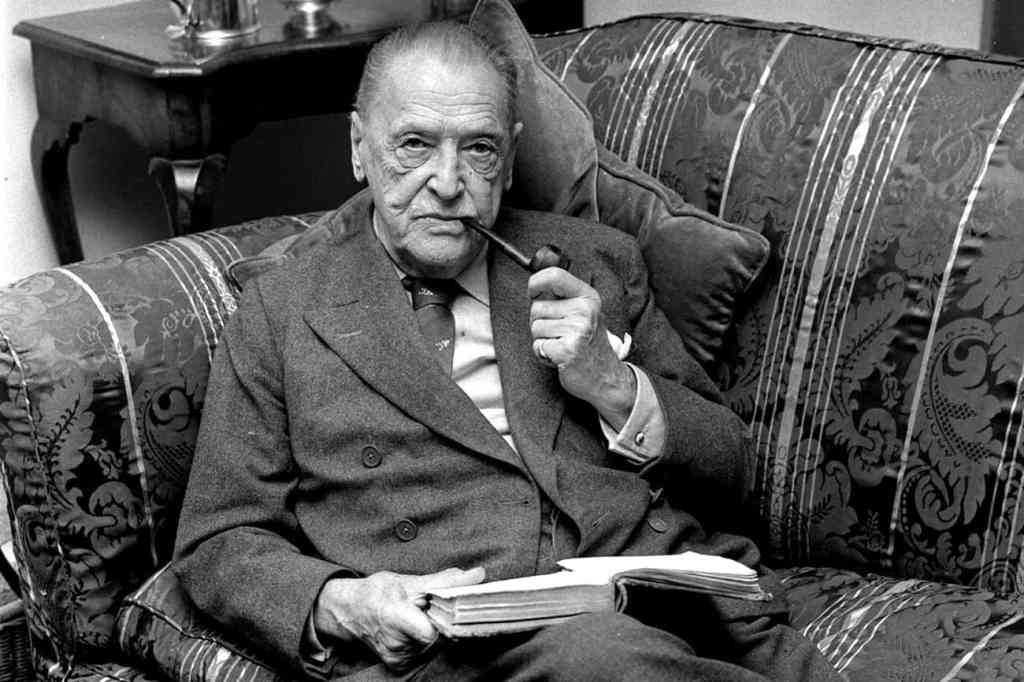
British novelist W Somerset Maugham had a colourful personal life. Evening Standard / Getty Images
Somerset Maugham and Gerald Haxton
Forget Hemingway or Fitzgerald; William Somerset Maugham is credited with being the highest-earning author of the 1930s. Certainly, he was one of the most interesting characters of this literary period, with much of his work influenced by his time serving as a Red Cross ambulance driver in France during the First World War. It was here, in the midst of the unimaginable carnage of the Western Front, that Maugham met Gerald Haxton, a San Francisco native almost 20 years his junior. The pair embarked on a romantic relationship almost immediately.
The partnership was far from straightforward. As Maugham exclaimed to his nephew. ‘I tried to persuade myself that I was only three-quarters normal and only a quarter of me was queer – whereas really it was the other way around’. However, this was no time to be ‘queer’. From the very start, both men had to remain guarded. The trial of Oscar Wilde, arrested and imprisoned for his homosexuality, meant that gay men were living in fear and stayed very much in the closet. Despite this being a time of extra caution, Haxton was arrested for engaging in ‘indecent behaviour’ with another man while on leave in London in 1915. He was ultimately deported from Britain back to his native California, bringing his relationship with the English writer to an abrupt end.
The bisexual Maugham, meanwhile, met Syrie Wellcome and persuaded her to leave her pharmaceutical magnate husband and wed him. Perhaps unsurprisingly, the eventual union was an unhappy one and the pair divorced after 13 years together, leaving Maugham free to travel and reunite with Haxton.
The pair settled on the French Riviera and were inseparable until the latter’s death in 1944. Thereafter, Maugham embarked on several same-sex relationships before settling down again with his long-time private secretary Alan Searle. This was to be the last affair of the great writer’s life and only ended when Maugham died in 1965.
A Festive Celebration of the LGBT+ Community – Monday, 18 December 7.00pm – 9.00pm
Manchester Cathedral – FREE – ticket needed – apply here.
The Proud Trust, akt, LGBT Foundation, George House Trust and Manchester Pride are coming together for a festive gathering of Greater Manchester’s LGBT+ community at Manchester Cathedral – a space for celebration and inclusion.
We are stronger when everyone is included, and this event will be a celebration of all within our wonderfully diverse LGBT+ community.
Please join us for a joyful evening of Carols and readings. This is a free event, with donations made on the evening supporting The Proud Trust, akt, LGBT Foundation and George House Trust charities, who work hard to keep our community safe and strong.
Rainbow Lottery Super Draw!
We’re thrilled to bring you another amazing prize! This October, one lucky supporter will win a £1,500 Luxury Theatre Trip: a voucher for theatre tickets, a hotel stay, and £500 spending money! For added flexibility, the winner can now choose to take the £1,500 cash, to spend on whatever they like!
The special prize draw will take place onSaturday 28 October. If you already have tickets, you don’t need to do anything extra, but you can always buy extra tickets.
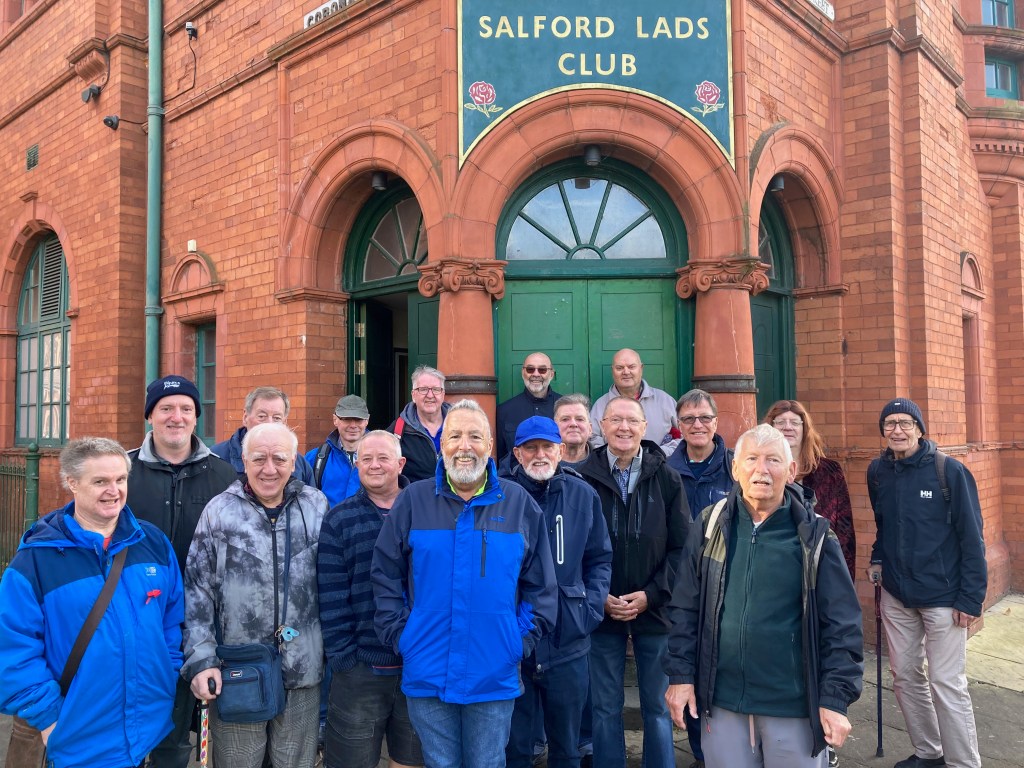
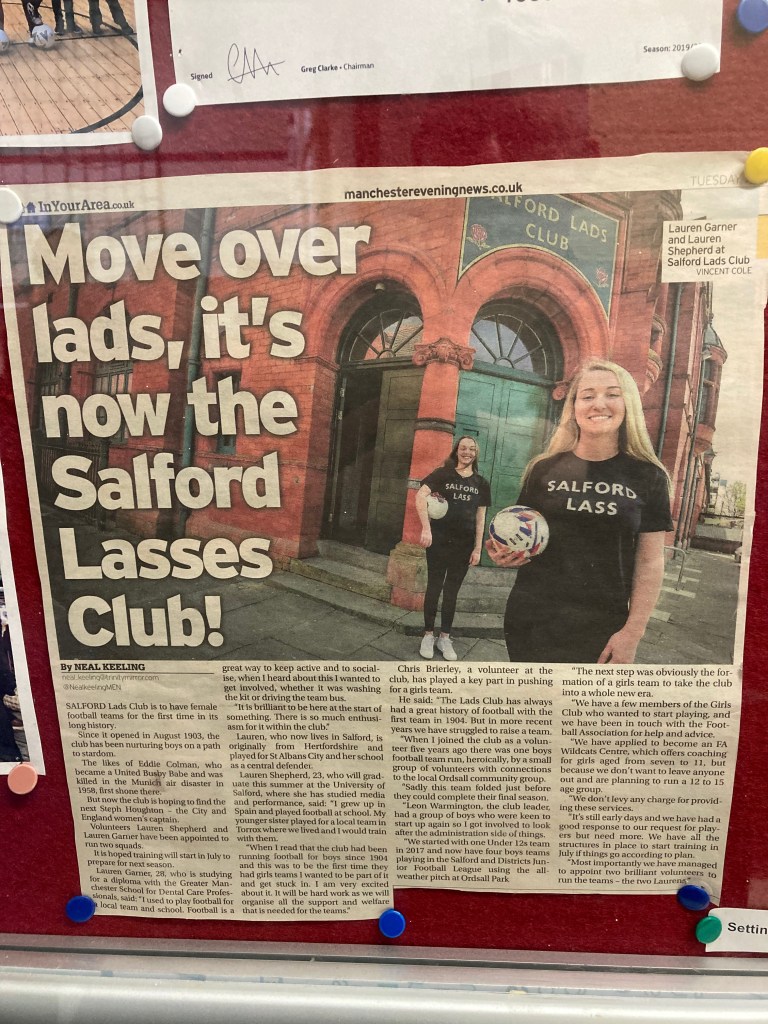
First of all, let’s get this straight: The building is called “Salford Lads Club”, but the charity is called “Salford Lads and Girls Club”. They provide a wide range of activities for local young people.
Salford Lads Club was established as a purpose built club for boys. The site was officially opened on 24 August 1903 as a club for working lads, providing a positive alternative to the teenage street gangs (known as “scuttlers”) in the poorest areas of the city.
The club has continued to provide this facility for more than 100 years and is now considered to be the finest example of a pre First World War club surviving and operating today.
Founded by the Groves brothers of the Groves & Whitnall brewing empire, the current club president and Chair of Trustees, Anthony Groves, is the great grandson of James Grimble Groves!
The club is now open to girls and boys.
While nearly all other original working class lads club buildings are long gone, along with their records, the continuity of Salford Lads Club in 2023 makes it very special for generations of families. They still have all their membership cards since their foundation, and in 2015 they created a remarkable “Wall of Names” to share over 22,500 members’ names dating back to 1903.
There are a few famous names among the archive boxes: Eddie Colman, the young Manchester United star player who died in the 1958 Munich Air Disaster; Allan Clarke and Graham Nash who went on to form 1960’s pop group The Hollies; and “Mr Muscle” – Tony Holland of ‘Opportunity Knocks’ fame in the 1960s.
The club has also been the site of pilgrimage for fans of The Smiths after Stephen Wright’s iconic photo of the band was used on the inner sleeve of ‘The Queen is Dead’ album in 1986. In 2004, the club opened a dedicated Smiths room where fan photos are displayed alongside post-it messages. The club continues to welcome visitors weekly – from Indonesia to Mexico, Israel to Australia, much of Europe, Canada, America and South America.
The club’s original motto is: “to brighten young lives and make good citizens.”
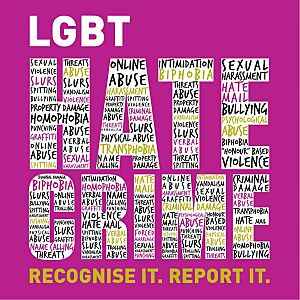
The Westminster Hall Debate “Hate Crimes against the LGBT+ community” was held on Wednesday, 18 October at 4.30pm.
There was a call for a national action plan to deal with rising homophobic, biphobic, and transphobic hate crimes, and for all members of Government and Parliament to stop legitimising hatred against trans people with fear-mongering rhetoric.
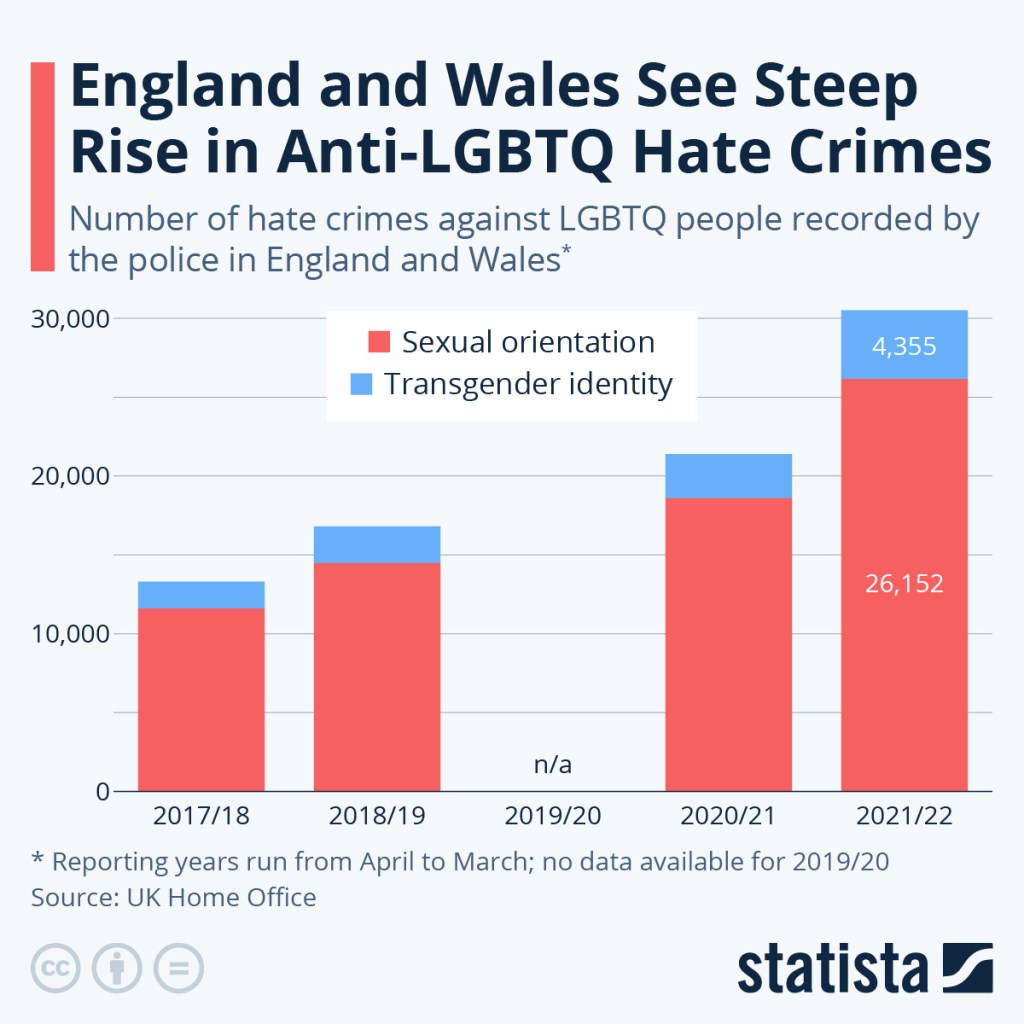
New statistics released by the Home Office this month show a continued rise in hate crimes against lesbian, gay, bi and trans people in England and Wales.
Hate crimes against trans people in England and Wales have risen by 11% in a year, and by 186% in the last five years
Hate crimes on the basis of sexual orientation in England and Wales are up by 112% in the last five years, despite this year’s slight decrease of 6%
The Government’s own National LGBT Survey showed fewer than one in ten LGBT+ people report hate crimes or incidents. Only 37% of those who experienced an anti-LGBT+ hate crime involving physical harassment or violence reported it.
These findings come as a manufactured culture war spreads divisive rhetoric and misinformation in our politics and media, that is legitimising hatred against the LGBT+ community, and trans people in particular.
Earlier this month we saw Government Ministers using their platform not to encourage respect, but rather to posture policies designed to drum up “culture war” and “anti-woke” political noise by attacking trans people. In fact, the Home Office’s own release pointed to the increase in discussion of trans issues by politicians, in the media, and online, as a potential contributing factor to the increase in reported hate crimes.
The statistics show the impact of this rising hateful narrative – real violence, harassment, and abuse of LGBT+ people up and down this country.
National Hate Crime Awareness Week is 14 – 21 October 2023. We expect our Members of Parliament to call out the rising hate faced by an already vulnerable community, and to show that they stand against ongoing attempts to turn political debates into an offensive and dangerous attack on our rights and existence.
Get Online Week 2023
This week we will be celebrating Get Online Week (16 – 23 October 2023) – a week dedicated to helping people get online safely, confidently and affordably.
Manchester Adult Education Services offers free digital skills courses such as Digital Skills for Beginners, Essential Digital Skills, Microsoft for Work and Being Cyber Safe – all developed to build your confidence in both home and workplace settings and keep you safe online.
If you don’t want to apply for a course but would like some advice on accessing services online, how to use a particular device or search for information quickly, why not attend one of the Skill Up Workshops? These casual, no commitment drop-in sessions are perfect for support and a place where no question is too small.
Skill Up Workshop timetable:
Abraham Moss Adult Learning Centre: Thursdays from 9:30am – 11:45am
Fallowfield Library: Thursdays from 1:00pm – 3:00pm
Wythenshawe Forum: Wednesdays from 9:30am – 11:45am
Greenheys Adult Learning Centre: Tuesdays from 9:30am – 11:45am
Gorton Hub: Tuesdays from 12:30pm – 2:45pm
Longsight Library and Adult Learning Centre: Mondays from 9:30am – 11:45am
The Avenue: Fridays from 9:30am – 11:45am
Withington Adult Learning Centre: Wednesdays from 12:30pm – 2:45pm.
“Molly” men flocked to these secret 18th-century gay clubs to mingle, have sex and mock straight people
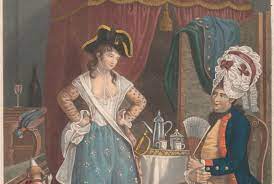
A satirical cartoon by John Collet depicting both male and female cross-dressers in the 1700s
Until the repeal of the Buggery Act in 1861, gay sex was a capital offence. However, even during the extremely hostile environment before the repeal, “Molly Houses”, often coffee houses, pubs or taverns, were created where people could meet and socialise.
Named after the slang term “molly”, which was usually used to refer to effeminate, homosexual men, Molly Houses quickly became the go-to meeting place for gay men in 18th century.
In court records from a buggery trial in 1724, a policeman named Joseph Sellers who visited a Molly House reported seeing “a company of men fiddling and dancing and singing bawdy songs, kissing and using their hands in a very unseemly manner.”
What is clear from reports at the time, typically from testimonies given in court cases, are the mock rituals the Mollies would perform: from adopting a female persona, alongside a feminine name and mannerisms, to cross-dressing on Festival Nights and conducting mock births and marriages.
Many of the sexual encounters and rituals were comedic in nature and were aimed at making a masquerade of straight conventions and parodying aristocratic manners.
“They were a forum for comedy and performance, where the whole idea of what’s true and natural gets called into question,” explains Matt Cook, the UK’s first Professor of LGBTQ+ History at the University of Oxford. “They served an important function for people to play with convention, ritual and to explore, have sex and socialise.”
The rise and fall of Mother Clap’s Molly House
Found on Field Lane in Holborn, central London, Mother Clap’s Molly House was arguably the most well-known and infamous molly house in 18th century London. Run by Margaret “Mother” Clap, this venue regularly accommodated dozens of men with beds being placed in all the rooms, thanks to Mother Clap.
The popularity of Mother Clap’s would ultimately prove to be its downfall, with a member of the puritan Society for the Reformation of Manners, Samuel Stevens, going undercover at the club to expose the patrons.
After visiting Mother Clap’s on 14 November 1725, Stevens said he saw men making love to one another and kissing in a lewd manner. “Then they would get up, dance and make curtsies, and mimick the voices of women. Then they’d hug, and play, and toy, and go out by couples into another room on the same floor, to be marry’d, as they call’d it.”
Police constables descended upon Mother Clap’s in February 1726, blocking all exits and arresting forty men. While most were released due to a lack of evidence, Mother Clap herself and a handful of customers received fines and prison sentences and were put in the pillory.
Three guests, Gabriel Lawrence, William Griffin, and Thomas Wright, were found guilty of buggery and hanged on 9 May 1726.
The limits of inclusion
A handful of other Molly Houses have been identified in London and other cities, including Plump Nelly’s Molly House in London’s Smithfield and a public house on the edge of Warrington, near Manchester.
There is no question that the legal climate at the time when Molly Houses existed was deeply repressive towards men who had sex with men. Yet, for Cook, the lack of a distinct homosexual identity during the 18th and 19th centuries makes it a challenge for historians today to say exactly what motivated Molly House patrons.
“There was still a sense of it being an act rather than an identity. We don’t know really what the people who went to the Molly Houses were thinking of themselves,” he explains.
While there are mentions of upper-class men visiting, or slumming it, in Molly Houses, Cook warns against viewing Molly Houses as utopian environments, where class differences in 18th century England simply disappeared.
“If you just look at who was arrested and prosecuted, there are no upper-class men there. I think it’s a mistake to think of them as kind of all-inclusive spaces – I don’t think they functioned like that at all.”
Relying on unreliable storytellers
Despite only being open from 1724 to 1726, Mother Clap’s Molly House and its eccentric owner managed to create a sanctuary in a deeply repressive society. Even its raid and subsequent arrests helped provide historians today with unrivalled insights about gay life in England centuries ago.
The vast majority of primary sources about the Molly Houses are related to court cases or pamphlets distributed at the time. Much of the historical record comes directly from people who infiltrated Molly Houses undercover and then testified in court against customers.
“Often the only times when marginalised lives get reported on is when the law gets involved,” says English playwright Mark Ravenhill, who wrote the 2001 play, Mother Clap’s Molly House, set in part in 1720s London. “The facts available to us have been slightly distorted because they’re all from the prosecution, who are trying to shut down the houses.”
The growth of Molly Houses from around 1690 to 1726, and the following crackdown, interested Ravenhill and led him to set his play in the 1720s.
“After reading the material, I just thought it’s such a fascinating history. But there also seemed to be a very inherent theatrical element to the stories – I could easily see them on a big stage with lots of costume, music and dancing.”
Despite the immense importance these places had in allowing gay people to be themselves and in the process create a distinct subculture, their existence is still not widely known. “People still on the whole haven’t heard about these places,” concludes Ravenhill. “As soon as you start to tell them about that culture, it just blows their mind and they want to know more about Molly Houses.”
Brixton Umbrella Circle is a mixed group of older LGBTQ people from all walks of life. Most are retired, long term ill, some still working. Some of us are old activists from Gay Liberation Front, Brixton Faeries, Lesbians & Gays Support the Miners, Greenham Peace Camp, Stop Section 28 or Pride. But most are people who have lived ordinary discreet, sometimes hidden lives.
We have no official membership, no bank account, no rules or structure. Just an email distribution list and regular emails saying where, when and what we are doing. No booking, just turn up. We mark our presence with our little umbrella table cover so newcomers can spot us. This is what we say on our Facebook page and every email:
Brixton Umbrella Circle is an independent, peer led, self help group for older (50+) LGBTQ’s. It offers a forum for mutual support, socialising and addressing individual and collective experiences (past and current) in a social, cultural and political context.
Umbrellas provide shelter and is used as a term for covering all – and because our hearts and minds can be like umbrellas – useless if we do not open them. For more information, please see:
In this video Ted Brown, Clare Truscott & Ian Townson from Brixton Umbrella Circle are making presentations on radical queer history at the Outsiders Conference at the University of Sussex on 11 June 2023.
Man faced homophobic abuse in London care home, partner says
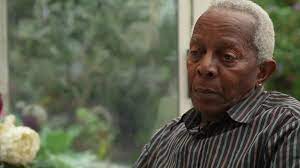
Ted Brown warns about gay people being ‘pushed back into the closet’ after Noel Glynn was beaten by staff
A man experienced homophobic abuse in a care home that left him with bruising on his body and an apparent cigarette burn on his hand, his partner has said, as he said people were being pushed “back into the closet” when at their most vulnerable.
Ted Brown said his civil partner, the LGBT activist Noel Glynn, who died in 2021, was beaten, taunted and mistreated by care home staff. He said they also refused to recognise their relationship – referring to Brown as Glynn’s “friend” or “father”.
Brown said two whistleblowers came forward to confirm his suspicions that Glynn had been attacked by staff at Albany Lodge nursing home in Croydon, south London, because of his sexuality after he was “outed as a gay man”.
The whistleblowers claimed that, on one occasion when Glynn was walking through the home with two other residents, two staff members approached him and asked: “Are you a gay man? Do you like gay men?”
He was then allegedly dragged into his room and other residents heard a “disturbance going on and Noel’s voice”, Brown said. The care home suspended the suspected staff members for two weeks, but Brown said they returned to the home “on another floor”.
In January 2019, Glynn told a social worker: “I don’t like it here, they beat me up.” The police took no action after Brown reported the suspected abuse. The social worker said Albany Lodge was “not suitable” and recommended that he be moved. But Glynn was left in the home for nine more months.
Brown had initially become concerned about Glynn’s wellbeing when he found out he had tried to leave the home four times.
He brought a civil case against Lambeth council on behalf of Glynn, who had dementia. In a proposed settlement, the council admitted Glynn’s placement there from December 2018 to October 2019 was “not in his best interests” and offered to pay £30,000 compensation. Brown accepted the offer but no payment has yet been received.
Brown was able to act on his partner’s behalf after being granted power of attorney and being made a litigation friend, giving him rights over his partner’s health and finances. As part of his responsibilities towards Glynn, Brown paid £1,400 a month towards his care at the home. “I was paying to basically have Noel beaten up,” he said.
Glynn, a former teacher and activist, died in the early hours of 31 December 2021 after he fell and fractured his ribs.
The couple in earlier times. Brown paid £1,400 a month towards Glynn’s care at Albany Lodge. Photograph: Ted Brown
Brown joined the Gay Liberation Front when he was 20 and, in 1972, helped organise the first Pride event in the UK, where the two met. He said older LGBT people were being forced “back into the closet” because of fears of how they would be treated in care homes.
“Several of us fought to get the rights that we’ve got now and, as we get older, we have the frightening reality that we have to go back into the closet if we go into a care home.”
Homophobic abuse in such settings is on the rise, according to Eileen Chubb, a former care worker and whistleblower at Compassion in Care, which campaigns to end abusive treatment in homes.
She said the charity had received 423 reports of homophobic abuse in care homes across the UK and Chubb said this was “just the tip of the iceberg”.
She said: “It shocked us that, in this day and age, this kind of thing could be happening. But it is a massive problem in the care system. People have had bibles put in their rooms because staff think they need to repent before they die … these views aren’t compatible with care.”
A Lambeth council spokesperson said: “The council took responsibility for Mr Glynn in 2018 after he was placed in a care setting in Croydon following a spell in hospital. When allegations of abuse were made, the council fully investigated and shared the outcome with the police for follow-up action.
“In agreement with Mr Glynn, the council supported his move to more suitable accommodation in 2019.
“We are unable to comment further on this case due to ongoing legal action, but recognise there is a wider systemic issue of homophobic discrimination within the UK care system which locally Lambeth council is working hard to address.”
A spokesperson from Future Care Group, which owns Albany Lodge, said: “London Residential Healthcare worked closely with the authorities in an investigation relating to Mr Glynn, which was closed at the time with recommendations that have been implemented.
The health and wellbeing of our residents has always been our greatest priority and, in line with our values, we have mandatory diversity and equality training for all staff.”
Compassion in Care can be contacted via its confidential helpline on 07763 066063.
Bolton is less than twenty minutes away from Manchester by train, and Bolton Interchange links up the train station with the bus station. When you come out of the Interchange the first building you see is the Olympus Fish & Chip Bar, where we had a very enjoyable lunch.
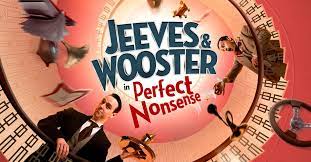
Despite the rain, golly gosh we couldn’t wait to be welcomed by the Octagon Theatre for an afternoon of very silly nonsense in Jeeves and Wooster In Perfect Nonsense!
Yes, the iconic duo, Jeeves & Wooster have arrived in Bolton to put on a splendid afternoon of theatre.
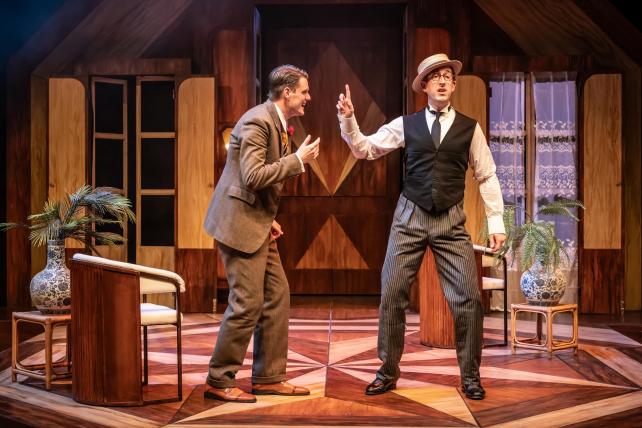
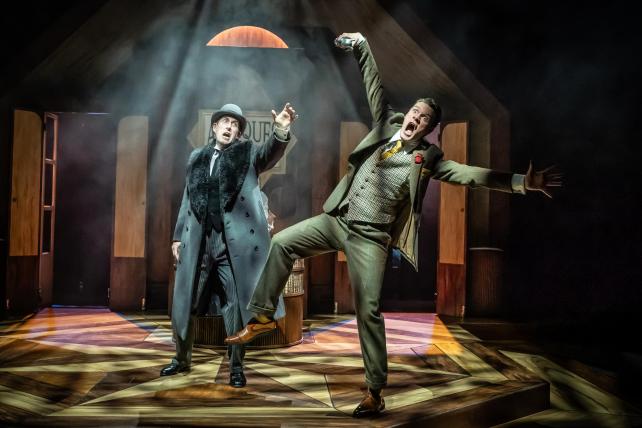
A brilliantly talented cast of just three perform Jeeves and Wooster in Perfect Nonsense, an absolutely glorious masterpiece in farcical storytelling.
From the character names to the absurd plot (which it was impossible to keep up with), the audience cannot help but laugh out loud at this perfectly silly but hugely enjoyable comedy, in which the audience show their huge appreciation for the actors as they change character, become two characters in one - yes bizarre but brilliant.
The plot centres around the charming Bertie Wooster, who has a tale to tell from playing matchmaker between his newt-fancying acquaintance and the girl of his dreams. Bertie must also secure an elusive silver cow-creamer for his formidable Aunt Dahlia.
Yes, absolutely perfect nonsense but superbly performed by Luke Barton as Bertie, Alistair Cope as Seppings and Patrick Warner as Jeeves.
Warner’s portrayal of reliable and ever so patient Jeeves is perfect and his hilarious performance as Victor and Victoria – at the same time – is a show stealer and earns him a round of applause from the audience.
The trio’s comic timing is spot on and the character depictions were a riot – It was a fast paced and dazzlingly inventive comedy with so many twists, turns and mishaps.
It was incredibly silly but hugely entertaining.
Black History Month
Black History Month is an annual observance originating in the United States, where it is also known as African-American History Month. It has received official recognition from governments in the United States and Canada, and more recently has been observed in Ireland and the United Kingdom.
The theme this year is Saluting our Sisters. Black History Month 2023 is a landmark occasion to recognise and applaud the invaluable contributions of black women to British society, inspire future generations, and empower them.
Here are some stories about a black lesbian, black bisexual woman and a black gay man, that are possibly lesser known:
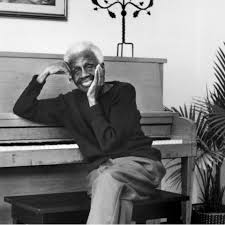
Ruth Ellis
Ruth Ellis (1899 – 2000)
“I was always out of the closet. I didn’t have to come out.”
– Ruth Ellis
Ruth Ellis was born in Springfield, Illinois to parents who were conceived in the last years of slavery. Her life spanned through moments of great turmoil and upheaval – from the Springfield Riot of 1908 to the Detroit Riots of 1967 – an endless backdrop of conflict from which Ellis managed to extract an exuberance for life that was incandescent.
She came out as a lesbian at the age of 16, and got a high school diploma at a time when fewer than seven percent of African Americans graduated from secondary school. In 1936 she met her partner of 34 years, Ceciline “Babe” Franklin, with whom she moved to Detroit, Michigan in 1937.
Ellis became the first African American woman to own an off-set printing business in that city. Her success as an entrepreneur from 1946 to 1971 inspired the couple to turn the home they shared into the “Gay Spot” – a place where young gays and lesbians, who were denied access to both white gay clubs and black straight clubs – could congregate and enjoy a welcoming night club atmosphere decades before the Black Civil Rights Movement and the Stonewall Riot would begin to alter their outlook and options.
Ellis became a fierce advocate for African Americans, senior citizens and the gay and lesbian communities. She offered assistance to lesbians of colour researching their history and their roots; she proposed a variation on Big Brothers / Big Sisters, where younger gays and lesbians would be matched as social companions with gay and lesbian seniors according to similar interests; and the Ruth Ellis Centre, founded in 1999, continues to provide shelter and aid for LGBTQ youth in Detroit.
Her extraordinary life was chronicled in the acclaimed documentary Living With Pride: Ruth Ellis @ 100 (1999) and the city of Detroit recognises her contributions every February, during Black History Month (in US), by celebrating Ruth Ellis Day. She died in her sleep at her home on 5 October 2000, at the age of 101.
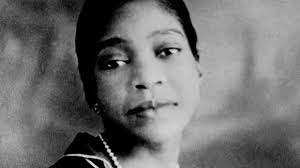
Bessie Smith
Bessie Smith (1894 – 1937)
“No time to marry, no time to settle down; I’m a young woman, and I ain’t done runnin’ around.”
– Bessie Smith
Born into poverty in Tennessee, Elizabeth Smith lost both her parents at an early age. At 8 she began performing, earning money by singing on the streets of Chattanooga. By 1912 she had joined a travelling vaudeville troupe and was taken under the wing of blues legend (and possible lover) Gertrude Ma Rainey.
With her powerful voice and audience rapport, Smith rapidly became a huge tent show star. In the early 1920s she starred in the musical “How Come?” which went to Broadway. Soon she was known as The Empress of The Blues, the biggest headliner of the black Theatre Owners Booking Association, and the nation’s highest paid black entertainer.
Smith was already widowed from her first husband when she married her second, Jack Gee, but her open bisexuality prompted him to leave her. In 1923 she started recording for Columbia Records, the first of her 160 tracks for the label was “Downhearted Blues.” By then she was touring in her own double-decker train carriage which also provided housing when she and her chorus line could not find hotels that would accommodate black people.
She appeared in the film “St Louis Blues” (1929) and when her Columbia contract ended two years later, she recorded briefly with John Hammond. In 1937 Smith was seriously injured in an automobile accident and had to wait 7 hours before an ambulance would take her to the hospital, where she died of her injuries. Her estranged husband refused to pay for a headstone. 30 years later bisexual Rock and Roll singer Janis Joplin finally bought Smith the memorial she deserved.
Wallace Thurman
Wallace Thurman (1902 – 1934)
“Being a Negro writer these days is a racket and I’m going to make the most of it while it lasts. About twice a year I sell a story. It is acclaimed. I am a genius in the making. Thank God for this Negro literary renaissance. Long may it flourish.”
– Wallace Thurman
Wallace Thurman was born in Salt Lake City. During his troubled and unstable childhood, he found solace in reading and wrote his first novel at 10.
He began as a pre-med student at the University of Utah, but transferred to USC in Los Angeles. Instead of earning his degree, he left academia to become a reporter and columnist for a black owned newspaper. He began the magazine “Outlet,” which was intended to be the West Coast equivalent of the NAACP’s “Crisis” periodical.
In 1925 Thurman moved to New York and became an integral part of the Harlem Renaissance – a broad cultural movement of African American artists, singers, writers and performers who had migrated to New York. There he worked as an editor and publisher, while writing plays, novels, and essays as well.
In 1926 he became editor of “The Messenger,” a socialist journal for black people, where he was the first to publish the adult-themed stories of Langston Hughes. That same year he collaborated in founding the literary magazine “Fire!” which challenged the notion that black art should be a form of propaganda for white approval, claiming instead that black art should reveal the reality of African American life.
Thurman’s apartment at 267 West 136th Street, its walls adorned with Richard Bruce Nugent’s homoerotic murals, became the cultural meeting place of this new black artistic movement. In 1928 Thurman edited the magazine “Harlem: A Forum of Negro Life.”
That same year he married Louise Thompson, who soon sought a divorce claiming Thurman was a closeted homosexual and their union incompatible. Thurman, the first African-American reader for a major publishing house, is best known for his work The Blacker the Berry: A Novel of Negro Life (1929) which explored discrimination based on skin tone within the black community. Later that year his play, “Harlem,” debuted on Broadway. Thurman died in 1934 from tuberculosis exacerbated by alcoholism.



















 Out in the City