Ted & Noel … Brigitte Bond … Loads of Animals are Gay … Report into Housing for Older LGBT+ People in Scotland … Coming Out in Later Life

News

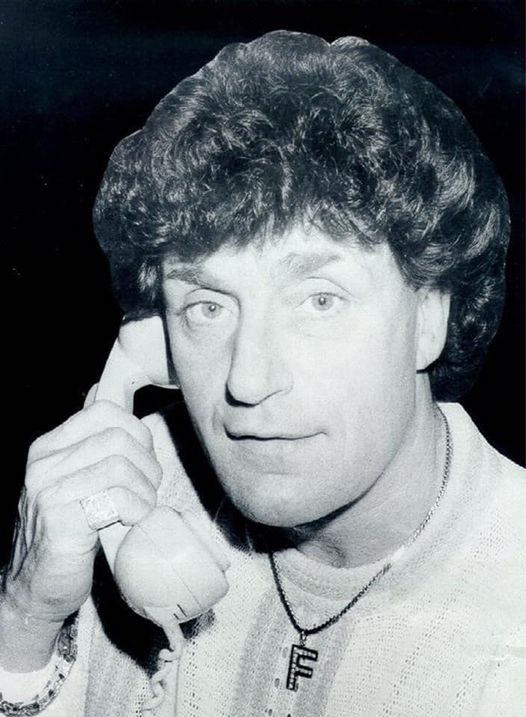
Ted & Noel wins Iris Prize Audience Award

The short film “Ted & Noel” has picked up the Co-op Audience Award at this year’s Iris Prize LGBTQ+ Film Festival (voted for by the public). 

This moving documentary focuses on Gay Liberation Front activist Ted Brown and his journey and campaigning after losing his civil partner Noel, who was subjected to homophobic abuse at a London care home.

The film will be part of a best of Iris Prize 2023 screening programme in cinemas in early 2024 (dates To Be Confirmed) and is available to watch for free on the Channel 4 website – https://www.channel4.com/programmes/ted-noel

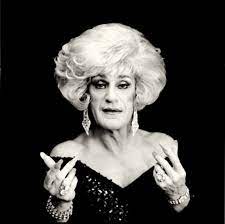
Brigitte Bond – Transwoman and Iconic Beat Girl

(Thanks to Siobhan Donegan for this article)

Brigitte Bond in the 1960s was an actress, a recording artist, who was dubbed by The Daily Mirror as “The Queen of Bluebeat”, a Cabaret singer, a Mod girl and she was a truly stunning pioneering Transgender woman. Furthermore, she was the inspiration behind “The Beat Girl” character / logo designed by Hunt Emerson for the late 1970s Midlands Ska band The Beat.  

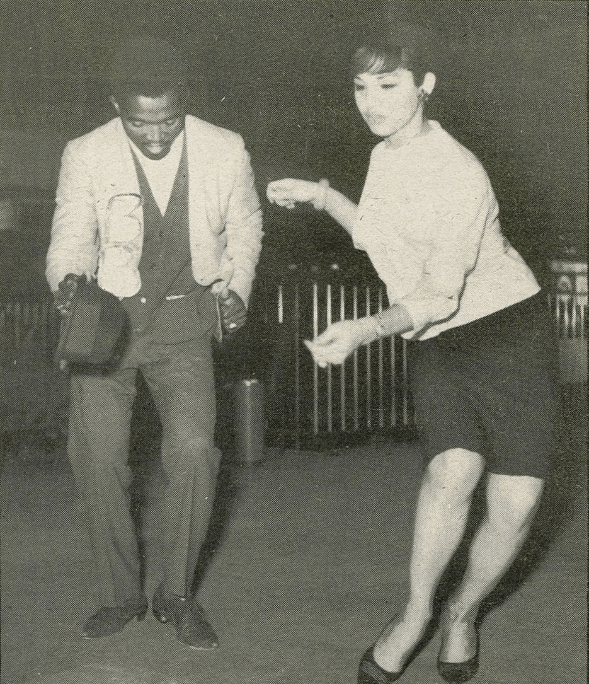
This image of a young mod girl in sharp 60s fashion dancing to Ska music, is not only instantly recognisable to people connected and fans of Ska music, but also iconic. Furthermore, the Beat Girl has grown beyond the band’s logo and has become a symbol for Ska music and youth subculture for over 40 years.

Brigitte Bond who was also known as Bridgette Saint John, whose actual birth is unknown: she was born sometime time between 1943-45, and the best estimate that has been suggested is February – May 1944. Brigitte, according to the press was / is French or Maltese – she stated that she was born in Malta of an Italian mother and a French father. She was apparently a mod girl, a huge Ska fan and in fact a Bluebeat / Ska singer and went on to record for the UK label Blue Beat.

For those old enough to remember, in the late 70s – early 80s there was a revival of Two-Tone Ska music in the UK with bands such as The Specials, Madness, Selector and of course The Beat. The iconic Beat Girl logo designed for The Beat was inspired by a picture featured in the music paper The Melody Maker of 19 May 1979 which showed Brigitte doing the twist with famous Ska legend Prince Buster. There are certain apocryphal stories behind this photograph, for example that Brigitte was the girlfriend or wife of Prince Buster and that the picture was taken outside his recording studio in Jamaica.

However, this now famous picture was from when she and other mod ska fans welcomed Prince Buster to England at Heathrow Airport on the 25 February 1964 and shows them both doing the twist. At the time the story was featured in The Daily Mirror under the headline “The King and Queen of Bluebeat Meet”. As previously mentioned, it was during the Ska revival that Hunt Emerson drew inspiration for the creation of the character of The Beat Girl by referencing this picture for a logo for the first album for the band The Beat.
It is not altogether clear if the 19-year-old Brigitte debuted as a singer at Southall Community Centre, or the famous 2i’s Coffee Bar. This venue was on Compton Street in Soho, which in the 1960s was known as the “square mile of sin”, obviously as it was known for sex, but also fashion and coffee shops. The 2i’s Coffee Bar was not only the birthplace of British Rock n’ Roll but also the first Rock club in Europe.

When Brigitte was showcased here in 1964, she was scouted / discovered and signed under Tom Littlewood the manager of the club. Subsequently her first single 45rpm featured the tracks “Bluebeat Baby” and “Oh Yeah Baby”. Some commentators have unkindly stated that Brigitte’s single was a cash-in on Millie’s “My Boy Lollipop”, however, both singles were released at roughly the same time.

Brigitte was also a bit of a rebel. In June 1966 Brigitte climbed onto Dr Billy Graham’s car to protest his comments on the fashionable, but controversial at the time, miniskirt. The ‘establishment’ evangelical preacher Dr Graham was in London for a month and had ‘denounced’ the miniskirt. Brigitte’s ‘protest’ had occurred during Graham’s visit to Soho on the 17 June. Dr Graham had stated that miniskirts are ‘sinful’ or ‘bring sin’; an angry Brigitte declared that her skirt was only “six inches above my knees, how can it be sinful? Sometimes I wear a skirt ten inches above my knees.” She further stated that it was not sinful, just fashionable. Brigitte’s protest and picture appeared on the front page of The Sunday Mirror at the time.

The Flamingo Club at the time had become well known for Jazz, R&B and West Indian Music. As a result of the Jamaican musical style known as Ska or Bluebeat being incorporated into the musical tastes of the Mod Movement, the Flamingo in Soho, which was to become primarily a mod haunt, started a weekly Bluebeat night – and Brigitte performed here. The original clientele had been a rich mixture of mods, West Indians, LGBT+ people, sex workers, musicians, celebrities, gangsters and US military service men.
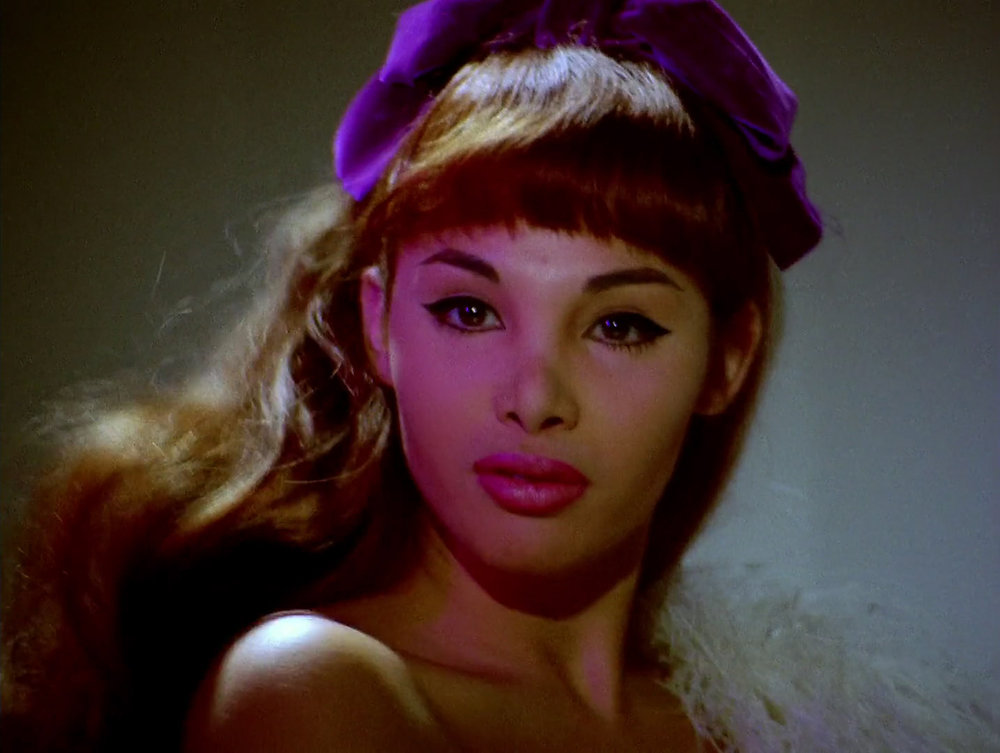
The Flamingo is also where Brigitte famously met Sir John Waller who was a poet of note and very open about his homosexuality. He was also an aristocrat – 7th Baronet of Braywick Lodge. Waller was due an inheritance of £250,000, which adjusted for inflation is about 4 million pounds, however, he could only claim his full inheritance once he was married and had a male heir. Waller had arranged to meet the very attractive Brigitte and proposed to her, which she accepted. However, when it was revealed that Brigitte was a transgender female and wouldn’t be able to provide Waller with an heir the marriage was called off. However, Waller had proposed to many women and his ‘proposals’ were really made in terms of a business arrangement.

However, Brigitte didn’t let this setback interfere with her career. The Bluebeat nights went on for a further two months, the Flamingo finally closed at the end of the 60s. Brigitte appeared in “Titbits” in May, which played off the fact that her name was Bond with the headline “licensed to Thrill” and being a teenager attended a mod weekender (on Whitsun weekend) in Margate. She also went on to perform for a week in Mayfair at the Astor club, which famously had the intoxicating mix of Royalty and gangsters, who as one shrewd commentator stated are people who both have too much money to know what to do with. She also had film roles in Don Levy’s “Herostratus” released in 1967, and had a part in the James Bond film “Casino Royale”.

Brigitte Bond faded into obscurity after 1976, however, I would like to think that this amazing trans woman is still alive.

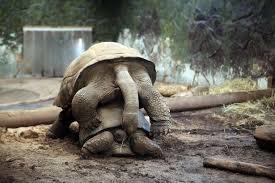
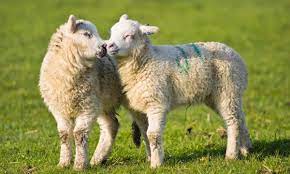
Loads of Animals are Gay
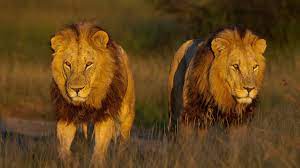
Animals can be gay – and it’s totally normal. (Getty Images)

New research has found that same-sex activity is common and totally normal for most animals, including fish, birds, an array of mammals and even insects.

The study, led by scientists at Estación Experimental de Zonas Áridas, in Spain, examined all scientific literature relating to same-sex activity in the animal kingdom and created a database of their conclusions.

The same-sex sexual activity recorded included courtship, mounting, genital contact, copulation (sexual intercourse) and pair bonding. Same-sex animals also raise young together.

Eighty-seven per cent of the interactions involved mounting and genital contact.

The research revealed that same-sex sexual activity has been identified in more than 1,500 animal species, including spiders, fish, reptiles, birds and mammals.

Overall, same sex contact was reported in 261 mammalian species, representing approximately four per cent, belonging to 62 families and 12 orders.

Some penguins are gay, get over it. (Getty Images)

The scientists found that it was more common in mammals than other species, such as birds or insects, with more than 80 per cent of mammal groups experiencing same-sex behaviour in a number of long-term field studies.

The behaviour was recorded slightly more in males, with male-on-male activity observed in 199 species, while for the females it was seen in 163 species.

There were a variety of explanations for this, with some hypotheses suggesting that animals might engage in same-sex relationships as a “consequence of mistaken identity”, “limited availability of individuals of the opposite sex” or “indiscriminate sexual behaviour.”

Same sex interactions in animals an ‘evolutionary conundrum’

The authors of the study wrote: “Same-sex sexual behaviour is any behaviour that is usually performed at some stage during reproduction with a member of the opposite sex, but which is instead aimed towards members of the same sex.

“Same-sex sexual behaviour as it is used here does not denote sexual orientation (ie an overall pattern of sexual attraction / arousal over time), sexual orientation identity (the sexual orientation that individuals perceive themselves to have), categories of sexual beings (homosexuals, heterosexuals, etc), nor sexual preference.”

The scientists overwhelmingly concluded that same-sex activity can play an “adaptive role” in “maintaining social relationships and mitigating conflict”, but noted that since the relationships do not “contribute directly to reproduction”, it is considered an “evolutionary conundrum”.

However, they warned that their findings should not be used to analyse the evolution of sexuality in humans.

The study’s authors also argued that since the relationship between animals and sexuality has only recently been investigated by ecologists, it is likely to be under-researched, and could benefit from further investigation.
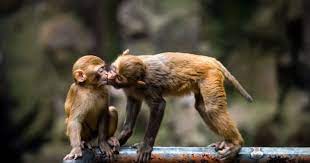
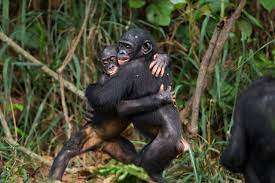
Homophobia is found in only one of the identified 1500+ species – human beings!

Report into housing and social care for older LGBT+ people in Scotland
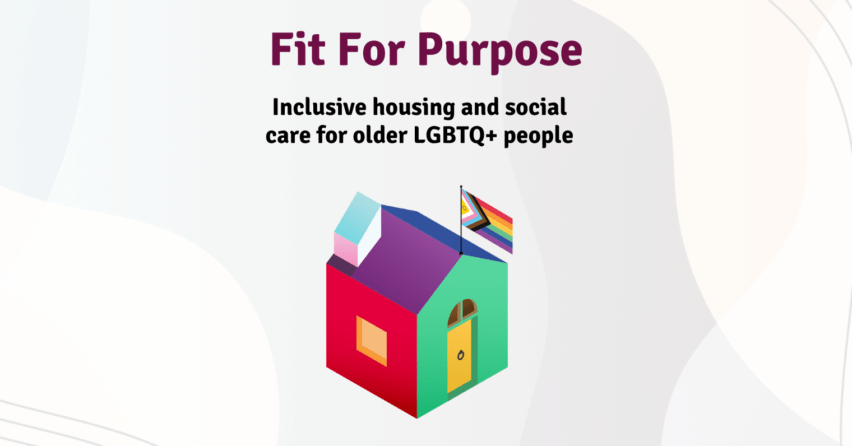
LGBT Health and Wellbeing, a Scottish LGBTQ+ charity, have recently released a report into inclusive housing and social care for older LGBT+ people in Scotland, which you can find here

Their report highlights a number of themes we’re all familiar with, from families of choice to going back into the closet. While its focus is on the older LGBT+ community in Scotland, it’s clearly very relevant to Manchester’s development at Russell Road in Whalley Range and is well worth a read!

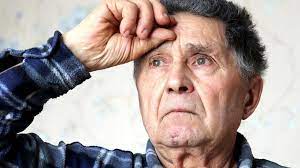
Coming Out in Later Life – Feature in Sunday Times

Journalist Katie Gatens is looking to profile 5 people who have come out for the first time in later life. This will appear in the Sunday Times early next year.

If you would be interested in being featured please let me know here and we can connect you with Katie.

Leeds … Statement from UN experts … Brain Power Study during Covid-19 Pandemic

News

Leeds

We had a difficult journey to Leeds and a difficult journey home. There had been a landslide between Leeds and Huddersfield, which caused train cancellations and delays.

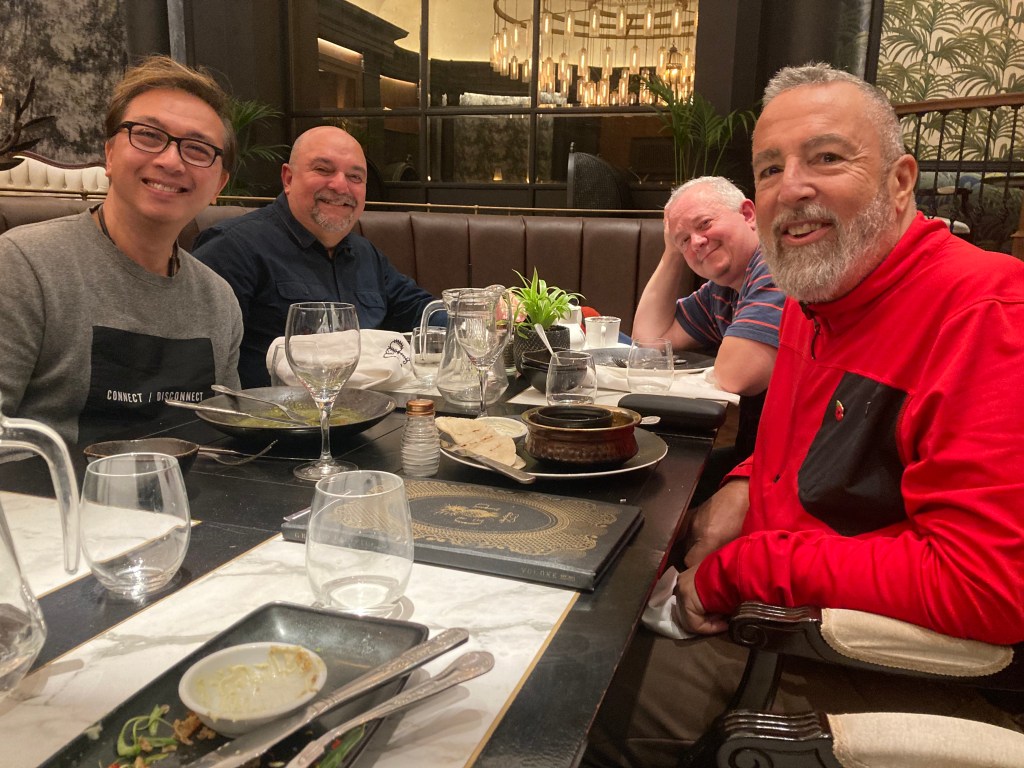
We arrived over an hour late but fortunately had time to meet up and spend a little time with Tim and Matt from Out Together – a charity that unites LGBT+ generations in Yorkshire.

We met in The Grand Pacific in the Queens Hotel which is a magnificent venue serving delicious food.

Some great photos can be seen here.

UN experts: LGBT+ older persons at heightened risk of violence and discrimination

Following the commemoration of the UN International Day on Older Persons on 1 October, three United Nations rights experts issued a Statement * highlighting the alarming situation faced by many LGBT+ older persons and exhorting UN Member States and other stakeholders to design, pass and implement all measures necessary to address violence and discrimination that disproportionately impact the enjoyment of their human rights.

The experts noted that the specific human rights challenges faced by older LGBT+ persons include leading their lives against the backdrop of negative societal stereotypes and assumptions about their physical and mental health, their sexuality and sex life, their ability to contribute to society and their worth to their families and communities.

Experiences of compounded discrimination and stigma throughout their lives may lead to increased rates of depression, anxiety, dementia and other mental health conditions in older life, often compounded by social isolation and loneliness if they live in a social environment that is not accepting.

They further noted that gendered societal assumptions create significant barriers to access to health, including menopausal and gynaecological care for older lesbians and trans men, differentiated health concerns for black gay men, and prostate enlargement and prostate cancer for trans women; and that stigma and prejudice affect the recognition of needs such as peri-menopausal syndrome, erectile dysfunction, lowered libido, vaginal dryness, painful intercourse and sexual dysfunction.

The experts also highlighted the challenges raised by lack of recognition of families chosen by LGBT+ persons, and discrimination and violence that can be pervasive in care institutions and that can lead to cruel violations of human rights at the end of a person’s life, and that may even have effects after death, when surviving loved ones are denied access to funeral planning, survivor benefits and inheritance, or when persons are memorialised in ways that are contrary to their gender identity or sexual orientation. The experts issued nine recommendations to UN Member States to recognise structural ageism as a significant and pressing concern also impacting LGBT+ persons and to give consequence to that recognition in public policy, by designing measures such as anti-discrimination legislation, awareness programmes, training and specialised services.

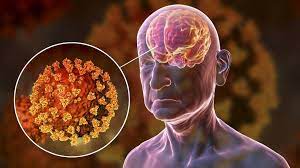
Brain power dropped among over-50s during Covid-19 pandemic, study shows

The Covid pandemic may have impacted brain health in people in the UK aged 50 and over, according to a new study.

More than 3,000 volunteers completed yearly questionnaires and online cognitive tests to measure changes in memory, and other faculties, as the pandemic unfolded.

The results revealed a decline, irrespective of Covid infection.

Stress, loneliness and alcohol consumption may explain some of the findings, experts say.

Coping with Covid fears, worries and uncertainties and disruption to routines may have had a “real, lasting impact” on brain health, they say.

The rate of the drop in cognitive function was accelerated during the first year of the pandemic, when lockdowns occurred, the study found.

For memory issues, the decline continued into the second year.

People who already had some mild memory problems before the pandemic began had the worst overall decline.

The study, called PROTECT – published in The Lancet Healthy Longevity – was set up to help understand how healthy brains age and why some people develop dementia.

It uses brain-training games to check memory skills and reasoning, while the questionnaire looks for possible risk factors that could harm brain health.

The plan is to keep the study running in the future to see how participants fare, and what lessons can be learned to help others.

Based on the current findings, lead investigator Prof Anne Corbett, from the University of Exeter and previously King’s College London, says pandemic conditions may have hastened brain decline.

“Our findings suggest that lockdowns and other restrictions we experienced during the pandemic have had a real, lasting impact on brain health in people aged 50 or over, even after the lockdowns ended.

“This raises the important question of whether people are at a potentially higher risk of cognitive decline which can lead to dementia.

“It is now more important than ever to make sure we are supporting people with early cognitive decline, especially because there are things they can do to reduce their risk of dementia later on.

“So if you are concerned about your memory, the best thing to do is to make an appointment with your GP and get an assessment.”

Dr Dorina Cadar, a dementia expert from Brighton and Sussex Medical School, said the effect of the pandemic on the general population had been “catastrophic”.

“Many of the long-term consequences of Covid-19, or the restriction measures implemented around the world, remain unknown,”

She recommended more research, and said although the findings could not prove cause and effect, there is mounting evidence that some of the factors described, such as social isolation, can negatively impact brain health.

Dr Susan Mitchell from Alzheimer’s Research UK said: “While our genetics play an important role in the health of our brains as we age, we know that a range of health and lifestyle factors can impact our brain health.

“Sadly, there’s no sure-fire way to prevent dementia yet, but meanwhile, taking care of our brains can at least help stack the odds in our favour. It’s never too early or too late to think about adopting healthy habits, which includes looking after your heart health, keeping connected and staying sharp.”

Beautiful Thing Review … Bridgewater Hall … Frank “Foo Foo” Lamaar

News

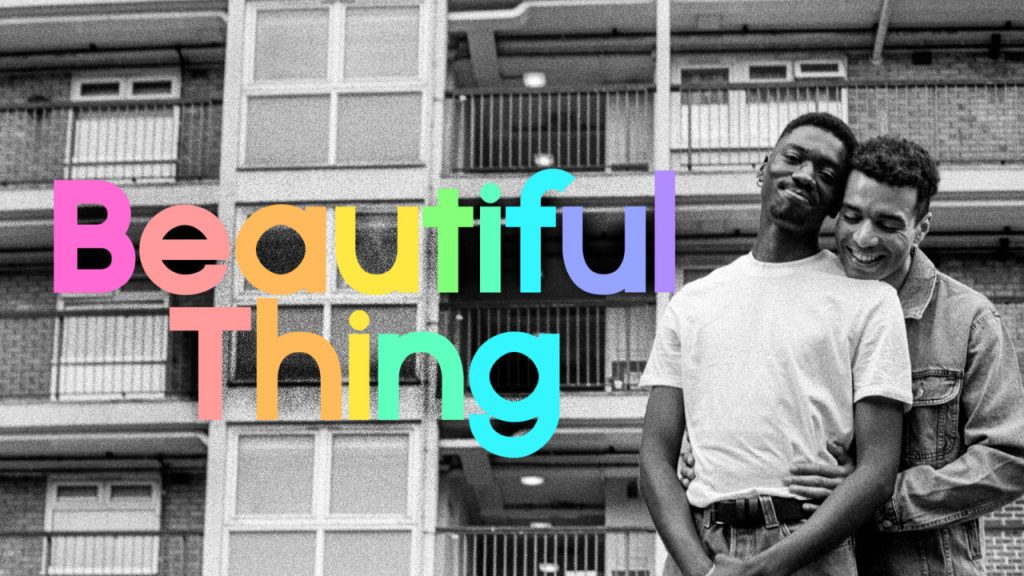
Beautiful Thing review

Members of Out In The City attended the matinee of the play “Beautiful Thing” on 4 November. I haven’t seen the play yet as I was performing as part of the Community Company. We were waiting in the Green Room until our appearance at the end of the play.

Let’s not forget the play was written at a time when the age of consent for gay men was 21, Section 28 had yet to be repealed, and Aids was a threat that loomed large in people’s minds.

Here is the review from Pink News:

Hilarious and heartwarming revival uplifts gay Black love

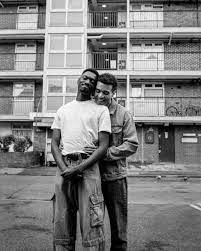
Raphael Akuwudike and Rilwan Abiola Owokoniran as Ste and Jamie in Beautiful Thing

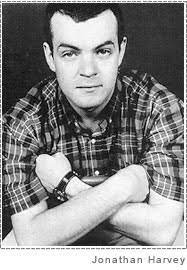
The 30th anniversary revival of Jonathan Harvey’s 90s coming-of-age classic, Beautiful Thing, is a tenderly portrayed triumph.

On a council estate in south London, there are three houses filled with closely held secrets, lost hopes and wistful dreams. At one end of this row of homes – simply but elegantly captured on a walkway – Ste (Raphael Akuwudike), a football-loving teen living in an abusive household, finds sanctuary next door.

It’s here that we meet the hilariously sassy Sandra (Shvorne Marks), a fiercely protective mother who is never short of a witty remark. Her latest lover Tony (Trieve Blackwood-Cambridge), a desperately devoted middle-class artist, struggles in the face of Sandra’s fiery temper and ambition.

Then there is Leah (Scarlett Rayner), a constant presence at the end of the road since her expulsion from school, who harbours an intense obsession with singer Mama Cass and an ever-dwindling hopes to return to the education system.

At the centre of them all is Sandra’s son Jamie (Rilwan Abiola Owokoniran), a shy boy who prefers The Sound of Music to the football field and who happily welcomes a troubled Ste when he comes knocking. Against this lively backdrop, we watch Ste and Jamie slowly fall in love. 

Forced to share a bed on evenings when Ste is seeking refuge from his father, Akuwudike and Owokoniran craft an exquisite chemistry that leaves you rooting for their love to flourish.

Their dynamic delicately balances the tenderness of first love with the terrifying reality of being a gay Black boy in the 90s – captured best as Jamie lovingly tends to Ste’s bruises in the quiet of the night. Despite the challenges that face them, their bravery to choose love over fear is the warmth at the heart of the play.

Jonathan Harvey’s story, interpreted here by director Anthony Simpson-Pike, offers a much-needed portrayal of gay Black love defined by hope rather than trauma. The play’s most powerful moments are found in its most positive ones, from Sandra’s tear jerking acceptance of the boys’ relationship to Ste and Jamie’s gorgeously romantic final dance. 

Weighty scenes are perfectly punctuated with moments of humour, such as when the street is sent into a mad scramble to sober-up a high Leah in the middle of the night, or through well-timed one liners scattered throughout. 

In particular, Marks offers a standout performance, leaving the audience in fits of laughter and misty-eyed from one moment to the next.

One thing is for sure, Beautiful Thing remains not only a timely commentary on the struggles for working-class gay teens, but also a feel good triumph that leaves audience grinning as the lights go down.

With their joyful energy, the revival cast brilliantly pays homage to this eclectic cast of characters first unleashed on the world by Harvey three decades ago.

Beautiful Thing runs at HOME in Manchester until 11 November.

‘I had a panic the night my mum came to see it’: Jonathan Harvey on writing Beautiful Thing

Jonathan Harvey, playwright:

“I wrote Beautiful Thing quickly in the summer of 1992. It came from the heart. The age of consent debate was going on – back then, gay men had to be 21 to have sex. The rhetoric used in parliament was so archaic, with words like “buggery” and “sodomy”. I wanted to write a play about two boys falling in love, and give it a happy ending.

During the Aids crisis, it was unusual for a gay character to still be alive at the end of a drama. Class was important, too. Gay characters in Merchant Ivory films went punting, but if you were working class on screen, you would end up becoming a rent boy and selling your arse for 20 Woodbine cigarettes. My own experience, however, was that tolerance and acceptance were not just the privilege of the upper and middle classes.

I’d already had some plays staged but was still teaching, working near the Thamesmead estate in London where the play is set. My agent had just got rid of me, saying I wasn’t taking my writing seriously. That gave me a kick up the arse. I spent the first two weeks of the summer holidays writing Beautiful Thing in longhand, the second two typing it up and the last fortnight sending it out. By the end of the summer, I had a new agent – Alan Radcliffe, the father of Daniel, who played Harry Potter. I left my teaching job at Christmas.

All the new writing venues turned the play down, except the Bush in London. Dominic Dromgoole, who ran the theatre, told me: “It’s a really weird ending.” I said: “What, the dance?” He said: “What dance?” It turned out the agent’s assistant had sent it out to everybody with the last 40 pages missing. Dominic said: “I thought you were just being elliptical.”

They got Hettie Macdonald in as director, which was important because it needed some fine-tuning. It was on stage by the end of July 1993. People said we had the graveyard slot – all the reviewers were up in Edinburgh – but it sold out. The Bush was this tiny space above a pub: it seated 80 and was quite claustrophobic. But the play is about people living on top of each other, so when the two boys, Jamie and Ste, were in bed talking, you really felt as if you were in there with them. I had a feeling it was good, but to see the rapturous response was like drinking your first glass of champagne: it was effervescent. Philip Glenister was laugh-out-loud funny as Tony, the boyfriend of Jamie’s mum Sandra, played by Patricia Kerrigan. Patricia was scary but warm and full of heart. I had a panic the night my mum came to see it. She is nothing like Sandra but there are conversations I had with her that are in the play. After she saw the film version, she said: “Please don’t stop writing about the little people.” That really moved me. The play helped me find my theatrical voice. It was the first time I had been honest in my writing and it gave me the confidence to keep going.”

Bridgewater Hall

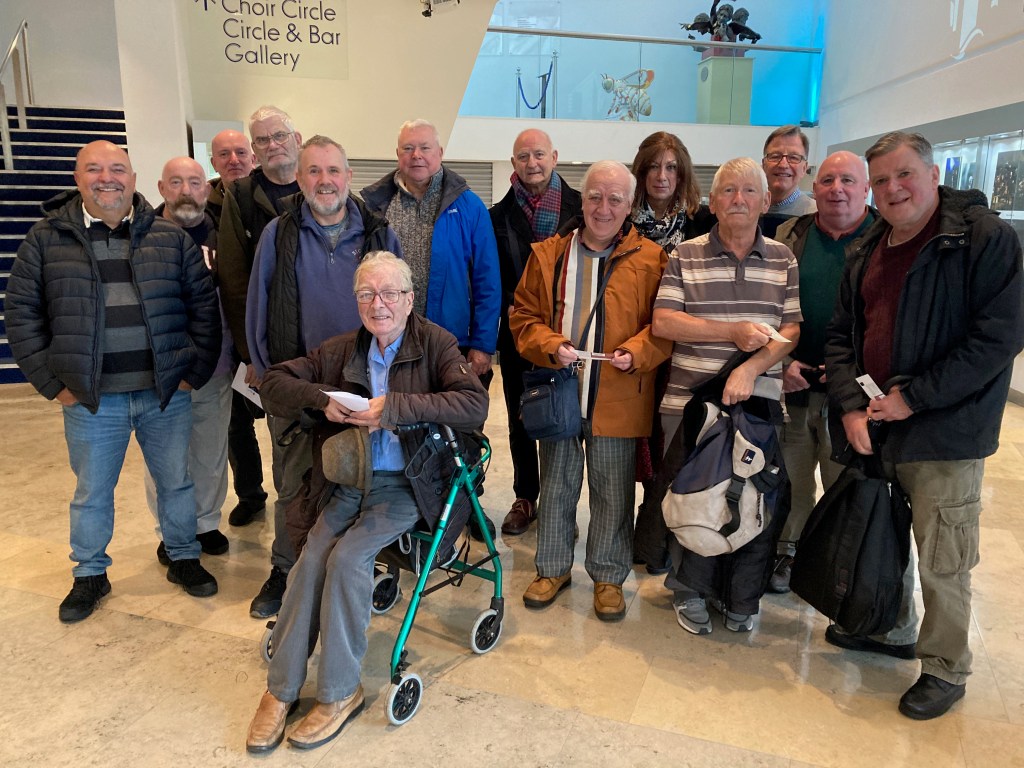
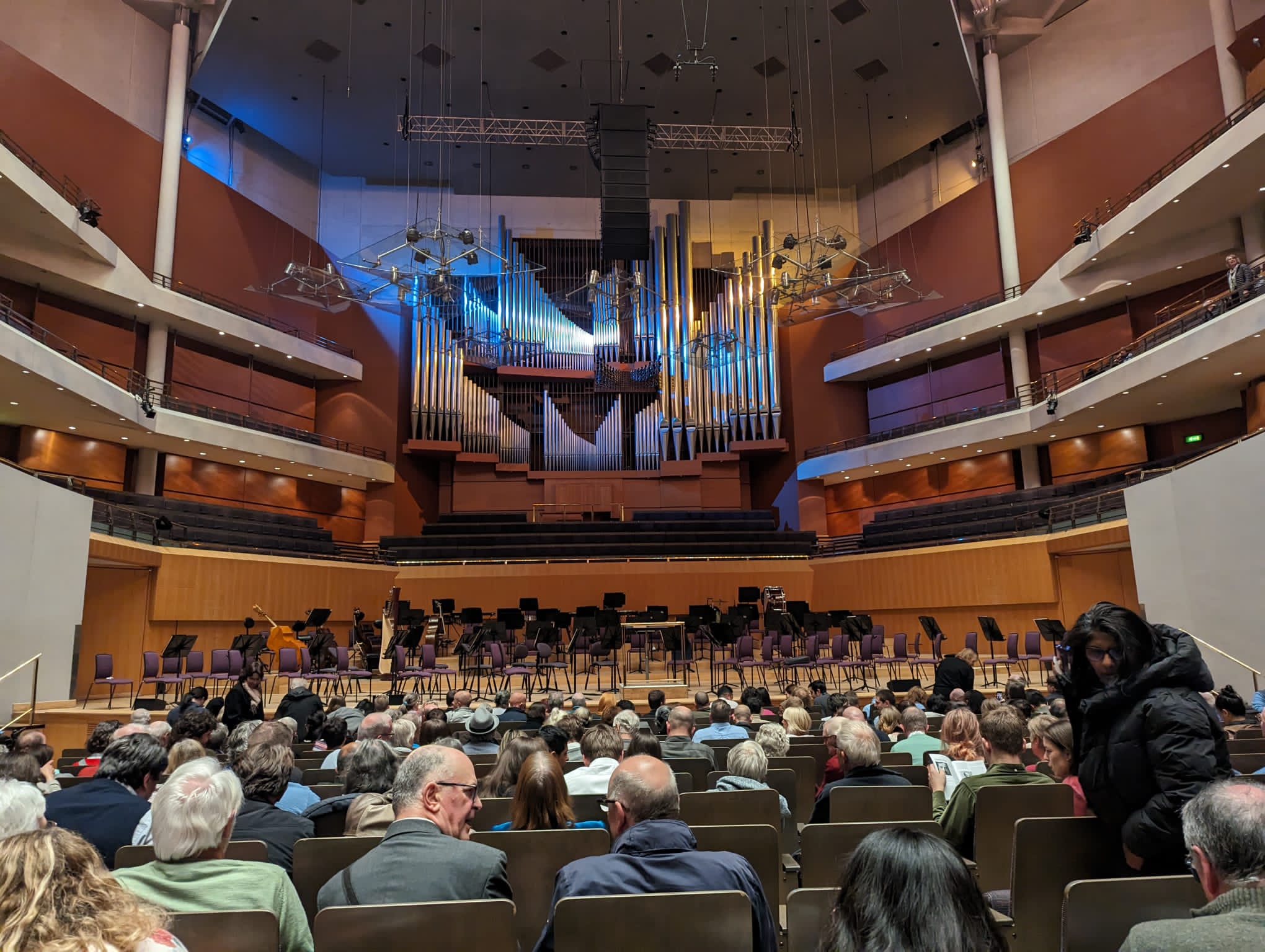
We were invited to a Community Members Day Focus Group at the Bridgewater Hall on 2 November.

The focus group was an opportunity to introduce the Department, and reflect on the previous Community Members Day in May 2022. It was also an opportunity to talk more about the scheme, and what we would like to get out of it.

A commitment was made that the Community Members Scheme would continue beyond May 2024.

Frank ‘Foo Foo Lammar’ – 20 year anniversary since his death

Frank ‘Foo Foo Lammar’ Legendary Manchester Drag Performer, Singer, Comedian and Host

Born Francis Joseph Pearson in 1938, young Frank Pearson was an amateur boxer raised in a tough part of East Manchester. He was the son of a rag and bone merchant in the days when the term ‘gay’ meant happy.

He left school at 15 with no qualifications and got a job working at a paper-recycling centre. Whist working in this male environment he picked up a lot of industrial style banter, which would later serve him well as an entertainer. He enjoyed watching the glamour of Hollywood films and his favourite screen actress was Hedy Lammar. Frank created ‘Foo Foo Lammar’

In the evenings he started singing around the pubs of Ancoats, in Manchester. The story goes that his tough dad heard a rumour that his son was dressed in a frock signing in the Ancoats Arms. His dad stormed into the pub, went berserk and threw a bar stool at him whilst singing on the small stage. This was Frank’s first brush with dealing with rowdiness and tough crowds. As an amateur boxer he was able to stand up for himself on quite a few occasions. People quickly learned not to under estimate this tough guy in a dress!

In the 1960’s, drag was becoming popular in the northern clubs. The success of Danny La Rue had paved the way for other acts to break through. Comedians such as Larry Grayson long before his TV fame did half his act in drag and the second half in a suit. Before long, the name Foo Foo Lammar was established and in much demand throughout Manchester during the glorious days of cabaret entertainment. Entertainers could work seven nights a week year round.

In 1971 Frank opened his first club in Manchester named ‘The Picador’ at Shudehill in Manchester with “Connie the Queer” on the door. Due to its popularity he then opened ‘The Celebrity Club’. This same venue on Dale Street later became the infamous ‘Foo Foo’s Palace’ in the heart of the city of Manchester. Foo Foo’s Palace became ‘the in’ place. Coach parties would arrive in droves to visit this legendary plush cabaret palace. It became an entertainment institution – a popular venue for stag and hen nights out. It was also a regular haunt for the cast members of Coronation Street and Manchester United football players.

Foo Foo Lammar was of course a glamorous stage persona in expensive outfits. The offstage life and character of Frank was equally as colourful. He was a stylish man of presence who oozed that special star quality. He was a well known recognisable figure throughout Manchester and a respected and successful businessman. Following the success of the TV Show ‘Queer as Folk’ in 1999 which popularised Manchester’s Gay Village, Frank purchased several properties in ‘The Village’ around Canal Street, venues such as Napoleons and Cruz 101 night club. In equal measure he was generous with his time and money. Throughout his life in show business he helped raised millions of pounds for various charities. He was an ambassador most notably for The Royal Children’s Hospital in Manchester – a place he held dear to his heart.

Around 2001 Frank was diagnosed with cancer and suffered a battle until his death on 7 November 2003 aged 65. His funeral was a sad yet colourful day in the social history of Manchester. People lined the streets to pay their respects to mark the passing of their legend.

Frank ‘Foo Foo Lammar’ was true to his Manchester roots and became a self-made millionaire. He is remembered as perhaps the most popular female impersonator in the North Of England. His career spanned nearly 50 years.

Lammar was said to be “a familiar sight in his native city dressed in shiny suits and dripping in gaudy jewellery.” He owned a number of Rolls-Royce cars with the licence plate FOO 1, and enjoyed giving lifts to locals. He was “devoted” to his mother Leah, taking her shopping every day and having tea at the bungalow he had bought for her in Moston. I remember seeing him and his mother in the Arndale Centre. He loved life and was admired by all walks of life. In return Frank loved the attention he received from people. It’s a great pity he did not live long enough to have been awarded Royal recognition for his services to entertainment and charity. He certainly deserved it.

Statement from LGBT Consortium … Out In The World

News

Statement from LGBT Consortium

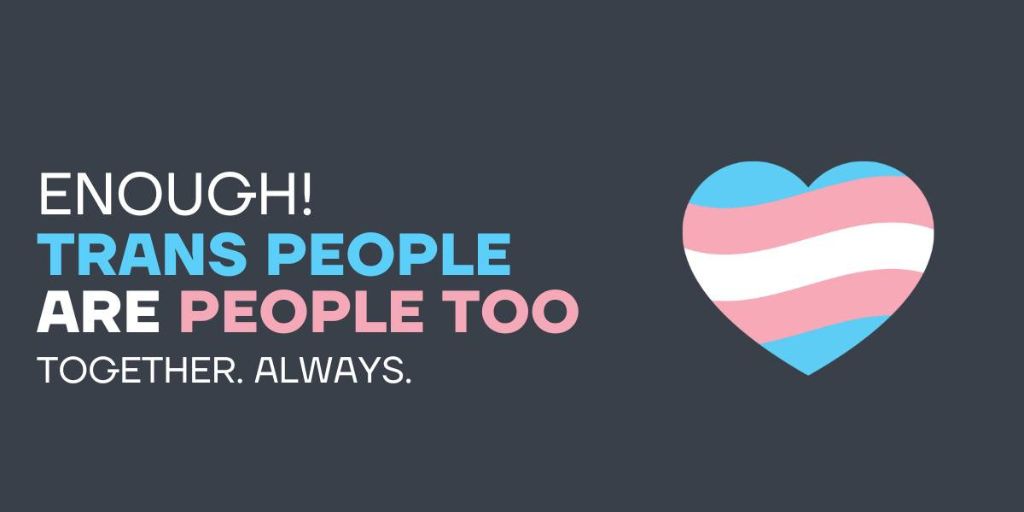
We have come together with LGBTQI+ organisations and allies across the country to say enough! Trans people are people too.

We cannot allow our communities, particularly our Trans and Intersex communities, to be attacked in such inhumane and degrading ways as we have seen during the Conservative Party Conference in early October.

Rather than focusing on pressing issues affecting everyone, such as the cost of living, the climate crisis or getting timely healthcare, senior Government ministers, including the Prime Minister, sought to denigrate Trans and Intersex people, and increase the barriers they already face to accessing essential services and support. We are deeply concerned at the nature and tone of these remarks and policies.

Everyone has a right to live with dignity, free from discrimination and abuse, and to play an integral part in their local communities. That is the principle behind the Equality Act, which up until now has been supported by all parties. Government’s responsibility is to all its citizens and it should be working to proactively tackle life-limiting inequalities so that Trans people are safe to live their lives, respected and valued in society, and supported to thrive in what they do.

However, Trans and Intersex people and communities are being let down by a Government that wants to deny their existence and their safety.

For far too long now, we have seen Trans people and communities used in a culture war, mocked by those who are in positions of power, and inaccurately portrayed as a threat to others. People who support Trans people as friends, colleagues and family members are called ‘bullies’, and those questioning the Government’s new narrative in this area are removed from conversations. Announcements like the exclusion of Trans men and women from single-sex wards are made despite the NHS reporting no evidence of abuse by Trans people, and quite possibly with no consultation with those involved in providing or receiving those services. This suggests to the wider public that it is legitimate and appropriate to undertake harassment of Trans people and communities.

We call upon LGBT+ people, friends, allies, family members, businesses and voluntary sector organisations to stand up and say enough. Enough of erasing and attacking some of the most marginalised people and communities in our society, and putting the health, safety and lives of Trans people at risk. Trans people, and all LGBT+ people, are an asset to our country. Reducing inequalities should be our collective goal. If the Government can target one group of innocent people, and block them from necessary services, then it can do the same to anyone else.

LGBTQ+ History Month’s Founder Urges Unity Over Division

Rodney Wilson, the educator who envisioned LGBTQ+ History Month, delves into evolving inclusivity, tackling exclusionary trends, and the dire need for continuous education amid a changing political landscape.

In the US October is LGBTQ+ History Month, a time of reflection and celebration of the community’s past, underlined by a pressing discourse on the contemporary educational and political landscape surrounding LGBTQ+ rights. At the heart of this dialogue is Rodney Wilson, the pioneering educator behind the inception of LGBTQ+ History Month back in 1994.

Wilson’s journey began in a suburban St Louis high school classroom, where he envisioned a dedicated month to commemorate LGBTQ+ history, akin to the observances for African American and women’s history.

October was earmarked, aligning with significant LGBTQ+ milestones and the academic calendar. Over the years, the initiative garnered endorsements from various states and prominent LGBTQ+ organisations, evolving to embrace the diverse identities within the community.

Rodney Wilson addressed the ongoing contentious movement of “LGB without the TQ+,” which is made of gay, lesbian, and bisexual people who believe that transgender people and other identities should not be lumped in with the former.

“It’s hard to get my mind around it, honestly,” he said. “I don’t understand how anyone would want to quite literally cut a group out of a community. … But to take a knife and cut off a letter that symbolises an identity that we all need to be educated about, we all need to learn about, is so frustrating and sad to me.”

Wilson reminisced about the initial naming of the observance as Lesbian and Gay History Month in 1994 and reflected on the community’s growth.

“It did not cross my mind in 1994 to call it Lesbian, Gay, Bisexual, and Transgender History Month. It just didn’t cross my mind. But we are supposed to learn and evolve and grow and continue to open ourselves up to new individuals, new understanding, new information, new identities,” he said.

Wilson envisioned continuous education and open dialogue to foster understanding and inclusivity.

“Adding a colour to the Gilbert Baker flag or adding a letter to our initialism does not detract from the worth or value of the colours and letters already present,” he added. “There’s strength in numbers, there’s strength in cohesion, there’s strength in community. There’s strength in having a wide variety of people with different experiences and the insight that comes from having different experiences,” Wilson said.

Out in the World

Just a small selection of stories from around the world:

Hungary

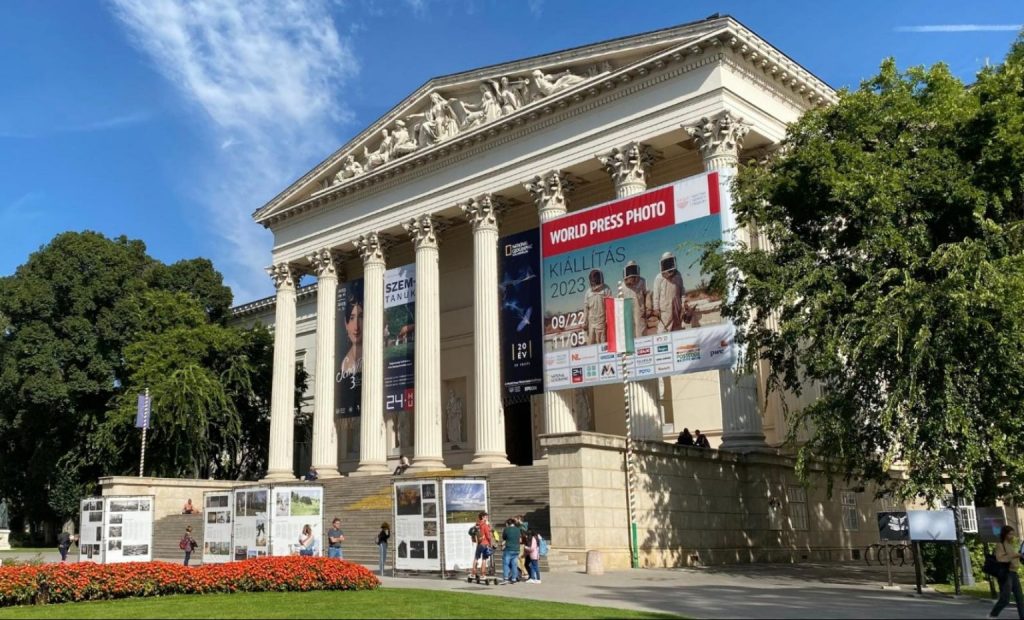
Photo courtesy of the Hungarian National Museum

The far-right anti-LGBT+ government of Hungarian Prime Minister Viktor Orbán has banned children under the age of 18 from visiting the World Press Photo exhibition at the Hungarian National Museum in Budapest, citing LGBT+ content in some of the photos.

Since taking power, Orbán and his ruling party have waged an unceasing campaign to restrict the rights of LGBT+ Hungarians. In July 2021, the government passed a law that bans the promotion of homosexuality and sex-reassignment surgery to minors in the country.

This past summer Hungary’s second-largest bookstore chain was fined for violating the 2021 law that limits the access of minors to books, media content and advertisements that “promotes or portrays” the so-called “divergence from self-identity corresponding to sex at birth, sex change or homosexuality.”

The chain was fined for selling copies of British author Alice Oseman’s LGBT+ graphic novel series “Heartstopper,” a global phenomena due to the runaway hit Netflix show based on her books in the series.

Reuters reported that the museum stopped selling tickets for the photo exhibition for youngsters after the far-right Our Homeland party had initiated a government inquiry.

Japan

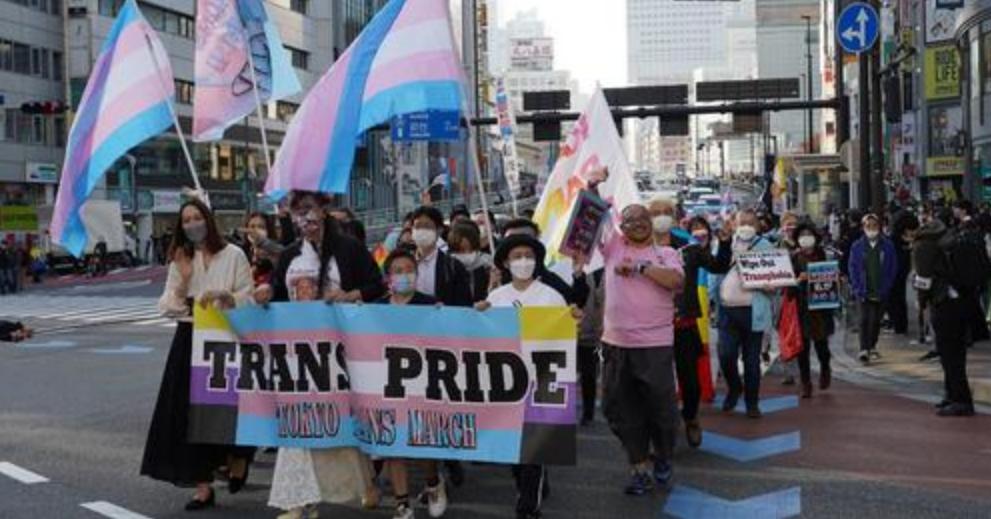
The 2nd Tokyo Trans March on 12 November, 2022. (Screenshot from video by Tsubasa Setoguchi)

On 25 October 2023, Japan’s highest court ruled in a unanimous decision that the country’s law mandating sterilisation surgery for transgender people as a requirement for legal gender recognition was unconstitutional.

In the ruling, the 15 justices wrote: “Being forced to undergo sterilisation surgery … constitutes a significant constraint on freedom from invasive procedures” in violation of the Japanese Constitution.

Human Rights Watch Japanese Director Kanae Doi noted that since 2004, trans people in Japan who want to legally change their gender must appeal to a family court. Under the Gender Identity Disorder Special Cases Act, applicants must undergo a psychiatric evaluation, be surgically sterilised, and “have a physical form that is endowed with genitalia that closely resemble the physical form of an alternative gender.” They also must be single and without children who are younger than 18.

In May 2023, the Supreme Court ruled in favour of the right of a trans woman government employee to use the restrooms in accordance with her gender identity. In November 2022, the government in Japan’s Kanagawa prefecture awarded another trans woman workplace compensation after recognising her depression was the result of harassment she faced from her supervisor.

Earlier this month, a local family court ruled in favour of a trans man, Gen Suzuki, who requested to have his gender legally changed without undergoing the surgery.

The family court judge, Takehiro Sekiguchi, said the current law violated Article 13 of the constitution that stipulates all people shall be respected as individuals.

According to the Japanese government’s statistics, sexual minorities (LGBT+) make up for 3 to 8 percent of the population and that at most, the statistics estimate that around 0.7 percent of the population is trans. 

They are an overwhelming minority. The overwhelming majority of people do not know about trans people and various prejudices are widespread. 

The “LGBT Understanding Promotion Act,” which was passed by the Japanese Parliament in June 2023, includes the sentence “we will take care to ensure that all citizens can live their lives with peace of mind,” but according to Japanese trans activist Aya Nishida, the background to this is “If you say you are a woman at heart, you are a man. This is because some people have discriminatory views such as, “If transgender people’s human rights are recognised, women’s human rights will be threatened.” 

Nishida provides training on the human rights of trans people to local governments, about issues surrounding trans people.

While the Supreme Court has ruled against the sterilisation requirement, it has asked a lower court to review the requirement to have “genitalia that closely resemble the physical form of an alternative gender.” 

As of 1 October 2023, 26 local governments have enacted ordinances that codifies the prohibition of “outing,” which is the act of disclosing a person’s sexual orientation or gender identity without their consent.

According to human rights groups and LGBT+ advocacy organisations, outing constitutes a serious human rights violation and it was defined as a form of abuse of power in the guidelines for legislation.

The harmful consequences of outing hit the national consciousness in 2015, when a graduate student of Hitotsubashi University in Tokyo died after plunging from a school building in an apparent suicide after being outed as gay.

Nigeria

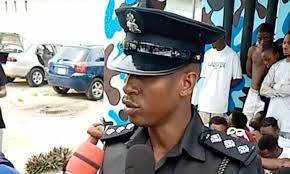
Human rights activists are condemning Nigerian police after observing a recent rise in mass arrests targeting LGBT+ people.

Authorities have been accused of abusing Nigeria’s Same-Sex Marriage Prohibition Act to arrest suspected members of the LGBT+ community “based on assumptions” rather than solid evidence or investigation.

Nigeria is one of over 30 African countries that heavily enforces a number of anti-LGBT+ laws. Among those is the criminalisation of homosexuality, which is punishable with up to 14 years in prison or, under Sharia law, death. Gay marriage, same-sex relationships and gay rights groups are also illegal.

At the same time, Nigeria’s constitution promises its citizens freedom from discrimination and the right to private and family life.

Arrests under Nigeria’s Same-Sex Marriage Prohibition Act, which has been criticised worldwide ever since it was introduced, have always been common. But in recent weeks, there has been a notable spike in mass arrests with little to no evidence, with many suspects claiming to be falsely accused.

Okechukwu Nwanguma, who leads the Rule of Law and Accountability Advocacy Centre, which advocates for police reforms in Nigeria, said that that Nigeria’s anti-gay law is currently being “exploited” by authorities without due process.

“They [law enforcement authorities] are exploiting the law to target people whether or not they are queer … There is a tendency to target them based on assumptions or allegations, not based on any investigation,” said Nwanguma

Just last week, Nigeria’s paramilitary arrested 76 people, claiming that they had been holding “homosexual birthdays” and intended to perform a “same-sex marriage” at the party. One of the prime suspects arrested, identified as Bashir Sani, has said that there were no such plans.

“There was no wedding, only birthday,” Sani told local media after the arrest.

Similarly, in August, more than 200 people were arrested in Nigeria’s southern Delta State over allegations that a gay wedding was due to take place.
These blanket arrests and media events pose a serious risk of further endangering people for their perceived sexual or gender orientation Nigeria’s Amnesty International Isa Sanusi warned.

“Since the signing of the Same Sex Prohibition Act into law in 2014 attacks, harassment, blackmail, and extortion of the LGBTQ+ community is rising, at disturbing speed. The Nigeria Police should be prioritising keeping everyone safe, not stoking more discrimination,” he said.

On the other side of the law, human rights groups have expressed concern that Nigerian law enforcement is ignoring reports of abuse against the LGBT+ community.

Chizelu Emejulu, an activist and lawyer who covers many cases involving LGBT+ people, claimed: “When we get the perpetrators arrested, the consistent thing we have noticed is that people always claim their victims are queer, and once they say that, the police begin to withdraw from these cases.

What the LGBTQ community in Nigeria is asking for is to be left alone to live their lives.”

South Korea

Photo courtesy of the Republic of Korea Army

On 27 October 2023, the second highest court in South Korea upheld an earlier ruling for the fourth time, the Military Criminal Act, that criminalises same-sex relations in the military.

The Constitutional Court of South Korea, in a 5-4 vote, ruled that article 92-6 of the Military Criminal Act was constitutional. Justices in their ruling stated that same-sex activities might undermine discipline and harm the combat capabilities of the military. Same-sex activities between civilians however, is not a crime.

Human rights activists have noted that the South Korean military has invoked Article 92-6 to punish sexual acts between male servicemen with sentences of up to two years in prison — regardless of whether the acts were consensual or whether they happened within or outside of military facilities.

Several of South Korea’s allies including the US and the UK have repealed similar provisions in order to align with international obligations to protect against the discrimination of LGBT+ people.

The executive director of the Centre for Military Human Rights Korea, which provides legal assistance to soldiers including those accused of breaking the anti-sodomy law, Lim Tae-Hoon said the decision was “absurd, illogical, regressive and driven by prejudice.

While the world has been making progress in abolishing discrimination against minorities over the past 20 years, the minds of the judges have not advanced even a single step,” he added.

Uganda

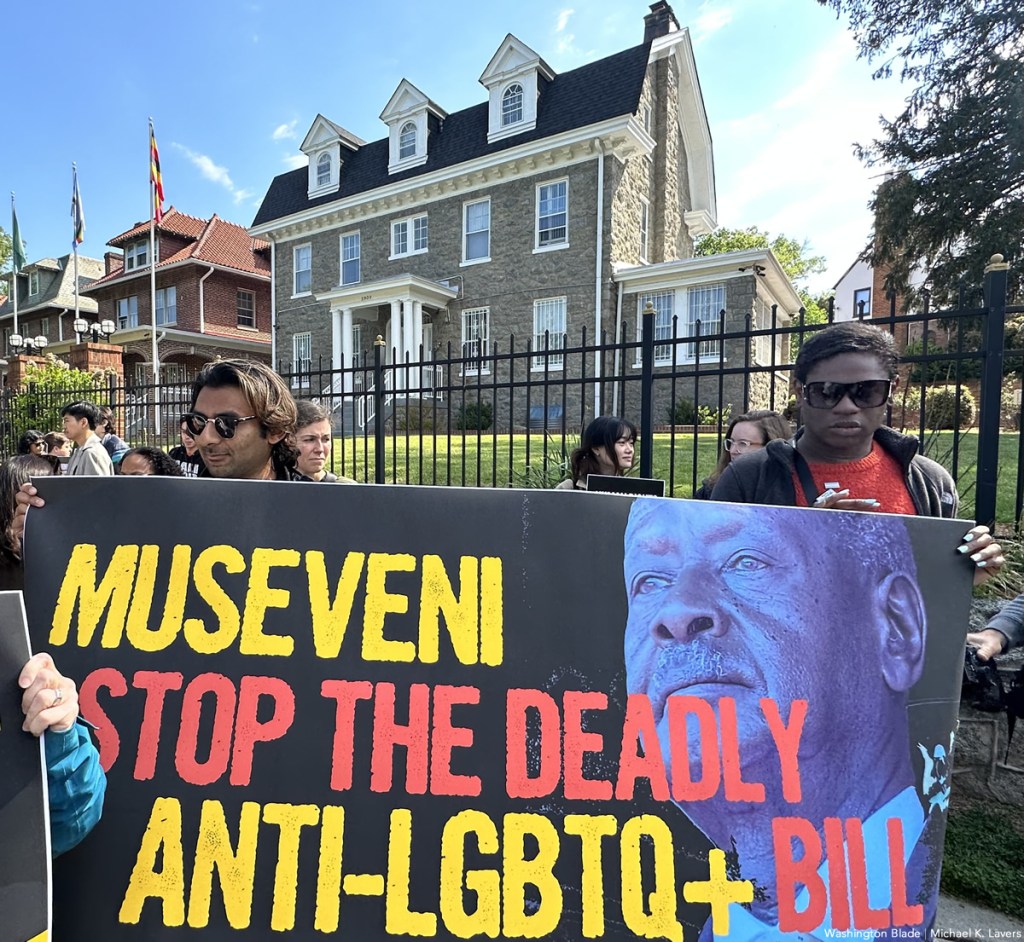
LGBTQ and intersex activists protest in front of the Ugandan Embassy in Washington DC on 25 April 2023. (Washington Blade photo by Michael K Lavers)

The Biden-Harris administration has announced it plans to remove Uganda from a programme that allows sub-Saharan African countries to trade duty-free with the US.

Then-President Bill Clinton in 2000 signed the African Growth and Opportunity Act, which allows sub-Saharan African countries to access US markets.

President Joe Biden, in a letter, notes the Ugandan government “has engaged in gross violations of internationally recognised human rights.”

Ugandan President Yoweri Museveni on 29 May signed the Anti-Homosexuality Act, which contains a death penalty provision for “aggravated homosexuality.” The Biden-Harris administration last week issued a business advisory for the country in response to the law. The White House will remove Gabon, Niger and the Central African Republic from the African Growth and Opportunity Act with effect from 1 January 2024.

Toxic … “I Choose Kindness” … Intersex Awareness Day … Bridgewater Hall

News

Toxic

Members of Out In The City are big fans of Nathaniel Hall’s plays. We went to see “First Time” at Contact Theatre and this week, fifteen of us went to see “Toxic”, the new play at HOME’s Theatre 2.

Nathaniel is the playwright and stars in it alongside Josh-Susan Enright, the performer. This play is drawn from Nathaniel’s own life and experiences, and is a well-researched piece. It is set against a background of race riots, domestic violence, homophobia and HIV stigma.

The play is set in 2017 and spans the period from when Nathaniel and Josh meet, fell in love, to when they mess up and separate. The couple are HIV discordant – Nathaniel is HIV positive and Josh is HIV negative but on PrEP (Pre Exposure Prophylaxis). PrEP is a pill that can prevent HIV when taken before and after sexual intercourse.

The year that the play is set is significant as this is when we first heard about U=U (Undetectable = Untransmissable). A person whose viral load is undetectable cannot pass the HIV vIrus on to others. The protagonists think they’re invincible and condoms are dispensed with. Their relationship becomes toxic when they decide to have a threesome, with catastrophic consequences.

Toxic is a powerful piece, and very well acted, and will be going on tour next year.

Intersex Awareness Day

Intersex Awareness Day is an internationally observed awareness day each 26 October, designed to highlight human rights issues faced by intersex people. 

It is related to Intersex Day of Remembrance on 8 November.

A group of us from Out In The City will be going to a special preview screening of “Every Body” on Monday, 6 November ahead of its release in cinemas. Key contributor Sean Saifa Wall will be present for a Q&A after the film. This event is now fully booked up.

Here is Sean’s story:

Love, Complexity and Intersectionality

Sean Saifa Wall. Photo: Dottie Suggs.

Whenever I talk about my intersex story, I cannot help but to talk about my parents. Although I was a “save-the-marriage” baby, in the true tradition of Roman Catholics, my parents got down on their knees and prayed for me. When I have talked to some intersex people, especially a couple of people in my family, they see their intersex trait as a curse, which is ironic given my conception; the universe saw fit to bless my parents with an intersex child.

When I arrived in the world with ambiguous genitalia and undescended testes, the doctors did not know how I should be assigned, but decided that I had what was known as Testicular Feminisation Syndrome, now known as Androgen Insensitivity Syndrome (AIS). Like my two older siblings who also have AIS, they assigned me female.

In essence, I was a girl child and an unborn son.

I grew up in The Bronx, the home of hip hop. This art form was born out of a city that had given up on its Black and Latinx youth living in the confines of the inner city. “White flight” out of the inner city took many to Long Island, upstate New York and Westchester. The Bronx was on fire. Literally. President Jimmy Carter brought his presidential motorcade through the South Bronx to witness abandoned and desolate neighbourhoods that rivalled many conditions in the global South. I grew up in the 1980s at a time when there was New Edition, shelltoes, high top fades, Michael Jackson, and if you were unlucky, jheri curls. My New York of the 1980s was marked by bombed (graffitied) subway cars, Twin Towers that were still standing on the New York skyline, housing projects, and Bernard Goetz, the subway vigilante who shot four young Black teens and crack cocaine.

For me, summertime involved parties in the park and hanging out on the stoop. I remember summer days filled with ice cream, laughter, and double-dutch. There was the smell of garlic that laced the hallways tinged with Sazon and Adobo against the backdrop of bachata, salsa, merengue and dancehall.

This was the Bronx.
This was home.

I was a rambunctious child, running around the house bare-chested with declarations that I would marry my sister’s friend or that I was a boy. In my own way, I began to seed what became a life-long resistance to what doctors thought I was and who I could be.

At the age of 13, though, I was confused by puberty. My body started betraying me; those soft features of a girl child were making room for a more angled jaw line, hairy arms and legs, broad shoulders and a deeper voice. People started to question my gender. At the same time as these changes were taking place, I had pain in my lower groin area, pain that would leave me on the floor aching and writhing in agony. My mom eventually brought me to Columbia-Presbyterian Hospital in New York where my undescended testes were removed. My hardening features now gave way to soft, feminine curves and fatty deposits brought on by oestrogen replacement therapy. Every day in high school, I took those little yellow pills, which my mom reminded me would make me look so “beautiful.”

But I didn’t want to be beautiful.

When I moved out to the Bay Area in 2003, I joined a community of trans brothers that forever changed my life. It must have been something special happening in the universe around 2004. So many of those relationships that began around that time have stayed with me until today. A group of us started taking testosterone and one by one, there was liftoff. Voices started to deepen, libidos either mellowed or went through the roof, whiskers poked through stubble and our group of brothers became men.

But as my FTM brothers were revelling in their changes, I was having adverse reactions to testosterone like nipple sensitivity, bloating and irritability. Medical providers were perplexed as to how to administer testosterone to someone who was partially resistant to testosterone. As some of my brothers were settling into their lives as men, the truth of my body could not be ignored anymore. At that point, I realised that I was intersex.

That realisation made sense to me but at the same time, I felt lonely. I longed for a community that understood and reflected who I was. I eventually connected with a group of intersex folks, but realised that there were very few people of colour in that space.

I am not just intersex.
I am Black and I am queer.

In this iteration of Black nationalism in the United States, the Movement for Black Lives has made clear the number of ways that Black people are impacted by state violence whether through interpersonal violence, police execution or by socioeconomic conditions that create violence. I was personally devastated by state violence when my father was incarcerated and also witnessing how the state has criminalised people in my family and community. As an intersex person, the parallels are clear – the state supports the medical establishment to delineate gender boundaries on the bodies of intersex children and adults. Although seemingly different subjects, they share the same common denominator, state-sponsored violence against marginalised individuals. What is also similar between these topics is that, like doctors, police officers are hired as guardians of social welfare. We look to doctors for guidance and in some ways, protection.

As a society, we have also codified which bodies are normal and protected. Black, Indigenous and Latinx bodies are more likely to be profiled, incarcerated and deported. Historically and at present, forced sterilisation has affected Black and Latina mothers on welfare and incarcerated women. For people born with medically diagnosed “non-normative” bodies such as those born intersex, those people are subjected to medically unnecessary invasive genital surgeries that often leave behind physical and emotional scars. Unfortunately, the system in which we are living has chosen who will live with safety and those who will live with chaos.

Despite society telling me that I am not enough as a man, a Black person, a queer person or an intersex person, I am determined to create a home in my body where I feel safe and loved. By doing that, I create space for other intersex people of colour to exist in a world that does not love them or is not ready for their greatness. In coming home to our bodies, I leave these words from Toni Morrison’s, Beloved:

“And no, they ain’t in love with your mouth. Yonder, out there, they will see it broken and break it again. What you say out of it they will not heed. What you scream from it they do not hear. What you put into it to nourish your body they will snatch away and give you leavins instead. No, they don’t love your mouth. You got to love it. This is flesh I’m talking about here. Flesh that needs to be loved.”

– by Sean Saifa Wall, intersex activist, artist and writer.

I Choose Kindness

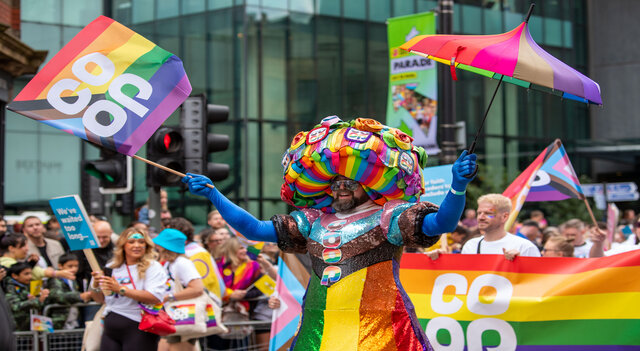
Manchester Pride has produced a short film entitled “I Choose Kindness” following concerns that anti-trans rhetoric from our current Prime Minister could encourage further action against the community.

The film premiered on 19 October, during National Hate Crime Awareness Week, in a bid to tackle the ongoing issue of hate crimes against the LGBTQ+ community.

In the last three years, in Greater Manchester, hate crimes due to sexual orientation have increased by 69%, while hate crimes against transgender people surged by 115%. Manchester Pride has warned that this stark reality underscores the need for urgent action to ensure inclusivity, equality, and unwavering respect for all individuals, irrespective of their sexual orientation or gender identity.

I Choose Kindness” opens with remarks from ex Prime Minister David Cameron championing the UK as the “best place in Europe to be LGBTQ+”, which comes in steep contrast to recent remarks regarding trans individuals made by current Prime Minister Rishi Sunak. 

With transgender hate crimes surging by 11%, nationally, in the past 12 months, Manchester Pride has strongly condemned Mr Sunak’s views, and called for the need to confront the discrimination faced by trans people at the highest level of Government.

Manchester Pride’s film, which showcases real life victims of hate crimes, highlights the abuse, violence and intimidation faced by LGBTQ+ people and encourages people to ‘choose kindness’ and show each other compassion so everyone feels safe to be their true selves.

Mark Fletcher, CEO of Manchester Pride, said: “Nobody should be subject to verbal abuse, violent behaviour, physical attacks, or blackmail, especially not because of their sexual orientation or gender.

I Choose Kindness” is a powerful tool in our fight against hate crime, as it emphasises the importance of community, solidarity, and allyship.”

The video forms part of Manchester Pride’s wider “I Choose Kindness” campaign, dedicated to promoting an inclusive and safe environment for the LGBTQ+ community. The campaign is dedicated to raising awareness of hate crime, providing resources for its victims and allies, and promoting a culture of kindness and respect throughout the celebration of LGBTQ+ expression and culture.

Watch the video here:

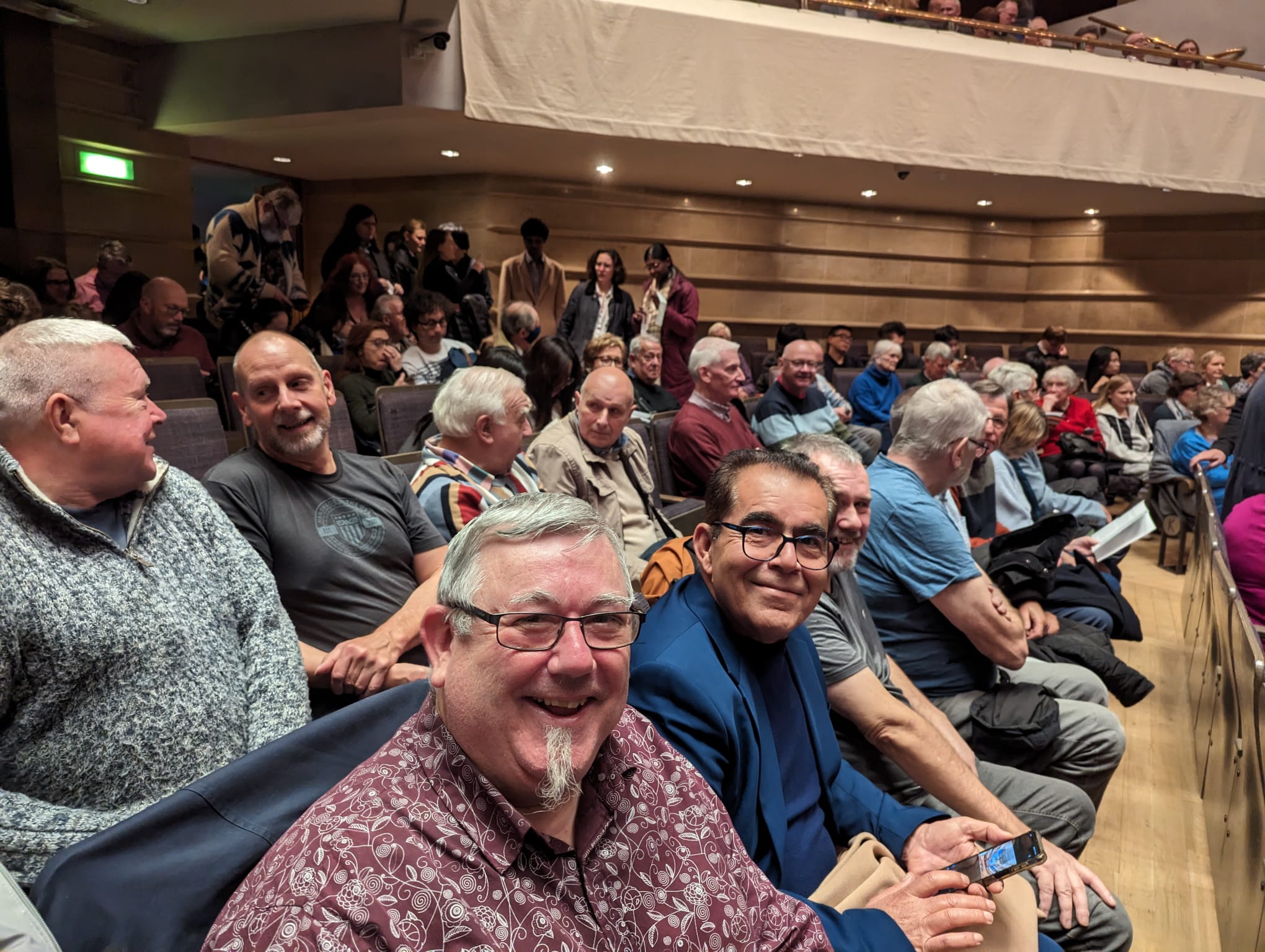
Great times at Bridgewater Hall: