LGBTQ+ Extra Care Housing Scheme … LGBT+ Retirement Communities in the United States … Rainbow Lottery Super Draw!

News

LGBTQ+ Extra Care Housing Scheme – Community Update

Work has made steady progress since our last update, and we’re pleased to announce that we have submitted plans for the ‘first of a kind’ purpose-built majority LGBTQ+ Extra Care housing scheme in Whalley Range, south Manchester.

Plan for the ‘first of a kind’ purpose-built majority LGBTQ+ Extra Care housing scheme in Whalley Range


The scheme will look to increase the affordable housing opportunities for older people to move into high quality accommodation, with flexible care and support services available to meet changing needs encouraging independent living. The residents will be required to be aged 55 years or over, with the majority of residents being members of the LGBTQ+ community from Manchester. Living alongside allies the aim is to provide an open and inclusive, physical and psychological place of safety for the older LGBTQ+ community and a welcome addition to the Whalley Range area.

The final proposals will deliver 80 one- and two-bedroom social rented apartments for older people in a brick building of four to five storeys. The low-carbon scheme will include shared communal facilities including lounges and treatment rooms and landscaped gardens which will look to ensure an overall net gain of trees on the site.

The site will also include a neighbouring separate shared ownership block consisting of around 40 one- and two-bed apartments, delivering affordable homes to first time buyers and eligible customers, helping to address emerging affordability issues in places such as Whalley Range.

The final proposals could not have been developed without the crucial input from the Russell Road Community Steering Group, Manchester City Council and LGBT Foundation, and without the feedback from many of you via our consultation at the beginning of this year. We would like to thank everybody for their support in getting the Russell Road development to this stage.


The plans are due to be considered at Manchester City Council’s September Planning Meeting. You can read the planned proposals and you can provide your feedback ahead of the meeting here.

Co-production has underpinned the project from the outset, and alongside preparations for the planning submission, work has continued with the Community Steering Group (CSG) to co-produce a question for the Extra Care provider competitive tender that reflects the aspirations for care for LGBTQ+ older people demonstrated by Russell Road.

We’re also pleased to announce that Amy Davies, Head of Independent Living at Great Places Housing Group and a key member of the Russell Road Project Team, has been awarded a Churchill Fellowship. This will enable her to travel to Berlin, Lyon and Madrid as part of a research study into specialist housing provision for LGBTQ+ older people. We’re sure that you would join us in congratulating Amy on receiving this coveted award that will allow her to look into how the UK is making progress in specialist housing for LGBTQ+ older people, learning from others developing similar pioneering schemes across Europe to inform the development of the scheme as the project progresses.

Thanks for your continued support it is appreciated. We look forward to sharing further news on the planning submission as soon as we can as well as continuing to keep you up to date as to the latest developments as the project continues.

Commenting on the planning submission, Cllr Gavin White, Manchester City Council’s executive member for housing and development, said:

We know there is a real need for this type of affordable housing that can support older LGBTQ+ people in the city to age with dignity, surrounded by a community of like-minded people. Extra Care homes are an attractive and affordable housing choice for people later in life, and where some on-going care needs can be accommodated on-site.

This will be a hugely welcome planning application to transform a long-term brownfield site and these proposals have been developed in partnership with a Community Steering Group to ensure this development will meet the needs of older residents from the LGBTQ+ community in Manchester.

Martin York and Susan Duncan-Wood, Joint Co-chairs of the Russell Road Community Steering Group (CSG), added:

As Co-Chairs we are proud to be involved in this pioneering scheme, working alongside Community Steering Group members. We aim to ensure all voices are heard and perspectives considered to deliver a housing development where LGBTQ+ older people can live their lives authentically and with dignity.

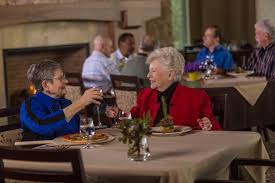
LGBT+ Retirement Communities in the United States
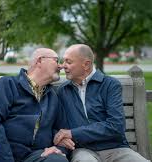
As the population of openly LGBT+ seniors in the United States continues to grow, the need for inclusive and supportive gay retirement communities has become increasingly evident. These communities provide a safe and welcoming environment where LGBT+ seniors can live without fear of discrimination or ostracism.

The importance of gay retirement communities

LGBT+ seniors often face unique challenges as they age, including social isolation, discrimination and a lack of family support.

According to Services & Advocacy for GLBT Elders (SAGE), many LGBT+ elders have experienced indignities such as being denied the opportunity to share a room with their same-sex partner or receiving insensitive treatment from staff members who object to homosexuality. These experiences can lead to feelings of loneliness and the need to “go back into the closet” when entering the senior care system.

Gay retirement communities address these issues by providing a supportive environment where residents can live openly and authentically. These communities often offer specialised services and cultural training programmes to ensure that staff members are equipped to meet the unique needs of LGBT+ seniors. 

Additionally, they foster a sense of community and belonging, which is crucial for the mental and emotional well being of residents.
LGBT+ retirement homes across the US

Several retirement communities across the United States cater specifically to the needs of LGBT+ seniors. Here are some notable ones around the country that offer varying amenities and services:

Birds of a Feather (Pecos, New Mexico)

The Palms of Manasota (Palmetto, Florida)

Stonewall Gardens (Palm Springs, California)

The Connie House (Boynton Beach, Florida)

A Place for Us (Cleveland, Ohio)

Triangle Square (West Hollywood, California)

John C. Anderson Apartments (Philadelphia, Pennsylvania)

Open House Community at 55 Laguna (San Francisco, California)

Town Hall Apartments (Chicago, Illinois)

Fountaingrove Lodge (Santa Rosa, California)

Stonewall House (Brooklyn, New York)

Crotona Pride House (Bronx, New York)

Bay Shore Senior Residences (Bayshore, New York)

Living Out (Palm Springs, California)

Pride Place (Seattle, Washington)

The Pryde (Hyde Park, Massachusetts)

The Opal (Portland, Oregon)

Rainbow Vista (Gresham, Oregon)

Village Hearth (Durham, North Carolina)
Alternatives to gay retirement communities

For LGBT+ seniors who may not have access to a dedicated gay retirement community, there are several alternatives to consider:

LGBT+-friendly senior living communities: Many standard senior living and assisted living communities are becoming more inclusive and implementing anti-discrimination policies. It’s important to ask about LGBT+ cultural training for staff and the presence of LGBT+ clubs and events when considering these communities.

Support organisations: Organisations such as the National Resource Center on LGBT Aging and Services & Advocacy for GLBT Elders (SAGE) provide resources and support for LGBT+ seniors, helping them find inclusive living options and access necessary services.

Inclusive cities: Some cities are known for their LGBT+ inclusiveness and may offer a welcoming environment for LGBT+ seniors. Cities like San Francisco, Austin, Atlanta, Chicago, Orlando and Philadelphia have vibrant LGBT+ communities and supportive services for older adults.

Empowering LGBT+ seniors

Gay retirement communities play a crucial role in providing a safe and supportive environment for LGBT+ seniors. With locations across the United States, these communities offer specialised services and a sense of belonging that is essential for the well being of their residents.

For those who cannot access a dedicated gay retirement community, exploring LGBT+-friendly senior living options and supportive cities can provide alternative solutions.

As the demand for inclusive senior living continues to grow, it is essential to ensure that all seniors, regardless of their orientation or gender identity, can age with dignity and respect.
Rainbow Lottery Super Draw!

Please support Out In The City by buying a Rainbow Lottery ticket or two (or more!)

With each Rainbow Lottery ticket, you are not just entering to win exciting prizes, you are also supporting our mission to support older LGBT+ people.

It’s a vital part of our fundraising as we receive 50p for every £1 spent and you have the chance to win cash prizes each week from £25 for three numbers up to a jackpot of £25,000 for six numbers – while helping us to achieve more for the LGBT+ communities over 50 years of age.

Buy tickets here.

On Saturday 27 July, one lucky winner will walk away with this month’s amazing Ninja mega-bundle.

The Ninja Woodfire Electric Barbecue and Pizza Oven can be used as easily on your counter-top as they can in the garden!

And of course, your CREAMi ice-cream makerFoodi Power blender, and Ninja Dual-Zone Air Fryer are perfectly at home in the kitchen too!

However, the choice is yours. You can take the £1,000 cash alternative! 

If you already have tickets then you’re in with a chance to win big – but don’t forget, you can top-up your tickets just for the week of the Super Draw!

Play Now!
Victoria Baths / LGBT Foundation Awards … Rossendale Pride … Out In The City Women’s Meeting … SCENE: LGBTQ Film & TV Festival … Manchester Central Library … Zero HIV Stigma Day

News

Victoria Baths

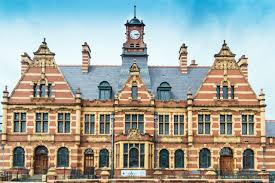
Our visit this week was to Victoria Baths – a Grade II* listed building, in the Chorlton-on-Medlock area of Manchester.

The baths opened to the public in 1906 and cost £59,144 to build. Manchester City Council closed the baths in 1993 and the building was left empty until a multimillion-pound restoration project began in 2007.

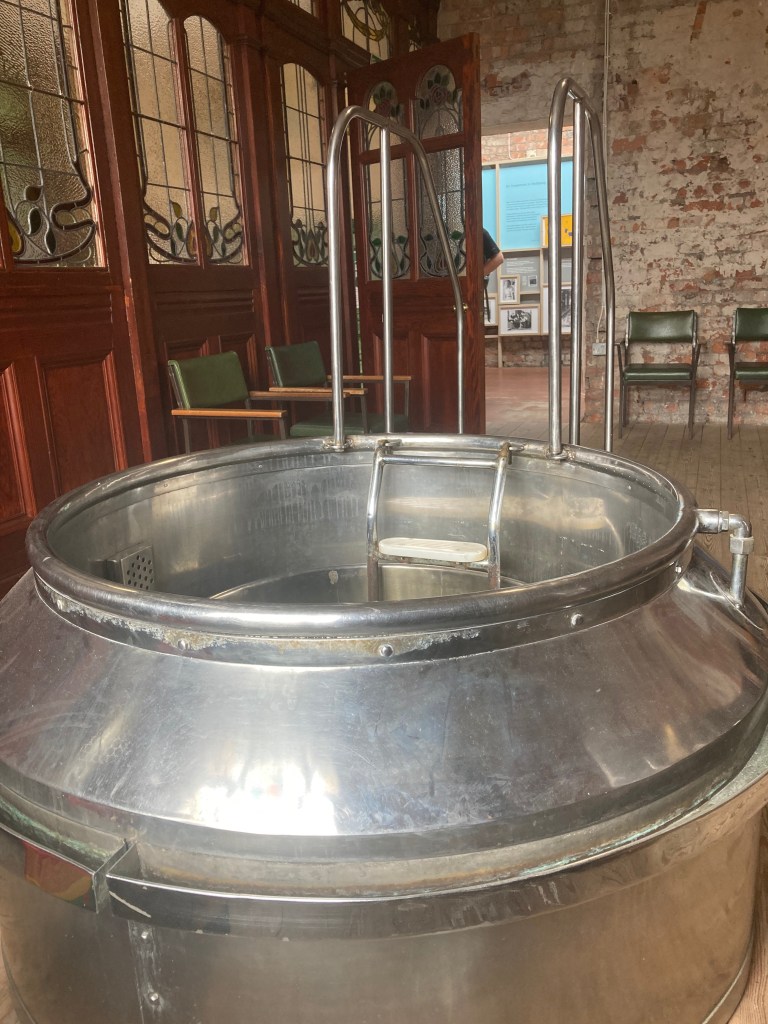
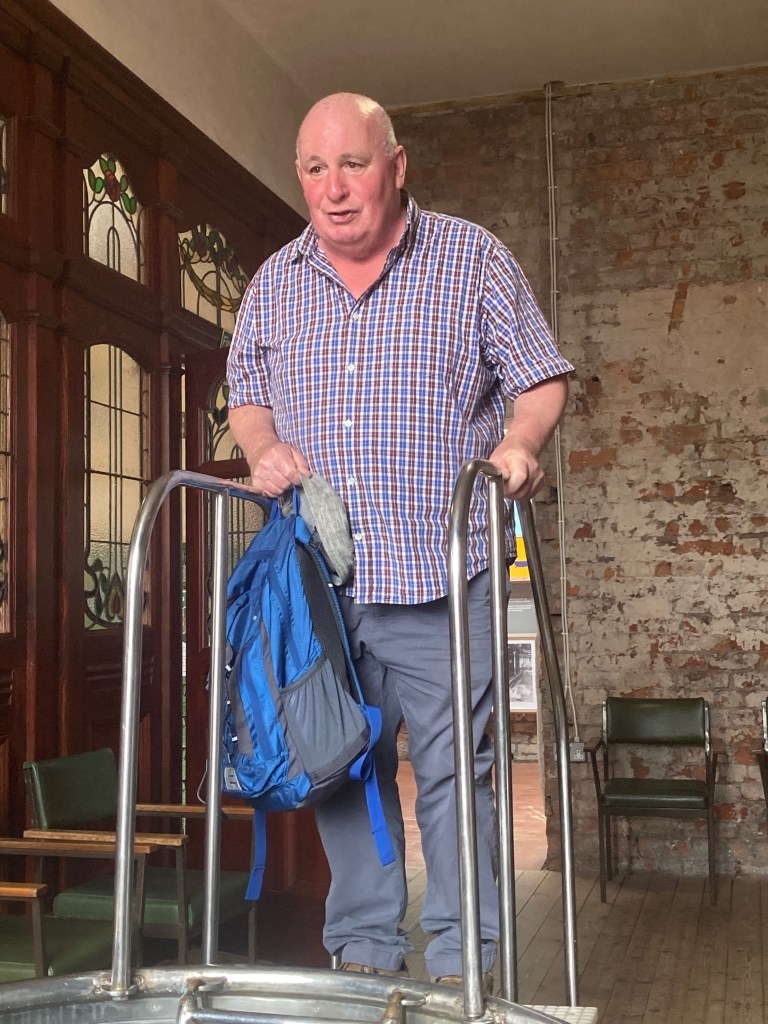
The Aeratone

In the 1950s the Waiting Room for female users of the Baths was converted to provide a new facility – The Aeratone.

The Aeratone Therapeutic Bath was invented by a Scotsman – Professor William Oliver. It provides a full body water massage which can be used to treat a variety of ailments, particularly those causing pain and stiffness such as rheumatic conditions.

A session lasts around half an hour. The tub is filled with warm water and this is bubbled around you very, very vigorously, This is, literally, not a treatment for the faint-hearted.

This Aeratone was installed in 1952 and was the first in a public baths in England. It was still in regular use when Victoria Baths closed in 1993.

LGBT Foundation Awards

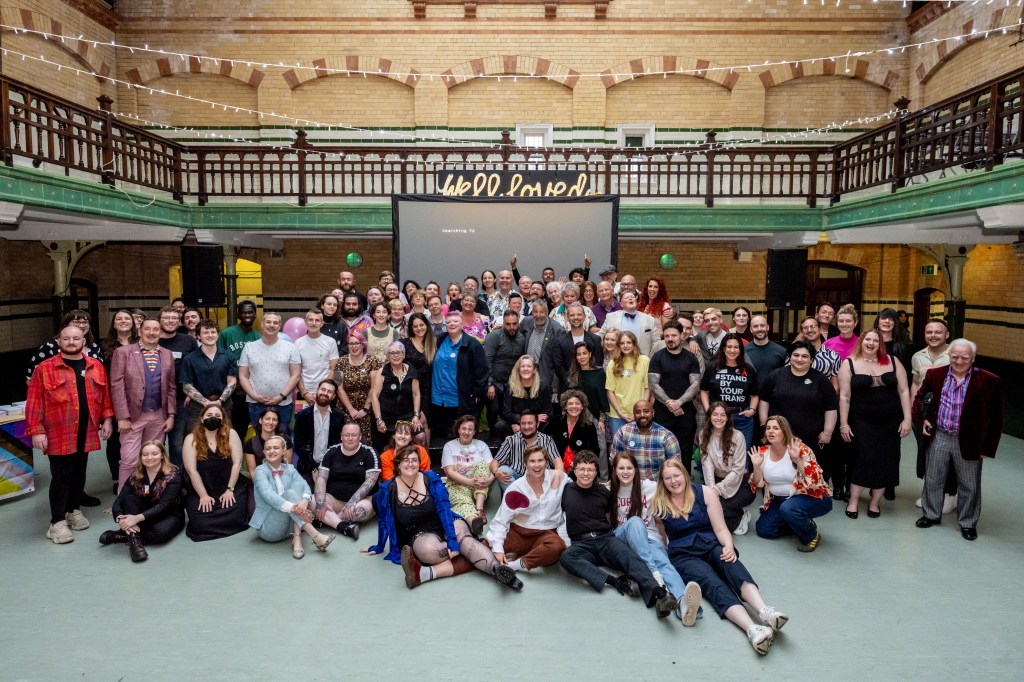
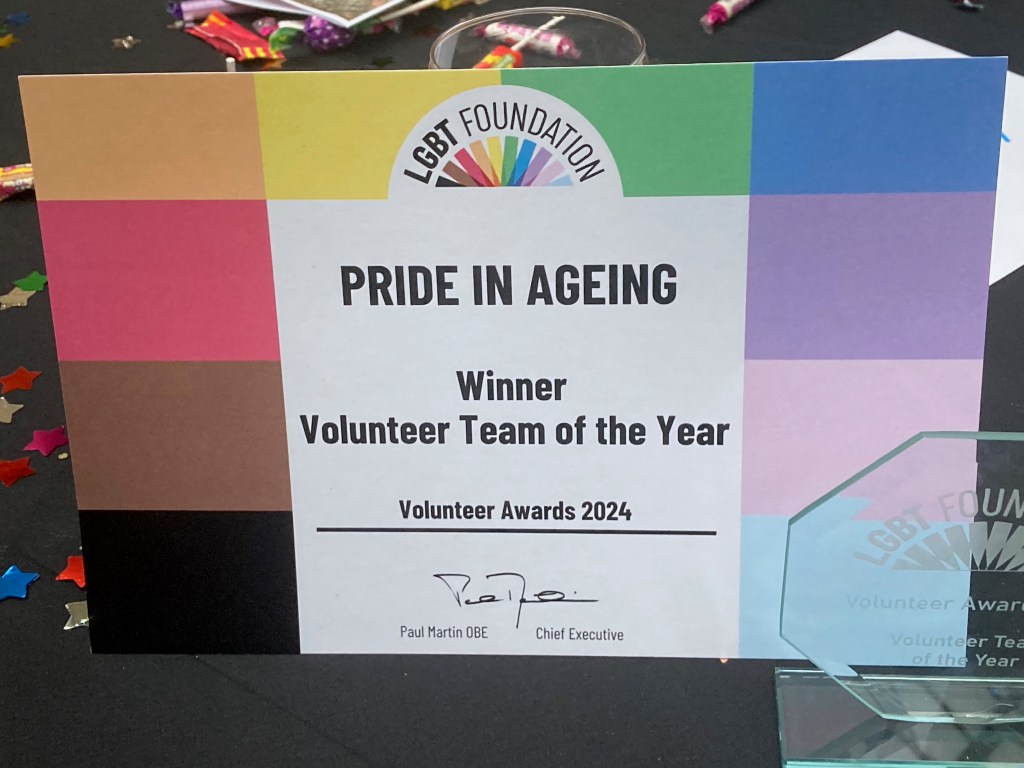
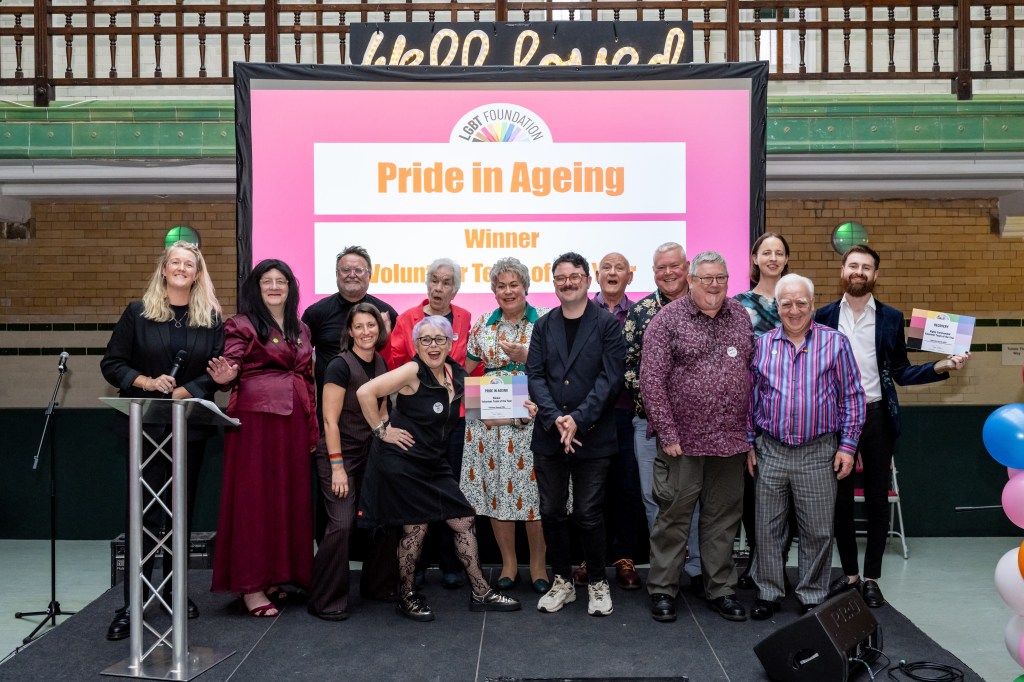
Coincidentally, we had attended the Victoria Baths a week ago for the LGBT Foundation Volunteer Awards 2024. Lots of members of Out In The City are also involved in Pride in Ageing, which won “Volunteer Team of the Year”.

Lots of photos can be seen here.

Rossendale Pride

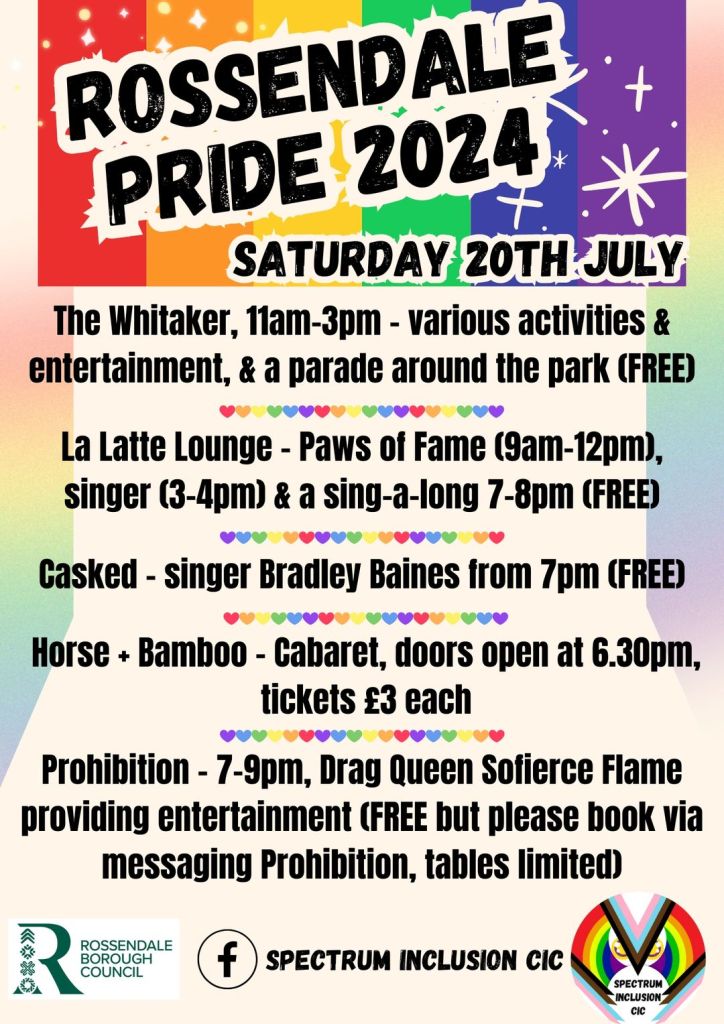
Spectrum Inclusion Rossendale in partnership with The Whitaker Park Museum and Art Gallery are thrilled to announce that on Saturday 20 July 2024 they will be holding Rossendale’s first Pride in the Park Festival.


They are planning lots of family friendly activities and entertainment for the day, in a safe space for the LGBTQIA community.

It’s the first Pride event and we can’t wait!
As well as Pride in the Park at The Whitaker in Rawtenstall, there are other events happening as well (in Rawtenstall, Waterfoot and Bacup), so you may want to pace yourself on the day.

There is plenty of entertainment and activities to choose from, and hopefully there’s something for everyone.

We look forward to seeing you!

Out In The City Women’s Meeting

Out In The City Women’s meeting is on Thursday, 25 July 2024 from 2.00pm to 4.00pm.

The meeting is at Cross Street Chapel, 29 Cross Street, Manchester M2 1NL (Kenworthy Room) and is a drop in. There is no need to book.

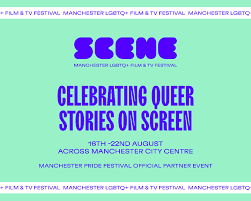
SCENE: Manchester LGBTQ+ Film & TV Festival

Celebrating Queer Stories On Screen – 16 – 22 August

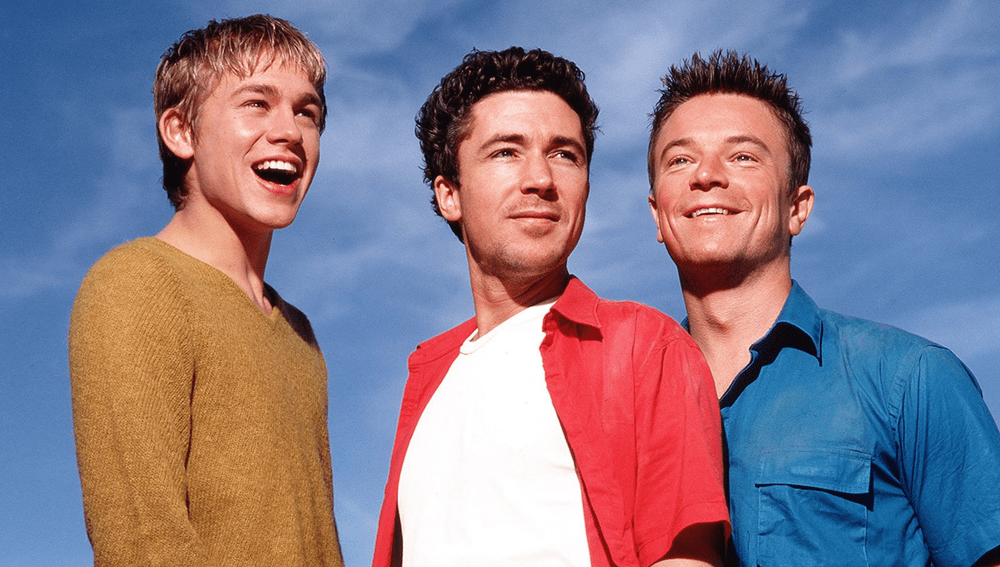
This August, Manchester will welcome SCENE, a new and glittering LGBTQ+ Film and TV festival. The weeklong event will kick off with an exclusive opening night featuring a celebration panel and after-party to commemorate the 25th anniversary of the influential drama Queer as Folk. The series, which spotlighted Manchester’s Canal Street, will be celebrated with appearances from writer Russell T Davies, executive producer Nicola Shindler and actress Denise Black.

A diverse array of events will be hosted in iconic venues across the city, including HOME, The People’s History Museum, New Century Hall and the Gay Village.

All events at SCENE are £15 or under with many being £5 or free.

First Street (outside HOME Cinema) will be showing a series of free-to-view cult musicals on an outdoor screen:
Saturday 17 August, 2.00pm – The Wiz
Saturday 17 August, 4.30pm – Grease 2
Saturday 17 August, 7.30pm – Xanadu
Monday 19 August, 6.00pm – Little Shop of Horrors
Tuesday 20 August 6.00pm – Hairspray.

The SCENE festival is an official partner event with Manchester Pride Festival.

Full details can be seen here.

Manchester Central Library

Manchester Central Library celebrates 90 years since its grand opening by King George V on 17 July 1934 – a special event attended by thousands.

Zero HIV Stigma Day

Zero HIV Stigma Day is recognised on 21 July to represent a movement to unite people, communities and countries to help raise awareness about HIV stigma and learn about ways to help stop it.

The theme this year is “Redefining HIV Narratives”. This means challenging the myths about HIV from the past, and capturing positive stories on living with HIV today.  

The date for this event was chosen because it was the birthday of a very courageous woman from South Africa, Prudence Nobantu Mbele, who refused to hide the fact that she was living with HIV, and in doing so, she inspired many more people to be open about their own health.  

HIV Stigma is unfortunately back in the spotlight. If we can tackle HIV stigma on a community level, we give more people the courage to test for HIV, to start antiretroviral therapy, continue their access to HIV healthcare and therefore live their life to their full potential.  

Stigmatising attitudes can come from external sources such as people who are afraid or not up to date with the modern realities of living with HIV. However, for some people living with HIV, stigma can also come from within oneself manifesting as a fear of how people will react if they discover that you are living with HIV. Many activists, like Prudence was, are vocal about their HIV diagnosis to help to address stigma in society and to enable people living with HIV to be treated the same as anyone else.

International Drag Day … Open Community Dinner and Choir Performance … Lesbian Pulp Fiction

News

International Drag Day

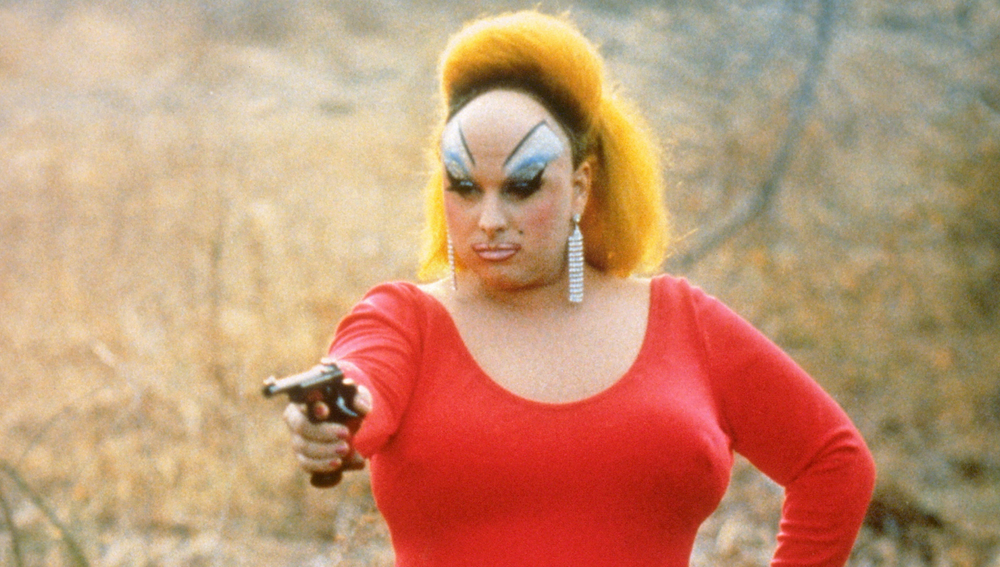
International Drag Day is an annual event held on 16 July. It is a day to celebrate and honour the art of drag and drag culture. This day was created to recognise and appreciate the drag queens, drag kings, and all members of the LGBTQ+ community who have made a significant contribution to the drag community.

Every time some people pass a dog, they go all gooey and warm and start cooing, “Awwww, look at the puppy I wanna pet it!” because they are easily swayed by adorable fuzzy things.

The thing that is really weird for me is when pet owners dress their dogs. Your dog hates it and everyone thinks you are weird for doing it. Save the money you would have used on that miniature designer outfit and just get your puppy a cuddly toy!

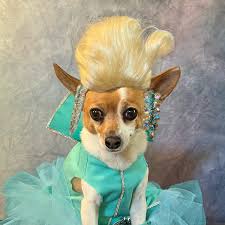
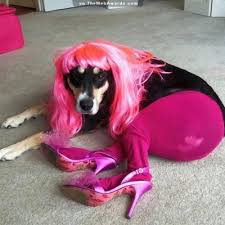
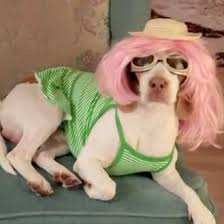
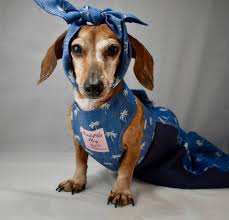
That being said the following photos of dogs and drag is the best thing ever:

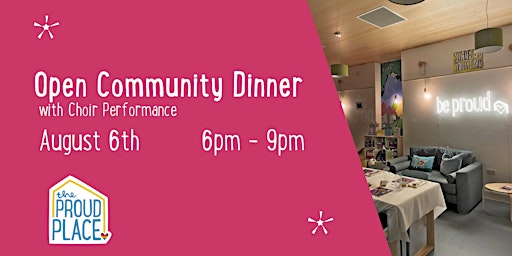
Open Community Dinner and Choir Performance

Join us for dinner and a show! Open dinner and a performance from Lesbian Boy Band Choir.

The Proud Place, 49-51 Sidney Street, Manchester M1 7HB

Tuesday, 6 August – 6.00pm – 9.00pm

To kick off Manchester’s Pride Month, we are hosting a free community dinner at The Proud Place and we’d love for you to join us!

We’ll have a range of delicious veggie and vegan hot and cold food supplied by Oak Street Kitchen, as well as a very special performance from Lesbian Boy Band Choir.

This will be a great opportunity to connect with both new and longstanding members of our community in the run up to Pride, and it’s completely free to attend so snap a ticket up while you can!

Register here.

Pulp Fiction Helped Define American Lesbianism

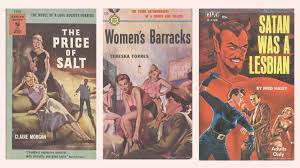
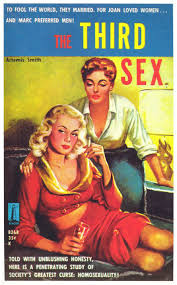
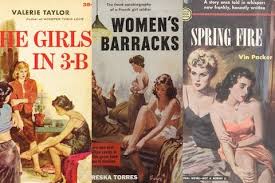
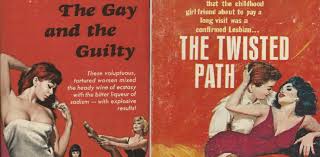
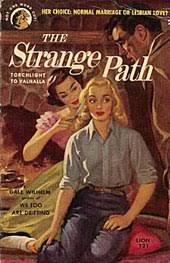
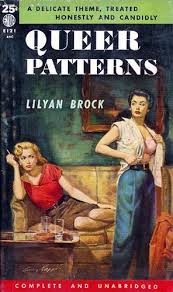
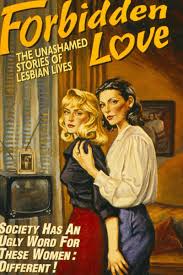
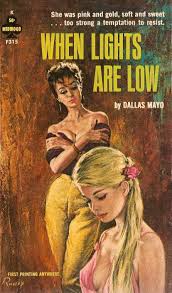
In the United States in the 1950s or early 1960s, readers browsing in booksellers or bus terminals were likely to see racks filled with books with cheap, sensational covers that hinted at lesbian content within. “Her choice: Normal marriage or lesbian love?” asked one cover. “In love with a woman,” asked another, “must society reject me?”

Society did reject lesbians. The era was one of blatant homophobia and the overwhelming silence of societally-enforced closets. But for many women, the cheap pulp novels that some dismissed as salacious entertainment were an eye-opening lifeline. The content packaged to titillate men actually gave lesbian women much-needed representation.

Academics shouldn’t ignore lesbian pulp fiction because it was marketed toward straight men. Though they engendered profoundly mixed feelings, the books offered some of their era’s only representations – and celebrations – of lesbian lives. For many women grappling with sexualities that were regarded as unhealthy and even criminal, these dismissed, yet foundational narratives offered a readily available, popular discourse that put the word lesbian in mass circulation as never before.

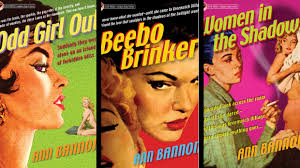
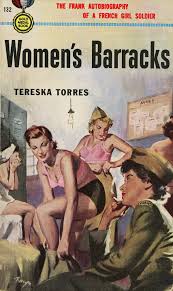
Between 1950 and 1965, more than five hundred lesbian pulps were published in the US. Cheaply manufactured and sold en masse, they came with salacious covers and dramatic titles like Spring Fire, Odd Girl Out and Twilight Girl. After the publication of Women’s Barracks, an autobiographical novel by Tereska Torres that has sold an astonishing four million copies in the US alone, the genre took off. Some stories masqueraded as journalistic looks into “deviant” lives. Others centred men and featured lots of sex. But many were authored by women, and offered stories of realistic and even happy lesbian relationships.

Scandalous cover art and text that focused on “savage” or “strange” loves all but shouted the lesbian content that could be found within. 

In a world that hid homosexuality from view, lesbian pulps were surprisingly pervasive, and popular. Many of the books, and nearly all of their covers, reinforced homophobic stereotypes of lesbianism. But for women in search of more information about lesbianism, they were lifelines.

Lesbianism may have been taboo, but the pulps profited from proscriptions against same-sex relationships until the genre died out around 1965. Lesbian pulp novels helped set the stage for future LGBT+ activism, the women’s movement, and the cultural shifts of the late 1960s.

They may have been steamy, but books about lesbian sexuality were anything but disposable.

The Beautiful Story of Maurice Dobson and Fred Halliday … International Non-Binary People’s Day … Pride For All Ages … Beauty Contests – Then and Now

News

The beautiful story of Maurice Dobson, a cross-dressing miner who found love in a Barnsley pit village

Maurice Dobson wore make-up, lived with Fred and was accepted in Darfield’s community.

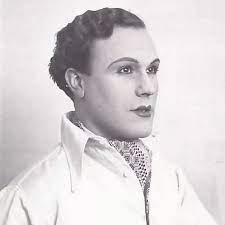
The carefully crimped hair, immaculately manicured eyebrows and flamboyant lipstick give this image all the hallmarks of 1950s fashion and femininity.

But what makes it remarkable is that this is a photograph of Maurice Dobson – former coal miner, war veteran and boxer – who was openly gay in his hometown of Barnsley during an era where homosexuality was illegal and rarely discussed.

A further twist is that Maurice and his partner Fred Halliday were – by and large – accepted as part of the Darfield community where Maurice had grown up and ran a corner shop in the post-war decades.

Poet and village resident Ian McMillan described it as “a story of tolerance”.

Mr McMillan talks of Maurice’s distinctive demeanour behind the counter of the shop – sat on a high stool, wearing a powder blue suit, with a cigarette in a holder between his fingers. To complete the image, a swearing parrot was also in the room.

In that era, where Barnsley’s pit villages were insular and traditional communities, it must have taken strong reserves of courage or conviction – maybe both – to take the course followed by Maurice and Fred.

Maurice’s dress sense meant he would stand out in any circumstances but he had a reputation for dressing as a woman while out on the streets of Darfield and nearby Wombwell.

When Maurice was born in Low Valley, a mile or so from the shop, in 1912 his future would have been beyond the imagination of those around him.

His early years were entirely normal, starting work at Mitchell’s Main Colliery aged 14 like most of his peers, but after three years his independent spirit took him off to join the Army – a posting which would last 17 years, see service in North Africa, hone his boxing skills and find his life-long partner in Fred.

After being demobbed they spent a decade working in hotels to coastal resorts, before returning to Darfield to take on the shop, then an off-licence owned by the Barnsley Brewery – the force behind the legendary Barnsley Bitter.

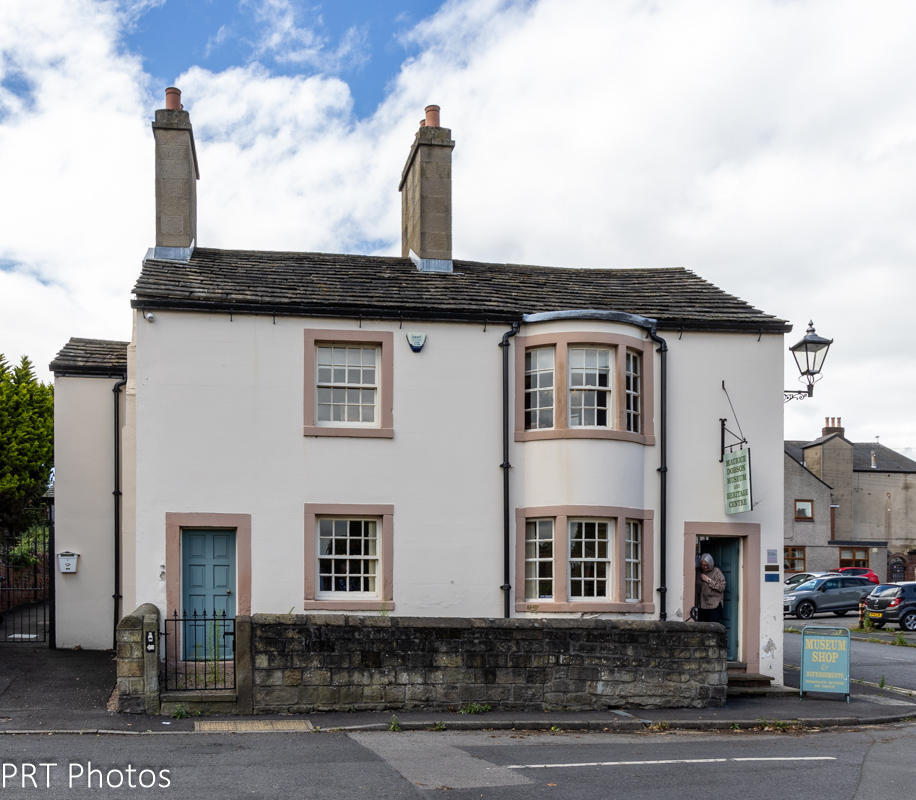
Living heritage: Today Maurice Dobson’s home is a museum

They were eventually able to buy the shop and ran it until Maurice hit 65, when it was immediately closed and stayed that way until both men died, with Fred’s departure in 1988 and Maurice two years later.

They had been avid antiques collectors and retirement allowed that to continue, though Ken said Maurice was far from expert – once sawing down a leg on a Jacobean chair to make it rest evenly on the stone floor of their home.

He also had a sense of mischief, with the unwary finding a magazine photograph in a cameo frame where a skillfully painted portrait might have been expected to sit.

But there were treasures and today they are held at the Cannon Hall museum, with the house and shop left to Barnsley Council and now Darfield Museum, to tell the story of both Maurice and the wider village.

Mr McMillan said: “People liked them, they respected them. I have always thought of it as a story of tolerance.

They would walk up and down the village, dressed up, and nobody would say anything.”

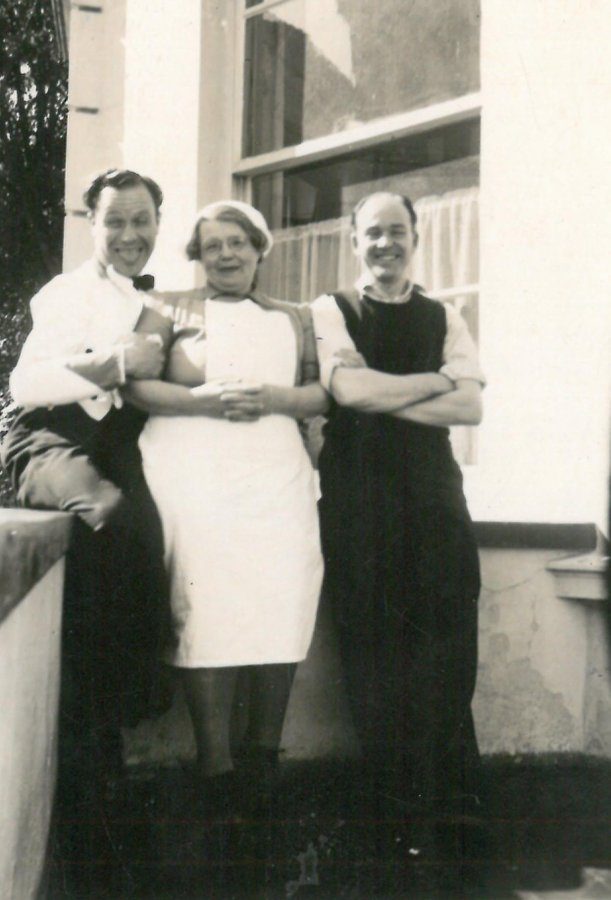
Maurice and Fred (with unknown woman)

Mr Brookes said there may have been confrontations, largely involving groups of lads gathering outside the large Georgian window of their shop.

But such problems were “sorted out” by Maurice, who’s tough military background was acknowledged by most, whatever they may have thought about his lifestyle.

His personality was “a bit sharp”, said Mr Brookes, who acts as a guide at the museum, and even after Fred’s death – which left him devastated – he was still able to “fall out with his ashes”, putting them away in a cupboard until he felt the matter was resolved.

He describes the shopkeeper as Darfield’s Noel Coward.

“He was only a small fellow, but he had done 17 years in the forces and you didn’t mess with him. He sorted things out himself in the early days. I think the police were glad of that, as well.”

Mr Brookes was a teenager in the late 1950s and was a regular customer in the shop, which was across the road from a tennis club he used frequently and the Darfield Empire theatre.

But like most in that era, he was unaware of the realities of the lifestyle the two shopkeepers led. Or at least which they were assumed to lead, he said wistfully.

Because no one ever knew for sure how the relationship worked beyond the public gaze.

To see more photos please click here.

International Non-Binary People’s Day

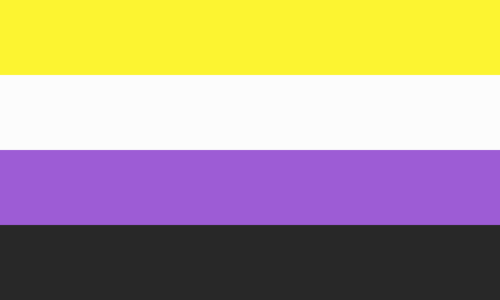
International Non-Binary People’s Day is observed each year on 14 July and is aimed at raising awareness and organising around the issues faced by non-binary people around the world. The day was first celebrated in 2012 and was chosen for being precisely midway between International Men’s Day (19 November) and International Women’s Day (8 March).

Being non-binary can be dismissed by some as a new fad, born from a western identity-obsessed culture – however non-binary people have been recognised and recorded round the world. In India non-binary people have been mentioned in Hindu texts dating back over 2000 years, and many cultures, such as some Native American peoples, Hawaiians, and Tahitians, have a history of inclusion of a third gender in their societies’ roles.

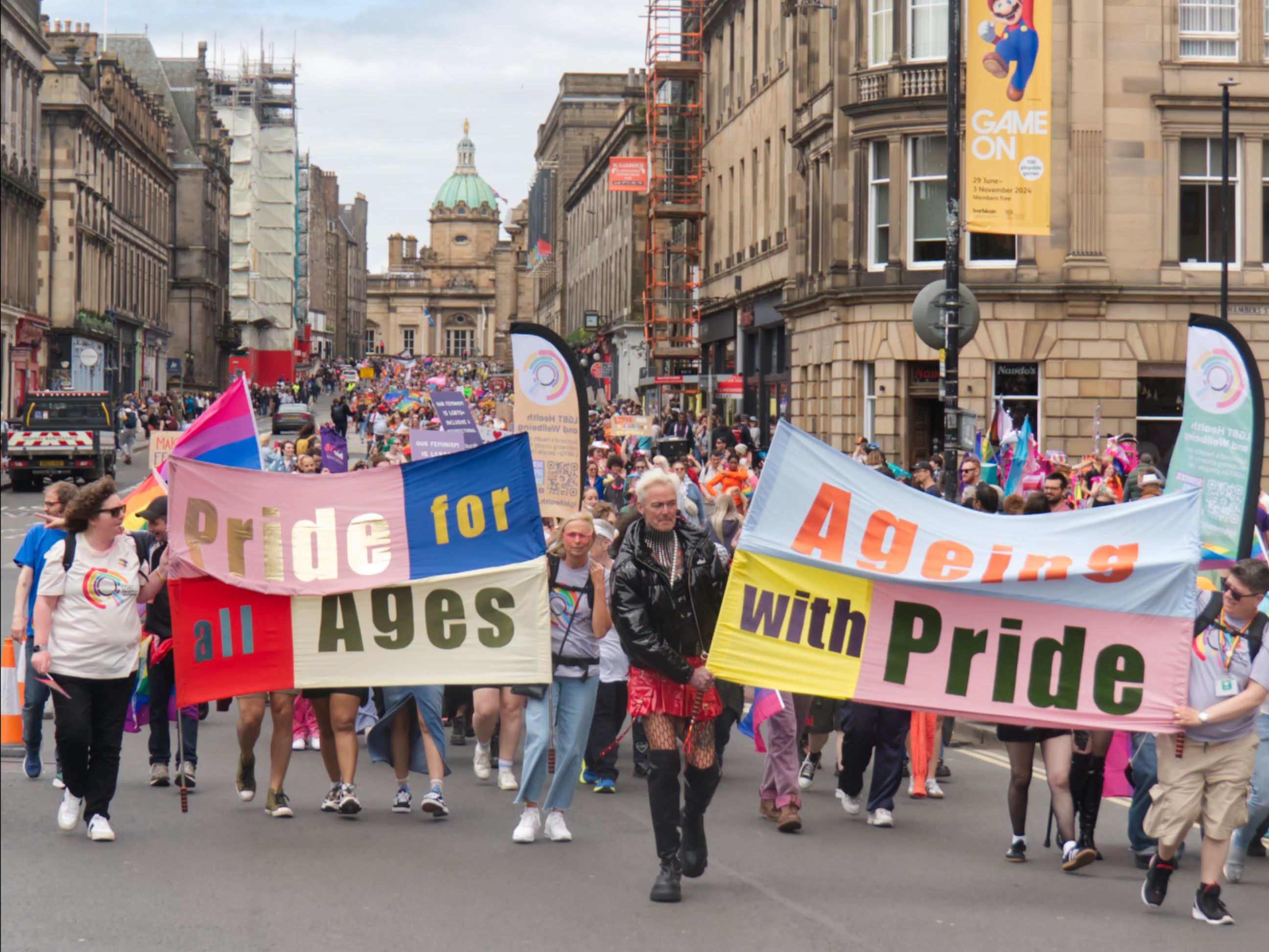
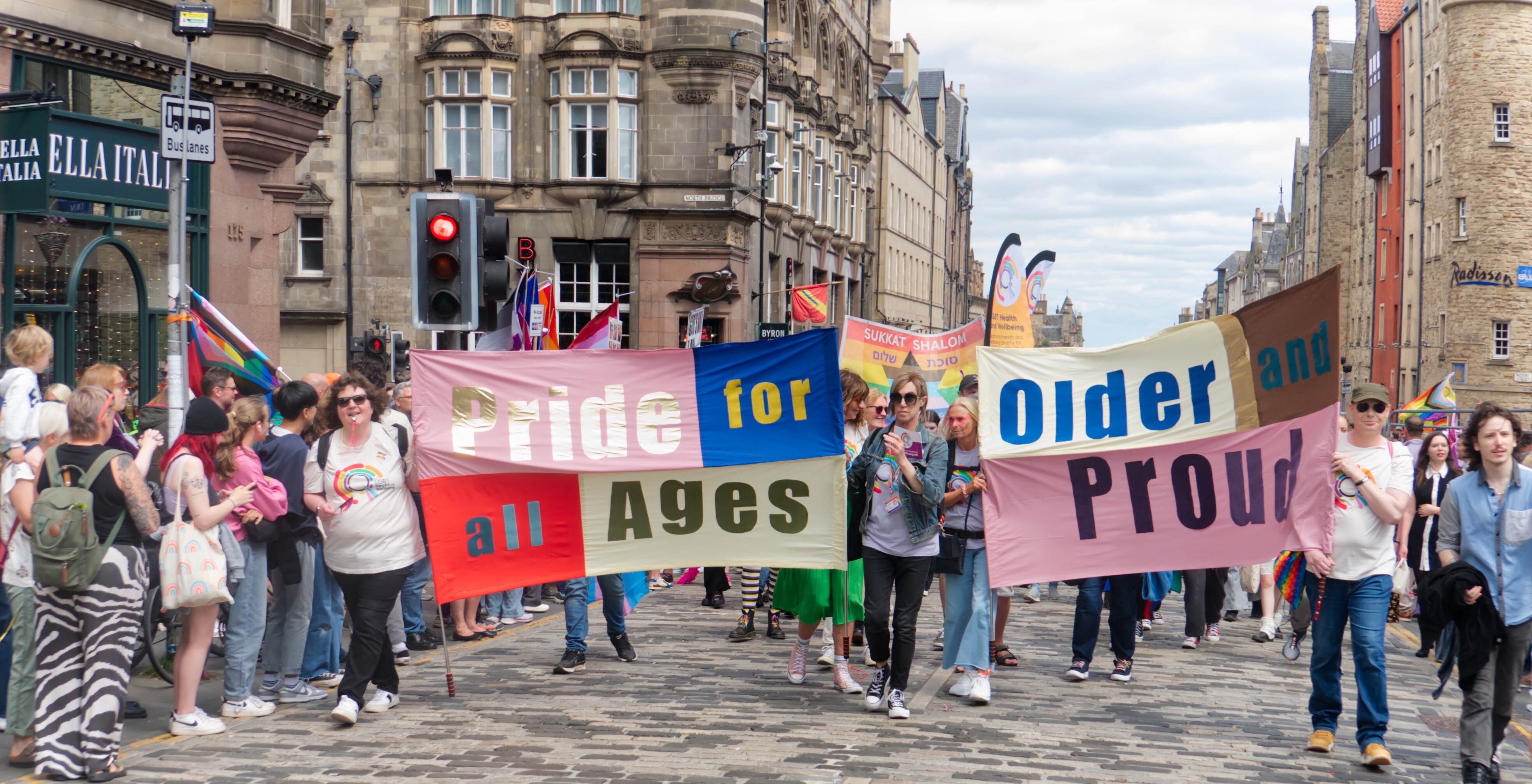
Pride For All Ages
 
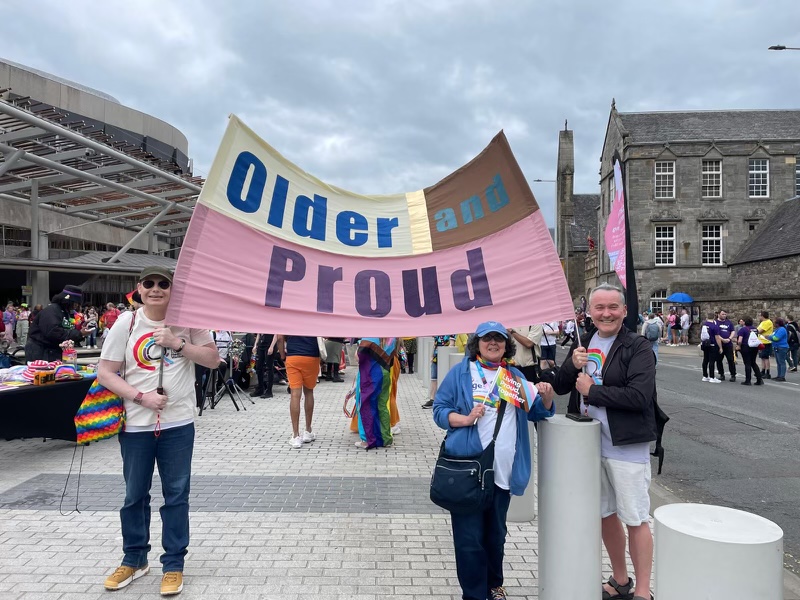
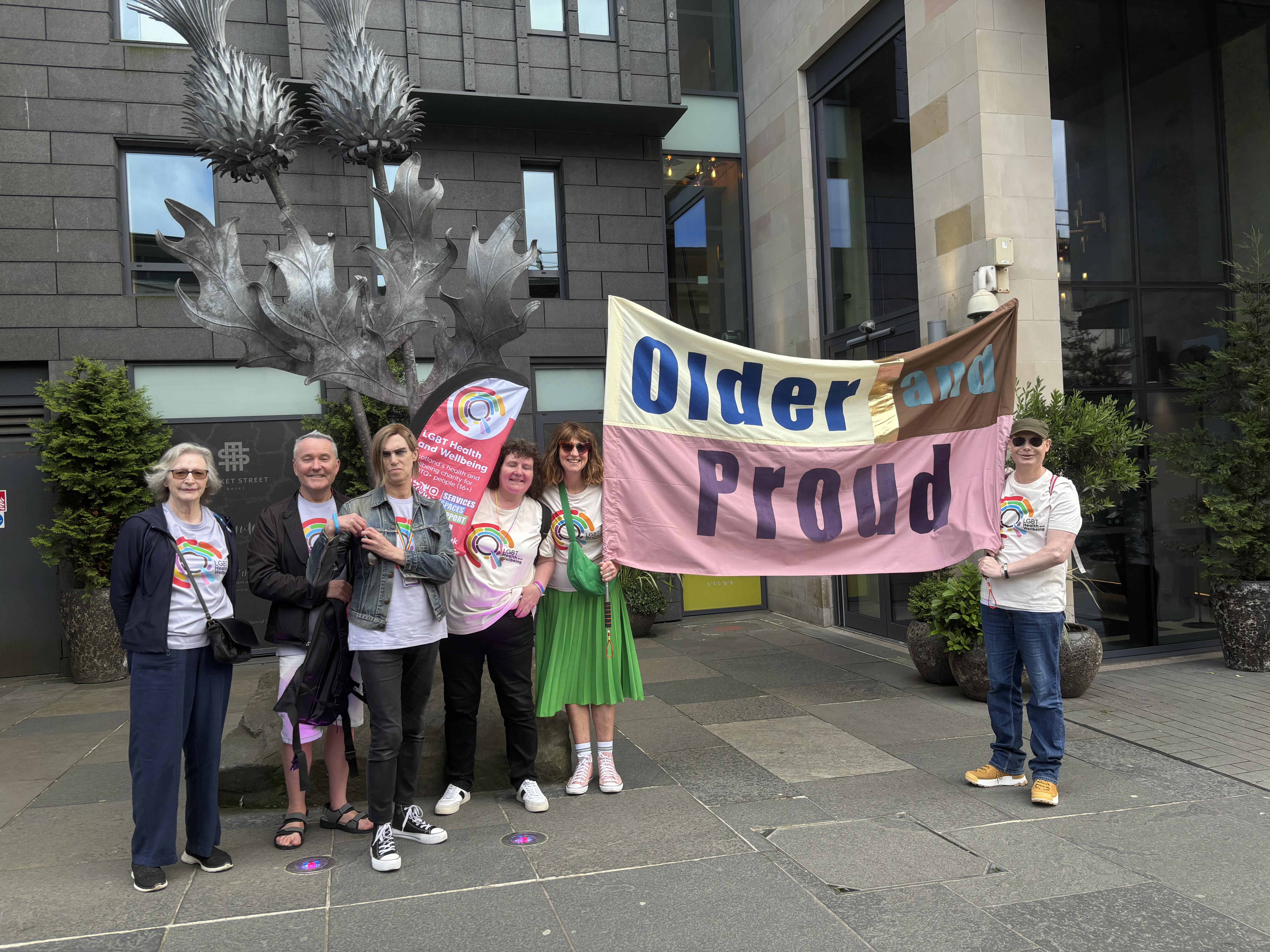
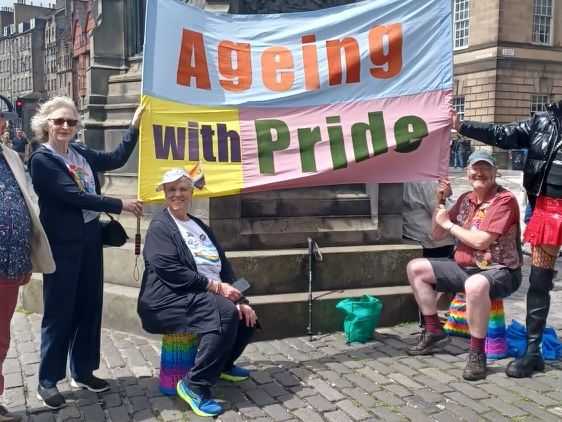
Older LGBT+ people were visible at Pride Edinburgh 2024:

Beauty contests – then and now

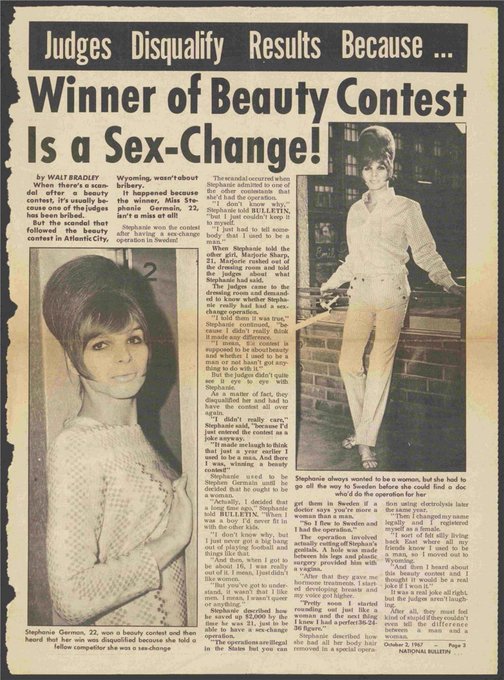
In 1967 Stephanie Germain, a 22-year-old, won a beauty contest in Atlantic City, Wyoming. She entered just a year after she transitioned. Unfortunately, the judges disqualified her after she informed a fellow competitor she was (in the words of the day) a sex-change.

Miss Maryland USA

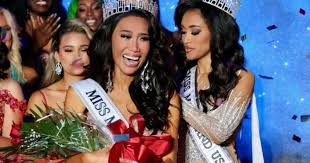
On 1 June 2024, Bailey Anne Kennedy became the first trans woman to be crowned Miss Maryland USA.

Kennedy is a Cambodian American, making her also the first Asian American to win the pageant. She holds the honour of being the first military spouse to win as well.

Kennedy’s victory marks a transformative moment in how transgender individuals are perceived in the US. This milestone will inspire confidence within the trans community, encouraging more trans and gender nonconforming individuals to aspire towards their dreams and break barriers.

Other winners

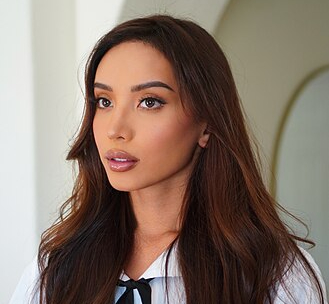
Kataluna Patricia Enriquez was the first transgender woman to be crowned Miss Nevada in 2021. She was also the first trans woman to compete in the national Miss USA pageant.

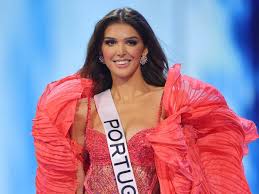
Marina Machete Reis was the first trans woman to be crowned Miss Portugal in 2023.

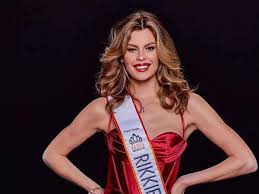
Rikkie Valerie Kollé was the first trans woman to be crowned Miss Netherlands in 2023.

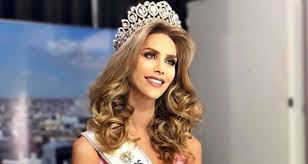
Angela Maria Ponce Camacho won the title of Miss Spain in 2018 and was the first trans woman to ever compete in the Miss Universe pageant.

After years of resistance, more and more major beauty pageants are selecting transgender women to compete. It’s shaking up ideas about inclusivity, questioning the modern world’s beauty standards — and perhaps redefining gender itself.

Friends of Dorothy x The Refuge … Pride and Joy … Stories From My Gay Grandparents

News

Kimpton Clocktower Hotel announced a brand new free art exhibition, a celebration of the power and beauty of queer artistry, in partnership with queer art collective Friends of Dorothy, which opened in June in line with Pride month.

Launch night, Thursday 6 June

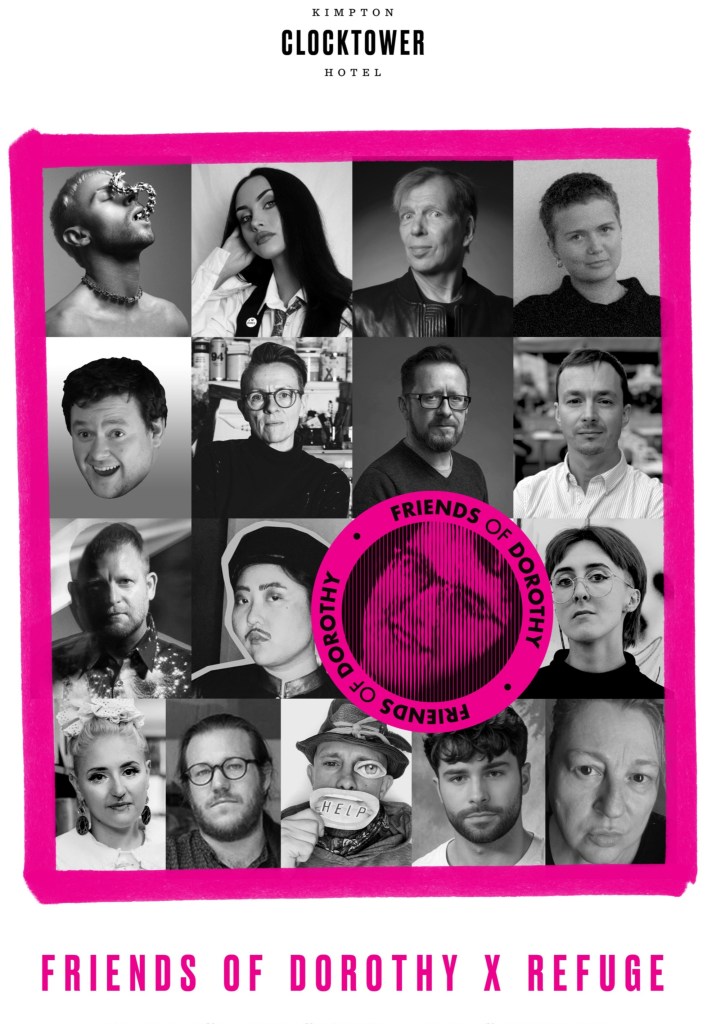
Under the guidance of Rob Devlin, Friends of Dorothy is an innovative art project focussed on inclusivity and artistic expression, dedicated to amplifying the voices of queer artists and fostering connections within the LGBT+ community. From its humble beginnings as a lockdown-inspired project in 2021, Friends of Dorothy has evolved into a dynamic force, showcasing the vibrant tapestry of queer artistry within the vibrant cities of Manchester and Los Angeles.

A proud partner of the LGBT+ community and supporter of Northern talent, Kimpton Clocktower will host an art collection by 16 of Friends of Dorothy’s Manchester-based artists, a diverse mix of established and new and emerging talent. 

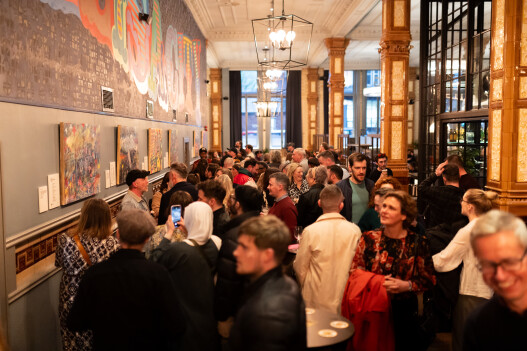
Out In The City organised a private viewing which included a complimentary tea or coffee in the wonderful surroundings of the Refuge Building and a tour of the amazing Refuge Building by Fran.

Kelly Andreasson, Hotel Manager of Kimpton Clocktower Hotel, said: “As part of the Kimpton family and neighbours to Manchester’s iconic gay village, we are honoured to be hosting this collection of artworks by LGBTQ+ creators. We are grateful to Rob and Friends of Dorothy for the opportunity and can’t wait for our guests and customers of Refuge to experience it between June and our annual Clocktower Pride celebration, the Come as You Are weekend in August.” 

The Friends of Dorothy exhibition will be free and open to the public on the walls of Refuge, Kimpton Clocktower Hotel until 1st September. 

Lots of great photos can be seen here.

Pride and Joy

“I was married but longed for men”
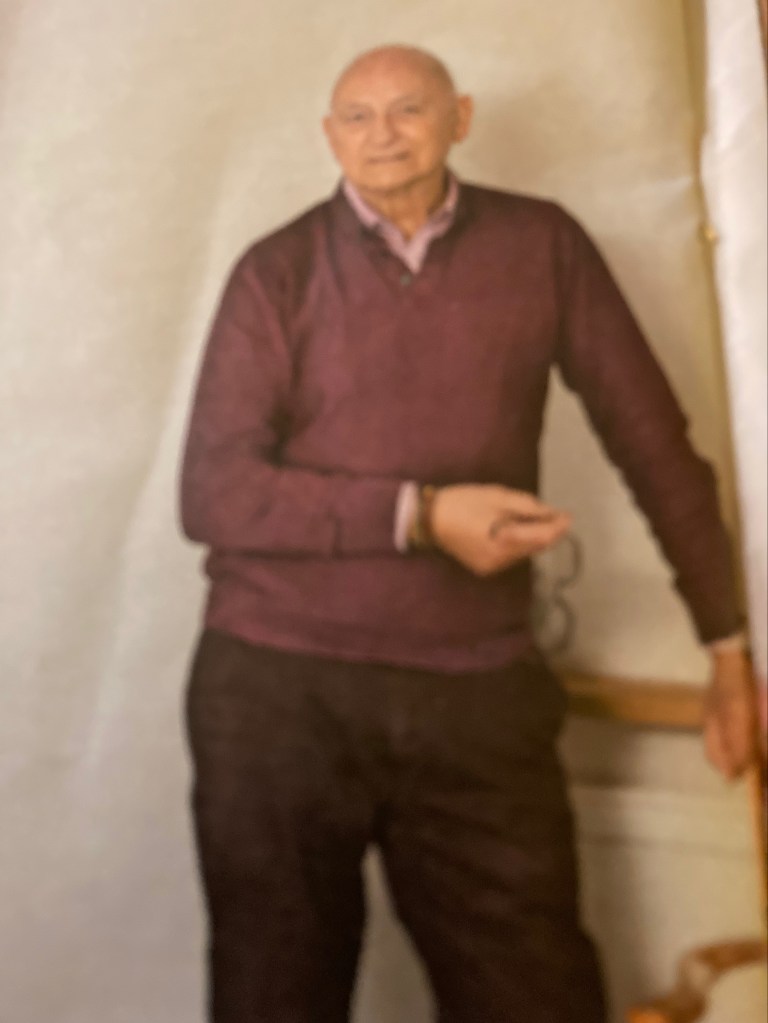
James Barnard, 84 came out at 65

The first person I came out to was my friend Brenda, who I walk to church with. It was September 2005 and I’d just started seeing my first boyfriend, who I’d introduced to friends at church as “my Irish friend”. Brenda and I were walking home from church when she said, “So who’s this Irish guy, Jim, then?” I couldn’t keep the lie up. I was apprehensive when I said, “I’ve been meaning to tell you, I am gay, Jim is my first boyfriend and I am very much enjoying being gay!” She was shocked but absolutely delighted. It was a great relief.

From the age of 14 I knew I was attracted to boys, but at that time it was illegal. Suppressing that emotion over the years has been terrible. I remember being a teenager and going to the beach where I was surrounded by half-naked men and I didn’t know where to look. I was terrified that someone would catch me looking at them. I had to hide it all the time. I felt such fear and embarrassment.

In 1963 I got married because it was what everyone did. We moved to Manchester in 1967 – the year that being homosexual was legalised in England. We had two children. We quickly found out that my wife was bipolar – she had deep depressions followed by manic highs. A psychiatrist told me that she may never get better.

My wife and I had a group of gay Christian friends. She was a musician and we used to have the Gay Christian Movement to summer teas with music and strawberries every July. She noticed I was a little uncomfortable and assumed I was slightly homophobic – I must have given that impression just to protect myself. At that time Aids was in the news and the stigma around being gay was horrific.

My wife was wonderful and caring but her depressive periods – sometimes two years long – were awful for her and us. There were times I had to take the children out of the house while I dealt with her situation and my work. It was dire. I’d never bothered with what I wanted and I never wanted to put my needs first. I pushed being gay out of my head.

I was never going to leave her because I don’t think she would have coped on her own. In those days you promised to stay together in sickness and in health. I just learnt to live with my desires and repressed them. I became type 1 diabetic in 1965 and that was hard for her too. In my late fifties I became incredibly depressed and sad and I still longed for men. I worked hard both in my life at home and in my work and tried to remain positive.

In 2003 my wife developed oesophageal cancer and it was very quick. In nine months she died and it was a shock to everyone. After the grief I knew I had the opportunity to come out and my whole life changed. Laws were changing and public attitudes were progressing.

After dealing with the grief of his wife dying, James realised he had the chance to change his life. Photo: as a teenager c. 1957

After telling Brenda I was gay, I made visits to each of my friends, one by one, to tell them. I was received with total happiness by all of them – we even had celebration drinks. There wasn’t a scrap of homophobia in any of them. Then I started joining every gay group imaginable in Manchester. I went to my first Pride, joined a reading group, a poetry and writing group, and I started volunteering at the LGBT Foundation on the helpline and with its befriending programme. I became a trustee and served for nearly ten years.

When I came out to my children they had no idea what had been going on in my head. They told my grandchildren too. My daughter, who is now 56, has gay friends and has been to gay weddings in London. I think she loves having a gay dad.

I never got to the point where I could do what everyone seems to suggest you should be able to do and “love yourself”. I think that’s a crazy idea. Maybe it’s my age, but I find it an impossibility.

I have had several boyfriends over the years. I was seeing Jim for about nine months, but after my life with my wife I was just not ready to settle down. He’s still one of my best friends and we support each other.

All of my friends – lovely people – are gradually dying. But thanks to the groups I have joined, I have a wide community. We go for lunches and days out. I have never wanted to settle down and I still don’t.

At 84 I can’t offer anyone a long-term relationship! I often think that I could have had a wonderful gay marriage. I would have been ready to love someone very warmly. I still have dreams about it sometimes, but I know it’s too late now. It’s not going to happen.

I don’t regret not telling my wife, we had a tough life as it was. We married before it was legal to be gay, so I had no choice. I regard the past 20 years as a bonus – I never thought I’d have this time to enjoy being myself. I can’t worry about anything else I’ve missed while I’m enjoying the life I now have.

An older gay couple comes out to their adult grandchildren after 50 years of marriage in this hilarious new web series

Image Credit: ‘Stories From My Gay Grandparents,’ BAE Communications

They say it’s never too late to come out, and that maxim gets explored to hilarious effect in the comedic Canadian web series Stories From My Gay Grandparents.

Nearly 50 years ago, Russell and Barbara Butters got married, started a family, and led your typical, suburban heteronormative lives – at least that’s what it always looked like to their queer grandkids Mason and Rebecca Michelle.

But after a near-death experience, they decide it’s finally time to ditch the “beards” and live their lives to the fullest. So, they show up at Mason and Rebecca Michelle’s door in Toronto with the big news …

Surprise! They’re gay! Extremely gay. And they always have been. In actuality, they’re longtime gay besties who, half a century ago, decided to “cover for each other” and just sort of, well, stuck with it.

Image Credit: ‘Stories From My Gay Grandparents,’ BAE Communications

Mason and Rebecca Michelle are shocked, to say the least, and also overwhelmed as they find themselves playing both babysitters and mentors to their grandparents who are effectively “baby gays” in our modern queer world.

Oh, sure, Russell and Barbara have had their secret flings over the decades, but now they’re finally ready to live out and proud, looking for guidance from their grandkids as they embrace their authentic “extremely gay selves.” Stories From My Gay Grandparents gives viewers a golden oldie view of today’s LGBTQ+ community, all of its beauty – and absurdities. Check out the official trailer for the web series here:

Over the course of 10 fun-sized episodes (all ranging between 8 to 13 minutes long), Russell and Barbara fret over how to meet people on the apps, learn the lay of the land in Toronto’s historic gay village, try to tie up loose ends with past lovers, experience their first drag show, reclaim the homophobic slurs that have been flung at them in the past, visit the queer nude beach, and find themselves getting competitive over who’s doing “gay” better.

Created, written, and produced by stars Scott Farley and Perrie Voss, the fun and colourful series aims to clear a path for those who have struggled to come out – at any age – to step into their queerness and their power.

“As queer filmmakers, we aim to share our stories on screen so that everyone can feel seen,” Farley and Voss share in their artists’ statement. “For generations, the decision to remain hidden or come out of the closet has been at the centre of the queer community. As more of us become visible and increasingly accepted, a growing number of people have begun to step into the light by sharing their authentic selves.”

Image Credit: ‘Stories From My Gay Grandparents,’ BAE Communications

They continue: “This late-in-life coming out story is a funny yet truthful look at gay culture through various generations. We hope it makes you laugh, cry and burst with joy as you watch our grandparents, Barbara and Russell, develop new relationships with everyone around them, including themselves.”

Stories From My Gay Grandparents made its world premiere earlier this year to a sold-out crowd at Toronto’s Inside Out LGBTQ+ film festival. And now that web series is online, in all its gay glory, you can check it out for yourself! It’s part of a handy YouTube playlist where you can find all 10 episodes in one place.

The first episode is below. So, binge-watch away!