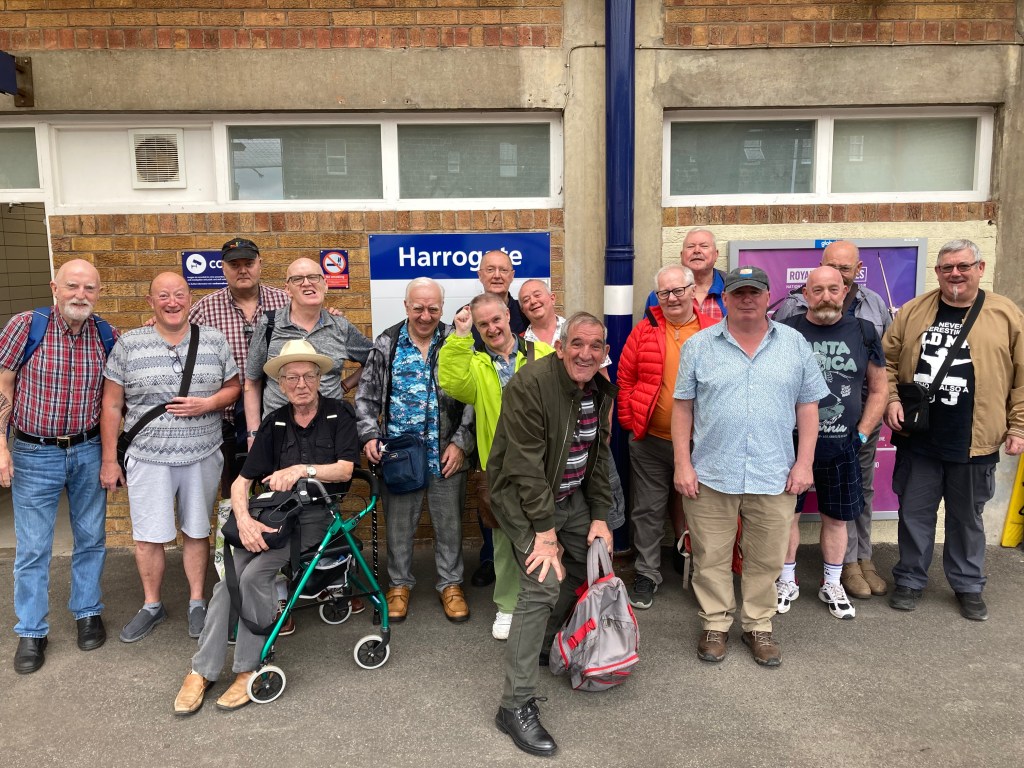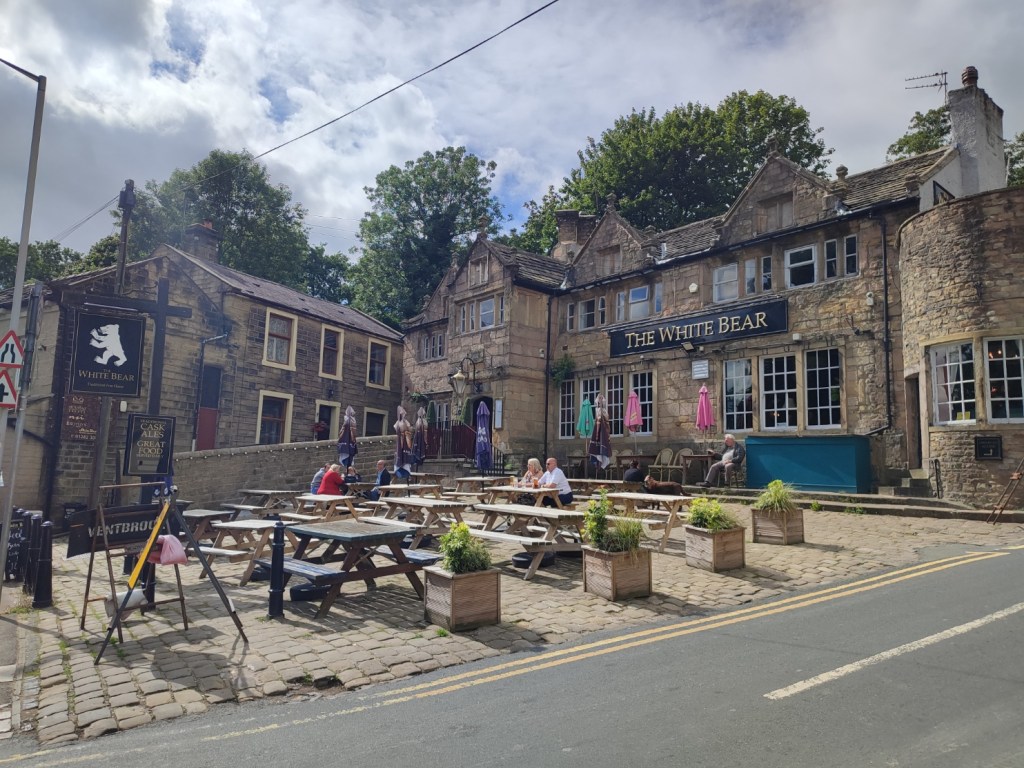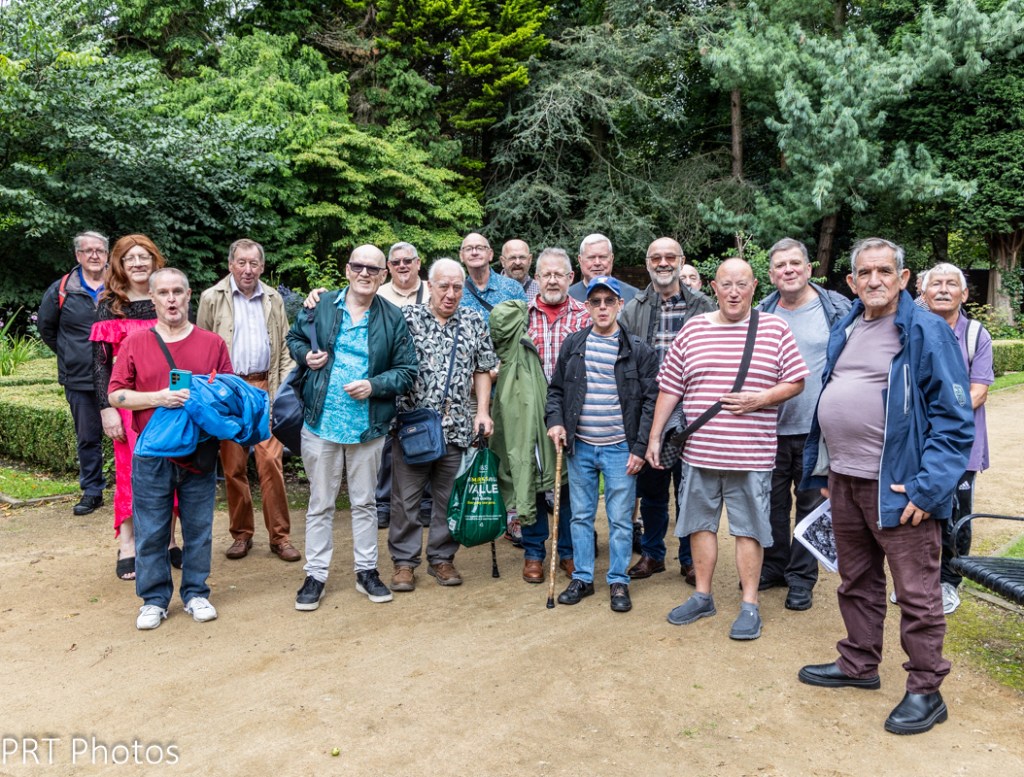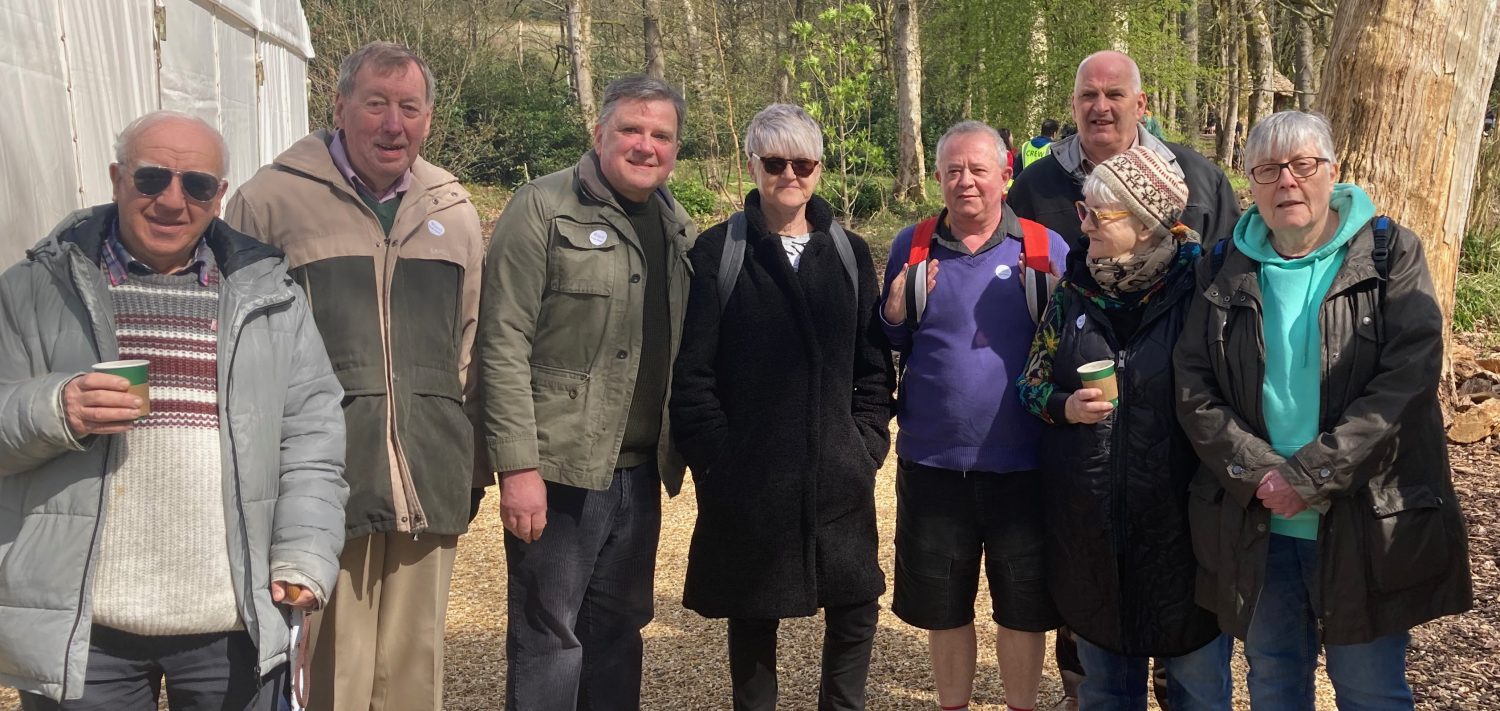
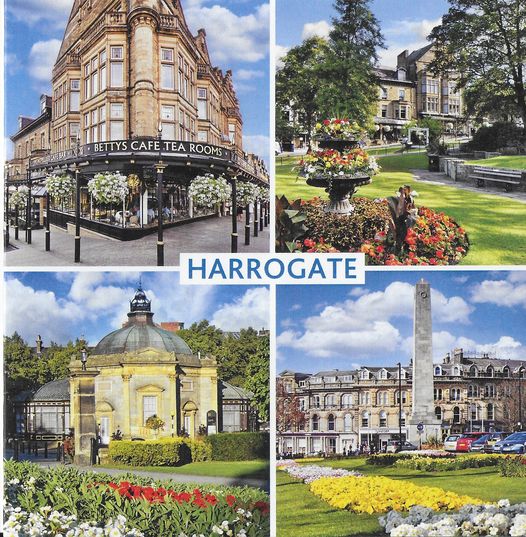
We met up at Bury Tram Interchange and headed to Tina’s Tea Rooms located in Bury Art Museum. This is one of my favourite places – the staff are friendly, the food is gorgeous and it’s a lovely unusual setting.
We crossed over the road to the Fusilier’s Museum where in Olive’s Kitchen Café Bar upstairs there was a small exhibition of photos by Ian Hargreaves.
On display were a number of portraits and a few scenic photographs, but they were difficult to view due to the customers in the cafe. A number of us then visited the famous Bury Market where you can buy anything from ice cube trays to black puddings.
Sexual Offences Act 1967
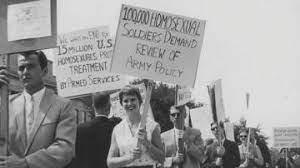
The Sexual Offences Act 1967 is an Act of Parliament which legalised homosexual acts in England and Wales, on the condition that they were consensual, in private and between two men who had attained the age of 21. It became law 56 years ago.
Homosexual activity between men had been illegal for centuries. There was never an explicit ban on homosexual activity between women. In the 1950s, there was an increase of prosecutions against homosexual menand several well-known figures had been convicted. The government set up a committee led by John Wolfenden to consider the laws on homosexuality.
In 1957, the committee published the Wolfenden report, which recommended the decriminalisation of homosexual activity between men above the age of 21. The position was summarised by the committee as follows: “unless a deliberate attempt be made by society through the agency of the law to equate the sphere of crime with that of sin, there must remain a realm of private that is in brief, not the law’s business”. However, the government of Harold Macmillan did not act upon its recommendations, due to fears of public backlash.
In 1965, several politicians sponsored a Sexual Offences Bill, a private member’s bill which drew heavily upon the findings of the Wolfenden report. The key sponsors were Humphry Berkeley, a Conservative MP, Leo Abse, a Labour MP, and Lord Arran, a Conservative peer. By that year, public opinion had shifted in favour. A 1965 opinion poll commissioned by the Daily Mail found that 63% of respondents did not believe that homosexuality should be a crime while only 36% agreed it should, even though 93% agreed that homosexual men were “in need of medical or psychiatric treatment”.
The Sexual Offences (No 2) Bill received royal assent on 27 July 1967, becoming the Sexual Offences Act 1967.
Voice Study: Bisexual Men Sound The Most Masculine
Research published in the Journal of Sex Research aimed to determine whether listeners could detect if a man is bisexual from his voice alone. The findings indicate that people are not able to determine if a man identifies as bisexual based on his voice alone. Additionally, when people listened to the voices of gay, straight, and bisexual men, they perceived the bisexual men as the most masculine among all the speakers they heard.
Previous research has identified specific voice characteristics that are often associated with gay men. These characteristics include higher pitch, wider pitch range, longer vowels, expanded vowel space, and more precise pronunciation. The study’s results suggest that the perceptual voice and speech features that allow listeners to identify gay men’s voices may not be present in bisexual men’s voices.
Good news for people living with HIV & their sexual partners
A host of health organisations acknowledge that undetectable means untransmittable (U=U). This means if someone has HIV but is on treatment and undetectable, there is zero risk of them passing it on.
The World Health Organisation just reaffirmed this message … but goes even further.
WHO released a policy brief to coincide with the International AIDS Society Conference on HIV Science in Brisbane, Australia. The brief not only states there is zero risk of transmission if someone has an undetectable viral load. It goes on to say that people with a suppressed but detectable viral load “have almost zero or negligible risk” of sexual transmission.
What does “suppressed but detectable” mean?
The WHO policy brief states, “There are three key categories for HIV viral load measurements:
unsuppressed (more than 1,000 copies/mL);
suppressed (detected but less than 1,000 copies/mL); and
undetectable (viral load not detected by the test used).”
We know that those with an undetectable viral load cannot pass on the virus. The Lancet posted a systematic review about the risk of transmission in those with “low-level” viral loads. That’s a viral load under 1,000.
The studies analysed included 7,762 sero-discordant couples across 25 countries. They identified two cases of HIV transmission when the HIV-positive partner had a viral load between 200-1,000. Most cases of transmission occurred when the HIV-positive person had a viral load above 10,000.
In those two cases identified, 50 days or more had elapsed between the viral load test and the transmission. Therefore, their viral load may have been different at the time of transmission.
The authors concluded, “There is almost zero risk of sexual transmission of HIV with viral loads of less than 1,000 copies per mL. These data provide a powerful opportunity to destigmatise HIV and promote adherence to antiretroviral therapy.”
The World Health Organisation supports this message. It states, “People living with HIV who have an undetectable viral load … have zero risk of transmitting HIV to their sexual partner(s).” It continues, “People living with HIV who have a suppressed but detectable viral load and are taking medication as prescribed have almost zero or negligible risk of transmitting HIV to their sexual partner(s).”
That will be reassuring to many sero-discordant couples who might worry about small rises in viral load. Even if you’re not undetectable but have less than 1,000 viral copies per milliliter, the chance of transmission is “zero or negligible”.
HIV treatment is recognised as one of the main reasons why HIV transmission rates are falling around the world. UNAIDS is encouraging all countries to reduce HIV transmission by 90% by 2030 (compared to 2010 figures). Some countries in Western Europe, including the UK, are on course to hit this target.
The Richmond Tea Rooms is an “Alice in Wonderland” themed venue in the heart of Manchester’s Gay Village that serves afternoon tea, lunch and homemade cakes.
The Out In The City group visited last Wednesday … now you know that I’m not one to gossip, but … well, the photographs speak for themselves and can be seen here.
A Chilling New Drama
The Sixth Commandment is a new four-part drama on BBC 1. It’s a sinister real life story starring Timothy Spall and Anne Reid.
A meeting between an inspirational teacher and a charismatic student in Buckinghamshire ends up setting the stage for one of the most complex criminal cases in recent memory.
This is a “must watch” drama and all episodes are available now on BBC iPlayer.
Pride Season continues
Happy Valley Pride celebrates LGBTQ+ life in Hebden Bridge and surrounding areas and features events from 24 July to 30 July.
Hebden Bridge is known as one of the most LGBTQ+ welcoming towns in the UK. However a piece of homophobic graffiti seen in the town was the catalyst for the first Pride in summer 2015.
Their mission is “To celebrate LGBTQ+ life in Hebden Bridge and surrounding areas. Promoting equality and diversity to eradicate discrimination, based on sexual orientation and gender identity, through arts, education and engagement.”
It’s not just for people from Todmorden, Heptonstall and Mytholmroyd.
Check out the huge number of events here and get involved.
Be Here, Be You, Be Proud.
Pride in Bolton is from 28 July to 30 July.
Also founded in 2015 under the slogan “Love Bolton, hate homophobia” the first Bolton pride welcomed Sir Ian McKellen as a proud guest of honour.

The creation of the event was partly a reaction to the release of statistics in early 2015 which showed that hate crime against LGBT people in Bolton had increased 135% in the previous year. Their aim was to encourage Bolton to become more LGBT friendly and promote overall acceptance of the LGBT+ community.
Stockport Pride on 30 July features a variety of performances from 11.00am to 6.00pm on the Martyn Hett Stage in Castle Yard within Stockport Market Place.
With drag queens, musicians, DJ and cabaret there’s a full day of entertainment. Word on the street is that you should not miss the Prairie Dogs at 1.10pm, Wolf at 2.15pm and the Gay Gordons at 2.55pm.
This July we’ve got another blockbuster prize to thank you for supporting Out In The City …
We’re extremely grateful for your continued support. Funds raised from the lottery tickets are so important in supporting us in order to make an impact on our community – so thank you for continuing to be a fundraising superhero!
If you’re in the draw on Saturday 29 July, you could win a £1,000 Airbnb voucher – a cabin in the Highlands or a cottage in the Lakes; a weekend in Paris or Rome, or a Mediterranean beach resort: make the summer your own with this fantastic prize!
The special prize draw will take place on Saturday 29 July. If you already have tickets, you don’t need to do anything extra – so why not take the opportunity to support Out In The City in another way too? By simply sharing this exciting offer on Facebook, you might find that some of your friends and family want to sign up too!
Charlotte Saunders Cushman (23 July 1816 – 18 February 1876) was an American stage actress. Her voice was noted for its full contralto register, and she was able to play both male and female parts. She lived intermittently in Rome, in an expatriate colony of prominent artists and sculptors, some of whom became part of her tempestuous private life.
By 1839, her younger sister Susan Webb Cushman became an actress, and at the age of 14 had married Nelson Merriman. Her husband abandoned her when she was pregnant and Charlotte cared for her sister. The two sisters became famous for playing Romeo and Juliet together, with Charlotte playing Romeo and Susan playing Juliet.
In 1843, Cushman became involved romantically with Rosalie Sully. By 1844, the romance had ended. She began travelling abroad, acting in theatre, and Sully died shortly thereafter. She was also very close to the writer Anne Hampton Brewster around 1844 but social pressure from Brewster’s brother meant that they had to part. Brewster reminisced about their idyllic time together in letters in 1849.
In 1848, Cushman met journalist, writer and part-time actress Matilda Hays. The two women became close friends, and after a short amount of time and some correspondence, they became involved in an affair. For the next ten years the two would be together almost constantly. They became known for dressing alike, and in Europe were publicly known as a couple.
Charlotte Cushman and Matilda Hays
In 1849, Cushman returned to the United States and by 1852 had decided to retire from the stage. She took up residence with Hays in Rome. They began living in an American expatriate community there, made up mostly of the many lesbian artists and sculptors of the time.
In 1854, Hays left Cushman for sculptor Harriet Hosmer, which launched a series of jealous interactions among the three women. Hays eventually returned to live with Cushman, but the tensions between her and Cushman would never be repaired. By late 1857, Cushman was secretly involved with sculptor Emma Stebbins. One night while Cushman was writing a note, Hays walked in on her. Suspecting that the note was to Stebbins, Hays demanded to see it. Although Cushman maintained that the note was not to Stebbins, she refused to show it to Hays. The altercation that followed was explosive. Hays became enraged and began chasing Cushman around the house, pounding her with her fists at every opportunity. The relationship ended immediately and Hays moved out. She then sued Cushman, stating in her claim that she had sacrificed her own career to support Cushman’s career and therefore was due a certain payment. Cushman paid her an unknown sum and the two women parted company forever.
Emma Stebbins moved in with Cushman shortly after the break-up. Cushman travelled to America for a short tour a couple of months later. Although Cushman maintained that she was devoted to Stebbins, she became involved with another woman not long after her relationship with Stebbins began. Cushman met an 18-year-old actress, Emma Crow, and fell for her. The two women began an affair, and Cushman often called her “my little lover”.
Coming Out of Your Closet
Ian McKellen said: “I’ve never met a gay person who regretted coming out – including myself. Life at last begins to make sense when you are open and honest.”
In an inspirational talk Ash Beckham discusses the current state of homophobia in our culture challenging even the word “homophobia” itself. There is no fear, just loathing. Hating things we don’t understand, people we don’t know or anything that is different than our day to day.
“Homophobic” people are not scared of anything. We all have a responsibility to live our lives as active activists not passive ones when it comes to protecting our fellow humans from hate of any kind.
National Fish and Chip Day was observed on 2 June 2023 and the Hip Hop Chip Shop was named the second best fish and chip shop in the country.
The Hip Hop Chip Shop opened its Ancoats premises in 2018, after several years travelling around the festivals and fairs as a van pop-up – which you can still find at events around Manchester, including the recent Manchester International Festival.
Their menu includes all the chip shop staples – fish, chips, sausages, pies, mushy peas – as well as some twists on the classics, such as curry batter fish bites, battered gherkins and bombay chips. They also have a good range of halloumi and vegan alternatives.
After dining we took a pleasant walk around New Islington. It’s historically part of Ancoats, but has taken a separate identity to reflect its changed status as a regeneration area.
Smart Barnett’s Solo Exhibition – Embroidery Meets Digital Art
The exhibition launches from 6.00pm til late on 21 July 2023 at Kerb, 04 Henry Street, Ancoats, Manchester, M4 5DD and continues until 31 August 2023.
Smart Barnett, a visionary artist and designer based in Manchester, invites art enthusiasts and culture aficionados to experience a captivating solo art show at the exquisite venue of Kerb Wine in Ancoats. This groundbreaking exhibition showcases Barnett’s unique fusion of textiles and digital art, pushing the boundaries of traditional techniques and exploring the intriguing intersection of intimacy, online culture and self-expression.
With embroidery at the core of his practice, Smart Barnett challenges preconceived notions by juxtaposing this age-old craft with thought-provoking imagery and themes. His works delve into the captivating world of contemporary image cultures, particularly those relating to online dating and the exploration of web-based intimacy. Through his art, Barnett reflects on the ways in which these cultures have expanded our understanding of erotic imagery, simultaneously examining the intricate balance between revealing and concealing aspects of our online personas.
As Smart’s artistic journey progresses, his work has grown increasingly personal and subjective. The artist boldly questions his own exhibitionist tendencies, obsessions, self-image and the impact of past traumas. Within the safe and normative realm of embroidery, Barnett strives to create artworks that are not only expressive and bold but also intimate in their dimensions, inviting viewers to engage on a profoundly personal level.
The SMART BARNETT solo art show will feature a captivating collection of both new and previously exhibited works, allowing visitors to witness the evolution of the artist’s creative vision. Notably, Smart Barnett recently presented an acclaimed show with Friends of Dorothy, further solidifying his status as a rising star in the art world.
Additionally, attendees of the exhibition will have the opportunity to purchase Smart Barnett’s artwork, as it is now available for sale via the Friends of Dorothy webshop.
The exhibition will run from 21 July to 31 August at Kerb Wine’s stunning venue located at 04 Henry St, Ancoats, Manchester, M4 5DD.
Smart Barnett’s thought-provoking art challenges conventional boundaries and offers a unique perspective on contemporary culture. Be sure to mark your calendars for this extraordinary exhibition, as it promises to ignite your imagination, evoke emotions, and leave a lasting impact.
UK Government exporting homophobia
Following the recent passing of Uganda’s Anti-Homosexuality Law, the UK acknowledged it had sent £134,000 in foreign aid to the Inter Religious Council of Uganda – an anti-LGBT group which may have played a role in the bill’s passage.
As a government that allegedly values human rights and equality, it’s crucial that taxpayer money supports organisations that hold the same values.
Sign this petition demanding the UK government immediately commits to no longer funding anti-LGBT+ groups!
Oldham Pride
Mark your calendar for the Oldham Pride weekend on 21 – 23 July.
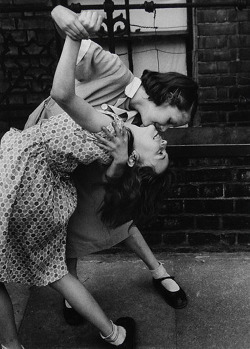
On Saturday 22 July, the parade will start at 12.00 noon and will be led by a Samba band. The parade will move through the Town Centre from Greaves Street to Queen Elizabeth Hall. There will be entertainment, stalls and activities until 6.00pm.
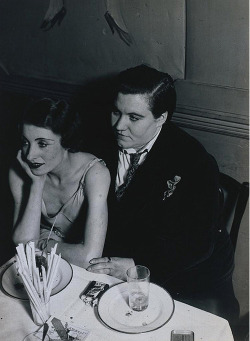
Isabelle Eberhardt: Rebel with a Cause
Isabelle Eberhardt, 1895
A Swiss woman who converted to Islam, spent seven years wandering the Tunisian and Algerian Sahara writing almost exclusively about the suffering of locals at the hands of the French colonial government, and died in a flash flood at the age of twenty-seven, Isabelle Eberhardt wasn’t your average Edwardian explorer.
Eberhardt was a rebel in every sense of the word and one with several causes. The illegitimate daughter of a Russian noblewoman, who was herself illegitimate and had run away from her Tsarist husband to Switzerland, Eberhardt was born in 1877 with neither known father nor fatherland – a doomed position for a woman in a society where status was all. As a teenager, Eberhardt published short stories under a male pseudonym.
“Yet vagrancy is deliverance and life on the open road is the essence of freedom,” Eberhardt wrote in The Oblivion Seekers, an English-language anthology of notes, journal entries, and impassioned letters. “To have the courage to smash the chains with which modern life has weighted us (under the pretext that it was offering us more liberty), then to take up the symbolic stick and bundle and get out!”
Eberhardt “got out” by wearing a burnous (androgynous white robe), introducing herself as Si Mahmoud Essadi, and exploring the Maghrebian desert mostly on foot or horseback. She began wearing male clothing exclusively and developed a masculine personality, speaking and writing as a man.Eberhardt behaved like an Arab man, challenging gender and racial norms. Asked why she dressed as an Arab man, she invariably replied: “It is impossible for me to do otherwise.”
She was initiated into the Quadriya, a mystical Sufi brotherhood that had great influence among the desert tribes, and, according to her journal, she harboured secret ambitions to become a marabute (saint). However, she also admired the wild life of the legionnaires and ended up travelling, bunking, and drinking with them.
Isabelle Eberhardt, 1900
Like many rebels, Eberhardt sacrificed her own health on the altar of rock and roll. She always preferred a hard floor to a soft bed and carried a gun rather than a toothbrush. By the time she died, she’d lost all her teeth as well as most of her hair due to malnutrition. Malaria meant frequent visits to the hospital, and she also suffered from what was probably syphilis.
Possibly due to her lack of connections in Europe, her writing has not enjoyed as much recognition as it deserves. In an age when Bedouin-Oriental romanticism was defining the work of travel writers such as Pierre Loti, Eberhardt wrote almost exclusively about the dehumanising effects of French rule on the Maghreb. Her perfect Arabic, religious devotion, and marriage to local soldier Slimene Ehnni gave her unrivalled insider access, and she reported on Bedouin traditions normally closed to outsiders. When she died at age 27, she left 2,000 pages of articles, journal entries, and works of fiction, including the novel, Vagabond.
Language itself was one of her favourite weapons. “She was the first to use polyglotism as a device to undermine ‘monolange,’ one of the principle pillars of the colonial order,” observes Tunisian scholar Hedi Abdel-Jaouad. Her travelogues resolutely refer to the Maghreb rather than North Africa and include indigenous Berber words, while her letters flit between Russian (her first language), Arabic, French, Latin and Greek.
Of course, her scorn for the accepted order did not go unnoticed.
“How the masses get annoyed when they see among them an individual – especially a woman – emerge who wants to be herself and not resemble them!” Eberhardt reflected in her journal, published posthumously as The Nomad: Diaries of Isabelle Eberhardt. Given that government agents tailed her, thinking she was a spy, she and her husband were bullied out of the town of Tenes, and a religious fanatic all but severed her left arm with a sabre in 1901, leaving her in constant agony, the term “annoyed” feels like understatement.
We live in an age where identity, gender, and nationhood are topics that still have the power to divide, and in many ways Eberhardt’s short, astonishing life embodies some of the big discourses of modern times. So why have most of us never heard of her? She falls between the cracks of the canon to remain somewhere between man and woman, European and Arab, hedonist and journalist, intellectual and lost soul. One thing we can all agree on is that she made quite some contribution to the cause of personal freedom.
On Thursday 6 July, Alex Connell visited Out In The City for a cooking demonstration.
The plan was to prepare some meals and for us to taste pea and mint soup, paella, Lancashire hot-pot, sticky toffee pudding and flapjacks (all vegetarian).
However, it didn’t start well as we could not gain access to the building; Alex was late as he spent 45 minutes driving in circles trying to find a parking space; and the demonstration was curtailed when the smoke alarm was activated and we all had to evacuate the building!
However, it was an informative session and we came away with some good ideas for cheap meals.
This is the recipe for pea and mint soup:
Serves: 2 Time to prepare: 10 minutes Time to cook: 30 minutes
Ingredients:
1 tbsp olive oil, 1 onion, chopped, 2 medium carrots (160g), sliced, 500ml vegetable stock, 30g red lentils, 1 garlic clove, 1 small sprig of mint, 120g frozen peas, 50g vegan cream cheese
Instructions:
Gently fry the onion and carrots for 5 minutes in a tbsp of oil, making sure the onion doesn’t brown. Then add the stock, lentils, garlic and mint.
Bring to the boil, then simmer for 20 minutes. Add the peas and continue to cook for 5 more minutes.
Remove the sprig of mint then thoroughly blend the soup. Next pass through a fine sieve.
Return to the pan and add the cream cheese. Check the consistency is correct – add a little extra water or cream cheese to thin the soup if needed, or continue to cook if the soup needs thickening.
Pauline Smith tells us more about the idea of an ‘end of life’ box and the importance of talking about wishes surrounding your death:
When you are older and LGBT, some days your thoughts turn towards your own mortality. Death will come and it’s nearer when you are in your 70s, you are much closer to the End of Life.
How do you plan for this, and what would you like to leave as tokens and how would you like to be remembered when you have left this earthly place?
Last year three of us mulled over this sensitive issue – Pam Flynn, Mindy Meleyal and myself. We are all members of Pride in Ageing at the LGBT Foundation and all older, mature and hopefully wise.
How did we talk about what is still in the 2020s a taboo subject and what did we discuss?
We met on Zoom three times over a period of weeks and chatted about our own experiences of seeing those close to us die, and what kind of plans we would want for our deaths, what kind of funerals and what would we want to leave for our friends and family.
We talked about how living with dementia does not “cripple us” immediately, though it could impact on the quality of life as can other physical and mental effects which are more common as we get older.
The effects of ageing cannot be discounted, however, the three of us are like many older people and we still contribute a lot in different ways with our lived-in experiences and desire to help.
There are an estimated 50,000 LGBT older people in Greater Manchester and around 80,000 LGBT people living with dementia in the UK. We are also very aware of the lack of LGBTQ+ inclusive and/or specific bereavement services, this has been a common theme amongst stories we have heard.
As have been stories of discrimination towards our community in care homes for older people. Although dying is a sombre subject which Western societies tend to avoid talking about we did actually enjoy our short Zooms as we created a wish list of what we thought our LGBT peers would want for the end of their life, especially what is important.
Sometimes there was black humour, as our generation was impacted so dramatically by the AIDS crisis and we all talked about those we knew who were taken too young and remembered them with affection. As well as other dear departed friends.
Strangely there was also a burst of creativity from us. Mindy’s idea of a painting representing the flow of life became a tapestry illustrating the Nile delta … as individual lives go into different channels before being washed into the Mediterranean and then become clouds and go back to rain on the mountains and areas that are its source. An illustrative description of our lives.
As for me, I wrote a poem about the ending for all of us LGBTers … End of Life – A Celebration. And we all agreed that a Box of Life, with rainbow coloured paper around it (or whatever takes your fancy) which would include all our wishes and key documents in one place was and is a great idea.
However our main thrust under Pam’s guidance and summarising of what is available for “End of Life” was a plan for those essential documents; after Mindy discovered that we all realise 45 hours before we are going to die that it is inevitable and … it’s a bit too late then to start planning.
She also discovered that there are seven main ways of dying – sudden, accident, illness, infection, suicide, neglect and assisted dying.
We came up with what we hope is a comprehensive “To Do” list of 10 key points for all LGBT people, as so many of us live alone and are often estranged from blood relatives.
Often our friends are “our family”, not always but often. We came up with this idea mainly for older LGBT people, however, this is really applicable for all LGBT adults.
Plan ahead – before you think you could die is a good idea. Once you are an adult plan ahead…you can always change your plan as your circumstances alter. Think 15 years ahead.
Ensure you have a Will, which is a legal one.
Having a Power of Attorney is a good idea, in case you are ill or have issues like living with dementia… that way your affairs can still be managed by whoever you authorise.
Having a “one stop” list if you live alone and have a fall or accident and cannot look after your cat or your home. And make sure you have a friend or relative who can be called to implement your list.
A list of all your electronic devices, email addresses and others with passwords
A funeral plan – to ensure your wishes are met
A memory box – or a Box of Life – which will include all of those items listed one to six and other things like notes for friends, relatives and some photos and memories
Ensure that your “special family” is listed – not all of us LGBTers have relatives of any kind that we still speak to and the special family is those you have chosen.
Have a plan for how you want to be treated in a care home or hospice. This can be critical for trans people, to ensure that misgendering doesn’t happen and its important for anyone’s identity who is LGBT.
Lastly ensure that the people caring for you – family, friends, medical professionals – whether at home or in hospital, care home or hospice – have a list of your wishes on things like resuscitation, intravenous feeding, aggressive treatments are adhered to.
Remember – It’s your life, and you should be able to retain your dignity and choose if you can how it ends.
After the three of us came up with this list we presented it our peers on the Pride in Ageing (PIA) advisory committee and Lawrie Roberts (PIA manager) and Siobhan Kenyon (St Ann’s Hospice) and the two of them developed an extensive programme which is now called Box of Life.
This has now been tested on various different LGBT Groups within the LGBT Foundation and was officially launched in May 2023. Lawrie, Siobhan, Mindy, Tony and myself have also recorded a short podcast about the Box of Life project.
If you have been affected by anything in this article then please contact any of the following links:
1. The LGBT Foundation – Pride in Ageing email prideinageing@lgbt.foundation telephone number 0345 3 30 30 30 helpline 0800 0119 100 (every day 10.00 until 22.00)
Whether you are trans like me A gay man, lesbian or bisexual Intersex or gender fluid We all deserve respect After living full lives
Many of us are older now We have all experienced hate and discrimination Often being who we are was illegal Yet we have come through all of that Battered bruised with our heads held high Happy with who we are
All of us have left impressions on others Yes we are different but the same We are only human We want our spend our end days Our passing to be as we want With dignity and respect
Whether its at home, hospital, hospice or in a care home We should all be prepared with a will, power of attorney A memory box And our own wishes for our funeral service
No discrimination or insults or misgendering In those final times Many of us have no immediate family No partner No relatives who accept us Being prepared is best We all come to the end of life And die
Our hope is that our friends and relatives will enable us to spend the end of our life with dignity respect and no pain and that our friends and family can all celebrate our full lives at our funeral With Joy
Transparency
“Transparency” is a transformational solo theatre performance written and performed by Jaden Adams. It moves through hard-hitting issues in a way that is at the same time vulnerable, jarring and heartwarming.
Dive into the everyday life of a transgender male through the relatable, hilarious and brutally honest lens of a northern working class family. Whilst Jack navigates the hurdles of transition, the old family dynamics are shaken up.
Will he find the courage to face his worst fears? Will he risk it all for love?!
Thursday 20 July 2023, 7.30pm
The Squad House, Unit D2A, 3rd Floor, Pear Mill, Stockport Road West, Lower Bredbury, Stockport SK6 2BP
If you miss this show, it’s coming to The Edge in Chorlton on 30 September.
Charles Hamilton: the 18th century “female husband” who scandalised British society
Photo: British Newspaper Archive
Image from a copy in Bristol Library of the pamphlet “The Female Husband” (1813 edition) by Henry Fielding. Cartoon is attributed to George Cruikshank. Text on the image says: “The Prisoner being convicted of this base and scandalous crime was sentenced to be publically and severely whipped four several times in 4 Market Towns, and to be imprisoned for 6 Months.”
Charles Hamilton, a travelling doctor in 18th-century Somerset, UK, was a dapper, charming suitor who could have his pick of the ladies – and according to some accounts, often did.
But it was love at first sight when the doctor laid eyes upon his landlady’s niece, the beautiful but naive Mary Price.
On 16 July 1746, at St Cuthbert’s Church in Wells, Somerset, Charles (or, as the parish register has it, James) Hamilton and Mary Price were married by the Reverend Mr Kingstone.
For two months, the couple travelled through Somerset as husband and wife selling quack remedies – unproven cure-alls that often had little medical value. Still, on 13 September, in a nearby town called Glastonbury, Mary denounced her husband to the town authorities.
It turned out that Charles was missing a vital piece of equipment – a penis.
Charles’ story scandalised and titillated society, courtesy of Henry Fielding’s hurriedly-written – and mostly fictionalised book – The Female Husband.
But who was Charles Hamilton?
The person first known to the world as Mary Hamilton was born in Somerset, a rural farming county in southwest England, in about 1725, the daughter of William and Mary Hamilton.
When still a child, her family moved to Angus in Scotland until, at about 14, Mary put on her brother’s clothes and set out on the road back to England alone. From this moment, Mary lived as a man, going by the names of James, George, and Charles Hamilton in the years that followed.
In Northumberland, as Charles Hamilton, he entered the service of Dr Edward Green, a ‘mountebank’, or seller of quack medicines. He then worked for Dr Finly Green before setting up independently as an unqualified doctor.
In May 1746, he arrived at Wells in Somerset and lodged in the house of Mary Creed, meeting her niece and falling helplessly in love. This fateful act led to the marriage that would cast him into infamy.
A deposition from Mary Price says that she and Hamilton travelled selling medicines after marriage.
During their time together, Hamilton “entered her body several times” and “so well did the imposter assume the character of man, that she still believed she had married a fellow-creature of the right and proper sex.”
But after gossiping with her neighbours, Mary soon began to suspect her husband was harbouring a secret. She confronted her husband when they were in Glastonbury – a town just a few miles away from their home in Wells. Hamilton admitted the truth to Price, who, in turn, instantly ratted him out.
The story was unusual enough at the time to attract the attention of the local newspaper, the Bath Journal.
According to those reports, after news of the arrest, many people visited the prison to gawp at Hamilton, described as being “bold and impudent”.
It added that “it is publickly talk’d that she has deceived several of the Fair Sex by marrying them.”
Another report says that at the trial, the prosecuting attorney, Henry Gould – misspelled as Gold in the newspapers – claimed that Hamilton had been married fourteen times.
The scandalised magistrates struggled to agree what the crime was – or even if one had been committed.
B
Records show that it was not so much that Hamilton dressed and worked as a man that was a problem as much as the fact that he deceitfully contrived penetrative sex. After much debate Charles Hamilton was labelled an ‘uncommon notorious cheat’ and was charged under the Vagrancy Act of 1744; an act meant to prosecute lack of employment or deceitful attitudes.
During the trial, members of Hamilton’s community wrote a letter to the clerk asking for severe punishment. They demanded public humiliation to ensure that Hamilton would never be able to live as a man again.
The severity of Hamilton’s sentence, and the terms in which the court delivered it, reflected the outrage and perplexity the case had aroused: ‘and we, the Court,’ they said, ‘do sentence her, or him, whichever he or she may be, to be imprisoned six months, and during that time to be whipped in the towns of Taunton, Glastonbury, Wells and Shepton Mallet.’
The newspaper recorded that the ‘bold and impudent’ Hamilton remained at that time ‘very gay, with periwig, ruffles, and breeches’, still defying the world as the world closed in.
He continued to sell his remedies surrounded by fascinated crowds who flocked to see him.
British Newspaper Archive
At three-week intervals, until Christmas 1746, Hamilton was whipped publicly in four different towns. That might have been the end of the saga for Hamilton if it weren’t for the novelist Henry Fielding.
Now considered the founder of the English novel, Fielding hurriedly cashed in on the salacious scandal, claiming he had his information “from the mouth” of Hamilton himself.
However, he likely never met the person he satirised in his work and it was instead cobbled together from court reports and his own (filthy) imagination.
The obscure – and pornographic – pamphlet was published anonymously. Like a Georgian-era 50 Shades of Grey, it was badly written, salacious and sold out almost immediately. Unlike 50 Shades of Grey, only four copies are known to exist today.
In his story, Fielding claims Mary Hamilton was born in 1721 on the Isle of Man, the daughter of a former army sergeant who had married a woman of property on the island.
In his version, she had been brought up in the strictest principles of virtue and religion but was seduced into “vile amours” by her friend Anne Johnson, an enthusiastic Methodist, and “transactions not fit to be mention’d passed between them”.
When Anne leaves him for a man, Hamilton seeks another female lover. He meets Mrs Rushford, a wealthy 68-year-old widow who takes her to be a lad of about 18. He pretends to be a Methodist preacher and promptly marries the widow.
According to Fielding, he deceived his bride by means “which decency forbids me even to mention.” The bride eventually discovers Hamilton’s birth sex, and Hamilton is forced to flee. Hamilton uses various other aliases to marry other women but is repeatedly forced to run when the ruse is discovered.
Finally, posing as a doctor, he marries Mary Price.
Gendering Hamilton as a woman, Fielding also claims that “on the very evening she had suffered the first whipping, she offered the gaoler money, to procure her a young girl to satisfy her most monstrous and unnatural desires.”
British Newspaper Archive
Historian Louis Crompton describes Fielding’s account as “one part fact to ten parts fiction” – so what did happen to Charles Hamilton once the storm had passed?
In July 1752, an unsigned letter appeared in the Pennsylvania Gazette, sent from Chester, just outside Philadelphia. It recounted the story of Charles Hamilton, an itinerant doctor living as a man, who was discovered to be biologically female.
According to the letter, Hamilton said he had been brought up in the business of a doctor and surgeon in the UK.
He said he had set sail for Philadelphia in Autumn 1751, cast away from North Carolina and made his way towards the city, selling medicine and treating people along the way.
Hamilton confessed he had used the “disguise” for many years.
So perhaps, Hamilton headed off to the New World and continued to live his life as he always had – true to himself and unashamed.