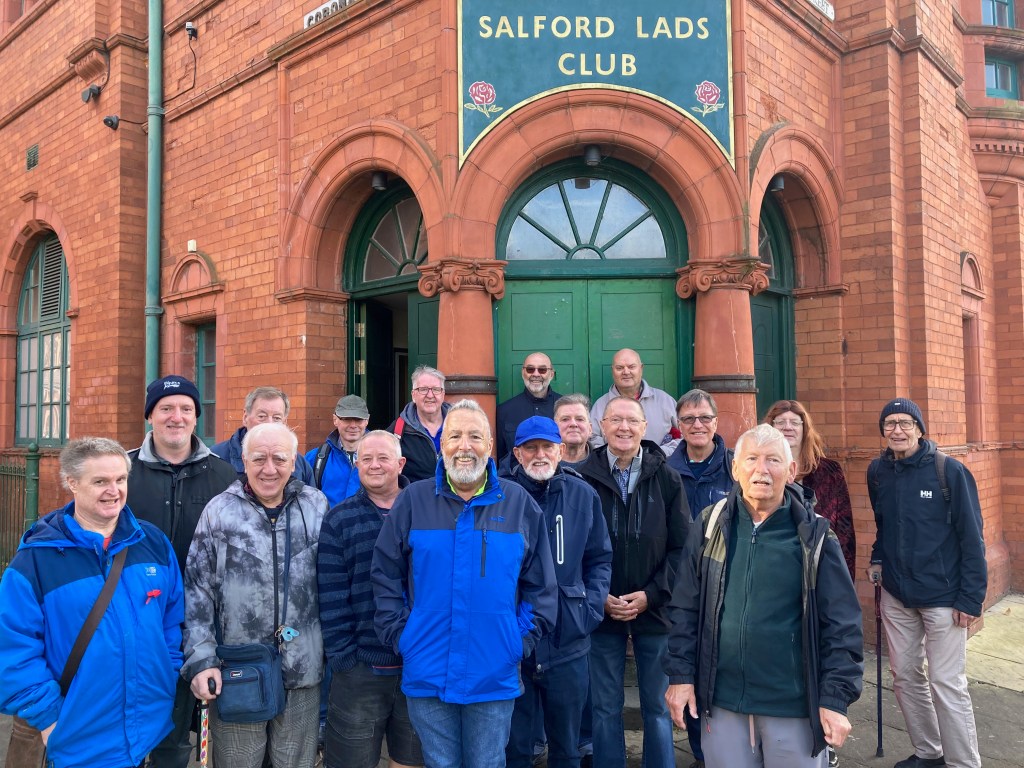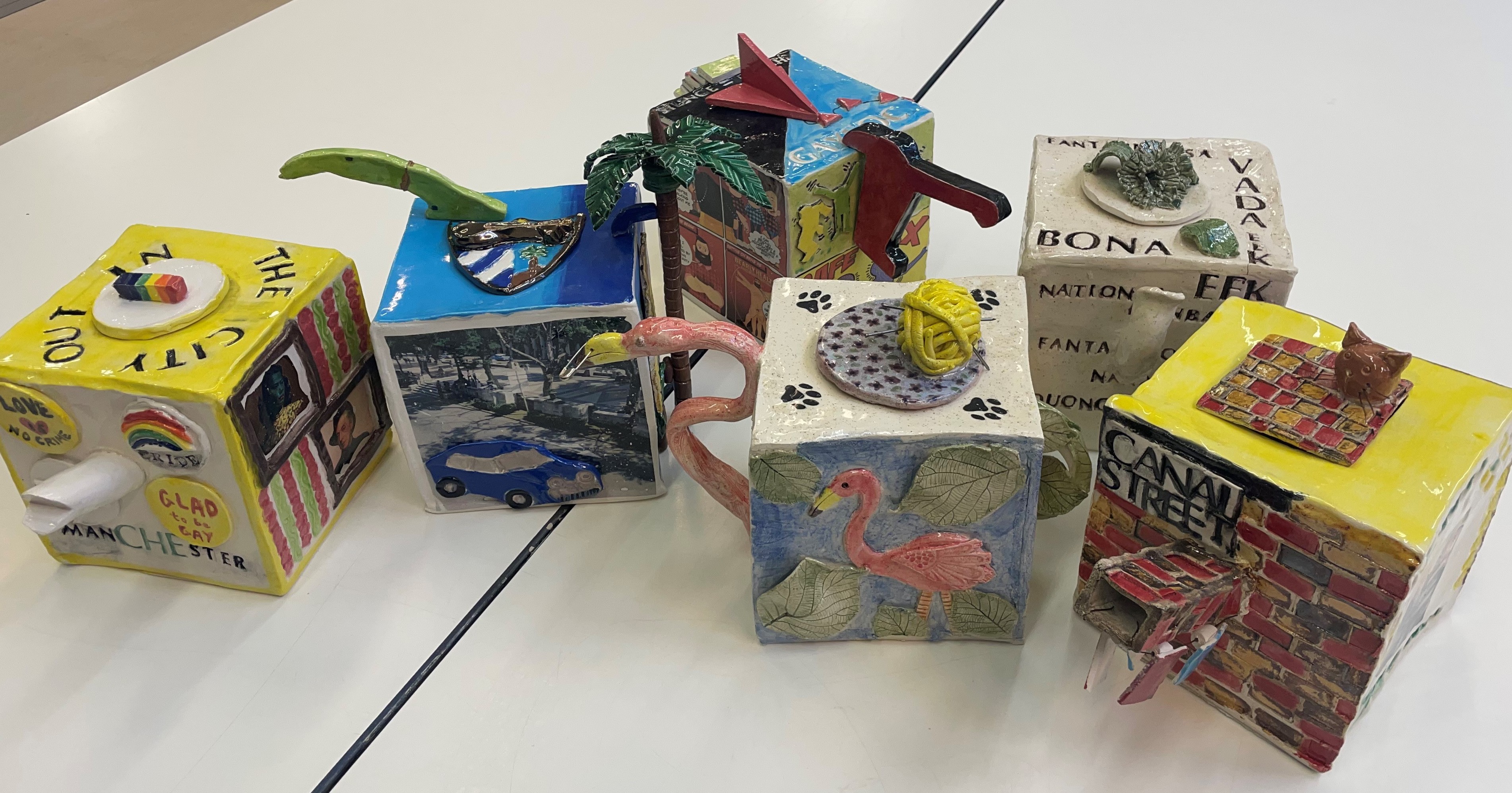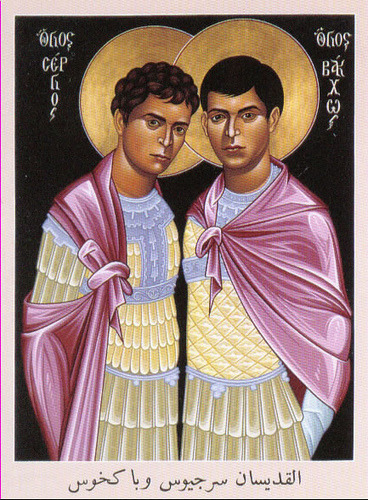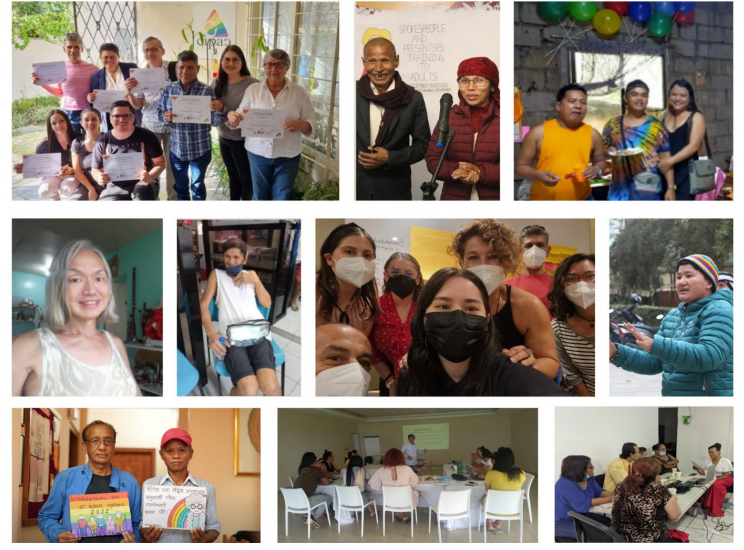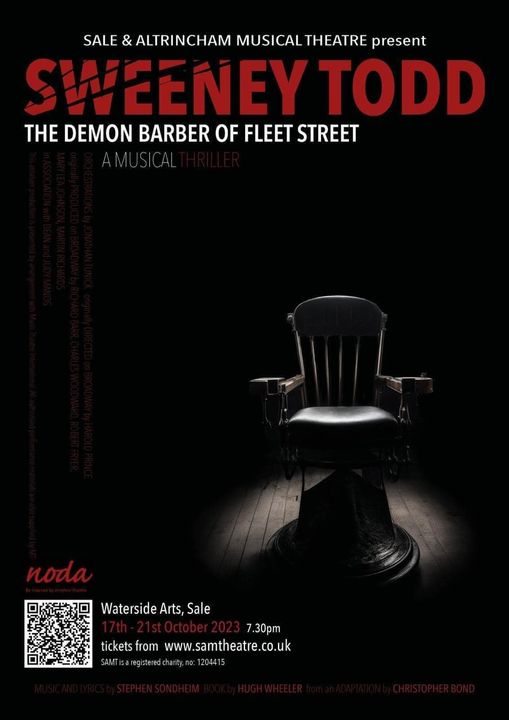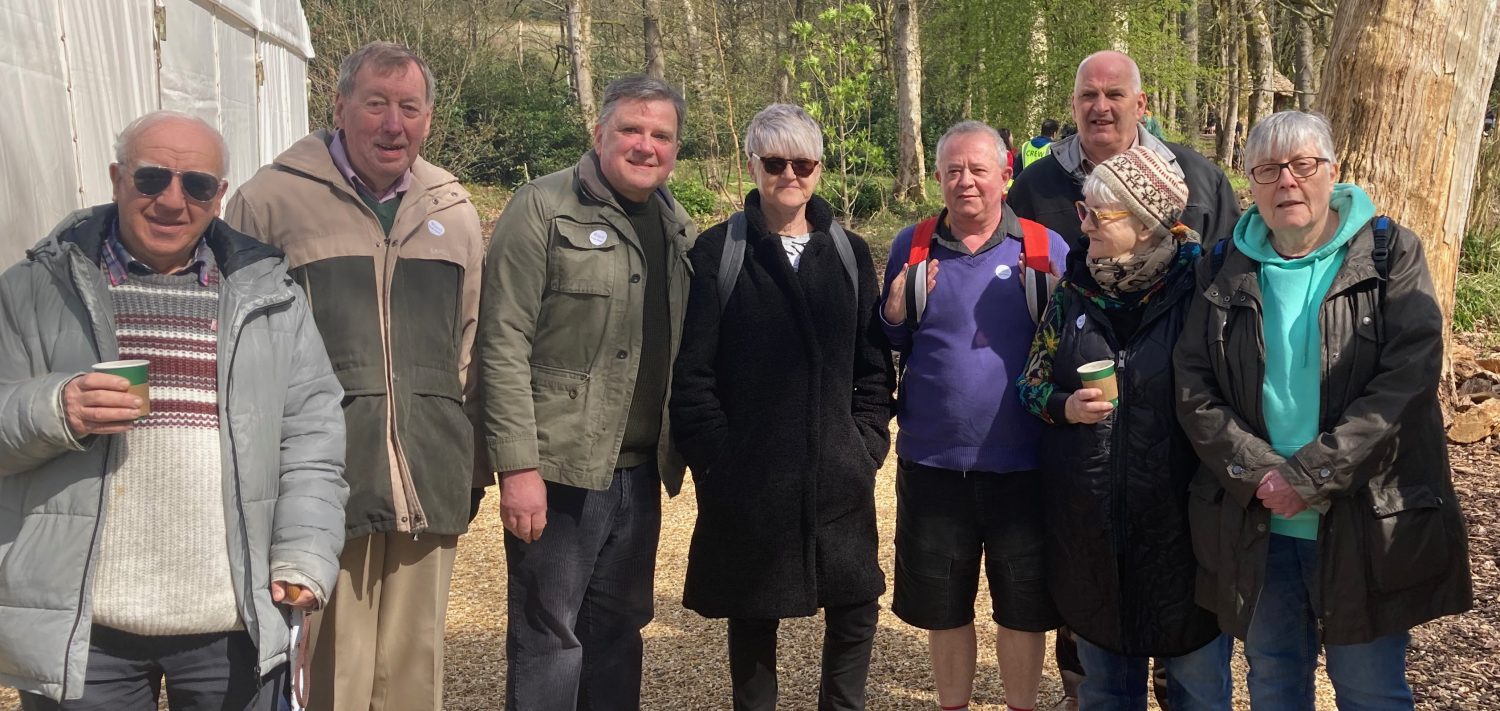
Barrowford is a large village and civil parish in the Pendle district of Lancashire.
After travelling on Bus X43 from Manchester to Burnley, and then transferring to Bus Number 2, we eventually arrived at the White Bear Pub, which was built around 1667. There we enjoyed Steak and Ale Pies with Puff Pastry, Cheese and Onion Pies and Caesar Salads. The food was excellent and the service was brilliant.
On the walk to the Pendle Heritage Centre, we passed one of the original toll houses, dating from 1804 at the junction with the road to Colne, complete with a reproduction of the table of tolls which were paid. The toll house was restored in the 1980s and is owned by the trust which operates the Heritage Centre.
The Centre includes a museum which explains the fascinating history of Park Hill and the ancient Bannister family, including the story of its modern descendant, Sir Roger Bannister, the first athlete in the world to run a mile in less than four minutes.
It tells about the mysterious Pendle Witches of the seventeenth century and of George Fox, whose vision on Pendle Hill inspired the international Quaker movement.
The exhibitions include “The story of the notorious Pendle Witches” which resulted in their famous trial of 1612. The twelve accused were charged with the murders of ten people by the use of witchcraft. All but two were tried at Lancaster Assizes on 18–19 August 1612. One was tried at York Assizes on 27 July 1612, and another died in prison. Of the eleven who went to trial – nine women and two men – ten were found guilty and executed by hanging; one was found not guilty.
Six of the Pendle witches came from one of two families, each at the time headed by a woman in her eighties. The outbreaks of ‘witchcraft’ in and around Pendle may suggest that some people made a living as traditional healers, using a mixture of herbal medicine and talismans or charms, which might leave them open to charges of sorcery.
The journey home was much quicker than the outward journey and some great photos can be seen here.
Manchester Astronomical Society
Last Thursday evening, ten of us went to an event “Astronomy Under the Stars – A Superhuman View of the Cosmos“.
There were some really cool astronomy and space videos between 7:00pm and 7:30pm, which were followed by a presentation by Tom Vassos, Founder of Cosmologists Without Borders.
We saw what the cosmos would look like if we all had superhuman vision. We immersed ourselves in awe-inspiring images of nebulas, galaxies and supernova explosions that are invisible to the naked eye. We learnt about doomsday meteorites that are like 4.5-billion-year-old time capsules from the beginning of our Solar System and the birth of planet Earth.
We handled meteorites – actual evidence that reveals where we all came from. It was a fascinating experience, and a great evening
“Cruise” at HOME Theatre
Fifteen of us went to see “Cruise” based in Soho in 1988.
The stunning, joyful and wholeheartedly life-grabbing Olivier award nominated play is the true story of what should have been Michael Spencer’s last night on earth.
When he’s diagnosed with HIV in 1984, Michael is told he’ll have four years to live – at most. On the last night of his four-year countdown, Michael decides to go out with a bang. He says his goodbyes, dances, sings, and says yes to everything and everyone … and then survives.
Written and performed with vast charm, empathy and energy by Jack Holden, “Cruise” is a celebration of queer culture. A kaleidoscopic musical and spoken word tribute to the veterans of the AIDS crisis with an irresistible 80s soundtrack.
“Cruise” will make you laugh, cry and inspire you to live every day as if it’s your last.
LGBT+ abuse in care homes revealed
One of the joys of growing old is being able to unashamedly be yourself – but sadly that isn’t proving to be the case for many older LGBT+ people living in care.
A report by the charity Compassion in Care found hundreds of cases of elderly people experiencing homophobic or transphobic attacks in care settings. Some are even being forced back into the closet.
The Significance of Safe Spaces for LGBT+ Individuals
Safe spaces have emerged as a vital concept in today’s society, offering refuge and support for marginalised communities. In particular, safe spaces are crucial in providing solace and empowerment to LGBT+ individuals.
What is a Safe Space?
The Oxford Dictionary describes a safe space as a “place or environment in which a person or category of people can feel confident that they will not be exposed to discrimination, criticism, harassment or any other emotional or physical harm.” Safe spaces can look different to various people and communities. There may be designated safe spaces in institutions, such as counsellors’ offices. We can find safe spaces within our friends or family groups on an informal level.
The Need for Safe Spaces
We can generally comprehend the need for safe spaces when we understand something about human nature. Both official and unofficial safe spaces are crucial for different reasons. Human beings are social creatures. Feeling listened to, understood and accepted is the key to feeling fulfilled. Social anxiety and withdrawal are common reactions to a hostile social environment.
Members of the LGBT+ community are a minority group and one that is vulnerable. LGBT people are nearly four times more likely than non-LGBT people to experience violent victimisation, rape, sexual assault and aggravated or simple assault. Even though there have been many improvements in the quality of life for LGBT+ people, this community still faces widespread economic, social and political discrimination. These facts were reported in a 2017 study by Stonewall “LGBT in Britain – Hate Crime and Discrimination”.
Why Safe Spaces Are Important
Here are six reasons why safe spaces are important:
1. Promoting Authenticity and Self-Expression
Safe spaces create an environment where LGBT+ individuals can express their true selves without fear of judgment or discrimination. These spaces empower individuals to embrace their identity by providing a platform for self-expression, fostering a sense of belonging and acceptance.
2. Emotional Support and Empathy
Navigating through a predominantly heteronormative society can be challenging for LGBT+ individuals. Safe spaces offer a refuge where they can find emotional support and empathy from people who share similar experiences. This support network helps combat feelings of isolation and loneliness, contributing to improved mental health and overall well-being.
3. Education and Awareness
Safe spaces also serve as educational platforms, fostering understanding and awareness about LGBT+ issues. Through workshops, discussions and informative sessions, these spaces help educate individuals about the challenges faced by LGBT+ communities, ultimately breaking down stereotypes and promoting inclusivity.
4. Combating Discrimination and Prejudice
LGBT+ individuals often face discrimination and prejudice in various aspects of their lives. Safe spaces provide a shield against this discrimination, offering respite from societal biases and creating an atmosphere where everyone is valued and respected regardless of their sexual orientation or gender identity.
5. Building Community and Networking
Safe spaces bring together LGBT+ individuals, creating a sense of community and belonging. These spaces facilitate networking opportunities, enabling individuals to connect with like-minded people, share experiences and build supportive relationships. Such connections can be invaluable for personal growth and empowerment.
6. Celebrating diversity
Safe spaces celebrate the diversity within the LGBT+ community. They create an environment where individuals from different backgrounds can come together, fostering a sense of unity and inclusiveness. By embracing diversity, safe spaces contribute to a society that values and respects all individuals, regardless of their sexual orientation or gender identity.
Are Safe Spaces Always Safe?
Unfortunately, no space is 100% safe. In Orlando, for instance, 49 people were killed in the Pulse nightclub shooting. In an often-intolerant world, gay clubs like Pulse are supposed to be “safe spaces.” Those spaces were violated, reminding us how dangerous intolerance and discrimination can be.
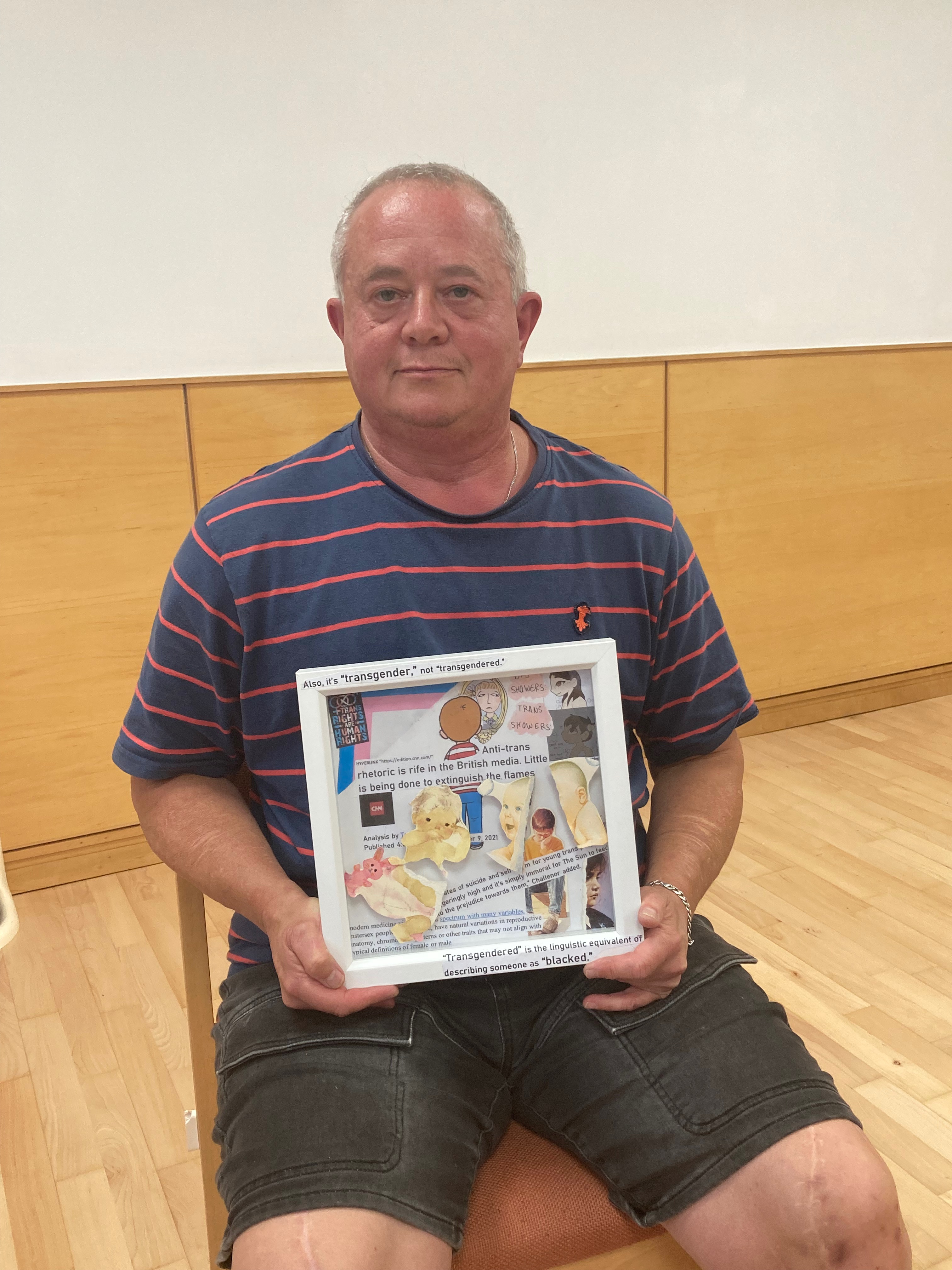
The feeling of safety in a gay bar and actual safety are two different things. Though they are connected, there’s no such thing as a 100% safe space for LGBT+ people. LGBT+ people know this better than anyone. We live it, and our history is marred by it.
Out In the City’s “Safe Space” policy can be seen here.
Why does the trans “debate” continue to consume Britain despite a distinct lack of trans voices?
Trans people’s lives are not up for debate. But debates on trans rights do happen.
Have you or anyone you know ever seen a trans person in a public toilet or on your sports team?
If so, congratulations. And so what? You are a statistical marvel, given that with an estimated 200,000 trans people in Britain, they make up just 0.29 per cent of Britain’s 67.33 million population.
I say estimated because there is no concrete data on the true number of trans people in the UK. We just know that it’s a small number.
To put that in perspective, about 0.7 per cent of the population wrote Jedi on the census in England and Wales, almost double the amount of trans people. Bizarrely, 400,000 people being armed with light sabres or thinking it was funny to say so wasn’t considered so much of a risk as people wanting to live, die or marry in the gender they feel they are.
Trans people make up an astonishingly low percentage of the general populace; yet for some reason find themselves as a key punching bag in the culture wars.
Now you may be thinking, sure you don’t know any trans people, but that doesn’t mean you don’t know they are confused. I mean there was once a trans rapist, a trans shooter and a trans person who regrets transitioning.
Sure, but there are lots of rapists, endless shooters in America, and given NHS England waiting times for gender dysphoria, people remain deeply committed to living as they choose.
As a cis white gay man, I have trans friends who are tired, beyond tired of their lives being a political football, and of being made to feel unwelcome in this country, but we simply don’t hear from them.
In a Gay Times survey (of 996 respondents) 96.4% per cent said they believe that framing trans rights as a ‘debate’ is harmful.
But that’s what has happened. Papers and television shows filled with pundits talking about trans people because they fear what they don’t (want to) understand. Truly at this point, there are probably more columns criticising trans people than actual trans people.
This so-called ‘trans debate’ frequently sees human rights issues tossed around as if they are a trivial matter and fuels a wider anti-trans agenda.
On 29 March 2023, two days before Trans Day of Visibility, Talk RADIO ran Twitter polls asking if a woman can have a penis and whether or not a man can get pregnant.
“Equalities watchdog launches study aiming to ‘reduce distress’ in trans debate,” wrote The Telegraph a week earlier, referencing alleged “fears” that trans activists are “harming freedom of expression” and abusing feminist academics.
Four years earlier, the same outlet ran an article titled: “The tyranny of the transgender minority has got to be stopped.”
The list of examples could go on, as a quick Google search of “trans debate” returns 171,000,000 results.
On anti-Semitism, we hear from Jews, on racism, we hear from black people, on trans issues, we hear from the same people saying the same thing because there’s more clicks to be had in outrage rather than compassion.
Trans people are never given a platform to defend themselves, but in the meantime, trans lives will go on. They are bystanders in this debate that despite its ferocity, they continue not to be heard in.
After meeting at Piccadilly Gardens Bus station we travelled to the Great Central pub in Fallowfield.
Many thanks go out to Bruce who lead us on a guided walk around the area passing through the Shakespeare Garden and ending in a walk through Platt Fields Park. His talk was very informative and interesting.
Terry Higgins, the UK’s first named person to die from AIDS-related illnesses, has been honoured with a memorial quilt four decades on from his death.
He passed away at the age of 37 on 4 July 1982, sparking the creation of Terrence Higgins Trust, which is now the country’s leading sexual health and HIV charity.
On 3 August 2023, a memorial quilt paying tribute to him was revealed for the first time at The Festival of Quilts in Birmingham’s NEC.
Making quilts to honour those lost to the AIDS epidemic first became popular in the 1980s and ‘90s to help people grieve those they lost and ensure they are never forgotten.
Terrence Higgins Trust worked with The Quilters’ Guild to create the new eight-panel memorial quilt, a project that was overseen by the charity’s co-founders Rupert Whitaker (Terry’s partner) and Martyn Butler, as well as Terry’s close friends Linda Payan and Maxine Saunders.
“It contains a sad, but beautiful, set of memories”
Discussing the significance of the quilt, Whitaker said: “This panel contains images of some of the most meaningful things connected with Terry: my favourite photo of him, his letters to me at uni, some song titles we used to dance to in Heaven, the clock he gave me for Christmas and the note he put in the back of it (which always makes me smile), my grandmother’s cottage in Boscastle where we stayed in the autumn and made crumble from freshly picked blackberries, and where, the following summer, I scattered his ashes in the Valency river nearby.
It contains a sad, but beautiful, set of memories that bring him right back to me. I’m so grateful for the kindness and artistry of Paula, the quilter.”
Each panel honours an aspect of Terry’s character, including as a Welshman, gay man and his time in the Royal Navy.
Two of them also explore his working life as a Hansard reporter in Parliament by day and his evenings spent as a barman and DJ in London’s Heaven nightclub.
Service users, volunteers and staff from Terrence Higgins Trust worked together on the final panel, which celebrates the progress made in the fight against HIV and the stigma surrounding it over the last 40 years.
Each panel contains part of the heart motif which is part of the charity’s logo.
“The Terry Higgins Memorial Quilt has surpassed all of our expectations. It is a fittingly stunning tribute to Terry as a friend, lover, Welshman, gay man, activist and to his incredible legacy through our charity Terrence Higgins Trust,” Richard Angell, Chief Executive of Terrence Higgins Trust, said.
“As well as celebrating Terry and the past 40 years, the quilt also celebrates how much progress has been made because of those who acted, including our co-founders Rupert Whitaker and Martyn Butler.
“We stand on their shoulders and today we’re fighting hard to ensure that the UK becomes the first country in the world to end new HIV cases – and, as always, doing so in Terry’s name.”
Lilli Vincenz, early activist in gay rights movement, dies at 85
Vincenz, centre, protested outside the Pentagon in 1965, after she left the army
After being outed and discharged from the Women’s Army Corps, she became a central — if long unsung — figure in the struggle for gay equality in the early years of the gay rights movement.
She died 27 June 2023 at a care facility in Oakton, Virginia. She was 85.
Dr Vincenz devoted more than half a century to the cause of gay equality, beginning with her first courageous pickets in Washington in the 1960s and continuing into her later years, when she acted as a keeper of the history that she and other activists had lived.
She knew first hand the slights, injustices and humiliations facing gay and lesbian people. In 1963, while serving in the Women’s Army Corps, she was outed by a roommate and discharged.
The incident spurred her to activism. “Sometime you are the only person who can do something at a certain time,” she told an interviewer. “It’s the old question, ‘If not I, who?’”
In 1963, Dr Vincenz joined the Mattachine Society of Washington, a gay rights organisation co-founded by Frank Kameny, a Harvard-trained astronomer who had been fired from the Army Map Service because of his sexuality.
In 1965, at a time when living openly as a lesbian meant risking discrimination and ostracism, Dr Vincenz marched in what the Library of Congress describes as the first organised picket for gay rights outside the White House. She was the only lesbian among ten demonstrators.
“She was certainly a pioneer in that way,” Lillian Faderman, the author of the book “The Gay Revolution: The Story of the Struggle,” said in an interview. “They couldn’t get another lesbian to show her face.”
Dr Vincenz appeared on the cover of the lesbian magazine the Ladder in January 1966. (Linda Davidson / The Washington Post)
Dr Vincenz became “the first out lesbian ever to appear on a magazine cover that was displayed on newsstands around the country,” according to Faderman, when her radiant smile was showcased on a 1966 cover of the Ladder, a periodical published by the lesbian organisation the Daughters of Bilitis.
Three years later, Dr Vincenz co-founded the gay newspaper that became the Washington Blade. And throughout the 1970s, she hosted regular gatherings at her home in Arlington, Virginia, making it a focus of lesbian life. One regular attendee composed a song:
Come all you women in the DC vicinity
If loving women is your proclivity
Rev up your engine, roll up your bike
And point your wheels to Columbia Pike
Carlyn Springs to 8th Place; turn to the right
For Lilli’s open house on Wednesday night.
Dr Vincenz later became a psychotherapist, with a particular focus in her practice on empowering gay and lesbian people through counselling.
In 2013, the Library of Congress acquired Dr Vincenz’s papers in what to her admirers was a long-awaited recognition of her importance in the gay rights movement.
The collection included, among other artefacts, two 16mm films that she had recorded at early gay rights protests. The first, from 1968, documents one of the “annual reminders” convened in Philadelphia every Independence Day from 1965 to 1969.
Dr Vincenz titled her documentary “The Second Largest Minority” and, in seven minutes of film, recorded demonstrators dressed in business suits and dresses — their attire purposefully coordinated to make the group appear unthreatening — marching in an orderly circle.
The second film, “Gay and Proud”, runs 12 minutes and documents the first gay pride march in New York City, the Christopher Street Liberation Day March of 1970. Galvanised by the Stonewall uprising the previous year, the protesters in New York adopted a markedly more defiant tone.
“The operative word now is ‘pride,’” Mike Mashon, head of the moving image department at the library, wrote in an analysis of the two films, both of which can be viewed on the library’s website.
“It’s one thing to read about how the gay rights movement was catalysed by the Stonewall Inn riots of June 1969, but quite another to see that tonal shift illustrated so vividly in these bookend films,” Mashon continued. “Powerful movements can begin and be sustained in unlikely places, and how fortunate we are that Lilli Vincenz was there to record this one.”
Dr Vincenz at her home in Arlington, Virginia, in 2012. (Jacquelyn Martin / AP)
Lilli Marie Vincenz, one of two daughters, was born in Hamburg on 26 September 1937. After her father’s death when she was 2, her mother married an American, and the family immigrated to the United States in 1949. Reflecting on her early life, Dr Vincenz told an interviewer that it “became painful after a while to realise that I was gay and I didn’t know anyone else who was gay. I was extremely lonely.”
With an affinity for literature, Dr Vincenz received a bachelor’s degree in French and German from Douglass College, part of Rutgers University in New Jersey, in 1959. She received a master’s degree in English and comparative literature from Columbia University the following year.
During that period in her life, she began exploring her sexuality and visited a lesbian bar in Provincetown, Massachusetts.
“At first I thought of all the consequences that could follow me from my being seen there,” she wrote in her journal. “But then I thought of all I’d gone through in these past years, and I knew I had to go — no matter what the consequences — for the sake of the past, of the pain, but also for the wishes I’d had, time and time again proclaimed to be willing, if only I had the chance. Now, I can fulfil everything. Well, that’s saying too much — I can fulfil something.”
She worked briefly as an editor at the Prentice Hall publishing house before joining the Women’s Army Corps in 1962. She was working at Walter Reed, the military hospital near Washington, when she was discharged the following year.
Dr Vincenz was one of the first lesbian members of the Mattachine Society of Washington. She joined its executive board and was the editor of its publication the Homosexual Citizen. In addition to the picket at the White House, the group mounted demonstrations outside the Pentagon, the State Department and the US Civil Service Commission.
“It was so important that we become visible,” Dr Vincenz said, “because we weren’t really visible before.”
As she moved toward her career as therapist, Dr Vincenz received a master’s degree in psychology from George Mason University in 1976. She received a PhD in human development education from the University of Maryland in 1990.
Of her gay clients, she observed that “many of their wounds have been sustained in the pursuit of and validation of who they are and of not wanting to hide their identity or settle for less. I am grateful to be able to help and to witness their empowerment and healing.”
Dr Vincenz’s partner of 32 years, Nancy Ruth Davis, died in 2019. She had no immediate survivors.
“What did I want to accomplish?” Dr Vincenz told the publication Gay Today, reflecting on her life’s work. “Be with gay people, help the movement, help unmask the lies being told about us, correct the notion of homosexuality as a sickness and present it as it is, a beautiful way to love.”
Dr Vincenz, left, with her partner, Nancy Ruth Davis, in 2013. (Linda Davidson / The Washington Post)
There are four Prides in the Greater Manchester area on 12 August: Levenshulme, Prestwich, Wigan and the first ever Trans Pride:
Levenshulme Pride
Levenshulme Pride is back on 11 – 13 August for another amazing weekend of FREE events and activities.
Levenshulme Pride started in 2017. They have established themselves as the largest free local Pride in Manchester outside the city centre. Open, inclusive, free and fabulous!
Origin story
Levenshulme Pride was started because a couple walking down the A6 holding hands were called “faggots”. In an instant a pleasant walk in the sunshine became a homophobic hate crime. Just like that. Very casual. No big deal. Except we think it is a big deal!
There was a discussion online where people were both appalled and supportive. What could be done? Well, Levenshulme Pride is what could be done. Levenshulme is a diverse, supportive, energetic and wonderful place to live but it faces challenges.
What better way to counteract hatred than to show the pride we have in our community, the pride we have as LGBT+ people, the pride we have as we come together as a community to celebrate the variety of people living here and the strength that comes from that?
The response to the suggestion of having Levenshulme Pride was amazing and immediate. The enthusiasm has been infectious and empowering. We started from nothing but we made something wonderful happen.
Who is Levenshulme Pride for?
Everybody. Levenshulme Pride will be an opportunity for LGBT people in Levenshulme and beyond to come together and celebrate being part of the great community of Levenshulme. It is a truly open and inclusive event. We welcome any and all people, community groups and businesses to show support for and become part of Levenshulme Pride. We are a People’s Pride.
Levenshulme Pride: No Barriers
Prestwich Pride
Prestwich will be holding its second Pride event over the weekend of 12 – 14 August.
The events are across a number of sites including bars Wine & Wallop, Cuckoo and The Goods In.
The line up includes a family event “Born To Be Wild Child” as well as performances from drag queens such as Miss Blair and Val the Brown Queen and DJ performances from Manchester’s revered LGBT+ scene, including Jase Jeffrey, Mix Stress and Antoin. Panama Hatty’s is hosting their much-loved drag brunch on Sunday 13 August.
Wigan Pride
Wigan Pride promotes and celebrates equality and diversity by bringing together arts, music, a street parade and positive messages at a big annual event in Wigan. Wigan Pride takes place on Saturday 12 August 2023.
Retrieve your rainbows, raid your closet for something pink, white or blue, and get ready to have your say in style: Wigan Pride is back for 2023.
The Wigan Council backed summer event will return with a celebration of Northern music to the town centre.
Organisers also plan to acknowledge the role both Pride events and people from the region have played as pioneers of social change with a street parade, guest speakers and a competition designed to get young people thinking about their rights and responsibilities.
For the last few years, each Wigan Pride event has celebrated a different colour from the Pride flag, which each has its own meaning. In 2023, guests will be invited to dress in shades of pink and blue, inspired by the transgender flag, alongside the usual splash of rainbows.
As well as offering a fantastic day of entertainment for the whole family, Wigan Pride also helps remind our local community that equal rights are often hard won and should not be taken for granted. Celebrating equality helps us to value the importance of it and make sure that it continues.
Wigan Pride includes people of every race and faith, whether disabled or able-bodied, and all sexualities and genders including lesbian, gay, bisexual, asexual, queer, questioning, intersex, trans, genderqueer, gender variant or non-binary as well as straight and cis allies.
Trans Pride
Join us for the first ever Trans Pride event in Manchester on the 12 August 2023.
Trans Pride Manchester is dedicated to supporting, advocating for and celebrating the transgender and non-binary community in the Greater Manchester area.
We aim to create safe spaces, empower individuals and promote education and awareness about the diverse experiences of gender identity.
What’s happening?
The programme for the day is:
12:00pm | Meet at The Proud Place
Meet at The Proud Place (49-51 Sidney Street, Manchester M1 7HB) for a 1:00pm start of the Protest March through the city centre.
13:00-14:00pm | Protest March
We will set off at 1:00pm. Bring signs, be proud and celebrate.
15:00-16:15 | Panel Event at Feel Good Club
A panel event of wonderfully queer and trans humans discussing their journey, things they wish someone told them and also discussing all things gender euphoria and dysphoria. This is being held at Feel Good Club (26-28 Hilton Street, Manchester M1 2EH).
16:30-18:00 | Open Mic at Feel Good Club
Celebrate and amplify the vibrant voices of the trans community at Feel Good Club’s open mic event for Trans Pride! Performances will include singing, spoken word, poetry, comedy etc.
15:00-18:00 | Workshops at The Proud Place
There will be a series of workshops from self care, to binder measuring, changing your name and many more things!
Thursday, 3 August, 6:00pm – 7:00 pm (Sorry for the short notice)
The Portico Library, 57 Mosley Street, Manchester M2 3HY
Free – drop in and take part!
Ab Parcell will talk through her plans to queer the Portico’s collection during this discussion around poetry, auto fiction and identity. Take the opportunity to be a part of this transformative practice! Ab Parcell is a butch, queer autistic poet and writer from south Wales. She is currently completing a PhD at the University of Salford, through which she is writer in residence at the Portico Library.
Fitzroy Square
Fitzroy Square is a Georgian square in London. No 29 was the home of George Bernard Shaw from 1887 until his marriage in 1898; and later of Virginia Woolf from 1907 to 1911.
However, No 25 was the site of a police raid in 1927 on the basement flat, rented by the gay dancer Bobby Britt and his partner Bert.
In the photograph Bobby is wearing the long skirt and is bare-chested; Bert is wearing the swimming style costume.
In this basement flat Bobby and Bert would hold parties for a small group of their LGBT+ friends. Letters were often found where LGBT+ people gathered, and during the raid nine letters and a Christmas card were found which are now stored in the National Archives.
These letters don’t just tell us about love, but also about LGBT+ friendships and international networks. In one of the letters a friend describes his dear friend Bobby as “the campest thing between London and San Francisco”.
A stand out thing from these letters is the wonderfully flamboyant terms of address, such as “Lady of the Camellias”, “My dearest camping Bessie” and “old auntie Aggy”. An obvious campness and humour shines through.
Unfortunately, following the raid Bobby was convicted of keeping a disorderly house and was sentenced to 15 months’ hard labour.
The Caravan Club
The Caravan Club was a bohemian haven for gay men in 1930s London. Further letters were found here.
The first letter is a love letter from “Cyril” to “My darling Morris”. Cyril declares; “I only wish that I was going away with you, just you and I to eat sleep and make love together.”
During a raid on the Caravan Club this letter was found torn-up under the divan with a powder puff and was retyped for the police file.
Another letter was found in a connected raid weeks later, written by Cyril to his dear friend Billy, the owner of the Caravan Club. The letter describes how he has “only been queer since coming to London two years ago” – showing the importance of London to his sense of identity.
The letter also reveals he had a wife and a little girl, and is still interested in women occasionally. A rare insight into how some self-defined and an open declaration of bisexuality.
In each case, these letters survive because they were collected as evidence (although for some their use as evidence was dismissed in court). Their authors, or the people these letters were found in the possession of, all served prison sentences.
While the National Archives does have records about lesbian and trans lives, equivalent letters have not been found in the collections. This is likely to be because these identities did not historically face the same policing.
Despite the reason behind their survival, these wonderful letters can tell us huge amounts about the community and LGBT+ networks of the time.
They reflect many different emotions: reciprocated and unreciprocated love; romance and friendship between men; and the navigation of LGBT+ identities in an era that looked to criminalise this love. These letters highlight the risks gay men were willing to take as well as their bold defiance of the law; a true illustration of the spirit of Pride.
Age UK launches new support programme for older LGBT+ veterans
Age UK has partnered with the military charity, Fighting With Pride, to deliver a new project to support older LGBT+ veterans. The initiative, generously funded by the Armed Forces Covenant Fund Trust, will see Age UK use their specialist skills to provide extensive support and advice to older LGBT+ veterans through the Charity’s national Advice Line.
Many veterans who experienced severe discrimination due to the ban on LGBT+ people serving in the Armed Forces prior to the year 2000 are aged 50 and over, and this project aims to ensure they receive the support that they desperately need and deserve, on issues such as finances and benefit entitlement, housing, health, and care.
The launch of this new project coincides with the recent release of ground-breaking research from Fighting With Pride, which shines a spotlight on just how devastating the ban was for so many. A dishonourable discharge, which many of the LGBT+ veterans experienced, meant that many couldn’t claim their military pensions, impacting their finances and leading to poverty and homelessness, whilst also having a serious impact on people’s mental health, including feelings of loneliness and isolation having been left behind.
Key findings from Fighting With Pride’s survey show:
86%of LGBT+ veterans felt dismissal for sexual orientation or gender identity from the Armed Forces affected their mental health
74%of those dismissed said their finances have been affected
65%of LGBT+ veterans surveyed said it affected their employment and careers
56%said it had impacted having a place to live
84%of survey respondents reported being lonely
Anne Myles, who was in the RAF from 1977 to 1984, was affected by the ban. Anne told researchers:
“It just took away my home, my livelihood, my future, career, pension. It doesn’t really get much worse than that, does it?”
In June 2023, the government launched an independent review which examined the experience of LGBT+ veterans affected by the pre-2000 ban, however this is yet to be published.
Fighting With Pride will be working in partnership with Age UK to refer older LGBT+ veterans to Age UK’s Advice Line. In addition, they will provide in-depth training to Age UK’s Advice Line team on how best to support these older people, so that they can tackle the daily challenges that they are facing, while healing from past trauma.
The Advice Line is a free, national telephone service for older people, who are given expert information and advice from Age UK advisors on a range of areas such as benefits, care, health, loneliness and housing. Age UK’s existing expertise, combined with Fighting With Pride’s knowledge in supporting the wellbeing of LGBT+ veterans, means that together the charities can provide high quality, joined up support to improve the circumstances and wellbeing of older LGBT+ veterans.
Hannorah Lee, Director of Partnerships at Age UK, said:
“A devastating injustice was served to LGBT+ people in the military before 2000. And now, as these people get older, the magnitude of the financial and emotional impact could make later life very difficult. It is vital that Age UK, in partnership with Fighting With Pride, addresses this inequality by helping those affected to get the compensation, support and validation they truly deserve. We urge anyone who has been impacted to get in touch today.”
Craig Jones MBE (former Naval officer), Executive Chair, and Caroline Paige (former RAF officer), Chief Executive of Fighting With Pride, said:
“This project with Age UK is a key opportunity for both of our organisations to find those LGBTQ+ veterans who need the help and support they are eligible for.
Due to the impact of the pre-2000 ban on LGBTQ+ people serving in the Armed Forces; this cohort was stripped of their career, military pension and their dignity and became isolated from the Armed Forces community. It is so important they are welcomed back and can re-claim a very important part of their lives.”
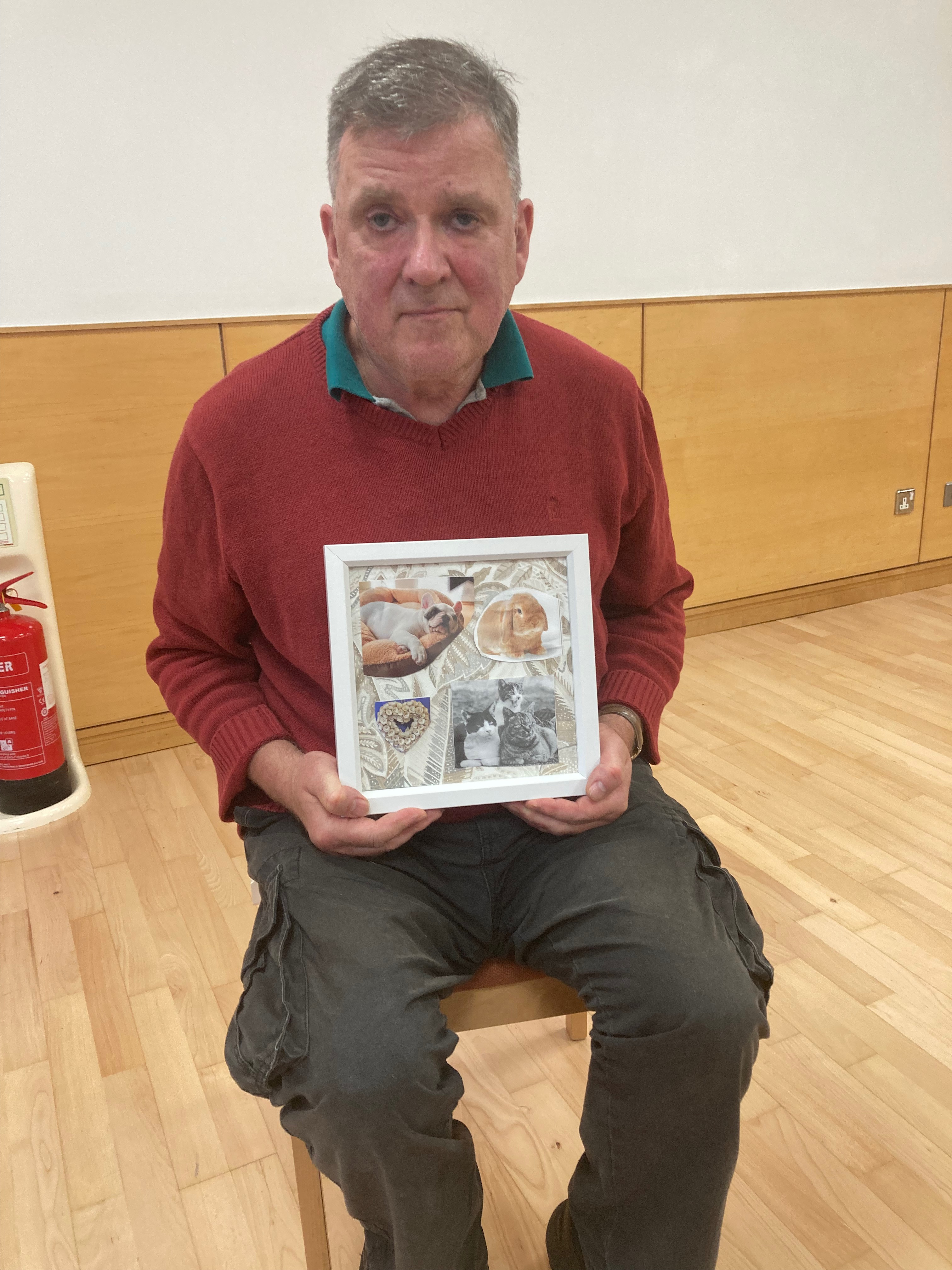
Last week members of Out In The City visited Bury – here are some more photos.
How our city pioneered gay ‘aversion therapy’ – but then fought for LGBT rights
Britain’s first research unit for the ‘treatment of homosexuality’ opened in Manchester in 1964 – but the city can now be rightly proud of its role in the fight for equality.
In 1964 an anonymous donation of £7,000 was received by Crumpsall Hospital. This sum is worth over £180,000 in today’s money.
The cash was intended for a specific purpose; Crumpsall was to establish a research department in a pioneering field. Thousands of people were desperate for a cure for what was then a shameful and hidden affliction, but Crumpsall could offer them hope.
And so, Britain’s first research unit for the ‘treatment of homosexuality’ came to be. ‘Treatment’ involved men being electrocuted and drugged with potent purgatives, while images of other men flickered at the ‘patient’.
Back then, homosexuality was lumped in with a number of other unwanted tendencies, from nail-biting to alcoholism, for which aversion therapy was supposed to be a panacea. It was gay men who experienced Crumpsall’s pseudo-scientific treatment.
In 1967 parliament decriminalised homosexual acts – in private, between consenting males over 21 – but gay life was still largely lived in the shadows, and still something people sought gruelling ‘treatment’ for.
Broadcaster Pete Price vividly recalls aversion therapy, and the hypocrisy surrounding it.
“It was 72 hours … I went through hell and back”, he says. “I then went to a gay club in Manchester called the Rockingham and there was the psychiatrist who put me through that torture. So the man who tortured me was a gay man! I tried to kill him. I actually tried to kill him and I’m not physically violent. The day after that I went ‘enough is enough’, that’s when I had acceptance. It did me a lot of damage what they did to me, but I have acceptance.”
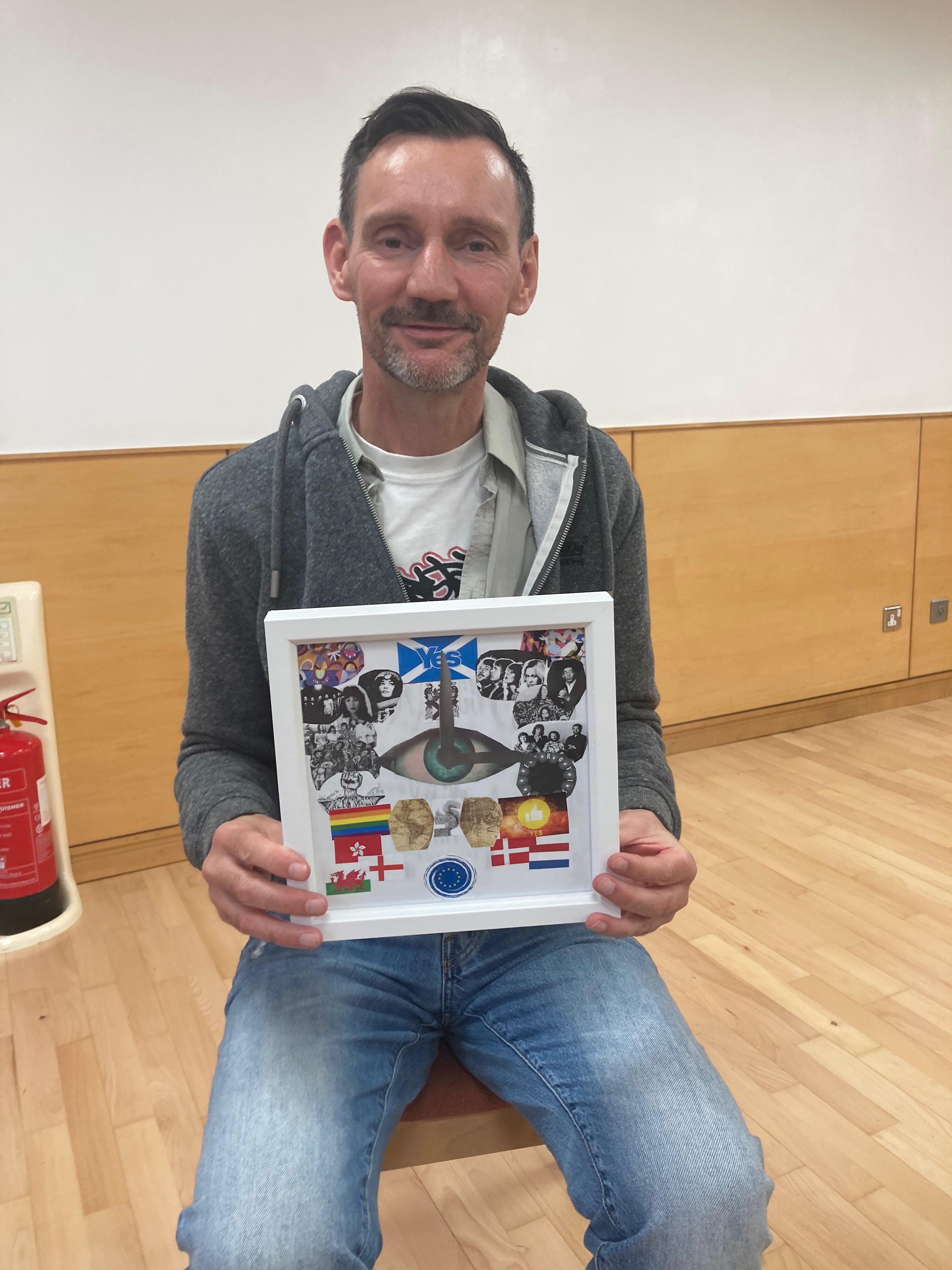
More than 50 years on from decriminalisation and things are thankfully different, mostly.
Greater Manchester Police taking part in the Pride Parade
Where once the police sought to entrap, harass and criminalise gay people, now officers dance proudly on floats at Pride, and raise the trans flag from headquarters. Those things would once have been unthinkable.
Bringing about change involved years of struggle and bravery – it brought a community from enforced self-loathing and shame to solidarity and pride. And Greater Manchester, in keeping with its rich history of social justice has been the scene of many gay milestones.
In November 1999, a 90-year-man suffered a heart attack on the sofa of a friend’s house. An ambulance arrived at the property, at Claude Road, Chorlton, to take him to Manchester Royal Infirmary. But there was nothing doctors could do, and he was pronounced dead.
Quentin Crisp
Soon afterwards he was buried at Southern Cemetery. There were only six guests. So ended the fabulous, and often not-so-fabulous, life of author and raconteur Quentin Crisp, a man famous – and infamous – for refusing to hide who he was.
‘Quentin Crisp was no gay rights hero’, civil rights campaigner Peter Tatchell wrote in a 2009 piece for Pink News, which criticised Crisp for being a ‘homophobe and reactionary’.
Tatchell met the writer once in 1974, a time when the younger man was wearing a gay liberation badge, and recalls the writer telling him: “What do you want liberation from? What is there to be proud of? I don’t believe in rights for homosexuals.”
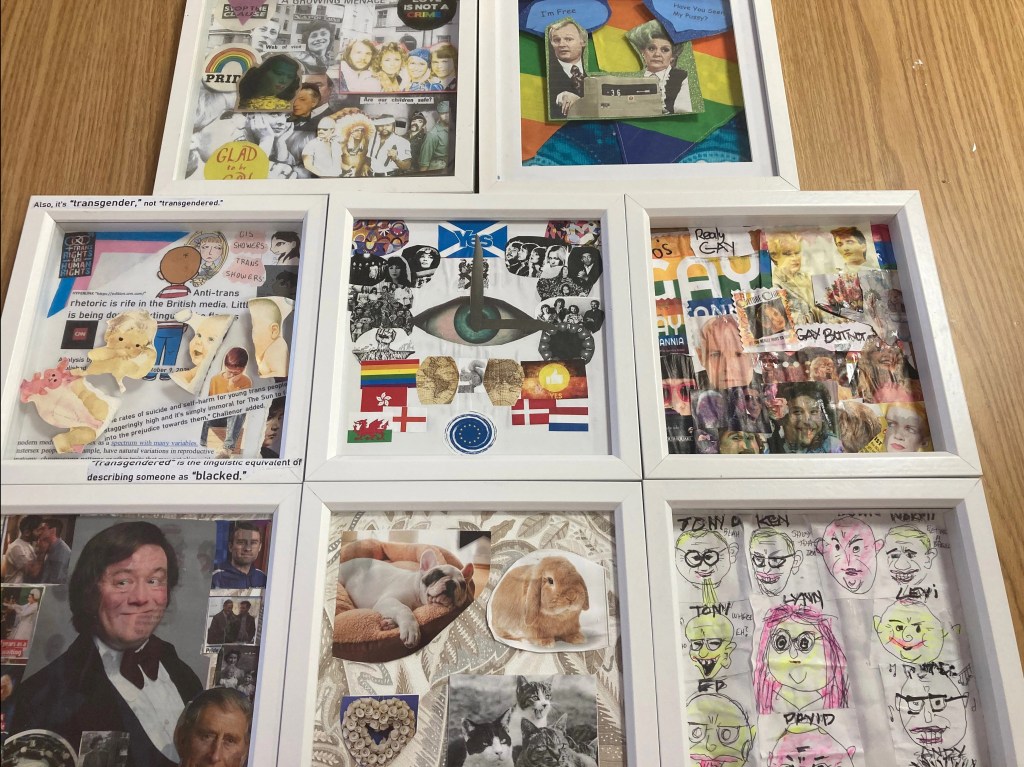
“He never spoke out for gay rights or supported any gay equality cause … the true icons and pioneers of the modern British gay community are heroes like Allan Horsfall and Antony Grey”, Tatchell wrote.
The late Allan Horsfall was not a flamboyant man. He spent much of his life living in Bolton with his partner, and looked rather like the clerk at Salford Education Committee, the bus enthusiast, that he actually was. But he was anything but quiet. He was a fearless campaigner, and a founding father of the British gay rights movement.
Allan Horsfall
The good burghers of Nelson must have got quite a shock when, while serving as a councillor in 1960, Horsfall called on the local Labour Party to support the decriminalisation of homosexuality. The motion he tabled never got passed, but Horsfall was resolute.
By 1964, while living in Atherton, he founded the North West Committee for Homosexual Law Reform. In time, the group would evolve into the Campaign for Homosexual Equality, which did a huge amount to change the nation’s mentality.
Wilmslow-born Antony Grey, the other activist venerated by Tatchell, began campaigning for gay rights in 1954, the year three prominent men – Lord Montagu, Michael Pitt-Rivers and Peter Wildeblood – were convicted and jailed for homosexual offences.
The resulting backlash led to the setting up of the Wolfenden Committee, comprised of 15 of the great and good, whose report would recommend, in 1957, that homosexual acts between consenting adults in private be decriminalised. The Homosexual Law Reform Society was founded by prominent heterosexual liberals, and with them, Grey would campaign tirelessly for the recommendations in the Wolfenden Report to become law. Ten years later they did.
Reform came too late for men like Alan Turing, who, two years before Grey penned his first letter to the Sunday Times, was compelled to undergo chemical castration.
Alan Turing
Months earlier, Turing – quiet heroic wartime codebreaker, father of modern computing – had met a younger man outside the Regal Cinema, now the Dancehouse Theatre at Oxford Road, and invited him back to his house in Wilmslow.
An investigation into a subsequent burglary at Turing’s home – with the young man being the culprit – led to Turing admitting having had a sexual relationship with him. Both men would be prosecuted for gross indecency and convicted. Turing was offered the choice between prison, or probation with ‘treatment’. After a course of oestrogen injections, which caused impotency and the growth of breast tissue, Turing took his own life with a poisoned apple.
Allan Horsfall knew the toll that social isolation took on the gay community, and sought to combat it by establishing gay social clubs across the country. He applied, unsuccessfully, to open one such ‘Esquire Club’ in Swinton precinct.
The Rockingham, the Queen Street club where Pete Price bumped into his psychiatrist after his ‘treatment’, was one of the gay venues where Allan Horsfall went to recruit activists. In an era before websites, telephone helplines and frank television dramas, there were few venues where gay people could learn they weren’t alone. Manchester’s gay pubs, bars and parties, hidden in plain sight, were seminal.
Even in the 19th century, gay men from across the north were coming to Manchester to associate; the bustly, smoky city offered a freedom, if you were discreet, that was impossible in smaller towns.
In 1880 the Temperance Hall in Hulme was rented for an event, ostensibly organised by the Manchester Pawnbrokers’ Association. To ensure the function’s discretion the hosts had hired an accordionist who was blind and covered the windows with black paper.
The cloak and dagger approach was necessary. The party that was going on behind the blacked-out windows was an affront to the codes of Victorian England. Being gay was not only a crime in law – it was a crime for which, some 74 years earlier, Manchester artisan Thomas Rix had been hung for, publicly, at Lancaster Castle.
It was also a crime that Manchester’s most famous detective, Jerome Caminada, was determined to avert. Having been tipped off that all was not as it seemed at Temperance Hall, he assembled a squad of constables and volunteers and climbed over a roof so he could see inside. One can imagine the detective’s moustaches twitching as he looked down on people dancing the can-can, as a couple dressed as Henry VIII and Anne Boleyn took in the scene. Everyone in the room was male.
Jerome Caminada
Caminada gained entry by giving the password ‘sister’ to a bouncer – who was dressed as a nun – before his team hauled 38 revellers off. The men, most of whom were from Sheffield and were largely from middle class backgrounds, would escape with the most minor of punishments – a bind-over – but the event made the papers. The sentencing magistrate had lamented that such ‘vice’ was ‘practiced and solicited’ not in ‘Turkey or Bulgaria’, but in Manchester.
Almost 100 years after the raid at Temperance Hall, police entered a gay bar at Bloom Street in the city centre, and warned the manager that he was allowing ‘licentious dancing’ on the premises. Activists believed the then Chief Constable James Anderton was trying to crack down on gay life in a moral crusade.
Napoleons
It wasn’t an unjustified suspicion – Anderton was known for his outspoken social conservatism, which extended to much condemned remarks about people with HIV and AIDS. But at Napoleons, the venue where his officers tried to stop the dancing in 1978, the music played on.
Once owned by legendary drag performer Frank ‘Foo Foo’ Lammar, it’s believed to be the oldest surviving gay nightclub in Manchester. It’s at the heart of the area, which, because of the quiet and anonymity offered by the canal and the backstreets, has been a gay area since at least the fifties, and finally became recognised as the Gay Village in the nineties, after Anderton’s retirement.
The transgender women and men, gay men, bisexuals, lesbians and straights who frequent Manchester’s Gay Village inherit an LGBT movement forged through the activism of people like Allan Horsfall, through the painful life histories of men like Alan Turing, and through the decisions of men and women, in more conservative times, to live as they were born.
And, apart from the bravery and defiance of Manchester’s ordinary gay men and women through the ages, the city can legitimately claim it played a role in the intellectual foundation of the modern LGBT movement, just as it played key roles in the development of the labour movement, the abolitionist movement, and in the fight for women’s suffrage.
Gay rights protest in Albert Square, Manchester
In 1896, Esther Roper, one of the first women to study at Owen’s College – now the University of Manchester, moved in with her partner, the aristocratic poet Eva Gore-Booth, to a terraced house at Heald Place in Rusholme.
After cutting their teeth with feminist causes in Manchester, they founded Urania, a privately-circulated journal which completely rejected conventional notions of gender, sexuality and marriage, and was edited by a transwoman called Irene Clyde.
In an ironic twist, given the history of the gay community’s relationship with the authorities, Manchester can legitimately claim that the first female police officer in the city was LGBT.
Henry Stokes, born Harriet, lived for 28 years as husband to Ann at Cumberland Street in the city, and worked as a bricklayer and volunteer copper. But the pair fell out over housekeeping money, a solicitor got involved, it emerged Ann had accused Henry of being a woman, and in 1838 an examination at the station confirmed Henry had indeed been born Harriet.
Such fascinating histories, some hidden for many years, show how people defied their times before the 1967 change in the law and the plural society it heralded. The law change did not, in the stroke of a pen, liberate gay people from fear of prosecution, persecution, and ostracisation. It took the efforts of many more – many of whom remain unsung, to bring British society to where it is.
The campaigners who opened the first gay centre at Waterloo Place in Chorlton-on-Medlock, the tens of thousands who protested against Section 28 in the city, the councillors and council workers who fought for Manchester to have a gay quarter and ensured funding for minorities, the volunteers and activists who set up switchboards and support groups, the actors, performers, writers and clubbers, the multitudes who defied their times, quietly, or at the top of their voices. They have had a long and hard journey, and it hasn’t ended yet.
But now, more than fifty years on from that totemic change in the law, Manchester can be rightly proud of all of them.
‘Gray Love’ looks at dating after 60
‘Gray Love: Stories About Dating and New Relationships After 60’ Edited by Nan Bauer-Maglin and Daniel E Hood Published 30 January 2023 by Rutgers University Press (Price £20.74)
It was supposed to be a nice night out.
But you drove around and around looking for the restaurant and once you found it, you learned that you needed reservations. Practically before the evening started, you sensed that your food could be as cold as your date. As in “Gray Love,” edited by Nan Bauer-Maglin and Daniel E Hood, looking for love wasn’t like this when you were younger.
You thought you’d be happy alone.
After the divorce, the funeral, the last break-up, you didn’t think a little you-time was a bad idea. And it wasn’t – but love, someone to go to the movies with or dine with or snuggle with, seems more and more appealing now. Today, though, as the 42 essays in this book confirm and as you’ve learned, that’s easier said than done.
You want a partner, someone your age, but you fear becoming a caretaker. You like doing your own thing, but having someone around to do it with would be nice. You have company but you are “without intimacy.” Or you don’t want a full-time someone but it’s scary to think about “falling off a ladder alone.”
So you go online because, well, people don’t meet like they used to. That’s when you learn that dating sites are generally ripe with people who lie about their ages, who seem clingy or who want things you can’t give, “the Uncertain, the Angry … the Unattractive,” and – let’s be honest – jerks. Unlike real life circa 1973 or 1993, there’s nobody to vouch for singles online.
You wonder, “What would I wear?” You learn about scams the hard way, while tales of love at way-up-there-ages are inspirational. Experimenting with same sex, different sex, different race isn’t off the table, but nobody’s asked – or you did, and it was wonderful and why didn’t you do that before? Love is love. You date the wrong people, you date the right people, you’re exhausted and disappointed. And sometimes, even for awhile, you’re someone’s “‘sweetie.’”
Just know that this is not a how-to manual. Editors Nan Bauer-Maglin and Daniel E Hood don’t offer advice in their introduction. Instead, you’ll read tales of dating and mating gone happily right and very, very wrong, told in ways that will make you laugh, sigh, and know that you’re not alone in your late-life search for love. The mixture here is diverse and wide: if one tale makes you want to swear off dating forever, the next one offers Happily Ever After.
Be aware that a few of the tales inside “Gray Love” flirt with the explicit and others might ruffle a feather or two. Still, it could be great to share it with a millennial or older GenZ’er, If you see this book on a bookshelf, take it out.