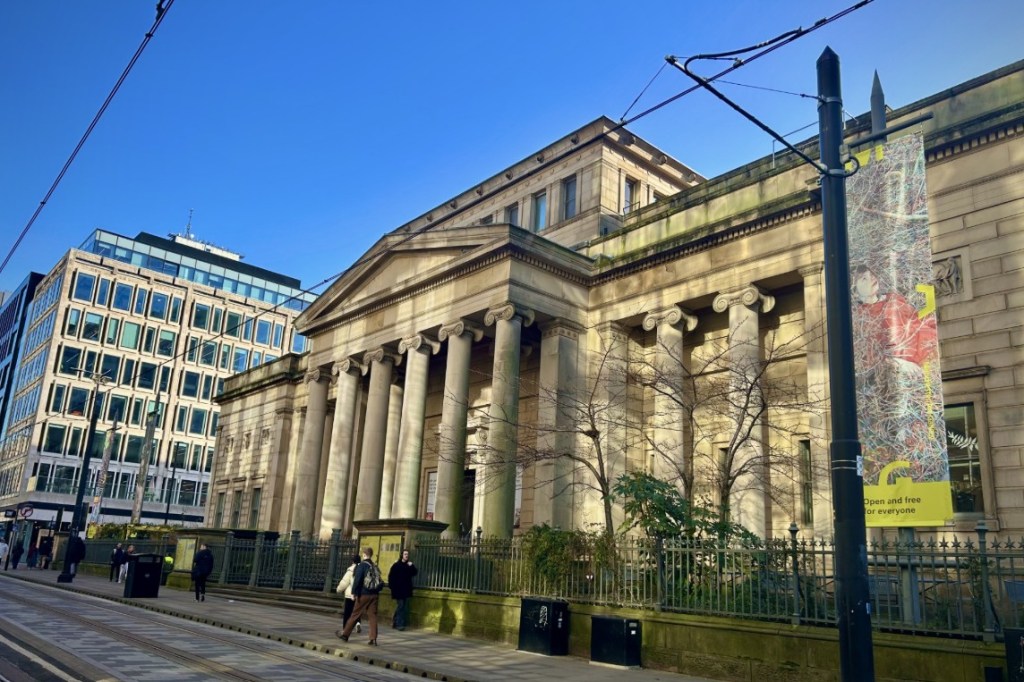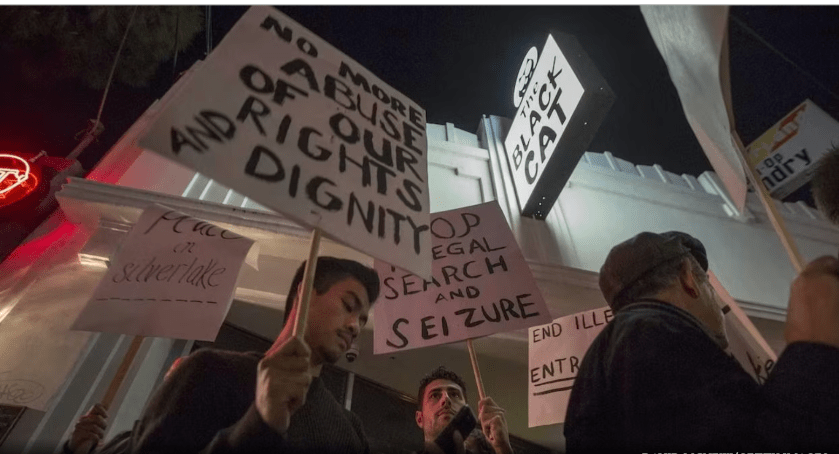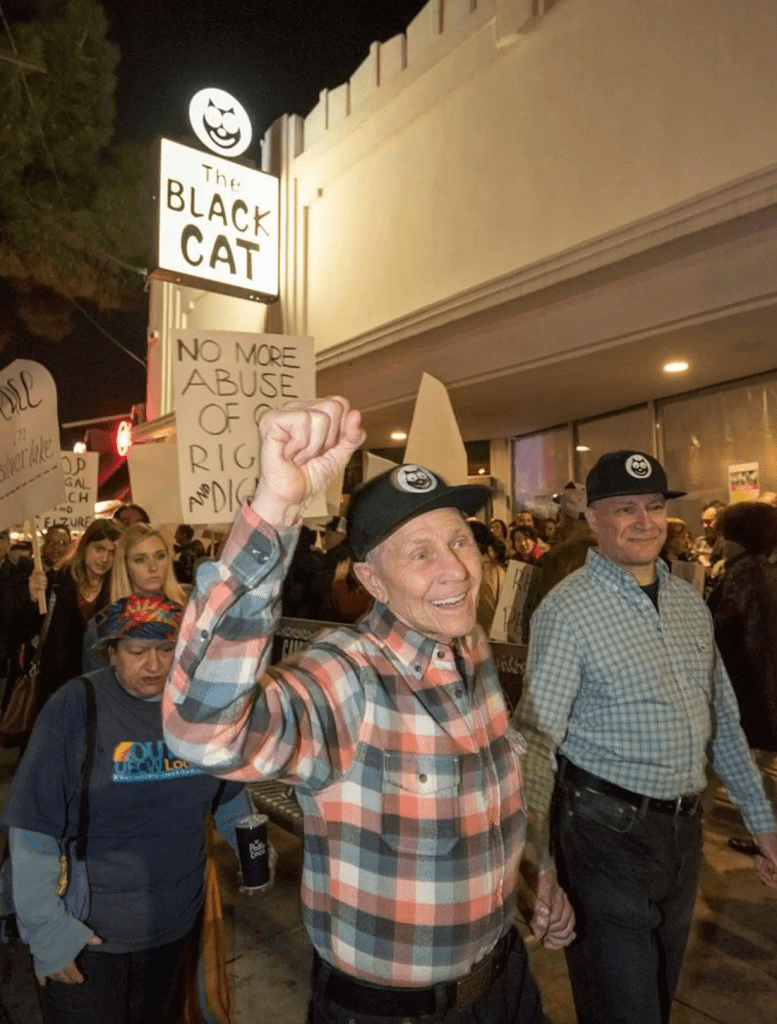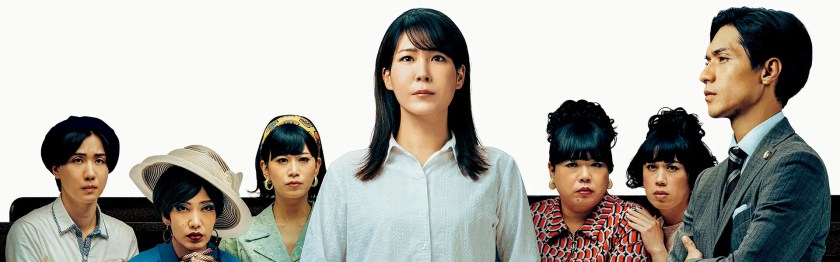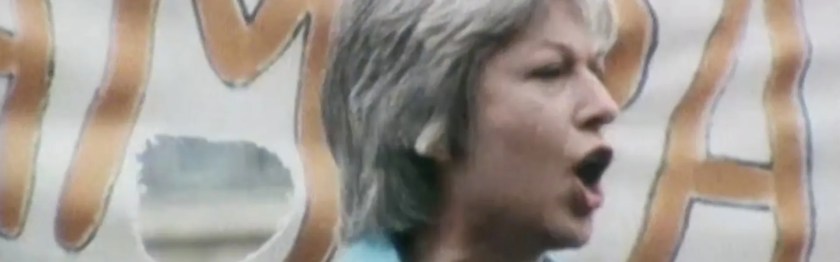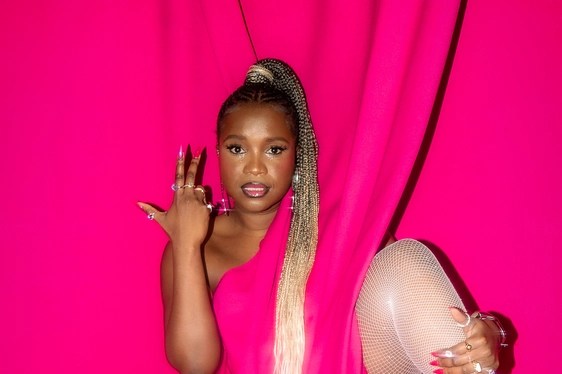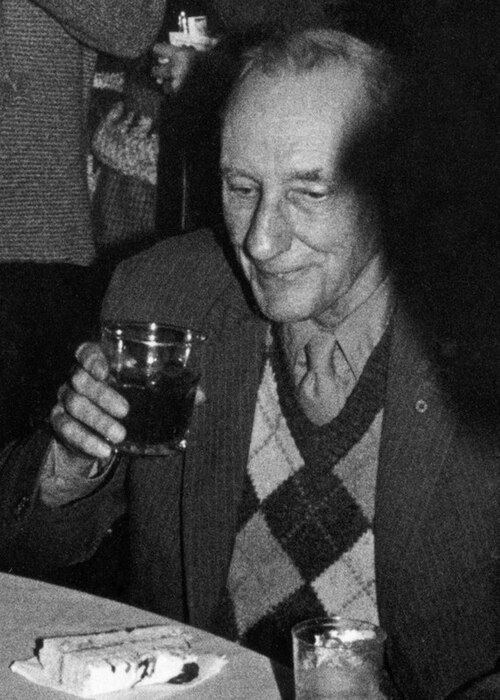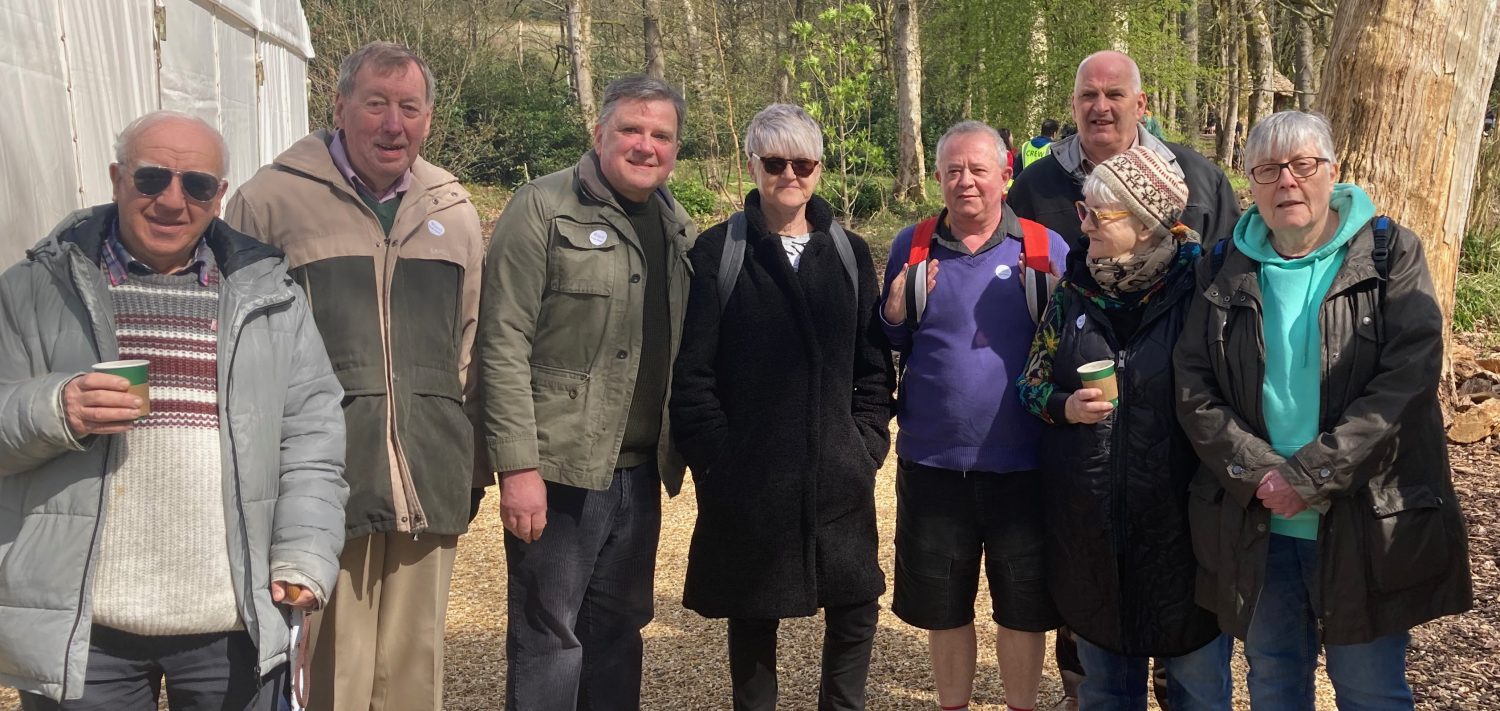
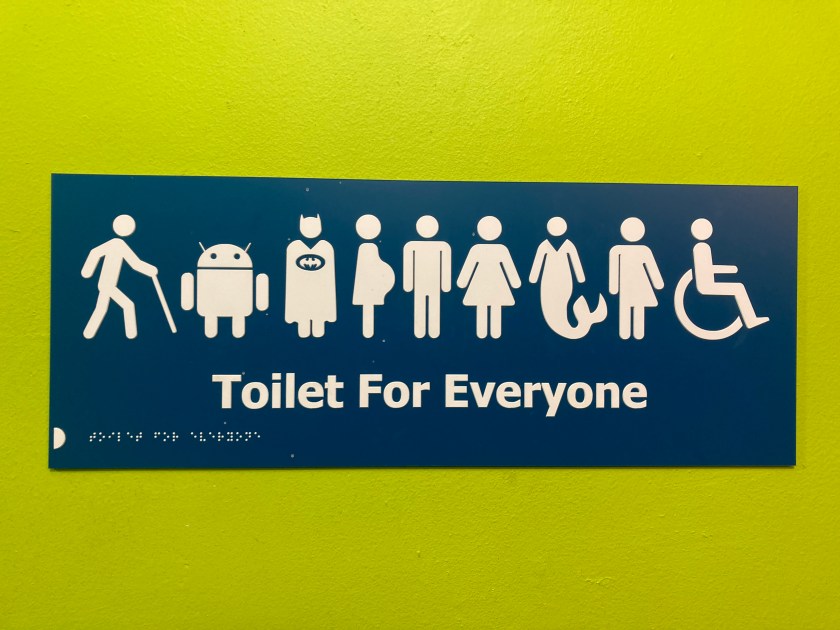
Re/Assemble at the Peoples History Museum is an exhibition that draws inspiration from the 1988 Section 28 protest marches
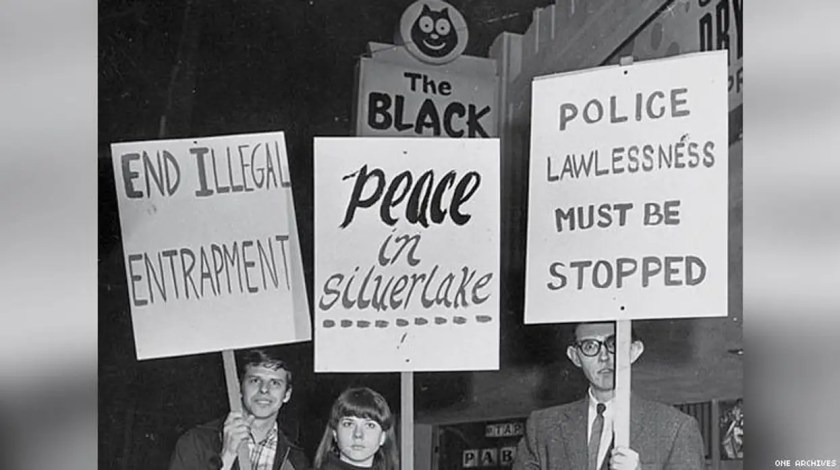
Re/Assemble’sstarting point is the largest LGBT+ demonstration in British history, when 20,000 people gathered in Manchester in 1988 to protest against Section 28 – a clause in the Local Government Act that prohibited the ‘promotion of homosexuality’ by schools and local authorities. For 15 years, this legislation cast a dark shadow, fostering a climate of fear and hostility that remains in the memories of many.
Developed following a two-year long research project, Re/Assemble is a new exhibition by Manchester-based arts organisation IAP:MCR, which creates and presents work across the visual and performing arts by artists who identify as queer. It features newly commissioned artworks by Sarah Joy Ford, Yuen Fong Ling and Anna Appleby that respond to the legacy of Section 28. It also explores themes of protest and resilience and celebrates queer voices and creativity. These works are displayed alongside historic artefacts from People’s History Museum’s own collection, including protest banners and objects, in Gallery Two.
You can also download the song “Never Going Underground” by Anna Appleby (ft Sherpa K and Norrisette)
Re/Assemble is open from Saturday, 17 January 2026 to Sunday, 3 January 2027 (10.00am to 5.00pm)
The Pride in Ageing 2025 film, produced by Film on the Brain with assistance and footage from our Brand & Storytelling Coordinator Scarlett and starring the amazing team of Pride in Ageing volunteers, has been nominated for a charity film award!
Please vote for the film here. Voting is open until 30 January 2026.
Play the Rainbow Lottery and support Out In The City
The Rainbow Lottery is the UK’s first and only lottery supporting LGBT+ good causes.
Welcome to the Rainbow Lottery, the exciting weekly lottery that raises money for over 200 LGBT+ good causes totally, openly and exclusively.
The hope is to make a difference to good causes so they can carry on their vital work – which helps us all. Play the lottery, support the community – it’s fun, it’s simple and everybody wins!
How the lottery works:
£1 per ticket – that’s right, unlike many other lotteries, the lottery tickets are only £1 per week.
For every ticket you play, 80% goes to good causes and prizes.
£25,000 jackpot prize
Match all 6 numbers and you win the JACKPOT! There are also prizes of £2000, £250, £25 and 3 free tickets for following week.
Every month there is a Super Draw.
The Super Draw Prize is an amazing £1,000 Aldi Gift Card (or, of course, £1,000 cash).
Imagine stepping into your local Aldi with £1,000 to spend: from stocking up on fresh, high-quality groceries to indulging in unique Special buys from the middle aisle, the options are endless.
Whether you’re planning a luxurious dinner party, filling your pantry with everyday essentials, or treating yourself to their award-winning wines, this gift card will go a long way!
elop’s counsellor training programmes equip you to work as a qualified, affirmative counsellor. The courses are taught in a Queer environment and open to all LGBTQ+ people and embedded allies.
The Foundation Certificate in LGBTQ+ Affirmative Counselling is a 3-month course for people starting their counsellor training journey or wishing to enhance their skills for supporting clients, colleagues and peers. The course includes online, and in-person learning sessions, and could be an entry pathway to professional qualified counsellor training. The course runs twice a year; the next programme commences late February 2026 and is open to applications now.
To receive further information, details of course fees, and an application pack please contact training@elop.org and/or to book onto one of the upcoming online information sessions (details below).
The Advanced Diploma in Integrative LGBTQ+ Affirmative Counselling is a 2-year part-time qualifying counsellor course taught at a venue in East London. The next programme commences September 2026.
To receive further information, details of fees or an application pack – please contact advanced-diploma@elop.org
Counsellor Training Online Information Sessions – if you are interested in becoming a counsellor and finding out more about the training pathways, please book and come along to the next online information session where you can hear more details, meet the course programme leader and ask any questions you have.
The next date is Tuesday, 27 January 12.30pm – 1.30pm.
Birthdays
Aya Kamikawa (Born 25 January 1968), Japanese politician and writer, first openly transgender politician in JapanW. Somerset Maugham (Born 25 January 1874 – 1965), English playwright, novelist, and short story writerVirginia Woolf (Born 25 January 1882 – 1941), English writerEllen DeGeneres (Born 26 January 1958), American actress and stand-up comedian
Manchester Pride’s name and online presence is up for grabs to the highest bidder (Image: Manchester Evening News)
Earlier last summer, Manchester Pride celebrated its 40th anniversary with a weekend of unity and celebration. But within weeks of the August Bank Holiday festival taking place, the shutters were down on the company responsible for the event after going into voluntary liquidation.
Headliners, performers and suppliers were left doubting whether they would be paid what they were still owed, eight staff members were made redundant, and questions remained on how debts in the hundreds of thousands of pounds would be resolved.
On 29 July 2025, Out In The City received an email confirming that our application to the Community Fund had been approved for the amount of £1000. Despite chasing up, we never received the payment.
It also made people question not only how things had got to that point, but what it meant for the Pride event going forward.
KR8, who were appointed liquidators by Manchester Pride Limited (the company behind the festival) back in November, said this week that they had now successfully contacted ‘all affected creditors of the charity’, and were in the ‘process of pursuing all asset realisation opportunities to maximise the return to creditors’.
This does not include organisations like Out In The City who were promised a grant, which was not paid.
Asset valuators and auction house SIA Group have listed the Manchester Pride and Mardi Gras brand name, and any associated domain names. This means that whoever secures the assets will, in theory, be able to ‘host future Pride events under the Manchester Pride brand name’. But, how did we get to this position where Manchester Pride’s identity is now up for grabs to the highest bidder – whoever that might be?
People enjoying Manchester Pride in 2015 (Image: Manchester Evening News)
Officially, 22 years of Manchester Pride
The roots of Manchester Pride date back to 1985, having taken on various names since then including the Manchester Mardi Gras, GayFest, and The Big Weekend. But it would officially become known as Manchester Pride as the city geared up to host EuroPride in 2003.
Manchester Pride Limited (MPL) was set up as a company in 2003, being registered as a charity in 2007. A Manchester Pride Events Limited subsidiary was also founded in 2007. Between then and 2019, it’s understood that, bar a few shortfalls, the event had managed to mostly prove financially successful as it built up a firm reputation within LGBTQ+ communities around the world for its prestige.
The pandemic caused ‘significant disruption’ to the company, with the 2020 event having to be cancelled altogether. MPL reported a fall in revenue of around £3.2m and a loss of £481,000 in 2020. By 2023, the charity reported losses after tax of £467k, resulting in a negative reserve position for the first time in ‘several years’. The latest figures for 2024 have not yet been published, but it’s estimated the charity could have lost around £318k.
For the 2025 event, Manchester Pride bosses announced a new Mardi Gras set-up which aimed to go back to its roots with a celebration of culture and community outside of the Gay Village area. Held at Mayfield Depot, it was headlined by Nelly Furtado, Olly Alexander and Leigh-Anne Pinnock. Behind the scenes, the charity had hoped this new expansion would be successful enough to turn fortunes around. It wasn’t.
Fortunes faded and a ‘compelling case’
Sir Ian McKellen at the Manchester Pride parade in 2010 (Image: Manchester Evening News)
Within hours of opening to the public, videos circulated online of empty dancefloors and artists performing at the new Mardi Gras set-up to minimal crowds. Before the event had even finished, bosses were said to be scrambling in the sidelines about the next steps for the charity. One such plan already in motion was a bid to host EuroPride again in 2028 – where things all began for the company.
Out In The City provided a letter of support to the organisers of EuroPride 2028 on 5 August 2025.
Putting together a bid which saw the event budgeted at around £3.2m, the city went up against West Ireland in front of the European Pride Organisers Association (EPOA). Manchester lost spectacularly with 70 per cent of voters preferring the alternative bid.
At the same time, Pride bosses had submitted a ‘compelling business case and turnaround plan’ to Manchester City Council which aimed to secure loans or grants to help the charity ‘return to solvency’. It wasn’t enough, with Council leader Bev Craig later saying that Manchester Pride’s ‘position had become unsustainable’.
Assets for sale
The news of Manchester Pride’s voluntary liquidation was officially announced on 22 October 2025. The charity said it had hoped to find a way to move forward, but rising costs, declining ticket sales and an ‘ambitious refresh of the format’ had resulted in the organisation ‘no longer being financially viable’.
In 2025, Manchester Council leader Bev Craig said that the position of the company behind Manchester Pride’s ‘had become unsustainable’ (Image: Jason Roberts / Manchester Evening News)
Since then, little has been said about whether performers and suppliers will ever see the money they are rightfully owed. The Equity Union is campaigning on behalf of many artists, whilst the Together for Creatives fundraiser also aims to raise £50,000 for those left out of pocket. Manchester Council said it will ensure Pride will take place in the city this August Bank Holiday weekend, working with members of the local LGBTQ+ community to create something that goes ‘back to home-made Pride’.
But, now questions have arisen about whether this future event will ever be able to be called Manchester Pride. The assets and trademarks to the name are listed for sale with The SIA Group saying the opportunity ‘would be suited to a range of potential acquirers’ including LGBTQ+ organisations, civic bodies and not-for-profits, as well as event promoters, entertainment groups and nightlife operators. Theoretically, it’s fair game to anyone and will depend on who has the most cash – or most viable offer – to claim it.
Manchester Council has reaffirmed that whilst it supports the return of Pride, and will work alongside the LGBTQ+ community, it will be not serve as an organiser of any such event. The ‘brand-related’ assets are therefore unlikely to be something the council would purchase.
Despite its name and branding up for sale, the legacy of the Pride event in Manchester cannot be underestimated. It has drawn in thousands of people from all over the world, generated millions in the economy, and, most importantly, served as a place for belonging and community to LGBTQ+ people and allies. Whether it’s named Manchester Pride or not going forward, it’s important that doesn’t change. It can still be a watershed moment, and it’s the community themselves that can, and should, steer that going forward.
Same Sex Kisses on Film
Same sex kisses on film have a long evolving history from early pioneering moments to modern depictions, showcasing shifts from coded representation to more open and celebrated intimacy in cinema and on television.
The Kiss was photographed between 1872 and 1885 by Eadweard Muybridge before the invention of the motion picture camera. Animating the photographs has produced the first cinematic kiss.
During the fall of Babylon sequence in “Intolerance” (1916), two male warriors kiss quite passionately on the lips, when they realise they are both about to be killed in a losing battle.
In “Orphans of the Storm” (1921), two sisters (one played by star actress Lilian Gish) lovingly embrace and kiss each other on the lips.
In one of the Roman orgy scenes in “Manslaughter” (1922), there are two women kissing and fondling each other in the crowd of partying people.
In 1927, audiences were treated to a same-sex kiss. In Wings, winner of theAcademy Award for Best Picture, Buddy Rogers and Richard Arlen both fancy Clara Bow. They also really like each other. It is a truly romantic moment as the wingmen confront Arlen’s death.
In a BBC teleplay from 1960, once thought to be lost, Sean Connery can be seen smooching another man. Disappointingly, the kiss is a fraternal one.
BBC Two’s adaptation of Edward II (1970) featured a kiss between the titular king (Ian McKellen) and his lover Gaveston (James Laurenson), recognised as the first male same-sex kiss on British TV.
In 1989the long-running soap opera EastEnders broadcast the first mouth-to-mouth kiss between two gay men (Colin and Guido), in a pre-watershed slot, causing controversy but paving the way for more LGBT+ representation.
Donor Circle Grassroots Fund
LGBT+ organisations receive just 10p in every £100 that is donated to charitable causes in the UK, and most are small teams doing incredible work, day in day out.
45% of the LGBT+ Consortium’s membership operate on less than £1,000 a year, and they have launched a new campaign featuring Out In The City:
When you donate to the LGBT+ Fund you help us resource some amazing LGBT+ charitable and volunteer led organisations like Out in the City Manchester.
Out In The City is a social and support group for members of the LGBT+ communities over 50 years of age.
“Using some of our funding from the LGBT+ Futures: Equity Fund, over 20 of us joined an experience on the East Lancashire Railway’s Heritage Steam Engine from Bury to Rawtenstall. We brought flags and banners and proudly ‘took over’ our carriage making it The Rainbow Train for the day!”
If you can donate £100 please head to this link and donate to our Donor Circle Grassroots Fund today
LGBTQ+ Extra Care Housing Scheme Update
Work has continued to progress on the ‘first of a kind’ purpose-built majority LGBTQ+ Extra Care social rent housing scheme and neighbouring shared ownership block in Whalley Range.
The lightweight steel frame installation has now commenced on site, with the ground floor structure partially formed for the Shared Ownership block. Meanwhile, work continues on the foundations and substructure for the Extra Care block, with the ring beam and pot & beam flooring nearly complete in readiness for the steel frame installation to begin. Ring Beam is a strong concrete band around a building that keeps it stable. Pot & Beam is a floor system using concrete beams and hollow blocks to make floors strong but lighter. These methods help ensure safety and durability in modern construction.
Our co-production work with the Russell Road Community Steering Group (CSG) continues. Last month, members visited the site alongside researchers from the University of Manchester to view progress and discuss upcoming construction activity with the site manager.
The University of Manchester is carrying out a year-long project researching the unmet housing and social care needs of older LGBTQ+ people. As part of this, they are working alongside LGBT Foundation and the Community Steering Group to consider best practice and co-production of inclusive housing and care, with a view to undertaking a wider piece of research post 2026.
They are looking for people over 50, who identify as lesbian, gay, bisexual, transgender or queer and have lived in or have an interest in social housing.
The commitment will be to about ten hours attending workshops taking place between April and June.
Please contact us here and we will pass on your contact details.
Vintage 1950 Children’s Illustrated Christian Prayer Book “Good And Gay”
Machu Picchu is located in the Andes Mountains in southern Peru, and was built in the mid-1400s, during the height of the Inca Empire under Pachacuti, the ninth Inca ruler.
Peruvian culture started somewhere around 5000 BC in the north of Lima, but the Incas only appear in history around the 1300s.
One of the first images of Machu Picchu was taken in 1911. Photo: National Geographic
Out In The City members “visited” Machu Picchu with the help of Virtual Reality. Our journey to the Lost City was at Transmission House on Tib Street in Manchester. We broke up into teams of four and were fitted with Virtual Reality headsets.
At one stage we were joined by Larry, the virtual reality llama. A fun fact is that llamas are not native to the area but were brought to Machu Picchu to enhance the site’s beauty and trim the grass.
The Incas used their main and widely spoken language, “Quechua,” to refer to any place or town. The compound Quechua word “Machu” means old or great, and “Picchu” means mountain, which can be interpreted as “Old Mountain”.
Commentary was provided by a flying robot – it was an amazing spectacular experience.
“The Gay Cookbook” Was of and Ahead of Its Time
During the mid-twentieth century, homosexuality was criminalised, stigmatised, pathologised and reviled. LGBT people were forced to hide their sexuality and push gayness into the closet.
Or was that necessarily the case? Published years before Stonewall, The Gay Cookbook belies that narrative and sets up a powerful alternative to the era’s heteronormative domestic traditions.
Chef Lou Rand Hogan whipped up well-seasoned wit and served a gay take on home life during the early-1960s craze for camp.
As courts struck down obscenity laws in the early 1960s, books and magazines about and targeted at gay men proliferated as never before – and could be produced and purchased with far less fear of legal sanction. A good thing, too, because according to the latest research of the time, one in six American men was gay, and Hogan produced a guide for that 16.6 per cent of the male population.
In 1965, The Gay Cookbook was published. Provocative, campy and proud of it, the book featured recipes for everything from fruit salad to “swish steak.” It was written by a chef and gay man who challenged the era’s prevailing notion of gayness as deviant and dangerous.
Hogan penned a tongue-in-cheek cookbook with a crossover audience due to a larger cultural fascination with camp. In 1964, Susan Sontag published a popular essay called “Notes on ‘Camp’” that attempted to define campiness. Sontag observed that gay men were especially good at it: “the vanguard – and the most articulate audience – of camp.” Suddenly, it was (sort of) chic to be gay. “Camp” was seen as a hip, new trend to publishers. The Gay Cookbook was advertised as “a wild wacky book” and came with jaunty illustrations of gay men cooking and entertaining. But by creating intentional camp aimed at gay men and sold as palatable and trendy to straight people, Hogan helped expose the very normalcy of gayness – after all, everyone needed to eat.
The front cover featured a drawing of a fashionably dressed young man wearing a chef’s hat and a floral apron, wrists limp and hips aswivel, preparing to drop a bloody steak onto a grill. The back showed partygoers enjoying drinks, one in a cocktail dress and heels with a visible five o’clock shadow. Forget blending in: This was a book that fully embraced the campy side of gayness and went on to sell a respectable 10,000 copies.
The Gay Cookbook was not completely out. This was still three and a half years before Stonewall, four and a half years before the first Pride parade. The name “Chef Lou Rand Hogan” was a pseudonym. He was actually Louis Randall, a Californian, born in Bakersfield in 1910. In his younger years, he had aspired to be an actor, but found his way into the kitchen instead. He spent the ’30s working on cruise ships, which turned out to be a congenial environment for a young white gay man: of the 500 stewards, Hogan wrote in a memoir, “probably 486 were actively gay!”
Hogan kept writing about gay domesticity as “Aunty Lou” in a food column that ran in the Los Angeles Advocate through the 1970s – tongue-in-cheek and chatty to the last.
LGBT+ people could and did find domestic happiness in the mid-twentieth century, and Hogan helped normalise their lives and showcase the potential for domestic joy. By daring to attach that joy to his public portrayal of gayness, Hogan challenged the status quo – one recipe at a time.
Actors Robert Stephens as a cook and Mary Peach as waitress Monique during rehearsals for the play ‘The Kitchen’ by Arnold Wesker at the Royal Court Theatre in London, 27 June 1961. Getty Images
Saturday, 14 February – 1.30pm to 3.30pm – LGBTQ+ History Month Film Screening: “Of Time and the City” – Free
World Museum Liverpool, William Brown Street, Liverpool L3 8EN (5 minute walk from Liverpool Lime Street Station). The film screening is hosted by LGBT Foundation’s Pride in Ageing Programme.
“Of Time and the City” is a 2008 documentary film directed, written and narrated by gay Liverpool-born director Terence Davies recalling the Liverpool of his youth in the 1950s and 60s. The film uses news reel archive footage of Liverpool, contemporary shots, poetry and prose to tell the story of Liverpool from the close of the Second World War as Terence Davies personally remembers it. The film explores, like many of his other works, what it means to be Liverpudlian as well as touching on what it means to be Catholic and to be gay.
The film premiered at the Cannes Film Festival and won Best Documentary in the Australian Film Critics Association awards in 2009. Since Davies’ death aged 77 in 2023 the film has been shown as part of full retrospectives of his work at the BFI Southbank in London and the Museum of the Moving Image in New York.
“Of Time and the City” is rated 12A and contains infrequent strong language and discrimination. Doors open at 1.30pm with the screening starting at 1.40pm. The main feature lasts 75 minutes and will be preceded by a short film about LGBT Foundation’s Pride in Ageing programme in Manchester and Liverpool in 2005.
Cary Grant (Born 18 January 1904 – 1986), English actorPatricia Highsmith (Born 19 January 1921 – 1995), American novelist and short-story writerJanis Joplin (Born 19 January 1943 – 1970), American rock singer-songwriter
Smoking Cessation Campaign
Your Health Oldham and OUTpatients, the UK’s LGBTIQ+ cancer charity, are working together to produce a targeted smoking cessation campaign to increase awareness of smoking in LGBTIQ+ communities and the benefits of quitting.
To understand how to make the campaign most effective, they are recruiting 6 – 8 people to take part in two workshops. As a thank you for their input, participants will receive a UK shopping voucher.
Who can take part in the workshop?
To be eligible, participants must meet all of the following criteria:
Member of the LGBTIQ+ community
Currently Smoke
Aged 18+
Living in Greater Manchester.
When and where are the workshops taking place?
The first focus group will take place over MS-Teams at 5.30pm on 26 or 27 January 2026, with the final dates and times dependent on availability of participants.
The follow up focus group will take place after the development of resources in mid-March.
This new monthly radio show – Out On The Radio – aimed at older members of the LGBT+ communities went live on Tuesday, 2 December 2025.
Don’t worry if you missed it, as it has been uploaded to Mixcloud so you can listen at your leisure.
Next month’s show is on Tuesday, 3 February 2026 from 2.00pm to 3.00pm on ALL FM 96.9 with special guests Lizzie and Sarah from Out In The City Women’s Group.
After lunching at Via on Canal Street in the Gay Village, we walked to the Palace Theatre for a hugely anticipated backstage tour.
The Palace Theatre, one of the main theatres in Manchester, opened on 18 May 1891 and has been continually active since then. It is one of the largest and best equipped theatres outside London, and is capable of hosting major touring musicals often with major celebrities and performances of opera and ballet, along with various other comedy acts and one night concerts.
The opening presentation, 135 years ago to a capacity audience, was the ballet Cleopatra. But only when it broadened its scope to include more popular performers was it a resounding success. During the early part of the 20th century it came into its own, with artists such as Danny Kaye, Gracie Fields, Charles Laughton, Judy Garland, Noël Coward and Laurel and Hardy making appearances.
Our guide, Grace, was very knowledgeable and enthusiastic and we visited the vast stage, the stalls, boxes and dressing rooms.
All in all a very worthwhile visit. More photos can be seen here.
The Wind at Cinema 1, HOME
The Wind was the final silent film released by MGM but would go on to be widely regarded as one of the greatest films of Hollywood’s late silent era.
This screening featured a brilliant live score performed by Stephen Horne. He has long been considered one of the leading silent film accompanists. Principally a pianist, Stephen simultaneously incorporated a flute into his performance.
A house pianist at London’s BFI Southbank for thirty-five years, he has played at major venues across the UK and regularly performs at film festivals around the world.
Another fantastic experience.
Wednesday, 11 February – Saturday, 14 February
Iris Prize LGBTQ+ Film Festival
HOME Cinema, 2 Tony Wilson Place, Manchester M15 4FN
Wednesday, 11 February – 6.30pm – Iris 2025: Best Bits + Q&A
Award winners, audience favourites and unforgettable stories
Thursday, 12 February – 6.00pm – Blue Boy Trial + Q&A
The ground-breaking true story of the moment that changed LGBTQ+ visibility in Japan
Saturday, 14 February – 3.30pm – When Love Broke the Law + Q&A
Celebrate desire, protest and the power of love this Valentine’s Day
Tonic Housing
Tonic is a community-led not for profit organisation. They are focused on creating vibrant and inclusive urbanLGBT+affirming retirement communitieswhere people can share common experiences, find mutual support and enjoy their later life.
They were established in 2014 to address the issues of loneliness and isolation of older LGBT+ people and the need for specific housing and support provision. They opened the UK’s first LGBT+ retirement community, Tonic@Bankhouse in London in Summer 2021.
Milestone
A historic milestone has officially been reached in the heart of Vauxhall.
Tonic Housing became fully occupied, welcoming the final residents into the UK’s first “LGBT+-first” retirement community. Located on the Albert Embankment, the facility is more than just a home. It is a sanctuary where our history is celebrated rather than hidden.
For many in the older generation, the fear of “going back into the closet” in traditional care homes is a reality. Tonic Housing is changing that. By providing care that is genuinely affirming of LGBT+ lives, they are ensuring that those who fought for our freedom can age with the dignity and “chosen family” they deserve.
Birthdays
Cecil Beaton (born 14 January1904 – 1980), English fashion and portrait photographerEdmund White (born 13 January 1940 – 2025), American author
Imagine a scenario from a possible future: A king and queen leave the throne to their first born son or daughter. This heir to the throne is married to someone of the same sex.
Would the gay king or queen’s spouse have a royal title? Would their child be heir to the throne? Current law doesn’t have answers to those questions.
In 2013 Queen Elizabeth II came out (obliquely) in support of LGBT rights. Last year King Charles III attended the launch of “Open Letter” – the memorial for UK LGBT+ service members, showing support for the LGBT+ communities for the first time.
Turns out there have been many royals in the past that had tongues wagging over their rumoured gay ways:
King William II
William II
William II was an effeminate medieval king who never married. Was he an unsung hero of the LGBTQ community? William II might actually have been trans since he often favoured women’s clothing.
Richard I
Richard I
Richard the Lionheart, often portrayed as gay in films (notably by Anthony Hopkins in The Lion in Winter), was a “gay icon”. Richard reportedly shared a bed with King Philip II of France.
Edward II
Edward II
This royal’s same-sex infatuations were so well-known that Christopher Marlowe’s 1593 play Edward the Second included the king’s fraught relationship with Piers Gaveston, a close adviser and member of his court. Derek Jarman’s 1991 film Edward II was based on the play and went a lot further than Marlowe, with gay sex and oodles of homoeroticism.
James I
James I
Although married, King James is often remembered as bisexual, and members of his court called him “Queen James.” In honour of the king, who spearheaded an English-language translation of the Bible, there’s a modern version that expunges all the antigay references titled Queen James Bible.
Queen Anne
Queen Anne
Queen Anne’s friendship with Sarah Churchill – founder of the Churchill-Spencer dynasty, which produced Winston Churchill and Diana, Princess of Wales – was likely very close. The power-hungry Churchill blackmailed Anne by threatening to reveal their passionate letters and accused the queen of playing favourites with women in her court with whom she was sleeping.
Prince George
Prince George
Prince George had three older brothers, but a scandalous string of affairs would have likely prevented him from ascending the throne anyway. Letters from Noel Coward indicate he and George were lovers, though the playwright was only one of several male lovers the prince reportedly took before his death in a plane crash at 39.
Princess Margaret
Princess Margaret
The wild younger sister of Queen Elizabeth II, Princess Margaret scandalised the royal family when she divorced her husband in 1978. Allegations of drug use and lesbian affairs appeared in the book Margaret: The Last Real Princess and the British TV movie The Queen’s Sister. The documentary Margaret: The Secret Princess also included claims of Margaret’s bisexuality.
The Brisbane Suburb of Herston
Herston is a name alluding to the state’s first premier and the man believed to be his lover.
John Bramston, left, and Robert Herbert shared a house whose name became that of a Brisbane suburb. Some historians believe they were in a gay relationship. Composite: State Library of Queensland
Today the story would be unremarkable: two gay men, migrants from England, give their Queensland home a portmanteau of their last names.
But in 1859, these two men, Robert Herbert and John Bramston, were the new state’s first premier (then called colonial secretary) and one of his attorneys general.
The name, Herston, was later used to name the modern suburb that covers the area. Gay historians argue that the long-forgotten history of Herston should finally get the recognition it deserves.
Herbert and Bramston met at Balliol College, Oxford, in the 1850s, and shared rooms there and in London.
Herbert never married and had no children.
In an 1864 letter to his sister, Herbert explained that marriage would risk “being wretched”, for a chance “of a little possible additional happiness”.
“It does not seem to me reasonable to tell a man who is happy and content, to marry a woman who may turn out a great disappointment,” the letter reads.
Herston, the house shared by Robert Herbert and John Bramston, has been demolished. It is now the site of the Royal Brisbane and Women’s Hospital. Photograph: State Library of Queensland
There must be a lot of gay men today who have explained it that way to their sisters and mothers.
Herbert held his position until February 1866 and returned to England shortly afterwards, where he lived until his death in 1905.
Bramston also returned briefly to England, but was back in Queensland by 1868, and married Eliza Russell in Brisbane in 1872. He died in Wimbledon in 1921.
Herbert’s government showed an unusual degree of sympathy for gay men. Queensland was the first state in the country to remove the death penalty for the offence of male sodomy. New South Wales did not do so for two decades.
Their relationship was doubly unlawful, doubly secret, because of Herbert’s influential position.
But we need to be careful about celebrating people in the past who lived closeted lives, because we only know a limited amount about them.
Homophobia in politics escalated by the conservative government of Russell Cooper, part of a desperate attempt to distract from revelations of corruption in cabinet and the police, He said a Labour government would bring a “flood of gays crossing the border from the Southern states”. There was even a proposal to extend the state’s laws to cover women for the first time.
In 1989, Queensland police laid some of Australia’s last charges under anti-gay laws. In 2017, the state government apologised and quashed a century and a half of recorded convictions.
Queensland’s first openly gay MP, Trevor Evans, was elected in 2016, 157 years after Herbert took office.
Although the Herston home is long gone – Herbert’s name lives on, but more prominently in far north Queensland, which boasts a Herbert river, a Herbert range, the town of Herberton and the federal electorate of Herbert. In 1975, the Queensland Place Names Board approved the official naming of the Brisbane suburb as Herston.
Shameful fact: There are still 64 countries in the world where homosexuality is illegal.