
Hear Us Out … Mind Yer ‘Ed

News

Since the beginning of 2019, New Writing South been collecting the stories of older LGBTQ+ people across the South East of England and they are now presenting an online programme, Hear Us Out, celebrating these stories through verbatim performance, film, creative writing and discussion.

Hear Us Out will take place between 26 – 29 November 2020, and the whole programme (below) is free to attend. Please book if you’d like to attend by email to hello@newwritingsouth.com to arrange your tickets.

READ US OUT

Digital performances of LGBTQ+ creative writing

Thursday 26 November, 6.00pm (FREE, BSL Interpreted)

Hear creative writing from local LGBTQ+ writers, written in response to the stories older LGBTQ+ people across the South East of England have shared with the Hear Us Out project.

Join us for this collection of funny, touching and rousing readings celebrating the stories, lives and experiences of our region’s older LGBTQ+ community. Curated by Hear Us Out Artistic Director Dinos Aristidou and created with filmmakers My Genderation and composer Angèle Veltmeijer, Read Us Out was performed and filmed by our LGBTQ+ community performers over lockdown.
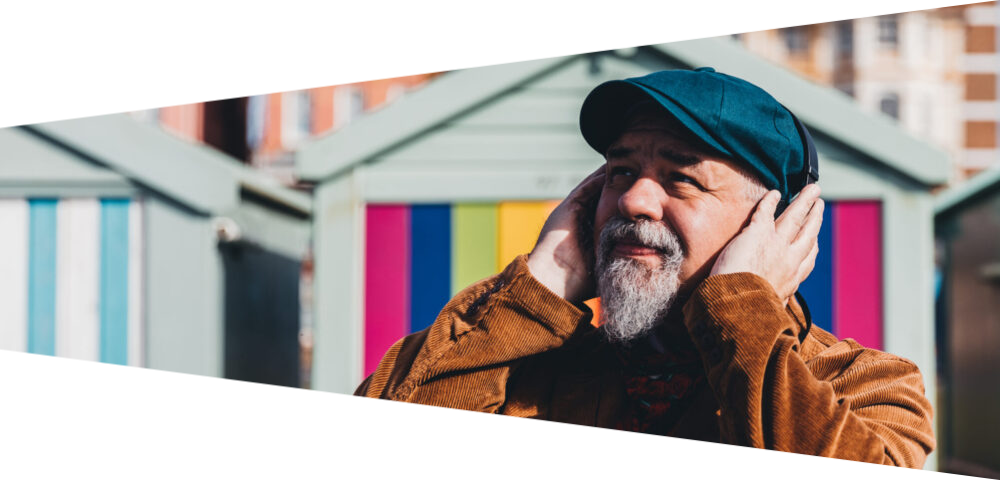
SPACE / WALK

An online documentary series by Marlborough Productions celebrating Black queer elders’ stories

Friday 27 November, 6.00pm (FREE, BSL Interpreted)

Over three episodes, three Black queer elders and a young adult, meet to embark on an unpredictable journey into the space that surrounds their city by the sea. Weaving in unheard personal histories, Space / Walk is a joyfully honest exploration of surviving and thriving within an atmosphere that was never designed to support our existence.

This online documentary series by Marlborough Productions has been commissioned by New Writing South especially for Hear Us Out. Marlborough Productions is a leading UK producer of queer-led, intersectional performances, parties and radical community gatherings. Space / Walk has been made by artistic director Tarik Elmoutawakil (Brownton Abbey) with Carmen D’Cruz and Amina Yousif.

The following two episodes will be released early next year.

HEAR US OUT

A digital performance celebrating older LGBTQ+ people’s stories

Saturday 28 November, 6.00pm (FREE, BSL Interpreted)

“It’s a life’s work to find your own story, to find the right room to fly into”

Join Scarlet Tiger, a moth in search of stories, as they fly through the South East listening to the real-life tales of the region’s older LGBTQ+ community.

After hearing the stories of older LGBTQ+ people across the South East of England, New Writing South are thrilled to present Hear Us Out, a new digital performance written and directed by Dinos Aristidou using a mixture of new writing and our older LGBTQ+ storytellers’ verbatim speech.

In collaboration with filmmakers My Genderation and composer Angèle Veltmeijer, Hear Us Out will feature a company of LGBTQ+ community performers who all filmed themselves performing over lockdown.

In an authentic retelling of the stories, the performers will use the ‘Hear Us Out Technique’ where, listening to the original story recordings through headphones, they perform them to camera exactly as they hear them.

A celebration of all the trials and triumphs that make up older LGBTQ+ lives, will you hear us out?
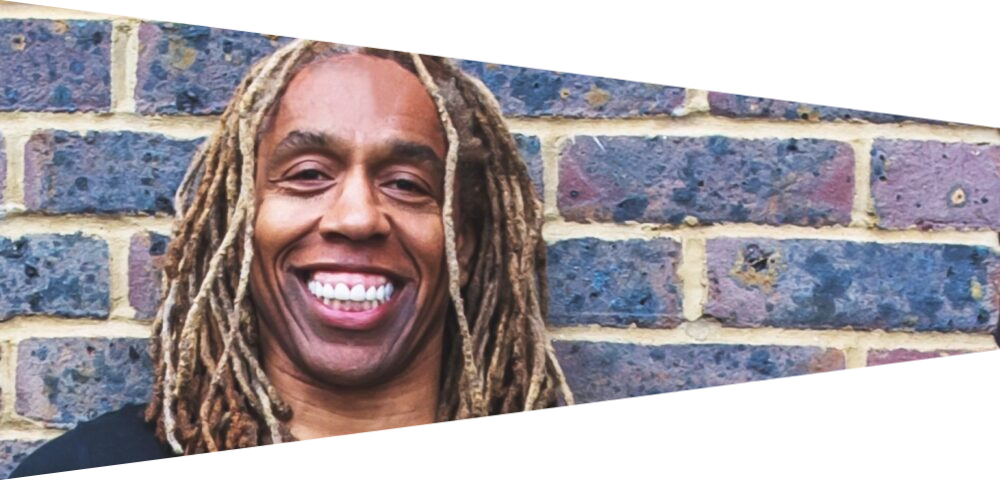
HEARING YOU OUT

An online discussion for older LGBTQ+ people and their allies

Sunday 29 November, 3.00pm (FREE, BSL Interpreted)

Hosted by the award winning writer and director of stage and screen, Rikki Beadle-Blair, join us to toast being older and LGBTQ+ and to discuss the themes raised by the Hear Us Out project at this celebratory closing event. We look forward to welcoming you to this friendly gathering of older LGBTQ+ people and their allies and hearing you out.

For more info see http://hearusout.live/


Mind Yer ‘Ed

Talking About My Generation was started as a campaign so people aged 50 and over from across Greater Manchester could change the record on what it means to grow older in the region.

One of the projects is the Mind Yer ‘Ed series and members of Out in The City have been interviewed. Here are a couple more of the interviews:
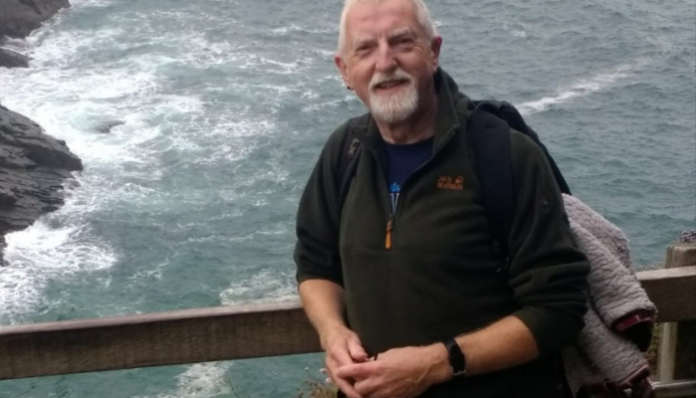
Line Dancing in my lounge and long walks have been liberating

As part of the Mind Yer ‘Ed series, Patrick Pope, from Bury, shares his experiences of the pandemic and how he had a letter waiting for him when he arrived back from holiday to say he had to shield in lockdown.

But the 70-year-old has used his love of being active to get through difficult patches – dancing in your lounge is recommended! 

“It was a hammer blow, physically and mentally getting the news about shielding the day I arrived home from holiday. I’d gone from being on a great holiday to receiving a letter stating I couldn’t go outside my apartment anymore for at least 12 weeks.

I’m active and sociable so suddenly having that in print, saying I couldn’t go outside my own domain for three months; I actually sat in my chair and burst into tears. I wept.

There was a period for the two first weeks where I got really down, I wasn’t really involved in anything and I got very inward and introvert, which isn’t me at all.

But being able to help other people as well as continuing with some of the groups I was part of over Zoom really took the weight off my mind.

I was asked to be a chat line respondent for the NHS and I was asked to get involved with a few schemes through Out in the City. One of these was a buddy-line scheme and I was linked up with people who were isolated, lonely or in need of a bit of company and I would ring them in the week. We kept that going for ten weeks and not only did it give me a purpose, it gave other people a link to the world as well.

I know a lot of people are a bit Zoomed out now but that was also a great benefit. I’m in a choir in Bury and we did Zoom sessions every Wednesday. I’m also part of a gay line dance class in Manchester. It sounds crazy, but we dance on Zoom. We’ll do that for about an hour and a half. They play music and we dance in our lounge. I’ll move the furniture out of the way, get Zoom up on my phone and put it in a position where I can see the teacher’s instructions and dance around to the music.

As soon as I was allowed to go outside again, I took off and did loads of walks on my own and with a couple with friends who were living close by. I’m also part of a walking group and I got back involved with that again.

Getting to do these things has liberated me, not only physically but mentally as well. It’s something to look forward to all the time.

We had a really good spell of weather in April and May and I’m a big fan of gardening so I worked on it endlessly. I get my green fingers from my late father. It’s so therapeutic.

I’m aware of the kindness people have shown me week in week out. When I was shielding, quite a few people rang me every week, one of them every day, to check I was alright and people volunteered to do my shopping. I won’t forget those acts of kindness.

My big hope is people don’t forget all the good things that have happened and the good things that people have done to help each other. May that long continue.”
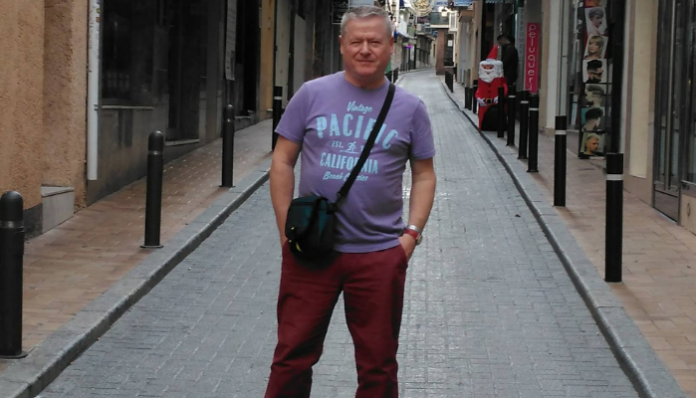
Keeping Busy, being creative and optimistic woke me up

As part of the Mind Yer ‘Ed series, Stephen Cuddy, aged 60, shares his experience of the pandemic and how he’s used cooking and other activities to keep his mind occupied.

Without a shadow of a doubt, the pandemic has been harder for those aged 50+ who are members of the LGBTQ community, because many of us live alone.

There’s a lot of depression in the gay world anyway and there are a lot of people I know who feel completely down right now, and sometimes I don’t recognise them because they’re so down. I think it’s just leaving them feeling vulnerable.

I think it’s about the economic situation and the cultural situation as well. So many people in my circle of friends who are gay go to the theatre or the concert halls. It’s a big part of their life and they can’t do that anymore.

It’s so sad when you’re on the tram and you’re going down Mosley Street or you go past The Bridgewater concert hall all dark and closed. It brings it home to you how fragile life is in a way. It’s a bit of a wake-up call.

It’s not so much anxiety that I feel, but fear for the future more than anything. I just think we’re going to come out of it into a different world. I try to handle that feeling and I try to do little things to take my mind off it. I’m quite good at putting things to one side.

One article I read about being creative and optimistic as opposed to worrying all the time triggered me into doing something and accepting that nothing is perfect in life. You just have to deal with it the best you can. It woke me up.

That routine is beginning to kick in more and more each day. It’s about staying busy and not watching the telly or putting the news on all the time.

I’ve rediscovered the kitchen recently too. Normally I’d have been a bit lazy and bought a ready meal, but I’m roasting my own chicken and vegetables now.

For me it is all about the oven. I love slow-cooked food and I like the smell that fills the house and the warmth created in the kitchen. It’s very comforting during this time and it’s a bit like having a gin and tonic.

My favourite meal to cook is bacon, or chorizo, and cheese pasta bake. It’s easy to do, cheap and tastes good hot or cold. The leftovers will keep well in the fridge, too.

I’ve found walking a good coping mechanism as well, and I’ve also been out in the garden more. It’s never been so neat and I’ve never planted so many plants and shrubs in my entire life. I do think there’s a connection between the gardening and the walking that’s keeping me healthy, mentally and physically. I just love it.

Normally, I go to Gran Canaria at least once a year, and I actually bought a Gran Canaria palm. It’s only about four foot tall right now but it just makes me smile and keeps me balanced. It gives me happy memories.

It’s like a survival mechanism kicking in – the need to keep busy. Those are the three things I always look forward to doing.

When you’re in the garden, when your outside and when you’re cooking there’s an optimism about the whole thing and a sense of normality. I can’t believe I’d let something so simple and free and so good just lapse. I think it’s taken COVID to wake me up a bit to what I truly enjoy.

I’ve learnt there’s still a lot energy and strength inside me and that I am much happier being active and busy. When it’s over I’m definitely going to get a part-time job or volunteer. The most important thing is to face your fears and be happy.”
Out In The City meetings … Mind Yer ‘Ed

News

Out In The City is meeting  again!

Formally organised support groups are allowed to meet with up to a maximum of 15 participants. The exemptions under the national restrictions specifically include groups that support people facing issues relating to their sexuality or gender.

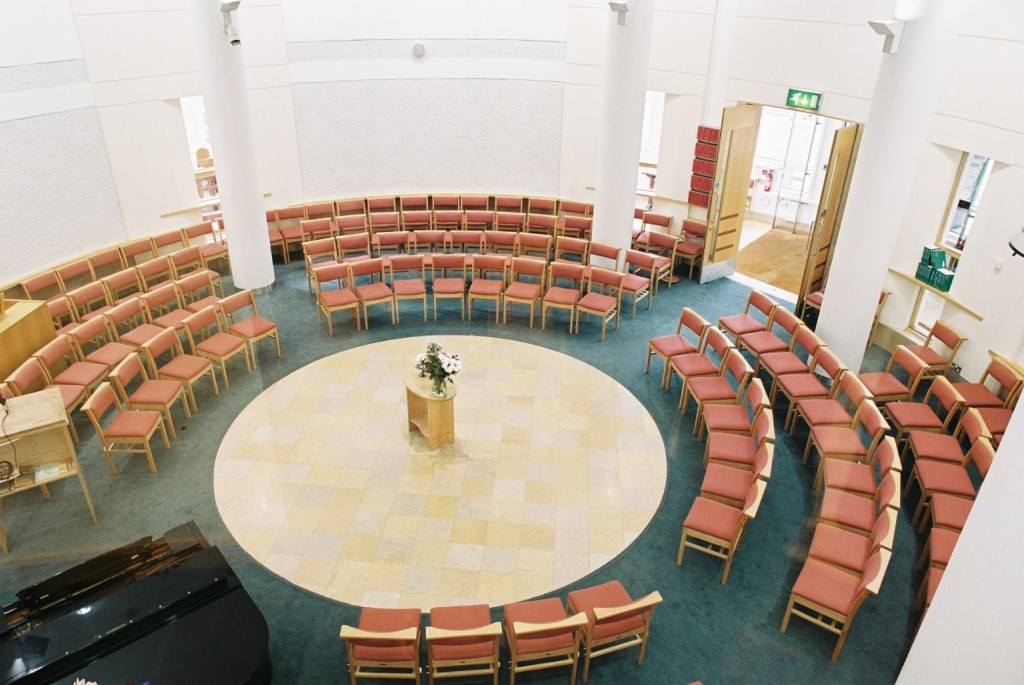
We will be meeting at Cross Street Chapel, Cross Street, Manchester M2 1NL – but this is not a drop-in. Booking is essential as we have to limit the numbers to maintain social distancing. If you are interested, please contact us.


Mind Yer ‘Ed

Talking About My Generation was started as a campaign so people aged 50 and over from across Greater Manchester could change the record on what it means to grow older in the region.

Volunteers were given the training to become community reporters so they could set the record straight on ageing by reporting on other people from their generation, charting their own stories of life over 50 and showing any challenges associated with ageing and how they are being overcome, to inspire people to live the life they choose, regardless of age.

One of the projects is the Mind Yer ‘Ed series and members of Out in The City have been interviewed. Here are a couple of the interviews:

I felt like Robinson Crusoe, Staying Connected is Vital

As part of the Mind Yer ‘Ed series, Ed Seager from Tameside tells us he has a new-found appreciation for the people around him since the coronavirus outbreak. Here he shares his experience of the pandemic and how he re-ignited his passion for wildlife and writing to cope.

“I’ve always been very self-contained but the virus was been a wake-up call. It made me realise people are a lot more precious than we think and it feels strange when you can’t meet those people. You felt like Robinson Crusoe.

The social isolation I felt has been quite profound. I live on my own and before the lockdown, I didn’t realise how lucky I was to have a strong network of friends. Now I realise, they’re part of my wellbeing.

It’s vital to stay connected and occupied, so I am keeping in touch with those friends from the Out In The City group, which is a lifeline. I had a terrible time coming out, it was a nightmare, but as I have got to know the group over the past two years, I’ve felt considerably more comfortable in myself and realised there are people out there like me who have had a bit of a rough ride.

Going for a walk and being outside has been incredibly therapeutic. I’ve always been an outdoors person and psychologically, it’s always helped. I’ve always been interested in nature, and I guess I’m quite lucky I can go to Daisy Nook Country Park and see lots of different wildlife. That deep connection with nature I’ve had since I was a kid is a real treasure right now.

I have also been coping with writing, I have always enjoyed it, and I am doing more now than I’ve ever done before, including on a Facebook group I set up last year, called The Mental Health Recovery Fund. It aims to address the impact of poverty and mental distress, both of which have affected me. I’m really passionate about the project.

I used to be a social worker before retiring at the age of 41 due to medical reasons. But I think once you’re a social worker, you never stop being one. I’ve never liked injustice and suffering, I’ve been like that since I was a child.”

Zoom, Music and keeping My Partner Healthy has kept me going

As part of the Mind Yer ‘Ed series, Helen Hallam, a member of Manchester’s Out in the City group shares her experience of the pandemic. She tells us about how getting support from the LGBTQ community, the joy of music and getting involved with virtual Pride events lifted her spirits.

“I’ve found it really difficult. Part of it has been because my partner was diagnosed with cancer just before the lockdown, so she’s been having treatment for that throughout. That’s been like a double-whammy.

The hardest thing has been not having social contact. I’m a social being and I like to be out and about. I’m in lots of groups and my partner and I have been together for a very long time. In that sense I’m not alone but on the other hand the things I like to do have just stopped and they’ve had to stop because I dare not take the risk of catching anything when my partner’s immune system is non-existent.

I’ve been fearful of going out when I’ve had to. Just things like going to the dentist, which I’ve been doing for years is a really scary thing to do at this time.

I’m in several LGBTQ groups and it means I’ve got contact with people online and someone to talk about my difficulties with. Sometimes we have themes and sometimes we just chat and that’s been very important to me; to know that on a specific time during the week that I’m going to have that time with my friends.

You’ve got that emotional contact even though those people aren’t actually there in the flesh. I always feel 100 times better when I come off those Zoom meetings.

I’m into my live music and before the pandemic hit, I would enjoy going to the jazz club or twice a week I would to go to a couple of venues that have live rock music. I’m really missing that. Some of the bands that played at the venues I go to have done some streaming or put stuff up on YouTube, which has been quite good, but it’s not the same.

What I do have is Spotify and I listen to that all the time. I usually go out and walk for about an hour and a half and I can listen to my music while I’m out – it’s fantastic. But sometimes, I can feel a bit sad while I’m out on a walk and I’ll be listening to my music and have a little cry. It’s just a moment when you’re feeling the pressure, but it’s a good way of relieving it.

The cancellation of all the Pride events was sad – it’s such a wonderful experience. It’s about socialising but it’s also about saying this is who we are, out and proud.

I’ve been to a few of the virtual Prides and there were some fantastic acts. I think LGBTQ communities have had to be closer at the moment, but I think they’ve also been more separated from the wider community.

Anyone who struggling mentally at the moment, take my advice, get involved with anything out there that interests you and join in with virtual meetings or events. It has helped me.”


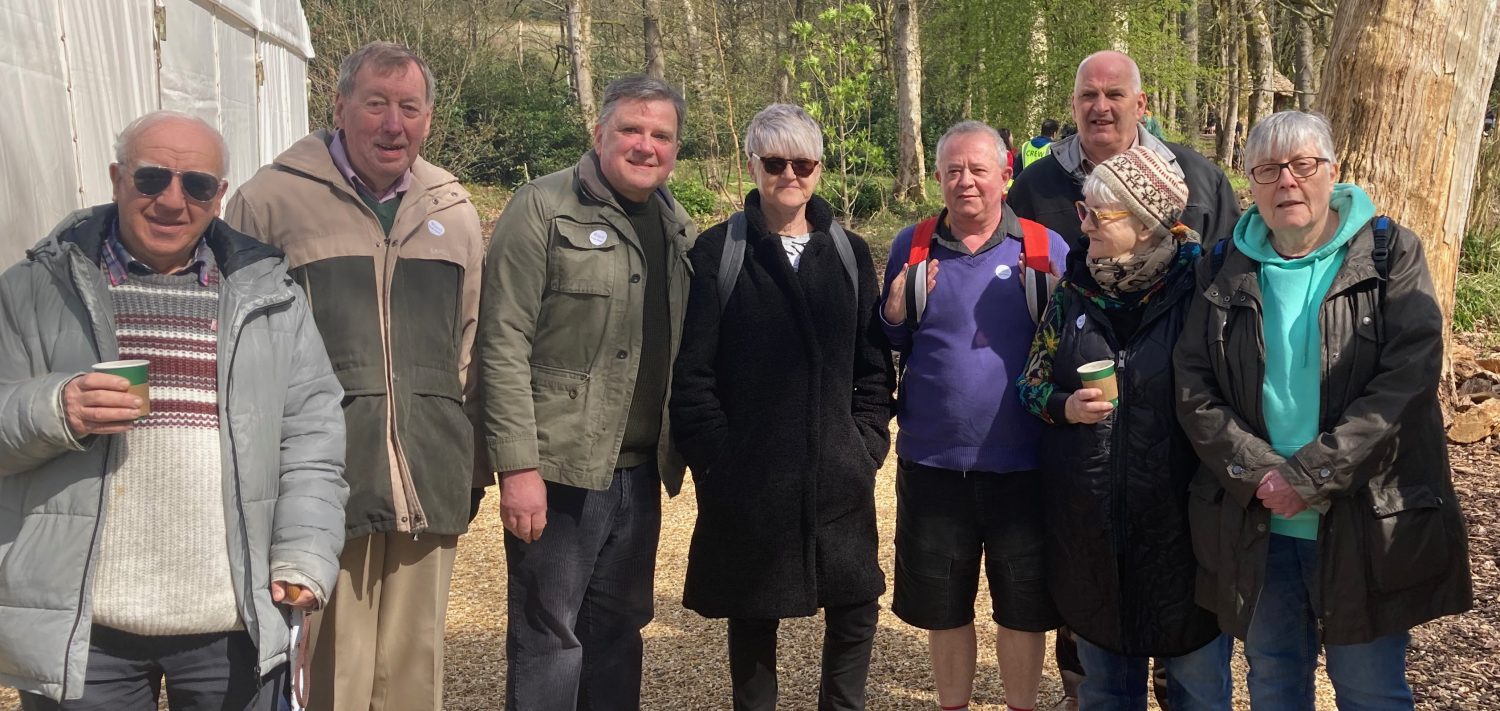
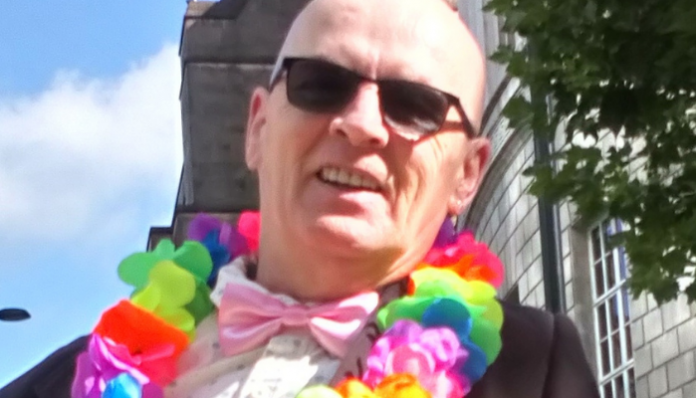
Can you add a caption to these photos?

Leave a comment below.

Out In The City meet up … Photobook … Richard O’Brien

News

Out In The City meet up

Although we have national restrictions in England, formally organised support groups are allowed to meet with up to a maximum of 15 participants. The exemptions specifically include groups that support people facing issues relating to their sexuality or gender.

On this basis Out In The City held a meeting on Thursday, 5 November at the Methodist Central Hall. Terri from Age UK Manchester joined eleven members of the group, who were all pleased to see each other and have a chat and catch up with others.

Unfortunately, the venue has decided that it is not viable for them to open until 3 December 2020.


Photobook – open and download: outinthecity-1.pdf

This is a photobook of many of our trips over the years. There are lots of pictures of Walter – he is so photogenic!


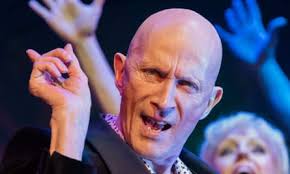
The Rocky Horror Show creator: Richard O’Brien

Richard O’Brien has previously spoken about his own fluid gender identity, labelling himself the “third sex” and explaining: “I believe myself probably to be about 70 per cent male, 30 per cent female”, adding he “ticks the ‘M’ box” for gender but “would quite like to have ‘other’ to tick”.

He acknowledged: “Being transgender is a nightmare for many people. I’m very lucky that I’m in showbiz where I can be this eccentric person and therefore it’s allowed. If I were a primary school teacher maybe that wouldn’t be the case.”

The actor said last year that while The Rocky Horror Show is seen as a symbol of sexual liberation, he struggled with his identity for years afterwards.

“It made it OK for men to dress up as women, but it didn’t make it OK for me. I had grown up believing there was something wrong with me and that I was somehow damaged and dirty, because I wasn’t the same as everyone else. I grew up in a different time, there was no one I saw myself as being like – and I did not have a supportive family.

I lived for a very long time with a low opinion of myself and even the success of the play felt separate to me. I was only expecting it to have a three-night run. Never did I imagine that I’d be still talking about it 45 years later.”

‘I should be dead. I’ve had an excessive lifestyle’

In an article in The Guardian, Rocky Horror’s Richard O’Brien talks about coming out as trans, going ‘loopy’ on crack and speaking in tongues after suffering a stroke.

Richard O’Brien is 78, but his toothpick body and light bulb head have always lent him a certain agelessness. A few months ago, however, the rakish Rocky Horror Show creator, Crystal Maze presenter and transgender parent-of-three received a stark reminder of his advancing years.

He was pottering around at home in New Zealand when he suddenly found himself lying on the floor. “I didn’t register that something was desperately wrong,” he says, speaking from the house he shares with his third wife, Sabrina, 10 miles outside of Katikati. “I just thought: ‘I wonder why I can’t get up.’” Struggling to his feet, he attempted to make a drink, only to discover he couldn’t put the top back on the milk. “I was in a dream-like state. Finally, I gave up with the milk, went to go back to the bedroom, slid down the wall and started speaking in tongues. That’s when Sabrina called the ambulance.”

It was a stroke. “Just a little one,” he says cheerfully. “I bounced back.” But he has had to make a few unwelcome adjustments to his lifestyle. “I used to love sitting on the back porch all day with a bottle of very full-bodied red at my elbow and a couple of jazz cigarettes. I couldn’t think of anything nicer, quite frankly.” Those days are over. “It cheeses me off. What can you have as a substitute?” A mirthless chuckle. “You can’t drink tea all day.”

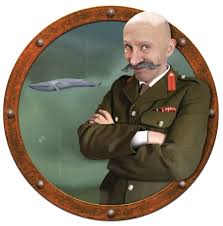
Still, he is keeping busy. He plays the Brigadier, a spinner of deliriously tall tales, in the six-part Baron Munchausen-esque audio comedy The Barren Author. Surreal flights of fantasy — in the second episode, a highly trained squad of Elton John lookalikes defend the genuine article from the Stasi — are lent an extra comic gleam by O’Brien’s plummy, unfazed delivery.

He claims not to see many similarities between himself and the Brigadier. “Though I do have fantasy figures who I introduce into my daily pursuits. I’ll ask a question, flip it up into the air and find a character who’ll answer it for me. I suppose it is a kind of insanity but it doesn’t harm anyone. Pretending you’re someone else is rather wonderful. It’s a very childish pursuit, isn’t it?”

Elements of the character chime so closely with O’Brien that I assumed he had added them to the script himself. Take the Brigadier’s recollection that “hair was unwilling to make itself at home on my adolescent body” and his memory of school friends who “didn’t know whether to invite me to the rugby or buy me flowers”. Doesn’t that sound like O’Brien, who at six years old horrified his older brother by expressing a desire to become a fairy princess? “Nothing to do with me!” he protests. “I was as surprised as you were when that came up. In fact, Sabrina raised her eyebrows: ‘I say!’”

He started shaving his scalp in the mid-1970s in response to the wear-and-tear from a series of dye jobs. Does he shave his body hair, too? “Ooh, we’re getting a bit personal here, aren’t we? As it happens, yes. It feminises the body. All shaving is feminising. I wonder when men first started shaving their faces. That must have been an interesting point in time.”

O’Brien has spent his life pinballing back and forth between Britain and New Zealand. Born in Cheltenham, he moved to Tuaranga with his parents as a child. They wanted to see “whether life could be better somewhere other than monochromatic post war Britain”. What he admired about the new country was its lack of a class system. “No one was allowed to be your social superior. When I got back to Britain, that was a hugely wonderful card to be holding. Lords and ladies? Fuck that. New Zealand gave me that gift.”

After growing restless in his early 20s, he decamped, as it were, to London. “I was in Mick Jagger’s front room in 1965. I was friends with his then-girlfriend, (the model) Chrissie Shrimpton, and she introduced me to the rockocracy. England was swinging like a pendulum. There was nowhere better to be on the planet and I went for it. I should be dead, you know. I’ve led a very excessive lifestyle.”

He got paid to ride horses in movies (his debut was in Carry On Cowboy) then drifted into theatre, where he took any job going. Even sweeping up after a performance made him happy — at least he was on the stage. When he was asked to perform at an EMI party, he wrote a song specially for the occasion: Science Fiction / Double Feature, an homage to trashy B-movies. From that evolved in 1973 the most deranged and distinctive stage musical of its age.

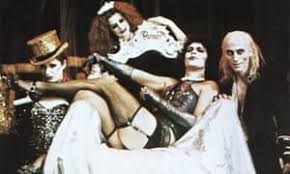
The Rocky Horror Show follows two wholesome American sweethearts, Brad and Janet, who stumble upon a spooky tumbledown mansion where they are relieved of their inhibitions by Frank-N-Furter, the sweet transvestite from transsexual Transylvania. Booked into the cramped 63-seat Theatre Upstairs at the Royal Court, the show sold out, transferred multiple times, ran for seven consecutive years and has been playing somewhere in the world ever since. A 1975 screen version became the ultimate cult movie, dominating the late-night circuit and inspiring devotees to pitch up weekend after weekend in wigs, corsets, fishnets and slap.

O’Brien, who played the hunchbacked, Time Warp-dancing butler Riff-Raff, remembers the view from the stage on opening night. “There was a big electrical storm and Vincent Price was sitting in the audience under the skylight. The lightning flashed and lit him up. I thought: ‘Fuck me, that’s a good omen!’” The theatre was packed and sweaty. “There wasn’t a spare inch. We had one microphone hanging down from the ceiling, and it would swing past the audience’s heads.”

During the show’s first transfer, “the penny dropped that there was a life to this piece that we hadn’t anticipated. I was dispassionate about it. I was one of those people who held off getting too excited about things in case they got taken away.” That said, he will admit to some astonishment at its longevity. “It’ll be 50 years old in three years’ time. It was only meant to run three weeks!”

Does he think Rocky Horror contributed to the discussion of gender and sexuality? “Most definitely so. That wasn’t intended but I’m grateful it’s helped other people feel less isolated or lonely.” It helped him, too.

His openness and inclusivity made it surprising when he remarked in 2016 that a trans woman “can’t be a woman. You can be an idea of a woman.” It felt like an inflexible statement from the man who in Rocky Horror preached the ultimate message of empowerment and self-actualisation: “Don’t dream it. Be it.”

Does he still hold that view on trans identity? “You and I have to be very careful here,” he says, sounding wary for the first time. “We’ve seen what’s been happening with JK Rowling. I think anybody who decides to take the huge step with a sex change deserves encouragement and a thumbs-up. As long as they’re happy and fulfilled, I applaud them to my very last day. But you can’t ever become a natural woman. I think that’s probably where Rowling is coming from. That’s as far as I’m going to go because people get upset if I have an opinion that doesn’t line up with theirs. They think I’m being mean-spirited and I don’t want that at all.”

He came out as transgender comparatively recently, saying at the time “I believe myself probably to be about 70% male, 30% female … I think of myself as a third sex and it makes things easier.”

There have been grim times in his life, including a period that he has described cryptically as “the abyss.” What was the nature of that? “I went mad,” he says gravely. “I stepped off the edge. I took this drug — I think it was probably a pipe of crack. It was a night from hell and it sent me loopy. It took me a long while to get over that. I could only see madness, people killing each other. I was trying to be sane but I couldn’t find sanity in the world.” It was 18 months before he felt he had fully recovered with the help of friends and family, including his grandchildren — five of them, with another on the way. “It’s one of the things that gets me through the day,” he says. “I know that I’m loved.”

The Barren Author is available to buy from www.spitefulpuppet.com

Two of Us (Deux) … Love Letters Podcast … Stanley Baxter comes out at 94!

News

The film directed by Filippo Menegheti is released in the UK on 13 November 2020.

Nina and Madeleine, two retired women, are secretly deeply in love for decades. Everybody, including Madeleine’s family, thinks they are simply neighbours, sharing the top floor of their building. They come and go between their two apartments, enjoying the affection and pleasures of daily life together, until an unforeseen event turns their relationship upside down and leads Madeleine’s daughter to gradually unravel the truth about them.


Love Letters

Hosted by Boston Globe advice columnist, Meredith Goldstein, this is a podcast called “Love Letters”. Meredith is an excellent host and storyteller and each episode is always insightful and leaves us with both helpful advice and optimism.

This episode features Jenny and Molly – two older lesbians and their relationship.


Scots showbiz legend Stanley Baxter’s secret agony as he announces he’s gay at 94

The Scottish stage and screen star told how he spent nearly 50 years married to his wife Moira despite knowing he was homosexual.

Show business legend Stanley Baxter has revealed he is gay at the age of 94.

The Scottish stage and screen star told how he spent nearly 50 years married to his wife Moira despite knowing he was homosexual.

In a new authorised biography The Real Stanley Baxter, journalist Brian Beacom reveals the secrecy and sadness that have haunted the entertainer all his life.

Baxter originally refused to have the book published before his death amid fears he would be judged and admitted he is still not comfortable with his sexuality.

The Glasgow-born star, best known for TV’s The Stanley Baxter Show, said: “There are many gay people these days who are fairly comfortable with their sexuality. I’m not. I never wanted to be gay. I still don’t. Anyone would be insane to choose to live such a very difficult life.”

He added: “The truth is, I don’t really want to be me.”

In the biography, Stanley reveals that for the past 25 years he has lived as a virtual recluse at his flat in Highgate Village, London, as he “didn’t want to be seen as someone who was once Stanley Baxter”.

He reveals that he knew from a young age that he found men more attractive than women because at the cinema he could not take his eyes off the half-naked Johnny Weissmuller as Tarzan rather than Maureen O’Sullivan’s Jane.

However he reveals it was something he did not understand until he met schoolmate Bill Henry.

Baxter said: “I was in love with Bill but he certainly wasn’t in love with me. He probably knew the way I felt about him. Although we’d spend lots of time in each other’s beds, nothing happened.”

He admits Moira knew he was homosexual before they were married and allowed him to have lovers to their home. Baxter added: “Thankfully, Moira was very understanding”.

“If there were someone I were interested in, I could bring them home. And she was very good about letting them go to bed with me. She would go off to our bedroom and let me take the one opposite.”

He remained married to Moira until she died of an overdose in 1997.

Baxter also reveals in the book that he once considered taking his own life when he was arrested for soliciting for sex in a public toilet in 1962. He visited the lavatories in Holloway, London hoping to have casual sex with a man but was taken into police custody.

The decriminalisation of gay sex between consenting adults was still five years away and Baxter was convinced he was on the verge of ruin.

However, barrister David Jacobs convinced the court that he was the only man in the toilet apart from the arresting police officers and could not have been soliciting. The charges were dropped on condition that Baxter agreed not to sue the police for wrongful arrest.

Baxter said: “I was going to top myself. I thought, ‘My career will never survive this. And if I don’t have a career, what do I have?’”

Sonder Radio … Petition to make LGBT conversion therapy illegal

News

Sonder Radio

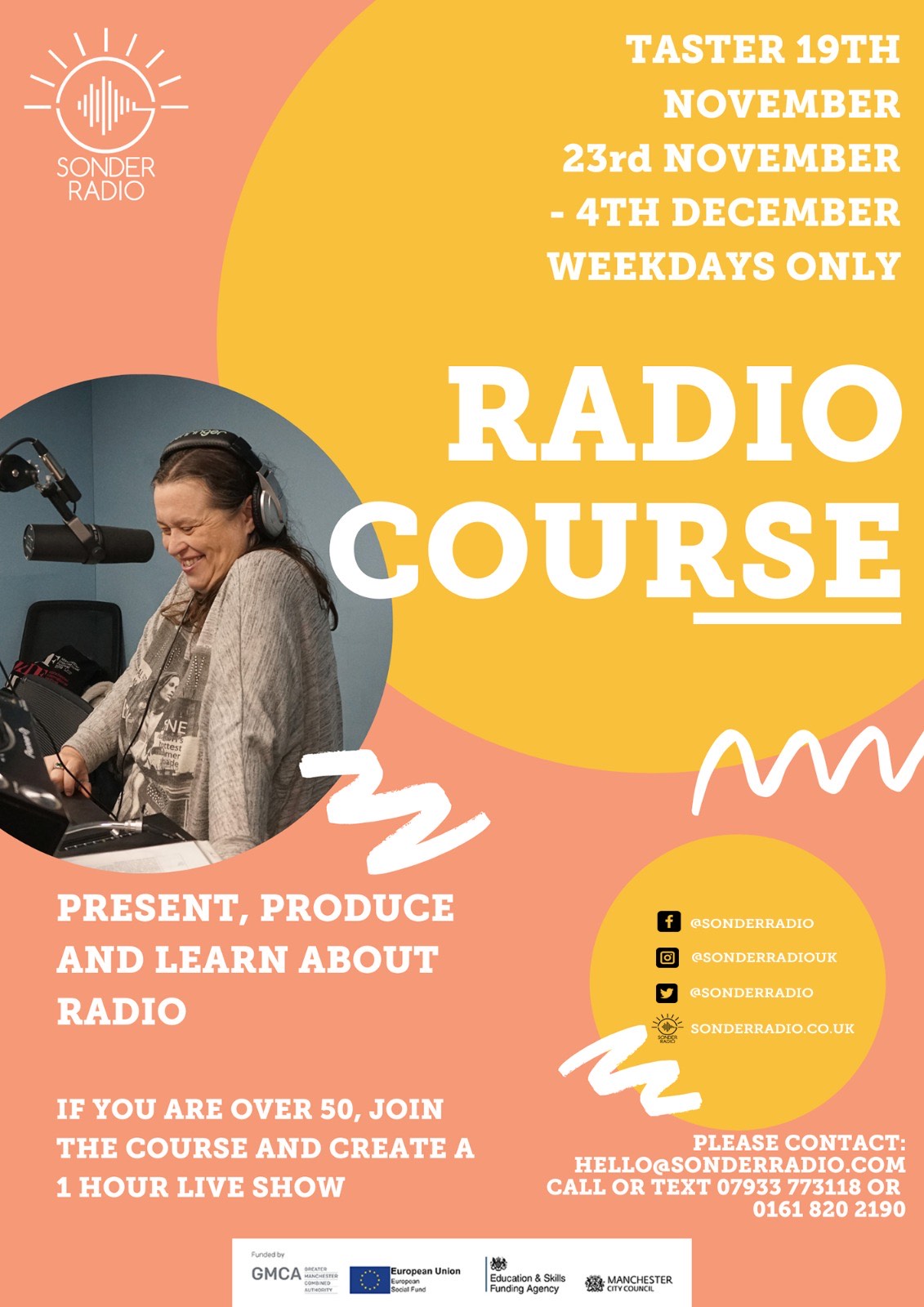
Sonder Radio has two amazing opportunities starting in November 2020.

Beginning on the 23 November (with a taster session on the 19 November), Sonder Radio is running a two week online radio making course via Zoom.

During the course, those attending will learn new creative digital skills, develop confidence, make new friends, build skills for employment and even plan and broadcast their very own live show as a group.

There will be additional support / well being sessions and opportunities for volunteering following these dates.

Those interested can reserve their free place now by getting in touch via email or by phone.

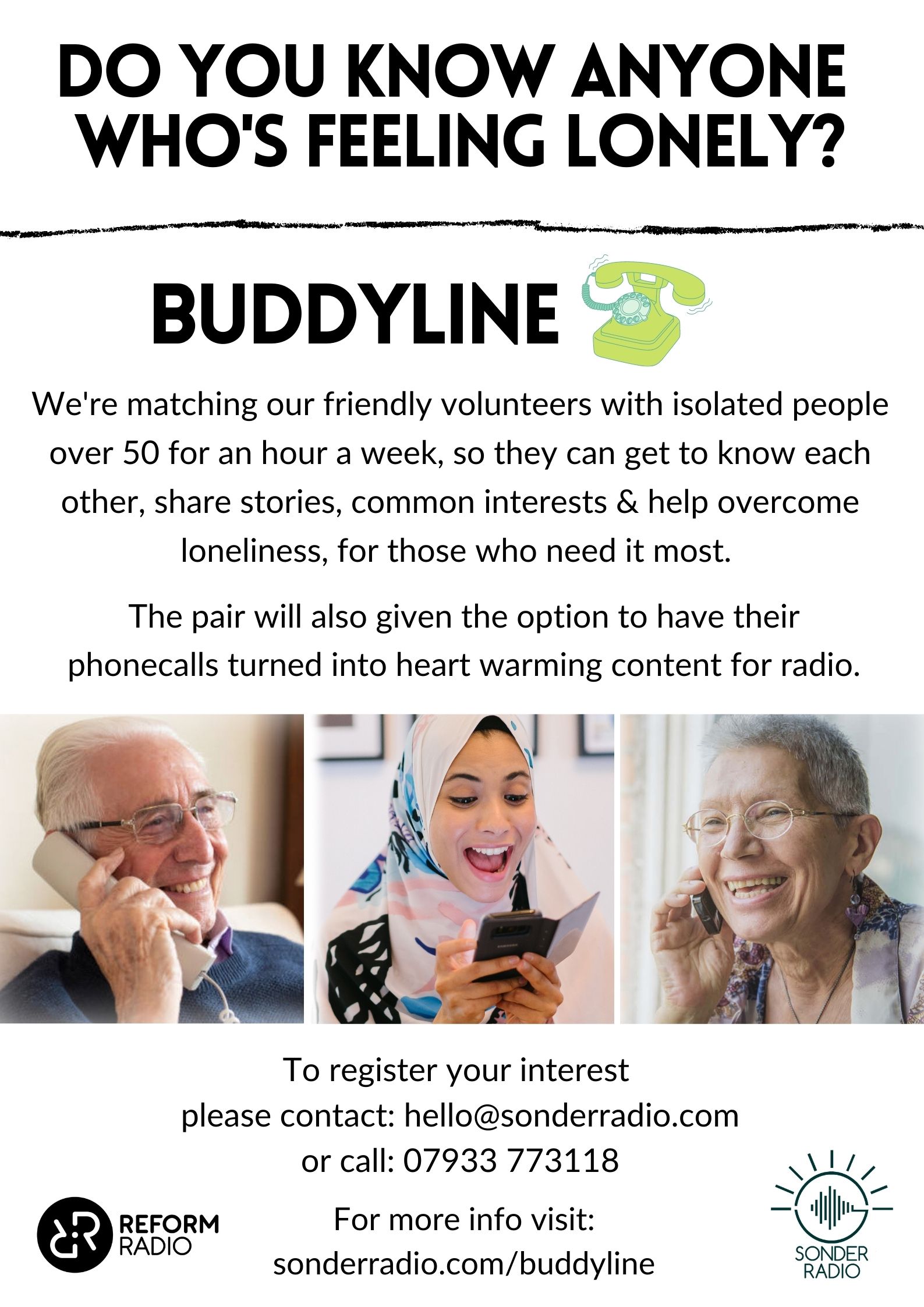
BuddyLine

In early November, Sonder Radio are bringing back their BuddyLine programme. BuddyLine is a series of intergenerational telephone conversations between people from the Sonder Radio Community of over 50s and the Reform Radio Community of under 28s.

Taking advantage of the technology available to them, the conversations will be recorded from each of the participant’s homes during isolation.

Through these honest conversations, the listeners enter into an intimate and genuine meeting between two people who would not otherwise interact in everyday society.

Sonder Radio will match people with stories that will enlighten both the listeners and each other, and demonstrate that isolation does not have to be isolating, and can create long-lasting friendships.


Petition to make LGBT conversion therapy illegal in the UK

A petition to make LGBT conversion therapy illegal has attracted 256,390 signatures and will be considered for a debate in Parliament.

The petition stated:

“I would like the Government to:
• make running conversion therapy in the UK a criminal offence
• forcing people to attend said conversion therapies a criminal offence
• sending people abroad in order to try to convert them a criminal offence
• protect individuals from conversion therapy.

Despite all major counselling and psychotherapy bodies in the UK, including the NHS, condemning LGBT conversion therapy, it is still legal and LGBT individuals in the UK are still exposed to this psychological and emotional abuse to this day. The very thought of this sickens me, and I would like to see it stopped one day.”

The petition was closed on 13 September 2020.

See attached correspondence from Catherine McKinnell MP and Elliot Colburn MP with Rt Hon Elizabeth Truss MP, Minister for Women and Equalities.

download.pdf

download-1.pdf