Phyllis Christopher’s Best Photograph … Bi Community News

News

Joy and Nakedness at San Francisco’s Dyke March
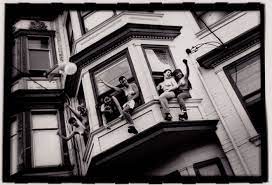
Shirtless statement – Dyke March 1999. Photograph: Phyllis Christopher

Phyllis Christopher writes:

“In San Francisco, the night before the annual Pride parade is reserved for the Dyke March, a celebration of lesbian life throughout the city. It was like our Christmas – the biggest night of the year – and half of us would be so hungover we wouldn’t make it to Pride the next day.

I remember getting a call from an editor at On Our Backs, a lesbian magazine run by women that billed itself as offering “entertainment for the adventurous lesbian”. It was a bedrock of the lesbian community – one of the few ways to communicate with one another, and to celebrate sex and educate each other about it at a time when AIDS had brought so much devastation to queer communities. The editor wanted me to shoot a kiss-in, but the tone of her voice sounded almost guilty – like she couldn’t quite bring herself to ask me to work on the biggest party night of the year, but to me, it was the most fun I could imagine.

Lesbians from all over the country, many of whom I knew, had gathered in the park, mingling and chatting to whoever came along – gay, straight, whatever gender. But when the Dyke March began, the crowds cleared and the Dykes on Bikes took the lead, with the rest of us forming a column behind.

I’ve always found something beautiful about that moment: people stepping aside to give lesbians their space, to celebrate and applaud them. Many of the women would march shirtless as a gesture of their freedom. It was a time for lesbians to assert themselves in the public sphere, a moment of safety and joy.

The rules of the Dyke March were pretty much “anything goes as long as it’s fun”. Women were celebrating being half naked, feeling safe and supported by everyone. There were no protestors because there were simply too many queer people in San Francisco. It was a moment of wild abandon, marching through the street, climbing bus stops, on top of cars, hanging out of windows.

The photo above was taken on 18th Street in the Castro, one of the centres of queer life in San Francisco. Anyone who had an apartment on the march route would take full advantage of their windows. Every year, the inhabitants of houses would lean out of the windows, often with signs, screaming for the crowd and the crowd would scream back.

More than 20 years later, this image still hits me in my gut: I feel the power in it. It encapsulates a kind of joy that, at the time, was absolutely necessary. It was a way of celebrating sex in the face of the death wrought by AIDS, and in opposition to voices on the right who blamed us for the epidemic. We couldn’t marry and job security was still uneven for queer people. We still felt like outlaws.

I have immense respect for the women who let me photograph them. It was a real political statement. But there was a feeling that it was also essential to let other gay women know that they were not alone. There’s always this stereotype of the lesbian as angry. Often we had reason to be. But sometimes, we were too busy having a great time.”

An exhibition of Phyllis Christopher’s work is at the Baltic, Gateshead, until 20 March.

Her book “Dark Room: San Francisco Sex and protest, 1988 – 2003” is out now, cost £24.00.
Bi Community News

Bi Community News (commonly shortened to BCN) is a bimonthly magazine, and the United Kingdom’s only magazine serving the bisexual population. It includes many articles reflecting bisexual life and media representation as well as news from the bisexual community.

The current editor is Jen Yockney MBE, who interviewed Norman for the latest issue (Winter 2021):

Telling Tales
As part of Manchester Pride there was a display for a local LGBT+ Oral Histories Project. Set in a public garden an assortment of posters of ordinary queer folk were tagged with QR codes that let you listen to their stories.
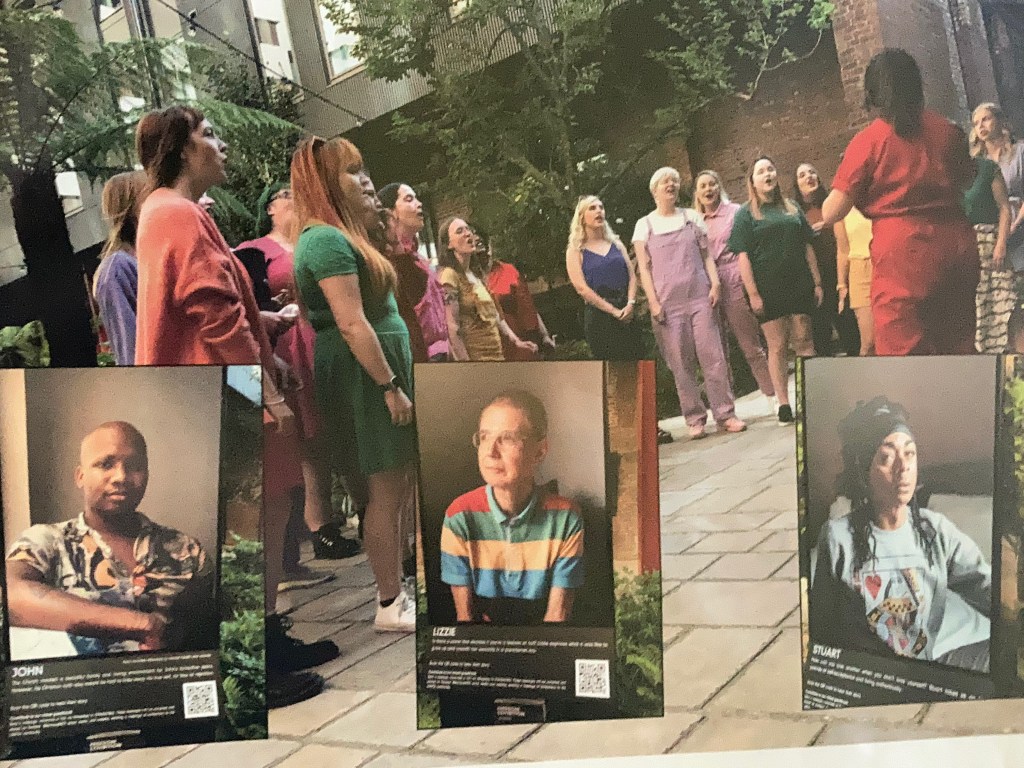
I went to the launch event and as someone who goes to LGBT talks fairly often it was a delight to have the first speaker talk about their experiences as an older bi man – that felt so rare. As the opening medley by a women-and enby choir came to an end, Norman talked about his experiences coming out as a bi man in later life. I grabbed him for a quick chat afterwards.
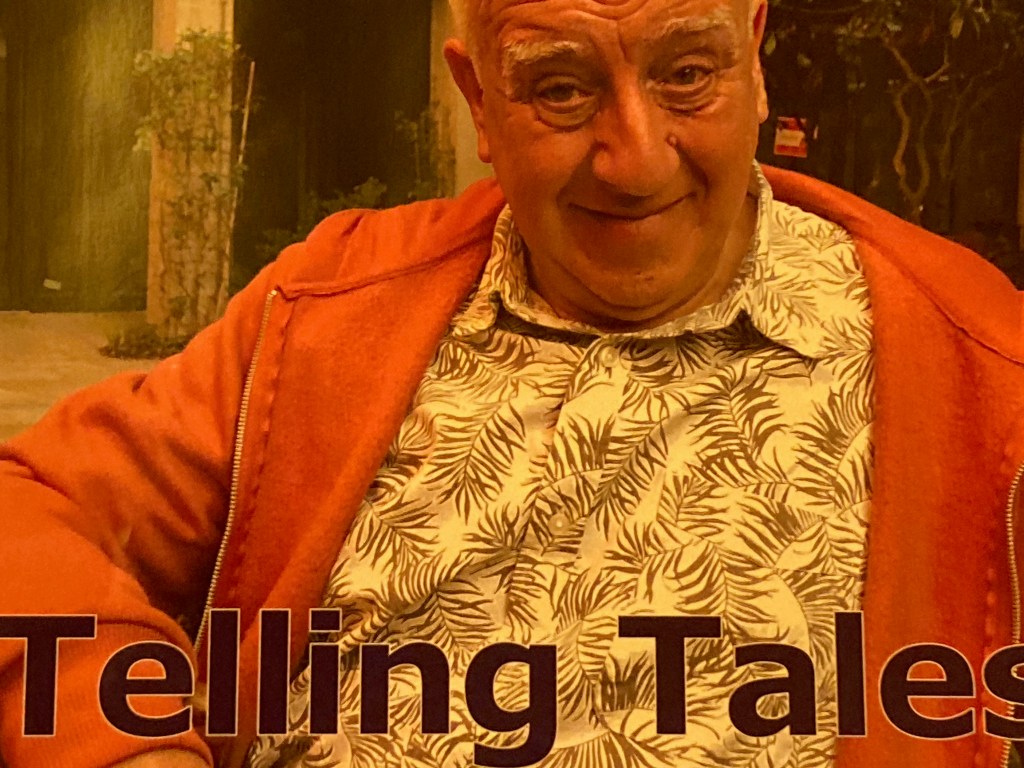

Norman: “It does me good talking about my story and I’m glad if it helps others as well, especially the older people.

I’m 71 and for the older LGBTQ – and bisexual, which is sort of swathed in between – I’m very proud to be part of the Pride in the gay village, which I’ve only started coming to in the last two years and feels so very comfortable. I’m part of an older LGBTQ people’s group and we meet in person again now. That group has let me make some lovely friends to laugh and joke with but be supporting and welcoming.”

How did he find his sense of being bi?

“We have sometimes not known which way to go as bi people – and when I was young, I was so very in love with my wife and really wanted to be straight. It took a long long time, it’s only in the last few years I have accepted I am bisexual. I’ve always said when bad things happen in life something good comes out of it and I loved my wife very much. I could not come out while she was here, but here I am now and it can be the same for other people.

It was difficult a few years after we got married I’d kept this to myself. When I told my wife, she told me that she already knew. She was intuitive and clever and she said: no, we are going to stick together. We would laugh and joke, she’d say that if I met a man I should bring him back for her, and she knew I was not so comfortable with some of the chatter of the men folk and would draw me in to being with her and her friends in social settings.”

His face lights up as he explains that the exhibition had got him on local TV and radio. “I’m thinking the more this gets into the media the more we can help people – there are people out there where there is still stigma about being LGBTQ, it’s why we still have a gay village where people can be themselves

For other older bis: “My advice is try to talk to someone, if there is no one then phone up a helpline. A doctor may be able to send you to a counsellor, or you can google for help groups for LGBTQ that are out there. Don’t do what I did and bottle it up for years because of others – you need to think of yourself. I have a relative in Bury and I’ve told her, she’s not told her husband yet but after he sees me on TV tomorrow – I am not worried at all what will happen any more, because I am me.”

Chatting with an older bi man made me reflect on the generation gap not just for bis but in the wider LGBT community, between people who grew up more recently who have been able to take so much freedom for granted.

Debates on same sex marriage are the best part of a decade old now – you can be old enough to marry and barely remember it being limited by gender. Never mind how long ago things like Section 28 or sex between men being legal is.

Yet hundreds of thousands – maybe millions? – of us grew up before all that. So many queers grew up with laws telling us we weren’t right or that we should make particular life choices to fit in better with cis and hetero normality. The lack of reflection of our lives in the media was its own version of the crass misrepresentations of social media campaigns today about the imaginary threat posed by trans people getting the same rights to function in society as cis folk are used to. It’s more often an issue for bis as we are more likely to have wound up in mixed gender relationships, with all the pressures that can bring around not coming out as it might either unsettle our partner or make friends assume there is a break up on the horizon.
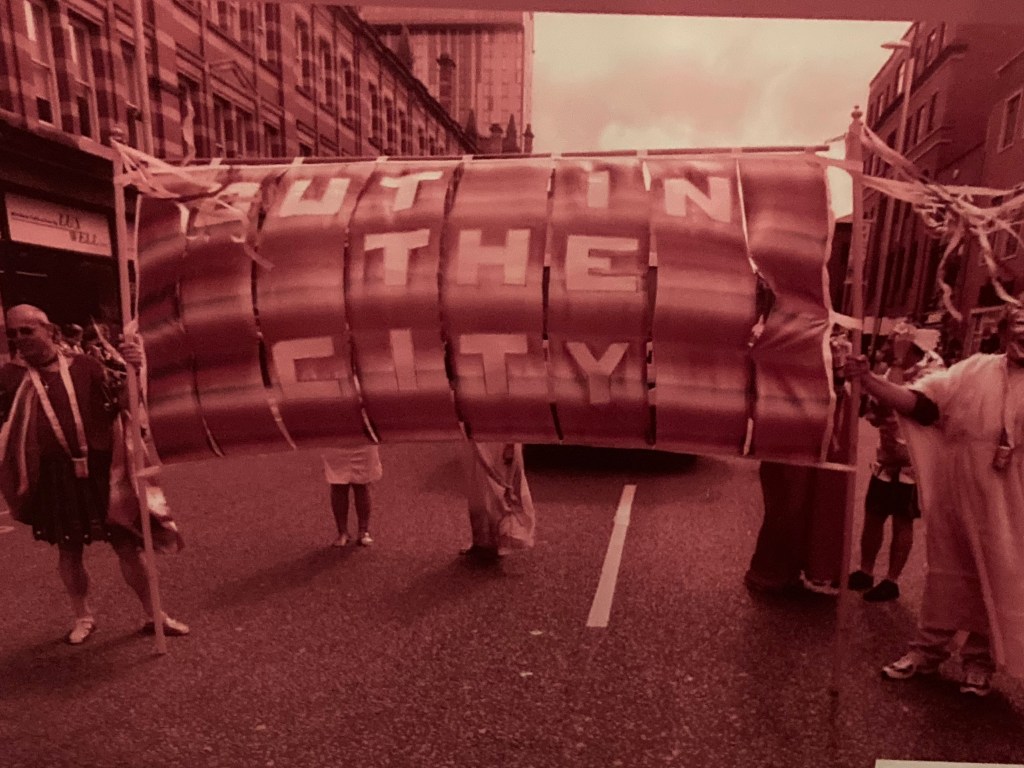
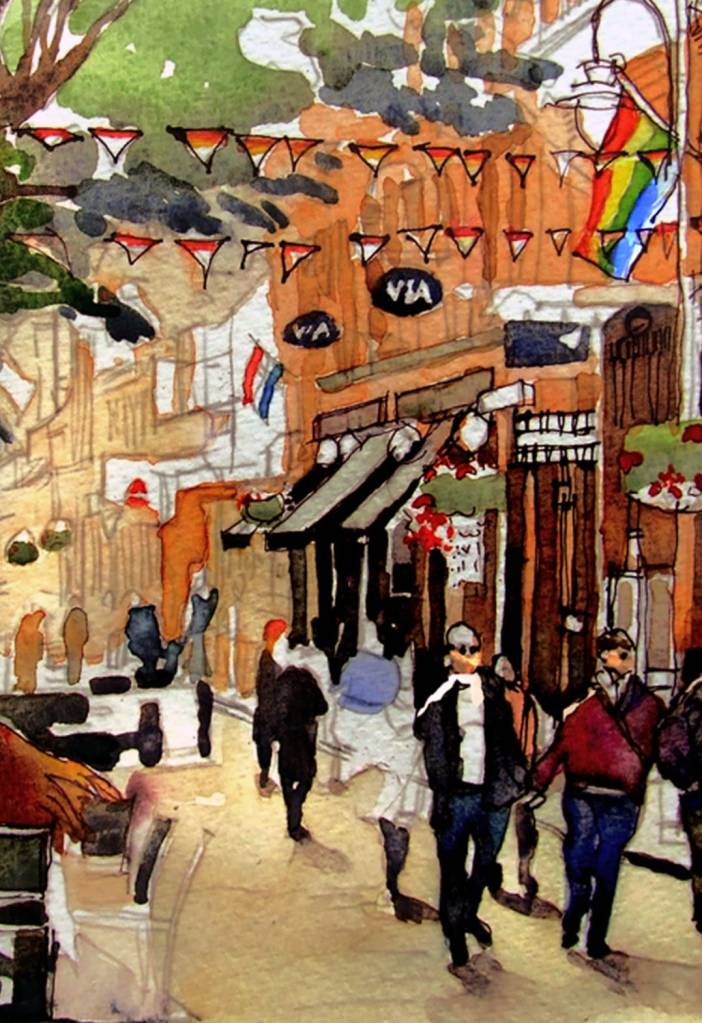
Out In The City at Manchester Pride in 2009

Michelangelo’s Sistine Chapel … Building a Better Manchester Pride

News

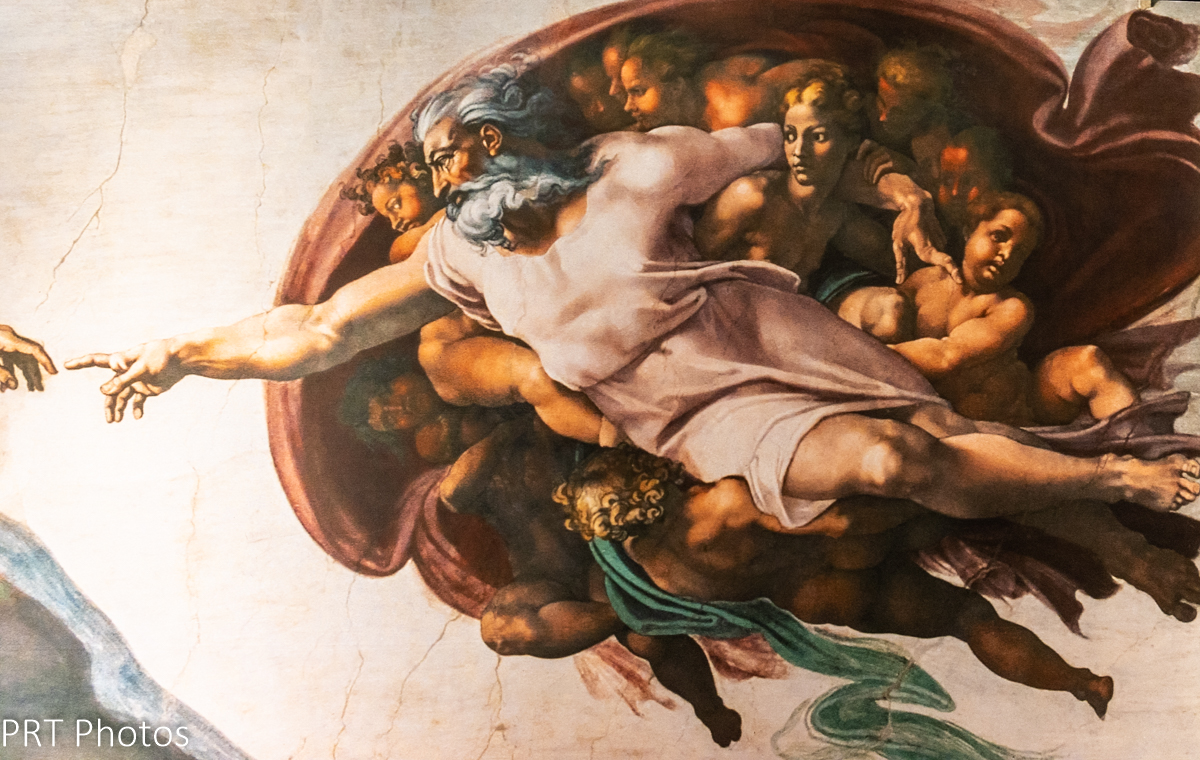
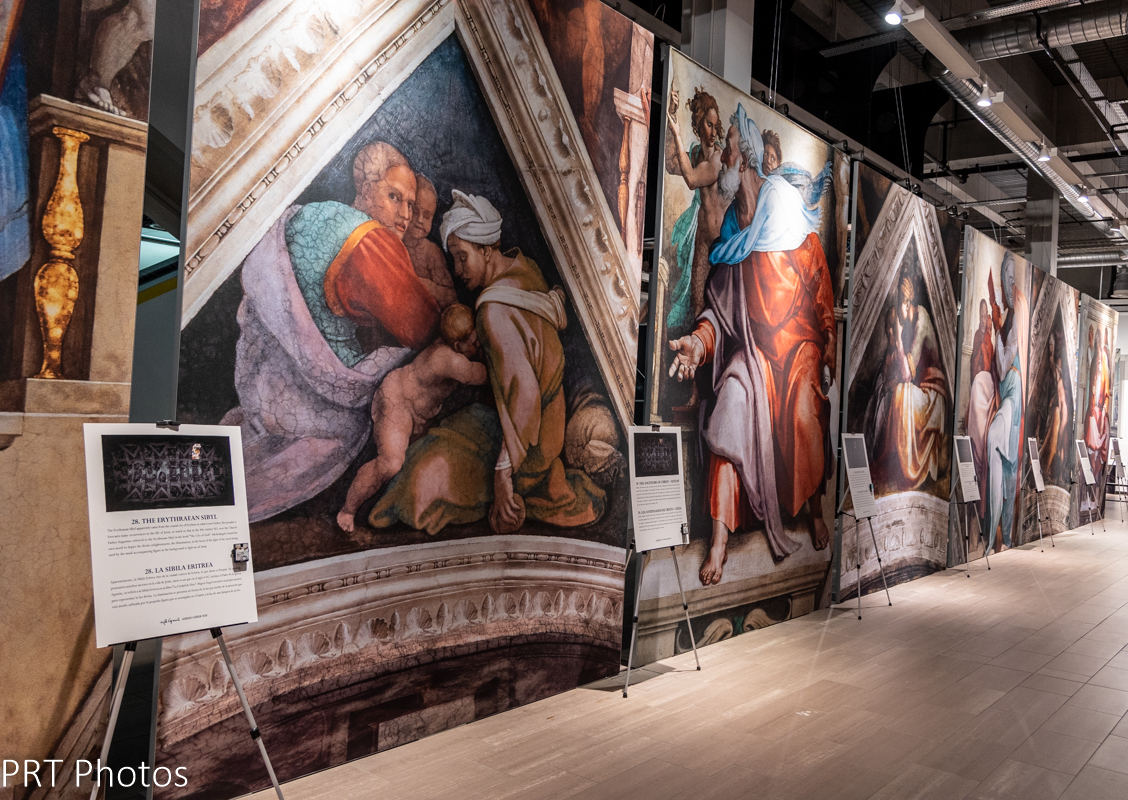
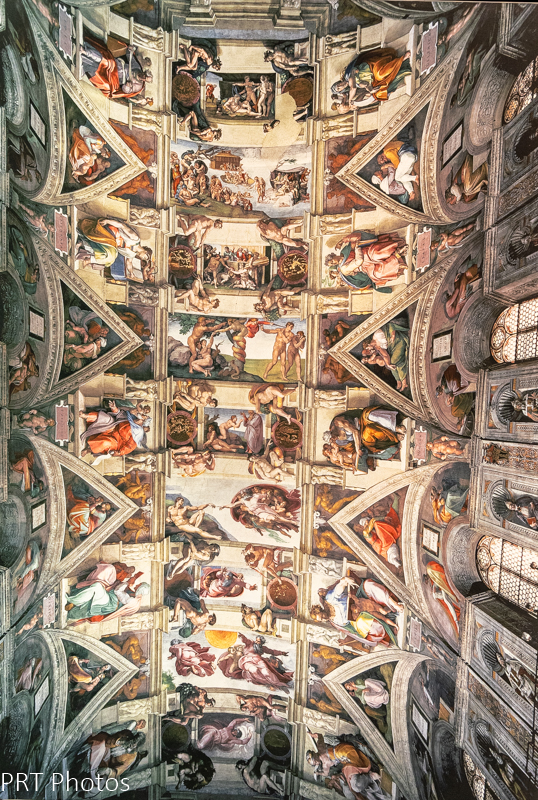
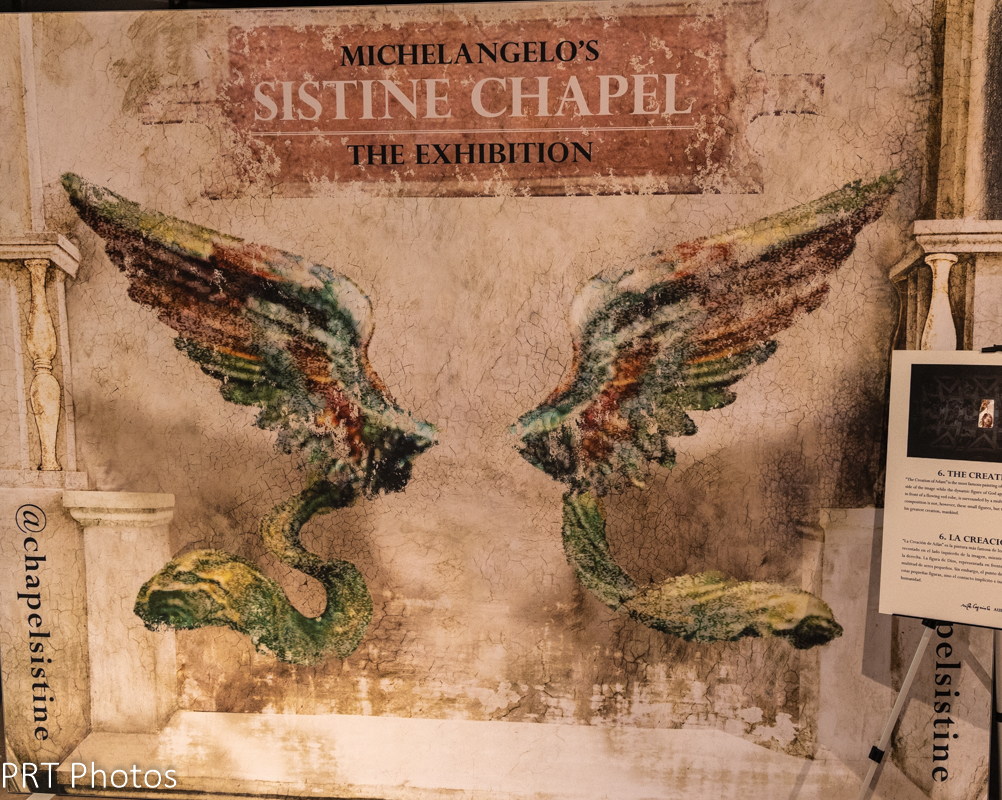
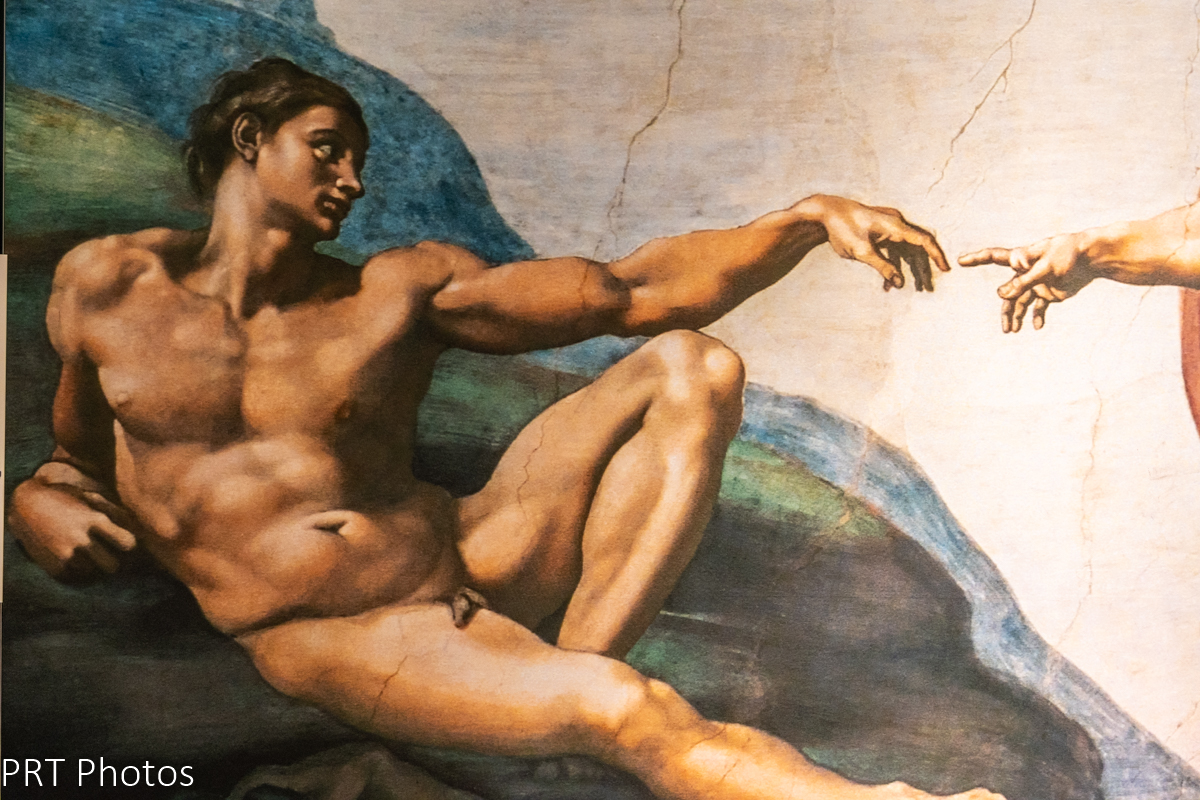
Michelangelo’s Sistine Chapel Exhibition

After Shanghai, Chicago, Phoenix, Berlin and Vienna, the Michelangelo’s Sistine Chapel Exhibition came to Manchester!

Using the Sistine Chapel ceiling measuring roughly 8611 square feet as a canvas, Michelangelo Buonarotti showcased his potential as a painter for everyone to see. His heavily populated compositions recount events from the Old and New Testaments from the story of Creation to the Last Judgment. It is arguably one of the most famous works of art in the world.

It might surprise you to find out Michelangelo accepted this job only reluctantly. He saw himself more as a sculptor than as a painter and had come to Rome in 1505 to design a large tomb for Pope Julius II. Therefore, he was rather nonplussed when he received the order to paint the ceiling of the Sistine Chapel one year later. Julius II originally wanted the twelve apostles to be the theme of the ceiling frescoes. However, Michelangelo considered this suggestion as rather poor, and he created the complex fresco cycle that this exhibition focuses upon.
After only 4.5 years, the Sistine Chapel was opened with a festive ceremony on All Saints’ Day, 1512. In 1536 Michelangelo was commissioned by Paul III who wanted a new design of the wall behind the altar in the Sistine Chapel. The Last Judgment was completed five years later.

We stepped into Michelangelo’s shoes and gained a new perspective on these famous works of art.

More photos can be seen here.

Building a better Manchester Pride through community collaboration and co-design

Manchester Pride are pleased to share details on the charity’s future direction and Manchester Pride celebrations following the Pride In Our Future community consultation.
The six-month review was conducted after some LGBTQ+ communities indicated the focus of their grant-giving no longer reflected some of the key causes that mattered most to them.

The findings from the consultation addressed key areas surrounding its role in grant making for local groups and causes, as well as the format and delivery of the annual Manchester Pride celebration in August.

Paul Wheeler, Chair of Manchester Pride’s board of Trustees, said: “I’d like to say a big thank you to the thousands of individuals who had their say on the future direction of the charity.

Manchester Pride should be something everyone feels proud of and can see a little bit of themselves reflected back in.

We acknowledge we got some things wrong last year and we’re sorry for the upset and frustration this caused. It is important that Manchester Pride reflects what Manchester’s LGBTQ+ communities tell us they want and this review has shown how we can do better.”

The stand-out themes which will be taken forward include:

  • Manchester Pride will create more opportunities to consult with communities in order to co-design future Pride events
  • Connecting Manchester Pride Charity’s grant-giving work with input from communities
  • Ensuring all Manchester Pride events are accessible to all members of our communities we will:
    • Clarify and publish the commitment to low income tickets by the end of March.
    • Introduce quiet spaces at Pride events from this year.
    • Work towards an aspirational level of accessibility accreditation and offer to partner with LGBTQ+ business in the Gay Village to help them be part of this
  • Manchester Pride’s August celebrations will continue, the Charity will refocus its efforts back onto its activist roots
  • As a result, Pride celebrations will be focused around the Gay Village Party and MCR Pride Live will not go ahead in 2022 – it was identified as less important by the communities in furthering their aims
  • The Parade, The Candlelit Vigil, the Gay Village Party, Superbia Weekend, Youth Pride MCR, Family Pride MCR and Human Rights Forum will proceed – identified by the community as vital elements of Manchester Pride
  • A fixed amount or percentage of each ticket purchased to Pride events, directly to the community fund.

The Board of Trustees will be more visible and connected with communities, and commit to ensuring greater transparency on the charities actions.

Valentine’s Day … National HIV Testing Week … LipService return to Bury Met

News

Valentine’s Day

Valentine’s Day, is celebrated annually on 14 February. It originated as a Christian feast day honouring one or two early Christian martyrs named Saint Valentine and, through later folk traditions, has become a significant cultural, religious, and commercial celebration of romance and love in many regions of the world.

Roses are Red,

Violets are Blue,

We love all our readers,

Especially you!

National HIV Testing Week

National HIV Testing Week is back! From Monday 7 February we’re calling on people across the country to ‘give HIV the finger’.

National HIV Testing Week is a great opportunity for you to get tested and encourage others to do the same, particularly those from groups most affected by HIV, including gay and bisexual men and black African men and women.

This year’s campaign follows National HIV Testing Week 2021’s record-breaking success — more people than ever before took action and got tested. It’s crucial that we maintain this momentum as we work towards ending new cases of HIV by 2030.

Regular HIV testing benefits each and every one of us. People can live with HIV for a long time without any symptoms, testing is the only way to know your status. The sooner you know it, the sooner you can get on treatment if needed and avoid passing the virus on to anyone else. Most people will get a negative result but whatever happens, it’s important to know that anyone diagnosed with HIV in the UK can access free treatment and support.

Regular HIV testing also helps to reduce the number of people living with undiagnosed and those diagnosed late. This is vital as 1 in 20 people with HIV are unaware they have it, increasing the risk of passing it on to sexual partners. Additionally, 42% of people diagnosed with HIV in 2020 were diagnosed late—at this point, the virus has already started to damage your immune system.

It’s never been easier to get an HIV test and to get a result quickly— all it takes is a finger-prick test. You can get a test in person or order tests online, with free and paid-for options. Many tests will provide you with a result in just a few minutes.

Prince Harry vows to continue Diana’s HIV work

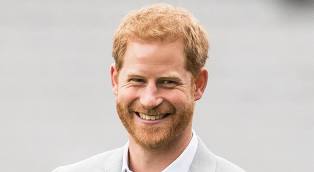
It’s National HIV Testing Week in the UK. To mark the occasion, Prince Harry, the Duke of Sussex, had a 30-minute video chat with gay, former rugby player Gareth Thomas.

The Welsh sporting legend publicly revealed he was living with HIV in 2019 after tabloid newspapers threatened to out him.

During the video chat, the Prince urged people to “go and get a test” and to “know your status”

Prince Harry described himself as “a typical guy” who just wants to “fix things”, and said he feels an “obligation” to try to continue his late mother’s bid to remove stigma surrounding the virus

His mother, the late Princess Diana, famously visited AIDS wards in the 1980s and made headlines for holding the hands of gay men who were ill with the virus. At the time, this simple gesture helped tackle some of the stigma faced by those living with HIV.

“I could never fill her shoes, especially in this particular space,” Harry said, “but because of what she did and what she stood for and how vocal she was about this issue … it’s a converging of all these different pieces.

There’s a way out of it, and if there’s a way out of it and we know there’s a solution, I’m like a typical guy. I just want to help fix things.”

This is not the first time Harry has campaigned to raise awareness around HIV. On two previous occasions, he has been filmed getting an HIV test, including in December 2016 when he did so with Rihanna in Barbados on World AIDS Day. He has also been to countries such as Lesotho and Botswana, where HIV has previously had a devastating impact.

Asked by Thomas why he cared about this issue, Harry said, “Once you get to meet people and you see the suffering around the world, I certainly can’t turn my back on that. Then add in the fact that my mum’s work was unfinished, I feel obligated to try and continue that as much as possible.

Every single one of us has a duty, or at least an opportunity, to get tested ourselves or to make it easier for everybody else to get tested. And then it just becomes a regular thing like anything else.

This testing week, especially in the UK, or wherever you are in the world, go and get a test. Let people know that you know your status. Do it.”

Thomas talked about his own diagnosis and the reality of living with HIV in 2022.

“It wouldn’t be scary if you understood what living with HIV in 2022 is,” he said, adding that it gave him more of “an appreciation of life”.

“I take a moment at 6.00am … I take my HIV medication which is one tablet, and I feel that my day then begins. I’m very active, I go to the gym, I work as hard as I possibly can, and I think with that appreciation of life comes this sense of not being selfish.”

A condition he “thought would be a life-ending condition, it’s actually turned into being a life-affirming condition”, he said.

The video call came after recently released data in England revealed that more heterosexual people are acquiring HIV nowadays than gay and bisexual men. At the start of the week, the UK Health Security Agency revealed half of all new HIV infections were in heterosexual people (50%) in England in 2020, compared to 45% in gay and bisexual men. The country has seen a 71% drop in HIV diagnoses in gay/bi men since 2014. This has been fuelled by encouraging people to get tested and on to treatment if positive. Once undetectable, they cannot pass the virus on. PrEP was also finally approved by the NHS, in 2020, and that’s believed to have further cut transmission rates.

Comedy theatre duo LipService return to Bury Met with their latest hilarious show

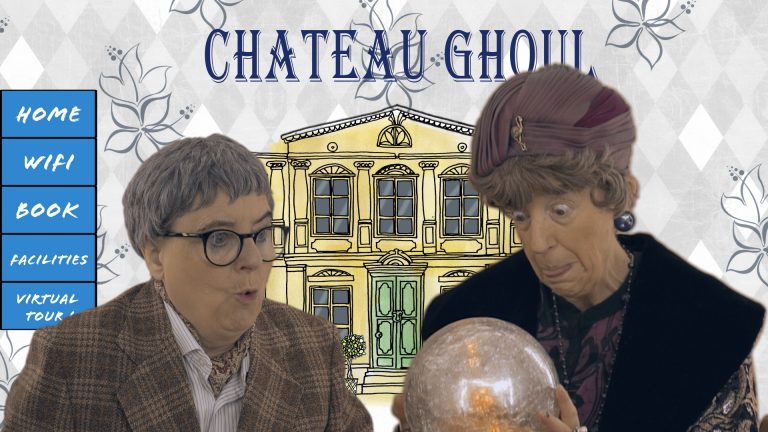
Château Ghoul is East Yorkshire’s go-to boutique hotel offering themed weekends. Our hosts Brian and Brenda Binns or B&B as they are known introduce a cornucopia of events: their supernatural sensation – Psychic Attraction (like Fatal Attraction but without the rabbit), their Upcycling weekend (not to be confused with the Tour de Yorkshire Lycra Festival), and the ever popular 1970’s Shanga Langa Waddy Ding Dong experience.

Guaranteed fun for all the family, the only trouble is – the guests keep dying …

This latest comedy from award winning LipService combines live on stage hilarity with stunning digital projections to create a multimedia haunted house thriller.

Wednesday 30 March 8.00pm and Thursday 31 March 8.00pm.

From £16.00. Book online or via box office on 0161 761 2216.

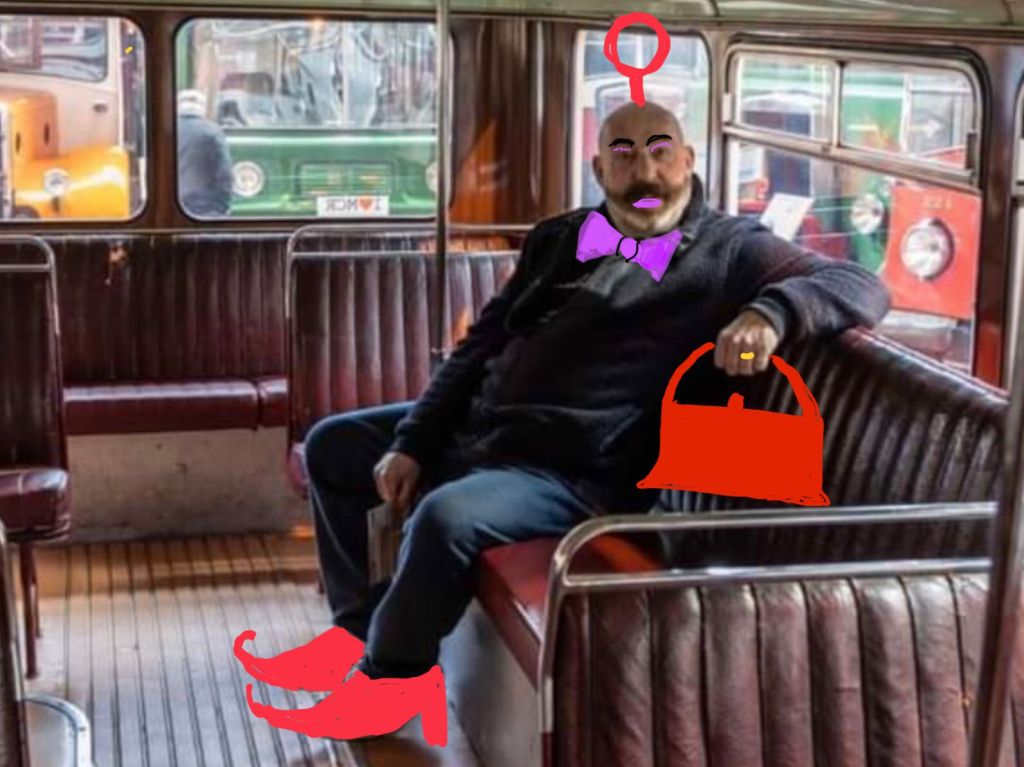
Gary from Wolf is on the tour bus

Museum of Transport … Manchester Libraries … pdfdrive.com

News

Museum of Transport

The Museum of Transport aims to preserve and promote the public transport heritage of Greater Manchester.

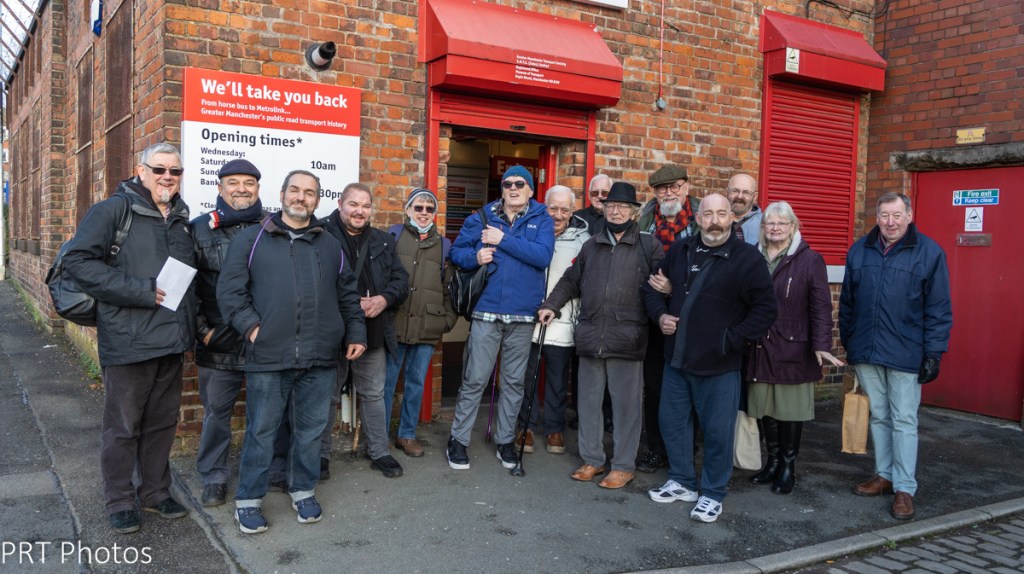
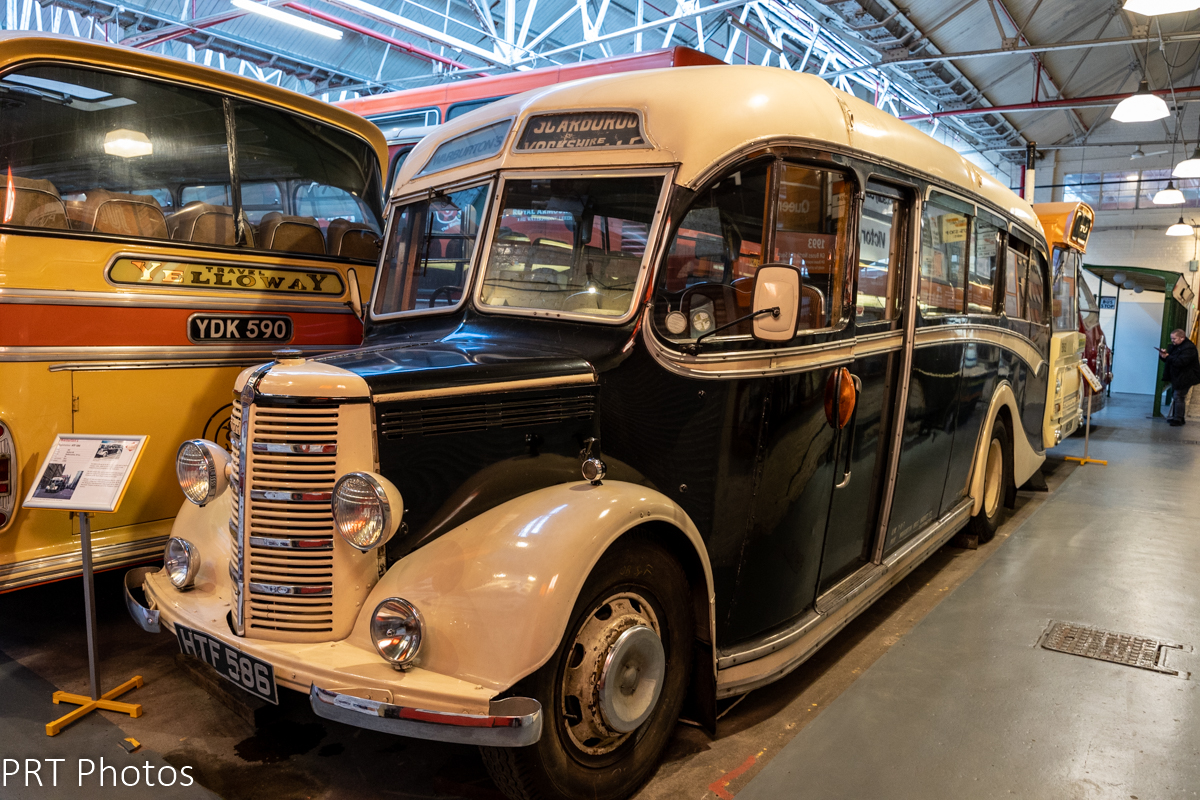
The museum was established at Boyle Street, Cheetham Hill, and was opened to the public on 27 May 1979. The day-to-day running of the museum is carried out by volunteers. Our tour guide, Paul, was enthusiastic and very informative.

The museum is housed in a former Manchester Corporation Transport bus depot, to the rear of a former electric tram shed on Queens Road, built in 1901. The museum building itself was added later and consists of two distinct halves, a dedicated bus garage completed in 1928, which now serves as the museum entrance area and upper hall, and a lower hall, which was created in 1935. The whole block of buildings was Grade II listed in 1988 for its historical significance.

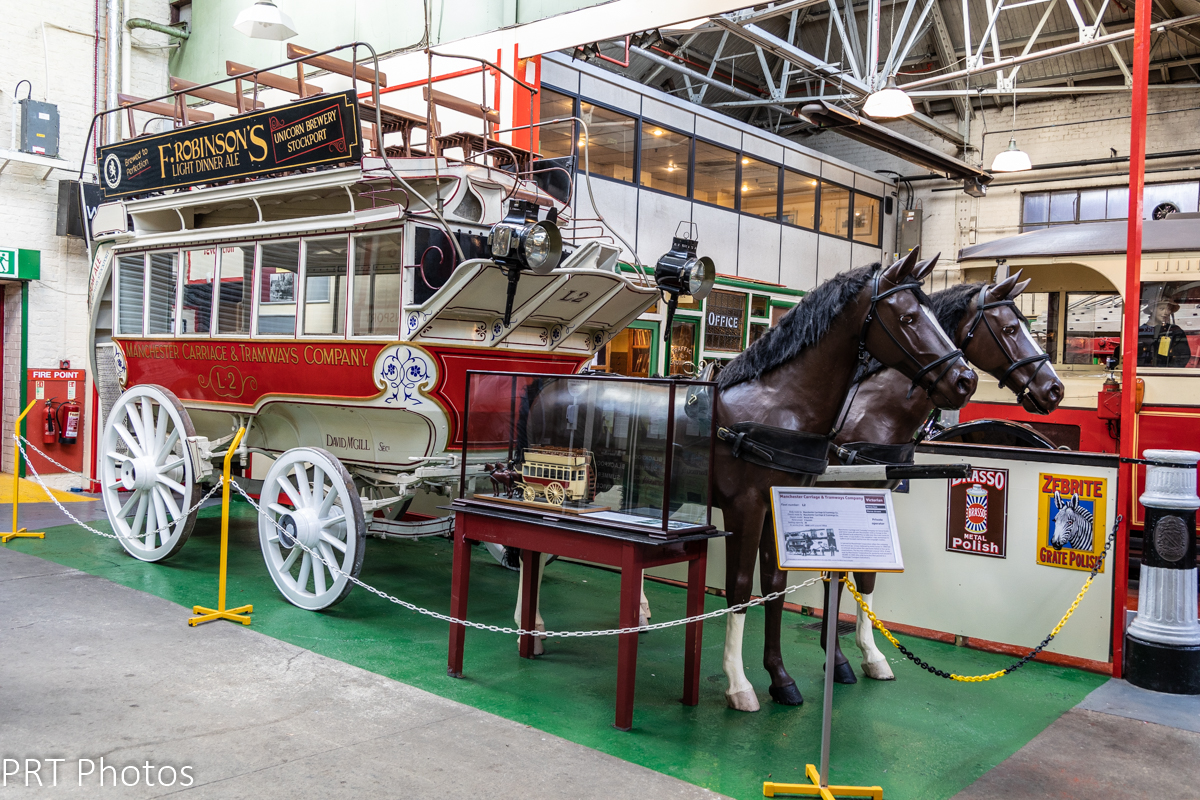
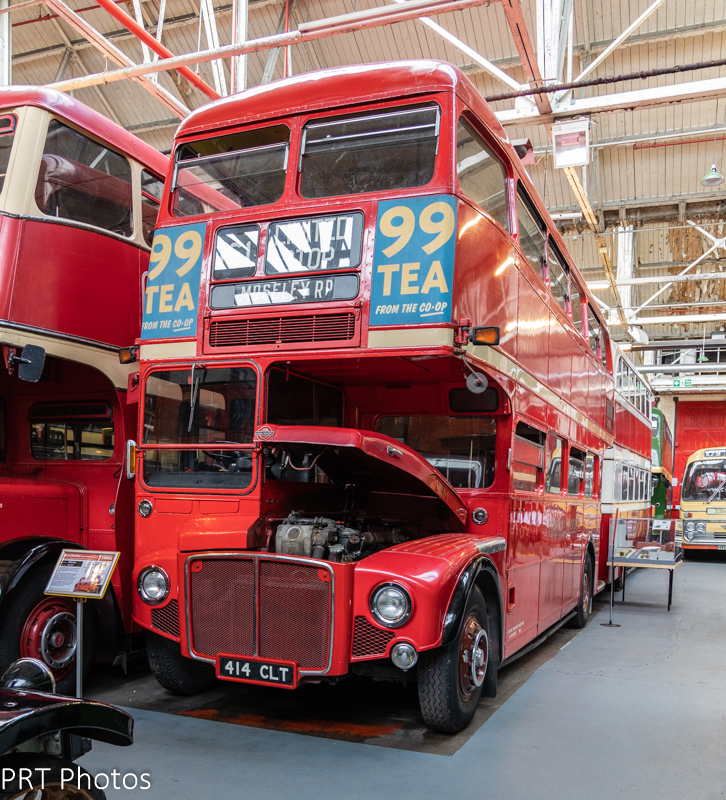
The museum holds a sizeable collection, including around 80 buses, one of the largest collections of its kind in the United Kingdom. Also in the collection are a 1901 Manchester Corporation Tramways tram, two trolleybuses and the prototype Manchester Metrolink tram.

In addition to vehicle exhibits, the collection of objects includes old transport signs, uniforms, vehicle fittings and ticketing equipment. The extensive archive collection includes historic timetables, maps, books, posters, manuals and plans.

We ended our tour in the museum’s period tea room where we enjoyed teas, coffees and snacks.

More photos can be seen here.

Manchester Libraries

To celebrate LGBT+ History Month in 2022, Manchester Libraries are promoting books of LGBT+ interest:

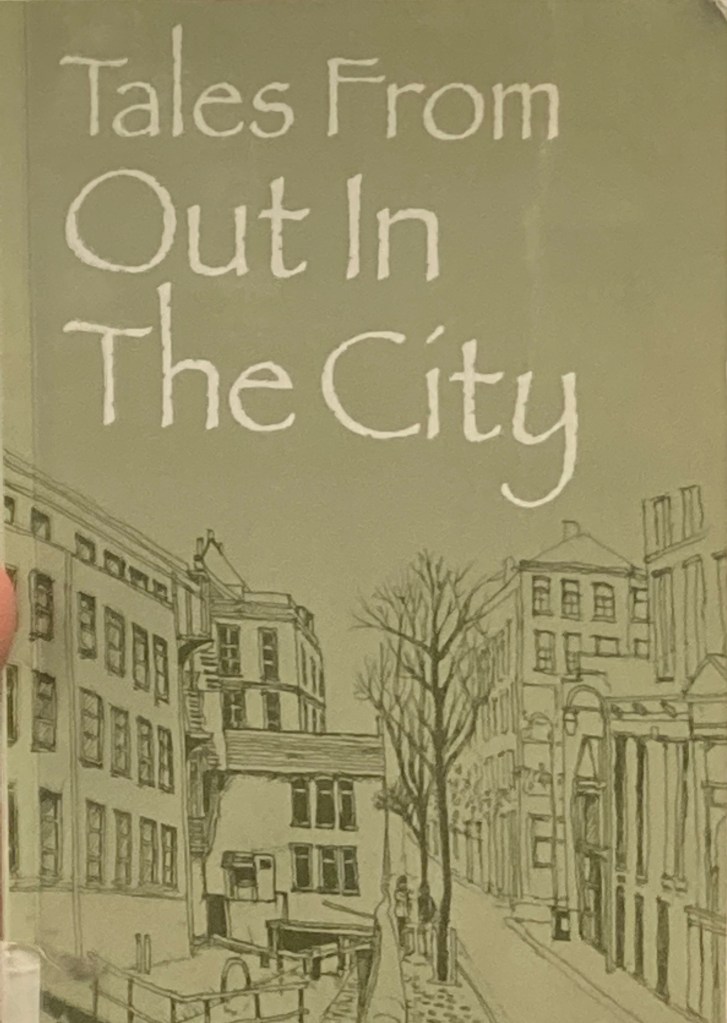
Tales From Out In The City

In Manchester Central Library one of the featured books is “Tales From Out In The City”, an anthology from 2009 about the members of our group.

The stories, letters and poems tell of anxiety, joy, unrequited love, passion, embarrassment and bravery in the face of discrimination. There is also determination, even if something took decades to achieve, such as finally being true to oneself. Above all there is wisdom. The stories help us understand the fight, struggle and political activism that have been so crucial a part in helping us achieve our equal place in society.

pdfdrive.com

I have recently discovered this search engine – pdfdrive.com.

It’s a search engine for PDF files. There are nearly 77 million eBooks for you to download for free. No annoying ads, no download limits, enjoy it and don’t forget to bookmark and share the love! Just do a search, for example, “LGBTQ”, “Christopher Isherwood” or “Gertrude Stein” and you will find loads of books that you can download to read.

Canal Street, Manchester

Museum of Science and Industry … A Minute’s Violence for Derek Jarman … Quirky Art Exhibition

News

Museum of Science & Industry

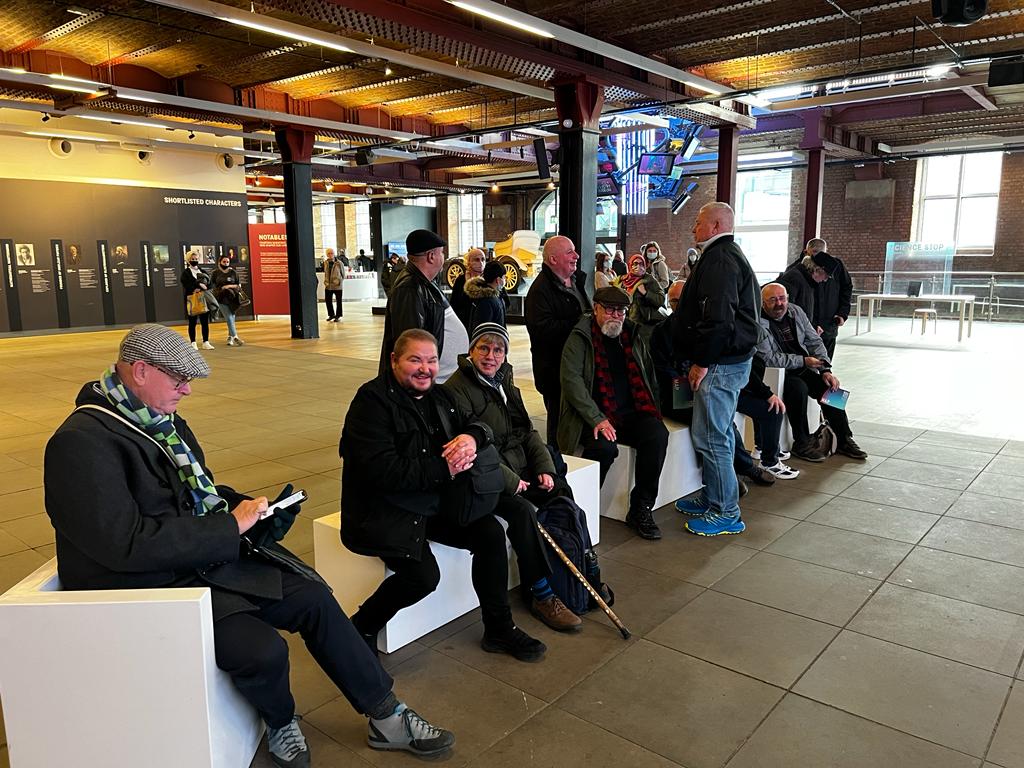
We met at the Deansgate / Castlefield tram stop and walked to the Oxnoble pub for food and drink. It’s only two minutes walk from the Museum of Science & Industry (MOSI) and I think most people enjoyed the refreshments.

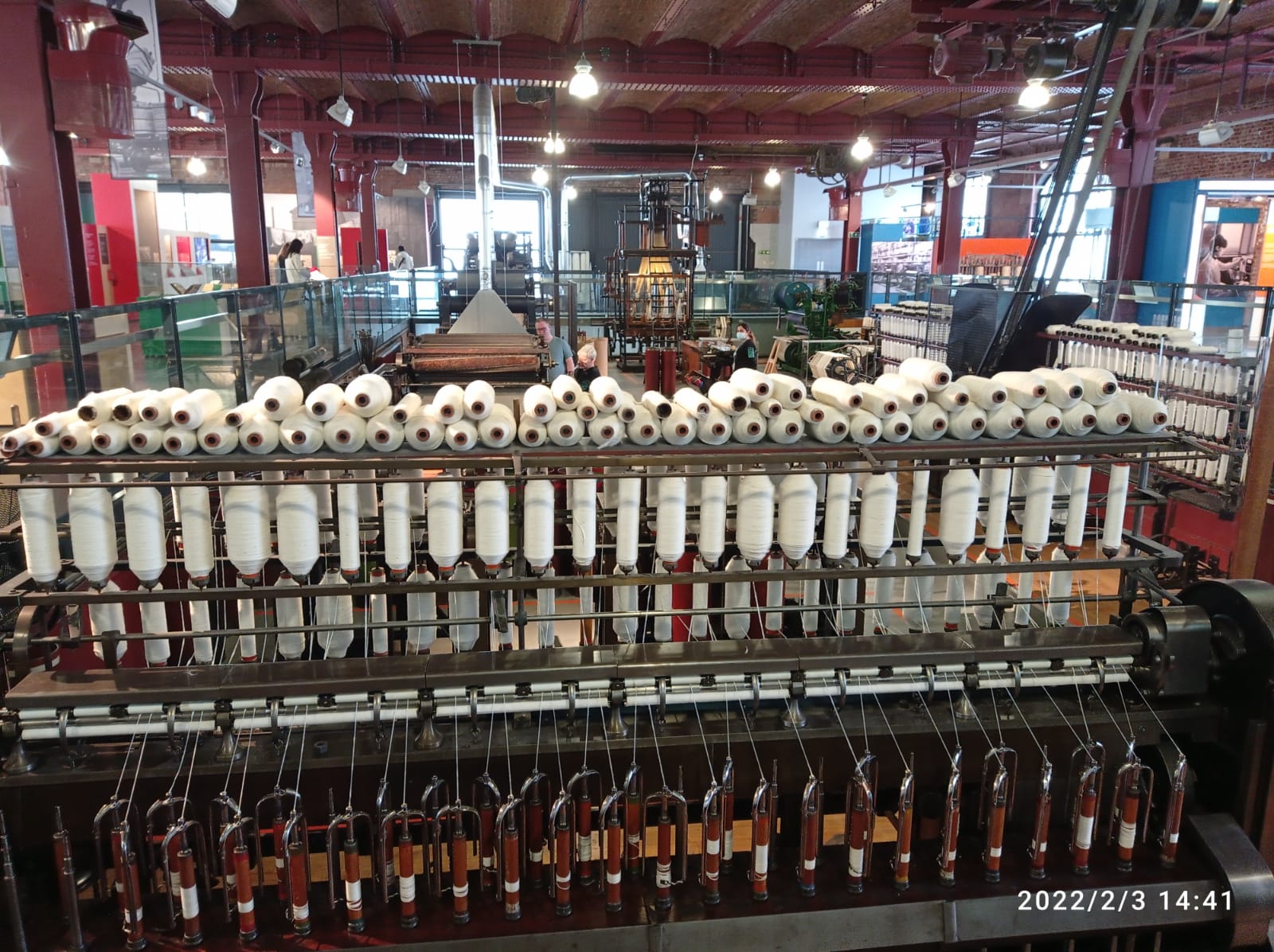
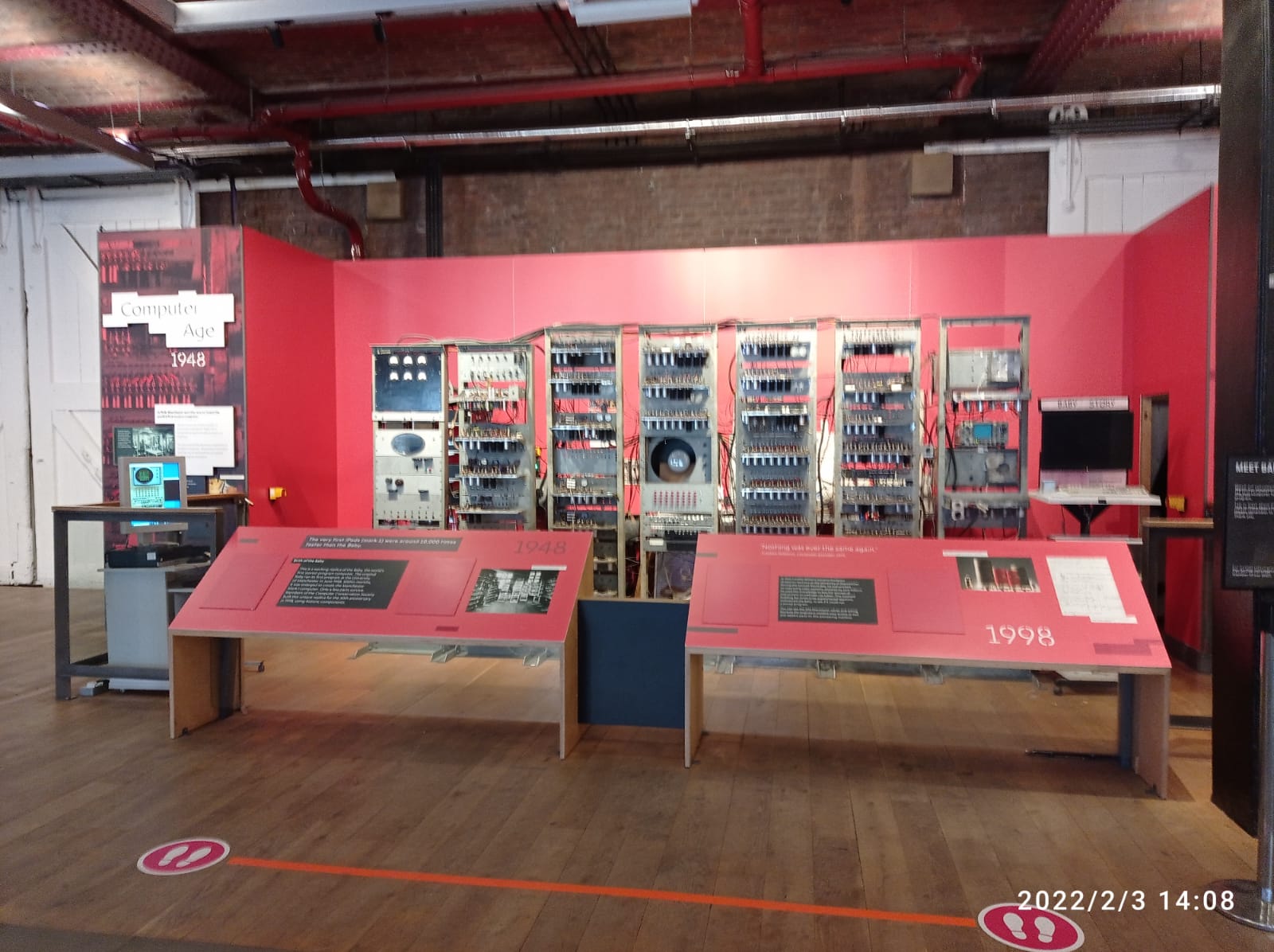
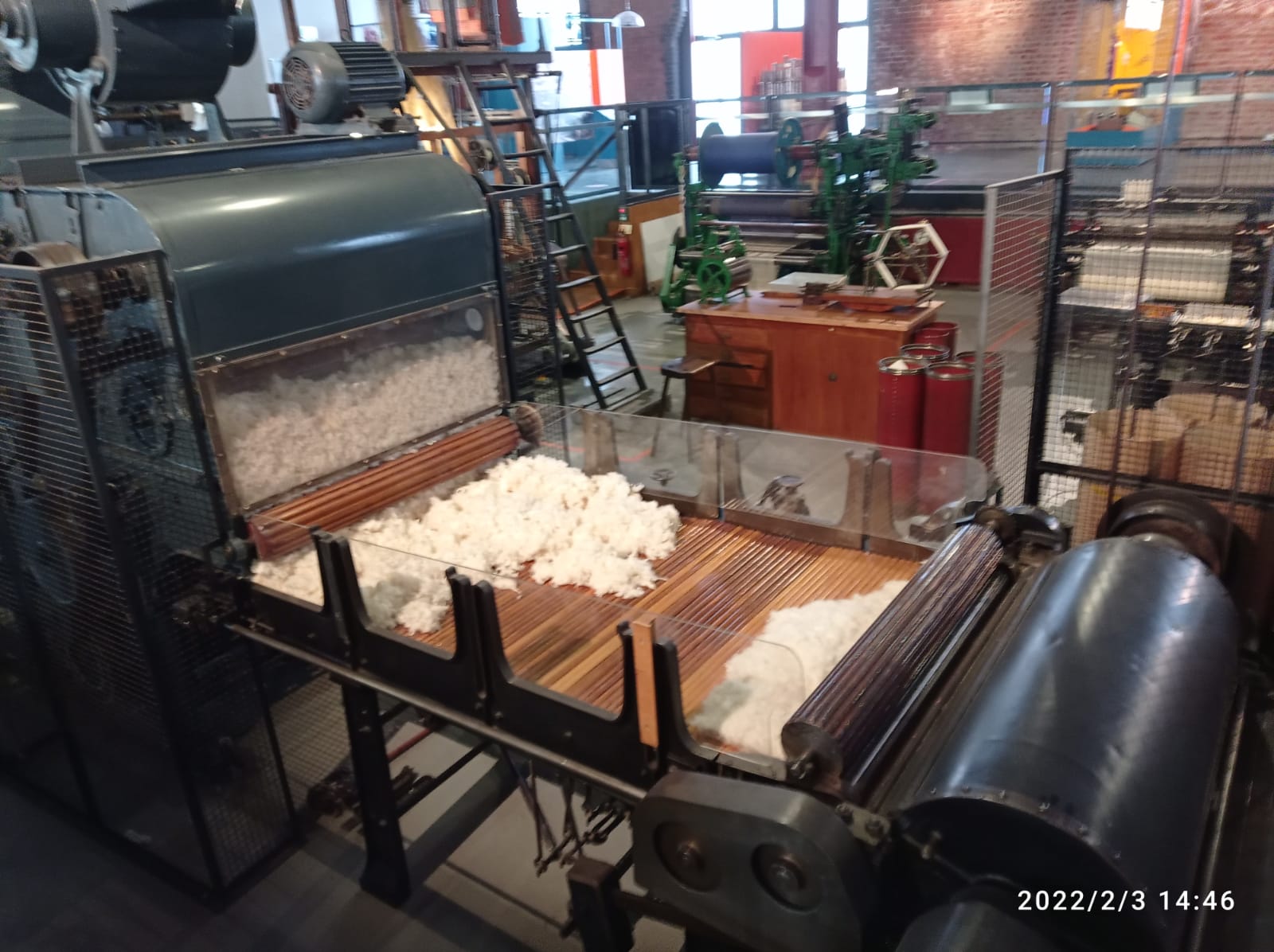
Visiting the MOSI was an interesting experience as the museum traces the development of science, technology and industry with emphasis on Manchester’s achievements in these fields.

Cotton, trade and power

East India Company sailing ships introduced India’s cotton to Britain. The company also sold the cloth around the world. By dominating other countries sometimes with violence, Britain controlled trade across the globe. India’s skilled workers struggled to compete with Manchester’s mass-produced cotton goods and thousands lost their livelihoods.

The museum is also on the site of the world’s first passenger railway station – Manchester Liverpool Road – which opened as part of the Liverpool & Manchester Railway in 1830.

A member of staff gave a demonstration undertaking some small experiments and providing some interesting facts.

There was also an exhibition on the history of cancer. More photos can be seen here.

A minute’s violence for Derek Jarman

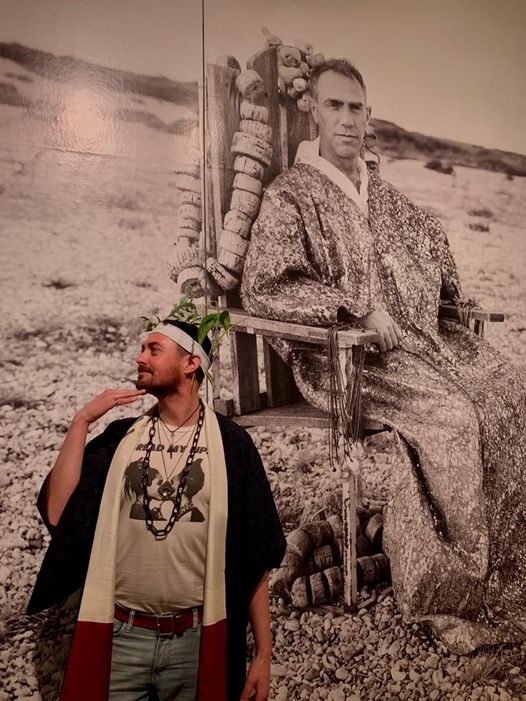
When the Derek Jarman exhibition (Protest!) launched on 1 December 2021 in Manchester Art Gallery, there was a minute’s silence. This was totally appropriate as it was World AIDS Day.

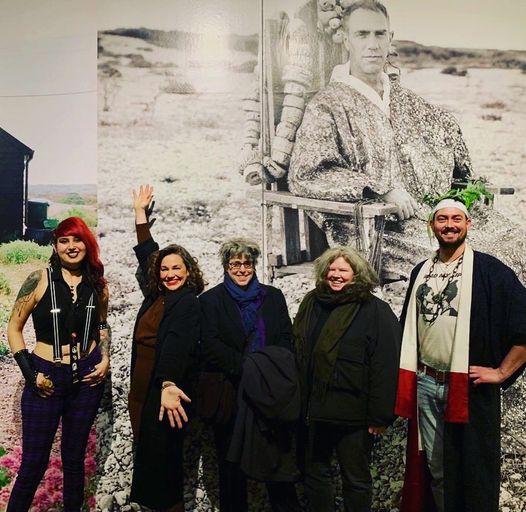
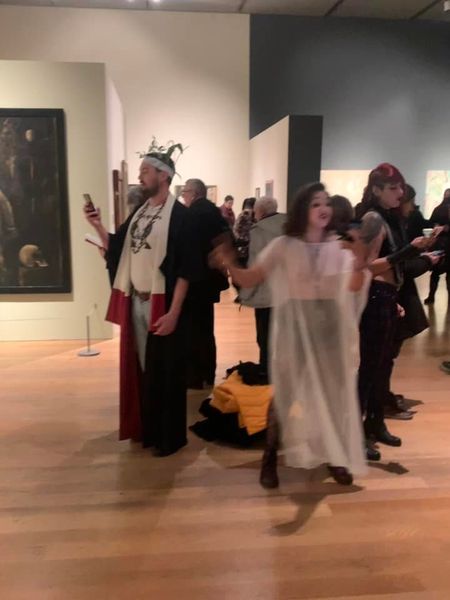
In the exhibition last Saturday a few of us gathered for a “zap” – a minute’s cacophonous noise – it’s what Derek would have wanted.

Quirky Art Exhibition

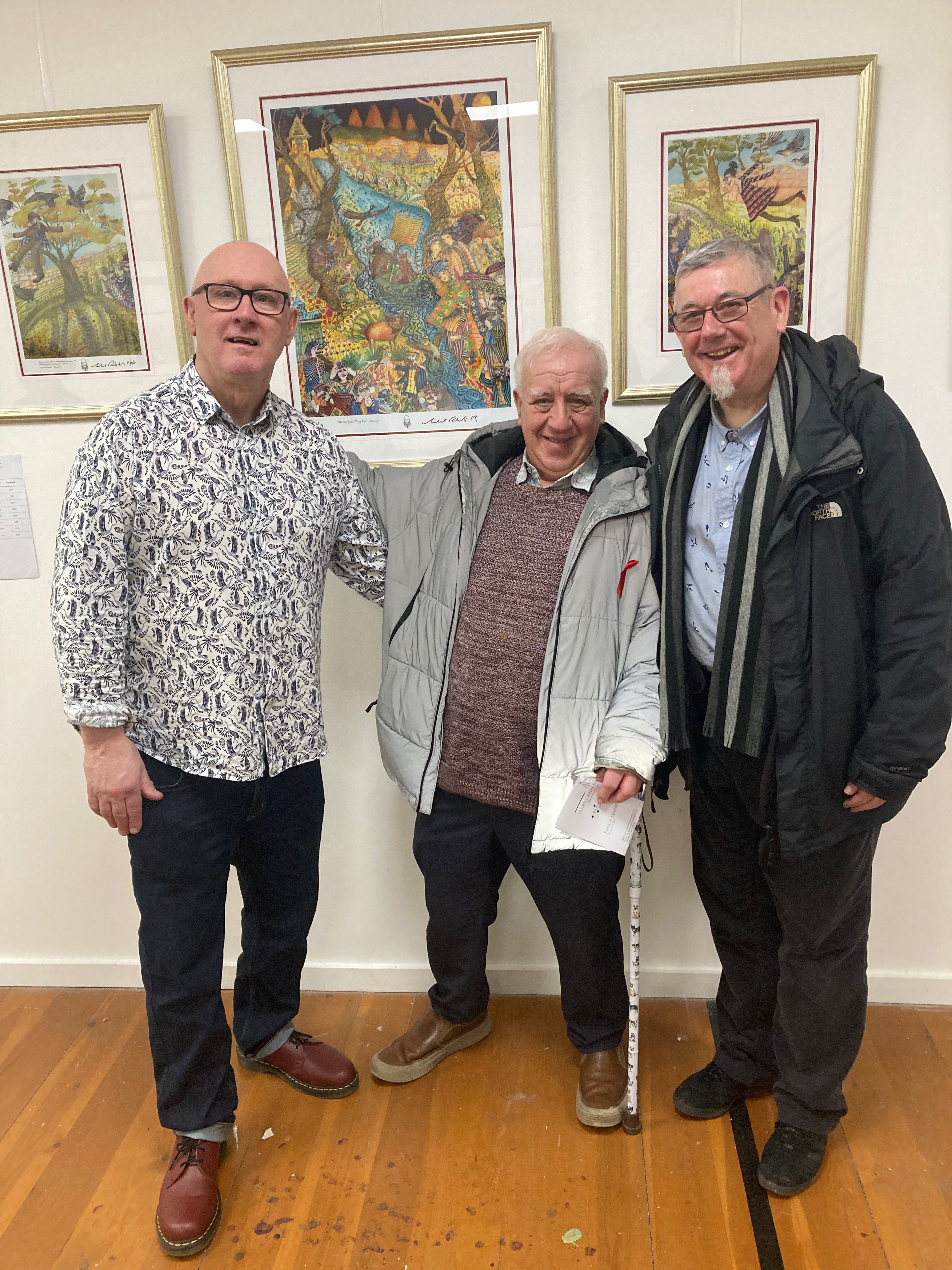
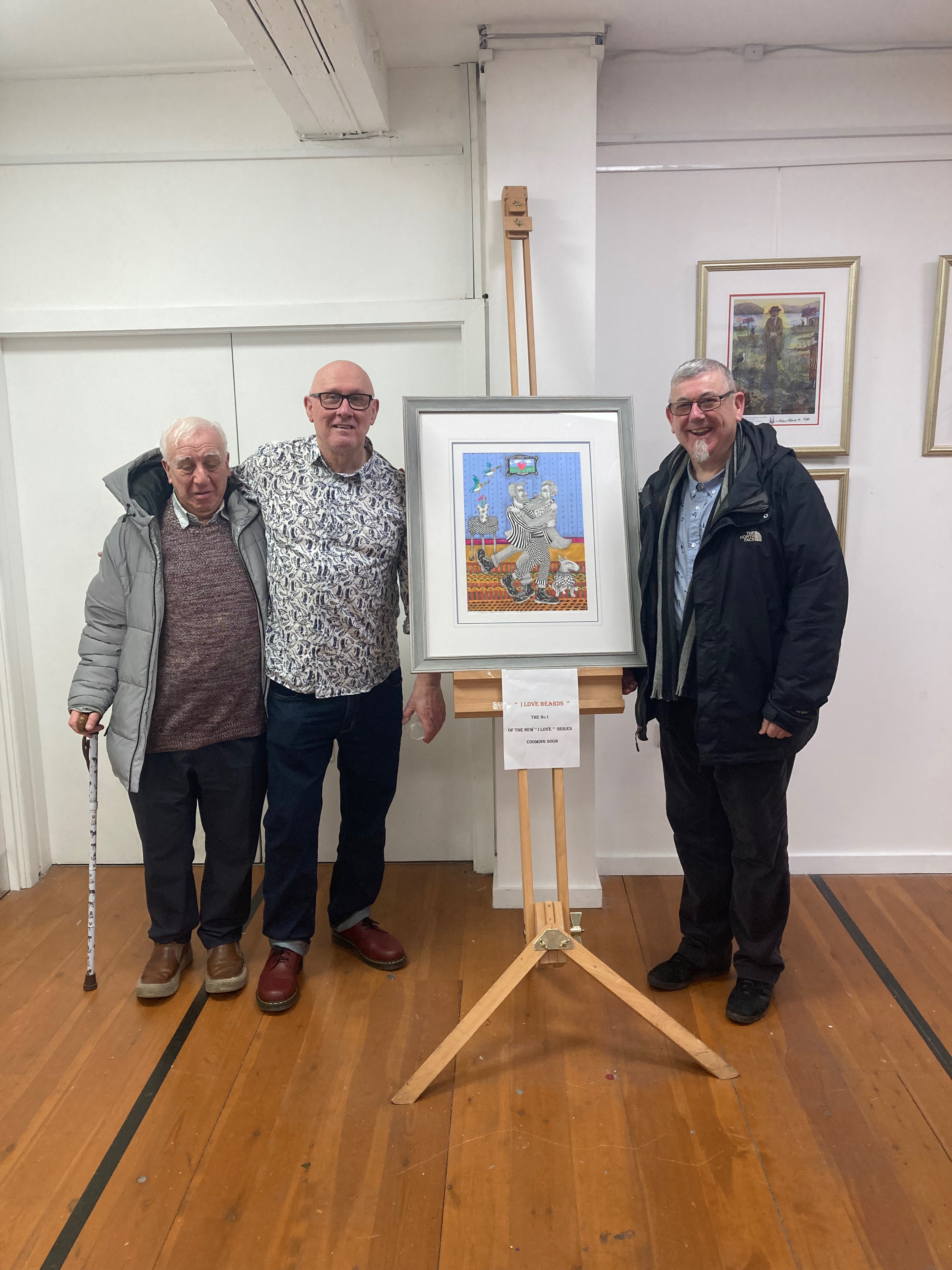
Don’t miss this art exhibition by Mike Roberts. It’s only open until 13 February (10.00am – 6.00pm) at Cass Art, 55-57 Oldham Street, Manchester M1 1JR (In the basement). It’s free entrance and it’s well worth seeing.