Barrowford

News

Trips & Adventures – 29 August 2019

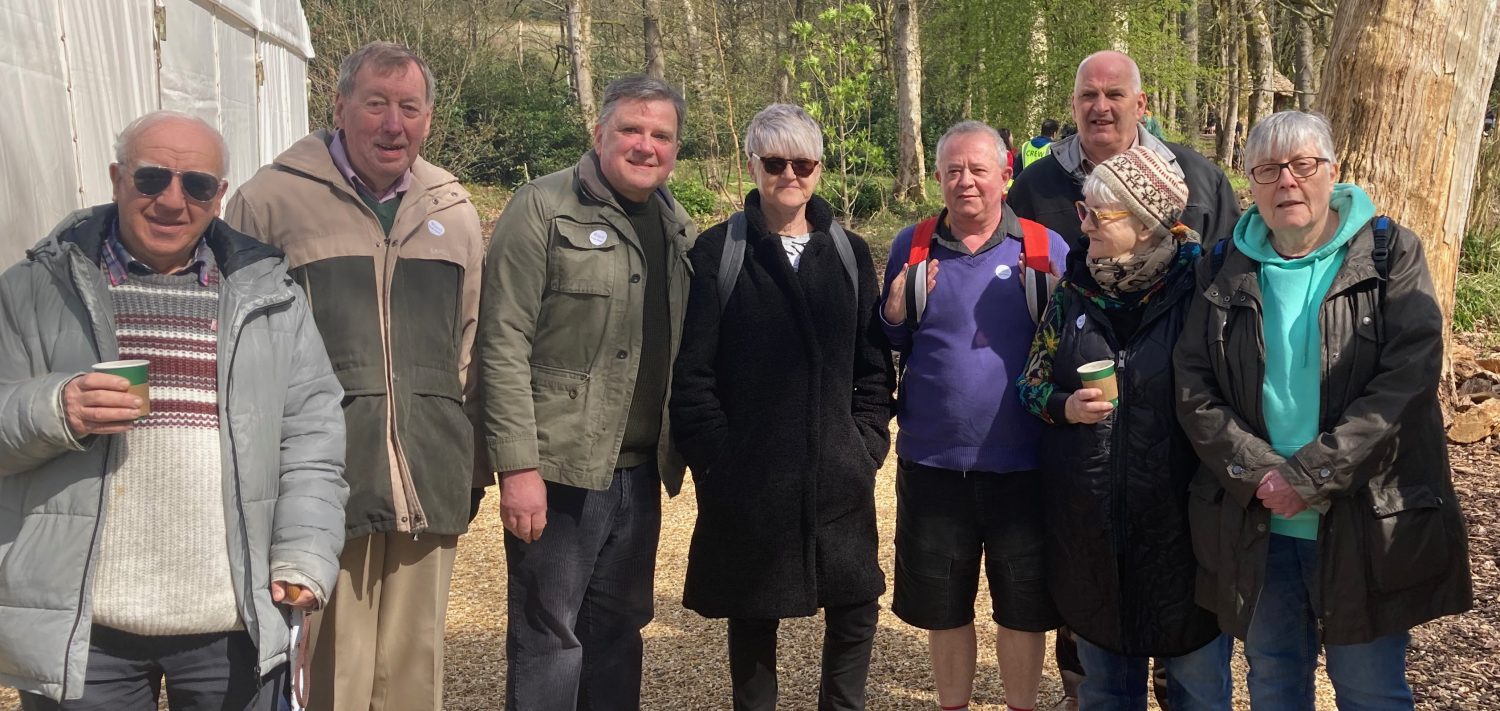
Our trip was to Barrowford, a large village in the Pendle district of Lancashire. We caught bus X43 (The Witchway) to Burnley and then changed to the Higherford bus to Barrowford.

We visited the George & Dragon which served delicious home made food – we were very impressed – before heading to the Pendle Heritage Centre.

This is a museum and visitor centre occupying Park Hill, a two-storey former farmhouse which has a 1661 date stone but was developed over an extended period between the 16th century and the beginning of the 18th century.

Park Hill has been restored using traditional building techniques to provide visitors with an insight on how the house has been developed and adapted and the centre attracts over 100,000 visitors a year. The permanent exhibitions include the story of Park Hill as a working farm, the history of the Bannister and Swinglehurst families who occupied the house and the Pendle witches. Sir Roger Bannister (who ran the first sub-four minute mile on 6 May 1954) is a descendant of the family that once lived here.
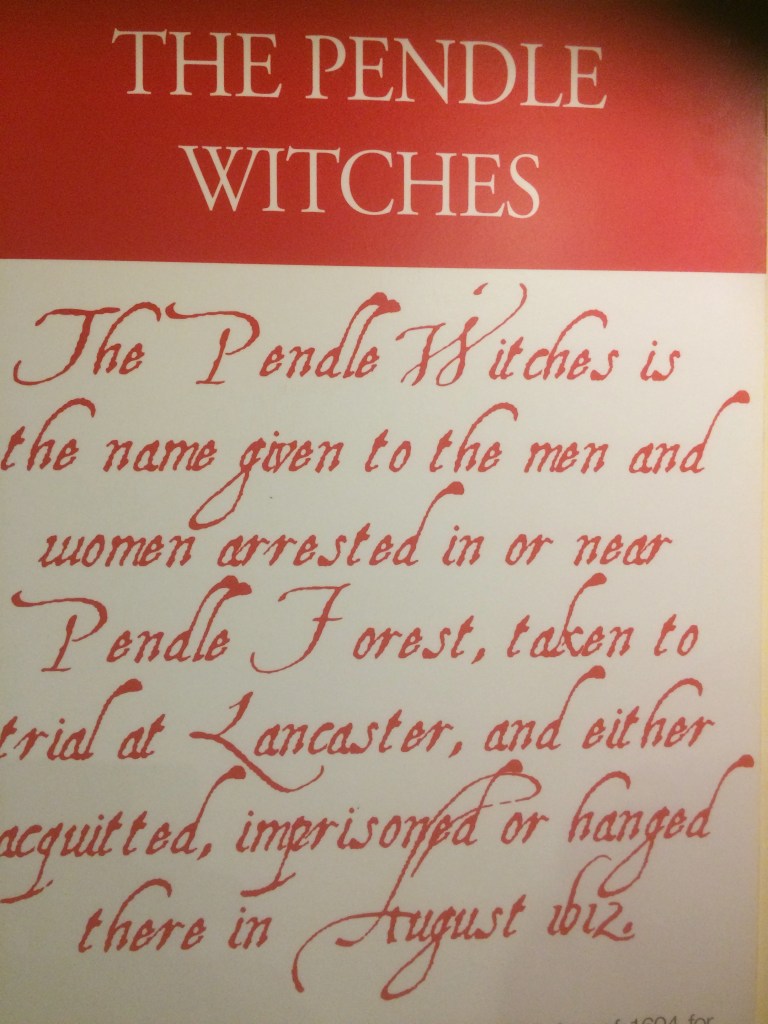
To commemorate the 400th anniversary of the trials of the Pendle witches, a new long-distance walking route called the Lancashire Witches Walk was created starting from the Pendle Heritage Centre. Ten waymarkers were installed along the route, each inscribed with a verse of a poem by Carol Ann Duffy.

We enjoyed our visit but the gift shop was a little overpriced – I mean £12.99 for a battered book and no discount offered!

For more photos click here
Manchester Central Library

News

Trips & Adventures – 22 August 2019

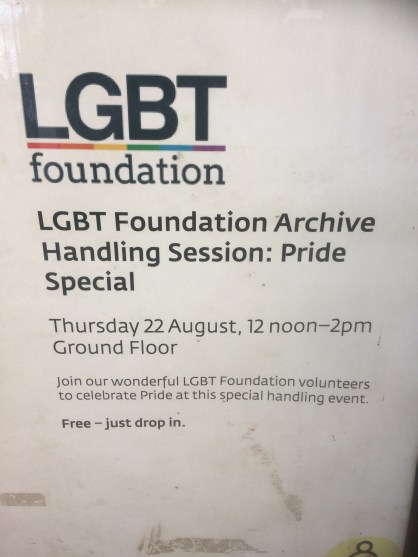
Our visit to the Central Library in Manchester was advertised as a “mystery trip”, but it was a bit of an open secret as the library staff decided to advertise the event publicly on a noticeboard outside the library itself as well as on their website and by email!

To tie in with Manchester Pride we had a guided tour of parts of the library which are not normally open to the general public, led by Larysa, the Archives and Heritage Specialist, followed by a handling session of the LGBT Foundation archives.

The library was constructed in 1934 in a circular design reminiscent of the Pantheon in Rome. The library’s foundation stone was laid by the Prime Minister Ramsay MacDonald, and the library was officially opened by King George V. In fact Manchester was the first local authority to provide a public lending and reference library after the passing of the Public Libraries Act 1850. The Manchester Free Library opened at Campfield in September 1852 at a ceremony attended by Charles Dickens.

It was fascinating to learn that items are stored in salt mines in Cheshire as well as in the basement which was previously home to the Library Theatre. We also saw the work area where degrading reel to reel tapes are being digitalised. We ended our trip to the library by viewing some of the archived materials. Thanks to Larysa and the LGBT Foundation volunteers who provided useful information and resources.

After a very interesting tour a few of us went to Wagamama for lunch.

Blue John Mine & Eyam

News

Trips & Adventures – 15 August 2019

A picture is worth a thousand words” is an English language adage. It refers to the notion that some complex ideas can be conveyed with just a single picture, this picture conveys its meaning or essence more effectively than a description does.

So head off to see the fantastic photos here (but press the back key to come back here!)

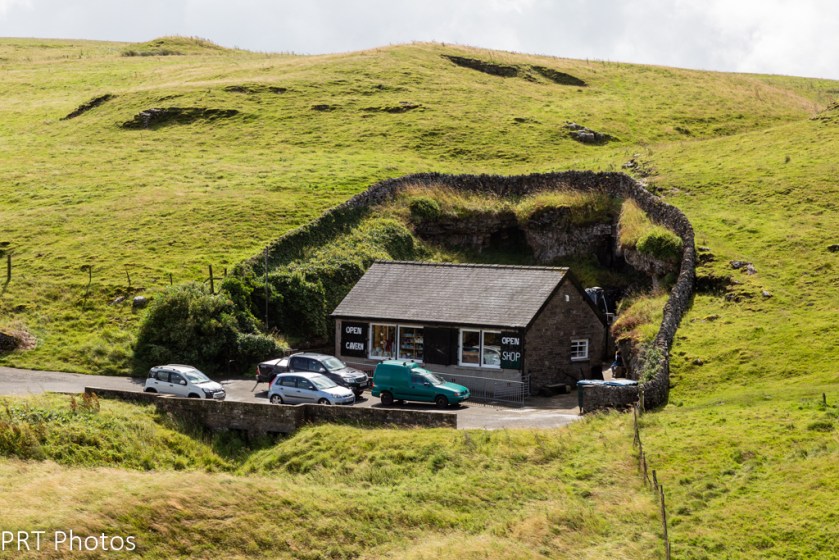
Our trip was to see the Blue John cavern, one of four show caves in Castleton, Derbyshire. The cavern takes its name from the semi-precious mineral Blue John, which is still mined in small amounts outside the tourist season and made locally into jewellery. The deposit itself is about 250 million years old.

The miners who work the remaining seams are also the guides for underground public tours. The eight working seams are known as Twelve Vein, Old Dining Room, Bull Beef, New Dining Room, Five Vein, Organ Room, New Cavern and Landscape.

In 1865, Blue John Cavern was the site of the first use of magnesium to light a photograph underground. It was taken by Manchester photographer Alfred Brothers.

Eleven of us ventured into the mine down 300 feet below the ground, through a number of caverns. None of us counted the 245 steps down (and 245 steps up again) as we were too busy gripping the handrail and concentrating on our footing. Walter took a tumble but thankfully no broken bones.

Our minibus then took us to Eyam, known as “the plague village”, in reference to how it chose to isolate itself after bubonic plague was discovered there, so as to prevent the infection spreading.

The history of the plague in the village began in 1665 when a flea-infested bundle of cloth arrived from London for the local tailor. Within a week his assistant George Vicars was dead and more began dying in the household soon after. As the disease spread, the villagers turned for leadership to their rector, the Reverend William Mompesson, and the Puritan Minister Thomas Stanley. These introduced a number of precautions to slow the spread of the illness from May 1666. They included the arrangement that families were to bury their own dead and relocation of church services to the natural amphitheatre of Cucklett Delph, allowing villagers to separate themselves and so reducing the risk of infection. Perhaps the best-known decision was to quarantine the entire village to prevent further spread of the disease.

The plague ran its course over 14 months and the church in Eyam has a record of 273 individuals who were victims of the plague.

We must mention Eyam Tea Rooms where we enjoyed nut roast, quiches, hominy pies and salads – the food was fantastic.

New Islington

News

Trips & Adventures – 8 August 2019

We met in the centre of Manchester, near Piccadilly Gardens and headed up to the Northern Quarter to the Tib Street Tavern.

The area used to be known for its sex shops and pet shops, and whilst they still exist there are also a number of trendy bars and eateries. Unfortunately, the Tib Street Tavern’s kitchen was closed for the day, so we headed to the Mackie Mayor building on Swan Street.

This was a large building which was the former meat market dating from 1857. It closed in 1972 and was derelict for many years until it reopened a couple of years ago with a number of bars and food outlets round a central eating area. There are bench tables and seating with a semi-industrial look and feel.

The place was very popular but we found a couple of tables in the snug area. Most of us enjoyed the atmosphere but it wasn’t to everybody’s taste.

After dining we headed on foot to New Islington, via Ancoats (known locally as “Little Italy” where Italian families originally settled in the late 19th and early 20th centuries). We saw the Daily Express building with its futurist art deco design, the rooms where the BBC Philharmonic Orchestra rehearse and Rudy’s Pizza, before reaching the Ashton canal.

It was a lovely day for a walk and we strolled on a short circular route back to the Royal Mill. The Royal Mill (renamed following a visit by King George VI and Queen Elizabeth in 1942) is a quadrant with a covered glass ceiling. You enter through an arch to a relaxing calm space. There is a café supplying specialist teas and coffees and there are other businesses on the ground floor, but the other floors are residential flats.

Just over the road from the Royal Mill is this image on the side of a six-storey building. It was created by a South African artist and shows two men kissing! Unfortunately, at present scaffolding obscures it.

After spending time in the calm oasis of the Royal Mill we ventured back into the chaos of Manchester with its noise, a woman shouting verbal abuse at us and the usual traffic.

The Armouries, Leeds Dock

News

Trips & Adventures – 1 August 2019

Whilst waiting for the group to gather at Victoria train station I was approached by a stranger who recognised me from the internet – “Changing the Record on Growing Older in Greater Manchester” – I was amazed by the power of social media!

Anyway, five of us met and left Manchester with its heavy downpours of rain and travelled to Leeds where we found not only dry weather, but also warm sunshine.

We knew the Royal Armouries were on the outskirts of the city near the Leeds Dock area on the bank of the river Aire, but we were unsure which bus to catch. We decided to get a taxi and arrived just in time for lunch. We sampled various dishes – crispy fish and chips, Caesar salad and soup – and three of us washed this down with a bottle of Punk IPA, a fruity beer favoured by revolutionaries!

The Royal Armouries is the UK’s oldest museum, originally housed in the Tower of London from the 15th century. But today the collection of arms and armour is split across three sites in Leeds, London and Portsmouth.

The building in Leeds opened in 1996 and is very impressive, built on five floors with wide open spaces.

In addition to the five original galleries which house 5,000 objects in the permanent displays and the more recent Peace Gallery, the museum also includes the Hall of Steel, a giant staircase whose walls are decorated with trophy displays composed of 2,500 objects reminiscent of the historical trophy displays erected by the Tower Armouries from the 17th century. This was spectacular and the number of brilliant photos indicate the stunning displays throughout the museum.

Wandering round the building were various cowboys, centurions and gladiators ready to demonstrate their skills in battle.

We wandered over to the waterfront and by chance saw that there was a water taxi from the Royal Armouries back to the train station down the Leeds & Liverpool Canal. The journey was approximately twelve minutes and cost only £1.00 per person. Imagine our surprise when the water taxi turned up sporting a rainbow flag. It was a fantastic way to finish our visit to Leeds giving us a different view of the city.

To find out more about our next outings click here