LGBT History Month: Six LGBT+ sports people you should know more about

News

To mark LGBT History Month, BBC Sport looks at the lives of six LGBT+ sportspeople who made history in their respective sports, but whose stories may not be as widely known.
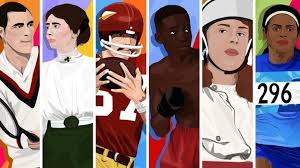
(L-R) Bill Tilden, Freda du Faur, Jerry Smith, Panama Al Brown, Roberta Cowell, Dutee Chand

From the first known British transgender woman to a Wimbledon champion, an NFL Pro-Bowler and a sprinter who successfully challenged her sport’s governing body.

Here are six LGBT+ sportspeople we think you should know more about.

This article includes references to suicide, drug use and other issues such as sexual misconduct.

  1. Panama Al Brown

“One of the big things is being mentally tough.”

Alfonso Teofilo Brown, better known as Panama Al Brown, was the first Latin American boxing world champion and is regarded as one of the greatest bantamweights in history.

During his career, Brown won an incredible 59 fights by knockout and was the bantamweight world champion for six years.

Brown was born in 1902 to Afro-Caribbean immigrant parents in Panama. His mother was a cleaner and his father died when Brown was 13 years old. As a teenager, Brown was working as a clerk at the Panama Canal Zone when he saw American soldiers boxing and decided to take up the sport.

Brown turned professional aged 20 and, the following year, won his first fight abroad in New York. He moved to the city, where his rise to the top of his sport was emphatic.

In 1926, after boxing across the USA for three years, Brown fought in Paris for the first time. He enjoyed it so much, he decided to move there.

In 1929, Brown became the first Latin American world champion when he beat Spain’s Gregorio Vidal by a 15-round decision in New York. The victory made him a hero in Panama and he became renowned around Latin America.
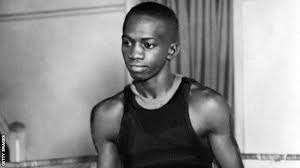
Brown’s fights attracted massive crowds, attended by the likes of Pablo Picasso and Ernest Hemingway. Brown also became a popular boxer in Paris and fought in 40 bouts around Europe between 1929 and 1934.

He spent much of his life in the French capital and was reportedly adored by the French because of his ability to speak seven languages and his all-night partying.

He performed in cabaret shows too, and even tap-danced in one that showcased black talent and launched the career of Josephine Baker.

But not everyone loved the Panamanian. Brown was in a relationship with French writer Jean Cocteau, who became his manager, despite knowing little about the sport.

When rumours of Brown’s sexuality spread, people began attending his fights just to jeer or spit at him during ring-walks, and after one fight, he was beaten unconscious by spectators.

All of this on top of the racial discrimination he already faced.
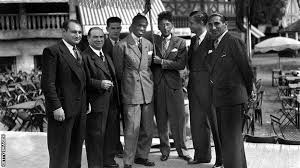
Brown was in a relationship with French writer, artist and filmmaker, Jean Cocteau, pictured holding a parasol over the boxer.

When World War Two began, Brown moved back to New York and tried to find work in cabaret clubs in Harlem, without success.

He began boxing again but was a faded force. In 1942, he was arrested for cocaine use and deported to Panama for a year.

After returning to Harlem, Brown – by now in his late 40s – got by as a sparring partner for aspiring boxers, earning a dollar per round.

Brown died of tuberculosis aged 48 in 1951. He was initially buried in a small grave in Harlem, until some boxing fans raised money to send his remains to Panama.

  1. Dutee Chand

“One may fall in love anytime and with anyone. One does not decide that based on caste, religion or gender.”

Dutee Chand, born in 1996, is the third Indian woman to qualify for the 100m at an Olympic Games and was the first Indian to reach a global sprint final – at the World Youths – and has two Asian Games silver medals. She is also the first openly gay athlete to compete for India.

Chand grew up in Chaka Gopalpur, a poor, rural village in Odisha’s Jajpur district. She came out in 2019 – a year after India’s Supreme Court decriminalised gay sex – and faced public backlash from people in her village, as well as her parents.

Chand’s father told the Times of India his daughter’s relationship was “immoral and unethical”, and she had “destroyed the reputation of [their] village.”

Her mother added: “We belong to a traditional Odia weaver community which does not permit such things. How can we face our relatives and the society?”
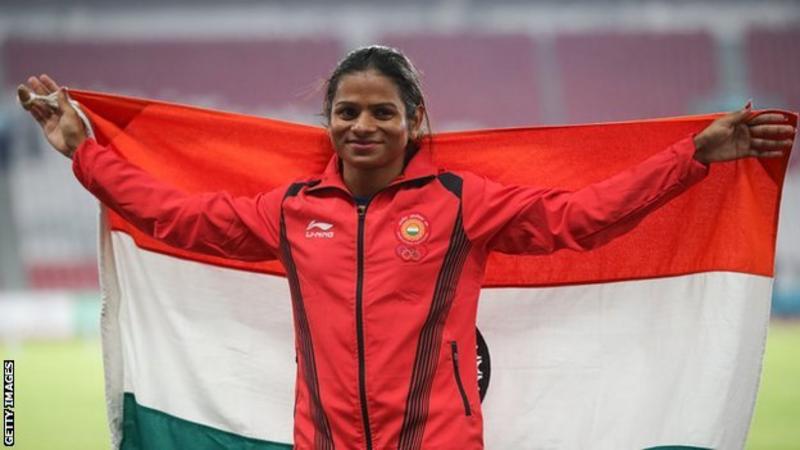
At the 2019 World Universiade in Naples, Chand became the first Indian to win a 100m gold medal at a global event

But the media attention wasn’t new for Chand. When she was 18 years old in 2014, she was disqualified from the Commonwealth Games because of her testosterone levels.

Like South African 800m legend Caster Semenya, Chand’s natural levels of testosterone were normally only found in men. This is also known as difference of sexual development, or DSD.

Chand missed out on competing at the Commonwealth and Asian Games in 2014 because of the suspension, refusing to subject herself to the “corrective” treatment (hormone suppression therapy) prescribed by the IAAF (now World Athletics) and the International Olympic Committee (IOC).

Fast-forward a year, and Chand became the first athlete to challenge the “hyperandrogenism rules”. They were temporarily suspended and Chand could compete again, and she went on to become an Olympian the following year. That same rule challenge was rejected for Semenya.

Chand is only the third Indian woman to qualify for the 100m at the Olympic Games

In 2018, Chand spoke about how she met Semenya at the Rio Games, who made her feel like a “close friend”.

“She told me not to worry about the case and to focus on the sport. I am glad that my battle is over, but hers is not,” said Chand.

In 2019, the Court of Arbitration for Sport ruled in favour of the controversial rule, meaning athletes with DSD, like Semenya, would have to take the hormone-limiting drugs if they wanted to compete in the 400m, 400m hurdles, 800m, 1500m, one mile races and combined events over the same distances.

As a sprinter, Chand is exempt from the rule. But she reportedly offered Semenya her legal team that worked on her 2015 appeal.

During the coronavirus pandemic, Chand spent time distributing food deliveries and sanitary pads to people in her village.

She is also planning on opening an athletics academy for locals, and told Vogue: “I want another child aspiring to be a runner to run barefoot like me.”

In contrast to being banned from the 2014 Commonwealth Games, Chand was recently announced as one of four ambassadors for the Birmingham 2022 Games’ Pride House.

  1. Roberta Cowell

“It’s easier to change a body than to change a mind.”

Roberta Cowell, born in 1918, was a racing driver, a World War 2 fighter pilot and the first known British trans woman to have sex-reassignment surgery.

Cowell’s father was Major General Sir Ernest Marshall Cowell, honorary surgeon to King George VI – the Queen’s father.

She became interested in cars and racing, saying in her biography: “It was the be-all and nearly the end-all of my existence.”

Cowell left school at 16 and would later join the RAF, but her ambition of becoming a fighter pilot was initially dashed by airsickness.

She instead started studying engineering in 1936 at University College London, where she also began pursuing her interest in motor racing.

What started as Cowell donning mechanical overalls to sneak into car service areas at Brooklands racing circuit to gain experience led to her racing alongside her studies and in 1939 she competed at the Antwerp Grand Prix.

At 23, Cowell married fellow race car driver Diana Zelma Carpenter and the couple had two daughters.

During World War 2, Cowell transferred back to the Royal Air Force, working as a temporary pilot officer. In 1944, she spent five months in German prisoner of war camps after her aircraft crashed and she was captured by German troops.
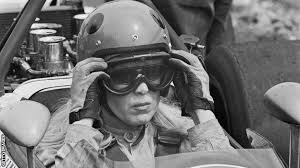
During her time in prisoner of war camps, Cowell taught automotive engineering to fellow prisoners and made two escape attempts that led to her spending several weeks in solitary confinement.

Cowell raced competitively after the war but was increasingly uncomfortable with her body – by 1950 she was still living as a man, but taking large doses of oestrogen.

She met doctor Michael Dillon, the first trans man to get a phalloplasty (a construction of a penis), and he carried out an operation on Cowell to remove her testicles – a procedure that was illegal in the UK at the time.

This allowed Cowell to get a document stating she was intersex from a private gynaecologist, which enabled her to obtain a new birth certificate that stated her sex as female.

In 1951, Cowell became the first person in Britain to have a vaginoplasty (construction of a vagina out of penile tissue). It was carried out by Sir Harold Gillies, widely considered the father of plastic surgery, who has only previously performed the procedure on a cadaver.
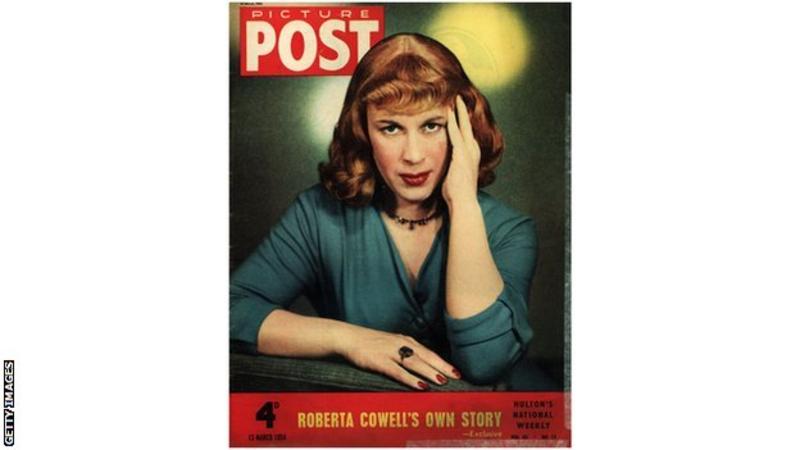
In 1954, Cowell told the story of her transition in Picture Post magazine. It gained international public interest. In her autobiography, she wrote, “I have become woman physically, psychologically, glandularly and legally.”

After her transition, Cowell returned to motorsport and continued to race during the 1950s and 1960s, before running into financial problems.

Cowell died aged 93 in 2011 while living alone in south west London. She had requested there be no publicity when she died, and her daughters, who she had not seen since before her divorce decades earlier, only found out about her death two years later when an obituary was published.

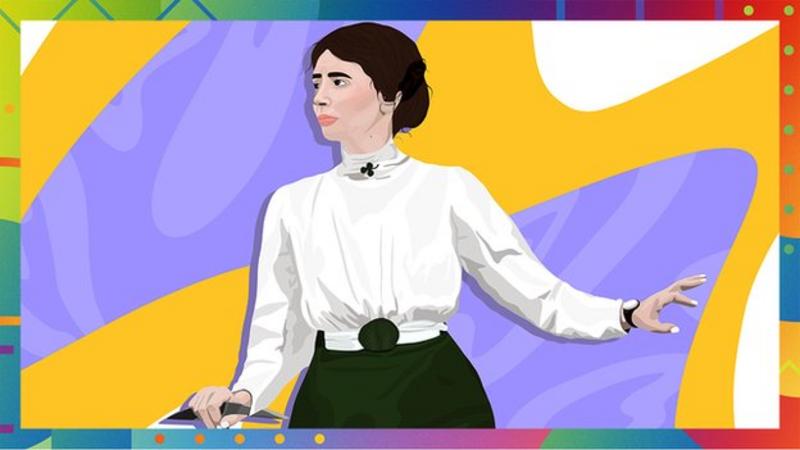
  1. Freda du Faur

“I was the first unmarried woman to climb in New Zealand, and in consequence I received all the hard knocks until one day when I awoke more or less famous in the mountaineering world, after which I could and did do exactly as seemed to be best.”

Freda du Faur, born in Sydney in 1882, was an Australian mountaineer who became the first woman to climb Mount Cook, New Zealand’s tallest mountain, in 1910.

Du Faur grew up near Ku-ring-gai Chase National Park where she taught herself to rock climb. She was studying to be a nurse when she received inheritance money from her aunt that allowed her to travel and become a full-time mountaineer.

Du Faur prepared for her climb of Mount Cook at a physical education institute in Sydney, where she met trainer Muriel Cadogan, who would eventually become her partner.

On 3 December 1910, guided by Peter Graham and his brother Alec, Du Faur became the first woman to climb the 3,760m tall Mount Cook, in a then-record time of six hours.

After the climb, Du Faur said: “I gained the summit – feeling very little, very lonely and much inclined to cry.”

In the following years, she climbed several other mountains, including one that was later named after her, as well as the second-highest mountain in New Zealand, Mount Tasman.

Du Faur became known for her agility and endurance, and always wore a skirt while climbing – despite objections.

In 1914, Du Faur moved to England and lived with Cadogan in Bournemouth while writing a book about climbing Mount Cook.

In 1929, Cadogan had a nervous breakdown and Du Faur tried to admit her to a mental facility.

Instead, they were both admitted, drugged and separated against their will. Unlike male homosexuality, which was a crime, lesbianism was then classed as a psychological disorder.

Eventually, Cadogan was sent back to Sydney and took her own life on the cargo boat on the journey back.

After Cadogan’s death, Du Faur was released from the facility. She returned to Australia to live with her family, but remained confused and depressed.

Du Faur killed herself in 1935 and her family buried her in an unmarked grave. In 2006, a plaque was added to her grave site to commemorate her legacy.

As well as the mountain named after Freda, the Southern Alps of New Zealand are home to the Cadogan Peak, named after Muriel Cadogan.

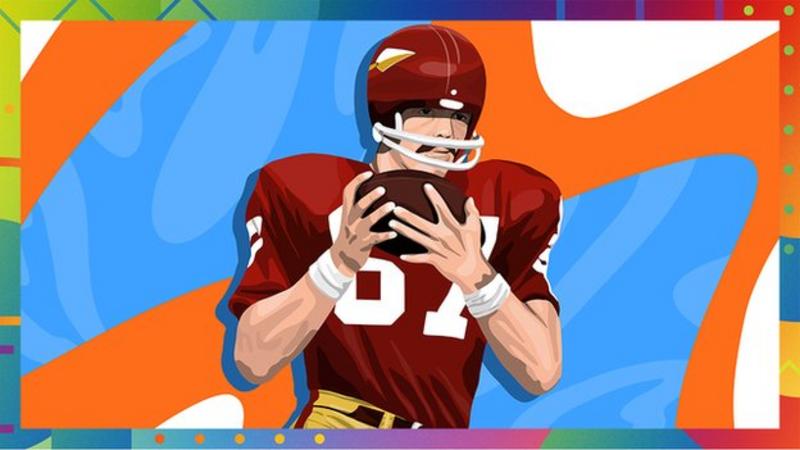
  1. Jerry Smith

“Playing with fire is bad for those who burn themselves. For the rest of us, it is a very great pleasure.”

Jerry Smith, born in Oregon in 1943, was a tight end for the NFL’s Washington Redskins for 13 seasons. When he retired, Smith held the NFL record for most career touchdowns by a tight end (60). The two-time Pro-Bowler never publicly came out as gay before he died of Aids aged 43.

At 6ft 3in, Smith was considered small for a tight end. But he went on to have a long and successful career, holding various NFL records, and was widely regarded as one of the best tight ends of his time.

Smith’s record for most career touchdowns was only broken in 2003 by Shannon Sharpe, who was inducted into the Pro Football Hall of Fame in 2011. Smith’s close friend and team-mate Brig Owens has claimed Smith would also be in the Hall of Fame if not for his sexuality.
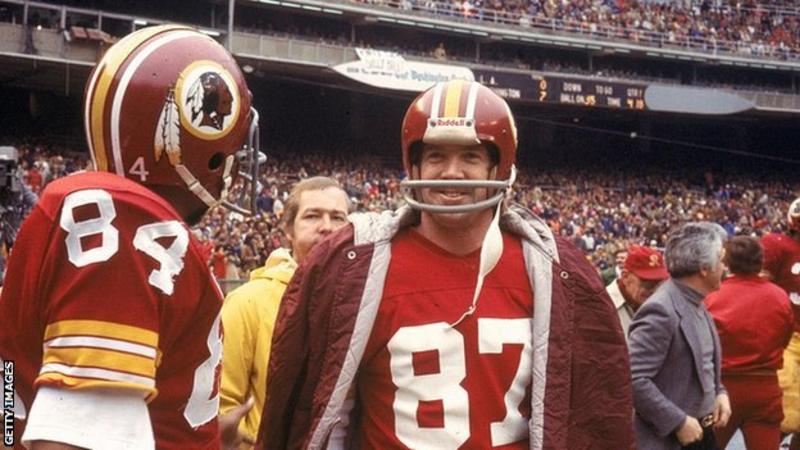
Smith played for Washington for 13 seasons, from 1965 to 1977

Smith was in a brief relationship with team-mate David Kopay, who in 1975 became the first NFL player to come out, three years after retiring.

Kopay referred to a sexual encounter with Smith, using an alias for him, in his autobiography. Smith never spoke to Kopay again.

Smith was briefly coached by NFL legend Vince Lombardi, who he loved playing for, and whose brother was openly gay.

Lombardi tried to ensure there was tolerance for everybody in the locker room, reportedly hinting to Smith that he knew about and accepted his sexuality.

Shortly before he died, Smith said: “Every important thing a man searches for in his life, I found in Coach Lombardi. He made us men.”

Owens, who often roomed with Smith, said that Smith lived in fear and never came out because he worried if people knew he was gay, his career would be ruined.
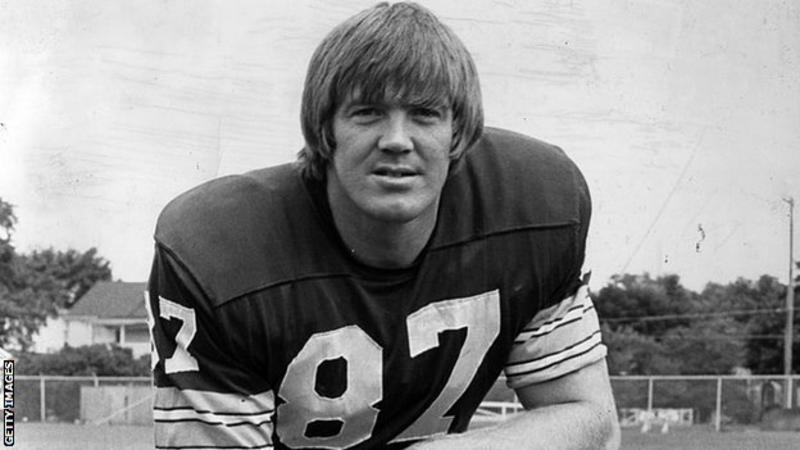
In 1986, Smith became the first professional athlete to announce he had been diagnosed with Aids. He died two months later.

A few weeks before his death, he was interviewed for an article in the Washington Post so that, as he said, ‘Middle America’ might finally accept that Aids could affect anyone. Even an NFL player.

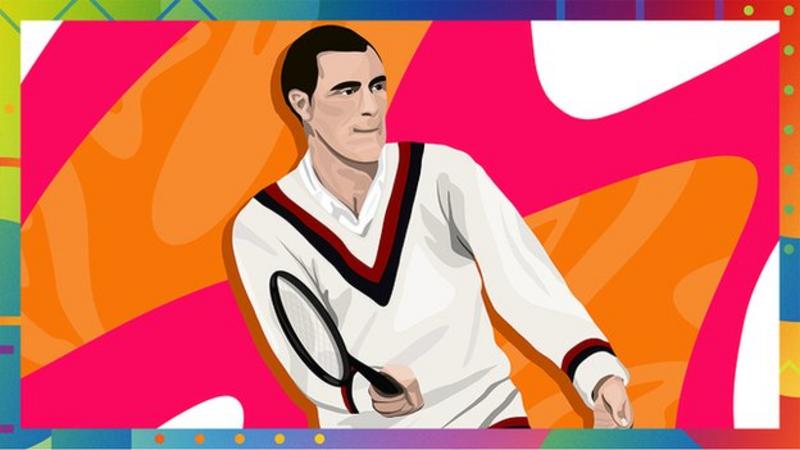
  1. Bill Tilden

“Tennis is more than just a sport. It’s an art, like the ballet. Or like a performance in the theatre. When I step on the court I feel like Anna Pavlova. Or like Adelina Patti.”

Bill Tilden, born in 1893, won 10 Grand Slam titles including three Wimbledon and seven US Nationals (now US Open) titles.

He dominated tennis for more than a decade, at one point winning every major tournament he entered for six years. He was also openly gay.

In 1929, Tilden became the first men’s player to reach 10 finals at a single Grand Slam event – a record which was only broken in 2017 when Roger Federer reached his 11th Wimbledon final.

Tilden was born to a wealthy family in Philadelphia. He played tennis as a child, but it wasn’t until his early 20s that he started taking the sport seriously.

By the age of 22, both his parents and his older brother had died, causing him to suffer from severe depression. Tennis became his way of coping.

Tilden became the first American man to win Wimbledon in 1920. He won again the following year and said it was “too easy”, so didn’t play at the tournament for the next three years.

In 1930, aged 37, he became the oldest man to win a Wimbledon singles title. The following year, desperately needing to earn money, Tilden began playing professionally and continued on the pro circuit into his 50s.
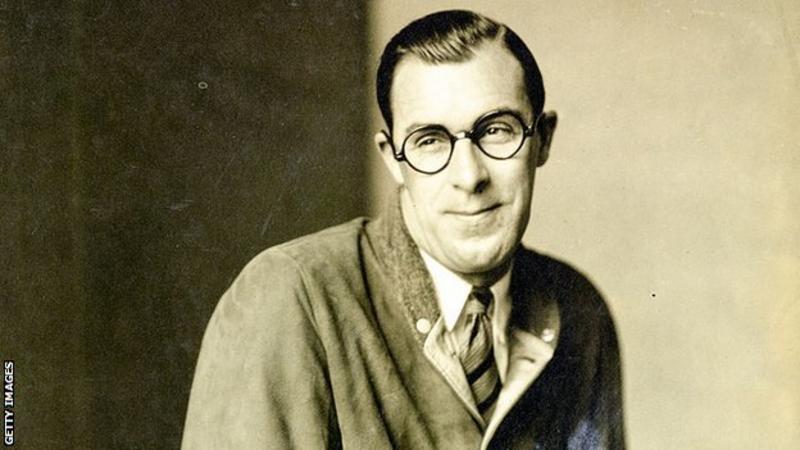
Tilden, nicknamed ‘Big Bill’ because of his height, was world number one from 1920 to 1925, during which time he won six consecutive US singles championships

However, in 1946, Tilden was arrested, charged and sentenced to a year in prison for ‘contributing to the delinquency of a minor’ – although he disputed his conviction.

On his release, Tilden’s parole conditions were strict and lasted five years, and the tennis world shunned him. Tilden could no longer earn an income from giving lessons anymore – apart from when his friend Charlie Chaplin allowed him to use his private court.

Tilden was arrested again in 1949 for groping a 16-year-old hitchhiker. He served 10 months in prison.
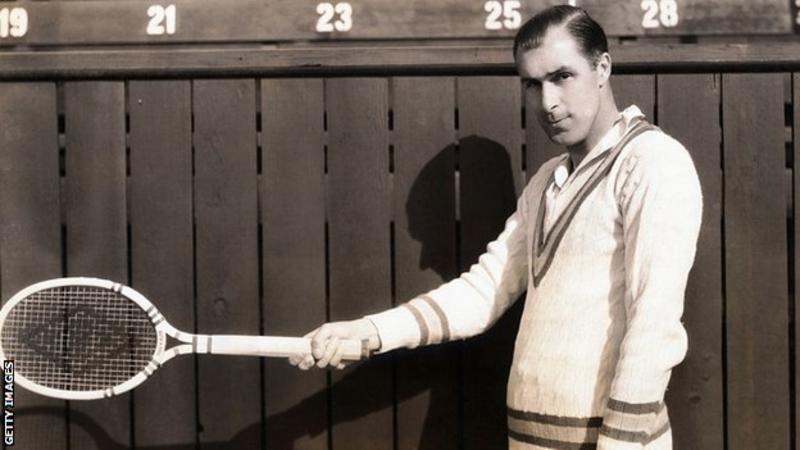
Tilden was openly gay and one of the most dominant figures in US sport during the 1920s

Despite those convictions, in a 1950 Associated Press poll, Tilden was unanimously voted the greatest tennis player of the half-century. This was just weeks after being released from prison.

During the years he spent on the pro tour, Tilden lived in a suite in a New York hotel where he wrote Broadway shows that he would produce and star in, as well as books on tennis strategy. He faded from public life and in 1953, aged 60, died of heart complications.
Manchester Libraries Celebrates LGBTQ History Month

News

This February Manchester Libraries are proud to present a range of specially commissioned online events and special collections celebrating LGBTQ authors in Manchester and the North West.

Sunday, 14 February 7.00pm – Celebrate Valentines Day with Poet Afshan D’souza-Lodhi

Manchester Libraries presents a specially commissioned video by the wonderful Afshan D’souza-Lodhi performing her poetry and discussing how as a queer Muslim woman, falling in love is a political act. 

‘For me to find love I must wade though the homophobes and the Islamophobes and the sexists and the racists and then, maybe, I’ll find someone who will stand beside me during protests and wipe my face when bigots spit on me’.

Afshan D’souza-Lodhi is an award-winning writer of plays and poetry. She has been commissioned to write and direct a short film for Channel 4 and a radio play for BBC Sounds. Afshan has edited many anthologies and has an essay featured in Picador’s collection by Muslim women called Its Not About The Burqa.

Tune in to the video launch on the Manchester Libraries Facebook page.

Friday, 19 February 7.00pm – An Evening with Paul Magrs

Join acclaimed fantasy and sci-fi writer Paul Magrs for a special evening celebrating the re-release of his much loved ‘Brenda and Effie’ novels!

After a long and eventful life, Brenda has settled in Whitby, to run a guest house by the sea. But it isn’t long before she has teamed up with Effie, the white witch from the antiques shop next door. Together they get themselves involved in a series of supernatural investigations including a visit to the Deadly Boutique and a romantic run-in with a certain immortal Count…

Paul Magrs brought out his first novel in 1995 when he was 26. He has lectured in Creative Writing at Manchester Metropolitan University. In 2019 he published his book on writing, ‘The Novel Inside You’. In 2020 Snow Books republished his Brenda and Effie Mystery series of novels. He lives and writes in Manchester with Jeremy and Bernard Socks.

Tune in to the live stream on Paul’s Facebook page. 


The Best Queer Book Ever?

Tell us about your favourite queer* book! We’d love to see images and videos submitted by you for our social media pages to show the wide variety of queer books and share the love of reading throughout LGBT History Month in February.

Want to take part? Record a 1-min video of yourself talking about why this book is your favourite or take a picture (of the book, of you and the book, whatever you fancy) and write a little about your choice.

You can submit them to the form here.

*By queer we mean any books that have gender and/or sexuality diverse content, character(s), or theme(s).


LGBT Foundation and Archives+ Oral Histories Interviews

The Lesbian and Gay Foundation and Manchester Libraries Archives+ are currently recording oral histories interviews with people from LGBT communities who are over 50 and live or have a connection to Greater Manchester. These interviews will take place throughout this year and can take place over the phone or via video call. Find out more information here.

Archives+ Manchester Pride & LGBTQ History Month Memory Box

Here’s another chance to check out some brilliant photos from the archives exploring the history of the LGBTQ community in Manchester, including the early days of Canal Street, ACT-UP and Section 28 Marches and some brilliant Manchester Pride celebrations!

The latest LGBTQ books

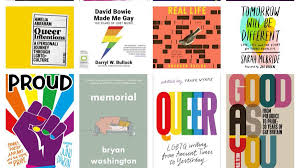
Manchester Libraries have created a brand new list of the latest LGBTQ books and some favourite classics. All available for you to click and collect for free from your local library! Check out the full list here.

LGBTQ Books on Borrowbox

If you’d prefer to access your books from home, there is a new collection of e-books and audio books celebrating LGBTQ History Month on the Borrowbox service. You can download and reserve the titles here.

LGBT Quiz … Manchester Pride’s Campaign … Vaccine advice … Hate Crime Awareness Week & HIV Testing Week

News

LGBT Quiz – How Gay Are You?

LGBT History Month is an annual month long observance of lesbian, gay, bisexual and transgender history and the history of the gay rights movement. What do you know about LGBT history?

Grab a pen and paper and try this quiz – time limit 20 minutes for four rounds.

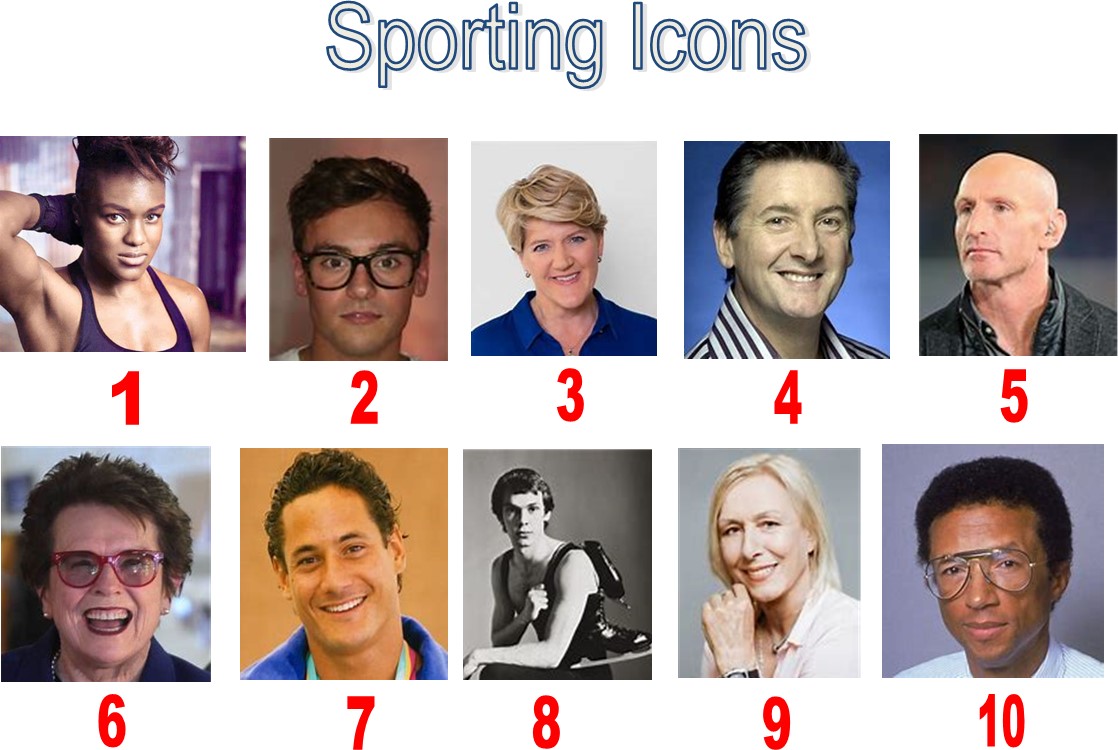
Round 1 – Sporting Icons

Identify the sporting icons from the photographs:

Round 2 – The Highbrow Round

Identify the LGBT icons from the initials and clues:

1 Q C   (“Stately Homo”)

2 S F    (Quite Intelligent)

3 A T    (Sitting on the Bench)

4 F K    (Oh Those Eyebrows!)

5 H M    (Full fat or semi-skimmed?)

6 L d V (Not a ninja turtle)

7 F N    (Italian bird?)

8 O W    (“A Handbag?!!!)

9 J O    (He got hammered)

10 A M    (San Fran stories)

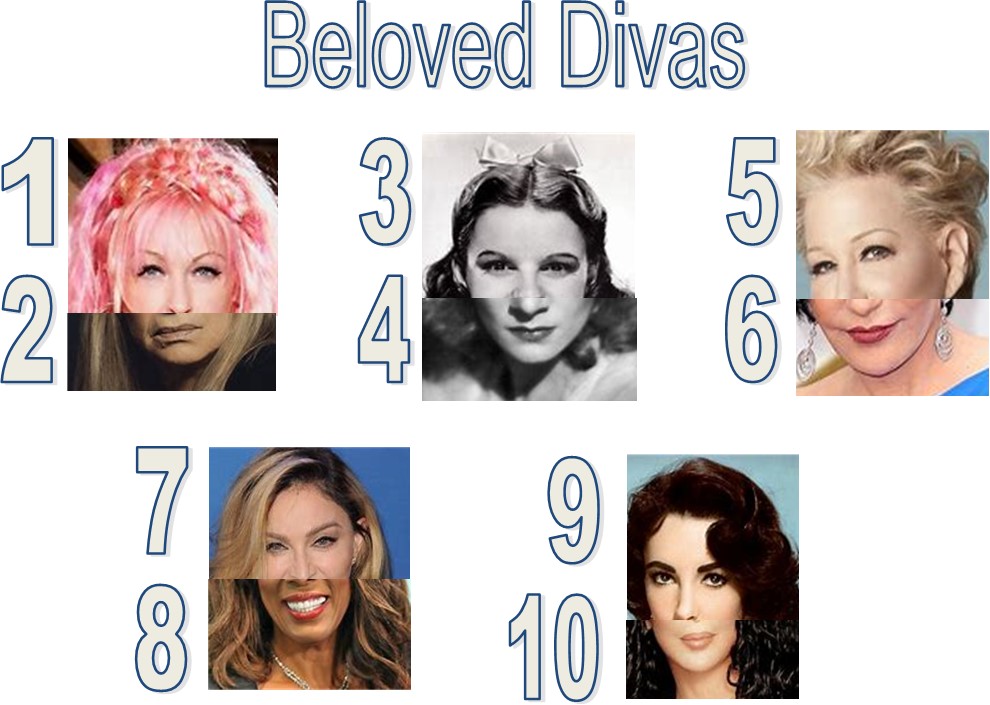
Round 3 – Beloved Divas

Identify the divas from the half and half photographs:

Round 4 – The Lowbrow Round

 Identify the LGBT icons from the anagrams and clues:

1 OY EGG BORE   (Music)

2 LOH NON JET   (Music)

3 MADE JEANS   (Film)

4 DIVIDE A BOW   (Music)

5 MY FURRY DEER CD   (Music)

6 I TAKE EGG ORE    (SCI-FI TV)

7 PINCER   (Music)

8 ROUND SHOCK    (Film)

9 ALICE GREG HOME    (Music)

10 MAIN GLUM CAN    (Theatre / TV)

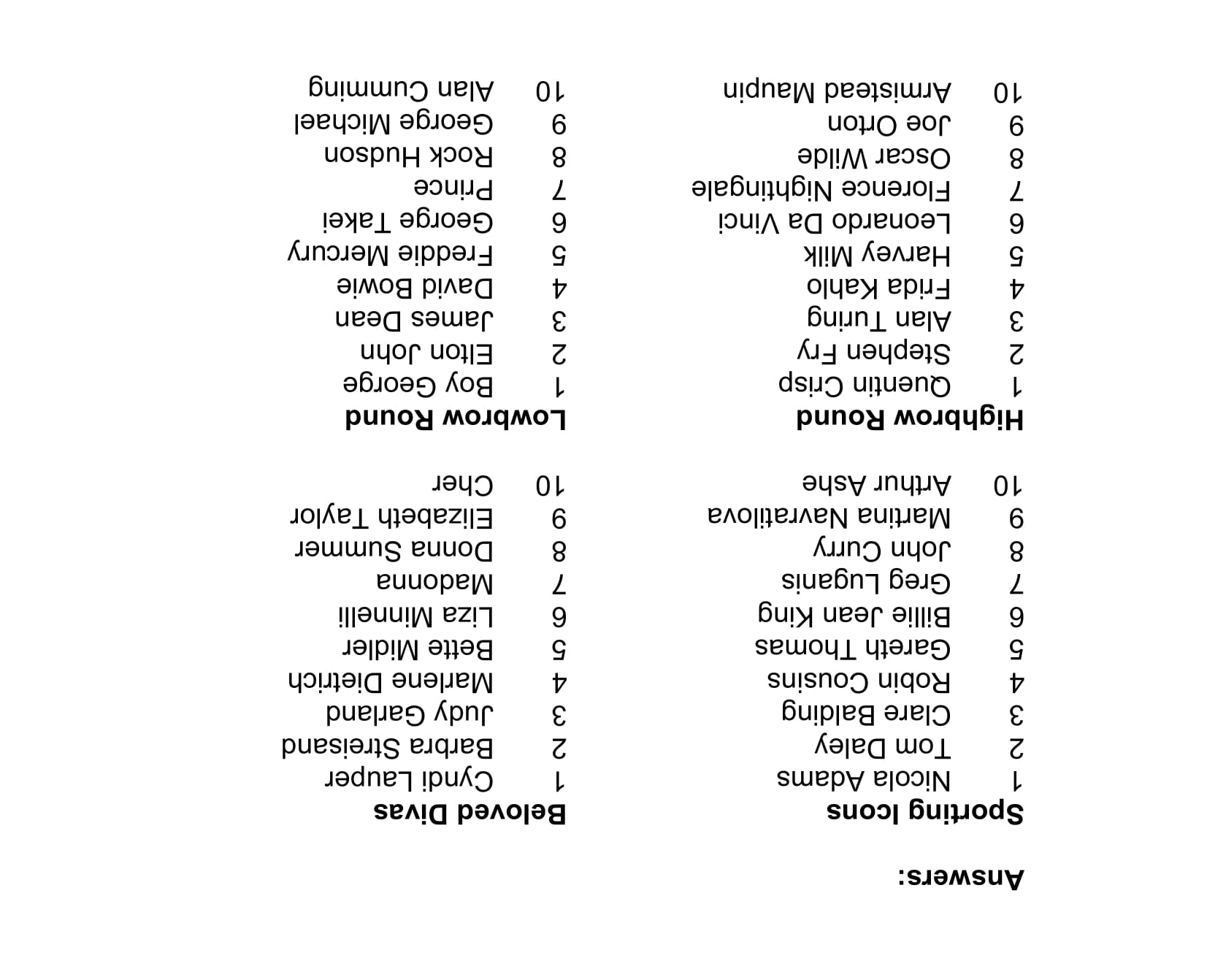
Answers:

Score more than 20 – You’re Gayer Than A Double Rainbow!

Score less than 20 – Oops! You need to read up on your LGBT history!


Manchester Pride’s LGBT History Month Campaign

Would you like to take part in Manchester Pride’s LGBT History Month Campaign?

This year they are focusing on an intergenerational project, which is being led by their youth group of 14 – 18 year olds.

The group has identified that they would like to know more about the history of their community, understand other people’s journeys and have acknowledged that they have a lack of LGBTQ+ role models in their lives.

They have thought of some questions that they would like to ask of people older than them in the community.

Would you like to do a short interview (lasting no longer than 20 minutes) and the responses will be put into several written blog pieces throughout the month of February.

If you would like to take part, please contact us and we will arrange the best way to get the interview completed.

Vaccine Advice for Adults Living with HIV

The British HIV Association and the Terrence Higgins Trust released a statement on 15 January 2021 recommending that people living with HIV have a Covid-19 vaccine.

The statement says that “there is currently no evidence to suggest a higher risk of side effects in people with HIV”.

Most people living with HIV will be vaccinated as part of ‘priority group 6’ as this covers people aged 16 to 65 in an ‘at risk’ group. If you are older than 65 or are classed as extremely clinically vulnerable, you will be vaccinated earlier.

You will be contacted by your GP or another healthcare service when it is your turn to get vaccinated. If you have concerns or questions about being vaccinated, please speak to your GP, HIV clinic or another healthcare professional.

Not only is it LGBT+ History Month during February we also have Hate Crime Awareness Week and HIV Testing Week both taking place between 1 – 7 February 2021.

Greater Manchester Hate Crime Awareness Week

You are invited to the launch of Greater Manchester’s Hate Crime Awareness Week: Monday 1 February 2021 at 10.00am.

Each year Greater Manchester hosts a week of action to raise awareness of hate crime to emphasise that it’s wrong to be targeted for abuse or harassment because of who you are.

The week provides an opportunity for everyone across Greater Manchester to stand together and to celebrate our diversity. It is a chance to educate, raise awareness of hate and encourage both victims and witnesses to report it.

This event is an opportunity to hear about the work taking place in Greater Manchester. Speakers include:

  • Baroness Beverley Hughes, Deputy Mayor for Police, Crime, Criminal Justice and Fire;
  • Chief Superintendent Umer Khan, Greater Manchester Police;
  • Martin Goldman, Chief Crown Prosecutor, Crown Prosecution Service.

You’ll learn more about the activity taking place during the week and details of how to access resources and communication tools to support Greater Manchester’s Hate Crime Awareness Week.

Register your place for this free event. https://gmhatecrimeawarenessweek.eventbrite.co.uk


National HIV Testing Week

National HIV Testing Week is a campaign to promote regular testing among the most affected population groups in England. Regular testing helps to reduce the number of people living with undiagnosed HIV and those diagnosed late.

This year, the campaign returns with the successful creative “Give HIV the finger: a finger-prick test is all it takes”.

The campaign will encourage people to test for HIV at home during the COVID-19 pandemic. 1 in 16 people with HIV are unaware they have it and spend an average of three to five years not knowing, increasing the risk of passing HIV on to sexual partners.

Late diagnosis rates are still stubbornly high – 42% of people were diagnosed late in 2019. This correlates to poorer long-term health outcomes and leads to an eightfold increased risk of death. Clinical reviews show many could have been diagnosed sooner.

Self-sampling HIV & syphilis test kits are available to anyone over 16 years old that lives in England – you return your test to the lab and they will text you with your result. For a FREE testing kit go to https://freetesting.hiv/

Untold stories of LGBT+ seniors … Research project on Active Ageing

News

‘I refused to let them intimidate me’: the untold stories of LGBT+ seniors

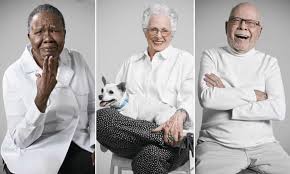
At a new exhibition, Not Another Second, 12 LGBT+ seniors share stories of resilience, struggle and love.

‘I didn’t find there was much difference between loving a man and loving a woman. In general, love is love’ … portraits from Not Another Second. Photograph: Karsten Thormaehlen, nAscent Art New York and RXM

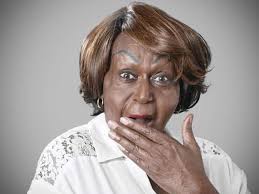
When Pearl Bennett, now 69, came out as a transgender woman at a family dinner when she was 50, she wasn’t warmly embraced.

Bennett’s mother leaned in and asked: “What is all this?”

“I saw that look in my mother’s eyes, she was a little drunk,” recalls Bennett.

“My mom stroked my breast, came in close and said: ‘I just want you to know that West Palm Beach is not big enough for ‘Pearl’ and the Bennetts,’” recalls Bennett.

“I felt ostracised by my family.”

This heartbreaking anecdote and many more are part of Not Another Second, an exhibition in New York City, which tells the stories of a dozen LGBT+ senior citizens who tell their own coming out stories. Each photographic portrait and video interview is marked with a number, like “16 years”, representing the time they lost to staying in the closet, based on societal expectations of the past.

The exhibition is on view at the Watermark Retirement Communities at Brooklyn Heights (a $330m Brooklyn senior home redeveloped from the former Leverich Towers Hotel, which has over 60 locations across the country) and is presented in partnership with SAGECare building certification and an agency, RXM Creative.

A portrait of Pearl. Photograph: Karsten Thormaehlen, nAscent Art New York and RXM/Jose Studios ©2020. All Rights Reserve.

“To this day, this group of individuals continues to face challenges that need to be acknowledged,” said David Barnes, Watermark’s CEO and president. “It reminds us that we can’t take our rights for granted and must continue working toward a more accepting future for everyone.”

The photos, taken by the German photographer Karsten Thormaehlen, capture the seniors in joyful exuberance. They’re smiling, laughing, gazing off into the distance or staring straight into the camera lens, fearlessly.

Each video interview details how they fought the conventions of their time, stood up for their rights and paved the path for today’s generation of LGBT+ activists.

“These are honest and genuine shots of authentic people,” said Thormaehlen. “I truly hope this will encourage many people, younger and older, who still are suffering from hiding their personality, to create more tolerance, which leads to more fruitful discussions in society.”

The exhibition features photos on the walls alongside quotes from the elders. In one, Ray, 82, says: “If you came out to your family in our generation, usually it was disastrous. I stayed in the closet until I retired. I didn’t want to hurt my mom or the rest of the family.”

One 78-year-old woman named Ellie talks about being bisexual. “I didn’t find there was much difference between loving a man and loving a woman,” she said. “In general, love is love.”

Ronnie, 78, said: “When I first met my partner Earl, I looked at him and thought, ‘You are a knockout.’ I told God: ‘If you let me have him, I’ll never want anybody else.’ We stayed together for 44 years, until he passed away.”

One of the seniors who was profiled as part of the series is Paul Barby, the first openly gay man to run for Congress in 1996 in Oklahoma City. He wrote in a public letter at the time – when he was 61 – announcing his candidacy: “I am gay. Always have been. It has not held me back as I have worked for causes to help my fellow Americans.”

“A lot of people knew me, but they didn’t know I was gay,” he said from his home in Tucson, Arizona. “I thought ‘we have to re-energize.’ I’m glad I did it. It made life easier for many gay people in Oklahoma. Someone has to be first.”

Until 1973, the American Psychiatric Association considered homosexuality to be a mental disorder. For Nick, 73, coming out in the 1970s was not even an option. “It was still a crime,” he said.

A portrait of Ronnie. Photograph: Karsten Thormaehlen, nAscent Art New York and RXM/Jose Studios ©2020. All Rights Reserve.

As Ronnie explains in the video, he came out when he was in his 50s. “And even when I came out, I still had this stigma that it was wrong,” he says. “Now, I see gay couples holding hands in public, that is something we could have never dreamed of.”

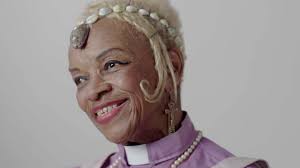
The Rev Goddess Magora Kennedy, 81, recalls her stern upbringing in New York. “Being black, a lesbian and in the church, it was difficult, but I stood my ground,” said Kennedy. “I refused to let people intimidate me.”

The Rev Goddess Magora Kennedy

The video details the struggles around gay marriage, which was legalised in the US in 2015, and the fight for gay troops to serve in the military.

Bennett, for one, recalls the 1960s being a time when “queer” wasn’t a popular term, neither was being “gay”. And yet, she served in the Vietnam War in the 1960s and early 1970s.

It resonates today, considering Joe Biden recently ended the ban on transgender troops in the military, allowing them to serve.

“I am so thrilled,” said Bennett. “It disgusted me when Trump banned trans people from the military. It interrupted their lives, their careers. Treating trans people like less than citizens. My heart just broke.”

More than anything else, this exhibition is a reminder to not waste precious time. “You have to have a support group, it’s one of the main things,” said Bennett. “I would tell anyone to have a support group, or someone who supports you. Don’t try to do it alone because it’s overwhelming.”

It’s also about self-acceptance, as well as valuable wisdom for the younger generation. “My advice is to just know that you’re OK,” said Barby. “Just know we’re human beings and continue to be a good person. Don’t worry about pretending to be something you’re not.”

Not Another Second is on view at the Watermark Retirement Communities in New York City until 27 March. Follow this link to see more online.


Research project on Active Ageing

In September 2020, the ukactive Research Institute, in partnership with EGYM, launched an Active Ageing consultation to explore how the physical activity sector is supporting people aged 55 and over to lead an active lifestyle.

Although the barriers and challenges experienced by older adults in being active are understood we are looking to understand how the fitness and leisure sector is supporting older adults to be active, and ultimately what older people want in physical activity offerings.

The first phase of this consultation involved an online case study submission for examples of solutions, programmes, initiatives and commissioning models that support individuals like yourselves to be active. These submissions came from across the fitness and leisure sector.

The second phase is to review these case studies. This is something ukactive would like your help with. This will involve reviewing 2-3 written case studies, providing scoring and feedback, and attending an online focus group to discuss general themes with others.

If you would like to sign up please follow this link or email the ukactive Research Institute research@ukactive.org.uk


Online Q&A with Russell T Davies … Rachel says “Tarrraa to Annus Horribilis 2020”

News

Online Q&A with Russell T Davies, writer of “It’s A Sin”

Award-winning writer and producer Russell T Davies, will be joined by HIV activist Paul Fairweather for a Q&A event online, to coincide with the the release of Russell’s new TV series, “It’s A Sin” which launched on Friday 22 January at 9.00pm on Channel 4.

Russell T Davies is also a patron of HIV charity George House Trust and this online event will give you the opportunity to hear what inspired Russell to create the series, his reasons for supporting George House Trust, and why “It’s A Sin” is never more needed.

Russell said, “I’m lucky, because I get the opportunity to write dramas about HIV and AIDS, but I’m fully aware that the real work is done by people like my mates at George House Trust. It’s an honour to be their patron, and to have this Q&A with them.”

The event will start at 7.00pm on Tuesday 2 February on Zoom and will contain frank discussion of HIV and the impacts of stigma. It’s free, although registration is required.

If you would like to support the work of George House Trust with a donation, you can do so here.

Join Rachel Oliver in her latest podcast as she says “tarrraa to Annus Horribilis 2020”.

Rachel gives her hot take on the quick to be forgotten 2020, going month by month, reflecting with some great musical picks!

Rachel Oliver presents a transgender themed music show for those who are trans themselves, those who are allies of the trans community and those who simply want to learn more about the trans community, which includes facts, stories and some amazing songs!

​The show is produced exclusively by Sonder Radio.

Let’s do it – let’s fall in love!