
Tuesday 8 December – 6.00pm – 8.00pm – Queer East Screening
Off the Grid, On The Page: Archiving Hong Kong’s Pre-Internet Queer History
esea Contemporary, 13 Thomas Street, Manchester M4 1EU
An event bringing together moving image works by Hong Kong artist Anson Mak with a talk drawing on her research.
The talk is followed by two screenings:
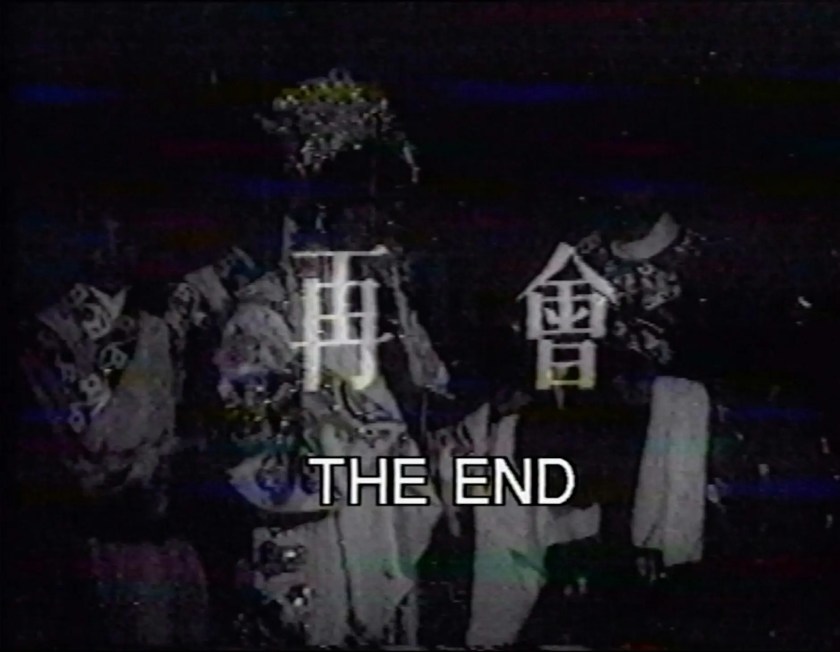
Same Yet Different (1991) (20 minutes); and
Two or Three Things I Know About Them (1992) (28 minutes).
The event is free, but advance booking is required here.

Monday 14 December – 7.00pm – The Sorcerer’s Apprentice
HOME Theatre 1, 2 Tony Wilson Place, Manchester, M15 4FN
This brand new musical brings its magic to the stage for the first time ever! Filled with music, magic and adventure we can embrace the feel good spirit of the season.
We have a few free tickets – please contact us here.

International Day for the Elimination of Violence against Women
Every 10 minutes, a woman is killed
Violence against women and girls remains one of the most prevalent and pervasive human rights violations in the world. Globally, almost one in three women have been subjected to physical and/or sexual intimate partner violence, non-partner sexual violence, or both, at least once in their life.
For at least 51,100 women in 2023, the cycle of gender-based violence ended with one final and brutal act – their murder by partners and family members. That means a woman was killed every 10 minutes.
This scourge has intensified in different settings, including the workplace and online spaces, and has been exacerbated by conflicts and climate change.
The solution lies in robust responses, holding perpetrators accountable, and accelerating action through well-resourced national strategies and increased funding to women’s rights movements.
Join our 16 days of activism
The International Day for the Elimination of Violence Against Women will mark the launch of the UNiTE campaign (25 November – 10 December) – an initiative of 16 days of activism concluding on the day that commemorates the International Human Rights Day (10 December).
What is considered violence against women
Violence against women and girls (VAWG) remains largely unreported due to the impunity, silence, stigma and shame surrounding it.
It can manifest in physical, sexual and psychological forms, encompassing:
- intimate partner violence (battering, psychological abuse, marital rape, femicide);
- sexual violence and harassment (rape, forced sexual acts, unwanted sexual advances, child sexual abuse, forced marriage, street harassment, stalking, cyber- harassment);
- human trafficking (slavery, sexual exploitation);
- female genital mutilation; and
- child marriage.
Within the UN Declaration on the Elimination of Violence Against Women issued by the UN General Assembly in 1993, defines violence against women as “any act of gender-based violence that results in, or is likely to result in, physical, sexual or psychological harm or suffering to women, including threats of such acts, coercion or arbitrary deprivation of liberty, whether occurring in public or in private life.”
This affects women at all stages of their life, including education, employment, and opportunities.
Some women and girls, such as those in vulnerable situations or humanitarian crises, migrants, LGTBI, indigenous people or those with disabilities, face greater risk.
Violence against women continues to be an obstacle to achieving equality, development, peace as well as to the fulfillment of women and girls’ human rights. All in all, the promise of the Sustainable Development Goals – to leave no one behind – cannot be fulfilled without putting an end to violence against women and girls.


First Gay Rights Demonstration
This small plaque commemorates a key moment in gay history.
It marks the spot where, on 27 November 1970, 150 members of the newly formed Gay Liberation Front (GLF) held a torchlight rally against police harassment – described by Historic England as the first organised gay-rights demonstration in England.
The protest followed the arrest of Louis Eakes, a member of the Young Liberals, during a police raid at the Highbury Fields public toilets. Police alleged he had been cruising; Eakes maintained that he had simply been asking for a light for his cigarette. The GLF responded with the torchlight demonstration.
Thirty years later, in November 2000, campaigning group OutRage! installed this plaque, originally fixing it to the toilet building itself. When the toilets were converted, the plaque was moved to 1 Highbury Crescent, where you can see it today.