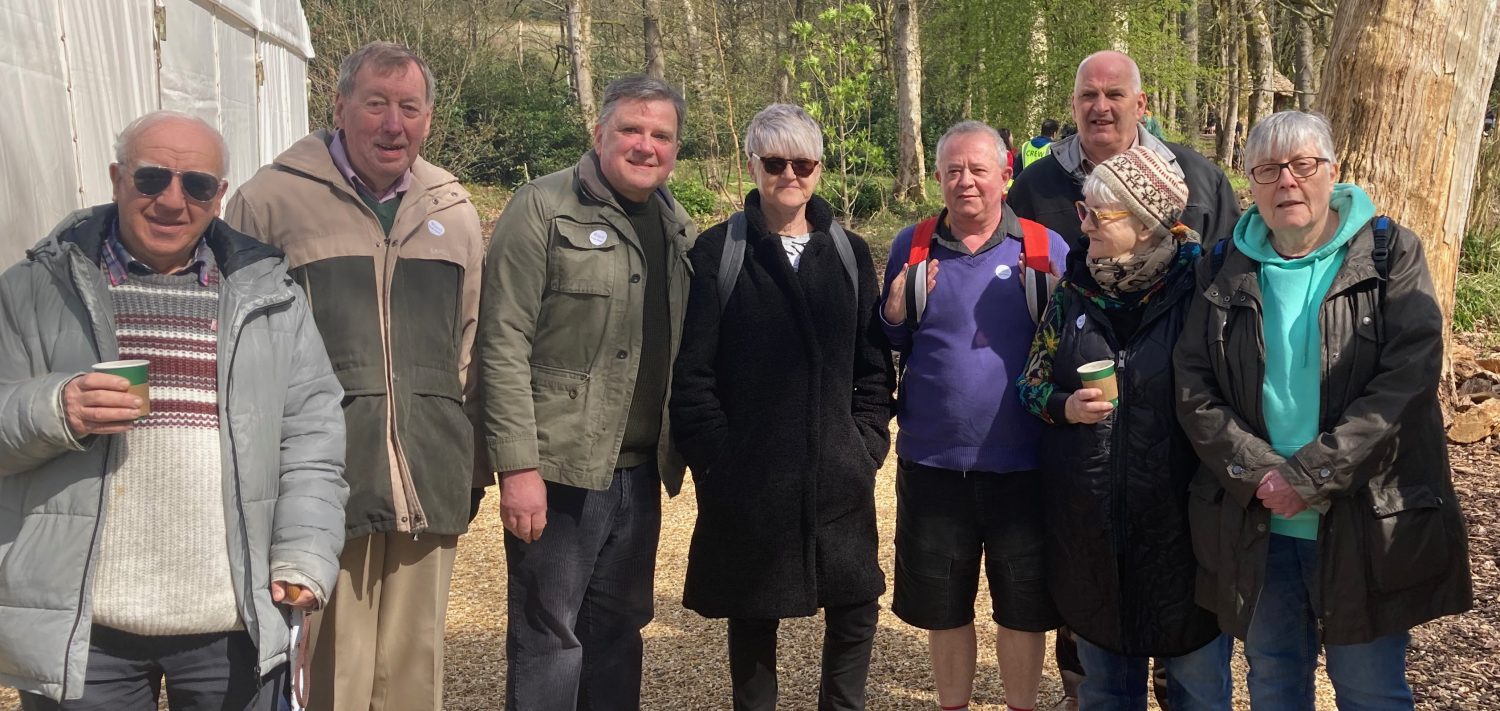
Board Games Afternoon
After lunch at The Piccadilly Tavern, we took the tram to New Islington, just one stop past Piccadilly Train Station. We walked to the Community Room in Mayes Gardens – an estate of 48 one and two bed bungalows and apartments giving the residents independence, privacy and safety. It is so peaceful there, right in the midst of the city.
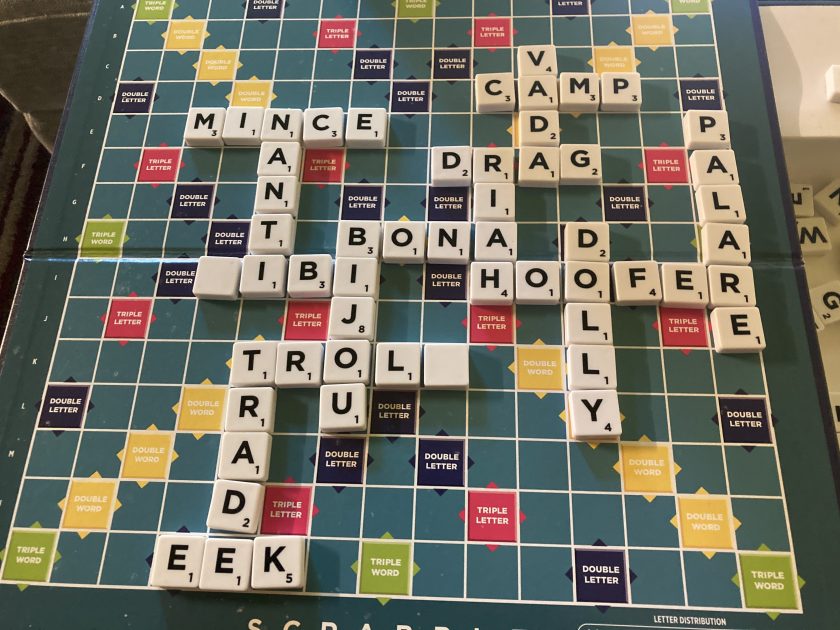
There we enjoyed an afternoon of Scrabble, dominos and Pontoon.

EHRC Code of Practice
A lot has been written about what the Equality and Human Rights Commission (EHRC) Code of Practice means and about what organisations should do. But I’m going to tell you what I will do.
As the Co-ordinator of Out In The City, my responsibility has always been to create spaces where people feel safer, seen and valued. That hasn’t changed and it won’t change tomorrow.
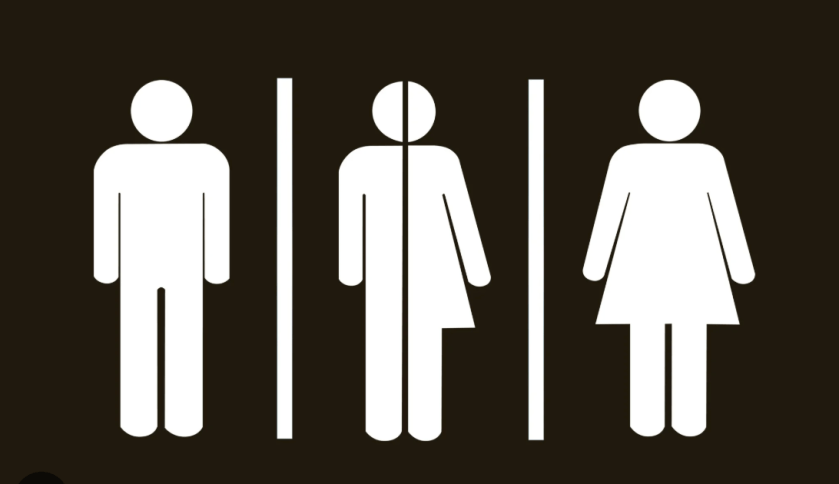
We will continue to build gender-inclusive spaces. We will choose venues wherever possible that offer gender-neutral toilets or provide a safe and comfortable alternative for everyone. (We have a RADAR key which anyone can use.)
If we get something wrong, we won’t become defensive. We will apologise, we will learn and we will do better.
We will continue to have a zero-tolerance approach to transphobia, just as we do racism, homophobia, misogyny, ableism and every other form of discrimination.
I’d much rather the trans community know they are loved than my silence make them question whether they are safe.
Out In The City stands by our trans members, and all who will be affected by the EHRC ruling. Out In The City recognises that trans rights are Human Rights and we will always thoroughly defend them.
Dr James Barry
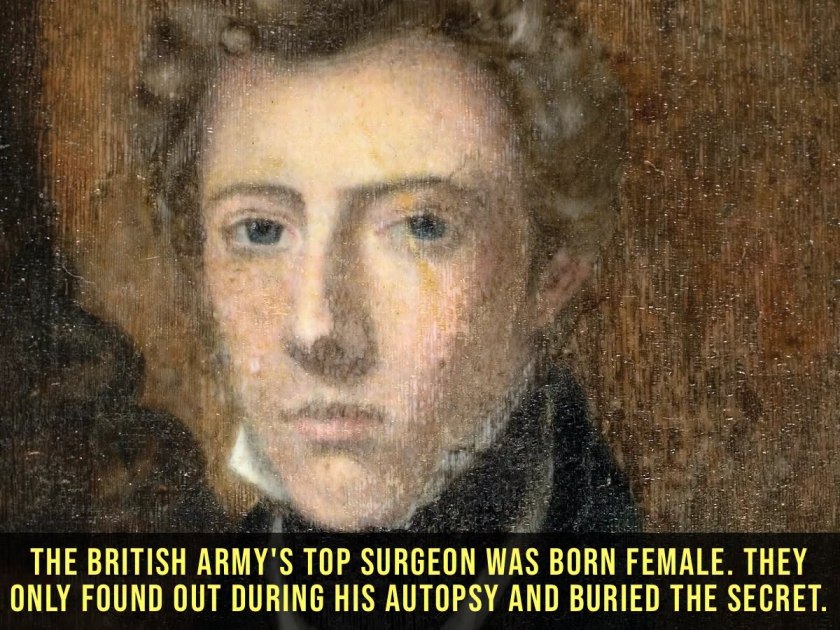
In 1865, a charwoman named Sophia Bishop was brought in to prepare the body of a celebrated British army surgeon for burial. What she found stopped her cold. She didn’t say anything until after the funeral. Then she went to the attending physician and told him what she’d seen. The army moved quickly to lock away every record it had on Dr James Barry, and kept them sealed for decades.
Barry had lived and worked as a man for 46 years. The army had no idea.
He was born around 1789 in Cork, Ireland, probably as Margaret Anne Bulkley, into a family with connections to the Irish art world. Somewhere in his teenage years, Margaret Bulkley became James Barry, enrolled in the University of Edinburgh’s medical school in 1809, and graduated with a degree that the Royal College of Surgeons would later describe as the first medical degree earned by a woman at Edinburgh, a description that missed the point entirely.
Barry joined the British Army Medical Department in 1813 and spent the next five decades posted across the British Empire. Wherever he went, he made enemies by insisting that soldiers deserved clean water, adequate food and basic sanitation, positions that the British military establishment found irritating and radical in equal measure.
In Cape Town in 1826, he performed one of the first successful caesarean sections in the British Empire, saving both mother and child. The baby’s family named their son James Barry Munnik in his honour.
In Cape Town, he also became close friends with the colonial governor, Lord Charles Somerset, close enough that rumours of a sodomy scandal followed both of them for years. Barry challenged at least one man to a duel over the gossip. Whether the rumours were true is lost to history along with most of Barry’s personal correspondence.
Florence Nightingale, the mother of modern nursing, met Barry in the Crimea and hated him on sight, later calling him “the most hardened creature I ever met.” He had criticised her hospital at Scutari, which was fair, since the sanitary conditions there were contributing to the death toll. Nightingale, who almost certainly had her own complicated relationship with conventional gender expectations and whose letters to women she loved read as anything but platonic, apparently found Barry’s manner insufferable.
Barry retired in 1859, the second most senior medical officer in the British Army, and died of dysentery in London on 25 July 1865. His instructions for burial were ignored. Sophia Bishop was brought in instead, and what she found she kept to herself until after he was in the ground. When the story got out, the army sealed his records and kept them that way for nearly a century.
The question of who James Barry was, exactly, has been argued ever since. Women who disguised themselves as men in the 19th century typically returned to living as women when the disguise was no longer necessary. Barry never did. He lived as a man, insisted on being treated as a man, and is increasingly recognised by historians as an early example of a transgender man.
The British Army spent a century trying to make him disappear. It didn’t work.

Play the Rainbow Lottery and support Out In The City
Out In The City now has 50 Rainbow Lottery supporters. Since the Rainbow Lottery began we have won £4,600 between us. In the last three months we have had 2 winners of £250, 4 winners of £25 and 18 winners of three extra tickets.
The Rainbow Lottery is the UK’s first and only lottery supporting LGBT+ good causes.
How the lottery works:
- £1 per ticket (payable at £5 monthly).
- For every ticket you play, 80% goes to good causes and prizes.
£25,000 jackpot prize
- Match all 6 numbers and you win the JACKPOT! There are also prizes of £2000, £250, £25 and 3 free tickets for the following week.
Rainbow Lottery BIGGEST-EVER Summer Prize Returns!

- Every month there is a Super Draw. August’s Super Draw (on 29 August) is a £2,000 Luxury Holiday (or £2,000 cash alternative or go green and plant 2,000 trees!)
If you don’t have tickets, you can buy here.
 Out in the City