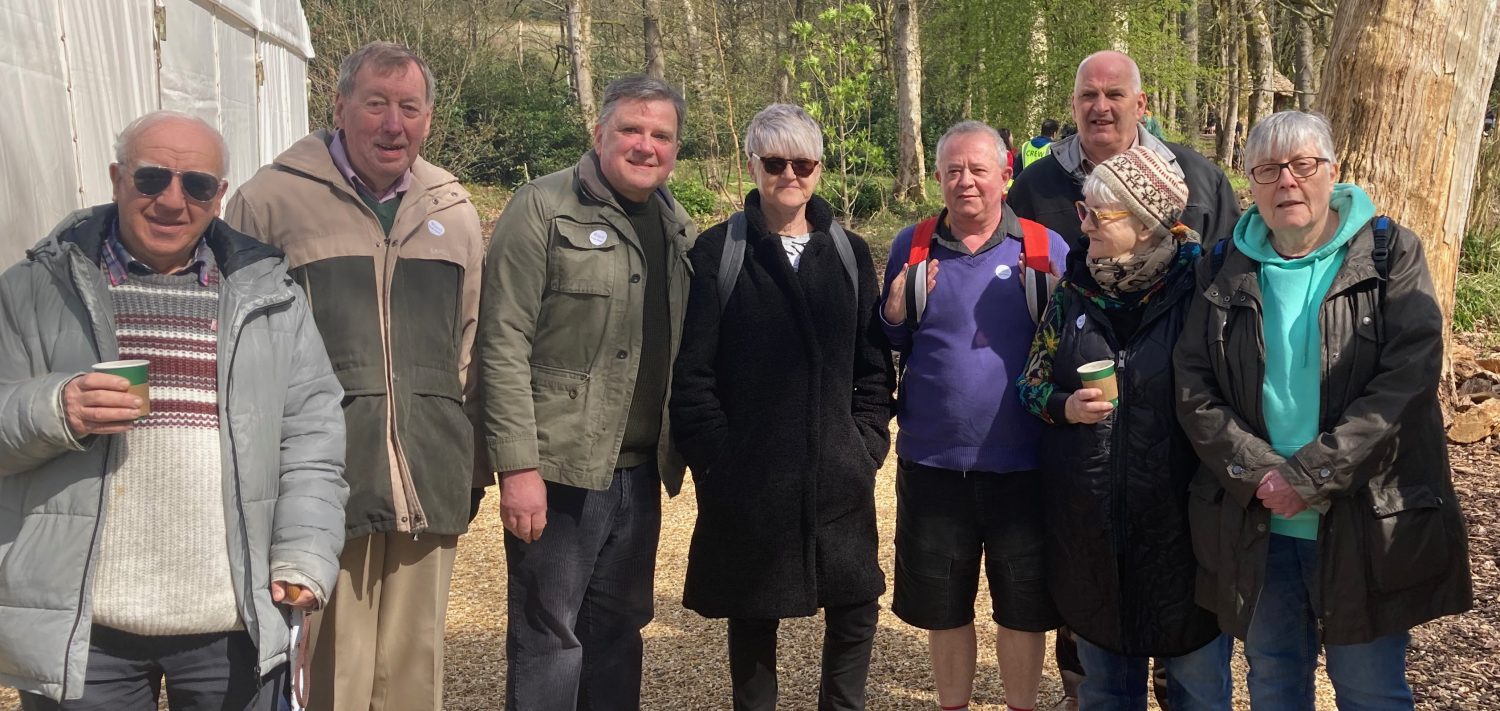
Anniversary of the Decriminalisation of Homosexuality
The anniversary of the partial decriminalisation of homosexuality is 27 July, marking the day the Sexual Offences Act received Royal Assent in 1967.
The 1967 Act partially decriminalised homosexual relations (described as ‘homosexual acts’ and defined as buggery or ‘gross indecency’) between two men over 21 years of age in private only – namely, that the ‘homosexual acts’ would not be treated as occurring ‘in private’ if more than two persons took part or were present, or if the acts took place in a public place. The changes applied to England and Wales only.
This started the long journey to decriminalise homosexuality, foster equality and become liberated. But the 1967 act was just a start. It was the first gay law reform since 1533, when buggery was made a crime during Henry VIII’s reign; all other sexual acts between men were outlawed in the Victorian era, in 1885. The criminalisation of homosexuality in the UK did not in fact end until 2013.
Research by the Peter Tatchell Foundation reveals that an estimated 15,000-plus gay men were convicted in the decades that followed the 1967 liberalisation. Not only was homosexuality only partly decriminalised by the 1967 act, but the remaining anti-gay laws were policed more aggressively than before by a state that opposed gay acceptance and equality. In total, from 1885 and 2013, nearly 100,000 men were arrested for same-sex acts.
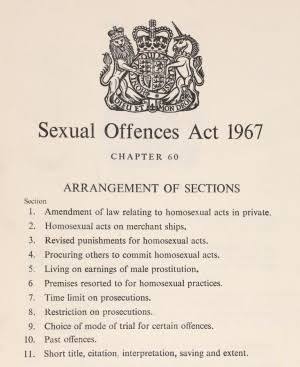
The 1967 legislation still discriminated. The age of consent was set at 21 for sex between men, compared with 16 for sex between men and women; a decision that pandered to the homophobic notion that young men are seduced and corrupted by older men.
The 1967 reform applied to only England and Wales, not being extended to Scotland until 1980 and to Northern Ireland until 1982. It did not include the armed forces or merchant navy, where sex between men remained a criminal offence. Gay military personnel and merchant seamen could still be jailed until 1994, for behaviour that was no longer a crime between gay civilians.
At the 1987 Conservative party conference Margaret Thatcher used her keynote speech to attack the notion that people had a right to be gay.
The gross indecency law of 1885 had been used to convict the computer genius Alan Turing in 1952 and, before him, to jail the playwright Oscar Wilde in 1895. It was finally repealed by the Sexual Offences Act 2003.
As a result, for the first time in 470 years, England and Wales had a criminal code that did not penalise gay sexuality. In Northern Ireland, the ban was not finally repealed until 2008. Scotland’s anti-gay laws were repealed in 2009 but, in the case of sodomy, did not take effect until 2013. It seems scarcely credible, but gay sex ceased to be a crime in the UK only thirteen years ago.
The 1970s brought exhilarating changes as new gay scenes, activisms, and ideas emerged.
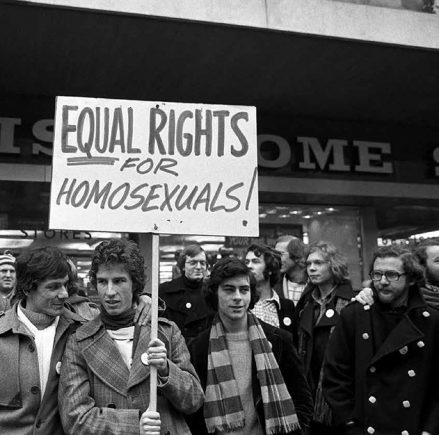
The 1980s brought darker times with the ubiquitous fear of HIV and AIDS everywhere, as well as in Thatcher’s nasty Clause 28. Yet both of these events did help in mobilising and strengthening the LGBT+ community.
By the 1990s, stronger mainstream movements developed like Stonewall. The controversial assimilationist battle over gay marriage dominated the politics of this next period, along with growing global concerns for gay rights. Here we are now, celebrating progress and more than fifty years since changes in the law.
The successes of the past fifty years are real markers of advance. But changes have been slow, piecemeal and often grudging. Stonewall has kept documenting problems in schools (with bullying, for example), in the workplace and, more generally, they could still document “one in six lesbian, gay and bisexual people experiencing a homophobic hate crime or incident over the last three years”. Worldwide, there are at least 67 countries that still criminalise same-sex relationships.
But let’s come a little closer to home. There may be a liberal acceptability of LGBT people today, but the tide has been turning, and despite legal changes, there is still a very long way to go.

New studies show devastating effects of Trump’s cuts to HIV programmes
The White House has disavowed the study, but healthcare workers around the world disagree.

The International AIDS Conference 2026 will take place from 26 July to 31 July in Rio de Janeiro, Brazil. The theme is “Rethink. Rebuild. Rise.” The conference will take place against the backdrop of US funding cuts that have significantly impacted the global HIV/AIDS fight.
A new study to be presented in Rio de Janeiro shows the devastating effects of cuts that the Trump administration has made in the global effort to eradicate HIV/AIDS. Sharp drops in both prevention efforts and treatment for children and others at risk from the disease have resulted from Trump’s cuts, according to a survey conducted by the HIV charity amFAR.
The findings are at odds with the State Department’s own assessment of PEPFAR, the President’s Emergency Plan for AIDS Relief, funding of which was halted completely soon after President Donald Trump took office in January 2025.
“We have not verified this specific report, but we can categorically say that its methodology is flawed,” the State Department told The New York Times, dismissing the bad news and claiming that slashing the programme had resulted in “strengthening PEPFAR.”
According to amFAR, three-quarters of the organisations funded by the programme stopped providing services to those at highest risk from HIV, including sex workers, men who have sex with men, transgender clients and injecting drug users.
A second study conducted by a multinational group of scientists (also scheduled for presentation at the conference), revealed PEPFAR supported treatment for about 77,000 fewer children in 2025 than it had the previous year, an average 14% decline over the previous year. India and South Africa each reported a decline of more than 45%.
PEPFAR is credited with saving 26 million lives in more than 50 countries since President George W Bush created the initiative in 2003.
“We unfortunately are going through a very complex and difficult moment, where all these good achievements are challenged by the new policies,” Dr Beatriz Grinsztejn, president of the International AIDS Society, said at a press briefing last week ahead of the conference.
The amFAR study surveyed 166 organisations in 46 countries and found that delayed or terminated awards in 2025 resulted in the shutting down of at least 1,700 sites that had delivered HIV treatment and prevention services. More than 16,000 workers were also laid off as a result, the survey found.
Because the survey included just one quarter of PEPFAR funding recipients, the true numbers of those affected are several times larger.
For those local organisations still operating, the funding cuts and raft of new requirements imposed by the administration have also proved debilitating.
“Even if a site doesn’t close, what you’re seeing is longer wait times, and fewer staff, and nonfunctioning data systems,” said Jennifer Sherwood, amfAR’s director of research and public policy.
About half of the groups surveyed reported supply chain disruptions in procuring condoms, lab supplies, and antiretroviral drugs for treatment, with such shipments either halted or delayed.
The system that is left “is really a treatment-heavy model, which isn’t really conducive to controlling the HIV epidemic long-term,” said Elise Lankiewicz, a policy associate at amfAR.
For the most vulnerable affected by the disease, the chaos sowed by the cuts has been immediately life-threatening. Children living with HIV are at particular risk, because they “can get very sick very quickly without access to drugs, and so the stakes are really high,” said Ramona Godbole, a senior manager at the Clinton Health Access Initiative.
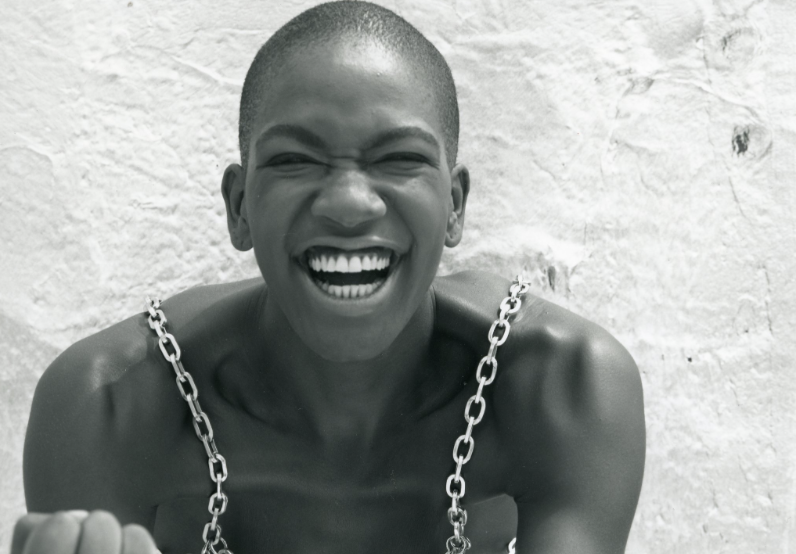
Exhibition: Discover Queer Up North 1992–2002
Explore the story of Queer Up North, Europe’s first LGBTQIA+ arts festival, through a free mini-exhibition celebrating a decade that transformed Manchester’s cultural landscape.
Featuring rarely seen archive material presented physically and digitally, the exhibition reveals how Queer Up North championed groundbreaking artists, challenged convention and created space for LGBTQIA+ voices between 1992 and 2002.
Whether you remember the festival or are discovering it for the first time, the exhibition offers a chance to explore one of Manchester’s most significant cultural stories and serves as a taster of the forthcoming Queer Up North digital archive, launching on 2 October 2026.
Queer Up North 1992–2002: Celebrating Manchester’s LGBTQ+ Heritage runs at Manchester Central Library from 8 July to 31 December 2026.
🎟️ Free admission
📍 Library Café, Manchester Central Library

Drag Me to The Quiz
As part of Prestwich Pride, who are fundraising for Out In The City this year, there is a Quiz Night – Drag Me to the Quiz – hosted by Miss Blair.
Thursday, 6 August – 6.30pm – 10.00pm – Hideout, 2 Sherbourne Street, Prestwich, Manchester M25 3BB (nearest tram is Prestwich).
Miss Blair is bringing brains, banter and full quiz brilliance to Prestwich Pride!
Kick off Prestwich Pride with quick wit, clever questions, prizes and more sequins and sass than you can shake a stick at.
Brush up on your trivia and prepare for a night of laughter and DRAMA!
Arthur, Nigel, Norman and Tony are going! Do you want to join us?
Tickets: £3 per person
If so, please contact Tony by text on 07434 485 000 or email openshawtony1@gmail.com
 Out in the City