
Smithills Hall
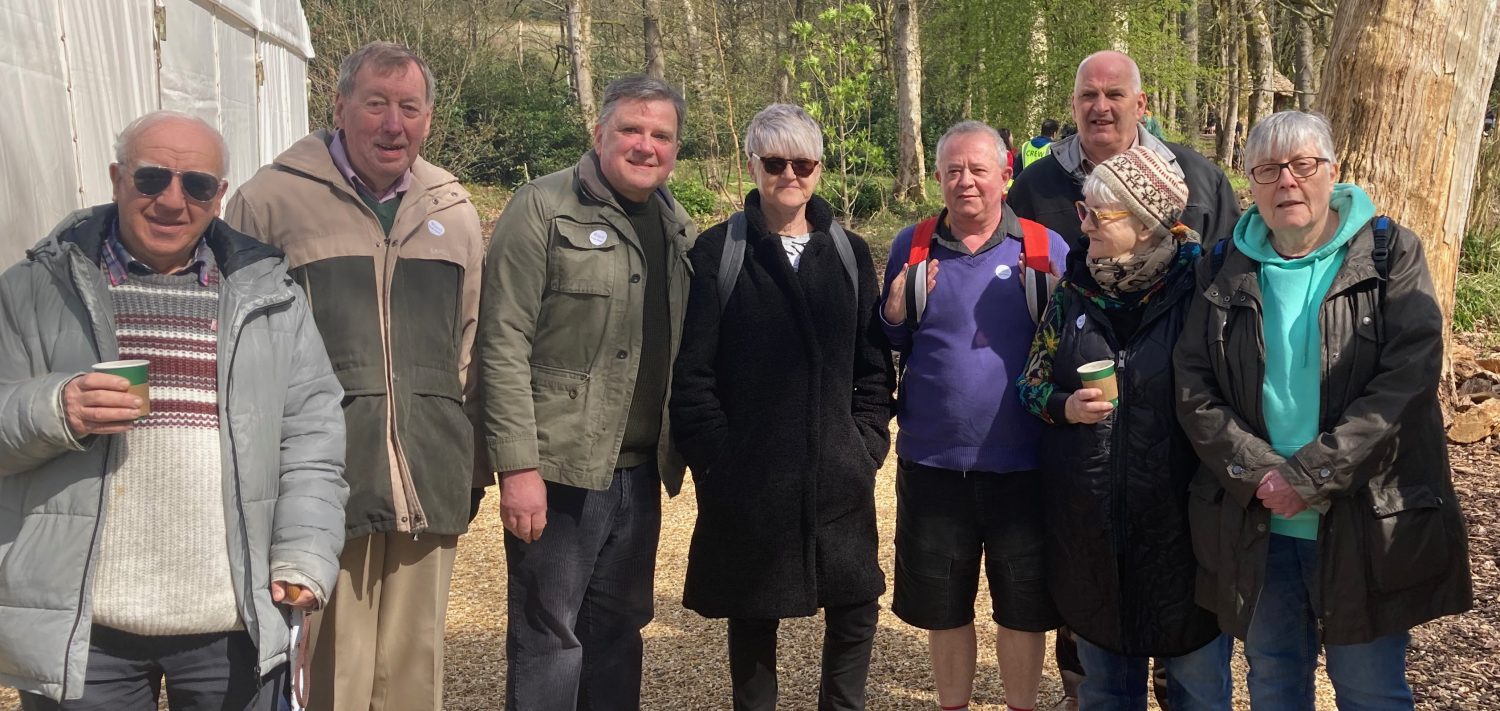
This week we gathered at Victoria Train Station and took the train to Bolton. The journey is just less than 20 minutes and then we walked through the “skylink” bridge to Bolton Interchange and on to the Olympus Chip Shop.
The restaurant is a beloved local institution, renowned for its traditional fish and chips served in a welcoming and friendly atmosphere. With its central location in Bolton, it has become a favourite spot for both residents and visitors seeking a classic British experience.
We then returned to the Interchange to take the bus to Smithills.
Located three miles north west of the town centre, Smithills Hall is a remarkable example of a historic manor house, offering visitors a fascinating glimpse into centuries of local history. A visit to Smithills Hall allows you to explore beautifully preserved rooms, including the medieval hall, Tudor and Victorian wings and picturesque gardens.
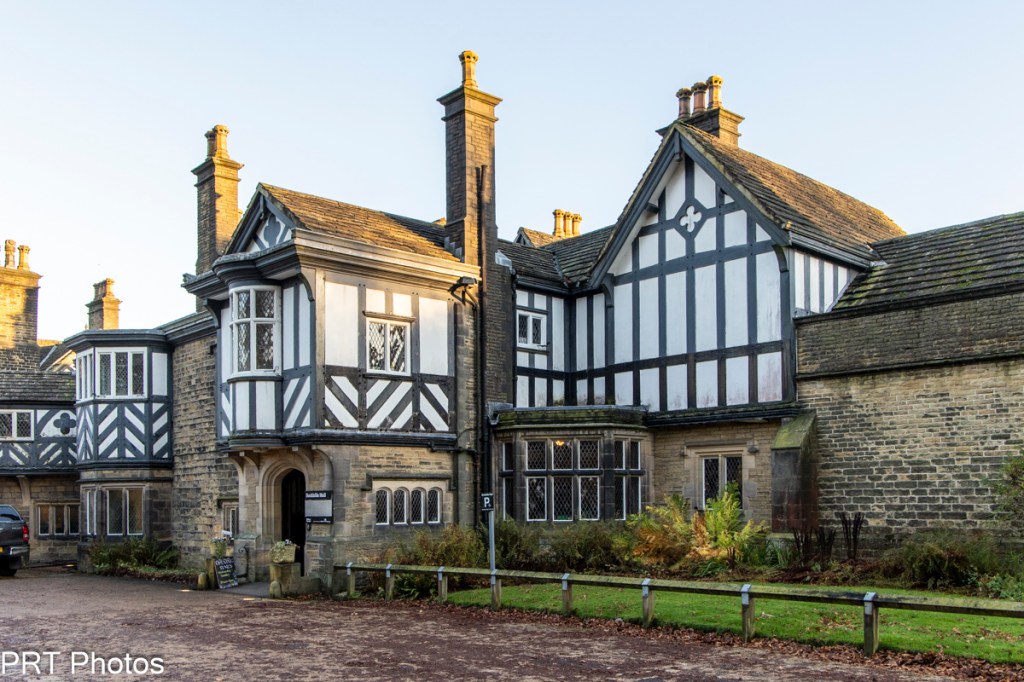

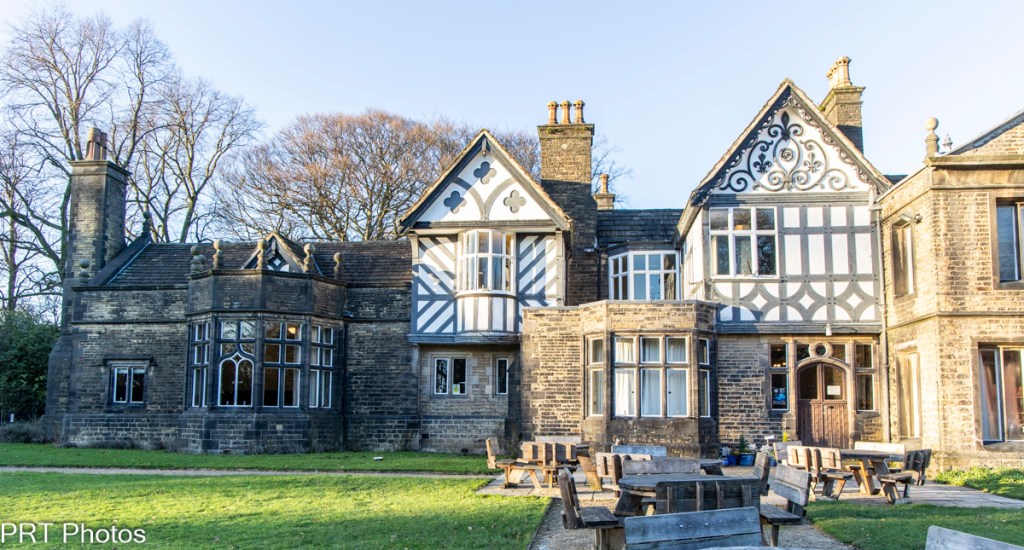
The house provides insights into the families who once lived there, the architectural evolution of the building and the intriguing stories associated with this heritage site.
Whether you are interested in architecture, history, or simply looking for a scenic afternoon out, Smithills Hall is a must-see destination in Bolton.
More photos can be seen here.

New book highlights long history of LGBT+ oppression
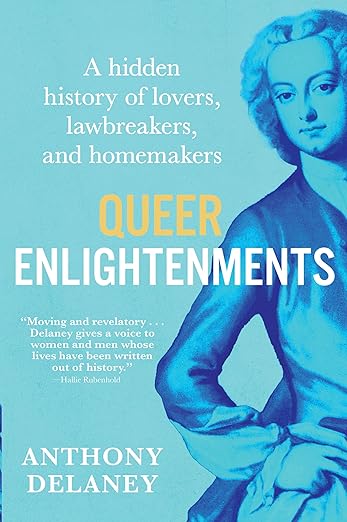
In “Queer Enlightenments: A Hidden History of Lovers, Lawbreakers, and Homemakers” by Anthony Delaney, the story of LGBT+ oppression, discrimination, persecution and inequality goes back to the 18th century.
The first recorded instance of the word “homosexual” arrived loudly in the spring of 1868: Hungarian journalist Károly Mária Kerthbeny wrote a letter to German activist Karl Heinrich Ulrichs referring to “same-sex-attracted men” with that new term.
Many people believe that this was the “invention” of homosexuality, but Delaney begs to differ. “Queer histories run much deeper than this …” he says.
Unfolding between 1726 and 1836, Queer Enlightenments is a lively journey through the taverns, prisons and cruising grounds of a bygone era and into the lives of aristocrats, tradesmen and sex workers who pursued self-expression and freedom no matter the risk.
Take, for instance, the delightfully named Mrs Clap, who ran a “House” in London in which men often met other men for “marriage.” On a February night in 1726, Mrs Clap’s House was raided and 40 men were taken to jail, where they were put in filthy, dank confines until the courts could get to them. One of the men was ultimately hanged for the crime of sodomy. Mrs Clap was pilloried, and then disappeared from history.
William Pulteney had a duel with John, Lord Hervey, over insults flung at the latter man. The truth: Hervey was, in fact, openly a “sodomite.” He and his companion, Ste Fox had even set up a home together. At the court of King George, a silver-tongued noblewoman remarked of one of Queen Caroline’s confidants, “The world consists of men, women and Herveys.”
In about 1769, rumours spread that the lovely female spy, the Chevalier d’Éon, was actually Charles d’Éon de Beaumont, a man who had been dressing in feminine attire for much longer than his espionage career. Anne Lister’s masculine demeanour often left her an “outcast.” And as George Wilson brought his bride to America in 1821, he confessed to loving men, thus becoming North America’s first official “female husband.”
Inequality and persecution aren’t new things and our ancestors faced them head-on, just as people do today. The twist, in this often-chilling narrative, is that punishments levied on 18th- and 19th-century LGBT+ folk was harsher.
Delaney doesn’t soften those accounts for readers. Read this book, and you’re attending a hanging, in jail with an ally, at a duel, embedded in a King’s court and on a ship with a man whose new wife generously ignored his secret.
Queer Enlightenments delves into the archives and emerges with new discoveries and a fresh view of the people who challenged society’s expectations.
‘Queer Enlightenments: A Hidden History of Lovers, Lawbreakers, and Homemakers’
By Anthony Delaney
£21.99 / 352 pages

Thursday, 4 December 2025 – 6.00pm – The Hallé – Rush Hour Concert: Nutcracker Selection – Limited number of free tickets
Bridgewater Hall, Lower Mosley Street, Manchester, M2 3WS
Maria Seletskaja conductor
Borodin Polovtsian Dances
Tchaikovsky The Nutcracker: selection
Hear the magic of Tchaikovsky’s The Nutcracker, conducted by Maria Seletskaja, Music Director of the English National Ballet. From the ‘Chinese Dance’ (Tea), through the ‘Trepak’, to the ‘Arabian Dance’, Tchaikovsky’s abridged score of the beloved ballet takes the audience on a magical journey with snowflakes, sweets and – of course – a Sugar Plum Fairy. Before we embark on that journey, we hear Borodin’s Polovtsian Dances from his unfinished opera Prince Igor.
If you want a FREE ticket, please contact us here.
Birthdays


 Out in the City
Billie Jean is looking good. She’s a great advocate for psychotherapy.
LikeLike