Landmark LGBT+ Homes
Before 1967, homosexuality was illegal and loving someone of the same sex was a criminal offence.
Although the law did not apply to lesbians, the privacy of the home provided safety and security for many LGBT+ people when same-sex intimacy was condemned by society.
Here are five artists’ homes that have become landmarks in LGBT+ history:
1. The Cabin, Bucks Mills, Devon
Once a fisherman’s store, this mid-19th century cabin became the studio retreat of artists Judith Ackland and Mary Stella Edwards in 1924.
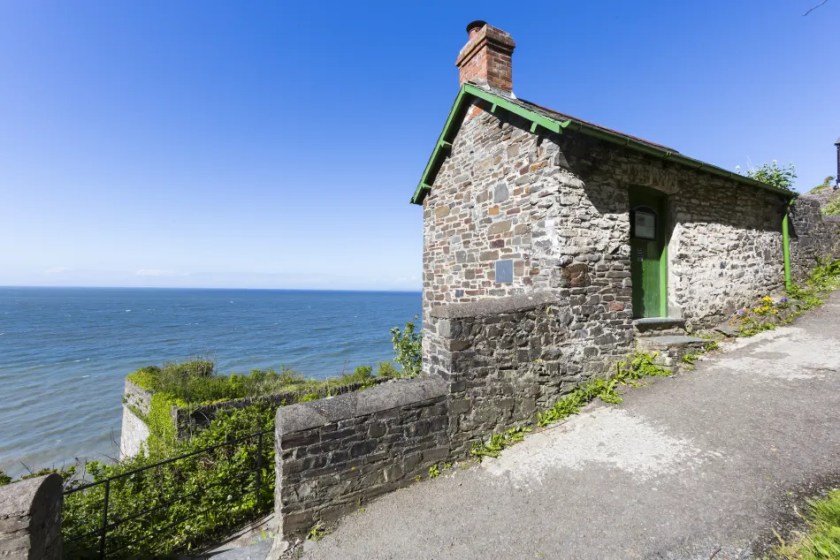
The women met as students in London and fell in love. Together they travelled the country, painting and selling their work. They lived and worked in the cliff edge summer house for sustained periods over 50 years until Judith died in 1971. Mary Stella closed the Cabin and did not return.
It has been left unchanged in the care of the National Trust and is still used as an artist’s residence.
2. Chantry House, West Sussex
Artist Hannah Gluckstein adopted the name Gluck in 1918 and began to dress in traditionally masculine clothes.
Gender subversion, non-conformity and queer sexualities played an important role in Gluck’s art. One of their most famous paintings, ‘Medallion (You We)’, 1937, a dual portrait of their love, socialite Nesta Obermer, later became the cover image for Radclyffe Hall’s novel ‘The Well of Loneliness’, 1928, about a lesbian relationship.
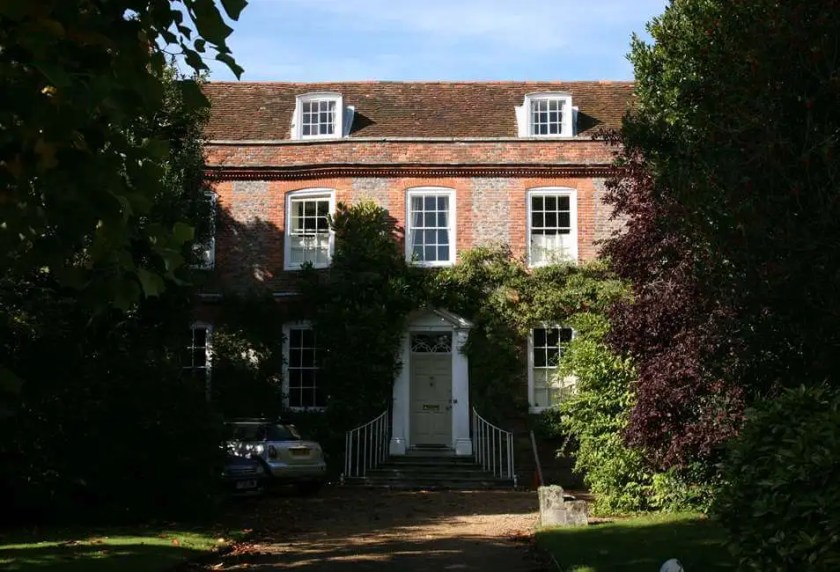
After Nesta broke off their relationship in 1944, Gluck began a relationship with Edith Shackleton Heald, the first female reporter in the House of Lords. They lived together in Heald’s home of Chantry House in Sussex until she died in 1978.
3. Priest’s House, Kent
Successful theatre producer, director, and costumier Edith (Edy) Craig lived at Priest’s House with her female partners, the writer and translator Chris St John (Christabel Marshall) from 1899, with artist Tony (Clare) Atwood joining in 1916.
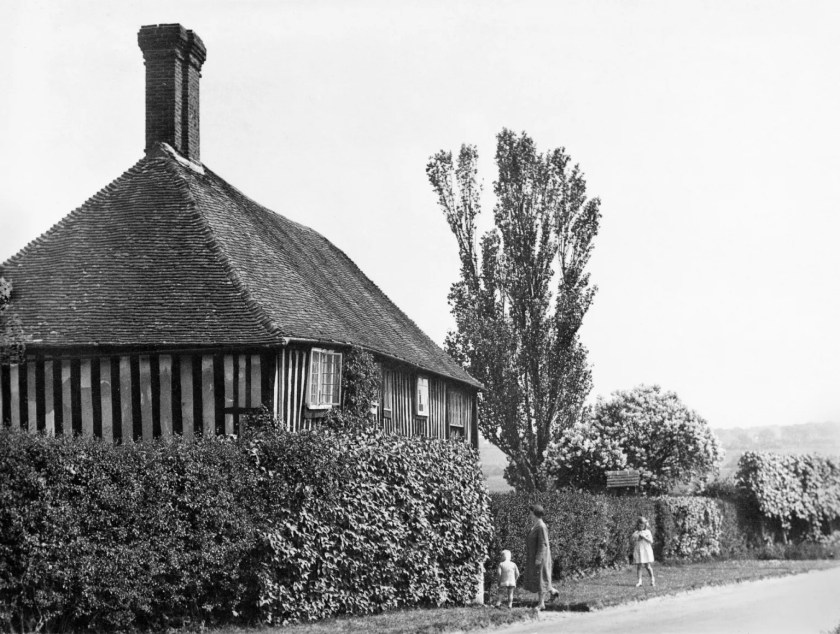
They lived together for the rest of their lives and were visited by queer artists and writers, including Virginia Woolf and Radclyffe Hall.
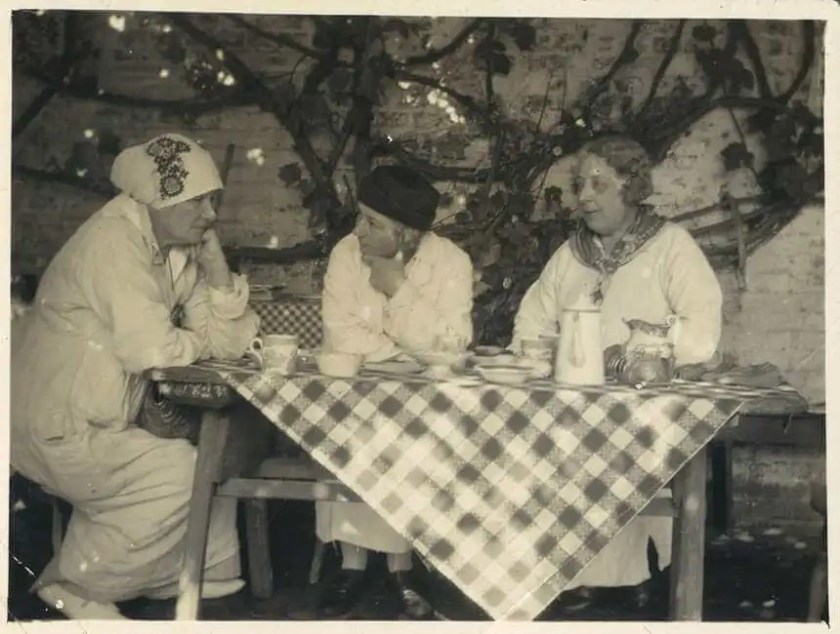
Their timber-framed house is on the grounds of Smallhythe Place, home to Edy’s mother, Victorian actress Ellen Terry.
When Ellen died in 1928, Edy transformed the house into a memorial museum to her mother’s life. She converted the 17th century thatched barn into a theatre and held an annual drama festival from 1929, attracting luminaries of the theatre world, including queer actor John Gielgud.
4. Ham Spray House, Wiltshire
Artist Dora Carrington and the writer’s Ralph Partridge and Lytton Strachey made Ham Spray House their home in 1924.
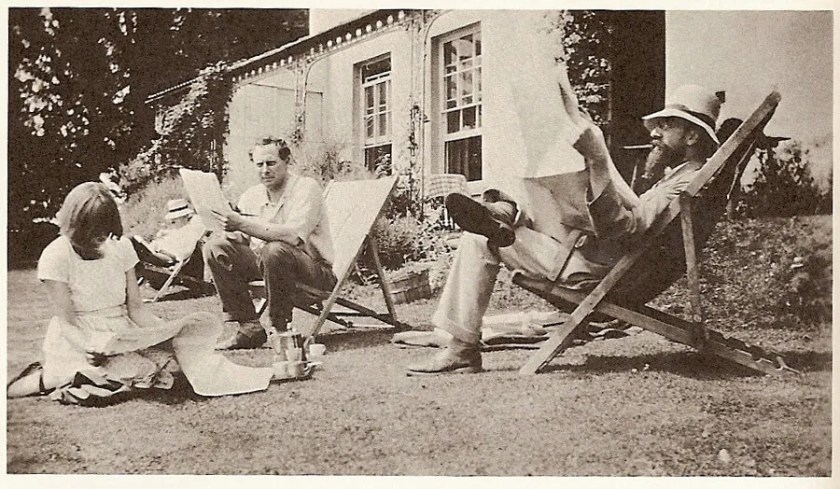
The ménage a trois was associated with ‘The Bloomsbury Set’ of artists and intellectuals who had open relationships, often with same-sex partners.
Strachey wrote his books ‘Elizabeth and Essex’, 1928, ‘Portraits in Miniature’, 1931, and ‘Characters and Commentaries’, 1933, in the first-floor library of the house.
The library was designed by Carrington, featuring tiles with Strachey’s monogram and a false bookcase with humorously titled book spines. Strachey died in 1932, and grief-stricken Carrington died of suicide shortly after.
5. Sissinghurst Castle, Kent
Purchased in 1930, the poet and novelist Vita Sackville-West lived at Sissinghurst with her husband, Harold Nicolson. They both had numerous same-sex affairs throughout their happy and unconventional married life.
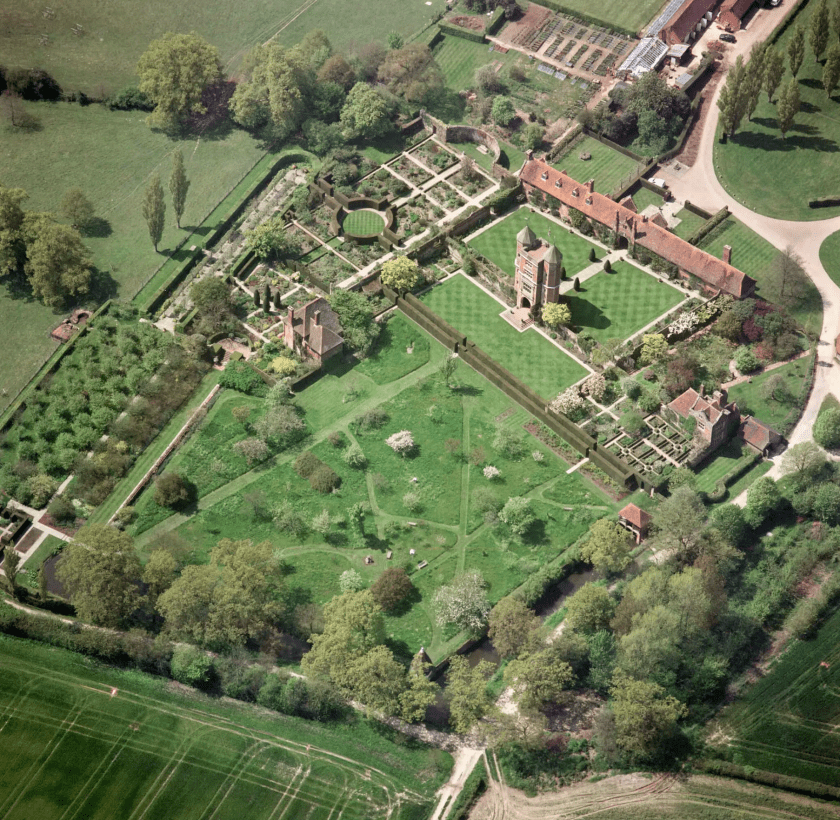
The most well-known of Vita’s love affairs was that with the novelist Virginia Woolf. Woolf is said to have modelled her successful book ‘Orlando’, 1928 and its gender-shifting hero on Vita.
Both Vita and Harold were discreet about their same-sex affairs. Their home at Sissinghurst allowed them to share a happy, queer marriage.
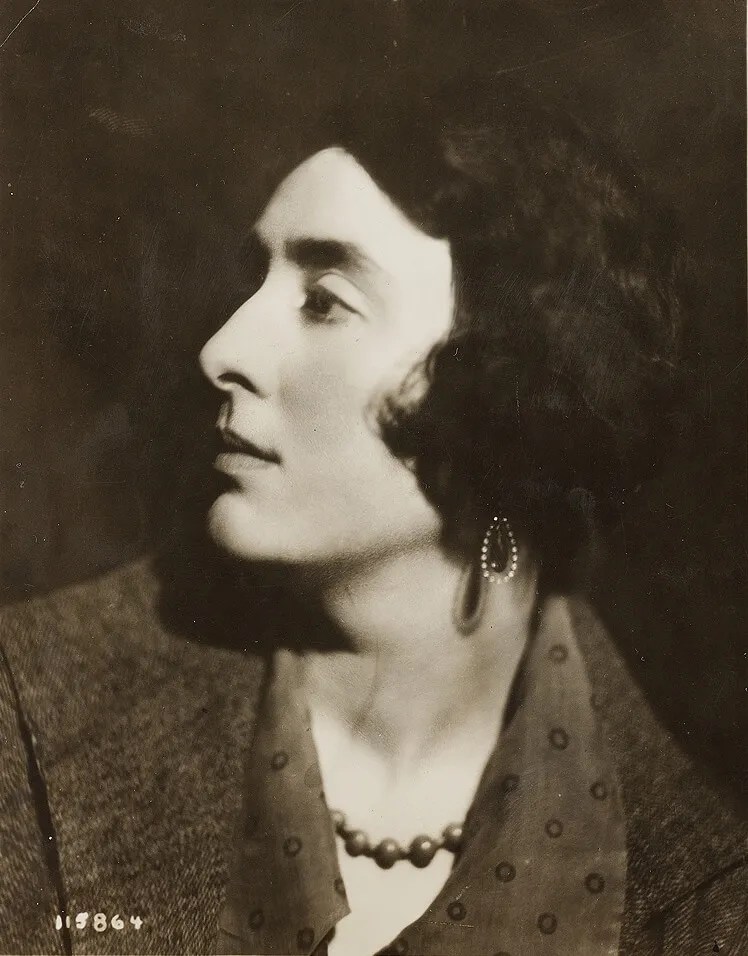

Mary Frith (1584 – 26 July 1659)
She swaggered through the streets of London in breeches and boots, a pipe clenched between her teeth, daring anyone to question her right to exist on her own terms. In an age when women were expected to be silent, submissive, and tucked behind a veil of obedience, Mary Frith – better known as Moll Cutpurse – stood as a living scandal, a walking disruption of every rule that kept women in their place.
Born around 1584, Mary didn’t just push boundaries – she torched them. From a young age, she refused to conform to the rigid expectations of femininity. She dressed like a man not to entertain or deceive, but to live freely, unchained by corsets or customs. Her male attire, often complete with a sword, was an audacious statement: I will not be what you say I must be.
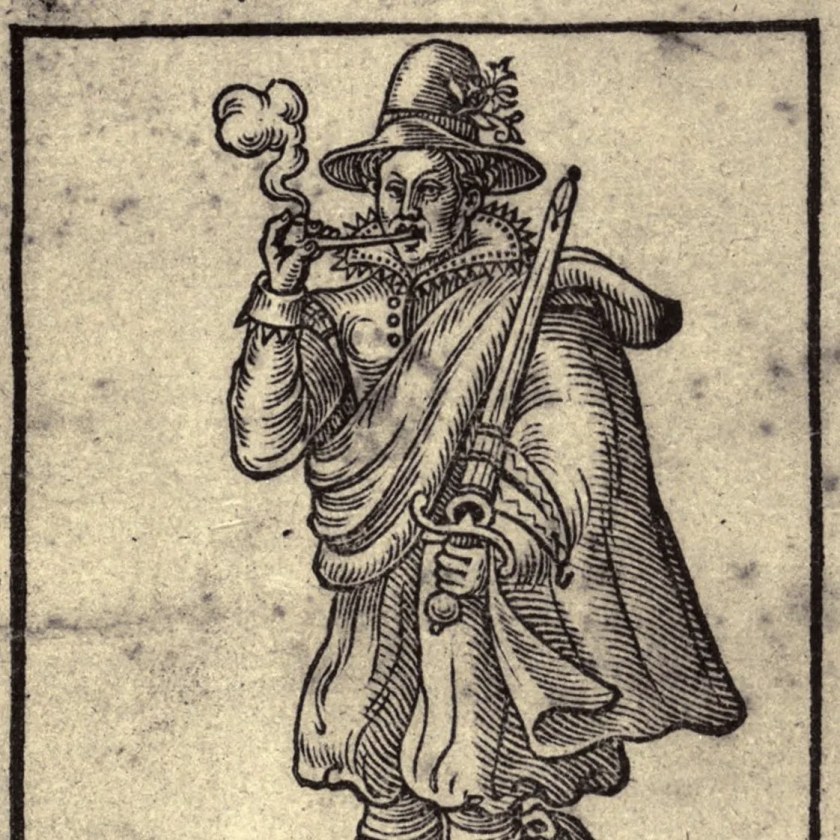
Moll wasn’t just notorious for her wardrobe. She made her living on the streets as a pickpocket, a fence, and eventually, a business-savvy operator who helped return stolen goods – for a fee, of course. She mingled with thieves and actors, outlaws and drunkards, becoming both a local legend and a feared figure in London’s underworld. Her reputation grew so vast that plays were written about her while she was still alive.
But Moll didn’t stop at crime. She also broke into the all-male world of public performance. She took to the stage at a time when women weren’t even allowed to act, performing in drag, smoking openly, and mocking the very society that tried to erase her. Even when arrested and forced to publicly repent, she did it in style – reportedly throwing in a song or two just to irritate the authorities.
Mary Frith lived a life that makes the phrase “ahead of her time” feel almost inadequate. She defied gender expectations not as a private act of rebellion, but as a public spectacle. In a world that punished women for stepping out of line, she danced, drank, and laughed right across it.
Her story isn’t just one of defiance – it’s a reminder of the power that comes from refusing to apologise for being exactly who you are.
Good News From America:
Rainbow Road is the longest LGBTQ+ mural in history
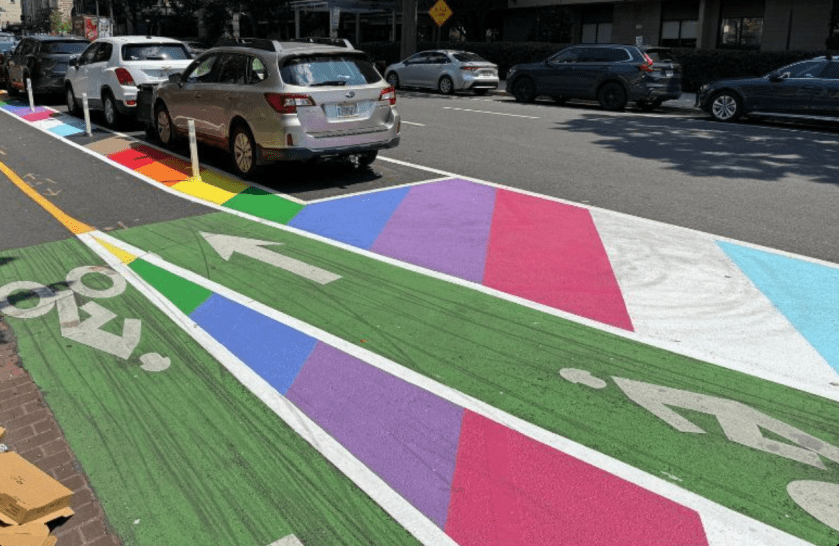
Driving along 15th Street Northwest in Washington DC, you may notice a stretch with multicoloured bike lanes and other street paintings. That “Rainbow Road” is now the longest LGBTQ+ mural in history.
“DC has the largest LGBTQ per capita population in the country, and you know, it’s just important to not shy away from our colours,” said Lisa Marie Thalhammer, the lead artist on the project.
Stretching over half a mile between O and V streets, the mural features all the colours from the pride flag, as well as plenty of spots with three stars representing the DC flag.
There are also additions by eight other artists from the DC area.
“We also have this really cool piece by Maps Glover called “Watermelon Kisses”, and it’s just this really sweet depiction of two figures, you know, embracing in a sweet kiss surrounded by green and black in a pink heart,” Thalhammer said.
The artists and more than a hundred volunteers spent weeks designing and painting the project in time for last month’s World Pride Festival.
“It would not have happened without the help of, you know, these 120 volunteers all coming together to make this city more colourful and more beautiful,” Thalhammer said.
While planned for Pride month, the 0.63-mile long mural is expected to stick around for years to come as “a visual reminder that pride is actually 365 days of the year.”
“This painting is really for our community, in the Shaw and Dupont Circle neighbourhoods, and it just really brought so much light and joy to people’s faces,” Thalhammer said.

“In Plain Sight” Sculpture
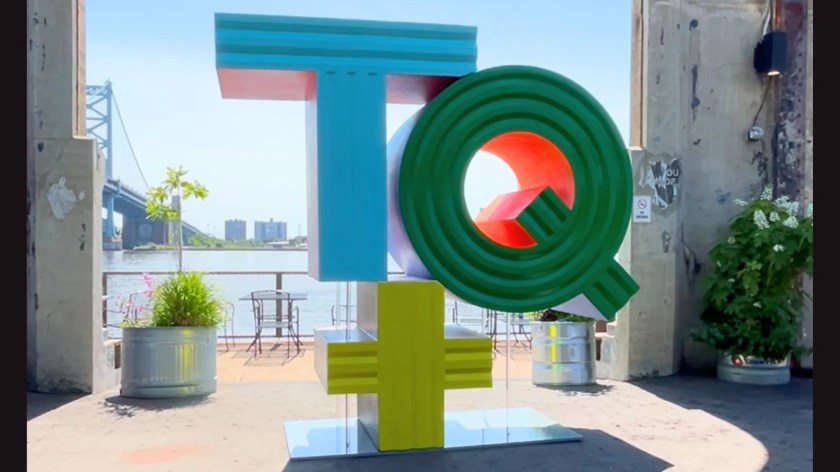
Philadelphia is committed to collaborate with the LGBTQ+ community and pursue dialogues about how to best show marginalised people visible support and allyship.
What emerged was a sculpture called “In Plain Sight”, a ten-foot tall sculpture that features colours from a variety of Pride flags to display the letters T and Q with a plus sign, meant to be a representation of both visibility and hospitality to those members of the community facing especially painful challenges in the current political climate.
This sculpture is an opportunity to share – really with the world – that Philadelphia is committed to LGBTQ+ equality and visibility.
 Out in the City
Absolutely brilliant
LikeLike
I loved the story about Mary Frith! How brave. It makes me want to be more defiant and less afraid.
LikeLike