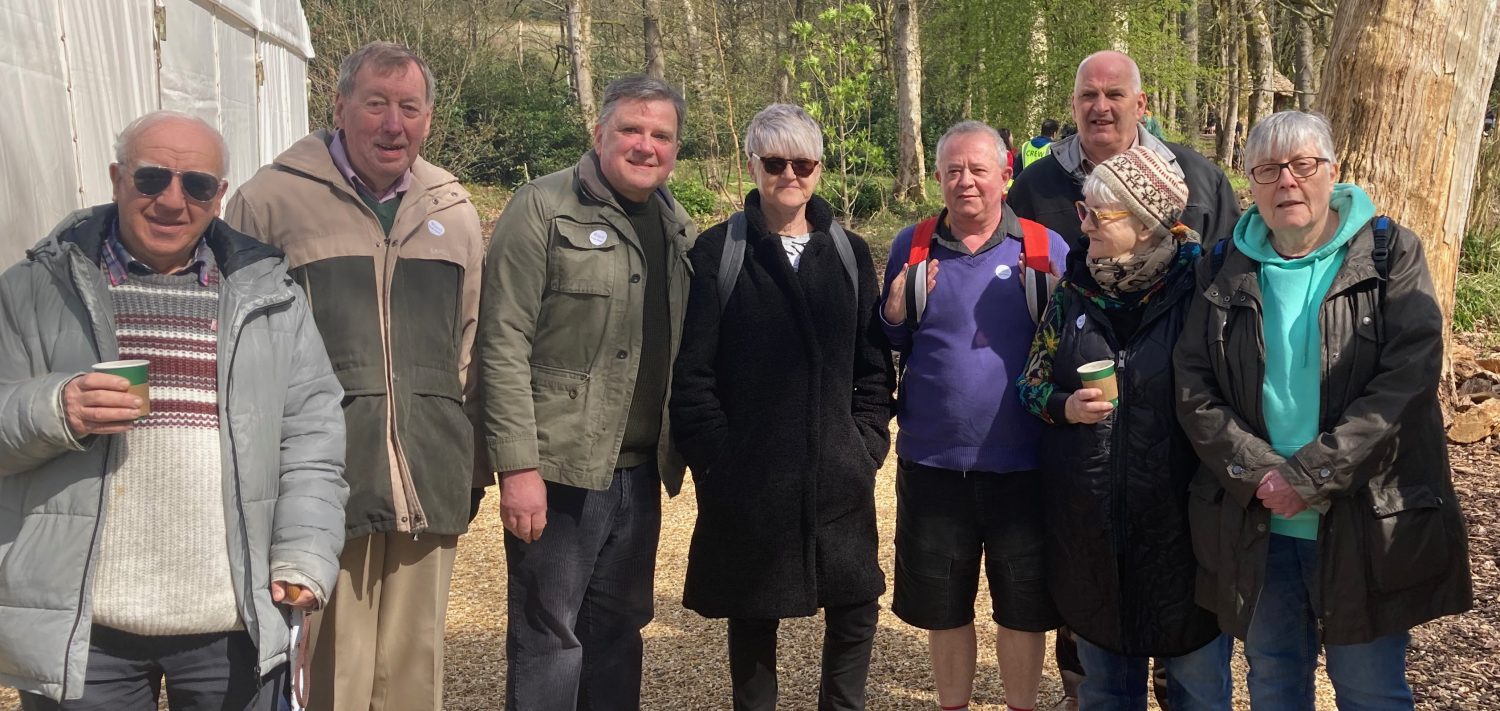
The Queen’s Arms
The Queen’s Arms pub, near Eccles, has brought Anlo Izakaya vibes to Greater Manchester with its British take on Japanese bars.
On the outside, it’s hard to separate the Queen’s Arms from any other pub in Greater Manchester. Situated at the top of a small hill next to a low bridge by Patricroft Train Station in Salford, it looks like the perfect spot to sit with a pint on a sunny day and put the world to rights.
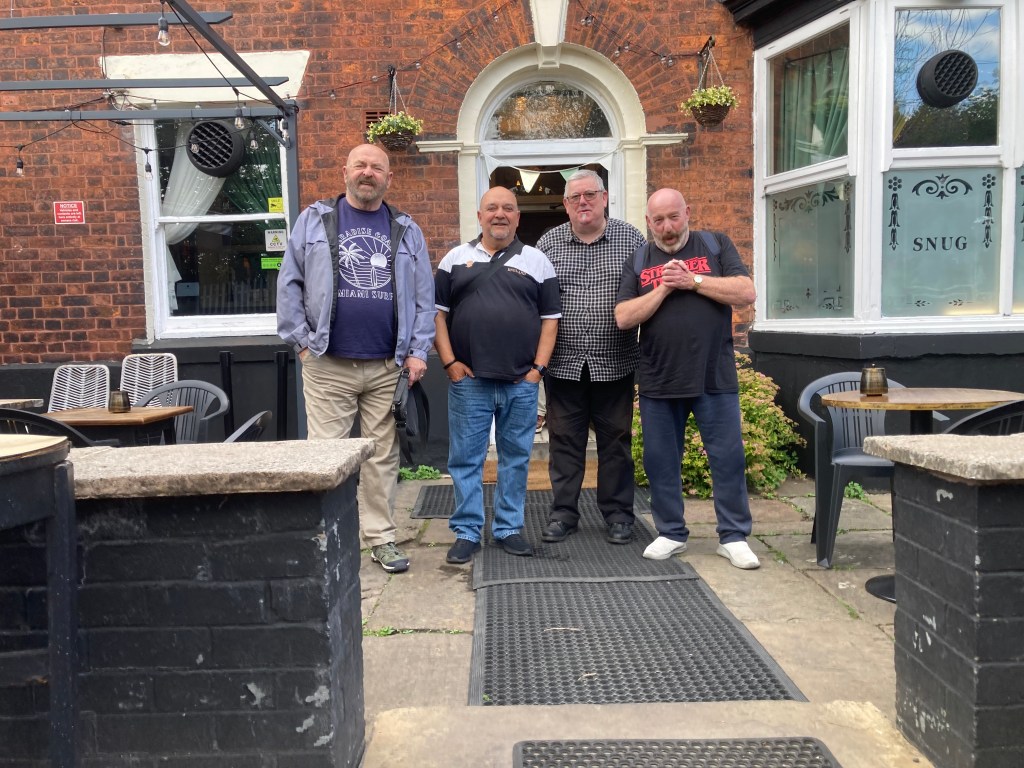
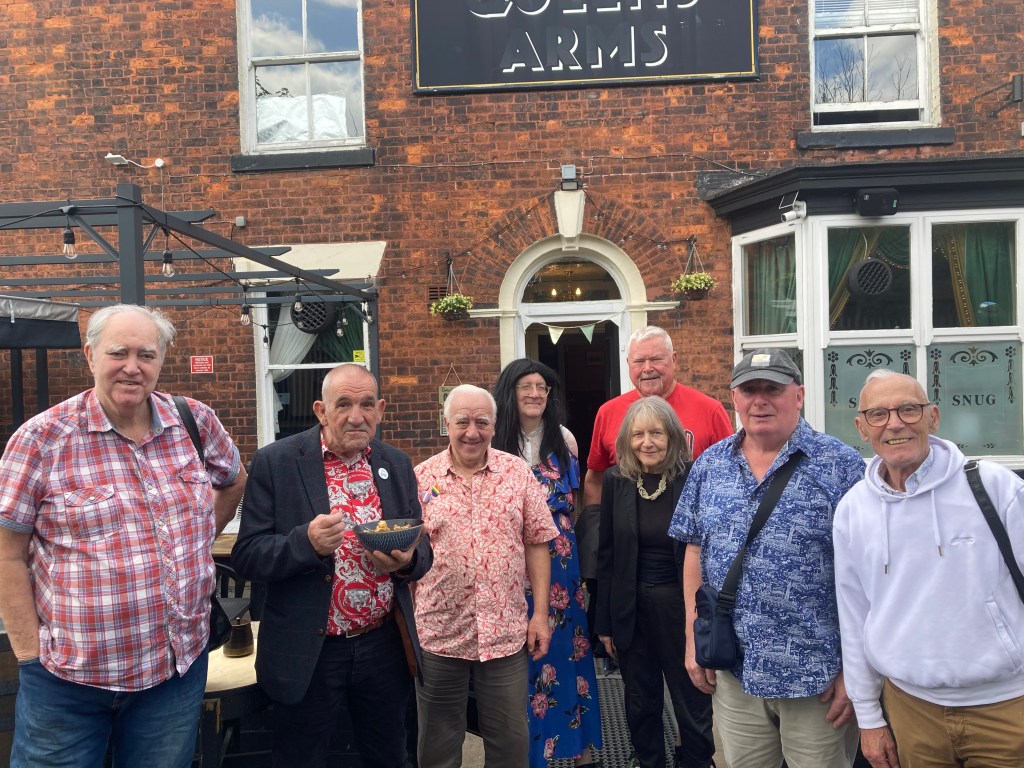
But it is so much more than that. Steeped in history dating back to 1828, the Grade-II listed pub was once situated by the tracks of the Liverpool and Manchester Railway, the world’s first steam-powered, inter-city railway, which opened in 1830. The pub lays claim to being factually known as the Oldest Passenger Railway Pub in the World, serving excursion traffic from Manchester and becoming a key social hub for railway passengers.
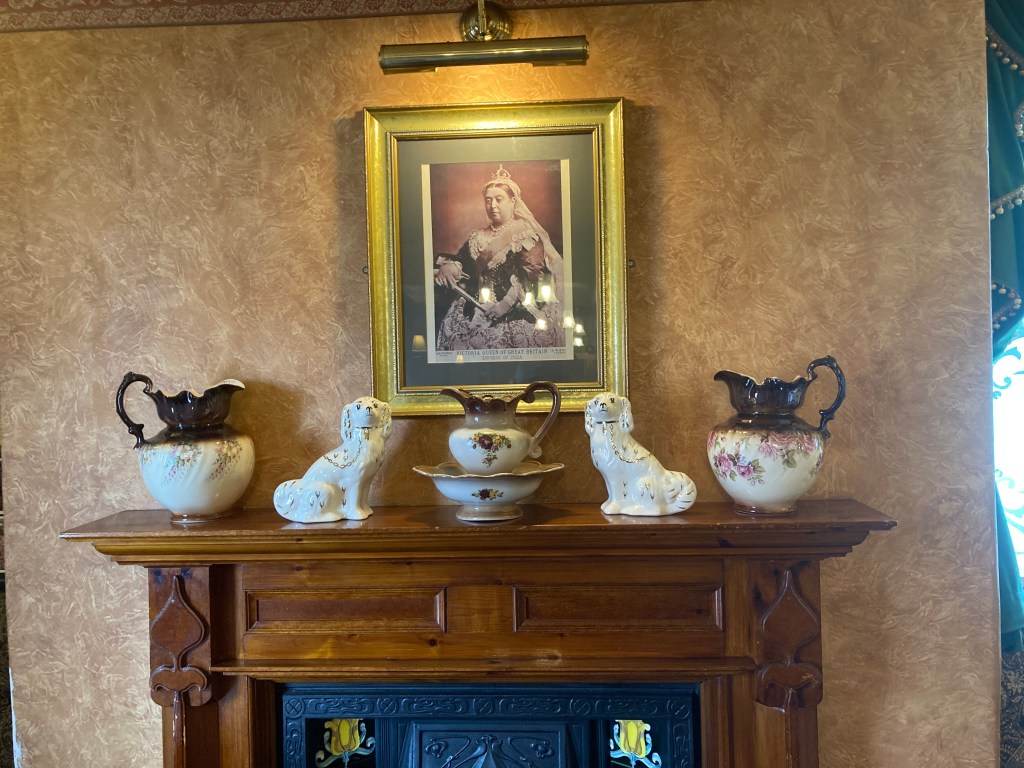
In 1851 Queen Victoria, Prince Albert and their children were on a visit to the area, and sailed to Liverpool before travelling by train to Patricroft where they got off at what was then the Patricroft Tavern. Rumour has it the Queen asked to use the facilities at the tavern, after which the royal family went by barge down the canal to stay with the Earl of Ellesmere at Worsley New Hall. After they left, the tavern was renamed the Queen’s Arms, in honour of the royal visit.
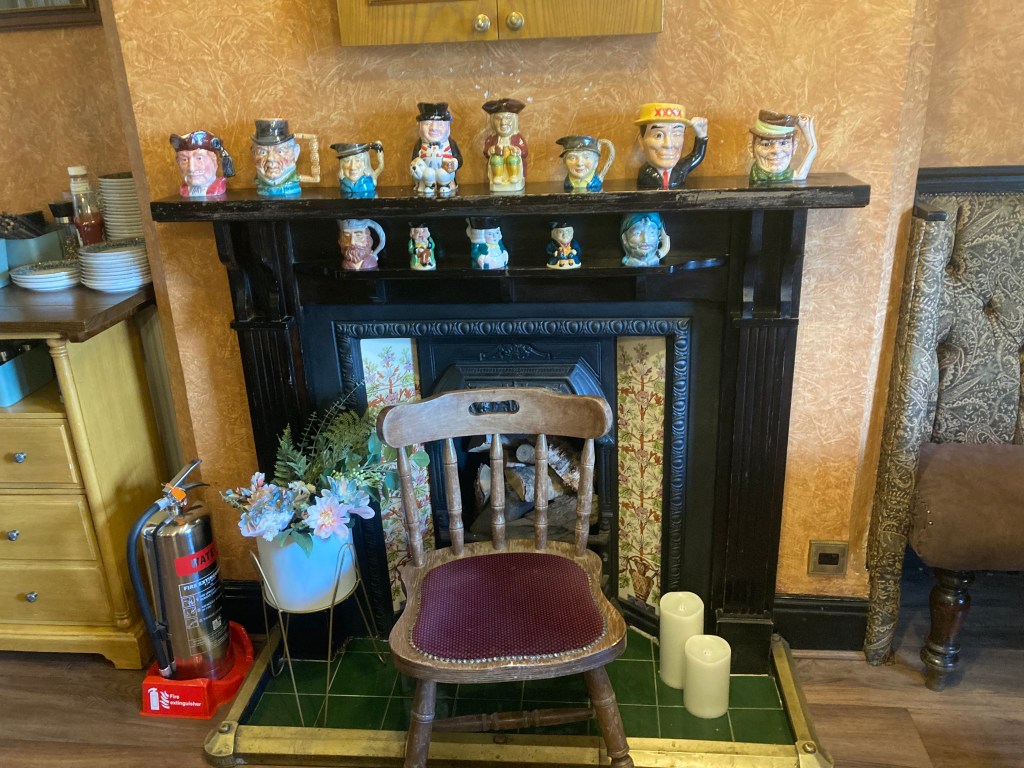
But almost 200 years after first being built, the pub is doing something special beyond just acknowledging its historical roots. This year the venue reopened as an Anlo Izakaya – a mixture between an English and Japanese pub. Led by Anthony Sit and Mr Lo, two friends from Hong Kong, they have brought their love for Japanese food into the historical venue, and it’s proved to be a hit.
Now a place where you can sit and enjoy the likes of Katsu curries and Tempura prawns alongside a beer to the soundtrack of “Baker Street” by Gerry Rafferty, it’s gone down a treat with both the local community and those wanting to try something a bit different.
The food and drink offering is unlike other pubs. Premium Japanese beer, Sapporo, is served on draft, whilst people can also choose to order sake wine if they wish.
Food-wise, there’s the likes of teriyaki ox tongue, alongside chicken katsu, chicken wings, tempura vegetables, and tempura soft shell crab. And it’s their tempura – which is also available with the likes of pumpkin, purple sweet potato, asparagus, mushrooms, or oysters – that is something really special on their menu. In some cases, like with the soft shell crab and prawns, they’re dusted off with a special blend of ‘typhoon shelter’ herbs and spices to give it an extra punch.
The Queens Arms was Grade-II listed in 1989 due to its range of architectural features, including Edwardian etched glass windows and doors, and fireplaces with Art Noveau surrounds inside. The pub has won local CAMRA branch ‘Neil Richardson’ award for a fine example of a traditional unspoilt pub in 2010 and 2016.
More photos can be seen here.

Wolfenden Report – (Article by Adam Maidment)
I came across a really interesting article which shined a spotlight on a story which was published 65 years ago and hailed as a rare positive light on the LGBTQ+ community at the time.
Published in the Sunday Pictorial (now the Sunday Mirror), the article (dated 26 June 1960) focused on “four self-confessed homosexuals” who met together to discuss the Wolfenden Report – a government-commissioned report published in 1957 which recommended the decriminalisation of homosexual acts.
Back then gays and lesbians were vilified, attacked and pitied.
It would have perhaps have shocked readers at the time (despite not really being shocking whatsoever) because such coverage would just not have really occurred in a mainstream publication at a time when homosexuality was considered to be both a crime and a mental illness.
Whilst still using some language that we would question today, the piece asked: “What are homosexuals like? Can they be cured? Would a change in the law free them to increase in number? Are they a basic danger to society?”
In the article, written by John Knight, the four men were assigned aliases – ready to speak out but not perhaps ready to be identified so publicly – as they spoke about their lives.
Sadly, they were also asked to answer whether they felt there was a link between homosexuality and paedophilia (which does dim the piece slightly for me but I’m trying to remember it’s of the time).
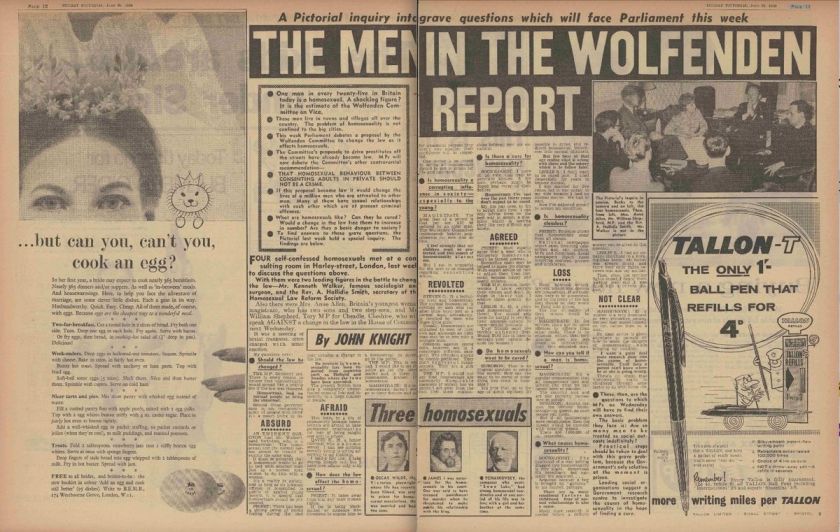
Estate agent Roger Butler – given the name of Steven G, 27 in the article – was one of the men to speak in the piece. A forgotten pioneer of the gay rights movement, he is believed to be the first man to come out voluntarily to the entire British public.
“The normal homosexual is revolted by men who run after little boys, just as a normal man, presumably, is revolted by men who chase little girls,” he said, standing his ground around the attempted connections.
When another of the men, described as an eminent surgeon, was asked if he wanted to be “cured” he replied: “This is an illogical question to people like myself. How can you want to be cured of something you know is incurable?”
I won’t divulge any more of the piece here, but it is well worth a read – especially as we’re in the midst of Pride Month. It did highlight to me how things have changed so much for the LGBTQ+ community, but it also made me remember that the community has always been paired with some kind of negative connotation.
Perhaps that’s enlightening in a way, to know that things have always been the case and it’s not a new thing, but it’s also very saddening to realise that, actually, whilst a lot of things have indeed changed – some things may be quite similar to how they have always been.
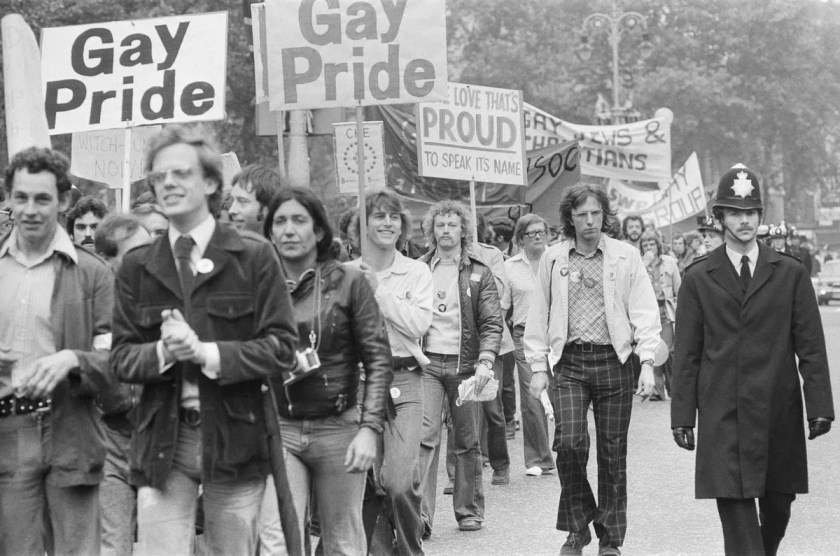
Stonewall Riots

The Stonewall riots (also known as the Stonewall uprising, Stonewall rebellion, Stonewall revolution) were a series of spontaneous riots and demonstrations against a police raid that took place in the early morning hours of 28 June 1969, at the Stonewall Inn, in the Greenwich Village neighbourhood of Lower Manhattan in New York City. Although the demonstrations were not the first time American LGBT people fought back against government-sponsored persecution of sexual minorities, the Stonewall riots marked a new beginning for the gay rights movement in the United States and around the world.
Welcome to Pride Month (thanks to Alyson Malach)
This month we rise, with colours bold,
To honour stories yet untold.
From Stonewall sparks to today’s flame,
We march with love, we speak our name.
In every borough, street and square,
We show the world that we are there.
Not just surviving, thriving too,
In every shade and every hue.
From joyful dance to solemn fight,
We shine with pride and claim our right.
To live with love, without disguise
With open hearts and lifted eyes.
So, wave that flag, be loud, be true,
There’s room for all, not just a few.
Together strong, we light the way …
Welcome to Pride Month, let’s slay.
Refugee Week
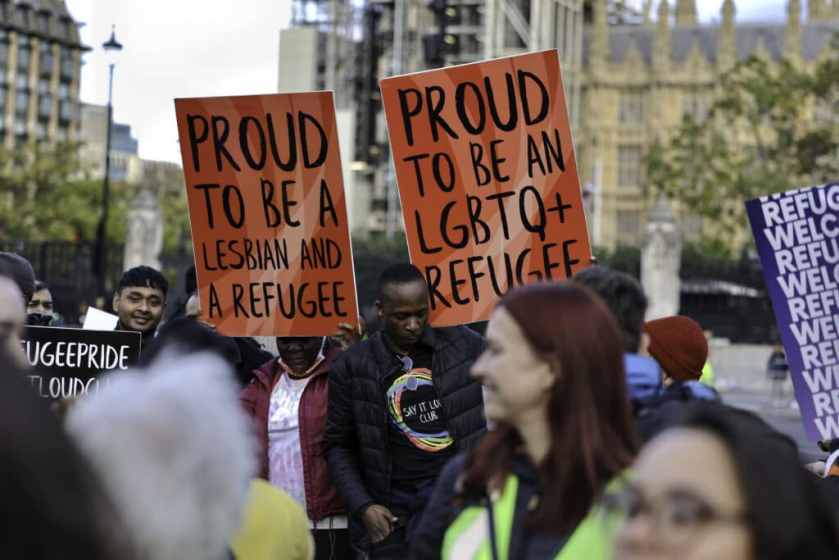
Refugee Week was also held in the month of June. The theme this year was Community.
Community is made by the incredible ordinary and extraordinary simple acts of shared generosity.
We can begin the process of making community wherever we are. We can begin by sharing a smile, a warm greeting, a bit of conversation, by doing a kind deed or by acknowledging a kindness offered to us.
Communities can bring people together by bridging divides and offering support. They offer spaces of resilience and places for healing. Let’s share the feelings of welcome and belonging, by listening, learning and laughing together.
 Out in the City
Lovely social time had by all. Thank you Tony Pumpkin.
LikeLike