
Section 28
On 23 May 1988, four lesbians, including Booan Temple, burst into a BBC news studio during a live broadcast and called out: “Stop Section 28!” The protest was against the new anti-gay law, Section 28, that was about to go into effect at midnight and had received little if any critical news coverage. The news readers were Sue Lawley and Nicholas Witchell, who restrained one of the protestors.
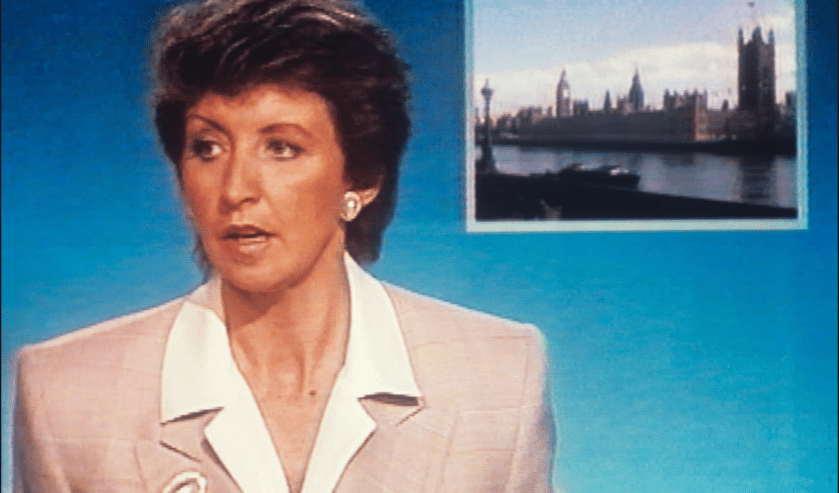
Twenty thousand Mancunians took to the city streets to march against it. Ian McKellen came out as gay to fight it. It inspired songs by Boy George and Chumbawamba, and an apology from David Cameron. You would be hard pressed to find a recent British law more controversial and more reviled than Section 28 of the Local Government Act 1988.
Pushed by Margaret Thatcher’s Conservative government, Section 28 sought to prohibit the “promotion” or “acceptability” of homosexuality in local authorities and schools. At a time when gay people were struggling to cope with the Aids epidemic, it was a callous attempt to suppress an already marginalised group.

While the four women were arrested, they were never charged, likely due to the BBC not wanting to give the protest any further attention.
The protest inspired many LGBT+ people, especially younger folk, to keep up the fight. The law would be in place until 2000 in Scotland and 2003 in England and Wales.

Toilets
Following the recent UK Supreme Court decision, many trans people have said the ruling could now make it dangerous for trans people to use bathrooms and public spaces. On the other side of things, people have used the opportunity to stress that trans people are not welcome in such public spaces.
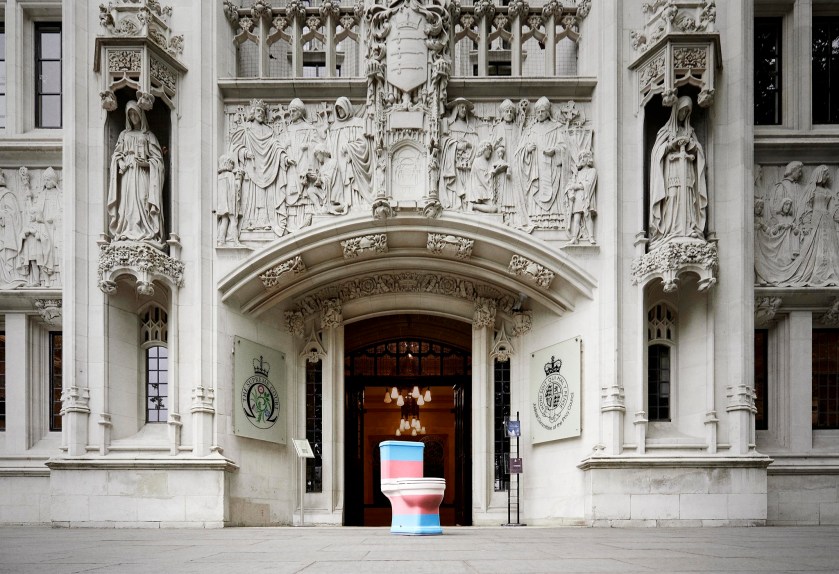
To address this, trans advocacy organisation TransActual UK recently unveiled an eye-catching installation outside the UK Supreme Court: a “third toilet”.
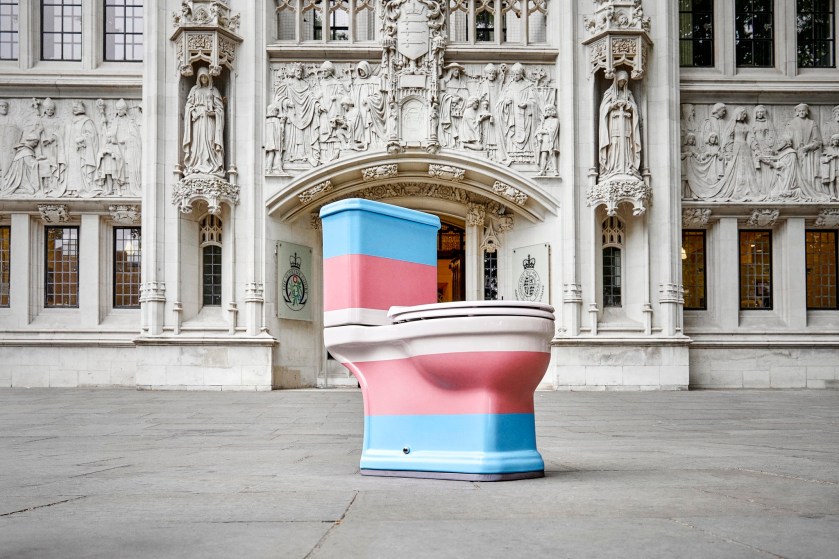
The installation is a direct response to comments made by Baroness Kishwer Falkner, chair of the Equality and Human Rights Commission, who suggested that trans rights groups should push for a separate “third space”.
The toilet – placed prominently outside the UK’s highest court – reflects the exposure, isolation and risk trans people face when excluded from public life and legal recognition. It also aims to challenge the notion that safety and dignity can be optional.
Olivia Campbell Cavendish, a Founder & Executive Director of the Trans Legal Clinic, said: “We need to move the conversation on from ridiculous things like bathrooms and onto the things that matter. And that is the safety of trans people everywhere.”
Camila Gurgel and Ieva Paulina, Associate Creative Directors at advertising company BBH London, who was part of the installation, added: “We can’t call it a victory when so much has been lost. The trans community was left out of a decision that directly impacted their lives. So we set out to create something that will help their voices be heard and their demands recognised. Our hope is that the “third toilet” installation sparks awareness, conversation, solidarity and inspires more people to stand with the trans community.”
Queer Treasures at Manchester Central Library
‘The Invert’ by Anomaly (1927)
(This is the seventh in a series of articles about queer treasures that are currently found in the Archives held at Manchester Central Library.)
‘Invert’, is a word that was popularly used in the late 19th and the early-to-mid-20th centuries to refer to homosexuals, in this case the work deals entirely with male homosexuals. Its rarity lies in the fact that the unnamed author, behind the pseudonym of ‘Anomaly’, claims himself to be an invert. When we look at this book more closely though the word ‘treasure’ might not be the first one that springs to mind. The writer is clearly earnest in his endeavour to explain the ‘invert’ to his early readers. But to modern eyes the book is a specious, self-denigrating and wholly unhelpful work, if not a downright dangerous one, that uncritically reinforces archaic sexual stereotypes and fosters the self-oppression of its subjects.
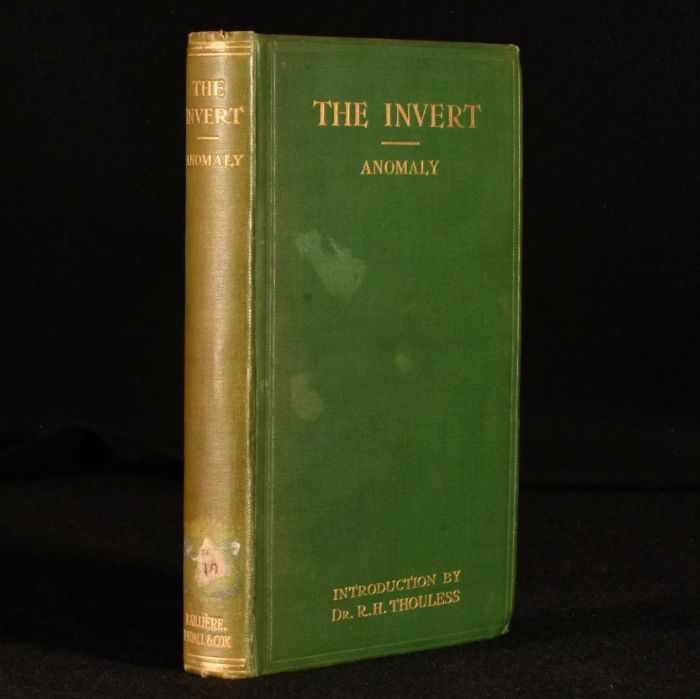
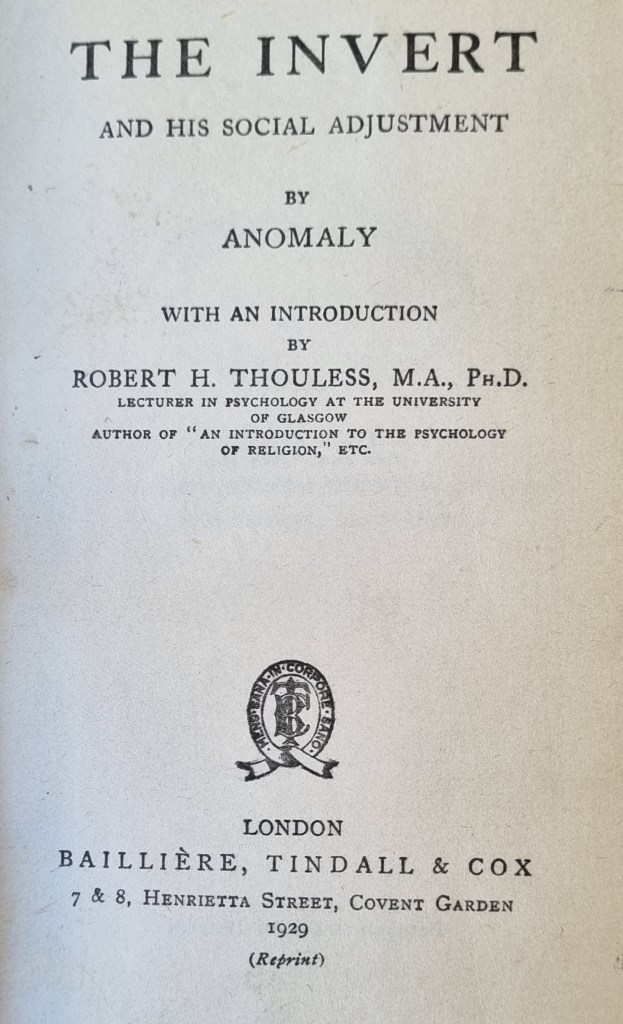
The book was widely circulated when it first appeared in 1927. Numerous contemporary reviews of the book were published across the UK and USA, and it was even featured in the Indian Medical Gazette of May 1928. By and large it was well received by reviewers, which serves to explain why it became so influential.
The writer did attract some criticism for being ‘very inadequately informed on the scientific subject’, by at least one reviewer, but, nonetheless, the author also had the reviewer’s ‘cordial good wishes’ for the book (1*). Anomaly’s work though had already garnered some protection against would-be ‘scientific’ critics, as it was issued with a special Introduction written by R H Thouless, MA, PhD, a, then, well-respected English psychiatrist (who lectured at both Glasgow and Manchester Universities).
Thouless gave Anomaly’s confessions a medical seal of approval, albeit from Thouless’s own ideological ivory tower. The psychiatrist showed a distinct distain for the advances in sexological knowledge made on the Continent, mainly by German researchers, whose works had challenged scientific orthodoxy and showed the way for ‘inverts’ to free themselves from medical straightjacketing. Thouless specifically takes a swipe at Ulrich’s use of the term ‘Urning’ to refer to gay men –
There are many books on inversion written from a medical and scientific point of view. There are other works which sentimentally glorify the condition of inversion. These use the term “Urning” for the invert, implying that his love belongs to heaven rather than to earth. Such terminology has clearly no better right to scientific consideration than the “moral degenerate” of popular prejudice. (pxi)
A special reissue of the work in 1948 showed its longevity, and in a ‘Sequel’ added to that edition the unnamed author records the worldwide influence his work had generated.
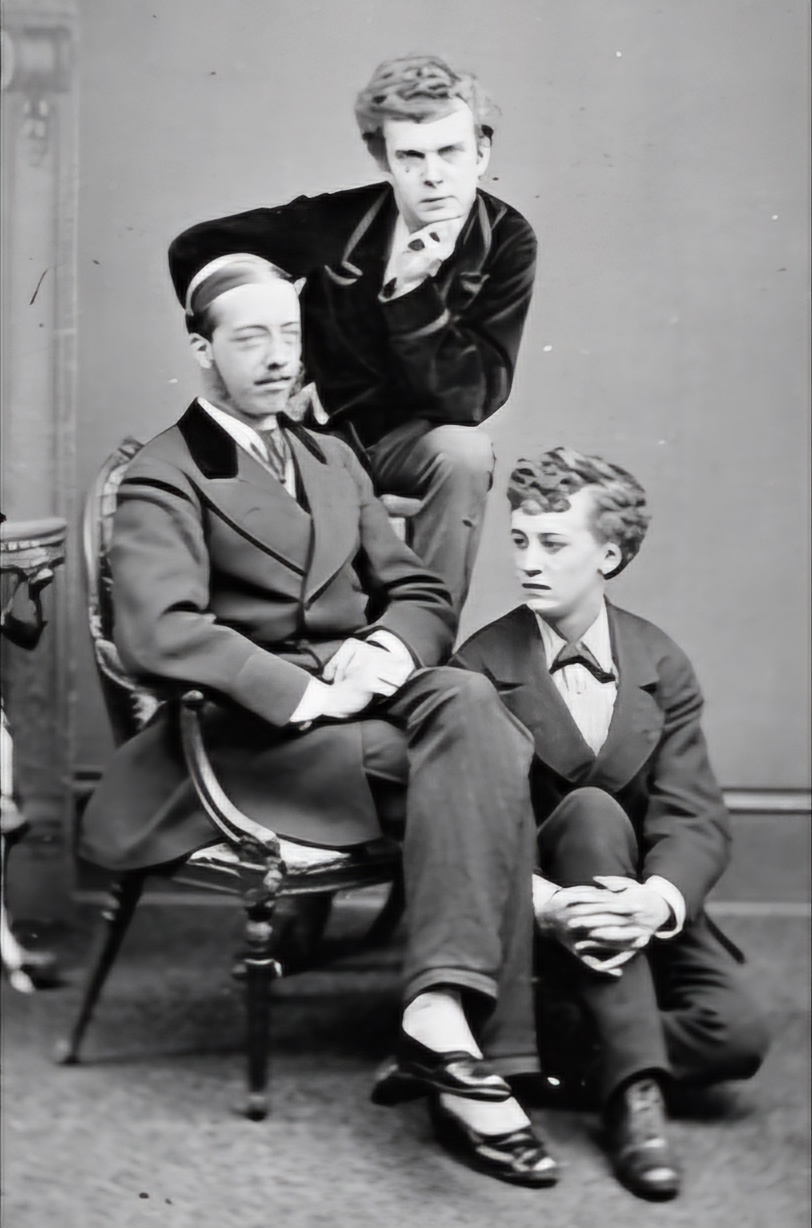
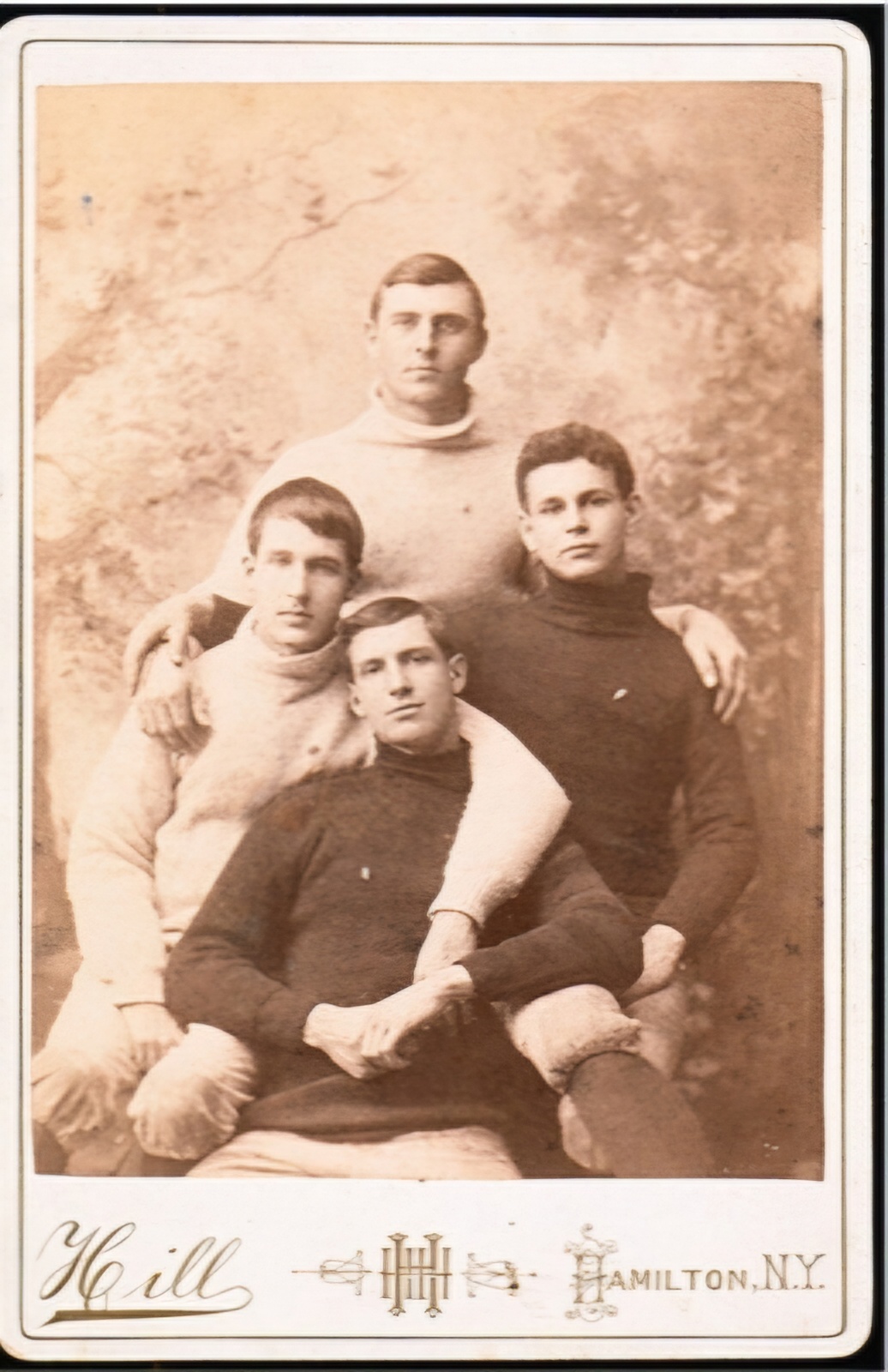
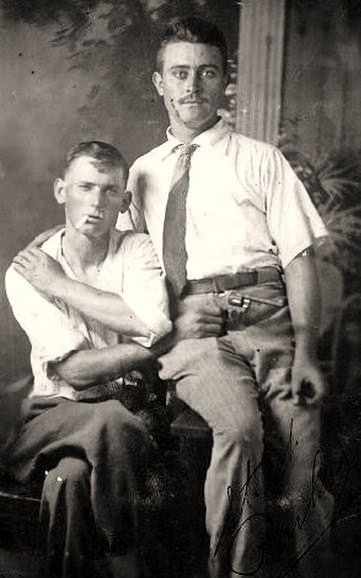
Don’ts !!!
Perhaps the overall tenor of the work can best be demonstrated by Anomaly’s request to those who counsel inverts, to pass on his advice to those young men who have just become aware of their ‘condition’. The advice, which he refers to as ‘the fruits of practical experience’ (p135), counsels the following –
- Don’t commit to writing any admissions as to your inclinations:
- don’t masquerade – on any occasion whatsoever – in women’s clothes, take female parts in theatrical performances, or use make-up;
- don’t be too meticulous in the matter of your clothes, or effect extremes in colour or cut;
- don’t wear conspicuous rings, watches, cuff-links, or other jewellery;
- don’t allow your voice or intonation to display feminine inflection – cultivate a masculine tone and method of expression;
- don’t stand with your hand on your hip, or walk mincingly;
- don’t become identified with the group of inverts which form in every city;
- don’t let it be noticed that you are bored by female society;
- don’t persuade yourself into believing that love is the same thing as friendship;
- don’t become involved in marked intimacies with men who are not of your own age or set;
- don’t let your enthusiasm for particular male friends make you conspicuous in their eyes, or in the eyes of society;
- don’t occupy yourself with work or pastimes which are distinctly feminine;
- don’t, under any circumstances, compromise yourself by word or action with strangers (p135/6).
Anomaly’s insistence on rigid self-policing and self-denial was commented on with concern in a contemporary review in ‘New Blackfriars’ (2*), a Roman Catholic journal. The unnamed reviewer asked, ‘… is it not possible that Anomaly somewhat exaggerates the importance of the advice he gives about camouflage and protective colouring?’ and warns that –
If every innocent outlet is to be denied, if every natural self-expression in speech, gesture, dress and the rest must be checked, the results may be disastrous and the last state worse than the first. The effort would prove too much for most human beings, and prepare the way for possible explosions (p2).
Do’s !
Anomaly’s advice for what an invert should do however, is given succinctly –
Positive advice may be summarised as follows: Hold frank conversations with suitable persons, thereby avoiding mental repression; encourage every symptom of sexual normalisation; cultivate self-esteem; become deeply engrossed in a congenial occupation or hobby; observe discretion and practise self-restraint (p137)
In short, sublimate all your forbidden desires and do anything except accept yourself as you are. ‘Suitable persons’ to confide in are not easily to be found as the writer especially warns others like him to avoid ‘the group of inverts which form in every city’ (including, no doubt, that Out in the City lot?) and gives no direction as to where one might look. Is it any wonder then that so many gay men experienced isolation for much of their lives and were profoundly afraid of coming out or of being outed, if this work were their only source of knowledge on the subject. The author clearly speaks with sincerity, but his work is comprised by his own self-repression and by his acceptance of being defined by others, in this instance, by a reactionary medical scientific establishment.
Reading the work the impression is given that the invert’s life will inevitably be lonely and miserable and the author rejects any suggestion that two inverts may live happily together as ‘impracticable’, decrying the romantic ‘happy solution of “love in a cottage”’ (p99).
Having witnessed numerous attempts, on the part of well-intentioned inverts, to find happiness in an attachment the sacred permanence of which was to be assured by a setting of approximate domesticity. I am forced, regretfully, to the conclusion that the idea is impracticable (p99).
Heaven only knows how many lives were curtailed and profoundly impoverished by the reading of this book. Those yearning to find others like themselves were counselled to avoid close friendships lest their secret sexual inversion become evident and their life and those of their family and friends be open to the deepest suspicions. Inverts were advised that their lives would be lonely and that the prospect of finding a long-term partner was unachievable.
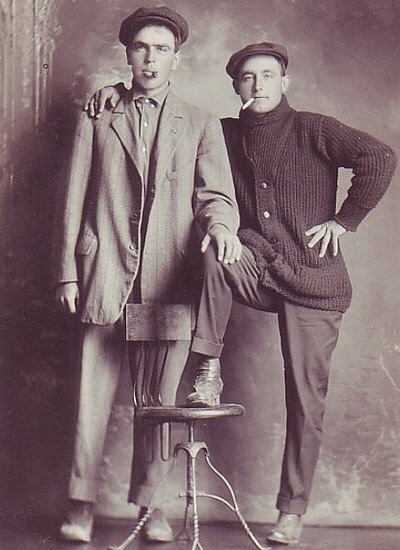
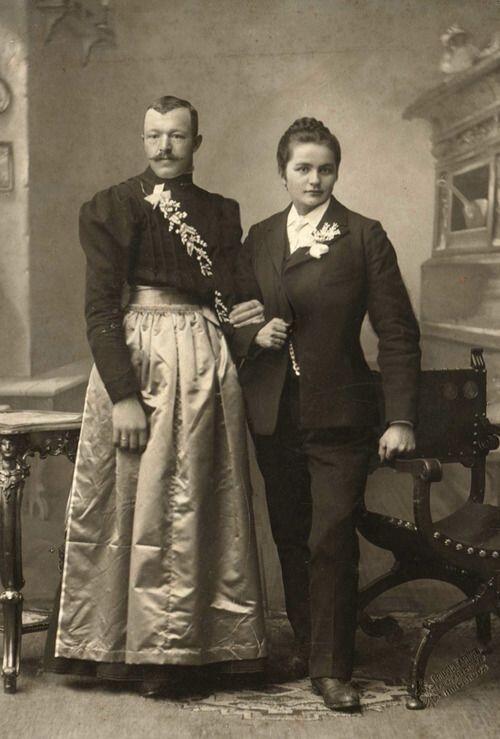
Come Out Of The Closet?
Having counselled a life of public non-existence, in Anomaly’s later work, Sequel, which was added to the 1948 second edition of the book, the writer urged older gay men to, effectively, ‘Come out’!
I am come to the conclusion that invert men who have nearly rounded out the period of their terrestrial usefulness and have escaped criminal prosecution, have a chance to die real heroes. … I suggest that ordinary invert men, of social probity and usefulness, dedicate, and even sacrifice, their reputations in their more or less harmless penultimate years to the discreet communication to as many decent people as possible of the truth about inversion. Something like a blood-bank, or the willing of one’s eyes to the blind! (p245/6)
Much of this book is risible to us today, the wording is pompous and laboured, and its advice would prove catastrophic to younger readers and/or to those who are struggling to come to terms with self-acceptance. Nonetheless, its value to a queer historian is not insignificant, for the work effectively catalogues the ideological oppressions of gay men primarily in the Anglo-Saxon world in the earlier half of the 20th century and beyond. It was a world where the advances in sexology on the Continent (by Ulrichs, Hirschfeld, Krafft-Ebing etc) were arrogantly dismissed and one where the notion that inversion was a cross to be nobly, and singly, borne to the grave is given prominence.
- The International Journal of Psycho-Analysis, London Vol 8 (Jan 1st 1927) 431
- New Blackfriars, London, 1927 Vol 8 (90) p579-588
© Arthur Martland 2025
Pride Season Has Started!
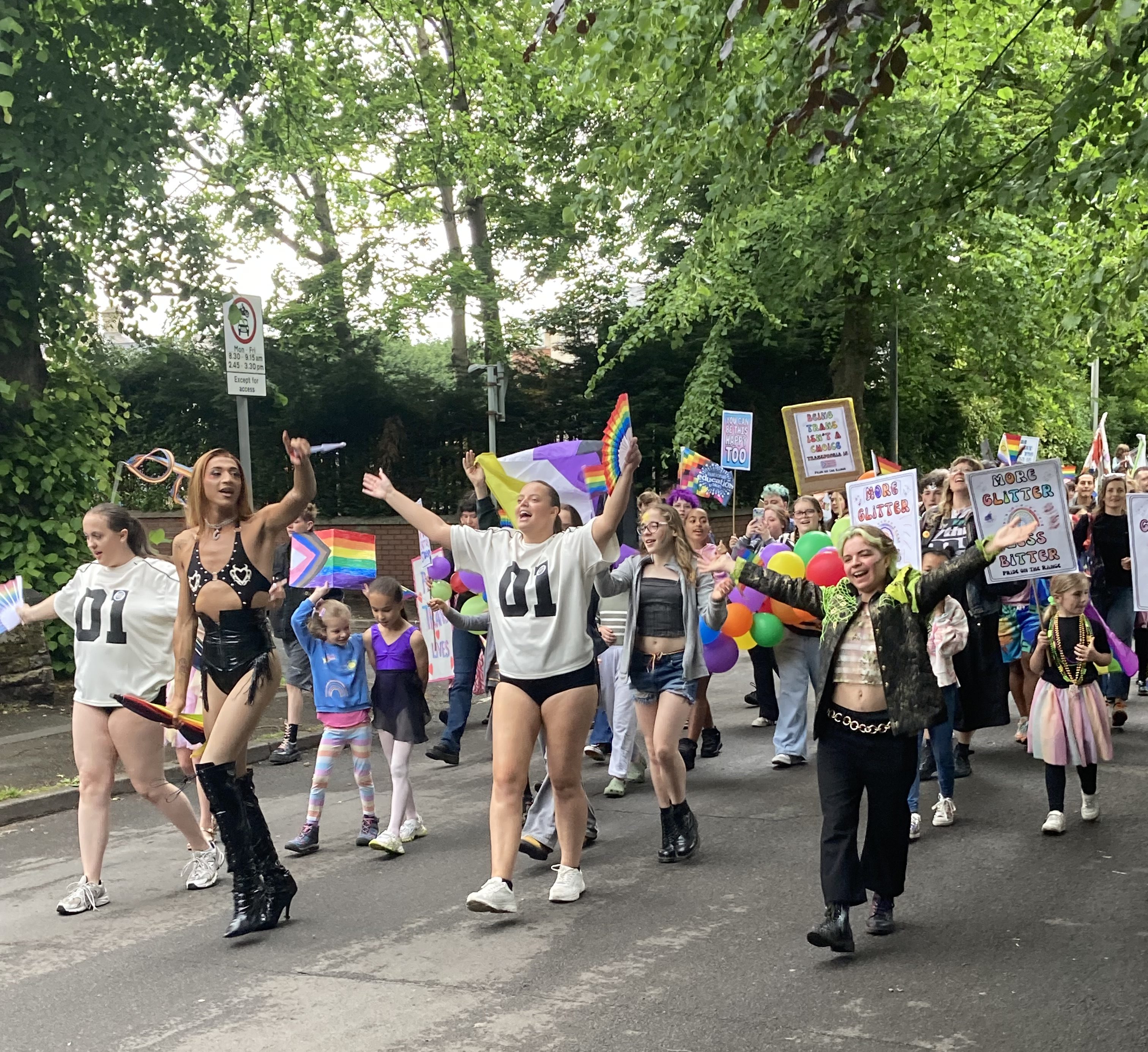
Pride on The Range (Whalley Range – Saturday, 24 May)
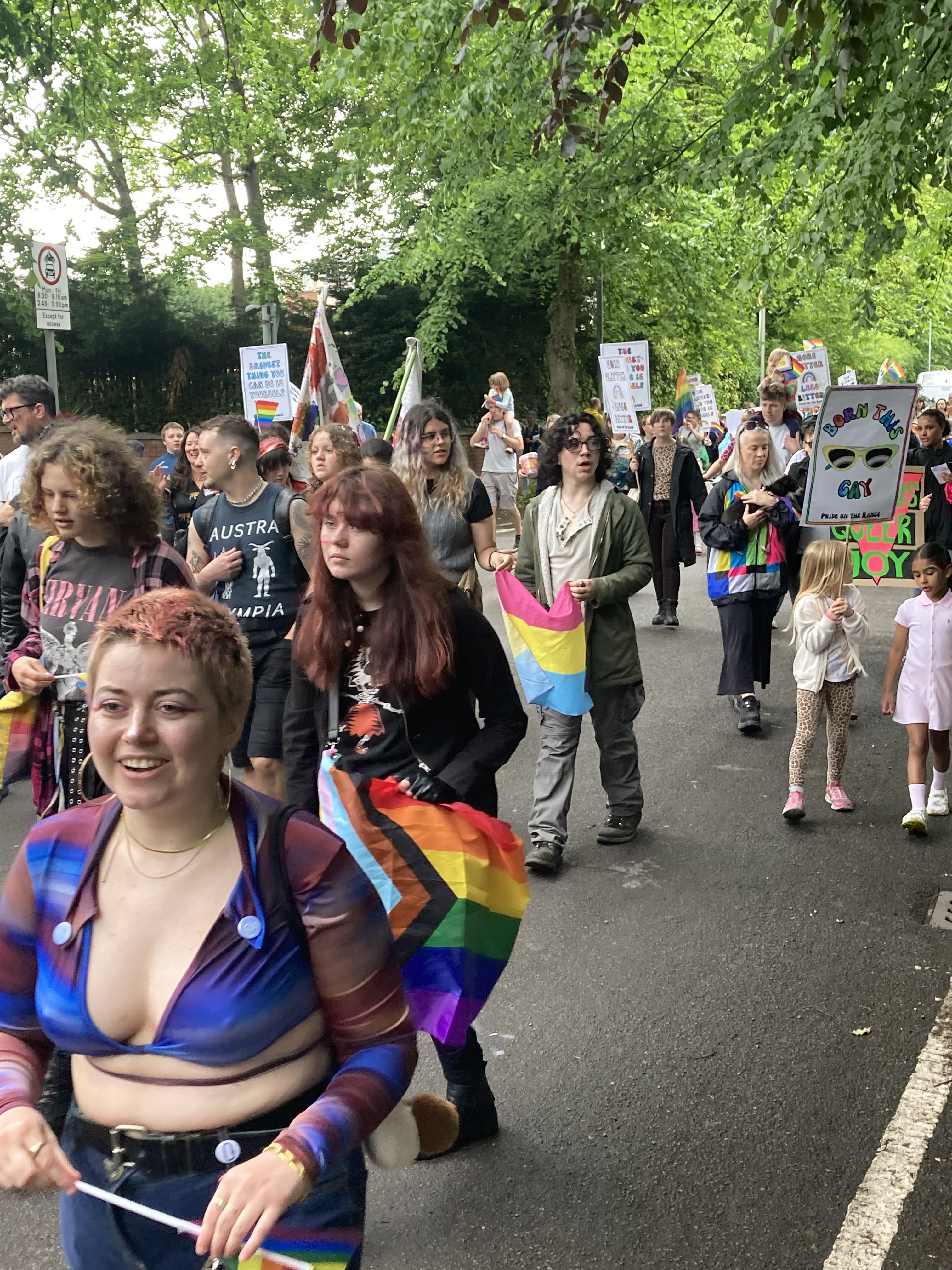
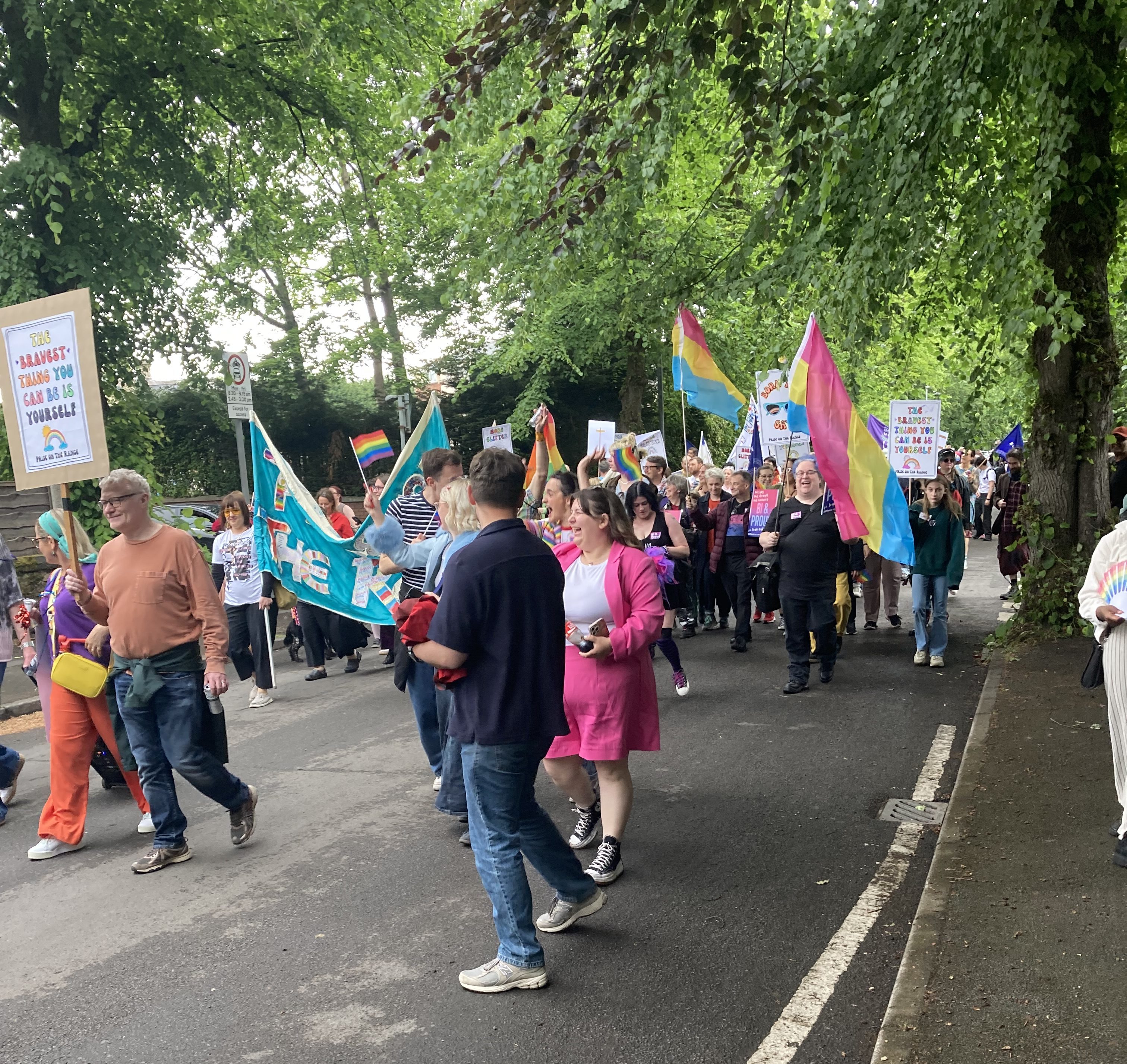
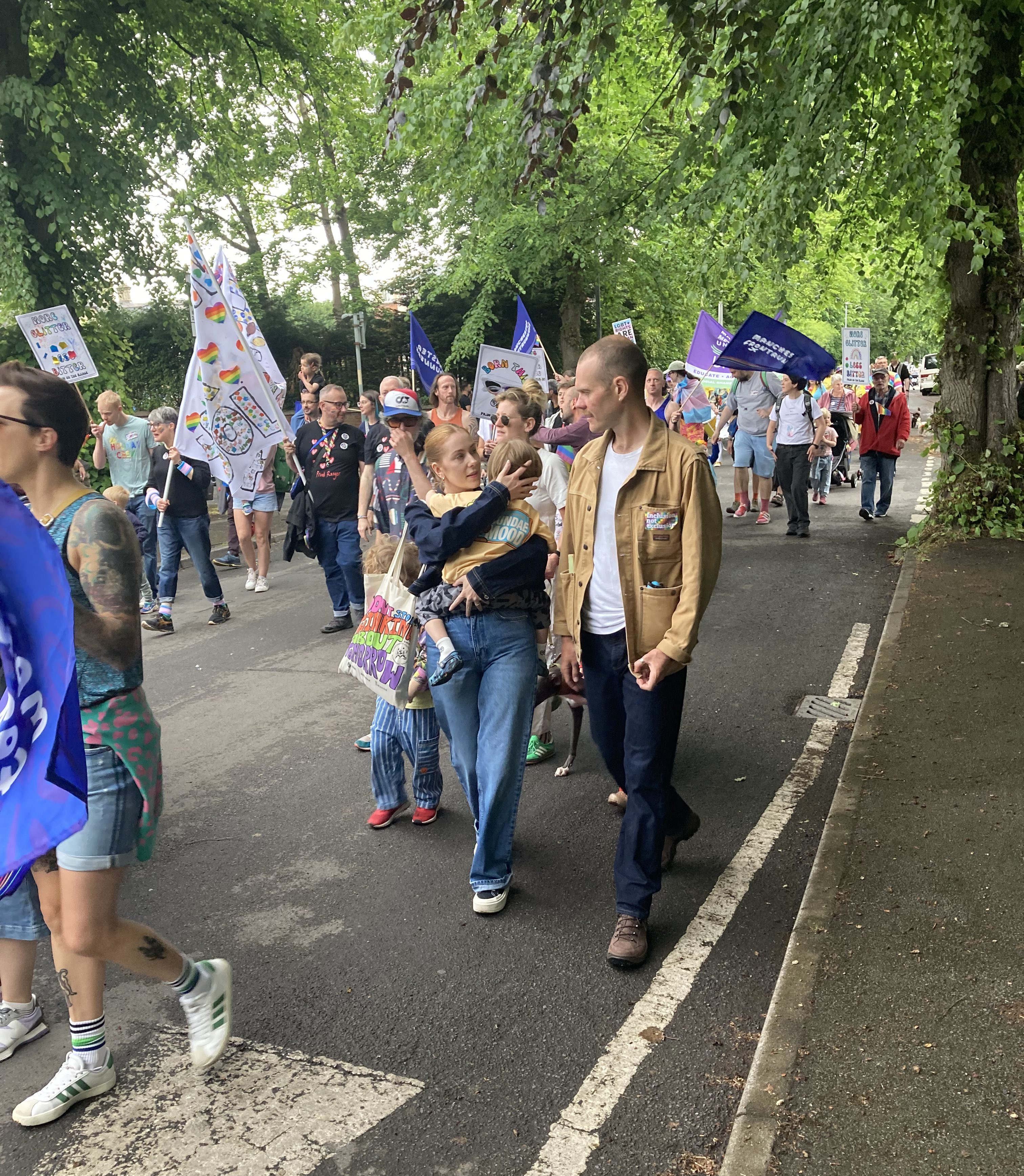
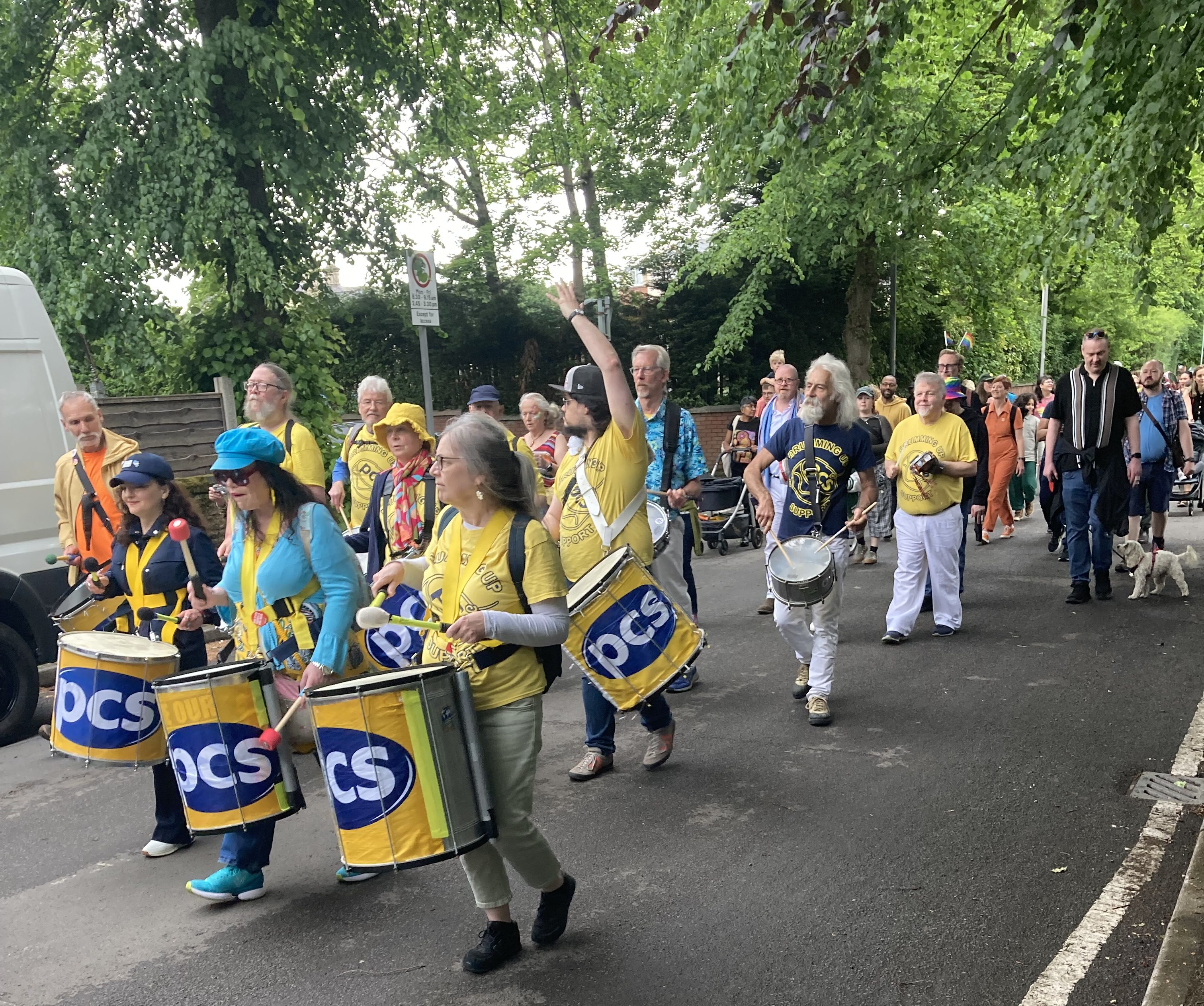
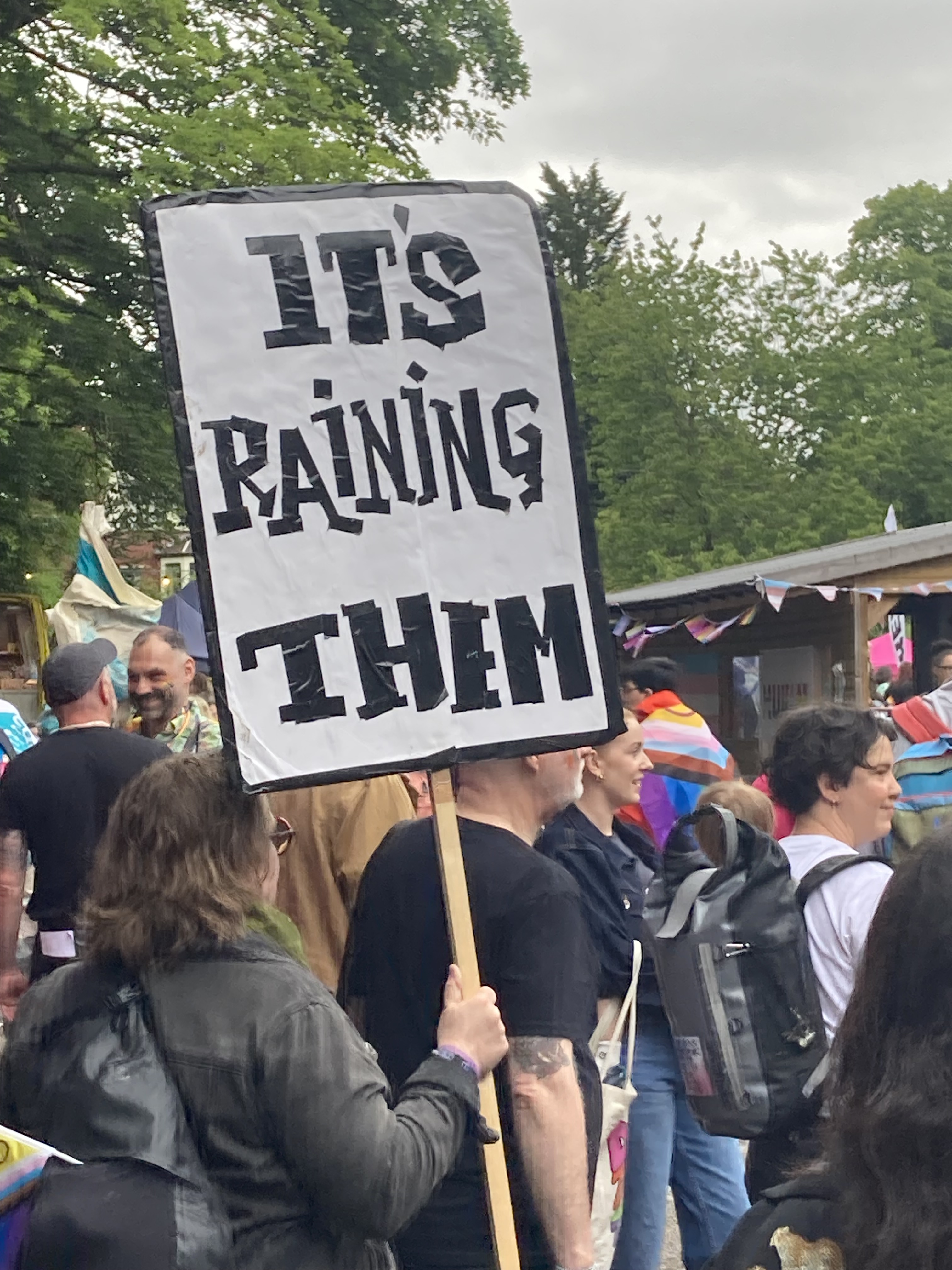
Bolton Pride (Saturday, 24 May)
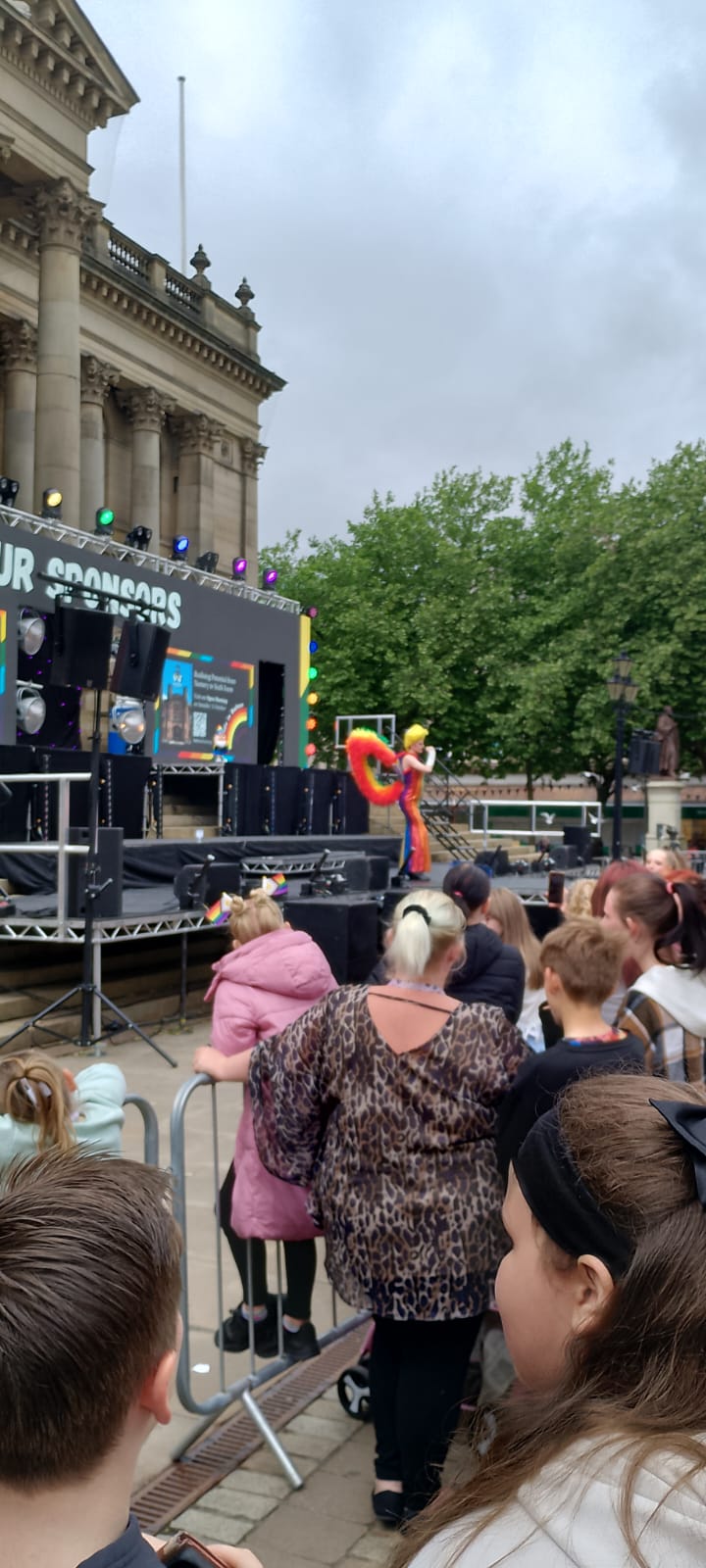
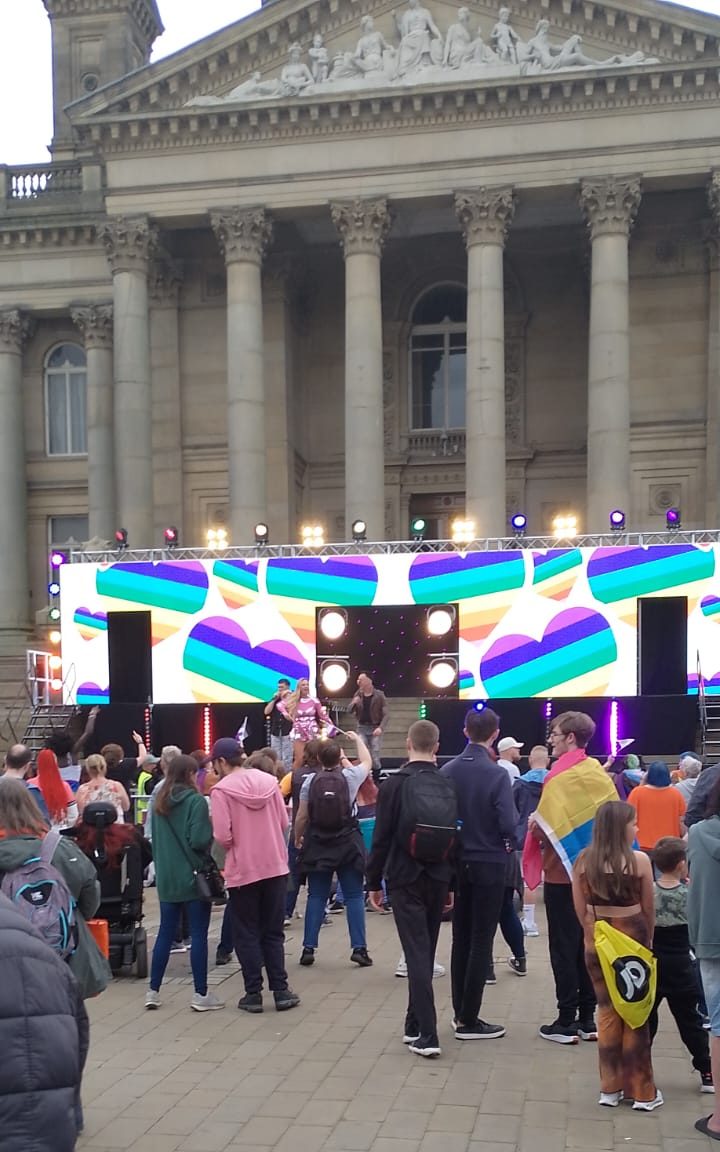
Coming Up:
Stockport – Sunday, 1 June
Bury – Saturday, 7 June
Salford Pink Picnic – Saturday, 21 June
Rochdale – Sunday, 22 June
Sparkle – Friday, 27 June to Sunday, 29 June
Birthdays


 Out in the City
That’s the first time I’ve heard of men being described as inverts!
It’s known as a word to describe lesbians and as such, Radcliffe-Hall used the term
LikeLike
In April 1897, Havelock Ellis published Sexual Inversion, the first English medical textbook on the subject of homosexuality, which he had co-authored with the, then, late John Addington Symonds. Following publication the term ‘invert’ became a popular quasi-medical word to refer to those who preferred to love their own sex. There is a copy in the Manchester Central Library Archive and will likely be something that I’ll be writing about later this year.
LikeLike