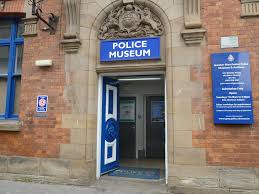
Police Museum
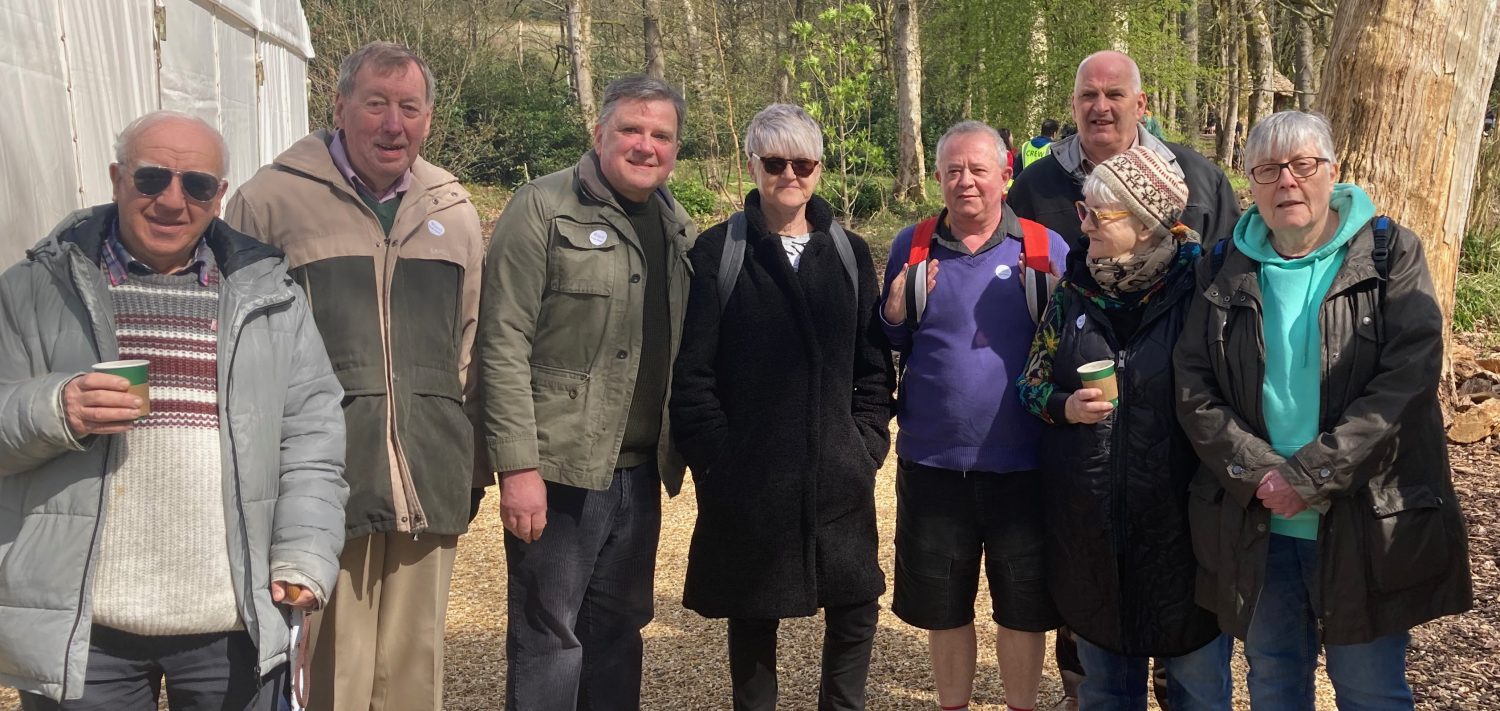
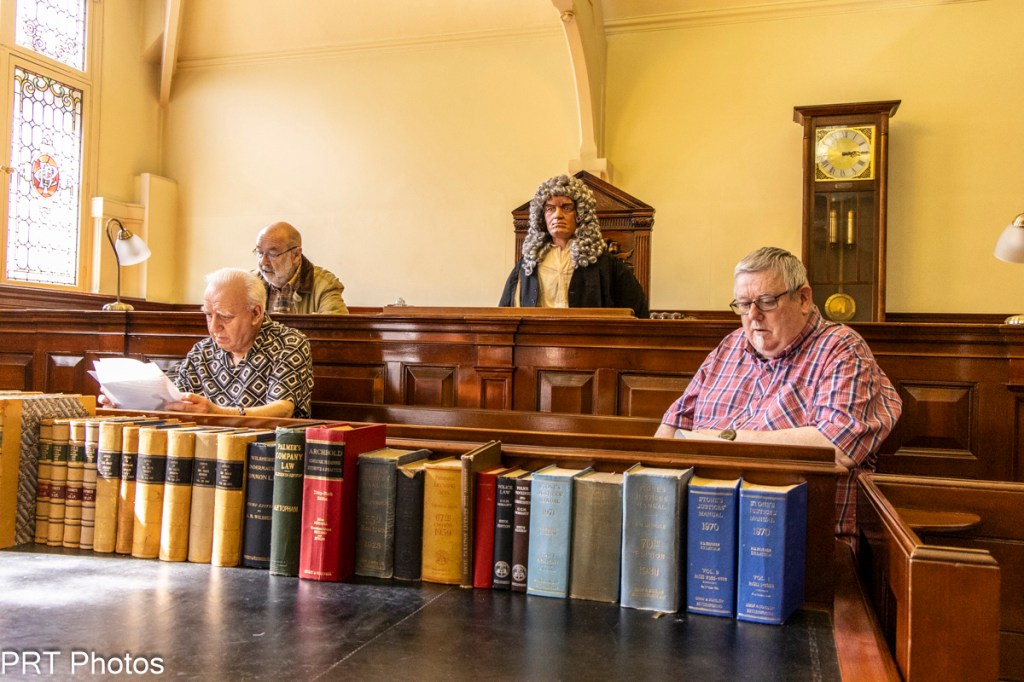
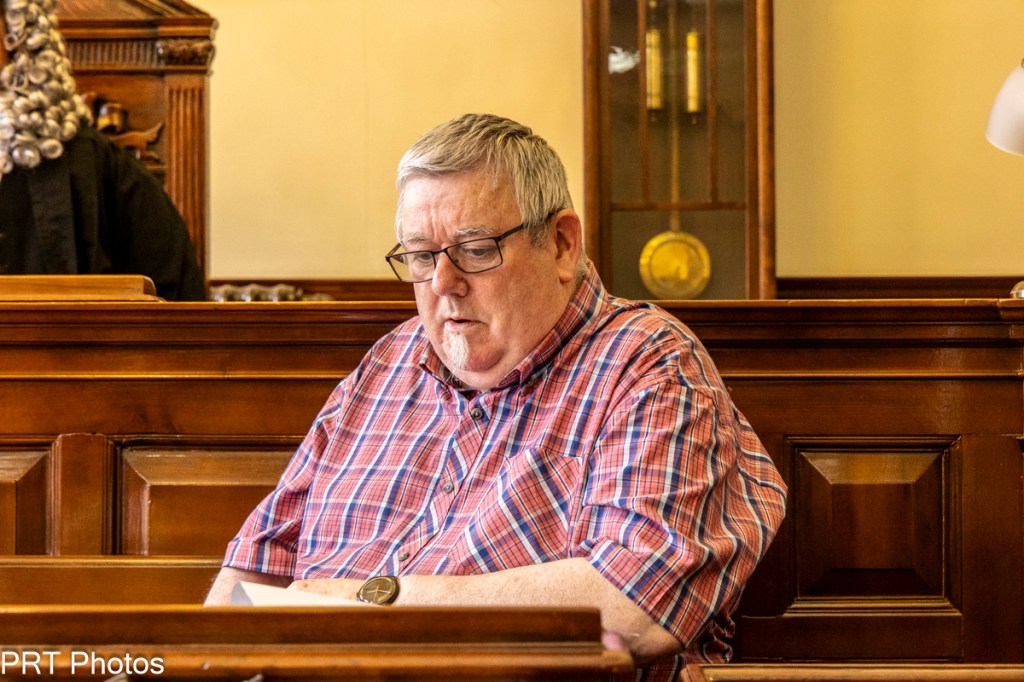
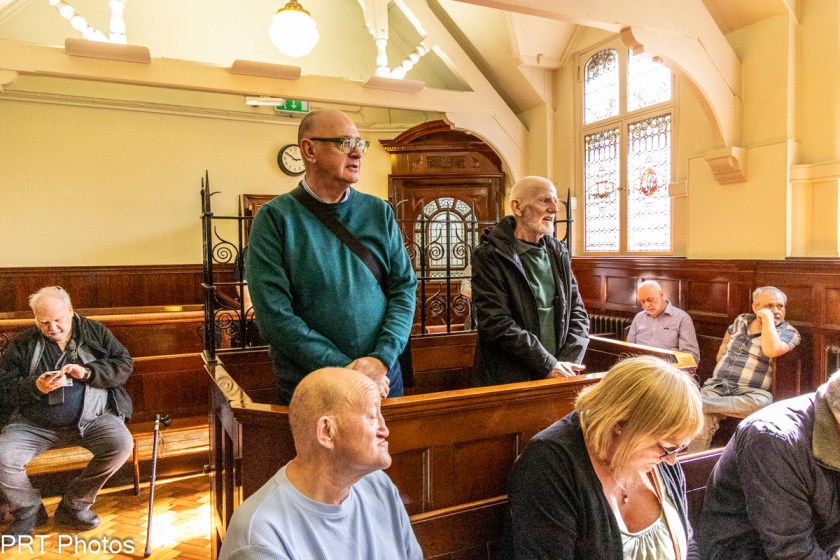
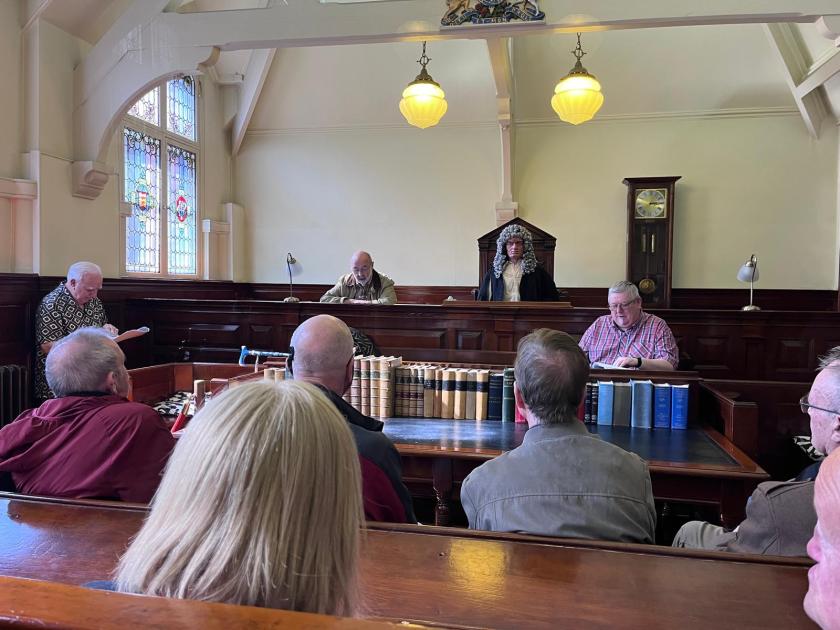
We organised a private visit to the Police Museum in Manchester, which included a guided tour and a reading of the play “Justice” whilst in the Magistrates Court. The play tells the story of the Altrincham case, and has been added to the Resources section of our website here.
Also more photos can be seen here.
In the “Good Old” bad old days of 1936 when homosexuality was not only disapproved of but also prosecuted, a conviction could destroy the lives of gay men without them having committed a single wrong act. The case was reported in The Manchester Guardian on 6 November 1936 detailing their names, ages, occupation, address and sentence.
In this article by Allan Horsfall (written in 1986), he takes a closer look at one of the largest homosexual prosecutions in British legal history and the shock waves that reverberated around the small Cheshire market town of Altrincham.

The Altrincham Case
Fifty years ago a huge group prosecution devastated the lives of the men involved and placed a mark of “shame” upon the Cheshire town of Altrincham – around which it was centred – which was to persist for generations. Because of this Altrincham became identified among a large section of the population as being synonymous with everything perverted. Whenever the town was mentioned in these circles it was almost certain that homosexuality would rear its head. And if homosexuality was discussed or – more probably – joked about, then the name of Altrincham would invariably be dragged in.
The vision was of a town populated entirely by predatory sodomites. “If you should happen to drop a half-crown in Altrincham,” people were solemnly warned, “don’t ever pick it up.”
I have heard this warning repeated where the half-crown had given way to a fifty-pence piece, demonstrating that this slanderous image of the place persisted at least into the 1970’s and there may well be areas where it lives on still.
Oscar Wilde said the road to homosexual law reform would be “long and red with monstrous martyrdoms,” and this was certainly the case in the years between 1885 and 1967 during which all male homosexual acts were outlawed.
But the pattern of prosecutions was uneven – and not only in relation to times and places. Although one might have expected that those who took the most risks would face the greatest danger, this was often not the case. A stereotypical homosexual who consistently behaved outrageously might sail through life quite untroubled by the law, while for others whose conduct was discretion itself Authority’s heavy knock on the door might come – sometimes even in the middle of the night – many years after the activity for which they were being hunted down.
The atmosphere was captured exactly by Dr R W Reid in a letter published in the Spectator on 3 January 1958:
“The pogroms continue, one in this neighbourhood having started with long and weary police court proceedings on the eve of Christmas, so that the festival may presumably be spent in contemplation of the Spring Assize.
And this for a lad of seventeen. The pattern is much the same in all these cases. The police go round from house to house, bringing ruin in their train, always attacking the younger men first, extracting information with lengthy questioning and specious promises of light sentences as they proceed from clue to clue, ie from home to home, often up to twenty.
This time the age range is seventeen to forty, which is about average. Last time a man of thirty-seven dropped dead in the dock at Assize. Just because this happens in country places and at country assizes it all goes largely unreported.”

Too Many to Ignore
But it did not go unreported when it happened in Altrincham. Although no famous names were involved, it was too big for the national press to ignore. Twenty-nine men were brought before the courts and the number was only limited because others, who had got wind of the police inquiries, had fled the country.
There were no allegations of importuning or public indecency. The men had met, it was said, in cafes and bars in Manchester. It is extremely doubtful whether each of these men knew, and were known by, more than a few of the others, but they were seen by authority -as in nearly all similar prosecutions – as a gang. “I am quite satisfied,” said the judge, “that the prisoners in the dock at this Assizes are a gang.”
Gangs, of course, need to have leaders and this role invariably ascribed not to the oldest accused, but to the one facing most charges. I recall this label being pinned on to a 24 year old man during a group prosecution in Bolton as recently as 1963.
Viewed from today, the press were strangely inhibited in their reportage of the Altrincham case. With the single exception of the ever-salacious Manchester Evening News, there was no mention of gross indecency and certainly none of buggery. The local paper referred throughout to “improper conduct” and both national and local papers reported it simply as “The Altrincham case”, which is probably why the memory of it endured for so long to haunt the town.
Mr Alfred Keogh (prosecuting) said he “did not suppose that in the criminal history of the country had a batch of prisoners been brought before a court on such serious charges – certain of the charges were about the most serious which could be brought against any man. It was something just less than murder.”
There had been no direct complaints to the police. The ages of the accused ranged from 17 to 59. The youngest, “who was unable to work for several months did not make a complaint to anybody, but his employer dragged the truth out of him. As a result the prosecution spread, one prisoner incriminating another.”
Gay Solidarity
The defendants, who had been reported as looking drawn and dejected at the start of the preliminary hearing, had apparently brightened up considerably by the second day, as evidenced by the following defending counsel, Mr Backhouse (addressing the magistrates) said, “However much you admire the Cheshire police, it is impossible for your worships to believe that one after another these men, against whom the police had no evidence, immediately volunteered statements which convicted themselves.”
This was followed by a spontaneous outbreak of applause from all the defendants. I am quite certain that this early and previously unheard-of demonstration of gay solidarity in adversity must have come as a profound shock to the prosecution and the Bench. And as quite an eye-opener to the defending solicitors and counsel as well, I should imagine.
There were signs, too, that even some of the police did not regard the defendants as belonging to the general body of criminality. Cross-examining Detective Harris on his evidence, Mr Lustgarden asked, “Did you ever know a more accommodating crowd of defendants?”
Detective Harris: “No, Sir.”
“They have an extraordinary urge to write statements?”
“They are not criminals, Sir.”
The prosecution was not content to rest its case on the confessions of frightened and confused prisoners. Dr W H Grace, pathologist at Chester Royal Infirmary, stated that he had medically examined 24 of the 29 prisoners. He came to the conclusion, as a result of his examinations, that 12 of them “had acted as receiving agents in the committal of a certain offence” (as the papers put it). He had made his examinations on the instructions of the police superintendent at Altrincham.
Strenuous efforts were made by the defence to have the trial held in Manchester rather than Chester. Mr Turner said his client lived in Stretford. He was a youth of 20 years of age and his widowed mother had raised money for his defence. It would be a great hardship if they were put to more expense than was necessary. Manchester Assize Courts were only a twopenny (tram) car ride from his client’s house.
All the solicitors in the case and all the counsel, with the exception of one, were not in the Chester circuit. It would be beyond the means of the defendants to support their own defence if the case went to Chester. But to Chester it was sent!
Beacon of Humanity
The prosecution there followed the drearily familiar pattern of such cases. Seized letters and photographs, powder, lipstick, greasepaint. Evidence of presents – slippers, flowers, chocolates. Hotel registers were produced to demonstrate who had stayed with whom and where and when. Evidence of nicknames – one of them had been known as the Queen Mother.
Perhaps worst of all, the mother of one of the defendants was put up by the prosecution to testify that her son had entertained a male friend while she was away on Good Friday.
A tiny beacon of ‘humanity’ flickered when the employer of one of the accused pleaded in court that if any treatment could be found for his workman as an alternative to imprisonment he would be willing to meet the full cost of it, including accommodation. This was the only defendant to be subsequently dealt with by way of a treatment order.
A handful were acquitted and a few were treated leniently, but brutality was the order of the day. Men were sent away for terms of two, three and four years and, in the most savage case, one man was sentenced to seven years penal servitude with 18 months hard labour.
Paul Tench, writing about the case in the Sunday Empire News, produced a strange mixture of moralising and attempted explanation.
“Less than two years ago Herr Hitler started a campaign to eradicate this brand of vice from Germany. His method was drastic and sentences against those convicted ranged from the death sentence to life imprisonment.
There is good reason for saying that the Altrincham round-up has touched only the fringe of the scandal rampant in other areas now receiving police attention.”
But the writing was already on the (admittedly distant) wall for the German dictator in a war which served to concentrate British minds wonderfully on more important and worthwhile pursuits than legalised queerbashing.
Commemoration?
And no subsequent trawl of homosexuals was to net so many victims – not even when the British police were acting under post-war pressure from the American security agencies. So the Altrincham case remains unique in the breadth and intensity of its persecution – a pinnacle of cruelty in an 82 years long homosexual wilderness – the result, as the Empire News put it, “of one of the most searching investigations that have ever been undertaken in this respect with a large number of detectives working day and night.”
Although it is easy now to portray these men as the victims which they undoubtably were, there seems to be no ready way in which their suffering and the injustice of it can be commemorated in a form more permanent than this article.
And even here I have named nobody, although most of them will now be where publicity can do no further damage and where they stand in no need of any protection from the Rehabilitation of Offenders Act.
But the time has surely come to lay the ghost so far as Altrincham is concerned. No City of Vice, this pleasant, wealthy town, but merely – like some of its unlucky sons – the hapless victim of an unjust law and a capricious prosecution policy.
The town, in its turn, has a duty to help in rehabilitating the memory of the victims. Though it may not be exactly another Tolpuddle, fate has nevertheless awarded Altrincham a minor but undeniable place in the unhappy chronicle of martyrdom.
The trial requires a permanent memorial. A blue plaque on the courthouse or the new library would be appropriate. This idea, however, is unlikely to commend itself to civic leaders who have within this decade elected as Mayor a man who, immediately before his installation to that office, prescribed “a bullet between the eyes” as appropriate treatment for homosexuals.
The political composition of the council has changed a little since that disgraceful comment was perceived as no bar to high office in the borough, but not so much as to easily permit the act of atonement which is still called for.
But it might be worth a try.

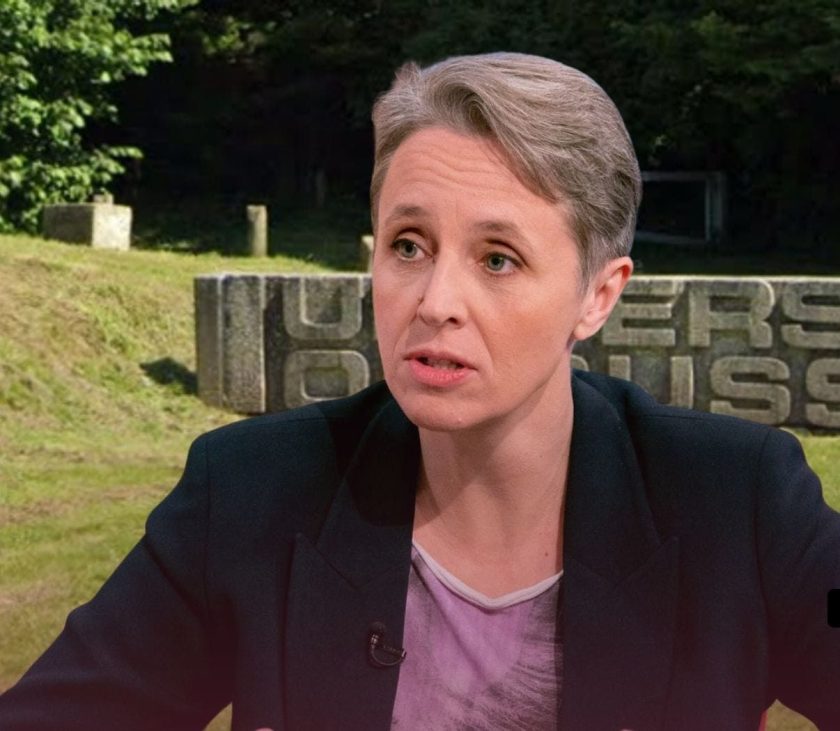
Kathleen Stock: New ruling could make it harder to prevent anti-trans bullying in UK Universities
Thanks to Jamie Wareham for this article.
The regulator who oversees universities in the UK has fined the University of Sussex over its transgender-inclusive policies that banned speakers from making anti-trans statements.
The university has been fined £585,000 by the higher education regulator, the Office for Students (OfS). It follows a three-year battle over the regulator’s rules about protecting free speech and academic freedom on campuses – BBC
The regulator said the university’s policies that included a requirement to “positively represent trans people” could lead to staff and students preventing themselves from voicing opposing views. The university plans to appeal the ruling, accusing the regulator of pursuing a “vindictive and unreasonable campaign.”
It says that if the ruling goes unchallenged, it will leave the institution and universities across the UK “powerless to prevent abusive, bullying and harassing speech.”
Arif Ahmed, OfS director for freedom of speech, said the fine could have been as high as £3.7m and there was “potential for higher fines in the future” – BBC
The investigation started because of the wider debate around Professor Kathleen Stock. She left the university in 2021 amid on-campus protests accusing her of transphobia because of her ‘gender-critical’ books, lectures and views – The Guardian
Who is Kathleen Stock?
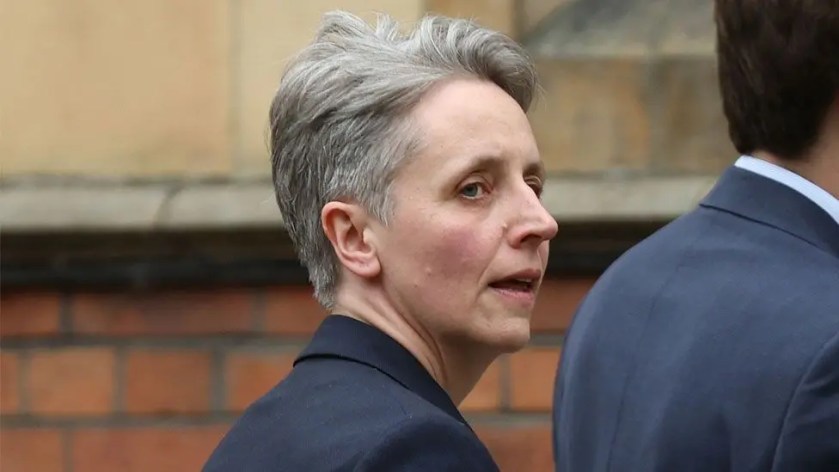
Stock is the author of Material Girls: Why Reality Matters For Feminism and has a background in philosophy, publishing academic work on sexual objectification and sexual orientation. The book, which takes a trans-exclusionary approach to feminism, was at the centre of the row that ultimately led to her leaving the university.
Stock quickly became a darling of the right-wing press after her departure.
Despite regularly claiming over the past four years that she has been silenced, she has become one of the most common commentators on broadcast TV and in right-wing newspapers on transgender rights. She has picked up a number of newspaper columns and helped prominent anti-trans and so-called ‘gender-critical’ organisations to grow in prominence.
As well as being a trustee for the LGB Alliance for a significant period, she also launched The Lesbian Project to much fanfare. The organisation said it would lobby, build communities and develop research into lesbian communities. However, since launching it has done little more than produce a short blog series and a paid-for podcast.
Analysis: A dangerous precedent from a regulator with an “absolutist” approach to free speech
When I was at university, I learned an important theory during a discussion with a lecturer in the LGBTQIA+ staff group about the approach of ‘no-platforming’ those with hateful views.
He explained how the absolutist idea of free speech is ultimately self-defeating. The logic is simple: if you allow all speech – even hate speech – that hate speech will be used to end free speech. To put it another way, hateful actors will use democratic principles in order to take over and impose their hateful views on everyone else. One look to the US, and Trump’s control over scientific research and shuttering of the Department of Education is a clear example.
That’s why whenever you hear people arguing for unlimited free speech, you should question their intentions. As a society, we’ve always had rules about where to draw the line on speech or actions that harm people and society. The claims from the right-wing press that free speech is under attack are hypocritical because they, too are arguing for a different form of control over language.
Education Secretary Bridget Phillipson says she will use “robust action” to uphold the legal right to ‘Academic Freedom’ established by the 1988 Education Reform Act. But as the University of Sussex points out, this free-for-all approach to speech has a detrimental impact. It’s the same ideology that Musk shares, and we saw what that meant for the hellhole formerly known as Twitter.
If the University of Sussex is unable to overturn this ruling, it will have a chilling effect at universities across the UK. At their best, our unis are bastions of progressive nurturing, but this precedent would undermine their purpose with hateful views when they should be focusing on imagining a better future for our world.
…………………………………………………………………………….
The University of Sussex was fined £585,000 for “failing to uphold freedom of speech”, which is the largest-ever issued by the regulator at around 15 times larger than any other sanction imposed.
The university intends to challenge the fine. Professor Sasha Roseneil, vice chancellor at the university, described the investigation as “Kafkaesque”, adding that the fine was “disproportionate”. She stated: “We will strongly contest these findings and have grave concerns about the implications of its decisions for students and staff, especially those from minoritised groups. Sussex will not be the last to face the challenge of a debate on gender, sex and identity that has become toxic.”
She added: ”Universities across England are grappling with claims and counterclaims about academic freedom and freedom of speech regarding issues of equality, identity and inclusion. … Levying a wholly disproportionate fine after a flawed, politically motivated, and wasteful investigation – when the higher education sector is in financial crisis – serves no one. ”
A University of Sussex spokesperson confirmed: “We have taken legal advice and, as our Vice-Chancellor Professor Sasha Roseneil has already said, we will be challenging the OfS’s findings proceeding via a judicial review. Our lawyers are currently drafting a pre-action protocol letter.”
Richard Chamberlain, heartthrob actor, dies at the age of 90
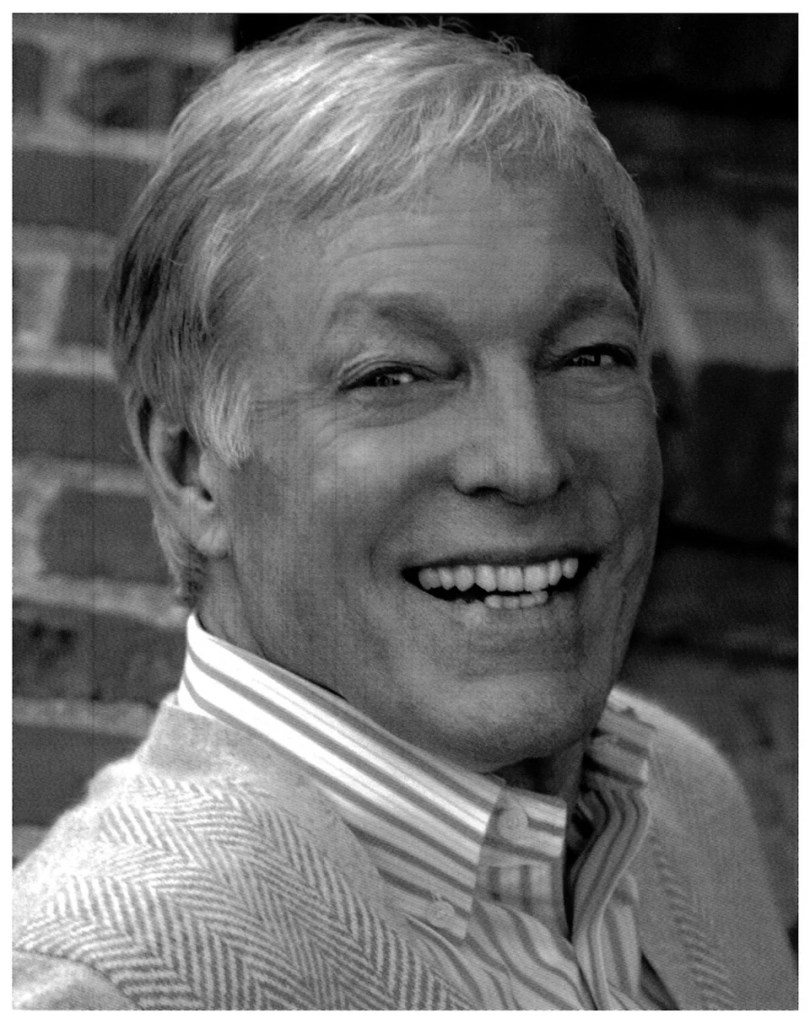
Richard Chamberlain, who was dubbed “the King of the miniseries” for his iconic leading performances in some of the most celebrated television productions of the 1980s, came out of the closet to the public in 2003 at the age of 70 in connection with the publication of his memoir “Shattered Love.”
In interviews promoting the book, Chamberlain talked about the difficulty some people face in coming out.
“There’s still a tremendous amount of homophobia in our culture,” he said. “Please, don’t pretend that we’re suddenly all wonderfully, blissfully accepted.”
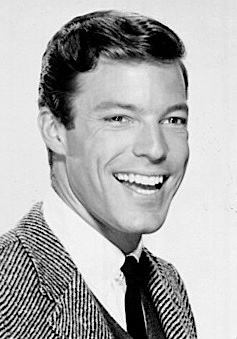
Chamberlain shot to fame as TV heart throb Dr Kildare on the series of the same name in the 1960s. His dashing good looks won him legions of female fans, as well as some male fans.
Cat-and-mouse game with the press
During middle age, 20 years later, his career spiked once more.
Chamberlain became king of the 1980s TV mini-series after playing a western prisoner in “Shogun” (1980) and a Catholic priest tempted by love in “The Thorn Birds” (1983).
“I played a cat-and-mouse game with the press,” Chamberlain said about keeping his love life private through the years before coming out.
“I had to be very careful and very circumspect. Magazines did lots and lots of interviews, and they sort of suspected. They would ask me questions like, when are you going to get married and have children? I would say, ‘Well, not quite yet. I’m awfully busy.’ I had to be careful for a long time.”
“It was inhibiting,” Chamberlain added. “But I got so used to it that it was just habitual to be sort of careful and on guard in certain situations. Yes, I would’ve been a happier person to be out and free and all that. But I already had so much to be happy about. I was a working actor, and that’s the main thing I wanted out of this lifetime.”
Richard Chamberlain’s death, partner Martin Rabbett
Chamberlain died on 29 March in Waimanalo, Hawaii, of complications from a recent stroke, at the age of 90, just before his 91st birthday.
“Our beloved Richard is with the angels now. He is free and soaring to those loved ones before us,” Martin Rabbett, his life-long partner said. “How blessed were we to have known such an amazing and loving soul. Love never dies. And our love is under his wings lifting him to his next great adventure.”
Rabbet and Chamberlain started their long-term relationship in 1977 and had a commitment ceremony in the 1980s. They remained a couple until 2010 when they separated. But the couple recently resumed living together. Rabbett is a writer, actor and producer, whose credits include “Island Son,” “Finite Water,” “The Bourne Identity,” “All the Winters That Have Been” and “Bare Essence.” He appeared in “Allan Quatermain and the Lost City of Gold with Chamberlain” in 1986.
 Out in the City
I didn’t know about the Altrincham case: shocking and needs to be remembered in some way. Sad to hear of Richard Chamberlain’s death: he was my Mum’s favourite as Dr Kildare
LikeLike