International Women’s Month
This year, the theme of International Women’s Day was “Accelerate Action.” The theme emphasises the importance of taking swift and decisive steps to achieve gender equality.
Every March, Women’s History Month seeks to raise awareness of the social and historical contributions and achievements of women. This year’s theme is “Moving Forward Together! Women Educating & Inspiring Generations”.
In light of that, we decided to look at LGBT+ women from history who took bold, brave steps to live their lives as they wanted to, refusing to let prejudice or misogyny prevent them from being themselves. From 17th century sword-slingers to 20th century movie stars and activists, here are some favourite trailblazers.
1. Julie d’Aubigny (1670 – 1707)
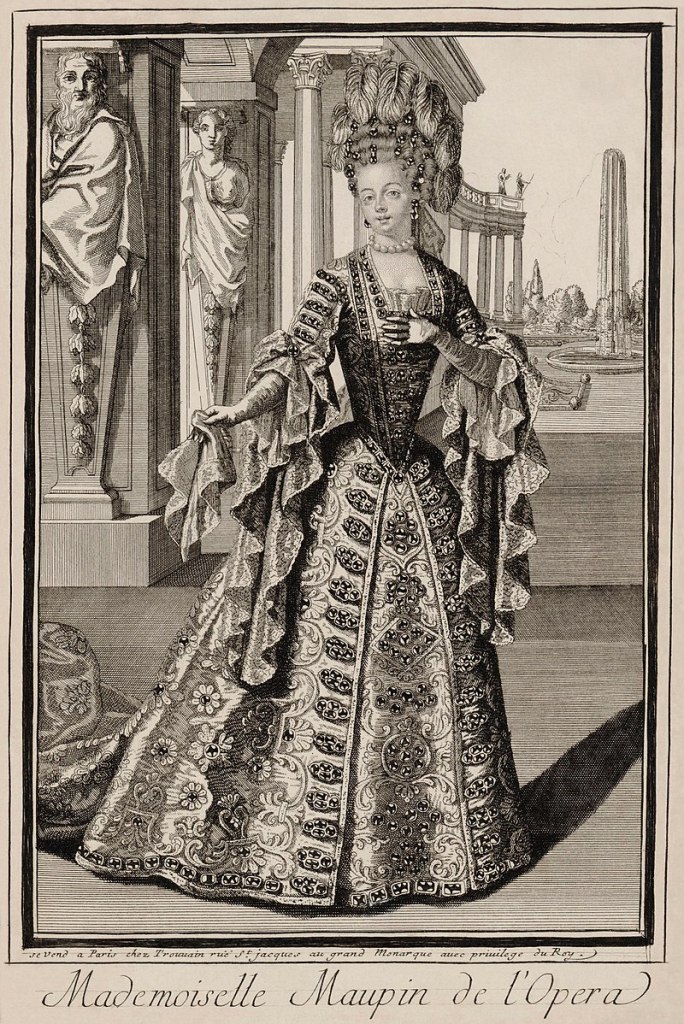
Where to start with Julie? Better known as Mademoiselle Maupin or La Maupin, this 17th century sword-slinger and opera singer became involved with a young woman, whose parents later put her in a convent.
In order to get her lover back, she entered the convent, stole the body of a dead nun, placed it in her lover’s bed and set the room on fire so that they could escape together.
What a woman!
2. The Ladies of Llangollen (1739 – 1829, 1755 – 1831)

The Ladies of Llangollen, Eleanor Butler and Sarah Ponsonby, were two upper-class Irish women who lived together in Llangollen, Wales, and whose relationship scandalised and fascinated their contemporaries.
Some consider Butler and Ponsonby’s relationship to be a Boston marriage, or a romantic relationship between two women who chose to live together and have “marriage-like relationships”.
3. Anne Lister (1791 – 1840)
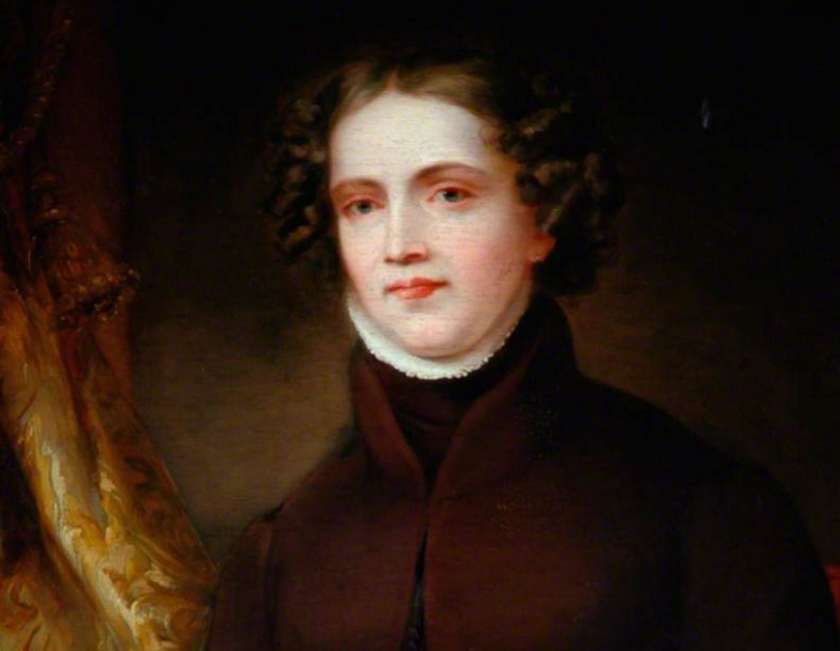
Anne Lister was a landowner, diarist, mountaineer and traveller who kept diaries which chronicled her life, including her lesbian relationships.
However, the LGBT+ info was written in code, derived from a combination of algebra and Ancient Greek.
She had an affair with a wealthy heiress called Ann Walker, who she later married (without legal recognition), provoking uproar in polite society.
4. Jane Addams (1860 – 1935)
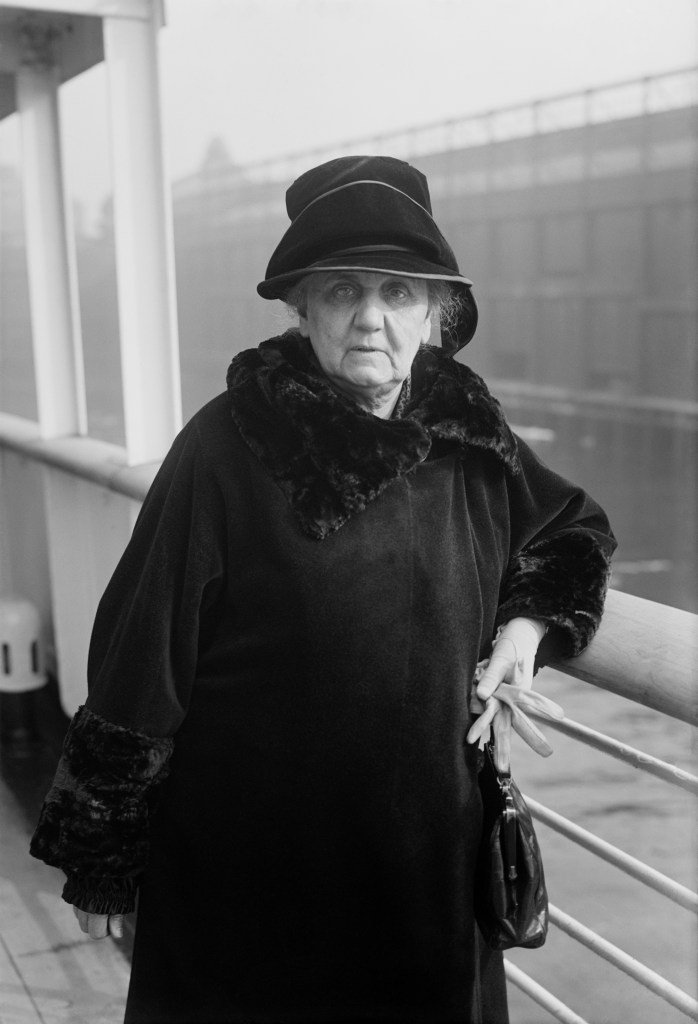
Jane Addams was a pioneering figure in the American suffrage movement. Also an activist, social worker, public philosopher and author, she was involved with several women throughout her lifetime.
Most significantly, Addams was in a relationship with Mary Rozet Smith, and according to historian Lilian Faderman, she addressed Mary as “My Ever Dear”, “Darling” and “Dearest One” in letters.
The couple were together for 40 years and wrote to each other constantly when apart. “I miss you dreadfully and am yours ‘til death,” read one letter from Addams to Smith.
5. Virginia Woolf (1882 – 1941)
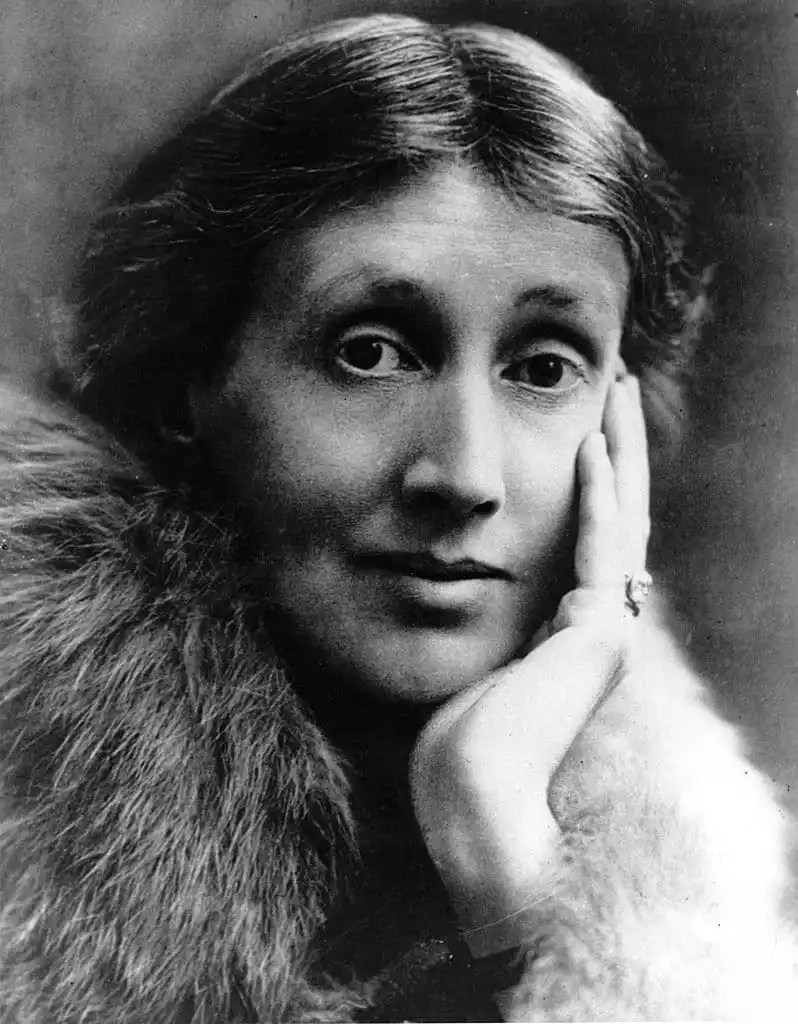
Writer Virginia Woolf’s bisexuality is pretty hard to argue with. She had a relationship with fellow writer Vita Sackville-West in the early 1920s.
In a letter to Vita, Virginia described telling her sister Nessa about their affair, where she wrote: “I told Nessa the story of our passion in a chemist’s shop the other day. ‘But do you really like going to bed with women’ she said – taking her change. ‘And how’d you do it?’ and so she bought her pills to take abroad, talking as loud as a parrot.”
6. Eleanor Roosevelt (1884 – 1962)
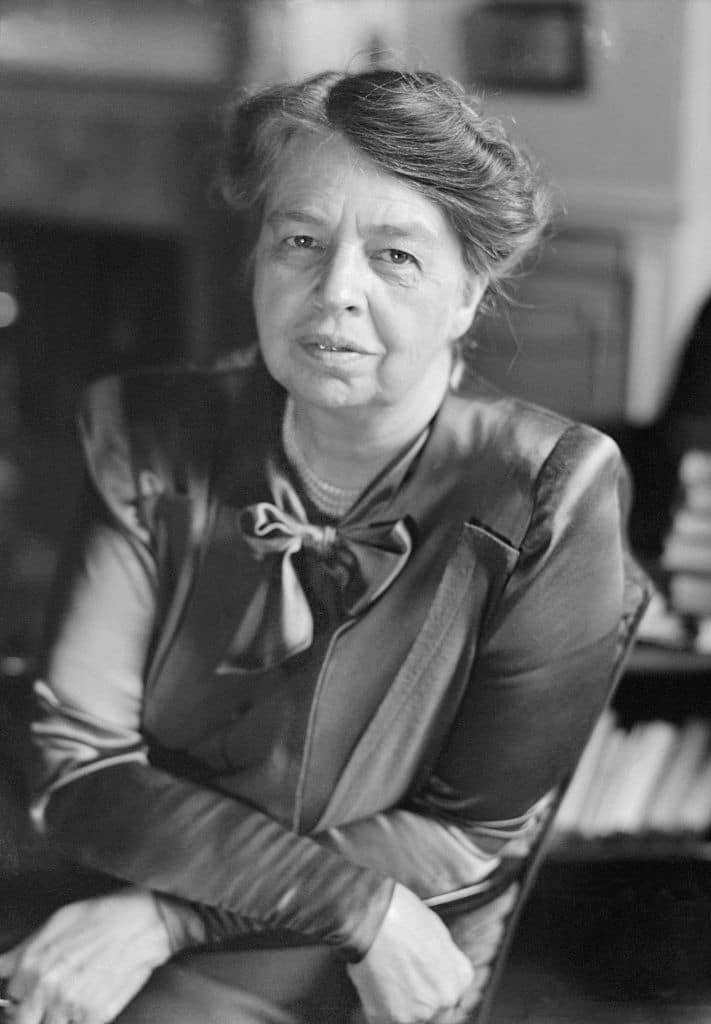
Eleanor Roosevelt was known to have been allowed to have an affair by her straying husband – and she chose reporter Lorena ‘Hick’ Hickock.
Following Eleanor’s death, a series of letters were unearthed. Although most were destroyed by the Roosevelt family, one letter read: “I want to put my arms around you & kiss you at the corner of your mouth.”
In another 1933 letter, Eleanor wrote: “I want to put my arms around you. I ache to hold you close … Your ring is a great comfort to me. I look at it and think she does love me, or I wouldn’t be wearing it.”
7. Mercedes de Acosta (1893 – 1968)
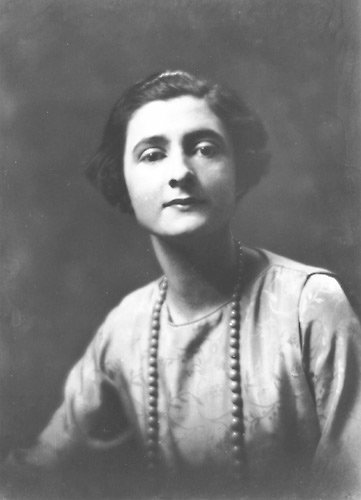
An American poet, playwright and novelist, Mercedes de Acosta wasn’t famed for her writing, rather for her many lesbian affairs with Hollywood stars.
She’s possibly best-known for her long-term romance with Greta Garbo, and was also involved with Russian ballerina Tamara Karsavina.
8. Alla Nazimova (1879 – 1945)
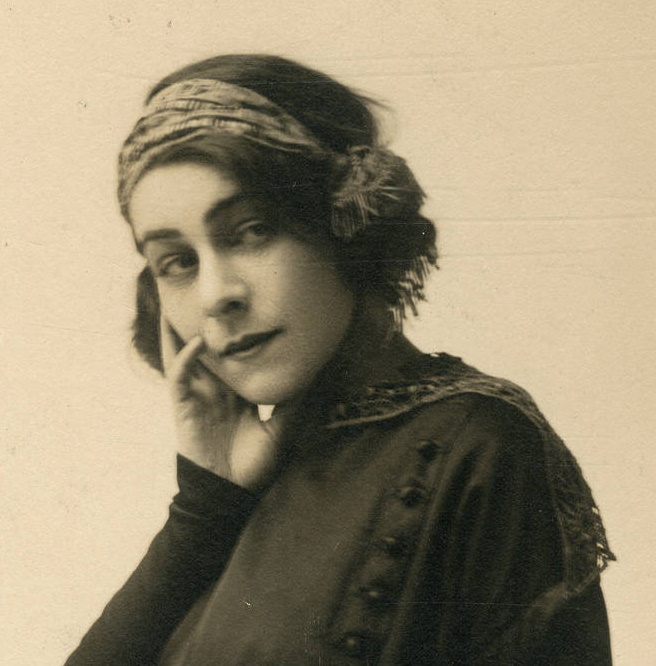
Alla Nazimova, an actress, was credited with coming up with the phrase ‘sewing circle’ as a code name for her and her fellow lesbian or bisexual Hollywood actresses.
She openly had relationships with women, and her Sunset Boulevard mansion was believed to be the home of some pretty exciting parties.
9. Audre Lorde (1934 – 1992)
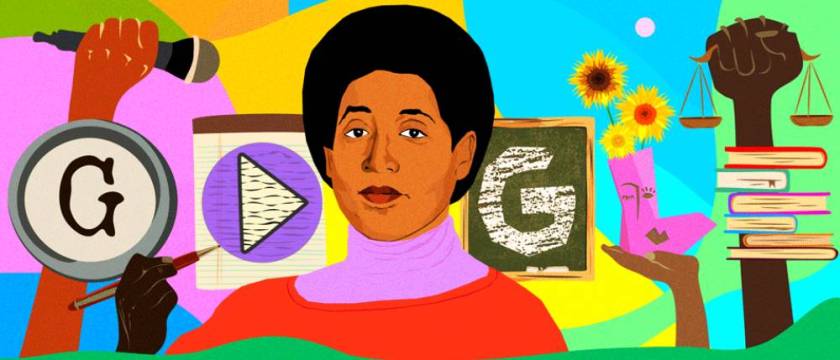
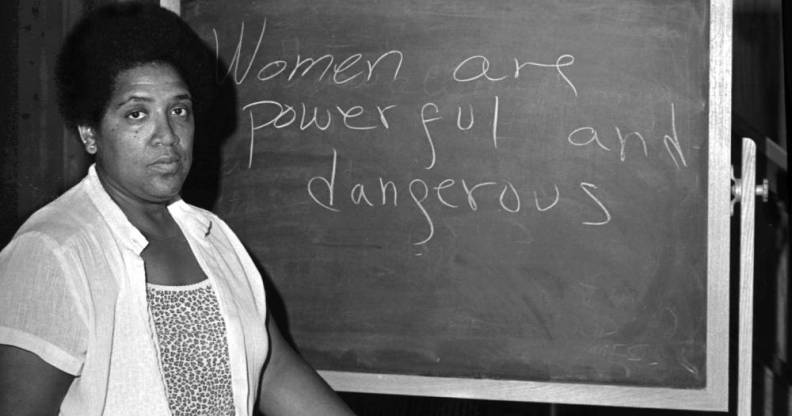
African-American writer Audre Lorde was also a civil rights activist who famously said: “Those of us who stand outside the circle of this society’s definition of acceptable women; those of us who have been forged in the crucibles of difference – those of us who are poor, who are lesbians, who are Black, who are older – know that survival is not an academic skill.
It is learning how to take our differences and make them strengths. For the master’s tools will never dismantle the master’s house.
They may allow us temporarily to beat him at his own game, but they will never enable us to bring about genuine change. And this fact is only threatening to those women who still define the master’s house as their only source of support.”
10. Ruth Ellis (1899 – 2000)
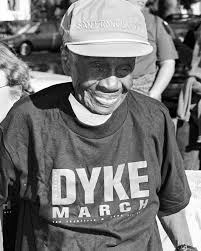
Ruth Ellis was an African-American woman and LGBT+ rights activist who came out when she was just 16.
In the 1920s, she met her partner of 30 years, Ceciline ‘Babe’ Franklin, and their Detroit home became a refuge for African-American LGBT+ people.
11. Marion Barbara ‘Joe’ Carstairs (1900 – 1993)
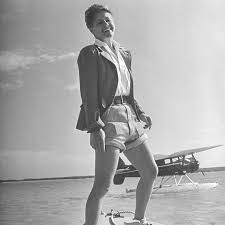
A wealthy British power boat racer, Marion Barbara ‘Joe’ Carstairs often dressed as a man, had tattoos and loved adventure and speed.
She was openly gay and had many affairs with women, including Dolly Wilde (Oscar Wilde’s niece), Greta Garbo, Tallulah Bankhead and Marlene Dietrich.
12. Gladys Bentley (1907 – 1960)
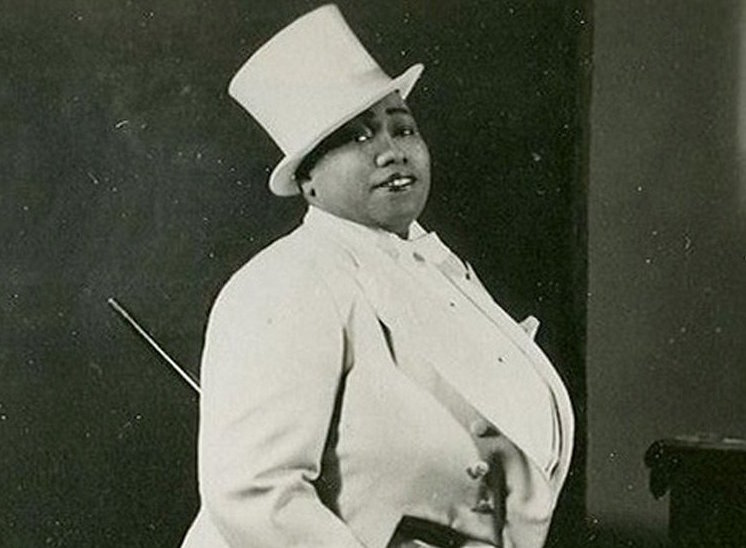
Gladys Bentley was an American blues singer, pianist and entertainer during the Harlem Renaissance, and is a significant figure for the LGBT+ community and African-Americans.
She dressed in men’s clothes when she performed, backed up by a chorus line of drag queens, played piano and sang in a deep, growling voice while flirting with women in the audience.
Gladys Bentley, and all of the other women on this list, helped move things forward for women’s and LGBT+ rights just by being so unapologetically themselves, at a time when women were expected to conform to men’s expectations.

George House Trust celebrates 40 years of helping people with HIV
It’s 40 years since George House Trust was set up in a small office in central Manchester, starting as a once-a-week helpline run by volunteers.
Since then it is estimated to have helped over 100,000 people across the North West providing advice, support and information for those living with and affected by HIV.
It started in 1985 when six gay HIV activists set up Manchester AIDSline in response to the arrival of the HIV virus in Manchester. The City Council formed an ‘AIDS Working Party’ and the North Western Regional Health Authority began to support Manchester AIDSline financially. As support developed, they began providing more targeted and tailored services, such a befriending support and information resources for professionals. The AIDSline changed it’s name to George House Trust in 1990.
Anita Binns is one of those who’re grateful for their help.
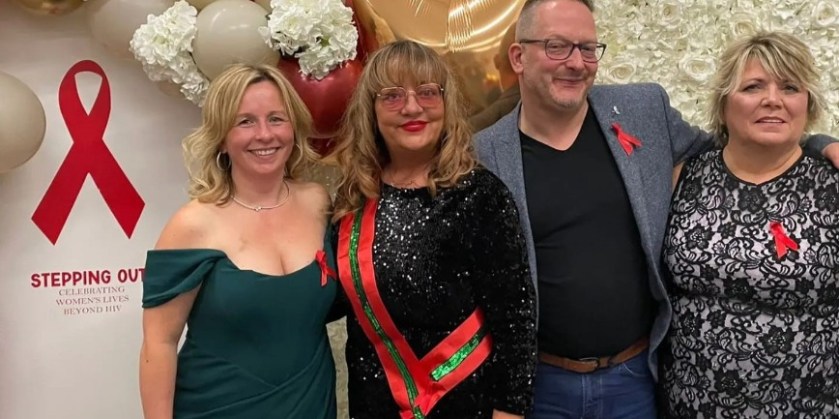
In 1995, after giving blood, she found out she was HIV positive, along with her husband and young son. George House Trust helped her navigate a path through what was a very scary time for Anita, who was completely in the dark about living with the disease.
She said: “At the time there was no medication so we were literally given an aids diagnosis, we had to put our life in order to make sure our family would be looked after.”
“We didn’t know if we were going to live, would we be there for our children would we die before our children?”
They also supported her when she was discriminated against at work because of her diagnosis. “When you walked through the door they could answer your questions, if it wasn’t for George House Trust I wouldn’t be here” she told Granada Reports.
This year as it celebrates its 40th anniversary ,the charity will use a £150,000 grant from The National Lottery to tell the story of HIV across Greater Manchester and the associated activism, heroism, passion and loss.
The project manager Joseph Tanzer is working with Manchester Archives+ to appraise and catalogue George House Trust’s physical and digital archive material and preserve this by depositing it at Manchester Central Library.
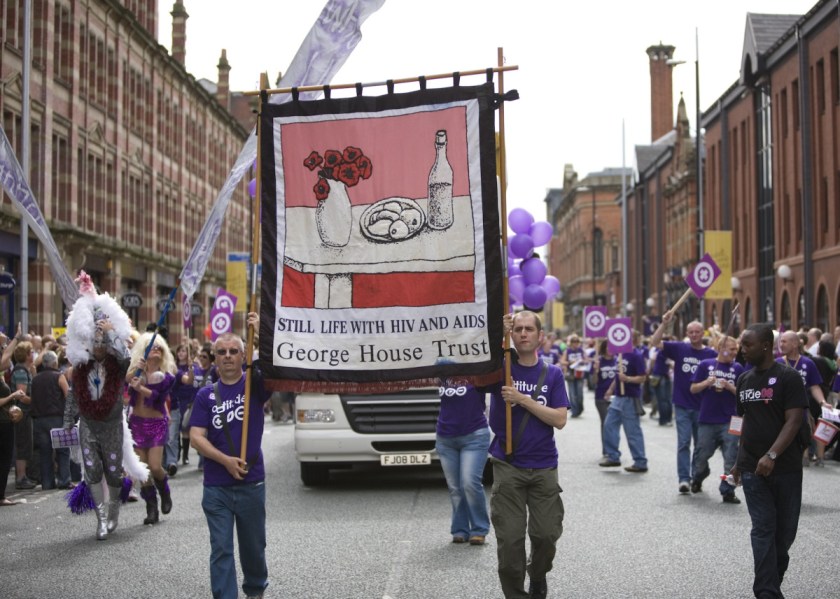
At the end of the project in March 2026, people can learn about the history of HIV activism in Greater Manchester and this will lead to change in outdated perceptions and increased awareness about HIV and tackling HIV stigma.
Paul Fairweather, the co-founder of George House Trust said: “People are now so much more aware, we talk to a lot of young people and I think they are far more aware about the facts around HIV, but there are still many people whose physical health is fine but their mental health isn’t, they are isolated and have not told anyone about living with HIV”
To bring transmission rates down the Government has pledged £27 million for opt-out testing in emergency departments, something George House Trust is helping to deliver.
Dr Orla McQuillan is a consultant at the Northern Sexual Health and HIV Service, she said: “The most important thing is to get tested and get diagnosed because we know know that HIV is a different world and once you are diagnosed we can look after you and treatment is actually quite easy to take.”
Watch video via this link.
George House Trust wins GSK Impact Award
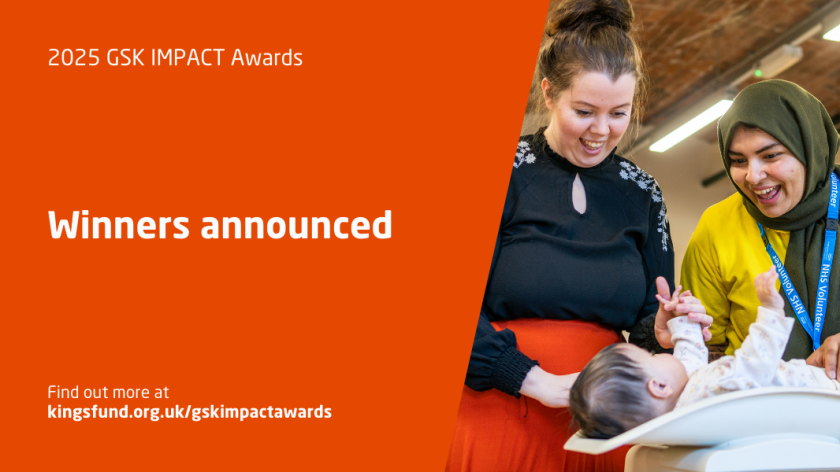
George House Trust has scooped one of this year’s GSK Impact Awards, a sought-after accolade for health care charities in the UK.
The awards are widely seen as a mark of excellence in the charity health sector and are designed to recognise outstanding small and medium-sized charities working to improve people’s health and wellbeing in the UK.
As an award winner, George House Trust will now receive £40,000 in unrestricted funding, as well as a place on a highly sought-after leadership development programme provided by The King’s Fund.
Amongst other services – destitution payments, formula milk donations, support groups – George House Trust has also played a vital role in reaching out to the fastest-growing, yet often underrepresented, demographic of people living with HIV – over 50s.
Naomi Sloyan, 58, a user of George House Trust who now works at the charity, said: “I went through a year of being desperately ill, often hospitalised. It was quite a traumatic experience, really, because it wasn’t picked up early.”
But Sloyan believes her story, as well as George House Trust’s Ageing Well programme, is breaking down the stereotypical image of someone living with HIV, meaning faster treatment and support for people in whom the disease may previously have gone undiagnosed.
The GSK Impact Award will further raise George House Trust’s profile, helping to achieve its aims of normalising, de-stigmatising, and combatting HIV throughout the Northwest.


Rainbow Lottery Super Draw!
Please support Out In The City by buying a Rainbow Lottery ticket or two (or more!)
With each Rainbow Lottery ticket, you are not just entering to win exciting prizes, you are also supporting our mission to support older LGBT+ people.
It’s a vital part of our fundraising as we receive 50p for every £1 spent and you have the chance to win cash prizes each week from £25 for three numbers up to a jackpot of £25,000 for six numbers – while helping us to achieve more for the LGBT+ communities over 50 years.
Buy tickets here.
| In this weekend’s Super Draw (Saturday, 29 March) one lucky supporter will win an amazing Home Robot Bundle – or of course, a £1,000 cash alternative or the option to plant 1,000 trees with projects available all around the world! Put your feet up and relax, while your new Roomba Combo J5 takes care of all the floors in your home with its vacuuming AND mopping options, while outside, your Lawnmaster L12 Robot Mower is hard at work, keeping your lawn under control, all whilst you kick back with a cup of tea (and we’ll even throw in the teabags!) Or as always, the winner can opt for the £1,000 cash alternative, and spend it your way or plant 1,000 trees if the main prize doesn’t appeal to you! |



Come and Sing this Spring!
Join Manchester’s LGBTQ+ low-voice choir for an exciting project. No experience needed!
The Sunday Boys are giving you the chance to learn beautiful acappella pop songs, and perform in an informal concert.
Email: info@thesundayboys.com for more information and to register your interest.
Rehearsals dates and times
Sunday 30 March: 5.30pm – 7.45pm
Sunday 6 April: 5.30pm – 7.45pm
Sunday 13 April: 5.30pm – 7.45pm
Sunday 27 April: 4.30pm – 6.30pm
Venue
Halle St Michaels, 36-38 George Leigh Street, Ancoats, Manchester M4 5DG
Performance & Social
On Sunday 27 April at 7.00pm, we will share a relaxed, informal performance lasting about 20 – 30 minutes. It’s the perfect chance to showcase your wonderful voices to family and friends!
Get involved
The participation fee for the project is £40 (but the fee is negotiable).
 Out in the City
palatial! Police Museum; The Altrincham Case ; Kathleen Stock ; Richard Chamberlain dies at the age of 90 – electrifying
LikeLike