Out In the City’s “Look Back at 2024“
Meetings & Trips
1,210 people attended 60 meetings.
1,691 people attended 103 trips including:
32 trips to concerts at the Bridgewater Hall (attended by 327 people);
3 coach trips to Jodrell Bank, Samlesbury Hall and Maurice Dobson Museum (attended by 76 people); and
Christmas Meal (attended by 73 people).
Website
660 articles published over 99 blog posts. We have 414 subscribers.
87,992 website views by 11,816 visitors from 97 different countries.

Rainbow Lottery
£1,864 raised for Out In The City.
£2,150 cash and 84 extra tickets won by 35 people.
Media
Various members have been interviewed and contributed as follows:
- Centre for Ageing Better organised an exhibition “See and Be Seen” in London.
- Interviewed by ITV (and ITVX website) for video about Canal Street.
- Interviewed by Amy Prescott, researcher at Brunel University, London for a project on “Socially Inclusive Ageing Across the Lifecourse”.
- Interviewed by Bianca from Centre for Ageing Better on what can be done to improve the lives of older people.
- Interviewed by The Times about coming out in later life.
- Barclays Bank showed the video made in 2023 (for Pride in Ageing) in all Barclays Bank branches during month of June.
- Six members of Out In The City were filmed in connection with the Over 50s Digital Café and the Derek Jarman Pocket Park by Pride in Ageing at the LGBT Foundation.
- Interviewed in connection with HIV activism for Manchester Pride. The film was launched at the Candlelit Vigil.
- Rainbow Lottery shone a spotlight on Out In The City whilst revealing the week’s winning numbers.
- Interviewed by Matthew Walker who is making a documentary about Section 28.
- Interviewed by Mike Sweeney on BBC Radio Manchester on “Is Greater Manchester a good place to grow old in?”.
- Interviewed by Manchester Central Library regarding Out In The City activities which will form part of a podcast.
- Interviewed by Emma Goswell on BBC Radio Manchester on “Pride in Ageing”.
- Interviewed by ITV (Good Morning Britain) outside Church House to commemorate 60 years since the meeting on 7 October 1964 that began the modern movement for LGBT equality.
- Interviewed on Broadcast Radio (Wythenshawe FM) about Out In The City.
- Interviewed by Joely Bell, student journalist at the University of Salford to chat about lesbian life in 1990s Manchester for a feature article.
- Article about Out In The City published in the Age Friendly newsletter.
- Scott Hale from the Institute of Human Viralogy at the University of Maryland, Baltimore, USA was looking for short written accounts by people who have been affected by HIV or use PrEP as prevention for a World AIDS Day event in Maryland. Two contributions were included.
- Norman Goodman’s story is featured in Age UK’s report “You are not alone in feeling lonely: Loneliness in later life”.
- Recorded a podcast with Heart Radio to be broadcast in the new year.
- Interviewed for The Sun Online about loneliness and older people.
- We are currently working with 2 students doing research – Poppy Sullivan at Manchester Metropolitan University (photography project) and Jason D’Suvio at Arden University (Gay Men over 55 and Dating Apps).
Laughter, Independence, Kindness and Support
Immeasurable.


“Life of Bi” – Podcast Episode 37
In this episode of the extremely fun and thought-provoking podcast “Life of Bi” (available on all podcast platforms) Monica Pearl discusses some thoughts on Queer Friendship.
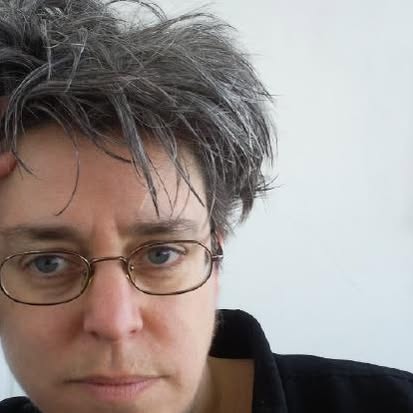
Veteran professor and HIV/AIDS activist Dr Monica Pearl is in conversation with Mary Higgins and Ell Potter about her experiences with ACT UP and the unique and under-studied intricacies of queer friendship.
A perfect antidote and/or accompaniment to the festive season when the emphasis is on “family time”.
Quentin Crisp-mas
I hadn’t realised previously that Quentin Crisp was born on Christmas Day, 25 December in 1908.
While travelling on a bus recently, I was called “an old queen” as I accidentally jostled a whippersnapper while taking my seat. At first, I was offended, but as I started to spit out a response, I thought of a certain Old Queen of England and instead my retort was: “Oh, sweetie dear, you simply have no idea…”.
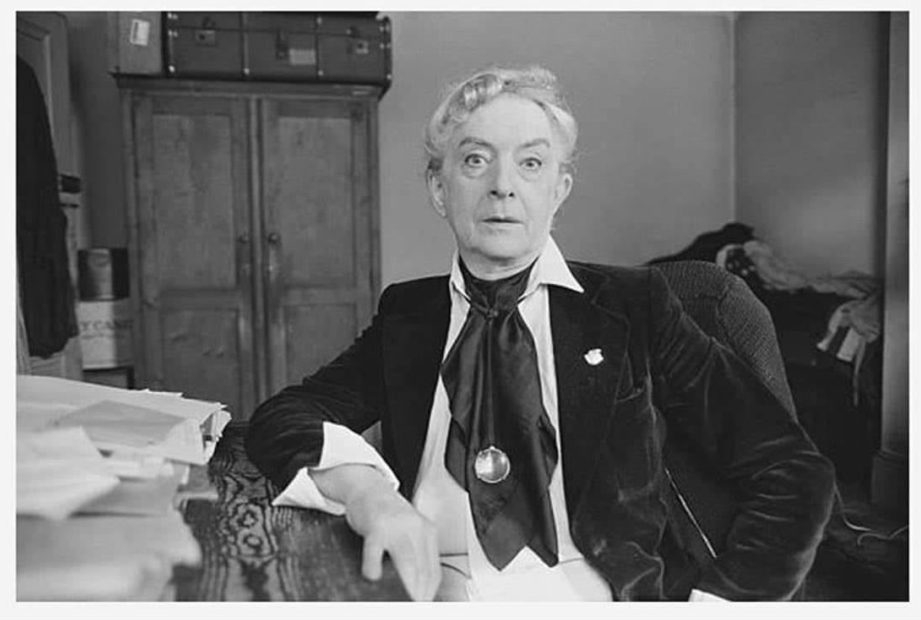
Quentin Crisp was a British writer who really gained the world’s attention after the 1975 airing of a television adaption of his 1968 memoir, “The Naked Civil Servant”.
He was a flamboyant, fey man who wore makeup and painted his nails. He worked as a rent boy as a youth, and then spent three decades making money as a figure model for art classes. The interviews he gave about his unusual life attracted increasing public curiosity and he was soon in demand for interviews where he told tales of his highly individual views on social manners and the cultivation of style. He was also frequently harassed, insulted, and beaten.
Born Denis Charles Pratt, he left home to lead a life that was not based on anything more than completely being his newly invented persona, “Quentin Crisp”. Not only did he have an attention-getting appearance, his expressions of his queerness attracted a great deal of curiosity among his fellow humans.
He started to speak about his life and his views in his ever changing solo stage show, which was very popular in Britain and the USA.
Many critics claimed that Crisp didn’t do anything to actually help members of the LGBTQ community, but he was always a brave supporter of freedom in gender and sexual expression. Throughout his long life, he remained highly independent, but he continued to share his beliefs and observations through his books, stories, quips, and stage and film performances. The way he lived his life advocated that a positive outlook and dedication would help one succeed in life.
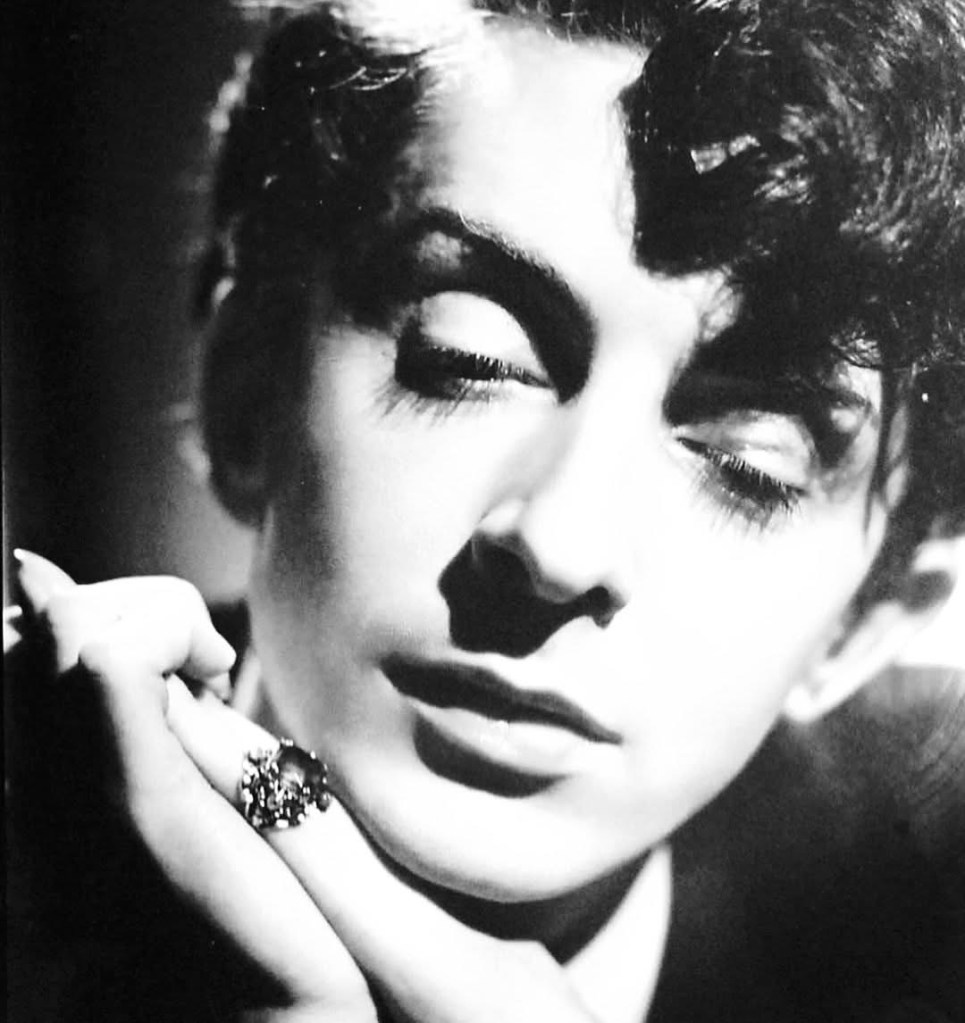
Crisp was Oscar Wilde’s perfect progeny, with calculated caustic confabulations, open queerness, and witty, winning obstinate opinions toward anything conventional. He caused a bit of a stir in the traditional Britain of the 1950s, 1960s, and 1970s. In 1981, he moved to New York City and brought along his wit and eccentricity. Crisp completely charmed the city, and he became the very essence of the modern urban bohemian.
Crisp resided in a single room in the East Village from 1977 to 1997. He remained fiercely independent and unpredictable to the end. He caused controversy and confusion in the LGBTQ community by jokingly calling HIV/AIDS “a fad”. Still, he was always in demand from journalists seeking a juicy soundbite, and throughout the 1990s, his commentary was still requested. You could consistently count on Crisp to say something quotable.
During his two decades in Manhattan, Crisp wrote eleven books, plus contributed reviews and magazine articles, and acted in several films, including playing a touching and dignified Elizabeth I in Sally Ann Potter’s luscious gender-bending “Orlando” (1992), loosely based on Virginia Woolf’s 1928 novel “Orlando: A Biography” starring the always daring Tilda Swinton in the title role.
While filming “The Bride” (1985), he became friends with Sting who was playing Dr Frankenstein. Crisp was the inspiration and subject of Sting’s beautifully brilliant song “An Englishman In New York” (1988). In 1986, Sting had visited Crisp in his Bowery apartment and was told over dinner, and in the three days that followed, what life had been like for an out-of-the-closet, fey, queer man in the very homophobic Britain of the 1920s to1960s. Of living in New York City, Crisp told Sting: “I looked forward to receiving my naturalisation papers so that I could commit a crime and not be deported.” When Sting asked him what kind of crime, Crisp explained: “Something glamorous, non-violent, with a dash of style. Crime is so rarely glamorous these days.” Sting was both shocked and fascinated. His song includes these lyrics: “It takes a man to suffer ignorance and smile. Be yourself no matter what they say.” The black-and-white video for the song was directed by David Fincher, and features scenes of Sting and Crisp. At the end of the video, as the song fades, Crisp says: “If I have an ambition other than a desire to be a chronic invalid, it would be to meet everybody in the world before I die … and I’m not doing badly.”
The kids won’t understand this, but Crisp’s New York telephone number was listed in the phone book. He felt it was vital that he speak with anyone who called. Crisp: “If you don’t have your name in the phone book, you’re stuck with your friends. How will you ever enlarge your horizons?” His openness to strangers meant accepting dinner invitations from almost anyone. He expected that the host to pay for dinner, but Crisp felt he earned it by regaling his terrific, sometime terrifying tales.
Liechtenstein marriage equality law takes effect
A law that extends marriage rights to same-sex couples in Liechtenstein took effect on 1 January.
Lawmakers in the small European country that borders Switzerland and Austria approved a marriage equality bill in May 2024. Liechtenstein is the last country in which German is the primary language to extend marriage rights to same-sex couples.


Same-sex couples have been able to legally marry in Switzerland and Austria since 2022 and 2019 respectively. Same-sex marriage has been legal in Germany since 2017. Liechtenstein’s first-ever Pride event took place in 2022.
 Out in the City
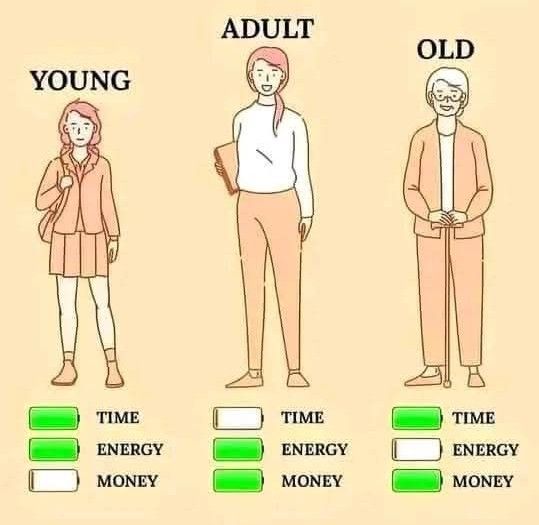
Just glance at it but a lot of people never have any money as an adult or in old age either – Liz
LikeLike
Hi Tony Best wishes for a Happy 2025 I do enjoy reading all your email postings and find them very interesting and comforting Hopefully I can come along to a meeting this year kind regards Dave
LikeLike
Amazing amount of work and events
>
LikeLike
Fascinating stuff about Quentin Crisp. I love the Sting song but didn’t know it was about him as I’d never seen the video.
Very impressive, what achieved in a year .
LikeLike