Bury and Stockport Prides
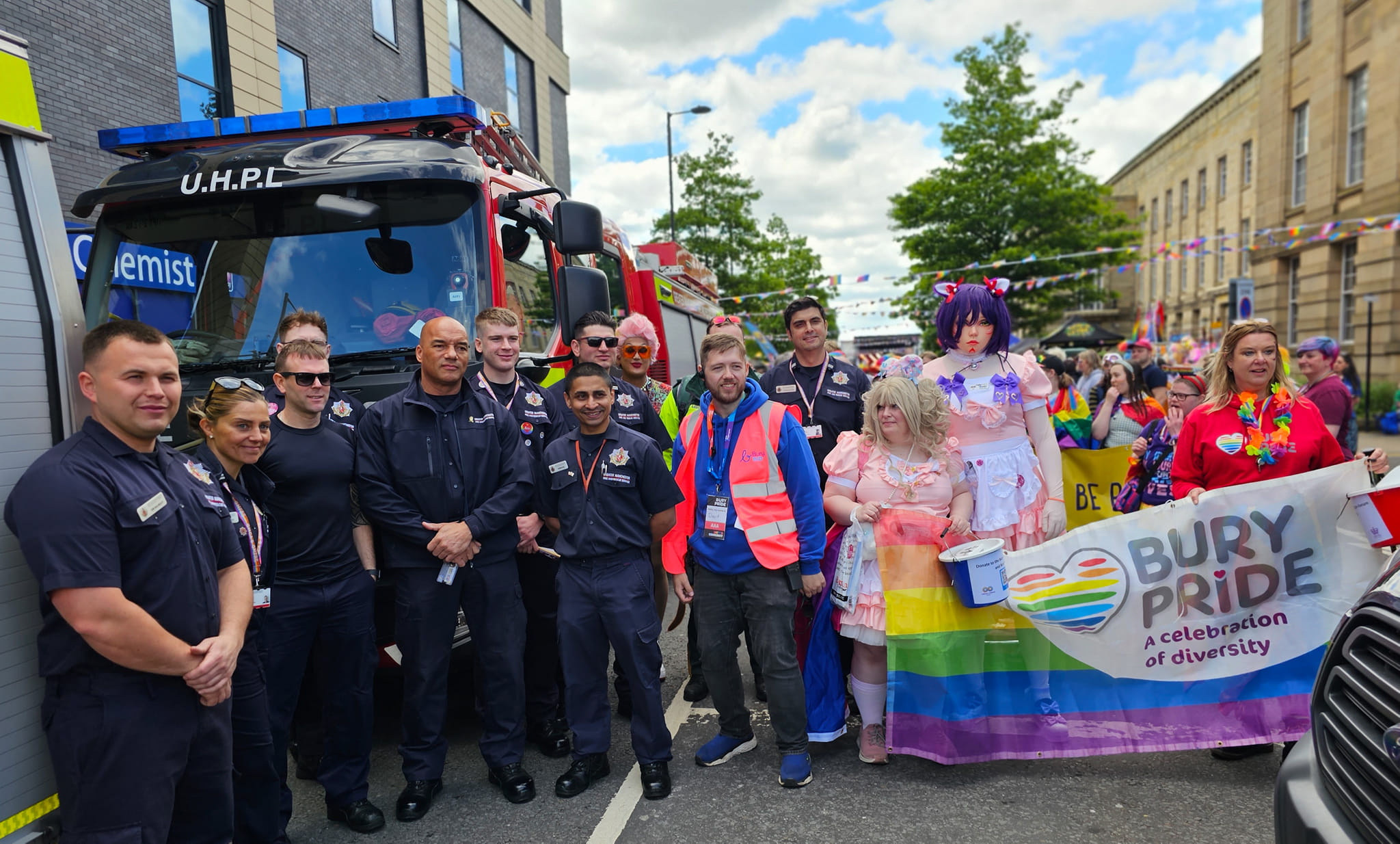
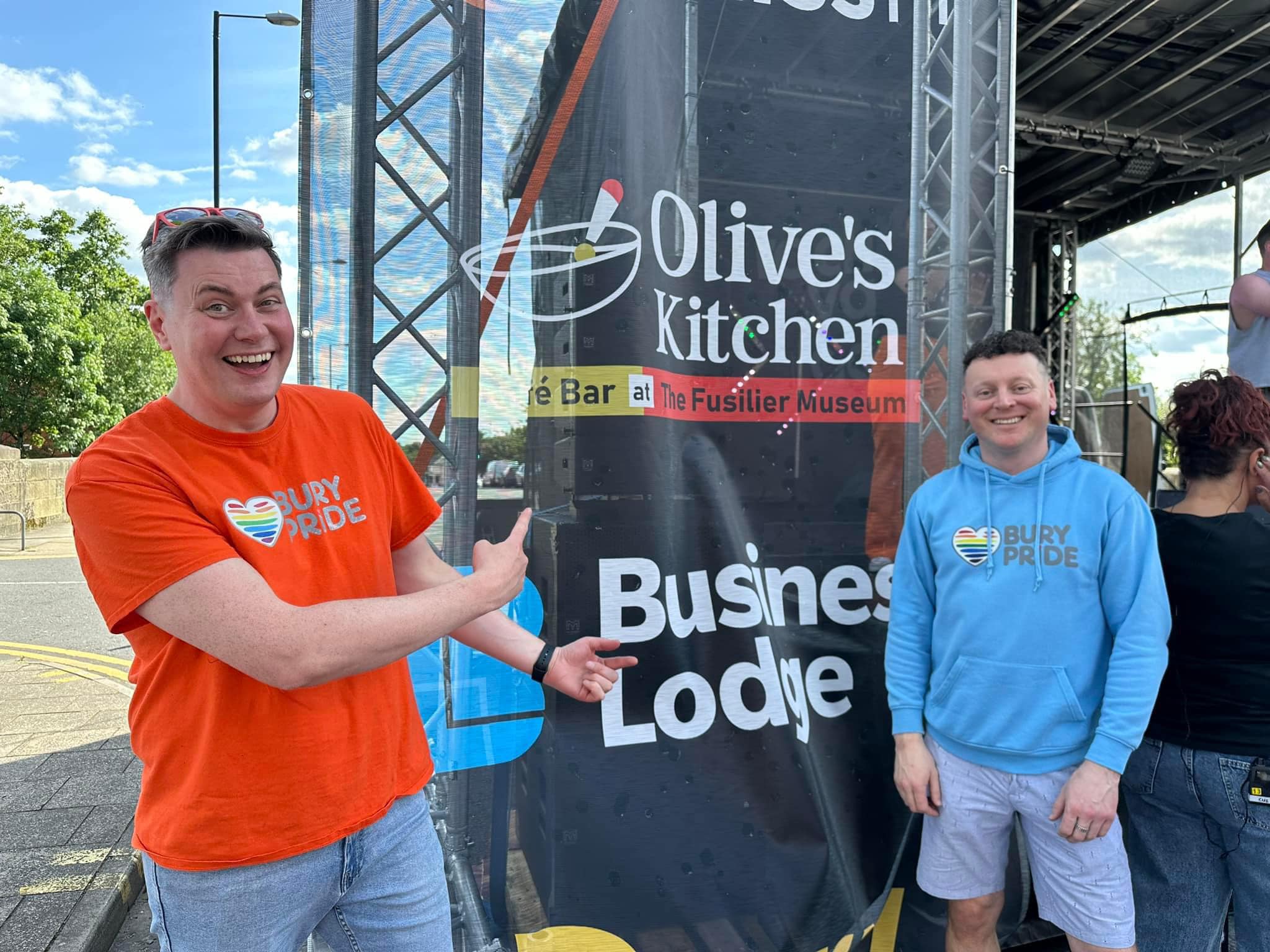
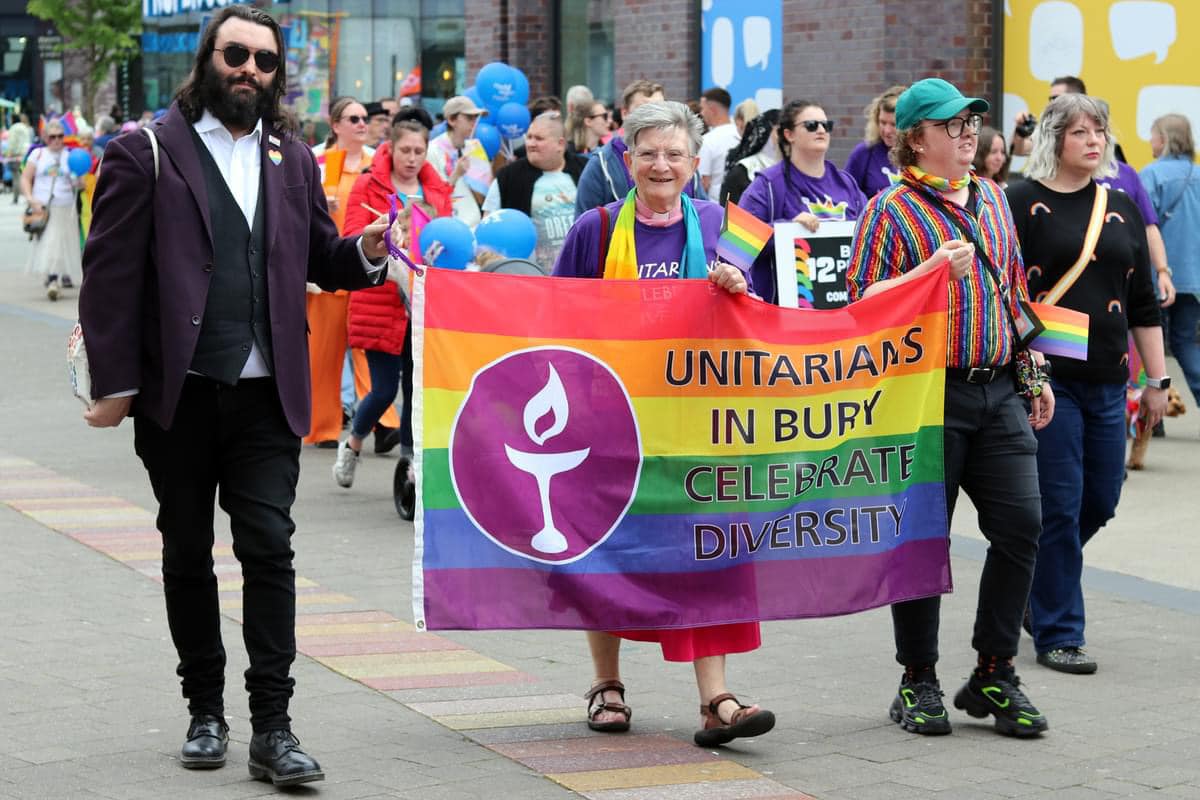
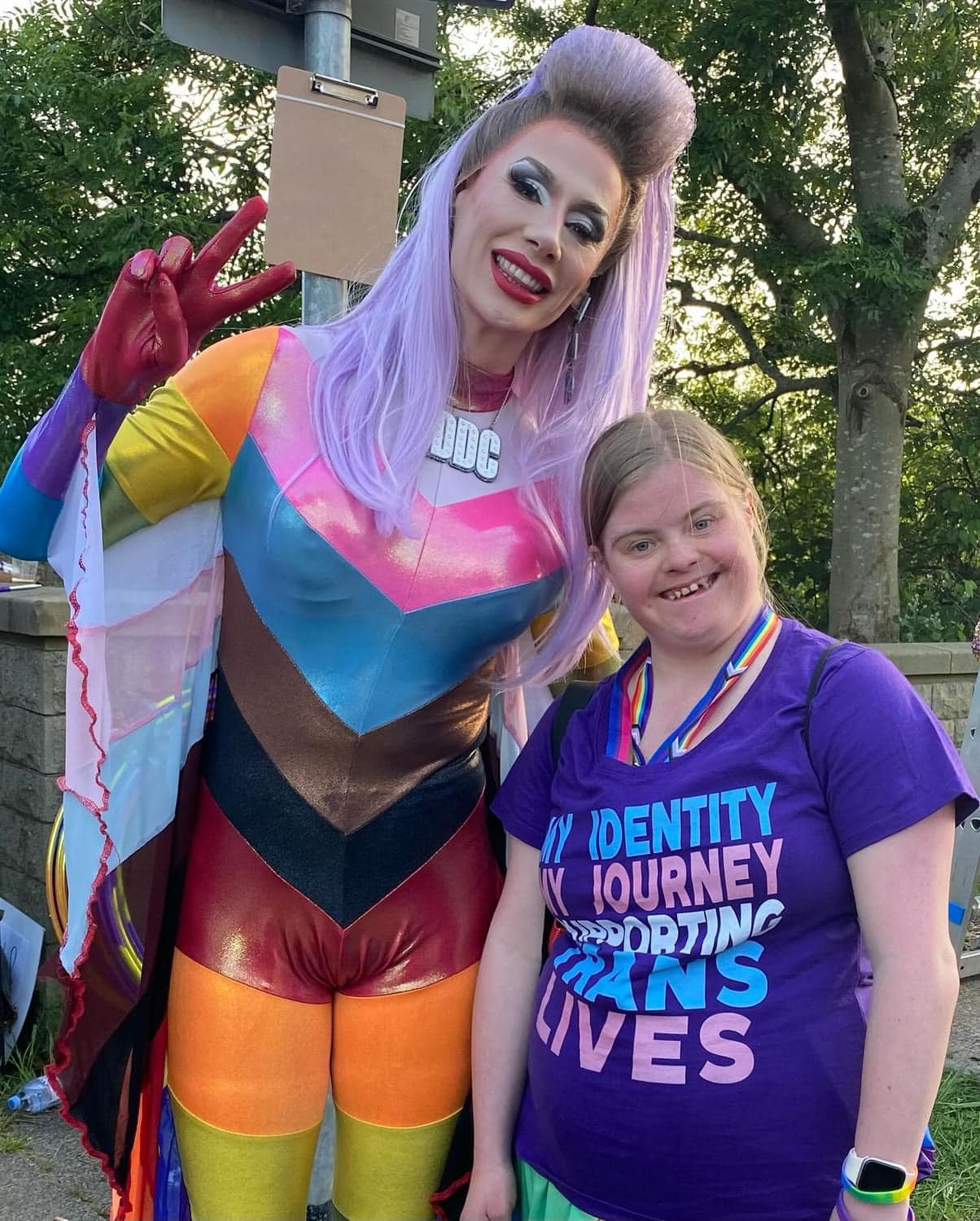
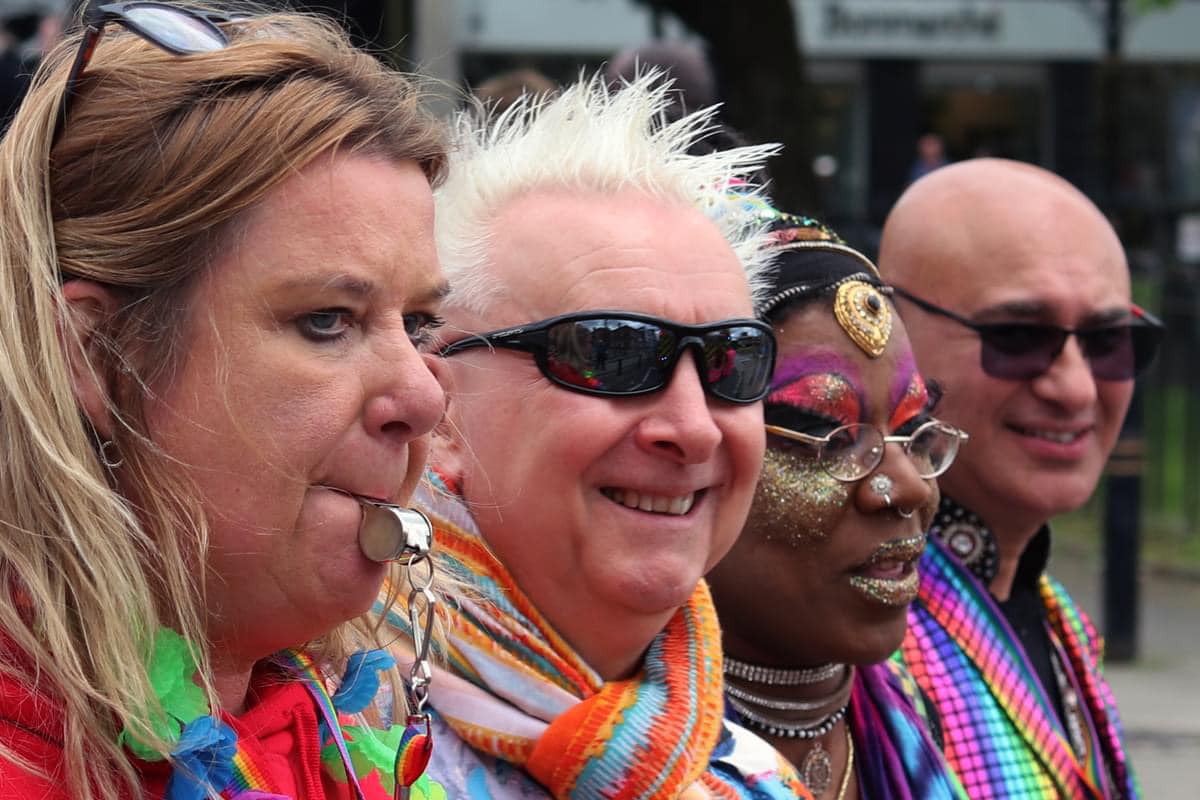
There was certainly “Unity in the Community” at Bury Pride. Held on Saturday 1 June – right at the beginning of Pride Month – Bury Pride featured plenty of stalls, a parade and a main stage, where Wolf performed a great set.

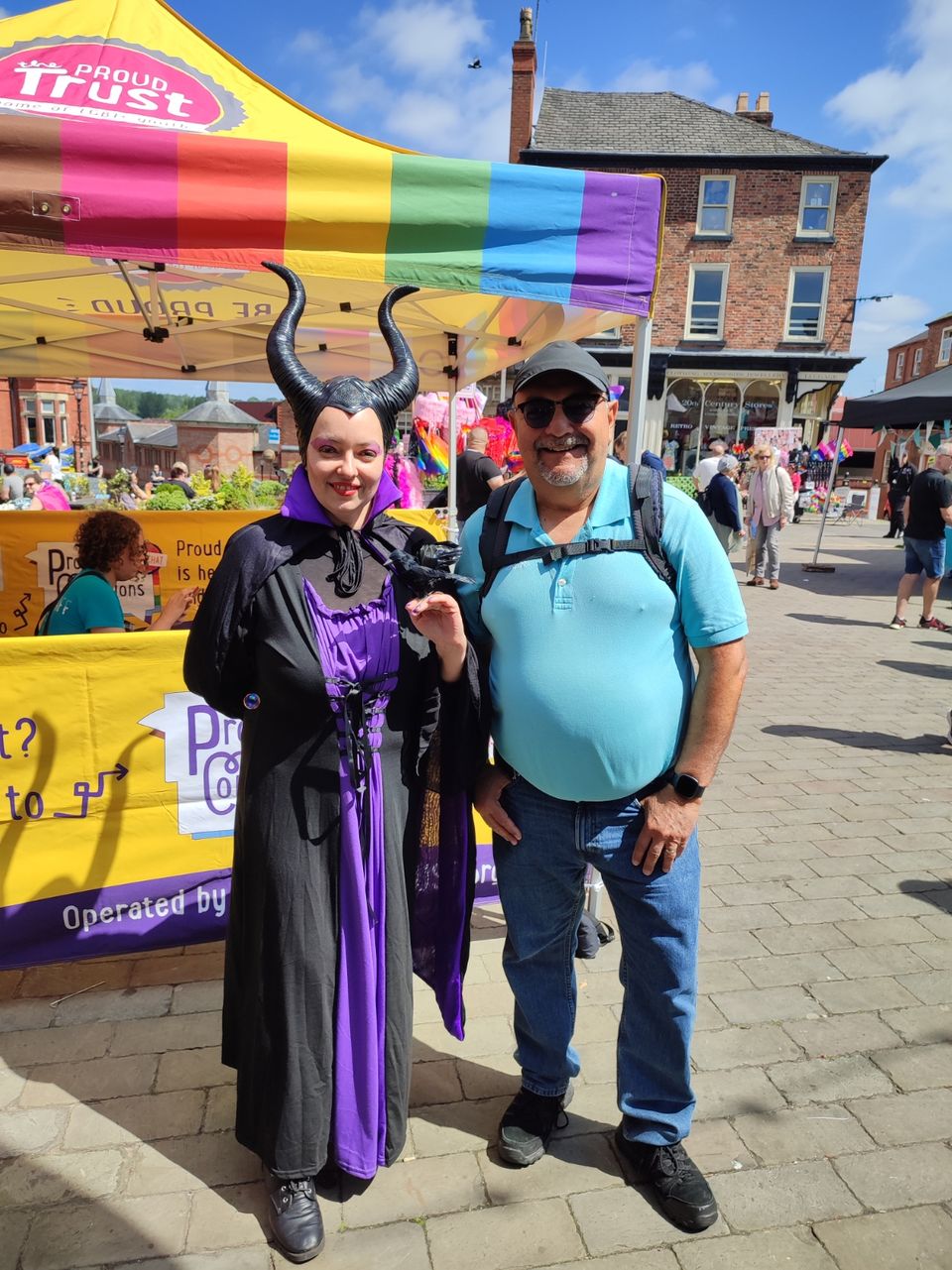
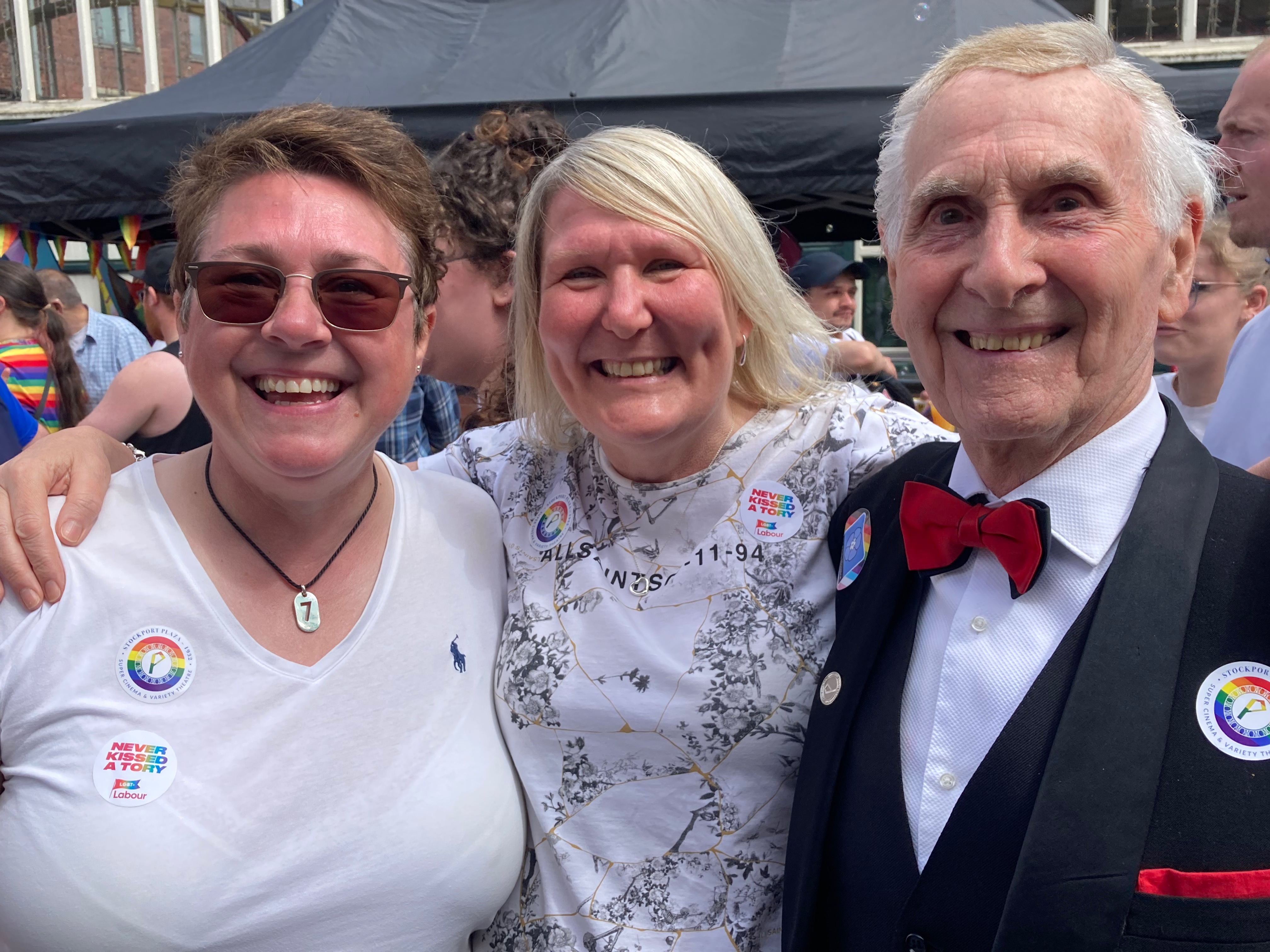
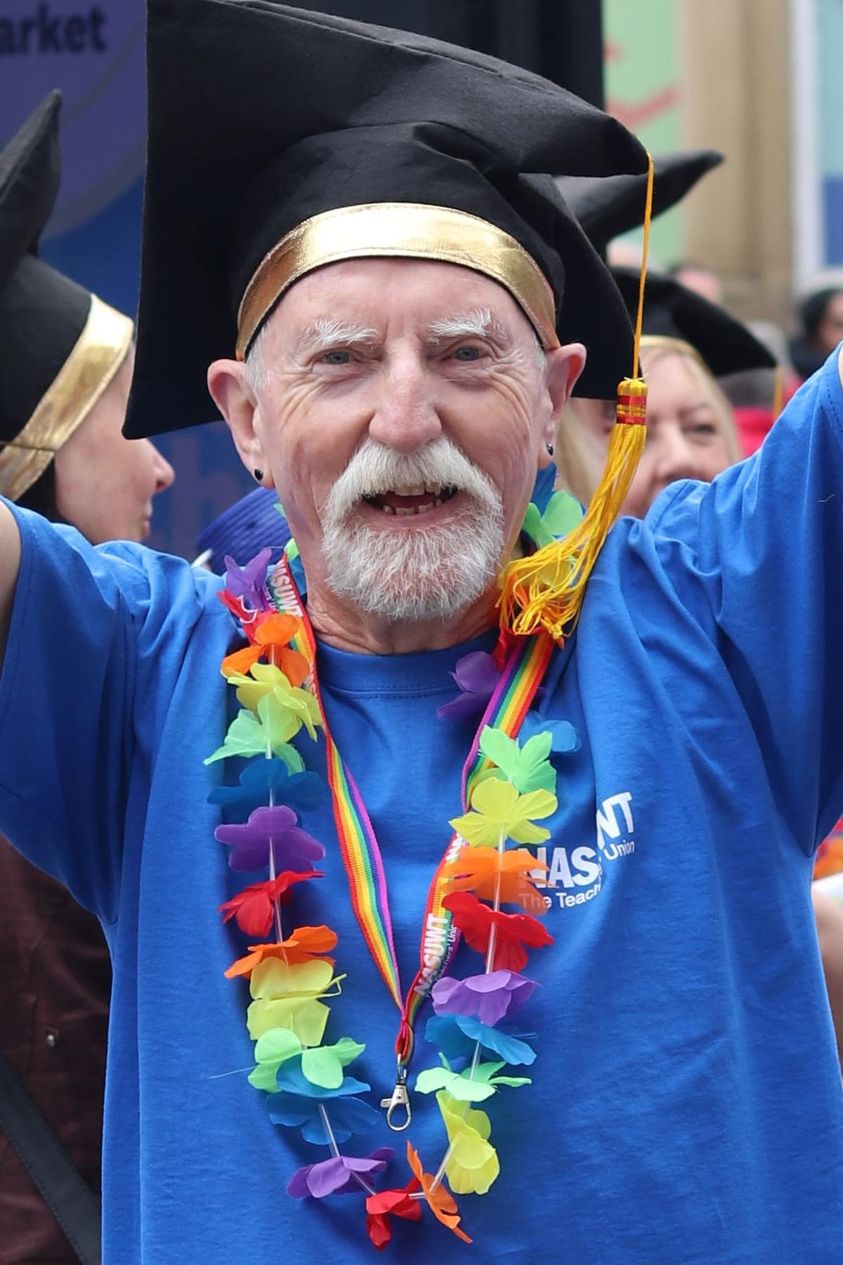
The next day Stockport Pride lit up the town celebrating equality, diversity and inclusion within the local LGBT+ community. There were a variety of stalls in Stockport’s Historic Market Place – hosted by charities, community groups and food and drink vendors, ensuring there was something for everyone.

Bronski Beat’s “Smalltown Boy” Turns 40 with New Reworked Version of the Gay Classic
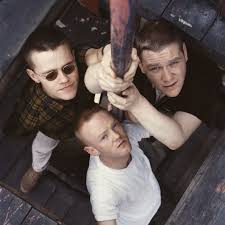
For gays of a certain age Bronski Beat’s “Smalltown Boy” was a classic.
Released forty years ago on 25 May 1984, the haunting electro-pop track became an instant gay anthem of LGBT+ liberation as it detailed the experience of many people who left their repressive towns for life in the big city. The original video has been watched 106 million times on You Tube.
The video features Bronski Beat lead singer Jimmy Somerville in a semi-autobiographical role as the young man who faces oppression and violence in his small town and eventually finds his tribe as he embarks on a bigger life in London.
To celebrate the iconic single and video’s 40th anniversary, London Records has released a new reworked version by London-based DJ and producer ABSOLUTE (aka Ant McGinley).
The reworked single is set to the original video and is as powerful as ever.
Following the release of the new version, ABSOLUTE shared a poignant message of getting to put his mark on a classic song that is important to so many.
“What a very emotional honour to rework one of the greatest tracks of all time, Smalltown Boy,” he wrote in an Instagram post. “With a message that still resonates deeply with so many LGBTQ+ people today, creating this felt like I’ve been given an opportunity to add a very small piece to its legacy in queer history.”
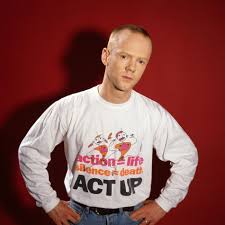
Jimmy Somerville addressed how the world seems to be going backwards with the current rise of anti-LGBT+ legislation in right-wing areas.
“We seem to be regressing in so many places, in so many countries,” he added. “Rights are being chipped away and there’s a real surge of homophobia, aggression, and discrimination toward anyone who basically wants to be themselves and love who they choose.”
He continued: “And you know what? Piss off! Just get on with your own life and let everyone else live theirs.”
World Health Organisation (WHO) put the Day in World AIDS Day?
World AIDS Day was first conceived in August 1987 by James Bunn and Thomas Netter, two public information officers for the Global Programme on AIDS at the World Health Organisation in Geneva, Switzerland.
The first World AIDS Day took place in 1988, providing a platform to raise awareness about HIV and AIDS and honour the lives of those affected by the epidemic.
But why did they pick 1 December?

James Bunn, a former television broadcast journalist from San Francisco, recommended the date of 1 December believing that it would maximise coverage of World AIDS Day, sufficiently long following Thanksgiving and the US elections but before the Christmas holidays, where there is usually a lull in the news cycle.
On 5 June 1981 the US Center for Disease Control (CDC) published an article in its Morbidity and Mortality Weekly Report: Pneumocystis Pneumonia – Los Angeles. The article described cases of a rare lung infection, pneumocystis carinii pneumonia (PCP), in five young, previously healthy gay men in Los Angeles. This type of pneumonia, the CDC noted, almost never affects people with uncompromised immune systems.
The following year, The New York Times published an alarming article about the new immune system disorder, which, by that time, had affected 335 people, killing 136 of them. Because the disease appeared to affect mostly homosexual men, officials initially called it gay-related immune deficiency, or GRID.
In September of 1982, the CDC used the term AIDS to describe the disease for the first time. By the end of the year, AIDS cases were also reported in a number of European countries.
Though the CDC discovered all major routes of the disease’s transmission – as well as that female partners of AIDS-positive men could be infected – in 1983, the public considered AIDS a gay disease. It was even called the “gay plague” for many years after.
So, I would argue that World AIDS Day should be commemorated on 5 June, the date when the disease was first discovered. The date of 1 December has no relevance.
Rather than World AIDS Day, the day should also be renamed World HIV Day.
5 Facts about HIV
- Effective and easy to take treatment means that HIV is now a manageable medical condition.
- People who are on effective HIV treatment with an undetectable viral load cannot pass HIV on during sex. Undetectable equals Untransmittable or U=U.
- HIV testing at a clinic is free and confidential. You can also test for HIV at home.
- Knowing your HIV status – whether positive or negative – means you can play a part in ending all new HIV transmissions by 2030.
- The red ribbon is the symbol of HIV awareness. Wear yours every day to show your solidarity with people living with HIV.


 Out in the City
A great summary of the local Pride weekends Tony. Love the ‘Smalltown Boy’ remix too, a favourite record of mine too
LikeLiked by 2 people