Care & Loss: LGBTQ+ Experience and Expectation of End-of-Life Care
This film was commissioned by Cottage Hospice and produced by METRO Charity to understand more about end-of-life experiences through an LGBTQ+ lens to inform care within hospices and other care settings.
The film features seven people who were interviewed in London about their experiences of supporting a loved one who was dying, including partners and friends within the LGBTQ+ community.

Meet the campaigner at the forefront of HIV/AIDS activism since the 1980s
Since co-founding the Manchester AIDS Line in 1985, Paul Fairweather has continued to be a fearless advocate for people living with HIV.
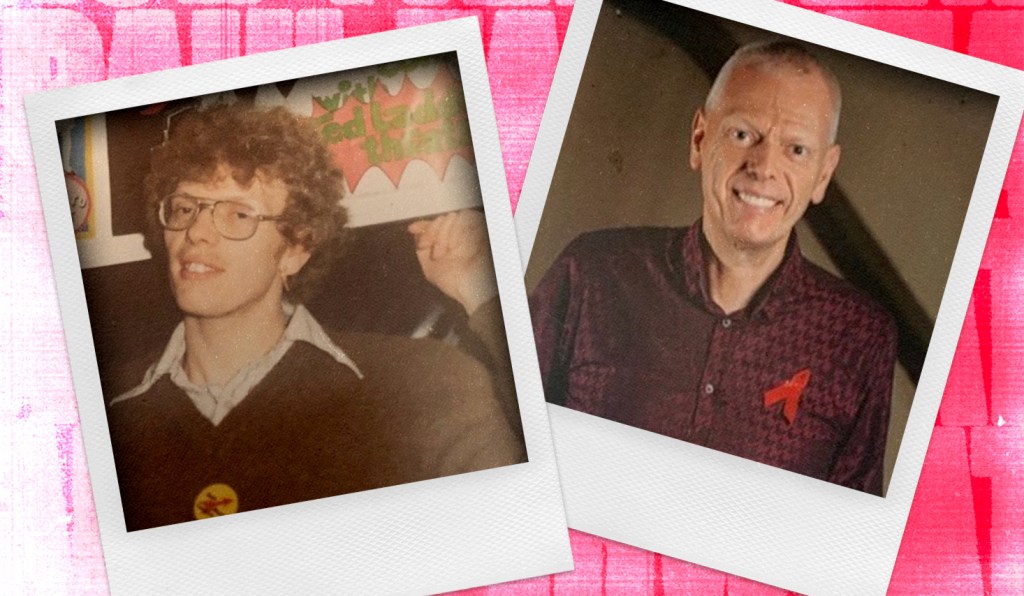
When the first cases of HIV were identified in the 1980s, virtually nothing was known about the virus except that it was fatal for those who contracted it. Initially referred to as Gay Related Immune Deficiency (GRID), gay and bisexual men in particular faced unparalleled levels of stigma in society because of the way HIV disproportionately affected them – something that only made LGBTQIA+ advocacy tougher at the time. “I worked full time on lesbian and gay equality, which was very unusual in those days,” says Paul Fairweather, a renowned human rights activist who has been at the forefront of the community response to the HIV/AIDS epidemic in the UK since it started. “I think in the beginning of the 1980s, things were beginning to change and improve and then I think HIV really, particularly in terms of stigmatising gay men, put things on hold in a way.”
As things worsened across Manchester and the North West where Fairweather was based, he began to organise meetings and lobby for those living with HIV to get the support they needed. He also wrote articles in gay media outlets to raise awareness among his peers and the wider LGBTQIA+ community, many of whom were increasingly fearful as they watched people close to them die of what was then a very mysterious condition.
“I remember the mid-1980s towards the 1990s, people, friends of mine, who were young gay men in their 20s, began developing AIDS and dying really quickly. We were supporting them, campaigning and trying to get the government to take it seriously,” explains Fairweather, who says that this was only made harder once Section 28 took effect in 1988 and prohibited the so-called “promotion” of homosexuality – which he helped organise a mass demonstration against that same year. “Beneath that was the HIV epidemic and the sense that, particularly gay men, were ‘dangerous’ and a ‘threat’ to society. So I think it linked in with all the stuff that was going on with Section 28 and the huge ignorance, the fear, because in the earliest days of the epidemic, we didn’t know what caused HIV.”
In order to help his community, Fairweather was one of six people who launched the Manchester AIDS Line in 1985. With the goal of supporting and giving advice to those affected by HIV/AIDS, it quickly became a source of comfort for anyone grappling with the virus at a time when wider society offered them little empathy.
“We started off literally one night a week with a telephone helpline. Then slowly there were more people in Manchester living with HIV, so very quickly we expanded, we got more volunteers, we got a lot of support from Manchester City Council, we got some paid staff. But also, I think the other thing was that we began to meet. I remember going to meetings in Monsall Hospital, which was the regional infectious diseases unit, and actually sitting down with consultants and doctors and talking to them, arguing with them being involved,” he remembers. “HIV transformed the relationship between doctors and patients, really. We had a really big impact in terms of actually being part of those discussions and trying to influence in terms of how they were supporting people, influencing them in terms of actually trying new medication.”
Five years after Manchester AIDS Line launched, it became the George House Trust that most people know it as today. The charity continues to provide support, advice and advocacy for people living with HIV, something Fairweather says is “still needed” despite how much attitudes and healthcare has come. “I think there’s still issues of people being scared to come out in smaller communities, I think particularly people experience more than one form of discrimination,” he continues. “The stigma is still out there, but the stigma is more damaging than the disease.”
“When I was first diagnosed, I took about 12 tablets a day and I now take one tablet a day. I see my consultant every six months. My health is completely fine, so it’s completely different, but I still know too many people living with HIV who are isolated, they don’t know anybody, they’ve stopped dating,” adds Fairweather. “So I think it’s the stigma, even within the gay community, that’s still really damaging for some people. Not everyone knows about U=U or believes U=U and there’s still lots of issues about people not knowing the facts about HIV transmission these days.” As part of his ongoing campaign work, Fairweather continues to work with George House Trust as its Positive Speakers project lead. His decades of activism recently saw him awarded with an MBE which, he says, makes him “hopeful” that he can continue teaching people about LGBTQIA+ history so the mistakes of the past are never repeated: “I think it’s really important that we learn from history … I talk to a lot of young people and they’re quite astonished by what the situation was like back then. But it’s not that long ago and things can change again, so people need to be really vigilant.”
The Incredible Author Exploring Manchester’s Vibrant LGBTQ+ Scene
Author and LGBT+ advocate, Matt Cain, returns to his roots with One Love, a novel set in Manchester, exploring themes of social class, identity, and a transformative journey over two decades.
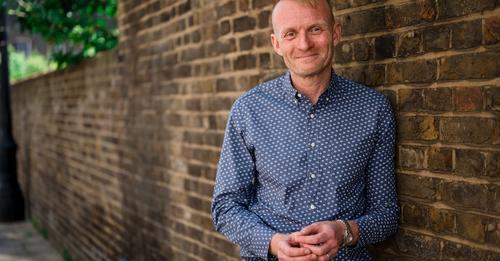
Bury-born author, and leading commentator on LGBT+ issues Matt Cain grew up in Bolton and then moved to London, as his work as a journalist took him there.
He has remained an ambassador for Manchester Pride and the Albert Kennedy Trust and his new novel One Love is set in Manchester.
It feels as if he has come full circle. His first novel The Madonna of Bolton was rejected by publishers at the time for being “too gay.”
It was then published via a huge crowd funder, which was incredibly successful, and paved the way for Matt to explore various issues, including sexuality and identity in books such as Becoming Ted and The Secret Life of Albert Entwistle.
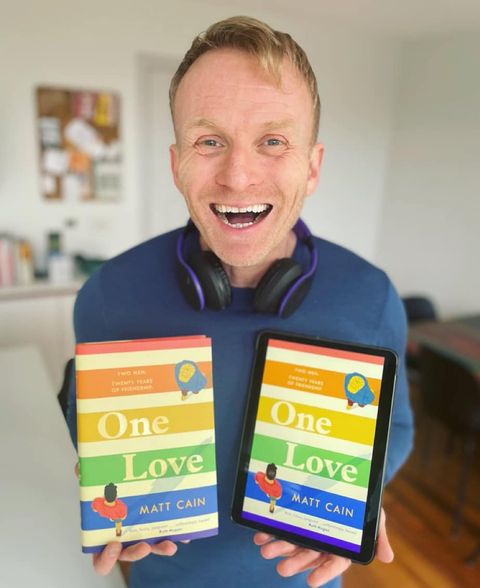
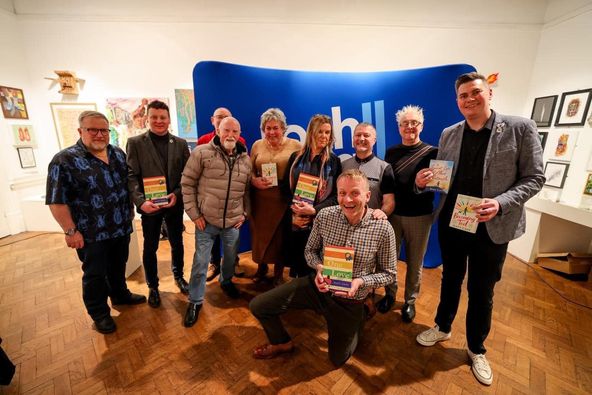
He has come a long way since those early rejections. He is now married and he hopes to attract newcomers to his Canal Street set novel, as well as his readers who have been there since the very beginning.
Barmaid becomes Barman
In The Liverpool Daily Post of 29 March 1937 (page 8) the story of “Ellen the barmaid is now Allen the barman” is told in a matter of fact way:
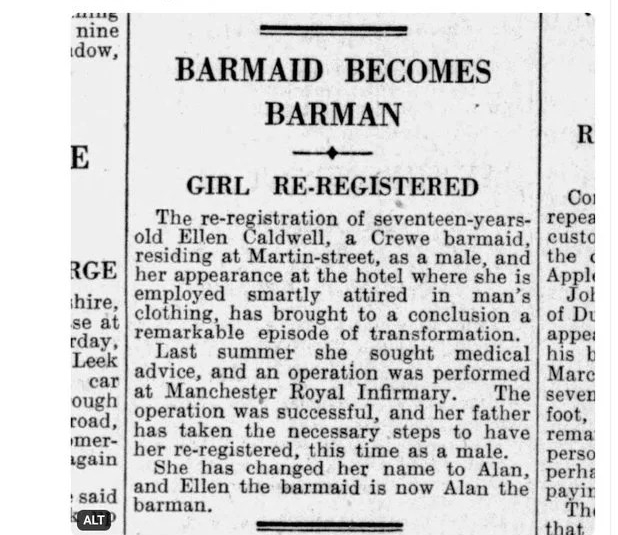
In the 1939 register, a census showed the Caldwell family living at 46 Martin Street, Crewe as:
“John Caldwell, head of the family, a 54 year old general labourer;
Edith Caldwell, (John’s wife), also 54 years old and listed as “unpaid domestic duties” (a housewife);
Alan (spelled Allen here) is 20 (birthday 12 May), working as a garage hand; and
John Junior, who is 12 and still at school.”
In Spring 1941 Allen got married to Miss Sylvia Copp.
Coming Up …
This is not a comprehensive list!
You may need to check the internet for further information including prices where applicable.

LGBT+ History Month Archive Exploration
Saturday, 24 February – Two sessions 11:00am – 12:45pm and 1.15pm – 3.00pm – Price on a range from Free to £16.78
People’s History Museum, Left Bank, Spinningfields, Manchester M3 3ER
Delve into People’s History Month’s incredible archive collection to celebrate LGBT+ History Month 2024.
Book here.

LGBTQ History Month Question Time
Monday, 26 February – 6.30pm – 8.30pm – FREE
Friends’ Meeting House, 6 Mount Street, Manchester M2 5NS
Manchester City Council will be hosting a Question Time event to mark this year’s LGBTQ History Month
Doors will open at 6.30pm. Light refreshments will be provided.
The event will take place from 7.15pm to 8.30pm.
You will hear from a diverse panel of speakers representing local government, public health, voluntary sector and the creative arts.
You’ll also have an opportunity to ask questions of the panel. If you would like to submit a question in advance for the panel, please ensure make sure you include this on the sign up form and we will do our best to answer them at the event. We will randomly select a number of these to be answered by the panel. There will also be an opportunity for questions from the audience on the night itself.
We’re keen to want to hear from the people of Manchester, and we are delighted to be holding an event covering issues affecting the LGBTQ community here in the city.
We look forward to welcoming you to this event!
Book here.
Community Session: Bi+
Tuesday, 27 February – 6.00pm – 8:00pm – Free
The Proud Place LGBT+ Community Centre 49-51 Sidney St Manchester M1 7HB
Join Manchester Pride and BiPhoria to talk about being bi+ in Greater Manchester! We’ll be talking about experiences of being included and excluded from the pride movement, how to challenge biphobia and how to uplift and celebrate bisexuals everywhere.
Manchester Pride Community Sessions bring people together to learn, discuss, share resources and celebrate the diversity of our communities.
Book here.
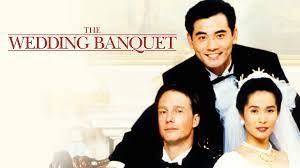

MCR ESEA PRIDE: Film Screening of The Wedding Banquet
Tuesday, 27 February – 6.00pm – 9.00pm (screening starts at 6.30pm) – £3.00 + fees
ESEA Contemporary, 13 Thomas Street, Manchester M4 1EU
We are celebrating the end of the Lunar New Year period and LGBT+ History Month with a special film screening of Ang Lee’s “The Wedding Banquet” at esea contemporary. This coincides with the award-winning and critically-acclaimed film’s 21st birthday.
£3 each + fees. These minimal fees include free snacks and non-alcoholic drinks (this is a sober event) and the money raised goes towards helping fund future events and projects like this. Tickets are limited to just 25 and unless not sold out won’t be available on the door so please book early and let us know if you can’t make it in advance so your place can be offered to someone else.
Book here.
Out In The City Women’s Meeting
Thursday, 29 February – 2.00pm – 4.00pm
Meeting at Cross Street Chapel, 29 Cross Street, Manchester M2 1NL
Drop in – No need to book
Friday, 1 March – Saturday, 23 March – 7.30pm – 9.45pm (some shows at 2.00pm – 4.15pm) – Queer re-telling of Jane Austen’s “Northanger Abbey” at Octagon Theatre, Bolton.

Heard Live – International Women’s Day
Wednesday, 6 March 2024 – 6.30pm – 9:30pm – Price £5.04
Feel Good Club, 26-28 Hilton Street. Manchester M1 2EH
Heard Live, the true spoken storytelling event platforming unheard voices with incredible stories to develop understanding and change.
Book here.
Saturday, 9 March – 1.00pm – 3.00pm – Digital Café at LGBT Foundation.
Thursday, 14 March – 2.00pm to 4.00pm – The Community Engagement Team will attend the Out In The City meeting to talk about “Sleep Management”.
Thursday, 18 April – 8.00pm – LOUD Cabaret at The Met, Bury – A new monthly queer cabaret night.
Thursday, 25 April – Saturday, 27 April – 7.15pm – “Laramie Project” (verbatim theatre following the murder of Matthew Shepard in Laramie, Wyoming in 1998) at Manchester School of Theatre.
Wednesday, 29 May – Friday, 31 May – 8.00pm – “Birthmarked” at The Lowry – A new concept gig with original music.
Friday, 21 June – 7.30pm – 9.30pm – “My Gay Best Friend” at The King’s Arms, Salford.
 Out in the City
Best Regards
Kevin (he/him)
LikeLike
Hi Tony,
We’ve booked our seats for the film screening, see you there
Mindy and Linda
LikeLike