Ted & Noel wins Iris Prize Audience Award

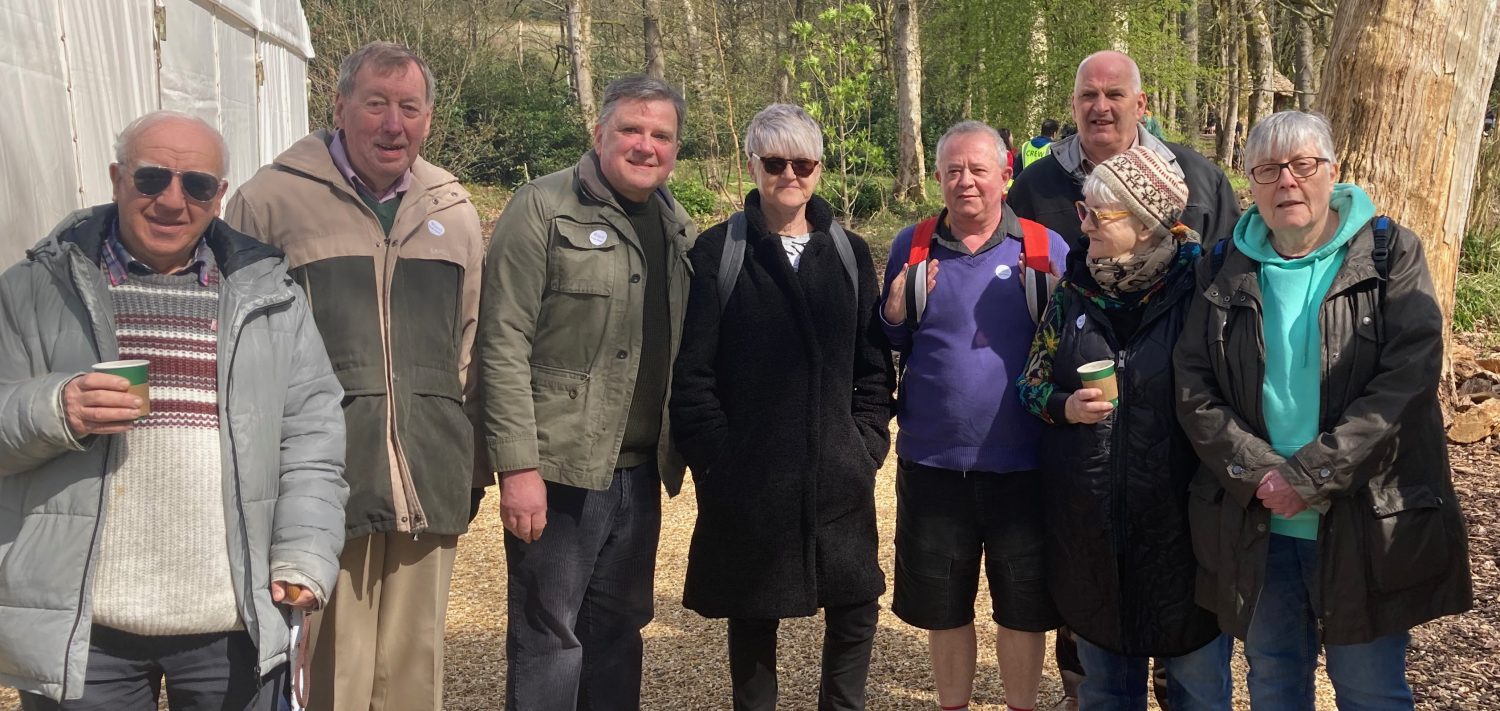
The short film “Ted & Noel” has picked up the Co-op Audience Award at this year’s Iris Prize LGBTQ+ Film Festival (voted for by the public).
This moving documentary focuses on Gay Liberation Front activist Ted Brown and his journey and campaigning after losing his civil partner Noel, who was subjected to homophobic abuse at a London care home.
The film will be part of a best of Iris Prize 2023 screening programme in cinemas in early 2024 (dates To Be Confirmed) and is available to watch for free on the Channel 4 website – https://www.channel4.com/programmes/ted-noel

Brigitte Bond – Transwoman and Iconic Beat Girl
(Thanks to Siobhan Donegan for this article)

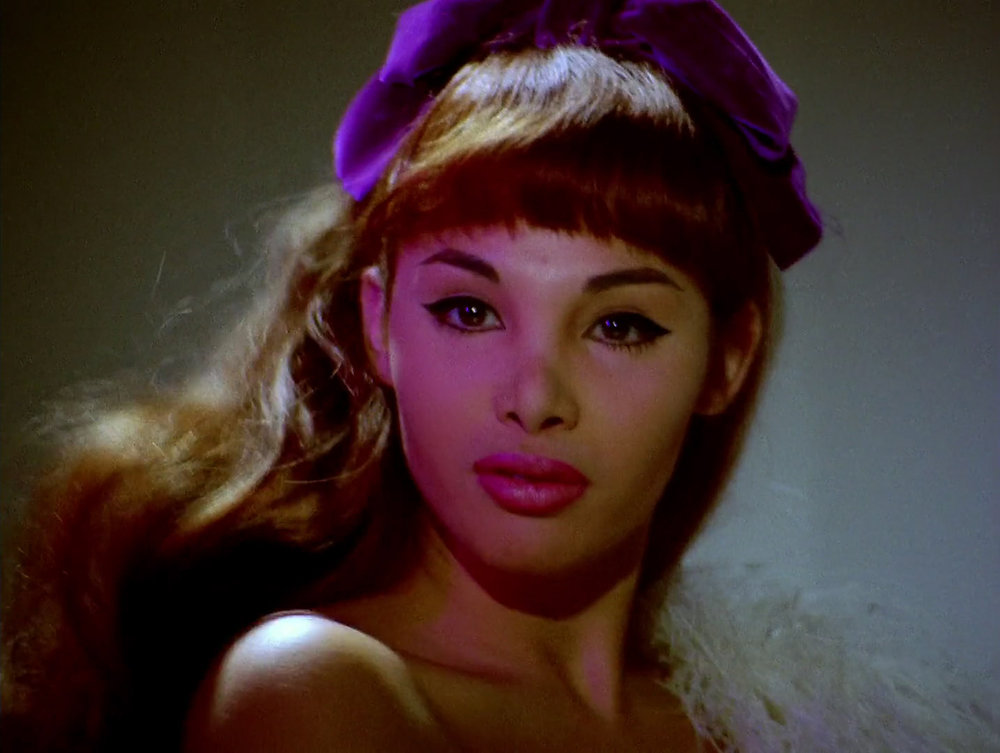
Brigitte Bond in the 1960s was an actress, a recording artist, who was dubbed by The Daily Mirror as “The Queen of Bluebeat”, a Cabaret singer, a Mod girl and she was a truly stunning pioneering Transgender woman. Furthermore, she was the inspiration behind “The Beat Girl” character / logo designed by Hunt Emerson for the late 1970s Midlands Ska band The Beat.
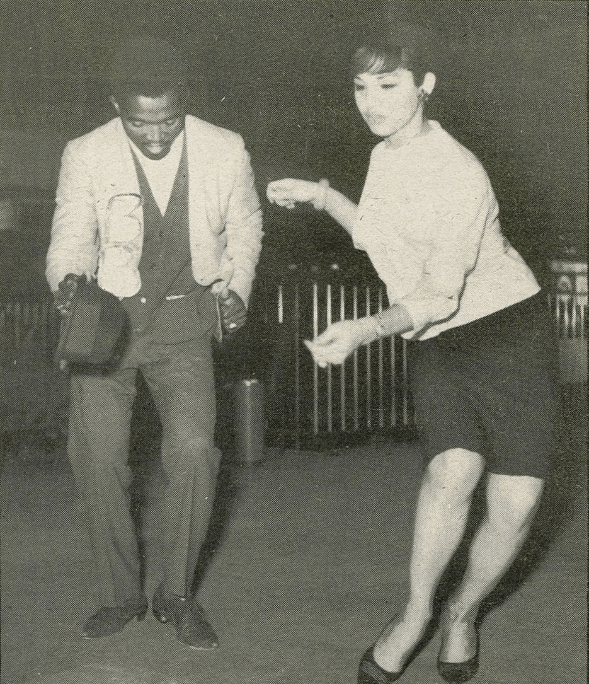
This image of a young mod girl in sharp 60s fashion dancing to Ska music, is not only instantly recognisable to people connected and fans of Ska music, but also iconic. Furthermore, the Beat Girl has grown beyond the band’s logo and has become a symbol for Ska music and youth subculture for over 40 years.
Brigitte Bond who was also known as Bridgette Saint John, whose actual birth is unknown: she was born sometime time between 1943-45, and the best estimate that has been suggested is February – May 1944. Brigitte, according to the press was / is French or Maltese – she stated that she was born in Malta of an Italian mother and a French father. She was apparently a mod girl, a huge Ska fan and in fact a Bluebeat / Ska singer and went on to record for the UK label Blue Beat.

For those old enough to remember, in the late 70s – early 80s there was a revival of Two-Tone Ska music in the UK with bands such as The Specials, Madness, Selector and of course The Beat. The iconic Beat Girl logo designed for The Beat was inspired by a picture featured in the music paper The Melody Maker of 19 May 1979 which showed Brigitte doing the twist with famous Ska legend Prince Buster. There are certain apocryphal stories behind this photograph, for example that Brigitte was the girlfriend or wife of Prince Buster and that the picture was taken outside his recording studio in Jamaica.
However, this now famous picture was from when she and other mod ska fans welcomed Prince Buster to England at Heathrow Airport on the 25 February 1964 and shows them both doing the twist. At the time the story was featured in The Daily Mirror under the headline “The King and Queen of Bluebeat Meet”. As previously mentioned, it was during the Ska revival that Hunt Emerson drew inspiration for the creation of the character of The Beat Girl by referencing this picture for a logo for the first album for the band The Beat.
It is not altogether clear if the 19-year-old Brigitte debuted as a singer at Southall Community Centre, or the famous 2i’s Coffee Bar. This venue was on Compton Street in Soho, which in the 1960s was known as the “square mile of sin”, obviously as it was known for sex, but also fashion and coffee shops. The 2i’s Coffee Bar was not only the birthplace of British Rock n’ Roll but also the first Rock club in Europe.
When Brigitte was showcased here in 1964, she was scouted / discovered and signed under Tom Littlewood the manager of the club. Subsequently her first single 45rpm featured the tracks “Bluebeat Baby” and “Oh Yeah Baby”. Some commentators have unkindly stated that Brigitte’s single was a cash-in on Millie’s “My Boy Lollipop”, however, both singles were released at roughly the same time.
Brigitte was also a bit of a rebel. In June 1966 Brigitte climbed onto Dr Billy Graham’s car to protest his comments on the fashionable, but controversial at the time, miniskirt. The ‘establishment’ evangelical preacher Dr Graham was in London for a month and had ‘denounced’ the miniskirt. Brigitte’s ‘protest’ had occurred during Graham’s visit to Soho on the 17 June. Dr Graham had stated that miniskirts are ‘sinful’ or ‘bring sin’; an angry Brigitte declared that her skirt was only “six inches above my knees, how can it be sinful? Sometimes I wear a skirt ten inches above my knees.” She further stated that it was not sinful, just fashionable. Brigitte’s protest and picture appeared on the front page of The Sunday Mirror at the time.
The Flamingo Club at the time had become well known for Jazz, R&B and West Indian Music. As a result of the Jamaican musical style known as Ska or Bluebeat being incorporated into the musical tastes of the Mod Movement, the Flamingo in Soho, which was to become primarily a mod haunt, started a weekly Bluebeat night – and Brigitte performed here. The original clientele had been a rich mixture of mods, West Indians, LGBT+ people, sex workers, musicians, celebrities, gangsters and US military service men.
The Flamingo is also where Brigitte famously met Sir John Waller who was a poet of note and very open about his homosexuality. He was also an aristocrat – 7th Baronet of Braywick Lodge. Waller was due an inheritance of £250,000, which adjusted for inflation is about 4 million pounds, however, he could only claim his full inheritance once he was married and had a male heir. Waller had arranged to meet the very attractive Brigitte and proposed to her, which she accepted. However, when it was revealed that Brigitte was a transgender female and wouldn’t be able to provide Waller with an heir the marriage was called off. However, Waller had proposed to many women and his ‘proposals’ were really made in terms of a business arrangement.
However, Brigitte didn’t let this setback interfere with her career. The Bluebeat nights went on for a further two months, the Flamingo finally closed at the end of the 60s. Brigitte appeared in “Titbits” in May, which played off the fact that her name was Bond with the headline “licensed to Thrill” and being a teenager attended a mod weekender (on Whitsun weekend) in Margate. She also went on to perform for a week in Mayfair at the Astor club, which famously had the intoxicating mix of Royalty and gangsters, who as one shrewd commentator stated are people who both have too much money to know what to do with. She also had film roles in Don Levy’s “Herostratus” released in 1967, and had a part in the James Bond film “Casino Royale”.
Brigitte Bond faded into obscurity after 1976, however, I would like to think that this amazing trans woman is still alive.
Loads of Animals are Gay
New research has found that same-sex activity is common and totally normal for most animals, including fish, birds, an array of mammals and even insects.
The study, led by scientists at Estación Experimental de Zonas Áridas, in Spain, examined all scientific literature relating to same-sex activity in the animal kingdom and created a database of their conclusions.
The same-sex sexual activity recorded included courtship, mounting, genital contact, copulation (sexual intercourse) and pair bonding. Same-sex animals also raise young together.
Eighty-seven per cent of the interactions involved mounting and genital contact.
The research revealed that same-sex sexual activity has been identified in more than 1,500 animal species, including spiders, fish, reptiles, birds and mammals.
Overall, same sex contact was reported in 261 mammalian species, representing approximately four per cent, belonging to 62 families and 12 orders.
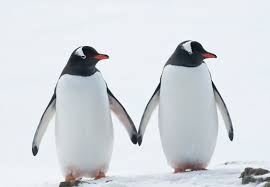
The scientists found that it was more common in mammals than other species, such as birds or insects, with more than 80 per cent of mammal groups experiencing same-sex behaviour in a number of long-term field studies.
The behaviour was recorded slightly more in males, with male-on-male activity observed in 199 species, while for the females it was seen in 163 species.
There were a variety of explanations for this, with some hypotheses suggesting that animals might engage in same-sex relationships as a “consequence of mistaken identity”, “limited availability of individuals of the opposite sex” or “indiscriminate sexual behaviour.”
Same sex interactions in animals an ‘evolutionary conundrum’
The authors of the study wrote: “Same-sex sexual behaviour is any behaviour that is usually performed at some stage during reproduction with a member of the opposite sex, but which is instead aimed towards members of the same sex.
“Same-sex sexual behaviour as it is used here does not denote sexual orientation (ie an overall pattern of sexual attraction / arousal over time), sexual orientation identity (the sexual orientation that individuals perceive themselves to have), categories of sexual beings (homosexuals, heterosexuals, etc), nor sexual preference.”
The scientists overwhelmingly concluded that same-sex activity can play an “adaptive role” in “maintaining social relationships and mitigating conflict”, but noted that since the relationships do not “contribute directly to reproduction”, it is considered an “evolutionary conundrum”.
However, they warned that their findings should not be used to analyse the evolution of sexuality in humans.
The study’s authors also argued that since the relationship between animals and sexuality has only recently been investigated by ecologists, it is likely to be under-researched, and could benefit from further investigation.
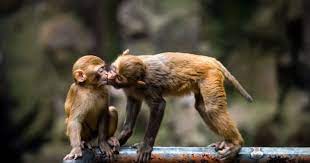
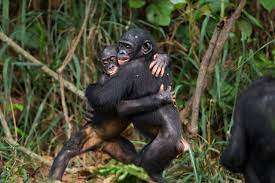
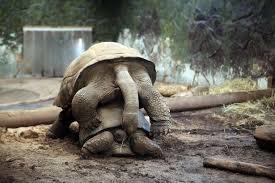
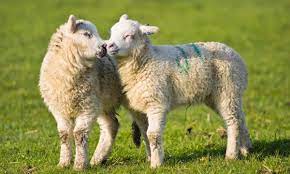
Homophobia is found in only one of the identified 1500+ species – human beings!

Report into housing and social care for older LGBT+ people in Scotland
LGBT Health and Wellbeing, a Scottish LGBTQ+ charity, have recently released a report into inclusive housing and social care for older LGBT+ people in Scotland, which you can find here
Their report highlights a number of themes we’re all familiar with, from families of choice to going back into the closet. While its focus is on the older LGBT+ community in Scotland, it’s clearly very relevant to Manchester’s development at Russell Road in Whalley Range and is well worth a read!
Coming Out in Later Life – Feature in Sunday Times
Journalist Katie Gatens is looking to profile 5 people who have come out for the first time in later life. This will appear in the Sunday Times early next year.
If you would be interested in being featured please let me know here and we can connect you with Katie.
 Out in the City
What is defined as later life? 40???
LikeLike