Toxic
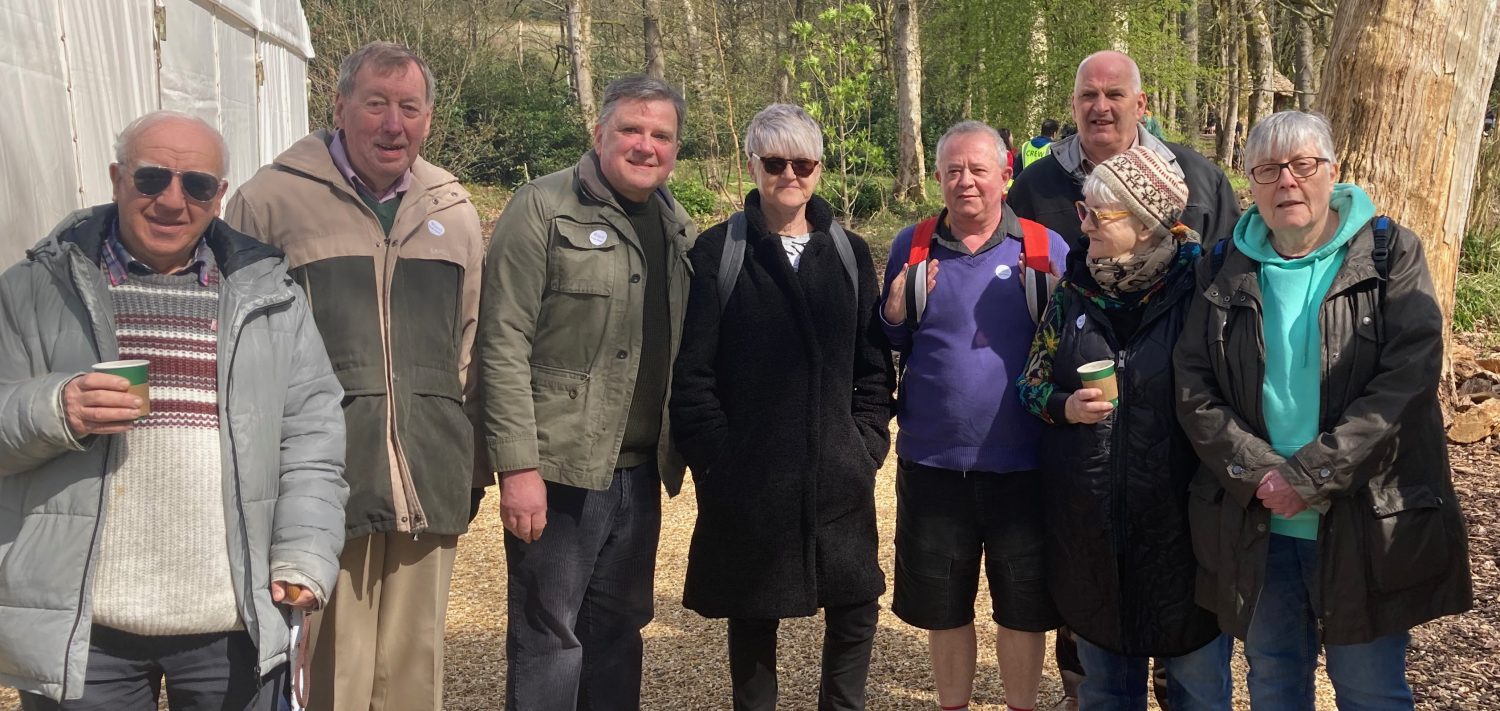
Members of Out In The City are big fans of Nathaniel Hall’s plays. We went to see “First Time” at Contact Theatre and this week, fifteen of us went to see “Toxic”, the new play at HOME’s Theatre 2.
Nathaniel is the playwright and stars in it alongside Josh-Susan Enright, the performer. This play is drawn from Nathaniel’s own life and experiences, and is a well-researched piece. It is set against a background of race riots, domestic violence, homophobia and HIV stigma.
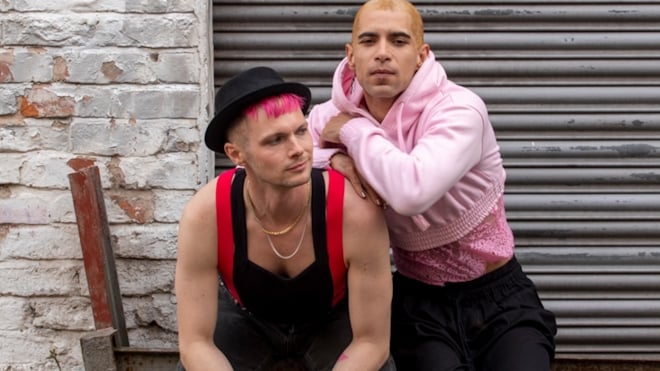
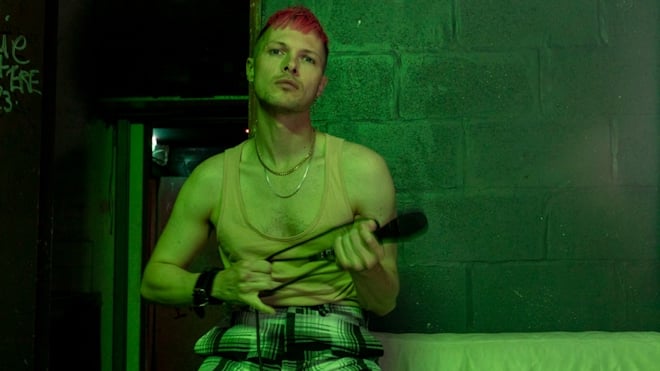
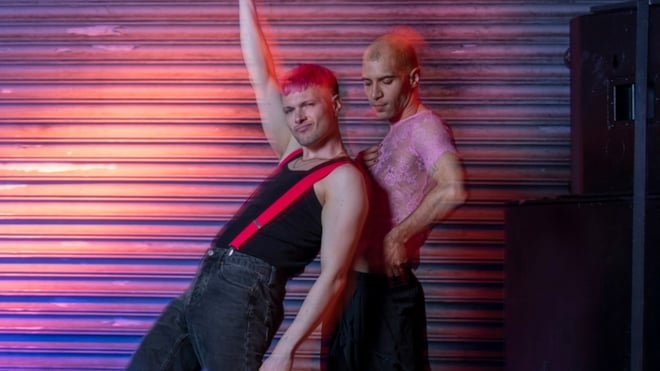

The play is set in 2017 and spans the period from when Nathaniel and Josh meet, fell in love, to when they mess up and separate. The couple are HIV discordant – Nathaniel is HIV positive and Josh is HIV negative but on PrEP (Pre Exposure Prophylaxis). PrEP is a pill that can prevent HIV when taken before and after sexual intercourse.
The year that the play is set is significant as this is when we first heard about U=U (Undetectable = Untransmissable). A person whose viral load is undetectable cannot pass the HIV vIrus on to others. The protagonists think they’re invincible and condoms are dispensed with. Their relationship becomes toxic when they decide to have a threesome, with catastrophic consequences.
Toxic is a powerful piece, and very well acted, and will be going on tour next year.

Intersex Awareness Day
Intersex Awareness Day is an internationally observed awareness day each 26 October, designed to highlight human rights issues faced by intersex people.
It is related to Intersex Day of Remembrance on 8 November.

A group of us from Out In The City will be going to a special preview screening of “Every Body” on Monday, 6 November ahead of its release in cinemas. Key contributor Sean Saifa Wall will be present for a Q&A after the film. This event is now fully booked up.
Here is Sean’s story:
Love, Complexity and Intersectionality
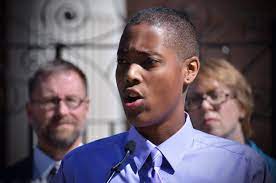
Whenever I talk about my intersex story, I cannot help but to talk about my parents. Although I was a “save-the-marriage” baby, in the true tradition of Roman Catholics, my parents got down on their knees and prayed for me. When I have talked to some intersex people, especially a couple of people in my family, they see their intersex trait as a curse, which is ironic given my conception; the universe saw fit to bless my parents with an intersex child.
When I arrived in the world with ambiguous genitalia and undescended testes, the doctors did not know how I should be assigned, but decided that I had what was known as Testicular Feminisation Syndrome, now known as Androgen Insensitivity Syndrome (AIS). Like my two older siblings who also have AIS, they assigned me female.
In essence, I was a girl child and an unborn son.

I grew up in The Bronx, the home of hip hop. This art form was born out of a city that had given up on its Black and Latinx youth living in the confines of the inner city. “White flight” out of the inner city took many to Long Island, upstate New York and Westchester. The Bronx was on fire. Literally. President Jimmy Carter brought his presidential motorcade through the South Bronx to witness abandoned and desolate neighbourhoods that rivalled many conditions in the global South. I grew up in the 1980s at a time when there was New Edition, shelltoes, high top fades, Michael Jackson, and if you were unlucky, jheri curls. My New York of the 1980s was marked by bombed (graffitied) subway cars, Twin Towers that were still standing on the New York skyline, housing projects, and Bernard Goetz, the subway vigilante who shot four young Black teens and crack cocaine.
For me, summertime involved parties in the park and hanging out on the stoop. I remember summer days filled with ice cream, laughter, and double-dutch. There was the smell of garlic that laced the hallways tinged with Sazon and Adobo against the backdrop of bachata, salsa, merengue and dancehall.
This was the Bronx.
This was home.
I was a rambunctious child, running around the house bare-chested with declarations that I would marry my sister’s friend or that I was a boy. In my own way, I began to seed what became a life-long resistance to what doctors thought I was and who I could be.

At the age of 13, though, I was confused by puberty. My body started betraying me; those soft features of a girl child were making room for a more angled jaw line, hairy arms and legs, broad shoulders and a deeper voice. People started to question my gender. At the same time as these changes were taking place, I had pain in my lower groin area, pain that would leave me on the floor aching and writhing in agony. My mom eventually brought me to Columbia-Presbyterian Hospital in New York where my undescended testes were removed. My hardening features now gave way to soft, feminine curves and fatty deposits brought on by oestrogen replacement therapy. Every day in high school, I took those little yellow pills, which my mom reminded me would make me look so “beautiful.”
But I didn’t want to be beautiful.
When I moved out to the Bay Area in 2003, I joined a community of trans brothers that forever changed my life. It must have been something special happening in the universe around 2004. So many of those relationships that began around that time have stayed with me until today. A group of us started taking testosterone and one by one, there was liftoff. Voices started to deepen, libidos either mellowed or went through the roof, whiskers poked through stubble and our group of brothers became men.
But as my FTM brothers were revelling in their changes, I was having adverse reactions to testosterone like nipple sensitivity, bloating and irritability. Medical providers were perplexed as to how to administer testosterone to someone who was partially resistant to testosterone. As some of my brothers were settling into their lives as men, the truth of my body could not be ignored anymore. At that point, I realised that I was intersex.
That realisation made sense to me but at the same time, I felt lonely. I longed for a community that understood and reflected who I was. I eventually connected with a group of intersex folks, but realised that there were very few people of colour in that space.
I am not just intersex.
I am Black and I am queer.
In this iteration of Black nationalism in the United States, the Movement for Black Lives has made clear the number of ways that Black people are impacted by state violence whether through interpersonal violence, police execution or by socioeconomic conditions that create violence. I was personally devastated by state violence when my father was incarcerated and also witnessing how the state has criminalised people in my family and community. As an intersex person, the parallels are clear – the state supports the medical establishment to delineate gender boundaries on the bodies of intersex children and adults. Although seemingly different subjects, they share the same common denominator, state-sponsored violence against marginalised individuals. What is also similar between these topics is that, like doctors, police officers are hired as guardians of social welfare. We look to doctors for guidance and in some ways, protection.
As a society, we have also codified which bodies are normal and protected. Black, Indigenous and Latinx bodies are more likely to be profiled, incarcerated and deported. Historically and at present, forced sterilisation has affected Black and Latina mothers on welfare and incarcerated women. For people born with medically diagnosed “non-normative” bodies such as those born intersex, those people are subjected to medically unnecessary invasive genital surgeries that often leave behind physical and emotional scars. Unfortunately, the system in which we are living has chosen who will live with safety and those who will live with chaos.
Despite society telling me that I am not enough as a man, a Black person, a queer person or an intersex person, I am determined to create a home in my body where I feel safe and loved. By doing that, I create space for other intersex people of colour to exist in a world that does not love them or is not ready for their greatness. In coming home to our bodies, I leave these words from Toni Morrison’s, Beloved:
“And no, they ain’t in love with your mouth. Yonder, out there, they will see it broken and break it again. What you say out of it they will not heed. What you scream from it they do not hear. What you put into it to nourish your body they will snatch away and give you leavins instead. No, they don’t love your mouth. You got to love it. This is flesh I’m talking about here. Flesh that needs to be loved.”
– by Sean Saifa Wall, intersex activist, artist and writer.
I Choose Kindness
Manchester Pride has produced a short film entitled “I Choose Kindness” following concerns that anti-trans rhetoric from our current Prime Minister could encourage further action against the community.
The film premiered on 19 October, during National Hate Crime Awareness Week, in a bid to tackle the ongoing issue of hate crimes against the LGBTQ+ community.
In the last three years, in Greater Manchester, hate crimes due to sexual orientation have increased by 69%, while hate crimes against transgender people surged by 115%. Manchester Pride has warned that this stark reality underscores the need for urgent action to ensure inclusivity, equality, and unwavering respect for all individuals, irrespective of their sexual orientation or gender identity.
“I Choose Kindness” opens with remarks from ex Prime Minister David Cameron championing the UK as the “best place in Europe to be LGBTQ+”, which comes in steep contrast to recent remarks regarding trans individuals made by current Prime Minister Rishi Sunak.
With transgender hate crimes surging by 11%, nationally, in the past 12 months, Manchester Pride has strongly condemned Mr Sunak’s views, and called for the need to confront the discrimination faced by trans people at the highest level of Government.
Manchester Pride’s film, which showcases real life victims of hate crimes, highlights the abuse, violence and intimidation faced by LGBTQ+ people and encourages people to ‘choose kindness’ and show each other compassion so everyone feels safe to be their true selves.
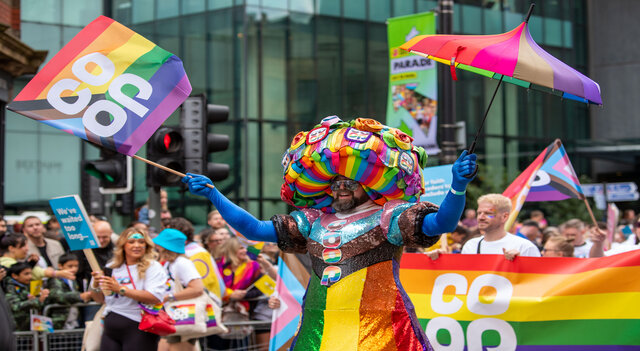
Mark Fletcher, CEO of Manchester Pride, said: “Nobody should be subject to verbal abuse, violent behaviour, physical attacks, or blackmail, especially not because of their sexual orientation or gender.
“I Choose Kindness” is a powerful tool in our fight against hate crime, as it emphasises the importance of community, solidarity, and allyship.”
The video forms part of Manchester Pride’s wider “I Choose Kindness” campaign, dedicated to promoting an inclusive and safe environment for the LGBTQ+ community. The campaign is dedicated to raising awareness of hate crime, providing resources for its victims and allies, and promoting a culture of kindness and respect throughout the celebration of LGBTQ+ expression and culture.
Watch the video here:

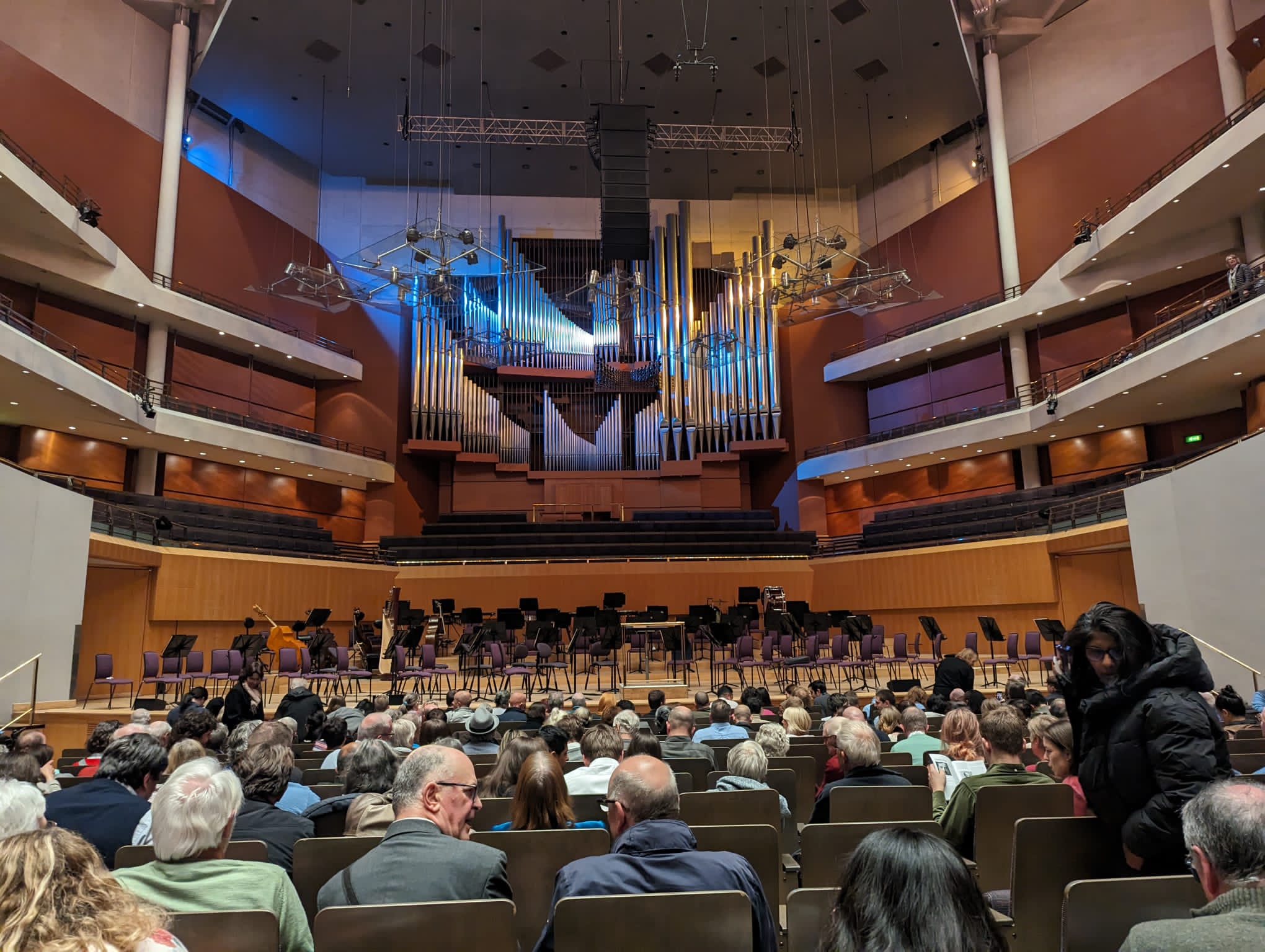
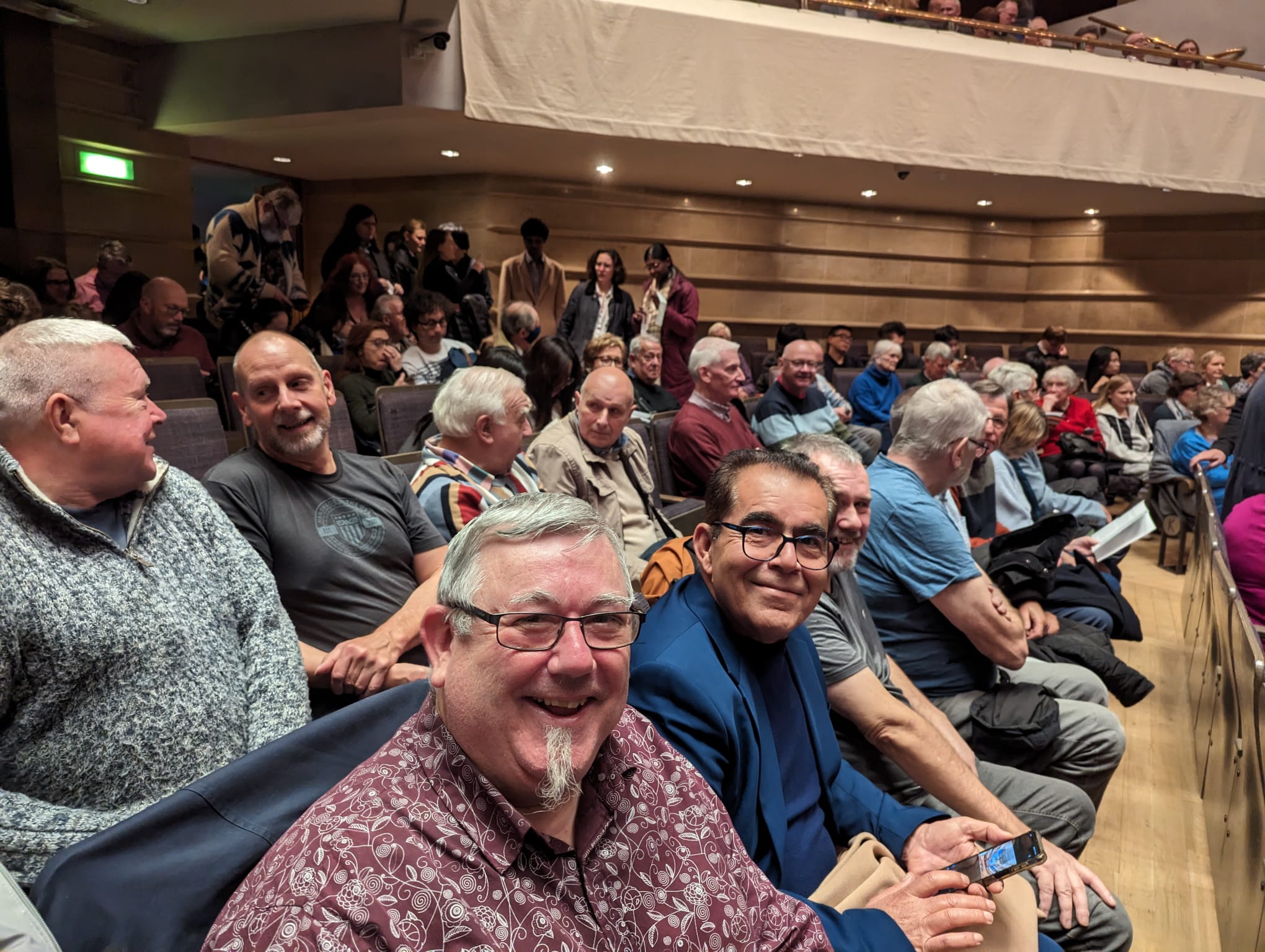
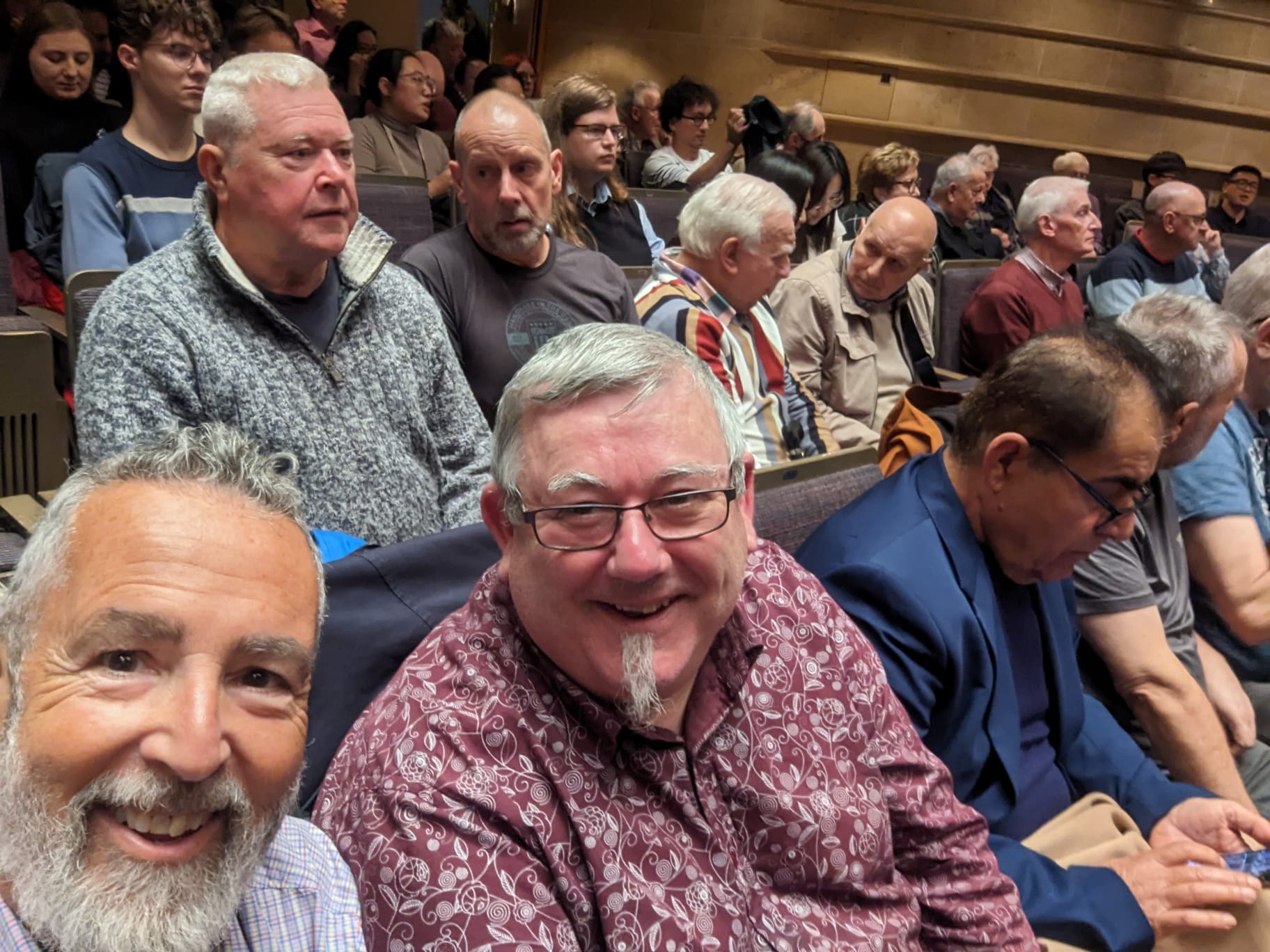
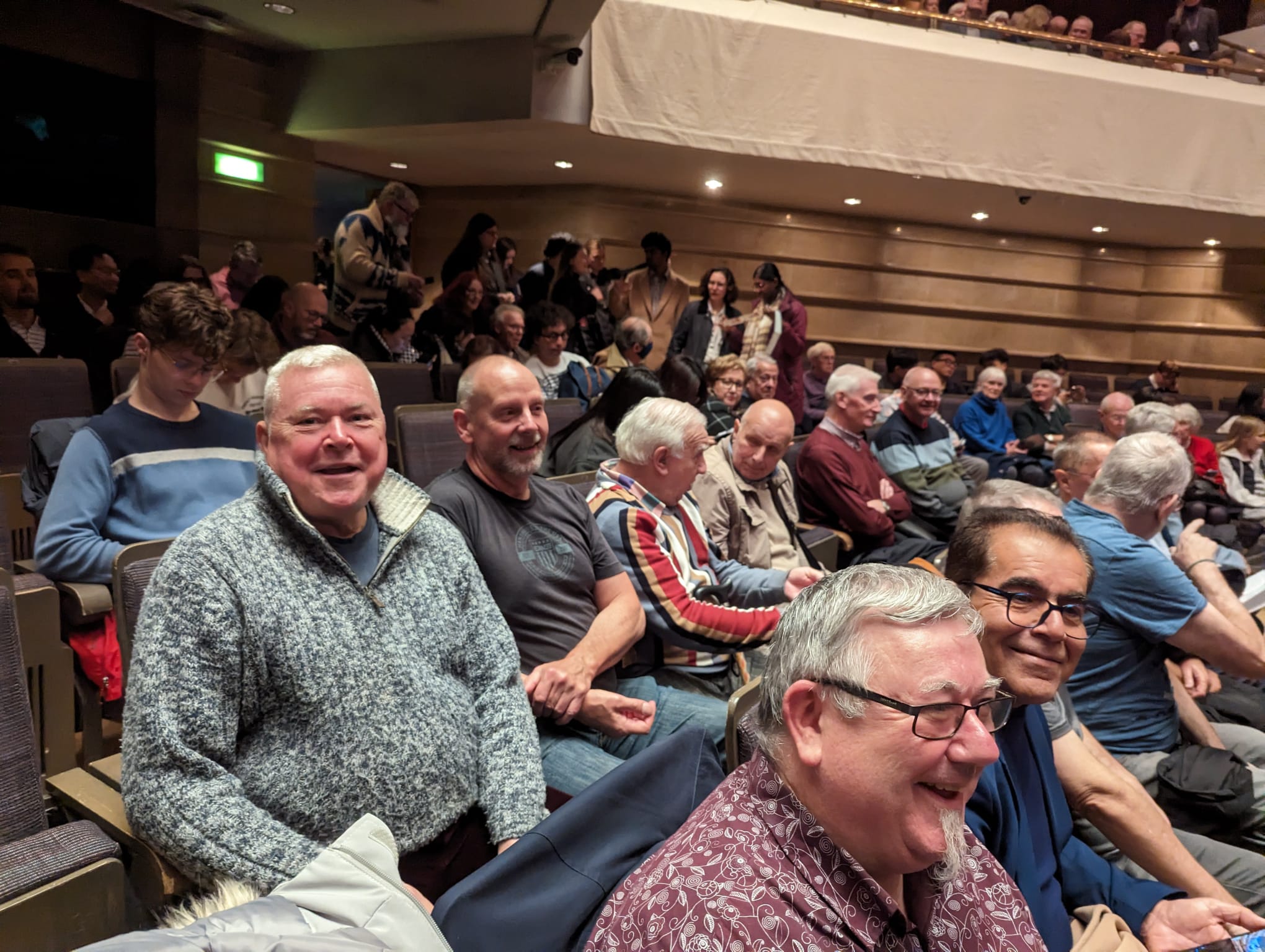
Great times at Bridgewater Hall:
 Out in the City
In my opinion, not the greatest orchestra to have graced the Bridgewater Hall. That said, the National Symphony Orchestra of Ukraine’s performance was both stirring and moving. Their choice of music hit the spot and was made more meaningful given the fact that their country is illegally occupied by the Russian Army. Fantastic. Thank you Tony for organising the tickets for the Out In The City group.
LikeLike
Brilliant. Really important to see articles addressing oppression of intersex people and increasing anti trans culture. I feel its important in the lgbtq+ community to be aware that we are not equal. We are not treated equally or talked about in the same way. It isn’t good enough for the lgb to be doing ok and assuming the t + is too. Thanks
LikeLike