
“120 BPM” tells the story of ACT UP Paris (AIDS activists in the 1990s). It’s a masterpiece
It begins with muffled speech. A man speaking to an audience. We don’t know what he’s saying, but the crowd applauds when he’s done. A group of men and women assemble in the darkness, quietly waiting for their chance. Another man appears to deliver his speech, but it is quickly interrupted by a flurry of noise, including shouts and the blowing of horns. The group isn’t waiting to speak – they’re waiting to protest.
Winner of the Grand Prix at the Cannes Film Festival in 2017, Robin Campillo’s 120 BPM is one of the most powerful, electric queer films in recent memory. Though its thrilling opening is cut before we see the protest itself, the next scene tells us everything we need to know: This is the Paris branch of ACT UP, an activist group originally founded in New York in 1989.
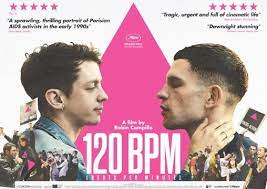
The group is determined to stand up and fight for the rights of people living with AIDS. “One last thing you need to understand,” an instructor tells a group of people looking to join. “As soon as you join ACT UP, whatever your HIV status, you must accept to be viewed by the media and public as HIV-positive.”
There is, of course, still a stigma around HIV/AIDS. Thankfully, with medical advancements, the virus is no longer a death sentence, and in fact, medical advancements have come so far that the virus barely impacts those with access to medicines at all. Still, there’s a sense of shame that lingers around the disease that stems from the AIDS crisis in the 1980s and ‘90s, when 120 BPM takes place. Back then, having AIDS wasn’t just the likely end of your life; the stigma of the disease lingered so heavily that traces of it still haunt LGBT+ communities several decades later.
Widespread misinformation campaigns permeated ideas that people with the virus were untouchable delinquents that could spread infection through physical touch and had a devastating effect on those suffering from the virus and on the LGBT+ community as a whole.
A rose-tinted look at activism this is not. Arguments and disagreements abound, as the meetings are full of heated discussions on the best ways to achieve their goals. Some advocate for more drastic measures, while others push for peaceful interactions.
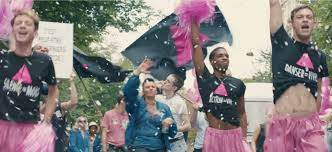
Every second of it is riveting; this is a film always moving forward, and these meetings feel like vital history coming to life, even when they’re just reading the minutes.
Writer / director Robin Campillo brilliantly cuts between protests and organisational meetings. The rhythm of these scenes matches those of heist movies like Ocean’s Eleven, which speaks both to the intensity of these demonstrations as well as how high the stakes are in these moments. And the stakes quite literally could not be higher. If the messages of ACT UP are not heard and not acted upon, people will continue to die at exorbitant rates.
The protests themselves are vital – incredibly tense, yet strangely euphoric. There’s such urgency to them. Whether heading into a pharmaceutical company to demand action and throw fake blood-filled water balloons, marching in the streets with pom poms, or going to schools to talk calmly about how to prevent the spread of the virus, Campillo films them with equal urgency and vitality. The common thread of all these demonstrations is a lack of willingness from pharmaceutical companies and the like to engage with those ACT UP demands. It’s not their responsibility; they’re doing something, they just have to be patient. But inaction is inaction – as one member holds up a placard in protest, “SILENCE = MORT.”
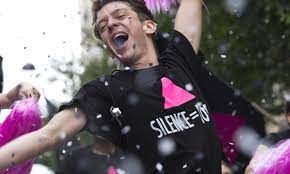
120 BPM isn’t just about protests and activism – it’s also about the people on those front lines, who resisted, acted up, and lost their lives during the AIDS crisis. The film is careful to show that ACT UP wasn’t just people who suffered from the virus, but their friends, families, and concerned citizens, straight or queer. Organisations like ACT UP offered a community and a family for people ostracised from the communities they were born into.
Learning about the crisis might lead you to believe that people suffering from the virus led lives of nothing but misery, but 120 BPM shows the lives of people with positive statuses as diverse and multi-faceted. They fight for their right to be heard and their right to healthcare, and for action to be taken, but they also live their lives outside of meetings and demonstrations. Campillo’s film cares so deeply and wholly for its characters, and it gives them the space to live their lives freely.
Watching them dance the night away in a nightclub feels freeing – it feels almost uncanny to see these people who are suffering so full of happiness. In one club sequence, they dance joyously after a bloody demonstration held earlier in the day. On the dance floor, their pent-up frustrations fade away into a parade of song and movement. Here, they are liberated from stigma. Hands raised to the sky, leaping up and down, the amount of joy in the room is explosive.
Campillo’s camera drifts upward, looking down on this joyous bunch of people. Here, they are so much more than victims of a virus: they are people. But in this moment of happiness, the image of dancers fades away into a strobe light – the music remains, but the people are gone. As the song continues to thrum, images of floating blood cells take over the screen. It’s a harsh but essential reminder that for all the joy in the world, and all the hope these activists possess, they are tied to their bodies and their molecular makeup. All the jubilation in the world cannot stop HIV/AIDS from claiming these full, beautiful lives.
Moments like this make 120 BPM an extraordinary film. It refuses to shy away from the incredibly harsh reality facing those suffering from HIV/AIDS in the era, but it also refuses to reduce their lives to an illness. It’s a film as celebratory as it is melancholic; as depressing as it is uplifting. Death is an all-too-often occurrence in these people’s lives, and the bodies pile high over the film’s two-and-a-half hours. It’s a glorious entwinement of the personal and the political.

Underneath all the trauma is the blossoming romance between Sean (Nahuel Pérez Biscayart), who is HIV-positive, and Nathan (Arnaud Valois), who is negative. Despite the potential impracticalities of their relationship, they cannot resist being drawn to one another. Their chemistry is powerful and their sex – which the film does not shy away from – is electric. It’s one of cinema’s most stunning romances, filled with vibrancy, and laced with tragedy. It’s one of the many personal stories explored in the film, and it’s also the most impactful. The fate of these lovers is inevitable – such is the reality of the epidemic – but their love feels so hopeful nonetheless.
120 BPM isn’t just a thrilling, impactful reminder of how far we’ve come and the incalculable amount we’ve lost; it’s an urgent notice of how far we still have to go.
Pride in Our Future 2024 Consultation:
Manchester Pride want to ensure they are doing everything they can to achieve their vision and support LGBTQ+ people during the Festival and beyond, with year-round campaigns, events and opportunities.
They have opened the Pride in Our Future 2024 Consultation because they can’t do this without you. They want to hear what you feel are the issues affecting LGBTQ+ communities, what causes you’d like to see Manchester Pride support in the future, and what you’d like from future Manchester Pride Festivals. Your honest feedback is valuable to them and helps shape the future of Manchester Pride.


Survey Link:
The consultation is open until Friday 29 September 2023. Everyone who fills out the survey will be entered into a prize draw to win x2 tickets to see Anne Marie on 28 November 2023, a stay at Dakota and x2 VIP Manchester Pride Festival tickets.
September Community Session:
Join us for this month’s Community Session that discusses the future of Pride in Greater Manchester! The event is on Tuesday, 26 September, 6.00pm to 8.00pm.

BBC iPlayer – Programmes you may have missed
Danny Beard on Same Sex Love & Marriage
In these podcasts Danny explores rainbow weddings, finding out why they chose to get married, the challenges underpinning this decision and what makes these wedded relationships work.
There are currently six episodes – listen here
Celebrate Pride All Year
These television programmes celebrate the LGBT+ community: from a gender non-conforming Bollywood dancer who puts on an event that will change his life forever, to Lily Jones’ incredible journey as she transitions from male to female, leaves home and finds love.
There are currently 22 programmes – each with a number of episodes – including:

Big Proud Party Agency
Awesome parties for amazing people. LGBTQ+ party planners compete to plan epic blow outs.

RuPaul’s Drag Race UK
Which queen will impress and be crowned the UK’s drag superstar?

Olly Alexander: Growing Up Gay
Olly Alexander explores why the gay community is more vulnerable to mental health issues.

Lily: A Transgender Story
Lily Jones’ journey as she transitions from male to female, leaves home and finds love.

Cherry Valentine: Gypsy Queen and Proud
We are who we are. How the late Cherry united their LGBT+, gypsy and drag identities.

Bend It Like Bollywood
Fabulous and free. Vinay puts faith and family on the line for the dance show of his life.
Watch here.
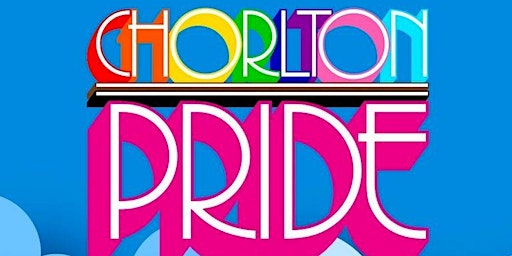
Chorlton Pride
Saturday 16 September, 11.00am – 4.00pm – Chorlton Pride, The Edge Theatre & Arts Centre, Manchester Road, Chorlton, Manchester M21 9JG
FREE – but booking needed on Eventbrite.
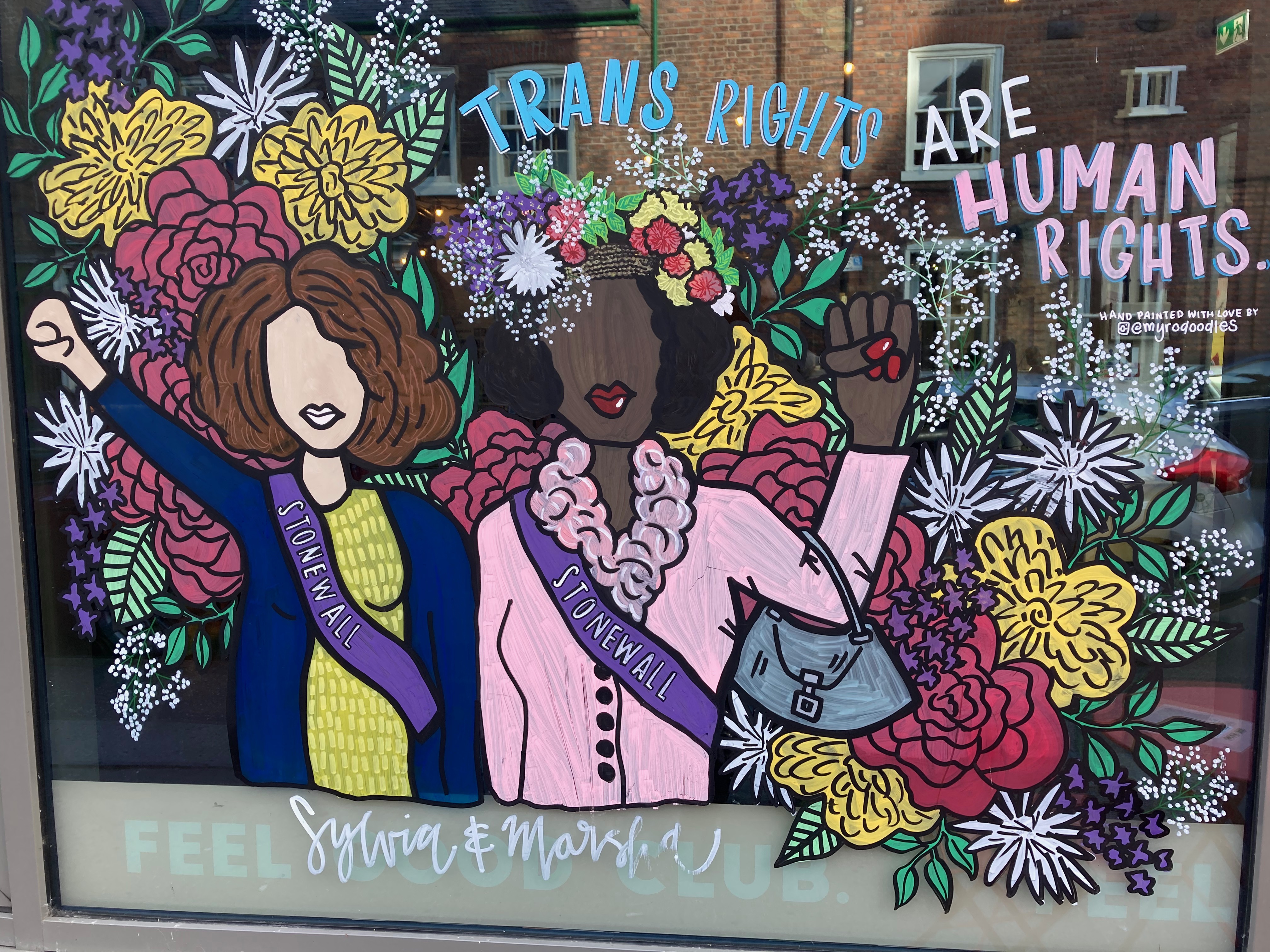
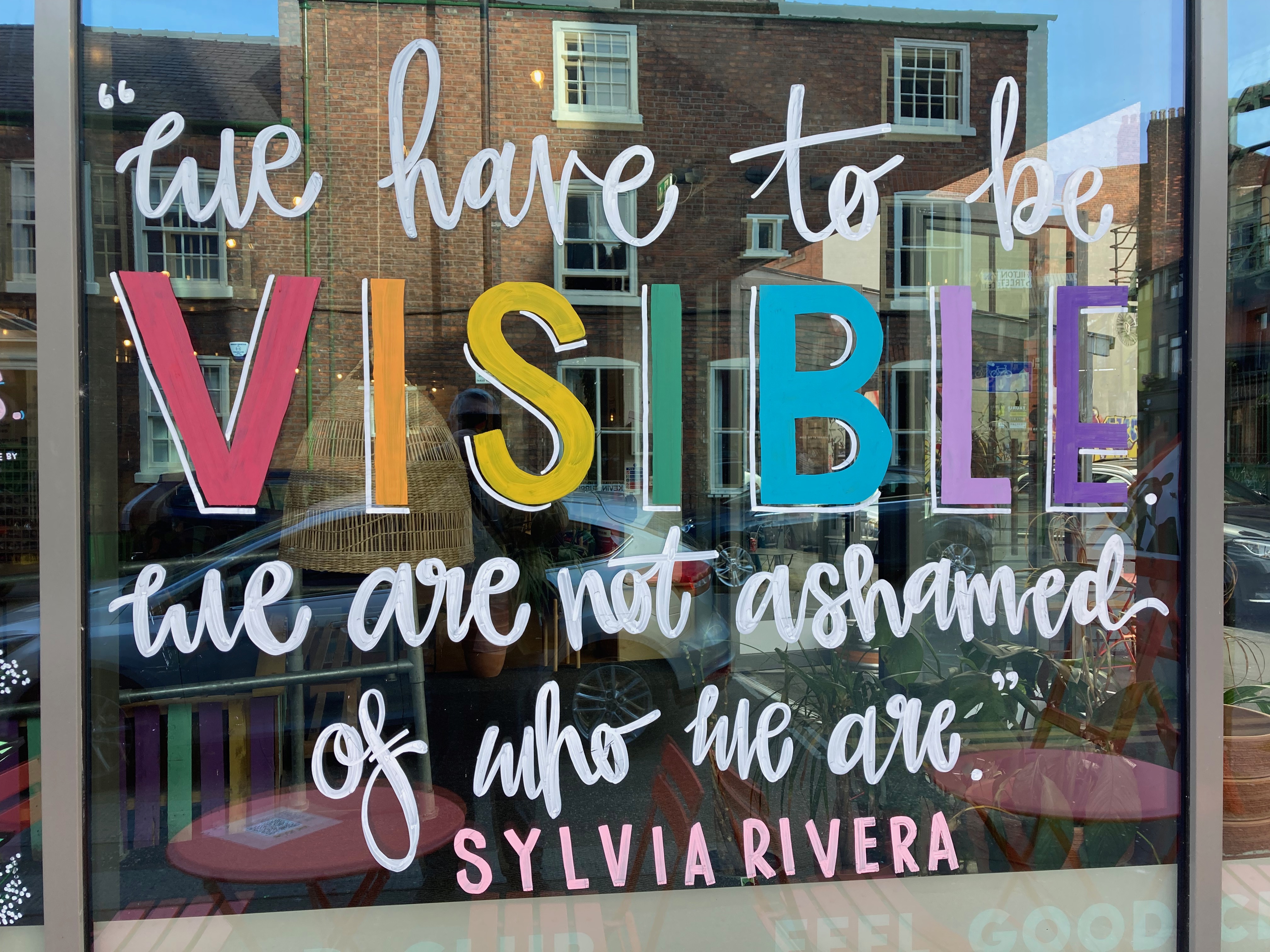
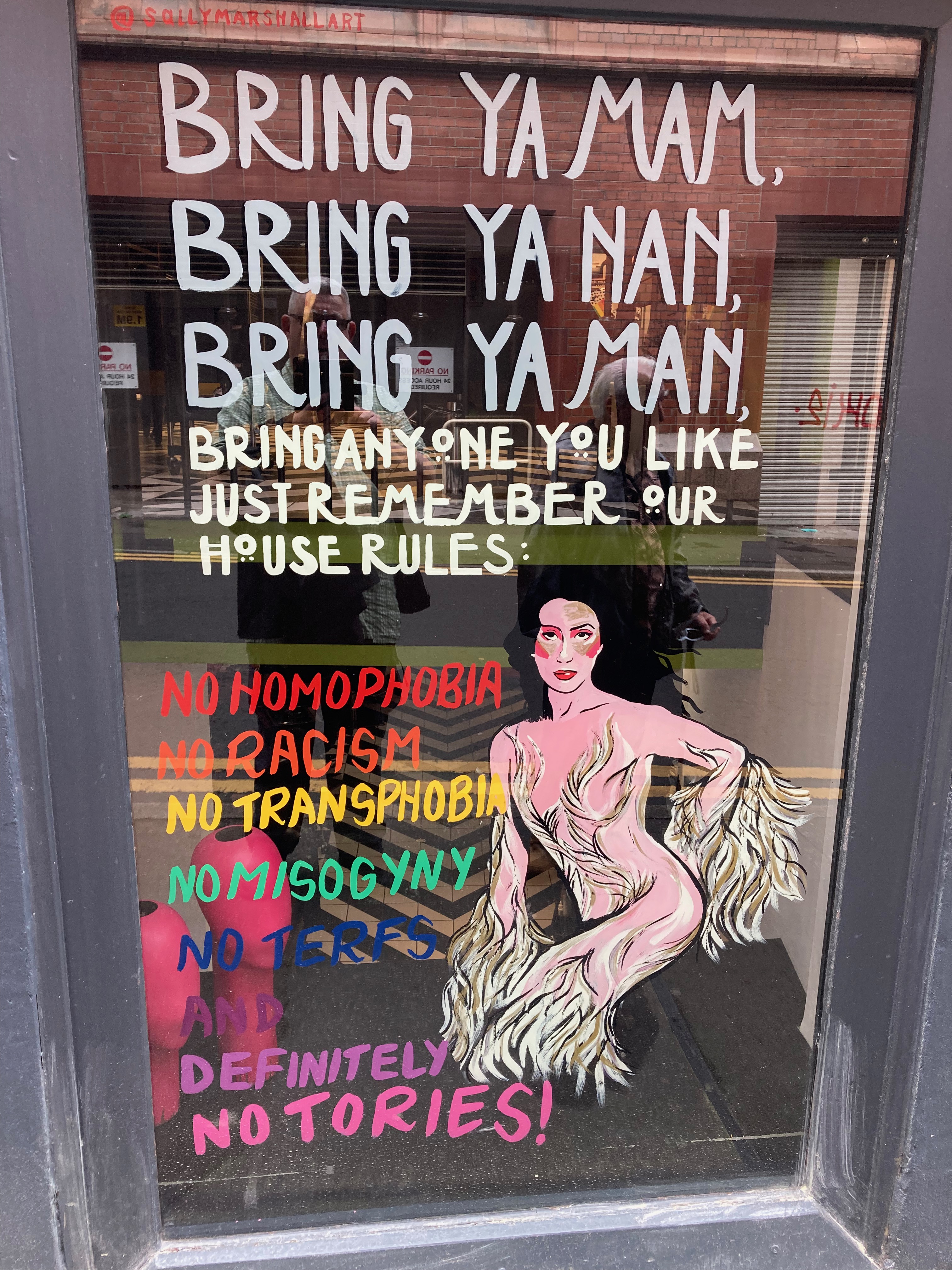
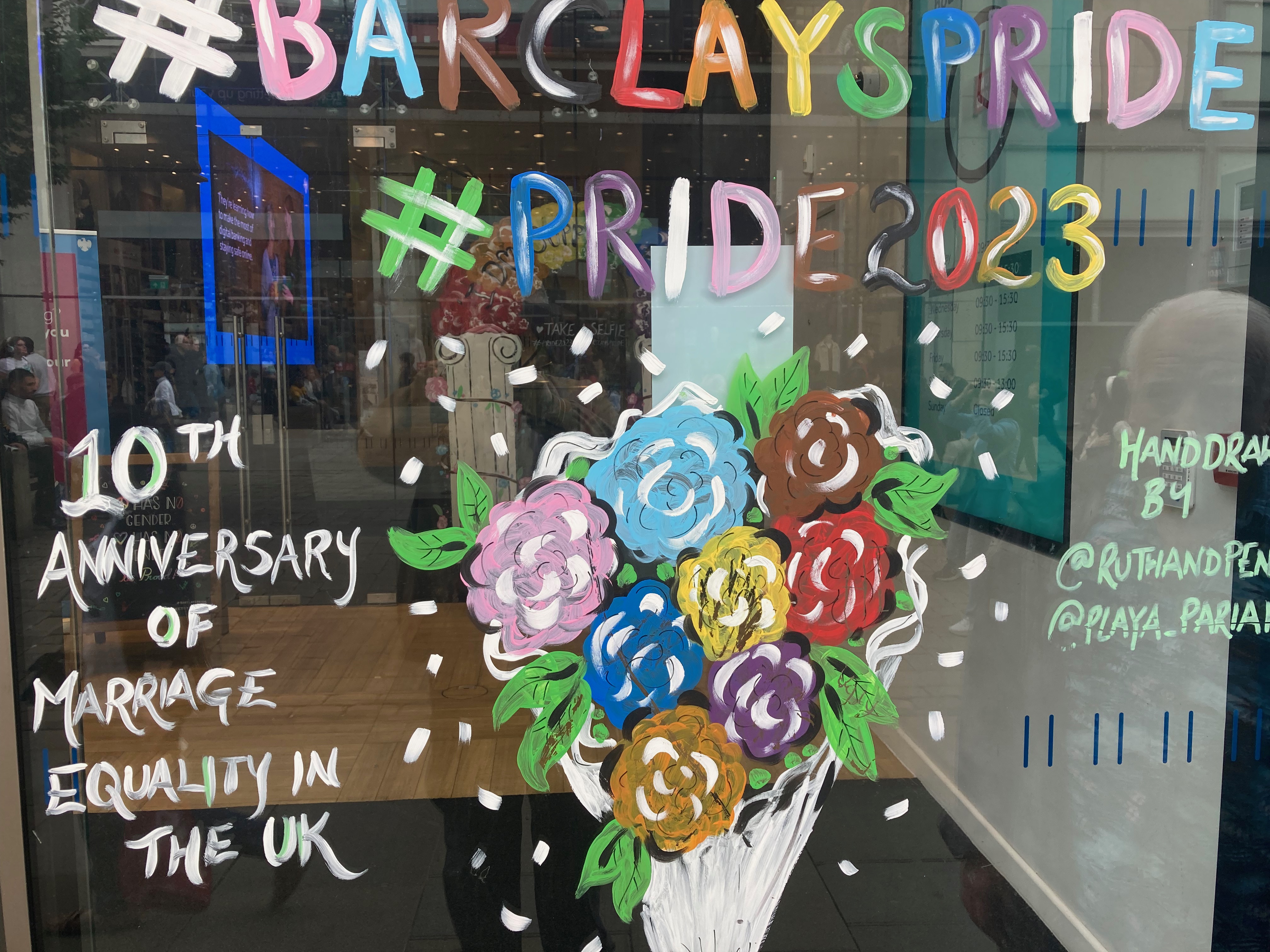
Manchester’s Colourful Windows
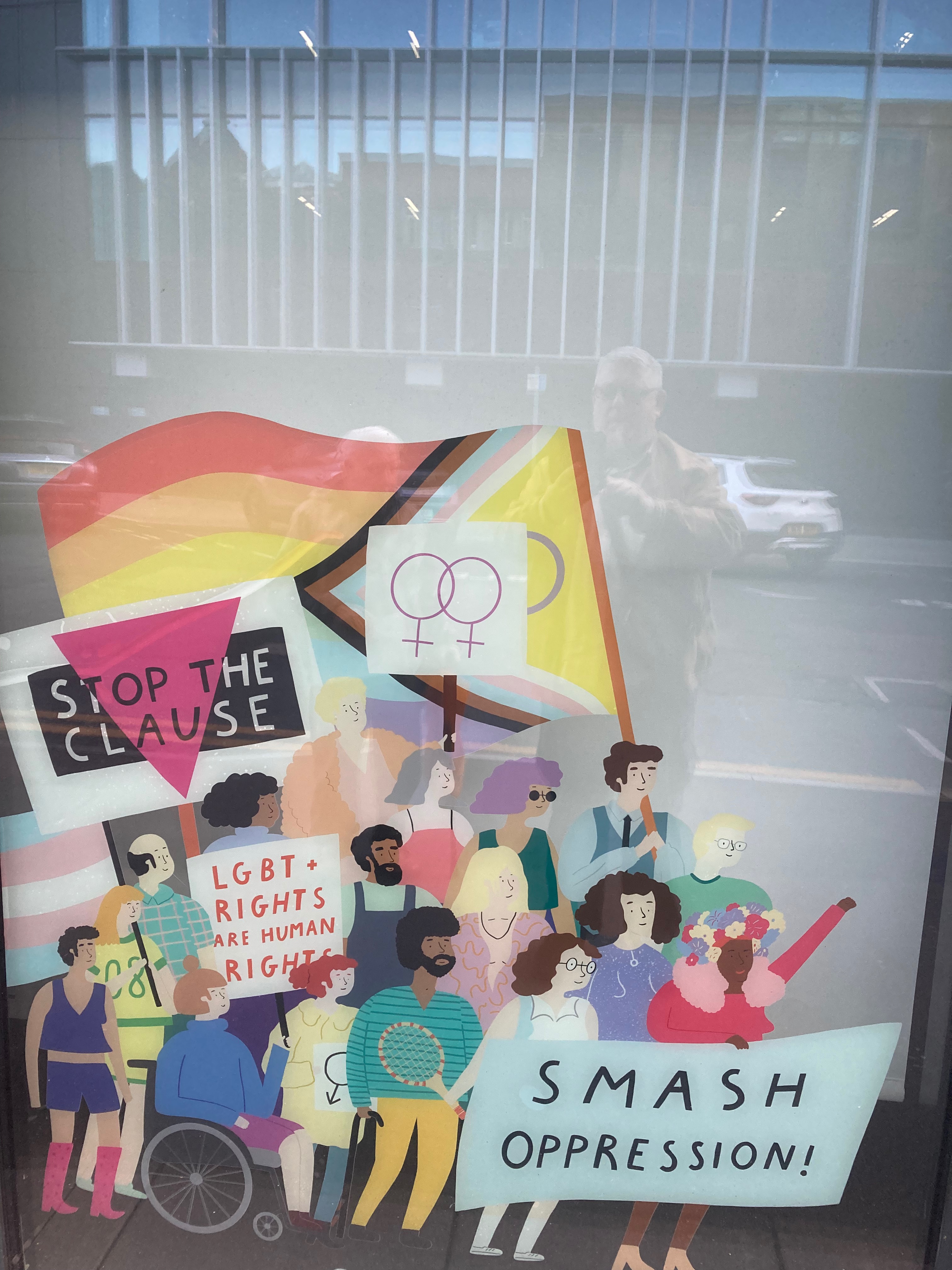
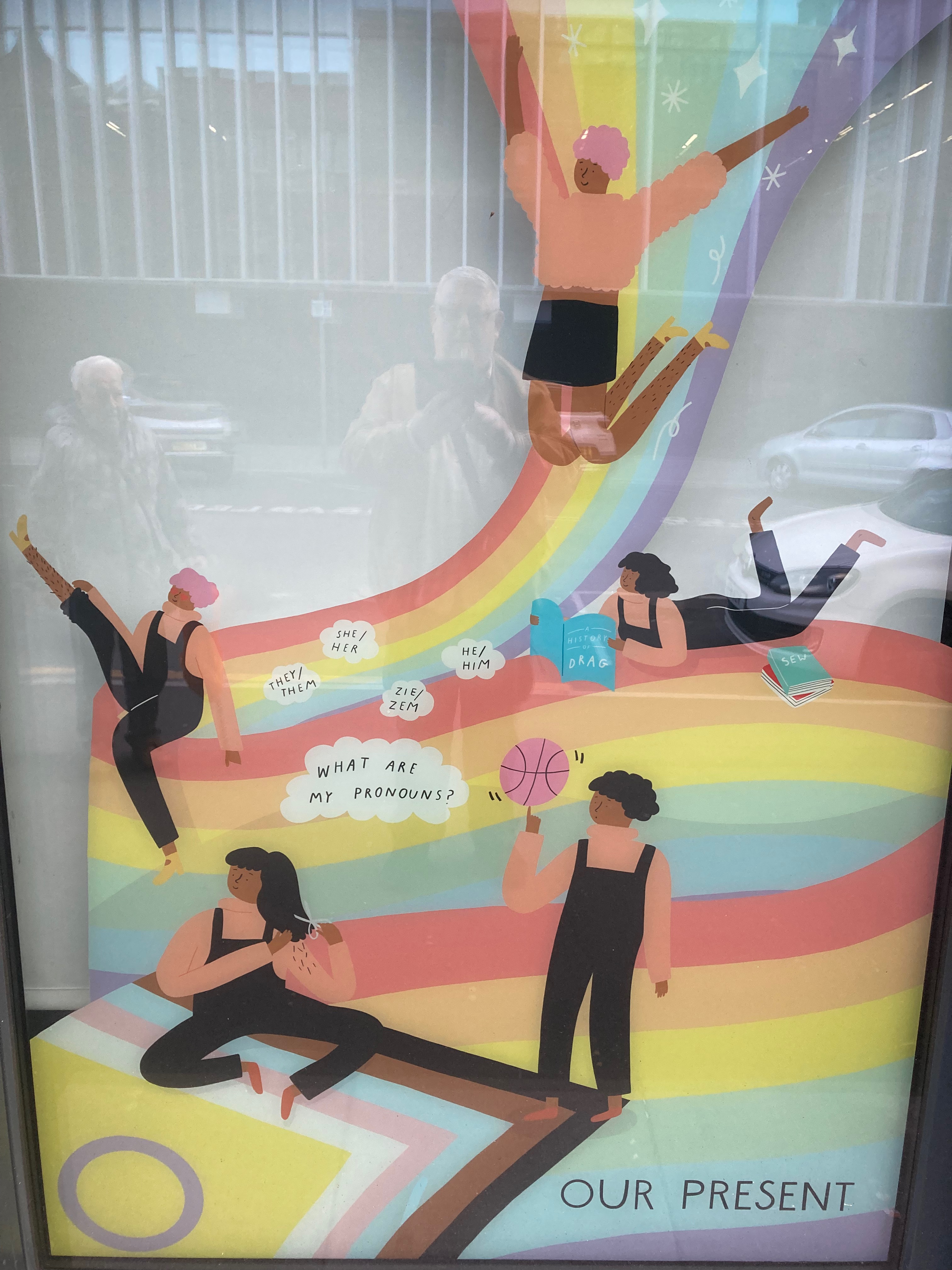
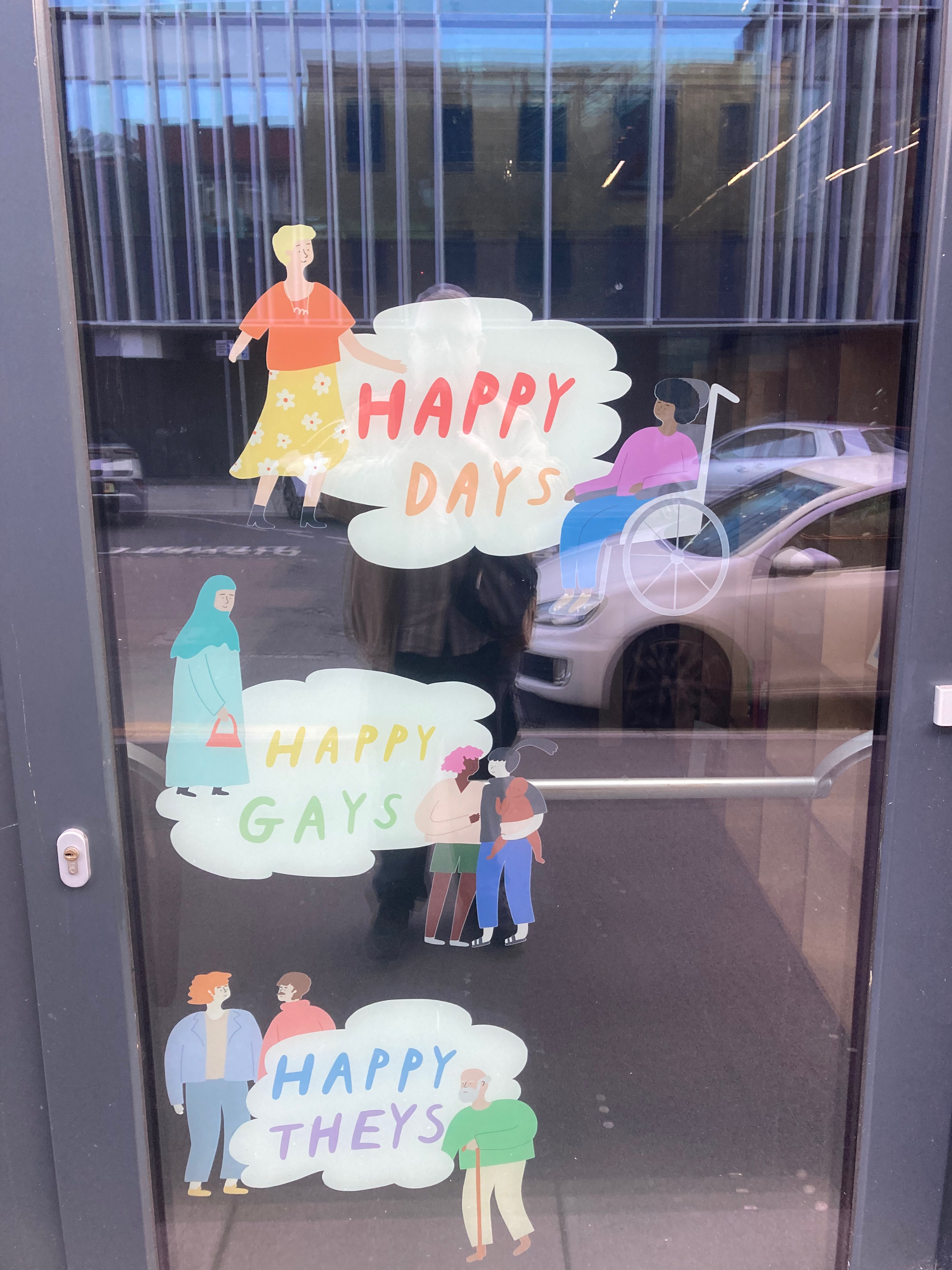


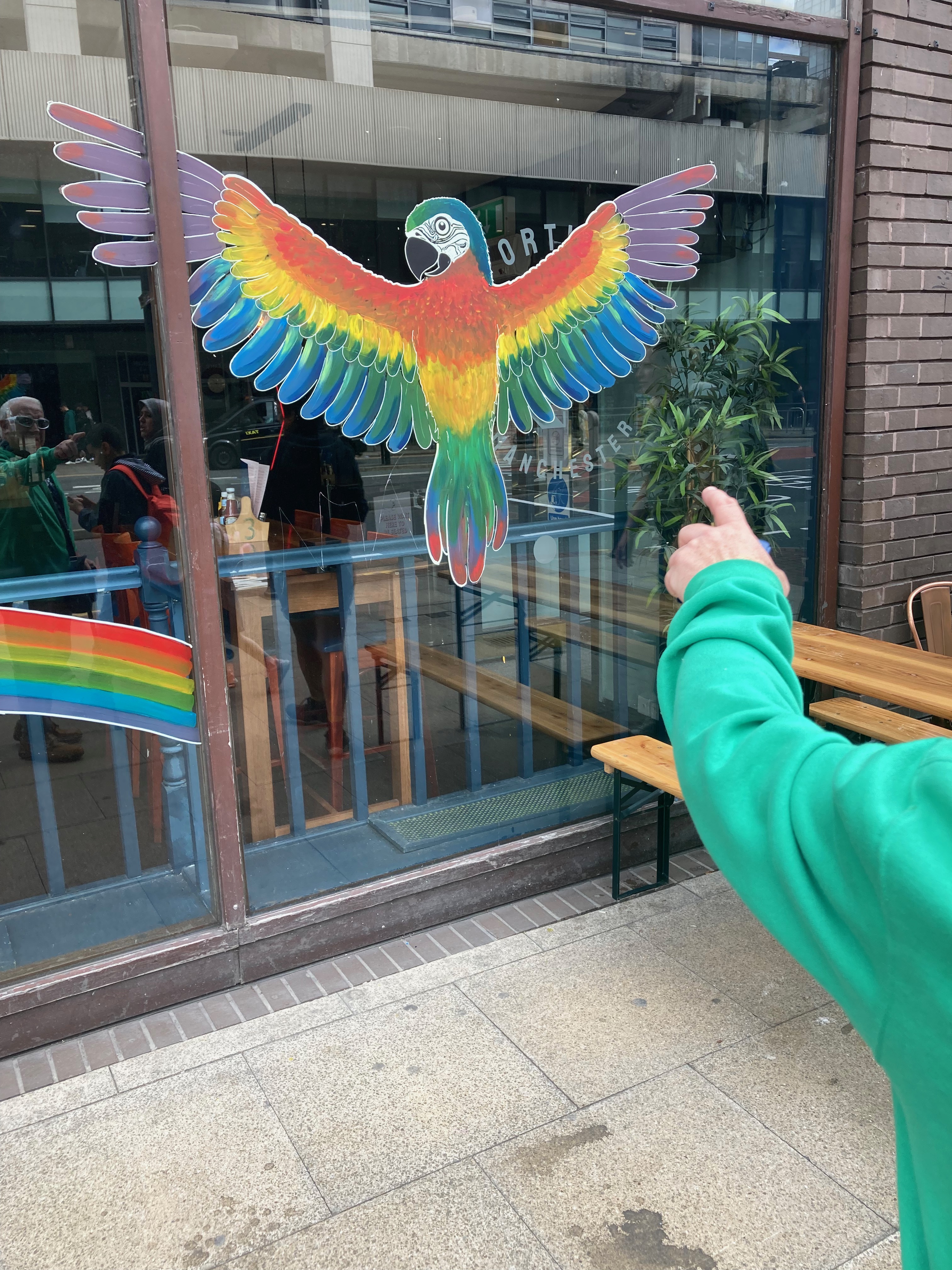
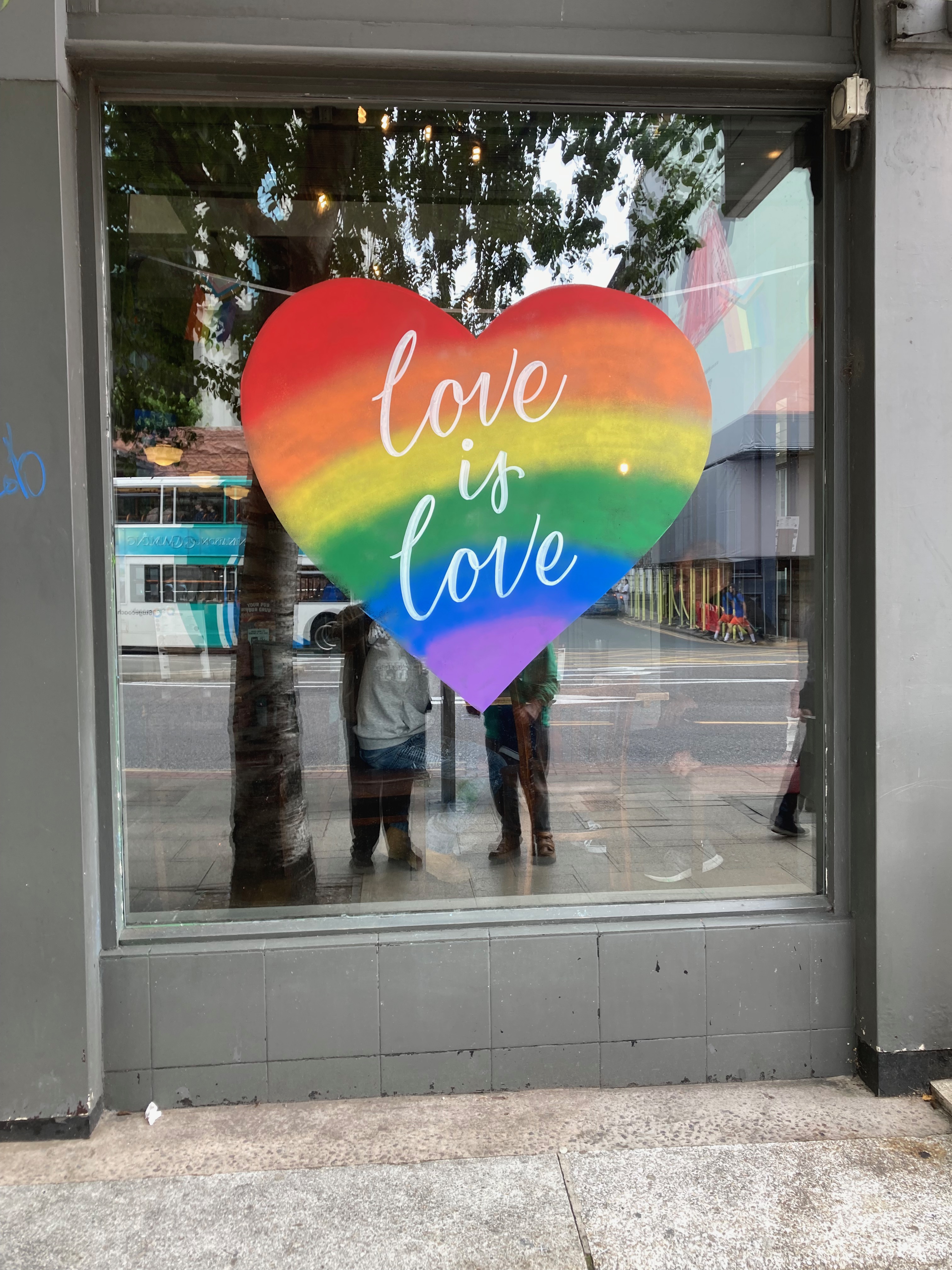
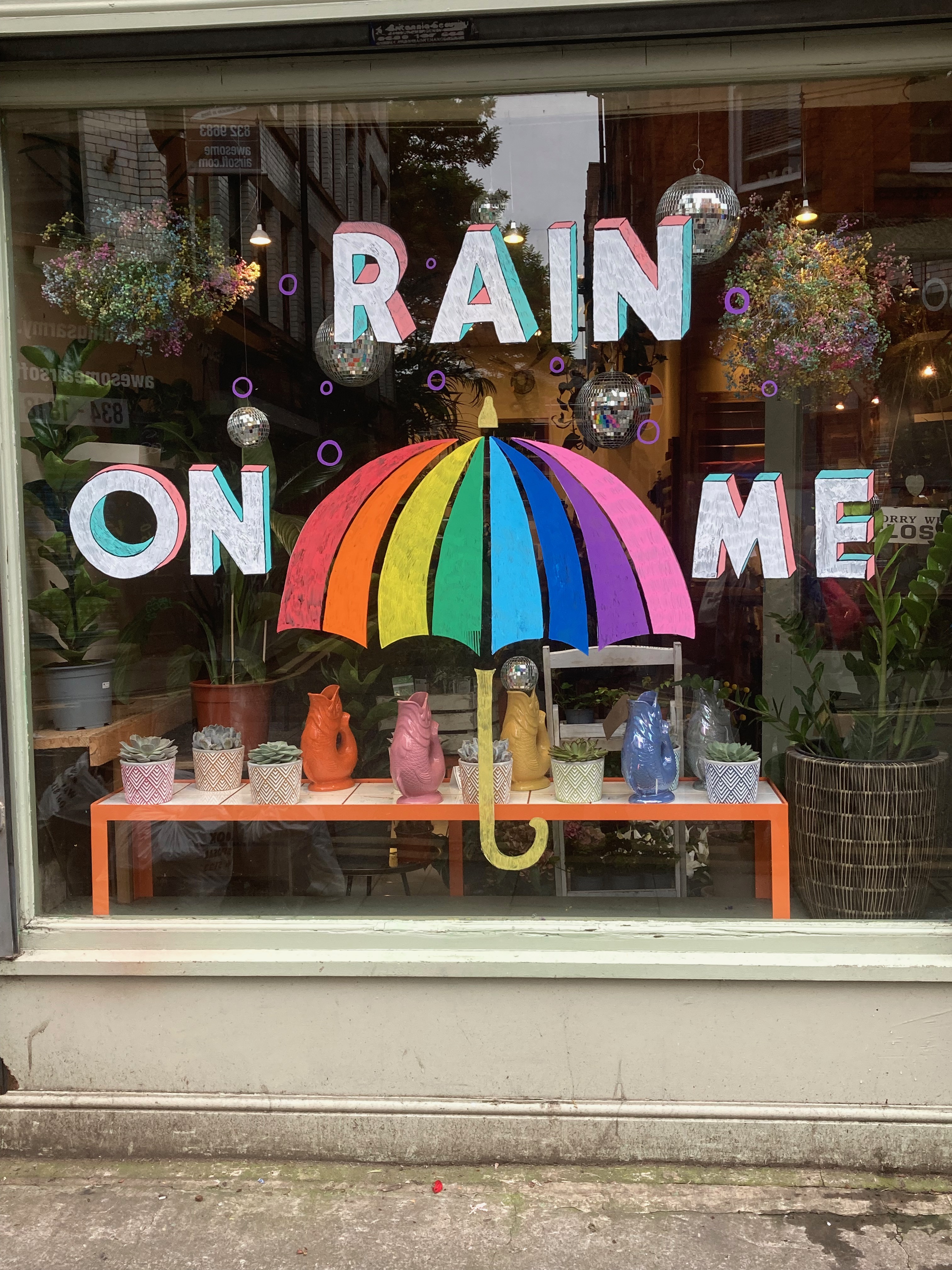
 Out in the City
The film wasn’t an easy watch, but showed how groups like Act Up helped to move LGBT+ rights forward. Had moments of joy and tender emotion.
LikeLike