
Patrick’s story … World Blood Donor Day and rules changing

News
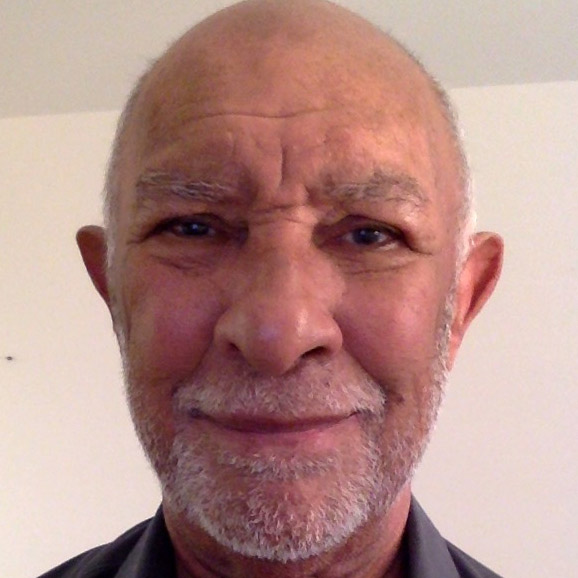
Patrick

Patrick’s story

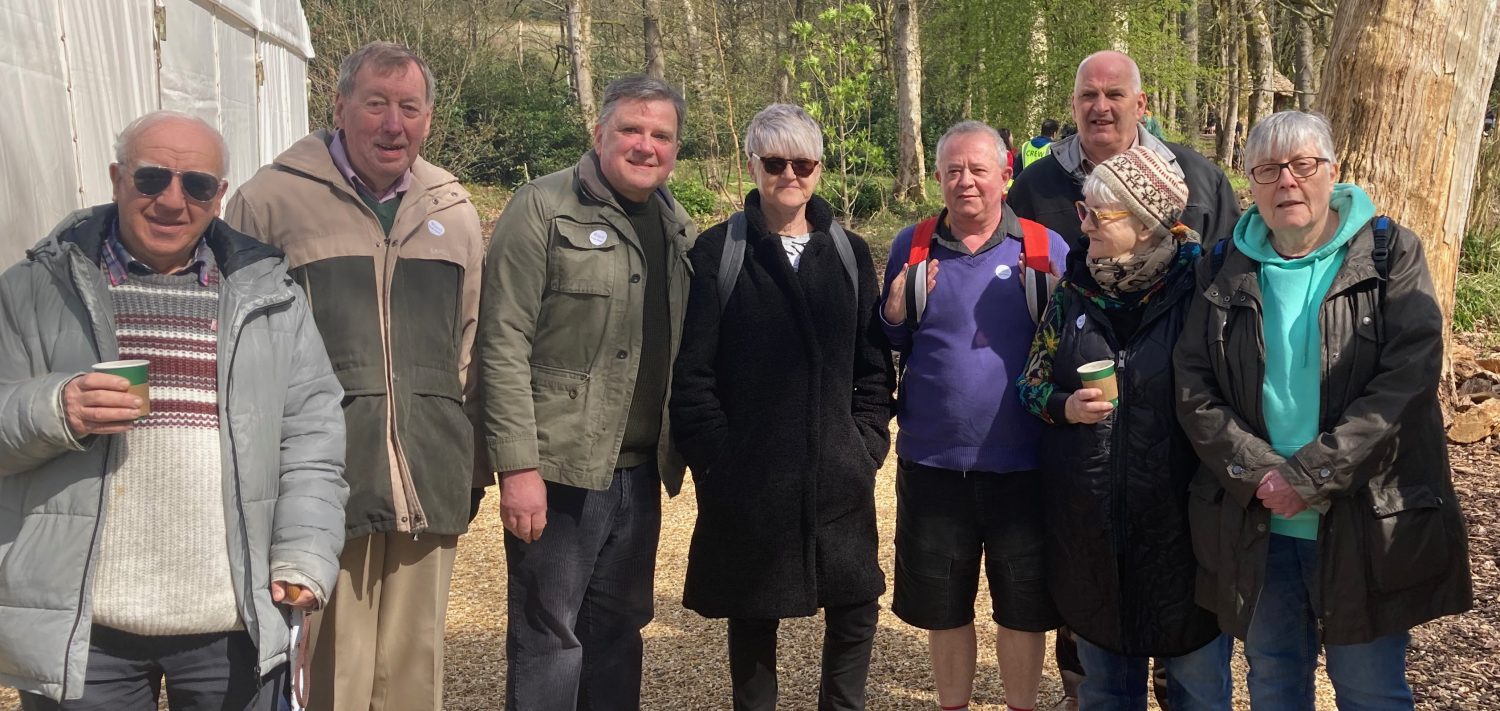
Many gay men born in the 1950s and 1960s, before homosexuality was partially decriminalised in 1967, stayed firmly in the closet for decades. It can be hard now to remember the societal pressures that drove many into denial and marriage with women, despite knowing their own preferences. But not Patrick, who identified as straight throughout his early life.

“My friends think I’m a very strange gay guy, but I just loved women!” he says. “I knew about the gay life, but I had no feelings for it, nothing to do with it. I got married, had a very happy marriage, had two sons.”

He worked as an English teacher and, with a strict Irish Catholic upbringing, was active in his local church, while his wife was a teacher in a local Catholic primary school. So when an incident on holiday triggered unexpected feelings and he began to explore his sexuality, it came as something of a surprise.

“If I’d had feelings like that before I’d have told people,” he says. One thing led to another and, 30 years ago aged 41, he came out; it was a traumatic time for him and his whole family.

“It was a shock, and not everybody took it well,” he says. “It was different for my wife, different for my boys, different for my mum and dad – my mother took it very badly indeed, though my dad was amazingly supportive. Thankfully, attitudes have changed since that time.”

For today’s young people, it can be hard to imagine the difficulties faced by earlier gay generations. Patrick’s local priest banned him from the church, his marriage broke down, and he led a double life for some years, keeping his sexuality hidden at work and not coming out to his wider family for five years.

It was a lonely time. Then he bumped into a former pupil, got into a conversation about faith, and learnt about a support group for gay Catholics, which he started attending.

“That led to meeting people involved with other groups. It’s a networking thing, you get to hear about other clubs you might be interested in,” he says.

He joined a gay badminton group (he had always been a keen badminton player, playing in the top division of the local league), a gay choir and Manchester’s first LGBT line dancing club, the Prairie Dogs, set up 25 years ago (it won the best walking entry in Manchester Pride 2019’s parade). He also volunteered with the LGBT+ community, working with befriending schemes and as an HIV/Aids buddy.

“That was difficult at times, but I wanted to do something giving back to my community,” he says.

He stepped up as a diversity officer for his union, which led to him being appointed a delegate to LGBT+ conferences, where he has given speeches on a number of motions.

“I went through a lot, but I hear stories of unbelievable bravery and courage even now,” he says.

Clearly there is still much work to be done to ensure recognition and acceptance for LGBT+ people. But the community has many friendship groups to support older gay singletons – Patrick is a regular at Out in the City, a Manchester group for the over-50s.

“I’ve worked through some really bad times, but I’m very happy with my life,” he says.

“I’m single, but I’ve got a good, supportive friendship circle and a lot of activities. But do we have to have labels on people? I don’t go into places and announce myself as gay; my sexuality is my business.

We’re all human beings that should be treated with mutual respect and caring.”
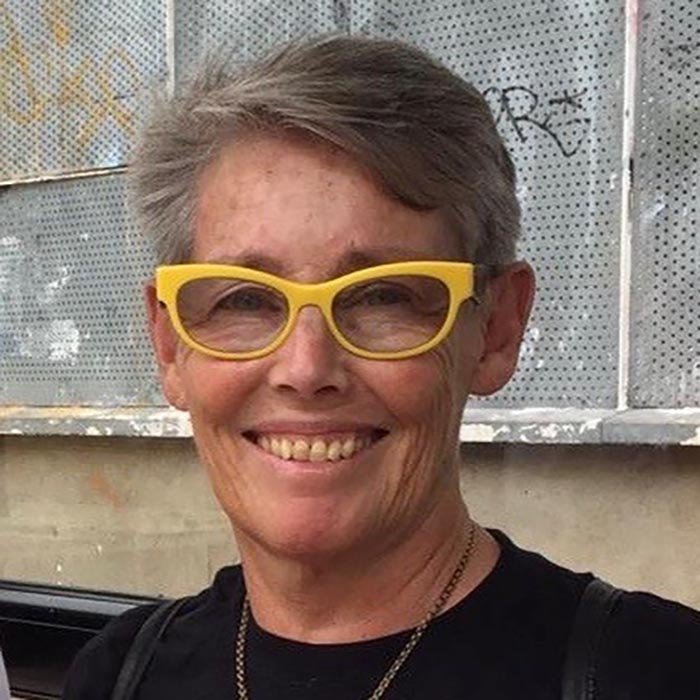
You can also read Annie’s story here and Ted’s story here.

World Blood Donor Day

World Blood Donor Day is held on 14 June each year. The event was organised for the first time in 2005 to raise awareness of the need for safe blood and blood products, and to thank blood donors for their voluntary life-saving gifts of blood.

It is celebrated on the birthday anniversary of Karl Landsteiner (14 June 1868) who was awarded the Nobel Prize for his discovery of the ABO blood group system.
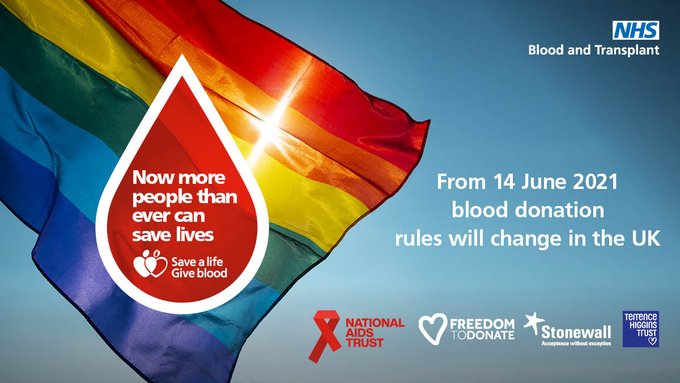
Blood donation rules changing (from 14 June 2021)

The eligibility rules around blood donation are changing to move towards a more inclusive and fairer process allowing as many people as possible to make the life-saving decision to give blood safely.

Following the FAIR (For the Assessment of Individualised Risk) steering group’s recommendations and in line with the latest scientific evidence, blood donation will become more inclusive. More people could be eligible to donate blood based on their health, travel and sexual behaviour.

New guidance means your eligibility to give blood is based solely on your own individual experiences, making the process fairer for everyone. Switching to an individualised check is a fairer and as safe a way to spot infection. The changes mean many gay, bi-men and men who have sex with men in a long-term relationship will now be able to donate blood at any time.

What is changing?

From 14 June 2021, the questions you will be asked before you give blood are changing.

What questions will you be asked?

You will have to complete a Donation Safety Check and will be asked whether, over the last three months, you have:

  • Had sex with anyone who has had syphilis, hepatitis or anyone who is HIV positive?
  • Been given money or drugs for sex?
  • Had sex with anyone who has ever been given money or drugs for sex?
  • Had sex with anyone who has ever injected drugs?
  • Taken Pre-Exposure Prophylaxis (PrEP) / Truvada for prevention of HIV or taken or been prescribed Post-Exposure Prophylaxis (PEP) for prevention of HIV?
  • Used drugs during sex (excluding erectile dysfunction drugs or cannabis)?

If you answered yes to any of the questions above, then you are unable to give blood right now.

If you answered no to all of the questions above, you may be able to give blood if you meet the other eligibility criteria.

In addition, you will also be asked whether, over the last three months, you have:

  • Had sex with a new partner, or had sex with more than one partner?

If you answer yes to this question, you will then be asked if you had anal sex with any of your sexual partners.

  • If you have, you will not be able to donate for three months.
  • If you have not, you will be able to donate (subject to all other eligibility criteria).

What do the changes mean for transgender blood donors?

Being transgender does not in any way prevent you from being able to donate. All donors are addressed using the title and pronouns of their choice. NHS Blood and Transplant considers all donors to be the sex and/or gender that they identify as, including nonbinary, genderfluid and agender donors.

Currently, donors are asked about their assigned sex at birth every time they come to donate, because some blood products are safe to manufacture from the blood of donors assigned male at birth but not from those assigned female at birth.

Many trans people may not consider this suitable, but there are plans by September 2021 to require the assigned sex at birth only once at registration and not at every session.

First blood plasma for medicines donations begin

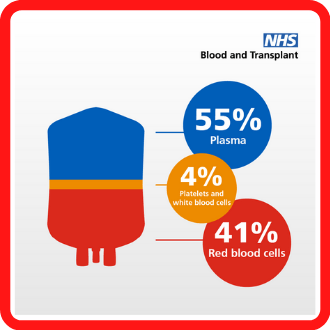
NHS Blood and Transplant is asking for men between the ages of 17 and 66 to consider donating their blood plasma which is used in the production of life-saving medicines. Thousands of patients rely on these antibody-based medicines called immunoglobulins, which are used for short-term treatment or lifelong diseases, they help people with weak immune systems and a variety of other rare disorders.

Men are more likely to have the blood plasma volumes and larger vein sizes making them ideal donors. Donating plasma takes about 45 minutes and is completely safe. During the process the plasma is filtered out of circulating blood by an apheresis machine and the red blood cells are returned to the donor. It is possible to donate as often as every two weeks and a maximum of 24 donations per year.
Donate plasma

Since 7 April 2021, people will donate blood plasma for medicines for the first time in more than 20 years at 14 donor centres around England including Manchester.

There is a global supply shortage due to rising demand. Up until now, the UK has depended on imports of blood plasma from other countries – mainly the US. Donations will bolster the supply chain and improve the self-sufficiency of the UK in producing its own treatments.

The restriction on using plasma from UK donors was introduced in 1998 as a precautionary measure against vCJD (Variant Creutzfeldt-Jakob Disease), but was lifted by the Department of Health and Social Care in February 2021. The independent Commission on Human Medicines advised it is safe and can recommence supported by a set of robust safety measures. Find out more about donating blood plasma by calling 0300 123 23 23.

Rainbow Lottery … Pride in Ageing video … Born To Be: Trans Surgery Centre

News

Rainbow Lottery – First Draw on 12 June

What is The Rainbow Lottery?

The Rainbow Lottery is a weekly online lottery, and is the UK’s first lottery dedicated to supporting LGBT+ good causes. You can support Out In The City (we get 50p from every £1 ticket) and you could win up to £25,000!

How does it work for supporters?

The draw takes place every Saturday night at 8.00pm, starting 12 June 2021.

• Each ticket costs £1 per week and consists of six numbers. The more numbers you match in a draw the bigger the prize you win.

• Players choose who their ticket purchase will support.

One ticket costs just £4.34 per month (three tickets costs £13.00 per month) and there are a range of payment options.

Players can pay:

• Monthly via Direct Debit;

• Monthly via Debit Card (VISA, Mastercard etc); or

• One off payment via Debit Card (five weeks, three months, six months or twelve months).

Players are notified by email when they win.

Pride in Ageing

Pride in Ageing was set up in response to concerns that too many lesbian, gay, bisexual and trans people over the age of 50 are living in isolation and facing discrimination as a direct result of their sexual orientation or gender identity. Laws change but attitudes can be harder to shift.

Members of Pride in Ageing are featured in this video:

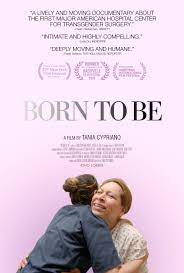
‘A story that hadn’t been told’: inside a groundbreaking trans surgery centre

In a moving documentary Born to Be, the work of pioneering surgeon Dr Jess Ting and the lives of his patients are brought to the screen with sensitivity.

Garnet Rubio moved to New York City from Texas at 19 with a singular mission: transitioning. While her friends attended college, Rubio worked as a model, did her research and saved money for expensive and time-consuming gender-affirming surgeries. “The two years that I’ve spent here have been completely devoted to saving money, affording to live here and then transitioning,” she says on the morning of her vaginoplasty in Born to Be, a documentary about Mount Sinai’s Centre for Transgender Medicine and Surgery (CTMS) in Manhattan, the first comprehensive healthcare centre for transgender and non-binary people in New York and one of the few specialised centres of its kind around the country.

The camera follows Rubio from her apartment to the centre, the final pre-op stages – a last consultation with her surgeon, Dr Jess Ting, on the aesthetics of the procedure, a hug from her friend, last Instagram – to the operation table, where the weight of anticipation brings her to tears.

There are several poignant, deeply emotional scenes of relief and excitement in Born to Be, which traces the centre’s groundbreaking medical practice as well as the experience of patients. Other times, it’s disarmingly, candidly clinical: how Dr Ting turns a forearm skin graft into a new phallus or the cuts required for facial feminisation.

The story of a transgender health and surgery centre is still itself relatively new; at the time the centre was founded in 2015, Ting was working as a general plastic surgeon in New York City, with little awareness of transgender healthcare or experience in gender-affirming surgical procedures. The film makers hoped Born to Be “could give information about light being at the end of the tunnel, that things were changing regarding healthcare”.

Rubio, in particular, allows the camera into some highly sensitive moments – consultation appointments, discussing desired aesthetics with Dr Ting, first post-op dilation. The decision to allow the camera into the doctors’ office “was necessary”, Rubio said.

The main barriers for his procedures are not skin grafts or medical limits, said Ting. It’s “the world – there are so many people who don’t accept what we do, who don’t accept trans people and who would just like to delegitimize the whole concept of being trans or being yourself or being able to choose for yourself your own course in life.

I wish they would see this movie,” he added, “because maybe they would change their minds a little bit, and see that trans people are just like you and I.”

Born to Be is available digitally in the US now, but a UK date is still to be announced.

NHS Data … Philadelphia’s Heritage of LGBT+ Activism

News

From 1 July 2021 unless you opt out you will no longer control your NHS records and you only have until 23 June 2021 to opt out. This is the biggest data grab in the history of the health service. (Since writing the article, the deadline has been changed to 1 September 2021).

‘The proposals suggest mass collection of every English patient’s history, including mental health episodes, their smoking and drinking habits as well as diagnoses of diseases such as cancer.’ Photograph: Anthony Devlin / PA

Health data is both hugely sensitive and immensely valuable.

The UK’s NHS data alone has been valued at £10 billion, and our GP data is the most detailed, valuable and sensitive of all.

The government wants to extract the general practice history of every patient in England by 1 July. Haven’t you heard? Ministers are not exactly shouting about this momentous news. NHS Digital, the body proposing the new scheme, has described it as a way to “improve” the collection of patient information that would allow better planning of healthcare services and use of data in medical research.

The records being stored contain the most private details of a person’s life. The proposals suggest mass collection of every English patient’s history, including mental health episodes, their smoking and drinking habits, and diagnoses of diseases such as cancer. But it will also include dated instances of domestic violence, abortions, sexual histories and criminal offences. Given the proposed scope of such a database, it is reasonable to ask who will be given this data, and for what purpose.

While medical bodies have been consulted, they have hardly given the plans a ringing endorsement. GPs may be reluctant, as they will be accountable for the data transfer. The audit trails of much less detailed hospital data which has been transferred to the private sector hardly inspires confidence in this government’s willingness to hold to account institutions that ignore safeguards. Campaigners point to shocking failures to enforce patient privacy, with little comeback for transgressors.

England’s 55 million patients have until 23 June to opt out of the scheme, but without a debate about the pros and cons, the public will have good reason to be wary. A perceived lack of transparency risks losing the trust of the public at a time when the health service needs to preserve it.

This scheme is not to do with the pandemic. “Control of patient information” notices currently allow for access, and data-wrangling rights, to health records in connection with fighting Covid-19. Allowing access to NHS data has led to some groundbreaking research, notably helping to identify dexamethasone as an effective Covid therapy. However, this experience was born of acute need. The return of normal life is not an excuse to suspend the safeguards that protect patient privacy or allow third parties access to GP records, which cannot be rendered anonymous even by scrubbing some personal information.

How to opt out

None of the choices below will affect your medical care, or the data that is available for your care. 

If you live in England and want to stop your GP data leaving your GP practice for purposes other than your direct care, you can do so by filling in and giving or posting the form in step 1 to your GP:

1) Protect your GP data: fill in and give this ‘Type 1’ form to your GP practice – this form allows you to include details for your children and dependants as well. This is the most urgent step; the deadline to get your form to your GP practice is 23 June 2021, according to NHS Digital.

2) If you want to stop your non-GP data, such as hospital or clinic treatments, being used or sold for purposes other than your direct care (eg for “research and planning“) you must use this process:

If it’s just for yourself, use NHS Digital’s online National Data Opt-out process – this process only works for individuals aged 13 and over.

If you have an adult dependant for whom you have legal responsibility, you must use this form and send it back to NHS Digital on their behalf.

There is no deadline for step 2, the National Data Opt-out (ie your non-GP data), but the sooner you do it, the sooner it takes effect.  If you don’t have access to a working printer, you can ask the NHS Digital Contact Centre to post you the forms you need. Their phone number is 0300 303 5678 and they are open Monday to Friday, 9.00am to 5.00pm (excluding bank holidays).

Philadelphia’s Heritage of LGBT+ Activism

Philadelphia’s history of protest and activism is exceptional. From American colonists declaring independence from Great Britain, to abolitionists fighting against slavery, to women’s suffragists demanding voting rights, to civil rights activists calling for equality, the city has a deep history of social and political conflict and engagement.

The Philadelphia LGBT+ Heritage Initiative are recording this rich tradition of protest and action including:

Reminder Days
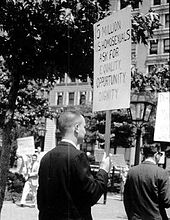
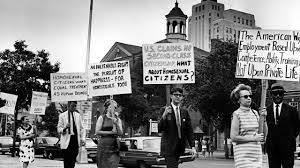
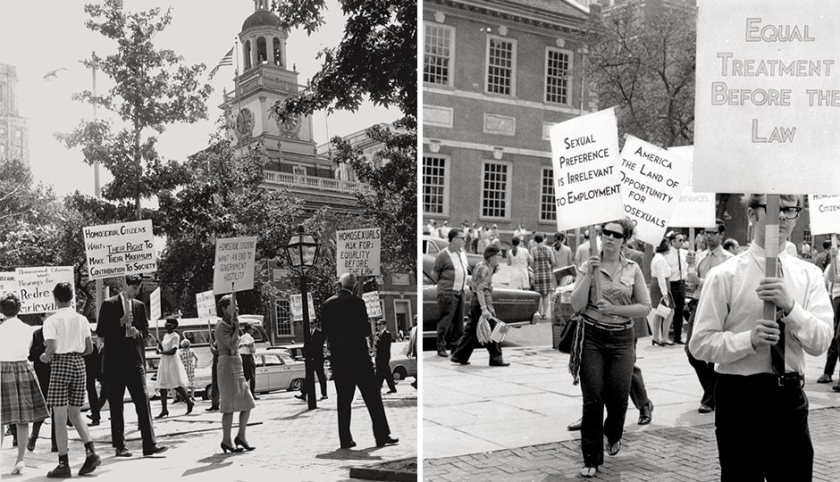
These were held annually at Independence Hall on 4 July from 1965 to 1969. Protesters gathered in front of Independence Hall to demand the public take notice of the discrimination that gay and lesbian American citizens endured – that not all Americans enjoyed the rights of “life, liberty, and the pursuit of happiness” enshrined in the Declaration of Independence.

These protests were organised by an alliance of homophile organisations, including the New York City and Washington DC Mattachine Societies, the Janus Society of Philadelphia, and New York City’s Daughters of Bilitis. As a collective, they were known as the East Coast Homophile Organisations (ECHO).

Organisers insisted on a strict dress code for participants, including jackets and ties for men and dresses for women; the goal was to present gays and lesbians as both “presentable” and “employable.” Veteran activists at the first Annual Reminder included Frank Kameny, Barbara Gittings, and Kay Tobin.

The Annual Reminders helped move gay and lesbian civil rights into the public consciousness and helped provide structure and organisation for the ongoing LGBT+ Civil Rights movement. After the Stonewall Uprising in June of 1969, the organisers of the Annual Reminders discontinued the annual pickets. Instead, they focused their attention to the Christopher Street Liberation Day held on 28 June 1970 to commemorate the anniversary of the Stonewall Uprising. Since then, June is traditionally the month of LGBT+ Pride celebrations.

Left: The first Annual Reminder in 1965 (photo: LGBT50.org).
Right: Marchers in 1969 (photo: Nancy Tucker/Lesbian History Archives)

The Pursuit is a reflection on the fight for LGBT rights, more than 50 years since protesters gathered in front of Independence Hall and called for an end to discrimination against homosexuals. Contrasting stories from LGBT experiences, past and present, a complex and vibrant picture emerges that demonstrates both how far the community has come and how far there is left to go.

Watch video (57 mins)

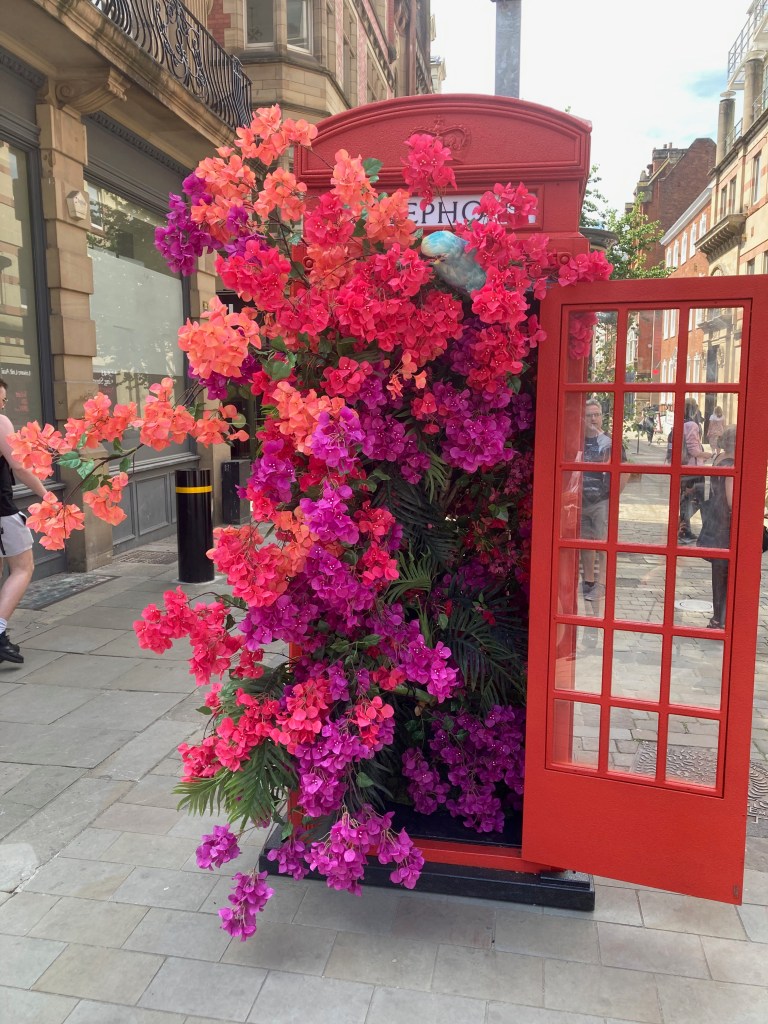
Manchester in bloom

How Gay Culture Blossomed During the Roaring Twenties … The Captive … WorkPride: Global 5-Day Virtual Pride Conference

News

How Gay Culture Blossomed During the Roaring Twenties

During Prohibition, gay nightlife and culture reached new heights -at least temporarily.

On a Friday night in February 1926, a crowd of some 1,500 packed the Renaissance Casino in New York’s Harlem neighbourhood for the 58th masquerade and civil ball of Hamilton Lodge.

Nearly half of those attending appeared to be “men of the class generally known as ‘fairies’ and many Bohemians from the Greenwich Village section who … in their gorgeous evening gowns, wigs and powdered faces were hard to distinguish from many of the women.”

The tradition of masquerade and civil balls, more commonly known as drag balls, had begun back in 1869 within Hamilton Lodge, a black fraternal organisation in Harlem. By the mid-1920s, at the height of the Prohibition era, they were attracting as many as 7,000 people of various races and social classes – gay, lesbian, bisexual, transgender and straight alike.

Stonewall (1969) is often considered the beginning of forward progress in the gay rights movement. But more than 50 years earlier, Harlem’s famous drag balls were part of a flourishing, highly visible LGBT+ nightlife and culture that would be integrated into mainstream American life in a way that became unthinkable in later decades.

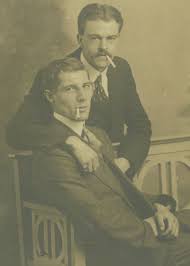
A portrait of a couple, circa 1920s
Paul Hartnett/PYMCA/Universal Images Group/Getty Images

The Beginnings of a New Gay World

“In the late 19th century, there was an increasingly visible presence of gender-non-conforming men who were engaged in sexual relationships with other men in major American cities,” says Chad Heap, a professor of American Studies at George Washington University and the author of Slumming: Sexual and Racial Encounters in American Nightlife, 1885-1940.

In addition to these groups, whom social reformers in the early 1900s would call “male sex perverts,” a number of nightclubs and theatres were featuring stage performances by female impersonators; these spots were mainly located in the Levee District on Chicago’s South Side, the Bowery in New York City and other largely working-class neighbourhoods in American cities.

By the 1920s, gay men had established a presence in Harlem and the bohemian mecca of Greenwich Village (as well as the seedier environs of Times Square), and the city’s first lesbian enclaves had appeared in Harlem and the Village. Each gay enclave, wrote George Chauncey in his book Gay New York: Gender, Urban Culture, and the Making of the Gay Male World, 1890-1940, had a different class and ethnic character, cultural style and public reputation.

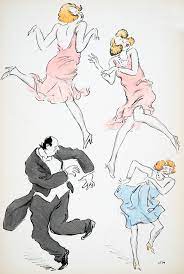
A 1927 illustration of three transgender women and a man dancing at a nightclub.
Historica Graphica Collection/Heritage Images/Getty Images

Gay Life in the Jazz Age

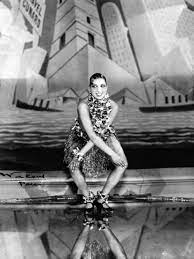
As the United States entered an era of unprecedented economic growth and prosperity in the years after World War I, cultural mores loosened and a new spirit of sexual freedom reigned. The flapper, with her short hair, figure-skimming dresses and ever-present cigarette and cocktail, would become the most recognisable symbol of the Roaring Twenties, her fame spreading via the new mass media born during that decade. But the ’20s also saw the flourishing of LGBT+ nightlife and culture that reached beyond the cities, across the country, and into ordinary American homes.

Though New York City may have been the epicentre of the so-called “Pansy Craze,” gay, lesbian and transgender performers graced the stages of nightspots in cities all over the country. Their audiences included many straight men and women eager to experience the culture themselves (and enjoy a good party) as well as ordinary LGBT+ Americans seeking to expand their social networks or find romantic or sexual partners.

“It gave them many more possible places they could go to meet other people like themselves,” Heap says of the Pansy Craze and accompanying lesbian or Sapphic craze, of the ’20s and early to mid-’30s. “At its height, when many ordinary heterosexual men and women were going to venues that featured queer entertainment, it probably also provided useful cover for queer men and women to go to the same venues.”

At the same time, lesbian and gay characters were being featured in a slew of popular “pulp” novels, in songs and on Broadway stages (including the controversial 1926 play The Captive) and in Hollywood—at least prior to 1934, when the motion picture industry began enforcing censorship guidelines, known as the Hays Code. Heap cites Clara Bow’s 1932 film Call Her Savagein which a short scene features a pair of “campy male entertainers” in a Greenwich Village-like nightspot. On the radio, songs including “Masculine Women, Feminine Men” and “Let’s All Be Fairies” were popular.

The fame of LGBT+ nightlife and culture during this period was certainly not limited to urban populations. Stories about drag balls or other performances were sometimes picked up by wire services, or even broadcast over local radio. “You can find them in certain newspaper coverage in unexpected places,” Heap says.

A cross-dresser being taken away in a police van for dressing like a woman, circa 1939. 
Weegee/International Center of Photography/Getty Images

“Pansy Craze” Comes to an End

With the end of Prohibition, the onset of the Depression and the coming of World War II, LGBT+ culture and community began to fall out of favour. As Chauncey writes, a backlash began in the 1930s, as “part of a wider Depression-era condemnation of the cultural experimentation of the ’20s, which many blamed for the economic collapse.”

The sale of liquor was legal again, but newly enforced laws and regulations prohibited restaurants and bars from hiring gay employees or even serving gay patrons. In the mid- to late ’30s, Heap points out, a wave of sensationalised sex crimes “provoked hysteria about sex criminals, who were often – in the mind of the public and in the mind of authorities – equated with gay men.” 

This not only discouraged gay men from participating in public life, but also “made homosexuality seem more dangerous to the average American.”

By the post-World War II era, a larger cultural shift toward earlier marriage and suburban living, the advent of TV and the anti-homosexuality crusades championed by Joseph McCarthy would help push the flowering of gay culture represented by the Pansy Craze firmly into the nation’s rear-view mirror.  Drag balls, and the spirit of freedom and exuberance they represented, never went away entirely – but it would be decades before LGBT+ life would flourish so publicly again.

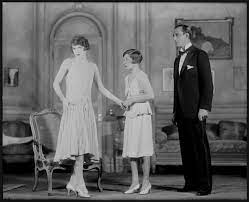
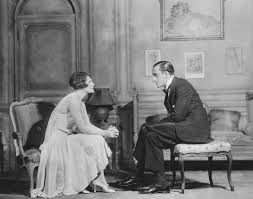
The Captive by Edouard Bourdet (1926)

The following review from The New York Times presents a picture of a play premiered on Broadway in 1926, which simultaneously garnered acclaim and controversy. Some of the details are certainly not politically correct for the modern audience. Today, we would not think of the relationship between the women as “twisted,” “revolting” or “loathsome.”

The Captive” played to packed houses for 17 weeks before police shut it down. It was closed after its cast (including Basil Rathbone) were arrested by New York City police for being immoral. Years later, Rathbone was still angered by the play’s closing, referring to it in his autobiography as a “cold-blooded unscrupulous sabotage of an important contemporary work of art”.

The play was also banned in London, but enjoyed successful runs in Paris, Brussels, Berlin, Vienna, Holland and Switzerland.

Review in The New York Times, 30 September 1926

“Expertly written and admirably played, M. Bourdet’s tragedy, “The Captive,” put on at the Empire last evening, may be set down as a genuine achievement in dramatic producing – a long, engrossing, haunting play. Most of the theatrical news from Europe for several months has hung about this drama, known in Paris as “La Prisonniere.” Vastly popular, sensational in its theme, and recriminations. But whatever emotions the Parisian performance may be conveying, Mr Hornblow’s adaptation, staged perfectly by Mr Miller, emerges as a hard, brittle chronicle, horrible in its implications, terrible to contemplate at times, but sincere and cleanly finished. Seldom has a play been so intelligently cast; nor do we often see a performance so thoroughly disciplined in every detail. For the American version of “La Prisonniere,” does not truckle no smirk. It tells its unpleasant story in a straightforward manner, without evasion or sordid emphasis. And the splendid spirit of the production may protect it from being misunderstood.

Like a practiced dramatist, schooled in the familiar models of playwriting, M. Bourdet casts his play in the “well made” mold familiar to theatre-goers everywhere. Given a theme and the characters to unfold it, he writes a compact drama with a beginning, a climax and a firm conclusion. And writing for the stage, he occasionally tells his story most pungently by use of the symbol of the stage – a bunch of flowers, a closing door offstage, or a trivial command to a servant which conveys prodigious information. As most theatre enthusiasts know by this time, “The Captive” writes the tragedy of a young woman, well-bred and of good family, who falls into a twisted relationship with another woman. For nearly half the play this loathsome possibility, never mentioned, scarcely hinted at, hangs over the drama like a black pall, a prescience of impending doom. A member of the Foreign Office, ordered to Rome, cannot understand why his eldest daughter refuses to accompany him. Thoroughly distraught, she puts him off with an evasion. Her old friend, Jacques Vierieu, she pleads, is in love with her, and may propose to her if properly manoeuvred. When her father departs Irene summons Jacques and tries to persuade him to play the part of fiancé, a part agreeable to him, but not on these false terms. For Irene refuses to confide in him, nor in anyone else, the full truth of her frightful misery.

During the remaining two acts M. Bourdet directs his story expertly at high speed, facing the issue boldly and sounding the note of doom with increasing frequency. Fully conscious of his responsibilities, Jacques marries Irene immediately to save her from herself and to release her from the tyranny of her warped infatuation. For a year spent in travel they get on amicably and return to Paris where they set up their home. But Irene does not escape for long; nor does Jacques. In self-defence he resumes a liaison with his former sweetheart. And just before the final curtain Irene succumbs. The sound of a closing door offstage completes this sombre story.

Relentless in his presentation of this theme, M. Bourdet occasionally sets it off against the simple innocence of a little sister or the refreshing normality of Jacques and the charming Francoise Meillant. Without this illuminating relief “The Captive” might degenerate into commercial exploitation of a revolting theme. But again, the brilliant acting in every role redeems it from mere excitation. In the minor roles Miss Trevor and Miss Andrews pour tenderness and softness into the performance. Mr Trevor, as the father, expertly sets the serious tone of the play in the early scenes. But the brunt of the performance falls upon Miss Menken as the wretched girl, Mr Rathbone as Jacques and Mr Wontner as a friend of both. Mr Wontner’s appearance is a brief one, but his function in the drama is highly responsible. His crisp performance last evening was appreciatively applauded. And Mr Rathbone acts with rare dignity and understanding; without a single histrionic flourish, his Jacques Virieu indicates profound emotion and the torture of conflicting emotions.

Well liked though Miss Menken may be, little in her past stage experience had prepared the audience for her stirring performance as the miserable young lady. She communicates the full tragic quality of her part, not only in its relation to the play but also in its relation to life itself. And for the few moments in which this girl believes herself released from an inane captivity, Miss Menken makes the contrast an indescribably tranquil interlude. She was enthusiastically applauded after very act. And once Mr Miller acknowledged the applause with his principle actors. For whatever the theme may be, “The Captive” is to be enjoyed as an expert dramatic production.”

WorkPride: Global 5-Day Virtual Pride Conference14 to 18 June 2021

This 5-day series of events is free for professionals, graduates, inclusive employers and anyone who believes in workplace equality.

Each year, WorkPride welcomes thousands of virtual attendees from around the globe to network, share best practices, and learn strategies to help create workspaces that are inclusive of all sexual orientations, gender identities, and gender expressions.

Last year Workpride attracted 18,000 delegates over 5 days and they are looking to replicate its success this year. See the programme here.

There are 50 sessions over five days including “Ageing with Grace and Dignity – a closer look at the older LGBTQ+ Population and their needs” on Wednesday, 16 June from 6.30pm – 7.30pm.

Number of people over 65 identifying as LGB rises for first time … Paul Sinha-ha-ha … Manchester Pride volunteers wanted … Back in the Closet

News

Number of over-65s identifying as gay, lesbian or bisexual rises for first time

The figures are based on data from the Annual Population Survey, which gathers information exclusively on sexual orientation.

A new question on gender identification was added to the 2021 census, with results from this expected to follow in 2022.

The number of people aged 65-years-old and over who identify as lesbian, gay or bisexual in England and Scotland has increased for the first time, according to new figures.

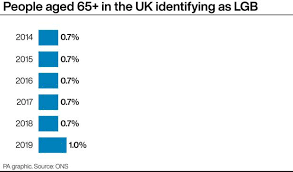
Data shared by the Office for National Statistics (ONS) reveals that the number of people identifying as either lesbian, gay or bisexual has risen from 0.7 per cent in 2018 to one per cent in 2019.

Despite the increase, the largest number of people identifying as lesbian, gay or bisexual remains concentrated in the lower age brackets, with the youngest age group accounting for one third of all lesbian, gay and bisexual people in the UK.

The new analysis reveals that one in 15 people aged between 16 and 24 years old (6.6 per cent) identify as lesbian, gay or bisexual – an increase of 2.2 per cent since 2018.

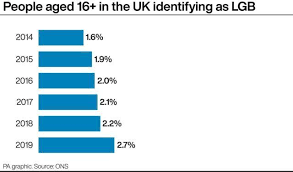
These figures reflect a wider trend across the UK population, with an estimated 2.7 per cent of people aged 16 and above identifying as either lesbian, gay or bisexual in 2019, up from 2.2 per cent in 2018.

According to the ONS, this may be because “younger people could be more likely to explore their sexuality, combined with more social acceptability of different sexual identities and the expression of these today.”

Among English regions, people in London were most likely to identify as lesbian, gay or bisexual, with 3.8 per cent of those in the capital placing themselves in this category.

At the opposite end of the spectrum, the East of England is home to the lowest number of people identifying as lesbian, gay or bisexual at just 2.1 per cent.

Penelope McClure, statistician at the ONS, described the increase in younger people identifying as lesbian, gay or bisexual as “statistically significant”.

She said: “An estimated 1.4 million people aged 16 and over in the UK identified as lesbian, gay or bisexual (LGB) in 2019 – a statistically significant increase from 1.2 million in 2018 – continuing the trend we have seen over recent years. People aged 16 to 24 continue to be the most likely to identify as LGB, however, the proportion of older adults identifying as LGB, while much smaller, is also increasing.”

Paul Sinha-ha-ha

Standup comedy night Laugh Riot made an appearance at the Waterside Arts Centre on 21 May as part of the week-long Pride in Trafford festival which explores and celebrates identity and LGBT+ life locally and beyond.

Paul Sinha

Comedian Paul Sinha was born in the UK to Bengali parents. Whilst studying medicine in the 1990s, Paul took his first steps on the stand-up comedy circuit.

He pursued both careers and at the 2006 Edinburgh Festival Fringe, he earned a nomination for the highest accolade in live comedy, the Edinburgh Comedy Award.

Shortly after his nomination, Paul became a full-time comedian.

He is a familiar voice on radio and television including programmes such as QI and Would I Lie to You? and was a competitor on Taskmaster.

Paul is also one of the UK’s finest quizzers and this has led to another concurrent career as a general knowledge expert on the award-winning ITV quiz show, The Chase.

Paul is currently the fourth-best quizzer in the UK and his husband, Oliver, is the eleventh. Out of all the chasers, he has the worst nickname – the Sinha-man – but he is definitely the best at reciting the periodic table whilst hula-hooping!

The review

This was my first night out in over a year – the event was live but there was also an at-home live stream recording.

There were robust measures in place to reassure people regarding Covid safety, including mandatory use of face masks (unless exempt), staggered arrival times, a one-way system, and reduced audience capacity.

The MC was Kerry Leigh and she introduced the best in alternative comedy – Josh Jones (one to watch out for), Jessica Fostekew, and Paul.

It was also the first night out for the performers for over a year and there were some nerves. Most of the performers had notes written on the backs of their hands. It was a fun night of LGBT+ humour, but it was also just great to be out and about and was an all-around fantastic experience!

Manchester Pride volunteers wanted

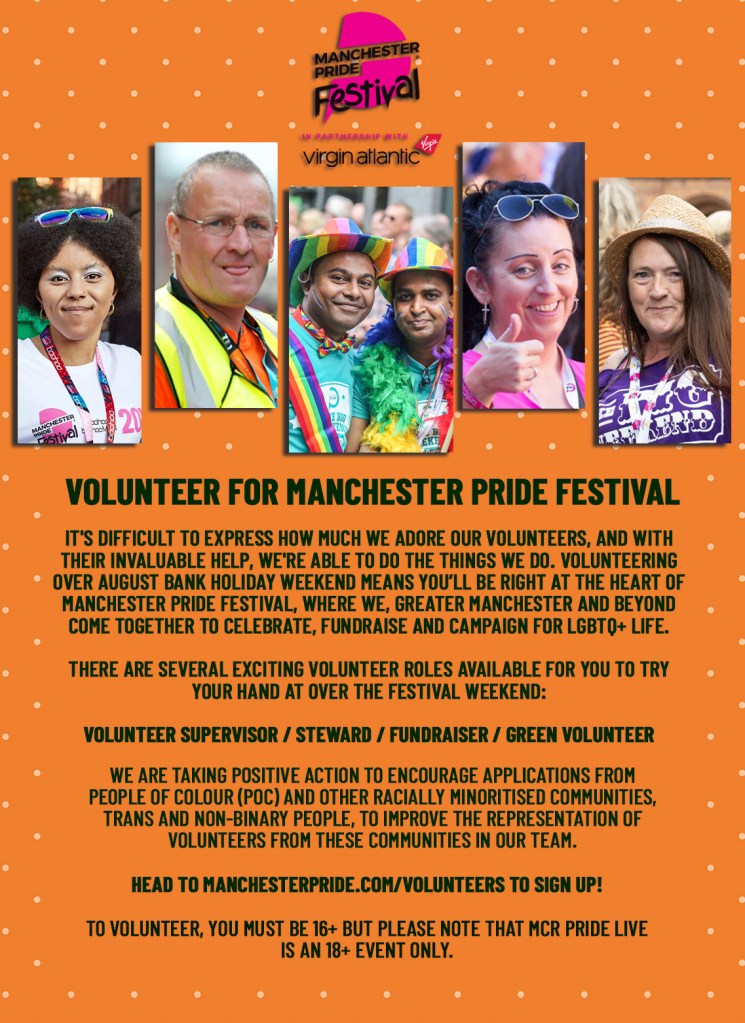
Manchester Pride are excited to announce that volunteer applications for the 2021 Pride Festival will be opening next week! 

National Volunteers Week takes place every year between 1 – 7 June and Manchester Pride will be celebrating the wonderful people who make the festival possible. 

This year they have loads of great opportunities to get involved and help them make 2021 better than ever. 

If interested please see the flyer and go to the Volunteers hub on their website: www.manchesterpride.com/volunteers 

You can also meet members of the team, other potential volunteers, learn about the opportunities and ask any questions at a Meet and Greet zoom meeting on Thursday, 3 June, 5.00pm – 6.00pm.

Tickets are free and can be booked here

Back in the Closet

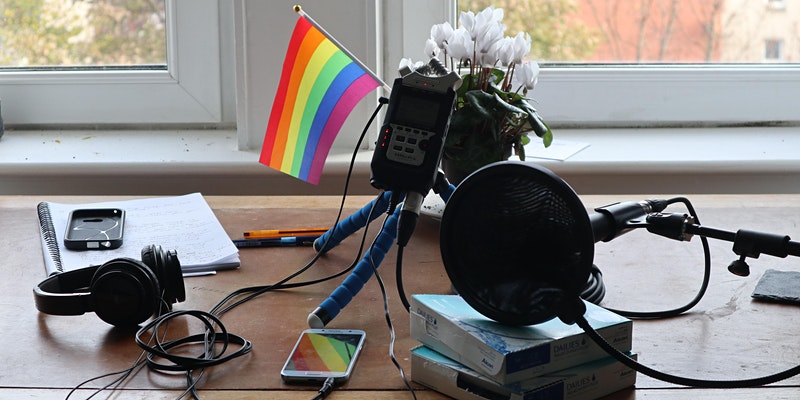
Image: Anna Raczynski recording setup for Back in the Closet

Join Pride in Ageing on 10 June (12.30pm – 2.00pm) for a one-off webinar to celebrate the launch of the Back in the Closet project.

The artworks were made as part of a series of artist residencies exploring the experiences of Greater Manchester’s LGBT+ communities living in retirement housing. 

The Back in the Closet project saw four artists paired with four older persons’ housing schemes across Greater Manchester. They worked with both staff and residents to open a discussion on LGBT+ identities and to find both small and significant changes to make these environments more inclusive.

You’ll hear about how this project was developed, what they have learnt about adapting and delivering artist residencies during the pandemic and how creative approaches have shed light on LGBT+ visibility in housing for older people.

The link to register for this free online event is here, but if you can’t make it we will be sharing a link to view the artworks when they are online.