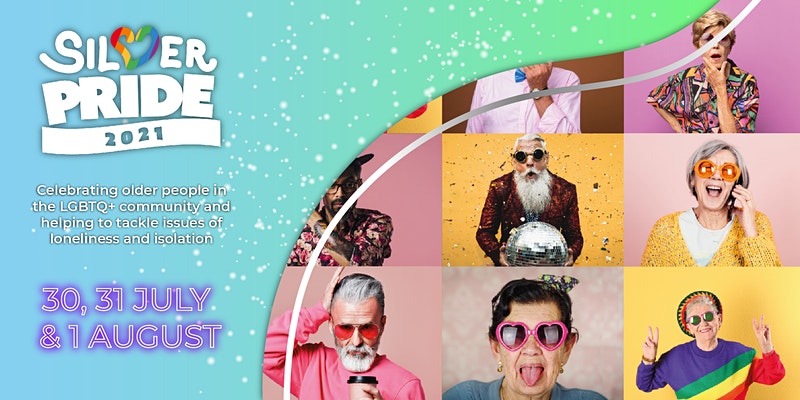
Silver Pride 2021 … The LGBT history you didn’t learn in school

News

Silver Pride 2021Friday 30 July to Sunday 1 August (online)  

Now in its second year, Silver Pride is a unique online event designed to forge connections between older LGBT+ people and encourage intergenerational communication in the gay communities.

Through the range of content, they’ll be broadcasting over three days – from celebrity interviews to panel discussions, cookery demonstrations to specially made films – Silver Pride aspires to entertain and inspire, firing conversations about and generating noise around the lives of older LGBT+ folks.

They want to uncover hidden histories and hear stories heretofore hushed. Silver Pride is a celebration of the everyday heroes that most people have to be in order to just live their lives, and a commemoration of those who went before us, those who marched and fought and campaigned and died for the freedoms we enjoy today.

Silver Pride is a party and a paean. For more information and to get your tickets, click here. Tickets are free, although donations are welcome.

The LGBT history you didn’t learn in school
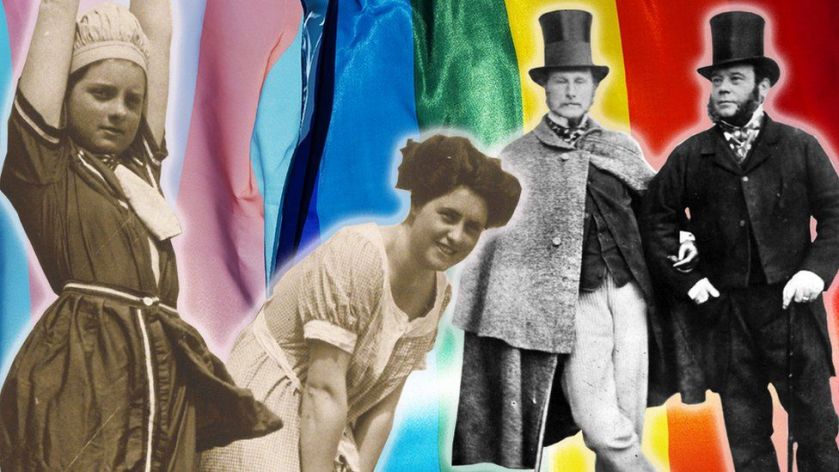
There’s a lot of LGBT history many of us don’t know, partly because it wasn’t covered in school, and partly because so much of it happened in secret.

“Even in the 19th century, it’s very difficult to talk about gay or lesbian identity,” says Harry Cocks, associate history professor at the University of Nottingham.

“It didn’t really exist, there wasn’t really any such thing. Of course, everyone was still at it. The existence of Molly Houses in the 18th century, pubs or coffee-houses (although some just think they were brothels) where men would meet, is well known. It’s just that many men who visited them went back to their wives and families afterwards. People have always challenged gender norms and sexual norms,” Prof Cocks adds.

“The idea that you can organise the world around the kinds of desires that you have, I think, is a very recent idea.”
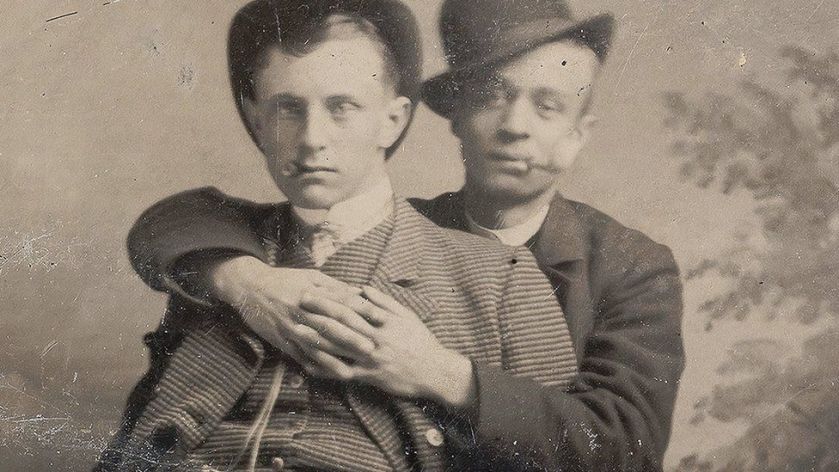
Just because it wasn’t spoken about in the 18th century, doesn’t mean it wasn’t happening

Justin Bengry, lecturer in history at Goldsmiths University of London, says it’s important to present LGBT history as “being part of the ordinary fabric of modern – and not so modern – life”.

“Because so much LGBT history took place behind closed doors”, Justin says, “new stories are being uncovered all the time.”

There’s plenty that could make its way into mainstream education.

The secret gay magazine

Film & Filming magazine – doesn’t sound very sexy, does it? When it was launched in 1954, gay magazines were a strictly “under the counter” affair.

But this publication hid in plain sight on the shelves of UK newsagents in the 1950s.

“If you go through it, for many of us, it will tweak our gaydar looking at those 1950s issues – because there seems to be more bare-chested men than you’d expect,” says Prof Bengry.

“Then you get to the personal ads at the back and you start seeing all of these ads for young bachelors looking to meet other young bachelors interested in things like physiques and photography and wrestling and it starts to all come together.”

“We can think of Film & Filming as one of the first if not the first gay magazine in in Britain,” says Prof Bengry.

Its editorial team was gay and after the Sexual Offences Act of 1967, when gay sex was partially decriminalised in England and Wales, the magazine was able to be more open and feature naked men on the cover.

“Prior to that, in the 50s and 60s, you were just interested in film – oh, and there’s a lot of men in that film.”

Grossly indecent women

In 1885, “gross indecency” between two men was made illegal – and in 1921, a similar law was discussed for women as well.

But this didn’t get very far in the House of Lords, partly because they didn’t want to discuss the matter and partly because they believed women were so impressionable, if they heard about women having sex with other women, they might want to try it for themselves.
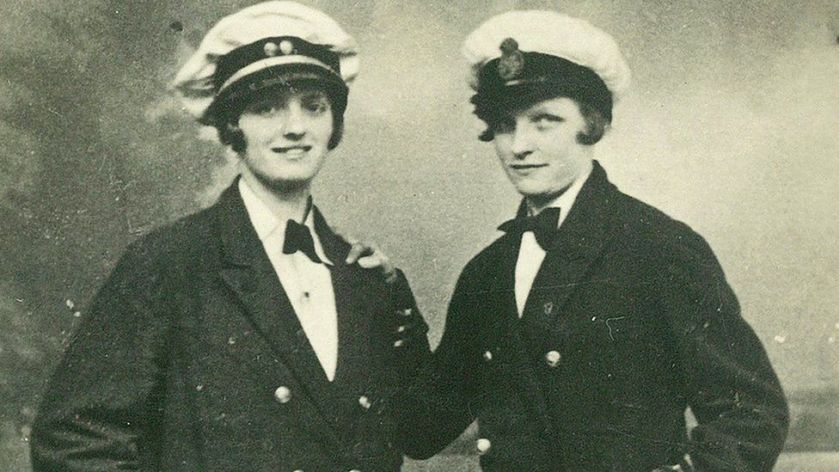
“Members of the House of Lords expressed concern that it would suggest to women crimes that they might not have considered otherwise,” says Prof Bengry.

“They were concerned that all of these innocent-minded women who would never have considered the possibility of any kind of erotic activity between women would now have it suggested to them and would now have it opened up to them,” says Prof Bengry.

“We think of children as still forming or impressionable, and certainly, they thought in the 20s of women as being of weaker intellect and impressionable in similar ways.”

Sex in Yorkshire

“I don’t know who said this, but it seems very true that every generation figures they invented everything about sex,” says Prof Bengry, “and that’s not the case at all.”

He’s talking about a study by Dr Helen Smith at Lincoln University, which discovered that working class men in Yorkshire, during the 1950s were having sex with each other “in fields, behind pubs, at each others houses and, perhaps most significantly, at work.”

“This is the height of the ideal of monogamous, heterosexual bliss,” says Prof Bengry.

“What Helen found was that this was acceptable within their communities. Many of these men were married, many of them had children, and their partners knew they were having sex with other men in the industrial workplace.”

The research concluded that if their actions at work didn’t affect the status of the family, this sort of thing was all ok.

“As long as their shenanigans at work didn’t disrupt the family, as long as they didn’t leave their wives, as long as they didn’t leave their children hungry, this could be accommodated within normal heterosexuality in the north in the mid-20th century.”

Gender fluid in 1394

“Gender bender, cis-tem offender,” rapped Bimini Bon Boulash in the 2021 season of RuPaul’s Drag Race UK.

They could have been talking about Eleanor Rykenor, who lived centuries ago.

Eleanor was arrested near St Pauls Cathedral in London in 1394, caught having sex in an alley with a man called John Rigby. But it was only when they were arrested and the police took testimony from the pair, that they discovered Eleanor was also called John.

“They discovered that Eleanor – or John – Rykenor lived this absolutely fantastical life,” says Prof Bengry.

“Sometimes living as a man, sometimes living as a woman, sometimes having sex with men, sometimes having sex with women, sometimes being paid for it sometimes not – and just living this completely gender fluid life.”

“That was the better part of 1,000 years ago, and this is someone that was jumping between gender positions and discussing a wide range of sexual partners.”

He says Eleanor / John’s “fantastical life” could “fit into a conversation today in London”.

The trans microchip mastermind

What are you reading this article on right now? Chances are, it’s powered by some of the technology that Lynn Conway pioneered in the 1960s, when she worked as a computer scientist for IBM.

Lynn’s work for IBM was some of the earliest into microchips, but she was sacked when the company found out Lynn was transgender and planned to transition – and her work on the project ended.

“Her life’s work has made the fact that we’re having this conversation on tiny little computers possible,” says Christine Burns MBE, activist and author of Trans Britain: Our Journey from the Shadows.

“It’s because I think it’s such a story of human spirit, against the worst of all odds.”

“We don’t just do high technology,” says Christine. “You’ll find trans pioneers being creative, in all walks of life”

Lynn, now 83, was forced to start her career from scratch after her transition, and in 2020, IBM issued an official apology for how she was treated 50 years ago.

“We deeply regret what you went through,” said IBM’s senior vice president of human affairs late last year.

Christine says Lynn is “a real role model to all of us. Lots of people who’ve been discriminated against over the aeons are recognised posthumously,” Christine adds.

“That’s all well and good, but it’s much nicer actually, if we can be alive to see it.”

Understand where we’ve come from

Prof Cocks says if there was to be more LGBT history taught in British schools, it should also include landmark moments where laws changed – and where lives changed.

Moments like the 1957 Wolfenden Report, which recommended decriminalisation of gay sex and suggested homosexuality should no longer be considered a disease, or the Sexual Offences Act of 1967, when gay sex was partially decriminalised in England and Wales.

“With knowledge of events like these”, Christine says, “we’d have a better understanding of how society works. This goes for all minorities – and it goes for women, too, who aren’t a minority. We cannot understand our place as a community of similar experiences in culture, unless we understand where we’ve come from.”
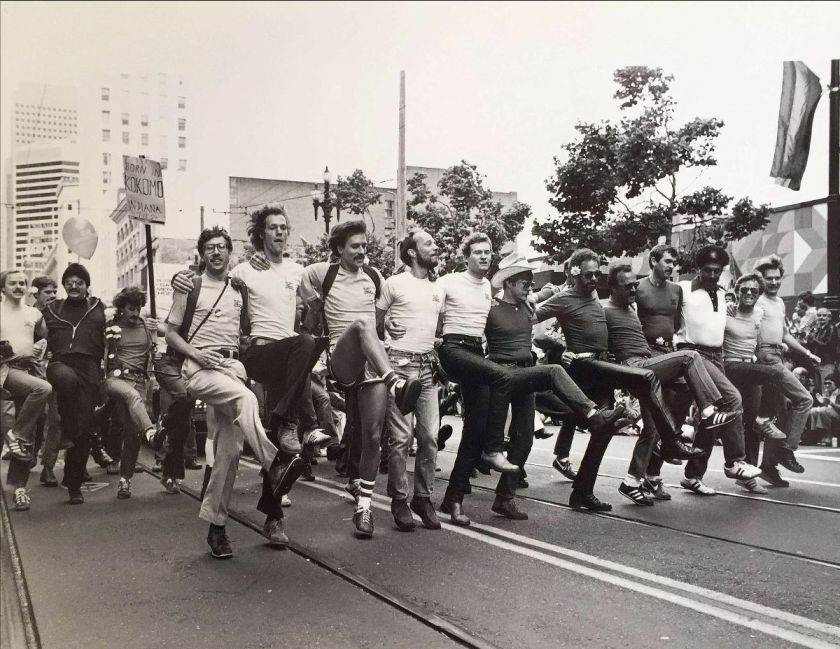
Gay Men’s Chorus on San Francisco Gay Freedom Parade 1979

First same sex marriage … Spain moves step closer to gender self-identification … Reclaim Pride March in London

News

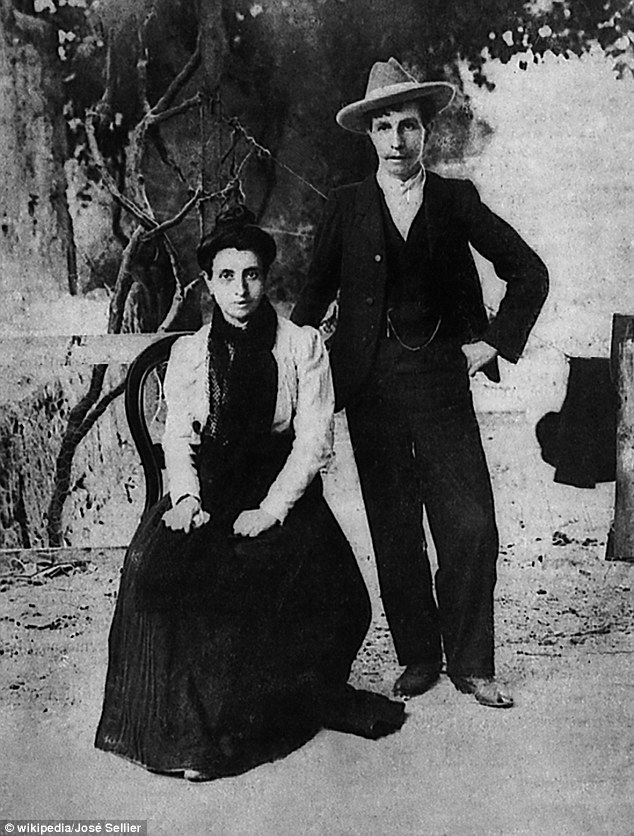
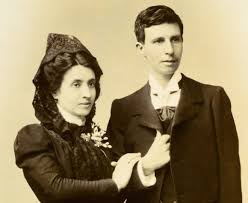
In 1901, a young man and his bride stood before a priest in a Catholic church in Galicia, northern Spain, to be wed. So far, so normal. However, in a twist that would scandalise the deeply conservative Spanish society of the time, it turned out that, while the bride was indeed a young lady by the name of Marcela Gracia Ibeas, the groom ‘Mario’ was in fact Elisa Sanchez Loriga.

What turned out to be the first same-sex marriage in Spain shocked the nation

The wedding was far from an impulsive affair. The duo had been dating for years, having first met in teacher training college. Before too long, Marcela’s mother found out and sent her daughter to Madrid to put an end to the affair for good. However, upon qualifying as teachers, the pair managed to get jobs in schools close to one another. The relationship was back on, and now they wanted to find a way to get hitched.

The plan was simple enough. Marcela would return home and announce she was engaged to be wed to Mario, a cousin from London. And it looked like the plan would work. Mario was baptised into the Catholic faith and the wedding went ahead, with the happy couple even posing for photos after the ceremony. But, sadly for the newlyweds, a local journalist soon got wind that something was up. The local newspaper, La Voz de Galicia exposed their ruse under the headline “A wedding without a groom”.

Elisa played the part of Mario for the wedding day, but after their nuptials the pair were forced to go on the run after their plan was outed by a Spanish newspaper

The story, revealing the truth, was soon published, and the pair became infamous right across Spain. So great was the scandal they caused that Marcela and Elisa were forced to flee to neighbouring Portugal. But even here, they feared they would be arrested, so they booked tickets on a boat to Argentina. But not just two tickets. Marcela walked down the aisle while pregnant with an unknown man’s baby. The infant was born in Porto and joined the duo in their transatlantic crossing.

Sadly, that’s where the story ends, with historians unable to determine what happened to Spain’s illicit lovers.

Spain moves step closer to gender self-identification

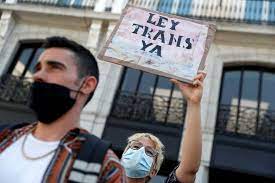
The Spanish government has approved the draft of a bill to allow anyone over the age of 14 to change gender legally without a medical diagnosis or hormone therapy, the Equality Ministry said.

Transgender activists protest in favour of transgender rights at Puerta del Sol Square in Madrid, Spain, 26 June 2021.
Placard reads, “Trans law now”. Photo: Reuters / Susana Vera

The draft bill, which will go to a public hearing before another reading in the cabinet and a vote in the lower house of parliament, removes the requirement for two years of hormone therapy and a psychological assessment to switch gender in official records.

“This is an historic day after more than 15 years without any legislative progress,” Equality Minister Irene Montero said.

“We send a strong message for the protection of LGBTI people,” she said, referring to the lesbian, gay, bisexual, transgender and intersex community.

The “self-ID” draft bill sets age limits, with 14 to 16 year olds needing parental approval, after parliament’s rejection in May of a proposal from a group of political parties to give children total freedom to legal gender recognition.

Activists and families of transgender children say the draft bill does not go far enough, while some feminist associations oppose it.

It puts Spain at the centre of Europe’s debate about the rights of LGBT people. European Union leaders last week confronted Hungary’s prime minister over its new anti-LGBT law.

With the draft bill, which also bans LGBT conversion therapies, Spain is set to join two dozen countries aiming to decouple gender choice from medical procedures and would become the largest European country to introduce self-identification.

If approved, trans people will be able to declare their gender by filling in a form at a registry office and then confirming the decision three months later.

The draft bill is part of a political agreement signed between Spain’s Socialist Party (PSOE) and its left-wing junior coalition partner Unidas Podemos. The deal has taken months of negotiations due to the conflicting positions of the two governing parties.

Protests

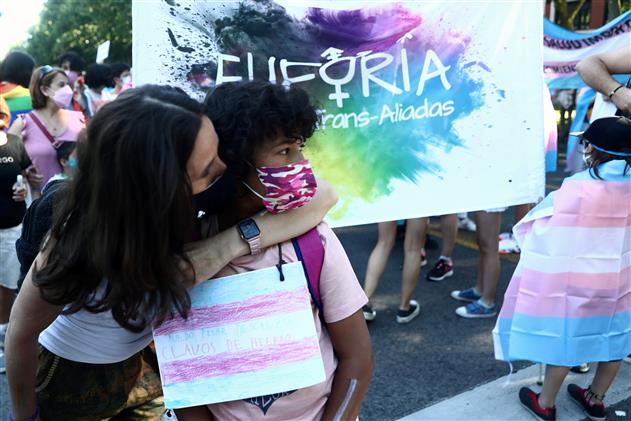
Saida Garcia of the Euforia non-governmental organisation, which supports transgender children, said the bill failed to accommodate people aged 12 and 13, who require court approval for the process, and younger children who are excluded.

“It’s not true self-determination if there are age limits,” she said, adding there was also no provision for non-binary people, who do not identify as male or female, or non-Spanish residents.

Aida Chacon Martinez, the mother of a non-binary teenager, said: “Waiting until you’re 14 to be recognised for who you are is very hard.”

A collective of about 50 feminist groups said it opposed the bill. “These legal reforms are regressive and it is essential to stop them in order not to lose the protection of the specific rights against gender-based oppression,” said the Confluencia Feminista federation in a statement.

Reclaim Pride London March 

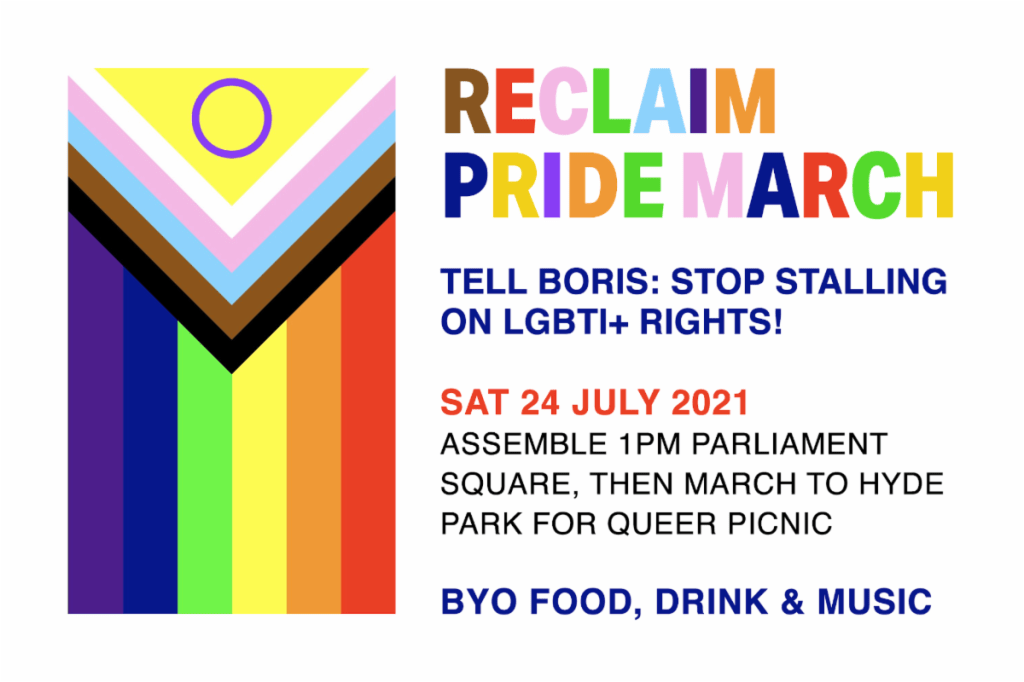
24 July 2021, 1.00pm Parliament Square

Join the fabulous people’s Pride march for LGBTI+ liberation.

The Reclaim Pride march will leave from Parliament Square in London soon after 1.00pm on Saturday 24 July, and proceed via Downing Street and the Uganda High Commission in Trafalgar Square.

We will pause at these two landmarks to respectively protest against the government’s stalling on LGBTI+ rights and Uganda’s persecution of LGBTI+ people.

This community-led march gets back to the roots of Pride, being both a celebration and a protest for LGBTI+ rights, with five key LGBTI+ liberation demands:

Ban LGBTI+ conversion therapy

Reform the Gender Recognition Act

Safe haven for LGBTI+ refugees

Decriminalisation of LGBTI+ people worldwide

Solidarity with Black Lives Matter.

Reclaim Pride puts our human rights back into Pride. Every marcher is urged to make and bring a placard highlighting a LGBTI+ issue that concerns them. We want to make Pride once again an event where our on-going demands for LGBTI+ liberation can be seen and heard.

The Reclaim Pride march replaces the traditional Pride in London parade, which is postponed until 11 September.

It is being sponsored by UK Black Pride, Diva magazine, Lesbian Visibility Week, London Trans Pride and the Peter Tatchell Foundation, with many more LGBTI+ organisations expected to sign up and participate.

All LGBTI+ organisations, individuals and allies are invited to participate. There are no fees or wristbands. Just turn up. 

Everyone is asked to wear a face mask and keep socially distanced on the march.

March route:  After going from Parliament Square up Whitehall to Trafalgar Square, the #ReclaimPride march will take a similar route to the UK first ‘Gay Pride’ march in 1972: Cockspur Street, Lower Regent Street, Regent Street and Oxford Street, entering Hyde Park at Speaker’s Corner. There it will culminate with a mass “queer picnic” in Hyde Park, just like in 1972, with marchers bringing their own food, drink, sweets and music for a post-march DIY party.

Interview for Gen Z … “My Heart Will Go On”

News

Interview for Gen Z

I was recently asked to be interviewed by a journalist for a Gen Z website (verygoodlight.com). I had heard of ‘boomers’ and ‘millennials’ but Gen Z? I had to google it. Gen Z are people born 1996 to 2004, so people aged 17 to 25. In a recent Gallup poll in the US one in six adults in Generation Z identifies as LGBT.

Three of us were interviewed, but the other two older members of the LGBTQ+ community were aged 37 and 30!

Here’s what three older members of the LGBTQ+ community want Gen Z to learn

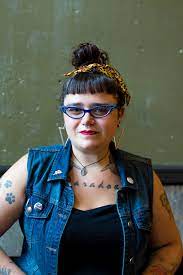
Melissa Ianniello, a queer photographer, says, “Those who today are between 60 and 90 years old have literally made the history of feminism and the LGBTQ+ movement. It is right and important that the new generations know who we come from and why. It is also right that we network: only with intergenerational solidarity, brotherhood, and sisterhood can we really defeat patriarchy and homo-lesbo-bi-transphobia.”

Very Good Light interviewed three LGBTQ+ identifying adults to learn about the impact of LGBTQ+ history from the older generations of this community. As individuals who have stood in their truth for longer than some members of Gen Z have been alive, Tony Openshaw, Sassafras Lowrey, and Melissa Ianniello have valuable advice and stories to remind us how to live authentically. 

Tony Openshaw (he/him), 66-years-old, is a gay man from Manchester, England. After coming out as a young adult, Tony now manages Out in the City, a social outlet and support group for LGBTQ+ identifying individuals over the age of 50. Sassafras Lowrey (ze/hir), 37-years-old, is a queer author and journalist who came out in hir late teenage years. Melissa Ianniello (she/her), 30-years-old, is a photographer and illustrator from Bologna, Italy, who identifies as lesbian and bigender.

Finding chosen family

When Tony came out to his family, his sexuality was rejected and ignored. He moved out of his parent’s house and into his first solo apartment, where he was eventually evicted on the grounds of his sexuality. Later on in life, Tony settled down and found a long-term partner of 31 years. When his partner passed away suddenly, he went to the bereavement centre, where the woman there asked if they had a civil partnership.

“I said, ‘No we didn’t have a civil partnership, but we lived together for 31 years.’ She said, ‘Not next of kin then.’ She totally disregarded our relationship.”

Despite these experiences of blatant homophobia and discrimination, Tony says his feelings of loneliness and separation mostly came from an unwillingness to be seen by society. “Nobody talked about being gay, what that meant, and you didn’t know who to turn to,” he says.

Sassafras noticed similar issues in hir childhood. Ze made hir writing a space “for current and former homeless LGBTQ+ youth to not feel alone in their experience.”

Melissa believes there’s a growing need, as you age, to continue to embrace and experience the fullness of your sexuality to avoid this loneliness and exclusion from society.

“The challenge that older people, whether LGBTQ+ or not, have to face about their sexuality is to see recognized by the outside world the right to love, to choose a new partner, to have sex, to masturbate, all this without feeling guilty or ashamed,” she says. “Sexuality is something necessary, powerful, and wonderful at any age, and to oppress and suppress it is only harmful.”

Building careers

Both Sassafras and Melissa chose to focus their work in photography and writing around their LGBTQ+ identity. Melissa is grateful to say that her work has never been undermined due to this choice. However, she has certainly noticed the effects of the intersection of her identity and her career. 

“I have felt a certain reluctance on the part of Italian magazines and newspapers to publish my photographs,” she says. “I have received several compliments from various photo editors, but I have often been told that the director of the magazine/newspaper was not interested in the topic or that the topic had already been covered in a previous article.”

Melissa is concerned to see that many media publications think that they can cover the LGBTQ+ community in just one article during one month, but the LGBTQ+ community exists 24/7. 

As an author, Sassafras says that ze “knows that there are opportunities that have been closed to me because of how deeply rooted in queer subcultures my novels are.” However, this is also what makes hir work so valuable. 

When looking to turn hir novel Lost Boi, a “queer punk” version of Peter Pan, into a television series, production companies have said that they felt hir work “was just too edgy/queer for their bosses to feel like they could sell the idea.” Suggesting that one’s sexuality or gender identity should be considered “edgy” speaks to the challenges faced with marketability in a heteronormative industry that both Melissa and Sassafras have experienced. 

Growing older 

In Tony’s work with Out in the City, he has noticed a stigma around older LGBTQ+ generations. “I would like to break down the stereotype that all older people are the same. We are just as diverse as any other group – and should not all be lumped together.” 

Tony attempts to challenge these stigmas with his work by creating a space in which older LGBTQ+ individuals can still explore social and romantic relationships. 

Melissa also uses her work to celebrate the vibrancy of older LGBTQ+ generations. “I want to denounce the ageist society that looks at the elderly only in terms of assistance and pietism. In short, I did not want to support the unfortunately widespread idea of the ‘lonely elderly’ but, on the contrary, to show that elderly people, including LGBTIQ, feel much more than loneliness. In general, with my work, I hope to teach the younger generation to have interest, respect, and curiosity for older generations.” 

Melissa hopes that viewers can see the “joy and pride” that all ages of the LGBTQ+ community experience. 

Words of encouragement 

These three individuals have bravely thrown themselves into the fight for LGBTQ+ representation and awareness. Their work invites individuals, young and old, to find their place in the LGBTQ+ community. With this knowledge, they leave some words of wisdom to younger generations. 

Tony speaks to the importance of continuing the fight for equality. “Be watchful,” he cautions. “We had to fight for our rights and they could easily be taken away. There are many countries in the world where people cannot express their sexuality or gender identity without fear of persecution or torture.”

Sassafras reminds readers it is critical to remain true to your identity. “Don’t be afraid to follow your creative passions and develop the kinds of work and stories that are most interesting to you regardless of how marketable people tell you they will be.” Melissa calls on the idea of being ‘artivists’. “My advice would be to always be yourself and, when possible, turn your artistic work into political work as well. I think we LGBTIQ+ people have a great opportunity: to be ‘artivists,’ that is, artist-activists. We also have a responsibility: to speak and transmit positive messages for those who cannot do so.”

The piece of music being played by Chris, a member of Out In The City, is “My Heart Will Go On” (theme tune from “Titanic”).

In keeping with the water theme, footage of local rivers and canals has been added. You will see Buxworth and also in New Mills you will see The Torrs and the Millennium Walkway.

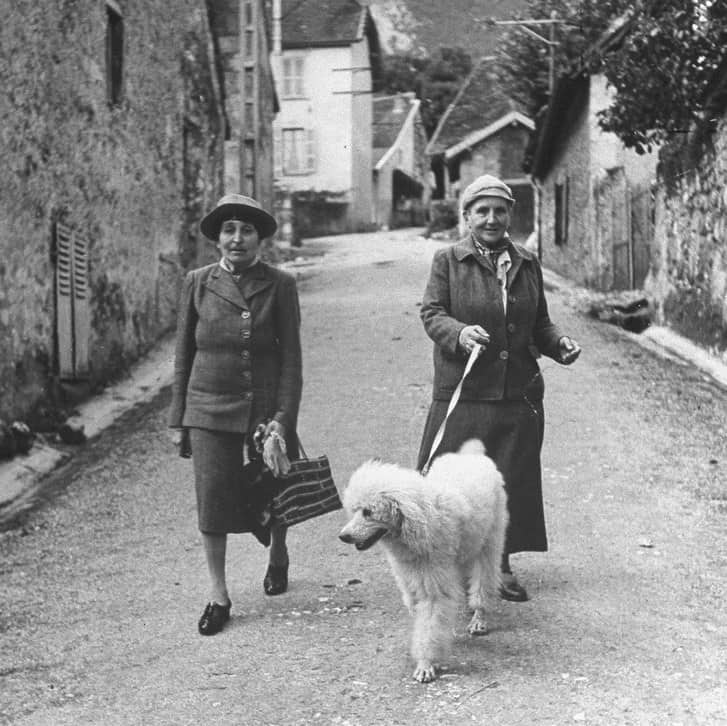
Alice B Toklas & Gertrude Stein – one of literature’s great romances

“I Love You Too” … Winners of the All Out & MTV Photo Award 2021!

News

I Love You Too

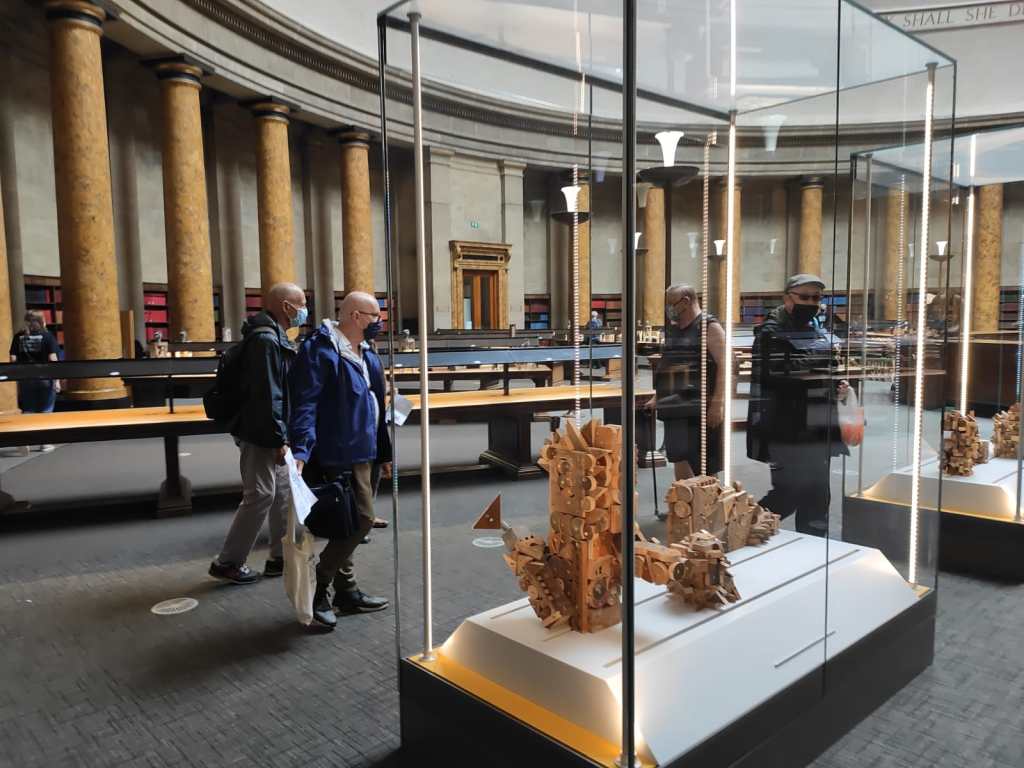
Kemang Wa Lehulere spent Manchester International Festival 2019 in residence within Manchester’s network of libraries. Two years on, “I Love You Too” is a multifaceted artwork inspired by the South African artist’s time in the city.

The installation is in the Reading Room of Manchester Central Library. There is also a book of the same name. People across Manchester were invited to share their love stories: to people, to places, even to possessions. A group of eleven Manchester writers put their words on to the page. The result is a powerful and personal book of love letters rooted in our city.

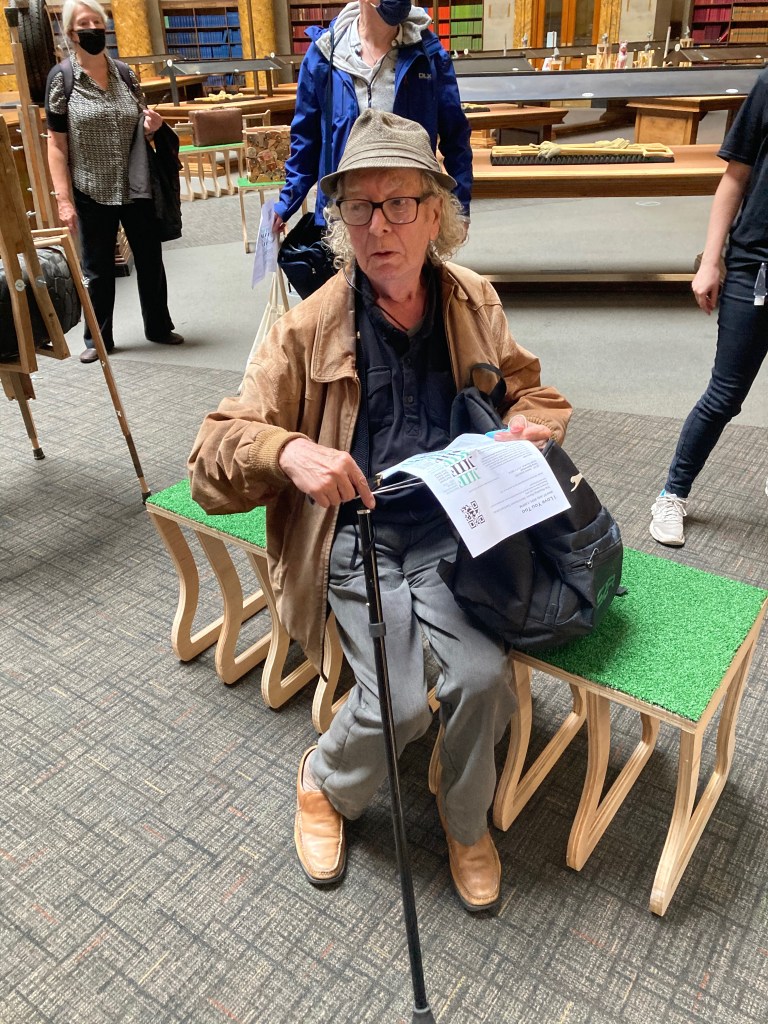
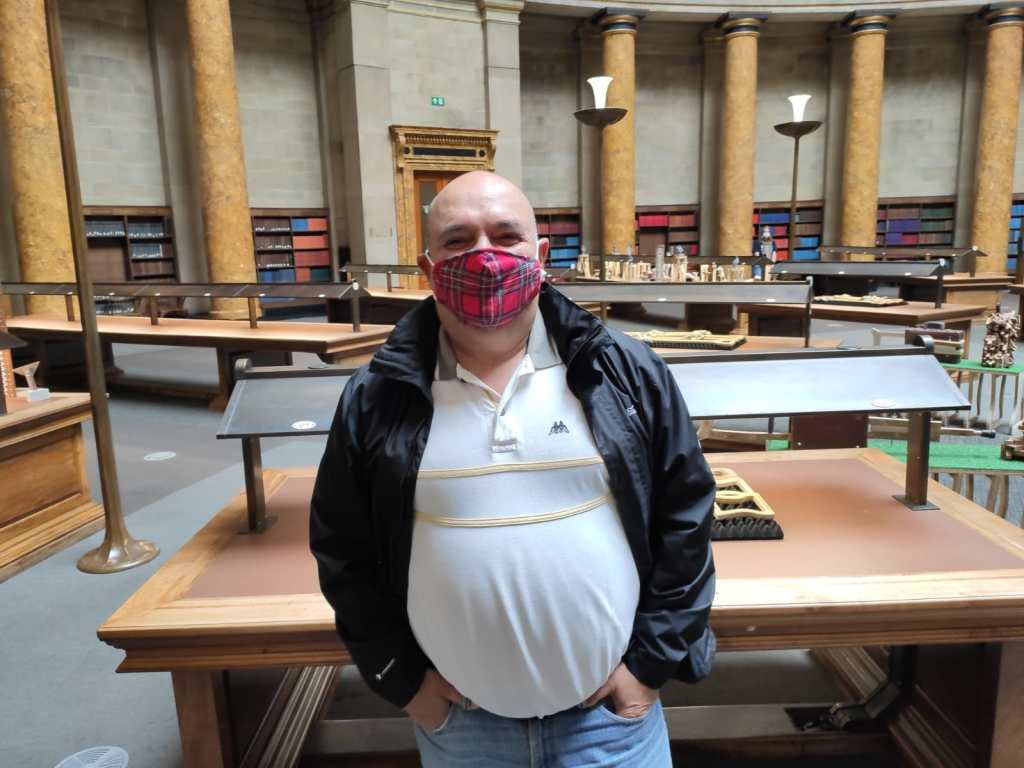
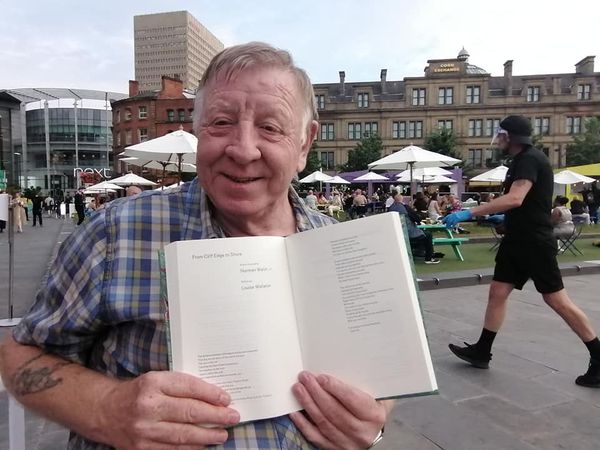
Two members of Out In The City were chosen for the book:

A love story told by David Rhodes

Our Tree in Tatton Park – Written by Dominic Berry

I take a trip to Tatton Park

where there’s a special tree

beside the lake and White Poplar.

A place for you and me

beneath the planes on sky-high trips

to luscious sands and sea,

to mountains in Malaysia

where we went on holiday,

to Borneo, where we saw

wild Orangutans at play,

to India’s bright, blazing sun

while Britain’s dark and grey.

I met you at line dancing

just a pair of Prairie Dogs.

You sang me songs from musicals,

performed their monologues.

We stared into each other’s eyes.

Our heartbeats leapt like frogs!

To find a love as true as ours

is an eternal treasure,

and I cannot thank you enough

for all our years of pleasure.

The songs we sung, our trips abroad,

The smiles too wide to measure.

Now when my life is difficult

and days get grey and dark,

I have a place where I can go,

to still embrace your spark.

I watch the sky and stand beside

our tree in Tatton Park. 

From Cliff Edge to Shore – Written by Louise Wallwein

The distance between cliff edge to shore was a long walk.

That day we sat down at the end of the pier,

The sea a mile out

Catching the last of the Autumn sun.

The weather on the turn

I didn’t notice the cold

Your magnetism pulled me towards you.

Love like ours come once every Preston Guild.

I never thought I would find you.

I looked into your eyes and my world opened up,

You opened my eyes to the tune of the

Ride of the Valkyries.

Cuddled up together listening to the entire Ring Cycle for 15 hours.

You make my world spectacular.

We have travelled to places

Linked armed embraces,

The dream right now is to be

With you on the sofa.

Me and you sailing closer together.

In your company I am at ease with myself,

to be able to express myself

How we can cry together

It is exactly who you are that attracts me to you.

You are completely yourself.

When I think of you being camp

My heart bursts open.

That afternoon at the karaoke

Hitting that final note

I brought the house down

You, pushing your way through the cheering crowd

Right there in front of everyone

We kissed.

Your pride in me, makes me grow

Gives me strength

To stand up for myself.

I never thought my true love would be a man.

With you I am free.

I am always thinking about you. I love you.

Winners of the All Out & MTV Photo Award 2021!

The All Out and MTV Photo Award was launched on 17 May – the International Day Against Homophobia, Biphobia and Transphobia (IDAHOBIT).

Inspired by this year’s theme “Together: Resisting, Supporting, Healing!”, the competition called on photographers to share unique photos that capture how LGBT+ people and their communities and allies around the world resist attacks and discrimination, support each other in these difficult times, and heal together.

The winning photos were displayed on screens in Times Square, New York City during Pride celebrations. They will also be featured at World Pride Copenhagen and at exhibition spaces across the world.

The international jury of renowned photographers viewed over 1,800 photos by more than 380 photographers from over 60 countries. They were impressed by the diversity of photos submitted: photos from around the world that capture both the beauty, resilience and vibrancy, but also the pain, resistance and isolation of so many different LGBT+ communities.

Choosing the winners in each of the three categories was no easy feat. Based on the criteria – expression of the theme, inspirational power, originality, and composition – the jury chose the following winners and runners-up.

Category: Resisting

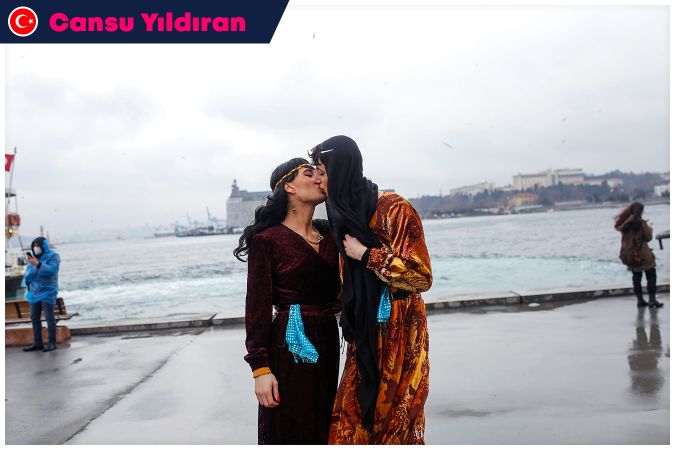
Winner: Cansu Yıldıran, Turkey – Title: Kurdish trans women

“Rukan and Hejar, two Kurdish and LGBT+ activists kiss at a Women’s Day protest in Kadıköy on 6 March 2021. After the protest they were violently arrested and put under custody for 24 hours. A trial resulted in house arrests and a ban on leaving the country. This shows how the Turkish government imposes strict discrimination against trans women and LGBT+ people.”

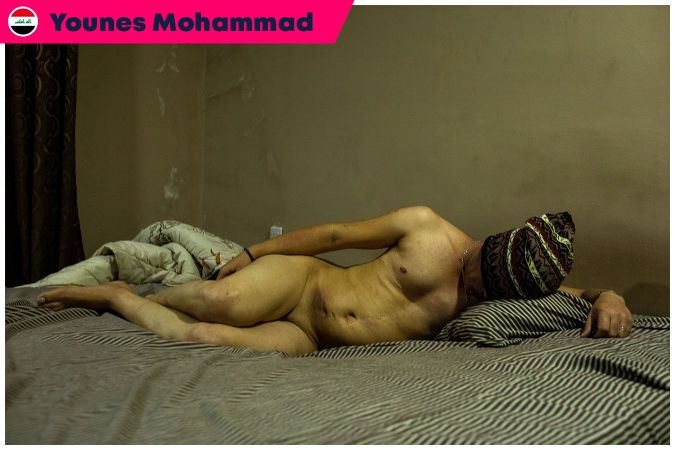
Runner Up: Younes Mohammad, Iraq – Title: Adam

“Adam, 32 years old, far away from his home. No one would give him a job because he’s LGBT+. Someone tried to kill him by stabbing him with a knife in his stomach, and he doesn’t feel safe yet.”

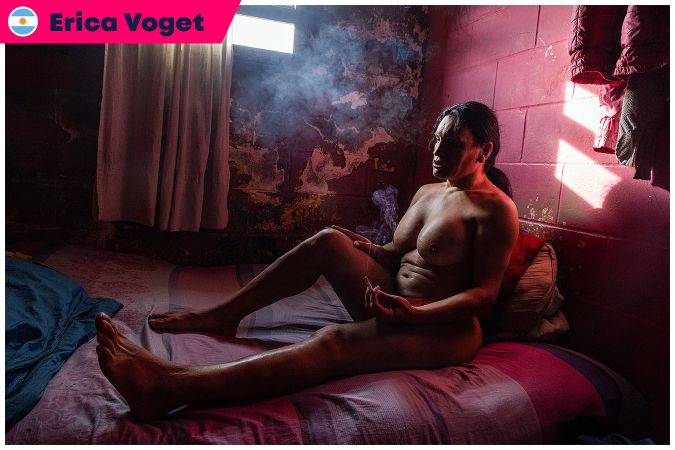
Runner Up: Erica Voget, Argentina – Title: The real does not fade

“Resistance in the context of confinement. Diversity Pavilion. Buenos Aires, Argentina.”

Category: Healing

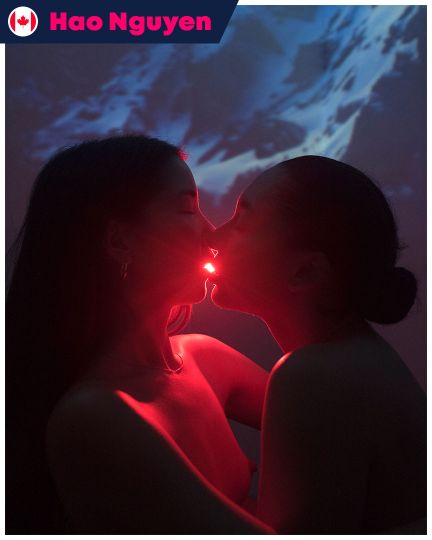
Winner: Hao Nguyen, Canada – Title: Bonita & Midor

“I photographed Bonita and Midori for a queer Asian collective called, “New Ho Queen.” The theme was snow pea, but I didn’t know how to wrap my head around it. I was also coping with heartbreak and other traumas, so the original idea shifted into healing through others.”

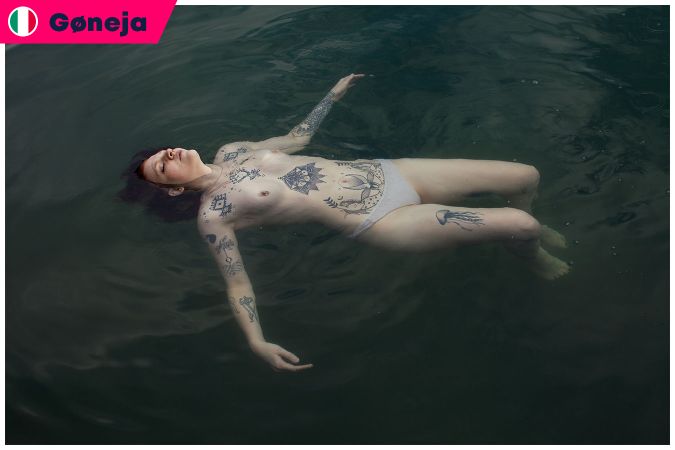
Runner Up: Gøneja, Italy (based in Germany) – Title: Lea Rose

“Lea Rose’s water ritual.”

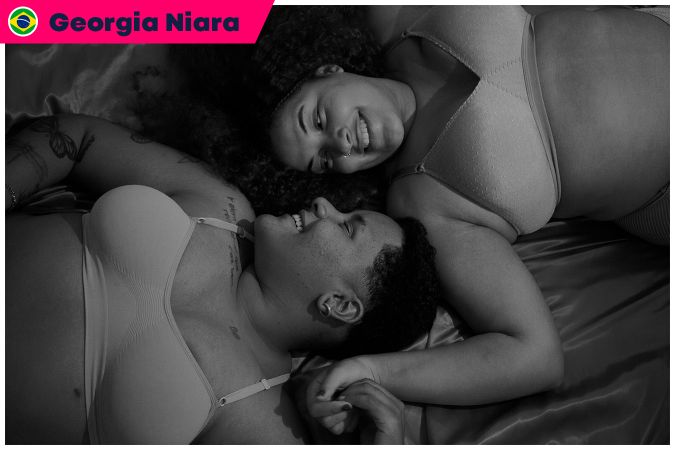
Runner Up: Georgia Niara, Brazil – Title: Aquilo que importa (That which matters)

“Ingrid Martins and Gabriellê.”

Category: Supporting

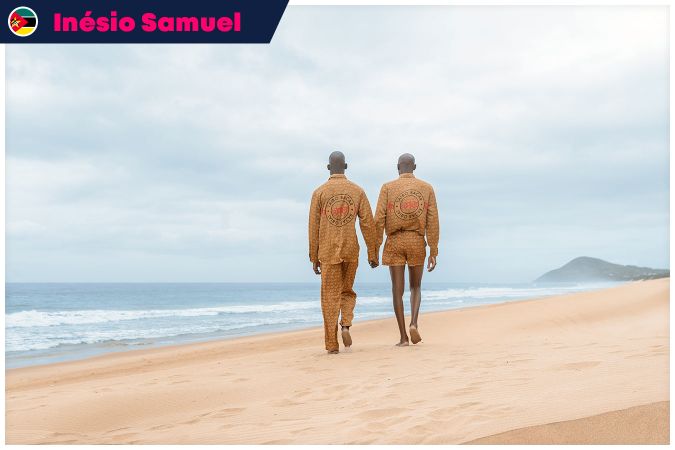
Winner: Inésio Samuel, Mozambique – Title: Fearless

“Fearless men, walking holding hands.”

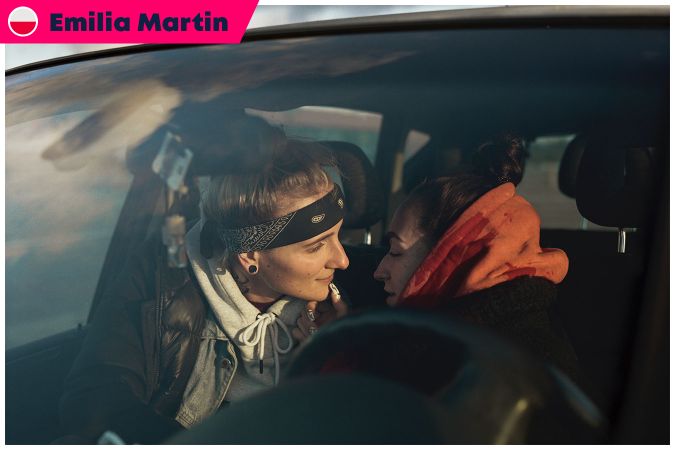
Runner Up: Emilia Martin in collaboration with Magdalena Ignaczak and Daria Jonc, Poland (based in the Netherlands) – Title: Magda and Daria

“I met Magda in a hip hop class, when we were still kids. A space so extravagant and unusual for girls growing up in the Eastern European culture of early post-communism, patriarchy, catholicism and practicality. Magda grew up in a small mining town dominated by male culture, right wing politics and patriarchy, where men worked in mines, or as policemen, and women looked after houses.

A landscape shaped by overwhelming economical struggles and violence. In our early teenage years she shaved half of her head, dyed the other half and told me her dream: “One day, I’ll be dancing for Justin Bieber videos and tours”. Magda and Daria met on Instagram, and very soon, fell in love. The lack of compromise in the way they chose to live their lives has always been to me an act of great bravery.”

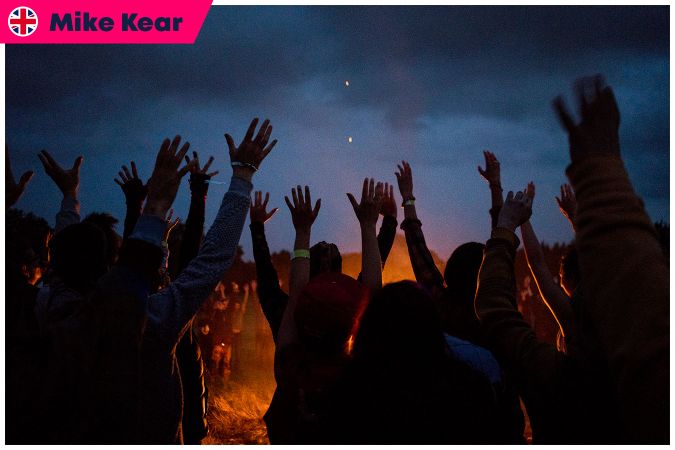
Runner Up: Mike Kear, United Kingdom – Title: Untitled

“Around the campfire at Queer Spirit Festival – a celebration of the love, passion and creative spirit of the LGBTQ+ community. Queer Spirit is the synergy formed by bringing together many views, experiences, beliefs, philosophies and ways of being that have queerness and spirituality at their core. It is a cauldron of queer vitality connecting the worlds, exploring energy, nature & love.”

#Ageing With Pride

News

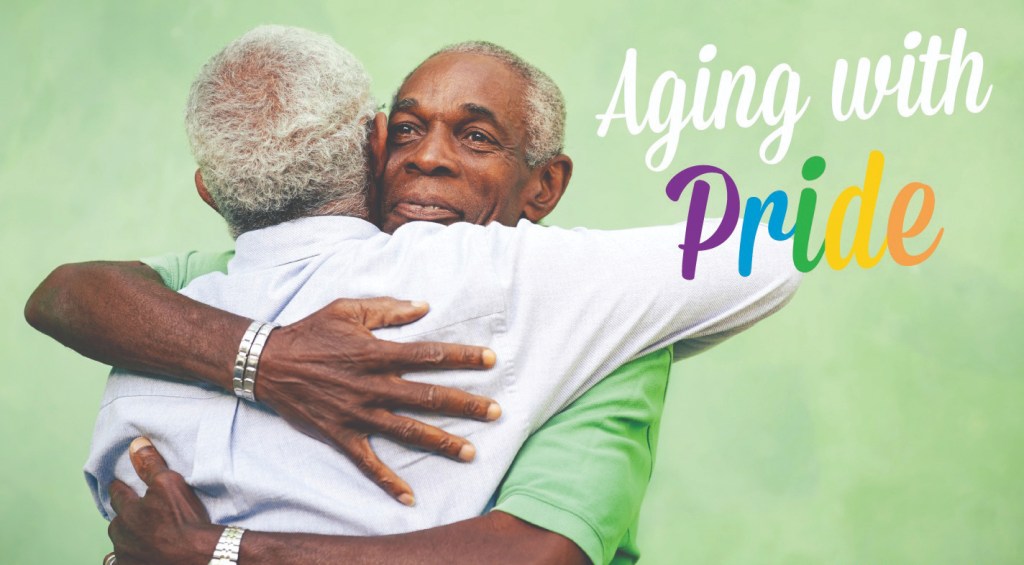
#AgeingWithPride Campaign with the Centre for Ageing Better

In this guest blog, Lawrie Roberts and Bob Green, both from the LGBT Foundation, talk about the discrimination and isolation that older LGBT+ people face and what’s being done to create change.

“This Pride Month it has been wonderful to read about the lives of over 50s LGBT+ people via the Centre for Ageing Better’s #AgeingWithPride campaign. At a time when we haven’t been able to gather together as a community to recognise Pride, these pieces are a celebration of the incredible contributions to society our older LGBT+ communities have made and continue to make. Each person is an amazing example to us all and should inspire younger generations.

However, it’s important to recognise the voices that are missing from the campaign. Unfortunately, many older LGBT+ people report that they continue to face a lack of affirmation around their identities, and in some cases experience discrimination and prejudice. Because of this, many people are hiding their LGBT+ identities in later life and, for those who wish to come out for the first time in their later years, it can be even tougher to find your place within the community.

In my work, I’ve commonly seen a twofold exclusion: many over 50s find their LGBT+ identity is not addressed in spaces set up to support older people while simultaneously feeling a lack of inclusion in some LGBT community spaces. For example, Manchester’s Gay Village has been singled out for catering mostly to a younger late-night crowd, as well as online dating apps, where ageism is pervasive and entrenched.

I cannot imagine how it must feel to be part of the generation who fought for the many rights that our communities enjoy today, only to be made to feel that our community spaces aren’t for you when you reach a certain age.

Fortunately, things are changing. I run a programme of work for LGBT+ over 50s in Greater Manchester called ‘Pride in Ageing’ which looks to address some of these issues. This programme is now established at LGBT Foundation as a dedicated programme of work supporting the needs of our older LGBT+ communities. The reception to the programme from local authorities and organisations who work with older people has been promising. There is agreement that LGBT+ inclusion and visibility play a vital part in cultivating an age-friendly region and tackling discrimination.

The #AgeingWithPride stories all speak of the vast change in equalities, recognition, and rights over the lifetimes of older generations of people from LGBT+ communities, and the positive impact this has had. However, for many the weight of shame and stigma from the past is still hard to lift and be free of, and for some, such as our trans and non-binary communities and LGBT+ people of colour, they are still facing attacks, discrimination and debate over their rights today.

For older LGBT+ people, hiding your identity, as well as a lack of connection to family (usually due to having been ostracised or being less likely to have children to rely on for support) leads to higher levels of isolation compared to the general population. A range of projects at LGBT Foundation have been looking to address these issues through where people are living. For example, Back in the Closet and a series of LGBT+ artist residences in retirement schemes.

After years of discussions, the dream of the UK’s first purpose-built LGBT Extra Care Scheme is becoming a reality in Manchester. LGBT Foundation, together with Manchester City Council and Anchor Hanover, have set up a Community Steering Group made up of older LGBT+ people and older people from Whalley Range, where the building will be situated. They will be at the heart of designing the shape of the building and services on offer. The journey of the development is being recorded through an online Learning Journal, which can be found on LGBT Foundation’s website.

Thanks to campaigns like these and #AgeingWithPride we are finally giving this generation of LGBT+ trailblazers the recognition and opportunities they deserve.”

LGBT Foundation is a national charity delivering services, advice and support for LGBT people in England.

Why Lynn is #AgeingWithPride

To mark Pride Month, Lynn, 69, talks about the importance of having a transgender memorial, being active in the LGBT+ community and enjoying getting older.

“Since I’ve retired, I’ve ended up doing a lot of trans support work and things like that, I’m very involved in the LGBT+ community in Manchester. There’s a lot of stuff going on, although it’s much quieter at the moment with COVID.

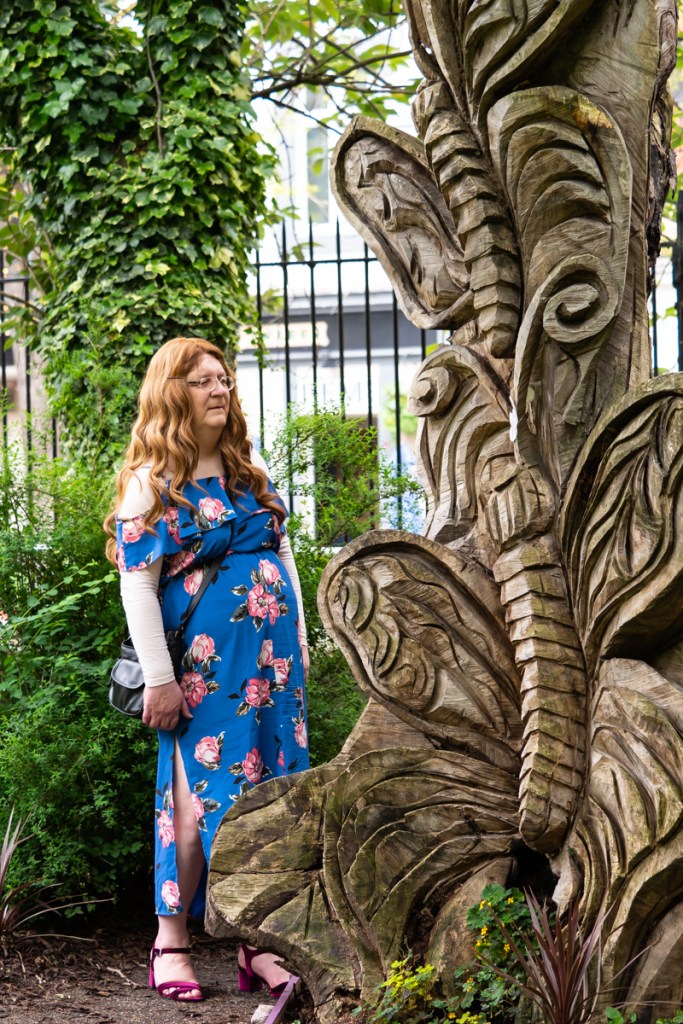
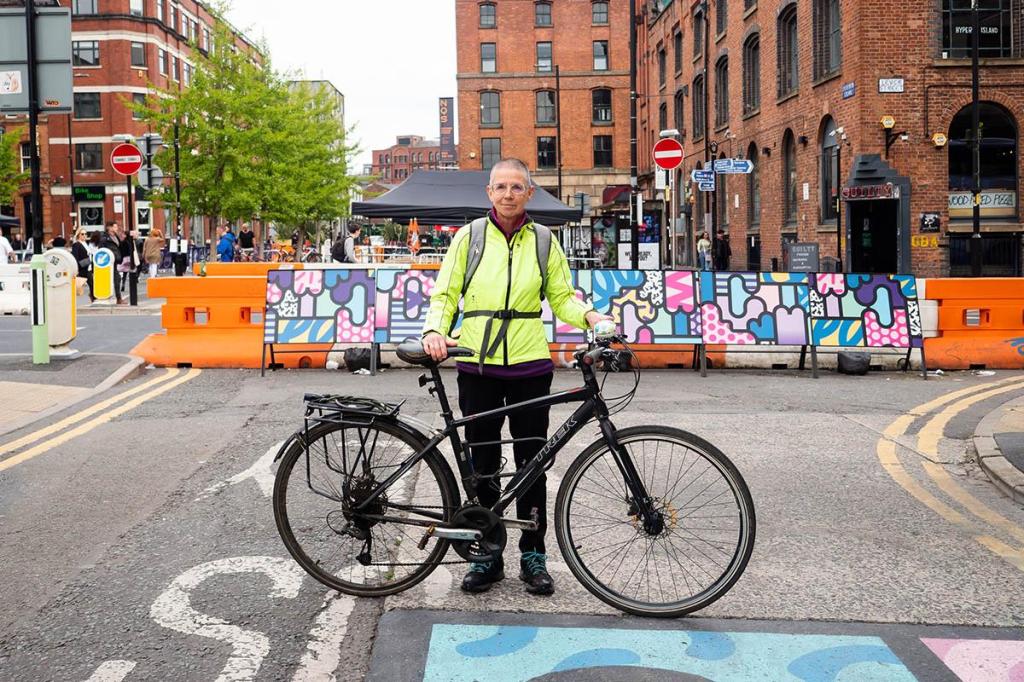
Lynn, standing in front of the Transgender Memorial

I wanted to have my photograph taken by the ‘Transgender Memorial’ in Manchester because it’s the only one in the country. In fact, I think at the time it was done it was the only one in the world! It’s a memorial to all the trans women who, because of their circumstances and the attitudes of the time, were buried in their male names. I suspect there were a lot of trans men buried with their female names as well. There’s a plaque on the memorial that says ‘You were known to us’. Your families may have denied it, but you were known to us. That’s why it was created.

That’s one of the things that affects older trans people far more than the young. These days, you can change your name fairly easily, records are changed and so forth. That wasn’t the case for us. The Gender Recognition Act in 2004 sorted a lot of those problems out. It wasn’t perfect but it helped. The older generation of trans people never got that, and many died before then.

I’m looking to get involved with a project that finds housing for young trans people, which is a major issue. Very often trans people struggle to start in life, in some cases they get very badly treated by their parents and schools. I’m aware of young trans people living on the street. And if you’re at that level as a teenager and you can’t afford adequate accommodation, you’re not going to succeed

I did do quite a bit of work with the LGBT Foundation’s helpline, particularly when they first adopted a trans-inclusive policy, about six years ago. Back then, there wasn’t anyone who had experience of trans people, not among the volunteers, or most of the staff. Although some of them were in the closet, I think. Imagine, being in the closet in an LGBT organisation! It’s shifted a lot, but at that time they had nobody who could support trans people who were struggling. So, I ended up doing that. It was quite an interesting experience.

The media has been what they call ‘debating’ trans people’s human rights by including people with an eccentric view of gender in the name of balance. It’s really offensive. Even media outlets that are more balanced than most have recently been taking a partial side to trans issues. Transgender rights are being slanted and that’s why I’m cautious about appearing in the media. It’s the whole issue of what is the journalist’s aim for their program or their article? I’m quite enjoying getting older and not having to worry about earning money. There is an LGBT+ support and social group that I go to called ‘Out in the City’. It’s mainly social, but when you’re on your own – which a lot of older LGBT+ people are – you need some contact with people. I’m pretty good at managing on my own, but I was aware that by the time I’d been in lockdown for months that it was getting to me. And there are people who have had it a lot worse. This group has helped a lot of people during this time, me included.”

Why Ken is #AgeingWithPride

Ken talks about his love of performing, the benefits of multigenerational workplaces, and meeting Sir Ian McKellen.

“I’m 74, which is exactly the same age as Elton John. We have the same birthday and we’re both in entertainment. I always liked theatre as a youngster. I first started off doing musical comedy in the chorus in a show. But after that I wanted to do drama and variety, and pantomime.

In earlier years I used to do quite a few theatre shows. I performed as Larry Grayson (the comedian), I used to take him up and down the country in variety shows. I also used to be a dame in pantomimes, which you could do a lot with, comedy songs and such. I did a couple of comedy plays in years gone by, ‘When We Are Married’, for instance. That was really fun.

I still do pantomime sometimes – although last year everything was cancelled. You do miss really it but I’m hoping to get back into a production later in the year all being well.

I don’t think of age really. I’ve been associated with so many age groups in the theatre and we always seem to get along. That’s my favourite part about working in the theatre: the people. I enjoy working with everyone – people of all ages, and they don’t treat you any differently for being older. Younger people I’ve worked with have gone off to drama school in London and said, ‘We won’t forget you, Ken!’, which is really nice. Some of us kept in touch throughout the pandemic.

I know that Sir Ian McKellen is still acting in the theatre. He’s going to be playing ‘Hamlet’, which is on at the Theatre Royal Windsor. It must be something now to have a big part like that at 80. As part of the ‘Pride in ageing’ opening we actually got to meet Sir Ian. It’s a programme set up in response to concerns that LGBT+ people over 50 are living in isolation or facing discrimination. Sir Ian helped set up the group and it was such a joy to meet him. He chatted with most people and was really a nice person.

I’m involved with a very good social group called ‘Out in the City’. It’s a group for people to get involved with when they’re by themselves. Tony, who runs the programme, organises various day trips. One time we went to Clayton Hall and got all dressed up, which was fun. We’re hoping to do more trips soon.

It’s much better today being a gay person. When I was first coming out it was all a bit behind closed doors. It’s much better for people today, the younger generation. I don’t condemn my younger days, but I think today is freer from my point of view. You can get married and have a partnership, which is wonderful. Today you can be in a LGBT+ relationship and actually say ‘my partner and I’.

When I’m not acting, I volunteer for the theatre. I help with the front of house, giving people their programmes and showing them to their seats. Once everybody gets settled in you can watch the production but you’re always on duty in case anyone needs anything. People enjoy you welcoming them to the theatre – it’s all a pleasure to do. I have the luxury of not having to think of my age. I’m lucky that I’m able to keep doing various things – theatre, gardening, getting out and about. I’m quite happy with where I am.”
For more stories click here.

To see more photos, please click here (and click on the image).