On Thursday, 9 June a group of us were treated to a programme of Beethoven, Schuman and Brahms with the cello by Zoltan Despond and the piano by Vesselin Stanev.
Ludwig van Beethoven was 26 years old when he composed his second cello sonata. He had moved to Vienna and was self confident and ambitious. On a tour he met the fabulous cellist Jean-Louis Duport and also Frederick William II, whom he tried to impress as a pianist.
Johannes Brahms, on the other hand, was an older gentleman when he wrote his second cello sonata. He was admired and rich and highly experienced as a composer. The concert at Stoller Hall was excellent and we really enjoyed it.
Superbia Cinema
Superbia Cinema returns to Ducie Street Warehouse Mini Cini this June for back-to-back screenings of four fantastic queer short films.
About this event
Superbia Cinema is a celebration of queer filmmaking, and each month they showcase films by talented LGBTQ+ creatives.
Superbia Cinema is a great way for film enthusiasts and those interested in LGBTQ+ arts to come together and immerse themselves in queer culture, and their events offer an excellent opportunity for attendees to learn more about each film’s production process, directors, actors, filmmakers and more.
They want to make sure that LGBTQ+ arts & culture is accessible to all – that’s why all Superbia Cinema events are completely free to attend.
This month’s Ducie Street Mini Cini theme is Otherness. Join us Thursday 23 June as they present; Tease,Diva, Other Half and Anywhere is a Dancefloor.
Stick around after the film screenings for a special filmmaker Q&A! Catch up with Jaii Andrew, choreographer of Anywhere Is A Dancefloor; Divina de Campo, drag icon and performer in surreal queer fantasia Diva; and Lina Kalcheva, the award-winning animation director of Other Half.
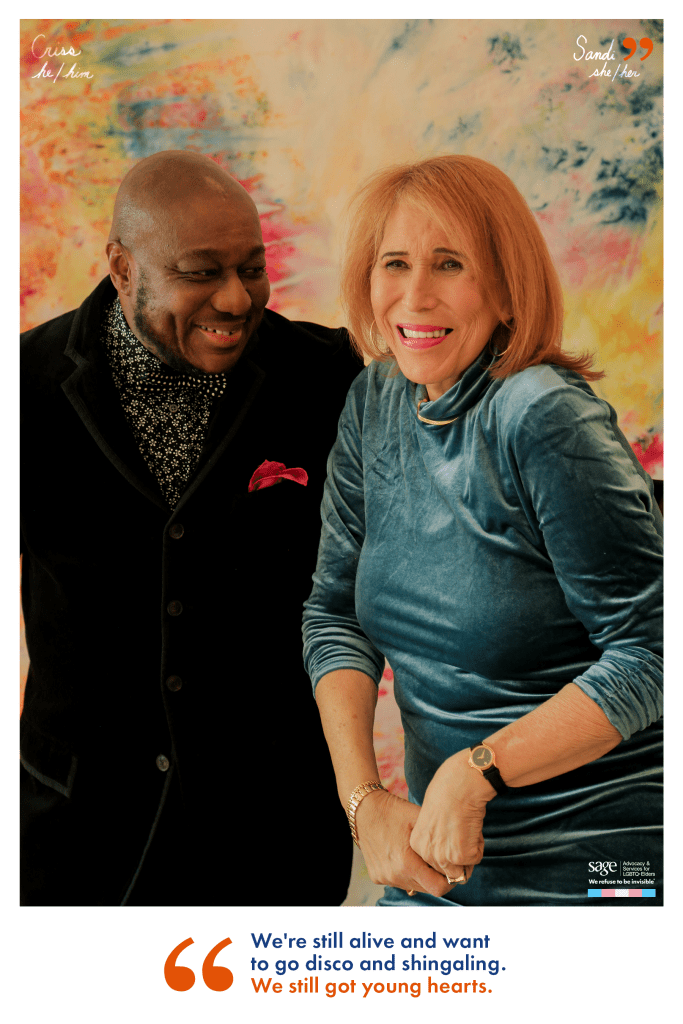
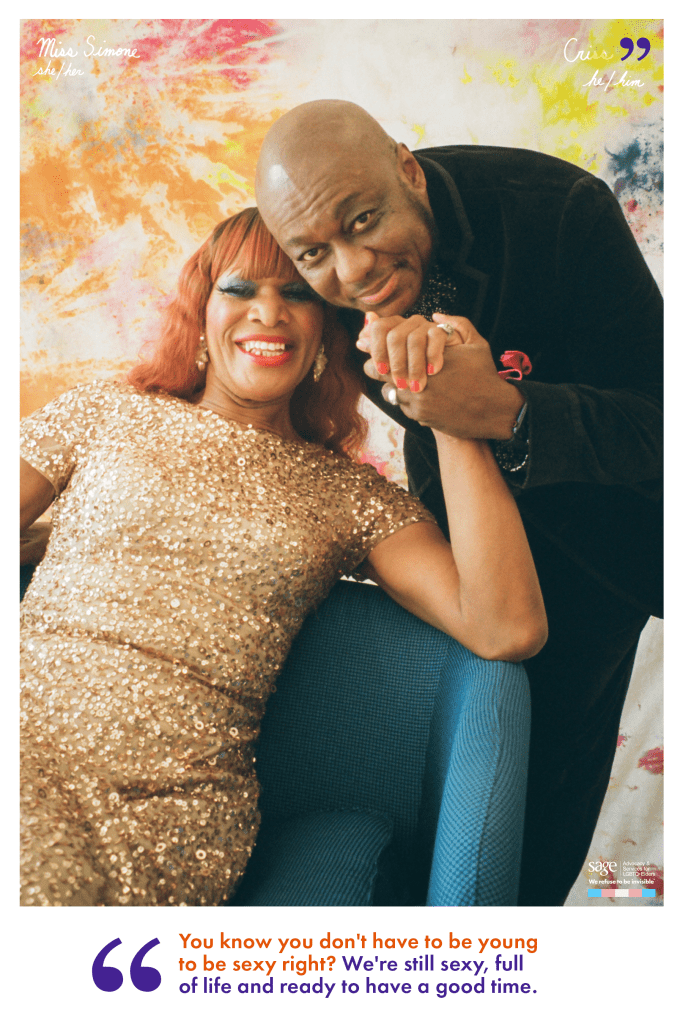
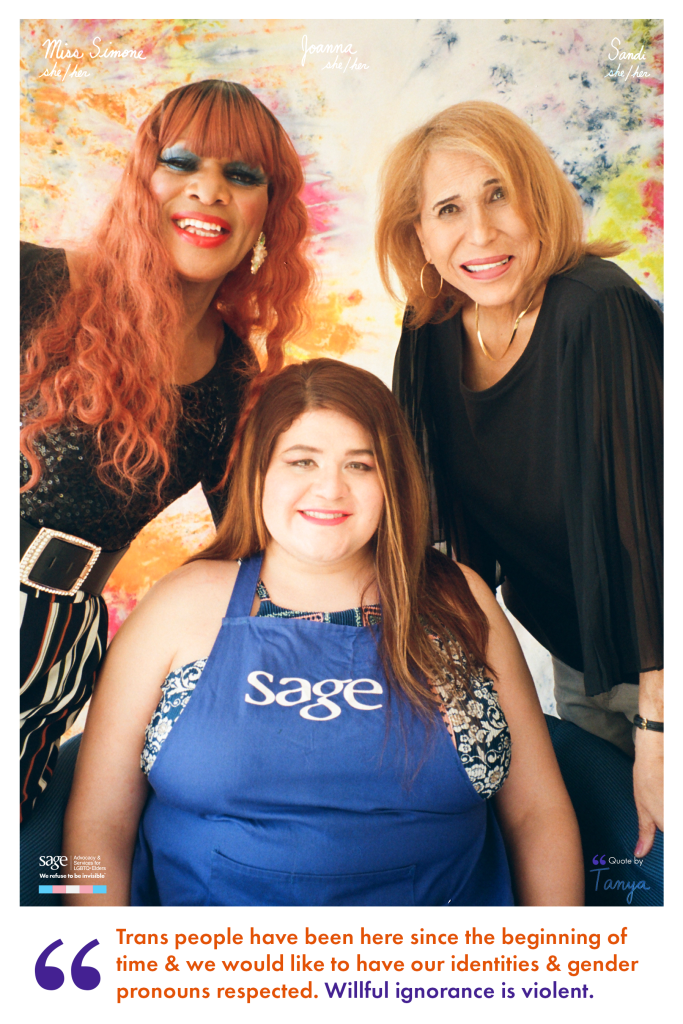
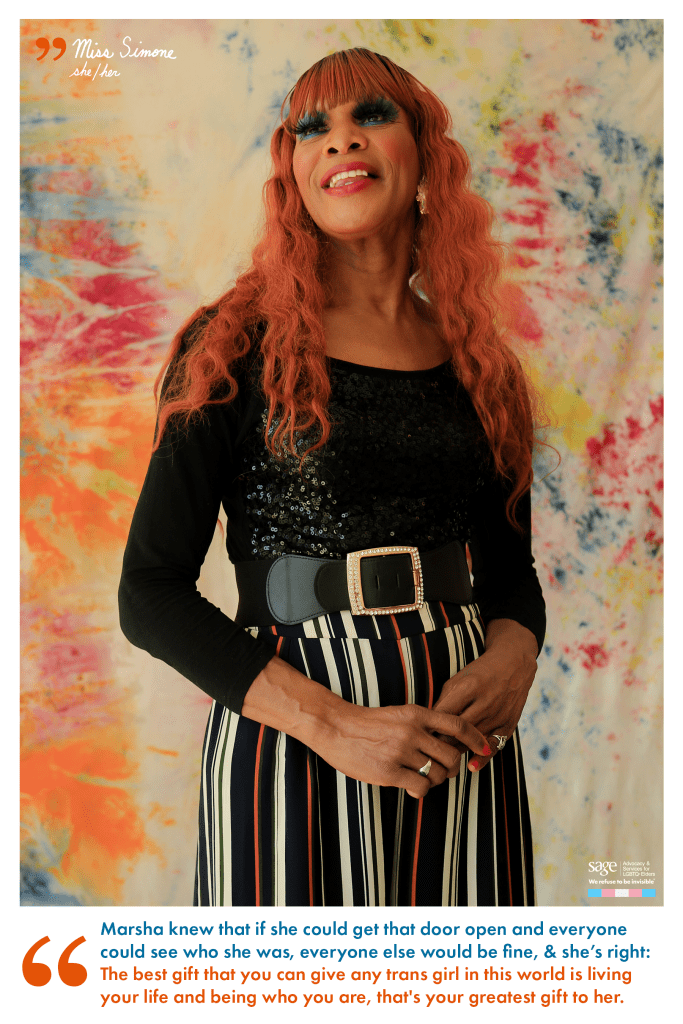
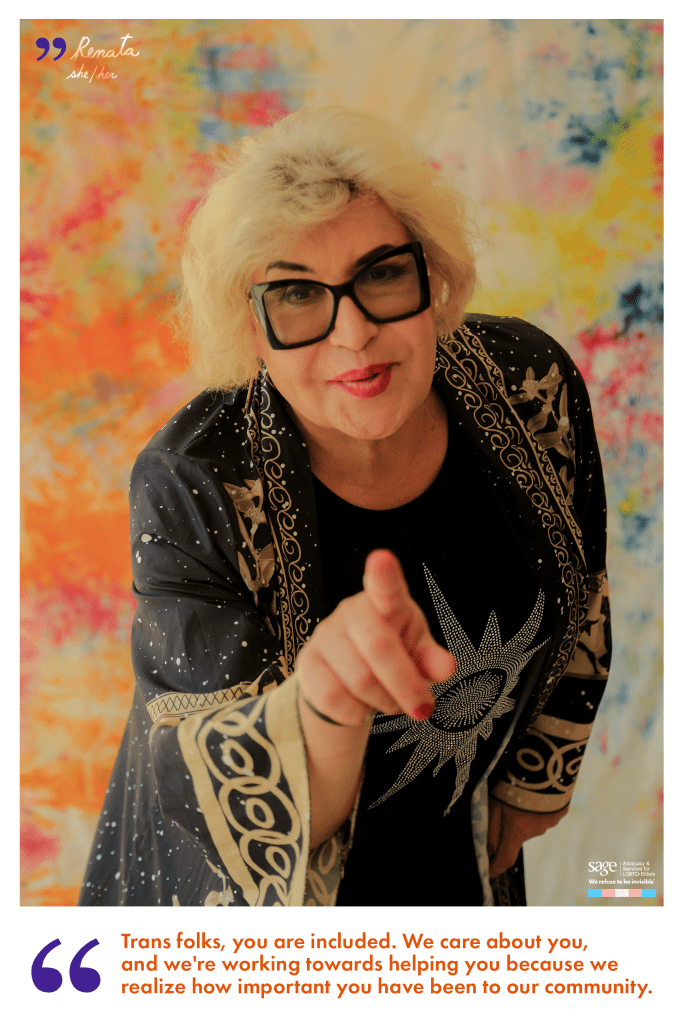
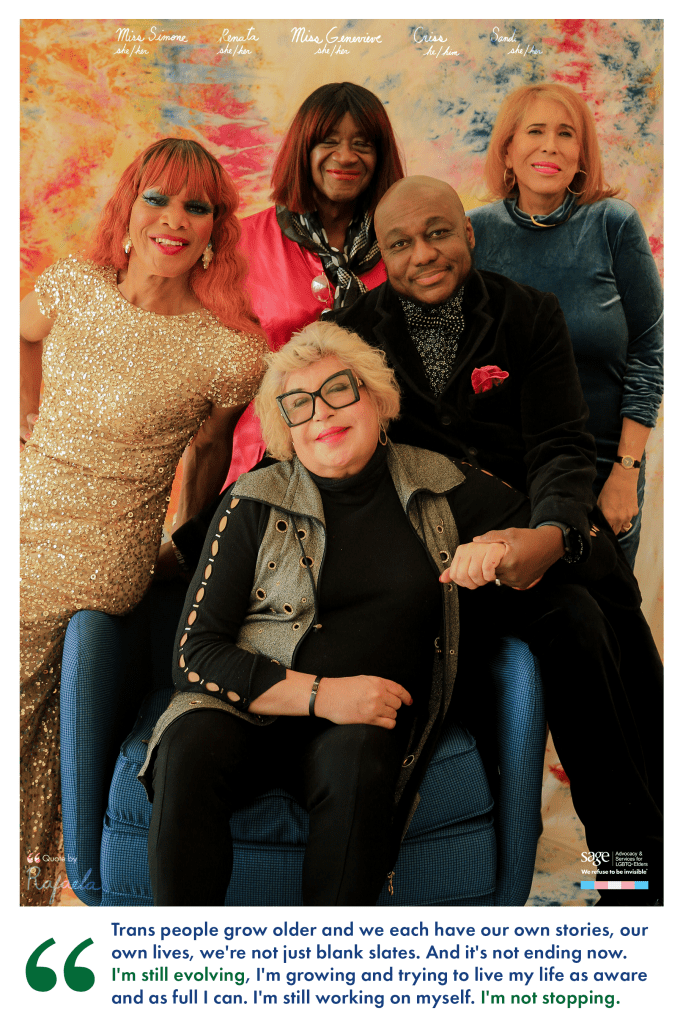
Nobody knows better than our transgender elders what it means to refuse to be invisible. They have been, and continue to be strong, compassionate, and vibrant role models for our community. But far too often, they are left out of the narrative of our history, overlooked, or condemned.
In the United States, The Trans Legacy Campaign aims to celebrate the vibrancy and resiliency of older transgender community members and increase the representation of transgender elders amidst the ongoing struggles facing the community.
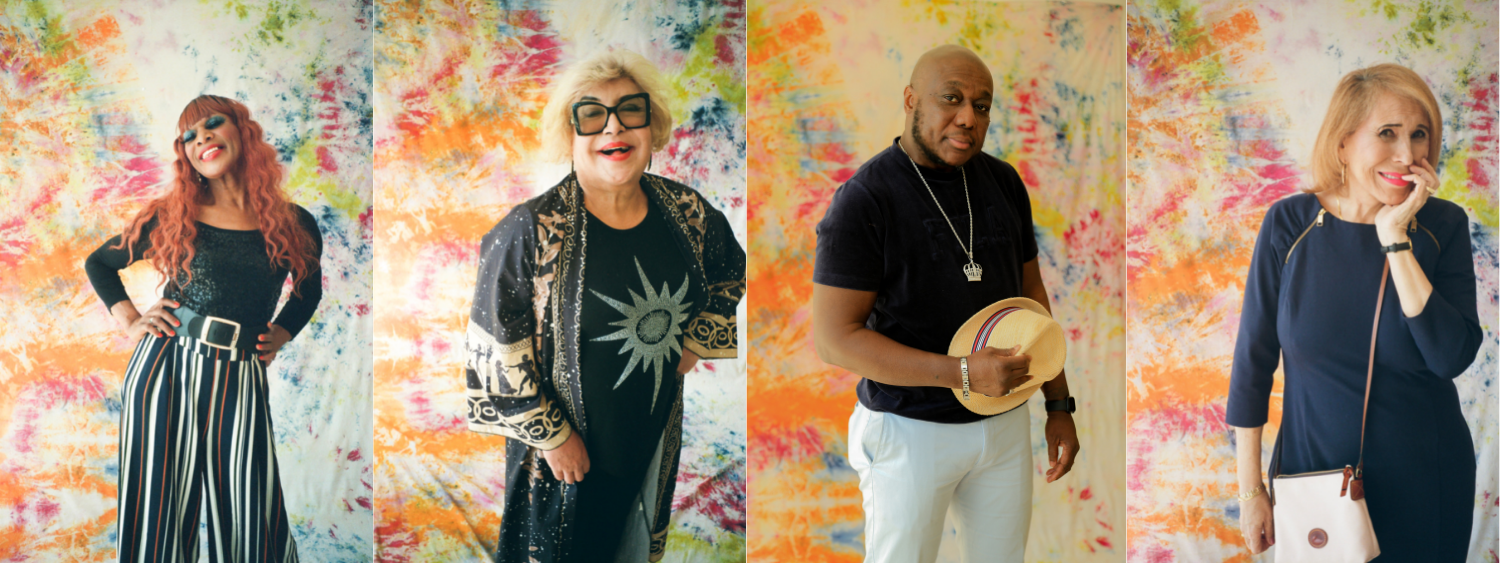
In collaboration with Trans Equality Consulting, the campaign is thrilled to share this virtual gallery, featuring the photos of six transgender elders, arguably the most vulnerable group within the LGBT+ community. They have lived their lives in a society where being their authentic selves means suffering from harassment, discrimination, and prejudice. This disparate treatment leads to profound disparities that result in poor health, financial insecurity, and lack of community support.
Despite these challenges, transgender elders have persevered through adversity and been an integral part of the movement for equality for LGBT+ people nationwide. This resilience is portrayed in the Trans Legacy Campaign, which gives an inside look at the experiences and challenges they faced in their quest to live as their authentic selves.
The Trans Legacy Gallery
Meet the Crew! This project would not have been possible without the incredible support of Trans Equity Consulting and the talented Art Direction and Makeup crews, who were made up entirely of trans, non binary, and genderfluid folks.
Pride London: Gay rights activist Peter Tatchell explains the history of the LGBTQIA+ pride march
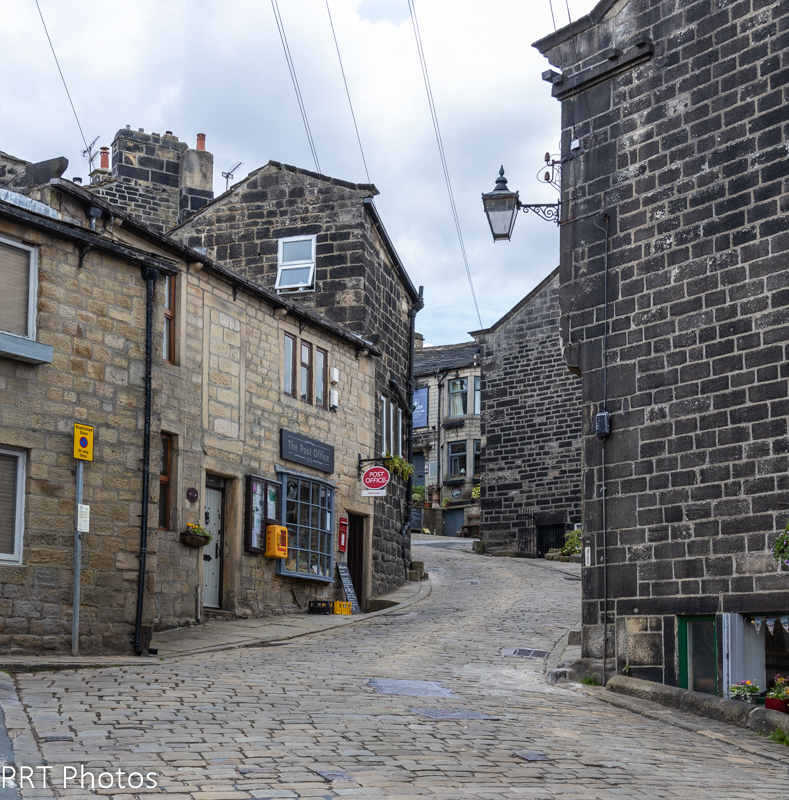
Holmfirth is a town in West Yorkshire centred upon the confluence of the Holme and Ribble rivers. It mostly consists of stone-built cottages nestled in the Pennine hills.
Between 1973 and 2010 both Holmfirth and the Holme Valley became well known as the filming location of the BBC’s situation comedy Last of the Summer Wine. There were 295 episodes recorded and this is the longest running TV comedy in history. Thousands of tourists flock to the area each year to enjoy scenery and locations familiar from the series. We joined them as there are lots of independent cafes.
Out of isolation: UK charities reconnect older LGBTQ+ people
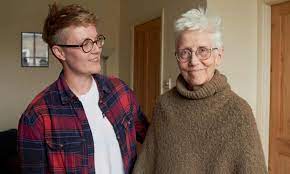
Pat (right) with Jo, who is a volunteer from Opening Doors. ‘Now I’ve got to know Jo, she’s a good friend for ever,’ says Pat. Photograph: Suki Dhanda / The Observer
Jo was first paired up with Pat four years ago, but her relationship with the 69-year-old has deepened such that she sometimes forgets they were introduced by a befriending scheme for LGBTQ+ over-50s.
“If I’ve had a crappy day, seeing Pat lifts my mood because she’s so upbeat and resilient,” the 33-year-old says. “If I’m struggling with a situation, I think ‘what would Pat say?’”
Jo and Pat were introduced by Opening Doors, the largest UK charity offering support for LGBTQ+ over-50s: it says demand for its services has increased substantially since the pandemic. Elsewhere, efforts are stepping up to focus on this overlooked demographic.
This spring Re-engage, a charity dedicated to combating social isolation in those aged over 75, launched a free telephone service, rainbow call companions, specifically for older LGBTQ+ individuals who would like to speak to someone from their community.
“All too often, isolation is seen by older LGBT+ people as the price they have had to pay for their sexuality,” says the Re-engage chief executive, Meryl Davies.
For Jo and Pat, the benefits of cross-generational queer support are manifest.
Beyond Covid, the pair have faced their own challenges since they first met: a major stroke affected Pat’s speech and mobility, while Jo has recently come out of a seven-year relationship. “We talk about patience and self-care in her recovery – she worked as a history teacher and gets frustrated that she can’t express herself so easily – and she’s shared with me how she felt when her own significant relationships ended,” says Jo.
“My friendship group is all my age and I don’t have living grandparents, so I really appreciate knowing someone with that life experience, and the fact it is queer life experience is even more meaningful.”
Pat says their relationship has brought warmth to her life. “If I feel lonely I say ‘oh forget it, another day’. I’ve lived on my own for a long time, lovers come and go but I have friends who are lifelong. Now I’ve got to know Jo, she’s a good friend for ever.”
A recent review by Re-engage reports that older LGBTQ+ people are more likely to live alone and be single, and less likely to see their biological family and have intergenerational relationships or children. This can often lead to “family of choice” dwindling or becoming unable to support one another as they age together.
It is a particular consideration for older transgender people, says Jennie Kermode, who has written a support guide for growing older as a trans or non-binary person. She notes this cohort are more at risk of family estrangement, especially if they came out later in life which many of their generation did, and this contributes to greater anxiety moving into new social spaces whether that is bingo, the tennis club or a retirement home.
It is a concern for Zoe Perry, a 77-year-old trans woman who came out at 73 and lost her partner last Christmas. “If my health starts to fail and having just been widowed then I may find myself in greater need of health and social provision. Current hostility towards trans women does make me uneasy. If some of the more extreme voices have their way I would not be able to find accommodation in a woman’s space.”
Jonathan Buckerfield, the head of fundraising and communications at Opening Doors, says: “Older LGBTQ+ people are less likely to have regular inter-generational contacts and – despite the myth of the ‘pink pound’ – can be struggling to pay bills.
“The people we work with have lived through years when their relationships were criminalised, and may go back in the closet as they get older because of fears about responses from neighbours or healthcare professionals. Sometimes the befriending relationship can be the first step towards reconnecting people with their communities.”
Dan Hughes from Swindon, who befriends with Re-engage, agrees that the older generation is often left behind by the gay community. “Even I feel that at the age of 41, now I’m not interested in going to clubs so much”.
He has been paired with an older gay man who shares his love of documentaries. “I’ve learnt a lot from him. We’re both interested in history and the royal family – he was born around the time of our current queen’s coronation. We’ve talked about the differences between when he came out and I did. I went to a gay youth group, for example, and had so much more available to me. “It can be isolating for older people, especially if they’ve been in a long-term relationship and their partner dies. It’s important to have relationships where you can be free to be yourself.”
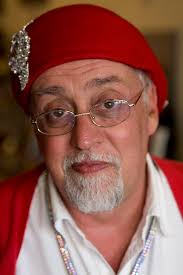
Gilbert Baker’s legacy: The Rainbow flag
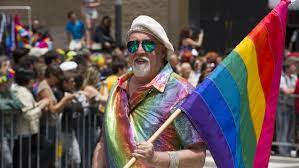
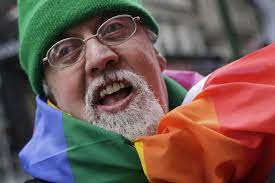
The rainbow might come and go, but the rainbow flag is here to stay. Lifelong activist and artist Gilbert Baker made the original eight-colour flag, back in 1978, in San Francisco. It took him two weeks to complete the project. During the following years, as the flag was being mass-produced, Baker found out that dyes for two of the eight colours—magenta and turquoise—were difficult to find, hence, had to be eliminated for practical reasons.
Although we might be familiar today with the six-colour flag, there are different versions of the rainbow flag.
Sadly, Gilbert Baker died suddenly on 31 March 2017, at the age of 65. To remember him, friends and family gathered together on Flag Day, (14 June) for the Gilbert Baker Memorial Rally and March, “Raise the Rainbow!” in New York City, outside the Stonewall Inn.
Charley Beal, an activist and Baker’s long time friend, and Bruce Cohen, also an activist as well as an Academy award-winning producer, helped organise the event. Bruce Cohen was one of the producers of the movie Milk, and one of the executive producers of the mini-series When We Rise, which touches on the story of how Baker created the flag.
“As we were thinking about a memorial that Gilbert [Baker] would have loved and wanted, especially at this time, we thought that this memorial needed to be a march, a rally,” Cohen says.
“Gilbert [Baker] was an activist,” Beal adds. “He had an edge. He was not afraid to express his opinions [about what needed to be made right].”
Hence, the #RaiseTheRainbow event memorialised Baker, as well as shed light on all the issues that need our attention right now.
The rainbow flag is Gilbert Baker’s legacy. The flag is a universal symbol of peace and unity, but also of activism for equal rights.
“The flag will always be around now, which is extraordinary in and of itself,” Cohen says. “But it’s our job to make sure that the generations that come after us understand what the flag means, and, especially now, understand the importance of the fight for justice for everyone.”
In terms of legacy, some compare Baker with Betsy Ross, the woman who made the first US flag in Philadelphia. Baker embraced the idea for a while, but then moved away from it. The difference here is that Betsy Ross was hired to make the flag, whereas Baker “was an artist and activist who never stopped creating art, fighting for justice until the day he died,” Beal explains. “I think that the flag will outlive him, [it] will outlive us all.”
Heptonstall is a small village and civil parish within the Calderdale borough of West Yorkshire, historically part of the West Riding of Yorkshire. The population of Heptonstall, including the hamlets of Colden and Slack Top is 1,470 (as at the 2011 Census). Heptonstall is mentioned in the Domesday book in 1087. The town of Hebden Bridge lies directly to the south-east.
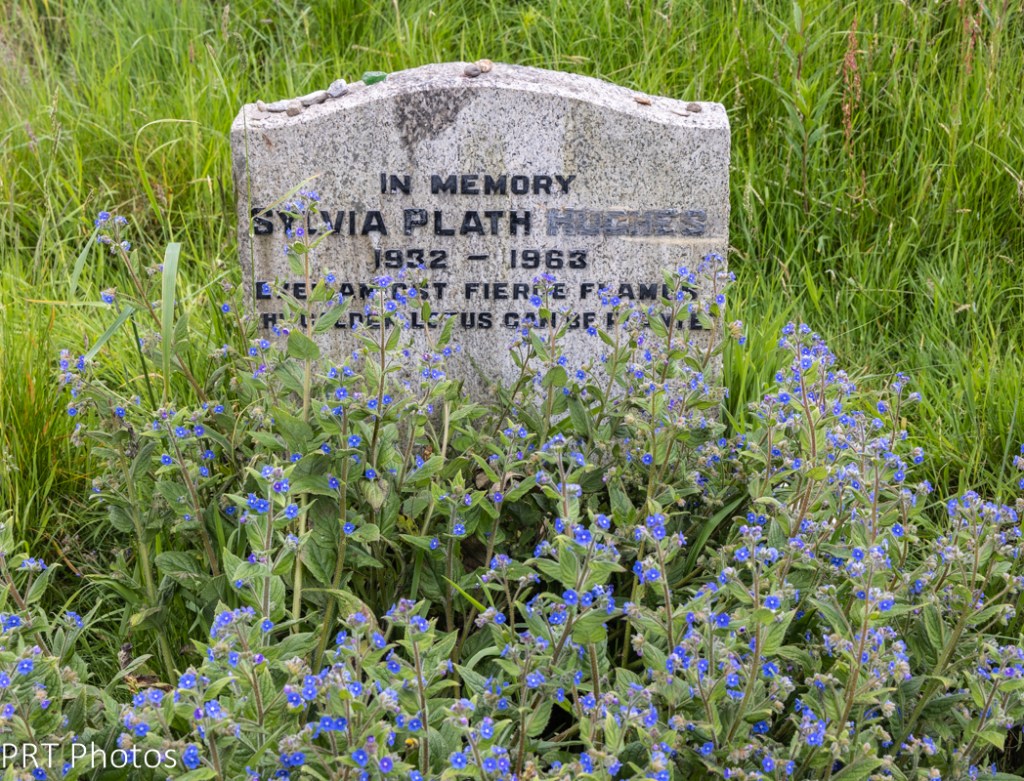
The American poet Sylvia Plath, who was married to Poet Laureate Ted Hughes from nearby Mytholmroyd, is buried in the graveyard extension, to the south-west of St Thomas Becket’s churchyard. Plath’s headstone has been vandalised on several occasions by removing Hughes’s surname from the memorial.
There are many contenders for the title of “first gay person in history.” Both ancient Greek and Indian literature are laden with tales of same-sex relationships and characters who identify as a “third sex”. Archaeologists also continue to find evidence of prehistoric men buried with women’s clothing or tools, as well as male lovers laid to rest side-by-side. These can perhaps be regarded as some of the earliest recorded instances of gayness and gay love.
Below, we take a closer look at these early examples, as well as try to understand what society might have been like for LGBT+ people of the distant past.
Who Was The First Gay Person In History?
There’s no one answer to this question, as people who had same-sex relations and those who identified as a kind of “third sex” have existed throughout history. Examples of this can be found in ancient Greek and Indian literature – from the Sacred Band of Thebes, a military unit that consisted of pairs of male lovers, to the sexually fluid Mughals, a noble class from Central Asia.
But recent archaeological finds have shown that there is some evidence pointing to potentially gay and trans life that may have thrived thousands of years before the writing of these tales.
A Man Buried In A Woman’s Grave
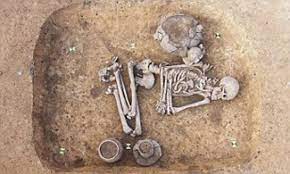
In 2011, archaeologists in the Czech Republic discovered a grave that many have purported to belong to the “oldest known homosexual or transgender person”. The grave contained a male skeleton dating back to the Copper Age, or 2900 to 2500 years ago.
This male skeleton was found surrounded by items that were only previously found in graves reserved for females. In place of the typical axes and flint knives that male skeletons were typically found to be buried with, this grave lay beside domestic jugs.
As such, some archaeologists believe that this man could be the earliest example of a gay man or transgender woman, which was likely regarded as belonging to a “third gender” at the time.
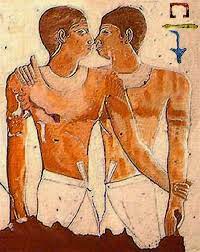
Knumhotep and Niankhkhnum are often regarded as history’s first gay couple. Discovered in 1964, the male couple was found to be buried together in a tomb in Saqqara, Egypt. Within the tomb, archaeologists found various depictions of the two in seemingly intimate poses. For example, hieroglyphs decorating the tomb walls show the two men face-to-face with noses touching and holding hands – poses that were often used to depict married couples.
Knumhotep and Niankhkhnum were believed to be supervisors of the King’s manicurists and had their own families and children, which were sidelined in the hieroglyphs.
The First Man To Publicly Come Out
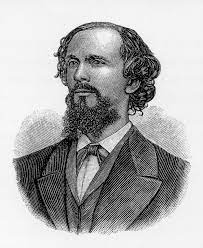
Fast forward to more recent history and you’ll find Karl Heinrich Ulrichs, a pioneering gay activist who is often regarded as the first man to publicly come out as gay. Even before the term “homosexuality” was coined, Ulrichs had written extensively about homosexuality. As the NY Times reported, in a series of pamphlets he wrote from 1864 to 1879, Ulrichs helped to “forge the concepts of gay people as a distinct group and of sexual identity as an innate human characteristic”.
In 1867, he also delivered a speech at a meeting of the Association of German Jurists to address rumours about his own same-sex love affairs, as well as to appeal for the decriminalisation of sodomy, which at the time encompassed same-sex acts between men across a handful of German-speaking kingdoms.
The Bottom Line
Although we may never know for sure who the first gay person in history was, it’s interesting to explore all of the different possibilities. What we do know is that, throughout history, there have been many brave men and women who have continued to live their truth – whether or not society chose to accept them.
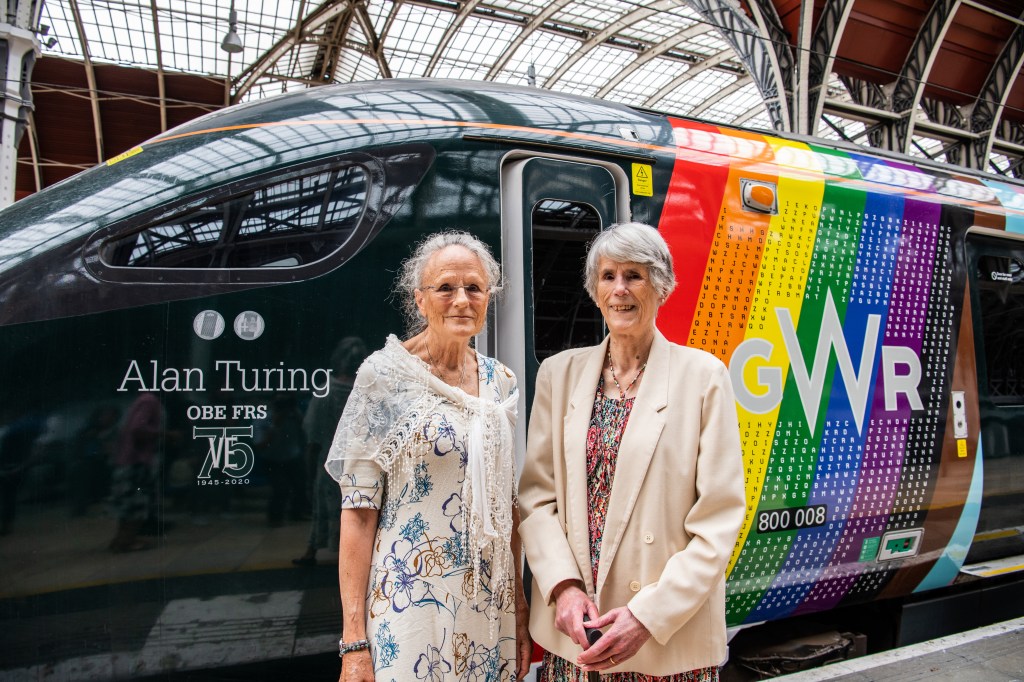
GWR honours WWII codebreaker Alan Turing and unveils new ‘Trainbow’ livery
Alan’s nieces Janet Robinson, left, and Inagh Payne
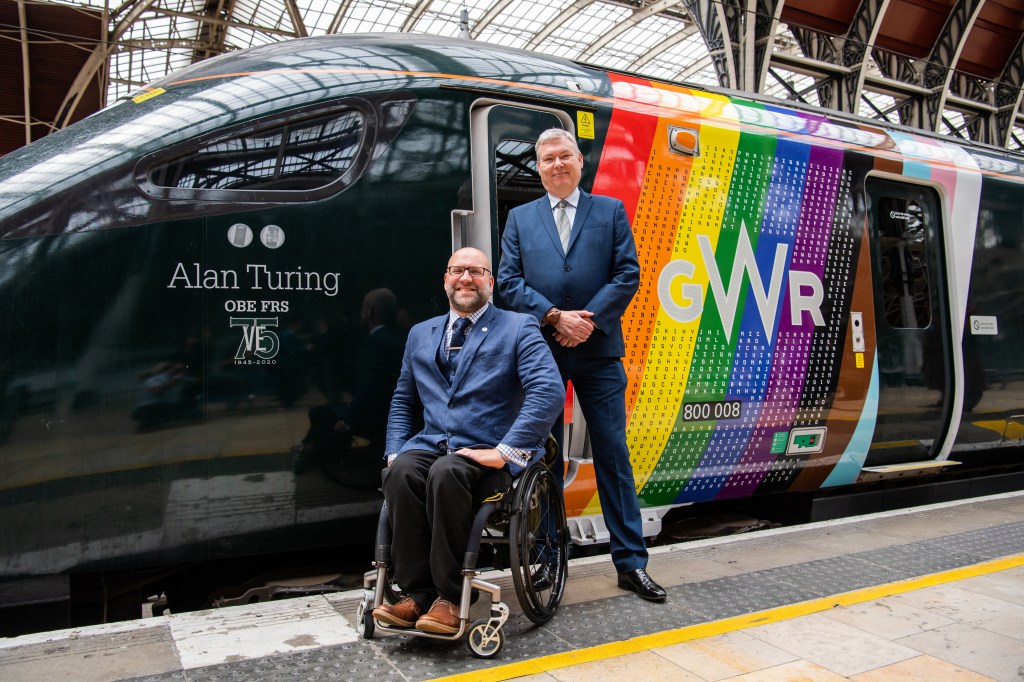
Great Western Railway (GWR) has honoured World War Two codebreaker Alan Turing by including his name on its popular ‘Trainbow’ Intercity Express Train.
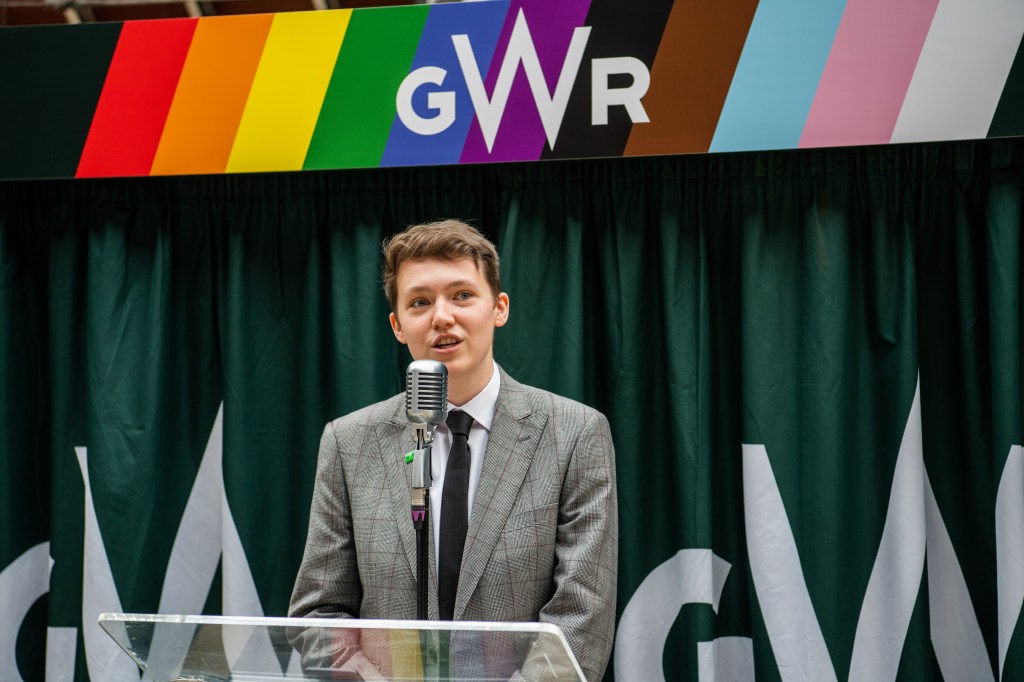
Members of Alan’s family officially named the train at London Paddington station on Thursday 26 May. The ceremony also saw the unveiling of GWR’s new ‘Trainbow’ livery celebrating the LGBTQ+ community.
Alan famously led a team in ‘Hut 8’ at the Government Code and Cypher School (GC&CS) at Bletchley Park, Britain’s codebreaking centre during the war.
In 1942 he and his team cracked the vitally important and most difficult German Naval Enigma. His work in the field of computer science was groundbreaking and paved the way for modern computing.
Alan is also an admired role model within the LGBTQ+ community and his legacy has helped change social attitudes in Britain.
Although laws during the 1950s made it illegal for him to be openly gay, Alan did not shy away from his sexuality. He was arrested for gross indecency which resulted in a sentence of chemical castration.
Two years later Alan died of cyanide poisoning. Following the launch of an internet campaign in 2009, he was granted a posthumous royal pardon four years later. A subsequent legal amendment, known as ‘Turing’s Law’, pardoned 65,000 other convicted gay and bisexual men.
Celebrating the new Trainbow livery and GWR’s support for the LGBTQ+ community
‘Trainbow’ was first unveiled in 2018 to support Pride events across the network and demonstrate GWR’s support for the LGBTQ+ community.
Its livery has now been updated to include black, brown, light blue, light pink and white, bringing focus on inclusion for trans individuals, marginalised people of colour and those living with HIV/AIDS.
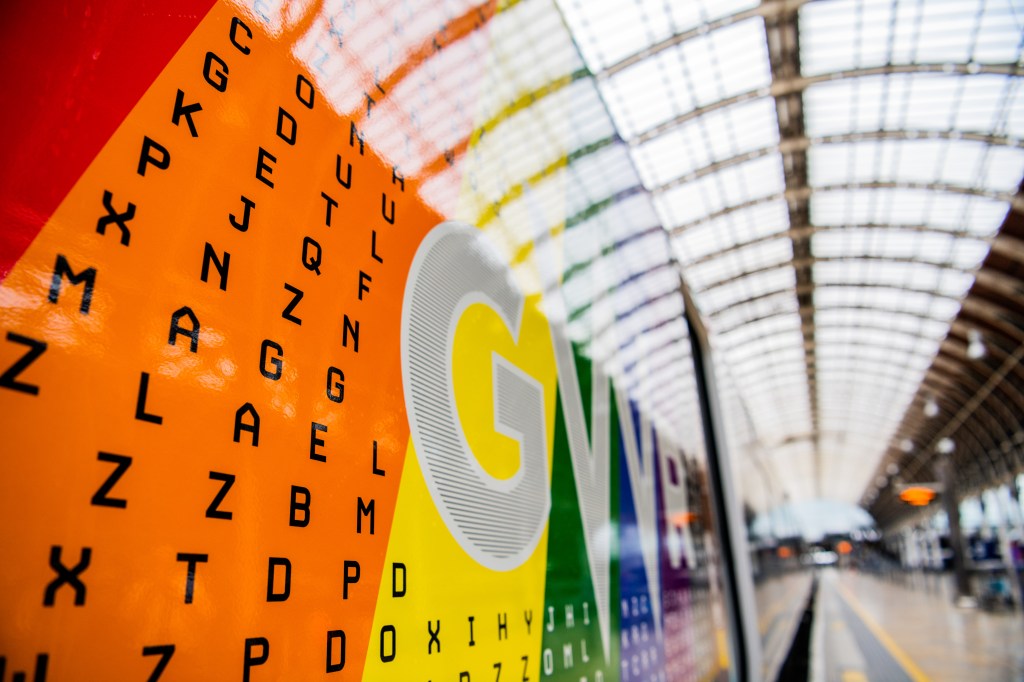
Intercity Express Train 800008 also pays a nod to the World War Two codebreakers and their mastery of palindromes. And, as you might expect with something related to Alan Turing, there is more to the design of the new livery than first meets the eye.
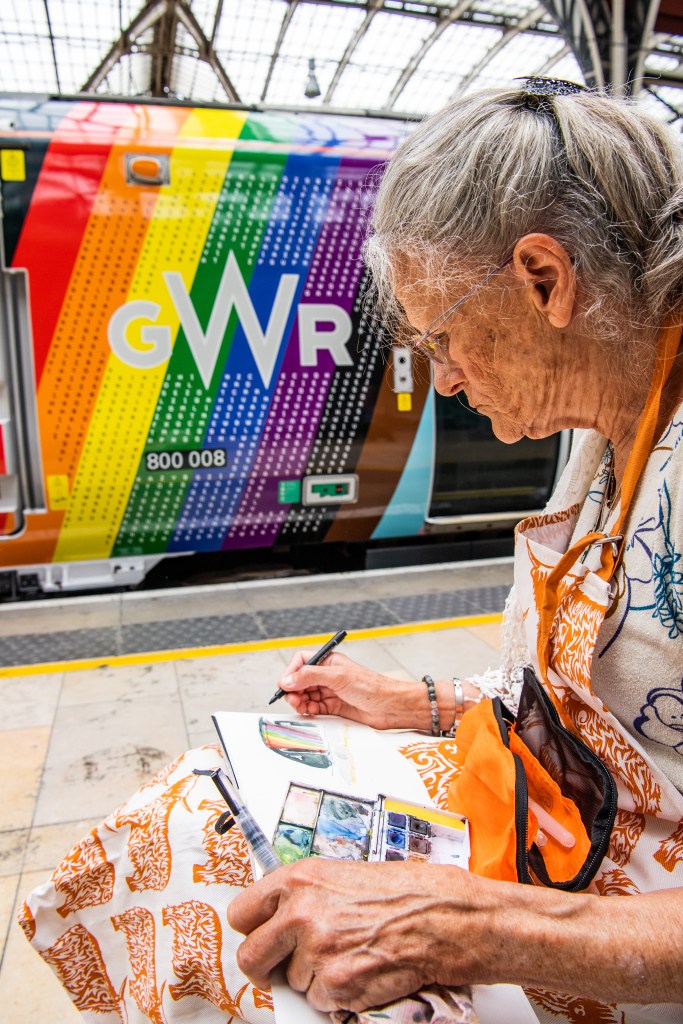
Janet Robinson’s painted sketch of the new livery
Alan’s niece, Inagh Payne, speaking on behalf of the family, said:
“Alan was very special to us and we are so incredibly proud of everything he did. Despite not being fond of neither fuss nor social occasions, he would have been delighted to have a train named after him.
We have our own fond memories of him as a loving and caring uncle and it is wonderful to see this tribute to him, and that he is remembered, and his life celebrated by so many people.”
An up-close view of the new livery
GWR Managing Director, Mark Hopwood, said:
“It is an honour for us at GWR to name this Intercity Express Train after Alan Turing as we continue to remember those who gave so much during World War Two.
We at Great Western Railway have a long history of naming trains after Great Westerners, the past and present heroes from across our network.
It is also great to see this fabulous new Trainbow livery, celebrating not only Alan Turing but also the LGBTQ+ community across the GWR and indeed our colleagues within the rail industry.”
Cllr Dylan Tippetts
Plymouth City Councillor for Compton, Cllr Dylan Tippetts, said:
“Thank you so much to GWR for always standing with the whole LGBTQ+ community and celebrating our diversity; the things that bring us together and not those that divide us.”
Dr David Abrutat, left, and Dr David Kenyon (All Pictures by Jack Boskett)
Research Historian at Bletchley Park, Dr David Kenyon, said:
“It gives me great pleasure to add the endorsement of Bletchley Park Trust to the naming of this locomotive. We hope that it will remind travellers of Turing himself, but also of the thousands of others who worked alongside him to bring signals intelligence to Allied commanders and help bring victory in the Second World War.”
GCHQ Historian Dr David Abrutat said:
“Turing’s scientific genius helped to shorten the war and influence the technology we still use today. Today illustrates his status as one of the most iconic LGBT+ figures in the world.
Turing was embraced for his brilliance and persecuted for being gay. His legacy is a reminder of the value of embracing all aspects of diversity, but also the work we still need to do to become truly inclusive.”
Don’t shun Pride parades because of monkeypox, says WHO
Photo: Shutterstock
Monkeypox is a rare disease that is caused by infection with monkeypox virus.
Monkeypox was first discovered in 1958 when outbreaks of a pox-like disease occurred in monkeys kept for research. The first human case was recorded in 1970 in the Democratic Republic of the Congo (DRC), and since then the infection has been reported in a number of central and western African countries. Most cases are reported from the DRC and Nigeria.
The UK Health Security Agency (UKHSA) has detected 190 cases of monkeypox as of 30 May 2022. The total number confirmed in England is 183. There are currently 4 confirmed cases in Scotland, 2 in Northern Ireland and 1 in Wales.
The number of monkeypox cases around the world continues to rise, prompting an adviser at the World Health Organisation (WHO) to comment on the upcoming Pride season.
So far, gay and bisexual men appear to have been disproportionately impacted by the outbreak. Monkeypox is not regarded as a sexually-transmitted infection, but it can be spread by close, skin-to-skin contact, or via bedding and clothing.
Yesterday, a WHO official said the outbreak should not impact Pride season or put people off from attending parades.
Although the outbreak in some countries has been linked to some festivals, this is not a virus that spreads as easily as Covid.
“It’s important that people who want to go out and celebrate gay pride, LGBTQ+ pride, to continue to go and plan to do so,” said Andy Seale, a strategies adviser in the WHO Department of Global HIV, Hepatitis and Sexually Transmitted Infections Programmes.
“There is no specific transmission route that we need to be worried about,” he said. “It really is connected to the fact there have been a couple of events that have perhaps amplified the current outbreak.”
Seale also wanted to downplay reporting that framed the monkeypox outbreak as a disease impacting just gay men.
“Given this is not a gay disease, the transmission routes are common to everybody,” Seale said. “The advice is pretty much the same for all people.”
Seale said that pride parades are usually outdoors, while monkeypox transmission has more recently been linked to indoor events and nightclubs.
“We don’t see any real reason to be concerned about enhanced likelihood of transmission in those contexts, because the parties that we’ve been referring to have perhaps been more in enclosed spaces,” he said.
At the time of writing, 14 cases of monkeypox have been identified across eight states in the US. Worldwide, monkeypox has been identified in 24 countries outside of West and Central Africa (where cases are normally located).
UK health officials have issued sex advice to those impacted. People who have tested positive for the virus and their close contacts are being told to isolate at home for 21 days.
They should avoid contact with other people until all lesions – or blisters – have healed and scabs have dried off. Anyone with a confirmed infection is also now being advised to abstain from sex while they have symptoms.
Although not endorsed by the World Health Organisation, the guidance also says, “Whilst there is currently no available evidence of monkeypox in genital excretions, as a precaution, cases are advised to use condoms for 8 weeks after infection and this guidance will be updated as evidence emerges.”
What is monkeypox?
Monkeypox is caused by a virus similar to smallpox. Early symptoms include fever, headache, muscle aches, backache, swollen lymph nodes, chills and exhaustion.
It will often be accompanied by a chickenpox-like rash, with lesions tending to eventually scab over and fall off.
It’s usually a mild, self-limiting illness, and most people will recover within weeks. However, the deadliest variant of the virus can be fatal for up to one in ten of those infected.
The form of the virus currently circulating is believed to be milder, with a fatality rate of less than 1 percent.
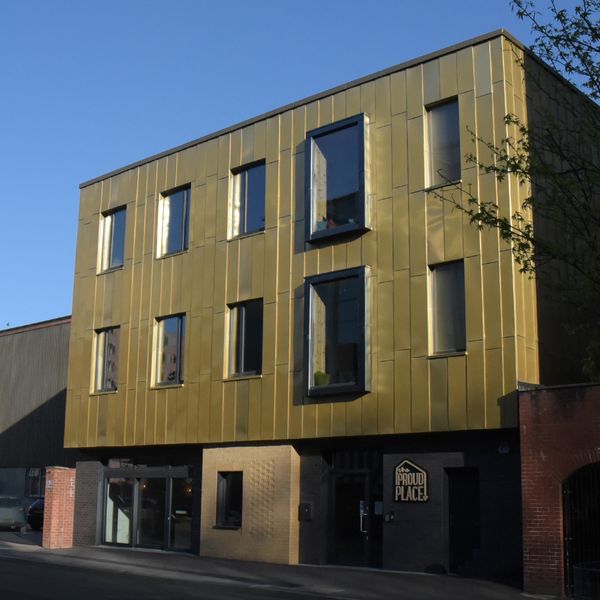
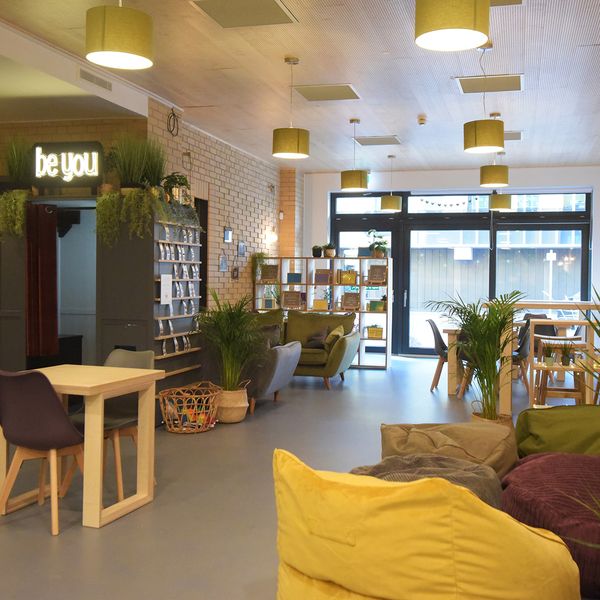
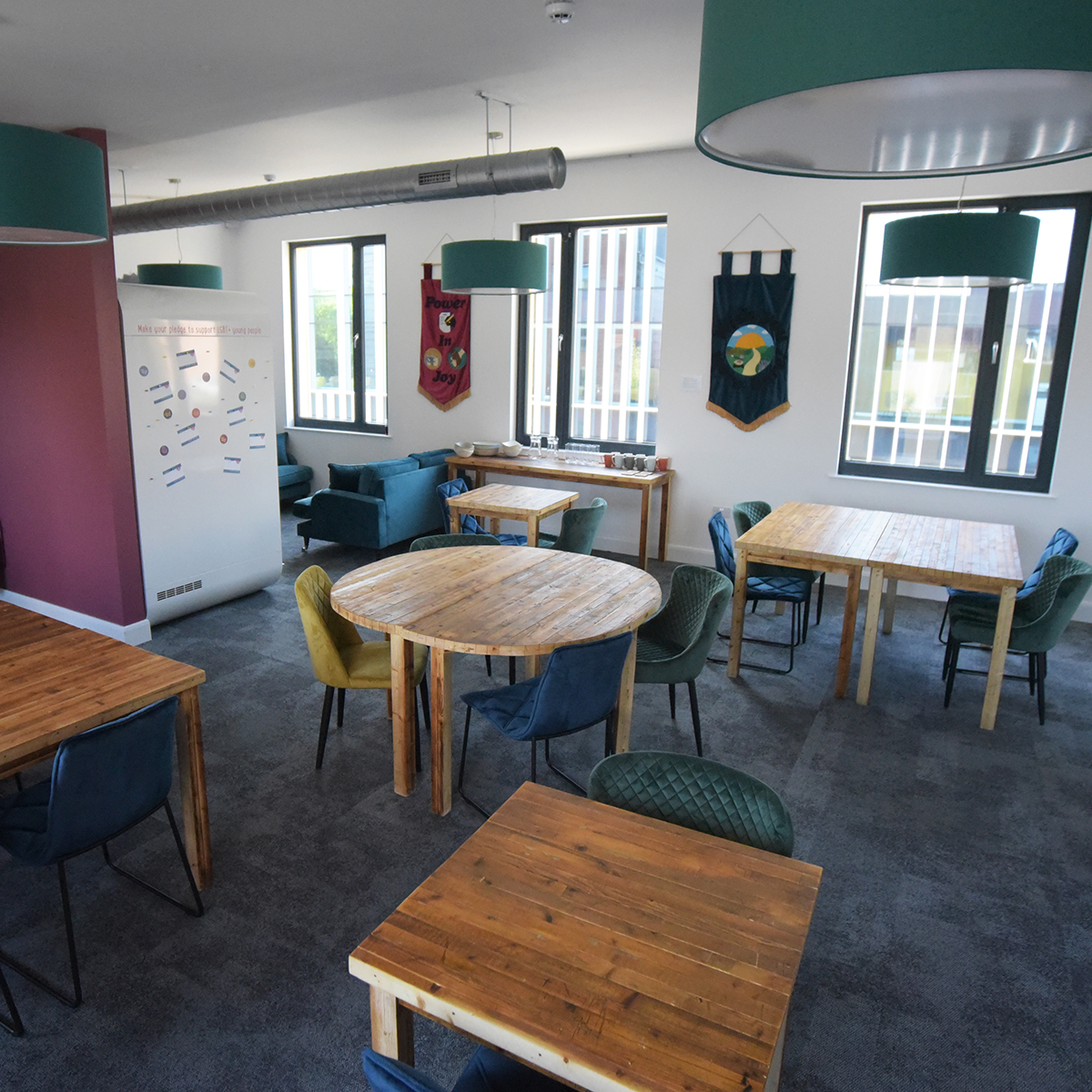
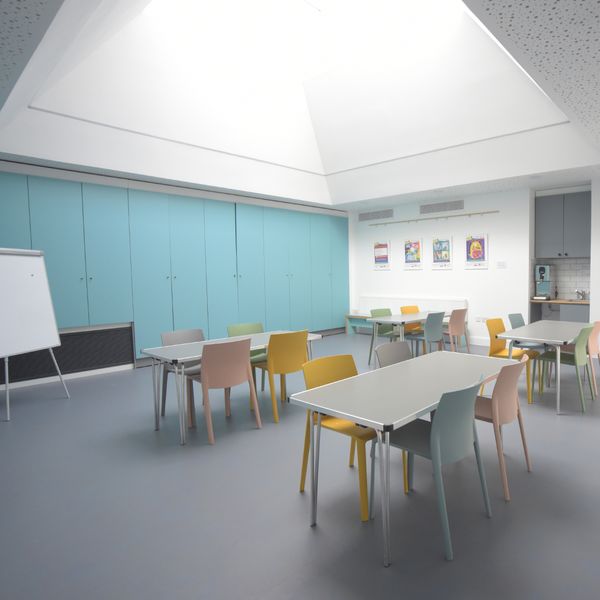
Introducing The Proud Place – Manchester’s LGBT+ Community Centre
The Proud Trust had the most amazing long weekend celebrating the launch of The Proud Place with LGBT+ young people, community members, staff and supporters.
A huge thank you to the funders, businesses, brands and individuals who have supported the £2.4 million rebuild project over the last 4 years and beyond. They could not have done it without you.
Simone, a Proud Trust young person who helped open the new building at the weekend said: “It means so much to be here today. To see it all finally complete, it very much feels like now everything can start.”
It’s a real honour for The Proud Trust to care for the building on behalf of Manchester’s LGBT+ Community and they can’t wait to see what the future holds!
To find out more about The Proud Place, check out what’s on, learn more about the youth and community groups who meet at the building, or hire one of their beautiful new spaces visit: http://www.theproudtrust.org/theproudplace
Conversion Therapy Ban Debate
The Petitions Committee has brought forward the debate on the petition: “Ensure Trans people are fully protected under any conversion therapy ban”. This debate will now take place on Monday 13 June at 4.30pm.
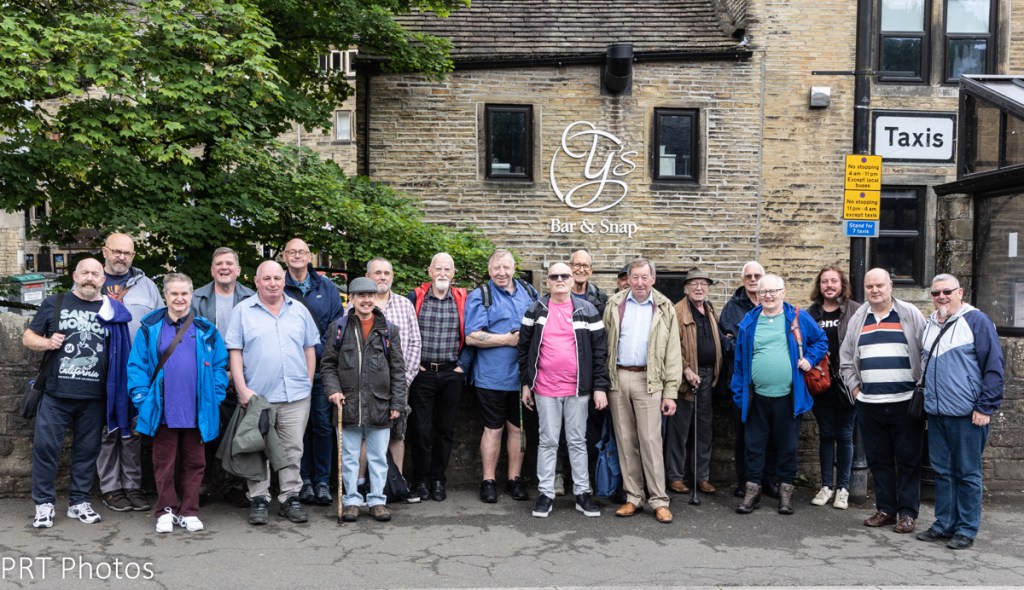
Join us at the fourth of Manchester Pride’s six Community Sessions, where we spotlight grass-roots organisations that support intersectional LGBTQ+ communities.
In this session, you will get to learn about the incredible work of Out in the City! There will be an opportunity to get to know other attendees, and food will be provided.
We hope you can join us in celebrating and learning more about the incredible community groups that make LGBTQ+ life in Manchester so special!
Spaces are limited, so make sure you sign up here to reserve your place. If you are unable to attend, please let us know at engagement@manchesterpride.com so we can offer your space to someone else.
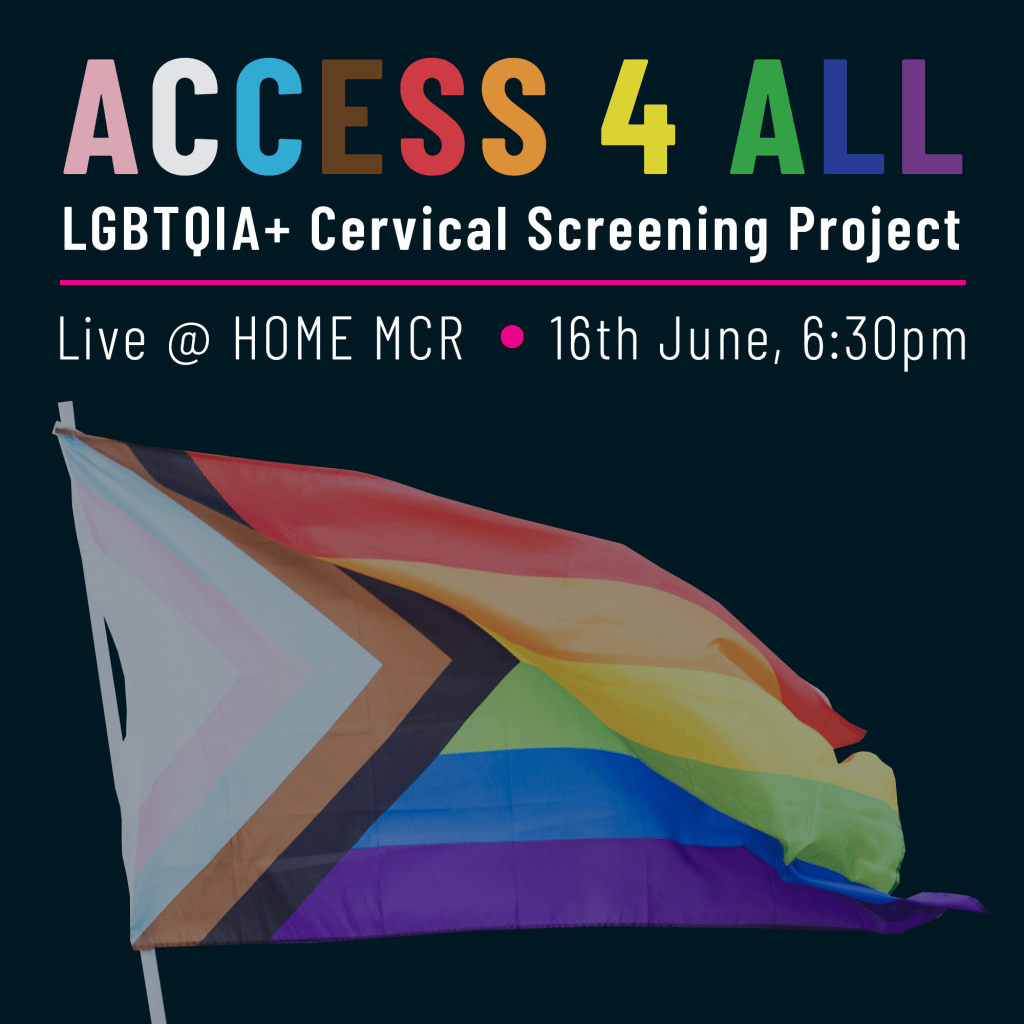
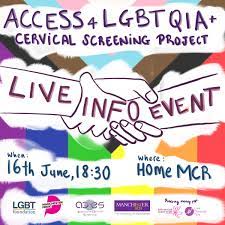
Access 4 All is an informal and educational evening at HOME MCR, 2 Tony Wilson Place, Manchester M15 4FN to learn more about alternative cervical screening and hear the results of the ACES LGBTQIA+ survey.
The event takes place on Thursday, 16 June from 6.30pm to 9.00pm and includes a performance from HUSK together with complimentary food and drink.
Individuals who identify as LGBTQIA+ have lower cervical screening attendance than people who are non-LGBTQIA+.
The Alternative CErvical Screening (ACES) team at Manchester University have been investigating the accuracy of a urine test as an alternative to the ‘smear’ for screening, in the hope that this could increase screening attendance.
This event is an opportunity to learn more about cervical screening and hear the results of the ACES LGBTQIA+ survey. In a safe and open environment, there will be an informative panel discussion where experts and LGBTQIA+ community members share their experiences, future research directions and implications for screening within the community. Signposting services for further information will also be available on the day.
The event will also celebrate those in the LGBTQIA+ community and their contribution to the project and will feature a special live performance from queer synth-pop performer, HUSK.
What is ACES?
The ACES LGBTQIA+ project explores the LGBTQIA+ community’s opinions of current cervical screening services, barriers to screening and the acceptability of alternative self-screening methods, including urine testing.
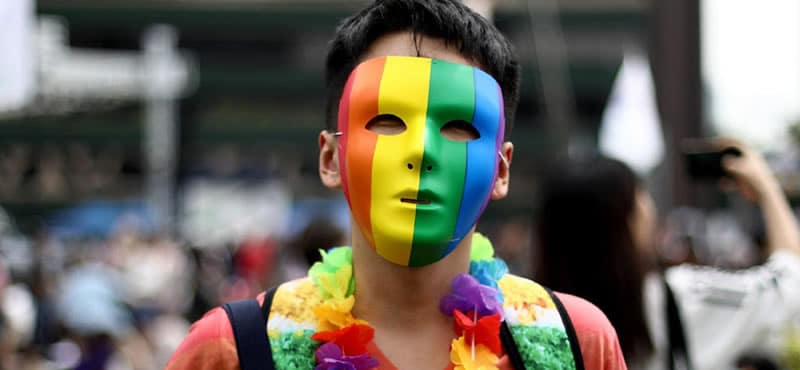
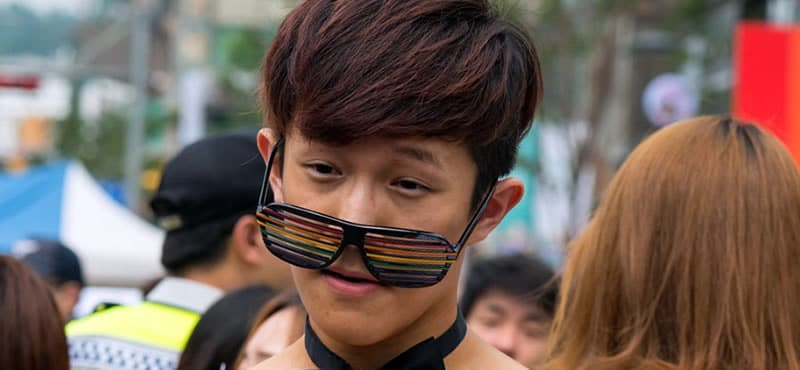
Seoul Queer Culture Festival – Celebrating Korean LGBT+ Pride
South Korea is not traditionally known for its robust LGBT+ community. Its conservative culture and religious right-wing make far more headlines than landmark cases of LGBT+ progress. However, this expectation is slowly but surely shifting as organisations like the Seoul Queer Culture Festival pave the way for queer Korean pride.
For the past decade or so, South Korea has been experiencing a surge in widespread international attention. The rise of K-Pop (Korean pop music) has reached astronomical levels in the last several years, thrusting the nation into the international spotlight. Yet not so strongly highlighted amidst this pop culture intrigue is the fundamentally conservative nature of Korean culture and how that culture impacts marginalised groups in Korea – especially the LGBT+ community.
Though South Korea is notably a far throw from criminalising or otherwise legally prosecuting individuals based on their sexual orientation or gender identity, the nation’s discriminatory bias runs deep. It is especially pervasive in the political sphere. With the recent narrow presidential election of Yoon Sukyeol – a proclaimed “anti-feminist” – from the conservative People Power Party, it is now more important than ever to highlight and learn from the experiences of marginalised people living in South Korea. Working to enhance our awareness and understanding of marginalised communities can be a highly effective way to weed out discriminatory societal trends and pressure local officials to take LGBT+ protections seriously.
However, it is not all doom and gloom for LGBT+ Koreans. According to the 2016 Korean General Social Survey, around 58% of respondents supported anti-discrimination legislation inclusive of sexual orientation, and – according to the Pew Research Center – South Korea experienced a 19-point increase in public acceptance of homosexuality (25% to 44%) from 2002 to 2019. Instrumental to this effort is the work of local activists and their work making the queer community visible to broader society. Various activists, organisations, and events have contributed to this gradual cultural shift, but arguably the most visible and influential is the Seoul Queer Culture Festival (SQCF).
History of the Festival
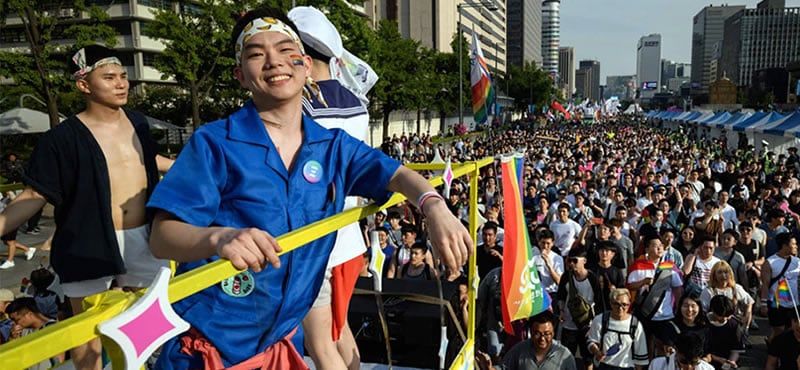
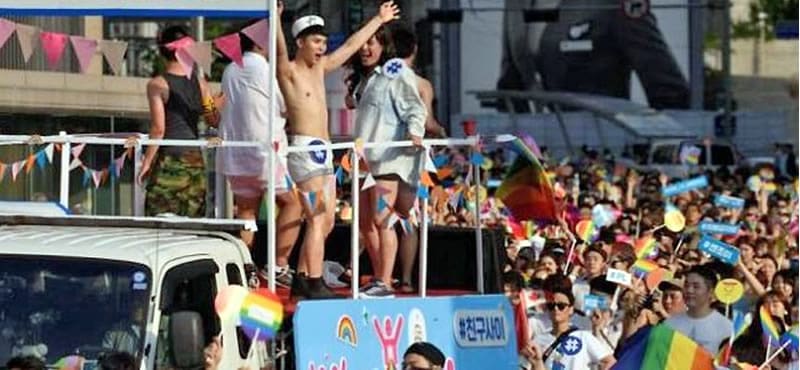
First hosted in 2000 under the name “Queer Culture Festival – Rainbow 2000”, the SQCF has undergone several iterations, both in title and structure. Despite these shifts, two major staples remain consistent features of the festival: the Korea Queer Film Festival and the Seoul Queer Parade. The former aims to showcase domestic South Korean films that primarily feature LGBT+ stories and characters. The latter is a more social, demonstration event that focuses on displays of pride and queer solidarity.
The SQCF typically consists of two weeks, packed to the brim with LGBT+-themed events and primarily occurring sometime in June – coinciding with many international pride celebrations and the anniversary of the historic Stonewall Riots. Initially, the festival was a two to three-day operation. But, it quickly outgrew its humble roots, expanding its duration to roughly two weeks, shifting its location from local university buildings to various community hubs, and moving the timeframe to June – likely to better align with the international community.
Conservative Pushback and Bureaucratic Setbacks
The festival’s over twenty-year history has not been a smooth ride filled solely with LGBT+ pride and rising societal acceptance. The SQCF made headlines last year as the Seoul Metropolitan Government rejected its application to be recognised as an official non-profit organisation. After holding the application for two years of review, the city cited several incidents of “indecent exposure” by festival participants. The Korea Times article notes that the festival consistently requires a significant police presence. In addition, a host of anti-gay protesters always accompanies the festival, often escalating their protest into physical altercations.
The dynamic between LGBT+ parade goers, anti-gay protesters, and the police was most notably exemplified at the inaugural sister event to the SQCF, the Incheon Queer Culture Festival. In 2018, at the first IQCF, protesters utterly derailed the event. The protests delayed the event’s start – a 20-minute pride parade – by several hours, and once it began, 300 parade goers were physically blockaded by nearly 1,000 anti-gay protesters. As they were verbally assaulted, the attendees could not leave, eat, or go to the bathroom for five hours. Some further reported being victims of physical assault.
Incheon is thethird most populous city in South Korea, just behind Seoul and Busan, and fully shares a metro transit system with Seoul. Seoul and Incheon are large cities that are highly developed with well-functioning municipal government systems. Both have robust police forces that have not adequately deployed to defend SQCF or IQCF attendees from assault. In the case of the 2018 Incheon Queer Culture Festival, police asked the attendees and organisers to end the event early. Unfortunately, they only arrested eight of the 1,000+ anti-gay protesters (without detention) for their behaviour at the event.
While tolerance is ever so slowly building for LGBT+ Koreans amongst the public, the Korean government needs to do more to protect this community now. Radical religious perceptions of the LGBT+ community will not quickly disappear, but that does not obfuscate responsibility from those in charge.
Local and federal levels of the Korean government have a duty to protect their citizens from blatant acts of bigotry, and now is the time to make that clear.
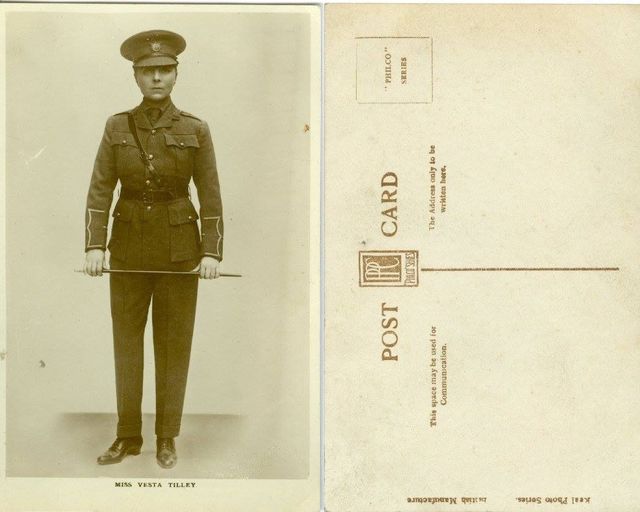
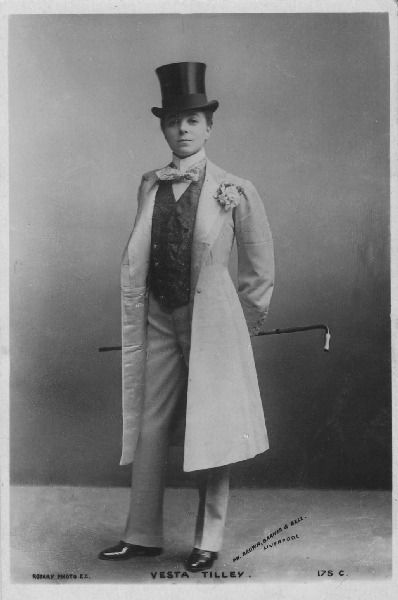
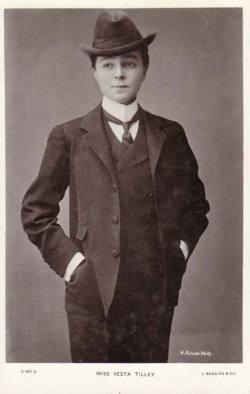
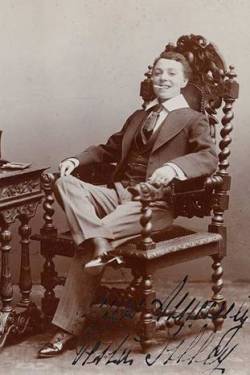
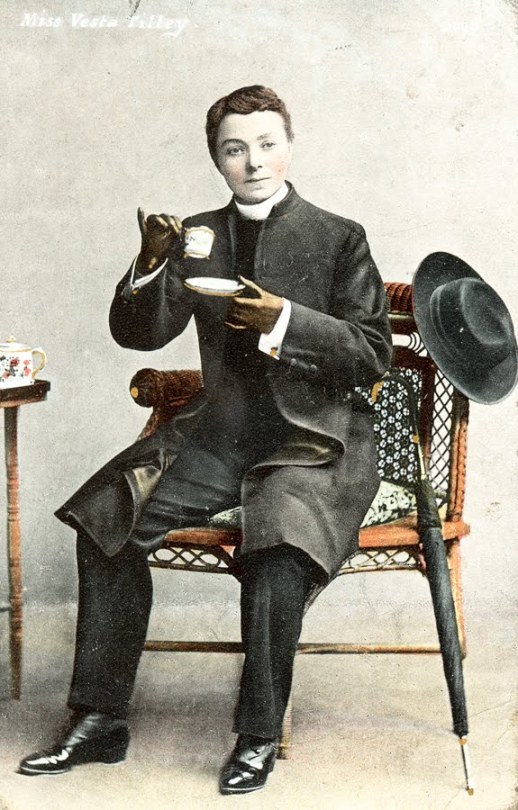
Vesta Tilley
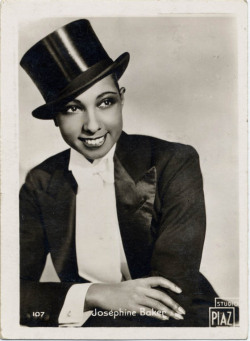
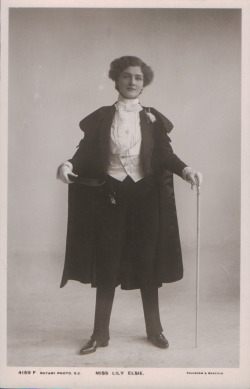
Vesta Tilley was a late 19th Century Drag King. Her performances were always family-friendly, unlike other acts. She had found her niche, performing as a male impersonator and working-class men adored her mockery of the upper classes. From the 1870s onwards, women also went to music halls and they revelled in Tilley’s independence. By 1912, music hall entertainments had become so famous that a Royal Command Performance was organised.Tilley sang a favourite song, “The Piccadilly Johnny with the Little Glass Eye” wearing trousers as part of her act. Queen Mary was scandalised to see a woman’s legs and hid her face behind a programme!










 Out in the City