‘We / Us’ Exhibition … Manchester Flower Festival … King Lear Prizes … West Africa’s first LGBT Magazine … Ten Years of Gay Marriage in France

News
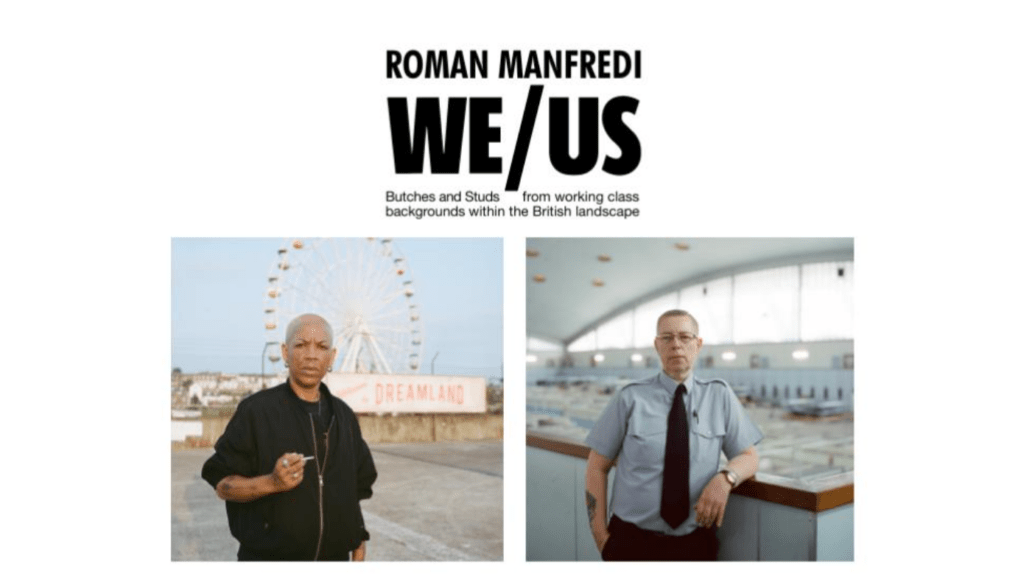
Mel, Margate, Kent. 2021 (Left) Sue, City of London. 2021 (Right)
© Roman Manfredi. Via Instagram.

‘We / Us’ Exhibition Celebrates UK’s Working Class Butches and Studs

Roman Manfredi’s We / Us is an art exhibition celebrating “Butches and Studs from working-class backgrounds within the British landscape.” Co-curated by Ingrid Pollard, We / Us is the UK’s first visual art project representing gender non-conforming working-class lesbians in this way. 

The solo exhibition features lens-based artist Manfredi and will be on show in East London at Space Station Sixty-Five, until 3 June 2023. The artist-run and led space has featured lesbian-focused exhibitions before, including The Rebel Dykes Art & Archive Show in 2021. 

We / Us is an intergenerational photography and oral history project that explores the experience of female masculinity through the structures of class and race all over the UK, capturing diversity as well as commonality.

When searching for images of butches and studs online, most that come up are from a bygone era, or from the US. Conversations around gender and identity today are often academic and London-centric, sometimes forgetting that identities are informed by every day lived experiences.

We/Us combats the lack of lesbian representation, especially gender-nonconforming lesbians, in art and cultural spaces. In the exhibition, Manfredi presents 41 framed photographs with an audio installation from interviews with the participants. 

“No one else is gonna do it so I’m going to do it myself,” Manfredi wrote on Instagram. “I’m incredibly proud of myself for the commitment and hard work that’s gone into creating and delivering this project to a high standard and for managing the whole project pretty much single handedly apart from the last 2 months.”

Manfredi’s work challenges problems in the art world. “I have delivered a carefully executed body of work, taking great consideration to de-colonise art institutions, challenging classism and racism and making sure everybody has been credited for their work.”

The artist advocates for the acknowledgement of working-class labour, including in art, including her own. “Now it’s time to credit myself as well and own my work. Yes my friends I am REALLY PROUD of myself and the fruits that have come from the tireless commitment and hard graft that I have put in 24/7 for over a year. It is really important that working class artists are acknowledged for their labour. Big up to US.”


We/Us is on show at Space Station Sixty-Five until 3 June 2023.

Opening hours: 12.00 noon – 6.00pm, Wednesday to Saturdays only.

The Manchester Flower Festival 2023 and Derek Jarman Pocket Park

Pop-in to see the Derek Jarman Pocket Park at Manchester Art Gallery at its blooming best for The Manchester Flower Festival 2023.

The park will be open from 10.00am to 5.00pm every day during the show (26 – 29 May) and is free to visit.

The space, which opened in July 2022, takes inspiration from artist, gay rights activist and gardener Derek Jarman’s celebrated garden in Dungeness. It has been designed, planted and is looked after by a group of Pride In Ageing (50+) volunteer gardeners, and provides a vibrant space at the entrance to the gallery for the people of Manchester and the wider world to come together, relax, share ideas and enjoy a taste of “immersive nature” in the centre of the City.

David’s gardening story and a plant from his garden will also be featured as part of the In Our Nature ‘Putting People and Plants on a Podium’ display on King’s Street. 

David

King Lear Prizes

The King Lear Prizes is the national creative arts competition for people over 60 years of age.

At a Glance

  • Categories: Art, Poetry, Short Story
  • Separate categories for beginners and experienced amateurs
  • Over £3,000 of cash prizes for winners and shortlistees, and certificates for Highly Commended entries
  • £5 per entry, to cover costs
  • Enter online or by post
  • Deadline: Friday 14 July 2023

New this year

  • King’s Coronation themed works encouraged (but not required)
  • Group prizes (announcement coming soon!)
  • New ways to get feedback on your work (announcement coming soon!)
  • Anthology of the best works sent to Buckingham Palace for the King and Queen

Register for free to find out how to take part in the King Lear Prizes here.

Advocates battle to publish West Africa’s first LGBT magazine

First issue of the Ivorian magazine dedicated to the LGBT community. © Sadia Mandjo

From a correspondent in Abidjan – The publication of the first magazine dedicated to West Africa’s LGBT community, originally set to hit shelves on 12 May, has been delayed due to difficulties finding gay-friendly printers in the Ivory Coast.

“Meleagbo” would be French-speaking West Africa’s first LGBT publication. Launched by the NGO Gromo, which advocates LGBT rights in Abidjan, the magazine promotes gay icons and highlights the community’s culture, history and victories.

The magazine’s publication would represent a step forward for a continent where some 33 countries still have laws on the books criminalising same-sex relations. 

Gay rights in Africa came under renewed scrutiny earlier this year after Uganda’s parliament approved the first reading of a bill in March criminalising merely identifying as LGBT, outraging human and civil rights advocates worldwide. The bill called on members of the public to report people in same-sex relationships and imposed a 20-year sentence for promoting homosexuality, which activists said could be used to criminalise any type of advocacy. 

And the path forward is full of pitfalls. Chief editor Emmanuel Niamien and his team are still fighting to get the first issue of “Meleagbo” printed.
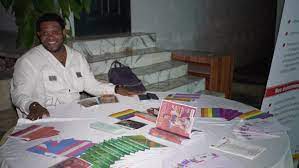
Emmanuel Niamien at the launching of the magazine during the third annual Awawale festival held on May 12-13. © Sophie Lamotte

“Every day, homophobia is the first difficulty that we encounter. We are faced with printers who do not want to be associated with the LGBT community. If we had launched a fashion magazine, we wouldn’t have had this kind of problem. So we [must] go at the pace of those who are willing to help us,” Niamien said between calls to the printer, who had promised a delivery several days ago. 

The magazine is financed by the NGO Gromo – which is one of the few associations fighting for LGBT rights in Ivory Coast – and personal funds from members, including Niamien. The magazine itself is about 40 pages, but they are difficult to fill: despite plenty of ideas coming in, few are willing to put their faces or names to the stories for fear of retaliation.        

“We wanted to picture the team behind the magazine to show the people who contributed, but we rejected this idea because some were afraid and wanted to remain anonymous because of the current environment,” explained Brice Dibahi, Gromo’s founder, during the third annual Awawale Festival, which celebrates the LGBT community in Abidjan.  

The magazine’s zero issue, a mock-up of the magazine to promote it to the community, was launched at the two-day festival, held on May 12-13.  

The 30-something Ivorians say they launched “Meleagbo” to address a lack of representation of the LGBT community in mainstream media. “We realised that magazines here in Africa were not addressing issues affecting our community, and even when such topics are addressed there is a sense of exclusion. So we wanted to control our own narrative.”   

“We hope to change people’s mindsets with this magazine,” said Niamien. “To make people see that we are here, we have always been here, and that we are part of the people who are making changes to the system.” According to research by Gromo, 70 to 83 percent of LGBT people are still victims of homophobia and continue to face death threats, assaults and rapes in Abidjan, the economic capital of Ivory Coast. 

At first glance, Ivory Coast does relatively well among African countries by not outlawing homosexuality. Ghana, which borders Ivory Coast, is currently reviewing a law that would establish heavy penalties – including up to 10 years in prison for homosexuality, which is already illegal. Four African nations even impose the death penalty for crimes linked to same-sex relations.

Nevertheless, Ivory Coast is one of 40 countries on the continent where LGBT people’s rights are also not protected by the law. Moreover, Ivory Coast’s Constitutional Council amended the Ivorian penal code in November 2021 to remove sexual orientation from the list of prohibited motives for discrimination – a move seen by the community as a major setback for LGBT rights. 

“The good news is that there is no law that condemns homosexuality outright,” said Cedric, one of the Awawale Festival organisers. “But society condemns [it].”

“We live in constant fear. So we live hidden, we don’t express ourselves enough, we don’t have the opportunities to express ourselves fully.” 

Widespread discrimination even penalises LGBT people professionally. According to a survey conducted by Gromo in 2021, 70 percent of LGBT people are unemployed in Ivory Coast. According to the National Institute of Statistics in 2019, the national unemployment rate is 21.3 percent.

To address this, some sections of Meleagbo are dedicated to job offers, professional advice and lists of queer-friendly companies. 

According to sociologist Brice-Stéphane Djédjé, a specialist in LGBT studies, employment is a major issue for this community.
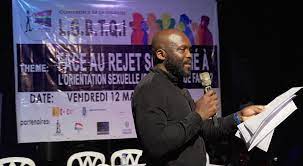
Sociologist Brice-Stéphane Djédjé, a specialist in LGBT studies at the third annual Awawale festival in May. © Sophie Lamotte

“It is difficult to be gay and poor, because the strongest always oppress the weakest and this is also done through economics,” said Djédjé, who authored the book, “How to Love Yourself as a Gay Man in Africa”.

“Gays from poor families pay the price for the laws that discriminate against queer people. A financially stable person will live more freely than someone who lives with his parents – without family pressure, seeing his partners freely and taking care of his mental health.” 

Djédjé also stressed that religion – and in particular Christianity, which is deeply rooted in Ivorian society – contributes to the stigmatisation of the LGBT community. Although the public in many West African countries regard homosexuality as a phenomenon imported from the West, he considers the homophobia in Ivory Coast as having roots in the colonial era. “Colonisation came with the churches here in Ivory Coast. (…) And the churches today spread hateful and violent messages against the LGBT community.”

Ten years of gay marriage in France: Same-sex couples reflect on a decade of change

May 17 was the International Day Against Homophobia, Biphobia and Transphobia. It also marked exactly 10 years since gay marriage became legal in France. Since then, around 7,000 such marriages have taken place each year in the country. Back in 2013, reporters Pauline Godart and Claire Paccalin met several same-sex couples who were bringing up children together in France. Ten years later, they caught up with two of these couples to find out how having the right to get married has changed their lives.

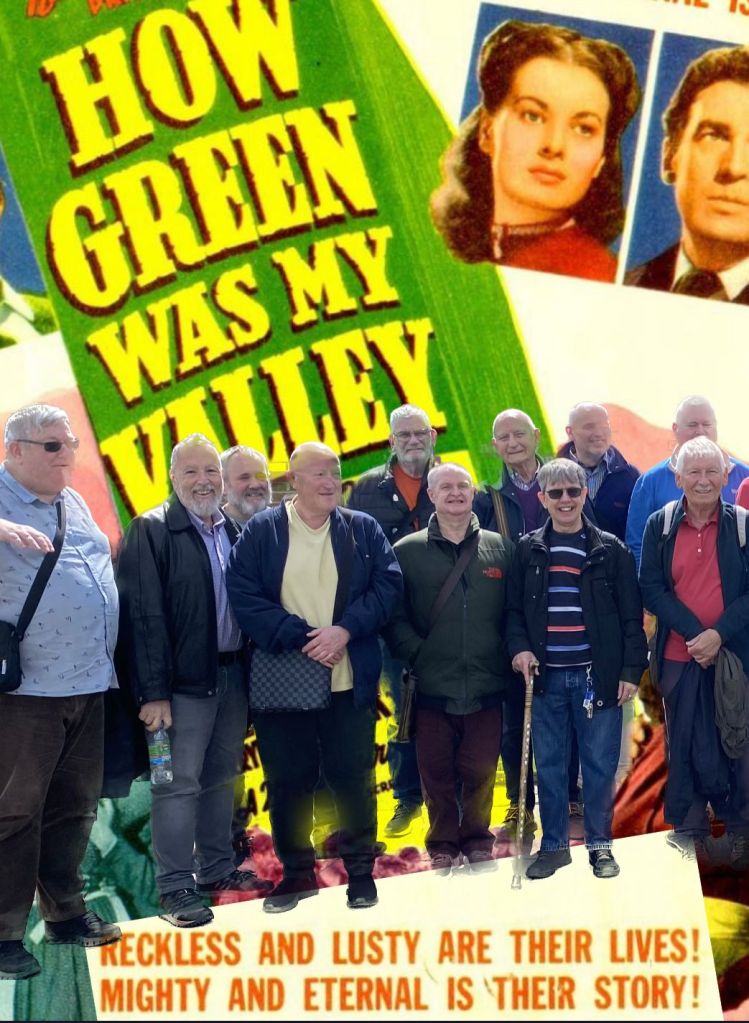
Remake of “How Green Was My Valley”?
Original Cast and Extras

National Coal Mining Museum … Vote for Out Together … “Don’t Say Gay” Documentary Film

News

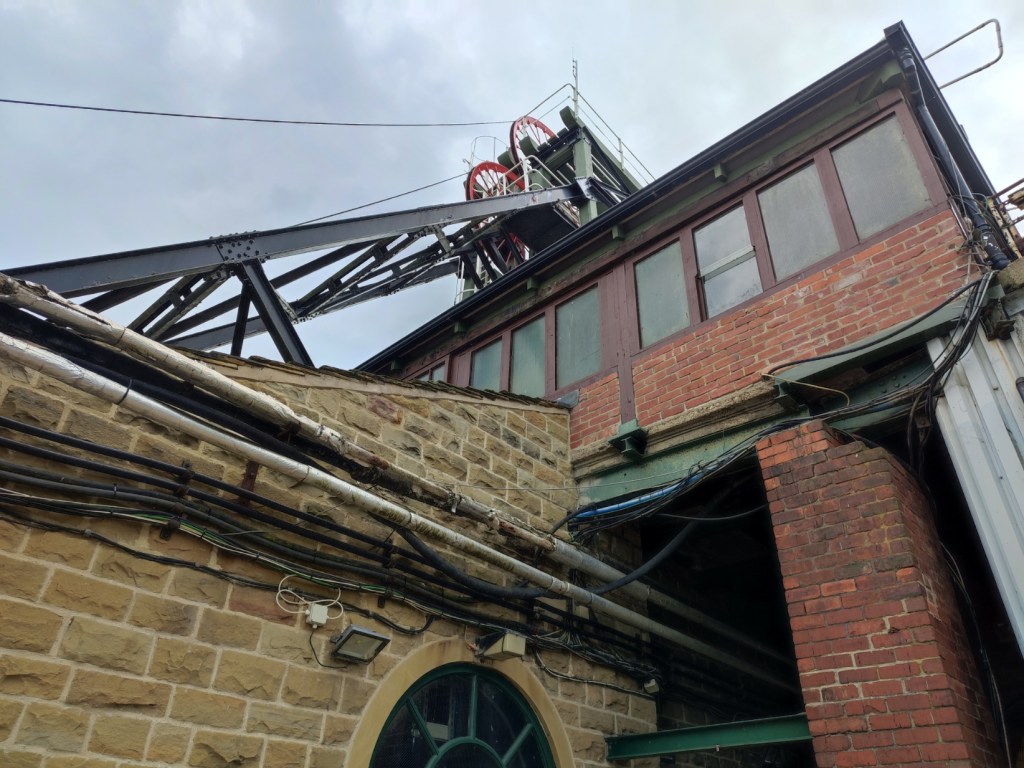
National Coal Mining Museum

Out In The City members travelled by coach arriving at the National Coal Mining Museum in time for lunch. The museum, based at the site of Caphouse Colliery in Wakefield, West Yorkshire, has a café serving homemade food at reasonable prices.

Coal mining boomed and at the beginning of the 20th century the mines had more than one million employees, most of them in Yorkshire. Now all coalmines are closed and renewable sources, nuclear power plants and especially gas generate electricity.

Caphouse Colliery began operating in the 1770s or 1780s, but closed in 1985. It was established as a museum in 1988.

There is plenty to see on the surface but the museum also offers guided underground tours. Visitors can experience the conditions miners worked in and see the tools and machines they used as the industry and the mine developed through the years.

Our guide

We split into two groups to go down the 140-metre mine. For comparison Blackpool Tower is 158 metres tall. I don’t know about the first group, but our guide was an ex-miner with a strong Yorkshire accent. Before getting into the cage lift we had to wear hard hats and a torch pack and leave behind all our belongings containing a battery (phones, cameras, car keys and watches) as coal emits methane, which is highly inflammatory, as well as poisonous.

Our guide led us through narrow passages as he gave us a talk through 180 years of mining, explaining the origin of the expression ‘shut tha’ trap’ when families (including women and children) worked in the pitch black mines for twelve hour shifts and the only schooling was on Sunday.

The Mines and Collieries Act 1842 barred women and girls of any age to work underground and introduced a minimum age of ten for boys employed in underground work, leading to the widespread use of horses and ponies in mining in England. Sadly, the pit ponies often went down the pits for life. Also girls sometimes cut their hair and presented as boys to continue working.

As heavy machinery was introduced miners endured deafening noise and extreme heat – more than 45 degrees centigrade. They worked only in their underpants! However, they organised in trade unions and through strikes and other pressure they eventually improved their working conditions.

The museum is open from Wednesday to Sunday and a visit is highly recommended.

More photos can be seen here.

Vote for Out Together to help Older LGBT+ in Yorkshire

The National Lottery People’s Choice Awards have shortlisted 80 charities and groups for funding in 2023.

Out Together is the only group representing the LGBT+ community and they could win up to £70,000 to help older members in Yorkshire keep well, have fun and stay connected.

The project connects people from the LGBT+ community through social activities. The funding will help build connections between older and younger LGBT+ communities to create an understanding of the experiences the older generation has faced, reduce loneliness and ensure people feel part of their community.

For more information – see http://www.outtogether.lgbt

Voting is open until 12.00 noon on Friday, 26 May and you can vote here.

Don’t Say Gay

Don’t Say Gay is a documentary film about Section 28, which is currently being financed.

Here is a creative teaser, which is a way of showing what the film might look and feel like.

The next stage of filming will be interviews including with the founders of Stonewall, Scottish protestors who challenged libraries to include the Pink Paper, and the founders of LGBTQ+ history month.  There will also be a teacher who wasn’t out during Section 28 and a couple of people who went to school under the law to talk about their experiences.

The world continues to repeat the mistakes of Section 28. The law in Florida dubbed ‘Don’t Say Gay’ impacts young people who have reported books being removed from library shelves whilst teachers are being reprimanded who want to continue to be out and teach their classes about LGBT+ themes and topics.

More countries and states bring in anti-LGBT+ laws from Uganda to Tennessee and many of them use similar approaches that Section 28 used.

The film is a human rights film that wants to highlight what state sponsored silence looks like and the devastating impact it can have on the minorities it targets. It’s more important than ever before. Please share the teaser online, use tag @section28film on Instagram or Twitter or direct people to section28film.com to build anticipation of the film.

Any sharing helps with the fundraising to finance the next stage of filming and archive and music clearance.

AIDS: The Unheard Tapes … IDAHOBIT … Trans Rights are Human Rights … Jackie Shane … Pride Events

News

AIDS: The Unheard Tapes

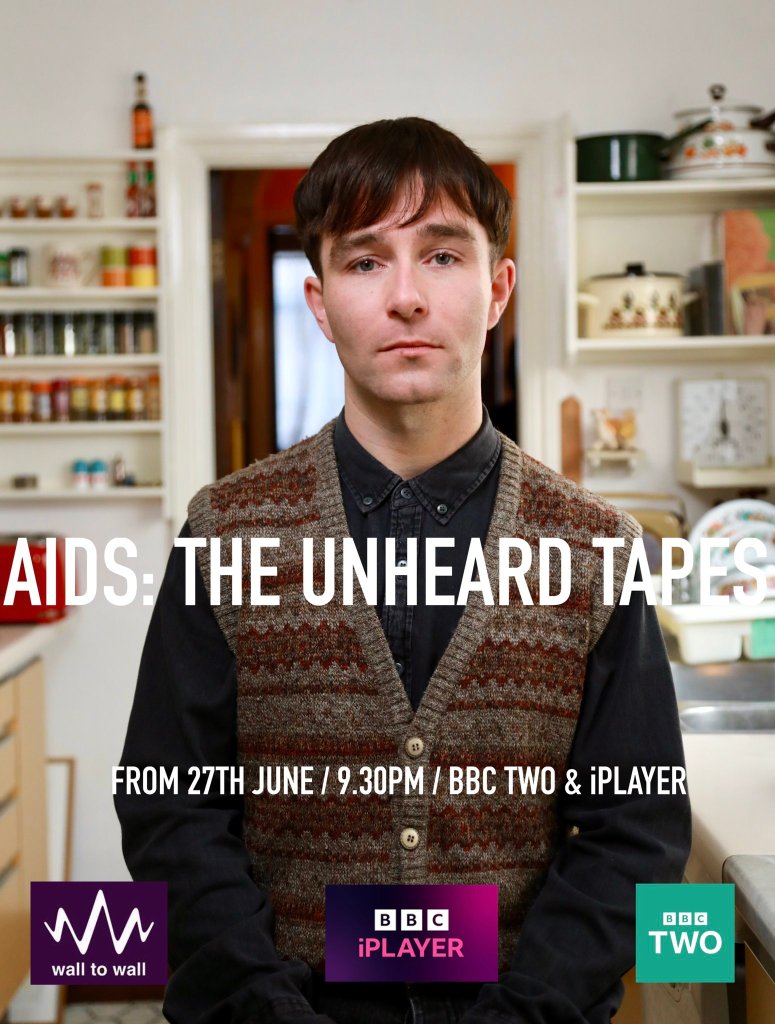
This 3-part series featured audio interviews with gay men recorded throughout the 1980s and 90s and archived at the British Library.

“AIDS: The Unheard Tapes”was nominated for a BAFTA in the Specialist Factual category announced on 14 May 2023.

“Russia 1985-1999: Traumazone” won the award, but for “AIDS: The Unheard Tapes” to have been nominated is of course a huge honour. By the way the photo is George Ure playing me!

The three programmes are still available on BBC iPlayer.

IDAHOBIT is celebrated on 17 May 2023

We are happy and proud to announce that the theme for the 2023 edition of the International Day against Homophobia, Transphobia and Biphobia (IDAHOBIT) will be “Together Always: United in Diversity”.

Decided during a large consultation with LGBT+ organisations from across the world, the theme will allow for advocacy and celebrations in many forms – from human rights defenders, LGBT+ voluntary and community groups, millions of people in our communities and our allies.

At a time when hard-won advances for our LGBT+ communities around the globe are increasingly under threat, the power of solidarity, allyship and community across identities, borders, and movements has never been more necessary.

When we unite, in all our beautiful diversity, we can really bring about change!

When it comes to transgender human rights, there should be no debate

The vast majority of the LGBT+ community believe framing the discussion of transgender rights as a ‘debate’ is harmful, a Gay Times survey has found.

The findings come as the UK media puts topics like self-identification and using the spaces that align with someone’s gender identity in the spotlight, despite trans and non-binary people being estimated to make up just 1 per cent of the population in Britain.

This is often framed as the so-called ‘trans debate’, which frequently sees human rights issues tossed around as if they are a trivial matter and are used to fuel a wider anti-trans agenda.

On 29 March 2023, two days before Trans Day of Visibility, talkRADIO ran Twitter polls asking if a woman can have a penis and whether or not a man can get pregnant.

“Equalities watchdog launches study aiming to ‘reduce distress’ in trans debate,” wrote The Telegraph a week earlier, referencing alleged “fears” that trans activists are “harming freedom of expression” and abusing feminist academics.

Four years earlier, the same outlet ran a think-piece titled: “The tyranny of the transgender minority has got to be stopped.”

“Stonewall should stay out of trans rights war,” read another headline on 22 May 2022, this time in The Times.

The list of examples could go on, as a quick Google search of “trans debate” returns 137,000,000 results.

Despite how frequent this characterisation is becoming, the Gay Times’ survey has revealed that framing the discussion in this way is not welcomed by the LGBT+ community.

Of the 996 respondents, more than three quarters (77.5 per cent) have seen trans rights described as a ‘debate’ in the UK media.

96.4 per cent said they believe this framing to be harmful, a figure which rises to 96.6 per cent when looking solely at LGBT+ people who took the survey.

“We know how detrimental anti-trans rhetoric in the media is, particularly when framed as a ‘hot topic’ for ‘debate’,” said Bex Shorunke, the PR & Media Engagement Manager at trans charity Mermaids. “Since when did a human being’s fundamental rights, and access to spaces, become something up for discussion?”

There are also serious concerns in the way trans issues are portrayed by the UK media, with just 0.9 per cent of respondents believing it to be a ‘completely accurate’ depiction and 6.2 per cent viewing it as ‘somewhat accurate’.

Almost 9 in 10 (86.4 per cent) believe trans issues are ‘somewhat’ or ‘completely’ inaccurately reported on, and just 6.5 per cent believe it to be ‘fair’.

Peter Tatchell, one of the UK’s most prominent human rights campaigners, said the Gay Times “survey result is a damning indictment of transphobia in much of the UK media.”

“Trans voices are routinely ignored, demonised and ridiculed,” he continued. “In contrast, inflammatory, inaccurate and bigoted anti-trans views are given ceaseless coverage. Most journalists would never dare publicise similar abusive opinions about disabled, Black or LGBT+ people, but many seem to think that trans people are fair game.”

Only 2.8 per cent of respondents said they ‘never’ see transphobic reporting in the UK media, a stark contrast to the 44.9 per cent who see it ‘often’ and the 27.3 per cent who see it ‘sometimes’.

A further 14.9 per cent stated that they see it ‘all the time’, with just 1 in 10 (10 per cent) ‘very rarely’ encountering it.

“The press watchdog has failed completely to uphold fair, impartial reporting,” Tatchell added. “It is unfit for purpose and should be disbanded.”

A lot of the UK’s print media is regulated by the Independent Press Standards Organisation (IPSO) in order to hold outlets to account and ensure high standards are being met.

Gay Times contacted IPSO to ask if there were any plans to update its guidelines on trans reporting, particularly when it comes to the depiction of these issues as a ‘culture war’ that is up for debate.

“IPSO periodically updates all its guidance and plans to refresh its guidance on the reporting of transgender issues towards the end of this year,” a spokesperson stated. “As with all IPSO guidance, it is designed to explain how the Editors’ Code applies to the reporting of particular topics. It aims to support editors and journalists to uphold high editorial standards, but does not supersede or replace the Editors’ Code itself.”

Trans Media Watch is an organisation that exists to help the media report on trans issues with accuracy, dignity and respect.

jane fae, Chair of Trans Media Watch, who stylises her name in lowercase, told Gay Times that the findings “are disappointing but not at all surprising.”

“One constant in our work representing trans people to the UK media is the enormous toll that this sort of constant transphobic presence in the press is wreaking on the trans community,” fae stated.

She further explained that this reporting often worsens the mental health of trans people and makes them “more likely to hide at home and not go out”.

“For their part, the UK press and media are utterly shameless,” fae continued. “They twist. They sensationalise. They are more than happy to lead with stories that are simply untrue, even where these stories can have significant negative consequences for trans people.”

Trans Day of Visibility takes place on 31 March each year in order to celebrate the trans community and raise awareness of the discrimination they continue to face.

Gay Times ran its survey for 24 hours from the morning of 15 March through to the following day, with a total of 996 respondents having their say.

This ‘60s soul songstress rocked the Toronto soul scene – and strict gender norms

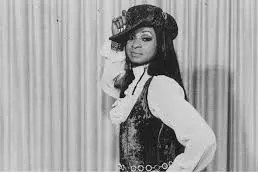
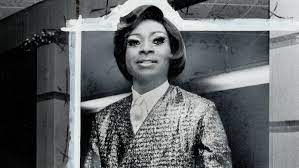
Jackie Shane was born on 15 May 1940 and started her soul-singing career in her native Nashville, Tennessee, donning makeup and long hair even as a teen in the 1950s Jim Crow South.

She took to performing as part of the travelling Cetlin & Wilson carnival to make her name and live her truth on stage. In 1959, the carnival found its way to Ontario, and she knew she’d found where she was supposed to be.

“I never felt that good before. I felt so free,” she later recounted to Toronto musicologist Rob Bowman. “I just loved it.”

Moving to Quebec for a short time, she came to collaborate with Frank Motley and his Motley Crew as their lead vocalist. Her new gig led her back to Ontario, with Toronto becoming her home base as she travelled around recording and performing.

Shane started cutting singles, like her 1962 cover of William Bell’s “Any Other Way”, along with Motley. That song in particular caught fire in her new Toronto scene, making its way up the local charts and earning her a top two hit in the area.

Despite her foundational impact on the Toronto Sound in the ’60s, Shane came to shun away from the spotlight in the ’70s. She wouldn’t be seen much by the public eye until 2017, when reissue label Numero Group worked with her on a double-LP compilation of her work. Her star shone once again, earning her a well-deserved “Historical Album” Grammy nomination.

For decades, Shane was identified as a gay man or drag queen in the press. She herself identified a number of different ways before publicly settling on “trans woman” in an interview that same year, just a couple of years before her passing in early 2019. Such is the nature of queer identity and terminology over decades, of course. What matters most is that she was Jackie, and she was ferocious.

To quote a bit from a live performance of her song “Money“: “When I’m walkin’ down Yonge Street — you won’t believe this — but you know, some of them funny people have the nerve to point the finger at me and grin and smile and whisper. But you know, that don’t worry Jackie, because I know I look good. And every Monday morning, I laugh and grin on my way to the bank because I’ve got mine.”

Check out Jackie Shane’s scene-stealing cover of “Any Other Way”:

Dates for the diary – Greater Manchester Pride Events Taking Place

Bury PrideSaturday 29 April
Pride in TraffordWednesday 17 – Saturday 20 May
Pride on the Range (Whalley Range)Saturday 27 May
Salford Pink PicnicSaturday 17 June
Pride in WythenshaweSaturday 24 June
Sparkle (Transgender Festival)Friday 7 – Sunday 9 July
Tameside PrideSaturday 15 July
Rochdale in RainbowsSunday 16 July
Oldham PrideFriday 21 – Sunday 23 July
Pride in BoltonFriday 28 – Sunday 30 July
Stockport PrideSunday 30 July
Levenshulme PrideFriday 11 – Sunday 13 August
Wigan PrideSaturday 12 August
Prestwich PrideSaturday 12 – Monday 14 August
Manchester PrideFriday 25 – Monday 28 August
Didsbury PrideSaturday 2 September
Chorlton PrideSaturday 16 September
  
Happy Valley Pride (Hebden Bridge)Monday 24 July – Sunday 30 July

Carnforth … Legacy of ’67 – The Symposium … Rainbow Lottery

News

Carnforth

This week we visited Carnforth, a market town situated around seven miles north of Lancaster, which grew in the 19th century through the presence of the railway and ironworks.

The name “Carnforth” is thought to derive from its old function as a ford of the River Keer on which it is situated. Over time the name “Keer-ford” may have morphed into the modern “Carnforth”.

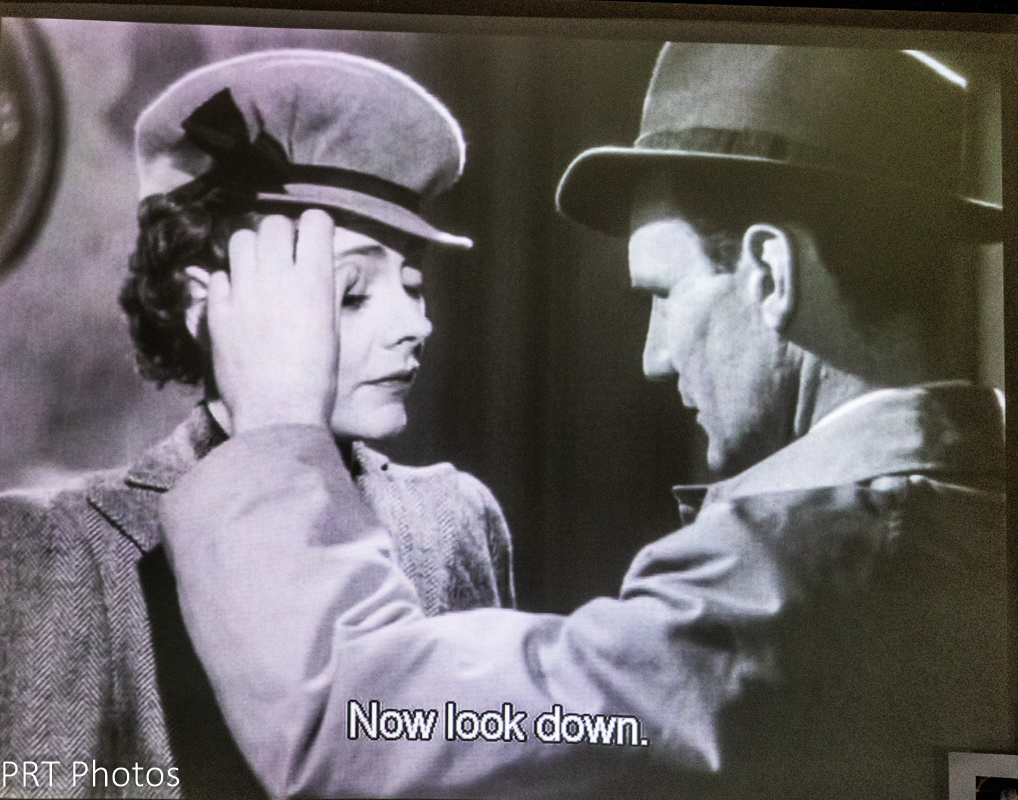
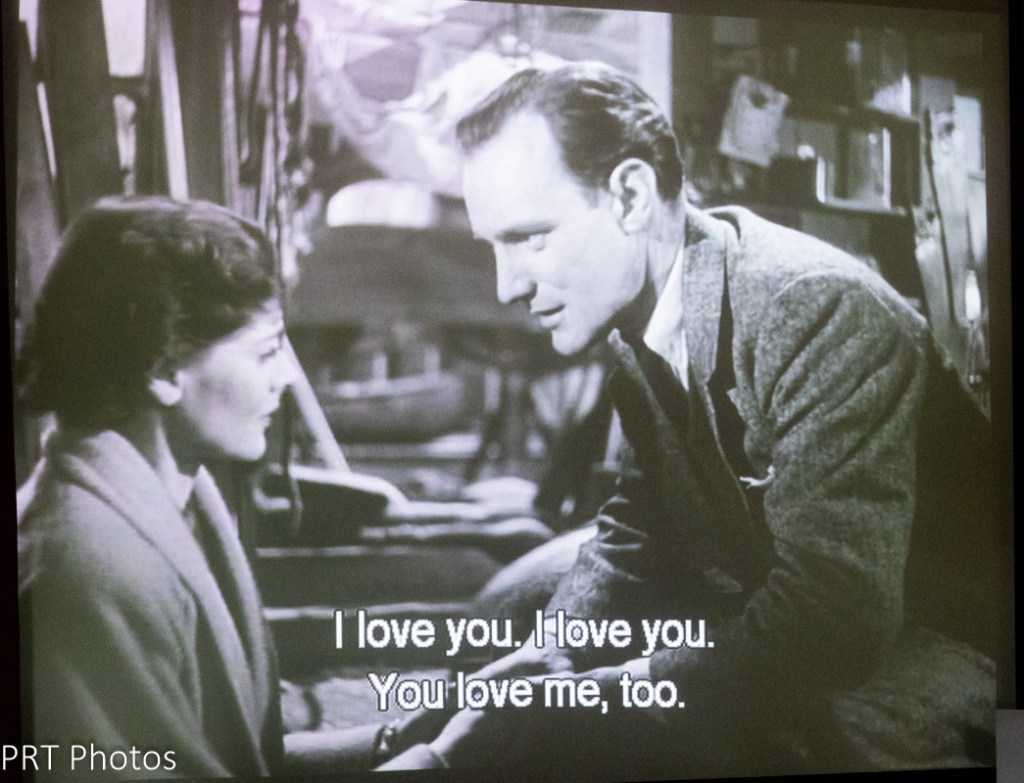
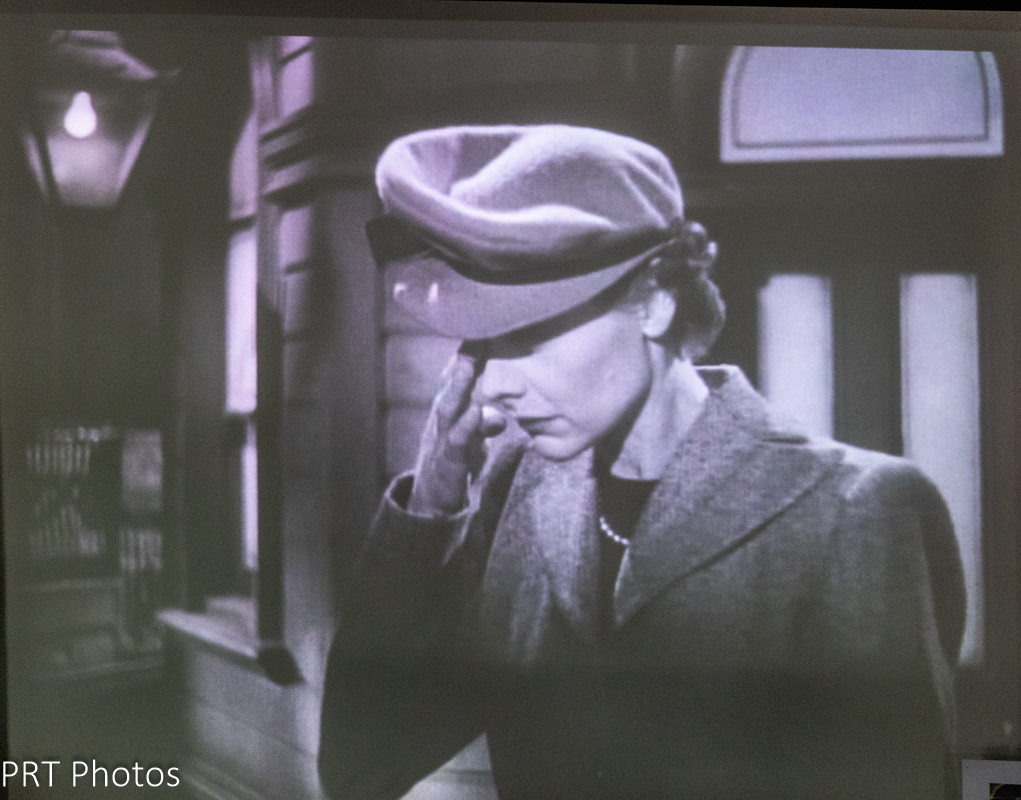
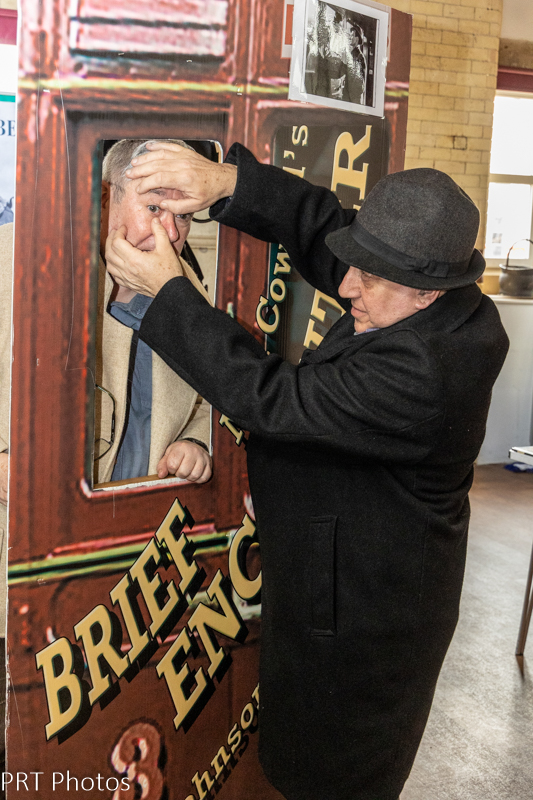
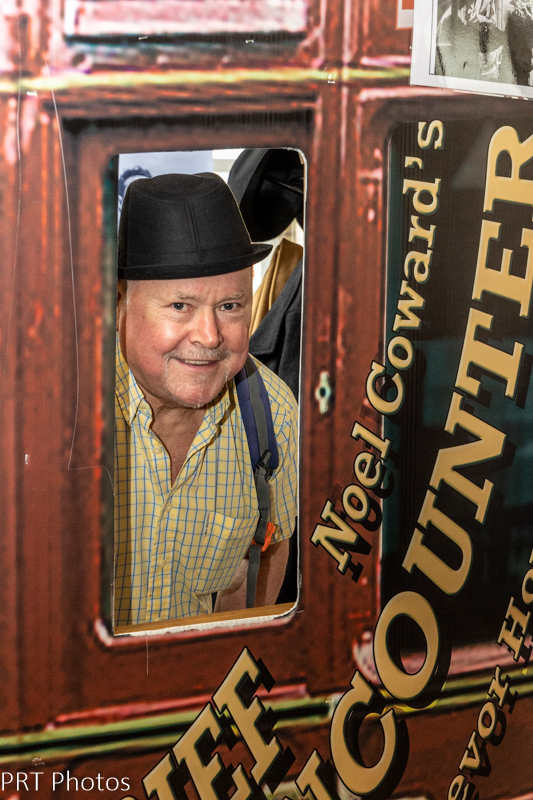
In 1945, Carnforth railway station was used as a location for the David Lean film Brief Encounter, starring Celia Johnson and Trevor Howard.

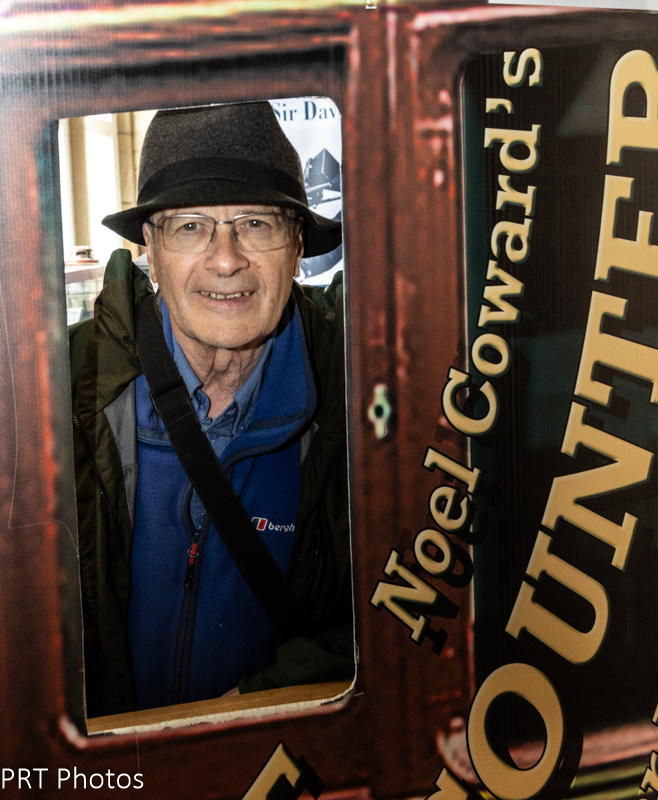
Fans of this film were one of the major factors in the recent refurbishment of the railway station, including construction of a refreshment room to match the studio set used in the film. This reopened in 2021 as the Brief Encounter Refreshment Room Bistro and Bar.

The heritage centre, now run by the Carnforth Station Trust, features a small cinema area, shop and exhibitions. A few of us ventured into the town, and all in all we had a great day out.

Photos can be seen here. Some are black and white photos with some subjects in colour!

Legacy of ’67 – The Symposium

The Legacy of ’67 project launched in February 2022 to illuminate the stories and histories of LGBT+ people before and after the partial decriminalisation of homosexuality in 1967. Personal stories of older people who identify as LGBT+ were collected and preserved in Archives+ at Manchester Central Library. These interviews formed the basis for a theatre show and exhibition.

The Symposium is the last public event of the project – a day-long gathering of presentations, discussion and debate inspired by speakers from the arts, law, academia, research and more exploring the changes in attitude towards LGBT+ people since the 1967 Sexual Offences Act, and how these changes have impacted our communities.

The day will be engaging, stimulating, conversational, discursive, thought provoking, funny and participatory.

Refreshments and a light lunch will be provided.

The event will be on 6 June 2023 from 10.00am to 5.00pm at Friends’ Meeting House, 6 Mount Street, Manchester M2 5NS.

Tickets are £5.00 or free to people who are unwaged or low waged. Booking is essential here

Rainbow Lottery – Win a Summer Getaway!

As the weather (slowly!) gets more summer-y, we’re thrilled to be able to bring you this amazing prize.

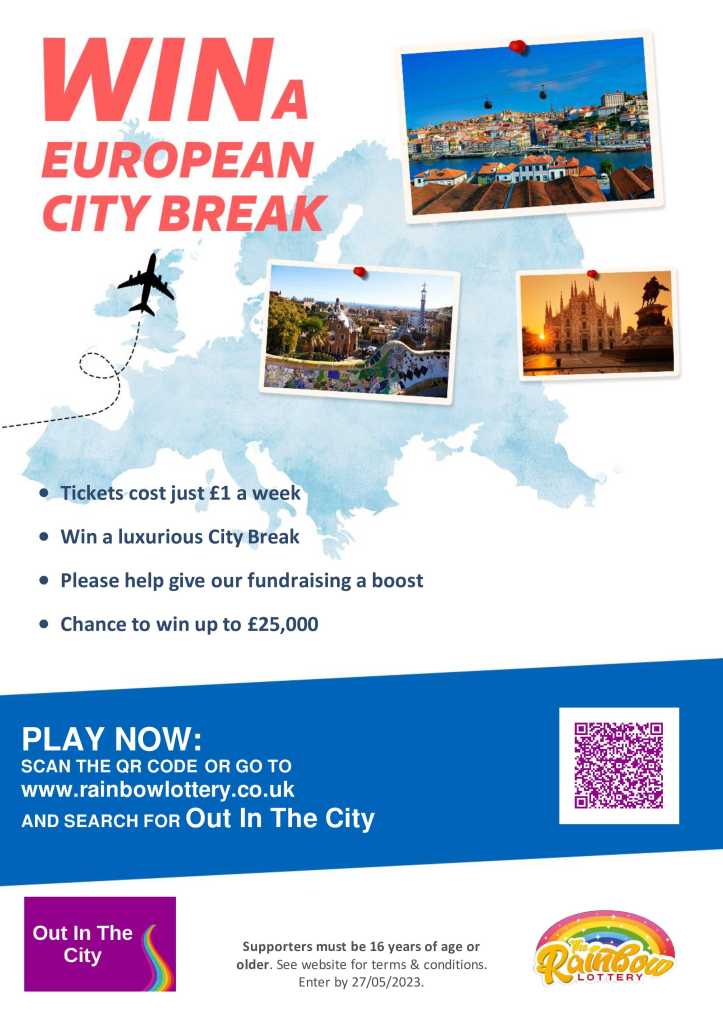
To thank you for your ongoing support for Out In The City, we’re giving you the chance to win a fantastic European City Break this May! Whether you want to see the architecture and nightlife of Barcelona, sample the art and food of Florence, soak up the culture in Paris – or simply unwind and see the sights – this prize is simply not to be missed!

The special prize draw will take place on Saturday 27 May. For existing ticket holders there’s no need to buy separate tickets, you will be automatically entered into this prize draw. Of course, you are welcome to buy additional tickets. Every ticket you buy is an extra chance to win, and an extra fundraising boost for Out In The City.

All this for just £1 a week.

Thank you and good luck!

Bee Corner … Eurovision Party … Will King Charles III address LGBT+ rights? … Pride on the Range

News

Bee Corner

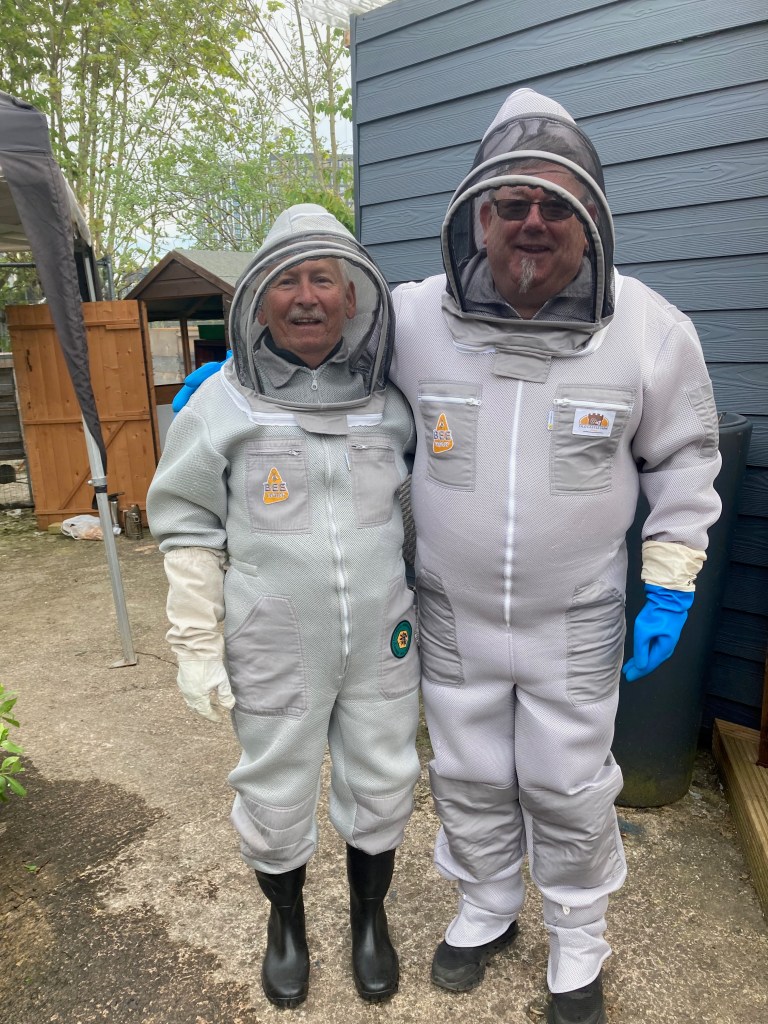
After a bee-utiful lunch in Manchester city centre, we made a beeline for Bee Corner, an urban beekeeping experience, tucked away bee-hind Islington Mill in Salford. As luck would hive it, a bus came straight away.

I know I’m just winging it, but bee puns are good for your health. It’s true: they give you a dose of vitamin Bee! OK, I’m pollen your leg.

Our host, Amber and her team, really looked after us – you’d better bee-lieve it. We started off with refreshments before donning our protective outfits and visiting the hives.

The experience is very “hands on” and Amber is very knowledgeable. We bought some Salford honey, and If truth bee told, this trip is un-bee-table.

And now Culture Corner – a poem and a riddle:

The Last Bee

After the last ee
had uzzed its last uzz,

the irds and the utterflies
did what they could.

ut soon the fields lay are,
few flowers were left,

nature was roken,
and the planet ereft.

Poem by rian ilston

What music do bees like?

If you answered Bee-thoven, Bee-yoncé, The Bee-tles, The Bee Gees, Justin Bee-ber or Sting, give yourself a point.

Some fantastic photos can bee seen here.

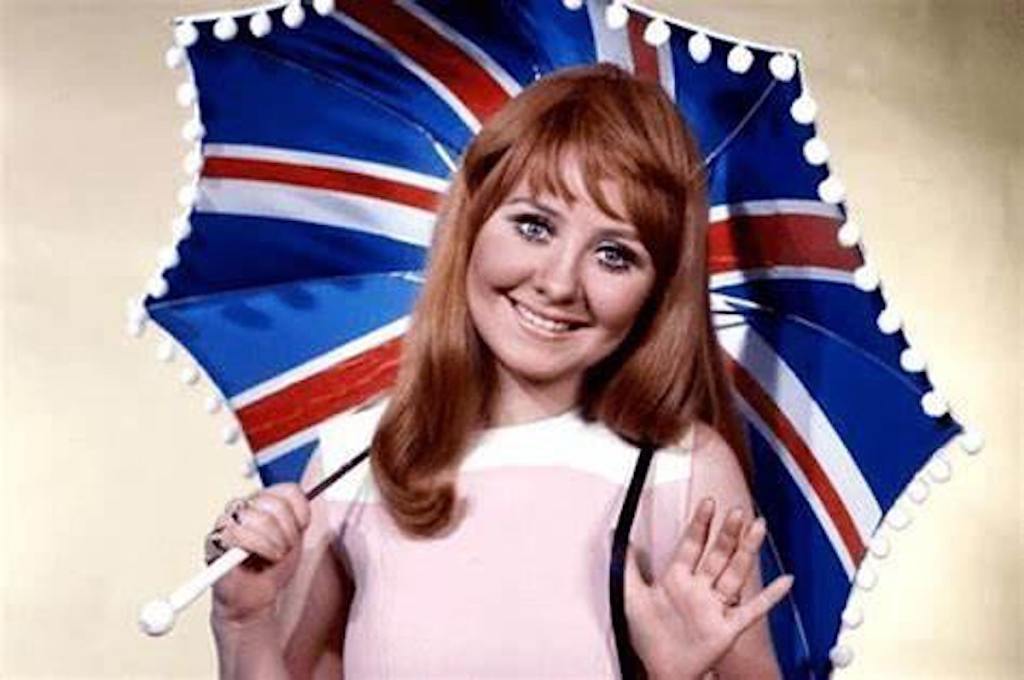
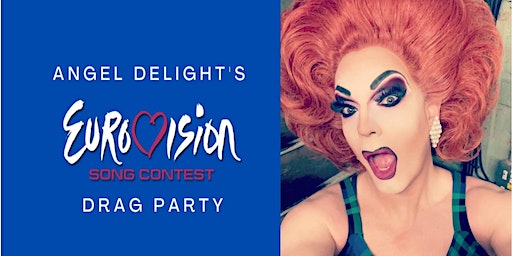
The perfect party to make your Eurovision week go with a boom bang a bang!

Join the gorgeous Angel Delight, for an evening of singalongs, card games, bongo bingo, music quizzes and lots of surprises, all with an added Eurovision sparkle!

Doors open at 7.30pm. Bar will be open all evening. Over 18’s only

Wednesday, 10 May 2023 8.00pm

Register here for Angel Delight’s Eurovision Drag Party

Manchester Central Library

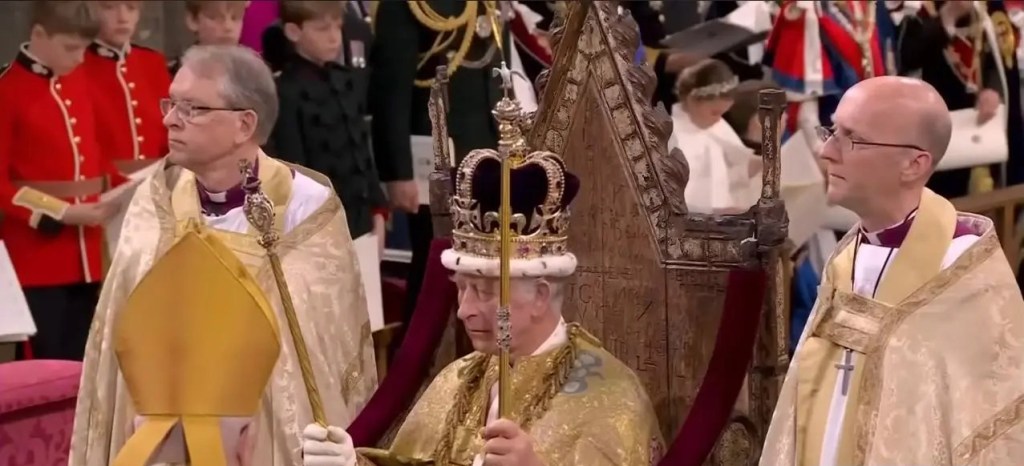
King Charles III is crowned as British monarch

Will King Charles III address LGBT+ rights?

In a solemn ceremony the Archbishop of Canterbury anointed Charles III king.

What will be the new king’s stance on the issues that impact the LGBT+ communities? Queen Elizabeth’s 70-year reign saw transformative changes in the UK, including major laws that advanced LGBT+ rights including the partial decriminalisation of homosexuality in 1967 and the Marriage (Same Sex Couples) Act in 2014.

However, the late queen avoided commenting publicly on LGBT+ rights. She kept herself out of social and political issues, and it seems that LGBT+ rights, even in the 21st century, were considered just that.

LGBT+ rights advocates in the UK, and in the Commonwealth of Nations that the king will now head, are waiting to see if he will be more vocal about LGBT+ rights. Charles has largely followed in Queen Elizabeth’s footsteps, and there is no record of him speaking on LGBT+ rights.

For the transgender community, especially in Scotland, which passed an updated Gender Recognition Law only to have it blocked by the conservative government, barring it being signed into law by the king in the process known as “royal assent,” the king remaining silent has become problematic according to LGBT+ rights advocates.

Same-sex relations remain illegal in many countries once colonised by Britain — many of which now form the Commonwealth.

Obviously, things don’t happen instantly. You can’t change a culture and people’s way of thinking over night. Homophobia is one of the many lingering legacies of the British Empire, which carried over into the Commonwealth of Nations headed first by Elizabeth and now by her eldest son.

Around the world LGBT+ people are outlawed by legislation criminalising same-sex sexual activity and through so-called ‘cross dressing’ laws and public order offences, which disproportionately affect trans people.

Many of these laws remain virtually unchanged since they were first introduced in the 19th century. Throughout Elizabeth’s reign, as the British Empire gradually fell away and was replaced by the Commonwealth, many of those former British colonies — now independent countries, have begun working to recant anti-LGBT+ laws.

While some, such as Uganda where a draconian law was passed to essentially imprison LGBT+ people, there have also been advances. Recently the premier of Australia’s Victoria state castigated anti-LGBT+ groups and in New Zealand lawmakers recently banned so-called conversion therapy and recognised self-identity for trans New Zealanders.

LGBT+ rights across the Commonwealth are changing rapidly, though unevenly. It is hugely important that the government owns up to the nation’s past. Given this legacy, the UK has an important role in supporting LGBT+ people around the world.

The question now is as Charles takes the throne and the reins of both the monarchy and the Commonwealth, will the king remain silent or speak out?

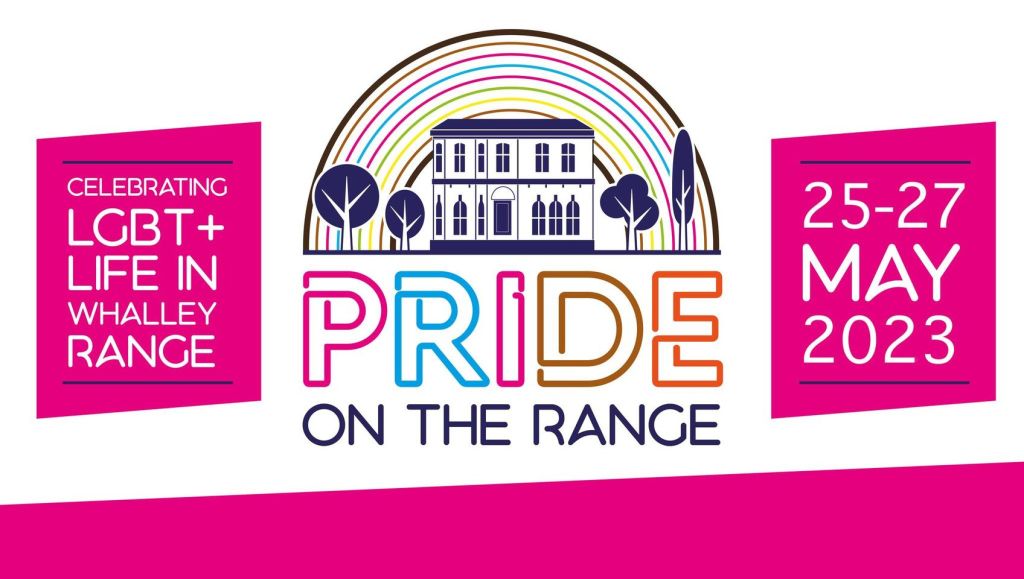
Pride on the Range

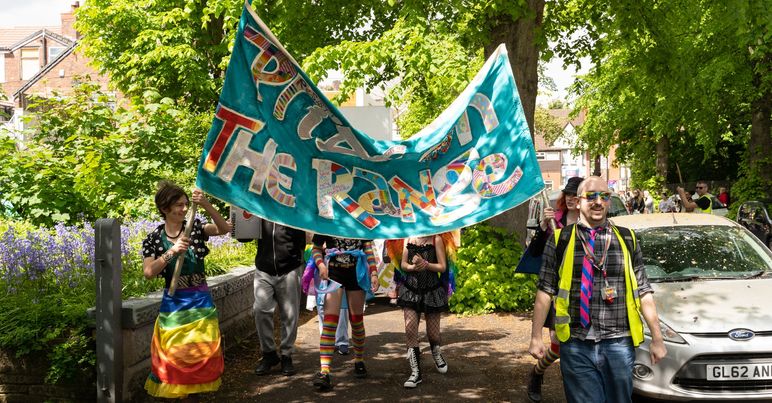
Whalley Range Pride features a parade, music, entertainment galore, a dog show and loads more!

Meet at the Nip & Tipple, Upper Chorlton Road, Whalley Range, Manchester at 11.30am, Saturday 27 May followed by various events at The Carlton Club.