The Queen’s Arms … Wolfenden Report … Stonewall Riots … Pride Month … Refugee Week

News

The Queen’s Arms

The Queen’s Arms pub, near Eccles, has brought Anlo Izakaya vibes to Greater Manchester with its British take on Japanese bars.

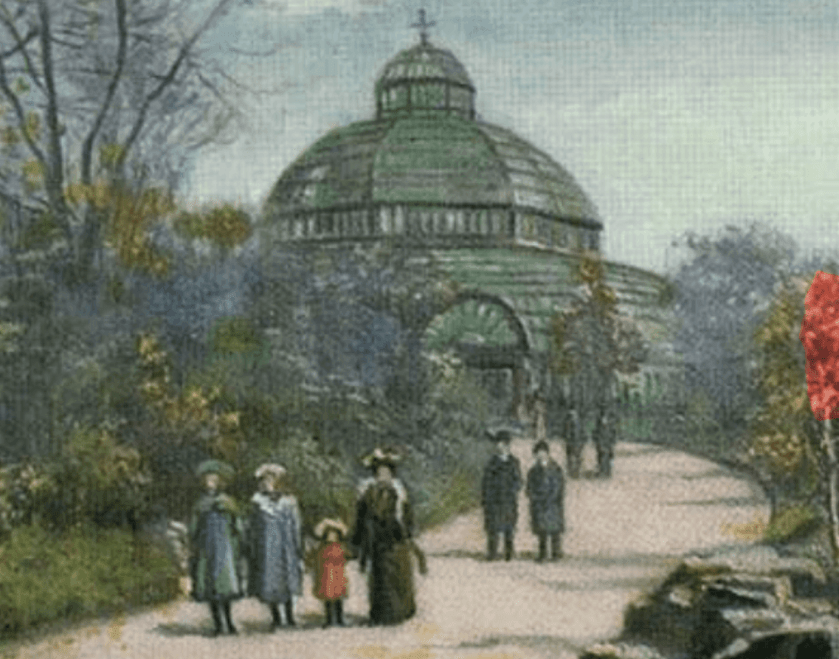
On the outside, it’s hard to separate the Queen’s Arms from any other pub in Greater Manchester. Situated at the top of a small hill next to a low bridge by Patricroft Train Station in Salford, it looks like the perfect spot to sit with a pint on a sunny day and put the world to rights.

But it is so much more than that. Steeped in history dating back to 1828, the Grade-II listed pub was once situated by the tracks of the Liverpool and Manchester Railway, the world’s first steam-powered, inter-city railway, which opened in 1830. The pub lays claim to being factually known as the Oldest Passenger Railway Pub in the World, serving excursion traffic from Manchester and becoming a key social hub for railway passengers.

In 1851 Queen Victoria, Prince Albert and their children were on a visit to the area, and sailed to Liverpool before travelling by train to Patricroft where they got off at what was then the Patricroft Tavern. Rumour has it the Queen asked to use the facilities at the tavern, after which the royal family went by barge down the canal to stay with the Earl of Ellesmere at Worsley New Hall. After they left, the tavern was renamed the Queen’s Arms, in honour of the royal visit.

But almost 200 years after first being built, the pub is doing something special beyond just acknowledging its historical roots. This year the venue reopened as an Anlo Izakaya – a mixture between an English and Japanese pub. Led by Anthony Sit and Mr Lo, two friends from Hong Kong, they have brought their love for Japanese food into the historical venue, and it’s proved to be a hit.

Now a place where you can sit and enjoy the likes of Katsu curries and Tempura prawns alongside a beer to the soundtrack of “Baker Street” by Gerry Rafferty, it’s gone down a treat with both the local community and those wanting to try something a bit different.

The food and drink offering is unlike other pubs. Premium Japanese beer, Sapporo, is served on draft, whilst people can also choose to order sake wine if they wish.

Food-wise, there’s the likes of teriyaki ox tongue, alongside chicken katsu, chicken wings, tempura vegetables, and tempura soft shell crab. And it’s their tempura – which is also available with the likes of pumpkin, purple sweet potato, asparagus, mushrooms, or oysters – that is something really special on their menu. In some cases, like with the soft shell crab and prawns, they’re dusted off with a special blend of ‘typhoon shelter’ herbs and spices to give it an extra punch.

The Queens Arms was Grade-II listed in 1989 due to its range of architectural features, including Edwardian etched glass windows and doors, and fireplaces with Art Noveau surrounds inside. The pub has won local CAMRA branch ‘Neil Richardson’ award for a fine example of a traditional unspoilt pub in 2010 and 2016.

More photos can be seen here.

Wolfenden Report – (Article by Adam Maidment)

I came across a really interesting article which shined a spotlight on a story which was published 65 years ago and hailed as a rare positive light on the LGBTQ+ community at the time.

Published in the Sunday Pictorial (now the Sunday Mirror), the article (dated 26 June 1960) focused on “four self-confessed homosexuals” who met together to discuss the Wolfenden Report – a government-commissioned report published in 1957 which recommended the decriminalisation of homosexual acts.

Back then gays and lesbians were vilified, attacked and pitied.

It would have perhaps have shocked readers at the time (despite not really being shocking whatsoever) because such coverage would just not have really occurred in a mainstream publication at a time when homosexuality was considered to be both a crime and a mental illness.

Whilst still using some language that we would question today, the piece asked: “What are homosexuals like? Can they be cured? Would a change in the law free them to increase in number? Are they a basic danger to society?”

In the article, written by John Knight, the four men were assigned aliases – ready to speak out but not perhaps ready to be identified so publicly – as they spoke about their lives.

Sadly, they were also asked to answer whether they felt there was a link between homosexuality and paedophilia (which does dim the piece slightly for me but I’m trying to remember it’s of the time).

Estate agent Roger Butler – given the name of Steven G, 27 in the article – was one of the men to speak in the piece. A forgotten pioneer of the gay rights movement, he is believed to be the first man to come out voluntarily to the entire British public.

Wolfenden Report

“The normal homosexual is revolted by men who run after little boys, just as a normal man, presumably, is revolted by men who chase little girls,” he said, standing his ground around the attempted connections.

When another of the men, described as an eminent surgeon, was asked if he wanted to be “cured” he replied: “This is an illogical question to people like myself. How can you want to be cured of something you know is incurable?”

I won’t divulge any more of the piece here, but it is well worth a read – especially as we’re in the midst of Pride Month. It did highlight to me how things have changed so much for the LGBTQ+ community, but it also made me remember that the community has always been paired with some kind of negative connotation.

Perhaps that’s enlightening in a way, to know that things have always been the case and it’s not a new thing, but it’s also very saddening to realise that, actually, whilst a lot of things have indeed changed – some things may be quite similar to how they have always been.

The Gay Liberation March from the centre of London to Hyde Park, Saturday 25 June 1977

Stonewall Riots

The only known photograph taken during the first night of the riots, by freelance photographer Joseph Ambrosini, shows LGBT youth scuffling with police.

The Stonewall riots (also known as the Stonewall uprising, Stonewall rebellion, Stonewall revolution) were a series of spontaneous riots and demonstrations against a police raid that took place in the early morning hours of 28 June 1969, at the Stonewall Inn, in the Greenwich Village neighbourhood of Lower Manhattan in New York City. Although the demonstrations were not the first time American LGBT people fought back against government-sponsored persecution of sexual minorities, the Stonewall riots marked a new beginning for the gay rights movement in the United States and around the world.

Welcome to Pride Month (thanks to Alyson Malach)

This month we rise, with colours bold,
To honour stories yet untold.
From Stonewall sparks to today’s flame,
We march with love, we speak our name.

In every borough, street and square,
We show the world that we are there.
Not just surviving, thriving too,
In every shade and every hue.

From joyful dance to solemn fight,
We shine with pride and claim our right.
To live with love, without disguise
With open hearts and lifted eyes.

So, wave that flag, be loud, be true,
There’s room for all, not just a few.
Together strong, we light the way …
Welcome to Pride Month, let’s slay.

Refugee Week

Refugee Week was also held in the month of June. The theme this year was Community.

Community is made by the incredible ordinary and extraordinary simple acts of shared generosity.

We can begin the process of making community wherever we are. We can begin by sharing a smile, a warm greeting, a bit of conversation, by doing a kind deed or by acknowledging a kindness offered to us.

Communities can bring people together by bridging divides and offering support. They offer spaces of resilience and places for healing.  Let’s share the feelings of welcome and belonging, by listening, learning and laughing together.

Manchester tram

Round Up of Recent Activity … Seven LGBT+ TV Shows … Police Apology … Birthdays

News

Round up of recent activity:

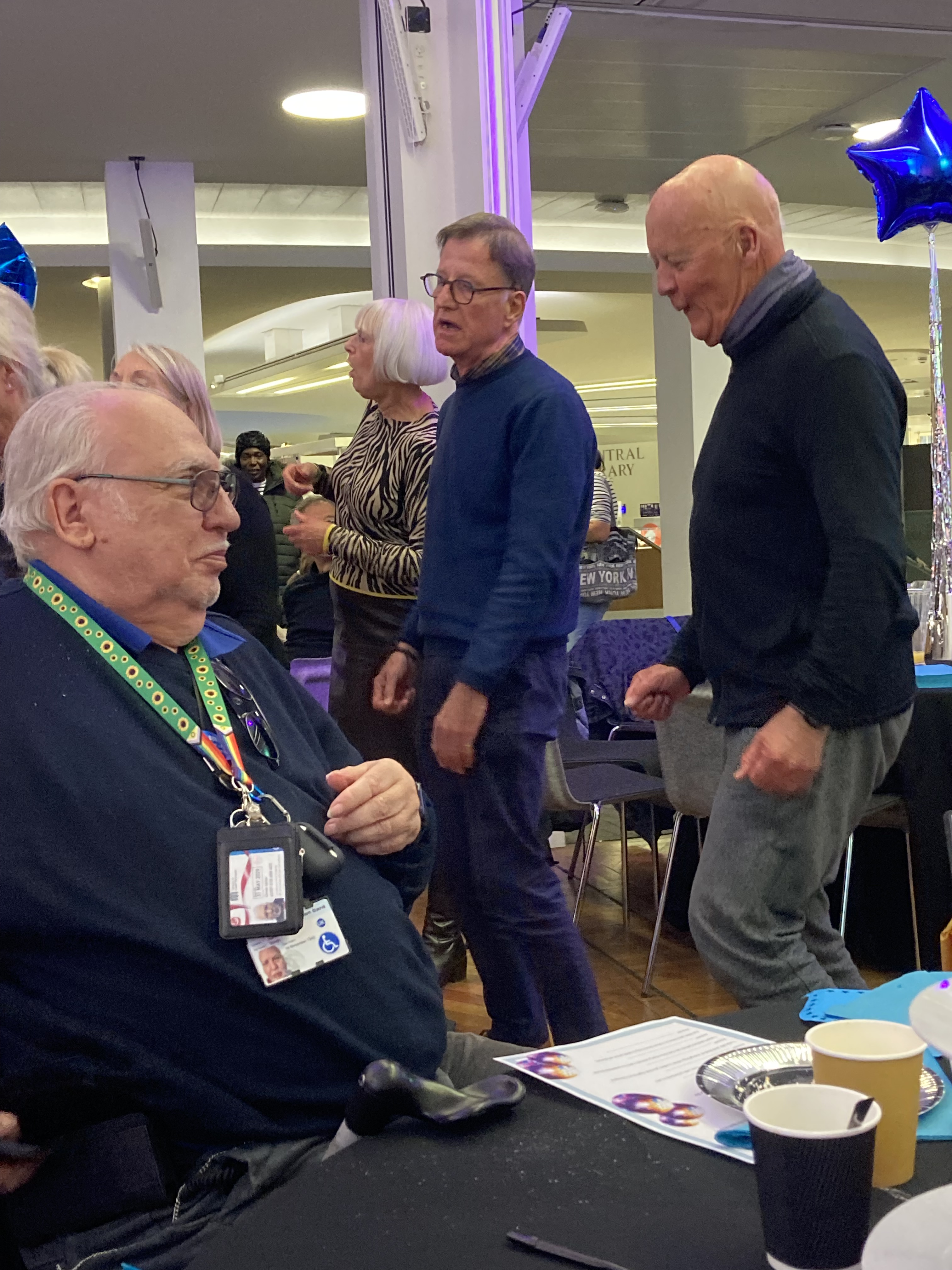
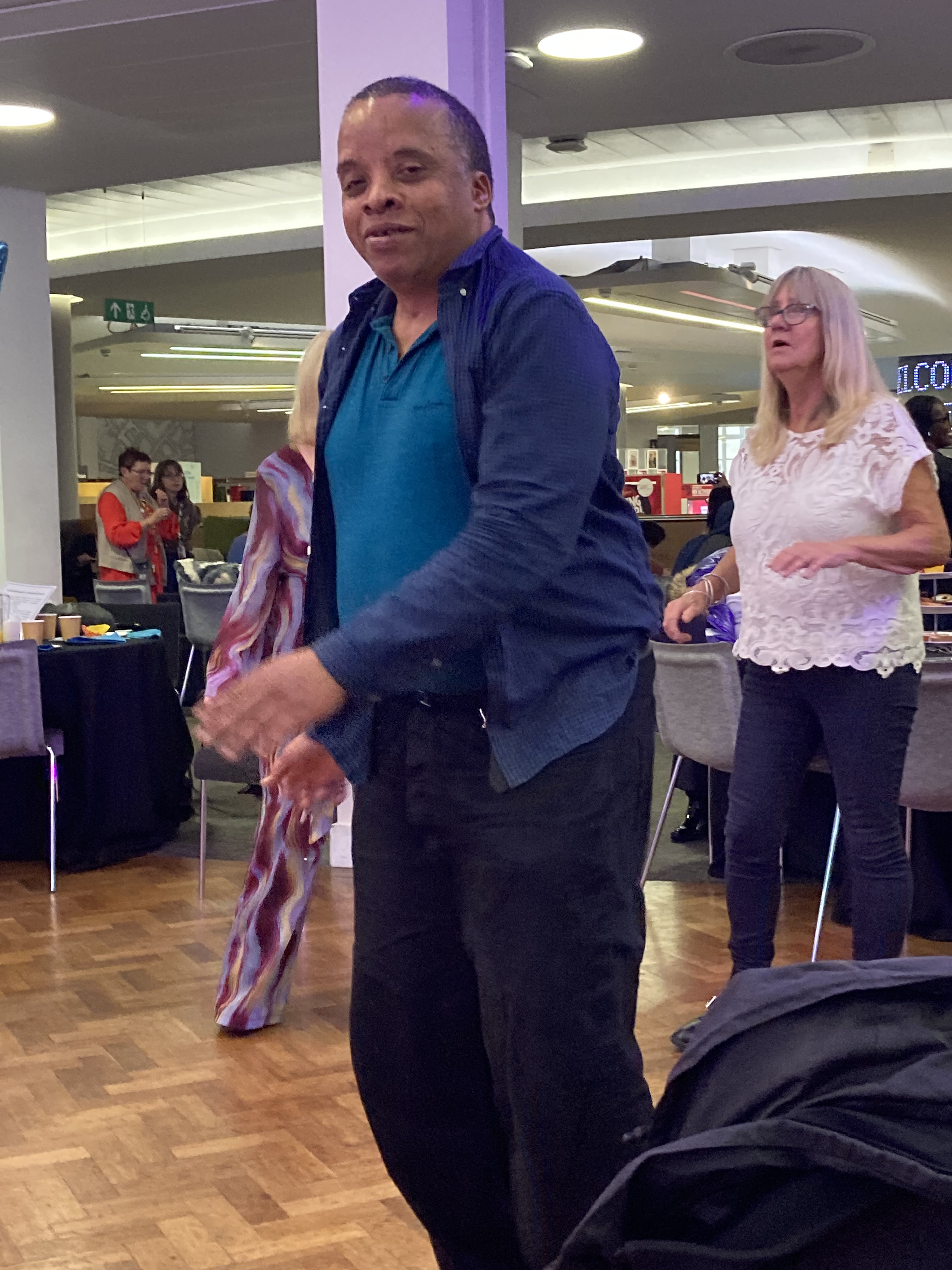
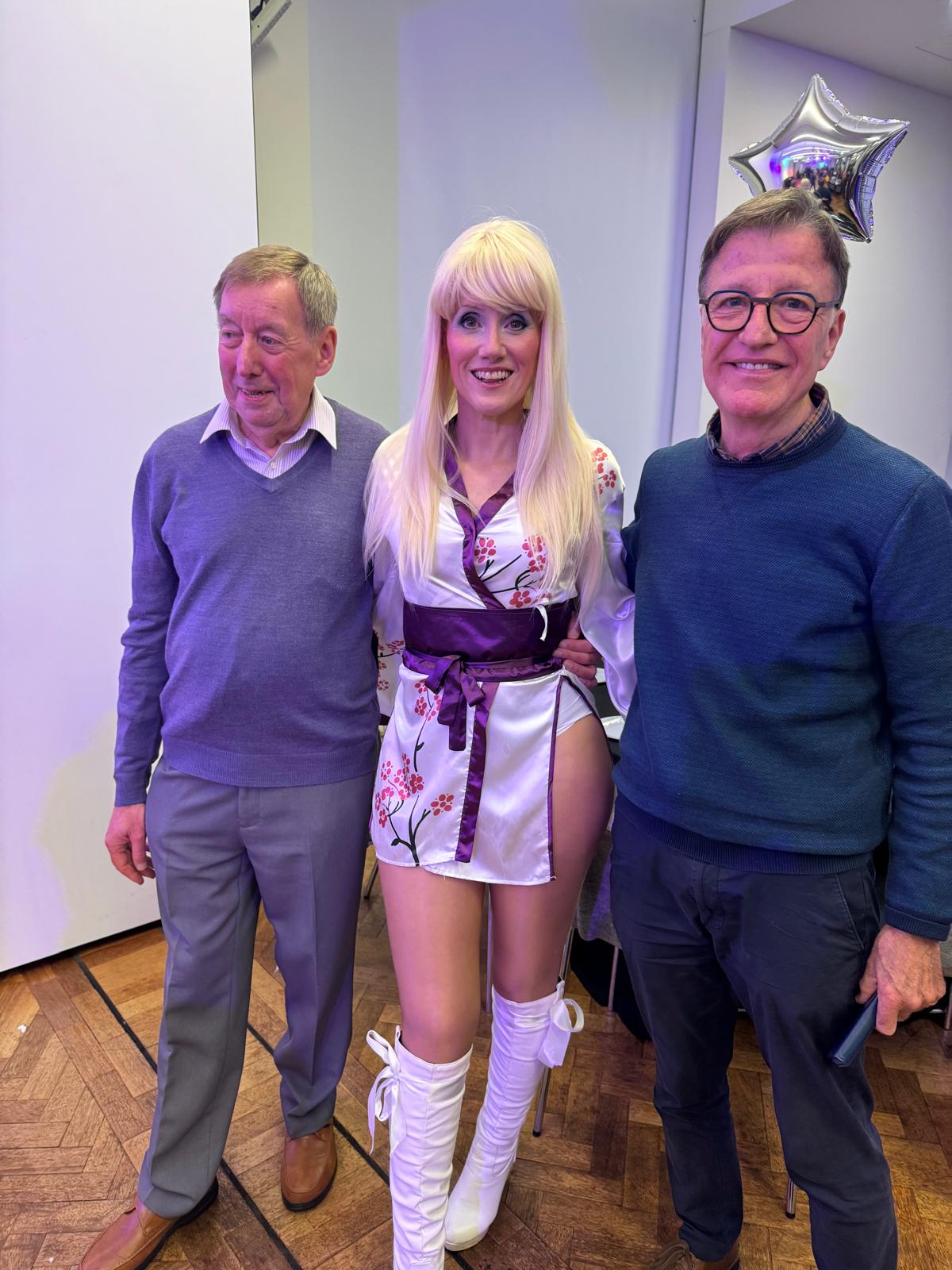
20th Anniversary Party

A picture is worth a thousand words so head over to our photo gallery here to see some fantastic photos – thanks to Peter. We also have to say thanks to our performers – Jennifer, Mindy, Pauline and Wolf (Derek, David and Gary).

Also many thanks to the reception volunteers (Jim H, Jim V and Tony) and kitchen volunteers (Andi, Jed, Ken and Norman). The raffle raised £229.00 and a big “thank you” to Morrison’s Whitefield for a mystery raffle prize (wine and chocolates), and to the other people who donated prizes.

Thanks to all who attended as we had a brilliant time and Jim G, our oldest member at age 96 “loved every minute of it”. When all was done and dusted we put our best lallies forward, and with our eeks shining with hope, we trolled together towards the fantabulosa futurette!

Poem – Being A Champion Against Ageism by Pauline Smith (2 March 2025)

See the pyramids along the Nile
We don’t think they are decrepit and past it
Nor do with Stonehenge
We admire its builders and longevity
So why do we hate growing old?
It’s not a disease
It’s a privilege which not all humans will enjoy
Or experience
I was lucky when I was young
To see Stonehenge and touch the stones
In the early morning mists 
In Wiltshire in 1970
I have seen Carnac and other henges
And realised even then that growing old is special 
Today you are past it in your 40s
Finding a new job in your 50s is tricky at best
Women try to stay looking young
Why?
Youth and being young, lithe and beautiful
Is part of life
It’s not the yardstick we measure our lives by
We measure our lives through the joys and pain
The successes and failures
As we age we have more of these
And more laughter lines and wrinkles
More experience … more nous
We are not past it at 40, 50, 60 or 70
The balance shifts as we age 
We have children and bring them up
They have children and bring them up
And we become grandparents and
Pass on our experience
And if we have no children
We contribute on so many ways
Through work and volunteering
Age is not one size fits all
It’s not a curse
Or a handicap
Yes many older people struggle
With health and finances
Ageing is never easy
And poverty hurts deeply
But … think on this
Ageing is a gift not something to be despised
If you are young and reading this
One day … if you are lucky
Like me … you will be old
I am 77 and one of the Champions against Ageism
Help me and my generation
Break down the barriers
Against Ageism
Being old means many things
Please
Respect us, love us
Listen to us talk with us
You can share your experiences with us
Let’s fight Ageism together.

Queerfest

The Bury LGBTQIA Forum Literary Festival or Queerfest was held on Saturday, 21 June and was a full day of celebrations of literary arts and culture. There were stalls from a variety of artists and writers as well as badge making, workshops, spoken word performances, Q&A talks with Steven Appleby and Matt Cain, book signings and Polari Bible readings!

In the evening we were treated to “With Love, Mr Gay”, an award-winning play by Joshua Val Martin based on a true story. It’s powerful, funny and deeply moving.

Social gathering

Seventeen of us met up on Sunday, 22 June for food, drink, relax and chat at The Real Greek Restaurant in The Corn Exchange – a food court and former shopping centre in Exchange Square, Manchester. The food was authentic – humus, flat breads, chicken on skewers, haloumi fries etc and we enjoyed a relaxing meal in a pleasant atmosphere.

There are more trips and events on our website. Please see here.

Seven ‘brilliant’ LGBT+ shows to binge-watch this Pride month

June is Pride month, and what better thing to watch on your screen than some of the best LGBT+ series out there, from reality shows to period dramas and romance?

If you’re looking for bingeable LGBT+ series to celebrate Pride with, look no further (Image: Ben Blackall 2019)

Pride month is officially here, and for those days you’re not spent celebrating with friends at festivals and parades, you can still embrace the moment while cosied up at home. Turn on your TV, turn on that fan and allow these LGBT+ shows to add a touch of magic to your month.

Whether you’re wanting to see some familiar queer faces in a reality TV show or fall in love on screen, there’s so much great LGBT+ storytelling waiting to be shared. To make life a little easier, we’ve compiled a quick list of what there is on offer, across all genres, that you may not have seen just yet.

Killing Eve is an award-winning show with LGBT+ themes (Image: BBC  America / David Emery)

Overcompensating (Amazon Prime)

This new addition from Amazon Prime is the talk of the town this month, as the comedy drama sees a guest appearance from Charli XCX. Not to mention, a whole load of cameos from online queer comedians, including the creator and lead actor, Benito Skinner, better known as Bennydrama.

Viewers can watch him star as a high school jock, fresh into college at Yates University, grappling with his sexuality. The popular kid is a closeted gay guy and finds himself in all kinds of situations to mask his true identity and fit in with his heterosexual classmates.

Feel Good (Netflix)

Feel Good is a semi-autobiographical comedy-drama created by and starring Mae Martin. The non-binary actor plays a fictionalised version of themself as they struggle to cope with addiction and their attachment to their girlfriend George.

Charlotte Richie, known for her roles in Fresh Meat and Call The Midwife, stars as Mae’s complicated partner whom they live with. In a series of hilarious, quintessentially British and awkward moments, George struggles to come out to her loved ones but falls madly in love with Mae. The touching TV show also stars none other than Friends actress Lisa Kudrow, who plays Mae’s over-the-top Canadian mother.

Queer Eye (Netflix)

The 2018 reboot of an old reality show saw Queer Eye turn into an impressive nine-season run, with its all-LGBT+ hosts gaining traction worldwide. Five experts in their fields – fashion, grooming, interiors, cooking, and lifestyle – transform the lives of everyday people in an attempt to improve their lives, using their years of experience and knowledge.

Travelling across the US, the Fab Five team are met with people from all walks of life, including those that may even have views against the queer community, where they face an even bigger task. It is emotional and heartwarming as you see people who don’t take the time for themselves be given the gift of compassion, care and, of course, a whole new makeover.

Queer Eye has over 80 episodes (Image: Netflix)

It’s A Sin (Channel 4)

One short series packs in a strong punch in what is a highly acclaimed show with an outstanding cast. It’s a Sin is set in 1980s London, during the AIDS crisis, and follows the lives of young men, who moved to the city in search of a new life and were met with tragedy.

While the series is a celebration of the LGBT+ community in the 80s, it retells a vital and heartbreaking story of the young homosexual men that lost their lives to AIDS. Not only that, but it deals with the prejudice the community faced as a result of the HIV virus.

Killing Eve (BBC iPlayer)

Killing Eve is an unstoppable spy thriller that follows an investigator tasked with capturing an insane assassin, Villanelle. As she chases down her latest case, her obsession becomes stronger, and Villanelle enjoys the thrill of being wanted. Each episode sees their unusual connection grow into toxic mind games that leave you questioning what is genuine and what is all one big mind game.

The first two series were critically acclaimed, starring Sandra Oh and Jodie Comer, who went on to win numerous BAFTA Awards and Golden Globes for their roles. The obsessive pair’s violent, emotional and sexual relationship grows and flows throughout the four seasons of the show, and all of them are available to binge-watch on BBC iPlayer and Netflix.

Heartstopper (Netflix)

Olivia Coleman appears in the award-winning series (Image: Samuel Dore/Netflix)e: Netflix)

This is a heart-warming coming-of-age show, based on a teen fiction novel with the same name, that tells the touching story of two young boys falling in love. It deals with a group of teenagers as they face coming out, friendship struggles, first times, sexuality and identity.

Heartstopper gained critical acclaim and high praise for its tasteful portrayal of LGBT+ people and went on to receive a number of Emmy nominations. Within just a few days of its release, it became one of the top ten most-watched English language shows on Netflix.

Gentleman Jack (BBC iPlayer)

A period drama based around a 19th-century lesbian love affair, Gentleman Jack is steeped in history and makes for the perfect binge-watch. Set in the Yorkshire hills during the 1830s, it follows Anne Lister, an industrialist and landowner, whose real-life diaries helped to build the plot of the show.

Decades later, the diaries were discovered, many of which were written in a secret code that details a lifetime of the businesswoman’s lesbian relationships. Each episode takes you on a journey, based on these stories, in what becomes a sensual and steamy romance.

It’s time every police force atoned for its homophobic witch hunts

At the height of the AIDS crisis in the 1980s, when hundreds of gay men were suffering slow, agonising deaths, the then-Chief Constable of Greater Manchester Police (GMP), James Anderton, denounced gay men as “swirling around in a cesspit of their own making”.

His words were not mere rhetoric. Homophobia informed operational policing. GMP officers were directed to illegally harass gay venues, including the notorious raid by 23 police on Napoleon’s bar in 1984. The membership list, including names and addresses, was illegally seized, and patrons were lined up against the wall and unlawfully photographed. Some had their feet deliberately stamped on.

Regular police raids on the New Union pub, Rembrandt Hotel and the Clone Zone shop were acts of vindictive police harassment. Manchester police openly boasted: “We’ve been trying to close these queer places for years.”

Activists and allies protesting in Manchester in 1991 against police harassment towards the LGBT+ community – Credit: Mirrorpix

Sorry seems to be the hardest word

As individuals, we are taught from an early age to say sorry when we have done or said something wrong or done something unacceptable.

We are taught that there is great benefit in acknowledging and accepting a mistake. It allows us to move on, it allows us to rebuild relationships.

Greater Manchester’s Police Chief Constable, Stephen Watson, has been knighted for services to policing in this year’s King’s Birthday Honours list. He has also taken two years to say he will NOT apologise for his force’s past witch-hunts of LGBT’s, which wrecked people’s lives.

Greater Manchester Police chief constable Stephen Watson (Image: Kenny Brown, Manchester Evening News)

However, in response to Peter Tatchell Foundation’s #ApologiseNow campaign, 21 out of the 45 chief constables in the UK – including the Metropolitan Police, Merseyside and Police Scotland – did just that, with many also implementing new LGBT+ supportive policies. They recognised the injustice done.

Apologies are not symbolic gestures. They are acts of justice. They affirm change and that the police now stand alongside the communities they once harmed. For many LGBT+ people, hearing their chief constable acknowledge historic mistreatment would be profoundly healing.

The apologies issued so far by 21 forces have not undermined current officers but have strengthened community trust. They have helped to rebuild bridges with marginalised people, showing that policing today is informed by compassion, accountability and truth.

This has boosted confidence in the police and encouraged more LGBT+ people to report hate crimes, domestic violence and sexual assaults.

We are currently in a period where many in the LGBT+ community do feel under attack. Trans people are having their rights weaponised by prominent figures and questioned by the Supreme Court.

In the year ending March 2024, there were 22,839 hate crimes relating to sexual orientation recorded by the police in England and Wales. There were also 4,780 reports based on transgender hate crimes.

Of course, these are just the recorded ones.

Birthdays

Visual Impairment Awareness Training at Out In The City

The Sight Loss Support Team from Henshaws is providing a training session from 2.00pm to 3.00pm on Thursday, 26 June.

The session will be at Cross Street Chapel, 29 Cross Street, Manchester M2 1NL and will be followed by a Women’s meeting and a general meeting until 4.00pm.

Drop-in. No booking required.

Sir Robert Peel and The Bury Transport Museum … Improving Access to Screening … UK’s First Purpose Built Majority LGBTQ+ Housing Scheme … Birthdays

News

Sir Robert Peel and the Bury Transport Museum

Sir Robert Peel, born in Bury in 1788, is one of the town’s most celebrated figures. Twice serving as Prime Minister and founding the British Conservative Party, Peel’s legacy is deeply intertwined with the history of Bury. The Peel Memorial, a prominent monument in the centre of the town, stands as a testament to his significant contributions.

Just a few minutes walk from the town centre is the Bury Transport Museum, housed in the historic Castlecroft Goods Warehouse. It offers a fascinating glimpse into the town’s rich transport heritage. The museum is part of the East Lancashire Railway experience, which runs from Bury to Heywood, Ramsbottom, and Rawtenstall. The museum features a collection of vintage vehicles, including buses, trams, and steam engines, with highlights such as the steam roller ‘Hilda’ and a World War I memorial to railway workers.

Visitors to the museum can explore interactive displays and exhibits that transport them back to the 20th century. The museum’s collection includes vintage signboards, luggage cabins, and trunks, all meticulously restored and maintained. The engaging displays make the museum a perfect outing, offering both educational and fun-filled experiences for visitors of all ages.

Whether you’re a history enthusiast or simply looking for an enjoyable day out, the Bury Transport Museum and the legacy of Sir Robert Peel offer a unique and enriching experience.

More photos can be seen here.

Improving access to screening in Greater Manchester

The video was made in collaboration with NHS Health Innovation:

As part of the continued public and community engagement work that is being undertaken as part of the Health Innovation Accelerator programme, Health Innovation Manchester invited members of the LGBT Foundation Pride in Ageing programme to share their thoughts and experiences of engaging with the healthcare system.

These conversations focussed on potential ways to increase engagement within the LGBTQ+ community in terms of access to NHS screening, and in raising awareness of health risks associated with prevalent diseases across Greater Manchester.

Through conversation and active listening with members, Health Innovation Manchester was able to better understand lived experiences within the LGBTQ+ community, including needs, and perspectives on how the health and care system can better engage with its diverse communities across the city-region.

The Health Innovation Accelerator has been established to improve the diagnosis and treatment of disease across the 2.8m Greater Manchester population.

The Accelerator is addressing several diseases including liver, heart and lung disease, by using academic, clinical and industry excellence to better understand data, digital tools and innovative point of care testing to improve health outcomes for patients.

Public and Patient Involvement and Engagement (PPIE) is a key component of the Accelerator, with the overall aim of empowering the public to engage in focus group discussions, co-creation sessions, creative campaign design, peer led interviews and observing people in their own environment to understand their experiences, perspectives and everyday practices.

UK’s First Purpose Built Majority LGBTQ+ Housing Scheme

Work has finally got underway on the start of the UK’s first majority LGBTQ+ housing scheme here in Manchester.

The exciting new £37 million flagship development – which is being built on the site of the former Spire Hospital on Russell Road, in the Whalley Range area of Manchester – will be comprised of 80 one and two-bedroom apartments for older people over the age of 55 for social rent, alongside an additional 40 affordable shared ownership apartments. 

Plans for the scheme have been co-produced in partnership with the Russell Road Community Steering Group, Manchester City Council, and the LGBT Foundation.  

Delivered in partnership with contractors Rowlinson, and funded through Great Places, the Homes England Strategic Partnership, GMCA Brownfield Housing Fund, and Manchester City Council, the high-quality and sustainable building will offer a ‘safe and welcome feel’ with an ‘inviting presence’.

While the goal is to create an inclusive space, the scheme has also been designed to respect the surrounding conservation area. 

On top of this, the low carbon scheme will also feature shared communal facilities including lounges, treatment rooms, and landscaped gardens.

The Council says the new scheme is part of its ambitious target to deliver at least 36,000 new homes across the city region by 2032 – at least 10,000, of which, will be social rent, Council, or considered ‘genuinely affordable’ housing.

It comes after more than 800 ‘Extra Care’ homes have been built in Manchester in recent years, and are another 1,000 are in the pipeline – to meet the demand for older people in the city. 

A CGI of the newly-approved LGBTQ+ Extra Care housing scheme development in Whalley Range / Credit: Manchester City Council

“This is a real milestone moment for this development,” commented Cllr Gavin White, who is the Executive Member for Housing and Development at Manchester City Council.

“The Council has believed in the positive impact an LGBTQ+ majority housing development could have for this community for many years, and to celebrate the social rent homes officially starting on site is a great moment for the city. 

Working with the LGBT Foundation, we know that older LGBTQ+ people worry about being able to access appropriate and inclusive housing later in life. Although we hope all older person’s accommodation is welcoming to everyone, this scheme will provide safe, secure and affordable housing for LGBTQ+ people to live with dignity.

We look forward to the completion of these homes that will complement and enhance this part of Whalley Range, and be an important part of this community.”

The project is scheduled to be completed in Summer 2027.

Birthdays

Polari Scrabble

“Memorial Gestures” at Sunny Bank Mills … Barry Manilow … 200 Year Old Condom … AIDS Quilt on Display … All Are Welcome Here

News

Holocaust Centre North Exhibition: “Memorial Gestures”

A group of us travelled to New Pudsey, with some difficulty due to delayed trains and cancelled taxis. But it was a very worthwhile day, although an exhausting one.

We had a lovely lunch at the Mill Café – most of us sat outside due to the warm weather, before making our way to the historic 1912 Mill.

The exhibition – “Memorial Gestures” – is the culmination of three years of a unique artist residency programme. In this time, 14 artists, writers, and translators have been invited into the Holocaust Centre North Archive to engage with the growing collection of personal papers and historical material.  

Through textiles, video, ceramics, installation, drawing, photography, print, found objects and written word, these artists explore themes of migration, trauma, memory, hope, resilience and survival. Their work reflects a deeply personal engagement with history, forming a dialogue between past and present – one that gains resonance in today’s climate of rising antisemitism, authoritarianism and displacement.  

Each artist brings a distinct voice and lens, shaped by their own identities, histories, and lived experiences. Exhibited together for the first time, their work invites a collective conversation not just among themselves, but with you, the audience. 

One artist concentrates on the issue of gay men:

Paragraph 175 (Text by Matt J Smith)

Paragraph 175 was the legal code in Germany that persecuted same sex desire.

Gay men were assigned pink triangle badges within the camps.

Sachsenhausen camp was known for housing a disproportionately high number of gay men during the Holocaust. It had a subcamp called Klinkerwerk which made bricks.

The work conditions were lethal. Only partial records remain, including a list of 231 names of pink triangle prisoners who died there.

There are few records of pink triangle prisoners. Shame stopped many families reuniting with their pink triangle relatives. Seen as criminals, many pink triangle prisoners were sent directly from camp to prison when freed by the Allies to complete their sentence.

The photograph above shows 175 small clay brick tiles, each the size of an inmate’s number badge. On each tile I wrote the name of one of the 231 pink triangle men in pencil. Each man deserves to be remembered. When the tiles were fired, the graphite disappeared, and the record of their life also vanished.

Paragraph 175 was the law before the Nazis came to power. However, in 1935 they changed its remit so that more men could be targeted. Men could now be imprisoned for five years for a quick kiss or a touch that lingered too long. By 1944 no physical contact needed to have taken place, with just the intention of homosexual behaviour being enough to lead to incarceration.

The photographs in the panel are all from the Holocaust Centre North Archive. While there is no suggestion that the individuals pictured here were gay, their gestures could be read – or misread – as expressions of same sex desire. I was interested in how even entirely innocent behaviour could be seen as suspicious, and how the persecution of one group could influence the behaviour of all. The images actually depict groups of friends, colleagues, brothers, sisters or cousins.

Unlike the pink triangle prisoners recorded on the tiles, the memory of the people in these images is carefully looked after by family members and the Archive. Permissions needed to be sought to use the images, and we were unable to clear permission for one of the chosen images. Its intended location is left blank.

Some pink triangle prisoners were offered potential early release from the camp if they agreed to castration.

The 1935 iteration of Paragraph 175 remained in the West German criminal code until 1994.

More photos can be seen here.

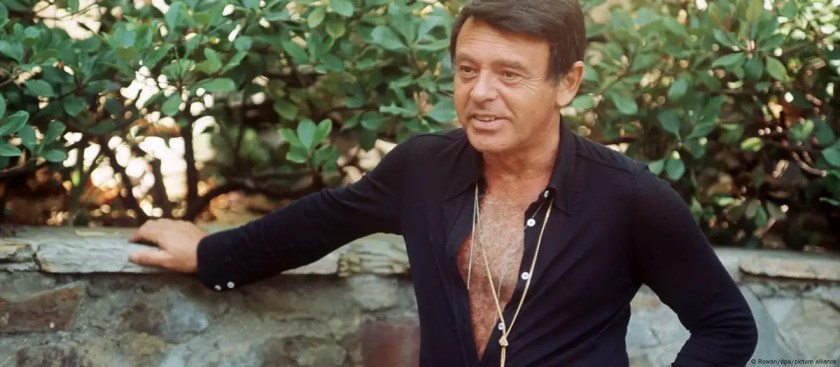
Barry Manilow was ‘insulted’ by public reaction when he came out as gay at 73 in 2017

Barry Manilow (born 17 June 1943) was finally ready to take a chance when he officially came out in 2017.

After decades of keeping his sexuality private, the music legend, then 73, opened up about being gay in a People magazine cover story.

But Manilow was surprised at the reaction to his revelation – or lack thereof.

“I thought it was gonna be a big deal,” said Barry Manilow of coming out in People magazine in 2017. People cover page

“It’s a great relationship,” said Manilow of his partnership with husband Garry Kief, who he married in 2014. WireImage

“You know, it was a non-event,” the Brooklyn-born singer, 82 tomorrow, said. “I was kind of insulted. I thought it was gonna be a big deal. Oh my God, it was nothing,” he continued. “Nobody said anything about it.”

However, Manilow chalks it up to his fans not really being surprised.

“At that point, they all knew immediately,” he said. “They liked my music, they liked me. And they were happy that I had somebody to come home to.”

That somebody is Garry Kief, Manilow’s husband and manager. In the 2017 People magazine story, the “Can’t Smile Without You” crooner revealed that the couple secretly got married in 2014 after being together since 1978.

“We’d been together for so long and then, you know, we were able to get married, and it was no big deal,” he said.

Getty Images

But Manilow admits that sharing this love story would’ve been a much bigger deal when he was topping the charts with hits such as “Mandy,” “I Write the Songs” and “Looks Like We Made It” in the ’70s.

“You couldn’t come out back then. I didn’t want to. I didn’t care about it,” he said. “All my friends knew. And I think as the years went on, all of my fans knew. But you just didn’t talk about stuff like that back then.”

But Manilow is happy that things have changed for today’s generation of pop stars to come out.
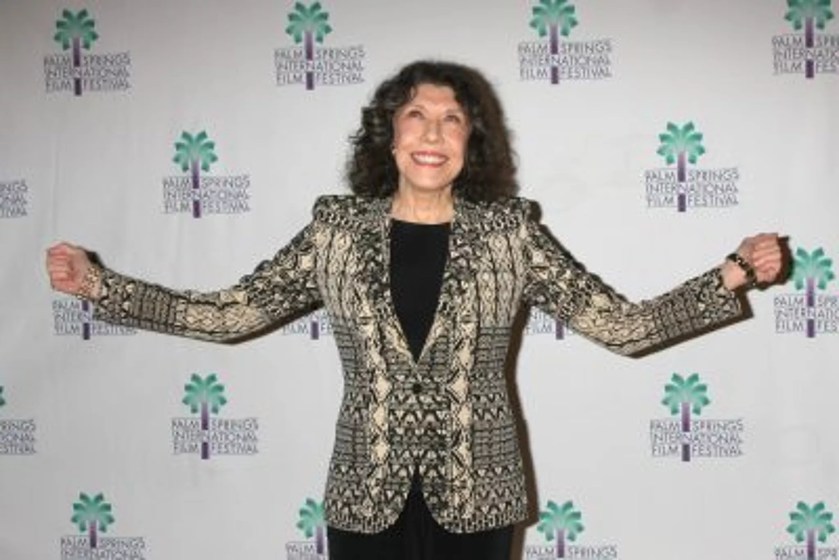
“Well, you can do that now,” he said. “When I started off, you couldn’t. It would ruin your career. You couldn’t even say the word ‘gay.’ ”
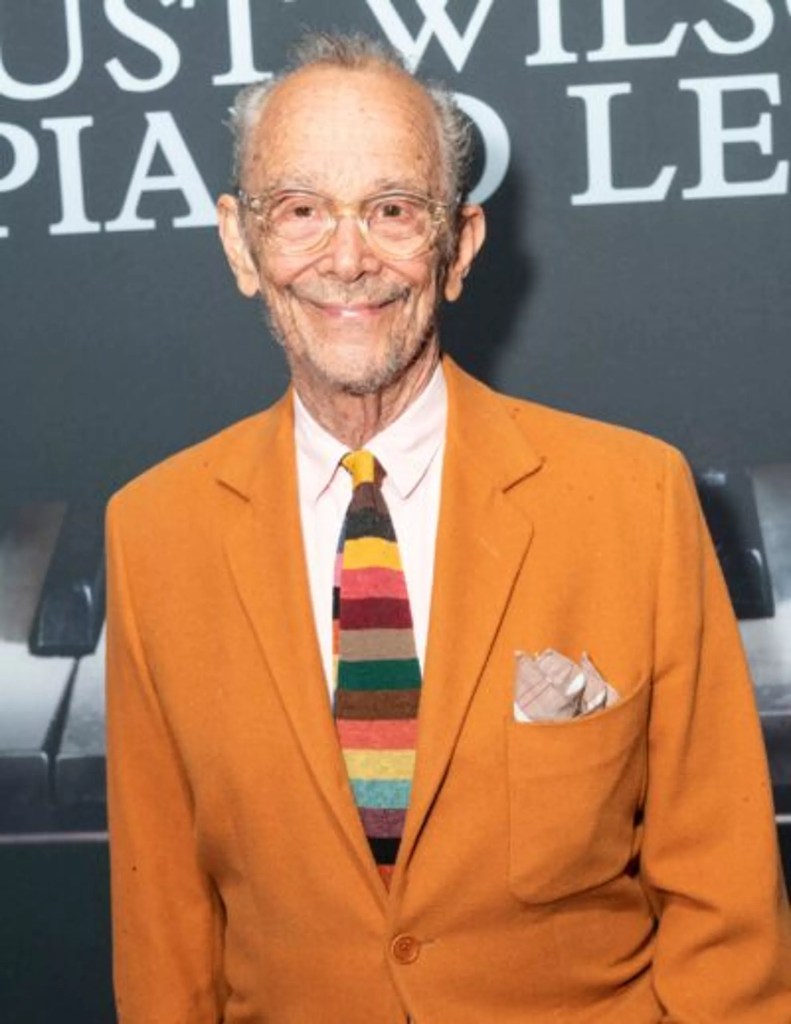
“When I started off, you couldn’t [come out],” said Manilow. “It would ruin your career.” Getty Images

It makes it all the more impressive that Manilow and his husband have been together for 47 years.

“You know, Garry’s got his own career, and I’ve got my own career, and we respect each other. It’s a great relationship.”

That kind of longevity extends to Manilow’s six-decade career. After getting his start doing jingles and accompanying artists such as Bette Midler on piano, he made his self-titled debut in 1973.

Getty Images

And, although Manilow is launching a farewell arena tour, he’ll still perform at his Radio City and Las Vegas residencies.

200-year-old condom ‘in mint condition’ says museum

The sheath is dated to about 1830, the museum says

An almost 200-year-old condom – in “mint condition” – has just gone on display at an exhibition at the Rijksmuseum in Amsterdam.

It is thought to be made of a sheep’s appendix and features an explicit print representing a nun and three clergymen.

The rare artefact dates back to 1830 and was purchased by the museum at an auction last year. The condom is part of an exhibition on 19th Century prostitution and sexuality. Prints, drawings and photographs also form part of the display.

Rijksmuseum curator Joyce Zelen confirmed that after obtaining the item, they inspected it with UV light and ascertained that it had not been used.

Since it was put on display the museum has been packed with people – young and old – and the “response has been amazing”, she added.

Ms Zelen explained the condom is believed to have been a “luxury souvenir” from a fancy brothel in France, and that only two such objects are known to have survived to the present day.

The museum said the unusual item “embodies both the lighter and darker sides of sexual health, in an era when the quest for sensual pleasure was fraught with fears of unwanted pregnancy and sexually transmitted diseases – especially syphilis”.

The explicit print on this specific object shows the nun sitting in front of the three men with her dress up and her legs apart pointing her finger at the clergymen, all of whom are standing in front of her holding up their habits.

The condom also bears the inscription “Voilà mon choix”, meaning “There is my choice”.

It will be on display until the end of November.

AIDS Quilt on Display

Brave and beautiful people are being remembered as part of the UK Aids Memorial Quilt, a patchwork creation of 42 quilts and 23 textile panels representing 384 people who lost their lives to HIV/AIDS in the UK, made by the people who loved them.

The huge quilt will be on display in the Tate Modern’s Turbine Hall in London between 12 and 16 June. Although different parts of it have been on display before, the showing at the Tate will be the largest public display of the quilt in its entirety since it was created in 1994.

All Are Welcome Here

Gay News … Bury LGBTQI Literary Festival (Queer Fest) … Robina Asti … Birthdays

News

Gay News

Gay News was a fortnightly newspaper founded in June 1972 in a collaboration between former members of the Gay Liberation Front and members of the Campaign for Homosexual Equality. At the newspaper’s height, circulation was 18,000 to 19,000 copies.

Amongst Gay News’s early “Special Friends” were Graham Chapman of Monty Python’s Flying Circus, his partner David Sherlock, and Antony Grey, secretary of the UK Homosexual Law Reform Society from 1962 to 1970.

Sex between men had been partially decriminalised for males over the age of 21 in England and Wales with the passage of the Sexual Offences Act 1967. After the Stonewall Riots in New York in 1969, the Gay Liberation Front spread from the United States to London in 1970. Gay News was the response to a nationwide demand by lesbians and gay men for news of the burgeoning liberation movement.

The paper played a pivotal role in the struggle for gay rights in the 1970s in the UK. Although essentially a newspaper, reporting alike on discrimination and political and social advances, it also campaigned for further law reform, including parity with the heterosexual age of consent of sixteen, against the hostility of the church which treated homosexuality as a sin, and the medical profession which treated homosexuality as a pathology. It campaigned for equal rights in employment (notably in the controversial area of the teaching profession) and the trades union movement at a time when left politics in the United Kingdom was still historically influenced by its roots in its hostility to homosexuality. But it also excavated the lesbian and cultural history of past decades as well as presenting new developments in the arts.

Gay News challenged the authorities from the outset by publishing personal contact ads, in defiance of the law; in early editions this section was always headlined “Love knoweth no laws.”

In the first year of publication, editor Denis Lemon was charged and fined for obstruction, for taking photographs of police behaviour outside the popular leather bar in Earls Court, the Coleherne pub.

In September 1973 Gay News, in conjunction with the Gay Liberation Front, recognised that they were receiving a large volume of information calls to their offices. Accordingly, they put out a call for a switchboard to be organised. Six months later, on 4 March 1974, the London Gay Switchboard (now Switchboard – LGBT+ Helpline) was formed. Gay News alongside Switchboard and the Health Education Council went on to hold the first open conference on HIV/AIDS in Britain on 21 May 1983. At this conference Mel Rosen, of Gay Men’s Health Crisis, New York, declared “I hope you get very scared today because there is a locomotive coming down the tracks and it’s leaving the United States.”

In 1974, Gay News was charged with obscenity, having published an issue with a cover photograph of two men kissing. It won the court case.

The newspaper was featured in the 1975 film Tommy.

In 1976 Mary Whitehouse brought a private prosecution of blasphemy (Whitehouse v Lemon) against both the newspaper and its editor, Denis Lemon, over the publication of James Kirkup’s poem The Love that Dares to Speak its Name in the issue dated 3 June 1976. Lemon was found guilty when the case came to court in July 1977 and sentenced to a suspended nine-month prison sentence and personally fined £1,000.

When all totalled up, fines and court costs awarded against Lemon and Gay News amounted to nearly £10,000. After a campaign and several appeals the suspended prison sentence was dropped, but the conviction remained in force. The case drew enormous media coverage at the time. In 2002 BBC Radio 4 broadcast a play about the trial.

Gay News Ltd ceased trading on 15 April 1983.

Queer Fest

Join us on 21 June, for Queer Fest, a full day of celebrations of LGBTQI+ literary, arts and culture. There will be stalls from a variety of artists and writers, as well as drop-in badge making with Sarah-Joy Ford. On the day of Queer Fest we also are pleased to announce the opening of a brand new exhibition, “I’ve had enough of secrets” by Steven Appleby.

Please see above for more information about the event, including scheduled Q&As with Steven Appleby and Malcolm Garrett as well as Matt Cain with David Catterall; spoken word performances; Polari Bible Readings with Jez Dolan; figure drawing with the Sisters of Perpetual Indulgence.

Admission is free. Some events will be bookable.

With Love, Mr Gay (by Josh Val Martin)

Saturday 21 June – 7.30pm

The Box @ The Met, Market Street, Bury BL9 0BW

“Dear Mr. Gay, if you move my bin again, I will get an ex-mercenary to destroy you … from flat 2.”

This (real) letter was blue-tacked to my flat’s front door, and thus sparked a neighbourhood feud over both my sexuality, and the placement of the blue bins.

Determined to find peace, and not let the conflict consume me, I sought advice and interviewed experts: a dog trainer, a historian, a Middle East peace negotiator and, of course, my Auntie Clare.

With Love, Mr Gay is my true story, featuring cabaret, comedy, interviews and showtunes, as I’m accompanied by the personification of a laughing Buddha statue from B&M, who acts as my unlikely spiritual guide.

Join us on our heartfelt and hilarious mission to find fabulous ways of ending deeply personal battles – even when the idea of peace seems impossible.

Funded by the Bury LGBTQI+ Forum and Bury Pride as part of the of Bury LGBTQI Literary Festival.

Book tickets here – £12 / £10 concessions

Robina Asti

Robina Asti

Born in Manhattan on 7 April 1921 and raised in Greenwich Village, Robina Asti was a trans woman, WWII veteran and aviation pioneer.

She spent much of her adult life residing at 1175 York Avenue on Manhattan’s Upper East Side. Though she transitioned in the 1970s and lived publicly as a woman for over 40 years, she only became more widely known when she was in her 90s, after she successfully challenged discriminatory federal policy.

In 2012, following the death of her husband, artist Norwood Patten, Asti applied for Social Security survivor benefits. Despite holding legal documents identifying her as female, including her pilot’s license, the Social Security Administration (SSA) denied her claim, citing her gender at birth as a problem.

Represented by Lambda Legal, Asti appealed and won, prompting the SSA to revise its policies for transgender spouses nationwide. Her case became a landmark moment for transgender rights and was documented in the short film Flying Solo: A Transgender Widow Fights Discrimination.

Asti was also a decorated WWII Navy pilot and lieutenant commander, who flew reconnaissance missions over the Pacific and who later worked as a test pilot.

After the war, she became a successful mutual fund executive before transitioning in the mid-1970s, a decision that cost her high-powered finance career but allowed her to embrace her identity more fully. She then took a job as a makeup artist at Bloomingdale’s and later became chair of the Hudson Valley chapter of the Ninety-Nines, an international organisation of female pilots.

In 2019, Asti co-founded the Cloud Dancers Foundation, which advocates for elderly trans individuals. In July 2020, Asti was recognised by Guinness World Records as the oldest active pilot & flight instructor at age 99.

She passed away in 2021 in California, shortly before her 100th birthday. Through her many accomplishments later in life, however, Asti helped shift public policy and broaden recognition of transgender people – especially elders – within both LGBTQ+ communities and US legal frameworks.

Birthdays

Q. You know what winds up bigots more than a photo of a Pride-themed train?

A. A photo of a Pride-themed train passing a stretch of water so you actually see two Pride-themed trains.