Cabaret with Queer Family Tea … Documentary “Cured” … Can we trust Liz Trust on conversion therapy?

News

Queer Family Tea

Manchester grassroots organisation Queer Family Tea (QFT) held their relaunch event on 28 October. QFT provides a sober space for LGBTQIA+ individuals in Greater Manchester.
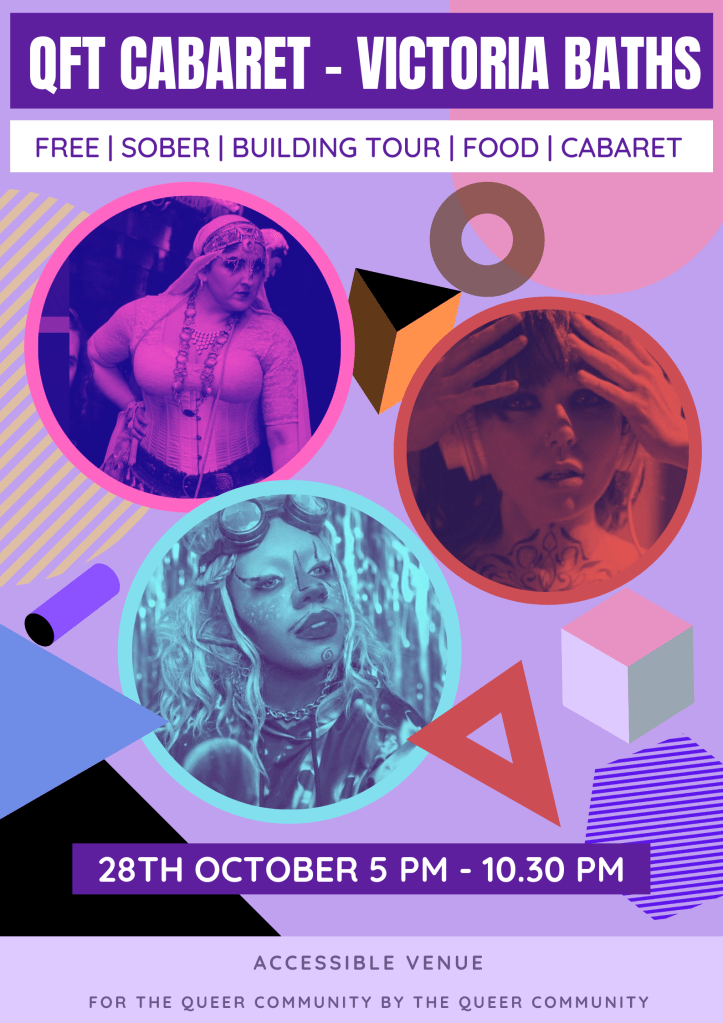
The relaunch event, a cabaret night featuring multiple local entertainers, was hosted at the historic Victoria Baths.

Victoria Baths is a Grade II listed building, in the Chorlton-on-Medlock area of Manchester. The Baths opened to the public in 1906 and cost £59,144 to build. Manchester City Council closed the baths in 1993 and the building was left empty. A multimillion-pound restoration project began in 2007.

In the design and construction of the Baths, a great deal of money was expended, Manchester having at that time one of the world’s wealthiest municipal coffers. The façade has multi-coloured brickwork and terracotta decoration. The main interior public spaces are clad in glazed tiles from floor to ceiling and most of the many windows have decorative stained glass.

The event started with a homemade meal in the café and was followed by a tour of the building. At 7.30pm, the cabaret began in the old swimming pool at the Baths, and we heard the SHE Choir, spoken word, drag kings and queens, dance, and comedy.

More photos can be seen here.

Documentary “Cured” shows how homosexuality was removed as a mental disorder

In 1973, the American Psychiatric Association made the landmark decision to remove homosexuality from its manual of mental disorders. It had classified same-sex attraction as a “sociopathic personality disturbance” in its first edition, which was published in 1952.

In the documentary “Cured”, filmmakers Patrick Sammon and Bennett Singer give an inside look at the movement to remove the classification and the pioneering activists who took on the American Psychiatric Association, a formidable institution, and won.

“To be considered a sociopath is quite an intense burden to be branded with,” Singer says.

The activists’ mission was not only to overturn the official diagnosis, but also create a meaningful dialogue with the rank-and-file members of the association that would challenge deep-rooted prejudices and transform minds.
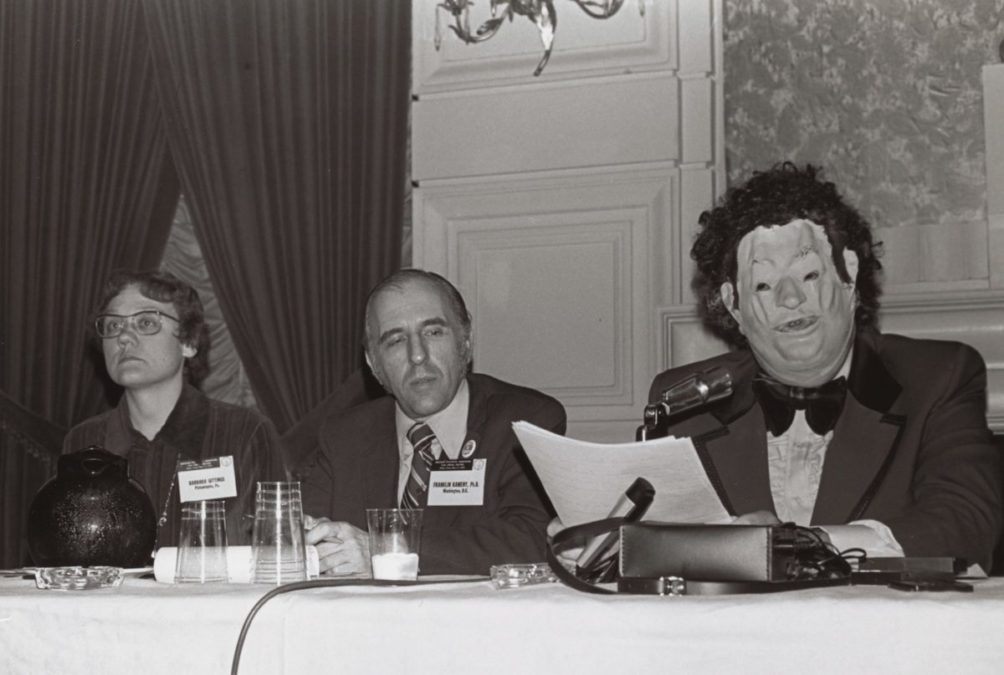
Disguised as “Dr. Henry Anonymous” in an oversized tuxedo and distorted Richard Nixon mask, Dr. John Fryer sent shock waves through the American Psychiatric Association’s 1972 convention by describing his life as a closeted gay psychiatrist. Activists Barbara Gittings, far left, and Frank Kameny, also were on the panel to talk about being gay. Photo: Kay Tobin via Manuscripts & Archives Division, The New York Public Library.

Cured” made its broadcast debut on 11 October 2021 – National Coming Out Day – in the United States.

Up until 1973, the psychiatric establishment said homosexuality was a condition that needed to be cured. In addition to intensive talk therapy, LGBT+ people received painful and brutal treatments including electroconvulsive therapy, aversion therapy, and in extreme cases, castration and lobotomies.

Fearing these “cures” and widespread stigma, many gay men and lesbians were afraid to be their authentic selves.

Adding insult to injury, the American Psychiatric Association’s “scientific” diagnosis was often used to justify discrimination and persecution against gay men and lesbians.

The documentary “Cured” also provides vital historical context for the ongoing debate about conversion therapy, a harmful practice that aims to cure gender identity or sexual orientation through psychological or faith-based interventions, sometimes called “Pray the Gay Away.”

Although conversion therapy has been discredited by the American Psychiatric Association and other major medical organisations, it is still legal for minors in 30 states.

In an interview with Q Voice News, Singer, who co-produced and co-directed “Cured,” talks about the gay and lesbian trailblazers showcased in the film and their quest to have homosexuality declassified as a mental disorder.

Here are some excerpts:

Movement to have homosexuality removed as a mental disorder

“I had a general sense that something had changed in 1973 and that there was a turning point, but I didn’t know what had happened, what it meant or how it had happened,” Singer says. “Patrick, my co-director and co-producer, had the idea that this was a story that hadn’t been told.

It’s a pivotal moment in the modern LGBTQ movement. This story deserved a closer look to really understand what happened and why it mattered,” he says. “The clock was ticking because so many of the participants and activists at the heart of the story were at an advanced age. Of the 15 people we interviewed, five of our storytellers have died.

It really underscores in a big way that essential history is easily lost if it is not documented.”

Impact of removing the mental disorder label

“Once the label had been removed, it opened the doors to a whole range of other civil rights progress in legislation,” Singer says. “The federal government began rethinking its prejudice policies toward gay people. “There is a direct line up to the repeal of Don’t Ask Don’t Tell and the legalisation of same sex marriage. There was a rethinking of gay people as healthy, productive citizens who deserved rights and dignity.”

Conversion therapy – can we trust Liz Truss?

The Tory government has repeatedly pledged to outlaw the traumatising practice, which has been discredited by every major psychiatric body.

In May 2021, Queen Elizabeth II promised a conversion therapy ban would be brought forward during her speech at the State Opening of Parliament.

Immediately afterwards, the Government Equalities Office said legislation would be advanced following a public consultation process which would “ensure that the ban can address the practice while protecting the medical profession; defending freedom of speech; and upholding religious freedom.”
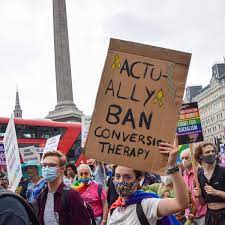
The public consultation was supposed to be launched in September, but was pushed back.

The delay is just the latest setback in the long fight to ban conversion therapy in the UK. Theresa May’s government first promised to outlaw the practice in 2018 – but more than three years on, conversion therapy remains legal in all regions of the UK.

In the years that have elapsed since that initial promise, Tory ministers have repeatedly promised that legislation will be advanced – but they have also repeatedly kicked the can down the road.

A six-week public consultation has now opened on 29 October over how best to end conversion therapy, which is described by health bodies as an attempt to change or suppress someone’s sexual orientation or gender identity.

This generally entails trying to stop or suppress someone from being gay, or from living as a different gender to their sex recorded at birth.

After the consultation the Minister for Women and Equalities, Liz Truss, will decide on whether the plans should be amended. A bill will be drawn up by next spring, with the aim of putting it on to the statute book by May 2022.
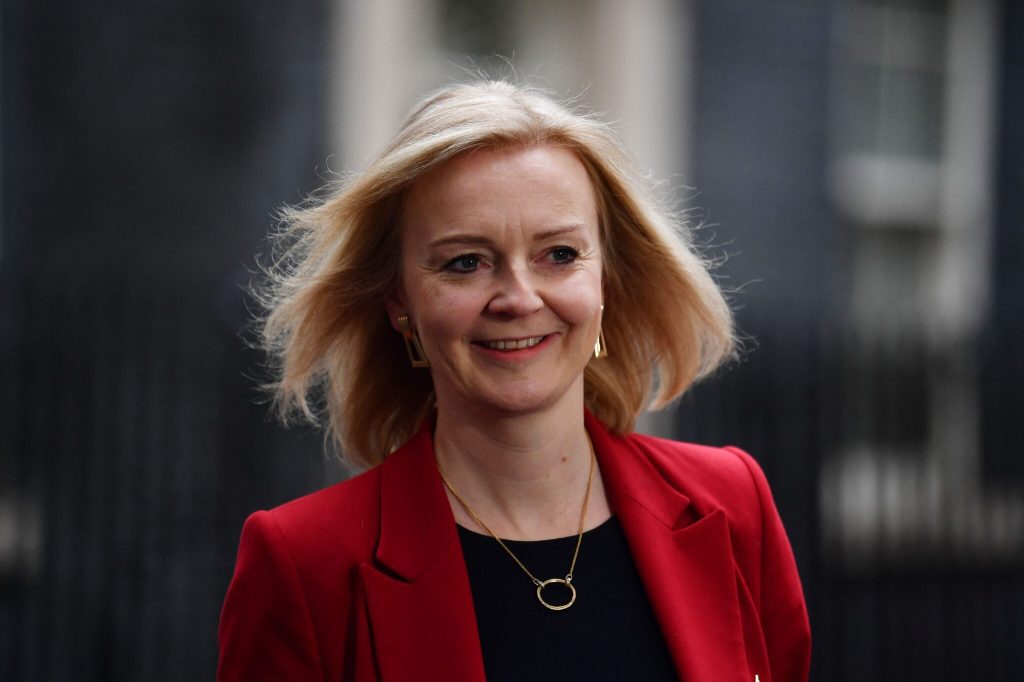
Liz Truss leaves Downing Street after attending a cabinet meeting in central London on 27 October 2021.
(Photo by Ben STANSALL / AFP)

A 2017 survey estimated 5% of LGBT people have been offered conversion therapy, and 2% have experienced it.

A ban was first mooted in the same year, and the new proposals include stronger legislation for England and Wales, including creating a new criminal offence.

Liz Truss said: “There should be no place for the abhorrent practice of coercive conversion therapy in our society.”

The consultation also contains a range of other suggested measures including:

  • Conversion therapy protection orders;
  • Restricting promotion of conversion therapy, including online;
  • Removing profit streams from perpetrators; and
  • Making it easier to disqualify a perpetrator from holding a senior role in a charity.

If you want to submit your views regarding the proposals, please click here.
“Look into their eyes” new portrait exhibition … How and when to intervene if you witness a homophobic attack

News

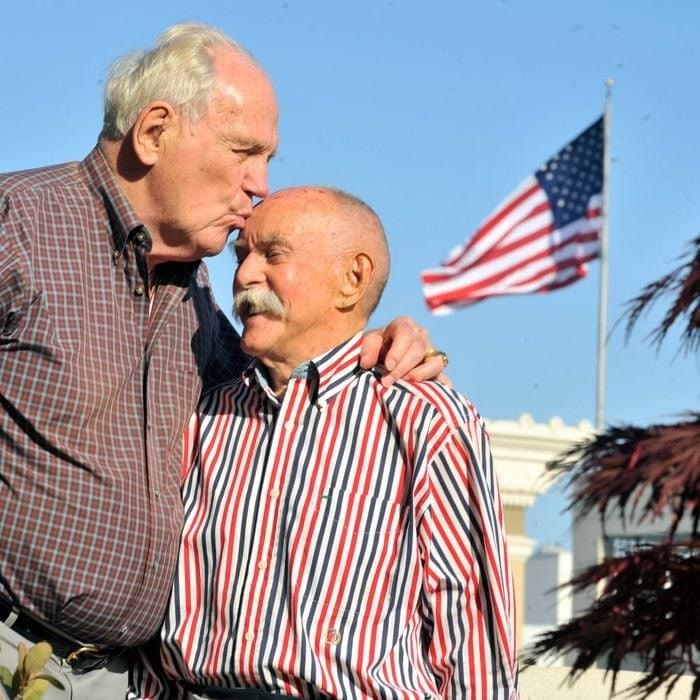
“Look into their eyes”: new portrait exhibit presents real people behind the letters LGBT+

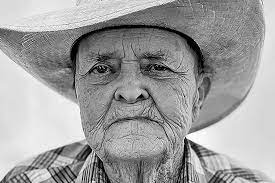
Jude, as photographed by Carey Candrian, an associate professor at the University of Colorado School of Medicine in the Division of General Internal Medicine, as part of the Eye To Eye project.

Around 1979, Dr Nancey Johnson Bookstein was outed by a fellow faculty member on the quad of the University of Colorado School of Medicine. The woman asked her “Well, how’s it like to be gay?” 

“We weren’t alone, and I hadn’t told her. And I was mortified. And I was actually afraid of losing my job,” Johnson Bookstein said at the opening reception of Eye to Eye: Portraits of Pride, Strength, Beauty at the same school where she went on to work as an associate professor of physical therapy for 38 years. 

She and others spoke of the many ways they and others in the LGBT+ community were stigmatised and ostracised. They were separated from their partners at the emergency room in the middle of a crisis, asked humiliating questions and often had to hide their identities to keep their jobs and reputations. 

Carey Candrian, an associate professor at the School of Medicine, is the mind behind the portrait series. She studies how communication shapes — and is shaped by — perception, attitudes and biases in the LGBT+ community. She’s interviewed dozens of older adults from the community about their experiences with palliative care, hospital visits and living in assisted living or skilled nursing facilities. 

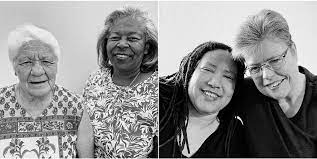
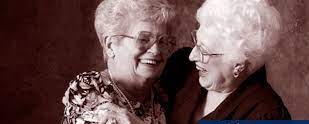
MaryLou and Agnes, left, and Kim and Tamara, as photographed by Carey Candrian, as part of the Eye To Eye project.

One goal of her research is to improve the care at facilities and educate staff on how to create an inclusive environment for LGBT+ residents. Once, when she was presenting some of her work at an assisted living facility, she was asked questions from the crowd that shocked her. 

“One of the first comments was someone asked me: Will there be less gay people now that we’re eating more organic? So we have less hormones,” she said at the opening reception. “And another comment was, you know, if we allow LGBT residents to come in, will they all have HIV?” 

There was a lot to unpack in each question, but what occurred to her was how little the people asking knew about LGBT+ people. She guessed that they probably didn’t know anyone, or didn’t think they knew someone, who was LGBT+. 

It’s one thing to publish academic articles, speak at conferences for medical professionals or to lecture students, Candrian explained, and it’s another to use art to convey the humanity of the people behind the research. 

Candrian decided to photograph 27 of the older LGBT+ women she’s interviewed over the last five years and then display those photos with quotes describing some of their thoughts and experiences. 

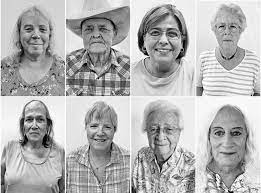
Melissa, Jude, Esther, Pamela, Julia, Shirley, Martha, and Traci, clockwise from top left, as photographed by Carey Candrian, as part of the Eye To Eye project.

“They’ve been whispered about, shouted at, insulted, rejected, isolated. But here they are, strong and brave. Look into their eyes,” the exhibit’s description reads.

Johnson Bookstein is photographed alongside her wife, Joan, with the quote: “Our life wish is that there would be retirement communities for us (LGBT people). We don’t want to die with a bag over our heads.” 

Many seniors go back in the closet when they enter assisted living facilities. During the Q&A portion of the opening event, people in the crowd brought up similar concerns. Estelle, who was photographed for the event, said she hasn’t told anyone she’s gay at the facility she lives at. She shrugged about it and said she has lots of girlfriends who visit, but she also has kids and grandkids. Other residents and staff haven’t thought to ask about it. 

The black and white portraits are up close and personal. They’re at eye level and show a careful attention to detail. Some are smiling, others look serious or contemplative. 

“I sure have a lot of wrinkles,” laughed Jude Gassaway who wore a cowboy hat and leather vest to the opening reception. “She was careful to get that kind of topography.” 

Gassaway is “the block lesbian over on Harlem Street in Edgewater”, as she describes herself. She’s 81-years-old and came out when she was 40. Under her photograph reads: “I denied myself for 40 years. The next 40 years I became who I am and now I have a life to live.” 

For Agnes Callwood, who wore black leather boots with eagles and has purple hair, the portrait series presented her an opportunity to come out to the people she works with. She wasn’t in the closet, per se, she said, she just didn’t explicitly tell anyone. She’s been a nurse for more than 20 years. 

“There’s a thing about being forthright and a thing about being passive — and so I’ve been passive. Maybe I don’t need to be passive. Maybe there are other people out there that are passive that want to be forthright,” Callwood said. “Somebody needs to lead the way, maybe that might be me.”

“I think that the LGBT community, like most marginalised communities they’re always talked about from a deficit. So you hear all of these horrific statistics and it’s easy to lose the person,” Candrian said. “I do think when you see someone and hear their story, it does make you think differently and doesn’t make it as easy to look away. And that was one of the things I hope people would do with this exhibit is have it stay with them.”

More portraits can be viewed here.

How and when to intervene if you witness a homophobic attack

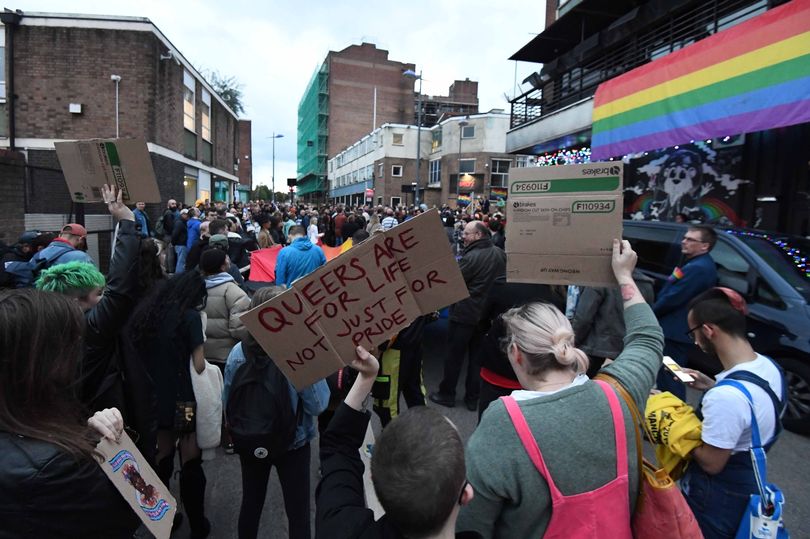
People attend a solidarity protest against homophobia being held outside the Nightingale Club in Birmingham. (Image: Darren Quinton / Birmingham Live)

What should you do if you witness a homophobic or transphobic attack?

Here’s five things you can do to help:

Report the incident

The most important thing you can do in the moment is to report the attack to the police immediately.

You can contact the police directly or use an online reporting facility such as True Vision.

It’s important to report all incidents to the police no matter how trivial the offence, as the more evidence they get, the need for additional policing and resources in that area becomes clearer and it justifies them freeing up resources.

Most hate crimes are verbal abuse and threats.

Don’t confront the attacker

It is important, when you witness a hate crime, to keep yourself safe too. It is vital to help the victims, rather than confronting the attacker.

Make sure you are safe, don’t risk your own safety because it can really be counterproductive

Ask others around you for help

Bystanders have “a lot of power” when they witness a homophobic attack. It is unreasonable to believe the police will be able to do everything – we can’t have police outside every pub and nightclub.

Victims are perceived – and judged – differently because of their characteristics. LGBT+ people as victims of crimes receive less empathy than other victims, are less likely to get help from bystanders, and the homophobic or transphobic motivation of a crime is less often seen as an aggravating circumstance deserving a top-up in penalty.

Transgender people seem to be the most disadvantaged – not just in terms of empathy, but also in support for gender identity being treated as a protected characteristic in hate crime laws.

Film for evidence – not social media

There has been some recent push back to the idea of people filming crime scenes and emergencies. It is wrong to post the suffering of others online, but filming a crime scene can be a very important tool in gathering evidence to help the police in their investigation.

Be an active ally

Perhaps the most important thing you can do in the aftermath of an attack is to be an active ally and call out homophobia or transphobia when you come across it. People are not just one characteristic, we are not just LGBT+ or black or religious, we are a number of different things. Hate crime attacks the society as a whole by attacking individuals.

Crossing in Salford

Queer Family Tea … One of the world’s first pro-gay films restored

News

Queer Family Tea

Manchester grassroots organisation Queer Family Tea announces relaunch event. 

On 28 October, Queer Family Tea (QFT), a volunteer-led organisation that provides a sober space for LGBTQIA+ individuals in Greater Manchester, will be hosting an event to celebrate the relaunch of the organisation’s in-person engagements.

QFT meets once a week to engage in diverse and engaging programming like cooking classes, as well as hosting regular cabaret events with guest performers and entertainers. All members of the LGBTQIA+ community and their allies are welcomed and encouraged to attend. 

The relaunch event, a cabaret night, will feature multiple local entertainers, including comedians and poets. The event will be hosted at the historic Victoria Baths and will kick off at 5.00pm with a tour of the building and a homemade meal in the cafe. At 7.30pm, the cabaret will begin in the old swimming pool at the Baths, and guests can expect music, spoken word, drag kings and queens, dance, and comedy. The event will be a sober space and guests are asked to respect that. 

QFT’s founder, Karl Olsen, said: “We are so excited to be back in-person again for our events. The Manchester community deserves a safe, sober space for queer individuals of all kinds to gather and interact. After a difficult year apart, we are so grateful to be able to gather with each other again and celebrate the Manchester LGBTQIA+ community that is so special.” 

Accessibility and inclusivity are vital to the organisation’s mission as well. The venue is accessible via wheelchair ramp and will include accessible restrooms as well. QFT will be resuming its weekly events and programming following the relaunch, with pay-as-you-can meals weekly, beginning at 7.00pm every Thursday, and often featuring free programming, such as arts, performance, and much more.

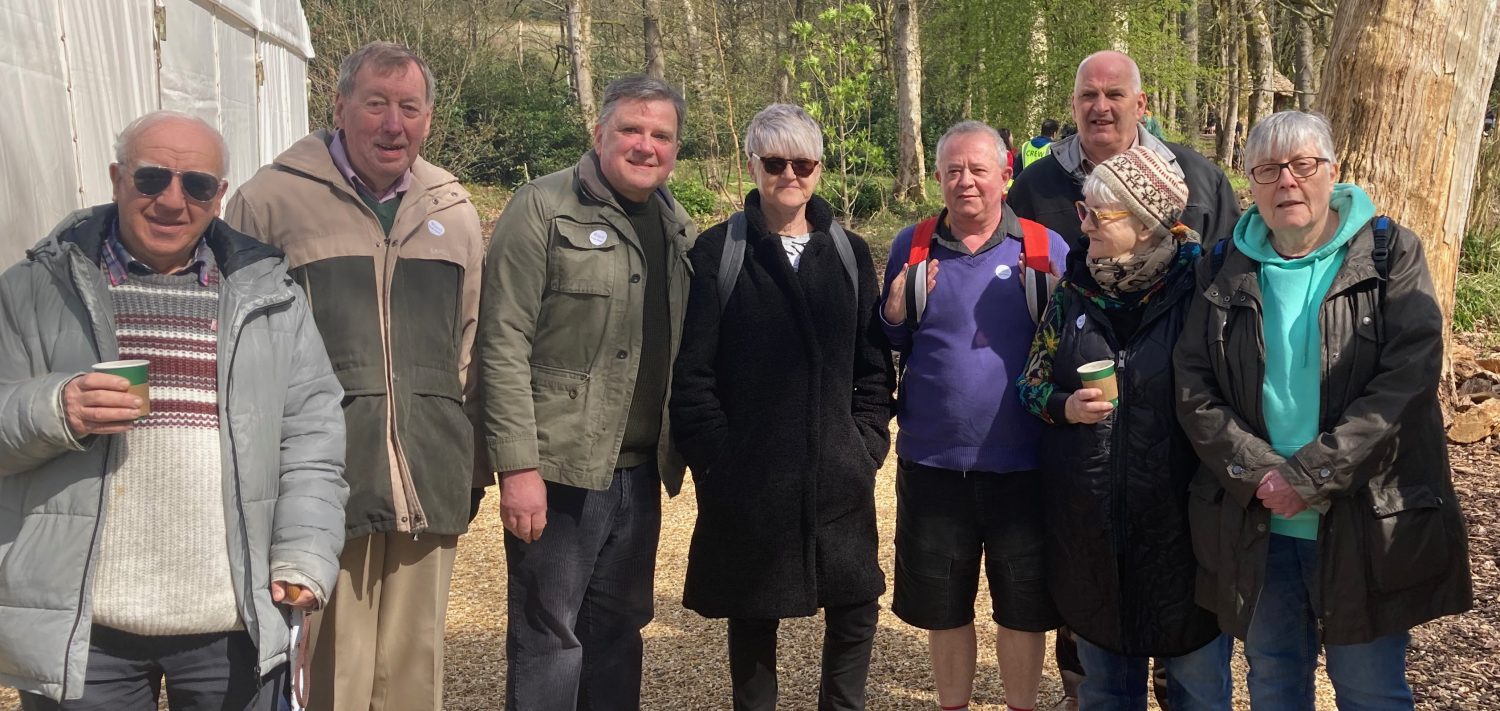
Out In The City members will be attending. If you would like to join us, please contact us here.

Lost during Nazi rule in Germany, one of the world’s first pro-gay films has finally been restored for modern viewers

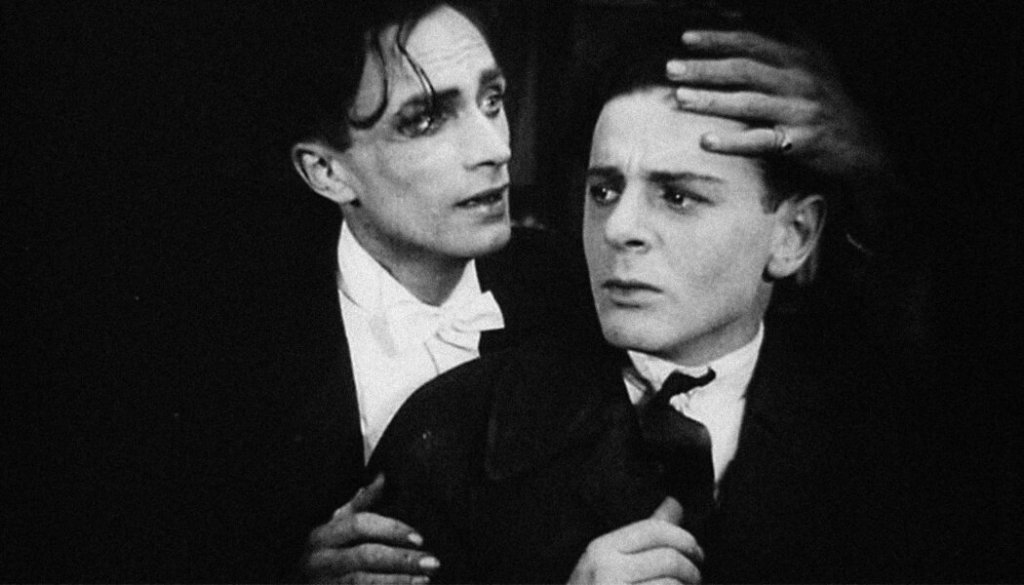
A still from Magnus Hirschfeld’s “Laws of Love.”

In the early days of cinema, a German sexologist made one of the world’s first pro-gay films. Lost to history after the Nazis rose to power, Gesetze der Liebe (Laws of Love) has been found, restored and released to the acclaim it deserves – nearly a century after it was made.

Gesetze der Liebe was released in 1927 by the renowned German scientist and sexologist Magnus Hirschfeld. Although the film was never shown in its entirety in Hirschfeld’s hometown of Berlin at the time of its initial release, the film received a belated premiere in the German capital this summer to an audience of about 50 people after the city permitted open-air cinemas. The film, painstakingly restored to Hirschfeld’s original vision by the Munich Film Museum, is scheduled for eventual release on DVD this year.

Hirschfeld was an important scientist and activist who was a pioneer in the field of sexual science. In 1897, Hirschfeld founded the Scientific-Humanitarian Committee (SHC), which deployed scientific theories of human sexuality to advocate for the recognition of LGBT+ people, and campaigned against their legal persecution. By some definitions, the SHC was the world’s first LGBT+ rights organisation. 

A couple of decades later, in 1919, Hirschfeld created his Berlin-based Institute of Sexual Science (ISS), which soon became known around the world for its groundbreaking research on gender and sexuality; its medical team performed some of the world’s first gender-affirming surgeries. Hirschfeld’s influence came to an abrupt end as Adolf Hitler rose to power in Germany. In 1933, students in support of the Nazis set fire to the institute as part of a “celebration” of Hitler’s hundredth day as chancellor—a rally that destroyed, among many other “un-German” books, the archives of thousands of case studies and photographs documenting LGBT+ lives. Hirschfeld, who was not only homosexual but Jewish, moved to France that year. He died of a heart attack two years later in 1935, as Hitler’s Third Reich became increasingly authoritarian. Amidst all this, Gesetze der Liebe went missing.

One of the few images from the Institute of Sexual Science (ISS) that was not destroyed.

Running 100 minutes, Gesetze der Liebe is structured as a series of lectures from Hirschfeld explaining sex and the reproductive system in the natural world. It’s considered to be an example of the “enlightenment film” trend that was popular throughout Weimar-era Germany. These enlightenment films aimed to educate audiences about topics such as drug and alcohol use, sex work, abortion, sexually transmitted infections and, in the case of Gesetze der Liebe, sexuality.

For Hirschfeld, the film was also an opportunity to draw attention to anti-gay laws in Germany at the time. In particular, he targeted Paragraph 175, a statute prohibiting sex between men (women were not mentioned) that was introduced in 1871 and was used to convict around 140,000 men until it was repealed in 1994. In its long history, the statute was at times poorly enforced and at times strictly enforced. The Nazis took a particular interest in it when they came to power in 1933. In 1935, after the institute had been destroyed and Hirschfeld had left the country, the Ministry of Justice amended the statute to make it even more strict, so that even words and gestures between men that could be construed as sexual were against the law; the Nazis also increased penalties for violating Paragraph 175.

In his day, Hirschfeld was “very aware” of the way film could be used to inform audiences and influence public opinion.

Gesetze der Liebe is divided into five chapters, of which the first three appear to be fairly innocuous explanations of mating behaviours in different plant, insect and animal species—explanations that might not look out of place in a school biology lecture. In the first chapter, “Searching for and Finding the Sexes,” viewers witness the courtship patterns of various frogs, crickets, birds, fish and snakes, including the day-long copulations of European adders. The second chapter, “To the Light of the World,” follows the creation of life from fertilisation to birth, demonstrating the diverse ways reproduction takes place, from bees and other insects fertilising flowers to eggs laid underwater by fish and amphibians to the more familiar mammalian reproduction in animals such as the common house cat. The third chapter, “Mother’s Love,” tells viewers about the maternal instinct of different species, such as birds tending to their nests and the watchful eye of a kangaroo looking after her joey, before arriving at the role of a mother’s love in humans. 

Many of the scenes in these chapters were captured by Hirschfeld and his colleagues at the ISS. This footage provides viewers with an extremely intimate and scientific view into these diverse expressions of sexuality in nature. The chapters are interspersed with scenes of Hirschfeld himself as he lectures about the content of the film, frequently drawing attention to the fact that non-heteronormative behaviour is common throughout the natural world.

The final two sections discuss Hirschfeld’s more controversial theories of sexuality. In the penultimate section, he details his theory of “intermediate sexes,” meaning that not only are there men and women, but also men who have “female traits” and women who have “male traits.” One example he employs from the “animal world” is the hermaphroditic slug, which has both male and female reproductive organs. 

This view is not quite the spectrum of sexuality we think of today, but rather was looking at what the body, rather than a person’s identity, suggests about gender identity and sexual orientation.

Hirschfeld’s view, though out of date now, was advanced for the time. This is a similar line of thinking that, for example, led the American Psychiatric Association to list homosexuality as a disorder in the Diagnostic and Statistical Manual of Mental Disorders (DSM), leading to harmful attempts to “cure” homosexuality; the definition was removed from the DSM in 1973.

The fifth and final section of Gesetze der Liebe is dedicated to homosexuality, and is actually an abridged and restructured version of a feature-length film Hirschfeld had co-written with Richard Oswald (who was also its director and producer) about eight years earlier. Anders als die Andern (Different from the Others), released in 1919, is considered to be the first pro-gay film in the world.

Likely running between 60 and 80 minutes when it was originally released, Anders als die Andern is a drama about a concert violinist who falls in love with his male student. Soon, their budding romance is disrupted by the prejudices of family members and a male sex worker who blackmails the musician. The central message of the film is the ways that Paragraph 175—and the stigma and prejudice it bred about homosexuality—destroyed the lives of gay and bisexual men in Germany at the time.

Authorities immediately censored the parts of Gesetze der Liebe on “sexual intermediacy” and homosexuality. However, Hirschfeld continued to try to get around the laws. The prohibition against “homosexual propaganda” only applied to moving images, so Hirschfeld hosted viewings of the first three uncensored chapters of the film, followed by a lecture with slides of stills from the more controversial final two chapters. Hirschfeld’s new part film / part lecture presentation was a huge success. The sexologist repeated these presentations weekly in a major Berlin cinema that seated a couple of thousand people, and even travelled beyond the capital to present the film in Hamburg. 

After Nazi supporters committed arson against Hirschfeld’s institute in 1933, it was believed that both the feature-length version of Anders als die Andern and the entirety of Gesetze der Liebe had been lost forever. However, the abridged and restructured version of Hirschfeld and Oswald’s 1919 drama was preserved in a Russian archive and resurfaced decades after the war.

The first four reels of Gesetze der Liebe were discovered in the German Federal Archive. Now, about a century after this saga began, both films will finally be released for a general audience. The Munich Film Museum will release both Gesetze der Liebe (Laws of Love) and Anders als die Andern (Different From The Others), along with Geschlecht in Fesseln (Sex in Chains), a film from 1928 that also addresses themes of homosexuality, on DVD.

About a century after the release of these films, similar arguments about “homosexual propaganda” are being used to suppress the expression and organising of LGBT+ people in several European countries. In the past few years, dozens of towns in Poland have declared themselves “LGBT-free zones” with support of the federal government, and this summer, Hungary’s parliament passed a law banning LGBT+ content in schools. Approximately 100 years later, the same argumentation is now guiding the Hungarian parliament, like in Germany in 1921. It’s a repetition of the past.

News From Around The World … London’s Black History

News

News From Around The World

Here are some recent stories from Ghana, Uganda, Botswana, China, Japan, Spain and Holland:

Ghana Church Leaders Intensify Pressure on Parliament to Pass Anti-Gay Bill

BBC (Pidgin English version) – Dis move dey follow from recent calls by some academics and lawyers who start dey criticize de anti-LGBTQ Bill. Pentecost, Anglican Church state dema position. House of Bishops of de Anglican Church inside statement dem release say “aside Christianity, de Ghanaian tradition and culture no dey allow such act.” Apart from de Anglican Church, Christian groups like de Pentecost Church of Ghana also register dema displeasure over de recent calls for rejection of anti-gay bill. 

Uganda Recognises Its First Transgender Citizen, Cleopatra Kambugu

Cleopatra Kambugu

Star Observer – Cleopatra Kambugu, a Ugandan activist who advocates for sexual and gender minorities, has made history as the first transgender person in Uganda to have their new gender recognised by the government. Kambugu has received her new passport and government-issued photo ID card, which identifies her as female. The process of getting official ID recognising her as female was a “difficult” and “intrusive” process, and is a milestone for the African nation, where the LGBT+ community is heavily maligned and marginalised. “Everything my country does is surprising.”

Botswana Appeals Ruling Allowing Gay Sex, Court Delays Judgement

Reuters – Botswanan judges postponed ruling on a case in which the government is seeking to overturn a 2019 ruling that decriminalised gay sex, saying the matter needed more research and debate. The case was initially brought by a university student, Letsweletse Motshidiemang, whose representatives argued then that the government should do away with the law in light of a changed society where homosexuality was more widely accepted. Gay sex has been punishable by up to seven years in prison. Representing the state, Sydney Pilane told the Court of Appeal there was no evidence that people’s attitudes had changed.

China’s LGBT Community Caught Up In Xi Jinping’s Widening Crackdowns on Big Tech, Education and Celebrities 

South China Morning Post – On 13 August, the organisers of Shanghai’s long-running LGBT pride festival abruptly announced the event was being cancelled indefinitely without explanation. The news came as a shock to many as the event had run successfully, albeit quietly, for eleven years. In a brief statement on its website titled “the end of the rainbow” the organisation said: “ShanghaiPRIDE regrets to announce that we are cancelling all upcoming activities and taking a break from scheduling any future events. We love our community, and we are grateful for the experiences we’ve shared together.” 

Trans Man Fights Japan’s Sterilisation Requirement

Human Rights Watch – A Japanese transgender man, Gen Suzuki, 46, has filed a court request to have his legal gender recognised as male without undergoing sterilisation surgery as prescribed by national law. His case highlights the urgent need for Japan to revise its outdated and harmful transgender legislation. In Japan, transgender people who want to legally change their gender must appeal to a family court. Under the “Gender Identity Disorder Special Cases Act,” applicants must undergo a psychiatric evaluation and be surgically sterilised. They also must be single and without children younger than 20. 

Outrage After Gay Woman Diagnosed at Spanish Hospital With ‘Homosexuality’ 

Yucatan Times – A family and an LGBT+ collective in south-east Spain are demanding answers and an apology after a 19-year-old lesbian woman who visited a gynaecologist over a menstrual condition was diagnosed with “homosexuality”. On Monday the woman went to an appointment at the Reina Sofía hospital in the city of Murcia. After being examined she was given a piece of paper that included the line: “Current illness: homosexual.”

Dutch Crown Princess Could Marry Woman and Be Queen 

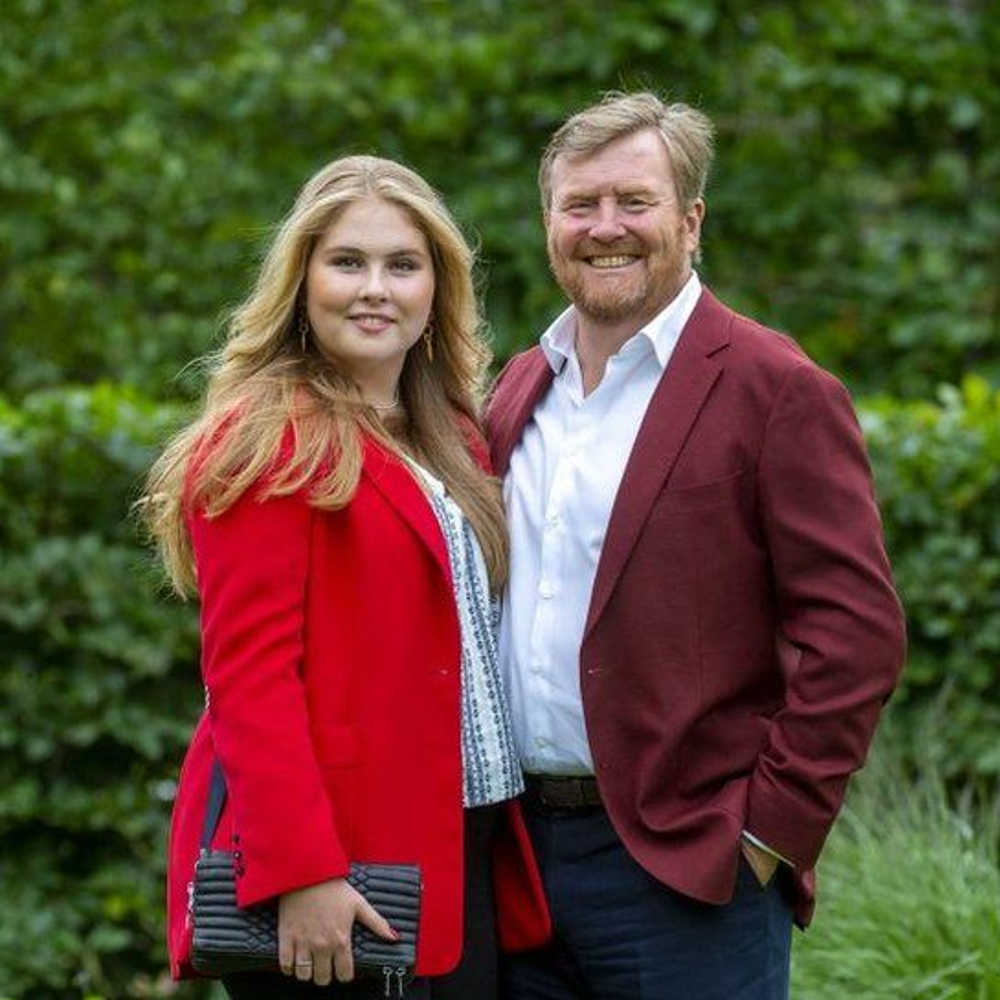
Dutch Princess

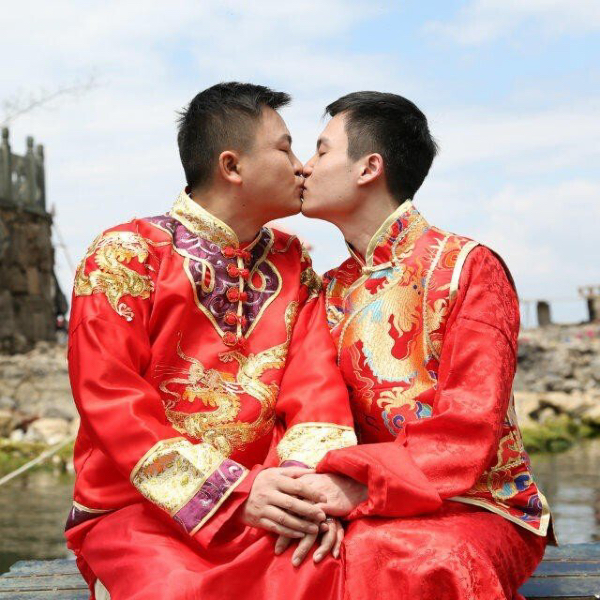
BBC – Caretaker Prime Minister, Mark Rutte, has made clear any king or queen could also marry a person of the same sex. The heir to the Dutch throne, Princess Amalia, turns 18 in December. Mr Rutte said it was all about “theoretical situations” but the next queen could marry a woman. “Therefore the cabinet does not see that an heir to the throne or the king should abdicate if he or she would like to marry a partner of the same sex,” he explained in a response to a written question in parliament from his own party.

London’s Black History and Black History Month event online

The book “Black London: History, Art & Culture in over 120 places” highlights the plaques and art that celebrate a neglected side of the capital’s culture.

A mural entitled ‘Hip-hop raised me’ in Dalston, east London. Photograph: Andy Hall / The Observer

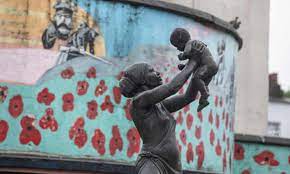
She’s 10ft tall, barefoot, with a simple wrap dress stretching across her breasts and belly. She holds aloft an infant, gazing into its eyes. This is Bronze Woman, a statue on a busy traffic junction in Stockwell, south London. Unveiled in 2008, it was then the first public statue of a black mother and child on permanent display in England.

“I used to pass by but never knew what it was for many years. One day I found myself in front of it and I was truly blown away,” said Avril Nanton, who runs walking tours of London’s black history.

“I can see this woman being a member of my family. She represents Caribbean women’s contribution to British society. The baby will grow up as British, and it too will make its contribution to UK society. This is the link that has continued for black mothers for many generations.”

Bronze Woman is one of more than 120 monuments, plaques, murals, statues and artworks in a new pocket-size guidebook, Black London, compiled by Nanton and her co-author Jody Burton.

The oldest entry is Cleopatra’s Needle, an obelisk carved in Egypt more than 3,500 years ago and shipped to London in 1878 to be placed on the Embankment. Among the newest is the giant Black Lives Matter mural in Woolwich, south-east London, created last year in the aftermath of the murder of George Floyd by a Minneapolis police officer.

Some relate to famous people and well-known events: a mural of Michelle Obama in Brixton; a plaque to footballer Rio Ferdinand in Peckham; a Windrush memorial in Tottenham; the statue of Nelson Mandela in Parliament Square.

But many highlight less well-known figures and events in black history. Khadambi Asalache was a civil servant and poet who came from Kenya to London in 1960. Over almost two decades, he transformed the interior of a modest terraced house in Wandsworth into a work of art, with intricate hand-carved fretwork, wall paintings and a collection of unusual objects. It is now a National Trust property.

Bronze Woman in Stockwell, London, depicting a woman of African descent, was erected in 2008. Photograph: Andy Hall / The Observer

In Hornsey, north London, there is a plaque to Emma Clarke, a female footballer described in a 19th-century newspaper as “the fleet footed dark girl on the right wing”. In 1897, Clarke played in a team called “The New Woman and Ten of Her Lady Friends” against a male team known as “The Eleven Gentlemen”. The women won 3-1.

A plaque at Euston station commemorates Asquith Xavier, who arrived in the UK as part of the postwar Windrush generation to work as a station porter. In 1966, he applied to be a train guard at Euston but was told in a rejection letter that the station did not employ “coloured” men. He successfully challenged the policy, taking his case to Barbara Castle, then Labour’s transport minister. More than half a century later, Network Rail paid tribute to the “first black worker employed as a train guard” in the UK.

A 16th-century artwork, the Westminster Tournament Roll, depicts John Blanke, a “blacke trumpeter” at the courts of Henry VII and Henry VIII. The roll was commissioned by Henry VIII to commemorate a two-day tournament to celebrate the birth of his short-lived son with Catherine of Aragon. The work – the earliest identifiable representation of a black person in British history – is held at the College of Arms and is too fragile to be viewed, but a plaque to Blanke at the Old Royal Naval College in Greenwich was unveiled in 2017.

Many of the sites in the book featured in walking tours conducted by Nanton, who came to London from Dominica in 1965. She also teaches black history courses with the historian and author Robin Walker. Since Floyd’s murder, she has been inundated with non-black people wanting to attend her online walks, talks and courses, “eager to learn”.

The interest sparked by the Black Lives Matter movement was an opportunity to educate the public about the long history of black people in the UK, and help them discover and celebrate individuals and stories missing from mainstream guides and history books.

Co-author Burton, who worked in adult education before switching to a career in libraries, said the aim of the guide was to stir interest, start conversations and make black history easily accessible. She hoped it would appeal to parents looking for activities they could do with children.

The book contains maps, photographs and a timeline of black history, which went through a painful edit to bring it down from about 75 pages to 11. It also includes a potted history of the HMT Empire Windrush, from its early incarnation as a German cruise ship to its sinking while sailing from Hong Kong to Britain in 1954.

One of Burton’s favourite sites – “although it’s like trying to choose a favourite child” – is the battle of Lewisham mural in south London, which commemorates a community anti-racist protest against a National Front march in the area in August 1977 that resulted in clashes. “My mother attended the counter-demonstration at Ladywell Fields – and unknown to her, two of my older sisters also joined the protesters,” she said. “It was the first time the NF was prevented from reaching their destination. I took part in one of the community art workshops that helped create the mural. It’s really personal to me.”

The Cavern Club … An Evening with Armistead Maupin … Astronaut Sally Ride

News

The Cavern Club

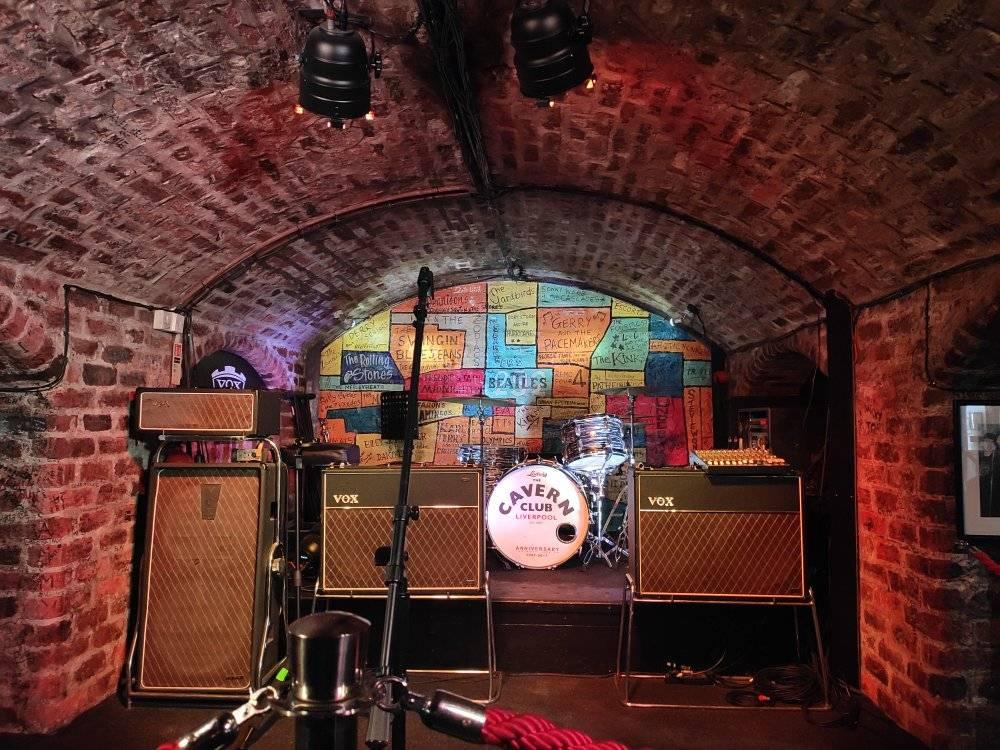
Out In The City headed to Liverpool to visit The Cavern Club – a nightclub on Mathew Street.

The club opened in 1957 as a jazz club, later becoming a centre of the rock and roll scene in Liverpool in the early 1960s. The club became closely associated with Merseybeat and regularly played host to the Beatles in their early years.

The Cavern Club closed and opened on a new site in 1973 and was filled in during construction work on the Merseyrail underground rail loop. It reopened in 1984 and now sits at a 90 degree angle to the original and covers 70% of the original Cavern footprint. The stage is not far from the original location, and the ‘Live Lounge’ is an exact replica of the original, using as many of the old bricks as possible.

From 1961 to 1963 the Beatles made 292 appearances at the club, with their last occurring on 3 August 1963.

A wide variety of popular acts appeared at the club, including The Rolling Stones, The Yardbirds, The Hollies, The Kinks, Elton John, Black Sabbath, Queen, The Who, Adele and John Lee Hooker. Before she became famous Cilla Black worked in the cloakroom.

The Cavern is also used as a tour warm-up venue with semi-secret gigs announced at the last moment. The Arctic Monkeys did this in October 2005, Jake Bugg in November 2013, as well as Travis and Oasis.

There’s a great atmosphere and we enjoyed our visit. We walked around the Albert Dock before making our way back to Manchester.

See more photos here.

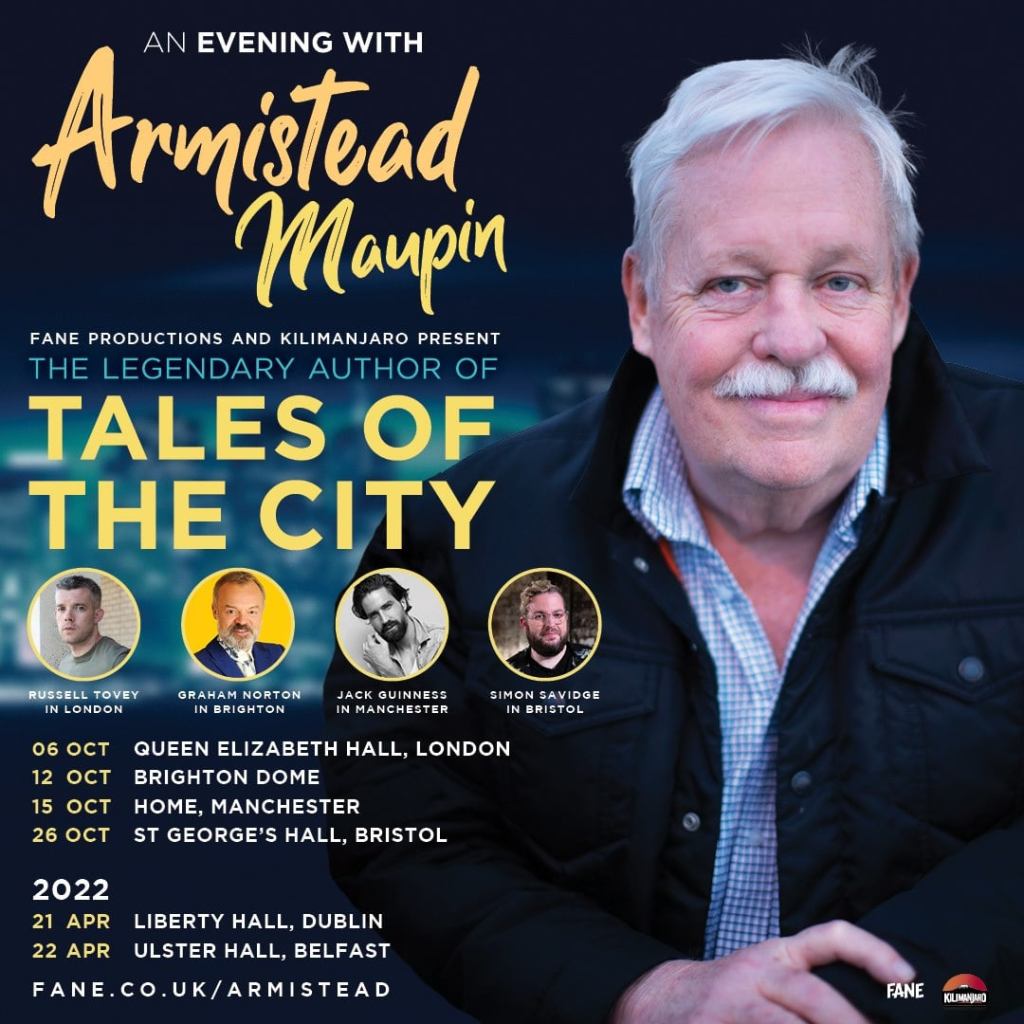
An Evening with Armistead Maupin

Following a successful UK tour in 2019, bestselling, much-loved author and LGBT activist, Armistead Maupin, is back on the road.

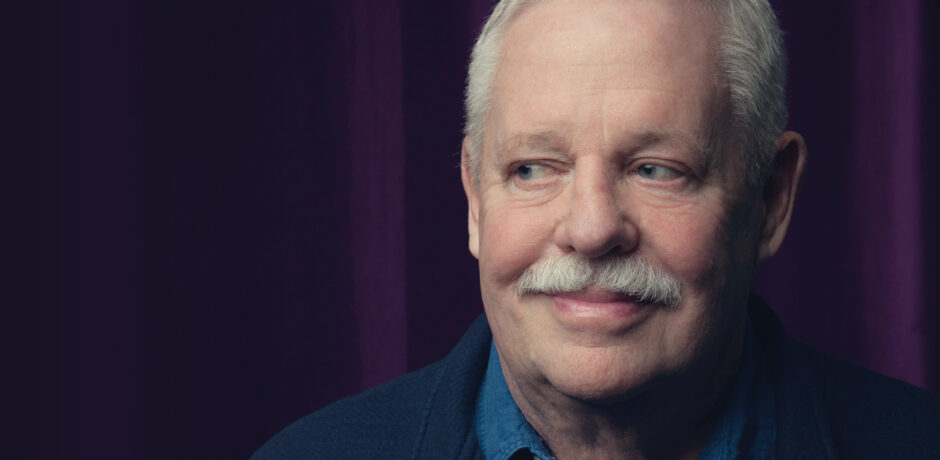
We saw him in Manchester at HOME interviewed by Jack Guinness, founder and director of The Queer Bible, a website and now published essay collection, which celebrates the works and lives of the global queer community.

Maupin has been blazing a trail through US popular culture since the 1970’s, when his iconic and ground-breaking series Tales of the City was first published as a column in the San Francisco Chronicle. The novel series has been taking the literary world by storm ever since, and was adapted into a critically acclaimed series, starring Laura Linney, Olympia Dukakis and Elliot Page.

America’s ultimate storyteller recounted his favourite tales from the past four decades, offering his own engaging observations on society and the world we inhabit.

In the Q&A someone asked about the difference in the LGBT+ community now and back in the day. Maupin replied: “There is no community – just a large number of individuals. In our day we didn’t have apps. We had to walk twenty miles in the snow just to suck a cock!”

I recently went to see “Notes on Notes on Camp” in Bury starring Jez Dolan and “Double Ender” in Chorlton starring Jez Dolan. Both were excellent by the way. At this “Evening with Armistead Maupin“, I was sat literally in the next seat to Jez Dolan and his husband. Bloody hell! I’m sure that man is stalking me!

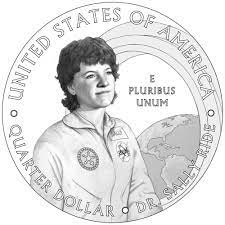
Astronaut Sally Ride will be the first LGBT+ person on the US quarter

Astronaut Sally Ride will become the first LGBT+ person to appear in US currency, as part of the new American Women Quarters Programme.

According to the United States Mint, the first five limited edition coins from the American Women Quarters Programme will be released next year.

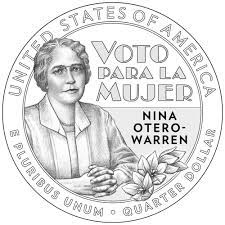
The coins honour Ride, as well as Maya Angelou, Asian-American actress Anna May Wong, Cherokee Nation leader Wilma Mankiller, and suffragette Nina Otero-Warren.

Ride, an engineer, physicist, and astronaut, was the first American woman to travel to space.

She married NASA astronaut Steve Hawley in 1982, but they divorced five years later, and later entered into a 27-year relationship with science writer and emeritus professor of school psychology at San Diego State University, Tam O’Shaughnessy.

Sally Ride in her American Women Quarters Programme coin (US Mint)

Although Ride spoke openly about her sexuality with those around her, she did not become widely known until after her death in 2012. The year after her death, Barack Obama awarded Ride a posthumous Presidential Medal of Freedom.

Otero-Warren, who was born in 1881 and will also be the first Hispanic American to appear on the US currency, was also LGBT+.

The New Mexico politician was initially married to a man, but entered into a relationship with a woman named Mamie Meadors in the 1920s. They lived on the same farm, but in different houses, and were known as “The Two” or “The couple.”

Nina Otero-Warren on her American Women Quarters Program coin (US Mint)

Acting Director of the United States Mint Alison L Doone said in a statement: “These inspiring coin designs tell the stories of five extraordinary women whose contributions are indelibly etched in American culture. Generations to come will look at the coins with these designs and remember what can be achieved with vision, determination and the desire to enhance opportunities for all.”